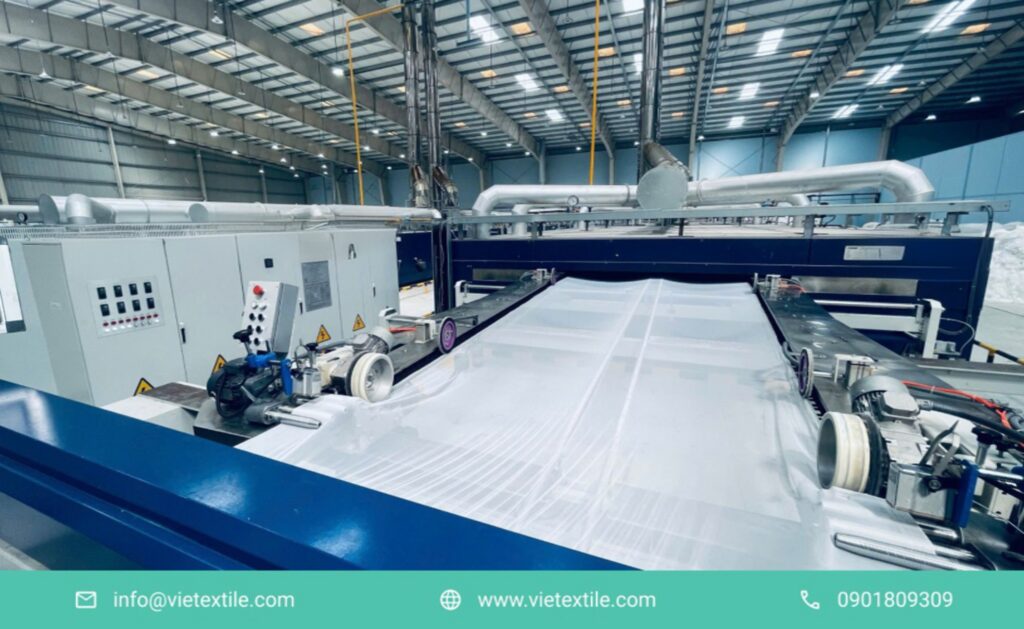
采购纺织机械部件 时,务必索取 CO (原产地证明) 和 CQ (质量证明),以验证部件的真实性和性能标准。获得 ISO 9001、RoHS 或 CE 等认证的部件往往提供更高的耐用性、一致的效率,并且对环境更安全。选择经认证的部件不仅可提高您工厂的运营可靠性,还可确保符合全球技术要求——这是面向国际市场的纺织制造商的重要优势。
CO (原产地证明): 验证部件的制造国家。
CQ (质量证明): 确认部件已通过质量控制测试。
其他认证: 寻找 ISO 9001 等质量管理认证,或 RoHS 或 CE 等安全/环保合规认证。这些都是专业、可靠制造商的指标。
Are you struggling to choose the right weaving machine components for your looms? Are you concerned about production line interruptions caused by premature part failures and rising maintenance costs? You’re not alone. The strategic selection of weaving machine components—from bearings and drive motors to sensors and needles—is one of the most critical factors in achieving stable, efficient, and profitable textile manufacturing.
A single faulty part can bring a multi-million dollar production line to a halt. As one textile factory in Southeast Asia learned, the failure of a single main shaft bearing—a seemingly small component—led to a two-day shutdown and over $3,000 USD in direct losses from downtime and missed deadlines. This illustrates a critical point: investing in quality weaving machine components is not an expense; it’s an investment in operational certainty.
This guide provides expert insights into choosing parts that last longer, perform better, and save you money in the long run.
A Manager's Guide to Weaving Machine Components: Choose Right, Run Longer 15
A weaving factory in Nam Dinh reported a financial loss of 72 million VND due to a worn-out main shaft bearing that went undetected. What seemed like a minor issue led to two full days of machine downtime, disrupting the entire production line and affecting delivery commitments. This incident highlights the critical importance of selecting qualityWeaving Machine Components and performing regular inspections. Preventive maintenance isn’t just about reducing repair costs—it’s essential for maintaining uninterrupted operations and protecting your business reputation.
1. Understanding the 3 Core Categories of Weaving Machine Components
Modern textile production cannot run efficiently without the right weaving machine components tailored to each specific loom. These parts—such as drive mechanisms, heald frames, and gear sets—act as the “mechanical heart” that ensures every meter of fabric is produced with precision, on schedule, and meets the required quality standards. Proper alignment between machine and parts minimizes defects, boosts operational speed, and enhances stability throughout the production line. Investing in compatible, high-performance parts is not just a technical necessity—it’s a strategic move toward sustainable productivity.
Not all parts are created equal. A component that works perfectly on a rapier loom might cause critical failures on an air-jet loom if it’s not to spec. Understanding the three main categories helps you make smarter purchasing and maintenance decisions for all your weaving machine components.
1.1 Mechanical Components (The Skeleton)
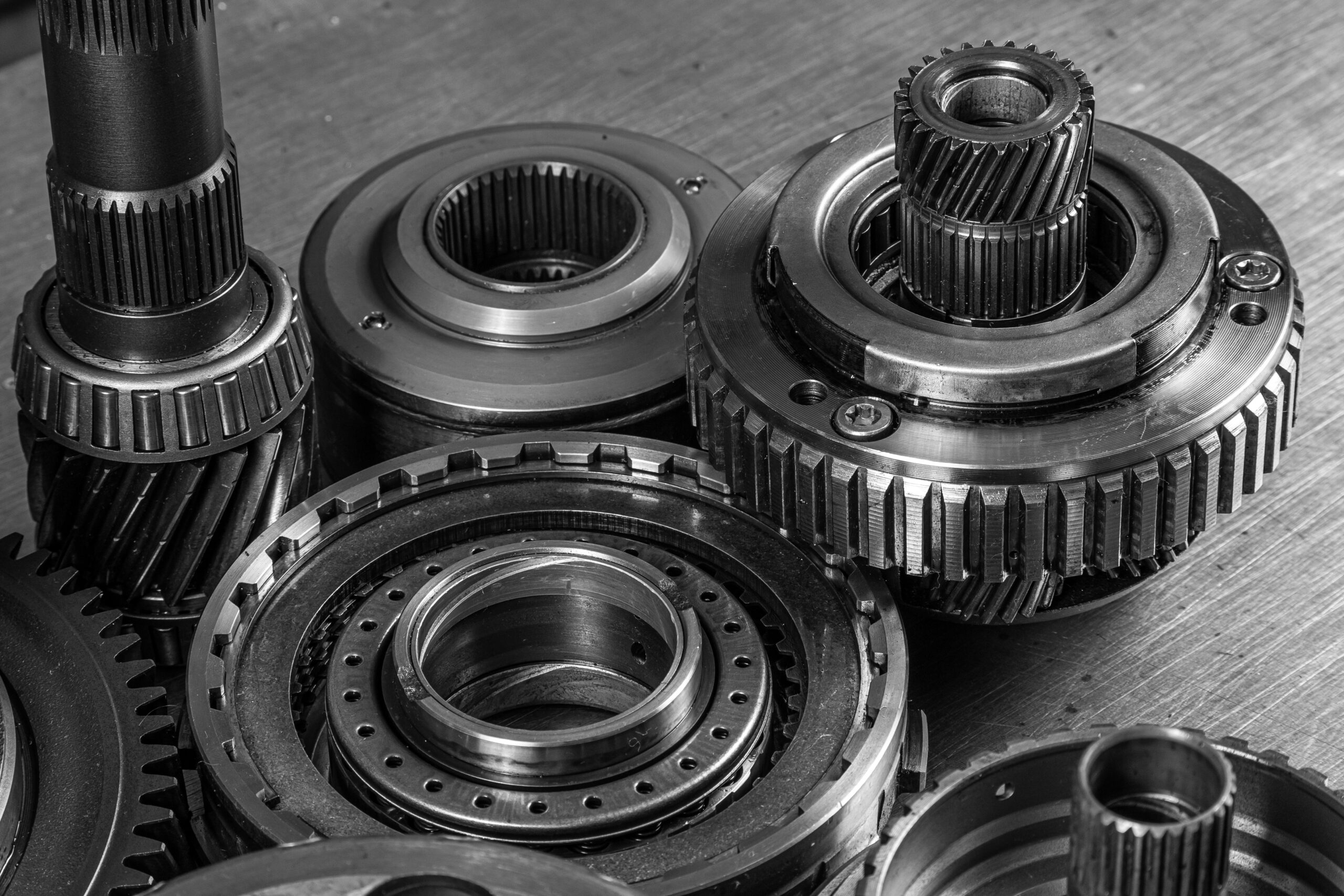
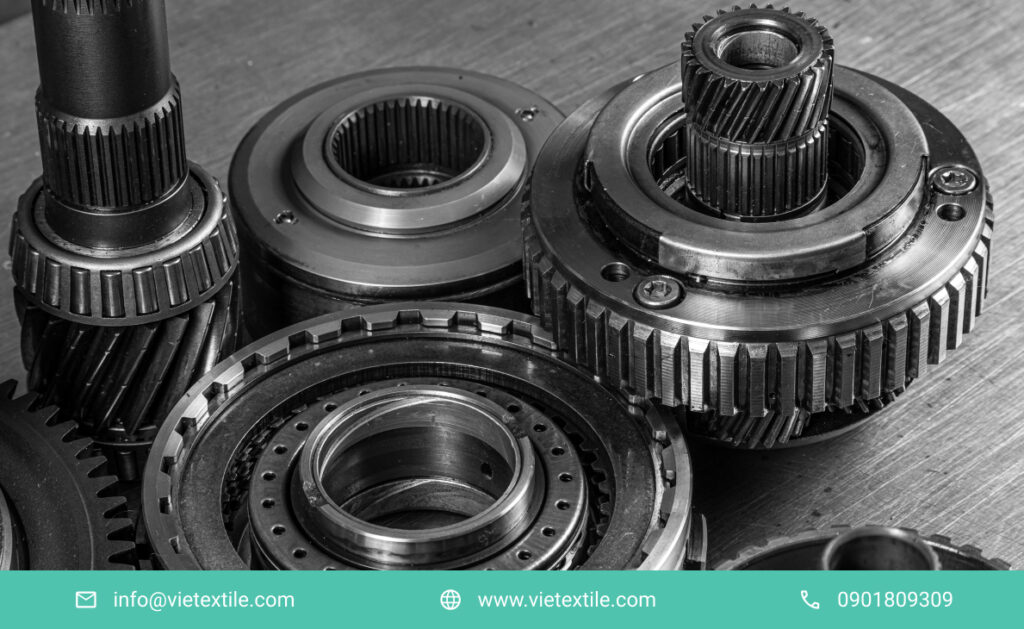
These are the foundational parts that create precise physical movement within the loom. This category includes crankshafts, bearings, gears, guide rails, and shuttle boxes. They are the workhorses of the loom, and their quality dictates the machine’s physical integrity and precision. When a gear made from inferior metal wears down, its timing becomes inconsistent, leading directly to fabric defects like uneven yarn spacing or slack threads.
1.2 Electrical & Electronic Components (The Nervous System)
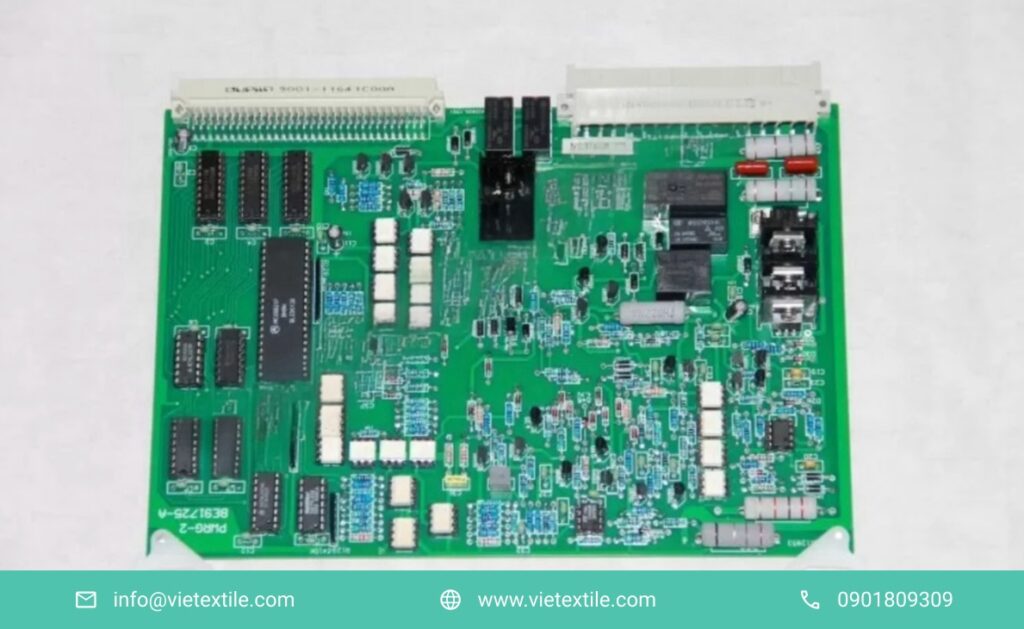
Electronic components in weaving machines—such as motors, control boards, inverters, speed sensors, yarn break detectors, and PLC systems—function as the “brain” of the operation. These parts coordinate key processes including speed control, tension adjustment, and real-time error handling. When a control board becomes outdated or degraded, the machine’s response slows down, potentially causing jerking motions, system crashes, or incorrect commands. These issues can seriously affect fabric quality and production stability. Upgrading to weaving machine components is essential for smart manufacturing, boosting efficiency, and ensuring seamless textile operations in today’s digital age.
Motors & Inverters (VFDs): Provide the power and precise speed control.
Control Boards (PCBs): The central processing unit that executes commands.
Sensors: A vast array of sensors for detecting yarn breaks, monitoring tension, and tracking speed.
PLCs (Programmable Logic Controllers): The industrial computer that automates the entire weaving sequence.
As one automation expert in the textile industry in Vietnam noted, “Modern yarn break sensors can reduce weft-related fabric defects by up to 35%. Their ability to detect a break in just 0.05 seconds and stop the loom instantly prevents a minor issue from ruining meters of fabric.” Investing in high-quality electronic weaving machine components is key to smart manufacturing.
1.3 Consumable Components (The Wear-and-Tear Parts)
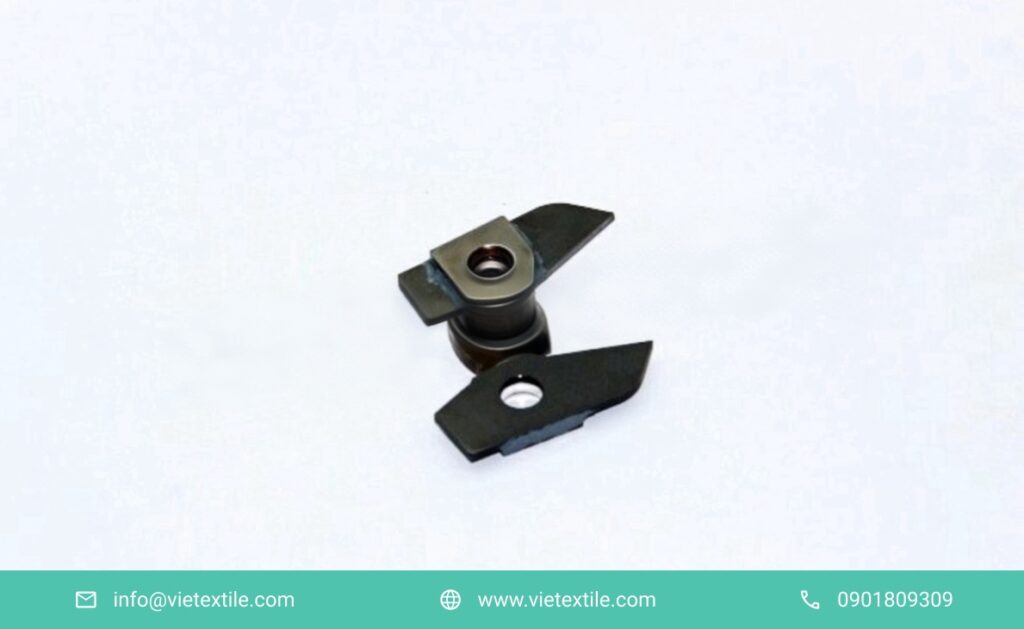
These are parts with a finite, planned service life that require regular replacement. This category includes weaving needles, cutters, heddles, droppers, and springs. The crucial mistake many managers make is choosing the cheapest option. Using low-quality consumable weaving machine components often doubles the replacement frequency and, more importantly, doubles the costly downtime required for installation.
A Manager's Guide to Weaving Machine Components: Choose Right, Run Longer 16
2. The 3-Point Checklist for Selecting Quality Weaving Machine Components
Don’t choose Weaving Machine Components just because they’re cheap—a common mistake among small and mid-sized textile factories. Low-cost components often come with hidden risks: shorter lifespan, poor performance, and a higher chance of causing machinery failure. When one faulty part stops the line, it leads to unexpected downtime, delayed orders, and reputational damage. Instead of focusing on short-term savings, invest in reliable, certified parts that ensure consistent performance and long-term stability for your production system.
In reality, the cost of frequent part replacements, unexpected machine downtime, and the impact of substandard fabric quality can far exceed the initial investment in high-quality, original weaving machine components. These losses go beyond direct expenses—they can delay deliveries, damage brand credibility, and erode customer trust. Making the right choice from the start by selecting durable, well-matched parts is a smart long-term investment that not only minimizes operational risks but also strengthens your product’s reputation in the competitive textile market.
2.1 Point 1: Material Quality and Construction
The raw material is the ultimate determinant of a Weaving Machine Components lifespan. No matter how well-designed a component is, if it’s made from substandard steel or low-grade engineering plastic, it will quickly deteriorate under the demands of high-speed textile production. That’s why choosing parts made from certified materials—offering proper hardness, corrosion resistance, heat tolerance, or abrasion resistance—is key to extending equipment life, reducing downtime, and optimizing long-term operating costs in textile manufacturing..
For Metal Parts: A high-quality weaving needle made from premium alloy steel can operate reliably for over 2 million rotations while maintaining structural integrity and precision. This is the standard choice for industrial textile mills seeking high performance with minimal interruptions. In contrast, low-cost needles—especially unbranded imports from China—often fail after just 600,000 rotations due to bending, chipping, or tip breakage, leading to weaving defects and early replacement. Investing in durable weaving needles is a smart way to protect your machinery and ensure consistent, long-term production efficiency.
For Plastic Parts: When selecting weaving machine components, it’s essential to verify key technical standards to ensure durability and safe operation. For metal parts such as needles, bushings, or shafts, anti-rust treatment and a hardness rating that meets HRC standards (typically HRC 58+) are necessary to withstand wear in high-friction environments. For components made of engineering plastics like sensor housings or yarn guides, ensure they offer heat resistance above 150°C to prevent deformation under high-speed operation. Checking these specifications helps textile mills reduce breakdowns, maintain stable performance, and extend the lifespan of critical parts..
A Manager's Guide to Weaving Machine Components: Choose Right, Run Longer 17
2.2 Point 2: Brand Reputation and OEM Compatibility
Using genuine or certified OEM (Original Equipment Manufacturer) weaving machine components from brands like Picanol, Toyota, Staubli, or Saurer guarantees perfect compatibility. Each manufacturer designs their machines as an integrated system. Using a third-party motor that doesn’t match the original’s torque specifications can cause the entire loom to run at reduced power and efficiency.
2.3 Point 3: Certifications and Quality Assurance (CO/CQ)
When sourcing weaving machine components, it’s essential to request both the CO (Certificate of Origin) and CQ (Certificate of Quality) to verify the part’s authenticity and performance standards. Components certified under ISO 9001, RoHS, or CE tend to offer greater durability, consistent efficiency, and are environmentally safer. Choosing certified parts not only enhances your factory’s operational reliability but also ensures compliance with global technical requirements—an important advantage for textile manufacturers targeting international markets.
CO (Certificate of Origin): Verifies the country where the part was manufactured.
CQ (Certificate of Quality): Confirms the part has passed quality control tests.
Other Certifications: Look for quality management certifications like ISO 9001, or safety/environmental compliance like RoHS or CE. These are indicators of a professional, reliable manufacturer.
3. The Real ROI: Benefits of Investing in High-Quality Parts
Choosing the right weaving machine parts isn’t just about “buying good products”—it’s a long-term investment strategy that impacts machine performance, durability, and overall production capacity. High-quality, well-matched components reduce wear, save energy, and prevent unexpected downtime. This proactive approach not only cuts maintenance costs but also enhances operational stability and brand reputation. Making smart purchasing decisions from the outset is the foundation for sustainable growth in today’s competitive textile industry.
Increased Productivity: A precision inverter motor can increase weaving efficiency by 12-18% over a standard motor.
Energy Savings: Modern, efficient variable frequency drives (VFDs) can reduce electricity consumption by over 20% per hour of operation.
Enhanced Safety: Control boards with dual-layer insulation and built-in overload protection reduce the risk of electrical faults and fires, protecting your entire factory.
4. A Proactive Approach to Component Maintenance & Replacement
You can’t wait until a Weaving Machine Components breaks before replacing it—whether it fails suddenly or gradually, the cost of inaction is high. In the textile industry, where production is continuous and time-sensitive, the failure of even a single part can halt the entire operation. This not only disrupts workflow but also causes delays, lost output, and damaged reputation.
Rather than waiting for breakdowns to occur, textile businesses should adopt routine maintenance and planned part replacement as a strategic approach. This proactive model significantly reduces major repair costs, prevents order delays, and safeguards overall productivity. In the age of Industry 4.0, the mindset of “prevention over correction” is more than just a technical practice—it’s a modern operational philosophy. It enables businesses to stay in control, optimize resources, and maintain a strong competitive edge in an increasingly fast-paced manufacturing environment. A proactive weaving machine maintenance schedule is essential.
4.1 Standard Maintenance Schedule
Implementing a regular maintenance schedule is vital for ensuring Weaving Machine Components operate reliably, extend component lifespan, and minimize technical failures. A well-structured maintenance plan should include:
Weekly:
Clean the yarn feeding system to remove dust and fibers that may disrupt yarn flow.
Inspect optical sensors for responsiveness to ensure accurate yarn break detection.
Monthly:
Lubricate the main shaft and high-friction areas to reduce wear and extend service life.
Check motor noise and vibration levels to detect early signs of mechanical issues.
Quarterly:
Measure and adjust belt tension to prevent slippage or breakage during operation.
Back up PLC control board data to ensure recovery in case of hardware failure.
Annually:
Replace all consumable parts (e.g., needles, cutters, springs, bushings) that have reached the end of their service life to maintain high performance and safety.
Following this schedule helps manufacturers minimize unplanned downtime, control maintenance costs, and sustain long-term production efficiency. It’s not just a technical measure—it’s a smart management strategy that ensures smooth operations, meets delivery deadlines, and strengthens a factory’s competitive edge.
4.2 Signs That Weaving Machine Components Need Replacement
Identifying early warning signs of weaving machine component wear is essential for minimizing downtime and ensuring production continuity. Common indicators include:
Unusual vibration or loud noises during machine operation, often caused by worn-out bearings, misaligned shafts, or damaged cutting knives.
Control board freezes or fails to receive sensor signals, indicating degraded circuitry or faulty internal connections.
Damaged or chipped weaving needles, resulting in fabric defects such as misaligned wefts or torn edges—clear signs the needle needs replacement.
Unresponsive or false-triggering sensors, which disrupt automation and can cause technical inconsistencies if not addressed promptly.
Recognizing these symptoms and acting quickly ensures stable performance and protects the integrity of your textile production line.
A Manager's Guide to Weaving Machine Components: Choose Right, Run Longer 18
4.3 Safe Replacement Procedure for Weaving Machine Components
To guarantee both safety and operational reliability during the crucial process of replacing weaving machine components, textile factories must meticulously adhere to a strict set of procedures. This systematic approach is paramount not only for protecting personnel but also for safeguarding the intricate machinery and maintaining consistent production quality. By rigorously following established guidelines for component replacement, from initial lockout/tagout to final testing, factories can significantly minimize risks, prevent costly downtime, and ensure their weaving machines operate at peak performance, contributing to efficient and secure garment manufacturing.
Completely disconnect all power sources before any intervention, including auxiliary control systems, to prevent electric shocks or unintended machine activation.
Follow the manufacturer’s technical diagram precisely during removal and installation. Each brand—such as Picanol, Toyota, or Tsudakoma—has its own mechanical layout, and incorrect handling may cause damage or void the warranty.
Log each replacement in a maintenance record, noting the part type, replacement date, technician, and relevant notes. This helps track component lifespan, plan future maintenance, and control operational costs effectively.
5. Conclusion: The Strategic Value of Quality Weaving Machine Components
The performance of your entire production line comes down to the quality of its smallest parts. Choosing the right weaving machine components is a strategic investment in reliability and efficiency. By prioritizing high-quality materials from reputable brands, you reduce downtime, lower your total cost of ownership, and ensure your factory can consistently produce high-quality textiles.
5.1 Your Partner for High-Performance Weaving Components
With years of experience serving the textile industry, VieTextile is a leading supplier of genuine, high-quality weaving machine components, specializing in electrical and electronic parts like motors, sensors, control boards, and inverters. All our products are sourced directly from leading brands in Japan, Germany, Italy, and South Korea, ensuring full compatibility and international quality standards.
Beyond being a supplier, VieTextile is your technical partner. We help clients assess their machinery, plan component upgrades, and implement smart, automated systems.
Contact VieTextile today for a quote on components tailored to your looms or for a consultation on optimizing your entire production line.
6. FAQ
1. Which weaving machine components need to be replaced most often? Consumable parts like weaving needles, cutters, heddles, droppers, and shuttle pickers (on shuttle looms) have the shortest lifespan and typically require replacement every 3-6 months, depending on production intensity.
2. How can I test if a loom’s motor is failing? Use an insulation resistance meter to check its electrical integrity. Also, listen for unusual humming or grinding sounds and feel for excessive heat or vibration after a long run.
3. Can a burnt control board be repaired? It depends on the extent of the damage. A minor short circuit on a power component might be repairable. However, if the damage has reached the main processor or logic chips, a full replacement is almost always necessary.
4. Are OEM parts as good as genuine branded parts? A high-quality OEM part from a reputable supplier can be excellent. However, not all OEM parts are created equal, and some may not be perfectly compatible with your specific loom model. It’s crucial to verify the supplier’s quality standards and warranty.
5. Should I use wireless sensors on my weaving machines? Wireless sensors are a great option for modern looms with compatible control systems (“smart looms”). They reduce complex wiring and make maintenance easier, but they require a stable wireless factory network and a compatible operating system to function reliably
Bạn đang phân vân trong việc lựa chọn linh kiện máy dệt vải sao cho phù hợp với từng dòng máy, đảm bảo hoạt động ổn định, không làm gián đoạn dây chuyền và tiết kiệm chi phí bảo trì? Việc lựa chọn đúng linh kiện – từ kim gài, ổ trục, đến hệ thống truyền động – không chỉ giúp nâng cao hiệu suất vận hành mà còn kéo dài tuổi thọ máy.
Dù bạn là chủ xưởng, kỹ thuật viên lâu năm hay đang chuẩn bị đầu tư mở rộng nhà máy dệt, việc hiểu rõ các loại linh kiện và cách thay thế đúng chuẩn là yếu tố then chốt để duy trì hoạt động sản xuất trơn tru. Hãy cùng khám phá hướng dẫn chuyên sâu trong bài viết này.
1. Giới thiệu về linh kiện máy dệt vải
Linh kiện máy dệt vải: Chọn đúng, chạy bền, tiết kiệm chi phí 24
Ngành dệt may hiện đại không thể vận hành hiệu quả nếu thiếu những linh kiện máy dệt vải phù hợp cho từng dòng máy. Mỗi chi tiết – từ bộ truyền động, kim gài đến bánh răng – đều là “trái tim cơ khí” đảm bảo từng mét vải được dệt đúng kỹ thuật, đúng tiến độ và đạt chuẩn chất lượng đầu ra.
Sự phối hợp chính xác giữa linh kiện và máy móc giúp giảm thiểu lỗi sản xuất, tối ưu tốc độ vận hành và gia tăng tính ổn định trong dây chuyền. Đầu tư vào linh kiện chuẩn không chỉ là lựa chọn kỹ thuật, mà còn là chiến lược nâng cao năng suất bền vững.
Việc đầu tư đúng vào linh kiện máy dệt vải không chỉ kéo dài tuổi thọ thiết bị mà còn tiết kiệm hàng trăm triệu đồng chi phí sửa chữa mỗi năm. Tùy vào loại máy – từ máy dệt kim tròn, máy dệt thoi, đến máy dệt không thoi – mà linh kiện cần dùng có cấu tạo và vai trò khác nhau.
2. Phân loại linh kiện máy dệt vải
Không phải tất cả linh kiện máy dệt vải đều giống nhau – sự khác biệt quan trọng nằm ở chức năng, chất liệu và mức độ tương thích với từng dòng máy cụ thể. Một linh kiện có thể hoạt động tốt trên máy dệt rapier nhưng lại gây lỗi trên máy air jet nếu không đúng chuẩn kỹ thuật.
Do đó, việc hiểu rõ nhu cầu vận hành, thông số kỹ thuật và công nghệ tương thích sẽ giúp bạn lựa chọn chính xác hơn, tránh rủi ro hỏng hóc, giảm thiểu thời gian dừng máy và tối ưu chi phí bảo trì dài hạn. Đây là yếu tố sống còn trong môi trường sản xuất khắt khe hiện nay.
2.1 Linh kiện cơ khí
Linh kiện máy dệt vải: Chọn đúng, chạy bền, tiết kiệm chi phí 25
Gồm các bộ phận như trục quay, bạc đạn, bánh răng, thanh dẫn hướng. Đây là nền tảng tạo ra chuyển động chính xác trong hệ thống máy dệt. Ví dụ, nếu một bánh răng bị mòn, tốc độ quay sẽ không đồng đều – dẫn đến lỗi vải như xô lệch hoặc lỏng sợi.
Một nhà máy dệt tại Nam Định từng phải gánh chịu thiệt hại lên tới 72 triệu đồng chỉ vì chậm phát hiện bạc đạn trục chính bị mòn. Sự cố tưởng chừng nhỏ này đã khiến toàn bộ hệ thống máy dệt ngừng hoạt động suốt 2 ngày, ảnh hưởng nghiêm trọng đến tiến độ giao hàng và uy tín với khách hàng. Đây là minh chứng rõ ràng cho việc lựa chọn và kiểm tra định kỳ linh kiện máy dệt vải không chỉ giúp tiết kiệm chi phí sửa chữa, mà còn đảm bảo sự vận hành liên tục, ổn định cho cả dây chuyền sản xuất.
2.2 Linh kiện điện – điện tử
Linh kiện máy dệt vải: Chọn đúng, chạy bền, tiết kiệm chi phí 26
Các linh kiện máy dệt vải về điện – điện tử như động cơ (mô-tơ), bo mạch điều khiển, biến tần, cảm biến tốc độ, cảm biến báo lỗi sợi và hệ thống điều khiển bằng PLC chính là “bộ não” của máy dệt. Chúng đóng vai trò điều phối toàn bộ hoạt động vận hành, từ kiểm soát tốc độ cho đến xử lý cảnh báo lỗi.
Khi một bo mạch điều khiển bị lỗi thời hoặc xuống cấp, phản hồi sẽ chậm chạp, dễ gây hiện tượng giật máy, treo hệ thống. Ngoài ra, linh kiện máy dệt vải phát lệnh sai ảnh hưởng nghiêm trọng đến chất lượng dệt và độ ổn định của dây chuyền. Việc đầu tư nâng cấp các linh kiện điều khiển hiện đại là chìa khóa cho sản xuất thông minh và tối ưu hóa hiệu suất.
Theo kỹ sư Hoàng Anh – chuyên gia tự động hóa trong ngành dệt may – các cảm biến báo lỗi sợi hiện đại có thể giúp giảm tới 35% lỗi sợi ngang do đứt hoặc rối, nhờ khả năng phát hiện cực nhanh chỉ trong 0.05 giây. Đây là bước tiến quan trọng trong việc ứng dụng công nghệ vào kiểm soát chất lượng sản xuất. Khi cảm biến linh kiện máy dệt vải hoạt động chính xác và kịp thời, hệ thống sẽ tự động dừng máy trước khi lỗi lan rộng, từ đó giảm thiểu phế phẩm, tiết kiệm nguyên liệu và duy trì sự ổn định của toàn bộ dây chuyền dệt.
2.3 Linh kiện tiêu hao
Linh kiện máy dệt vải: Chọn đúng, chạy bền, tiết kiệm chi phí 27
Là các bộ phận như kim dệt, dao cắt, lò xo, bạc lót… có vòng đời sử dụng ngắn hơn, cần thay thế định kỳ. Nếu sử dụng linh kiện máy dệt vải tiêu hao kém chất lượng, chi phí thay thường xuyên sẽ tăng gấp đôi – chưa kể thời gian ngừng máy để thay thế.
3. Tiêu chí lựa chọn linh kiện máy dệt vải chất lượng
Đừng chọn linh kiện máy dệt vải chỉ vì giá rẻ, nhưng đây thường là sai lầm phổ biến của nhiều xưởng dệt vừa và nhỏ. Linh kiện giá thấp thường đi kèm với tuổi thọ ngắn, hiệu suất kém và rủi ro gây hỏng hóc dây chuyền. Thực tế, chi phí thay thế nhiều lần, thời gian ngừng máy và thiệt hại do chất lượng vải không đạt chuẩn sẽ cao hơn rất nhiều so với việc đầu tư ban đầu cho linh kiện chính hãng, chất lượng tốt. Một quyết định đúng đắn ngay từ đầu sẽ giúp doanh nghiệp tiết kiệm dài hạn và nâng cao uy tín sản phẩm trên thị trường.
3.1 Chất liệu cấu thành
Kim dệt làm từ thép hợp kim tốt có thể hoạt động ổn định trên 2 triệu vòng quay. Trong khi hàng giá rẻ từ Trung Quốc chỉ đạt 600.000 vòng trước khi bị cong, mẻ đầu kim.
Hãy kiểm tra: linh kiện máy dệt vải phải có chống gỉ, độ cứng đạt tiêu chuẩn HRC (với kim loại), hoặc khả năng chịu nhiệt trên 150 độ (với nhựa kỹ thuật).
3.2 Thương hiệu và nguồn gốc xuất xứ
Linh kiện máy dệt vải từ các hãng như Tsudakoma, Toyota, Staubli, Picanol, hay Saurer luôn đảm bảo tính đồng bộ với máy. Mỗi nhà sản xuất đều có quy chuẩn riêng. Nếu bạn dùng motor không đúng thông số mô-men xoắn, toàn bộ máy có thể bị sụt công suất.
3.3 Chứng nhận và kiểm định
Khi nhập khẩu linh kiện máy dệt vải, doanh nghiệp cần luôn yêu cầu đầy đủ CO (Certificate of Origin) và CQ (Certificate of Quality) để đảm bảo nguồn gốc rõ ràng và chất lượng đạt chuẩn. Những linh kiện có chứng nhận ISO 9001, RoHS hoặc CE thường có độ bền cao hơn, hiệu suất ổn định và thân thiện với môi trường sản xuất. Việc lựa chọn linh kiện được kiểm định không chỉ giúp nâng cao uy tín doanh nghiệp mà còn đảm bảo tuân thủ các yêu cầu kỹ thuật khi xuất khẩu sản phẩm sang thị trường quốc tế.
4. Lợi ích thực sự khi dùng linh kiện máy dệt vải chất lượng cao
Chọn đúng linh kiện máy dệt vải không chỉ đơn thuần là việc “mua đồ tốt” – đó là một chiến lược đầu tư dài hạn, ảnh hưởng trực tiếp đến hiệu suất, độ bền của thiết bị và năng lực sản xuất tổng thể. Linh kiện chất lượng cao, tương thích chuẩn với từng dòng máy sẽ giúp giảm hao mòn, tiết kiệm năng lượng và hạn chế rủi ro dừng máy bất ngờ. Doanh nghiệp không chỉ tiết kiệm chi phí bảo trì mà còn nâng cao độ ổn định và uy tín trong quá trình sản xuất. Lựa chọn đúng ngay từ đầu là nền tảng cho tăng trưởng bền vững trong ngành dệt may hiện đại.
Tăng năng suất: Một motor inverter chính xác có thể tăng 12–18% hiệu suất dệt so với motor cổ điển.
Tiết kiệm điện năng: Biến tần hiện đại giúp giảm hơn 20% điện tiêu thụ cho mỗi giờ chạy máy.
Giảm rủi ro cháy nổ: Bo mạch cách điện 2 lớp, thiết kế chống quá tải giúp bảo vệ toàn bộ hệ thống điện nhà xưởng.
5. Hướng dẫn bảo trì và thay thế linh kiện máy dệt vải
Bạn không thể chờ đến khi linh kiện máy dệt vải hỏng mới thay. Đúng hay sai, đó đều là cái giá phải trả cho sự bị động. Trong ngành sản xuất liên tục như dệt may, chỉ một linh kiện ngưng hoạt động cũng có thể kéo theo cả dây chuyền dừng lại. Thay vì đợi đến khi sự cố xảy ra, việc bảo trì định kỳ và thay thế linh kiện theo kế hoạch sẽ giúp doanh nghiệp tiết kiệm chi phí sửa chữa lớn, tránh mất đơn hàng và bảo toàn năng suất. Phòng ngừa luôn rẻ hơn chữa cháy, định hướng này là tư duy quản trị vận hành hiệu quả thời đại 4.0.
5.1 Lịch bảo trì chuẩn
Hàng tuần: Vệ sinh bộ cấp sợi, kiểm tra cảm biến quang.
Hàng tháng: Tra dầu trục chính, kiểm tra tiếng ồn động cơ.
Hàng quý: Kiểm tra lực căng dây curoa, backup dữ liệu bo mạch điều khiển.
Hàng năm: Thay thế toàn bộ linh kiện tiêu hao đã đến chu kỳ.
5.2 Dấu hiệu linh kiện máy dệt vải cần thay
Máy dệt chạy rung mạnh, phát tiếng kêu lớn bất thường.
Bo mạch điều khiển bị đơ, không nhận tín hiệu từ cảm biến.
Kim dệt bị mẻ, để lại lỗi chéo sợi hoặc rách mép vải.
Cảm biến không phản hồi hoặc báo lỗi giả.
5.3 Quy trình thay thế an toàn
Tắt nguồn điện hoàn toàn trước khi thao tác.
Tháo lắp theo đúng sơ đồ kỹ thuật – mỗi hãng linh kiện máy dệt vải đều có sơ đồ riêng.
Ghi nhật ký kỹ thuật sau khi thay linh kiện, giúp theo dõi vòng đời.
6. Xu hướng phát triển linh kiện máy dệt vải trong tương lai
Công nghệ dệt may hiện đại không còn là ngành truyền thống thuần cơ khí như trước đây. Cuộc cách mạng công nghiệp 4.0 đang từng bước thay đổi mọi khâu – từ tự động hóa máy dệt, giám sát dây chuyền bằng IoT, đến quản lý dữ liệu sản xuất theo thời gian thực. Sự kết hợp giữa phần cứng và phần mềm thông minh giúp doanh nghiệp tăng năng suất, giảm lãng phí và chủ động kiểm soát chất lượng đầu ra. Đây chính là thời điểm để các xưởng dệt mạnh dạn chuyển đổi, đón đầu xu hướng và nâng cao năng lực cạnh tranh trên thị trường toàn cầu.
Tự động hóa: Máy dệt ngày nay tích hợp bộ PLC, màn hình HMI cảm ứng, cảm biến IoT giúp giám sát từ xa.
Tiết kiệm năng lượng: Linh kiện điện tử ngày càng tích hợp khả năng tiết kiệm điện, tái tạo nhiệt năng.
Bền vững: Các linh kiện máy dệt vải thân thiện môi trường, có thể tái chế hoặc làm từ nhựa sinh học đang dần được áp dụng.
Theo báo cáo từ Statista năm 2024, hơn 60% nhà máy dệt may tại châu Á đã chủ động nâng cấp hệ thống cảm biến thông minh nhằm giảm lỗi sản xuất và tối ưu hiệu quả sử dụng nguyên liệu. Những cảm biến thế hệ mới giúp giám sát liên tục trạng thái máy móc, phát hiện sai lệch nhỏ nhất trong thời gian thực, từ đó giảm thiểu phế phẩm và cải thiện chất lượng đầu ra. Việc đầu tư vào công nghệ cảm biến không chỉ là xu hướng, mà còn là bước đi chiến lược giúp các nhà máy châu Á gia tăng năng lực cạnh tranh trên thị trường toàn cầu.
7. Giới thiệu về VieTextile
Với nhiều năm kinh nghiệm phục vụ ngành dệt may tại Việt Nam, VieTextiletự hào là đơn vị chuyên cung cấp linh kiện máy dệt vải chính hãng, chất lượng cao, đặc biệt trong nhóm phụ kiện điện – điện tử như động cơ (motor), cảm biến, bo mạch điều khiển, biến tần, PLC, và các thiết bị tự động hóa.
Tất cả sản phẩm tại VieTextile đều được nhập khẩu trực tiếp từ các thương hiệu uy tín tại Nhật Bản, Đức, Ý và Hàn Quốc, đảm bảo:
Độ tương thích cao với các dòng máy dệt thoi, máy dệt kim tròn, máy dệt không thoi phổ biến tại Việt Nam.
Tiêu chuẩn kỹ thuật quốc tế như ISO 9001, CE, RoHS.
Chế độ bảo hành rõ ràng, hỗ trợ kỹ thuật tận nơi từ đội ngũ kỹ sư giàu kinh nghiệm.
Giải pháp tiết kiệm điện và tối ưu chi phí vận hành, nhờ linh kiện thế hệ mới có khả năng giảm tiêu hao năng lượng và hạn chế lỗi vận hành.
Không chỉ là nhà cung cấp, VieTextile còn là đối tác tư vấn kỹ thuật, giúp khách hàng đánh giá hiện trạng máy móc, lên kế hoạch thay thế linh kiện, và nâng cấp hệ thống vận hành theo xu hướng tự động hóa, kết nối thông minh (IoT).
Bạn có thể liên hệ trực tiếp để được báo giá linh kiện phù hợp với từng dòng máy, hoặc yêu cầu giải pháp tối ưu dây chuyền sản xuất dệt của mình.
Câu hỏi thường gặp (FAQ)
Linh kiện nào cần thay thường xuyên trong máy dệt?
Các linh kiện máy dệt vải tiêu hao như kim dệt, dao cắt, bạc lót, cảm biến đầu sợi nên thay định kỳ 3–6 tháng tùy tần suất hoạt động.
Cách kiểm tra động cơ máy dệt có bị lỗi không?
Dùng đồng hồ đo điện trở cách điện hoặc theo dõi tiếng kêu bất thường, rung mạnh hoặc quá nhiệt sau khi chạy máy liên tục.
Bo mạch máy dệt bị cháy có sửa được không?
Tùy mức độ. Nếu bo cháy do ngắn mạch nhẹ, có thể sửa. Nhưng nếu cháy lan vi điều khiển hoặc chip logic, nên thay bo mới.
Phụ kiện OEM có tốt như hàng chính hãng không?
OEM tốt nếu nhà cung cấp uy tín và đúng tiêu chuẩn. Tuy nhiên, không phải OEM nào cũng tương thích hoàn toàn, nên kiểm tra kỹ lưỡng.
Có nên dùng cảm biến không dây cho máy dệt không?
Có, nếu máy dệt thuộc dòng đời mới và hệ thống hỗ trợ kết nối. Cảm biến không dây giúp giảm dây dẫn, dễ bảo trì, nhưng cần hệ điều hành tương thích.
Have you ever wondered why some weaving looms operate flawlessly for decades, while others seem to suffer from constant breakdowns and quality issues? The secret isn’t luck; it’s a disciplined and strategic approach to weaving machine maintenance. In the high-stakes world of textile manufacturing, where every minute of uptime directly translates to revenue, a robust maintenance program is not a cost center—it is a core business strategy that drives profitability, quality, and long-term success.
This definitive guide provides a comprehensive framework for developing a world-class weaving machine maintenance program. We will cover foundational strategies, a detailed 7-step procedural checklist, and advanced optimization techniques to ensure your machinery runs at peak performance for its entire lifespan.
The Ultimate Guide to Weaving Machine Maintenance: Boost Performance & Cut Costs 39
Understanding the 3 Types of Maintenance Strategy
Before creating a checklist, it’s crucial to understand the philosophy behind your maintenance program. The most successful factories blend all three approaches to create a holistic weaving machine maintenance system.
1. Preventive Maintenance (The Foundation)
This is a schedule-based strategy and the bedrock of all reliable factory operations. Tasks are performed at regular, predetermined intervals (e.g., daily, weekly, monthly) to proactively prevent problems. A typical preventive checklist, a key part of weaving machine maintenance, might include:
Daily: Wipe down sensors, remove lint from key areas.
Weekly: Check drive belt tension, clean electrical cabinet filters.
Monthly: Perform full lubrication, run calibration checks. This foundational approach is proven to significantly reduce unexpected failures and is the easiest to implement.
2. Predictive Maintenance (The Future of Efficiency)
This is a condition-based strategy that leverages modern technology to perform maintenance only when necessary. This is the advanced level of weaving machine maintenance.
How it Works: IoT sensors are placed on critical components (like main motors and bearings) to monitor variables such as temperature, vibration, and acoustic signatures in real-time. This data is fed into a Computerized Maintenance Management System (CMMS).
The Benefit: By analyzing data trends, the system can predict that a bearing is beginning to wear out weeks before it fails. This allows you to schedule a repair during planned downtime, avoiding a catastrophic mid-production breakdown. This data-driven strategy optimizes labor and part usage, representing the future of effective weaving machine maintenance.
3. Corrective Maintenance (The Expensive Firefight)
This is a reactive, “run-to-failure” strategy where maintenance is only performed after a machine has already broken down. While sometimes unavoidable, a factory that relies on this method will constantly struggle with high hidden costs. These include not just the repair itself, but also expedited shipping for emergency parts, technician overtime, ruined fabric, and severe reputational damage from missed client deadlines. A proactive weaving machine maintenance plan is designed to make corrective maintenance a rare exception, not the norm.
The 7-Step Core Weaving Machine Maintenance Process
This detailed process forms the backbone of any effective preventive maintenance program. Each step in this weaving machine maintenance checklist is critical for ensuring machine longevity and performance.
The Ultimate Guide to Weaving Machine Maintenance: Boost Performance & Cut Costs 40
Step 1: Routine Cleaning and Debris Removal
The textile mill environment is filled with contaminants that are the primary enemy of precision machinery. This is the most frequent weaving machine maintenance task.
What to Clean: Focus on critical zones like heddles, harness frames, the reed, and drive motors.
Commonly Missed Spots: Pay special attention to the inside of the shuttle box (on shuttle looms), the main motor’s cooling fins, and areas beneath the warp line where debris accumulates.
How to Clean: Use a combination of vacuuming, soft brushes, and low-pressure compressed air for a thorough weekly clean.
Step 2: Lubrication of Moving Parts
Proper lubrication is arguably the most critical task in preventing mechanical wear.
What to Lubricate: All moving parts as specified by the OEM, including main drive gears, crankshaft bearings, picking mechanisms, and linkages.
Consequences of Improper Lubrication: Using an oil with the wrong viscosity can create excess drag, increasing energy consumption. Using too little oil leads to metal-on-metal scoring and premature failure. This is why following the OEM chart is a non-negotiable part of professional weaving machine maintenance.
Choosing the Right Lubricant: Using high-quality, specialized lubricants is essential. Products like Shell Tellus S2 MX or Mobil DTE series oils are often recommended for their excellent stability and anti-wear properties. A full lubrication schedule is a cornerstone of this weaving machine maintenance guide.
Step 3: Electrical System and Sensor Checks
A modern loom is a complex electronic device. Diligent weaving machine maintenance must include the electrical systems.
What to Check: Inspect electrical cabinets for dust. Check all safety sensors, and especially the critical warp stop motion sensors and weft feelers. A failure in these can ruin meters of fabric before being noticed.
How to Check: Use a multimeter to check for loose connections. Clean optical sensors with a lint-free cloth. Always follow proper lockout-tagout safety procedures before opening any electrical cabinet.
Step 4: Mechanical Wear Inspection
This step involves looking for parts that are nearing the end of their service life.
What to Inspect: Check for visible wear on parts that experience high friction or impact, such as shuttle pickers, rapier heads, drive belts, and bearings. Listen for any new or unusual noises during operation.
Why it Matters: Replacing a worn $50 belt before it snaps can prevent thousands of dollars in damage and downtime that would result from the failure. This is a key cost-saving element of proactive weaving machine maintenance.
Step 5: Machine Calibration and Adjustment
Over time, all machines drift from their optimal settings. This is a high-skill weaving machine maintenance task.
What to Calibrate: Key parameters include warp tension, shed timing (the opening for the weft), pick density, and motor synchronization.
How to Calibrate: This requires skilled technicians using specialized tools, like a stroboscope to check shed timing or tension meters for the warp sheet. A minor miscalibration can reduce weaving efficiency by 10-15%.
Step 6: Pneumatic/Hydraulic System Check (for Air/Water-Jet Looms)
For owners of these specific machines, this is a vital part of the weaving machine maintenance routine.
What to Check: Inspect all hoses and connections for air or water leaks, which waste enormous amounts of energy. Check and clean or replace main air/water filters regularly to ensure a clean supply. Monitor pressure gauges to ensure stable operating pressure.
Step 7: Documentation and Record Keeping
A professional weaving machine maintenance program is built on good data.
What to Do: Maintain a dedicated logbook for every machine. Record every maintenance task, every part replacement, and every breakdown.
Why it Matters: This logbook becomes the machine’s history. It allows you to track wear patterns, calculate the true cost of ownership, and hold your maintenance team accountable.
Excellent. Here is a rewritten and significantly more detailed version of that section. This new content is optimized for SEO by naturally integrating keywords, and for user experience by using a clear structure, analogies, and actionable, expert-level advice.
From Maintenance to Optimization: 3 Advanced Strategies to Maximize Loom Performance
While a consistent maintenance schedule prevents failures, a truly world-class operation moves beyond prevention to active optimization. The goal shifts from simply keeping the machines running to making them run smarter, faster, and more profitably. This is where you can unlock significant competitive advantages. The following three strategies represent the next level of weaving machine maintenance, transforming it from a technical task into a strategic business function.
The Ultimate Guide to Weaving Machine Maintenance: Boost Performance & Cut Costs 41
Strategy 1: Embrace Predictive Maintenance with IoT Integration
Implementing Internet of Things (IoT) technology is the single most powerful leap you can take from a reactive to a predictive maintenance model. It’s about letting the machine tell you what it needs before it needs it.
How It Works: This strategy involves retrofitting your looms with a network of smart sensors that monitor the machine’s health in real-time. Key sensors include:
Vibration Sensors: Placed on main motors and critical bearing housings, they detect microscopic changes in vibration that indicate the very beginning of mechanical wear.
Thermal Sensors: These monitor the temperature of motors and electrical cabinets, providing early warnings of overheating caused by friction or electrical faults.
Acoustic Sensors: Capable of “listening” to the machine, these can identify changes in sound patterns that correspond to specific types of component stress.
Power Consumption Monitors: A sudden spike in the energy needed to run a motor is a clear sign that it’s working harder than it should be, likely due to friction or misalignment.
The Data-to-Action Pathway: The data from these sensors is continuously fed into a Computerized Maintenance Management System (CMMS). Here, algorithms analyze the data streams, identify anomalies, and automatically generate a work order for the maintenance team when a predictive threshold is crossed. Instead of relying on a generic schedule, this approach to weaving machine maintenance is based on the actual, live condition of your equipment.
The ROI in Action: A preventive schedule might dictate changing a primary bearing every 12 months. With predictive maintenance, the vibration sensor might indicate that the bearing is still in perfect condition at 12 months, allowing you to safely extend its life to 18 or 20 months. Conversely, it might detect a premature failure at 9 months, allowing you to replace it during planned downtime instead of having it fail catastrophically mid-production. This data-driven precision is the future of industrial asset management.
Strategy 2: Empower Your Team Through Continuous Training
The most sophisticated sensor in your entire factory is the well-trained, experienced operator. While IoT provides the data, your team provides the critical human intelligence. Investing in their skills is the most cost-effective form of weaving machine maintenance.
The Operator as the First Responder: A properly trained operator develops a feel for their machine. They are the first to notice a subtle change in sound, a new vibration, or a minor inconsistency in the fabric long before a sensor might flag it as a critical issue. Empower them not just to run the machine, but to be its guardian. Train them to perform Level 1 maintenance tasks (the daily checklist) with precision and to document any abnormalities, no matter how small.
Beyond the ‘On’ Button – Creating Technical Competency: Your training program should extend beyond basic operations. It should cover:
Root Cause Awareness: Teach operators why they are cleaning a certain part. When they understand that lint buildup on a sensor causes misreads that lead to waste, they will be more diligent in their tasks.
Diagnostic Skills: Train technicians to interpret error codes, read diagnostic screens, and use tools like multimeters and stroboscopes to accurately diagnose issues rather than just guess.
Structured Learning: Leverage training programs from the Original Equipment Manufacturer (OEM). Brands like Picanol and Toyota often provide excellent online or in-person courses. Supplement this with regular in-house refresher training and visual Standard Operating Procedures (SOPs) posted at each machine.
Strategy 3: Leverage Data for Continuous Improvement
The maintenance logbook should not be a dusty record of past failures; it should be an active database for strategic analysis. This data-driven approach is the ultimate goal of a mature weaving machine maintenance strategy.
From Logbooks to Roadmaps: Your maintenance data, whether tracked in a spreadsheet or a sophisticated CMMS, is a goldmine of information. By analyzing it, you can move beyond fixing individual problems and start solving systemic issues.
Root Cause Analysis (RCA) in Practice: Don’t just fix the symptom; find the disease.
Scenario: Your logs show that “Loom #7” requires a weft sensor replacement every three months, while other looms go for a year.
Bad Response: Keep replacing the sensor every three months.
Good Response (RCA): Investigate the root cause. Is there a power fluctuation on that specific electrical circuit? Is the sensor’s mounting bracket subject to excess vibration from a neighboring machine? Is a specific yarn type shedding fibers that contaminate that particular sensor? Solving the root cause might eliminate that recurring problem permanently.
Creating the Improvement Feedback Loop: The insights gained from your data analysis should be used to refine your entire weaving machine maintenance program. If you discover that a certain type of bearing fails more often in the summer months, you can adjust your lubrication schedule to use a higher-viscosity grease during that period. This feedback loop—from data to analysis to action to improved performance—is the hallmark of a world-class manufacturing operation.
Conclusion
Weaving machine maintenance is not a cost center; it is a high-return investment in productivity, quality, and profitability. By evolving from a reactive “firefighting” approach to a disciplined, data-driven strategy that combines preventive and predictive techniques, you can secure the longevity of your most valuable assets. Implementing a professional weaving machine maintenance program is the key to unlocking the full potential of your factory and building a lasting competitive advantage in a demanding market.
Partner with Experts for Your Maintenance Strategy
VieTextile provides advanced industrial weaving machine solutions and comprehensive support services. We offer professional maintenance programs, repair services, and a full inventory of genuine machinery spare parts to help our clients maximize performance, minimize risk, and enhance profitability.
Contact us today for a free consultation on building an optimal maintenance strategy for your factory.
FAQ
1. How often should I perform a major maintenance check? While minor weaving machine maintenance is weekly and monthly, a major overhaul (including tasks like replacing key bearings and seals) should typically be scheduled annually or based on a specific number of operating hours, as recommended by the machine’s manufacturer.
2. What’s the difference between preventive and predictive maintenance? Preventive maintenance is time-based (e.g., “lubricate every Monday”), performed to prevent failures. Predictive maintenance is condition-based (e.g., “lubricate when a sensor detects increased vibration”), performed just before a failure is predicted to occur.
3. What are the most common weaving machine errors to look for? The most common issues are related to thread breaks (warp or weft), incorrect tension leading to fabric defects, unusual vibrations from worn bearings, and motor overheating. A good weaving machine maintenance program aims to prevent these.
4. Can using the wrong lubricant damage my weaving machine? Absolutely. Using a lubricant with the wrong viscosity or thermal stability can fail to reduce friction, leading to rapid wear, overheating, and catastrophic failure of bearings and gears.
5. How much can a business realistically save with a good maintenance program? Industry studies and real-world data show that a well-run weaving machine maintenance program can reduce overall repair costs by 30-40% and significantly boost production uptime, leading to higher overall profitability.
Bảo dưỡng máy dệt là điều kiện sống còn giúp doanh nghiệp dệt may vận hành ổn định. Bài viết này cung cấp quy trình chi tiết, các mẹo chuyên sâu và phương pháp tối ưu hiệu suất từ chuyên gia để đảm bảo máy hoạt động bền bỉ, hiệu quả cao.
1. Giới thiệu về bảo dưỡng máy dệt
Bảo dưỡng máy dệt: Hướng dẫn chi tiết nâng cao hiệu suất 46
Có bao giờ bạn tự hỏi tại sao một số máy dệt vận hành mượt mà suốt hàng chục năm, trong khi số khác liên tục gặp sự cố? Bí quyết nằm ở quy trình bảo dưỡng máy dệt đúng cách.
Trong ngành dệt may, việc bảo dưỡng định kỳ không chỉ đơn giản là sửa chữa khi hư hỏng. Nó là giải pháp giúp máy dệt luôn hoạt động với hiệu suất tối đa, tiết kiệm năng lượng và giảm chi phí sửa chữa lớn.
Một báo cáo từ Hiệp hội Dệt may Việt Nam (VITAS) cho thấy, các doanh nghiệp tuân thủ quy trình bảo dưỡng định kỳ giảm tới 30% chi phí sửa chữa và nâng cao 25% hiệu suất sản xuất mỗi năm.
2. Các loại bảo dưỡng máy dệt phổ biến hiện nay
2.1 Bảo dưỡng phòng ngừa (Preventive Maintenance)
Bảo dưỡng phòng ngừa là quá trình lên kế hoạch kiểm tra định kỳ, trước khi sự cố xảy ra. Mục đích chính là duy trì hiệu suất ổn định và kéo dài tuổi thọ máy móc.
Ví dụ, một doanh nghiệp tại Đồng Nai áp dụng phương pháp này đã giảm thiểu hơn 40% thời gian dừng máy không dự kiến, đảm bảo sản xuất liên tục trong mùa cao điểm.
2.2 Bảo dưỡng dự đoán (Predictive Maintenance)
Phương pháp này sử dụng các thiết bị cảm biến hiện đại để dự đoán lỗi có thể xảy ra trước khi thực sự xuất hiện. Một số doanh nghiệp dệt lớn tại Việt Nam, đang áp dụng công nghệ IoT để theo dõi liên tục tình trạng máy dệt, hạn chế rủi ro bất ngờ.
Chẳng hạn, cảm biến có thể cảnh báo sớm về việc rung động bất thường của động cơ, giúp kỹ thuật viên chủ động xử lý, tránh sự cố lớn hơn.
2.3 Bảo dưỡng sửa chữa (Corrective Maintenance)
Đây là phương pháp xử lý sự cố ngay khi xảy ra. Dù ít lý tưởng nhất nhưng đôi khi vẫn không thể tránh khỏi.
Tuy nhiên, nếu doanh nghiệp phụ thuộc hoàn toàn vào bảo dưỡng sửa chữa, nguy cơ gián đoạn sản xuất dài hạn sẽ tăng cao, ảnh hưởng nghiêm trọng đến hiệu quả sản xuất.
3. Quy trình bảo dưỡng máy dệt chi tiết
Bảo dưỡng máy dệt: Hướng dẫn chi tiết nâng cao hiệu suất 47
3.1 Làm sạch máy dệt định kỳ
Đầu tiên, cần loại bỏ bụi bẩn, xơ vải và các tạp chất tích tụ trong máy. Những khu vực thường xuyên cần được làm sạch gồm: trục quay, ổ trục, bộ phận luồn sợi.
Chuyên gia của Picanol khuyên nên làm sạch sâu máy dệt hàng tuần bằng khí nén để loại bỏ hoàn toàn bụi vải và tránh tắc nghẽn các bộ phận quan trọng.
3.2 Kiểm tra và bôi trơn các bộ phận chuyển động
Bôi trơn các bộ phận chuyển động như trục quay, khớp nối, ổ bi cần được thực hiện hàng tuần. Chất bôi trơn tốt sẽ giúp giảm ma sát, nhiệt độ hoạt động thấp hơn, kéo dài tuổi thọ máy.
Ví dụ, dầu bôi trơn tổng hợp Shell Tellus hoặc Mobil DTE được các nhà sản xuất máy dệt khuyên dùng, nhờ khả năng chịu nhiệt và chống oxy hóa hiệu quả.
3.3 Kiểm tra hệ thống điện và cảm biến
Kiểm tra định kỳ các hệ thống điện và cảm biến là điều bắt buộc. Sự cố nhỏ như cảm biến lực căng sợi bị hỏng có thể làm sai lệch cả một lô vải sản xuất, gây tổn thất không nhỏ.
Kỹ thuật viên nên dùng thiết bị đo điện chuyên dụng để xác định các điểm tiếp xúc lỏng lẻo, đảm bảo an toàn và ổn định trong quá trình vận hành.
3.4 Hiệu chuẩn và điều chỉnh máy dệt
Định kỳ hàng tháng, máy dệt cần được hiệu chuẩn và điều chỉnh lại. Các thông số như lực căng sợi, tốc độ dệt, và đồng bộ hóa cơ cấu phải luôn được điều chỉnh đúng theo tiêu chuẩn của nhà sản xuất.
Chuyên gia kỹ thuật lưu ý rằng sai lệch nhỏ trong hiệu chuẩn có thể giảm hiệu suất máy tới 10-15%.
4. Phương pháp nâng cao hiệu suất máy dệt
Bảo dưỡng máy dệt: Hướng dẫn chi tiết nâng cao hiệu suất 48
4.1 Áp dụng công nghệ IoT và quản lý bảo trì thông minh
Công nghệ IoT giúp doanh nghiệp quản lý bảo trì thông qua dữ liệu thời gian thực. Thông tin từ máy dệt được thu thập, phân tích, từ đó dự đoán các lỗi tiềm ẩn, tránh gián đoạn không đáng có.
Thực tế, nhiều nhà máy dệt đã cải thiện năng suất lên 18% sau 1 năm áp dụng IoT trong quản lý bảo trì.
4.2 Đào tạo kỹ thuật viên vận hành và bảo trì máy dệt
Máy dệt công nghiệp càng hiện đại, đòi hỏi kỹ thuật viên vận hành càng có kiến thức chuyên sâu hơn. Các chương trình đào tạo định kỳ giúp nhân viên phát hiện sớm vấn đề, vận hành máy chính xác, hạn chế lỗi do yếu tố con người.
Các nhà máy dệt lớn thường xuyên tổ chức các buổi huấn luyện kỹ thuật miễn phí cho khách hàng nhằm hỗ trợ vận hành hiệu quả nhất.
4.3 Phân tích dữ liệu, cải tiến liên tục
Thống kê dữ liệu từ máy móc định kỳ sẽ giúp doanh nghiệp hiểu rõ vấn đề của mình nằm ở đâu. Từ đó đưa ra giải pháp cải tiến liên tục, hạn chế tối đa lỗi phát sinh và tối ưu hóa năng suất sản xuất.
5. Kết luận
Bảo dưỡng máy dệt không đơn giản là một hoạt động kỹ thuật mà chính là bí quyết giúp doanh nghiệp dệt may duy trì lợi thế cạnh tranh lâu dài. Thực hiện đúng quy trình bảo trì định kỳ, tận dụng công nghệ IoT và đầu tư vào đào tạo nhân sự chính là chìa khóa để tối ưu hóa hiệu suất và tuổi thọ máy móc. Đừng quên rằng mỗi phút máy dừng hoạt động đều ảnh hưởng trực tiếp tới lợi nhuận. Vì vậy, hãy áp dụng ngay các hướng dẫn trong bài viết này để nâng cao hiệu quả sản xuất và giảm thiểu rủi ro phát sinh. Nếu bạn gặp khó khăn trong bảo dưỡng hay cần tư vấn thêm, hãy liên hệ VieTextile—chúng tôi luôn sẵn sàng đồng hành cùng bạn trên hành trình tối ưu hóa hoạt động dệt may!
Giới thiệu về VieTextile
VieTextile cung cấp các giải pháp máy dệt vải công nghiệp tiên tiến, tích hợp công nghệ IoT hiện đại nhất. Với dịch vụ bảo dưỡng, sửa chữa, cung cấp phụ tùng máy móc chính hãng, chúng tôi cam kết giúp khách hàng tối ưu hiệu suất máy móc, giảm thiểu rủi ro và nâng cao lợi nhuận sản xuất.
Câu hỏi thường gặp khi bảo dưỡng máy dệt
1. Khi nào cần thực hiện bảo dưỡng máy dệt định kỳ? Thường thì bảo dưỡng nhỏ nên thực hiện mỗi tuần, bảo dưỡng toàn diện nên diễn ra hàng tháng hoặc hàng quý tùy vào tần suất sử dụng máy.
2. Làm thế nào để nâng cao hiệu suất máy dệt? Áp dụng bảo trì dự đoán, hiệu chuẩn thường xuyên, và đào tạo kỹ thuật viên bài bản là những cách hiệu quả nhất.
3. Những lỗi phổ biến nào cần chú ý khi bảo dưỡng máy dệt? Các lỗi thường gặp gồm lệch lực căng sợi, rung động bất thường, quá nóng động cơ, và hao mòn ổ bi.
Bạn yêu thích denim rách nhưng băn khoăn chưa biết kỹ thuật wash nào phù hợp nhất? Bài viết này dành riêng cho bạn, phân biệt chi tiết 7 kỹ thuật wash denim phổ biến, giúp bạn lựa chọn đúng phong cách và sở thích.
1. Giới thiệu về denim rách và tầm quan trọng của kỹ thuật wash
Nếu coi denim là linh hồn của phong cách đường phố, thì kỹ thuật wash chính là “đôi bàn tay phù thủy” tạo nên diện mạo không thể nhầm lẫn của từng chiếc quần jeans rách.
Denim rách là một xu hướng không bao giờ lỗi mốt trong thời trang hiện đại. Thế nhưng, bạn có biết rằng chính kỹ thuật wash mới là yếu tố quyết định vẻ đẹp của từng chiếc quần jeans? Các kỹ thuật wash khác nhau tạo ra hiệu ứng khác nhau, từ bụi bặm cho tới sang trọng, khiến denim không chỉ đơn giản là một món đồ thời trang mà còn là tuyên ngôn phong cách cá nhân.
Denim rách nam nữ: Cách phân biệt 7 kỹ thuật wash phổ biến 54
2. Phân biệt 7 kỹ thuật wash denim rách phổ biến
2.1 Stone Wash (Wash đá)
Stone Wash sử dụng đá bọt trong máy quay cùng quần jeans, tạo ra những vết mài tự nhiên và vải mềm mại hơn. Đây là lựa chọn hoàn hảo cho những ai thích phong cách cổ điển. Chẳng hạn, Levi’s 501 huyền thoại là một ví dụ tiêu biểu về stone wash. Tuy nhiên, kỹ thuật này đòi hỏi thời gian và khá tốn nước.
Ưu điểm: Vải mềm, bạc màu tự nhiên, tăng sự thoải mái khi mặc.
Theo International Journal of Clothing Science, stone wash cần khoảng 150 lít nước cho mỗi chiếc quần.
2.2 Acid Wash (Wash axit)
Acid Wash mang nét nổi loạn, thường thấy trong các bộ sưu tập mang phong cách punk hoặc rock. Kỹ thuật sử dụng dung dịch hóa học để tạo ra các vệt màu loang lổ nổi bật. Một số người nổi tiếng như Billie Eilish thường xuyên diện những chiếc jeans acid wash để thể hiện cá tính mạnh.
Ưu điểm: Mạnh mẽ, nổi bật, thích hợp với phong cách phá cách.
Nhược điểm: Có thể làm sợi vải yếu hơn, cần bảo quản cẩn thận.
Thương hiệu Balmain và Diesel thường xuyên sử dụng acid wash trong các bộ sưu tập của mình.
2.3 Enzyme Wash (Wash enzyme)
Enzyme Wash là kỹ thuật thân thiện môi trường, sử dụng enzyme tự nhiên để làm mềm vải và tạo độ bạc màu nhẹ. Những thương hiệu chú trọng tính bền vững như Nudie Jeans đã áp dụng rộng rãi phương pháp này, tạo ra denim thoải mái và thân thiện môi trường.
Nhược điểm: Chi phí cao hơn stone wash và cần kiểm soát nhiệt độ nghiêm ngặt.
Theo báo cáo của Nudie Jeans, enzyme wash giảm lượng nước sử dụng tới 50% so với stone wash.
2.4 Bleach Wash (Wash tẩy trắng)
Nếu bạn thích màu denim nhạt và sáng, Bleach Wash là lựa chọn lý tưởng. Quần jeans bleach wash tạo hiệu ứng nổi bật, phù hợp với phong cách năng động, trẻ trung. Tuy nhiên, cần lưu ý chăm sóc cẩn thận hơn để tránh bạc màu nhanh chóng.
Ưu điểm: Tạo điểm nhấn, phù hợp với phong cách trẻ trung.
Nhược điểm: Nếu lạm dụng, vải có thể yếu nhanh và phai màu không đồng đều.
Cửa hàng Zara có nhiều sản phẩm denim rách bleach wash được yêu thích tại Việt Nam.
2.5 Sandblasting (Phun cát)
Kỹ thuật phun cát sử dụng áp lực cát cao để tạo hiệu ứng mài mòn tự nhiên. Đây là lựa chọn hoàn hảo cho denim rách bụi bặm, nhưng đáng lưu ý rằng đây là phương pháp gây nhiều tranh cãi do ảnh hưởng sức khỏe công nhân, vì thế bạn nên cân nhắc kỹ trước khi lựa chọn.
Ưu điểm: Hiệu ứng đẹp, vết mài tinh tế.
Nhược điểm: Tác động môi trường và sức khỏe lớn.
Denim rách nam nữ: Cách phân biệt 7 kỹ thuật wash phổ biến 55
2.6 Laser Wash (Wash laser)
Laser Wash sử dụng công nghệ cao, dùng tia laser để tạo hiệu ứng mài chính xác đến từng milimet. Các thương hiệu như Zara, Uniqlo ngày càng ưu tiên phương pháp này bởi tính hiệu quả và độ thân thiện môi trường. Tuy nhiên, đầu tư ban đầu khá lớn, dẫn tới giá thành sản phẩm cao hơn.
Ưu điểm: Hoa văn đa dạng, giảm thiểu tác động môi trường.
Nhược điểm: Chi phí thiết bị cao, giá thành sản phẩm tăng.
2.7 Ozone Wash (Wash ozone)
Phương pháp Ozone Wash sử dụng khí ozone để xử lý denim, không dùng hóa chất và tiết kiệm đến 60% lượng nước so với kỹ thuật truyền thống (theo số liệu từ Hiệp hội Denim Quốc tế, 2022). Hiệu ứng wash nhẹ nhàng, tự nhiên, rất được giới trẻ yêu thích.
Ưu điểm: Thân thiện môi trường, tiết kiệm chi phí vận hành lâu dài.
Nhược điểm: Cần đầu tư hệ thống xử lý ozone, đắt đỏ ban đầu.
Jeanologia, công ty dẫn đầu công nghệ ozone wash, tuyên bố có thể tiết kiệm 62% lượng nước và giảm 85% khí thải CO2.
3. Cách lựa chọn kỹ thuật wash denim phù hợp với phong cách
Denim rách nam nữ: Cách phân biệt 7 kỹ thuật wash phổ biến 56
Phong cách bạn chọn chính là cách bạn kể câu chuyện của mình. Và denim rách, với đủ loại kỹ thuật wash, giúp bạn khắc họa cá tính một cách rõ ràng hơn bất cứ chất liệu nào.
3.1 Phong cách Vintage – Chọn Stone Wash hoặc Acid Wash
Bạn yêu sự hoài cổ và phong trần? Stone wash mang đến vẻ sờn màu tự nhiên, tạo cảm giác “đã mặc lâu năm” ngay từ lần đầu. Đây là lựa chọn cho những ai theo đuổi phong cách retro, casual và boho.
Còn acid wash dành cho những tâm hồn nổi loạn, thích phá cách. Với hiệu ứng loang lổ táo bạo, acid wash giúp bạn nổi bật giữa đám đông, như phong cách punk rock thập niên 80.
3.2 Phong cách Hiện Đại – Ưu tiên Enzyme Wash hoặc Ozone Wash
Nếu bạn sống xanh và yêu thời trang bền vững, enzyme wash là sự lựa chọn thông minh. Nó làm mềm vải tự nhiên, không hóa chất, an toàn cho da và môi trường.
Ozone wash thì tối ưu hơn, tiết kiệm nước và giảm phát thải CO2. Cả hai kiểu wash này đều hợp với phong cách tối giản, tinh tế và thanh lịch.
3.3 Phong cách Bụi Bặm – Sandblasting và Laser Wash Dành Cho Bạn
Bạn theo đuổi sự cá tính và mạnh mẽ? Sandblasting tạo hiệu ứng mài mòn thô ráp, bụi bặm. Còn laser wash lại sắc nét, chính xác, hợp với phong cách streetwear hiện đại.
4. Xu Hướng Denim Rách Và Kỹ Thuật Wash Thịnh Hành Tại Việt Nam 2025
Denim rách nam nữ: Cách phân biệt 7 kỹ thuật wash phổ biến 57
Theo dự báo từ Vietnam Textile & Apparel Association (VITAS), các local brand tại Việt Nam như DirtyCoins, Davies, Coolmate sẽ chuyển mạnh sang laser wash và ozone wash nhờ xu hướng xanh hóa ngành may mặc.
Các nhà thiết kế cũng tích cực kết hợp patchwork và custom design trên nền chất liệu denim rách enzyme wash và laser wash để tăng tính cá nhân hóa.
5. Tổng Kết
Một chiếc quần jeans rách không chỉ đơn thuần là mảnh vải có vài đường cắt xẻ. Đó là bản sắc, là sự lựa chọn có ý thức. Khi bạn hiểu rõ kỹ thuật wash và chọn đúng cho mình, bạn đã bước thêm một bước trên hành trình làm chủ phong cách.
VieTextile tự hào là đơn vị tiên phong cung cấp các giải pháp denim chất lượng cao tại Việt Nam, chuyên về các dòng denim rách nam nữ với kỹ thuật wash tiên tiến như laser wash, ozone wash và enzyme wash thân thiện môi trường. Liên hệ ngay với VieTextile để nhận tư vấn và báo giá chi tiết!
Câu hỏi thường gặp về kỹ thuật wash denim rách
Denim rách wash nào bền màu nhất? Laser wash và enzyme wash được đánh giá cao về độ bền màu.
Cách nhận biết denim rách dùng kỹ thuật nào? Nhận biết qua độ mềm vải, màu sắc, và hiệu ứng mài.
Jeans wash enzyme và laser khác nhau thế nào? Laser wash chính xác và đa dạng hiệu ứng hơn enzyme wash.
Sandblasting có an toàn không? Sandblasting tiềm ẩn nhiều rủi ro sức khỏe, nên hạn chế sử dụng.
Denim rách ozone wash có ưu điểm gì? Ozone wash tiết kiệm nước, không dùng hóa chất độc hại, thân thiện môi trường.
Are you trying to learn how to level up a fabric finishing machine operation but struggling with inconsistent performance, quality issues, or frequent technical errors? You’re not alone. While modern stenters are powerful, mastering them requires more than just knowing the “on” switch. It demands practical experience and a deep understanding of how every setting and action impacts the final product.
This guide consolidates years of real-world, on-the-floor experience into a comprehensive A-Z manual for technicians, operators, and managers. We will cover expert operating techniques, common troubleshooting scenarios, proactive maintenance, and how to choose the right machine, empowering you to take full control of your finishing process.
Fabric Finishing Machine Operation: An A-Z Guide from a Technician's Experience 72
1. The Pre-Operation Ritual: A Technician’s Checklist
The most expensive errors are often prevented by a simple five-minute check before starting a run. Never skip this step. As one senior engineer from a major Southeast Asian textile mill shared, “Countless incidents arise because operators, in a rush, fail to verify sensor readings or check the inverter settings on the PLC. This is incredibly dangerous and can lead to component damage or even fires.”
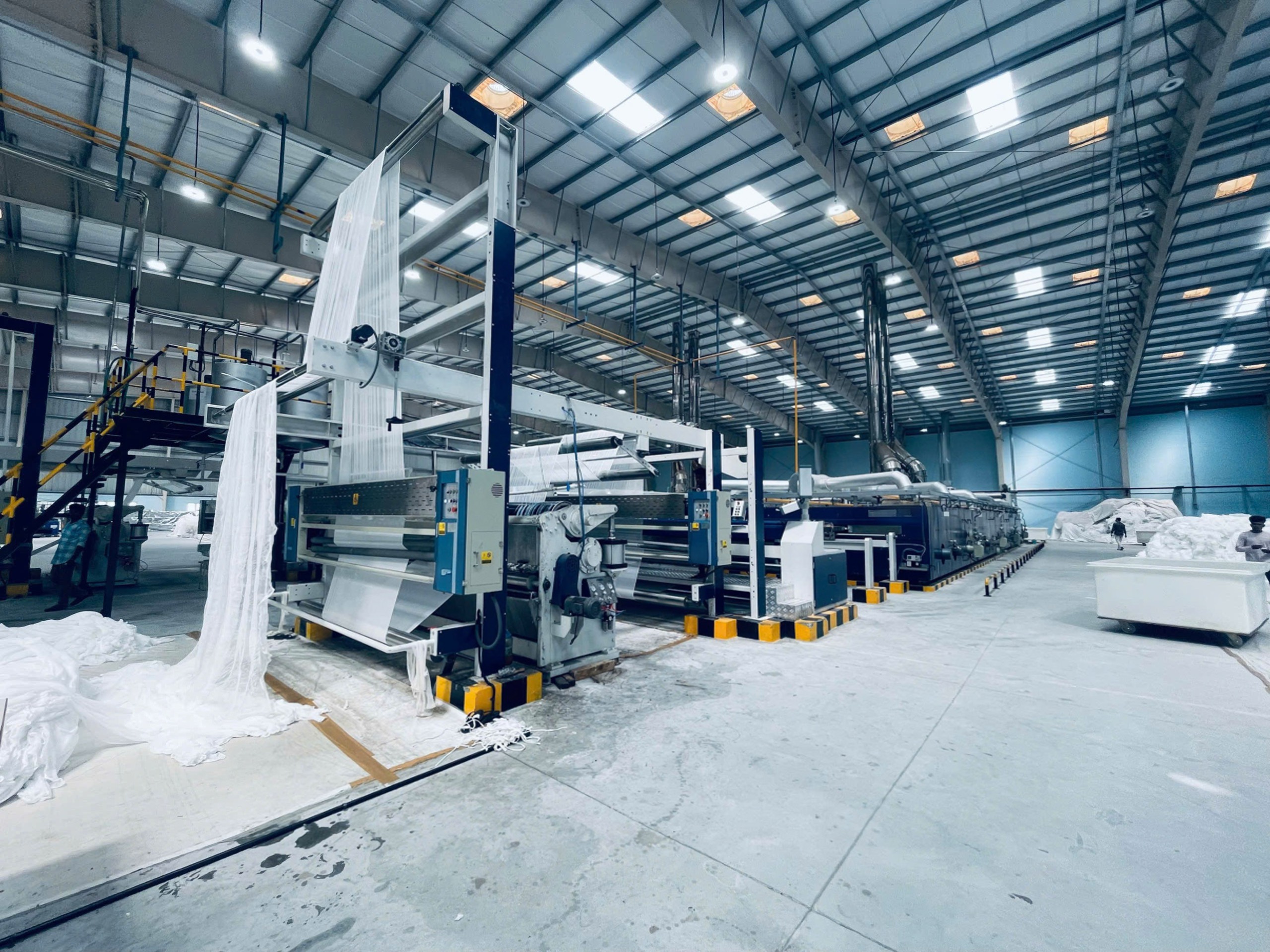
For any fabric finishing machine operation, particularly in the demanding environments of textile dyeing and garment manufacturing, a thorough daily pre-shift checklist is crucial. This proactive routine ensures that your machinery, like a textile stenter machine, is fully prepared for optimal performance, helping to prevent costly downtime and maintain consistent product quality. By systematically checking key operational points before production commences, you empower your team to quickly identify and address minor issues, contributing to an uninterrupted workflow and superior output:
System Pressure Check Fluid & Pressure Levels: As a crucial part of your daily pre-shift checklist for a textile stenter machine, verifying fluid and pressure levels is paramount for uninterrupted and quality production. Specifically, for stenters utilizing thermal oil heating, it’s essential to verify the thermal oil level to ensure consistent heat transfer and prevent damage. Concurrently, confirm that the pneumatic system has adequate compressed air pressure. This is vital for the precise operation of clips, tensioning devices, and other air-driven components, directly impacting fabric handling and dimensional stability. Diligence in these checks ensures your stenter operates efficiently, maintaining peak performance in demanding dyeing and finishing environments.
Control Panel (PLC) Scan: As a crucial part of your daily pre-shift checklist for any textile stenter machine, always perform a thorough Control Panel (PLC) Scan. It’s imperative to check the PLC screen for any lingering error codes or warning signals from the previous shift. Identifying these alerts promptly can prevent minor issues from escalating into major breakdowns, ensuring smooth and uninterrupted operation. Once identified, acknowledge and clear them before proceeding with production and fabric finishing machine operation. This quick yet vital inspection allows textile and dyeing operators to address potential problems proactively, contributing to consistent fabric quality, minimized downtime, and overall operational efficiency in a high-production environment.
Safety System Verification: For every textile professional overseeing a fabric finishing machine, the daily pre-shift inspection of safety systems is not merely a checklist item—it’s a critical duty. It is absolutely paramount to confirm that all emergency stops are easily accessible and responsive, light curtains are active and unbroken, and all safety guards are securely in place and fully functional. In the inherently fast-moving and high-temperature environment of textile stenters and other dyeing equipment, these layers of protection are your first line of defense against accidents. Ensuring their impeccable working order before production begins safeguards your most valuable asset: your operators, fostering a secure and productive workplace.
Mechanical Walk-Around: As a foundational element of your daily pre-shift protocols for any textile stenter machine, a swift mechanical inspection at the fabric entry is non-negotiable. Take a moment for a targeted visual check of the pin or clip chains right at the machine’s infeed. It’s vital to confirm they are absolutely clean and completely free of any fabric remnants or accumulated lint from prior production runs. This pristine condition at the entry point is indispensable for smooth, reliable fabric gripping and seamless transport into the stenter, directly preventing misfeeds, selvedge damage, and ensuring consistent tension, all critical for high-quality fabric finishing.
2. The Art of Operation: Matching Machine to Material
Fabric finishing machine operation like a textile stenter technique is less about brute force and more about refined precision. It’s truly the art of operation: matching the machine’s parameters to the specific material being processed. Relying on a universal “standard” setting for all fabrics is a guaranteed path to suboptimal, if not disastrous, outcomes. Each fabric type possesses a unique molecular structure that demands tailored thermal and mechanical treatment to achieve ideal dimensional stability, handfeel, and overall quality.
Fabric Finishing Machine Operation: An A-Z Guide from a Technician's Experience 73
2.1 Optimal Settings by Fabric Type
Here’s a breakdown of recommended parameters for common Fabric Finishing Machine Operation with fabrics, crucial for any dyeing and finishing operation:
Fabric Finishing Machine Operation
Recommended Temperature
Recommended Speed
Key Considerations
Polyester
180°C – 200°C (355°F – 392°F)
High
Requires high heat to achieve “heat set” memory and prevent shrinkage.
Cotton
140°C – 160°C (284°F – 320°F)
Medium
Lower heat prevents scorching, yellowing, and preserves the integrity of natural fibers.
Denim
160°C – 170°C (320°F – 338°F)
Medium-Low
Slower speed allows heat to penetrate the thick fabric more effectively for better stability and handfeel.
Spandex Blends
170°C – 190°C (338°F – 374°F)
Medium
Requires precise temperature control to set the elastane fibers without making them brittle or affecting elasticity.
By meticulously adjusting your stenter’s settings according to these guidelines, textile businesses can unlock peak performance, minimize material waste, and consistently deliver superior finished fabrics that meet stringent industry standards.
Effective fabric finishing machine operation hinges on the operator’s diligent oversight throughout the entire process. It’s a dynamic role where operators must continuously monitor fabric appearance for any defects and meticulously check dimensions to prevent variations. This vigilance is crucial because timely adjustments to machine settings—such as speed, temperature, or chemical dosage—are essential for achieving the desired hand-feel, shrinkage control, and overall quality. A skilled operator doesn’t just run a machine; they interact with it, using real-time feedback from the textile to perfect the outcome, ensuring every yard of fabric meets precise specifications and upholding the highest standards of production.
Expert Tips for Experience: For unparalleled quality control in fabric finishing machine operations, particularly with textile stenters, seasoned professionals emphasize going beyond basic machine readouts. Don’t just rely on the machine’s internal temperature gauge; it’s a best practice to use a handheld infrared thermometer to spot-check the fabric temperature as it exits the machine. This provides an immediate, external verification of actual fabric heat. Furthermore, truly experienced operators often utilize advanced moisture sensors to ensure the fabric achieves optimal dryness, recognizing this as a far more accurate and data-driven measure of a completed process than simply relying on dwell time alone. This holistic approach guarantees superior dimensional stability and handfeel for high-quality finished textiles.
3. On-the-Floor Troubleshooting: An Experience-Based Guide
Even the most advanced equipment can encounter operational hurdles, and mastering your fabric finishing machine operation is crucial for maintaining quality and efficiency. While occasional issues are inevitable, the ability to rapidly and precisely diagnose problems—from incorrect tension settings to temperature fluctuations—is what sets successful textile finishers apart. Proactive fabric finishing machine operation and maintenance and a well-trained team are your first line of defense, ensuring that any deviation is addressed before it impacts the final product. This approach not only minimizes downtime and waste but also guarantees consistent, high-quality fabric finishing that meets the stringent demands of today’s market, turning potential challenges into a competitive advantage.
Fabric Finishing Machine Operation: An A-Z Guide from a Technician's Experience 74
Symptom: Unstable Temperature Alarms.
Likely Cause: A dirty or faulty temperature sensor (thermocouple).
Solution: Power down the machine safely. Remove the sensor and clean it carefully with a soft cloth. Reinstall and test. If the problem persists, the sensor has likely failed and requires a genuine replacement part.
Symptom: Uneven Shrinkage or Warped Fabric by Fabric Finishing Machine Operation system.
Likely Cause: Incorrect temperature, speed, or tension settings for the specific fabric type.
Solution: Stop the run. Consult the fabric manufacturer’s technical data sheet for recommended settings. Run a small 5-10 meter test sample, adjusting one parameter at a time until the result is perfect. Document these settings for future runs.
Symptom: Unusual Grinding or Squealing Noises.
Likely Cause: Worn mechanical parts, most commonly bearings, or a lack of lubrication in the chain rail system.
Solution: Immediately stop the machine. Perform a visual inspection to locate the source of the noise. Apply the recommended lubricant. If the noise continues, the part (e.g., a bearing) has likely reached the end of its life and needs to be replaced.
Symptom: Unstable Air Pressure Alarms at fabric finishing machine operation controller.
Likely Cause: A leak in the pneumatic system or a faulty pressure regulating valve.
Solution: Check the main steam/air supply system. Inspect all hoses and connections for audible leaks. If no leaks are found, the pressure regulating valve may be stuck or broken and will require replacement.
Prioritizing safety is non-negotiable for any effective fabric finishing machine operation. Beyond the mechanics of production, a deep-seated commitment to safety protocols is essential for protecting your most valuable asset: your team. Adhering to proper safety procedures, which includes the mandatory use of appropriate personal protective equipment (PPE) like heat-resistant gloves, safety goggles, and protective garments, is the first step. This vigilance prevents accidents, minimizes risks associated with high temperatures and chemical exposure, and ensures a secure working environment. Ultimately, a safe operation is a productive and sustainable one, safeguarding both your workforce and your business’s reputation for excellence and responsibility in the textile industry.
4. Proactive Maintenance: The Key to Longevity for Fabric Finishing Machine Operation
Fabric Finishing Machine Operation: An A-Z Guide from a Technician's Experience 75
In the demanding world of textile production, a proactive approach to fabric finishing machine operation is paramount. You simply cannot afford to wait for your fabric finishing machine to break down. Instead, implementing a comprehensive proactive maintenance schedule is the most effective way to ensure longevity and consistent performance from critical equipment like textile stenters. Industry data strongly supports this, revealing that a well-executed maintenance plan can reduce the risk of serious breakdowns by over 30%. This foresight minimizes unexpected downtime, optimizes production efficiency, and ultimately protects your significant investment in high-value textile machinery, securing continuous, high-quality output for your dyeing and garment manufacturing operations.
Weekly: For optimal fabric finishing machine operation and to ensure the longevity of your valuable equipment, a rigorous weekly maintenance schedule is paramount. During this crucial inspection, prioritize checking and cleaning the gearbox oil levels, which are vital for smooth mechanical function and preventing premature wear. Simultaneously, inspect bearings for any signs of friction or damage, and assess the condition of drive belts to ensure proper tension and prevent slippage. Furthermore, a meticulous cleaning of the pin/clip chains is essential to ensure seamless fabric transport and consistent tensioning. This proactive weekly regimen significantly reduces the risk of breakdowns, enhances efficiency, and secures continuous, high-quality output for your dyeing and finishing plant.
Monthly: Optimizing fabric finishing machine operation extends to a crucial monthly maintenance regimen that safeguards your investment and ensures continuous quality. Every month, dedicate time to perform a full lubrication of all moving parts on your textile stenter machine or other finishing equipment. This vital step minimizes friction, reduces wear, and prevents costly breakdowns. Concurrently, it’s imperative to check and tighten all mechanical and electrical connections. Loose connections can lead to unstable performance, energy loss, or even safety hazards. Adhering to this detailed monthly schedule significantly prolongs machine lifespan, enhances efficiency, and ensures your dyeing and garment manufacturing processes remain productive and precise.
Annually: To ensure flawless fabric finishing machine operation and protect your investment, scheduling a comprehensive annual service is non-negotiable. This preventative maintenance, performed by a qualified technician, goes beyond a simple check-up. It involves a deep inspection of critical components, including the main motor, precision encoders, and the entire control system, to preemptively identify wear and potential failures. Proactive servicing guarantees operational consistency, prevents unexpected downtime during peak production, and maintains the high-quality finish your customers demand. Ultimately, this yearly review is essential for extending the machine’s lifespan, optimizing energy consumption, and securing the profitability of your finishing department..
5. Strategic Optimization: Reducing Costs and Saving Energy
Continuous Operation: Leveling up your fabric finishing machine operation is crucial for enhancing efficiency and reducing overheads. A key strategy is to prioritize continuous production runs over multiple shorter cycles. Frequent stops and starts are significant drains on energy, as each startup sequence initiates a full heating cycle from a cold state. This repeated heating consumes substantial power and increases thermal stress on components. By running the machine continuously for a long shift, you maintain a stable operating temperature, minimize energy waste, and improve overall throughput. This approach not only leads to considerable energy savings but also streamlines your entire finishing process for greater productivity.
Choosing the Right Heating System: Optimizing your fabric finishing machine operation hinges on selecting the most efficient heating system. Whether you choose steam, thermal oil, or direct natural gas, the decision should align with your existing factory infrastructure and local utility costs. A comprehensive cost-benefit analysis is crucial before investment, as this choice profoundly impacts long-term operational expenses and production efficiency. Making an informed decision not only ensures consistent, high-quality fabric treatment but also secures a sustainable competitive advantage by minimizing energy consumption and maximizing your return on investment. Let us guide you through a detailed assessment to identify the most financially sound heating solution for your specific textile finishing needs.
Invest in Energy-Saving Tech: In today’s competitive textile market, optimizing your fabric finishing machine operation is paramount to enhancing profitability and sustainability. Investing in modern finishing equipment integrated with advanced heat recovery systems is a strategic move towards significant cost reduction. These innovative machines are engineered to cut fuel consumption by more than 25%, directly lowering your operational expenditures. While the initial investment may be higher, the substantial annual savings on energy deliver a compelling return on investment, future-proofing your facility. Efficient fabric finishing machine operation is no longer just about output; it’s about adopting smarter, energy-conscious technology for long-term success.
6. Conclusion: Mastery Through Experience and Discipline
Effective fabric finishing machine operation is a blend of technical knowledge, hands-on experience, and a disciplined approach to process control. By implementing these real-world strategies for operation, troubleshooting, and maintenance, you can transform your finishing department from a potential bottleneck into a center of quality and efficiency, ensuring every meter of fabric that leaves your factory meets the highest possible standard.
6.1 Your Partner in Textile Finishing
VieTextile is a leading provider of high-quality machinery, equipment, and spare parts for the textile industry in Vietnam. We specialize in providing advanced Fabric Finishing Machine Operation and solutions tailored to your needs. Beyond equipment sales, we partner with our clients through expert technical consulting, in-depth operator training, and reliable after-sales service to optimize your production and business success.
Contact VieTextile today for a free consultation and quote!
7. FAQ
1. How often should a fabric finishing machine be fully serviced? Routine checks should be performed weekly and update fabric finishing machine operation, with a more thorough maintenance check monthly. A comprehensive technical service by a qualified engineer should be scheduled at least once per year.
2. What’s the difference between a thermal oil and an electric stenter? A thermal oil-heated machine provides very stable and even heat but takes longer to warm up and lost time in Fabric Finishing Machine Operation. An electric machine heats up much faster but typically has higher energy consumption costs.
3. How do I check a used fabric finishing machine before buying? Check the PLC for the total number of operating hours with fabric finishing machine operation shedule. Thoroughly inspect the pin/clip chains and rails for signs of wear. Ask for maintenance logs and run a test with your own fabric if possible.
4. My fabric comes out with uneven color. Is it a machine fault? It can be. If the stenter’s temperature is uneven across its width, it can affect how the dye sets. This is often caused by dirty fans or a failing heating element in one zone.
5. Why is operator training so important for these machines? Because a skilled operator can identify problems before they become critical in case of fabric finishing machine operation. They can hear a subtle change in machine noise or see a minor fabric defect and make adjustments immediately, saving thousands of dollars in wasted product and downtime.
Bạn đang vận hành máy định hình vải nhưng gặp vấn đề về hiệu suất, chất lượng hay lỗi kỹ thuật thường xuyên xảy ra? Bài viết này tổng hợp các kinh nghiệm sử dụng máy định hình thực tế, kỹ thuật vận hành chuyên sâu, cách xử lý lỗi, bảo trì và lựa chọn máy định hình phù hợp, giúp bạn làm chủ thiết bị một cách tối ưu nhất.
1. Giới thiệu tổng quan về máy định hình vải
Kinh nghiệm sử dụng máy định hình vải hiệu quả nhất từ A-Z 81
Máy định hình là thiết bị không thể thiếu trong ngành dệt may hiện đại, giúp vải đạt kích thước, độ co giãn, độ ổn định theo yêu cầu. Nhiều doanh nghiệp lớn nhỏ tại Việt Nam đều đầu tư máy định hình, nhưng không phải ai cũng hiểu rõ các yếu tố kỹ thuật để sử dụng hiệu quả.
Phổ biến nhất tại Việt Nam là máy định hình nhiệt, sử dụng trong xử lý các loại vải polyester, cotton, denim. Tuy nhiên, mỗi loại vải lại yêu cầu phương pháp và nhiệt độ xử lý khác nhau.
Chẳng hạn, với vải polyester, nhiệt độ định hình lý tưởng từ 180–200°C, trong khi vải cotton yêu cầu thấp hơn (140–160°C). Nắm rõ thông tin này giúp tránh các lỗi như co rút không đều hay cháy cạnh vải khi vận hành.
2. Hướng dẫn chi tiết kinh nghiệm sử dụng máy định hình
Kinh nghiệm sử dụng máy định hình vải hiệu quả nhất từ A-Z 82
2.1 Chuẩn bị trước khi vận hành
Kiểm tra máy móc: Trước tiên, luôn kiểm tra toàn bộ máy móc trước khi bật máy, bao gồm băng tải, cảm biến nhiệt, hệ thống điều khiển và áp suất hơi nước.
Vệ sinh máy: Loại bỏ bụi bẩn và tạp chất để đảm bảo chất lượng sản phẩm.
Đọc hướng dẫn sử dụng: Nắm vững quy trình vận hành và các lưu ý an toàn.
Lưu ý: Việc kiểm tra này sẽ giúp bạn tránh được những lỗi nhỏ nhưng ảnh hưởng lớn đến chất lượng sản phẩm.
2.2 Quy trình vận hành cơ bản
Cài đặt thông số kỹ thuật: Thiết lập nhiệt độ, áp suất và tốc độ phù hợp với loại vật liệu cần định hình. (Ví dụ, khi xử lý vải denim, điều chỉnh nhiệt độ khoảng 170°C, và băng tải chạy tốc độ trung bình để vải đạt độ ổn định cần thiết)
Khởi động máy: Bật máy và chờ đến khi đạt các thông số cài đặt.
Đưa vật liệu vào máy: Đảm bảo vật liệu được đặt đúng vị trí và an toàn.
Giám sát quá trình: Theo dõi hoạt động của máy để phát hiện và xử lý kịp thời các sự cố.
2.3 Lưu ý an toàn
Sử dụng thiết bị bảo hộ: Đeo găng tay, kính bảo hộ và trang phục phù hợp.
Tuân thủ quy định an toàn: Không can thiệp vào máy khi đang hoạt động và luôn tuân thủ hướng dẫn sử dụng.
Lưu ý: Nếu bạn nghe thấy tiếng ồn lạ từ máy định hình hoặc phát hiện nhiệt độ không ổn định, dừng máy ngay lập tức và kiểm tra kỹ thuật để tránh rủi ro đáng tiếc.
3. Kinh nghiệm sử dụng máy định hình giúp nâng cao hiệu suất và chất lượng sản phẩm
Kinh nghiệm sử dụng máy định hình vải hiệu quả nhất từ A-Z 83
3.1 Bảo trì và bảo dưỡng định kỳ
Thực hiện bảo trì định kỳ giúp máy hoạt động ổn định và kéo dài tuổi thọ. Theo một nghiên cứu của Hiệp hội Máy móc Công nghiệp Việt Nam, việc bảo dưỡng định kỳ có thể giảm 30% nguy cơ hỏng hóc.
3.2 Điều chỉnh thông số kỹ thuật phù hợp
Mỗi loại vật liệu yêu cầu thông số kỹ thuật khác nhau. Ví dụ, với vải cotton, nhiệt độ định hình lý tưởng là 150°C, trong khi vải polyester cần nhiệt độ cao hơn, khoảng 180°C.
3.3 Đào tạo nhân viên
Đảm bảo nhân viên được đào tạo bài bản về vận hành và bảo dưỡng máy. Điều này không chỉ nâng cao hiệu suất mà còn giảm thiểu rủi ro tai nạn lao động.
4. Kinh nghiệm xử lý các lỗi kỹ thuật phổ biến
Kinh nghiệm sử dụng máy định hình vải hiệu quả nhất từ A-Z 84
4.1 Lỗi nhiệt độ không ổn định
Nguyên nhân: Cảm biến nhiệt độ hỏng hoặc hệ thống gia nhiệt gặp sự cố.
Giải pháp: chỉ cần tháo cảm biến ra vệ sinh sạch sẽ, sau đó cài đặt lại nhiệt độ. Trong trường hợp cảm biến đã hỏng, thay linh kiện mới chính hãng để máy vận hành ổn định.
4.2 Vải bị co rút không đều
Nguyên nhân: Nhiệt độ hoặc áp suất không phù hợp với loại vải. Thường do điều chỉnh tốc độ băng tải hoặc nhiệt độ chưa chuẩn.
Giải pháp: chạy thử nghiệm nhiều lần với tốc độ thấp và nhiệt độ vừa phải cho tới khi đạt thông số ổn định nhất.eo khuyến nghị của nhà sản xuất vải.
4.3 Máy phát ra tiếng ồn bất thường
Nguyên nhân: Bộ phận cơ khí bị mòn hoặc thiếu bôi trơn.
Giải pháp: Kiểm tra và thay thế bộ phận hỏng. Bôi trơn định kỳ các bộ phận cơ khí.
4.4 Hệ thống điều khiển không phản hồi
Nguyên nhân: Lỗi phần mềm hoặc hỏng phần cứng.
Giải pháp: Khởi động lại hệ thống. Nếu không khắc phục được, liên hệ với nhà cung cấp để được hỗ trợ.
4.5 Máy báo lỗi áp suất không ổn định:
Nguyên nhân: Lỗi áp suất không ổn định.
Giải pháp: Kiểm tra hệ thống cấp hơi, đường ống dẫn hơi nước và van điều áp. Nếu van điều áp bị kẹt hoặc hỏng, thay van mới là giải pháp triệt để.
5. Bảo trì và bảo dưỡng máy định hình đúng cách
Việc bảo trì định kỳ bao gồm kiểm tra dầu hộp số, ổ bi, dây đai, xích và encoder. Việc này nên thực hiện hàng tuần hoặc hàng tháng tùy mức độ sử dụng máy. Theo một thống kê của Hiệp hội Máy móc Công nghiệp Việt Nam, bảo dưỡng định kỳ giúp giảm tới 30% nguy cơ hỏng hóc nghiêm trọng.
5.1 Cách tối ưu chi phí và năng lượng khi sử dụng máy định hình
Máy định hình nên vận hành liên tục để giảm thời gian lên nhiệt mỗi lần khởi động, tiết kiệm đáng kể chi phí năng lượng. Ngoài ra, việc lựa chọn hệ thống lên nhiệt (hơi nước, dầu nhiệt, khí gas) phù hợp với quy mô và chi phí đầu tư ban đầu là cực kỳ quan trọng.
5.2 Xu hướng công nghệ và lựa chọn thương hiệu máy định hình
Thị trường hiện nay có nhiều thương hiệu máy định hình như Bruecker (Đức), Monforts (Đức – Trung Quốc), EHWHA (Hàn Quốc) hay Sunwin (Trung Quốc). Bruecker đảm bảo chất lượng cao nhưng chi phí rất lớn, trong khi các thương hiệu như Sunwin giá thấp hơn nhưng chất lượng ngày càng cải thiện, phù hợp cho những doanh nghiệp vừa và nhỏ.
6. Kết luận
Sử dụng máy định hình hiệu quả không chỉ dựa vào việc vận hành đúng kỹ thuật, mà còn phụ thuộc vào việc chủ động xử lý lỗi và bảo trì định kỳ. Những kinh nghiệm chia sẻ trong bài viết này được tổng hợp từ nhiều năm làm việc thực tế của các chuyên gia trong ngành, giúp bạn kiểm soát chất lượng sản phẩm tối ưu.
VieTextile là đơn vị hàng đầu tại Việt Nam chuyên cung cấp máy móc, thiết bị và phụ tùng chất lượng cao trong lĩnh vực dệt may. Liên hệ VieTextile ngay trong hôm nay để nhận tư vấn miễn phí và báo giá!
Các câu hỏi thường gặp
Bao lâu nên bảo dưỡng máy định hình một lần? Trả lời: Nên kiểm tra định kỳ mỗi tuần và bảo trì toàn diện mỗi tháng.
Máy định hình dùng dầu nhiệt và điện khác nhau như thế nào? Trả lời: Máy dùng dầu nhiệt ổn định nhiệt tốt hơn nhưng lên nhiệt chậm, máy điện lên nhiệt nhanh nhưng chi phí năng lượng cao hơn.