How Poor Post-Print Cotton Fabric Treatment Reduces Product Quality

Cotton is the most popular natural material in the garment industry, but for prints on cotton to achieve perfection, the Post Print Cotton Fabric Treatment Stage is a step that cannot be underestimated. If this process is performed incorrectly or with poor quality, it will lead to serious consequences regarding the color fastness and hand feel of the product. The following article will specifically analyze the risks when the post-print treatment process fails to meet standards and how to optimize each technical step.

công đoạn xử lý sau khi in vải cotton chuẩn
How Poor Post-Print Cotton Fabric Treatment Reduces Product Quality 5

1. Fading and Poor Wash Fastness Due to Post-Print Cotton Fabric Treatment Errors

The most common and noticeable issue when the process is performed incorrectly is the fabric’s ability to retain color. Cotton has a porous structure and high absorbency; if the color is not “locked” properly, it will easily wash away.

1.1. Color Dullness

Colors after printing need to undergo thermal or chemical fixation to reach maximum brilliance. If the Post Print Cotton Fabric Treatment Stage does not ensure sufficient temperature or the necessary time, the color molecules will not penetrate deep into the fiber core.

1.1.1. Deficiencies During Steaming

For reactive printing inks, steaming is a mandatory step to open the cotton fiber pores and allow the color to form covalent bonds. A lack of steam or pressure during this step causes the color to only stick to the surface, resulting in prints that look dull and lifeless as soon as they leave the line.

1.1.2. Inconsistent Coloration

Poor treatment also leads to patchy colors. Failing to control the pH of the post-print wash liquor causes some areas to lose more color than others, creating inconsistency across the entire fabric roll. This is a direct consequence of lax management during the Post Print Cotton Fabric Treatment Stage.

1.2. Low Wash Fastness

Customers judge the quality of cotton fabric based on whether it retains its color after multiple washes. If the Post Print Cotton Fabric Treatment Stage is rushed or neglected, excess dye will remain on the fibers.

1.2.1. Color Bleeding

When dyes are not fully bonded, they dissolve into the wash water and stain white fabric sections or other garments washed together. This is a serious flaw in the textile industry. A standard Post Print Cotton Fabric Treatment Stage must include multiple washing steps from cold to hot water to thoroughly remove these free color molecules.

1.2.2. Shade Degradation After Each Wash

Not only does bleeding occur, but the print will also fade rapidly. After just 2-3 washes, a high-end shirt can look like an old rag if the color fixative in the Post Print Cotton Fabric Treatment Stage fails or is skipped to save on chemical costs.

2. Negative Impacts on Fabric Hand Feel and Softness

Cotton fabric is loved for its softness and breathability. However, printing auxiliaries such as thickeners can make the fabric stiff if not handled correctly.

2.1. Harsh Hand Feel

Thickeners prevent the printing ink from spreading, but they create a hard film on the cotton fibers. The Post Print Cotton Fabric Treatment Stage plays the role of removing this film.

2.1.1. Consequences of Incomplete Washing

If the Post Print Cotton Fabric Treatment Stage does not use sufficient enzymes or washing agents to break down the thickener structure, the fabric will become as coarse as sandpaper. This is strictly taboo for garments in direct contact with the skin, such as underwear or children’s clothing.

2.1.2. Loss of Natural Elasticity

Excessive chemical treatment or too high a temperature during post-print drying can embrittle cotton fibers, causing the fabric to lose its natural drape and elasticity. The Post Print Cotton Fabric Treatment Stage requires a delicate balance between temperature and humidity to protect the cellulose polymer structure.

2.2. Pilling and Surface Fuzz

A poor post-print treatment process can damage the cotton fibers on the fabric surface.

2.2.1. Excessive Mechanical Friction

In some cases, attempting to wash away excess ink with overly aggressive mechanical action during the Post Print Cotton Fabric Treatment Stage will cause the cotton fiber ends to fray. After a short period of use, these fibers will clump into small pills on the fabric surface, reducing the product’s aesthetic appeal.

2.2.2. Lack of Enzyme Treatment

Many textile companies skip the biopolishing step (using cellulase enzymes) during the Post Print Cotton Fabric Treatment Stage. This step helps “clean up” excess fuzz on the fabric surface, making the fabric shinier and more durable. Without this step, printed cotton fabric will easily attract dirt and pill.

3. Reduced Mechanical Strength and Fiber Lifespan

Cotton is a natural fiber, vulnerable to strong acid or alkali agents if not neutralized promptly during processing.

3.1. Decrease in Tensile Strength

Many printing processes require a strong alkaline environment. If the Post Print Cotton Fabric Treatment Stage does not thoroughly neutralize the pH, residual alkali will continue to corrode the cotton fibers over time.

3.1.1. Fabric Rotting

Cotton fabric may look fine immediately after processing, but after several months in storage, it may rot and tear easily with just a light pull. This is a silent but devastating consequence of an incorrectly performed Post Print Cotton Fabric Treatment Stage.

3.1.2. Impact of Excessive Drying Temperatures

To speed up progress, many factories increase the drying temperature beyond allowed limits. High heat loses the bound moisture within the cotton fibers, making the fibers dry and brittle under the mechanical stress of laundering.

3.2. Shrinkage Issues

Cotton tends to shrink when encountering water and heat. A standard Post Print Cotton Fabric Treatment Stage must include shrinkage control steps (such as the sanforizing process).

3.2.1. Product Deformation After Washing

If not properly shaped after printing, a cotton T-shirt may shorten or twist after the first wash. This often occurs when the Post Print Cotton Fabric Treatment Stage skips the tension control phase on the dryer.

3.2.2. Loss of Design Form

Uneven shrinkage between printed and unprinted fabric areas is also an issue. If the Post Print Cotton Fabric Treatment Stage does not release internal stresses in the fabric, the print may wrinkle or crack due to the non-synchronized expansion and contraction of the textile material.

4. Health Safety Risks and Export Standards

công đoạn xử lý sau khi in vải cotton công nghiệp
How Poor Post-Print Cotton Fabric Treatment Reduces Product Quality 6

In the context of increasingly strict environmental and health standards, poor post-print treatment is not just a quality issue but also a legal one.

4.1. Residual Toxic Chemicals

If the washing step in the Post Print Cotton Fabric Treatment Stage is not thorough enough, toxic chemicals such as formaldehyde (often found in cheap color fixatives) or heavy metals may remain.

4.1.1. Skin Irritation for Users

Consumers, especially children, may suffer from allergies or rashes when wearing clothes with residual chemicals from a substandard Post Print Cotton Fabric Treatment Stage. This is why standards like OEKO-TEX strictly control chemical concentrations after finishing.

4.1.2. Violation of Import Regulations

Export orders to Europe or the US often require chemical residue testing. A small error in the Post Print Cotton Fabric Treatment Stage can lead to the destruction of an entire shipment, causing billions of VND in losses for the business.

4.2. Environmental Pollution

The use of environmentally unfriendly post-print treatment chemicals in the Post Print Cotton Fabric Treatment Stage is also a major negative for a company’s reputation.

4.2.1. Post-Treatment Wastewater

If the treatment process is not optimized, wastewater filled with pigments and chemicals from the Post Print Cotton Fabric Treatment Stage will burden the industrial park’s centralized wastewater treatment system and may even cause local water pollution.

4.2.2. Green Production Trends

Today, customers prioritize businesses whose Post Print Cotton Fabric Treatment Stage uses biological chemicals and saves water. Sticking to outdated, wasteful, and polluting processes will cause businesses to gradually lose their competitive edge in the global market.

5. In-depth Analysis of Standard Post-Print Cotton Fabric Treatment Procedures

To avoid the errors mentioned above, factories need to implement a closed process with strictly controlled technical parameters.

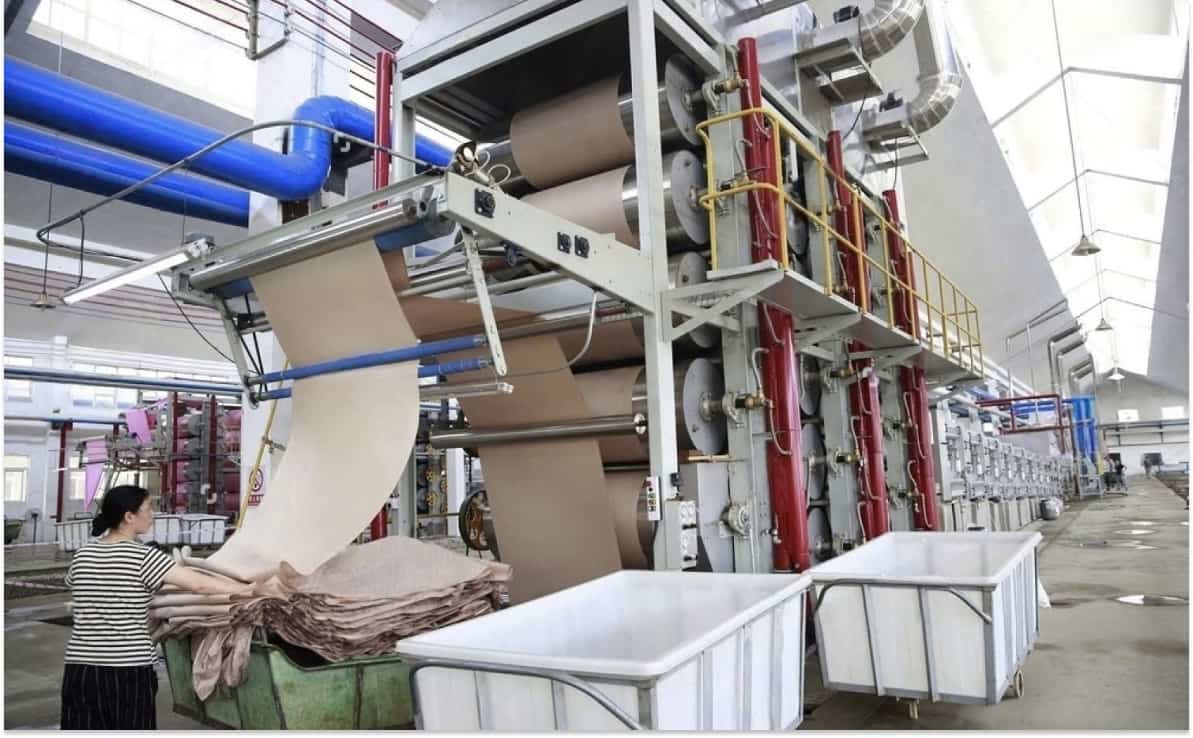
5.1. Steaming and Color Fixation Phase

This is the “life or death” phase for color fastness.

5.1.1. The Importance of Saturated Steam

In the Post Print Cotton Fabric Treatment Stage, saturated steam provides the necessary heat and humidity to swell the cotton fibers, creating conditions for reactive dyes to penetrate deep into the amorphous regions of cellulose. If the steam is too dry (superheated), the colors will be dull; if it is too wet, the print edges will blur.

5.1.2. Controlling Steaming Time

The time usually ranges from 8-12 minutes depending on fabric thickness and ink concentration. Shortening the time to increase productivity is a direct cause of dyes not reacting completely, leading to the low color fastness errors commonly seen when the Post Print Cotton Fabric Treatment Stage is rushed.

5.2. Multi-stage Washing Phase

Washing is not just dipping fabric in water; it is a complex physico-chemical process.

5.2.1. Initial Cold Rinse

The first step in the Post Print Cotton Fabric Treatment Stage is a cold water rinse to remove most of the thickeners and surface printing auxiliaries. This step prevents excess ink from bleeding into white areas as the water temperature increases in subsequent steps.

5.2.2. Hot Washing and Soaping

Use specialized detergents at temperatures of 90-95°C. At this temperature, dye molecules that are not covalently bonded will be pushed out. A standard Post Print Cotton Fabric Treatment Stage requires strong agitation and precise detergent concentrations to prevent re-deposition.

5.2.3. Neutralization and Final Softening

After hot washing, the fabric needs to pass through a cold water bath mixed with acetic acid to bring the pH to an ideal level (5.5 – 6.5). Here, silicone or cationic softeners are also added to complete the Post Print Cotton Fabric Treatment Stage, creating a smooth feel for the product.

6. Common Errors and How to Fix Them in Cotton Post-Print Treatment

To ensure quality, technicians need to identify errors in the Post Print Cotton Fabric Treatment Stage early to take timely corrective measures.

6.1. Water Spots

During drying after washing, if water is not squeezed out evenly or the dryer has condensation issues, yellow stains or water marks will appear on the fabric after drying.

6.1.1. Causes

This error is usually due to uneven tension and speed control of the squeezing rollers in the Post Print Cotton Fabric Treatment Stage, leading to chemicals and water accumulating in certain areas.

6.1.2. Solutions

Periodically check the roller system and ensure the airflow in the dryer is evenly distributed. Using wetting agents in the Post Print Cotton Fabric Treatment Stage also helps water escape faster and more evenly.

6.2. Shade Variation

This is a condition where the actual color differs from the design sample or varies between different batches.

6.2.1. Effects of pH and Temperature

Slight fluctuations in pH in the wash bath of the Post Print Cotton Fabric Treatment Stage can completely change the color of some sensitive reactive dyes (such as blue or purple).

6.2.2. Maintaining Process Stability

Establish automatic pH monitoring stations and accurate temperature gauges for each washing machine in the Post Print Cotton Fabric Treatment Stage. Keeping detailed operation logs helps find the cause and quickly resolve shade issues.

7. Case Study: Losses Due to Errors in Post-Print Cotton Fabric Treatment

công đoạn xử lý sau khi in vải cotton tphcm
How Poor Post-Print Cotton Fabric Treatment Reduces Product Quality 7

Reality has recorded many cases of businesses suffering heavy losses due to ignoring small technical details.

7.1. Export Order Case for Europe

A textile factory in Vietnam printed 50,000 cotton T-shirts using reactive dyes. Due to progress pressure, workers shortened the steaming time from 10 minutes to 6 minutes and skipped the final hot wash.

7.1.1. Economic Consequences

When the goods arrived at the partner’s warehouse in Germany, random testing showed that wash fastness only reached level 2 (while level 4 was required). The entire shipment was returned, and the business had to compensate for shipping costs and lost all material costs, totaling over 5 billion VND.

7.1.2. Lessons Learned

The control of the Post Print Cotton Fabric Treatment Stage must not be compromised for speed. Establishing an internal quality control (QC) system at each processing step is extremely important for detecting errors before packaging.

7.2. Skin Irritation Incident in the Domestic Market

A children’s fashion brand was complained about by consumers because children developed rashes after wearing printed cotton clothes. The cause was identified as a poorly performed pH neutralization step in the Post Print Cotton Fabric Treatment Stage, leaving the fabric highly alkaline (pH > 9).

7.2.1. Brand Damage

Although the number of defective products was not large, information spreading on social media caused the brand’s revenue to drop by 30% that quarter. Parental trust is very difficult to regain after health safety incidents.

7.2.2. Corrective Solutions

Change the pH testing procedure at the end of the line and use neutralizing acids with better buffering capacity. Investing in the Post Print Cotton Fabric Treatment Stage is not just a cost, but insurance for the brand.

8. Future of Post-Print Treatment: Water-Saving and Green Chemical Technology

Sustainability trends are driving changes in traditional Post-Print Cotton Fabric Treatment.

8.1. Low Liquor Ratio Washing Technology

New washing machines allow the Post Print Cotton Fabric Treatment Stage to be performed with only 1/3 of the water used previously. This not only saves resources but also reduces the chemicals needed to maintain bath concentrations.

8.2. Use of Enzymes and Biodegradable Chemicals

Replacing petroleum-based surfactants with plant-derived products in the Post Print Cotton Fabric Treatment Stage is becoming the new standard. These enzymes help remove thickeners more effectively at lower temperatures, saving significant energy for the factory.

9. VieTextile – Ensuring the Quality of Post-Print Cotton Fabric Treatment

VieTextile understands that a successful printing process must end with a flawless finishing treatment. We not only provide printing solutions but also offer in-depth consultation on the Post Print Cotton Fabric Treatment Stage to help customers avoid defects that reduce product quality.

With a portfolio of international standard textile treatment chemicals, VieTextile helps manufacturers optimally control wash fastness and rub fastness while maintaining the characteristic softness of cotton fibers. We provide effective pH neutralizing aids, new-generation non-yellowing silicone softeners, and surface treatment enzymes that help cotton fabric achieve maximum smoothness.

Every solution in VieTextile’s Post Print Cotton Fabric Treatment Stage is oriented toward user safety and environmental protection, helping your products easily pass the most rigorous quality tests for international markets. Partner with VieTextile to ensure that every meter of printed cotton fabric is a testament to professionalism and top-tier quality.

10. Frequently Asked Questions (FAQ) About Post-Print Cotton Fabric Treatment

10.1. Why Does Cotton Fabric Often Become Stiff After Printing?

Answer: This phenomenon is mainly due to thickeners used in the printing paste not being completely removed in the Post Print Cotton Fabric Treatment Stage. Washing without sufficient temperature or specialized detergents will leave a chemical film on the surface, making the fabric harsh.

10.2. How to Prevent Color Bleeding When Washing Printed Cotton?

Answer: To prevent bleeding, the Post Print Cotton Fabric Treatment Stage must perform a hot soaping step (usually at 90-95°C) to completely remove unfixed dyes, followed by using a high-quality color fixative to lock the remaining color molecules.

10.3. What is the Ideal Steaming Temperature for Cotton Fabric Printed with Reactive Dyes?

Answer: Typically, the steaming temperature in the Post Print Cotton Fabric Treatment Stage using reactive dyes ranges from 102°C to 105°C with saturated steam for 8-12 minutes. Maintaining a stable temperature is the key to bright and durable colors.

10.4. Can Poor Post-Print Treatment Make Cotton Fabric Easy to Tear?

Answer: Yes. If the Post Print Cotton Fabric Treatment Stage does not fully neutralize residual alkalinity or uses excessively high drying temperatures for long periods, the cellulose structure of the cotton fibers will be destroyed, reducing breaking strength and making the fabric prone to rotting and tearing.

10.5. Is it Necessary to Use Enzymes in Cotton Post-Print Treatment?

Answer: It is very necessary if you want the product to have a smooth surface without pilling. Using cellulase enzymes in the Post Print Cotton Fabric Treatment Stage helps remove excess fibers, enhancing the luster and premium feel of the cotton fabric product.

To optimize your Post Print Cotton Fabric Treatment Stage and enhance the quality of your textile products, contact VieTextile today!

Contact Information: 

Hotline: 0901 809 309 

Email: info@vietextile.com 

Website: https://vietextile.com
Xử Lý Sau In Vải Cotton Kém Làm Giảm Chất Lượng Sản phẩm Ra Sao?

Vải cotton là chất liệu tự nhiên được ưa chuộng nhất trong ngành may mặc, nhưng để bản in trên cotton đạt độ hoàn hảo, công đoạn xử lý sau khi in vải cotton là bước không thể xem nhẹ. Nếu quá trình này bị thực hiện sai lệch hoặc kém chất lượng, nó sẽ dẫn đến những hệ lụy nghiêm trọng về độ bền màu và cảm giác tay của sản phẩm. Bài viết dưới đây sẽ phân tích cụ thể những rủi ro khi quy trình xử lý sau in không đạt chuẩn và cách tối ưu hóa từng bước kỹ thuật.

công đoạn xử lý sau khi in vải cotton chuẩn
Xử Lý Sau In Vải Cotton Kém Làm Giảm Chất Lượng Sản phẩm Ra Sao? 12

1. Sự Phai Màu Và Độ Bền Giặt Kém Do Lỗi Công Đoạn Xử Lý Sau Khi In Vải Cotton

Vấn đề phổ biến nhất và dễ nhận thấy nhất khi thực hiện sai quy trình chính là khả năng giữ màu của sợi vải. Cotton có cấu trúc rỗng và khả năng thấm hút cao, nếu màu không được “khóa” đúng cách, nó sẽ dễ dàng bị rửa trôi.

1.1. Hiệu Ứng Màu Sắc Bị Mờ Nhạt (Dullness)

Màu sắc sau khi in cần trải qua quá trình cố định nhiệt hoặc hóa chất để đạt đến độ rực rỡ tối đa. Nếu công đoạn xử lý sau khi in vải cotton không đảm bảo đủ nhiệt độ hoặc thời gian cần thiết, các phân tử màu sẽ không thẩm thấu sâu vào lõi sợi.

1.1.1. Sự Thiếu Hụt Trong Quá Trình Chưng Hấp

Đối với mực in hoạt tính, chưng hấp là bước bắt buộc để mở lỗ hổng sợi cotton và cho phép màu liên kết cộng hóa trị. Thiếu hơi nước hoặc áp suất trong bước này khiến màu chỉ bám trên bề mặt, dẫn đến việc bản in trông mờ nhạt, thiếu sức sống ngay khi vừa ra khỏi dây chuyền.

1.1.2. Hiện Tượng Màu Sắc Không Đồng Nhất

Xử lý kém còn dẫn đến tình trạng màu sắc loang lổ. Việc không kiểm soát được pH của dung dịch giặt sau in làm cho một số khu vực bị mất màu nhiều hơn những khu vực khác, tạo ra sự không đồng nhất trên toàn bộ cây vải. Điều này là hệ quả trực tiếp của việc quản lý lỏng lẻo công đoạn xử lý sau khi in vải cotton.

1.2. Độ Bền Màu Giặt (Wash Fastness) Thấp

Khách hàng đánh giá chất lượng vải cotton dựa trên việc nó có giữ được màu sau nhiều lần giặt hay không. Nếu công đoạn xử lý sau khi in vải cotton bị làm ẩu, thuốc nhuộm dư thừa sẽ bám lại trên sợi.

1.2.1. Hiện Tượng Dây Màu (Bleeding)

Khi thuốc nhuộm không liên kết hoàn toàn, chúng sẽ tan vào nước giặt và bám sang các phần vải trắng hoặc các quần áo khác giặt cùng. Đây là một lỗi nghiêm trọng trong ngành dệt may. Công đoạn xử lý sau khi in vải cotton đạt chuẩn phải bao gồm nhiều bước giặt từ nước lạnh đến nước nóng để loại bỏ sạch các phân tử màu tự do này.

1.2.2. Sự Suy Giảm Sắc Độ Sau Mỗi Lần Giặt

Không chỉ dây màu, bản in cũng sẽ bạc đi nhanh chóng. Chỉ sau 2-3 lần giặt, một chiếc áo cao cấp có thể trông như đồ cũ nếu chất cố định màu trong công đoạn xử lý sau khi in vải cotton không phát huy tác dụng hoặc bị bỏ qua để tiết kiệm chi phí hóa chất.

2. Ảnh Hưởng Tiêu Cực Đến Cảm Giác Vải Và Độ Mềm Mại

Vải cotton được yêu thích vì sự mềm mại và thoáng mát. Tuy nhiên, các hóa chất hỗ trợ in ấn như chất làm dày (thickener) có thể làm vải bị cứng nếu không được xử lý đúng cách.

2.1. Bề Mặt Vải Thô Ráp (Harsh Hand Feel)

Chất làm dày giúp mực in không bị loang, nhưng chúng lại tạo ra một lớp màng cứng trên sợi cotton. Công đoạn xử lý sau khi in vải cotton đóng vai trò loại bỏ lớp màng này.

2.1.1. Hậu Quả Của Việc Giặt Rửa Không Sạch

Nếu công đoạn xử lý sau khi in vải cotton không sử dụng đủ lượng enzyme hoặc chất giặt rửa để bẻ gãy cấu trúc chất làm dày, vải sẽ trở nên thô cứng như giấy nhám. Điều này cực kỳ tối kỵ đối với các sản phẩm may mặc tiếp xúc trực tiếp với da như đồ lót hoặc quần áo trẻ em.

2.1.2. Sự Mất Đi Độ Đàn Hồi Tự Nhiên

Xử lý hóa học quá mức hoặc nhiệt độ quá cao trong quá trình sấy sau in có thể làm giòn sợi cotton, khiến vải mất đi độ rũ và sự đàn hồi tự nhiên. Công đoạn xử lý sau khi in vải cotton cần sự tinh tế trong việc cân bằng giữa nhiệt độ và độ ẩm để bảo vệ cấu trúc polymer của cellulose.

2.2. Hiện Tượng Đổ Lông Và Vón Cục (Pilling)

Quy trình xử lý sau in không tốt có thể làm tổn thương các xơ bông trên bề mặt vải cotton.

2.2.1. Ma Sát Cơ Học Quá Mức

Trong một số trường hợp, việc cố gắng giặt sạch mực thừa bằng tác động cơ học quá mạnh trong công đoạn xử lý sau khi in vải cotton sẽ làm các đầu xơ cotton bị tơi ra. Sau một thời gian ngắn sử dụng, các xơ này sẽ vón lại thành những hạt nhỏ trên bề mặt vải, làm giảm thẩm mỹ của sản phẩm.

2.2.2. Thiếu Bước Xử Lý Enzyme

Nhiều công ty dệt may bỏ qua bước xử lý biopolishing (sử dụng enzyme cellulase) trong công đoạn xử lý sau khi in vải cotton. Bước này giúp “dọn dẹp” các lông tơ thừa trên mặt vải, giúp vải sáng bóng và bền đẹp hơn. Thiếu bước này, vải cotton in xong sẽ rất dễ bị bám bẩn và đổ lông.

3. Suy Giảm Độ Bền Cơ Học Và Tuổi Thọ Sợi Cotton

Cotton là sợi tự nhiên, dễ bị tổn thương bởi các tác nhân acid hoặc kiềm mạnh nếu không được trung hòa kịp thời trong quá trình xử lý.

3.1. Sự Giảm Sút Độ Bền Kéo (Tensile Strength)

Nhiều quy trình in đòi hỏi môi trường kiềm mạnh. Nếu công đoạn xử lý sau khi in vải cotton không trung hòa pH một cách triệt để, lượng kiềm dư sẽ tiếp tục ăn mòn sợi cotton theo thời gian.

3.1.1. Hiện Tượng Mục Vải

Vải cotton sau khi xử lý xong có thể trông vẫn ổn, nhưng sau vài tháng lưu kho, nó có thể bị mục và dễ dàng bị rách chỉ bằng một lực kéo nhẹ. Đây là hậu quả âm thầm nhưng tàn khốc của việc thực hiện sai công đoạn xử lý sau khi in vải cotton.

3.1.2. Ảnh Hưởng Của Nhiệt Độ Sấy Quá Cao

Để đẩy nhanh tiến độ, nhiều nhà máy tăng nhiệt độ sấy lên quá mức cho phép. Nhiệt độ cao làm mất đi độ ẩm liên kết bên trong sợi cotton, khiến sợi trở nên khô và dễ gãy vụn dưới tác động cơ học của việc giặt giũ.

3.2. Vấn Đề Về Độ Co Rút (Shrinkage)

Cotton có xu hướng co lại khi gặp nước và nhiệt. Một công đoạn xử lý sau khi in vải cotton chuẩn phải bao gồm các bước kiểm soát độ co (như quá trình sanforizing).

3.2.1. Sản Phẩm Biến Dạng Sau Khi Giặt

Nếu không được xử lý định hình đúng cách sau in, một chiếc áo thun cotton có thể bị ngắn đi hoặc vặn vẹo sau lần giặt đầu tiên. Điều này thường xảy ra khi công đoạn xử lý sau khi in vải cotton bị bỏ qua khâu kiểm soát sức căng của vải trên máy sấy.

3.2.2. Mất Form Dáng Thiết Kế

Độ co rút không đều giữa phần có hình in và phần vải không in cũng là một vấn đề. Nếu công đoạn xử lý sau khi in vải cotton không giải tỏa được các ứng suất bên trong vải, hình in có thể bị nhăn nhúm hoặc nứt nẻ do sự co giãn không đồng bộ của vật liệu dệt.

4. Rủi Ro Về An Toàn Sức Khỏe Và Tiêu Chuẩn Xuất Khẩu

công đoạn xử lý sau khi in vải cotton công nghiệp
Xử Lý Sau In Vải Cotton Kém Làm Giảm Chất Lượng Sản phẩm Ra Sao? 13

Trong bối cảnh các tiêu chuẩn về môi trường và sức khỏe ngày càng khắt khe, việc xử lý sau in kém không chỉ là vấn đề chất lượng mà còn là vấn đề pháp lý.

4.1. Tồn Dư Hóa Chất Độc Hại

Nếu bước giặt rửa trong công đoạn xử lý sau khi in vải cotton không đủ kỹ, các hóa chất độc hại như formaldehyde (thường có trong chất cố định màu rẻ tiền) hoặc kim loại nặng có thể còn tồn dư.

4.1.1. Gây Kích Ứng Da Người Dùng

Người tiêu dùng, đặc biệt là trẻ em, có thể bị dị ứng, mẩn ngứa khi mặc quần áo còn tồn dư hóa chất từ công đoạn xử lý sau khi in vải cotton không đạt chuẩn. Đây là lý do tại sao các tiêu chuẩn như OEKO-TEX lại kiểm soát rất chặt chẽ nồng độ hóa chất sau khi hoàn thiện.

4.1.2. Vi Phạm Các Quy Định Nhập Khẩu

Các đơn hàng xuất khẩu sang châu Âu hoặc Mỹ thường yêu cầu kiểm tra dư lượng hóa chất. Một sai sót nhỏ trong công đoạn xử lý sau khi in vải cotton có thể khiến toàn bộ lô hàng bị tiêu hủy, gây thiệt hại hàng tỷ đồng cho doanh nghiệp.

4.2. Ô Nhiễm Môi Trường

Việc sử dụng các hóa chất xử lý sau in không thân thiện với môi trường trong công đoạn xử lý sau khi in vải cotton cũng là một điểm trừ lớn cho uy tín doanh nghiệp.

4.2.1. Nước Thải Sau Xử Lý

Nếu quy trình xử lý không được tối ưu, lượng nước thải chứa đầy phẩm màu và hóa chất từ công đoạn xử lý sau khi in vải cotton sẽ gây gánh nặng cho hệ thống xử lý nước thải tập trung của khu công nghiệp, thậm chí gây ô nhiễm môi trường nước cục bộ.

4.2.2. Xu Hướng Sản Xuất Xanh

Ngày nay, khách hàng ưu tiên các doanh nghiệp có công đoạn xử lý sau khi in vải cotton sử dụng hóa chất sinh học và tiết kiệm nước. Việc giữ nguyên quy trình cũ kỹ, lãng phí và ô nhiễm sẽ khiến doanh nghiệp dần mất đi lợi thế cạnh tranh trên thị trường toàn cầu.

5. Phân Tích Chuyên Sâu Quy Trình Chuẩn Công Đoạn Xử Lý Sau Khi In Vải Cotton

Để tránh những sai sót nêu trên, các nhà máy cần thực hiện một quy trình khép kín với các thông số kỹ thuật được kiểm soát chặt chẽ.

5.1. Giai Đoạn Chưng Hấp Và Cố Định Màu

Đây là giai đoạn “sinh tử” đối với độ bền màu.

5.1.1. Tầm Quan Trọng Của Hơi Nước Bão Hòa

Trong công đoạn xử lý sau khi in vải cotton, hơi nước bão hòa cung cấp nhiệt lượng và độ ẩm cần thiết để làm trương nở sợi cotton, tạo điều kiện cho thuốc nhuộm hoạt tính thâm nhập sâu vào các vùng vô định hình của cellulose. Nếu hơi nước quá khô (hơi quá nhiệt), màu sắc sẽ bị xỉn; nếu quá ẩm, hình in sẽ bị nhòe biên.

5.1.2. Kiểm Soát Thời Gian Chưng Hấp

Thời gian thường dao động từ 8-12 phút tùy thuộc vào độ dày của vải và nồng độ mực in. Việc rút ngắn thời gian để tăng năng suất là nguyên nhân trực tiếp dẫn đến việc thuốc nhuộm không kịp phản ứng hết, gây ra lỗi độ bền màu thấp thường thấy khi công đoạn xử lý sau khi in vải cotton bị làm ẩu.

5.2. Giai Đoạn Giặt Rửa Nhiều Tầng (Multi-stage Washing)

Giặt rửa không chỉ là nhúng vải vào nước; đó là một quy trình hóa – lý phức tạp.

5.2.1. Giặt Lạnh Ban Đầu (Cold Rinse)

Bước đầu tiên trong công đoạn xử lý sau khi in vải cotton là giặt bằng nước lạnh để loại bỏ phần lớn chất làm dày và các hóa chất trợ in bề mặt. Bước này ngăn chặn việc mực in dư thừa bị loang ra các vùng trắng khi nhiệt độ nước tăng lên ở các bước sau.

5.2.2. Giặt Nóng Và Xà Phòng Hóa (Hot Soaping)

Sử dụng chất giặt rửa chuyên dụng ở nhiệt độ 90-95°C. Ở nhiệt độ này, các phân tử thuốc nhuộm không liên kết cộng hóa trị sẽ bị đẩy ra ngoài. Công đoạn xử lý sau khi in vải cotton đạt chuẩn yêu cầu sự khuấy trộn mạnh và nồng độ chất giặt rửa chính xác để ngăn chặn việc tái hấp thụ màu (re-deposition).

5.2.3. Trung Hòa Và Làm Mềm Cuối Cùng

Sau khi giặt nóng, vải cần được đưa qua bồn nước lạnh có pha acid acetic để đưa pH về mức lý tưởng (5.5 – 6.5). Tại đây, các chất làm mềm silicone hoặc cationic cũng được thêm vào để hoàn thiện công đoạn xử lý sau khi in vải cotton, tạo cảm giác mướt tay cho sản phẩm.

6. Các Lỗi Thường Gặp Và Cách Khắc Phục Trong Xử Lý Sau In Cotton

Để đảm bảo chất lượng, các kỹ thuật viên cần nhận diện sớm các lỗi trong công đoạn xử lý sau khi in vải cotton để có biện pháp điều chỉnh kịp thời.

6.1. Lỗi Vết Ố Do Nước (Water Spots)

Trong quá trình sấy sau khi giặt, nếu nước không được vắt đều hoặc máy sấy có tình trạng đọng nước, trên vải sẽ xuất hiện những vết ố vàng hoặc vết loang nước sau khi khô.

6.1.1. Nguyên Nhân

Lỗi này thường do việc kiểm soát sức căng và tốc độ máy vắt trong công đoạn xử lý sau khi in vải cotton không đồng đều, dẫn đến việc hóa chất và nước đọng lại ở một số vùng nhất định.

6.1.2. Giải Pháp

Kiểm tra định kỳ hệ thống lô ép và đảm bảo luồng khí trong máy sấy được phân bổ đồng đều. Việc sử dụng các chất trợ thấm trong công đoạn xử lý sau khi in vải cotton cũng giúp nước thoát ra nhanh hơn và đều hơn.

6.2. Lỗi Thay Đổi Sắc Độ (Shade Variation)

Đây là tình trạng màu sắc thực tế khác với mẫu thiết kế hoặc khác nhau giữa các lô hàng khác nhau.

6.2.1. Ảnh Hưởng Của pH Và Nhiệt Độ

Sự biến động nhẹ về pH trong bồn giặt của công đoạn xử lý sau khi in vải cotton có thể làm thay đổi hoàn toàn màu sắc của một số loại thuốc nhuộm hoạt tính nhạy cảm (như màu xanh dương hoặc màu tím).

6.2.2. Duy Trì Sự Ổn Định Quy Trình

Thiết lập các trạm kiểm tra pH tự động và đồng hồ nhiệt độ chuẩn xác cho từng máy giặt trong công đoạn xử lý sau khi in vải cotton. Việc ghi chép nhật ký vận hành kỹ lưỡng giúp tìm ra nguyên nhân và khắc phục nhanh chóng các sự cố shade màu.

7. Nghiên Cứu Tình Huống: Thiệt Hại Do Sai Sót Trong Công Đoạn Xử Lý Sau Khi In Vải Cotton

công đoạn xử lý sau khi in vải cotton tphcm
Xử Lý Sau In Vải Cotton Kém Làm Giảm Chất Lượng Sản phẩm Ra Sao? 14

Thực tế đã ghi nhận nhiều trường hợp doanh nghiệp chịu tổn thất nặng nề do bỏ qua các chi tiết kỹ thuật nhỏ.

7.1. Trường Hợp Đơn Hàng Áo Thun Xuất Khẩu Châu Âu

Một nhà máy dệt may tại Việt Nam đã in 50.000 áo thun cotton sử dụng thuốc nhuộm reactive. Do áp lực tiến độ, công nhân đã rút ngắn thời gian chưng hấp từ 10 phút xuống còn 6 phút và bỏ qua bước giặt nóng cuối cùng.

7.1.1. Hậu Quả Kinh Tế

Khi hàng đến kho của đối tác tại Đức, qua kiểm tra ngẫu nhiên, độ bền màu giặt chỉ đạt cấp 2 (trong khi yêu cầu là cấp 4). Toàn bộ lô hàng bị trả về, doanh nghiệp phải bồi thường phí vận chuyển và mất trắng chi phí nguyên vật liệu, gây thiệt hại hơn 5 tỷ đồng.

7.1.2. Bài Học Kinh Nghiệm

Việc kiểm soát công đoạn xử lý sau khi in vải cotton không được phép thỏa hiệp với tốc độ. Việc thiết lập hệ thống kiểm soát chất lượng nội bộ (QC) tại mỗi bước xử lý là cực kỳ quan trọng để phát hiện sai sót trước khi đóng gói.

7.2. Sự Cố Kích Ứng Da Tại Thị Trường Nội Địa

Một thương hiệu thời trang trẻ em bị người tiêu dùng khiếu nại do trẻ bị mẩn đỏ sau khi mặc đồ cotton in hình. Nguyên nhân được xác định là do bước trung hòa pH trong công đoạn xử lý sau khi in vải cotton thực hiện không tốt, khiến vải vẫn còn tính kiềm cao (pH > 9).

7.2.1. Tổn Thất Thương Hiệu

Dù số lượng sản phẩm lỗi không lớn, nhưng thông tin lan truyền trên mạng xã hội đã khiến doanh thu của thương hiệu sụt giảm 30% trong quý đó. Niềm tin của các bậc phụ huynh là thứ rất khó lấy lại sau những sự cố về an toàn sức khỏe.

7.2.2. Giải Pháp Khắc Phục

Thay đổi quy trình kiểm tra pH cuối dây chuyền và sử dụng các loại acid trung hòa có khả năng đệm tốt hơn. Đầu tư vào công đoạn xử lý sau khi in vải cotton không chỉ là chi phí, mà còn là bảo hiểm cho thương hiệu.

8. Tương Lai Của Xử Lý Sau In: Công Nghệ Tiết Kiệm Nước Và Hóa Chất Xanh

Xu hướng bền vững đang thúc đẩy sự thay đổi trong công đoạn xử lý sau khi in vải cotton truyền thống.

8.1. Công Nghệ Giặt Áp Suất Thấp (Low Liquor Ratio)

Các dòng máy giặt mới cho phép thực hiện công đoạn xử lý sau khi in vải cotton với lượng nước chỉ bằng 1/3 so với trước đây. Điều này không chỉ tiết kiệm tài nguyên mà còn giảm lượng hóa chất cần thiết để duy trì nồng độ bồn giặt.

8.2. Sử Dụng Enzyme Và Hóa Chất Phân Hủy Sinh Học

Việc thay thế các chất hoạt động bề mặt gốc dầu mỏ bằng các sản phẩm từ thực vật trong công đoạn xử lý sau khi in vải cotton đang trở thành tiêu chuẩn mới. Các enzyme này giúp loại bỏ chất làm dày hiệu quả hơn ở nhiệt độ thấp hơn, giúp tiết kiệm năng lượng đáng kể cho nhà máy.

9. VieTextile – Đảm Bảo Chất Lượng Công Đoạn Xử Lý Sau Khi In Vải Cotton

VieTextile thấu hiểu rằng một quy trình in ấn thành công phải kết thúc bằng một công đoạn xử lý hoàn thiện không tì vết. Chúng tôi không chỉ cung cấp giải pháp in ấn mà còn tư vấn chuyên sâu về công đoạn xử lý sau khi in vải cotton nhằm giúp khách hàng tránh khỏi các sai hỏng gây giảm chất lượng sản phẩm.

Với danh mục hóa chất xử lý dệt may đạt chuẩn quốc tế, VieTextile giúp các đơn vị sản xuất kiểm soát tối ưu độ bền màu giặt, độ bền ma sát và duy trì cảm giác mềm mại đặc trưng của sợi cotton. Chúng tôi cung cấp các chất trợ giúp trung hòa pH hiệu quả, chất làm mềm silicone thế hệ mới không gây ố vàng và các enzyme xử lý bề mặt giúp vải cotton đạt độ bóng mịn tối đa.

Mọi giải pháp trong công đoạn xử lý sau khi in vải cotton của VieTextile đều hướng tới sự an toàn cho người dùng và bảo vệ môi trường, giúp sản phẩm của bạn dễ dàng vượt qua các bài kiểm tra chất lượng khắt khe nhất để tiến ra thị trường quốc tế. Hãy đồng hành cùng VieTextile để mỗi mét vải cotton in ra đều là một minh chứng cho sự chuyên nghiệp và chất lượng đỉnh cao.

10. Câu Hỏi Thường Gặp (FAQ) Về Công Đoạn Xử Lý Sau Khi In Vải Cotton

10.1. Tại Sao Vải Cotton Sau Khi In Lại Hay Bị Cứng?

Trả lời: Hiện tượng này chủ yếu do chất làm dày (thickeners) dùng trong hồ in không được loại bỏ hết trong công đoạn xử lý sau khi in vải cotton. Việc giặt rửa không đủ nhiệt độ hoặc thiếu chất giặt rửa chuyên dụng sẽ để lại màng hóa chất trên bề mặt, làm vải bị thô cứng.

10.2. Làm Thế Nào Để Ngăn Chặn Hiện Tượng Dây Màu Khi Giặt Vải Cotton In?

Trả lời: Để ngăn chặn dây màu, công đoạn xử lý sau khi in vải cotton phải thực hiện bước giặt rửa xà phòng hóa (soaping) ở nhiệt độ cao (thường là 90-95 độ C) để loại bỏ hoàn toàn thuốc nhuộm không liên kết, sau đó sử dụng chất cố định màu chất lượng cao để khóa các phân tử màu còn lại.

10.3. Nhiệt Độ Chưng Hấp Lý Tưởng Cho Vải Cotton In Thuốc Nhuộm Hoạt Tính Là Bao Nhiêu?

Trả lời: Thông thường, nhiệt độ chưng hấp trong công đoạn xử lý sau khi in vải cotton bằng thuốc nhuộm hoạt tính nằm trong khoảng 102 độ C đến 105 độ C với hơi nước bão hòa trong vòng 8-12 phút. Việc duy trì nhiệt độ ổn định là chìa khóa để màu sắc tươi sáng và bền vững.

10.4. Xử Lý Sau In Kém Có Làm Vải Cotton Dễ Bị Rách Không?

Trả lời: Có. Nếu công đoạn xử lý sau khi in vải cotton không trung hòa hết lượng kiềm dư hoặc sấy ở nhiệt độ quá cao trong thời gian dài, cấu trúc cellulose của sợi cotton sẽ bị phá hủy, làm giảm độ bền đứt và khiến vải dễ bị mục rách.

10.5. Có Cần Thiết Phải Sử Dụng Enzyme Trong Xử Lý Sau In Cotton Không?

Trả lời: Rất cần thiết nếu bạn muốn sản phẩm có bề mặt mịn màng và không bị đổ lông. Sử dụng enzyme cellulase trong công đoạn xử lý sau khi in vải cotton giúp loại bỏ các xơ thừa, tăng cường độ bóng và cảm giác cao cấp cho sản phẩm vải cotton.

Để tối ưu hóa công đoạn xử lý sau khi in vải cotton và nâng cao chất lượng sản phẩm dệt may của bạn, hãy liên hệ VieTextile ngay hôm nay!

Thông tin liên hệ: 

Hotline: 0901 809 309 

Email: info@vietextile.com 

Website: https://vietextile.com

何时应更换浆纱机配件以避免断经?

识别更换浆纱配件的正确时机对于维持织造性能至关重要。本文深入分析了浆纱机配件的磨损迹象,以防止造成生产浪费的断经现象。

phụ tùng máy hồ sợi thay thế
何时应更换浆纱机配件以避免断经? 20

上浆工艺是纺织工业中最重要的阶段之一,直接决定了纱线进入织机前的强度、粘附力和承载能力。在这个操作系统中,设备浆纱机配件负责调节温度、压力和渗透到纱线中的化学品含量。然而,随着时间的推移,由于持续运行,机械磨损和上浆化学品的影响会降低这些组件的功能。

上浆过程中的断经不仅会导致停机和生产率降低,还会影响成品面料的表面质量。为了有效控制这一风险,技术人员需要清楚地了解每种浆纱机配件的寿命和物理状态。下文将详细分析损坏迹象、定期维护计划以及需要密切检查的关键组件,以保护您的生产线。

1. 及时更换浆纱机配件的重要性

保持浆纱机备件系统处于顶尖状态不仅是一个简单的维护问题,更是纺织企业的经营战略。当组件精确运行时,纱线张力得到稳定控制,有助于最大限度地减少面料上的视觉缺陷。

1.1. 浆纱机备件对纱线质量的影响

经过浆纱机后的纱线需要达到标准的出光度、硬度和成膜粘附力。如果压浆辊——一种重要的浆纱机备件——变形或磨损不均,纱线吸收的浆料量就会不一致,导致出现过脆或过弱的点,从而引发断经。

设备的稳定性有助于保护膜均匀地覆盖在纱芯周围。这减少了纱线稍后通过织机上的瓷眼或钢筘时的摩擦。因此,及时更换浆纱机备件有助于维护织造车间产品的质量声誉。

1.2. 最大限度减少停机时间

每当因组件故障导致断经时,整个生产线必须停止进行接头和清理。这造成了大量的人工和电力成本损失。主动更换浆纱机备件有助于企业从被动维修转变为预防性维护。

1.3. 保护生产线中的相关设备

损坏的浆纱机备件如果不及时更换,可能会导致连锁反应。例如,卡住的轴承会给电机和驱动系统带来压力,导致维修成本远高于维护原始组件的费用。

2. 浆纱机备件需要更换的征兆

观察和测量日常运行参数有助于尽早发现浆纱机备件的异常。以下是操作人员不应忽视的具体迹象。

2.1. 导纱辊和压浆辊的表面粗糙度

导纱辊经常在高速运转下与纱线直接接触。当这些浆纱机备件的表面出现微小划痕或氧化时,就会成为导致纱线起毛的因素。如果纱线在浆槽中就被刮伤,纱线结构将显著变弱。

对于橡胶压浆辊,如果外表面出现硬化或裂纹,则是强制更换这些浆纱机备件的信号。弹性降低使挤压力不再准确,导致上浆率发生不可控的变化。

2.2. 轴承的异常噪音和振动

轴承系统是机器旋转运动中的主要承载部件。如果您听到尖叫声或感觉到辊轴处有强烈振动,这是内部浆纱机备件故障的迹象。卡住的轴承会导致辊筒转动不匀,产生瞬间张力,从而拉断多根纱线。

2.3. 温度控制系统的偏差

烘房中的温度传感器和探头也被归类为需要高精度的浆纱机备件。如果实际温度与设定参数不符,纱线可能会被烧焦(如果过热)或未完全干燥(如果过冷),这两种情况都会在通过卷绕单元时导致断经。

2.4. 组件腐蚀导致浆液变色

有时,浆纱机备件故障的迹象不在零件本身,而在产品上。如果您在浆槽中看到锈斑或异色条纹,很可能是浆槽的不锈钢表面或金属浆纱机备件正在遭受严重的化学腐蚀。

3. 定期检查的浆纱机备件清单

phụ tùng máy hồ sợi chính hãng
何时应更换浆纱机配件以避免断经? 21

为了有效管理组件库存,企业需要按优先级和磨损频率对浆纱机备件进行分类。

3.1. 浆筘及其在纱线成型中的作用

浆筘有助于在进入浆槽前和离开烘房后均匀地分离纱线。弯曲或磨损的筘齿会导致纱线粘在一起(缠绕)。这是一种应每日清洁并在出现机械变形迹象时立即更换的浆纱机备件

此外,必须检查筘号密度以适应生产的纱支。不合适的浆纱机备件会产生不必要的摩擦,在纱线得到浆料保护前就使其变弱。

3.2. 密封件、垫圈和泄漏问题

在含有热化学品的浆槽中,密封件防止浆液泄漏。上浆化学品通常具有腐蚀性或高粘性,容易损坏垫圈和密封件等软性浆纱机备件。浆液泄漏不仅造成浪费,还会污染机器区域,使相邻的运动部件硬化。

更换垫圈等小型浆纱机备件常因成本低而被忽视,但泄漏的后果可能会损坏机器下方的整个电气系统和传感器。

3.3. 链条驱动、皮带和同步性

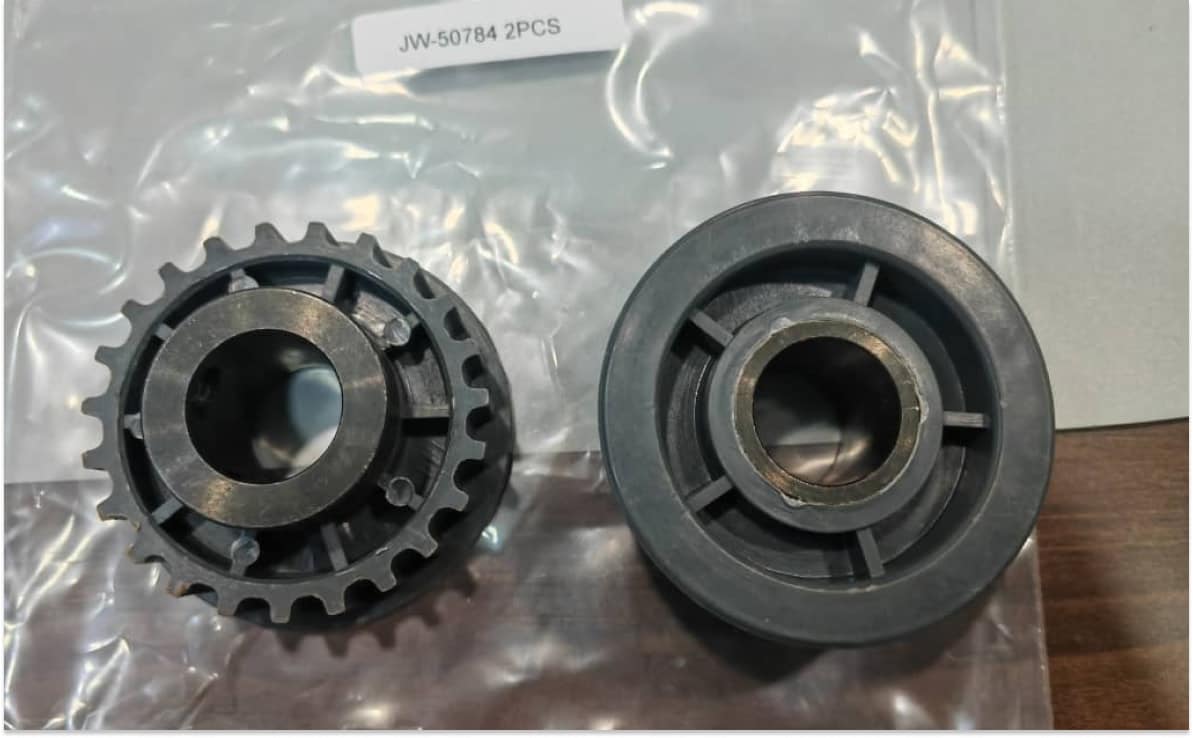
辊轴之间的同步性由驱动系统维持。伸长的皮带或松动的链条会导致运动抖动。在纺织工业中,即使是轻微的抖动也足以拉断高支细纱。因此,皮带是具有固定到期时间、必须严格遵守更换要求的浆纱机备件

3.4. 割边系统及相关组件

在卷绕过程中,管理纱线边部极其重要。如果切边刀变钝,会产生锯齿状的纱端,容易勾住其他材料并导致断裂。保持刀具锋利是浆纱机备件维护中不可或缺的一部分。

4. 技术分析:上浆系统中的压浆辊类型

压浆辊是浆纱机的心脏。它们决定了浆料在纱线上的留着率。

4.1. 橡胶压浆辊及其硬度指标

这种类型的浆纱机备件通常具有钢芯和特殊的橡胶涂层。橡胶的硬度(Shore A)必须保持稳定。如果辊太软,浆料吸收过多,使纱线干燥时间变长且变脆。如果太硬,浆料无法渗透到纱芯深处,降低了强度。

检查这些浆纱机备件时,必须使用专业的硬度计。任何偏离原始设计 5-10% 以上的情况都表明橡胶涂层需要重新研磨或更换。

4.2. 不锈钢压浆辊及其表面光洁度

一些现代浆纱机使用超光滑的不锈钢压浆辊。这些浆纱机备件不易受到化学磨损,但容易被掉入浆槽的硬物损坏。不锈钢辊上的一个微小凹痕就会在数千米纱线上产生重复性缺陷。

5. 温度与传感器组件问题

烘干系统占浆纱机大部分的功耗。烘房中的浆纱机备件承受着极端的温度压力。

5.1. 成品纱线水分传感器

这些是智能浆纱机备件,有助于调节机器速度。如果传感器故障或报告错误,纱线可能会在潮湿时被卷绕(导致霉变)或过干(导致织造时断经)。设备校准应每月进行一次。

5.2. 疏水阀和调节阀

对于使用蒸汽烘干的浆纱机,疏水阀是帮助排除冷凝水的重要浆纱机备件。如果疏水阀卡住,烘缸温度将不均匀,导致局部干燥——这是难以检测的潜在断经原因。

6. 避免断经的浆纱机备件维护流程

cung cấp phụ tùng máy hồ sợi
何时应更换浆纱机配件以避免断经? 22

有条理的维护流程将延长浆纱机备件的寿命并减轻技术团队的压力。

6.1. 每班次后的定期清洁

残留在浆纱机备件上的多余化学品会变干并形成锋利的硬鳞。使用热水或专用清洗液清洗有助于保持组件表面光滑,保护纱线免受表面损伤。

特别是浆槽需要完全排空,以避免细菌滋生改变化学性质,直接影响金属浆纱机备件的耐用性。

6.2. 纺织组件专用润滑剂的应用

并非所有润滑剂都适用于浆纱机的高温环境。为浆纱机备件使用正确的润滑剂有助于减少内部摩擦,防止过热和金属零件过早磨损。

浆纱机备件上油脂时的一个注意事项是不要让油脂沾到纱线上或进入浆液中,因为油脂会阻止浆料渗透纱线,产生导致断裂的弱点。

6.3. 轴平行度对齐检查

轴线不齐是导致浆纱机备件失效速度快于正常水平的间接原因。技术人员每月应使用激光尺检查辊筒的对齐情况,确保纱线张力在整个机器宽度上分布均匀。

6.4. 检查防静电系统

在烘房的干燥环境中,纱线和塑料组件上容易积聚静电。如果离子发生器损坏,纱线会互相排斥或被吸引到机架上,导致缠绕和断经。这种浆纱机备件需要定期进行电压测试。

7. 上浆化学品对浆纱机备件寿命的影响

上浆化学品不仅影响纱线,也是机器的无形敌人。

7.1. 浆料 pH 值与金属腐蚀

许多类型的浆料呈弱酸性或弱碱性。如果未选择合适材质的浆纱机备件(如使用 316 不锈钢而非 304),将会发生点蚀,削弱组件结构。

7.2. 轴承上的淀粉粘附

如果浆纱机备件的密封件泄漏,携带微小淀粉颗粒的浆液蒸汽会渗透进轴承内部。当这些淀粉干燥时,它们会充当磨料,在短时间内破坏内部的钢球。

8. 为什么选择 VieTextile 的浆纱机备件?

VieTextile 很荣幸能成为许多大型织造厂提供全面材料解决方案的战略合作伙伴。我们深知浆纱机备件系统中的每一个小部件都决定了一批产品的成败。

8.1. 国际标准的浆纱机备件质量

VieTextile 提供的所有浆纱机备件产品都经过严格的机械耐用性和耐热性测试。我们承诺,我们的压浆辊、浆筘和轴承的寿命比市场上的普通产品更长。

VieTextile 的每一件浆纱机备件都有清晰的来源,完全兼容从欧洲到亚洲的流行浆纱机系列。这让客户对立即安装和运行感到放心。

8.2. 浆纱机备件资深技术顾问团队

我们不仅销售产品;VieTextile 还协助客户进行故障诊断。如果您的工厂遇到持续断经,我们的专家将帮助检查哪些浆纱机备件存在问题,以提供最佳更换方案。

了解每种纱线的特性有助于 VieTextile 建议具有最合适表面结构的浆纱机备件类型,从而最大限度地减少摩擦并在整个上浆过程中增强纱线耐用性。

8.3. 卓越的交付和售后政策

考虑到机器故障时的紧迫性,VieTextile 始终保持充足的浆纱机备件库存。我们承诺最快的交付时间,使工厂的生产不会中断太久。每一份浆纱机备件订单都附带保修政策和详细的安装说明。

8.4. 浆纱机备件定制加工

如果您的系统是特殊的,VieTextile 提供基于图纸或现有样品的组件加工服务。凭借现代化的 CNC 系统,我们确保复杂类型的浆纱机备件精度达到微米级。

9. 智能库存管理策略

为了避免处于“临阵磨枪”的状态,企业需要科学的浆纱机备件管理计划。

9.1. 建立必备浆纱机备件目录

垫圈、密封件、浆筘和皮带等故障频率高的组件应始终保持至少 2 套库存。缺少一件价值几美元的浆纱机备件就可能使价值数百万美元的生产线瘫痪。

9.2. 记录浆纱机备件更换日志

通过跟踪每个组件的运行时间,您可以预测下次失效时间。这是规划合理浆纱机备件采购的基础,避免库存积压浪费资金。

10. 浆纱机备件的新技术趋势

纺织技术变化迅速,机器组件也不例外。

10.1. 陶瓷涂层浆纱机备件

为了提高耐磨性,许多导纱辊和瓷眼现在都涂有工程陶瓷。虽然成本较高,但这种类型的浆纱机备件寿命比传统材料长 5-10 倍,显著降低了更换频率。

10.2. 浆纱机备件自动化监控 (IoT)

新一代浆纱机在轴承上集成了振动传感器。系统会在组件即将失效时发出早期预警,允许技术人员在故障实际发生前准备好更换用浆纱机备件

11. 与浆纱机备件相关的常见故障及排除

phụ tùng máy hồ sợi chất lượng cao
何时应更换浆纱机配件以避免断经? 23

了解这些故障有助于您准确判断何时联系浆纱机备件供应商。

11.1. 纱线张力“冲击”现象

原因通常是经轴架上的制动器磨损或卷绕辊速度控制系统故障。请立即检查离合器和充当张力传感器的浆纱机备件

11.2. 浆液脱落(浆料未附着在纱线上)

排除化学原因外,故障通常出在浆槽加热单元或压浆辊磨损不均。清洁这些浆纱机备件的表面可能暂时解决问题,但更换新组件才是长久之计。

12. 投资优质浆纱机备件的长远眼光

不要只看采购价格,要看使用价值。一个廉价但快速失效的浆纱机备件会因为更换人工和断经损失让您花费更多。

投资像 VieTextile 这样信誉良好的单位提供的优质浆纱机备件,是您保护企业未来的方式。我们不只提供产品,我们提供生产的安心感。

13. 关于浆纱机备件的常见问题 (FAQ)

13.1. 压浆辊浆纱机备件应多久更换一次? 通常,压浆辊的寿命取决于工作负荷。但是,应每 6 个月定期检查一次。如果这些浆纱机备件的表面出现变形迹象或硬度变化超过 5 Shore A,您需要立即更换以避免断经。

13.2. 如何区分原装浆纱机备件和低质配件? 优质的浆纱机备件通常具有精密的加工纹理和经过良好耐磨处理的金属表面。使用仿冒浆纱机备件会导致严重的生产线损坏并增加纱线次品率。

13.3. 使用旧的浆纱机备件会有影响吗? 重复使用过期的组件通常会导致张力不稳定。这是导致大规模断经的首要原因,增加了浪费成本并损坏机器的其他部件。

13.4. VieTextile 是否提供旧机型的浆纱机备件? VieTextile 拥有品类齐全的浆纱机备件目录,满足旧机型和最新技术的需求。我们也接受根据技术图纸订制组件,以确保与您的系统绝对兼容。

13.5. 为什么更换新的浆纱机备件后依然断经? 如果更换新组件后依然断经,可能是由于运行参数调整不当或输入纱线的质量问题。VieTextile 将提供技术支持,帮助您寻找与浆纱机备件相关的根本原因。

13.6. 浆纱机备件的运输费用如何计算? 在 VieTextile,我们针对大批量订单有灵活的运输支持政策。对于需要紧急更换的浆纱机备件,我们使用快递服务以确保组件尽快送到您手中。

为了优化织造性能和专业的浆纱机配件维护,请立即联系 VieTextile!

联系方式: 

热线:0901 809 309 

电子邮件:info@vietextile.com 

网站:https://vietextile.com

When Should Sizing Machine Spare Parts Be Replaced to Avoid Yarn Breakage?

Recognizing the right time to replace sizing machine spare parts plays a pivotal role in maintaining weaving performance. This article provides an in-depth look at the wear-and-tear signs of sizing machine spare parts to prevent yarn breakage that causes production waste.

phụ tùng máy hồ sợi thay thế
When Should Sizing Machine Spare Parts Be Replaced to Avoid Yarn Breakage? 29

The sizing process is one of the most important stages in the textile industry, directly determining the strength, adhesion, and load-bearing capacity of the yarn before it enters the loom. In this operating system, equipment and sizing machine spare parts regulate temperature, pressure, and the amount of chemicals penetrating the yarn. However, over time of continuous operation, mechanical wear and the impact of sizing chemicals will degrade the functionality of these components.

Yarn breakage during the sizing process not only causes machine downtime and reduced productivity but also affects the surface quality of the finished fabric. To control this risk effectively, technicians need to clearly understand the lifespan and physical condition of each type of sizing machine spare parts. The article below will analyze in detail the signs of damage, periodic maintenance schedules, and key components that need close inspection to protect your production line.

1. The Importance of Timely Replacement of Sizing Machine Spare Parts

Maintaining the sizing machine spare parts system in top condition is not just a simple maintenance issue but a business strategy for textile enterprises. When components operate precisely, yarn tension is stably controlled, helping to minimize visual defects on the fabric.

1.1. Influence of Mechanical Parts on Yarn Quality

Yarn after passing through the sizing machine needs to achieve standard gloss, stiffness, and film adhesion. If the squeeze rollers – an important type of sizing machine spare parts – are deformed or unevenly worn, the amount of size absorbed into the yarn will be inconsistent, leading to spots that are too brittle or too weak, causing yarn breakage.

The stability of the equipment helps the protective film cover evenly around the yarn core. This reduces friction when the yarn runs through ceramic eyes or reeds on the loom later. Therefore, timely replacement of these items helps protect the quality reputation of the weaving workshop’s products.

1.2. Minimizing Idle Downtime

Whenever yarn breaks due to component failure, the entire line must stop for splicing and cleaning. This causes significant loss of labor and electricity costs. Proactively replacing worn elements helps businesses transition from reactive repair to preventive maintenance.

1.3. Protecting Related Equipment in the Line

A damaged component, if not replaced in time, can lead to a chain reaction. For example, a jammed bearing will put pressure on the motor and drive system, leading to much higher repair costs than maintaining the original unit.

2. Signs That Your Equipment Needs Replacement

Observing and measuring daily operating parameters will help early detection of abnormalities. Below are specific signs that machine operators should not ignore regarding their sizing machine spare parts.

2.1. Surface Roughness of Guide Rollers and Squeeze Rollers

Guide rollers are frequently in direct contact with yarn at high speeds. When the surface shows small scratches or oxidation, it becomes a factor causing yarn fraying. If the yarn is scratched right in the size vat, the yarn structure will weaken significantly.

For rubber squeeze rollers, if hardening or cracking appears on the outer surface, this is a mandatory signal to replace these sizing machine spare parts. Reduced elasticity makes the squeezing force no longer accurate, causing uncontrolled changes in the size pick-up ratio.

2.2. Unusual Noise and Vibration from Bearings

The bearing system is the main load-bearing component in the machine’s rotational movement. If you hear a squealing sound or feel strong vibration at the roller shafts, it is a sign of internal failure. A stuck bearing can cause the roller to rotate unevenly, creating sudden tension that breaks multiple yarns.

2.3. Deviations in the Temperature Control System

Temperature sensors and probes in the drying chamber are also classified as components that require high precision. If the actual temperature does not match the set parameters, the yarn may be scorched (if too hot) or not fully dry (if too cool), both cases leading to yarn breakage when passing through the winding unit.

2.4. Discoloration of the Sizing Solution Due to Component Corrosion

Sometimes, signs of damage lie not in the part itself but in the product. If you see rust spots or strange colored streaks in the size vat, it is likely that the stainless steel surfaces or metal sizing machine spare parts are undergoing severe chemical corrosion.

3. List of Components for Regular Inspection

phụ tùng máy hồ sợi chính hãng
When Should Sizing Machine Spare Parts Be Replaced to Avoid Yarn Breakage? 30

To manage inventory effectively, businesses need to classify their parts by priority level and wear frequency.

3.1. Sizing Reeds and Their Role in Yarn Shaping

The sizing reed helps separate yarns evenly before entering the size vat and after leaving the drying chamber. Bent or worn reed teeth will cause yarns to stick together (entanglement). This is a type of mechanical unit that should be cleaned daily and replaced immediately upon signs of deformation.

Additionally, reed density must be checked to suit the yarn count being produced. Inappropriate parts will create unnecessary friction, weakening the yarn before it can be protected by the size.

3.2. Seals, Gaskets, and Leakage Issues

In size vats containing hot chemicals, seals prevent solution leakage. Sizing chemicals are often corrosive or highly adhesive, easily damaging soft elements like gaskets and seals. Sizing leaks are not only wasteful but also contaminate the machine area, hardening adjacent moving parts.

Replacing small sizing machine spare parts like gaskets is often overlooked due to their low cost, but the consequences of leakage can damage the entire electrical system and sensors beneath the machine.

3.3. Chain Drives, Belts, and Synchronization

Synchronization between roller shafts is maintained by the drive system. Stretched belts or loose chains will cause jerky movements. In the textile industry, even a slight jerk is enough to break fine yarns with high counts. Therefore, belts are components with a fixed expiration date that must be strictly followed.

3.4. Selvedge Cutting Systems and Related Components

During the winding process, managing the yarn selvedge is extremely important. If the selvedge cutters are dull, they will create jagged yarn ends that easily catch on other materials and cause breakage. Maintaining the sharpness of the cutters is an indispensable part of maintenance.

4. Technical Analysis: Types of Squeeze Rollers in Sizing Systems

The squeeze roller is the heart of the sizing machine. They decide what percentage of size will remain on the yarn.

4.1. Rubber Squeeze Rollers and Hardness Indices

This type of unit usually has a steel core and a special rubber coating. The hardness (Shore A) of the rubber must be kept stable. If the roller is too soft, too much size is absorbed, making the yarn take longer to dry and become brittle. If too hard, the size does not penetrate deep into the yarn core, reducing strength.

When checking these sizing machine spare parts, a specialized hardness tester must be used. Any deviation of more than 5-10% from the original design is an indicator that the rubber coating needs to be reground or replaced.

4.2. Stainless Steel Squeeze Rollers and Surface Finish

Some modern sizing machines use ultra-smooth stainless steel squeeze rollers. These are less prone to chemical wear but easily damaged by hard objects falling into the size vat. Just one small dent on the roller will create repeating defects on thousands of meters of yarn.

5. Temperature and Sensor Component Issues

The drying system accounts for most of the machine’s power consumption. Components in the drying chamber are under extreme temperature pressure.

5.1. Finished Yarn Moisture Sensors

These are smart units that help adjust machine speed. If the sensor fails or reports incorrectly, the yarn may be wound while still damp (causing mold) or too dry (causing yarn breakage during weaving). Equipment calibration should be performed monthly.

5.2. Steam Traps and Regulating Valves

For machines using steam for drying, the steam trap is an important unit that helps remove condensed water. If the steam trap is stuck, the drying roller temperature will be uneven, causing localized drying—a potential cause of yarn breakage that is difficult to detect.

6. Maintenance Process to Avoid Yarn Breakage

cung cấp phụ tùng máy hồ sợi
When Should Sizing Machine Spare Parts Be Replaced to Avoid Yarn Breakage? 31

A methodical maintenance process will extend the life of your equipment and reduce pressure on the technical team.

6.1. Periodic Cleaning After Each Work Shift

Excess sizing chemicals sticking to various parts will dry and form sharp hard scales. Cleaning with hot water or specialized cleaning solutions helps surfaces stay smooth, protecting the yarn from surface damage.

In particular, size vats need to be completely drained to avoid bacteria growth that changes chemical properties, directly affecting the durability of metal sizing machine spare parts.

6.2. Applying Specialized Lubricants for Textile Components

Not all lubricants are suitable for the high-temperature environment of a sizing machine. Using the correct lubricant helps reduce internal friction, preventing overheating and premature wear of metal details.

A note when greasing these parts is not to let grease get on the yarn or into the sizing solution, as grease will prevent the size from penetrating the yarn, creating weak points that lead to breakage.

6.3. Checking Shaft Parallelism Alignment

Misaligned shafts are an indirect cause of parts failing faster than normal. Monthly, technicians should use laser rulers to check the alignment of the rollers, ensuring yarn tension is spread evenly across the machine width.

6.4. Checking the Anti-Static System

In the dry environment of the drying chamber, static electricity easily builds up on the yarn and plastic components. If the ionizer is broken, the yarns will repel each other or be attracted to the machine frame, causing tangles and breakage. This type of technical component needs periodic voltage testing.

7. Influence of Sizing Chemicals on Component Lifespan

Sizing chemicals not only affect the yarn but are also silent enemies of machinery.

7.1. Sizing pH and Metal Corrosion

Many types of sizing agents are slightly acidic or alkaline. If components with appropriate materials are not selected (such as 316 stainless steel instead of 304), pitting corrosion will occur, weakening the structure.

7.2. Starch Adhesion on Bearings

Sizing steam carrying tiny starch particles can penetrate inside bearings if the seals of the sizing machine spare parts are leaking. When this starch dries, it acts as an abrasive, destroying the steel balls inside in a short time.

8. Why Choose VieTextile for Sizing Machine Spare Parts?

VieTextile is proud to be a strategic partner of many large weaving factories in providing comprehensive material solutions. We understand that every small component in the system determines the success or failure of a batch.

8.1. International Standard Quality of Sizing Machine Spare Parts

All products provided by VieTextile undergo strict testing for mechanical durability and heat resistance. We commit that our squeeze rollers, reeds, and bearings have a longer lifespan than generic products on the market.

8.2. In-depth Technical Advisory Team

We don’t just sell products; VieTextile also accompanies customers in fault diagnosis. If your factory is experiencing continuous yarn breakage, our experts will help check which parts are having issues to provide the most optimal replacement plan.

Understanding the đặc điểm of each yarn type helps VieTextile advise on the type of sizing machine spare parts with the most suitable surface structure to minimize friction and enhance yarn durability throughout the process.

8.3. Superior Delivery and After-Sales Policy

Understanding the urgency when a machine breaks down, VieTextile always maintains an abundant inventory of various components. We commit to the fastest delivery time so that the factory’s production is not interrupted for too long. Every order comes with a warranty policy and detailed installation instructions.

8.4. Custom Fabrication of Sizing Machine Spare Parts

If your system is specialized, VieTextile provides component fabrication services based on drawings or existing samples. With a modern CNC system, we ensure precision down to every micrometer for complex types of parts.

9. Smart Inventory Management Strategy

To avoid being in a “last-minute” situation, businesses need a scientific management plan for their equipment.

9.1. Establishing a Catalog of Essential Spares

Components with high failure frequency such as gaskets, seals, reeds, and belts should always be available in stock with at least 2 sets. The lack of a single piece of sizing machine spare parts worth a few dollars can paralyze a multi-million dollar line.

9.2. Keeping a Replacement Log

By tracking the operating time of each component, you can predict the next failure time. This is the basis for planning reasonable procurement of sizing machine spare parts, avoiding excessive inventory that wastes capital.

10. New Technology Trends in Component Design

Textile technology is changing rapidly, and machine components are no exception.

10.1. Ceramic Coated Surfaces

To increase wear resistance, many guide rollers and ceramic eyes are now coated with technical ceramics. Although the cost is higher, the lifespan of this type of sizing machine spare parts is 5-10 times longer than conventional materials, significantly reducing replacement frequency.

10.2. Automated Component Monitoring (IoT)

New generation sizing machines integrate vibration sensors right on the bearings. The system will provide early warning khi một linh kiện is about to fail, allowing technicians to prepare replacement parts before a breakdown actually occurs.

11. Common Faults and Troubleshooting

phụ tùng máy hồ sợi chất lượng cao
When Should Sizing Machine Spare Parts Be Replaced to Avoid Yarn Breakage? 32

Understanding these faults helps you know exactly khi nào cần liên hệ a supplier.

11.1. Yarn Tension “Shock” Phenomenon

The cause is often worn brakes on the creel or a fault in the winding roller’s speed control system. Check the clutch and the sizing machine spare parts acting as tension sensors immediately.

11.2. Sizing Drop (Size Not Adhering to Yarn)

Excluding chemical causes, the fault usually lies in the size vat heating unit or unevenly worn squeeze rollers. Cleaning the surface of these units may temporarily solve nó, but replacing with new parts is the sustainable solution.

12. Long-term Vision When Investing in Quality Parts

Don’t look at the purchase price; look at the value of use. A cheap but quickly failing piece of sizing machine spare parts will cost you more money due to replacement labor and losses from yarn breakage.

Investing in quality products from reputable units like VieTextile is how you protect your business’s future. We don’t just provide items; we provide peace of mind in production.

13. Frequently Asked Questions (FAQ)

13.1. How often should squeeze rollers be replaced?

Typically, the life of a squeeze roller depends on the workload. However, it should be checked periodically every 6 months. If the surface shows signs of deformation, you need to replace it immediately.

13.2. How to distinguish genuine sizing machine spare parts?

Quality parts usually have sophisticated machining lines and well-treated metal surfaces for wear resistance. Using fake items can cause serious line damage and increase the rate of defective yarn.

13.3. Does using old components have any effect?

Reusing expired components often leads to unstable tension. This is the leading cause of mass yarn breakage, increasing waste costs and damaging other parts of the machine.

13.4. Does VieTextile provide parts for older machine lines?

VieTextile owns a diverse catalog, meeting the needs of cả dòng máy cũ and the latest technologies. We cũng nhận gia công linh kiện according to technical drawings.

13.5. Why does yarn still break after replacing new parts?

If yarn still breaks, it may be due to inappropriate operating parameter alignment or the quality of the input yarn. VieTextile will provide technical support to help you find the root cause.

13.6. How are sizing machine spare parts shipping costs calculated?

At VieTextile, we have a flexible shipping support policy for large quantity orders. For items that need urgent replacement, we use express delivery services to ensure they reach you as soon as possible.

To optimize weaving performance and professional maintenance, contact VieTextile today!

Contact Information:

Hotline: 0901 809 309

Email: info@vietextile.com

Website: https://vietextile.com
Khi Nào Cần Thay Phụ Tùng Máy Hồ Sợi Để Tránh Đứt Sợi?

Việc nhận biết thời điểm thay thế phụ tùng máy hồ sợi đóng vai trò then chốt trong việc duy trì hiệu suất dệt. Bài viết này cung cấp cái nhìn chuyên sâu về các dấu hiệu hao mòn của phụ tùng máy hồ sợi để ngăn chặn tình trạng đứt sợi gây lãng phí sản xuất.

phụ tùng máy hồ sợi thay thế
Khi Nào Cần Thay Phụ Tùng Máy Hồ Sợi Để Tránh Đứt Sợi? 38

Quy trình hồ sợi là một trong những công đoạn quan trọng nhất trong công nghiệp dệt may, quyết định trực tiếp đến độ bền, độ bám dính và khả năng chịu lực của sợi trước khi đưa vào máy dệt. Trong hệ thống vận hành này, các thiết bị và phụ tùng máy hồ sợi đóng vai trò điều tiết nhiệt độ, áp suất và lượng hóa chất thẩm thấu vào sợi. Tuy nhiên, theo thời gian vận hành liên tục, sự mài mòn cơ học và tác động của hóa chất hồ sẽ làm suy giảm chức năng của các linh kiện này.

Vấn đề đứt sợi trong quá trình hồ không chỉ gây dừng máy, giảm năng suất mà còn ảnh hưởng đến chất lượng bề mặt vải thành phẩm. Để kiểm soát tốt rủi ro này, kỹ thuật viên cần hiểu rõ tuổi thọ và tình trạng vật lý của từng loại phụ tùng máy hồ sợi. Bài viết dưới đây sẽ phân tích chi tiết các dấu hiệu hỏng hóc, lịch trình bảo dưỡng định kỳ và những linh kiện then chốt cần được kiểm tra sát sao để bảo vệ dây chuyền sản xuất của bạn.

1. Tầm Quan Trọng Của Việc Thay Thế Phụ Tùng Máy Hồ Sợi Đúng Lúc

Việc duy trì hệ thống phụ tùng máy hồ sợi ở trạng thái tốt nhất không chỉ là vấn đề bảo trì đơn thuần mà là chiến lược kinh doanh của doanh nghiệp dệt. Khi các linh kiện hoạt động chính xác, độ căng sợi được kiểm soát ổn định, giúp giảm thiểu tối đa các lỗi ngoại quan trên vải.

1.1. Ảnh Hưởng Của Phụ Tùng Máy Hồ Sợi Đến Chất Lượng Sợi

Sợi sau khi đi qua máy hồ cần đạt được độ bóng, độ cứng và độ bám dính lớp màng hồ tiêu chuẩn. Nếu các lô ép (Squeeze rollers) – một loại phụ tùng máy hồ sợi quan trọng – bị biến dạng hoặc mòn không đều, lượng hồ thấm vào sợi sẽ không đồng nhất, dẫn đến chỗ quá giòn, chỗ quá yếu gây đứt sợi.

Sự ổn định của thiết bị giúp lớp màng bảo vệ bao phủ đều quanh lõi sợi. Điều này làm giảm ma sát khi sợi chạy qua các mắt sứ hoặc răng lược trên máy dệt sau này. Do đó, việc thay thế phụ tùng máy hồ sợi kịp thời giúp bảo vệ uy tín chất lượng sản phẩm của xưởng dệt.

1.2. Giảm Thiểu Thời Gian Dừng Máy Vô Ích

Mỗi khi sợi bị đứt do lỗi linh kiện, toàn bộ dây chuyền phải dừng lại để nối sợi và vệ sinh. Điều này gây thất thoát nhân công và chi phí điện năng rất lớn. Thay thế chủ động các phụ tùng máy hồ sợi giúp doanh nghiệp chuyển từ trạng thái sửa chữa bị động sang bảo trì phòng ngừa.

1.3. Bảo Vệ Các Thiết Bị Liên Đới Trong Dây Chuyền

Một món phụ tùng máy hồ sợi bị hỏng nếu không được thay thế kịp thời có thể dẫn đến phản ứng dây chuyền. Ví dụ, một vòng bi bị kẹt sẽ gây áp lực lên mô tơ và hệ thống truyền động, dẫn đến chi phí sửa chữa đắt đỏ hơn nhiều so với việc bảo trì linh kiện ban đầu.

2. Các Dấu Hiệu Cho Thấy Phụ Tùng Máy Hồ Sợi Cần Được Thay Thế

Việc quan sát và đo lường các thông số vận hành hàng ngày sẽ giúp phát hiện sớm những bất thường từ phụ tùng máy hồ sợi. Dưới đây là những dấu hiệu cụ thể mà người vận hành máy không nên bỏ qua.

2.1. Độ Nhám Bề Mặt Của Các Lô Dẫn Và Lô Ép

Các lô dẫn hướng thường xuyên tiếp xúc trực tiếp với sợi ở tốc độ cao. Khi bề mặt phụ tùng máy hồ sợi này xuất hiện các vết xước nhỏ hoặc hiện tượng oxy hóa, nó sẽ trở thành tác nhân gây sờn lông sợi. Nếu sợi bị trầy xước ngay trong máng hồ, cấu trúc sợi sẽ yếu đi đáng kể.

Đối với lô ép cao su, nếu xuất hiện hiện tượng chai cứng hoặc nứt nẻ mặt ngoài, đây là tín hiệu bắt buộc phải thay thế phụ tùng máy hồ sợi này. Độ đàn hồi giảm khiến lực ép không còn chính xác, làm thay đổi tỷ lệ ngấm hồ (pick-up) không kiểm soát được.

2.2. Tiếng Ồn Và Độ Rung Khác Thường Từ Vòng Bi

Hệ thống vòng bi (bạc đạn) là thành phần chịu tải chính trong chuyển động quay của máy. Nếu nghe thấy tiếng rít hoặc cảm nhận được độ rung mạnh tại các trục lô, đó là biểu hiện của việc hỏng hóc phụ tùng máy hồ sợi bên trong. Một vòng bi kẹt có thể khiến lô không quay đều, gây lực căng đột ngột làm đứt hàng loạt sợi.

2.3. Sai Lệch Trong Hệ Thống Kiểm Soát Nhiệt Độ

Các cảm biến và đầu dò nhiệt trong buồng sấy cũng được xếp vào nhóm phụ tùng máy hồ sợi cần độ chính xác cao. Nếu nhiệt độ thực tế không khớp với thông số cài đặt, sợi có thể bị cháy (nếu quá nóng) hoặc chưa khô hẳn (nếu quá nguội), cả hai trường hợp đều dẫn đến việc đứt sợi khi qua bộ phận thu cuộn.

2.4. Sự Biến Màu Của Dung Dịch Hồ Do Linh Kiện Bị Ăn Mòn

Đôi khi, dấu hiệu hỏng hóc phụ tùng máy hồ sợi không nằm ở bản thân nó mà nằm ở sản phẩm. Nếu bạn thấy các vết rỉ sét hoặc vệt màu lạ trong máng hồ, có khả năng các bề mặt inox của máng hoặc các phụ tùng máy hồ sợi bằng kim loại đang bị ăn mòn hóa học trầm trọng.

3. Danh Sách Các Phụ Tùng Máy Hồ Sợi Cần Kiểm Tra Thường Xuyên

phụ tùng máy hồ sợi chính hãng
Khi Nào Cần Thay Phụ Tùng Máy Hồ Sợi Để Tránh Đứt Sợi? 39

Để quản lý kho linh kiện hiệu quả, doanh nghiệp cần phân loại các phụ tùng máy hồ sợi theo mức độ ưu tiên và tần suất hao mòn.

3.1. Hệ Thống Lược Hồ (Reed) Và Vai Trò Định Hình Sợi

Lược hồ giúp phân tách các sợi đều nhau trước khi vào máng hồ và sau khi ra khỏi buồng sấy. Răng lược bị cong hoặc mòn khuyết sẽ khiến các sợi dính vào nhau (hiện tượng sợi bện). Đây là phụ tùng máy hồ sợi cần được vệ sinh hàng ngày và thay thế ngay khi có dấu hiệu biến dạng cơ học.

Bên cạnh đó, mật độ răng lược cũng cần được kiểm tra để phù hợp với chi số sợi đang sản xuất. Một bộ phụ tùng máy hồ sợi không phù hợp sẽ tạo ra ma sát không cần thiết, làm yếu sợi trước khi nó kịp được hồ bảo vệ.

3.2. Hệ Thống Phớt Chặn, Gioăng Cao Su Và Vấn Đề Rò Rỉ

Trong các máng hồ chứa hóa chất nóng, các phớt chặn ngăn chặn sự rò rỉ dung dịch. Hóa chất hồ thường có tính ăn mòn hoặc bám dính cao, dễ làm hỏng các loại phụ tùng máy hồ sợi mềm như gioăng phớt. Rò rỉ hồ không chỉ lãng phí mà còn gây ô nhiễm khu vực máy, làm khô cứng các bộ phận chuyển động lân cận.

Việc thay thế các phụ tùng máy hồ sợi nhỏ như gioăng phớt thường bị bỏ qua do giá thành rẻ, nhưng hậu quả của việc rò rỉ có thể làm hỏng cả hệ thống điện và cảm biến bên dưới máy.

3.3. Bộ Phận Truyền Động Xích, Dây Curoa Và Độ Đồng Bộ

Sự đồng bộ giữa các trục lô được duy trì nhờ hệ thống truyền động. Dây curoa bị giãn hoặc xích bị rão sẽ gây ra hiện tượng giật cục. Trong ngành dệt, chỉ cần một nhịp giật nhẹ cũng đủ để làm đứt những loại sợi mảnh có độ chi số cao. Do đó, dây curoa là phụ tùng máy hồ sợi có hạn dùng cố định cần tuân thủ nghiêm ngặt.

3.4. Hệ Thống Dao Cắt Sợi Biên Và Các Linh Kiện Liên Quan

Trong quá trình quấn cuộn, việc quản lý biên sợi là cực kỳ quan trọng. Các dao cắt biên nếu bị cùn sẽ tạo ra các đầu sợi lởm chởm, dễ mắc vào các vật tư khác và gây đứt. Việc duy trì độ sắc bén của dao cắt là một phần không thể thiếu trong bảo trì phụ tùng máy hồ sợi.

4. Phân Tích Kỹ Thuật: Các Loại Lô Ép Trong Hệ Thống Máy Hồ

Lô ép là trái tim của máy hồ sợi. Chúng quyết định bao nhiêu phần trăm lượng hồ sẽ nằm lại trên sợi.

4.1. Lô Ép Cao Su Và Các Chỉ Số Độ Cứng

Loại phụ tùng máy hồ sợi này thường có lõi thép và bọc cao su đặc biệt. Độ cứng (Shore A) của cao su phải được giữ ở mức ổn định. Nếu lô quá mềm, lượng hồ ngấm quá nhiều khiến sợi lâu khô và giòn. Nếu quá cứng, hồ không ngấm sâu vào lõi sợi, làm giảm độ bền.

Khi kiểm tra phụ tùng máy hồ sợi này, cần dùng máy đo độ cứng chuyên dụng. Bất kỳ sự sai lệch nào quá 5-10% so với thiết kế ban đầu đều là chỉ báo cần phải mài lại hoặc thay mới lớp cao su bọc ngoài.

4.2. Lô Ép Inox Và Bề Mặt Hoàn Thiện

Một số máy hồ hiện đại sử dụng lô ép inox có độ nhẵn cực cao. Món phụ tùng máy hồ sợi này ít bị mài mòn bởi hóa chất nhưng dễ bị tổn thương bởi các vật cứng lọt vào máng hồ. Chỉ một vết lõm nhỏ trên lô inox cũng sẽ tạo ra lỗi lặp lại trên hàng ngàn mét sợi.

5. Các Vấn Đề Về Nhiệt Độ Và Cảm Biến Linh Kiện

Hệ thống sấy khô chiếm phần lớn điện năng của máy hồ. Phụ tùng máy hồ sợi trong buồng sấy chịu áp lực nhiệt độ cực lớn.

5.1. Cảm Biến Độ Ẩm Sợi Thành Phẩm

Đây là phụ tùng máy hồ sợi thông minh giúp điều chỉnh tốc độ máy. Nếu cảm biến hỏng hoặc báo sai, sợi có thể bị thu cuộn khi còn ẩm (gây nấm mốc) hoặc quá khô (gây đứt sợi khi dệt). Việc hiệu chuẩn thiết bị cần được thực hiện hàng tháng.

5.2. Hệ Thống Bẫy Hơi Và Van Điều Tiết

Đối với các máy hồ sử dụng hơi nước để sấy, bẫy hơi là phụ tùng máy hồ sợi quan trọng giúp loại bỏ nước ngưng tụ. Nếu bẫy hơi kẹt, nhiệt độ lô sấy sẽ không đều, gây ra tình trạng sợi khô cục bộ – một nguyên nhân tiềm ẩn gây đứt sợi khó phát hiện.

6. Quy Trình Bảo Dưỡng Phụ Tùng Máy Hồ Sợi Để Tránh Đứt Sợi

cung cấp phụ tùng máy hồ sợi
Khi Nào Cần Thay Phụ Tùng Máy Hồ Sợi Để Tránh Đứt Sợi? 40

Một quy trình bảo dưỡng bài bản sẽ kéo dài tuổi thọ cho phụ tùng máy hồ sợi và giảm áp lực cho đội ngũ kỹ thuật.

6.1. Vệ Sinh Định Kỳ Sau Mỗi Ca Làm Việc

Hóa chất hồ dư thừa bám trên các phụ tùng máy hồ sợi sẽ khô lại và tạo thành các mảng cứng sắc nhọn. Việc vệ sinh bằng nước nóng hoặc dung dịch tẩy rửa chuyên dụng giúp bề mặt linh kiện luôn trơn nhẵn, bảo vệ sợi không bị tổn thương bề mặt.

Đặc biệt, các máng hồ cần được xả cặn hoàn toàn để tránh vi khuẩn phát triển làm biến đổi tính chất hóa học, ảnh hưởng trực tiếp đến độ bền của các phụ tùng máy hồ sợi bằng kim loại.

6.2. Tra Dầu Mỡ Chuyên Dụng Cho Linh Kiện Máy Dệt

Không phải loại dầu mỡ nào cũng phù hợp với môi trường nhiệt độ cao của máy hồ. Sử dụng đúng loại chất bôi trơn cho phụ tùng máy hồ sợi giúp giảm ma sát nội tại, ngăn chặn hiện tượng quá nhiệt và mài mòn sớm các chi tiết kim loại.

Lưu ý khi tra mỡ cho phụ tùng máy hồ sợi là không được để mỡ dính vào sợi hoặc vào dung dịch hồ, vì mỡ sẽ ngăn cản hồ ngấm vào sợi, gây ra các điểm yếu dẫn đến đứt sợi.

6.3. Kiểm Tra Căn Chỉnh Độ Song Song Của Các Trục

Lệch trục là nguyên nhân gián tiếp làm hỏng phụ tùng máy hồ sợi nhanh hơn bình thường. Định kỳ hàng tháng, kỹ thuật viên cần dùng thước laser để kiểm tra độ thẳng hàng của các lô, đảm bảo lực căng sợi trải đều khắp khổ máy.

6.4. Kiểm Tra Hệ Thống Chống Tĩnh Điện

Trong môi trường khô của buồng sấy, tĩnh điện dễ tích tụ trên sợi và các linh kiện bằng nhựa. Nếu bộ khử tĩnh điện (ionizer) bị hỏng, các sợi sẽ đẩy nhau hoặc hút vào khung máy, gây rối và đứt sợi. Loại phụ tùng máy hồ sợi này cần được đo kiểm điện áp định kỳ.

7. Ảnh Hưởng Của Hóa Chất Hồ Đến Tuổi Thọ Phụ Tùng Máy Hồ Sợi

Hóa chất hồ không chỉ tác động lên sợi mà còn là kẻ thù thầm lặng của máy móc.

7.1. Độ PH Của Hồ Và Sự Ăn Mòn Kim Loại

Nhiều loại hồ sợi có tính acid hoặc kiềm nhẹ. Nếu không lựa chọn phụ tùng máy hồ sợi có chất liệu phù hợp (như inox 316 thay vì 304), hiện tượng ăn mòn lỗ kim sẽ xảy ra, làm yếu cấu trúc linh kiện.

7.2. Sự Bám Dính Tinh Bột Trên Vòng Bi

Hơi hồ mang theo các hạt tinh bột nhỏ li ti có thể xâm nhập vào bên trong vòng bi nếu phớt chặn của phụ tùng máy hồ sợi bị hở. Khi tinh bột này khô lại, nó hoạt động như một chất mài mòn, tàn phá các viên bi thép bên trong chỉ trong thời gian ngắn.

8. Tại Sao Nên Chọn VieTextile Để Cung Cấp Phụ Tùng Máy Hồ Sợi?

VieTextile tự hào là đối tác chiến lược của nhiều nhà máy dệt lớn trong việc cung ứng giải pháp vật tư toàn diện. Chúng tôi hiểu rằng mỗi linh kiện nhỏ trong hệ thống phụ tùng máy hồ sợi đều quyết định đến sự thành bại của một lô hàng.

8.1. Chất Lượng Phụ Tùng Máy Hồ Sợi Đạt Chuẩn Quốc Tế

Tất cả các sản phẩm phụ tùng máy hồ sợi do VieTextile cung cấp đều trải qua quy trình kiểm định nghiêm ngặt về độ bền cơ học và khả năng chịu nhiệt. Chúng tôi cam kết các loại lô ép, lược hồ và vòng bi có tuổi thọ cao hơn so với các dòng sản phẩm trôi nổi trên thị trường.

Mỗi món phụ tùng máy hồ sợi từ VieTextile đều có nguồn gốc rõ ràng, tương thích hoàn toàn với các dòng máy hồ sợi phổ biến từ châu Âu đến châu Á. Điều này giúp khách hàng yên tâm về khả năng lắp đặt và vận hành ngay lập tức.

8.2. Đội Ngũ Kỹ Thuật Tư Vấn Phụ Tùng Máy Hồ Sợi Chuyên Sâu

Chúng tôi không chỉ bán hàng, VieTextile còn đồng hành cùng khách hàng trong việc chuẩn đoán lỗi. Nếu nhà máy của bạn đang gặp tình trạng đứt sợi liên tục, chuyên gia của chúng tôi sẽ hỗ trợ kiểm tra xem phụ tùng máy hồ sợi nào đang gặp vấn đề để đưa ra phương án thay thế tối ưu nhất.

Việc hiểu rõ đặc tính của từng loại sợi giúp VieTextile tư vấn loại phụ tùng máy hồ sợi có cấu tạo bề mặt phù hợp nhất, nhằm giảm thiểu tối đa lực ma sát và tăng cường độ bền cho sợi trong suốt quá trình hồ.

8.3. Chính Sách Giao Hàng Và Hậu Mãi Vượt Trội

Hiểu được tính cấp bách khi máy gặp sự cố, VieTextile luôn duy trì lượng tồn kho phụ tùng máy hồ sợi dồi dào. Chúng tôi cam kết thời gian giao hàng nhanh nhất để nhà máy không bị gián đoạn sản xuất quá lâu. Mọi đơn hàng phụ tùng máy hồ sợi đều đi kèm chính sách bảo hành và hướng dẫn lắp đặt chi tiết.

8.4. Dịch Vụ Gia Công Phụ Tùng Máy Hồ Sợi Theo Yêu Cầu

Nếu hệ thống của bạn là hàng đặc chủng, VieTextile cung cấp dịch vụ gia công linh kiện theo bản vẽ hoặc mẫu có sẵn. Với hệ thống máy CNC hiện đại, chúng tôi đảm bảo độ chính xác đến từng micromet cho các loại phụ tùng máy hồ sợi phức tạp.

9. Chiến Lược Quản Lý Kho Vật Tư Thông Minh

Để không rơi vào tình trạng “nước đến chân mới nhảy”, doanh nghiệp cần một kế hoạch quản lý phụ tùng máy hồ sợi khoa học.

9.1. Thiết Lập Danh Mục Phụ Tùng Máy Hồ Sợi Dự Phòng Thiết Yếu

Những linh kiện có tần suất hỏng cao như gioăng, phớt, lược hồ, dây curoa cần luôn có sẵn trong kho ít nhất 2 bộ. Việc thiếu một món phụ tùng máy hồ sợi trị giá vài chục ngàn đồng cũng có thể làm tê liệt dây chuyền hàng tỷ đồng.

9.2. Ghi Chép Nhật Ký Thay Thế Phụ Tùng Máy Hồ Sợi

Bằng cách theo dõi thời gian vận hành của từng món linh kiện, bạn có thể dự đoán được thời điểm hỏng hóc tiếp theo. Đây là cơ sở để lập kế hoạch mua sắm phụ tùng máy hồ sợi hợp lý, tránh tồn kho quá nhiều gây lãng phí vốn.

10. Xu Hướng Công Nghệ Mới Trong Phụ Tùng Máy Hồ Sợi

Công nghệ dệt may đang thay đổi nhanh chóng, và các linh kiện máy móc cũng không ngoại lệ.

10.1. Phụ Tùng Máy Hồ Sợi Phủ Gốm (Ceramic Coating)

Để tăng khả năng chống mài mòn, nhiều loại lô dẫn và mắt sứ hiện nay được phủ lớp gốm kỹ thuật. Mặc dù chi phí cao hơn, nhưng tuổi thọ của loại phụ tùng máy hồ sợi này gấp 5-10 lần so với vật liệu thông thường, giúp giảm tần suất thay thế đáng kể.

10.2. Hệ Thống Giám Sát Phụ Tùng Máy Hồ Sợi Tự Động (IoT)

Các máy hồ sợi thế hệ mới tích hợp cảm biến rung động ngay trên vòng bi. Hệ thống sẽ cảnh báo sớm khi linh kiện sắp hỏng, cho phép kỹ thuật viên chuẩn bị phụ tùng máy hồ sợi thay thế trước khi sự cố thực sự xảy ra.

11. Các Lỗi Thường Gặp Và Cách Xử Lý Liên Quan Đến Phụ Tùng Máy Hồ Sợi

phụ tùng máy hồ sợi chất lượng cao
Khi Nào Cần Thay Phụ Tùng Máy Hồ Sợi Để Tránh Đứt Sợi? 41

Hiểu rõ các lỗi này giúp bạn biết chính xác khi nào cần gọi cho đơn vị cung cấp phụ tùng máy hồ sợi.

11.1. Hiện Tượng Sợi Bị “Sốc” Lực Căng

Nguyên nhân thường do phanh của giàn cấp sợi (creel) bị mòn hoặc hệ thống điều tốc của lô quấn gặp lỗi. Cần kiểm tra ngay bộ ly hợp và các phụ tùng máy hồ sợi làm nhiệm vụ cảm biến lực căng.

11.2. Hồ Không Bám Sợi (Sizing Drop)

Nếu loại trừ nguyên nhân hóa chất, lỗi thường nằm ở bộ phận gia nhiệt máng hồ hoặc lô ép bị mòn không đều. Việc vệ sinh lại bề mặt phụ tùng máy hồ sợi này có thể giải quyết tạm thời, nhưng thay thế linh kiện mới là giải pháp bền vững.

12. Tầm Nhìn Dài Hạn Khi Đầu Tư Vào Phụ Tùng Máy Hồ Sợi Chất Lượng

Đừng nhìn vào giá thành mua vào, hãy nhìn vào giá trị sử dụng. Một món phụ tùng máy hồ sợi rẻ tiền nhưng nhanh hỏng sẽ tiêu tốn của bạn nhiều tiền hơn do công thay thế và thiệt hại do đứt sợi.

Đầu tư vào phụ tùng máy hồ sợi chất lượng từ những đơn vị uy tín như VieTextile chính là cách bạn bảo vệ tương lai của doanh nghiệp mình. Chúng tôi không chỉ cung cấp sản phẩm, chúng tôi cung cấp sự an tâm trong sản xuất.

13. Câu Hỏi Thường Gặp Về Phụ Tùng Máy Hồ Sợi (FAQ)

13.1. Bao lâu thì nên thay lô ép phụ tùng máy hồ sợi một lần?

Thông thường, tuổi thọ của lô ép phụ thuộc vào cường độ làm việc. Tuy nhiên, nên kiểm tra định kỳ 6 tháng một lần. Nếu bề mặt phụ tùng máy hồ sợi này có dấu hiệu biến dạng hoặc độ cứng thay đổi vượt quá 5 Shore A, bạn cần thay mới ngay để tránh đứt sợi.

13.2. Làm thế nào để phân biệt phụ tùng máy hồ sợi chính hãng và hàng kém chất lượng?

Phụ tùng máy hồ sợi chất lượng thường có đường nét gia công tinh xảo, bề mặt kim loại được xử lý chống mài mòn tốt. Sử dụng phụ tùng máy hồ sợi giả có thể gây hỏng hóc dây chuyền nghiêm trọng và làm tăng tỷ lệ sợi lỗi.

13.3. Việc sử dụng phụ tùng máy hồ sợi cũ có ảnh hưởng gì không?

Sử dụng lại linh kiện đã quá hạn thường dẫn đến lực căng không ổn định. Đây là nguyên nhân hàng đầu gây ra hiện tượng đứt sợi hàng loạt, làm tăng chi phí phế phẩm và gây hại cho các bộ phận khác của máy.

13.4. VieTextile có cung cấp phụ tùng máy hồ sợi cho các dòng máy đời cũ không?

VieTextile sở hữu danh mục phụ tùng máy hồ sợi đa dạng, đáp ứng được cho cả những dòng máy đời cũ và các công nghệ mới nhất. Chúng tôi cũng nhận đặt làm các linh kiện theo bản vẽ kỹ thuật để đảm bảo sự tương thích tuyệt đối cho hệ thống của bạn.

13.5. Tại sao thay phụ tùng máy hồ sợi mới rồi mà vẫn bị đứt sợi?

Nếu đã thay linh kiện mới mà vẫn đứt sợi, có thể do việc căn chỉnh thông số vận hành chưa phù hợp hoặc do chất lượng sợi đầu vào. VieTextile sẽ hỗ trợ kỹ thuật để giúp bạn tìm ra nguyên nhân gốc rễ liên quan đến phụ tùng máy hồ sợi.

13.6. Chi phí vận chuyển phụ tùng máy hồ sợi được tính như thế nào?

Tại VieTextile, chúng tôi có chính sách hỗ trợ vận chuyển linh hoạt cho các đơn hàng số lượng lớn. Đối với các phụ tùng máy hồ sợi cần thay thế khẩn cấp, chúng tôi sử dụng dịch vụ chuyển phát nhanh hỏa tốc để đảm bảo linh kiện đến tay bạn sớm nhất.

Để tối ưu hóa hiệu suất dệt và bảo trì phụ tùng máy hồ sợi chuyên nghiệp, hãy liên hệ VieTextile ngay hôm nay!

Thông tin liên hệ: 

Hotline: 0901 809 309 

Email: info@vietextile.com 

Website: https://vietextile.com
印花后整理助剂如何影响色牢度和织物手感?

在织物印花过程完成后,后整理阶段对纺织品的最终质量起着决定性作用。使用正确类型的印花后整理助剂不仅有助于固色和提高耐洗牢度,还能显著改善织物的柔软度和手感。本文将详细分析该阶段对纺织品最重要的两项影响。

现代纺织工业要求每一步都尽善尽美,尤其是在印花之后。印花过程,无论是颜料、活性还是酸性印花,总会在织物表面和纤维内部留下多余的染料、助剂和基础化学品。后整理过程是一系列复杂的化学反应,旨在去除这些残留化学品,增强色牢度,并调整织物的物理特性。

如果选择了错误的印花后整理助剂类型,或者浓度和温度应用不当,产品可能会迅速褪色(耐洗牢度低)或变得粗糙,从而降低商业价值和用户体验。优化使用印花后整理助剂的过程是每个纺织工厂的关键任务。

我们将深入研究每种化学品的类型及其对色牢度(耐洗、耐摩擦)和织物手感的作用机制,以帮助制造商优化其工艺并确保产品质量。

hóa chất xử lý sau khi in vải giá tốt
印花后整理助剂如何影响色牢度和织物手感? 46

1. 后整理的重要性

后整理是从半成品到成品的重要过渡步骤。此阶段旨在去除杂质和未固定的化学品,从而稳定颜色结构并改善所需的物理性能。

1.1. 化学品使用的主要目标

使用印后整理化学助剂有三个主要目标:清洁、固色和整理。每个目标都直接影响最终产品质量。

1.1.1. 清洁和去除残留物质

印花后,未固定的染料、增稠剂和其他助剂仍附着在表面。去除它们是强制性的。如果这些物质没有完全去除,它们在洗涤过程中会导致渗色或沾色,降低产品的色牢度。专用的洗涤剂是此步骤中核心的印后整理化学助剂

1.1.2. 颜色固定(固色)

这是色牢度最关键的一步。固色剂用于在染料分子和织物纤维之间形成更强的化学键或离子键。目标是防止颜色在使用和洗涤过程中脱落或转移到其他织物上。用于固色的印后整理化学助剂有助于产品长期保持其鲜艳度。

1.1.3. 改善织物手感(柔软)

经过高温和严酷的化学过程后,织物往往会变粗糙。柔软剂作为印后整理化学助剂之一被添加,以恢复柔软度,营造宜人的触感,有时还用于改善抗皱或抗静电性能。

1.2. 后整理中的化学阶段

这个过程不是单一的一步,而是一系列连续的反应。控制温度、pH 值和化学品浓度对于印后整理化学助剂发挥最大效用至关重要。

1.2.1. 热洗过程

这是最初的清洁步骤,通常使用热水结合非离子洗涤剂来溶解和去除增稠剂和未固定的染料。洗涤温度和时间必须严格控制;温度太低效果不佳,但太高可能会损坏印花颜色。

1.2.2. 中和

印花过程通常使用碱性或酸性环境。此步骤中的印后整理化学助剂是弱酸或弱碱(例如冰醋酸、纯碱),用于将织物的 pH 值恢复到中性或适合后整理的水平。不正确的 pH 值会降低后续柔软剂和固色剂的有效性。

2. 对色牢度的影响

色牢度是衡量纺织材料在暴露于洗涤、光照、摩擦、汗液和化学品等环境因素时抵抗颜色变化的程度。印后整理化学助剂在达到高色牢度标准方面起着关键作用。

2.1. 专用洗涤剂

使用专用洗涤剂对于获得良好的耐洗牢度和颜色稳定性是必要的。目标是彻底去除未反应的染料和助剂。

2.1.1. 去除未固定的染料

这些印后整理化学助剂(通常是分散剂和表面活性剂)有助于将未固定的染料分子从纤维分散到洗涤液中。如果洗涤过程效率低下,残留染料将在消费者第一次洗涤时流失,导致严重褪色。

2.1.2. 对耐洗牢度的影响

耐洗牢度(根据 ISO 105-C06 标准)是最重要的指标之一。选定的印后整理化学助剂必须确保彻底清洁,同时不影响已经形成的颜色键。使用劣质化学品进行不当洗涤可能导致颜色键断裂,显著降低色牢度。

2.2. 固色剂的作用机制

固色剂是直接通过加强染料和纤维之间的结合来提高色牢度的印后整理化学助剂

2.2.1. 活性染料的固色

对于活性印花,通常使用基于阳离子聚合物的固色剂。这些印后整理化学助剂在纤维上产生带正电荷的位点(阳离子位点),吸引染料的阴离子基团,形成稳定的离子键,补充已形成的共价键。这有助于提高耐洗牢度和湿摩擦牢度。

2.2.2. 颜料染料的固色(颜色捕获机制)

对于颜料印花,固色剂本质上是一种高耐用性的粘合剂,而不是直接的化学反应。这种印后整理化学助剂充当透明聚合物薄膜,将颜料颗粒“捕获”在纤维表面。粘合剂的质量(弹性、透明度和耐热性)决定了干摩擦和湿摩擦牢度,以及织物手感。质量差的粘合剂可能会剥落,导致颜色损失。

2.3. 分散剂

在某些印花情况下,特别是分散染料,印后整理化学助剂包括特殊的分散助剂。

2.3.1. 确保均匀性

这些助剂有助于染料均匀分散,并防止颜色分子在洗涤液中聚集。颜色聚集可能导致颜色颗粒重新沉积在织物上,造成不良的“沾色”,降低颜色清洁度和亮度。

2.3.2. 对耐摩擦牢度的影响

耐摩擦牢度是颜色在摩擦时不会转移到另一块织物上的能力。通过印后整理化学助剂去除未固定的染料分子有助于织物表面变得更清洁,从而显著改善干摩擦和湿摩擦牢度。

3. 对织物手感的影响

cung cấp hóa chất xử lý sau khi in vải
印花后整理助剂如何影响色牢度和织物手感? 47

经过高强度热和化学处理后,织物通常会失去其天然柔软度。柔软剂是旨在恢复和改善这种感官特性的最重要的印后整理化学助剂

3.1. 常见柔软剂

柔软剂是具有长分子结构的有机化合物,通常是硅油或脂肪酸,旨在形成一层薄膜包裹织物纤维。

3.1.1. 阳离子柔软剂

这是最常见的柔软剂类型,通过与纤维素纤维上带负电荷的基团进行离子键合而发挥作用。阳离子柔软剂为织物营造出光滑、“丰满手感”的触感。然而,如果这种印后整理化学助剂的浓度过高,可能会降低织物的吸水能力。

3.1.2. 有机硅柔软剂

有机硅柔软剂(例如聚有机硅氧烷)可提供卓越的柔软度,带来光滑、平顺且有弹性(回弹手感)的触感。基于有机硅的印后整理化学助剂是首选,因为与阳离子型相比,它们对拒水性的影响最小,并提供更好的耐洗耐久性。

3.1.3. 非离子柔软剂

当需要对其他织物性能影响最小时,通常使用非离子柔软剂,例如在颜料印花中,它们可以与粘合剂结合使用,而不会降低粘合剂的固色能力。

3.2. 对纤维结构的作用机制

柔软剂通过减少织物结构中单个纤维之间的摩擦而发挥作用。

3.2.1. 减少纤维摩擦

在热处理过程中,织物纤维通常会收缩并变得僵硬,增加了它们之间的摩擦。印后整理化学助剂(柔软剂)的薄层充当润滑剂,使纤维在织物弯曲或折叠时更容易相互滑动。这为触感提供了柔软、光滑的感觉。

3.2.2. 对吸水性的影响

尽管柔软剂改善了织物手感,但它们可能会降低产品的吸水性。像有机硅这样的疏水性柔软剂,当涂覆在纤维上时,会阻碍水渗透过程。对于毛巾或运动服等产品,需要选择具有亲水特性的印后整理化学助剂

3.3. 柔软剂对色牢度的负面影响

需要注意的是,改善织物手感和保持色牢度之间存在冲突。柔软剂可能对色牢度产生负面影响。

3.3.1. 与染料的相互作用

一些柔软剂,尤其是阳离子型,如果使用过量或化学上不兼容,可能会削弱染料与纤维之间的结合。这可能导致色变或轻微褪色。

3.3.2. 印后整理化学助剂与黄变

某些类型的柔软剂,特别是胺类化合物,在暴露于热或氮氧化物(NOx)时,容易发生黄变。这种现象在白色或浅色织物上尤为明显,降低了产品的感官价值。选择热稳定的印后整理化学助剂至关重要。

4. pH 控制及其他辅助因素

在整个后整理过程中控制 pH 值是一个重要因素,它决定了印后整理化学助剂的有效性和最终的色牢度。

4.1. pH 中和的重要性

大多数印花过程是在碱性环境(高 pH)下进行的。印花后,织物必须在中和至中性或微酸性 pH 值(pH 5.5 – 6.5)后才能施加柔软剂或固色剂。

4.1.1. 酸性中和剂

中和剂如冰醋酸或甲酸用于消除多余的碱性。不完全中和会降低后续印后整理化学助剂(尤其是阳离子聚合物固色剂)的反应性和结合能力。

4.1.2. 残留 pH 的影响

如果织物在印花后仍保持高碱性,可能会引起穿着者的皮肤刺激,并改变一些敏感染料的色调。控制残留 pH 值是确保产品安全性和色牢度的必要步骤。

4.2. 防腐剂和防霉剂

在越南等潮湿市场,使用防腐剂是印后整理化学助剂不可或缺的一部分。

4.2.1. 防止微生物生长

防腐剂有助于抑制织物在储存和运输过程中霉菌和细菌的生长,这对于含有淀粉或纤维素类增稠剂的织物尤为重要。

4.2.2. 安全要求

这些印后整理化学助剂必须严格遵守化学品安全法规(例如 OEKO-TEX Standard 100),因为它们可能与消费者皮肤直接接触。有必要选择有效但无毒且不会引起织物变色的防腐剂。

5. 印后整理化学助剂的工艺和质量控制

hóa chất xử lý sau khi in vải chính hãng
印花后整理助剂如何影响色牢度和织物手感? 48

印后整理化学助剂的有效性不仅取决于化学品的类型,还取决于它们的应用和控制方式。

5.1. 控制浓度和配比

化学品配比决定了经济效益和产品质量。浓度太低将无法达到所需的色牢度和织物手感。

5.1.1. 优化浓度

印后整理化学助剂(尤其是柔软剂和固色剂)的浓度必须优化。使用过多柔软剂不仅成本高昂,还会导致油腻感、吸水性降低和黄变等问题。相反,固色剂浓度低将显著降低色牢度。

5.1.2. 基于设备的控制

现代化工厂使用自动加药系统,以确保印后整理化学助剂始终以精确的浓度添加到染浴/洗浴中,消除人为错误。

5.2. 产出质量测试协议

处理后,产品必须根据国际标准进行严格测试。

5.2.1. 色牢度测试

必须对每批产品进行色牢度测试,包括:

  • 耐洗牢度 (ISO 105-C06)
  • 干摩擦和湿摩擦牢度 (ISO 105-X12)
  • 耐光牢度 (ISO 105-B02) 高质量的印后整理化学助剂必须帮助产品在这些测试中至少达到 3-4 级(在 5 级评分标准上)。
5.2.2. 手感评估

织物手感是一个主观因素,但仍可以使用标准化方法或通过使用柔软度测试仪设备进行评估,确保织物达到客户要求的柔软度、平滑度或丰满度。

6. VieTextile – 印花后整理助剂的综合解决方案

VieTextile 很荣幸能成为提供先进纺织化学解决方案的合作伙伴,尤其是在后整理领域。我们理解优化使用印后整理化学助剂是越南制造商在国际市场竞争的关键因素。

我们提供全面的专用洗涤剂、活性固色剂和新一代有机硅柔软剂产品组合。VieTextile 的技术团队致力于与客户合作,检查印后整理化学助剂与特定染料体系和织物类型(棉、涤纶、混纺)的兼容性,确保最高色牢度和市场所需的最柔软、最宜人的手感

VieTextile 的每款印后整理化学助剂产品都附带详细的技术文档,说明最佳浓度、应用温度和 pH 要求。我们帮助客户最大限度地降低褪色、黄变和粗糙的风险,从而提高产品质量并优化生产成本。让 VieTextile 成为稳定的桥梁,助您以领先的印后整理化学助剂解决方案掌握后整理阶段。

7. 关于印后整理化学助剂的常见问题 (FAQ)

7.1. 柔软剂会影响织物的吸水性吗?

答: 是的。大多数柔软剂,尤其是有机硅型,会形成疏水膜,这会显著降低织物的吸水性。如果产品需要高吸水性(例如运动服),则需要选择亲水性印后整理化学助剂

7.2. 织物印花后为什么需要 pH 中和?

答: pH 中和是去除印花过程中残留的碱性所必需的。如果 pH 值未调整,可能会改变色调,降低后续印后整理化学助剂(固色剂、柔软剂)的有效性,并引起皮肤刺激。

7.3. 哪些印后整理化学助剂有助于提高湿摩擦牢度?

答: 固色剂,尤其是阳离子聚合物化合物,有助于加强染料和纤维之间的结合,从而最大限度地减少湿摩擦时的掉色。使用专用印后整理化学助剂进行彻底洗涤也是先决条件。

7.4. 印后整理化学助剂会导致黄变吗?

答: 有些柔软剂,特别是胺基阳离子型,在暴露于热或氮氧化物时会引起黄变。解决方案是选择热稳定且非胺类的印后整理化学助剂

7.5. 理想的耐洗牢度应达到什么级别?

答: 理想的耐洗牢度(在 5 级评分标准上)应至少达到 4 级,或在商业标准中达到 3-4 级及以上。达到此级别在很大程度上依赖于高质量印后整理化学助剂的正确选择和应用。

要优化您的后整理工艺并确保您的纺织产品质量,请立即联系 VieTextile!

联系信息: 

热线电话: 0901 809 309 

电子邮件: info@vietextile.com 

网站: https://vietextile.com

How Do Post Print Fabric Treatment Chemicals Affect Color Fastness and Fabric Hand Feel?

After the printing process is completed on the fabric, the post-treatment stage plays a decisive role in the final quality of the textile product. Using the correct type of Post Print Fabric Treatment Chemicals not only helps fix the color and enhance wash fastness but also significantly improves the softness and hand feel of the fabric. This article will analyze in detail the two most important impacts of this stage on textile products.

The modern textile industry demands perfection at every step, especially after printing. The printing process, whether pigment, reactive, or acid printing, always leaves excess dyes, auxiliaries, and base chemicals on the surface and inside the fabric fibers. The Post Print treatment process is a series of complex chemical reactions aimed at removing these residual chemicals, enhancing color fastness, and adjusting the fabric’s physical characteristics.

If the wrong type of Post Print Fabric Treatment Chemicals is chosen, or if the concentration and temperature are applied incorrectly, the product may fade quickly (low wash fastness) or become coarse, reducing commercial value and user experience. Optimizing the process of using Post Print Fabric Treatment Chemicals is a key task for every textile factory.

We will delve into each type of chemical and its mechanism of action on color fastness (wash resistance, rubbing resistance) and the fabric hand feel to help manufacturers optimize their processes and ensure product quality.

hóa chất xử lý sau khi in vải giá tốt
How Do Post Print Fabric Treatment Chemicals Affect Color Fastness and Fabric Hand Feel? 53

1. The Importance of Post Print Treatment

Post Print treatment is the crucial transitional step from semi-finished to finished product. This stage aims to remove impurities and unfixed chemicals, thereby stabilizing the color structure and improving desired physical properties.

1.1. Main Objectives of Chemical Use

The use of Post Print Fabric Treatment Chemicals has three main objectives: cleaning, fixing, and finishing. Each objective directly impacts the final product quality.

1.1.1. Cleaning and Removing Residual Substances

After printing, unfixed dyes, thickeners, and other auxiliaries remain adhered to the surface. Their removal is mandatory. If these substances are not completely removed, they will cause bleeding or staining during washing, reducing the product’s color fastness. Specialized washing agents are the core Post Print Fabric Treatment Chemicals in this step.

1.1.2. Color Fixing

This is the most critical step for color fastness. Fixing agents are used to create stronger chemical or ionic bonds between the dye molecules and the fabric fibers. The goal is to prevent the color from washing off or transferring to other fabrics during use and laundering. Post Print Fabric Treatment Chemicals for color fixing help the product maintain its freshness for a long time.

1.1.3. Improving Fabric Hand Feel (Softening)

After high-temperature and harsh chemical processes, the fabric often tends to become rough. Softeners are added as one of the Post Print Fabric Treatment Chemicals to restore softness, create a pleasant feel upon touch, and sometimes to improve anti-wrinkle or anti-static properties.

1.2. Chemical Stages in Post Print Treatment

This process is not a single step but a continuous series of reactions. Controlling temperature, pH, and chemical concentration is paramount for Post Print Fabric Treatment Chemicals to achieve maximum effectiveness.

1.2.1. Hot Washing Process

This is the initial cleaning step, typically using hot water combined with non-ionic detergents to dissolve and remove thickeners and unfixed dyes. The washing temperature and time must be strictly controlled; too low a temperature is ineffective, but too high can damage the printed color.

1.2.2. Neutralization

The printing process often uses an alkaline or acidic environment. The Post Print Fabric Treatment Chemicals in this step are weak acids or bases (e.g., acetic acid, soda ash) to bring the fabric’s pH back to neutral or suitable for the finishing step. Incorrect pH can reduce the effectiveness of subsequent softeners and fixing agents.

2. Impact on Color Fastness

Color fastness is the measure of a textile material’s resistance to color change when exposed to environmental factors such as washing, light, rubbing, perspiration, and chemicals. Post Print Fabric Treatment Chemicals play a pivotal role in achieving high color fastness standards.

2.1. Specialized Washing Agents

The use of specialized washing agents is necessary to achieve good wash fastness and color stability. The goal is to completely remove unreacted dyes and auxiliaries.

2.1.1. Removing Unfixed Dyes

These Post Print Fabric Treatment Chemicals (often dispersants and surfactants) help disperse unfixed dye molecules from the fiber into the wash liquor. If the washing process is ineffective, residual dyes will wash out during the consumer’s first wash, causing severe fading.

2.1.2. Impact on Wash Fastness

Wash fastness (according to ISO 105-C06 standards) is one of the most important indices. The selected Post Print Fabric Treatment Chemicals must ensure thorough cleaning without affecting the already formed color bonds. Improper washing with poor quality chemicals can lead to the breakdown of color bonds, significantly reducing color fastness.

2.2. Mechanism of Fixing Agents

Fixing agents are the group of Post Print Fabric Treatment Chemicals that directly improve color fastness by strengthening the bond between the dye and the fiber.

2.2.1. Fixing for Reactive Dyes

For Reactive printing, the use of cationic polymer-based fixing agents is common. These Post Print Fabric Treatment Chemicals create positively charged sites (cationic sites) on the fiber, attracting the anionic groups of the dye, forming stable ionic bonds that supplement the formed covalent bonds. This helps increase wash fastness and wet rub fastness.

2.2.2. Color Trapping Mechanism for Pigment Dyes

For Pigment printing, the fixing agent is essentially a high-durability binder, not a direct chemical reaction. This Post Print Fabric Treatment Chemical acts as a transparent polymer film, “trapping” the pigment particles on the fiber surface. The quality of the binder (elasticity, transparency, and heat resistance) determines the dry and wet rub fastness, as well as the fabric hand feel. Poor quality binder can peel off, causing color loss.

2.3. Dispersing Agents

In some printing cases, especially with Disperse Dyes, Post Print Fabric Treatment Chemicals include special dispersing auxiliaries.

2.3.1. Ensuring Uniformity

These auxiliaries help the dye disperse evenly and prevent the aggregation of color molecules in the wash liquor. Color aggregation can lead to color particles redepositing on the fabric, causing undesirable “staining” and reducing color cleanliness and brightness.

2.3.2. Impact on Rub Fastness

Rub fastness is the ability of the color not to transfer to another fabric when rubbed. The removal of unfixed dye molecules through Post Print Fabric Treatment Chemicals helps the fabric surface become cleaner, thereby significantly improving dry and wet rub fastness.

3. Impact on Fabric Hand Feel

cung cấp hóa chất xử lý sau khi in vải
How Do Post Print Fabric Treatment Chemicals Affect Color Fastness and Fabric Hand Feel? 54

After high-intensity heat and chemical processing, fabric often loses its natural softness. Softeners are the most important group of Post Print Fabric Treatment Chemicals aimed at restoring and improving this sensory characteristic.

3.1. Common Softeners

Softeners are organic compounds with long molecular structures, often silicone oils or fatty acids, designed to create a thin film enveloping the fabric fibers.

3.1.1. Cationic Softeners

This is the most common type of softener, which works by ionically bonding with the negatively charged groups on cellulose fibers. Cationic softeners create a smooth, “full hand” feel for the fabric. However, if the concentration of this Post Print Fabric Treatment Chemical is too high, it can reduce the fabric’s water absorption capacity.

3.1.2. Silicone Softeners

Silicone softeners (e.g., Polyorganosiloxanes) create superior softness, providing a slippery, smooth, and resilient (bouncy hand) feel. Silicone-based Post Print Fabric Treatment Chemicals are preferred because they minimally affect water repellency compared to the cationic type and provide better wash durability.

3.1.3. Non-Ionic Softeners

Non-ionic softeners are often used when the least impact is needed on other fabric properties, for example, in Pigment printing, where they can be combined with the binder without reducing the fixing capability of the binding agent.

3.2. Mechanism of Action on Fiber Structure

Softeners work by reducing friction between individual fibers in the fabric structure.

3.2.1. Reducing Fiber Friction

During heat treatment, fabric fibers often contract and become stiff, increasing friction between them. The thin layer of the Post Print Fabric Treatment Chemical (softener) acts as a lubricant, allowing fibers to slide past each other more easily when the fabric is bent or folded. This provides a soft, smooth feel to the touch.

3.2.2. Impact on Absorbency

Although softeners improve the fabric hand feel, they can reduce the product’s water absorbency. Hydrophobic softeners like silicone, when coating the fibers, impede the water penetration process. Choosing Post Print Fabric Treatment Chemicals with hydrophilic properties is necessary for products like towels or sportswear.

3.3. Negative Impact of Softeners on Color Fastness

It is important to note that there is a conflict between improving the fabric hand feel and maintaining color fastness. Softeners can negatively affect color fastness.

3.3.1. Interaction with Dyes

Some softeners, especially the Cationic type, can weaken the bond between the dye and the fiber if they are used excessively or are chemically incompatible. This can lead to shade change or slight fading.

3.3.2. Post Print Fabric Treatment Chemicals and Yellowing

Some types of softeners, particularly amine compounds, tend to yellow upon exposure to high temperatures or nitrogen oxides (NOx) in the air. This phenomenon is particularly evident on white or light-colored fabrics, reducing the product’s sensory value. Selecting heat-stable Post Print Fabric Treatment Chemicals is essential.

4. pH Control and Other Auxiliary Factors

Controlling pH throughout the Post Print treatment process is a vital factor that determines the effectiveness of Post Print Fabric Treatment Chemicals and the final color fastness.

4.1. Importance of pH Neutralization

Most printing processes are carried out in an alkaline environment (high pH). After printing, the fabric must be neutralized to a neutral or slightly acidic pH (pH 5.5 – 6.5) before applying softeners or fixing agents.

4.1.1. Acid Neutralizing Agents

Neutralizing agents such as Acetic Acid or Formic Acid are used to eliminate excess alkalinity. Incomplete neutralization will reduce the reactivity and binding capacity of subsequent Post Print Fabric Treatment Chemicals, especially cationic polymer fixatives.

4.1.2. Impact of Residual pH

If the fabric remains highly alkaline after printing, it can cause skin irritation for the wearer and alter the shade of some sensitive dyes. Controlling residual pH is a necessary step to ensure the product’s safety and color fastness.

4.2. Preservatives and Anti-Mould Agents

In humid markets like Vietnam, the use of preservatives is an indispensable part of Post Print Fabric Treatment Chemicals.

4.2.1. Preventing Microbial Growth

Preservatives help inhibit the growth of mold and bacteria on the fabric during storage and transportation, which is especially important for fabrics containing starch or cellulose-based thickeners.

4.2.2. Safety Requirements

These Post Print Fabric Treatment Chemicals must strictly adhere to chemical safety regulations (such as OEKO-TEX Standard 100), as they may come into direct contact with consumer skin. It is necessary to choose preservatives that are effective but non-toxic and do not cause color change in the fabric.

5. Process and Quality Control of Post Print Fabric Treatment Chemicals

hóa chất xử lý sau khi in vải chính hãng
How Do Post Print Fabric Treatment Chemicals Affect Color Fastness and Fabric Hand Feel? 55

The effectiveness of Post Print Fabric Treatment Chemicals depends not only on the type of chemical but also on how they are applied and controlled.

5.1. Controlling Concentration and Mixing Ratio

The chemical mixing ratio determines economic efficiency and product quality. Too low a concentration will not achieve the desired color fastness and fabric hand feel.

5.1.1. Optimizing Concentration

The concentration of Post Print Fabric Treatment Chemicals (especially softeners and fixatives) must be optimized. Using too much softener is not only costly but can also cause problems such as a greasy feel, reduced absorbency, and yellowing. Conversely, a low concentration of fixative will significantly reduce color fastness.

5.1.2. Equipment-Based Control

Modern factories use automatic dosing systems to ensure that Post Print Fabric Treatment Chemicals are always added to the dye/wash bath at the precise concentration, eliminating human error.

5.2. Output Quality Testing Protocols

After treatment, the product must be rigorously tested against international standards.

5.2.1. Color Fastness Tests

Color fastness tests must be performed on every batch, including:

  • Wash fastness (ISO 105-C06)
  • Dry and wet rub fastness (ISO 105-X12)
  • Light fastness (ISO 105-B02) Quality Post Print Fabric Treatment Chemicals must help the product achieve at least level 3-4 (on a 5-point scale) for these tests.

5.2.2. Hand Feel Assessment

Fabric hand feel is a subjective factor but can still be assessed using standardized methods or by using Softness Tester equipment, ensuring the fabric achieves the required softness, smoothness, or fullness as demanded by the customer.

6. VieTextile – Comprehensive Solution for Post Print Fabric Treatment Chemicals

VieTextile is proud to be a partner providing advanced textile chemical solutions, especially in the Post Print treatment sector. We understand that optimizing the use of Post Print Fabric Treatment Chemicals is a key factor for Vietnamese manufacturers to compete in the international market.

We offer a comprehensive portfolio of specialized washing agents, Reactive fixatives, and new-generation Silicone softeners. VieTextile’s technical team is committed to working with customers to check the compatibility of Post Print Fabric Treatment Chemicals with specific dye systems and fabric types (cotton, polyester, blend), ensuring the highest color fastness and the softest, most pleasant hand feel according to market demands.

Each Post Print Fabric Treatment Chemical product from VieTextile comes with detailed technical documentation on optimal concentration, application temperature, and pH requirements. We help customers minimize the risk of fading, yellowing, and coarsening, thereby enhancing product quality and optimizing production costs. Let VieTextile be the stable bridge to help you master the Post Print treatment stage with leading Post Print Fabric Treatment Chemicals solutions.

7. Frequently Asked Questions (FAQ) About Post Print Fabric Treatment Chemicals

7.1. Do Softeners Affect the Absorbency of Fabric?

Answer: Yes. Most softeners, especially the silicone type, create a hydrophobic film, which can significantly reduce the fabric’s water absorbency. It is necessary to choose hydrophilic Post Print Fabric Treatment Chemicals if the product requires high absorbency (e.g., sportswear).

7.2. Why is pH Neutralization Necessary After Fabric Printing?

Answer: pH neutralization is necessary to remove residual alkalinity from the printing process. If the pH is not adjusted, it can change the color shade, reduce the effectiveness of subsequent Post Print Fabric Treatment Chemicals (fixatives, softeners), and cause skin irritation.

7.3. Which Post Print Fabric Treatment Chemicals Help Improve Wet Rub Fastness?

Answer: Fixing Agents, especially cationic polymer compounds, help strengthen the bond between the dye and the fiber, thereby minimizing color shedding when rubbed wet. Thorough washing with specialized Post Print Fabric Treatment Chemicals is also a prerequisite.

7.4. Do Post Print Fabric Treatment Chemicals Cause Yellowing?

Answer: Some softeners, particularly amine-based Cationic types, can cause yellowing upon exposure to heat or nitrogen oxides. The solution is to choose heat-stable and non-amine Post Print Fabric Treatment Chemicals.

7.5. What Level Should Ideal Wash Fastness Achieve?

Answer: Ideal wash fastness (on a 5-point scale) should achieve a minimum of level 4, or level 3-4 and above in commercial standards. Achieving this level relies heavily on the correct selection and application of quality Post Print Fabric Treatment Chemicals.

To optimize your Post Print treatment process and ensure the quality of your textile products, contact VieTextile today! 

Contact information: 

Hotline: 0901 809 309 

Email: info@vietextile.com 

Website: https://vietextile.com
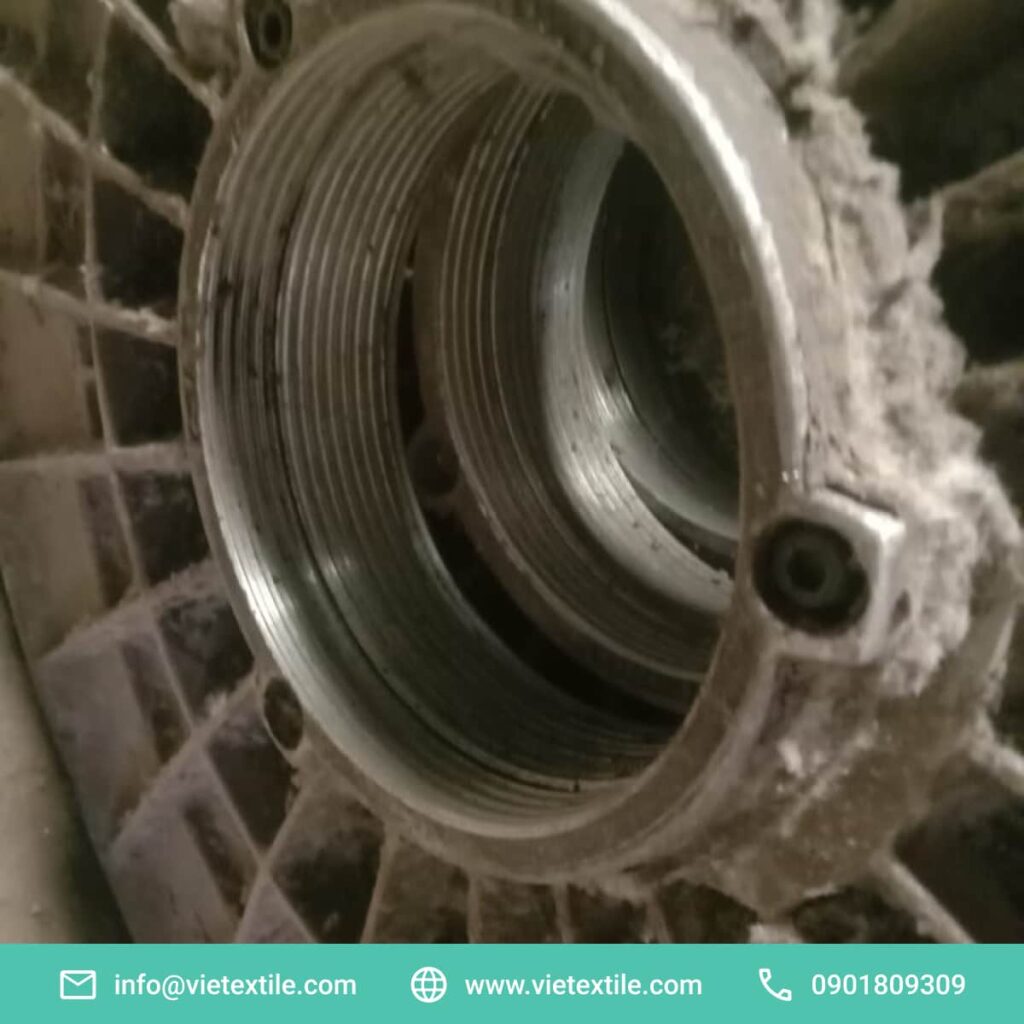
Hóa Chất Xử Lý Sau In Vải Ảnh Hưởng Thế Nào Đến Độ Bền Màu Và Cảm Giác Vải?

Sau khi hoàn tất quá trình in hoa lên vải, công đoạn xử lý sau in (post-treatment) đóng vai trò quyết định chất lượng cuối cùng của sản phẩm dệt. Việc sử dụng đúng loại hóa chất xử lý sau khi in vải không chỉ giúp cố định màu sắc, tăng cường độ bền giặt mà còn cải thiện đáng kể độ mềm mại và cảm giác vải. Bài viết này sẽ phân tích chi tiết hai ảnh hưởng quan trọng nhất của công đoạn này lên sản phẩm dệt.

Ngành dệt may hiện đại đòi hỏi sự hoàn hảo ở mọi khâu, đặc biệt là sau khi in. Quá trình in hoa, dù là in pigment, in reactive hay in acid, luôn để lại các chất nhuộm, chất trợ nhuộm và hóa chất nền dư thừa trên bề mặt và bên trong sợi vải. Quá trình xử lý sau in là một chuỗi các phản ứng hóa học phức tạp nhằm loại bỏ những hóa chất dư thừa này, tăng cường độ bền màu, và điều chỉnh đặc tính vật lý của vải.

Nếu lựa chọn sai loại hóa chất xử lý sau khi in vải, hoặc áp dụng nồng độ và nhiệt độ không chính xác, sản phẩm có thể bị phai màu nhanh chóng (độ bền giặt thấp) hoặc trở nên thô cứng, làm giảm giá trị thương mại và trải nghiệm người dùng. Việc tối ưu hóa quy trình sử dụng hóa chất xử lý sau khi in vải là nhiệm vụ then chốt của mọi nhà máy dệt. 

Chúng tôi sẽ đi sâu vào từng loại hóa chất và cơ chế tác động của chúng lên độ bền màu (chịu giặt, chịu ma sát) và cảm giác vải (hand feel) để các nhà sản xuất có thể tối ưu hóa quy trình và đảm bảo chất lượng sản phẩm.

hóa chất xử lý sau khi in vải giá tốt
Hóa Chất Xử Lý Sau In Vải Ảnh Hưởng Thế Nào Đến Độ Bền Màu Và Cảm Giác Vải? 60

1. Tầm Quan Trọng Của Quá Trình Xử Lý Sau Khi In Vải (Post-Treatment)

Xử lý sau khi in là bước chuyển giao quyết định từ bán thành phẩm sang thành phẩm. Công đoạn này nhằm loại bỏ các tạp chất và hóa chất không liên kết (unfixed chemicals), từ đó ổn định cấu trúc màu và cải thiện các đặc tính vật lý mong muốn.

1.1. Mục Tiêu Chính Của Việc Sử Dụng Hóa Chất

Sử dụng hóa chất xử lý sau khi in vải có ba mục tiêu chính: làm sạch, cố định, và hoàn thiện. Mỗi mục tiêu đều ảnh hưởng trực tiếp đến chất lượng sản phẩm cuối cùng.

1.1.1. Làm Sạch Và Loại Bỏ Chất Dư Thừa

Sau khi in, lượng thuốc nhuộm không liên kết với sợi vải (unfixed dyes), chất làm dày (thickeners), và các chất trợ khác vẫn còn bám trên bề mặt. Việc loại bỏ chúng là bắt buộc. Nếu những chất này không được loại bỏ hoàn toàn, chúng sẽ gây ra hiện tượng phai màu hoặc dây màu khi giặt (bleeding), làm giảm độ bền màu của sản phẩm. Các chất giặt rửa chuyên dụng (washing agents) là hóa chất xử lý sau khi in vải cốt lõi trong bước này.

1.1.2. Cố Định Màu Sắc (Color Fixing)

Đây là bước quan trọng nhất đối với độ bền màu. Các chất cố định màu (fixing agents) được sử dụng để tạo liên kết hóa học hoặc liên kết ion mạnh hơn giữa phân tử thuốc nhuộm và sợi vải. Mục đích là để màu sắc không bị rửa trôi hoặc chuyển sang vải khác trong quá trình sử dụng và giặt giũ. Hóa chất xử lý sau khi in vải có vai trò cố định màu giúp sản phẩm giữ được vẻ tươi mới lâu dài.

1.1.3. Cải Thiện Cảm Giác Vải (Softening)

Sau các quy trình nhiệt độ cao và hóa học mạnh, vải thường có xu hướng trở nên thô ráp. Chất làm mềm (softeners) được thêm vào như một trong các hóa chất xử lý sau khi in vải để phục hồi độ mềm mại, tạo cảm giác dễ chịu khi chạm vào, và đôi khi là cải thiện khả năng chống nhăn hoặc chống tĩnh điện.

1.2. Các Giai Đoạn Hóa Học Trong Xử Lý Sau In

Quá trình này không phải là một bước đơn lẻ mà là một chuỗi phản ứng liên tục. Việc kiểm soát nhiệt độ, pH và nồng độ hóa chất là tối quan trọng để các hóa chất xử lý sau khi in vải phát huy hiệu quả tối đa.

1.2.1. Quá Trình Giặt Rửa Nóng (Hot Washing)

Đây là bước làm sạch ban đầu, thường sử dụng nước nóng kết hợp với các chất giặt không ion (non-ionic detergents) để hòa tan và loại bỏ chất làm dày và thuốc nhuộm không liên kết. Nhiệt độ và thời gian giặt cần được kiểm soát chặt chẽ; nhiệt độ quá thấp không đủ hiệu quả, nhưng quá cao có thể làm hỏng màu sắc đã in.

1.2.2. Trung Hòa (Neutralization)

Quá trình in thường sử dụng môi trường kiềm hoặc acid. Hóa chất xử lý sau khi in vải trong bước này là các acid hoặc kiềm yếu (ví dụ: acid acetic, soda ash) để đưa pH của vải về trạng thái trung tính hoặc phù hợp cho bước hoàn thiện. pH không chính xác có thể làm giảm hiệu quả của các chất làm mềm và chất cố định màu sau đó.

2. Ảnh Hưởng Đến Độ Bền Màu (Color Fastness)

Độ bền màu là thước đo khả năng chống lại sự thay đổi màu sắc của vật liệu dệt khi tiếp xúc với các yếu tố môi trường như giặt, ánh sáng, ma sát, mồ hôi, và hóa chất. Hóa chất xử lý sau khi in vải đóng vai trò then chốt trong việc đạt được các tiêu chuẩn độ bền màu cao.

2.1. Hóa Chất Giặt Rửa Chuyên Dụng (Washing Agents)

Sử dụng chất giặt rửa chuyên dụng là cần thiết để đạt độ bền giặt và độ bền màu tốt. Mục tiêu là loại bỏ hoàn toàn thuốc nhuộm không phản ứng và các chất trợ.

2.1.1. Loại Bỏ Thuốc Nhuộm Không Liên Kết

Các hóa chất xử lý sau khi in vải này (thường là chất phân tán và chất hoạt động bề mặt) giúp phân tán các phân tử thuốc nhuộm không liên kết ra khỏi sợi vải vào dung dịch giặt. Nếu quá trình giặt rửa không hiệu quả, thuốc nhuộm dư thừa sẽ bị rửa trôi trong lần giặt đầu tiên của người tiêu dùng, gây ra hiện tượng phai màu nghiêm trọng.

2.1.2. Tác Động Lên Độ Bền Màu Giặt (Wash Fastness)

Độ bền màu giặt (theo tiêu chuẩn ISO 105-C06) là một trong những chỉ số quan trọng nhất. Hóa chất xử lý sau khi in vải được lựa chọn phải đảm bảo giặt sạch mà không làm ảnh hưởng đến các liên kết màu đã hình thành. Quá trình giặt rửa không đúng cách với hóa chất kém chất lượng có thể dẫn đến sự phá vỡ các liên kết màu, làm giảm đáng kể độ bền màu.

2.2. Cơ Chế Của Chất Cố Định Màu (Fixing Agents)

Chất cố định màu là nhóm hóa chất xử lý sau khi in vải trực tiếp cải thiện độ bền màu bằng cách tăng cường liên kết giữa thuốc nhuộm và sợi.

2.2.1. Cố Định Màu Cho Thuốc Nhuộm Hoạt Tính (Reactive Dyes)

Đối với in Reactive, việc sử dụng các chất cố định dựa trên polymer cationic là phổ biến. Các hóa chất xử lý sau khi in vải này tạo ra các vị trí tích điện dương (cationic sites) trên sợi, thu hút các nhóm anion của thuốc nhuộm, tạo ra liên kết ion ổn định, bổ sung cho các liên kết cộng hóa trị đã hình thành. Điều này giúp tăng độ bền giặt và độ bền màu chà xát ướt (wet rub fastness).

2.2.2. Cơ Chế Bẫy Màu Cho Thuốc Nhuộm Pigment

Đối với in Pigment, chất cố định màu thực chất là chất liên kết (binder) có độ bền cao, không phải là phản ứng hóa học trực tiếp. Hóa chất xử lý sau khi in vải này đóng vai trò như một lớp màng polymer trong suốt, “bẫy” các hạt pigment trên bề mặt sợi. Chất lượng của binder (độ đàn hồi, độ trong suốt và khả năng chịu nhiệt) quyết định độ bền chà xát khô và ướt, cũng như cảm giác vải. Binder kém chất lượng có thể bị bong tróc, gây ra hiện tượng bạc màu.

2.3. Hóa Chất Trợ Phân Tán (Dispersing Agents)

Trong một số trường hợp in, đặc biệt với thuốc nhuộm phân tán (Disperse Dyes), hóa chất xử lý sau khi in vải bao gồm các chất trợ phân tán đặc biệt.

2.3.1. Đảm Bảo Độ Đồng Đều

Các chất trợ này giúp thuốc nhuộm phân tán đồng đều và ngăn chặn sự kết tụ của các phân tử màu trong dung dịch giặt. Sự kết tụ màu sắc có thể dẫn đến việc các hạt màu lắng đọng trở lại trên vải, gây ra hiện tượng “staining” (bám màu) không mong muốn, làm giảm độ sạch và độ sáng của màu.

2.3.2. Ảnh Hưởng Đến Độ Bền Ma Sát (Rub Fastness)

Độ bền ma sát (chà xát) là khả năng màu sắc không bị truyền sang vải khác khi bị cọ xát. Việc loại bỏ các phân tử thuốc nhuộm không liên kết thông qua hóa chất xử lý sau khi in vải giúp bề mặt vải sạch hơn, từ đó cải thiện đáng kể độ bền ma sát khô và ướt.

3. Ảnh Hưởng Đến Cảm Giác Vải (Fabric Hand/Feel)

cung cấp hóa chất xử lý sau khi in vải
Hóa Chất Xử Lý Sau In Vải Ảnh Hưởng Thế Nào Đến Độ Bền Màu Và Cảm Giác Vải? 61

Sau khi xử lý nhiệt và hóa học cường độ cao, vải thường bị mất đi độ mềm mại tự nhiên. Chất làm mềm (Softener) là nhóm hóa chất xử lý sau khi in vải quan trọng nhất nhằm khôi phục và cải thiện đặc tính cảm quan này.

3.1. Các Loại Chất Làm Mềm (Softeners) Phổ Biến

Chất làm mềm là các hợp chất hữu cơ có cấu trúc phân tử dài, thường là các loại dầu silicone hoặc acid béo, được thiết kế để tạo ra một lớp màng mỏng bao bọc sợi vải.

3.1.1. Chất Làm Mềm Cationic (Cationic Softeners)

Đây là loại chất làm mềm phổ biến nhất, hoạt động bằng cách liên kết ion với các nhóm tích điện âm trên sợi cellulose. Chất làm mềm cationic tạo ra cảm giác mềm mượt, “đầy đặn” (full hand) cho vải. Tuy nhiên, nếu nồng độ hóa chất xử lý sau khi in vải này quá cao, chúng có thể làm giảm khả năng thấm hút nước của vải.

3.1.2. Chất Làm Mềm Silicone

Chất làm mềm silicone (ví dụ: Polyorganosiloxanes) tạo ra độ mềm mại vượt trội, mang lại cảm giác trơn tru, mịn màng và đàn hồi (bouncy hand). Các hóa chất xử lý sau khi in vải dựa trên silicone được ưa chuộng vì chúng ít ảnh hưởng đến khả năng chống thấm hút hơn so với loại cationic và mang lại độ bền giặt tốt hơn.

3.1.3. Chất Làm Mềm Không Ion (Non-Ionic Softeners)

Chất làm mềm không ion thường được sử dụng khi cần ít ảnh hưởng nhất đến các đặc tính khác của vải, ví dụ như trong in Pigment, nơi chúng có thể được kết hợp với binder mà không làm giảm khả năng cố định màu của chất liên kết.

3.2. Cơ Chế Tác Động Lên Cấu Trúc Sợi

Chất làm mềm hoạt động bằng cách giảm ma sát giữa các sợi riêng lẻ trong cấu trúc vải.

3.2.1. Giảm Ma Sát Sợi

Trong quá trình xử lý nhiệt, các sợi vải thường bị co và trở nên cứng, làm tăng ma sát giữa chúng. Lớp hóa chất xử lý sau khi in vải mỏng của chất làm mềm hoạt động như một chất bôi trơn, cho phép các sợi trượt qua nhau dễ dàng hơn khi vải bị uốn cong hoặc gấp lại. Điều này mang lại cảm giác mềm mại, mượt mà khi chạm vào.

3.2.2. Ảnh Hưởng Đến Độ Thấm Hút

Mặc dù chất làm mềm cải thiện cảm giác vải, chúng lại có thể làm giảm độ thấm hút nước của sản phẩm. Các chất làm mềm có tính kỵ nước (hydrophobic) như silicone, khi bao phủ sợi vải, làm cản trở quá trình thấm nước. Việc lựa chọn các hóa chất xử lý sau khi in vải có tính chất hydrophilic (ưa nước) là cần thiết cho các sản phẩm như khăn tắm hoặc đồ thể thao.

3.3. Tác Động Tiêu Cực Của Chất Làm Mềm Lên Độ Bền Màu

Điều quan trọng cần lưu ý là có sự mâu thuẫn giữa việc cải thiện cảm giác vải và duy trì độ bền màu. Chất làm mềm có thể ảnh hưởng tiêu cực đến độ bền màu.

3.3.1. Tương Tác Với Thuốc Nhuộm

Một số chất làm mềm, đặc biệt là loại Cationic, có thể làm yếu đi liên kết giữa thuốc nhuộm và sợi nếu chúng được sử dụng quá mức hoặc không tương thích về mặt hóa học. Điều này có thể dẫn đến hiện tượng chuyển màu (shade change) hoặc phai màu nhẹ.

3.3.2. Hóa Chất Xử Lý Sau Khi In Vải Và Hiện Tượng Ố Vàng

Một số loại chất làm mềm, đặc biệt là các hợp chất amin, có xu hướng bị ố vàng (yellowing) khi tiếp xúc với nhiệt độ cao hoặc oxit nitơ (NOx) trong không khí. Hiện tượng này đặc biệt rõ ràng trên các loại vải màu trắng hoặc màu nhạt, làm giảm giá trị cảm quan của sản phẩm. Việc lựa chọn hóa chất xử lý sau khi in vải ổn định nhiệt là rất cần thiết.

4. Kiểm Soát pH Và Các Yếu Tố Phụ Trợ Khác

Kiểm soát pH trong suốt quá trình xử lý sau in là yếu tố sống còn, quyết định hiệu quả của các hóa chất xử lý sau khi in vải và độ bền màu cuối cùng.

4.1. Tầm Quan Trọng Của Việc Trung Hòa pH

Hầu hết các quy trình in đều được thực hiện trong môi trường kiềm (pH cao). Sau khi in xong, vải phải được trung hòa về pH trung tính hoặc acid nhẹ (pH 5.5 – 6.5) trước khi áp dụng chất làm mềm hoặc chất cố định.

4.1.1. Chất Trung Hòa Acid (Neutralizing Agents)

Các chất trung hòa như Acid Acetic hoặc Acid Formic được sử dụng để loại bỏ môi trường kiềm dư thừa. Việc không trung hòa triệt để sẽ làm giảm khả năng phản ứng và liên kết của các hóa chất xử lý sau khi in vải, đặc biệt là chất cố định polymer cationic.

4.1.2. Ảnh Hưởng Của pH Dư Lượng

Nếu vải vẫn còn tính kiềm cao sau khi in, nó có thể gây ra hiện tượng kích ứng da cho người mặc và làm thay đổi sắc độ của một số màu nhuộm nhạy cảm. Quá trình kiểm soát pH dư lượng là bước cần thiết để đảm bảo độ an toàn và độ bền màu của sản phẩm.

4.2. Chất Bảo Quản (Preservatives) Và Chất Chống Mốc

Trong các thị trường có độ ẩm cao như Việt Nam, việc sử dụng chất bảo quản là một phần không thể thiếu của hóa chất xử lý sau khi in vải.

4.2.1. Ngăn Ngừa Sự Phát Triển Của Vi Khuẩn

Chất bảo quản giúp ngăn chặn sự phát triển của nấm mốc và vi khuẩn trên vải trong quá trình lưu kho và vận chuyển, đặc biệt quan trọng đối với các loại vải có chứa chất làm dày gốc tinh bột hoặc cellulose.

4.2.2. Yêu Cầu Về Tính An Toàn

Các hóa chất xử lý sau khi in vải này phải tuân thủ nghiêm ngặt các quy định về an toàn hóa chất (như OEKO-TEX Standard 100), vì chúng có thể tiếp xúc trực tiếp với da người tiêu dùng. Cần chọn các chất bảo quản hiệu quả nhưng không độc hại và không gây thay đổi màu sắc của vải.

5. Quy Trình Và Kiểm Soát Chất Lượng Hóa Chất Xử Lý Sau Khi In Vải

hóa chất xử lý sau khi in vải chính hãng
Hóa Chất Xử Lý Sau In Vải Ảnh Hưởng Thế Nào Đến Độ Bền Màu Và Cảm Giác Vải? 62

Hiệu quả của hóa chất xử lý sau khi in vải không chỉ phụ thuộc vào loại hóa chất mà còn vào cách chúng được áp dụng và kiểm soát.

5.1. Kiểm Soát Nồng Độ Và Tỷ Lệ Pha Trộn

Tỷ lệ pha trộn hóa chất quyết định hiệu quả kinh tế và chất lượng sản phẩm. Nồng độ quá thấp sẽ không đạt được độ bền màu và cảm giác vải mong muốn.

5.1.1. Tối Ưu Hóa Nồng Độ

Nồng độ hóa chất xử lý sau khi in vải (đặc biệt là chất làm mềm và chất cố định) phải được tối ưu hóa. Sử dụng quá nhiều chất làm mềm không chỉ tốn kém mà còn có thể gây ra các vấn đề như nhờn vải, giảm khả năng thấm hút, và ố vàng. Ngược lại, nồng độ chất cố định thấp sẽ làm giảm độ bền màu đáng kể.

5.1.2. Kiểm Soát Bằng Thiết Bị

Các nhà máy hiện đại sử dụng hệ thống định lượng tự động (automatic dosing systems) để đảm bảo rằng hóa chất xử lý sau khi in vải luôn được thêm vào bồn nhuộm/giặt với nồng độ chính xác, loại bỏ lỗi do con người.

5.2. Kiểm Tra Chất Lượng Đầu Ra (Testing Protocols)

Sau khi xử lý, sản phẩm phải được kiểm tra nghiêm ngặt bằng các tiêu chuẩn quốc tế.

5.2.1. Đo Độ Bền Màu (Color Fastness Tests)

Các bài kiểm tra độ bền màu phải được thực hiện trên mỗi lô hàng, bao gồm:

  • Độ bền màu giặt (ISO 105-C06)
  • Độ bền màu chà xát khô và ướt (ISO 105-X12)
  • Độ bền màu ánh sáng (ISO 105-B02) Các hóa chất xử lý sau khi in vải chất lượng phải giúp sản phẩm đạt tối thiểu cấp độ 3-4 (thang 5 điểm) cho các bài kiểm tra này.

5.2.2. Đánh Giá Cảm Giác Vải (Hand Feel Assessment)

Cảm giác vải là một yếu tố chủ quan nhưng vẫn có thể được đánh giá bằng các phương pháp tiêu chuẩn hóa hoặc bằng cách sử dụng các thiết bị đo độ mềm (Softness Tester), đảm bảo vải đạt được độ mềm mại, mượt mà, hoặc độ đầy đặn như yêu cầu của khách hàng.

6. VieTextile – Giải Pháp Hóa Chất Xử Lý Sau Khi In Vải Toàn Diện

VieTextile tự hào là đối tác cung cấp các giải pháp hóa chất dệt may tiên tiến, đặc biệt trong lĩnh vực xử lý sau in. Chúng tôi hiểu rằng việc tối ưu hóa quy trình sử dụng hóa chất xử lý sau khi in vải là yếu tố then chốt để các nhà sản xuất Việt Nam cạnh tranh trên thị trường quốc tế.

Chúng tôi cung cấp một danh mục toàn diện các chất giặt rửa chuyên dụng, chất cố định màu Reactive, và các loại chất làm mềm Silicone thế hệ mới. Đội ngũ kỹ thuật của VieTextile cam kết đồng hành cùng khách hàng để kiểm tra tính tương thích của hóa chất xử lý sau khi in vải với hệ thống thuốc nhuộm và loại vải cụ thể (cotton, polyester, blend), đảm bảo đạt được độ bền màu cao nhất và cảm giác vải mềm mại, dễ chịu nhất theo yêu cầu thị trường.

Mỗi sản phẩm hóa chất xử lý sau khi in vải của VieTextile đều đi kèm tài liệu kỹ thuật chi tiết về nồng độ tối ưu, nhiệt độ áp dụng và các yêu cầu về pH. Chúng tôi giúp khách hàng giảm thiểu rủi ro phai màu, ố vàng và thô cứng, từ đó nâng cao chất lượng sản phẩm và tối ưu hóa chi phí sản xuất. Hãy để VieTextile trở thành cầu nối vững chắc giúp bạn làm chủ công đoạn xử lý sau in với các giải pháp hóa chất xử lý sau khi in vải hàng đầu.

7. Câu Hỏi Thường Gặp (FAQ) Về Hóa Chất Xử Lý Sau Khi In Vải

7.1. Chất Làm Mềm Có Ảnh Hưởng Đến Độ Thấm Hút Của Vải Không?

Trả lời: Có. Hầu hết các chất làm mềm, đặc biệt là loại silicone, tạo ra một lớp màng kỵ nước, có thể làm giảm đáng kể khả năng thấm hút nước của vải. Cần lựa chọn các loại hóa chất xử lý sau khi in vải có tính chất hydrophilic nếu sản phẩm yêu cầu độ thấm hút cao (ví dụ: đồ thể thao).

7.2. Vì Sao Cần Phải Trung Hòa pH Sau Khi In Vải?

Trả lời: Quá trình trung hòa pH là cần thiết để loại bỏ môi trường kiềm dư thừa từ quá trình in. Nếu pH không được điều chỉnh, nó có thể làm thay đổi sắc độ màu, làm giảm hiệu quả của các hóa chất xử lý sau khi in vải tiếp theo (chất cố định, chất làm mềm), và gây kích ứng da.

7.3. Hóa Chất Xử Lý Sau Khi In Vải Nào Giúp Cải Thiện Độ Bền Chà Xát Ướt?

Trả lời: Chất cố định màu (Fixing Agents), đặc biệt là các hợp chất polymer cationic, giúp tăng cường liên kết giữa thuốc nhuộm và sợi, từ đó giảm thiểu sự bong tróc màu sắc khi bị cọ xát ướt. Giặt rửa sạch sẽ bằng hóa chất xử lý sau khi in vải chuyên dụng cũng là điều kiện tiên quyết.

7.4. Hóa Chất Xử Lý Sau Khi In Vải Có Gây Ra Hiện Tượng Ố Vàng Không?

Trả lời: Một số chất làm mềm, đặc biệt là loại Cationic dựa trên amin, có thể gây ra hiện tượng ố vàng (yellowing) khi tiếp xúc với nhiệt độ hoặc các oxit nitơ. Việc lựa chọn các loại hóa chất xử lý sau khi in vải ổn định nhiệt và không chứa nhóm amin là giải pháp để khắc phục.

7.5. Độ Bền Màu Giặt Lý Tưởng Phải Đạt Cấp Độ Bao Nhiêu?

Trả lời: Độ bền màu giặt lý tưởng (theo thang 5 điểm) nên đạt tối thiểu cấp độ 4, hoặc cấp độ 3-4 trở lên trong các tiêu chuẩn thương mại. Việc đạt được cấp độ này phụ thuộc rất lớn vào việc lựa chọn và áp dụng đúng loại hóa chất xử lý sau khi in vải chất lượng.

Để tối ưu hóa quy trình xử lý sau in và đảm bảo chất lượng sản phẩm dệt may, hãy liên hệ VieTextile ngay hôm nay!

Thông tin liên hệ: 

Hotline: 0901 809 309 

Email: info@vietextile.com 

Website: https://vietextile.com

影响视镜热耐久性的因素

耐热视镜是要求在高温下监测液体或气体的工业系统中不可或缺的组件。为了确保安全和效率,选择高耐久性的耐热视镜至关重要。本文将深入探讨决定其使用寿命和耐热能力的核心因素。

在石化、火力发电或食品加工等许多行业的恶劣运行环境中,视镜不仅需要透明,还必须能够承受温度和压力的显著变化。如果选择和安装不正确,耐热视镜可能会破裂或破碎,造成相当大的危险和损失。

清晰可靠的可视性是工业过程安全运行的先决条件。因此,投资高质量的耐热视镜类型是对工厂长期稳定性和效率的投资。

我们将分析五个主要因素组:材料成分、安装设计、运行环境、制造工艺以及最后的质量标准。了解这些因素将帮助工程师和采购经理在采购高质量耐热视镜时做出最明智的决定。

kính quan sát sight glass chịu nhiệt chính hãng
影响视镜热耐久性的因素 67

1. 材料成分 – 耐热视镜的基础

视镜的耐热性和耐热冲击性主要取决于材料的热膨胀系数和软化点。热膨胀系数越低,材料随温度波动而产生的尺寸变化越小,从而减少内部应力。材料选择是确定高温观察镜耐久性的第一步,也是最关键的一步。

1.1. 硼硅玻璃 (Borosilicate Glass)

硼硅玻璃是用于高温观察镜的最常见类型,因为它具有低热膨胀系数,通常约为 3.3 x 10^-6/K,有助于最大限度地减少温度突然变化期间的应力。成本与性能之间的平衡使其成为许多应用的首选。

1.1.1. 标准和热限值

硼硅玻璃通常根据 DIN 7080 或 ASTM E230 等国际标准制造。这些标准确保了材料的纯度和均匀性,直接影响其耐热性。硼硅玻璃可以连续在高达约 280°C 的温度下运行(取决于压力),并且比普通钠钙玻璃能承受更大的热冲击。

1.1.2. 热负荷分类

在实际应用中,随着压力的增加,硼硅玻璃所能承受的最高温度必须降额。这是因为高温会削弱玻璃结构,使其更容易受到压力引起的压缩力和拉伸力的破坏。因此,在选择硼硅高温观察镜时,工程师必须始终查阅压力-温度曲线(P-T 曲线)。

1.1.3. 优于钠钙玻璃的优势

普通钠钙玻璃具有高得多的膨胀系数,导致耐热冲击性差。硼硅玻璃由于其较高的二氧化硅和氧化硼含量,在快速加热和冷却循环中表现出卓越的耐久性。这种成本和性能的平衡是硼硅玻璃成为高温观察镜的首选。

1.2. 石英玻璃 (Fused Silica)

石英玻璃,即熔融石英 (Fused Silica),是纯度最高的材料(通常超过 99.99% SiO2),并且具有极低的热膨胀系数,接近于零。这种独特的特性使石英玻璃成为一种优越的高温观察镜类型,尤其是在最恶劣的环境中。

1.2.1. 极限耐温性

石英玻璃可承受高达 1200°C 的连续工作温度,并能耐受极端的冷热冲击——例如,直接从熔炉中取出暴露于空气中——而不会损坏。这种出色的耐热冲击性归因于其接近零的热膨胀系数。在极高温度应用中,这种高温观察镜的使用是不可替代的。

1.2.2. 纯度和应用

由于其高纯度,石英玻璃还具有出色的紫外线和红外线透过能力,使其成为光学应用、实验室和半导体制造的理想选择,这些领域需要热耐久性和特殊光学特性。然而,制造和加工石英玻璃的成本通常远高于硼硅玻璃。

1.3. 蓝宝石玻璃 (Sapphire Glass)

蓝宝石玻璃不是通常意义上的硅酸盐玻璃,而是一种氧化铝晶体(Al2O3)。它是一种单晶材料,硬度仅次于钻石(努氏硬度约为 1800),具有出色的耐刮擦和耐腐蚀性,同时也是一种极其有效的高温观察镜类型。

1.3.1. 硬度和耐化学性

蓝宝石的晶体结构提供了极高的机械强度,使其即使在高温下也能承受极高的压力。蓝宝石的工作温度可达 2000°C。其耐腐蚀性也非常高,在强碱和强酸环境中保持稳定。

1.3.2. 超高温应用

蓝宝石高温观察镜非常适合超高温和高压应用,例如真空炉、石油和天然气行业的压力测量设备,这些是传统玻璃无法应对的。尽管初始投资成本很高,但蓝宝石的使用寿命和可靠性通常能证明其物有所值。

1.4. 铝硅酸盐玻璃 (Alumino)

铝硅酸盐玻璃(也称为氧化铝玻璃)比硼硅玻璃具有更好的耐热和耐压性,但低于蓝宝石和石英。对于需要比硼硅玻璃更高耐久性但又不需要石英或蓝宝石高成本的工业应用来说,这是一个完美的中间选择。

1.4.1. 改进的机械耐久性

铝硅酸盐玻璃含有高含量的氧化铝(Al2O3),与硼硅玻璃相比,显著提高了机械强度和耐热冲击性。这种材料常用于需要高机械强度和耐热性的系统,特别是在观察锅炉或高压环境中的液体时。

1.4.2. 耐碱腐蚀性

这种高温观察镜的另一个优点是,在高温下,它比硼硅玻璃具有更好的耐碱溶液(高 pH 值)腐蚀性。这种高温观察镜的耐久性已在能源行业得到广泛证明。

2. 高温观察镜的设计和安装结构

除了玻璃材料本身,设备的安装方式及其周围设计也会极大地影响高温观察镜的使用寿命和热耐久性。非标准的安装设计可以将最好的材料变成系统中的弱点。

2.1. 玻璃的厚度和尺寸

玻璃的厚度是根据系统的最高温度和压力计算的,通常伴有较高的安全系数(通常为 4:1 或 5:1)。较厚的玻璃意味着较高的耐压性。然而,增加厚度必须仔细考虑。

2.1.1. 厚度对热应力的影响

过厚的玻璃会增加内部热应力并降低耐热冲击性。当温度变化时,暴露在热介质中的玻璃表面与暴露在较冷空气中的表面膨胀不同。如果厚度过大且没有适当的热处理,这一应力层会导致破裂和破碎。

2.1.2. 尺寸和应力分布

玻璃的尺寸(直径)也很重要。较大的玻璃具有更大的表面积暴露于安装应力和温差,如果安装不精确,更容易损坏。这是使用大尺寸高温观察镜时的关键因素,要求支撑法兰绝对平整且刚性。

2.2. 垫片/隔热垫类型

垫片不仅起到密封作用,还充当玻璃和金属框架(法兰)之间的减震器和隔热体。金属和玻璃具有不同的膨胀系数;垫片必须吸收这种差异以保护玻璃。选择正确的垫片材料对于保持高温观察镜的耐久性是强制性的。

2.2.1. 常见的耐热垫片材料

  • PTFE(特氟龙)或石墨: 适用于高温和化学应用。PTFE 的温度限制在 250°C 左右,而石墨在非氧化条件下可以达到 450°C 或更高。石墨是过热蒸汽应用的理想选择。
  • 云母 (Mica): 通常用于保护直接暴露于极热介质(如锅炉)的玻璃表面,防止腐蚀并最大限度地减少介质到玻璃表面的直接热传递。云母充当保护屏。

2.2.2. 作为减震器的作用

垫片必须具有一定的弹性,以补偿玻璃(例如硼硅玻璃)和钢框架(碳钢或不锈钢)之间不均匀的膨胀。选择过硬或过薄的垫片会将机械应力直接传递到高温观察镜上,增加破裂的风险。

2.3. 夹紧力和安装方法

安装高温观察镜时的螺栓拧紧力必须符合规定的扭矩标准。这是视镜故障最常见的原因之一。

2.3.1. 拧得过紧的风险

拧得过紧会产生过大的机械应力,将玻璃挤压在金属法兰上。特别是当玻璃因受热而膨胀时,这种双重应力(机械 + 热)会导致立即或短期内破裂。这种错误通常表现为正好出现在拧紧中心的星形裂纹。

2.3.2. 扭矩的重要性

相反,拧得过松会导致泄漏,并为压力冲击造成弱点。遵守制造商的标准扭矩(使用扭矩扳手)对于高温观察镜的耐久性至关重要。扭矩旨在在垫片上产生理想的“压缩应力”,确保密封性而不会损坏玻璃。

3. 运行环境 – 高温观察镜的现实挑战

cung cấp kính quan sát sight glass chịu nhiệt
影响视镜热耐久性的因素 68

容器或管道内的实际环境决定了高温观察镜在其整个使用寿命中必须如何应对温度、压力和化学品的挑战。

3.1. 热循环

热循环是高低温之间的重复变化(例如,锅炉的工作/休息周期、加热/冷却过程)。这是高温观察镜最大的敌人,也是导致“疲劳失效”的主要原因。

3.1.1. 失效机制

每个循环都会由于膨胀和收缩而在玻璃表面产生压缩应力和拉伸应力。突然的温度变化会增加热冲击应力,导致出现微裂纹。随着时间的推移,经过数百或数千次循环,这些裂纹会加深并导致突然失效。具有低热膨胀系数的玻璃(如石英)将具有更好的抗这种现象的能力。

3.1.2. 缓解措施

为了最大限度地减少热循环的影响,系统的加热和冷却过程必须缓慢进行,并遵循高温观察镜制造商推荐的最高温度变化速率。玻璃周围的外部绝缘也有助于保持温度均匀性。

3.2. 工作温度和最大设计温度

有必要明确区分正常工作温度和最大设计温度。最大设计温度通常是为了确保较大的安全系数而设定的。

3.2.1. 热安全系数

高温观察镜设备的实际工作温度必须仅为最大设计温度的一部分(通常不超过 75%),以确保安全系数。这使得玻璃能够承受短期、不可预见的温度变化。

3.2.2. 高温下的材料老化

如果工作温度经常超过设计温度的 80%,玻璃的使用寿命将显著缩短,因为材料老化和玻璃结构的蠕变变形风险增加。高温会大大降低高温观察镜的机械强度,使其更容易受到压力故障的影响。

3.3. 伴随热量的运行压力

在工业应用中,压力和温度总是并存的,它们与玻璃的耐久性呈反比关系。

3.3.1. 压力-温度关系 (P-T 曲线)

一块高温观察镜可能在大气压下承受 500°C,但在 10 bar 下只能承受 300°C。制造商的压力-温度限制曲线(P-T 曲线)是强制查阅的文件,以确保所选玻璃同时适用于这两个参数。

3.3.2. 压力引起的拉伸应力

内部压力会产生作用在玻璃上的力,在玻璃外表面产生拉伸应力。玻璃在压缩方面很强,但在拉伸方面非常弱。厚度设计必须确保最大拉伸应力永远不会超过安全限值,尤其是在与热应力结合时。

3.4. 液体或气体的腐蚀性

化学腐蚀是一个经常被忽视的因素,但它是一种无声的杀手,会缩短高温观察镜的使用寿命。

3.4.1. 碱性环境的影响

许多工业液体,特别是碱性溶液(高 pH 值)或饱和蒸汽,可以化学腐蚀硅酸盐玻璃(如硼硅玻璃)的表面,尤其是在高温下。这种腐蚀现象被称为“浸出”或“蚀刻”,会产生弱点并显著降低高温观察镜的机械强度。

3.4.2. 云母保护解决方案

在蒸汽高压环境或碱性介质中使用云母保护层(如第 2.2 节所述)是标准解决方案。云母可防止液体与玻璃之间发生直接化学反应,保护玻璃免受腐蚀,延长高温观察镜的使用寿命。选择具有更高耐化学腐蚀性的材料(如蓝宝石)也是一种彻底的解决方案。

4. 高温观察镜的制造和表面处理

玻璃的制造质量和最终处理过程显著影响其机械和热负荷能力。制造工艺的差异造就了市场上高温观察镜供应商之间的差异。

4.1. 钢化过程

钢化是一种特殊的热处理过程,旨在提高玻璃的耐久性。

4.1.1. 产生表面压缩应力

钢化过程包括在加热后快速冷却玻璃表面,在表面产生永久的压缩应力层。任何拉伸力必须克服该压缩应力层才能影响表面,从而显著提高高温观察镜的机械强度和耐热冲击性。

4.1.2. 钢化后的限制

钢化玻璃比普通玻璃更能承受弯曲和冲击。然而,钢化玻璃之后不能再切割、钻孔或研磨。如果钢化过程控制不严,可能会出现内部缺陷,降低成品高温观察镜的整体质量,并可能在运行过程中导致破裂。

4.2. 表面光洁度和缺陷

表面光洁度是决定玻璃承载能力的关键因素。

4.2.1. 缺陷的影响

划痕、微裂纹或表面缺陷(称为“瑕疵”)——无论多小——都可能在玻璃受热或受压时成为应力集中点。一个瑕疵充当“应力集中器”。在热循环的影响下,这些缺陷会迅速扩散,导致失效。

4.2.2. 平滑度标准

高质量高温观察镜的光洁度(平整度和光滑度)必须符合严格的标准(通常是极低的表面粗糙度 Ra),以确保表面不存在弱点。抛光和研磨过程必须达到高精度。

4.3. 保护涂层

为了增强在化学环境中的耐久性,涂覆保护涂层是必要的。

4.3.1. 涂层的目的

一些高温观察镜产品涂有特殊的化学保护层或不粘层。这种涂层有助于延长玻璃在腐蚀环境中的寿命,防止内部流体与玻璃表面发生反应。涂层通常是薄的聚合物或金属氧化物材料。

4.3.2. 涂层的耐热要求

但是,必须确保该涂层也具有与基玻璃相当或更高的耐热性。如果涂层在工作温度下剥落或分解,它不仅会失去保护作用,还会污染过程并影响可视性,降低高温观察镜设备的耐久性。

5. 高温观察镜的质量标准和检验

kính quan sát sight glass chịu nhiệt thay thế
影响视镜热耐久性的因素 69

遵守国际标准和严格的检验程序是确保高温观察镜可靠性的最后一个但同样重要的因素。

5.1. ASME、DIN 和 ISO 标准

技术标准是制造质量的指导灯。

5.1.1. 标准规定

高温观察镜必须符合 ASME(美国)、DIN(德国)或相关 ISO 标准等国际技术标准。这些标准精确规定了材料成分、尺寸公差以及压力/温度测试程序。严格遵守这些规定可确保兼容性和安全性。

5.1.2. 质量认证

从通过 ISO 9001 认证的供应商处采购高温观察镜以及符合 ASME 标准的产品有助于确保从原材料输入到最终产品的材料的均匀性和高质量。

5.2. 热冲击测试

热冲击测试是最严格的耐久性测试之一。

5.2.1. 模拟恶劣条件

热冲击测试是将高温观察镜突然从高温暴露到低温(例如,从 300°C 放入冷水中)的过程,以模拟最恶劣的运行条件,例如紧急冷却或事故。

5.2.2. 耐久性要求

只有通过此测试的高温观察镜产品才被认为合格,可用于具有频繁热循环的环境。测试结果必须清楚地记录在产品文件中,以证明玻璃的耐久性。

5.3. 材料可追溯性

对于关键应用,材料可追溯性是不可或缺的。

5.3.1. 材料测试报告 (MTR)

高温观察镜的材料测试报告 (MTR) 对于确保材料的真实性至关重要。MTR 提供了精确化学成分、机械性能和制造过程的证据,确保玻璃是按照承诺的规格生产的。

5.3.2. 没有 MTR 的风险

如果玻璃用于需要高安全性和精度的系统,缺乏材料可追溯性可能会带来重大风险,因为标准硼硅玻璃和优质硼硅玻璃之间可能会混淆。

6. VieTextile – 高温观察镜供应的领先合作伙伴

VieTextile 很荣幸能成为提供高质量工业观察解决方案的可靠合作伙伴。我们了解高温观察镜不仅仅是一个组件;它还是确保您的系统安全和效率的关键因素,特别是在高温环境中。

VieTextile 的技术团队在咨询和选择最适合客户特定运行环境的高温观察镜材料方面拥有丰富的经验,这些因素包括温度、压力、化学品类型和热循环。我们致力于供应经过严格测试并符合耐热、耐压和耐腐蚀国际标准的产品。每件高温观察镜产品都附带完整的质量认证和 MTR(材料测试报告)。

我们专注于供应各种硼硅玻璃(DIN 7080)、石英玻璃(Fused Silica)和铝硅酸盐玻璃,确保我们满足所有温度和压力要求,从简单的锅炉应用到高温反应器。让 VieTextile 成为稳定的桥梁,帮助您安全准确地观察生产过程,使用高质量高温观察镜,最大限度地减少环境和安装因素引起的故障风险。

7. 关于高温观察镜的常见问题 (FAQ)

7.1. 硼硅玻璃能承受的最高温度是多少?

回答: 硼硅玻璃通常在高达 280°C 的连续工作温度下安全使用。然而,随着系统压力的增加,这种耐热性会逐渐降低。在使用这种高温观察镜类型时,请务必查阅制造商的 P-T 图表。

7.2. 普通玻璃和高温观察镜有什么区别?

回答: 核心区别在于热膨胀系数。普通玻璃具有高膨胀系数,容易因热冲击而破裂,而高温观察镜(如石英或硼硅玻璃)具有极低的热膨胀系数,使其能够承受突然的温度变化而不会失效。

7.3. 我应该定期更换高温观察镜吗?

回答: 是的。即使没有可见的损坏,累积的热循环和化学腐蚀也会随着时间的推移降低高温观察镜的耐久性,导致“材料疲劳”。应根据制造商的建议或经过一定次数的运行周期后定期检查和更换。

7.4. 云母层在高温观察镜中有什么用途?

回答: 云母层用作保护表面层,以防止碱性液体或蒸汽在高温下腐蚀,从而显著延长底层高温观察镜的使用寿命并保持透明度。

7.5. 哪个因素在确定玻璃热耐久性方面最重要?

回答: 材料成分(通过热膨胀系数反映)和对热循环的抵抗力是两个最关键的因素。选择具有低热膨胀系数的高温观察镜是确保长寿命的首要任务。

如需选择和安装专业的耐热视镜,请立即联系 VieTextile!

联系信息: 

热线: 0901 809 309 

电子邮件: info@vietextile.com 

网站: https://vietextile.com

Factors Affecting the Thermal Durability of Sight Glass

The sight glass is an indispensable component in industrial systems that require monitoring liquids or gases at high temperatures. To ensure safety and efficiency, selecting a highly durable Heat Resistant Sight Glass is crucial. This article will delve into the core factors that determine their lifespan and heat resistance capabilities.

In the harsh operating environments of many industries such as petrochemical, thermal power, or food processing, sight glasses not only need to be transparent but must also withstand significant changes in temperature and pressure. If not selected and installed correctly, a Heat Resistant Sight Glass can crack or shatter, causing considerable danger and damage.

A clear and reliable view is a prerequisite for the safe operation of industrial processes. Therefore, investing in quality Heat Resistant Sight Glass types is an investment in the long-term stability and efficiency of the plant.

We will analyze five main groups of factors: Material composition, installation design, operating environment, manufacturing process, and finally, quality standards. Understanding these factors will help engineers and purchasing managers make the most informed decisions when sourcing high-quality Heat Resistant Sight Glass.

kính quan sát sight glass chịu nhiệt chính hãng
Factors Affecting the Thermal Durability of Sight Glass 74

1. Material Composition – The Foundation of Heat Resistant Sight Glass

The heat resistance and thermal shock resistance of a sight glass primarily depend on the material’s coefficient of thermal expansion and softening point. The lower the coefficient of thermal expansion, the less the material changes in size with temperature fluctuations, thereby reducing internal stress. Material selection is the first and most critical step in determining the durability of a Heat Resistant Sight Glass.

1.1. Borosilicate Glass (Borosilicate Glass)

Borosilicate glass is the most common type used as Heat Resistant Sight Glass because it has a low coefficient of thermal expansion, typically around 3.3 x 10^-6/K, which helps minimize stress during sudden temperature changes. The balance between cost and performance makes it the top choice for many applications.

1.1.1. Standards and Thermal Limits

Borosilicate glass is often manufactured according to international standards such as DIN 7080 or ASTM E230. These standards ensure the material’s purity and uniformity, which directly affect its heat resistance. Borosilicate can operate continuously at temperatures up to about 280°C (depending on pressure) and withstand larger thermal shocks than ordinary soda-lime glass.

1.1.2. Thermal Load Classification

In practical applications, the maximum temperature Borosilicate can withstand must be derated as pressure increases. This is because high temperatures weaken the glass structure, making it more susceptible to destruction by compressive and tensile forces from pressure. Therefore, engineers must always consult the Pressure-Temperature Curve (P-T Curve) when choosing Borosilicate Heat Resistant Sight Glass.

1.1.3. Advantages Over Soda-Lime Glass

Ordinary soda-lime glass has a much higher expansion coefficient, leading to poor thermal shock resistance. Borosilicate, thanks to its higher silica and boron oxide content, offers superior durability against rapid heating and cooling cycles. This balance of cost and performance is why Borosilicate is the leading choice for Heat Resistant Sight Glass.

1.2. Quartz Glass (Fused Silica)

Quartz glass, or Fused Silica, is the material with the highest purity (usually over 99.99% SiO2) and an extremely low coefficient of thermal expansion, close to zero. This unique characteristic makes Quartz glass a superior type of Heat Resistant Sight Glass, especially in the harshest environments.

1.2.1. Extreme Temperature Resistance

Quartz glass can withstand continuous working temperatures up to 1200°C and tolerate extreme thermal shocks—for example, being moved directly from a furnace into the air—without damage. This excellent thermal shock resistance is due to its near-zero thermal expansion coefficient. The use of this Heat Resistant Sight Glass is irreplaceable in extremely high-temperature applications.

1.2.2. Purity and Applications

Due to its high purity, Quartz glass also has excellent UV and IR transmission capabilities, making it ideal for optical applications, laboratories, and semiconductor manufacturing, where both thermal durability and special optical properties are required. However, the cost of manufacturing and processing Quartz glass is often significantly higher than Borosilicate.

1.3. Sapphire Glass (Sapphire Glass)

Sapphire glass is not a silicate glass in the usual sense but a form of aluminum oxide crystal (Al2O3). It is a single-crystal material, second only to diamond in hardness (Knoop hardness around 1800), offering excellent scratch and corrosion resistance, while also being an extremely effective type of Heat Resistant Sight Glass.

1.3.1. Hardness and Chemical Resistance

Sapphire’s crystalline structure provides exceptionally high mechanical strength, allowing it to withstand extremely high pressures even at high temperatures. Sapphire’s operating temperature can reach up to 2000°C. Its corrosion resistance is also very high, keeping it stable in strong alkaline and acidic environments.

1.3.2. Ultra-High Temperature Applications

Sapphire Heat Resistant Sight Glass is ideal for ultra-high temperature and high-pressure applications such as vacuum furnaces, pressure measuring devices in the oil and gas industry, where conventional glasses cannot cope. Although the initial investment cost is high, the lifespan and reliability of Sapphire often justify the expense.

1.4. Aluminosilicate Glass (Alumino)

Aluminosilicate glass (also called Alumina glass) offers better heat and pressure resistance than Borosilicate but is lower than Sapphire and Quartz. This is the perfect intermediate choice for industrial applications requiring higher durability than Borosilicate but not the high cost of Quartz or Sapphire.

1.4.1. Improved Mechanical Durability

Aluminosilicate glass contains a high content of aluminum oxide (Al2O3), significantly improving mechanical strength and thermal shock resistance compared to Borosilicate. This material is often used in systems requiring high mechanical strength and heat resistance, especially when observing liquids in boilers or high-pressure environments.

1.4.2. Alkaline Corrosion Resistance

Another advantage of this type of Heat Resistant Sight Glass is its ability to resist corrosion from alkaline solutions (high pH) better than Borosilicate at high temperatures. The durability of this Heat Resistant Sight Glass has been widely proven in the energy industry.

2. Design and Installation Structure of Heat Resistant Sight Glass

Apart from the glass material itself, the way the device is installed and its surrounding design also greatly affects the lifespan and thermal durability of the Heat Resistant Sight Glass. A non-standard installation design can turn the best material into a system weakness.

2.1. Glass Thickness and Size

The thickness of the glass is calculated based on the system’s maximum temperature and pressure, often accompanied by a high safety factor (typically 4:1 or 5:1). Thicker glass means higher pressure resistance. However, increasing the thickness must be carefully considered.

2.1.1. Effect of Thickness on Thermal Stress

Glass that is too thick can increase internal thermal stress and reduce thermal shock resistance. When the temperature changes, the glass surface exposed to the hot medium expands differently from the surface exposed to cooler air. This stress layer can lead to cracking and shattering if the thickness is too great without proper heat treatment.

2.1.2. Size and Stress Distribution

The size (diameter) of the glass is also important. Larger glass has a greater surface area exposed to installation stress and temperature differences, making it more susceptible to damage if not installed precisely. This is a crucial factor when using large-sized Heat Resistant Sight Glass, requiring the support flange to be absolutely flat and rigid.

2.2. Gasket/Thermal Pad Type

The gasket not only serves as a seal but also acts as a shock absorber and thermal insulator between the glass and the metal frame (flange). Metal and glass have different expansion coefficients; the gasket must absorb this difference to protect the glass. Choosing the correct gasket material is mandatory to maintain the durability of the Heat Resistant Sight Glass.

2.2.1. Common Heat Resistant Gasket Materials

PTFE (Teflon) or Graphite: Popular for high-temperature and chemical applications. PTFE has a temperature limit of around 250°C, while Graphite can go up to 450°C or more in non-oxidizing conditions. Graphite is the ideal choice for superheated steam applications. Mica: Often used to protect the glass surface directly exposed to extremely hot media (like boilers), preventing corrosion and minimizing direct heat transfer from the medium to the glass surface. Mica acts as a protective shield.

2.2.2. Role as a Shock Absorber

The gasket must have a certain elasticity to compensate for the uneven expansion between the glass (e.g., Borosilicate) and the steel frame (Carbon Steel or Stainless Steel). Choosing a gasket that is too hard or too thin will transfer mechanical stress directly onto the Heat Resistant Sight Glass, increasing the risk of cracking.

2.3. Clamping Force and Installation Method

The bolt tightening force during the installation of a Heat Resistant Sight Glass must meet the specified torque standard. This is one of the most common causes of sight glass failure.

2.3.1. Risk of Overtightening

Overtightening will create excessive mechanical stress, squeezing the glass against the metal flange. Especially when the glass expands due to heat, this double stress (mechanical + thermal) will lead to immediate or short-term cracking. This error often appears as star-shaped cracks right at the tightening center.

2.3.2. Importance of Torque

Conversely, undertightening will cause leaks and create weak points for pressure shocks. Adherence to the manufacturer’s standard torque (using a torque wrench) is vital for the durability of the Heat Resistant Sight Glass. The torque is designed to create an ideal “compressive stress” on the gasket, ensuring tightness without damaging the glass.

3. Operating Environment – The Real-World Challenge for Heat Resistant Sight Glass

cung cấp kính quan sát sight glass chịu nhiệt
Factors Affecting the Thermal Durability of Sight Glass 75

The actual environment inside the vessel or pipeline determines how the Heat Resistant Sight Glass must cope with the challenges of temperature, pressure, and chemicals throughout its operating life.

3.1. Thermal Cycling

Thermal cycling is the repeated change between high and low temperatures (e.g., the work/rest cycle of a boiler, heating/cooling processes). This is the biggest enemy and the leading cause of “fatigue failure” in Heat Resistant Sight Glass.

3.1.1. Mechanism of Failure

Each cycle generates compressive and tensile stress on the glass surface due to expansion and contraction. Sudden temperature changes increase thermal shock stress, causing micro-cracks to appear. Over time and through hundreds or thousands of cycles, these cracks develop deeper and lead to sudden failure. Glass with a low thermal expansion coefficient (like Quartz) will have better resistance to this phenomenon.

3.1.2. Mitigation Measures

To minimize the impact of thermal cycling, the system’s heating and cooling process must be performed slowly, according to the maximum rate of temperature change recommended by the Heat Resistant Sight Glass manufacturer. External insulation around the glass area also helps maintain temperature uniformity.

3.2. Working Temperature and Maximum Design Temperature

It is necessary to clearly distinguish between the normal working temperature and the maximum design temperature. The maximum design temperature is usually set to ensure a large safety factor.

3.2.1. Thermal Safety Factor

The Heat Resistant Sight Glass equipment must be selected so that the actual working temperature is only a fraction (usually no more than 75%) of the maximum design temperature to ensure a safety factor. This allows the glass to withstand short-term, unforeseen temperature variations.

3.2.2. Material Aging at High Temperatures

If the operating temperature frequently exceeds 80% of the design temperature, the lifespan of the glass will be significantly reduced due to material aging and increased risk of creep deformation of the glass structure. High temperatures drastically reduce the mechanical strength of the Heat Resistant Sight Glass, making it more susceptible to pressure failure.

3.3. Operating Pressure Accompanied by Heat

Pressure and temperature always go hand-in-hand in industrial applications, and they have an inverse relationship with glass durability.

3.3.1. Pressure-Temperature Relationship (P-T Curve)

High pressure will reduce the glass’s heat resistance, and vice versa. A piece of Heat Resistant Sight Glass might withstand 500°C at atmospheric pressure, but only 300°C at 10 bar. The manufacturer’s pressure-temperature limit curve (P-T Curve) is a mandatory document to consult to ensure that the glass selected is suitable for both parameters simultaneously.

3.3.2. Tensile Stress from Pressure

Internal pressure creates a force pushing on the glass, causing tensile stress on the outer surface of the glass. Glass is very strong in compression but very weak in tension. The thickness design must ensure that the maximum tensile stress never exceeds the safety limit, especially when combined with thermal stress.

3.4. Corrosiveness of Liquid or Gas

Chemical corrosion is an often-overlooked factor, but it is a silent killer that reduces the lifespan of Heat Resistant Sight Glass.

3.4.1. Impact of Alkaline Environments

Many industrial liquids, especially alkaline solutions (high pH) or saturated steam, can chemically corrode the surface of silicate glass (such as Borosilicate), especially at high temperatures. This corrosion phenomenon is called “leaching” or “etching,” creating weak points and significantly reducing the mechanical strength of the Heat Resistant Sight Glass.

3.4.2. Mica Protection Solution

Using a Mica protection layer (as mentioned in Section 2.2) is the standard solution in high-pressure steam environments or alkaline media. Mica prevents direct chemical reaction between the liquid and the glass, protecting the glass from corrosion and extending the lifespan of the Heat Resistant Sight Glass. Choosing a material with higher chemical corrosion resistance (like Sapphire) is also a radical solution.

4. Fabrication and Surface Treatment of Heat Resistant Sight Glass

The quality of manufacturing and the final treatment process of the glass significantly impact its mechanical and thermal load capacity. The difference in fabrication processes creates the difference between Heat Resistant Sight Glass suppliers in the market.

4.1. Tempering Process

Tempering is a special heat treatment process aimed at improving the durability of the glass.

4.1.1. Creating Surface Compressive Stress

The tempering process involves rapidly cooling the glass surface after heating, creating a permanent layer of compressive stress on the outer surface. This compressive stress layer must be overcome before any tensile force can affect the surface, significantly improving the mechanical strength and thermal shock resistance of the Heat Resistant Sight Glass.

4.1.2. Limitations After Tempering

Tempered glass withstands bending and impact better than ordinary glass. However, tempered glass cannot be cut, drilled, or ground afterward. If the tempering process is not tightly controlled, internal defects can appear, reducing the overall quality of the finished Heat Resistant Sight Glass and potentially causing cracking during operation.

4.2. Surface Finish and Defects

Surface finish is a crucial factor determining the glass’s load-bearing capacity.

4.2.1. Impact of Flaws

Scratches, micro-cracks, or surface defects (called “flaws”)—no matter how small—can become stress concentration points when the glass is subjected to heat or pressure. A flaw acts as a “stress concentrator.” Under the effect of thermal cycling, these defects will rapidly spread, leading to failure.

4.2.2. Smoothness Standards

The finish (flatness and smoothness) of high-quality Heat Resistant Sight Glass must meet strict standards (usually a very low surface roughness Ra) to ensure that no weak points exist on the surface. The polishing and grinding process must achieve high precision.

4.3. Protective Coating

To enhance durability in chemical environments, applying a protective coating is necessary.

4.3.1. Purpose of the Coating

Some Heat Resistant Sight Glass products are coated with special chemical protection or non-stick layers. This coating helps prolong the glass’s life in corrosive environments, preventing reactions between the internal fluid and the glass surface. The coatings are often thin polymer or metal oxide materials.

4.3.2. Thermal Resistance Requirements of the Coating

However, it must be ensured that this coating also has a thermal resistance equivalent to or higher than the base glass. If the coating peels off or decomposes at operating temperatures, it not only loses its protective effect but can also contaminate the process and affect visibility, reducing the durability of the Heat Resistant Sight Glass equipment.

5. Quality Standards and Inspection of Heat Resistant Sight Glass

kính quan sát sight glass chịu nhiệt thay thế
Factors Affecting the Thermal Durability of Sight Glass 76

Adherence to international standards and rigorous inspection procedures is the final, but equally important, factor in ensuring the reliability of Heat Resistant Sight Glass.

5.1. ASME, DIN, and ISO Standards

Technical standards serve as the guiding light for manufacturing quality.

5.1.1. Standard Regulations

Heat Resistant Sight Glass must comply with international technical standards such as ASME (USA), DIN (Germany), or related ISO standards. These standards precisely regulate material composition, dimensional tolerances, and pressure/temperature testing procedures. Strict adherence to these regulations ensures compatibility and safety.

5.1.2. Quality Certification

Purchasing Heat Resistant Sight Glass from suppliers certified to ISO 9001 and products meeting ASME standards helps ensure the uniformity and high quality of the material from raw input to the final product.

5.2. Thermal Shock Testing

Thermal shock testing is one of the most rigorous durability tests.

5.2.1. Simulating Harsh Conditions

Thermal shock testing is the process of suddenly exposing the Heat Resistant Sight Glass from a high temperature to a low temperature (e.g., from 300°C into cold water) to simulate the harshest operating conditions, such as emergency cooling or an incident.

5.2.2. Durability Requirements

Only Heat Resistant Sight Glass products that pass this test are considered qualified for use in environments with frequent thermal cycling. Test results must be clearly documented and provided in the product documentation to prove the glass’s endurance.

5.3. Material Traceability

For critical applications, material traceability is indispensable.

5.3.1. Material Test Report (MTR)

The Material Test Report (MTR) of the Heat Resistant Sight Glass is essential to ensure the authenticity of the material. The MTR provides evidence of the precise chemical composition, mechanical properties, and manufacturing process, ensuring that the glass is produced according to the committed specifications.

5.3.2. Risks Without MTR

The lack of material traceability can pose significant risks when the glass is used in systems requiring high safety and precision, as there may be confusion between standard Borosilicate and premium Borosilicate.

6. VieTextile – Leading Partner for Heat Resistant Sight Glass Supply

VieTextile is proud to be a reliable partner in providing high-quality industrial viewing solutions. We understand that Heat Resistant Sight Glass is not just a component; it is a key factor ensuring the safety and efficiency of your system, especially in high-temperature environments.

VieTextile’s technical team has extensive experience in consulting and selecting the Heat Resistant Sight Glass material best suited to the customer’s specific operating environment, based on factors such as temperature, pressure, chemical type, and thermal cycling. We are committed to supplying products that are rigorously tested and meet international standards for heat resistance, pressure, and corrosion resistance. Each Heat Resistant Sight Glass product comes with full quality certification and an MTR (Material Test Report).

We specialize in supplying a diverse range of Borosilicate (DIN 7080), Quartz (Fused Silica), and Aluminosilicate glass, ensuring we meet all temperature and pressure requirements, from simple boiler applications to high-temperature reactors. Let VieTextile be the stable bridge that helps you observe production processes safely and accurately with quality Heat Resistant Sight Glass, minimizing the risk of failure caused by environmental and installation factors.

7. Frequently Asked Questions (FAQ) About Heat Resistant Sight Glass

7.1. What is the Maximum Temperature Borosilicate Glass Can Withstand?

Answer: Borosilicate glass is typically used safely at continuous working temperatures up to 280°C. However, this heat resistance gradually decreases as system pressure increases. Always consult the manufacturer’s P-T chart when using this type of Heat Resistant Sight Glass.

7.2. What is the Difference Between Ordinary Glass and Heat Resistant Sight Glass?

Answer: The core difference lies in the coefficient of thermal expansion. Ordinary glass has a high expansion coefficient, making it prone to cracking from thermal shock, while Heat Resistant Sight Glass (like Quartz or Borosilicate) has an extremely low expansion coefficient, allowing them to withstand sudden temperature changes without failure.

7.3. Should I Replace Heat Resistant Sight Glass Periodically?

Answer: Yes. Even without visible damage, accumulated thermal cycling and chemical corrosion reduce the durability of the Heat Resistant Sight Glass over time, leading to “material fatigue.” It should be inspected and replaced periodically according to the manufacturer’s recommendations or after a certain number of operating cycles.

7.4. What is the Mica Layer Used for in Heat Resistant Sight Glass?

Answer: The Mica layer is used as a protective surface layer to prevent corrosion from alkaline liquids or steam at high temperatures, significantly extending the lifespan of the underlying Heat Resistant Sight Glass and maintaining transparency.

7.5. Which Factor is Most Important in Determining the Glass’s Thermal Durability?

Answer: The material composition (reflected by the coefficient of thermal expansion) and the resistance to Thermal Cycling are the two most crucial factors. Choosing a Heat Resistant Sight Glass with a low thermal expansion coefficient is the top priority for ensuring longevity.

To select and install professional Heat Resistant Sight Glass, contact VieTextile today! 

Contact information: 

Hotline: 0901 809 309 

Email: info@vietextile.com 

Website: https://vietextile.com