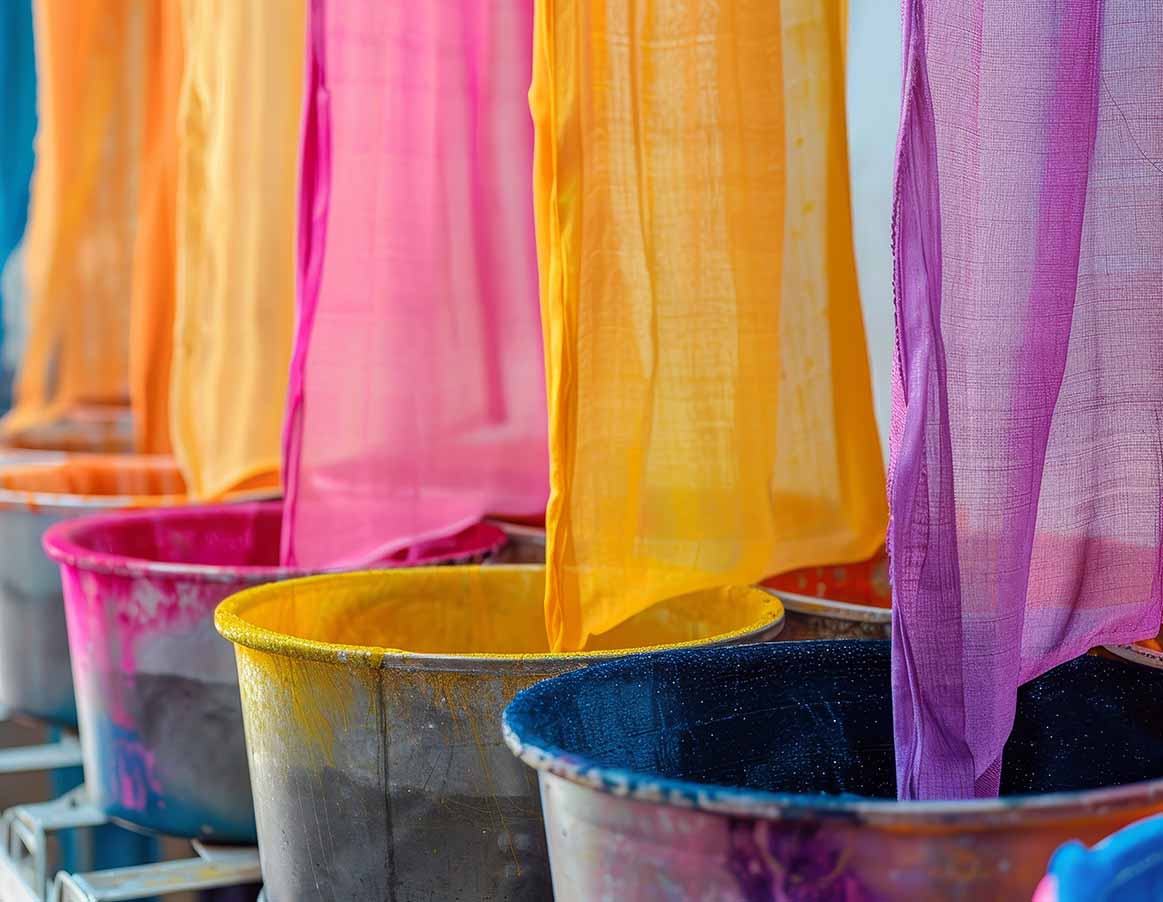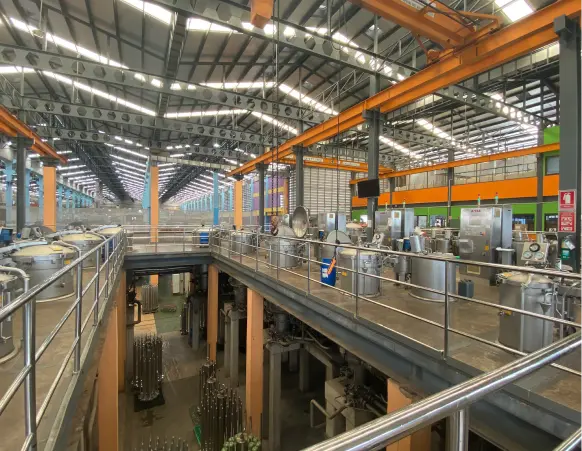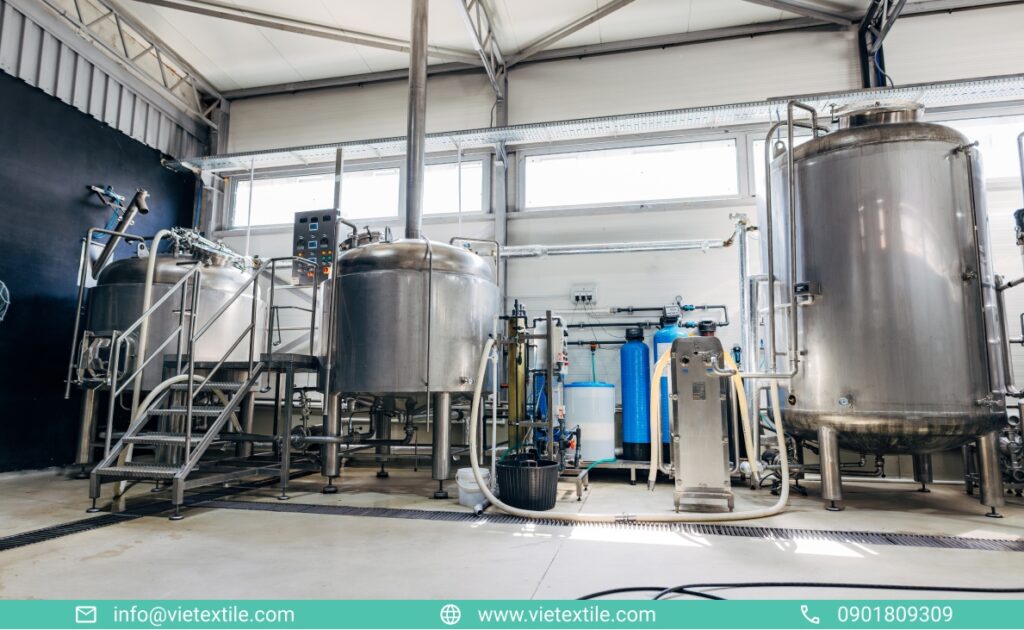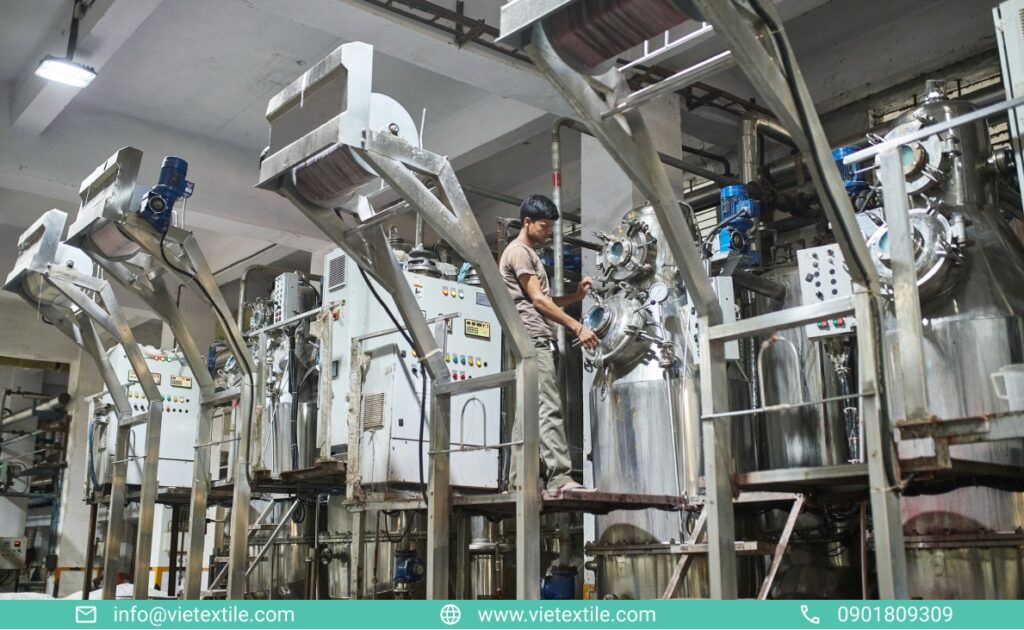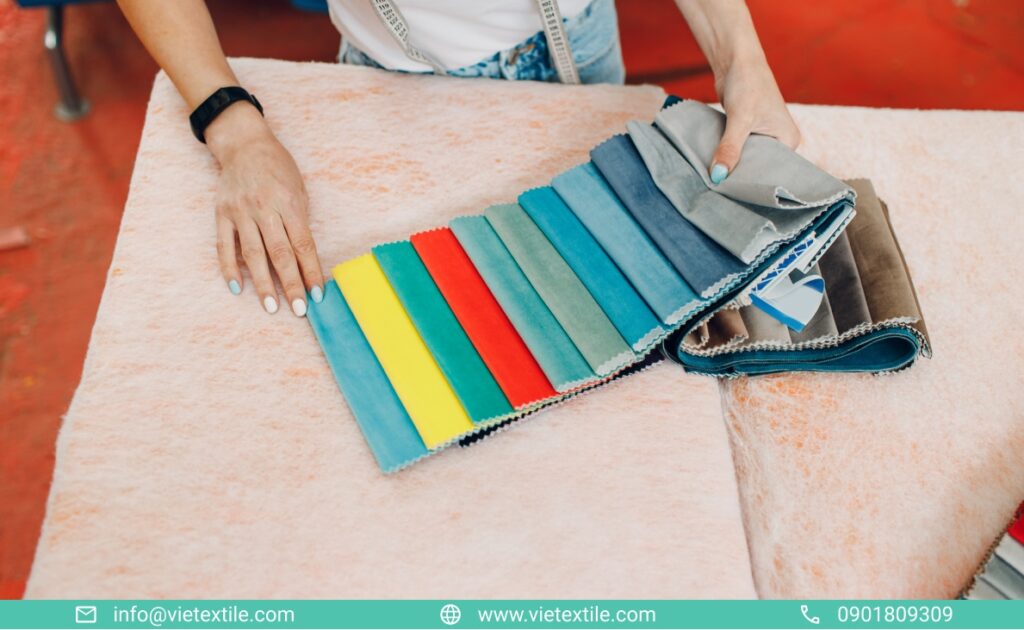
A List of 9+ Advanced Fabric Dyeing Technology Today

Alongside the development of science and technology, many advanced fabric dyeing technology have emerged. The methods are becoming more efficient, cost-effective, and environmentally friendly. The following article will introduce a list of 9+ of the most advanced fabric dyeing technology today, giving you an overview of the remarkable progress in this field.

1. Common Fabric Dyeing Methods

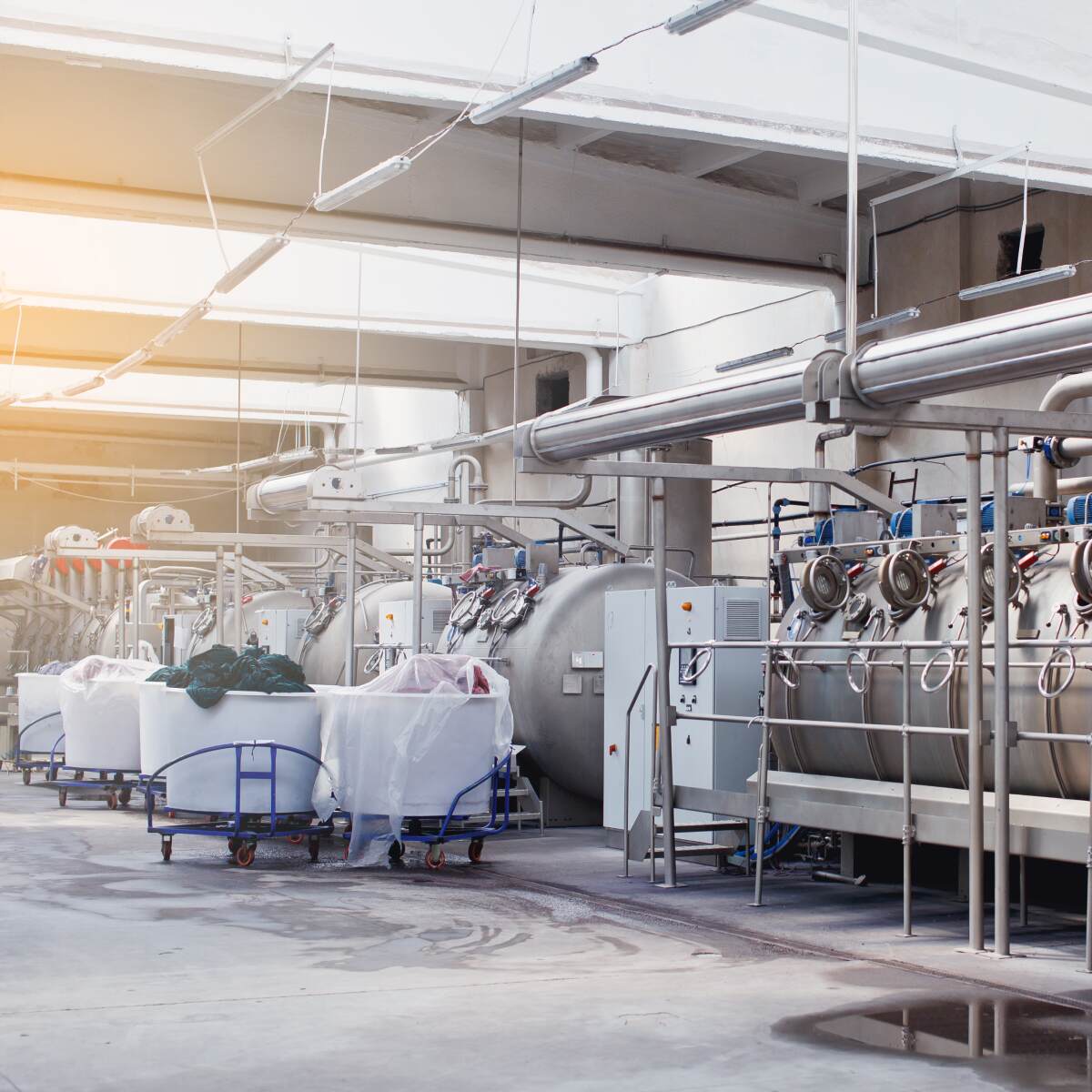
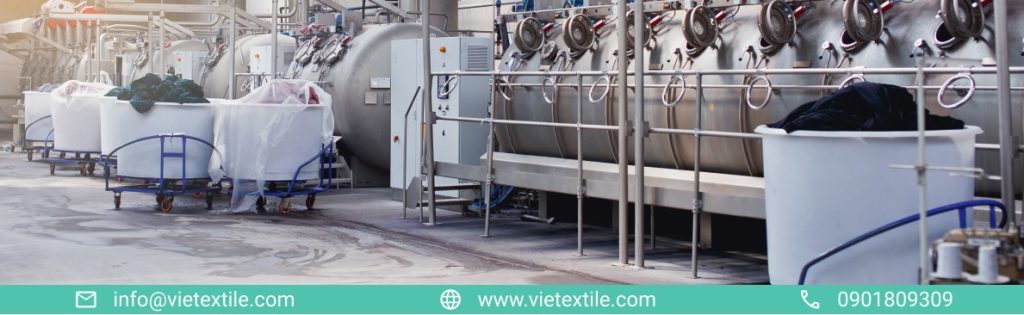
Currently, the two most common fabric dyeing methods are discontinuous and continuous dyeing. Each method has its own characteristics and is suitable for different production scales and quality requirements.

  • Discontinuous Dyeing: This is a traditional technique suitable for small-scale production and non-fixed products. The dyeing process takes place in multiple stages, from fabric preparation to post-dyeing finishing.
  • Continuous Dyeing: This is a modern method that helps optimize efficiency, suitable for large-scale, stable production with high-quality requirements. The entire dyeing process is automated, minimizing errors and increasing productivity.
Phương pháp nhuộm vải phổ biến
A List of 9+ Advanced Fabric Dyeing Technology Today 4

2. A List of 9+ Most Modern Fabric Dyeing Technology

Here is a description of 10 of the most up-to-date fabric dyeing technology.

2.1. Supercritical Carbon Dioxide Dyeing

Supercritical dyeing technology is a new advancement in the textile industry. Instead of water, this method uses CO2​ gas in a supercritical state, under high temperature and pressure conditions (above 31°C and 74 bar). In this state, CO2​ can dissolve hydrophobic dyes, which are dyes that are difficult to dissolve in water. At the same time, its low viscosity and high diffusion ability, similar to gas, make the dyeing process faster and more uniform.

After dyeing is complete, the CO2​ returns to a gaseous state and separates from the fabric. CO2​ can be reused up to 90%, which helps minimize waste and protect the environment.

2.2. Nano Dyeing Technology

Nano dyeing technology works on the principle of reversing the electrical charge of fabric fibers, which enhances their bond with the dye. As a result, the color is even, colorfast, and does not require the use of salt. This method is not only environmentally friendly but also cost-effective.

2.3. Plasma Dyeing Technology

Plasma is a special state of matter, similar to gas but electrically charged. Plasma is created by stimulating gas with electromagnetic energy. Plasma dyeing technology uses plasma energy to create molecular-level changes on the surface of fabric fibers. This significantly improves properties such as water resistance, antibacterial properties, and dyeability. This method is not only environmentally friendly but also highly effective and flexible in its applications, opening up new potential for the textile industry.

2.4. Laser Dyeing Technology

Laser dyeing works on the principle of using a laser beam with the appropriate energy and wavelength to change the structure of the fabric fiber surface, helping the dye adhere more firmly and evenly. Thanks to laser dyeing technology, even the most complex patterns can be easily created on fabric. This method helps save time and materials and contributes to a sustainable, environmentally friendly fashion industry.

2.5. Foam Dyeing Technology

Foam dyeing technology works by creating a layer of fine foam containing dye that evenly covers the fabric surface. This helps the dye penetrate deeper and be more evenly distributed. As a result, the color is beautiful and uniform, and the product quality is significantly enhanced.

2.6. Ultrasonic Dyeing Technology

Ultrasonic dyeing technology is a method that uses sound waves with a frequency higher than the human hearing threshold (over 20 kHz) to improve fabric dyeing quality. Ultrasonic waves pass through the dyeing solution and create tiny gas bubbles (a phenomenon called “cavitation”). These bubbles continuously form and burst, and the high pressure and high temperature in the solution help the dye penetrate deeper and more evenly into the fabric fibers. This increases dyeing efficiency and reduces the amount of dye needed.

2.7. Microwave Dyeing Technology

Microwave dyeing technology is a breakthrough for the textile industry due to its superior efficiency compared to traditional methods. Instead of using external heat, microwaves penetrate deep into each fabric fiber, heating them more evenly and quickly. This process is based on the oscillation of water molecules in the dyeing solution, and the thermal energy generated through friction causes the dye to penetrate deep into the fabric.

2.8. Enzyme Dyeing Technology

With enzyme dyeing technology, enzymes act as biological catalysts, helping to accelerate chemical reactions without the need for toxic chemicals. During dyeing, enzymes bond with the surface of the fabric fibers, interacting with the dye to produce the desired color. Enzymes work effectively at a specific pH and temperature, making the dyeing process fast.

2.9. Air-Dyeing Technology

Air-dyeing technology uses a high-pressure air stream to spray the dyeing solution directly onto the fabric surface. First, the dye solution is mixed. Then, the dye is sprayed directly onto the fabric in an air-dyeing machine without using as much water as traditional dyeing methods. The fabric continuously moves under the effect of the air stream, helping the dye penetrate evenly and quickly.

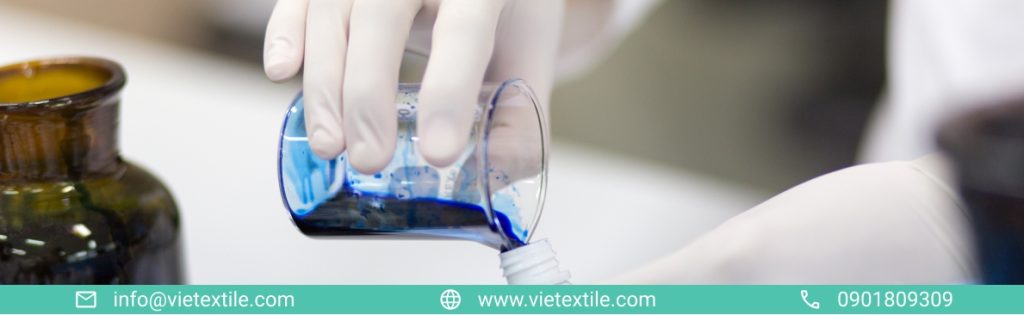
2.10. Using Less Toxic, Biodegradable Chemicals

The textile industry is facing a serious pollution problem due to the excessive use of toxic chemicals. Thousands of types of chemicals not only pollute water, soil, and air but also have adverse effects on human health. To solve this problem, many manufacturers are looking for less toxic alternative chemical solutions and developing cleaner dyeing technologies. For example:

  • Using dyes with no or low salt content during dyeing.
  • Replacing toxic chemicals like sodium sulfite (soda ash) or sodium hydrosulfite with β-mercaptoethanol and glucose.
  • Electrochemical methods replacing hazardous chemicals like Na2​S2​O4​ and NaOH.
  • Dicyanamide and formic acid replacing traditional neutralizers without harming the environment.
chat nhuom than thien voi moi truong
A List of 9+ Advanced Fabric Dyeing Technology Today 5

3. Benefits of Applying Advanced Fabric Dyeing Technology

Fabric dyeing technology has made significant strides in recent years, bringing many outstanding benefits to the textile industry.

  • Increased Production Efficiency: New dyeing methods like enzyme dyeing, microwave dyeing, and air-dyeing significantly reduce water and energy consumption. This not only cuts production costs but also helps protect natural resources. The faster and more efficient dyeing process allows manufacturers to increase productivity and meet market demands.
  • Improved Product Quality: New technology helps dye penetrate deep into each fabric fiber, creating more vibrant, uniform, and colorfast colors. Additionally, the fabric fibers are better protected, which extends their lifespan.
  • Environmental Protection: New dyeing technology limits the use of toxic chemicals, reducing emissions and wastewater released into the environment. Businesses that use advanced dyeing technology fulfill their commitment to environmental protection and social responsibility, protecting the interests of their customers.

4. Conclusion

Advanced fabric dyeing technology not only helps improve product quality but also contributes to environmental protection and resource conservation. Applying advanced fabric dyeing technology is an inevitable trend and an opportunity for businesses to optimize profits and move toward sustainable development.

If you are interested in Dyeing 4.0 technology or quality dyeing chemicals from VieTextile, please contact us through the following methods:

  • Phone: +84 (0) 901809309
  • Email: Info@Vietextile.com
  • Office: 82C Quach Dinh Bao, Phu Thanh Ward, Tan Phu District, Ho Chi Minh City
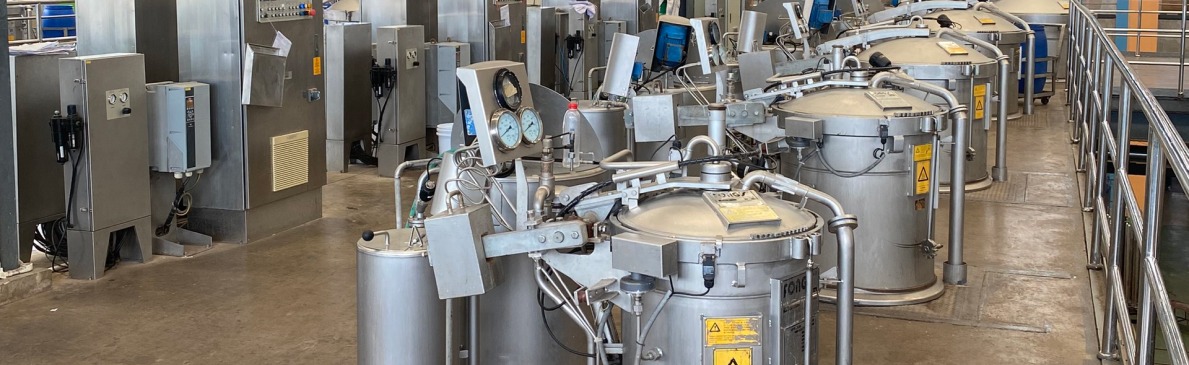
A Detailed and Comprehensive Look at the Cotton Fabric Dyeing Process

The cotton fabric dyeing process always requires precision at every step. If any mistakes occur in any stage, the final product will be directly affected. Let’s learn about the detailed cotton fabric dyeing process, common mistakes to avoid, quality evaluation criteria, and a suggestion for an effective dyeing solution from VieTextile.

1. Preparation Before the Cotton Fabric Dyeing Process

Before beginning the cotton fabric dyeing process, you need to prepare the following essential materials and equipment:

  • Cotton Fabric: The fabric needs to be inspected and pre-treated to remove impurities such as oil, dirt, or chemical residues from the previous production stages.
  • Dyes: Select dyes based on the type of cotton fabric, its thickness, and the final intended use. Calculate the color mixing ratios and plan for the appropriate temperature and time to ensure even and stable color.
  • Chemicals: Prepare salt, alkali, dyeing assistants, and other chemicals to help the dye adhere firmly to the fabric fibers and increase colorfastness.
  • Machinery and Equipment: Prepare machinery, tanks, and inspect and maintain the water supply system to ensure a smooth dyeing process.
Chuan bi truoc quy trinh nhuom vai cotton
A Detailed and Comprehensive Look at the Cotton Fabric Dyeing Process 9

2. The Detailed Cotton Fabric Dyeing Process

The cotton fabric dyeing process is a meticulous journey that requires delicacy and a deep understanding of technical skills. Below is a detailed description of the steps in the 100% cotton fabric dyeing process using the exhaust dyeing method.

Step 1: Demineralization Use surfactants and sequestering agents to remove mineral ions like calcium () and magnesium (Mg2+) from the cotton fibers. When these mineral ions react with the dye, they form insoluble compounds that adhere to the fabric fibers, which can reduce the dye absorption capacity. This leads to uneven colors, splotchy marks, and reduced colorfastness.

Step 2: Scouring & Bleaching This is the first step in the cotton fabric preparation process. This step helps remove natural impurities, waxes, oils, and other substances from the cotton fibers. You use NaOH and then bleach the cotton fabric with H2​O2​.

Step 3: Biopolishing Use cellulase enzymes to soften and remove excess fabric fibers on the surface. This ensures the fabric surface is smooth and minimizes pilling. The biopolishing process takes place in a mildly acidic environment at a temperature from 45°C to 55°C. After enzyme treatment, the fabric is rinsed with hot water at 80°C to completely inactivate the enzymes.

Step 4: Levelling Levelling in the cotton fabric dyeing process is the step that ensures the dye is evenly distributed and absorbed by the fabric. Sequestering agents, anti-creasing agents, and anti-foaming agents are used to control the pH at 6.5 and the temperature at 40°C for 5 minutes.

Step 5: Dyeing Reactive dyes are commonly used for cotton fabric, and direct dyes and vat dyes are also used.

Nhuom mau cho vai cotton
A Detailed and Comprehensive Look at the Cotton Fabric Dyeing Process 10

The dyeing process includes:

  • Add the initial dose with salt for 10 minutes, then run the machine for another 10 minutes.
  • Continue adding the color for 30 minutes and run the machine for 20 minutes.
  • Check the sample to evaluate the color uptake and ensure uniformity. If satisfactory, increase the temperature to 60°C.
  • Continue with the soda dose for 15 minutes and run the machine for another 15 minutes. Then, the remaining 90% of the soda is added over 20 minutes, followed by another 20 minutes of running the machine.
  • Check the sample one more time. If satisfactory, drain the water and proceed with preliminary rinsing.

Step 6: After-treatment The after-treatment process consists of three main steps:

  • Soaping: A detergent is used to remove unfixed dyes from the fabric surface. This process is carried out at 90°C for 10 minutes, followed by rinsing.
  • Fixing: A fixing agent is used to improve the fabric’s colorfastness. The fixing agent is added and the process is run for 5-15 minutes, followed by rinsing.
  • Softening: A softening agent is used to increase the fabric’s softness for use.

3. Mistakes to Avoid When Dyeing Cotton Fabric

You should be aware of some common mistakes when dyeing cotton fabric:

  • Not Stirring the Dye Evenly: Dye that is not stirred well can lead to splotchy colors or inconsistent shades. This not only reduces the product’s quality but also affects the manufacturer’s reputation.
  • Incorrect Temperature and Dyeing Time Control: Cotton is a natural fiber that is very sensitive to temperature. If the dyeing temperature is too high or the dyeing time is too long, the fabric can shrink, lose durability, or have its fiber structure altered. Conversely, if the temperature or dyeing time is insufficient, the dye will not penetrate the fibers evenly, leading to unsatisfactory colors.
  • Inadequate Fabric Pre-treatment: Any remaining impurities on the fabric will hinder the dyeing process, preventing the dye from adhering evenly and making it prone to fading after washing. This requires manufacturers to pay close attention to the preparation stage, ensuring the fabric is completely clean before dyeing.

4. Criteria for Evaluating Cotton Dyeing Quality

High-quality dyed cotton fabric must meet the following criteria:

  • Colorfastness: The dye must be able to withstand environmental factors such as sunlight, friction, sweat, detergents, and high temperatures without fading, discoloration, or changing color.
  • Color Uniformity: The color must be evenly distributed across the entire fabric surface, with no splotches, streaks, or varying shades.
  • Color Brightness: The color should be vibrant, vivid, and have good contrast. Especially for fashion products, eye-catching colors will attract consumers.
  • Fabric Mechanical Durability After Dyeing: The dyeing process should not reduce the durability of the fabric fibers, preserving the natural softness and elasticity of the cotton.

5. Tips for Caring for and Storing Dyed Cotton Fabric

To keep the color of your dyed cotton fabric fresh and durable, you should care for and store it carefully. After dyeing, products should be washed separately in cold or warm water to prevent fading. A gentle wash cycle and neutral detergent will help protect the fabric fibers. You should not use bleach and avoid direct exposure to sunlight or high temperatures to prevent fading and fiber damage.

6. High-Efficiency, Cost-Effective Cotton Dyeing Solutions from VieTextile

In the dyeing industry, optimizing efficiency and reducing costs are top goals to enhance competitiveness. VieTextile is a trusted partner, accompanying businesses in the dyeing industry. We are committed to providing comprehensive solutions that help customers enhance their product value and strengthen their market position.

This article has provided information to help you get a clear overview of the cotton fabric dyeing process. If you have any questions related to cotton dyeing, don’t hesitate to contact VieTextile through the following methods:

  • Phone: +84 (0) 901809309
  • Email: Info@Vietextile.com
  • Office: 82C Quach Dinh Bao, Phu Thanh Ward, Tan Phu District, Ho Chi Minh City
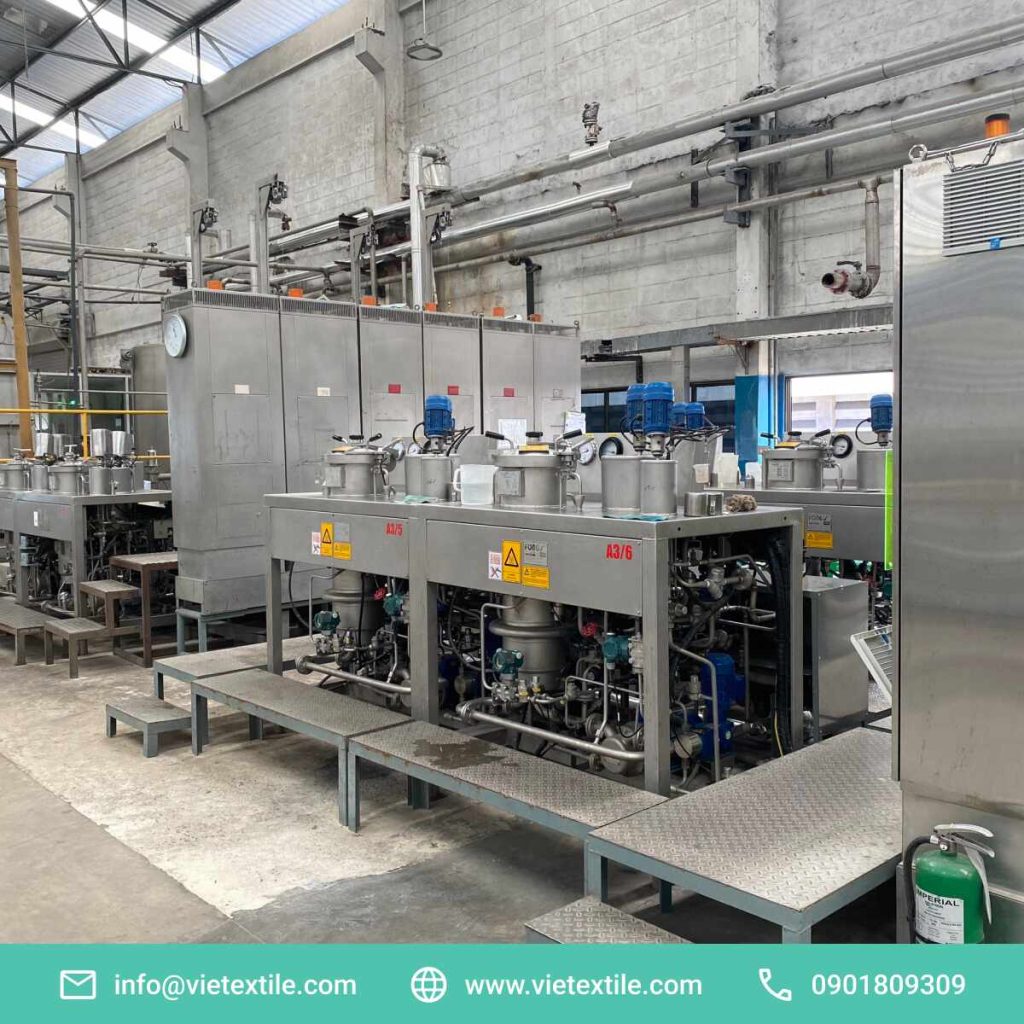
Important Considerations When Dyeing Cotton and Polyester Fabric

Fabric dyeing is a crucial stage that brings vibrant colors and improves the quality of textile products. Each type of fabric has its own characteristics, requiring specific techniques and dyeing methods. The following article will outline important considerations when dyeing cotton fabric and polyester fabric to help you achieve the best results.

1. Why is it Necessary to Choose the Right Dyeing Method for Each Fabric Type?

Dyeing is the step of applying colors and patterns to fabric to meet customer design requirements. The dyeing process directly affects the quality, colorfastness, and aesthetic appeal of the fabric. Dyeing not only helps cover the natural color of the fibers but can also enhance features such as UV resistance, fire resistance, and antibacterial properties.

To ensure the dyed fabric meets standards and does not fade, become blotchy, or even get damaged, choosing the right dyeing method for each fabric type is extremely important. Each fabric has its own characteristics regarding fiber structure, dye absorption, and colorfastness. For example, cotton has an open, flexible fiber structure that easily absorbs water, while polyester fibers have a closed, smooth structure with fewer gaps. If the wrong dyeing method is chosen, the fabric can be damaged, easily torn, have poor color, and fade quickly with use.

2. Considerations When Dyeing Cotton Fabric

Cotton fabric is made from natural cotton fibers or a blend of cotton with some other synthetic fibers. When dyeing cotton fabric, you should consider the following:

2.1. Prepare the Fabric Before Dyeing

Before dyeing, cotton fabric needs to be scoured to remove impurities like grease, dirt, or sizing. This ensures that the dye can penetrate the fibers evenly, helping the color to be uniformly distributed and long-lasting.

2.2. Choose the Right Dyes for Cotton

Cotton fabric has the ability to absorb water, but its ability to bond with dyes is not very good. This is because the surface of the cotton fiber has a negative electrical charge that does not easily react with dyes. Even when salt and alkali are added to the dyeing solution, the dye only bonds with the cotton fabric at a rate of about 75%. Many types of dyes can be used for cotton, including reactive dyes, direct dyes, and natural dyes. Among these, reactive dyes are often preferred for their ability to create durable, vibrant colors.

2.3. Control Dyeing Temperature and Time

The right temperature and time will ensure the color does not bleed and the fabric is not damaged. Typically, cotton is dyed at a temperature of about 60 – 80°C. A temperature that is too high can damage the fibers, while a temperature that is too low can lead to uneven and easily faded colors.

2.4. Wash and Soften After Dyeing

The cotton fabric needs to be washed to remove excess dye and any residual chemicals. Using a fabric softener after dyeing will keep the fabric soft and comfortable to use.

2.5. Test Before Full-Scale Dyeing

It is essential to test the color on a small fabric sample before dyeing a large batch. This will ensure that the dyeing results are as expected and that no errors occur.

3. Considerations When Dyeing Polyester Fabric

Polyester fabric is a synthetic fabric made from polyester fibers. It is a man-made polymer composed of ethylene derived from coal and petroleum. Before dyeing polyester fabric, you should consider the following:

3.1. Prepare the Fabric Before Dyeing

Similar to cotton, polyester fabric also needs to be cleaned before dyeing to remove impurities.

3.2. Choose the Right Dyes for Polyester

Polyester has a fiber structure that is more difficult to penetrate with dye compared to cotton. Therefore, it is suitable for special dyes designed for polyester such as disperse dyes. Disperse dyes have the ability to penetrate the polyester fibers and create bright, long-lasting colors.

3.3. Control Dyeing Temperature and Time

Dyeing polyester fabric usually requires a higher temperature than cotton, typically around 125 – 130°C. Precise control of the temperature and dyeing time will help the disperse dye spread evenly. Additionally, the pH value of the dyeing solution should be controlled within a weakly acidic range of 5-6.

3.4. Wash and Soften After Dyeing

After the dyeing process, polyester fabric needs to be cleaned to remove excess dye and any residual chemicals. You can move on to the industrial washing stage, or use a suitable fabric softener to make the fabric softer and more comfortable to use.

3.5. Test Before Full-Scale Dyeing

It is necessary to test on a small fabric sample before dyeing a large batch. This ensures that the dye will yield the expected results and will not harm the fabric.

4. Comparing the Dyeing Processes for Cotton and Polyester

You can see the differences between the dyeing cotton fabric and dyeing polyester fabric processes through the following detailed information:

4.1. Cotton dyeing

  • Temperature: Warm temperature
  • Dyeing time: Soaking time in the color tank for 5-7 days
  • Dye fixation capacity: 75%, requires a large amount of salt and alkali for dye bonding
  • Dye washing: The process consumes energy and water. Uses many tanks, at least once at boiling temperature

4.2. Polyester dyeing

  • Temperature: High temperature
  • Dyeing time: Short processing time from 30-60 minutes of heat-retaining dyeing
  • Dye fixation capacity: 99% or more, does not require dye fixation agent
  • Dye washing: Less energy, water and chemical consumption than cotton dyeing. Uses alkali and chemical reducing agent

4.3. Technical Requirements

  • Ensure Accurate Dyeing Results: Adhering to the correct dyeing process and quality control is essential for the desired results. Using the right type of dye, temperature, and dyeing time helps ensure the color is even and does not fade quickly.
  • Protect Fabric Properties: Following usage instructions helps protect the mechanical and chemical properties of the fabric. Dyeing at the appropriate temperature and time helps avoid shrinkage, deformation, or damage to the fabric.
  • Ensure User Safety: Make sure that chemical residues after the dyeing process are completely removed to ensure the safety of the fabric user.
  • Optimize Costs and Resources: Careful calculation and adherence to instructions will help optimize the use of dyes and energy, thereby reducing production costs. This is especially important for industrial models.
  • Ensure Consistent Quality: In mass production, following instructions and quality control ensures that all products meet high-quality standards. This builds brand reputation and customer satisfaction.

5. Fabric Dyeing Consultation

Understanding and correctly applying these considerations when dyeing cotton fabric and polyester fabric is important to ensure the quality of textile products. By following the processes and implementing strict quality control, manufacturers can optimize production efficiency and bring customer satisfaction.

If you are looking for an advanced scouring chemical that supports the dyeing process for both cotton and polyester fabrics, don’t miss VieChemol SR – an optimal solution for the scouring and dyeing process. It helps save costs, improve efficiency, and protect the environment. Contact VieTextile today for a consultation and trial:

  • Phone: +84 (0) 901809309
  • Email: info@vietextile.com
  • Office: 82C Quach Dinh Bao, Phu Thanh Ward, Tan Phu District, Ho Chi Minh City
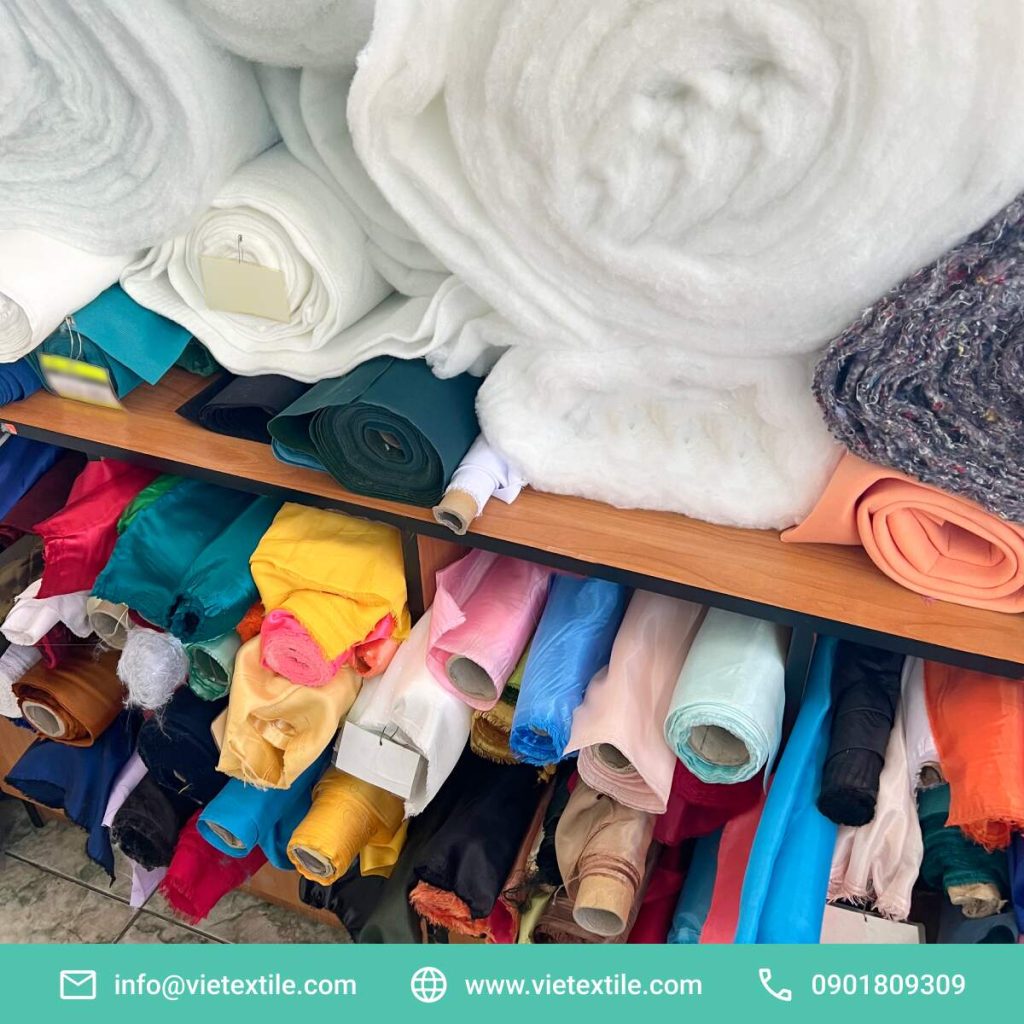
Industrial Fabric Dyeing: Fixing Errors & Improving Quality

Industrial fabric dyeing is a crucial process in textile manufacturing, but the results don’t always meet expectations. Errors like color bleeding, uneven color, fading after washing, or fabric wrinkling can affect product quality. This article will help you understand the causes and provide detailed instructions on how to effectively fix these issues.

1. Introduction to Industrial Fabric Dyeing

Gioi thieu ve nhuom vai cong nghiep
Industrial Fabric Dyeing: Fixing Errors & Improving Quality 16

Industrial fabric dyeing is a technique for treating fabric with various dyes to achieve the desired color. This is an important step that enhances the aesthetic appeal and value of textile products.

1.1. Overview of the Dyeing Process

The industrial fabric dyeing process involves many important steps to ensure the fabric achieves the correct, long-lasting color. The basic steps include:

  • Pre-dyeing Treatment: Removing impurities, oils, and sizing to help the fabric absorb the dye better.
  • Dye Solution Preparation: Mixing the dye with water and auxiliary chemicals to create optimal conditions for color adhesion.
  • Fabric Dyeing: The process takes place in a dyeing machine at the appropriate temperature and duration.
  • Rinsing and Washing: Removing excess dye and stabilizing the color.
  • Finishing: Using a fixing agent, softener, and drying to ensure color stability.

Example: Large textile companies invest in modern dyeing systems to better control dyeing quality.

1.2. The Importance of Quality Control

A substandard dyeing process can lead to faulty products, increasing production costs and impacting a company’s brand. The key factors for ensuring quality include:

  • Quality of Auxiliary Chemicals: This affects colorfastness and adhesion.
  • Temperature Control: Each type of fabric has a different optimal dyeing temperature.
  • Accurate Dyeing Time: To ensure the color adheres firmly to the fibers.

2. Common Errors in Industrial Fabric Dyeing

Cac loi thuong gap trong nhuom vai cong nghiep
Industrial Fabric Dyeing: Fixing Errors & Improving Quality 17

2.1. Color Bleeding and Uneven Color

Causes:

  • The dye is not distributed evenly.
  • The dye solution is stirred too weakly or too quickly.
  • Sudden temperature changes during the dyeing process.

Symptoms:

  • Areas of the fabric appear darker or lighter than the rest.
  • Some areas have blotchy, inconsistent colors.

VieTextile’s Solution: We use automatic dyeing technology that controls temperature and stirring speed to ensure even color and prevent bleeding.

2.2. Fading After Washing

Causes:

  • Not using a suitable fixing agent.
  • Washing the fabric at high temperatures or with harsh detergents.
  • Using dyes with low colorfastness.

Symptoms:

  • The fabric color fades after a few washes.
  • Some areas of the fabric lose color inconsistently.

VieTextile’s Solution: We use advanced fixing technology that ensures high colorfastness even when washed at high temperatures.

2.3. Streaks on the Fabric

Causes:

  • The pre-dyeing treatment is not uniform.
  • Auxiliary chemicals are not evenly distributed.
  • The fabric is wrinkled during dyeing.

Symptoms:

  • Light or dark streaks appear along the length of the fabric.

2.4. Fabric Wrinkling and Shrinking After Dyeing

Causes:

  • Dyeing temperature is too high, which alters the fiber structure.
  • Uneven tension on the fabric during the dyeing process.

Symptoms:

  • The fabric is wrinkled and loses its shape after dyeing.

Fact: Cotton fabric often shrinks by 2-5% after dyeing if the temperature is not properly controlled.

3. Methods for Fixing Dyeing Errors

Phuong phap khac phuc cac loi nhuom
Industrial Fabric Dyeing: Fixing Errors & Improving Quality 18

Each dyeing error can be fixed if the correct technique is applied. Here are some improved methods to enhance dyeing quality.

3.1. Solutions for Color Bleeding and Unevenness

  • Adjust the dye solution’s stirring speed for even color distribution.
  • Tightly control the temperature at each stage of dyeing.
  • Use high-quality auxiliary chemicals to help the dye adhere better.

VieTextile’s Solution: We apply an automatic color control system that helps reduce color bleeding by up to 95%. Contact us now for a free consultation on modern fabric dyeing technology!

3.2. Measures to Prevent Fading After Washing

  • Use a fixing agent like a Fixing Agent to stabilize the color.
  • Provide instructions for the correct washing process, limiting the use of harsh detergents.
  • Choose high-colorfastness dyes that are suitable for each fabric type.

VieTextile’s Solution: We guarantee that our dyed fabric will not fade even after 50 washes. Contact VieTextile now for a consultation on fade-resistant dyeing technology!

3.3. Fixing Streaks on the Fabric

  • Enhance the pre-dyeing treatment to ensure the fabric has uniform absorbency.
  • Adjust the flow rate of the dye solution to prevent the dye from concentrating in one area.
  • Use modern dyeing machines with better flow control systems.

3.4. Solving Fabric Wrinkling and Shrinkage

  • Reduce the drying temperature to avoid altering the fiber structure.
  • Use a softener like a silicone softener to make the fabric softer.
  • Control the fabric’s tension throughout the dyeing process to maintain its shape.

4. Preventive Measures and Process Improvements

In addition to fixing errors, businesses can proactively improve the process to avoid unwanted incidents.

4.1. Training and Upgrading Employee Skills

  • Operating staff should be trained on the standard dyeing process.
  • In-depth courses on quality control help reduce errors.

4.2. Maintenance and Upgrading of Dyeing Equipment

  • Regularly inspect and maintain dyeing machines to ensure performance.
  • Invest in automated control systems to improve quality.

4.3. Adopting New Technologies in Fabric Dyeing

  • Laser dyeing can create color effects without the need for chemicals.
  • Waterless Dyeing technology helps reduce wastewater.

5. Industrial Fabric Dyeing Consultation at VieTextile

5.1. Why Choose VieTextile’s Dyeing Service?

  • Advanced dyeing technology with automatic color control.
  • Commitment to long-lasting color that won’t fade or bleed.
  • Modern dyeing machine systems that save water and chemicals.
  • A team of experts with over 30 years of experience in the dyeing industry.

5.2. VieTextile Provides Industrial Fabric Dyeing Services for:

  • Textile and apparel workshops
  • Manufacturers of high-end and technical fabrics
  • Export dyeing orders with international standards

Are you looking for a reputable dyeing partner? Contact VieTextile now!

Hotline: 090 1809 309

Email: info@vietextile.com

Frequently Asked Questions (FAQs)

  • Why does fabric get blotchy after dyeing? This happens when the dye is not distributed evenly, the auxiliary chemicals are of poor quality, or the temperature is unstable.
  • Is there a way to prevent industrial fabric dyeing from fading? Use a fixing agent, control the washing temperature, and choose high-colorfastness dyes.

What are the common errors when dyeing polyester fabric? Fading, streaks, and fabric shrinkage due to excessively high dyeing temperatures.