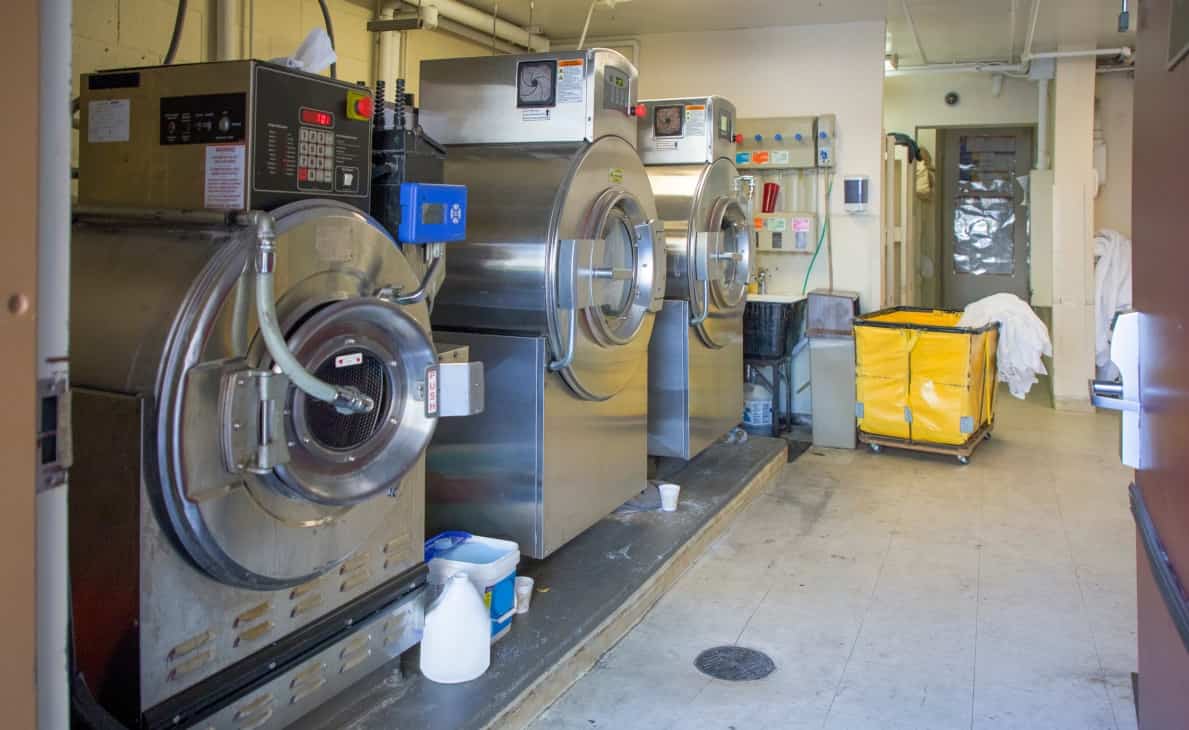
Enzyme Wash Process Costs in Vietnam

Industrial laundering, especially the treatment of denim and other woven fabrics, has become an indispensable part of the modern fashion production chain. Among the popular techniques, Enzyme Wash stands out as a superior method, offering a soft effect, natural colors, and a comfortable feel for the final product.

However, one of the biggest questions for textile businesses is: What are the costs of the Enzyme Wash Process and what are the determining factors? This article will delve into a comprehensive analysis of all cost-related aspects, from core factors to a reference price list and the economic benefits it brings.

The Enzyme Wash Process is not merely about washing fabric. It is a complex technical process that uses biological enzymes to break down the cellulose structure of fabric fibers, creating a natural abrasion effect without damaging the fabric’s durability. This is a major breakthrough compared to traditional stone washing, which poses many risks to the environment and product quality.

Therefore, to understand the costs, we need to thoroughly explore the Enzyme Wash Process itself, the types of enzymes used, and external factors that affect the price. This article will provide a holistic view of the issue, helping businesses make smart and effective investment decisions.
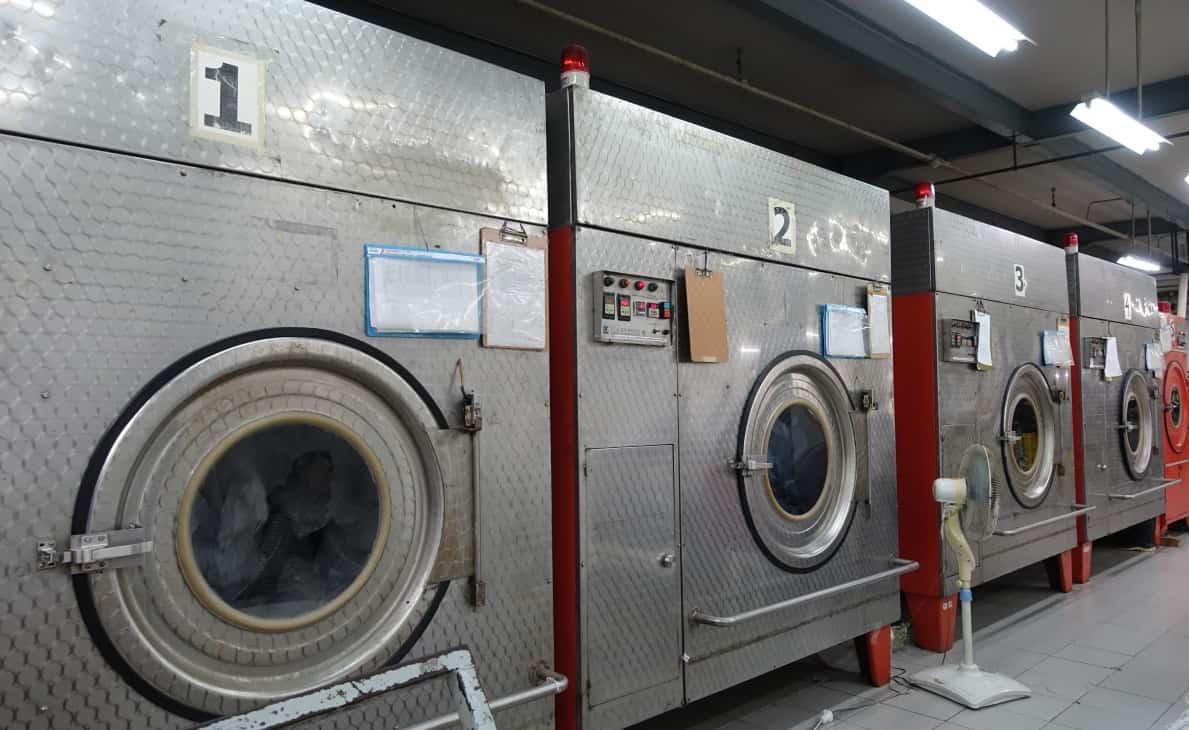
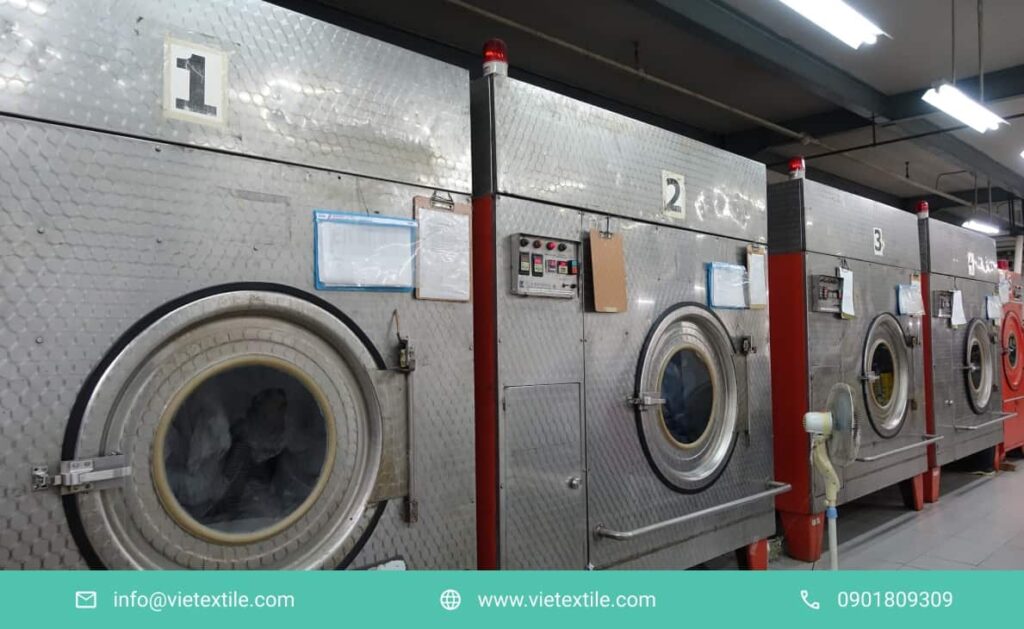
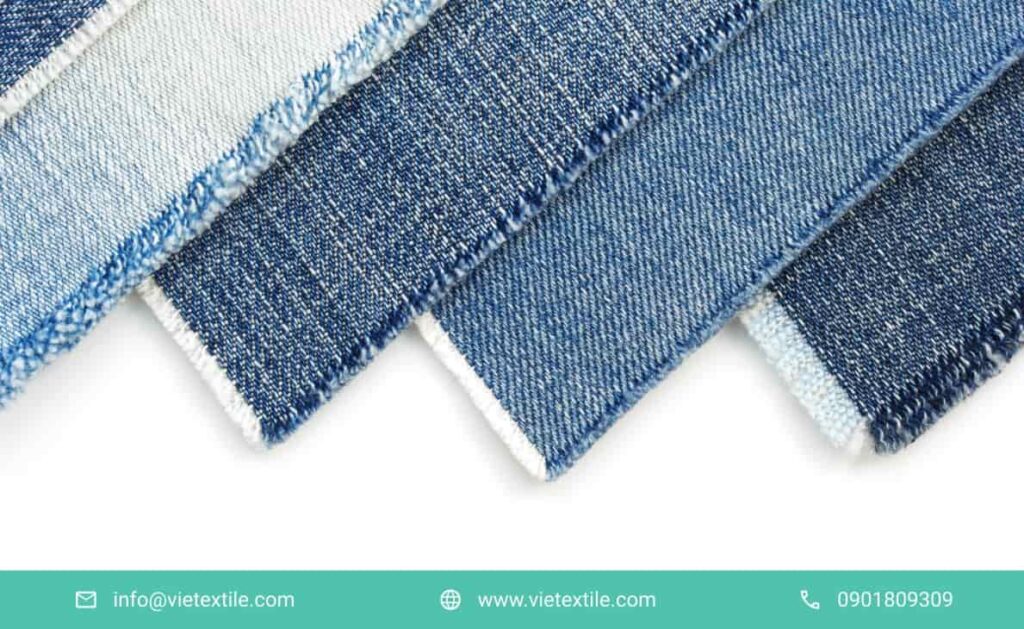
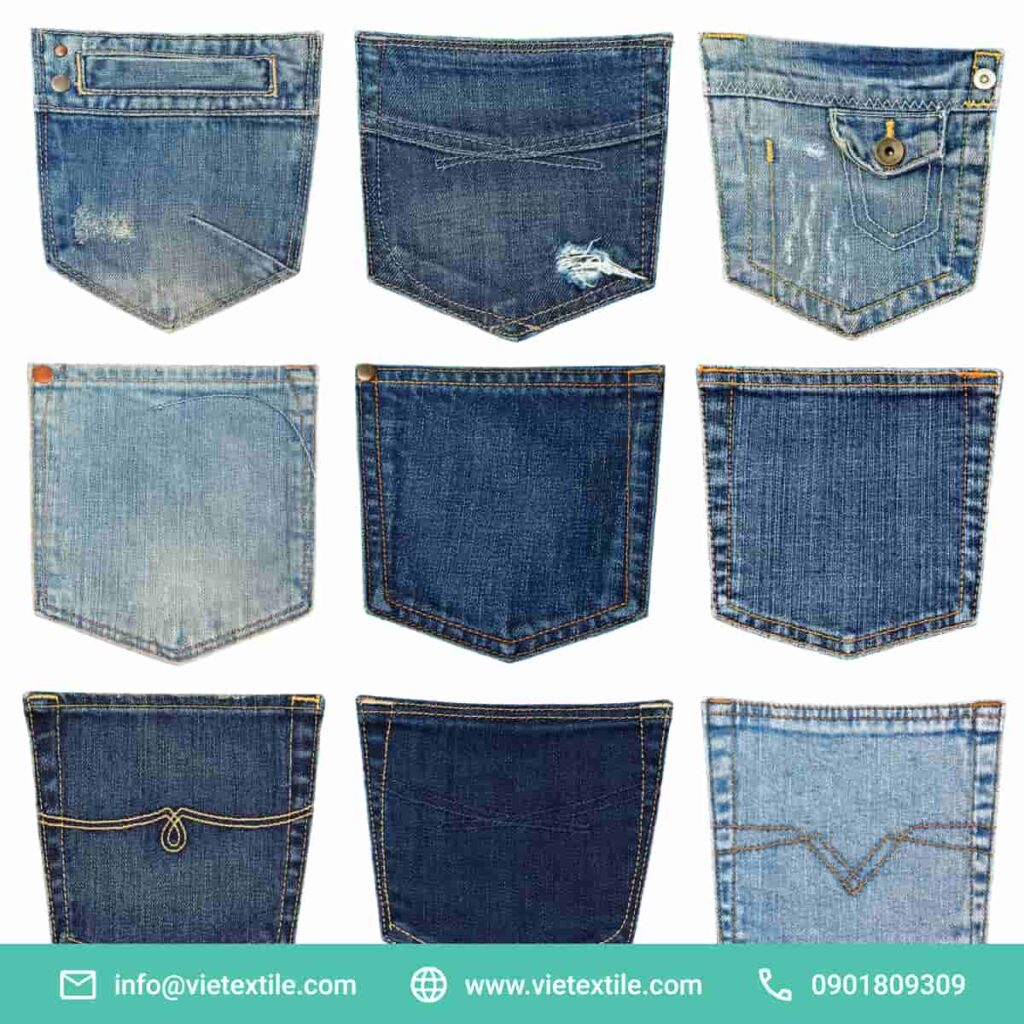
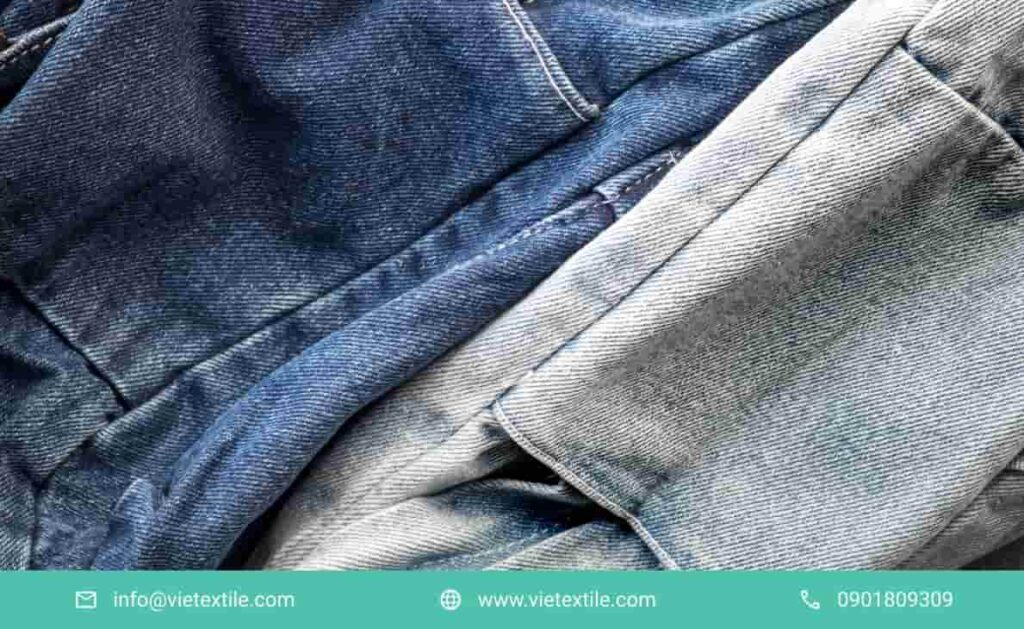
Enzyme Wash Process
Enzyme Wash Process Costs in Vietnam 5

1. What Is the Enzyme Wash Process?

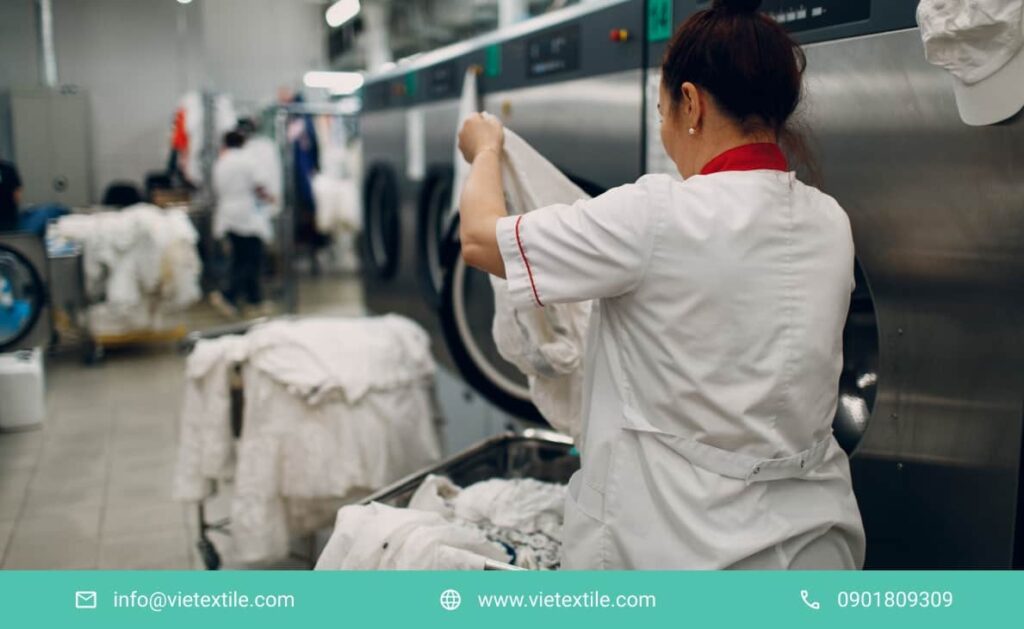
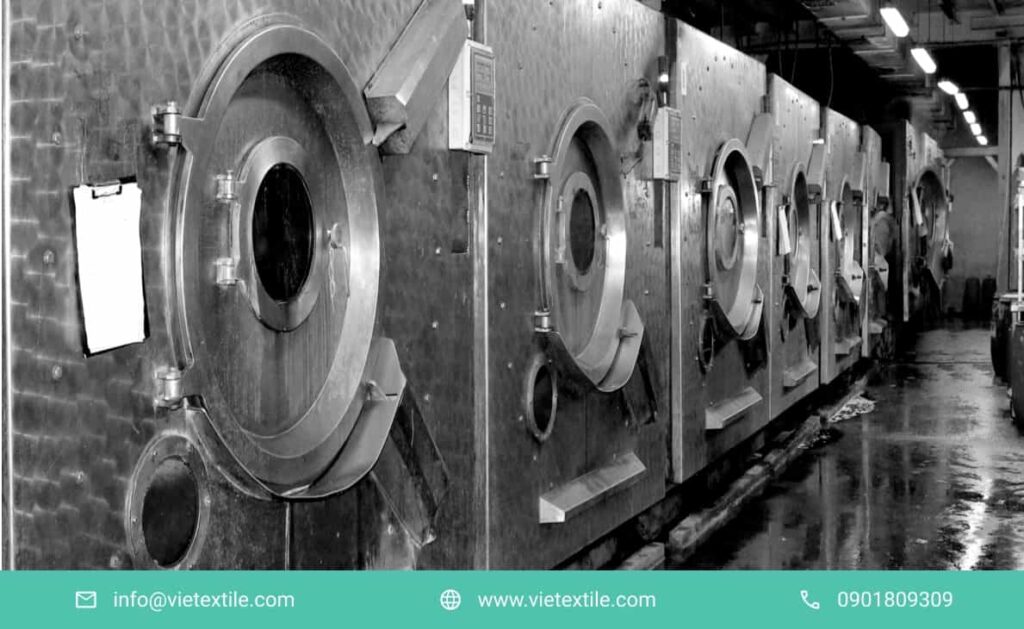
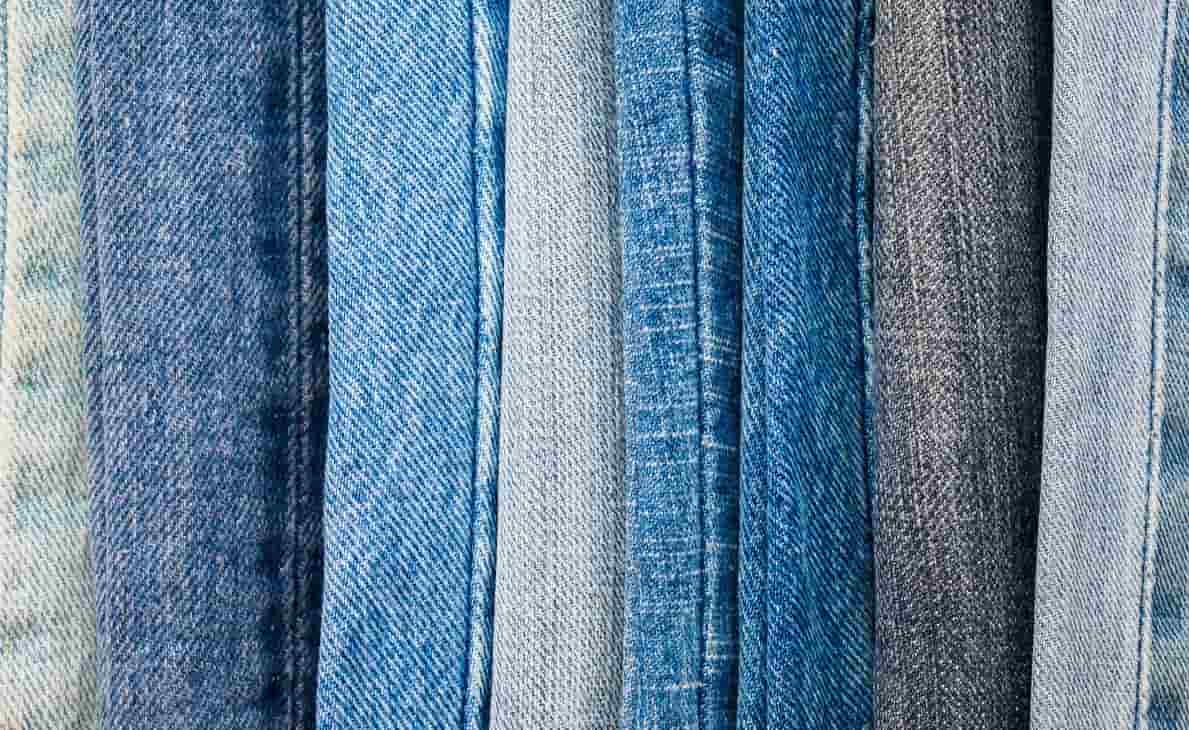
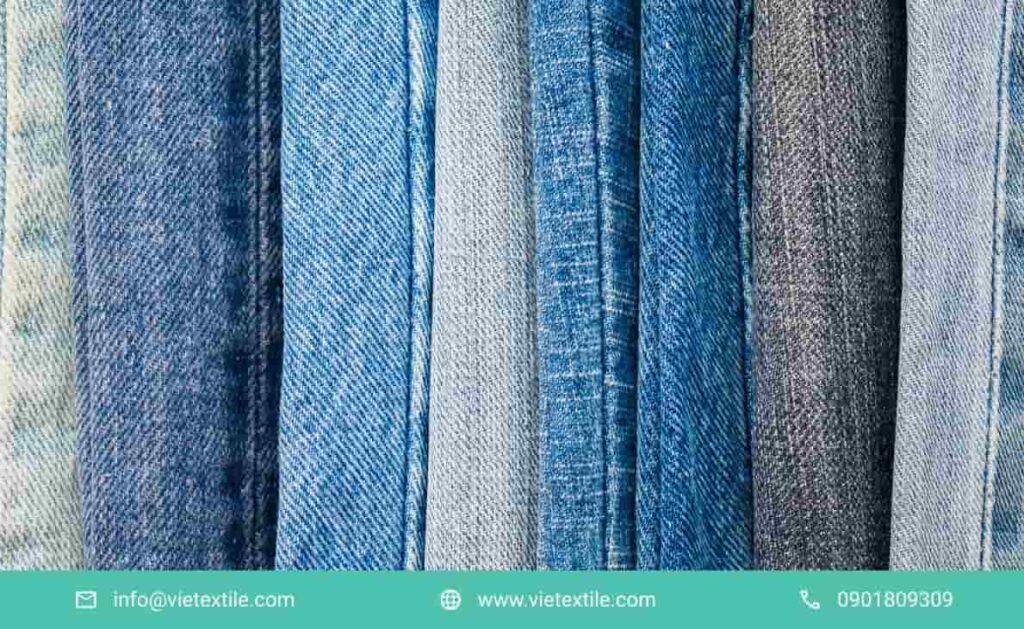
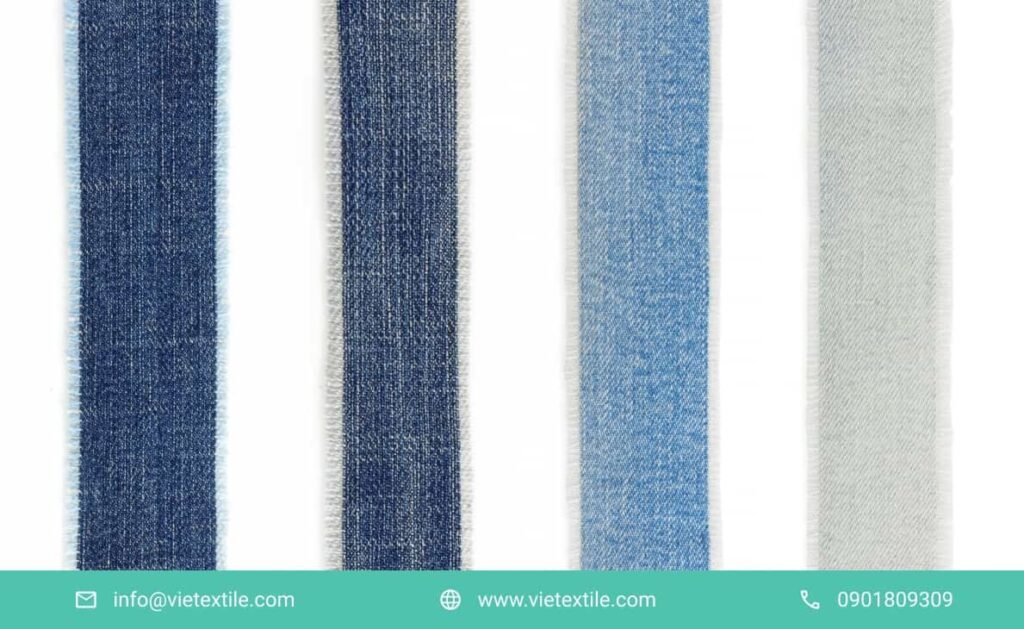
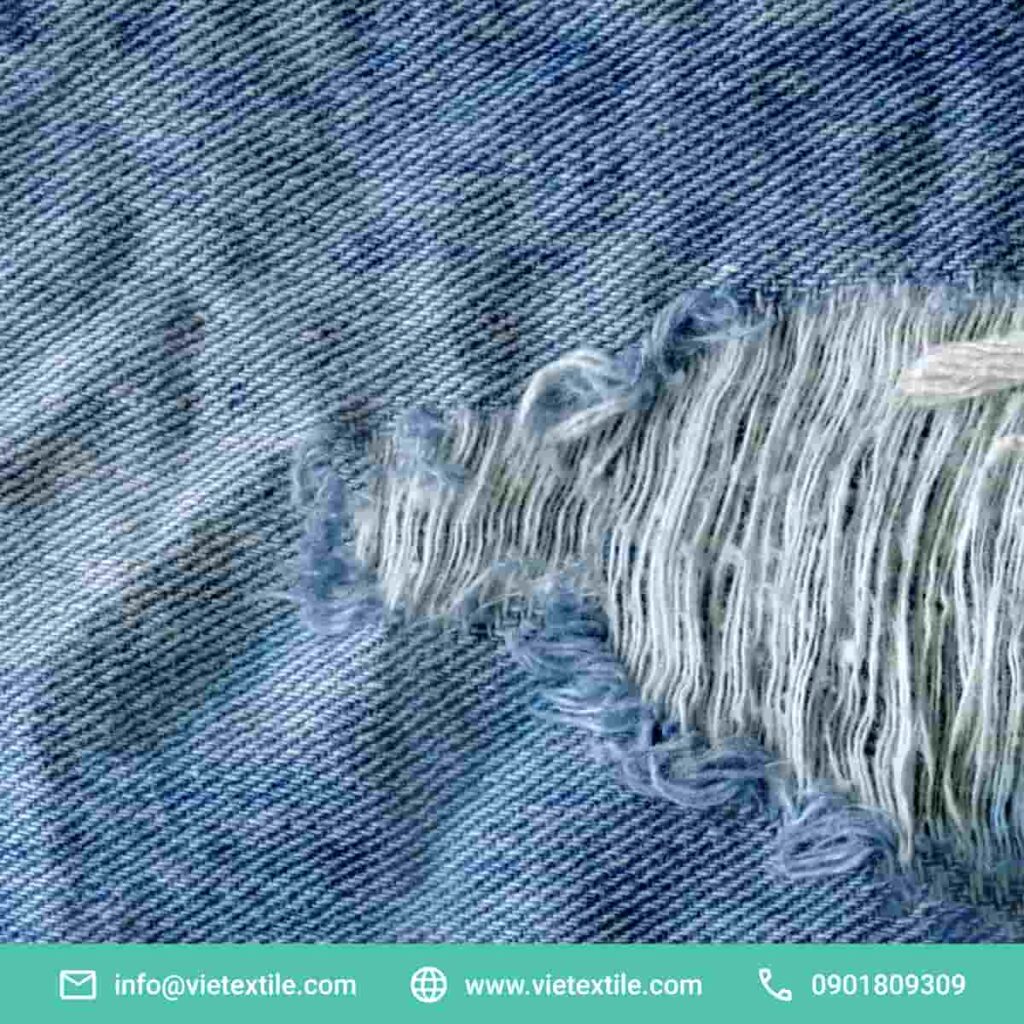
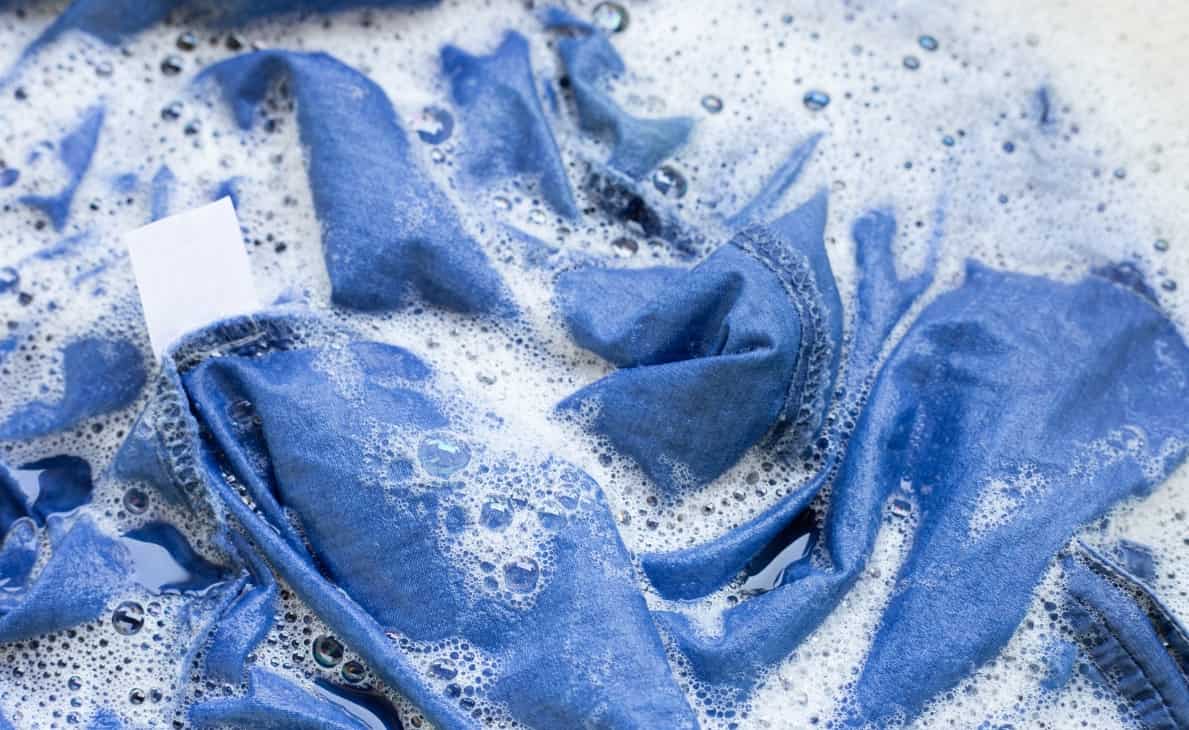
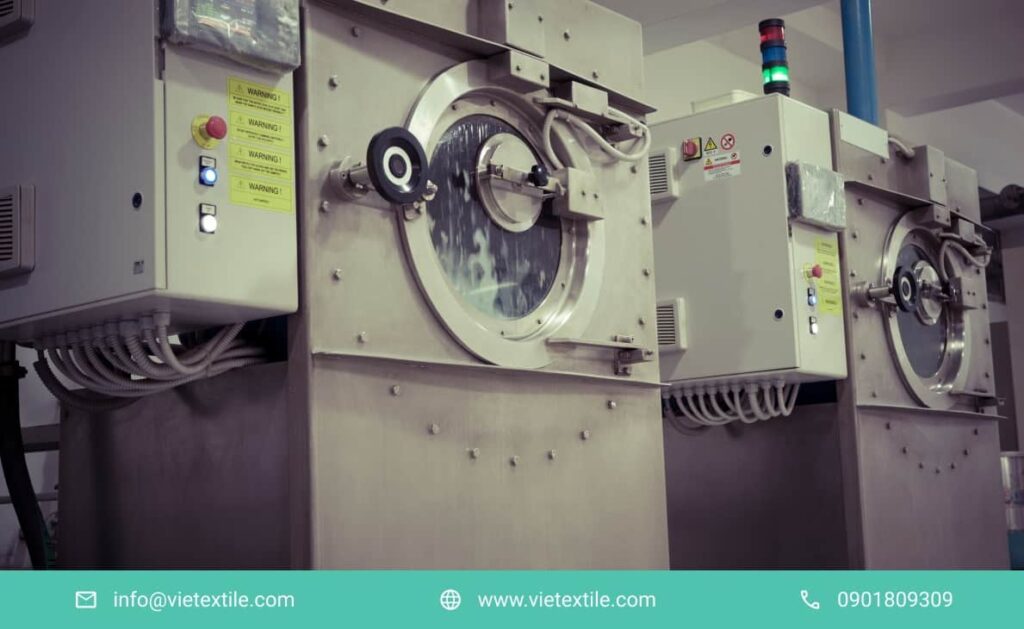
The Enzyme Wash Process is an advanced fabric treatment method that uses cellulase enzyme (a type of biological enzyme) to remove a small portion of cellulose from the fabric’s surface. The main purpose of this process is to soften the fabric, create a natural fading effect, and provide a comfortable feel when worn. Instead of using harsh chemicals or pumice stones that are harmful to the environment and machinery, Enzyme Wash operates on a biological principle, gently degrading the fabric fibers without harming the overall structure. This process typically includes the following main steps:

  • Step 1: Preparation: Fabric (usually denim, cotton) is loaded into an industrial washing machine. The amount of fabric and type of enzyme are carefully calculated.
  • Step 2: Enzyme Wash: Cellulase enzyme is added to the machine along with water and other additives. The washing environment is strictly controlled for temperature and pH to ensure the enzyme works most effectively.
  • Step 3: Enzyme Reaction Stop: Once the desired effect is achieved, a chemical substance (usually soda ash) is added to neutralize and stop the enzyme’s activity, preventing excessive fabric abrasion.
  • Step 4: Washing and Rinsing: The fabric is thoroughly washed to remove enzymes and other residues, then rinsed multiple times.
  • Step 5: Finishing: The fabric is dried and undergoes other finishing steps if necessary.

2. Factors Affecting Enzyme Wash Process Costs
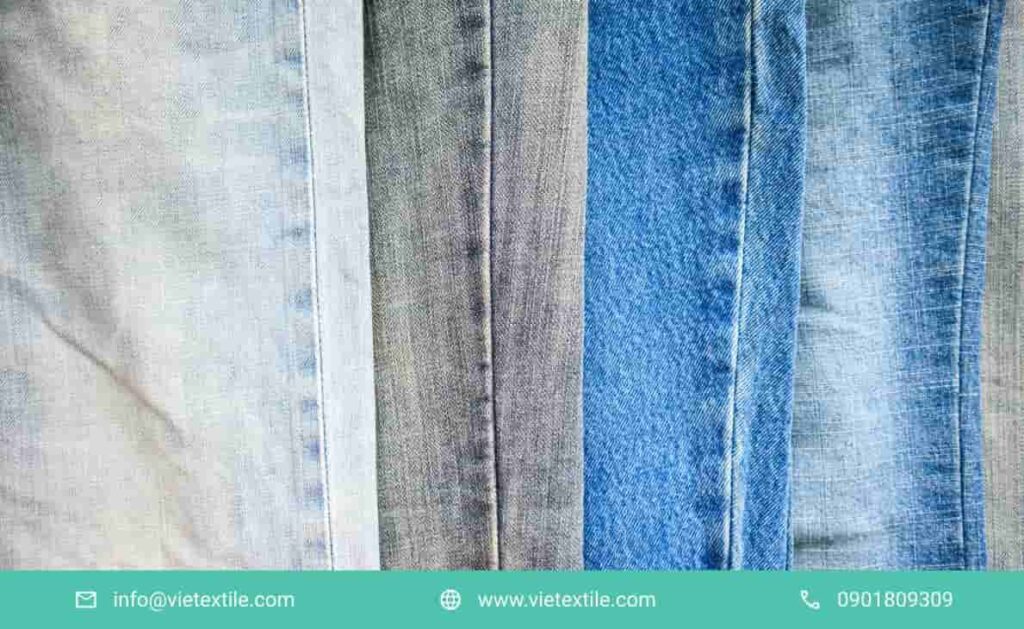
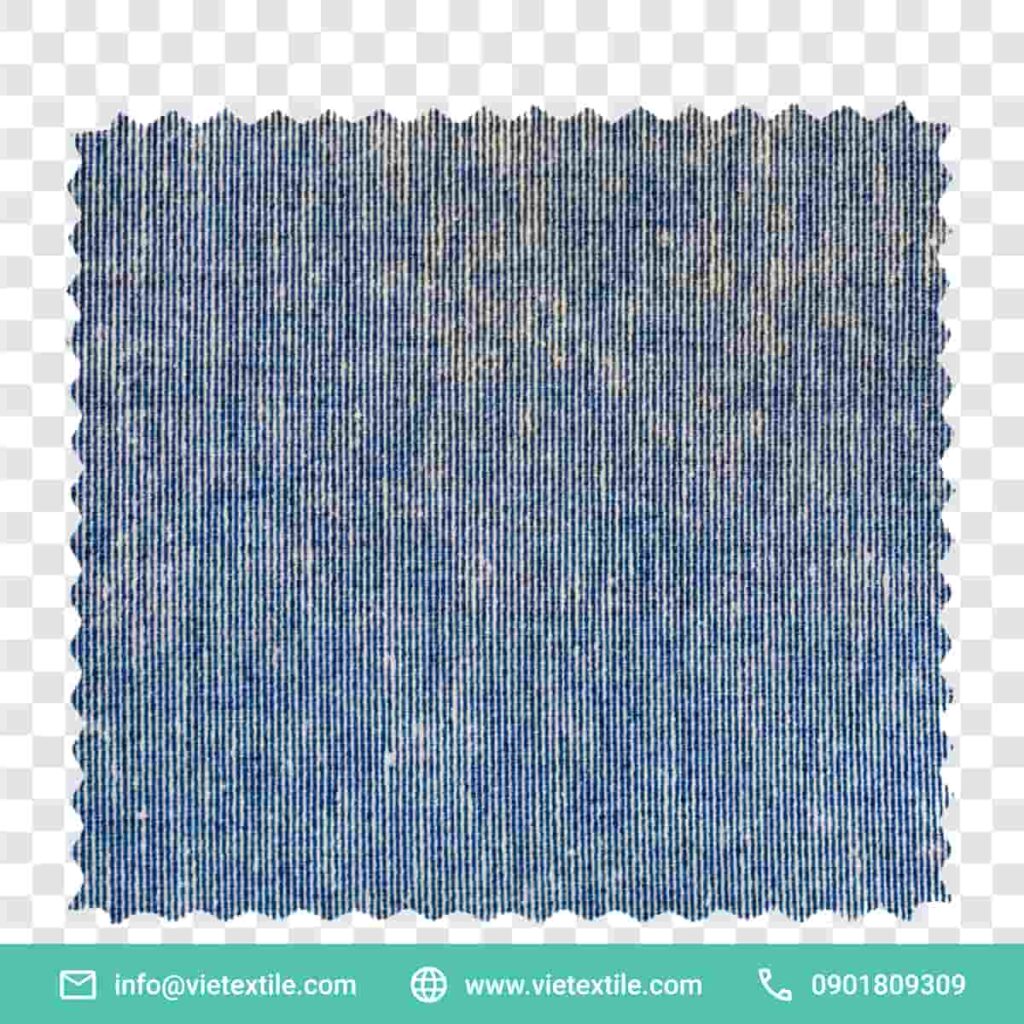
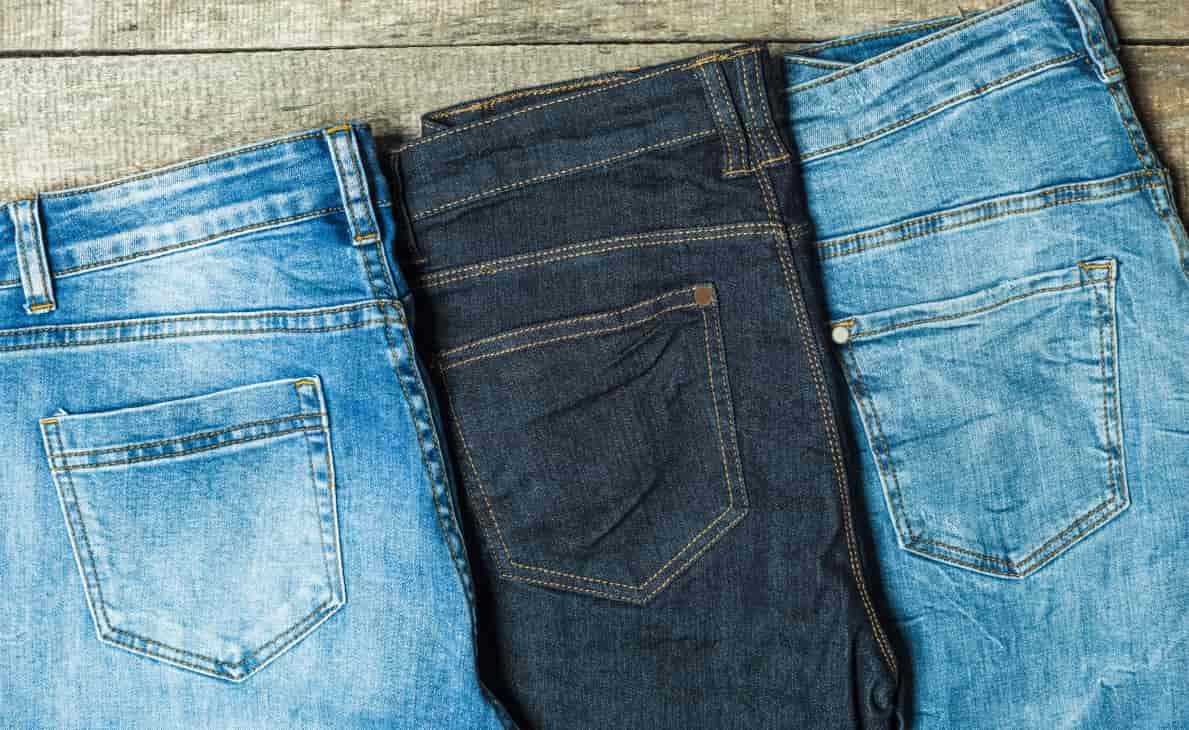
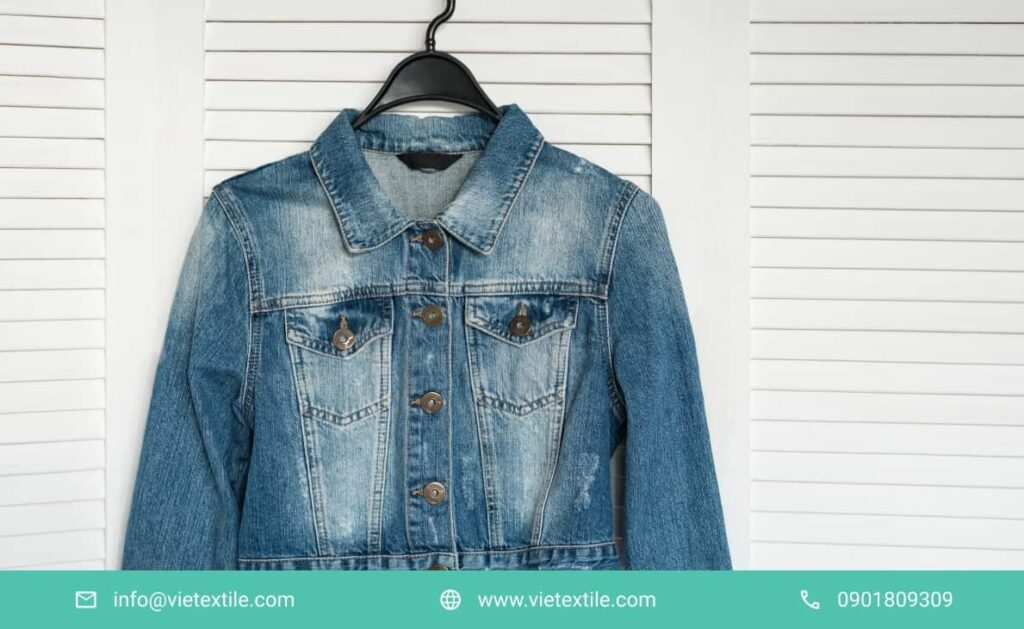
Hiệu ứng từ quy trình enzyme wash
Enzyme Wash Process Costs in Vietnam 6

The cost of the Enzyme Wash Process is not fixed but depends on many different factors. Understanding these factors will help textile businesses accurately estimate costs and optimize their budget.

2.1. Fabric Type And Material

Fabric material is the first and most crucial factor. Each type of fabric has a different cellulose structure, requiring a specific type of enzyme and processing time.

  • Denim: This is the most common fabric treated with enzyme wash. Depending on the thickness and composition (100% cotton or mixed with spandex), the cost can vary. Thicker fabrics require a longer processing time and may need a larger amount of enzyme.
  • Cotton and other woven fabrics: Although less common than denim, the Enzyme Wash Process is still applied to soften and create a vintage effect for these fabrics. The cost may be lower due to the lower complexity compared to denim.
  • Blended fabrics: Treating blended fabrics like cotton-polyester requires careful consideration to avoid damaging the synthetic components, so the cost can be higher.

2.2. Production Volume (Order Quantity)

The basic economic principle is that producing a large quantity will help reduce the cost per unit.

  • Large orders: When washing a large batch (e.g., over 5,000 products), the cost per product will decrease significantly as fixed costs like electricity, water, labor, and machine depreciation are spread out.
  • Small orders: Small orders often incur higher costs as the service provider needs to cover the minimum operating costs of the washing machine.

2.3. Enzyme Type And Enzyme Quality

The quality and origin of the enzyme play a key role in the cost.

  • Neutral and acid enzymes: Neutral enzymes are often more expensive but provide better results on many types of fabrics and cause less fiber damage. In contrast, acid enzymes are cheaper but can reduce fabric durability if not carefully controlled.
  • Origin: Enzymes imported from reputable brands (e.g., Novozymes, Dyadic) have a higher cost but ensure consistent quality and stable results. Domestically produced enzymes or those from unknown sources may be cheaper but come with quality risks.

2.4. Effect Complexity

The desired effect on the product is also a pricing factor.

  • Normal softening effect: This is the most basic Enzyme Wash Process, requiring only one type of enzyme and a short processing time. The cost will be low.
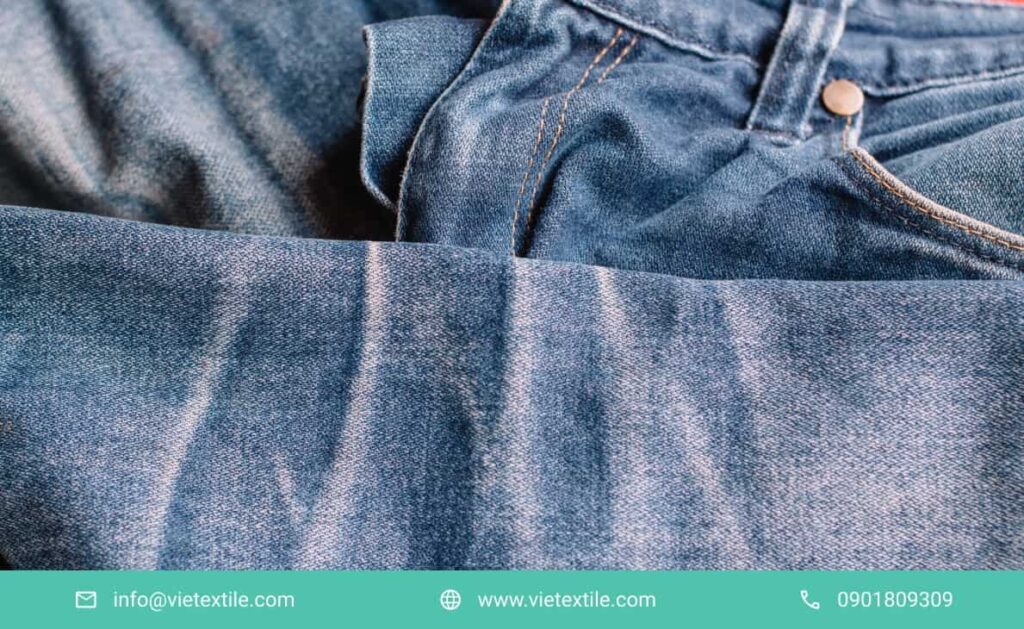
  • Vintage effect (fading): To create faded spots or subtle streaks, enzymes need to be combined with additives and special washing techniques, which extends the processing time and increases the cost.
  • Combination with other techniques: Sometimes, the Enzyme Wash Process is combined with stone wash, bleaching, or laser washing to create more complex effects, requiring multiple stages and higher costs.

2.5. Auxiliary and Transportation Costs

Besides technical factors, indirect costs also affect the final price.

  • Electricity and water costs: Industrial laundering consumes a large amount of energy and water. Rising electricity and water prices will directly increase costs.
  • Auxiliary chemical costs: In addition to enzymes, other chemicals like fabric softeners, anti-stain agents, and pH regulators are needed.
  • Labor costs: The wages of machine operators, technicians, and quality control personnel also contribute to the price.
  • Transportation costs: If the service provider and the production workshop are far apart, transportation costs also need to be factored in.

3. Reference Price List for Enzyme Wash Process Costs in Vietnam

Market prices can fluctuate depending on many factors as analyzed above. Below is a reference price list for you to visualize:

Fabric TypeProduction VolumePrice Level (VND/product)
100% Cotton DenimOrders < 1,000 products10.000 – 15.000
100% Cotton DenimOrders > 5,000 products7.000 – 10.000
Cotton FabricOrders > 1,000 products6.000 – 9.000
Woven FabricOrders > 1,000 products8.000 – 12.000
Special EffectsDepending on complexity15.000 – 30.000+

Note: The price list above is for reference only and may change depending on the time, service provider, and specific requirements of each order.

4. Benefits and Limitations of the Enzyme Wash Process
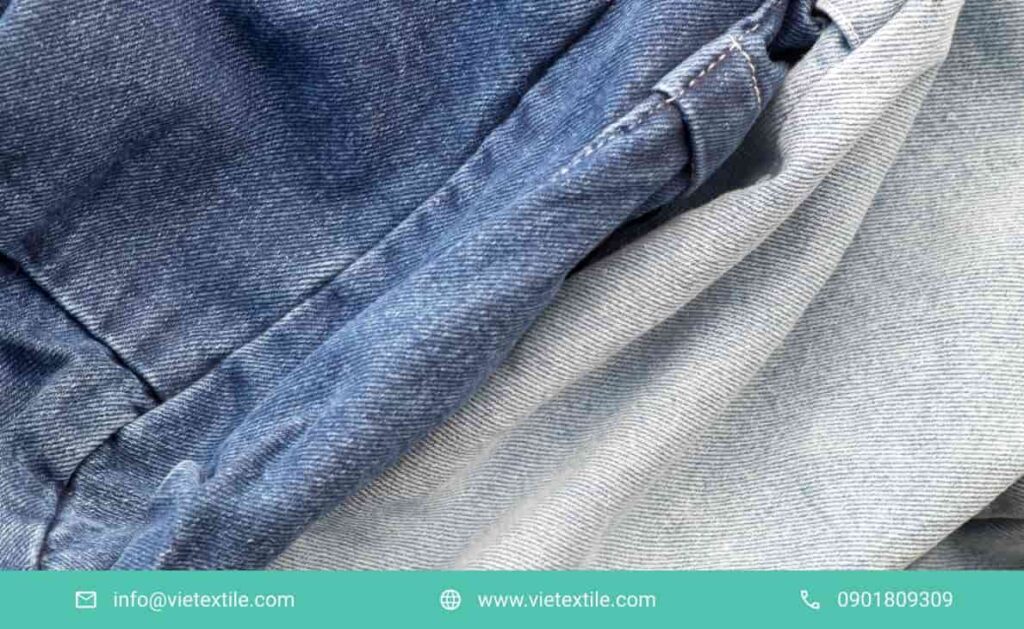
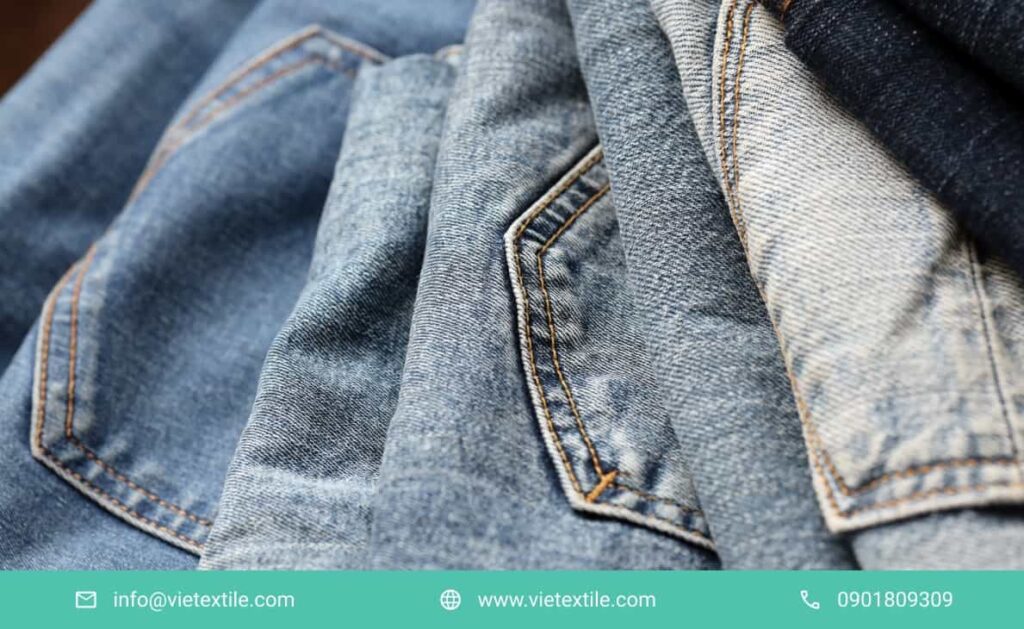
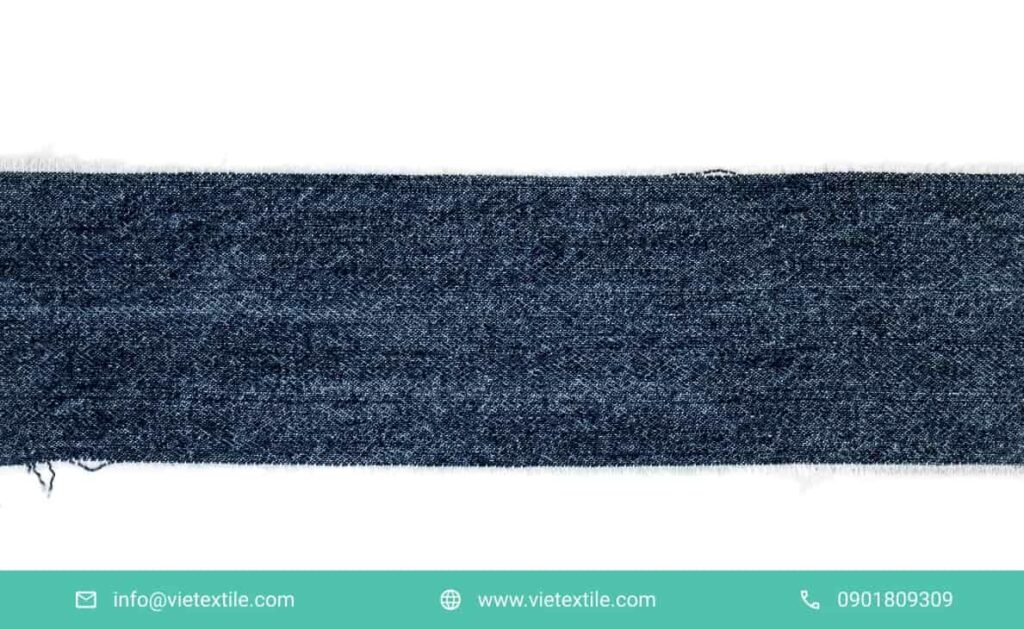
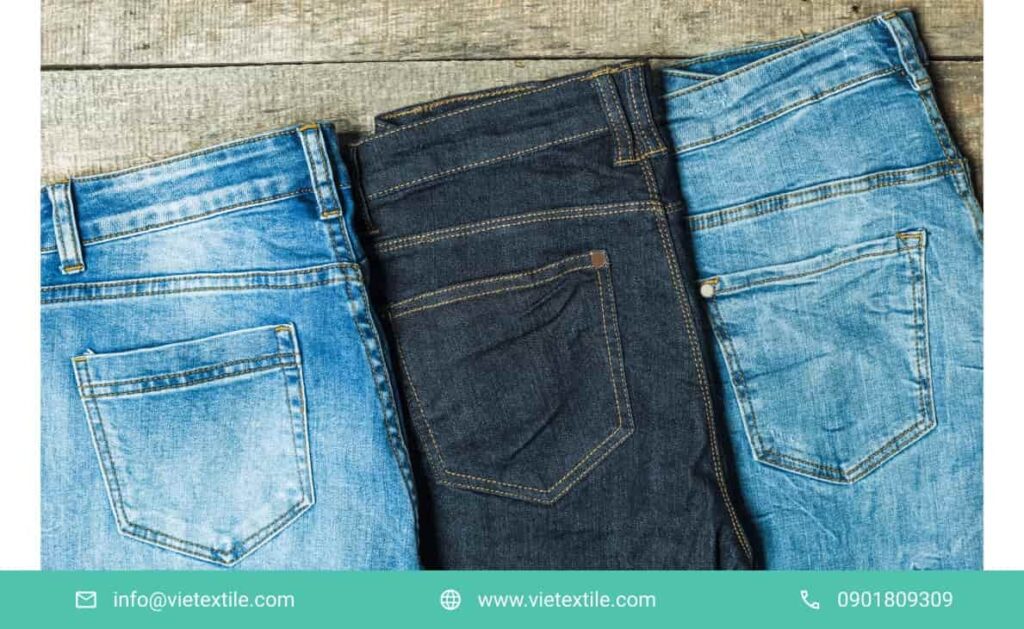
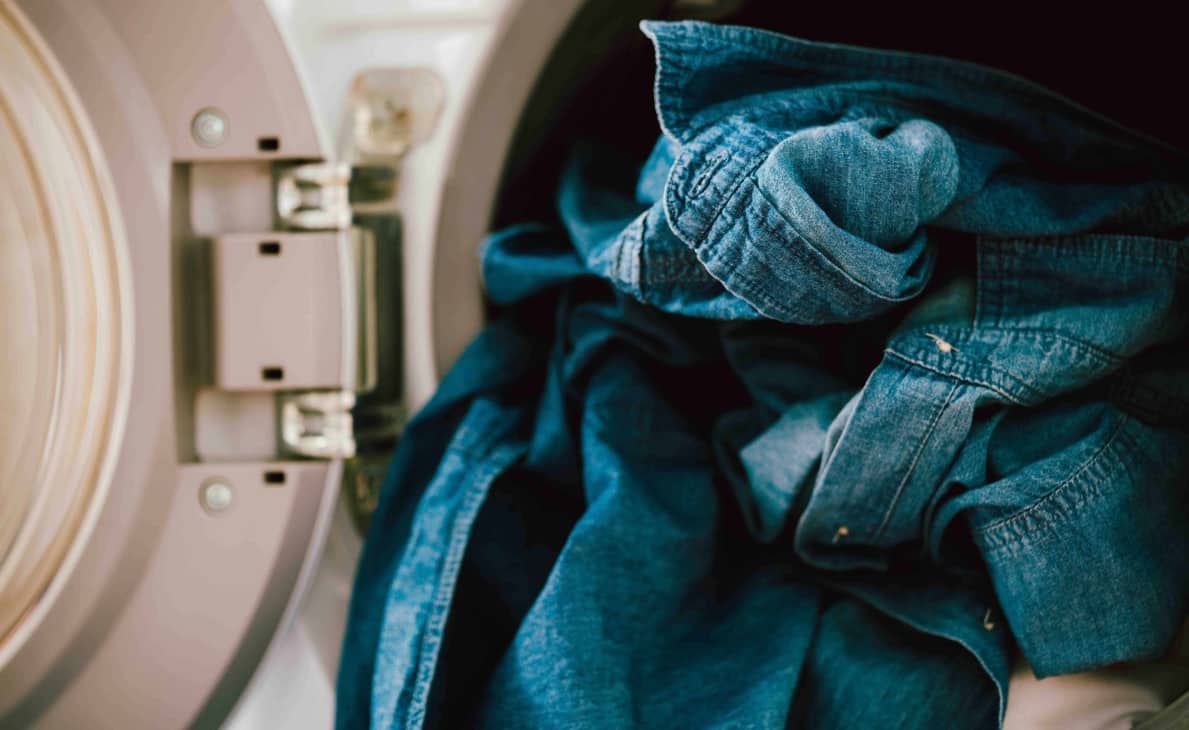
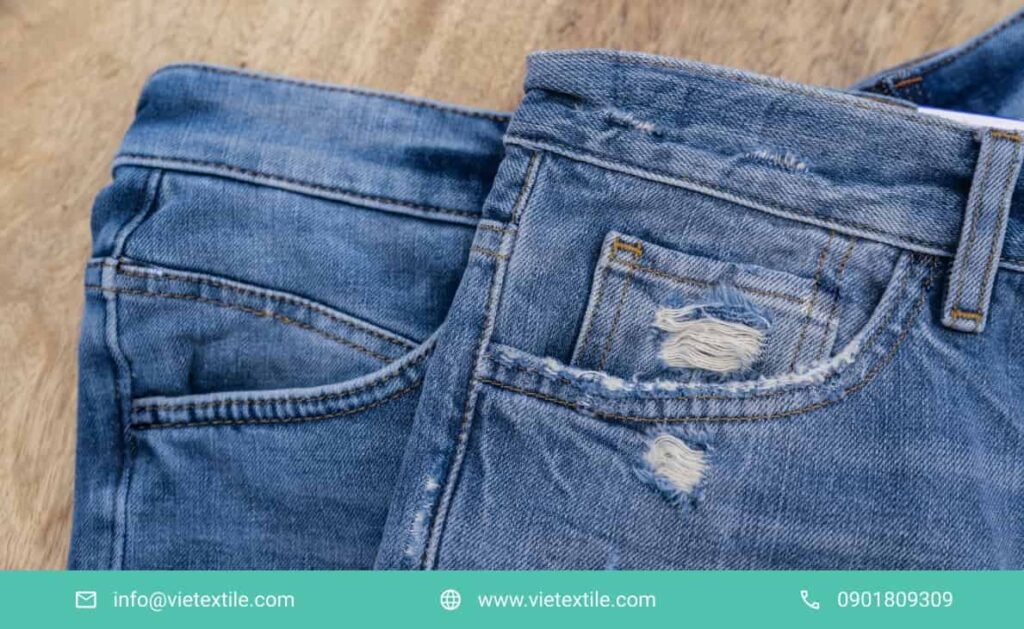
Quần jeans sau quy trình enzyme wash
Enzyme Wash Process Costs in Vietnam 7

To properly evaluate the costs, we need to consider both the benefits and limitations of the Enzyme Wash Process.

4.1. Benefits of Enzyme Wash

  • Environmentally friendly: Biological enzymes are highly biodegradable, reducing water pollution compared to harsh washing chemicals.
  • Protects machinery and products: This method does not use stones, so it does not damage machinery and fabric fibers, helping products have higher durability.
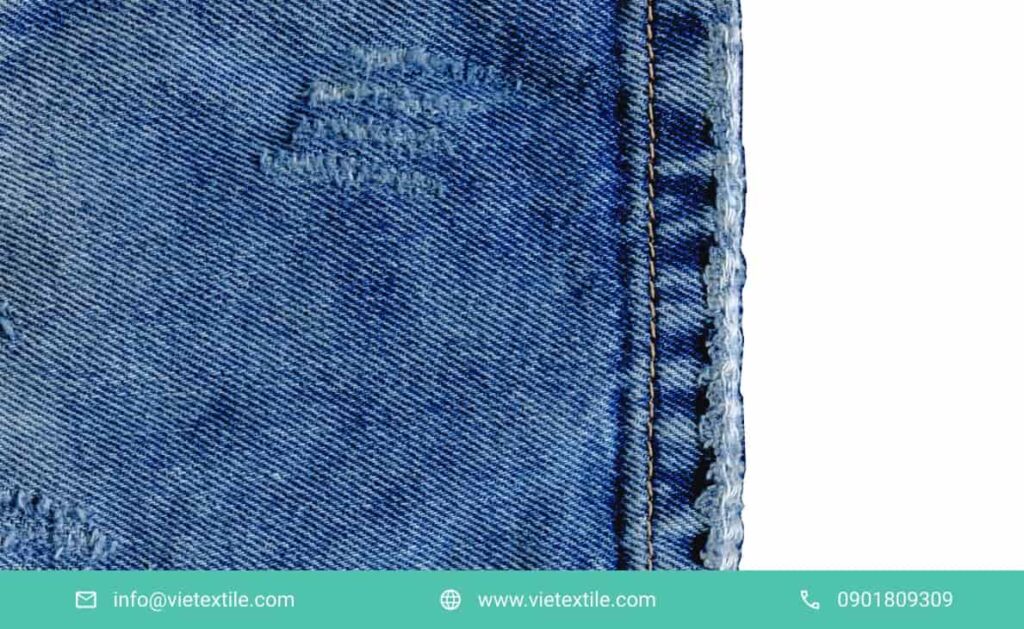
  • Natural and uniform effect: The Enzyme Wash Process creates a natural, soft abrasion effect that is less prone to spotting compared to stone washing.
  • High product quality: Products after Enzyme Wash have superior softness, providing a comfortable feel for the wearer, increasing product value.

4.2. Limitations of Enzyme Wash

  • High initial cost: Compared to traditional washing methods, the cost of enzymes and additives can be higher.
  • Requires high-level technique: The Enzyme Wash Process requires strict control of temperature, pH, and time to ensure optimal enzyme performance.
  • Not suitable for all fabric types: Although versatile, Enzyme Wash is not suitable for all fabric types, especially those with synthetic fiber components that are not cellulose.

5. Comparison of the Enzyme Wash Process with Other Washing Methods

Comparing the Enzyme Wash Process with other industrial washing methods will highlight its advantages.

5.1. Comparison with Stone Wash

  • Stone Wash: Uses pumice stones to abrade the fabric. Advantages are low cost and a strong abrasion effect. Limitations are damage to machinery, environmental pollution, and potential fabric damage.
  • Enzyme Wash: Uses biological enzymes. Advantages are being environmentally friendly, protecting fabric and machinery, and providing a soft, natural effect. Limitation is that the initial cost can be higher.

5.2. Comparison with Normal Wash

  • Normal Wash: Only uses water and soap. The main purpose is to clean. Limitations are that it does not soften the fabric and cannot create an abrasion effect.
  • Enzyme Wash: Not only cleans but also softens and creates a fading effect.

6. Practical Applications of the Enzyme Wash Process

In the textile industry, the Enzyme Wash Process is widely applied, especially in the following areas:

  • Denim and jeans production: This is the most common application. Enzyme Wash makes denim softer, creates unique shades of blue, and provides a comfortable feel from the first wear.
  • Production of cotton t-shirts and jackets: Cotton t-shirts after enzyme wash become soft, not stiff, and do not shrink.
  • Creating a vintage effect: Enzyme Wash is used to create a worn-out, naturally faded look for fashion products.

7. Important Notes When Choosing an Enzyme Wash Service

To ensure effectiveness and optimize costs, businesses should keep the following points in mind when choosing an Enzyme Wash Process service:

  • Service provider’s reputation: Choose experienced providers with modern technology to ensure product quality.
  • Technical consultation ability: A good provider will accurately advise on the right type of enzyme and process for each fabric.
  • Quality control system: Ensure the provider has a strict quality control process at every stage.
  • Transparent pricing policy: Request a detailed quote, with a clear analysis of factors affecting the cost to avoid unexpected additional costs.

8. VieTextile – Professional Enzyme Wash Process Provider

VieTextile is proud to be one of the leading providers in Vietnam offering industrial laundering services, especially the Enzyme Wash Process, with high quality and competitive costs. We are committed to providing optimal solutions, meeting all stringent customer requirements. With a team of experienced technicians and modern machinery, we are confident in perfectly controlling every step of the Enzyme Wash Process to ensure the highest product quality. VieTextile constantly updates technology and uses the most advanced enzymes to bring the best effects to each product. Every batch is carefully inspected after the Enzyme Wash Process is completed to ensure consistency and meet the required standards.

9. Frequently Asked Questions About the Enzyme Wash Process

  • Is Enzyme Wash safe for the skin? Yes. The Enzyme Wash Process uses biological enzymes, not harmful chemicals. After washing, the enzymes are completely neutralized, leaving no residue on the fabric, making it absolutely safe for the wearer and the environment.
  • Does the Enzyme Wash Process tear the fabric? No, if done correctly. The Enzyme Wash Process only affects a very small part of the cellulose fibers on the surface, softening and creating a natural effect without reducing the overall durability of the fabric.
  • Is Enzyme Wash more expensive than stone wash? Generally, the initial cost of the Enzyme Wash Process can be higher than stone wash. However, in the long run, it helps protect the product, reduces machinery repair costs, and is more environmentally friendly, providing more sustainable economic benefits.
  • Is Enzyme Wash suitable for all fabric types? No. The Enzyme Wash Process is most suitable for fabrics with a cellulose component like cotton, linen, and denim. For synthetic fabrics like polyester, acrylic, enzyme wash has no effect.
  • How long does it take to complete the Enzyme Wash Process? The completion time depends on the fabric type, the desired effect, and the product quantity. Typically, an enzyme wash cycle can last from a few hours to a day.

To achieve high quality and optimized costs for the Enzyme Wash Process, contact VieTextile today! Contact Information:

  • Hotline: 0901 809 309
  • Email: info@vietextile.com
  • Website: https://vietextile.com
Modern Jean Wash Workshop Trends: From Enzyme to Laser Wash

In the denim fashion industry, the finishing stage is a key factor that creates the beauty, style, and personality of each pair of jeans. In recent years, the trend of jean wash workshops has undergone a strong transformation, shifting from traditional techniques like enzyme wash to more modern and environmentally friendly technologies, typically laser wash.

This change not only brings higher production efficiency but also contributes to the sustainable development of the industry. This article will delve into an analysis of these prominent trends, helping you get a comprehensive view of the progress in the modern jean wash industry.

Previously, jean wash processes often used a lot of chemicals and water, causing negative impacts on the environment. However, with increasing awareness of environmental protection, jean wash workshops have continuously researched and applied new technologies. This not only helps reduce the consumption of chemicals, water, and energy but also creates more unique and complex wash effects, meeting the increasingly diverse needs of the market. Grasping these trends is extremely important for denim manufacturers and fashion brands that want to maintain their competitiveness.

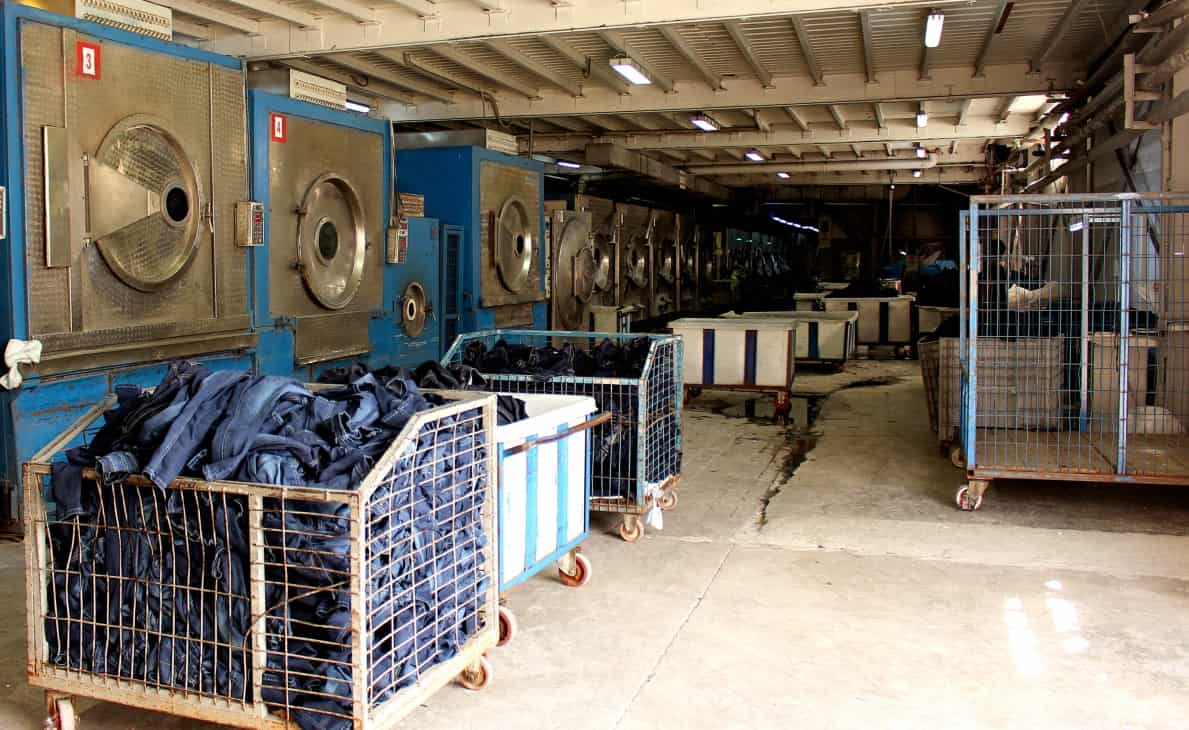
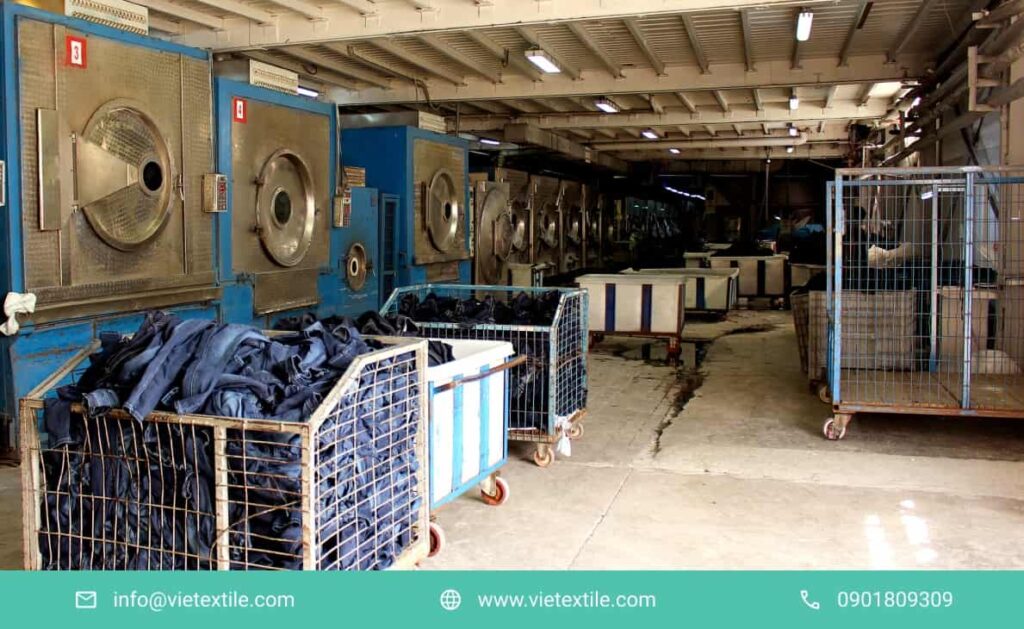
Xưởng wash jean tại Việt Nam
Modern Jean Wash Workshop Trends: From Enzyme to Laser Wash 12

1. Jean Wash Workshop: Concept, Role, and Classification

A jean wash workshop is a facility specializing in finishing denim garments, especially jeans. The goal of jean washing is to soften the fabric, create color, fading effects, and give each product a unique style. Each stage in the wash process is strictly controlled to ensure quality and aesthetics. The role of these workshops is to transform raw, stiff, dark blue jeans into fashionable, soft, and stylish products, ready to be marketed.

1.1. Common Types of Jean Wash Workshops

  • Manual Wash Workshops: These are small facilities that often use manual methods and basic chemicals to create fading effects. The advantage is low cost and flexibility for small batches. However, the disadvantages are inconsistent quality and a potential risk to the environment due to uncontrolled chemical discharge. These workshops are usually only suitable for small, sporadic orders and are not ideal for mass production.
  • Traditional Wash Workshops: These are medium-sized jean wash workshops that use technologies like enzyme wash, stone wash, or bleach wash. They have a more systematic process, with a basic machinery system and a certain level of quality control. These workshops can handle larger orders, but still consume a large amount of water and chemicals, putting pressure on the environment.
  • Modern Wash Workshops: Representing the new trend, these jean wash workshops invest heavily in advanced technologies like laser wash, ozone wash, and wastewater treatment systems. They focus not only on efficiency but also on sustainability and labor safety. These workshops are capable of creating complex, unique effects and meeting international environmental standards, making them the top choice for major fashion brands.

2. Enzyme Wash Technology: Process and Pros & Cons

Enzyme wash is one of the most popular wash technologies at jean wash workshops over the past few decades. This process uses biological enzymes, typically cellulase, to break down a portion of the cellulose on the fabric’s surface. The purpose of this process is to soften the fabric and create a natural fading effect, similar to the abrasion effect of used jeans. Enzyme wash is highly valued for its ability to provide a natural, uniform effect and be less harmful to the environment compared to methods using harsh chemicals.

2.1. Detailed Enzyme Wash Process

  • Step 1: Desizing: The jean fabric is washed in hot water to remove sizing and other impurities remaining from the weaving process.
  • Step 2: Enzyme Treatment: After desizing, the jeans are placed in an industrial washing machine with the enzyme and an appropriate amount of water. Depending on the desired effect, technicians at the jean wash workshop will adjust the enzyme concentration, temperature, and treatment time.
  • Step 3: Deactivation: Once the desired effect is achieved, the water temperature is increased to deactivate the enzyme’s activity.
  • Step 4: Rinsing and Softening: The jeans are rinsed multiple times to remove the enzymes and decomposed cellulose fragments. Finally, a fabric softener is added to give the fabric a certain level of softness.

2.2. Pros and Cons of Enzyme Wash

Pros:

  • Natural and uniform effect: Creates a gentle, natural fading color with minimal damage to the fabric.
  • Environmentally friendly: Consumes less water and toxic chemicals compared to traditional methods like bleach wash.
  • Labor safety: Reduces risks for workers as they do not have to handle harsh chemicals. Cons:
  • Water and time consumption: Although less than older methods, it still consumes a significant amount of water and a relatively long processing time.
  • Difficulty creating complex effects: It is difficult to create complex abrasion, tearing, or intricate patterns on the fabric surface.

3. Laser Wash Technology: A Modern and Sustainable Breakthrough

Laser wash is a breakthrough in jean wash technology, representing a modern trend at jean wash workshops. This technology uses a laser beam to burn and remove a portion of the indigo dye on the fabric surface. The outstanding advantage of laser wash is its ability to create abrasion effects, patterns, or even complex motifs on jeans precisely, quickly, and repeatably. With a laser, creating effects like tearing, scratching, or localized fading becomes easier and more precise than ever.

3.2. How Laser Wash Works and Its Benefits

The working principle of a laser wash machine is based on adjusting the intensity and duration of the laser beam to destroy the indigo dye layer on the denim fiber surface. The benefits of laser wash technology are not just aesthetic. It is also a much more environmentally friendly process than traditional wash methods. Laser wash significantly reduces the use of water, chemicals, and energy. A jean wash workshop that applies this technology can save thousands of liters of water and significantly reduce the amount of toxic emissions. This not only helps protect the environment but also optimizes production costs, providing a significant competitive advantage for businesses.

3.2. Notable Aesthetic Effects

  • 3D Fading Effect: Laser wash can create natural fading effects, just like jeans that have been worn and used for a long time.
  • Abrasion and Tearing Effects: With laser technology, creating tears and scratches on the fabric surface becomes more precise and uniform. This allows jean wash workshops to create products with a rugged, individual style.
  • Pattern Printing: One of the breakthrough applications of laser wash is the ability to print complex patterns on the fabric surface without manual printing or using chemicals. These patterns have high sharpness and do not fade after washing.
  • Whiskers Effect: Laser wash can simulate the natural creases, known as “whiskers,” often seen in the thigh and hip areas of jeans.
  • Pocket Grinding Effect: Creates natural abrasion marks on the pocket edges, as if the pockets have been rubbed for a long time.

4. The Combination of Technologies at a Jean Wash Workshop

Công nhân làm việc tại xưởng wash jean
Modern Jean Wash Workshop Trends: From Enzyme to Laser Wash 13

In reality, many modern jean wash workshops do not use a single technology but often combine various wash techniques to achieve the best results. For example, a pair of jeans can be treated with laser wash to create precise abrasion and localized fading effects, then put through an enzyme wash to soften the fabric and create an overall natural fading effect. This combination allows workshops to create unique, highly aesthetic products while ensuring production efficiency and sustainability.

4.1. Combined Enzyme & Laser Model

This model is considered the most optimal solution for modern jean wash workshops. First, the jeans are treated with laser technology to create precise fading and abrasion effects. Then, the jeans are transferred to the enzyme wash process to soften the fabric and provide a comfortable feel when worn. This combination helps save time, reduce chemical usage, and create products with much higher quality than using just one of the two methods.

4.2. Unique Aesthetic Effects from the Combination

The combination of enzyme wash and laser wash also allows for the creation of highly personalized products, meeting the needs of fashion brands seeking differentiation. The flexibility in creating complex effects without a lot of manual labor is a significant advantage of modern jean wash workshops. This allows for mass production with consistent quality, something that traditional methods find difficult to achieve.

5. Other Factors Affecting Quality at a Jean Wash Workshop

Sản phẩm denim từ xưởng wash jean
Modern Jean Wash Workshop Trends: From Enzyme to Laser Wash 14

Besides technology, many other factors also determine the final quality of denim products. At a jean wash workshop, controlling the quality of input materials, using friendly chemicals, and training a skilled technical team are crucial. Different types of denim fabric will react differently to the same wash process, so a deep understanding of the material is necessary to achieve the best results.

5.1. Input Material Quality Control

The quality of the raw denim fabric is a decisive factor in the effectiveness of the wash process. The fabric must be free of impurities such as oil, dust, or excess sizing. Strict inspection and classification of input fabric help jean wash workshops avoid the risks of color spotting or uneven colors. Choosing fabric with the appropriate cotton content, thickness, and fiber structure for each wash effect is also an important step.

5.2. Quality Management Process (QA/QC)

A strict quality management system is a key factor to ensure every product leaving the workshop meets standards. Inspections are carried out at various stages:

  • Inspection after washing: Checking color, effects, and fabric shrinkage.
  • Inspection after drying: Ensuring the fabric is not deformed or shrunk excessively.
  • Final product inspection: Checking color fastness, abrasion resistance, and other technical specifications before packaging and shipping.

6. VieTextile – Professional Jean Wash Workshop Partner

VieTextile is proud to be a reputable jean wash workshop partner, a pioneer in applying the most modern technologies. We not only provide high-quality enzyme wash services but also invest heavily in advanced laser wash technology. With a modern machinery system and a skilled technical team, we are committed to delivering jean products with unique effects, superior quality, and meeting all stringent customer requirements. We understand that creativity and sustainability are the keys to success in the fashion industry, and VieTextile is committed to accompanying brands on this journey.

7. Frequently Asked Questions About Jean Wash Workshops

  • Does laser wash damage the fabric? No, laser wash technology is adjusted very precisely to only affect the dye layer on the fabric surface without damaging the fiber structure. This ensures the fabric retains its durability and softness.
  • Enzyme wash vs. laser wash, which method is better? Both methods have their own advantages. Enzyme wash creates a natural fading effect and effectively softens the fabric. In contrast, laser wash excels at creating complex effects and saving resources. A modern jean wash workshop often combines both to optimize efficiency.
  • Is the cost of laser wash higher than enzyme wash? The initial cost to invest in a laser wash machine is quite high. However, in the long run, laser wash helps save significant operating costs by reducing the consumption of water, chemicals, and labor, bringing higher economic efficiency to the jean wash workshop.
  • How long does the process at a jean wash workshop take? The processing time depends on the quantity of products and the complexity of the wash effect. Typically, a batch can take from 5-10 days to complete the entire process from washing to drying and packaging.
  • Does jean fabric shrink after washing? Depending on the fabric material, jeans can shrink slightly after washing. However, professional jean wash workshops will have standard shaping and drying processes to control shrinkage, ensuring the final product meets the required dimensions.

To explore modern jean wash trends and find a reliable partner, contact VieTextile today! Contact Information:

  • Hotline: 0901 809 309
  • Email: info@vietextile.com
  • Website: https://vietextile.com
What is Acid Wash? The Right Fabrics for Acid Wash

What is Acid wash in the most unique and creative fabric treatment techniques in the textile industry, offering a rugged, edgy look with a distinct 80s vibe. This term often brings to mind splotchy jeans, but in reality, the acid wash technique can be applied to many different types of fabrics, creating impressive fashion products. However, not every fabric is suitable for this method.

This article will delve into what acid wash is, its working principle, and especially which fabrics are suitable for creating this effect. We will explore the step-by-step process of making an acid wash product from start to finish, important care tips, and VieTextile’s role in providing high-quality fabric and dyeing solutions. A solid understanding of this knowledge will help you better appreciate the value of acid wash products and how to keep them looking great.

Vải denim acid wash
What is Acid Wash? The Right Fabrics for Acid Wash 19

1. Understanding Acid Wash

1.1. What Is Acid Wash?

Acid wash is a fabric fading technique that uses a chemical mixture, typically Chlorine (chlorine bleach) combined with pumice stones. The term “acid wash” originated from the fact that bleach has acidic properties, although in practice, Chlorine is most commonly used.

This process not only fades the fabric’s color but also creates random, splotchy white or light-colored areas, resulting in a unique effect that is unrepeatable on each product. The main purpose of acid wash is to give garments a vintage, worn-in look right from the start.

1.2. History and Development

The acid wash technique became popular in the 1980s, especially within rock and punk subcultures. It became a fashion icon of rebellion, individuality, and freedom. Initially, this process was done manually by soaking pumice stones in bleach and tumbling them with jeans in a washing machine. Today, with the development of technology, the acid wash process has been optimized and more tightly controlled, ensuring consistent quality and minimizing environmental impact.

2. Fabrics Suitable for Acid Wash

Not all fabrics can be used with the acid wash technique. This effect is truly prominent only on fabrics that are dyed with reactive dyes. This type of dye chemically bonds with the fabric fibers, and when treated with bleach, they decompose, creating the splotchy white or lighter-colored areas.

2.1. Denim

Denim is the most common and suitable fabric for acid wash. The combination of the deep indigo color of denim and the splotchy effect creates a classic, rugged look that made this technique famous.

  • Characteristics: Denim fabric is highly durable, thick, and has a unique fiber structure that allows the bleach to work in a controlled manner, creating random color patterns without damaging the fabric’s structure.
  • Applications: Jeans, jackets, skirts, and denim overalls.

2.2. 100% Cotton

100% cotton is also an excellent choice for acid wash. The effect on cotton fabric results in a softer and gentler appearance compared to denim.

  • Characteristics: Cotton fabric has good absorbency, allowing the bleach to penetrate the surface evenly. However, the concentration and treatment time need to be carefully controlled to prevent the fabric from becoming thin or damaged.
  • Applications: T-shirts, hoodies, sweaters, and shorts.

2.3. Khaki

Khaki fabric, a twill fabric often made from cotton, can also be treated with the acid wash technique.

  • Characteristics: Khaki fabric is durable and holds its shape well. The acid wash effect on khaki creates a strong, military-style look.
  • Applications: Trousers, shorts, and jackets.

2.4. Other Fabrics to Consider

  • Linen: Linen can be used for acid wash, but caution is needed as its fiber structure is more delicate than cotton.
  • Rayon and Viscose: Some artificial fabrics like Rayon and Viscose can also react well to acid wash, creating a soft and unique effect.
  • Synthetic Fabrics (Polyester, Nylon): Synthetic fabrics are generally not suitable for the acid wash technique because they do not react with bleach as desired and can be damaged.

3. The Acid Wash Process

Công nghệ acid wash là gì
What is Acid Wash? The Right Fabrics for Acid Wash 20

The acid wash process requires meticulousness and experience to ensure safety and product quality.

3.1. Material Preparation

  • Fabric: Choose a suitable fabric that has been dyed a dark color.
  • Pumice Stones: Pumice stones of various sizes are used to create the mottled effect.
  • Bleach (Chlorine): The bleach concentration must be strictly controlled.
  • Industrial Washing Machine: Use a specialized washing machine to ensure the process is safe and efficient.

3.2. Performing the Acid Wash

  • Step 1: Treat the Pumice Stones with Bleach: The pumice stones are soaked in a bleach solution for a certain period to absorb the chemical.
  • Step 2: Place Fabric and Pumice Stones in the Machine: The fabric is put into the washing machine drum along with the bleach-treated pumice stones. Both will be tumbled together in a dry state.
  • Step 3: Chemical Reaction: During tumbling, the pumice stones rub against the fabric, releasing the bleach and creating random color streaks.
  • Step 4: Chemical Neutralization: Once the desired effect is achieved, the fabric is removed and put into the washing machine again with water and a neutralizing chemical (usually Sodium Bisulfite) to completely remove any residual bleach.
  • Step 5: Drying and Finishing: The fabric is dried and quality-checked before being sent for production.

4. Caring for Acid Wash Garments

Vải denim acid wash
What is Acid Wash? The Right Fabrics for Acid Wash 21

To maintain the rugged beauty of acid wash clothing, proper care is crucial.

4.1. Golden Rules for Washing

  • Wash Separately the First Time: The color of acid wash garments may bleed slightly during the first few washes. Wash this product separately to avoid color bleeding onto other garments.
  • Turn Inside Out: Always turn the garment inside out before washing to protect the surface and the unique mottled effect.
  • Use Cold Water: Washing with cold water helps to better preserve the color and prevents fabric shrinkage.

4.2. Limiting Harsh Treatments

  • No Heavy-Duty Machine Cycles: Avoid using heavy-duty or high-spin cycles to prevent damaging the fabric’s fiber structure.
  • Avoid Strong Bleach: Absolutely do not use bleach or other strong detergents, as they can ruin the original acid wash effect.

4.3. Drying and Storage

  • Dry in a Shady Place: Dry acid wash garments in a cool, breezy place, away from direct sunlight.
  • Do Not Use a Dryer: The high temperature of a dryer can damage the fabric and cause rapid fading.
  • Store in a Dry Place: Once completely dry, store the garments in a dry, airy place.

5. VieTextile’s Role in the Acid Wash Field

VieTextile is a pioneer in providing high-quality fabric solutions, including professional acid wash services. We not only supply fabrics suitable for the acid wash technique but also have a team of experienced experts to advise and carry out this process safely and professionally.

We understand that the quality of a product lies not only in its design but also in the fabric treatment process. VieTextile is committed to using eco-friendly chemicals and processes, ensuring that our acid wash products are not only beautiful but also durable and safe for the user. We are always ready to support our customers from fabric selection and design consultation to mass production, delivering unique and high-quality acid wash products. With VieTextile, you can have complete confidence in our quality and professionalism.

6. Frequently Asked Questions About Acid Wash

  • 6.1. Is the acid wash effect durable? Yes, the acid wash effect is very durable. The splotchy patterns are created by a direct chemical reaction on the fabric fibers, so they will not fade or rub off when washed.
  • 6.2. Does acid wash weaken the fabric? If the process is done correctly and tightly controlled, acid wash does not significantly weaken the fabric. However, overuse or the use of overly strong chemicals can be harmful to the fibers.
  • 6.3. How can I differentiate between acid wash and stone wash? Acid wash creates random, splotchy white patches due to bleach. Stone wash uses pumice stones rubbing against the fabric to create a more even fade and a softer surface, without the distinct white patches.
  • 6.4. Is acid wash eco-friendly? Traditional acid wash processes can cause pollution due to chemicals. However, today, many reputable manufacturers like VieTextile use advanced technologies to treat and neutralize chemicals, minimizing their environmental impact.

To get high-quality fashion products with professional acid wash services, contact VieTextile today! 

Contact Information: 

  • Hotline: 0901 809 309 
  • Email: info@vietextile.com 
  • Website: https://vietextile.com
A Guide to Sand Wash Clothing Care

Clothing with a sand wash effect is becoming increasingly popular, offering a unique, rugged, and highly personal style. This technique creates products with a soft surface and color, giving them a vintage and sophisticated appeal.

However, to preserve the characteristic beauty of sand wash garments over time, proper care is crucial. A small mistake during washing, drying, or ironing can ruin this unique effect, causing the garment to fade, shrink, or get damaged.

This article will serve as a comprehensive guide, walking you through each step of sand wash clothing care. We will delve into the working principle of this technique, the golden rules you need to know, and the detailed process from washing and drying to storage. In particular, the article will point out common mistakes and how to fix them so you can always maintain the perfect look for your favorite items.

Additionally, we will also introduce the role of VieTextile in producing and supplying high-quality fabrics, including those with a sand wash effect, so you have a reliable option.

Hiệu ứng bạc màu từ sand wash
A Guide to Sand Wash Clothing Care 26

1. Understanding the Sand Wash Effect

1.1. What Is Sand Wash?

Sand wash is a special fabric treatment technique in the textile industry, aimed at creating a soft, lightweight fabric surface with a naturally faded, subtle color. This process not only makes the fabric softer but also creates a matte effect, reducing shine and giving the product a classic feel. The sand wash technique is often applied to various types of fabrics, but most commonly on cotton, silk, and Tencel.

1.2. Purpose and Benefits of Sand Wash

The main purpose of this technique is to controllably alter the surface properties and color of the fabric. As a result, the product not only has high aesthetic value but also provides maximum comfort to the wearer. A shirt or a dress with this effect will be soft from the very first wear, not rough like new fabric. Additionally, this technique also helps to hide small imperfections on the fabric surface, creating a more flawless appearance.

2. Golden Rules for Sand Wash Clothing Care

Caring for clothes after a wash treatment requires caution and adherence to certain principles. Following the rules below will help you preserve the unique beauty of your garments for a long time.

  • Read the Label Carefully: This is the first and most important step. Each type of fabric and dye will have specific instructions for washing temperature, ironing, and drying. Always follow the symbols on the label to avoid unnecessary risks.
  • Wash Separately the First Time: The color of these garments may bleed slightly during the first few washes. To prevent the color from running onto other clothes, you should wash this product separately or with clothes of a similar color.
  • Limit Strong Mechanical Action: Sand wash fabric has been treated to become soft, so washing too vigorously, wringing too hard, or rubbing it excessively can damage the fabric’s fiber structure and ruin its characteristic effect.
  • Use a Mild Detergent: Avoid using strong detergents, bleach, or highly alkaline fabric softeners. They can break down the color structure and cause the color to fade quickly.

3. Detailed Instructions for Washing Sand Wash Clothes

Xưởng sản xuất áp dụng sand wash
A Guide to Sand Wash Clothing Care 27

The correct washing process is a decisive factor in the lifespan and beauty of a sand wash product. Choose one of the two methods below.

3.1. Hand Washing

Hand washing is the best method to protect sand wash clothing.

  • Prepare the Water: Use cold or lukewarm water (below 30∘C) to avoid fabric shrinkage and better preserve the color.
  • Dissolve the Detergent: Dissolve a small amount of mild soap or gentle detergent in the water before adding the clothes.
  • Soak and Wash Gently: Soak the clothes for about 15-20 minutes, then gently squeeze to clean them. Avoid twisting, wringing, or rubbing hard on printed areas or special motifs.
  • Rinse: Rinse the clothes with clean water multiple times until no soap suds remain.

3.2. Machine Washing

If you do not have time for hand washing, you can machine wash, but you need to follow these instructions:

  • Turn Clothing Inside Out: Always turn the clothes inside out before putting them in the washing machine. This helps protect the fabric surface and reduces friction, preventing the print from peeling or fading.
  • Use a Laundry Bag: Place the sand wash product in a mesh laundry bag to minimize friction with other clothes in the washing machine drum.
  • Select a Wash Cycle: Choose a gentle cycle (delicate mode) or a hand wash cycle. Set the spin speed to low to avoid damaging the fabric fibers.
  • Use the Right Detergent: Use specialized detergents for colored fabrics or neutral pH detergents.

3.3. Choosing the Right Detergent for Sand Wash Fabric

Choosing the right type of detergent plays a crucial role in preserving the color of sand wash garments. You should prioritize detergents that are:

  • pH Neutral: Helps maintain color and protect fabric fibers.
  • Free of Strong Bleaching Agents: Strong chemical detergents can cause color fading and damage the fabric texture.
  • Specialized for Colored Fabrics: These products often have a special formula that helps preserve color more effectively.

4. Instructions for Drying and Storing Sand Wash Garments

After washing, the drying and storage process also has a significant impact on the garment’s lifespan.

4.1. How to Dry Clothes After a Sand Wash

  • Do Not Wring Excessively: After washing, you should only gently squeeze the clothes to remove excess water, not wring them hard.
  • Avoid Direct Sunlight: Dry the clothes in a cool, breezy place. Direct sunlight can cause the color to fade quickly.
  • Use a Hanger: For shirts or dresses, hang them on a hanger to maintain their shape. For t-shirts, you can hang them horizontally on a clothesline to prevent stretching.
  • Do Not Use a Dryer: The high temperature of a dryer can cause the fabric to shrink and ruin the characteristic sand wash effect.

4.2. Instructions for Ironing and Storing Garments

  • Turn Inside Out When Ironing: Similar to washing, you should turn the product inside out before ironing.
  • Iron at a Low Temperature: Use a steam iron at a low or medium temperature. Absolutely do not iron directly on the print surface or any special decorative details.
  • Store in a Ventilated Place: After ironing and drying completely, the clothes should be stored in a dry, cool place. Avoid storing them in sealed plastic bags, which can cause dampness and odors.

5. Common Mistakes and How to Fix Them When Caring for Sand Wash Clothes

Hiệu ứng bạc màu từ sand wash
A Guide to Sand Wash Clothing Care 28

When caring for these garments, you may sometimes encounter some problems. Knowing how to handle them will help you save your favorite garments.

5.1. The Garment Fades

  • Cause: Can be due to using a strong detergent, washing with water that is too hot, or drying in direct, harsh sunlight.
  • How to fix: For new garments, wash them separately with cold water and a mild detergent. For garments that have already faded, you can soak them in a diluted saltwater or vinegar solution for a few hours before rewashing to help set the color.

5.2. The Fabric Shrinks

  • Cause: Cotton fabric is very sensitive to temperature. Washing with water that is too hot or using a dryer can cause the fabric fibers to shrink, making the garment tight.
  • How to fix: For slight shrinkage, you can soak the garment in lukewarm water mixed with a bit of hair conditioner for about 30 minutes. Then gently squeeze and stretch the garment slowly, and then air dry it naturally.

5.3. The Print Peels or Cracks

  • Cause: Can be due to machine washing on a strong cycle, wringing too hard, or ironing directly on the print surface.
  • How to fix: Currently, there is no way to completely restore a print that has peeled or cracked. Therefore, you need to be careful from the beginning with the care process.

6. VieTextile’s Role in the Sand Wash Field

VieTextile is not only a fabric manufacturer and supplier but also an expert in fabric surface treatment techniques, including the sand wash technique. We always invest in modern technology and a highly skilled technical team to deliver quality, durable, and eco-friendly sand wash products.

Each batch of sand wash fabric at VieTextile is rigorously tested for softness, color, and durability. Our sand wash production process is optimized to minimize the use of harmful chemicals, ensuring safety for the wearer and the environment. We understand that the beauty of a product lies not only in its design but also in its quality and how it is made.

With VieTextile’s sand wash products, you not only own a fashion item but also a product of meticulousness and dedication. Our commitment is to deliver sand wash products that meet the highest standards, helping designers and brands easily create unique and distinctive collections.

7. Frequently Asked Questions About Sand Wash

7.1. Does sand wash make the fabric thinner? No, this technique does not make the fabric thinner. This process only softens the surface and reduces the stiffness of the fabric, making it feel softer and more fluid.

7.2. What types of fabric can sand wash be applied to? The sand wash technique can be applied to many different types of fabric such as cotton, silk, Tencel, and viscose. However, the most beautiful sand wash effect is usually seen on natural fabrics.

7.3. Do sand wash shirts wrinkle easily? Due to their certain softness and fluidity, sand wash shirts may wrinkle slightly after washing. However, the wrinkles are usually not too obvious and contribute to a natural look that doesn’t require meticulous ironing.

7.4. How much does sand wash fade? The fading of sand wash is very minimal and insignificant if you wash it correctly. The first wash may cause slight bleeding, but after that, the color will stabilize.

7.5. Có nên sử dụng máy sấy cho quần áo sand wash không? No, you should not use a dryer for these garments. The high temperature can cause the fabric to shrink and ruin its characteristic effect.

7.6. What is the difference between sand wash and vintage wash? Sand wash focuses on softening and creating a matte effect on the fabric surface, while vintage wash often creates more noticeable tears, abrasions, or faded areas to give a worn-out, vintage look.

To get high-quality fashion products with professional sand wash services, contact VieTextile today!

Contact Information:

  • Hotline: 0901 809 309
  • Email: info@vietextile.com
  • Website: https://vietextile.com
Sand Wash Process: Sandblasting Combined with Bleach – Creating a Vintage Two-Tone Effect

In the fashion industry, jeans have always been an icon, constantly being refreshed to suit new trends. To bring a unique, personalized look and elevate the value of a pair of jeans, fabric wash techniques play a crucial role. Among these, the sand wash process combining sandblasting and bleach is an advanced method that helps create a distinctive vintage two-tone effect, simulating natural wear and tear in a deliberate and artistic way.

This article will delve into explaining what the sand wash process combining sandblasting and bleach is, its importance, and especially explore the key steps to professionally create a vintage two-tone effect. We will learn about the important technical factors to achieve optimal quality, while emphasizing the role of technology and experience in transforming creative ideas into reality in the jeans manufacturing industry.

Máy thực hiện quy trình wash cát
Sand Wash Process: Sandblasting Combined with Bleach – Creating a Vintage Two-Tone Effect 33

1. What is the Sand Wash Process?

The sand wash process is a fabric surface treatment technique, especially for denim, aimed at creating a faded, worn look and a soft feel. When referring to the sand wash process combining sandblasting and bleach, we are talking about the synergy between two powerful methods to create a complex and unique visual effect.

1.1. What is Sandblasting?

Sandblasting is a denim fabric surface treatment technique that involves spraying sand or small abrasive particles under high pressure onto specific areas of the product. These particles abrade the fabric surface, removing a small portion of the indigo fibers (denim dye), creating localized fading, subtle distressing, or even tearing the fabric as desired. The goal of sandblasting is to simulate the natural wear and tear of jeans after years of use, but performed in a controlled and uniform manner. This is the first step in the sand wash process to create a base for subsequent effects.

1.2. What is Bleach Wash?

Bleach wash is a fabric treatment technique that uses chemical bleaching agents (typically Sodium Hypochlorite – NaClO or Hydrogen Peroxide – H2O2) in an industrial washing machine environment. The primary goal of bleach wash is to reduce the intensity of the original dyed color on the fabric, causing the color to lighten or completely disappear in treated areas. The result is a fabric with a lighter tone, sometimes with a gentle faded effect or a “cleaner,” “fresher” look compared to its original color. Bleach wash is a crucial part of the sand wash process when aiming for color contrast.

1.3. Combining Sandblasting and Bleach Wash: Vintage Two-Tone Effect

The combination of sandblasting and bleach wash is an advanced technique in the sand wash process, allowing for the creation of a unique vintage two-tone effect. First, sandblasting is applied to create localized abrasion, fading the fabric in desired areas. Then, the product will undergo a bleach wash process to lighten the overall color of the jeans or further brighten the sandblasted areas.

The interaction between the abraded fabric areas (less dye) and the original fabric areas (more dye) when exposed to bleach will create a distinct difference in tone. The sandblasted areas will become brighter white, while the remaining areas will fade more gently, resulting in a clear two-tone effect, strongly reflecting a vintage style and individuality. This is a complex technique that delivers high aesthetic value in the sand wash process.

2. Importance of the Vintage Two-Tone Effect in Jeans Fashion

Wash cát tạo hiệu ứng mài
Sand Wash Process: Sandblasting Combined with Bleach – Creating a Vintage Two-Tone Effect 34

Applying the vintage two-tone effect through the sand wash process combining sandblasting and bleach has become an indispensable part of modern jeans fashion, bringing many strategic benefits to manufacturers and brands.

2.1. Enhancing Aesthetics and Uniqueness

In a competitive fashion market, differentiation is crucial. The vintage two-tone effect helps create jeans with a unique, personalized, and distinctive look, standing out from ordinary jeans products. The contrasting color areas and intricately shaped distressed effects provide depth and authenticity, simulating the natural “aging” of jeans. This allows brands to create collections with a strong unique identity, attracting customers seeking uniqueness and personalization. This effect is an important part of shaping the product’s style in the sand wash process.

2.2. Meeting Market Trends and Personalization Demands

Vintage style always has timeless appeal, and the two-tone effect further enhances its attractiveness. Consumers are increasingly seeking products that are not only beautiful but also express their individuality. The ability to create these complex and unique effects through the sand wash process helps manufacturers quickly respond to market demand, anticipate trends, and maintain a competitive advantage. Providing jeans products with unique two-tone effects is a way to attract customers and expand market share.

2.3. Increasing Product Value

Jeans with a vintage two-tone effect typically have higher value due to their uniqueness, meticulous processing, and the complexity of the sand wash process required to create this effect. Customers are willing to pay more for products with a special and exclusive appearance. This directly increases the business’s profit and market position, transforming a basic pair of jeans into a premium fashion product.

2.4. Deliberate “Aging” Control of Fabric

Instead of allowing jeans to naturally wrinkle and distress randomly, the sand wash process combining sandblasting and bleach allows manufacturers to precisely control the position, shape, and intensity of faded and distressed areas. This ensures the product always maintains its designed shape and appearance, providing uniformity and high quality for the entire batch. Controlling this “aging process” is a significant advantage in the sand wash process, ensuring the product always looks stylish and meets standards.

2.5. Optimizing Production Process and Reducing Waste

Although seemingly complex, standardizing the sand wash process combining sandblasting and bleach helps reduce errors and waste. When effects are accurately shaped from the beginning, the rate of faulty products due to non-standard effects will decrease. This saves time, raw materials, and production costs, while enhancing the overall efficiency of the jeans production line. This also helps minimize the need for reprocessing products, which consumes additional resources.

3. Key Steps in the Professional Sandblasting and Bleach Combined Sand Wash Process

To create a perfect vintage two-tone effect, the sand wash process combining sandblasting and bleach requires meticulousness, strict control, and professional experience at each stage.

3.1. Jeans Product Preparation

The preparation step is fundamental to ensure denim fabric is ready for intense processing and effective wrinkle shaping.

3.1.1. Pre-wash

Raw jeans initially often contain sizing, oils, and impurities from the weaving and sewing processes. Pre-washing helps completely remove these substances, making the fabric surface clean and uniform. This optimizes the fabric’s reactivity to abrasive and bleaching agents, ensuring effects are clearly formed and not hindered by impurities. Pre-washing is an indispensable step to achieve high quality in the sand wash process.

3.1.2. Fabric Softening (Optional Pre-softening)

In some cases, especially with thick and stiff denim, preliminary fabric softening can be performed. This process helps the fabric become more flexible, making it easier to shape wrinkles or withstand abrasive action without becoming brittle or cracking. Fabric softening also helps reduce the risk of fabric damage during subsequent sandblasting and bleach wash. However, this needs to be controlled to avoid reducing the stiffness necessary for shape retention.

3.2. Sandblasting Stage

This is the first stage that creates localized fading and subtle distressing, defining the first tone.

3.2.1. Pattern Creation and Determining Sandblasting Zones

Based on the designer’s requirements, a jeans sample will be created with clearly marked areas for abrasion and fading (e.g., thighs, knees, seat). Technicians will specifically mark these areas on each product. This can be done manually or by using specialized stencils to ensure uniform effects across the entire batch. This is an important step to define the two-tone effect in the sand wash process.

3.2.2. Sandblasting Process

Jeans are placed in an enclosed sandblasting chamber. Sand or small abrasive particles (like aluminum oxide, glass beads) are sprayed from a nozzle under high pressure, targeting the marked areas. Spray pressure and spraying time are two key factors determining the degree of fading and distressing. Technicians must be experienced in making precise adjustments, ensuring the effect matches the approved sample without excessively damaging the fabric.

3.2.3. Removing Sand Dust

After sandblasting, the product needs to be thoroughly shaken to remove dust and any abrasive particles clinging to the fabric surface or inside pockets. This prevents sand dust from irritating the skin and damaging washing machines in subsequent stages.

3.3. Bleach Wash Stage

After sandblasting, the bleach wash stage will create the second tone and highlight the contrast.

3.3.1. Bleach Solution Preparation

The bleaching agent (typically Sodium Hypochlorite or Hydrogen Peroxide) is diluted with water to a precise ratio and concentration, suitable for the fabric type and desired fading level. Controlling the concentration is extremely important to avoid excessive fabric damage or unwanted effects.

3.3.2. Bleach Application

Sandblasted jeans are placed in an industrial washing machine with the bleaching solution. Depending on the desired effect, bleach can be applied by immersing the entire product, or by localized spraying/impregnation. The machine’s tumbling action helps distribute the bleaching agent evenly, but the sandblasted areas will react more strongly, creating the two-tone contrast.

3.3.3. Monitoring the Bleaching Process

Throughout this stage, technicians continuously monitor the bleaching process to check the fading level. When the desired tone and contrast are achieved, the bleaching process is stopped to proceed to the neutralization step. This monitoring is extremely important to prevent excessive fading or fabric damage.

3.4. Neutralization and Rinsing

Chemical neutralization is an extremely important and indispensable step in the sand wash process combined with bleach.

3.4.1. Chemical Neutralization

After the bleaching process, a neutralizing agent (e.g., Sodium Metabisulfite) must be used to completely remove residual bleaching agents from the fabric. If not thoroughly neutralized, the bleaching agent will continue to react, weakening the fabric fibers, causing tearing, uncontrolled further fading, or later yellowing/browning.

3.4.2. Thorough Rinsing

The product will be thoroughly washed in an industrial washing machine multiple times to completely remove dust, chemical residues (if any auxiliary chemicals were used), and any remaining small abrasive particles. This washing process also helps soften the fabric and stabilize the created effects.

3.5. Product Finishing

This final stage ensures the product meets the highest standards.

3.5.1. Fabric Softening

After intense processing, the fabric may feel slightly rough. Fabric softener will be applied to restore softness, providing a pleasant hand-feel.

3.5.2. Drying and Setting

Jeans are dried in industrial dryers at controlled temperatures and may be set (stentered) to maintain their standard shape and remove wrinkles.

3.5.3. Final Quality Inspection

The final product is thoroughly inspected for the vintage two-tone effect, durability, and any defects. This ensures each product meets the highest standards before delivery to the customer.

4. Important Technical Factors for Optimal Effectiveness in the Sand Wash Process

Quần jeans sau quy trình wash cát
Sand Wash Process: Sandblasting Combined with Bleach – Creating a Vintage Two-Tone Effect 35

To achieve a perfect vintage two-tone effect, many technical factors need to be strictly controlled in the sand wash process combining sandblasting and bleach.

4.1. Quality of Denim Fabric

The fiber composition (100% cotton or spandex blend), thickness, and weave type of denim fabric directly affect its reactivity to sandblasting and bleach. 100% cotton denim usually yields the best effects. The quality of the original indigo dye is also very important, as it is the basis for creating different tones.

4.2. Precise Chemical Control

The selection of bleaching agent type, concentration, pH, and contact time is extremely important. Errors in any parameter can lead to unwanted effects (over-fading, uneven mottling) or fabric damage. Using auxiliaries like leveling agents and fiber protectors also contributes to the effectiveness of the sand wash process.

4.3. Modern Equipment and Technology

Sandblasting machines with precise pressure and zone control, along with industrial washing machines with automatic temperature, time, and rotation speed control systems, are necessary. Advanced technologies like ozone wash or laser can be used additionally to minimize the use of harsh chemicals, enhancing the sustainability of the sand wash process.

4.4. Technician Skill and Experience

Creating sandblasting effects and monitoring the bleaching process requires the skill, experience, and meticulousness of technicians. The ability to identify and promptly adjust parameters is a decisive factor in product quality and uniformity.

4.5. Occupational Safety and Environment

The sand wash process and bleach wash use strong chemicals and can generate fine dust. Therefore, strict compliance with occupational safety regulations (protective gear, ventilation) and environmental regulations (wastewater treatment, dust treatment) is extremely important. Factories need to invest in effective waste treatment systems to minimize negative impacts.

5. Challenges and Solutions in Applying the Sandblasting and Bleach Combined Sand Wash Process

Although it delivers unique effects, applying this sand wash process also comes with some challenges.

5.1. Challenge of Effect Uniformity

Challenge: It is very difficult to achieve a completely uniform two-tone effect across all products due to the spontaneous nature of sandblasting and the varying reactivity of fabrics. Solution: Use stencils and precise sandblasting techniques. Strictly control bleach concentration and time. Train experienced technicians for continuous monitoring and adjustment.

5.2. Challenge of Fabric Durability

Challenge: Both sandblasting and bleach wash are strong methods that can reduce fabric durability if not properly controlled. Solution: Use fiber protective chemicals and softeners. Strictly control chemical concentrations and processing time. Perform fabric durability tests after washing.

5.3. Environmental and Safety Challenges

Challenge: The use of strong chemicals and generation of fine dust can cause environmental pollution and pose risks to workers. Solution: Invest in modern wastewater and dust treatment systems. Use more eco-friendly chemicals where possible. Provide full protective gear for workers and strictly comply with safety regulations.

6. VieTextile: Expert in Professional Sand Wash Process

VieTextile proudly stands as a leading partner in jeans washing in Vietnam, particularly proficient in applying the sand wash process combining sandblasting and bleach to create a vintage two-tone effect. We understand that creating unique jeans requires a combination of advanced technology, quality chemicals, and extensive experience.

With modern machinery systems, safety-certified chemicals, and a team of experienced engineers and specialists, VieTextile commits to:

  • Creating sharp and durable vintage two-tone effects: Ensuring effects are created accurately according to design and maintained over time.
  • Strict quality control: Every pair of jeans undergoes a stringent inspection process to ensure uniform effects, no fabric damage, and safety for users.
  • Customized solutions: Advising and developing wash effects suitable for your design and style requirements.
  • Environmentally friendly process: Applying sustainable solutions in the sand wash process, minimizing environmental impact.

Let VieTextile help you elevate your jeans products with unique vintage two-tone effects, affirming your brand’s position in the market.

7. Frequently Asked Questions

To help our valued customers better understand the sand wash process combining sandblasting and bleach, here are some frequently asked questions:

7.1. Is the vintage two-tone effect durable after many washes?

A: Yes, when performed by a professional process and with quality dyes, the vintage two-tone effect has very high durability. Faded areas are fixed and will maintain contrast through multiple washes and uses.

7.2. Does using sandblasting and bleach make fabric stiff or brittle?

A: If not controlled correctly, both methods can make fabric stiff or brittle. However, VieTextile uses fiber protective chemicals and strictly controls temperature and time to ensure the fabric retains its durability and comfortable hand-feel.

7.3. Can the two-tone effect be created on all types of denim fabric?

A: The two-tone effect is most effective on 100% cotton denim fabric or those with a high cotton content. For spandex-blended denim or highly stretchy fabrics, creating the effect can be more complex and requires specialized techniques.

7.4. Is this sand wash process environmentally friendly?

A: Compared to traditional methods, the modern sand wash process (combining sandblasting and bleach) can be optimized to be more environmentally friendly by using laser technology instead of sandblasting, ozone wash instead of bleach, and advanced wastewater treatment systems. VieTextile always strives to apply sustainable solutions.

7.5. Does VieTextile offer vintage two-tone effect sample production for local brands?

A: Yes, VieTextile provides sample production services for the vintage two-tone effect. This allows local brands to test and approve samples before proceeding with mass production, ensuring the product meets design and quality requirements.

8. Contact Information

Contact VieTextile now for consultation on choosing suitable equipment for your sand wash process!

Jeans Wash Types for Men: Strong, Rugged, and Full of Character

Jeans have long been an indispensable item in men’s wardrobes, not only for their practicality and durability but also for their ability to transform diverse styles. One of the most crucial factors that create distinction and personality for each pair of jeans is the “wash” technique – the process of treating the denim fabric surface. Jeans wash types not only affect the color but also shape the feel, softness, and overall style, especially suited for gentlemen who love a strong, rugged, and captivating look.

The men’s fashion industry constantly witnesses the rise of styles that emphasize freedom, casualness, and a touch of rebellion. Among these, jeans with distinctive wash types have become iconic. From natural fading marks that look like they’ve stood the test of time, to bold rips or unique bleached effects, each wash type tells its own story, expressing the wearer’s personality. Understanding the various jeans wash types for men will help you choose the perfect pair, suitable for every occasion and personal style.

This article will delve into exploring popular jeans wash types for men, focusing on techniques that create a strong and rugged appearance. We will learn about the characteristics, execution process, pros and cons of each wash type, as well as how they influence the overall style. The goal is to provide a comprehensive overview, helping men feel more confident in choosing and styling their distinctive jeans.

So sánh các kiểu wash quần jeans
Jeans Wash Types for Men: Strong, Rugged, and Full of Character 40

1. The Appeal of Strong, Rugged Washed Jeans for Men

A strong, rugged style always holds a special appeal for men, symbolizing freedom, casualness, and individuality. Jeans, with their inherent durability and versatility, serve as an ideal canvas to express these characteristics through specific jeans wash types.

1.1. A Symbol of Freedom and Personality

Jeans, especially those with strong, rugged washes, have long been seen as a symbol of freedom, rebelliousness, and self-expression. They evoke images of Western cowboys, diligent laborers, or spontaneous street artists. The “worn-in” look with natural fades and rips brings an authentic, unconstrained feel, reflecting an active and unconventional lifestyle.

For men, choosing these jeans wash types is not just a fashion statement but also a way to express a strong, independent personality. It allows them to break free from the rigidity of office wear, finding comfort and confidence in all activities, from strolling around town, meeting friends, to embarking on adventures.

1.2. High Versatility in Everyday Style

Despite their rugged appearance, these jeans wash types are surprisingly versatile in men’s everyday style. They easily pair with various outfits, from simple t-shirts, denim shirts, leather jackets, to hoodies or bomber jackets. This flexibility helps men create diverse outfits, suitable for many different occasions.

Strong, rugged washed jeans are not only suitable for weekend outings but can also be adapted for more semi-formal events when paired with a polo shirt or a button-down shirt. This is a smart investment for a man’s wardrobe, offering a stylish yet masculine and captivating look.

2. Exploring Jeans Wash Types That Create a Strong, Rugged Look

Kỹ thuật tạo các kiểu wash jeans
Jeans Wash Types for Men: Strong, Rugged, and Full of Character 41

To achieve a strong and rugged appearance, several jeans wash types have become top choices. Each wash type offers a unique nuance, but all share the goal of creating a weathered and distinctive character for the jeans.

2.1. Stone Wash – Natural Weathered Look

Stone wash is one of the classic jeans wash types, loved for its ability to create a naturally weathered, time-worn appearance. This process involves adding pumice stones to industrial washing machines along with the jeans. The friction of the stones against the denim fabric during washing unevenly fades the fabric, creating random light and dark areas, especially pronounced at high-wear points like the thighs, knees, and pocket edges.

A characteristic of stone wash is that it makes the initially stiff raw denim softer, increasing comfort when worn. The degree of fading and abrasion effect can be adjusted by changing the quantity, size of stones, washing time, and machine spin speed. Stone wash is an ideal choice for men who love a vintage, classic style that still exudes a strong, unpretentious vibe.

2.2. Acid Wash – The Rebellious Mark of the 80s

Acid wash, also known as snow wash, is one of the jeans wash types that strongly bears the rebellious imprint of the 1980s. This technique creates a mottled, snow-like bleached effect on denim, with distinct contrasting light and dark patches. The process involves using pumice stones soaked in a chlorine solution (sodium hypochlorite) or strong bleach, then adding them to the washing machine with the jeans.

The random action of chemicals on the fabric creates a unique look, with no two pairs being exactly alike. Acid wash is suitable for gentlemen with a strong, experimental style who want to make a distinct statement with their outfits. Although strong chemicals are used, with modern technology, this process has been better controlled to minimize environmental impact and fabric durability.

2.3. Ice Wash – Bold Contrast, Full of Personality

Ice wash is a jeans wash type that creates a strong and uneven fading effect, often with clear contrast between light and dark areas. Although similar in appearance to acid wash, ice wash is typically performed with milder oxidizing agents or enzymes, combined with pumice stones and washed at lower temperatures. This helps control the effect better and minimizes negative impacts on the fabric.

The look of ice wash is highly distinctive, suitable for streetwear, hip-hop styles, or those who want to express a rebellious edge. Bright faded patches stand out against a dark denim background, creating an impressive highlight that makes the jeans stand out and catch the eye. This is one of the popular jeans wash types for creating a “cool” look for men.

2.4. Distressed & Ripped Jeans – Maximum Rugged Edge

While not a separate wash type, distressed and ripped effects are often combined with jeans wash types like stone wash, acid wash, or bleach wash to enhance the strong and rugged look. This technique involves creating intentional scratches, abrasions, or rips on the fabric surface, especially at the thighs, knees, and pocket edges.

Methods for creating distressing and ripping can be manual (using sandpaper, razors) or utilize modern technology like lasers. Lasers allow for highly precise rips and scratches with less environmental harm. Distressed and ripped jeans express a rebellious, bold attitude and are a top choice for gentlemen who love rock, grunge, or streetwear styles.

2.5. Dark Wash with Light Distressing – Strong Yet Sophisticated

Besides washes that create strong effects, some dark jeans wash types with light distressing are also highly favored by men to create a strong yet sophisticated look. Dark wash is often rinse wash or raw denim (unwashed denim) lightly distressed at natural points like the thighs or knees, creating subtly lighter areas.

This wash type retains the original dark blue color of denim, offering a more mature and elegant appearance. The light distressing adds just enough detail to prevent the jeans from being monotonous, still having a rugged touch but not overly rebellious. This is a perfect choice for men who want versatile jeans that can be worn for work or leisure while maintaining a strong, captivating masculinity.

3. Modern Techniques in Manufacturing Strong, Rugged Washed Jeans

Chi tiết các kiểu wash quần jeans
Jeans Wash Types for Men: Strong, Rugged, and Full of Character 42

The development of technology has brought more efficient, sustainable, and precise methods for producing strong, rugged jeans wash types, meeting both fashion and environmental requirements.

3.1. Laser Wash: Precise and Sustainable Distressing

Laser technology has revolutionized the creation of jeans wash types with distressed and faded effects. Instead of manual methods or chemicals, laser beams can precisely burn off the dye layer on the fabric surface according to pre-programmed designs. This allows for the creation of fades, scratches, or even complex patterns with high uniformity and excellent repeatability.

A prominent advantage of laser wash is its sustainability. It uses no water or harmful chemicals, significantly reducing waste and environmental pollution. For men’s jeans wash types that require precision in every fade or rip to create a deliberate rugged look, laser wash is indispensable.

3.2. Ozone Wash: Natural Fading, Reduced Environmental Impact

Ozone wash is an advanced method to create natural fading effects for denim without strong bleaching chemicals. Jeans are placed in a sealed chamber where ozone gas is pumped in. Ozone, a strong oxidizing agent, reacts with the indigo dye on the fabric, breaking it down and creating a soft and even fading effect.

This is one of the most sustainable techniques in producing jeans wash types today, as it consumes no water during the fading process, and the ozone gas is converted back into oxygen after use, causing no harm to the environment. Ozone wash helps create men’s jeans with a natural, weathered look that also ensures social responsibility.

3.3. Enzyme Wash: Softening Fabric, Enhancing Rugged Feel

Enzyme wash uses cellulase enzymes to soften denim fabric and create a gentle fading effect. This enzyme partially breaks down cellulose fibers on the fabric surface, exposing the white core of the fibers and creating a softer, more comfortable feel when worn. Although enzyme wash typically creates a more subtle fading effect, it is still an important part of perfecting rugged jeans wash types by improving the hand-feel and drape of the fabric.

This technique is more environmentally friendly than traditional methods because enzymes are biodegradable, cause less pollution, and require less water. The use of enzymes helps manufacturers create men’s jeans that are not only aesthetically pleasing but also comfortable and sustainable.

4. Styling Strong, Rugged Washed Jeans for Men

To maximize the beauty of strong, rugged jeans wash types, appropriate styling is crucial. Here are some style suggestions for men.

4.1. Dynamic Casual Style

This is the most common way to style rugged washed jeans. You can combine stone wash, acid wash, or ripped jeans with:

  • T-shirts: Plain colored t-shirts (white, black, grey, navy blue) or simple graphic t-shirts will create a dynamic, comfortable look.
  • Shirts: Denim shirts (matching or contrasting tones), plaid flannel shirts, or chambray shirts will add a weathered, rugged touch.
  • Jackets: Bomber jackets, leather jackets, or denim jackets will complete the outfit, providing a strong, distinctive look.
  • Footwear: Sneakers, leather boots, or loafers will be suitable choices.

4.2. Pairing with Smart-Casual Attire

Rugged washed jeans can still be elevated to suit a smart-casual style, creating a balance between sophistication and casualness.

  • Polo shirts: A solid-colored polo shirt will soften the ruggedness of the jeans, creating a neat yet youthful appearance.
  • Button-down shirts: Choose cotton or linen shirts, and roll up the sleeves for a more dynamic look.
  • Blazers or sport coats: A less formal blazer or a sport coat will help you look more refined without losing comfort.
  • Footwear: Suede boots, derbies, or leather loafers will be perfect choices.

4.3. Accompanying Accessories

Accessories play a crucial role in completing the style with strong, rugged jeans wash types.

  • Leather belts: Choose wide leather belts with metal buckles or vintage-effect belts.
  • Hats: Baseball caps, beanies, or fedoras will add more personality.
  • Watches: Leather strap watches or sports watches will suit this style.
  • Sunglasses: A pair of stylish sunglasses will enhance the “cool” factor.

5. VieTextile: Your Partner for High-Quality Strong, Rugged Washed Jeans Production

VieTextile proudly stands as a leading partner in the production and provision of solutions for men’s jeans wash types, especially those creating a strong and rugged style. With extensive experience and deep understanding of denim technology, we are committed to delivering high-quality products that meet all aesthetic and sustainability requirements.

We invest in the most modern washing technologies such as advanced denim laser machines, environmentally friendly ozone wash systems, and specialized enzyme washing machines. This allows us to create men’s jeans with precise distressing, natural fading, and a soft feel, while minimizing water and chemical consumption. VieTextile is always at the forefront of applying green manufacturing standards, ensuring that our jeans wash types are not only beautiful but also environmentally responsible.

VieTextile is not just a manufacturer but also a consulting partner. We support clients in designing unique wash effects, aligning with men’s fashion trends and brand positioning. Our team of experts will work closely with you to turn ideas into reality, from selecting the appropriate denim type to applying the most optimal jeans wash types to create the perfect product.

We are committed to delivering men’s jeans that are not only durable and beautiful but also clearly express the strong, rugged style that men seek. With VieTextile, you can trust in the quality, innovation, and sustainable commitment in every product.

6. Frequently Asked Questions About Men’s Jeans Wash Types (FAQ)

6.1. Which wash type creates a natural distressed effect and suits a rugged style for men?

Stone wash is the wash type that creates the most natural distressed and weathered effect, perfectly suited for a rugged men’s style. It produces uneven faded areas, as if the jeans have been worn and washed many times, providing an authentic and distinctive look.

6.2. Is acid wash still trendy in men’s fashion today?

Acid wash still holds a certain place in men’s fashion, especially for those who love retro, rock styles or want to make a rebellious statement. Although not as popular as in the 80s, these jeans wash types are still reinterpreted by designers to fit modern trends, offering a unique and strong appearance.

6.3. How to choose the right size and fit for strong, rugged jeans wash types?

When choosing jeans with strong, rugged wash types, slim-fit or straight-leg styles are often the best choice to balance ruggedness with a neat appearance. The size should fit well around the hips and thighs, not too tight, to ensure comfort and maintain the form of the wash type.

6.4. Does the production of strong, rugged jeans wash types harm the environment?

In the past, some traditional jeans wash types (like acid wash, bleach wash) could harm the environment due to high water and chemical usage. However, modern technologies such as laser wash, ozone wash, and enzyme wash have significantly reduced this impact, creating strong, rugged jeans more sustainably.

6.5. Can VieTextile help me create unique jeans wash designs for my men’s brand?

Yes, VieTextile specializes in providing comprehensive solutions to create unique jeans wash types for men’s brands. We have modern technology (laser, ozone, enzyme) and a team of experts to consult, design, and produce jeans with strong, rugged wash effects tailored to your specific requirements, ensuring quality and sustainability.

8. Contact VieTextile to Optimize Your Jeans Wash Types

To effectively invest in jeans wash technology, optimize production processes, and achieve sustainable success in the professional textile industry, contact VieTextile today! We are ready to provide comprehensive solutions and support your business’s development in implementing advanced jeans wash types.

Contact Information: 

Quality Control of Fabric After Wet Fabric Wash Process

In the textile industry, after processing stages, fabric quality inspection is extremely important. Specifically, fabric quality inspection after the wet fabric wash process helps ensure products meet standards and avoid defects.

In the context of the continuously evolving fashion and textile industry, creating products that not only have unique designs but also achieve high quality is crucial for survival. The wet fabric wash process is an essential stage, helping to define style, create unique aesthetic effects, and improve fabric hand-feel. However, precisely because of its complex nature and the use of many factors such as water, chemicals, temperature, and mechanical action, the wet fabric wash process carries many risks of quality defects.

Neglecting or improperly performing quality inspection after wet washing can lead to serious consequences, from defective products, wasted raw materials, to loss of brand reputation.

This article will delve into explaining what the wet fabric wash process is, why quality inspection after wet washing is necessary, common defects that need to be inspected, and effective quality inspection methods. The goal is to provide a comprehensive overview, helping manufacturers and technicians grasp the importance of quality control after the wet fabric wash process, ensuring products meet the highest standards before reaching consumers.

Công đoạn wash vải ướt
Quality Control of Fabric After Wet Fabric Wash Process 47

1. What is the Wet Fabric Wash Process?

The wet fabric wash process (Wet Washing Process) is a set of techniques for treating fabric or apparel products in a water environment, using chemicals, temperature, and mechanical action. The main purpose of the wet fabric wash process is to change color, soften fabric, create aesthetic effects (such as fading, distressing, mottling), or remove residual impurities after weaving and dyeing stages.

1.1. Overview of Wet Washing

Wet washing is an indispensable finishing step in the modern textile industry, especially popular with denim and cotton products. It helps transform raw, stiff, and plain-colored fabrics into products with unique styles, comfortable hand-feel, and high added value. Depending on the desired effect, the wet fabric wash process can include various steps, from simple scouring to complex techniques like enzyme wash, stone wash, acid wash, or bleach wash. Each technique has its own combination of chemicals, temperature, time, and mechanical action, aiming to achieve specific aesthetic effects on the fabric.

1.2. Common Wet Wash Methods

There are many wet wash methods applied in the textile industry, each bringing a distinctive effect and having its own control requirements in the wet fabric wash process.

1.2.1. Enzyme Wash

Enzyme wash uses biological enzymes (primarily cellulase for cotton fabric) to partially hydrolyze small cellulose bonds on the fiber surface. The main goal of this method is to soften fabric, remove pilling, and create a smoother, softer hand-feel. Enzyme wash can also create a subtle, natural fading effect. This is a more environmentally friendly method compared to harsh mechanical washes, and is favored in the wet fabric wash process for products requiring high softness.

1.2.2. Stone Wash

Stone wash is a traditional wash technique that uses pumice stones or artificial stones in an industrial washing machine along with the fabric. These stones continuously abrade the fabric surface under the machine’s rotation, creating a mechanical wear effect, resulting in distinct fading, natural distressing, and fabric softening. This effect is often rough and highly spontaneous. The stone wash process is a crucial part of the wet fabric wash process when aiming for a rugged vintage look.

1.2.3. Acid Wash

Acid wash uses strong oxidizing chemicals (commonly Potassium Permanganate – KMnO4) to unevenly fade fabric, creating white or off-white contrasting patches on a dark fabric background. This effect is bold and powerful, creating an “acid-washed” or “snow-washed” look. Acid wash is a strong chemical method, requiring a very thorough chemical neutralization process after washing to avoid damaging fabric fibers.

1.2.4. Bleach Wash

Bleach wash uses chemical bleaching agents (such as Sodium Hypochlorite – NaClO) to lighten the overall color of the fabric, reducing the intensity of the original color. The goal is to lighten the fabric color more uniformly than acid wash. This method is often used to transform denim from dark blue to light blue. However, strong bleaching agents can weaken fabric fibers if not controlled.

2. Why is Quality Inspection Necessary After the Wet Fabric Wash Process?

Quality inspection after the wet fabric wash process is an indispensable step, critically important for the final product quality and business reputation.

2.1. Ensuring Aesthetics and Style

The goal of the wet fabric wash process is to create the desired aesthetic effect. However, if not strictly controlled, defects such as color mottling, uneven fading, or stains can appear, completely ruining the product’s aesthetic appeal. Quality inspection helps detect and eliminate defective products, ensuring only products meeting color and effect standards are released to the market. This directly protects brand image and customer satisfaction.

2.2. Maintaining Fabric Durability and Features

Strong chemicals and mechanical action in the wet fabric wash process can reduce fabric fiber durability, causing brittleness, tearing, or pilling if not properly controlled. Quality inspection helps evaluate fabric durability after washing, ensuring the product retains necessary physical properties and has a long service life. This also includes checking for additional features like wrinkle resistance or water repellency if applied in the wash process.

2.3. Minimizing Waste and Incidental Costs

Early defect detection after the wet fabric wash process helps minimize wasted raw materials and incidental costs. If defective products are not detected promptly and are still moved to subsequent stages (cutting, sewing, packaging), the damage will significantly increase. Quality inspection helps eliminate defective products before they consume more resources, or allows for reprocessing (if possible), thereby optimizing production costs and enhancing economic efficiency.

2.4. Enhancing Brand Reputation and Competitiveness

In the competitive fashion market, product quality is a key factor in building and maintaining brand reputation. Providing products with consistent quality, free of defects, and meeting international standards after the wet fabric wash process will strengthen customer and partner trust. This helps businesses stand out from competitors, attract customers, and expand market share, affirming their position in the market.

3. Common Defects to Inspect After the Wet Fabric Wash Process

After the wet fabric wash process, various types of defects can arise, requiring meticulous inspection for timely detection and resolution.

Vải sau khi wash ướt xong
Quality Control of Fabric After Wet Fabric Wash Process 48

3.1. Color Defects

Color defects are the most common after the wet fabric wash process, directly affecting aesthetics.

3.1.1. Color Bleeding / Migration

This is the phenomenon where dye from one part of the fabric dissolves and transfers to other parts, or color from other details (like tags, sewing threads) bleeds onto the fabric, creating unwanted stains or streaks. Causes are often poor dye colorfastness, washing contrasting colors together, or insufficient rinsing after dyeing.

3.1.2. Uneven Fading / Off-tone

This defect occurs when the fabric’s color fades unevenly, creating random light/dark areas, or the overall color tone does not match the standard sample. Causes can be uneven wash chemical distribution, unstable temperature, or insufficient wash time.

3.1.3. Stains / Spots

Appearance of stains or dirt spots not created by washing. Causes can be undissolved chemical residue, oil/grease from machinery, or dirt clinging to the fabric during the wash process.

3.2. Dimensional and Shape Defects

The wet fabric wash process can strongly impact the dimensions and shape of the product.

3.2.1. Excessive Shrinkage / Stretching

Fabric shrinks more than permissible or stretches excessively, causing the product to no longer match the designed size. Causes are often excessively high water/drying temperature, strong mechanical action, or fabric not adequately pre-treated for shrinkage.

3.2.2. Distortion / Skew

The product is distorted, has misaligned seams, or loses its original shape. Causes can be uneven fabric tension, or fabric not being properly set after washing.

3.3. Fabric Surface and Hand-feel Defects

These defects directly affect the user’s experience.

3.3.1. Stiff / Harsh Hand-feel

Fabric loses its natural softness, becoming stiff or rough. Causes are often chemical residues, minerals in hard water, or over-drying. Refer to stiff fabric after washing for more details.

3.3.2. Pilling / Abrasion / Tearing

The fabric surface shows small lint balls (pilling), localized abrasion forming white marks, or even tearing. Causes are often excessively strong mechanical action from the washing machine or low fabric durability.

3.3.3. Permanent Wrinkles / Creases

Unwanted wrinkles or creases appear and cannot be removed by ordinary ironing. Causes are fabric wrinkling during the wash process and not being effectively flattened before drying.

4. Quality Inspection Methods After the Wet Fabric Wash Process

To ensure product quality, comprehensive and professional inspection methods must be applied after the wet fabric wash process.

4.1. Visual Inspection

This is a basic but extremely important inspection step. Technicians will visually inspect each product under standard lighting to detect visual defects.

  • Color inspection: Compare product color with standard samples under different light sources (e.g., daylight, store light) to detect color mottling, uneven fading, or off-tone colors.
  • Surface inspection: Look for stains, dirt spots, pilling, abrasion marks, tears, or permanent wrinkles.
  • Shape inspection: Evaluate the overall product shape, checking for misaligned seams or deformation.

4.2. Dimensional Stability Test

This test aims to evaluate changes in fabric dimensions after the wet fabric wash process.

  • Measurement: Measure product dimensions (length, width, size parameters) before and after washing.
  • Calculating shrinkage/stretch: Compare dimensions to calculate the shrinkage or stretch percentage. This percentage must be within acceptable limits according to product standards.

4.3. Colorfastness Test

Colorfastness is a key factor determining the quality of dyed products. These tests are typically performed according to international standards like AATCC or ISO.

4.3.1. Colorfastness to Laundering

Checks the fabric’s ability to retain color when washed. Fabric samples are washed with standard white fabric under specific temperature and chemical conditions. Afterward, the degree of sample fading and color bleeding onto the white fabric is evaluated.

4.3.2. Colorfastness to Light

Evaluates the fabric’s ability to retain color when exposed to sunlight or artificial light for extended periods. Fabric samples are exposed to controlled light conditions and compared to original samples to assess the degree of fading.

4.3.3. Colorfastness to Crocking

Checks the degree of color transfer to another surface due to rubbing (dry or wet). Fabric samples are rubbed with a standard white fabric under a specific force, then the amount of color transferred to the white fabric is evaluated.

4.4. Special Feature Testing

If the wet fabric wash process involves applying finishing chemicals to impart special features (water repellency, wrinkle resistance, anti-bacterial), these features need to be tested according to corresponding standards.

4.5. Chemical Safety Testing (RSL Testing)

For export products or children’s products, testing for hazardous chemical residues (Restricted Substances List – RSL) is mandatory. Fabric samples are sent to specialized laboratories for analysis of the presence of prohibited substances such as formaldehyde, heavy metals, azo dyes, etc. This ensures product safety for consumers and compliance with international regulations.

5. Process for Handling Defects Detected After the Wet Fabric Wash Process

When defects are detected after the wet fabric wash process, timely and correct handling is crucial to minimize losses.

Mẫu vải hoàn tất bằng wash ướt
Quality Control of Fabric After Wet Fabric Wash Process 49

5.1. Root Cause Analysis

The first step is to accurately identify the cause of the defect. This may include:

  • Checking incoming fabric: Were there pre-existing defects?
  • Checking chemicals: Were the chemical types, concentrations, and preparations correct?
  • Checking the wash process: Were temperature, time, water-to-fabric ratio, and rotation speed stable?
  • Checking machinery: Was the machine operating normally, was it clogged or worn?
  • Checking post-wash treatment: Was rinsing and neutralization thorough? Thorough analysis helps provide suitable corrective solutions and prevents recurrence.

5.2. Corrective Measures

Depending on the type and severity of the defect, different corrective measures can be applied:

  • Re-processing: For minor defects such as slightly light color or unsatisfactory hand-feel, reprocessing can be done by re-washing with adjusted parameters or adding appropriate chemicals.
  • Manual correction: For small stains or loose threads, they can be removed manually.
  • Downgrading: If the defect cannot be fully corrected but the product is still usable, it can be sold in a lower segment.
  • Discarding: For serious defects (e.g., fabric tearing, burning, severe color mottling that cannot be repaired), the product must be discarded to avoid affecting brand reputation.

5.3. Recurrence Prevention

Prevention is the most effective measure to ensure quality after the wet fabric wash process.

  • Standardization: Establish and strictly adhere to wash and quality inspection processes.
  • Personnel training: Ensure technicians have sufficient knowledge and experience.
  • Machinery maintenance: Perform regular maintenance and upgrade equipment when needed.
  • Use quality chemicals and materials: Only use certified products.
  • Sample testing (Lab wash): Always perform small-scale wash tests before mass production to detect and resolve issues early.

6. VieTextile: Expert in Quality Inspection After the Wet Fabric Wash Process

VieTextile proudly stands as a leading partner in textile dyeing and fabric finishing in Vietnam. We deeply understand the challenges and defects that can arise in the wet fabric wash process, and possess a stringent quality control system to ensure products meet the highest standards.

With a modern laboratory, advanced testing equipment, and a team of experienced engineers and specialists, VieTextile commits to:

  • Comprehensive quality inspection: Performing tests from visual inspection, dimensions, colorfastness, to chemical safety.
  • Accurate error analysis and diagnosis: Identifying the root cause of all problems to provide optimal corrective solutions.
  • Preventive solution consultation: Supporting customers in building effective production and quality control processes, preventing defect recurrence.
  • Product quality assurance: Committed to ensuring products after the wet fabric wash process achieve consistent quality, durability, and safety, meeting all export standards.

Let VieTextile accompany you, ensuring your products always achieve perfect quality after the wet fabric wash process.

7. Frequently Asked Questions

To help our valued customers better understand quality inspection after the wet fabric wash process, here are some frequently asked questions:

7.1. Is quality inspection after wet washing necessary for all products?

A: Yes, quality inspection after the wet fabric wash process is necessary for all products, especially apparel and textile products with high requirements for color, dimensions, and durability. For export products, this is mandatory to comply with international standards.

7.2. How to ensure the accuracy of tests?

A: To ensure accuracy, tests need to be performed in a controlled environment (temperature, humidity, light), using calibrated testing equipment, and complying with international standard test methods (AATCC, ISO). Technical personnel also need to be well-trained and experienced.

7.3. Does VieTextile provide fabric quality inspection services after wet washing?

A: Yes, VieTextile provides fabric quality inspection services after the wet fabric wash process as part of our fabric finishing services or upon specific customer request. We have a modern laboratory and a team of experts to perform comprehensive tests.

7.4. Is the cost of quality inspection after wet washing high?

A: The cost of quality inspection after the wet fabric wash process depends on the number of samples, fabric type, and the number of tests required. Although there is a cost, it is a worthwhile investment to avoid larger losses due to defective products and to protect brand reputation.

7.5. Can defective fabric be restored after wet washing?

A: The possibility of restoring defective fabric after the wet fabric wash process depends on the type and severity of the defect. Some minor defects (e.g., slightly light color, slightly stiff fabric) can be reprocessed. However, severe defects (e.g., tearing, fabric burning, severe color mottling) are very difficult or impossible to fully restore.

8. Contact Information

To learn more about quality inspection services after the wet fabric wash process and receive optimal solution consultation for your products, contact VieTextile today!

Comparing Jeans Wash Types: From Traditional to Modern

Jeans, a timeless fashion icon, are renowned not only for their durable denim fabric but also for the diversity in surface treatment techniques, also known as “wash.” Jeans wash types not only create unique appearances but also affect the hand-feel, softness, and style of each pair of pants. From traditional methods bearing classic imprints to modern, creative techniques, the world of jeans wash continuously evolves, meeting every aesthetic taste and fashion trend.

The Vietnam textile industry, especially in jeans production, has been successfully applying many different jeans wash types. A clear understanding of the differences between these techniques is key for manufacturers and consumers to choose the most suitable product. This article will delve into comparing popular jeans wash types, from traditional methods that made denim famous, to modern, eco-friendly techniques shaping the industry’s future.

We will explore the characteristics, execution processes, advantages, and disadvantages of each wash type, and how they affect the overall style of jeans. The goal is to provide a comprehensive overview, helping readers feel more confident in choosing and evaluating the quality of jeans wash types on the market.

So sánh các kiểu wash jeans
Comparing Jeans Wash Types: From Traditional to Modern 54

1. Overview of Jeans Wash and Its Importance

Jeans wash is the process of treating the surface of denim fabric after it has been sewn into a product, aiming to create various color effects, abrasion levels, and hand-feels. Initially, jeans wash was performed to soften stiff, raw denim fabric, making it more comfortable for the wearer. However, over time, it has evolved into an art form, creating diversity and individuality for each pair of jeans.

1.1. Concept of Jeans Wash

Jeans wash, also known as denim abrasion washing, is a series of physical and chemical treatment techniques applied to finished jeans. The main purpose is to alter the original color of denim, creating faded, distressed, scratched, or other special effects. Each wash technique will bring a unique appearance and feel, from classic and rugged to modern and refined.

The wash process not only affects color but also impacts the fabric’s fiber structure, softness, and product durability. Choosing the appropriate jeans wash types is a key factor in defining the style and value of jeans in the market.

1.2. Importance of Jeans Wash in Fashion and Production

Jeans wash plays an extremely important role in the fashion and denim production industries. For fashion, jeans wash types are decisive factors for the wearer’s style and personality. A light jeans wash can bring a youthful, dynamic look, while dark jeans wash exude elegance and maturity. The diversity of jeans wash allows designers to create countless collections, meeting every trend and market segment.

In production, jeans wash is a stage that adds significant value to products. It not only transforms stiff, raw jeans into more comfortable products but also creates differentiation, enhancing aesthetic appeal and competitiveness. Mastering modern, eco-friendly jeans wash types is a major advantage for textile factories, especially in Vietnam, where the textile industry is strongly developing.

2. Traditional Jeans Wash Types: Timeless Beauty

Traditional jeans wash types are the foundation of the denim industry, offering classic and enduring beauty. Although some techniques can be resource-intensive, they still retain their value and are widely favored by consumers.

Hiệu ứng từ các kiểu wash jeans
Comparing Jeans Wash Types: From Traditional to Modern 55

2.1. Stone Wash

Stone wash is one of the most popular and oldest jeans wash types. This process involves adding pumice stones to an industrial washing machine along with jeans. As the machine tumbles, the pumice stones abrade the denim fabric, creating a natural, uneven faded effect, similar to jeans that have been worn and washed many times.

The characteristic of stone wash is to create a natural “worn-in” look, with random light and dark areas. The degree of fading depends on the quantity of stones, stone size, washing time, and machine tumbling speed. Stone wash provides a softer hand-feel for initially stiff denim fabric. However, this technique can cause machine wear and generate a large amount of sludge from pumice stones.

2.2. Acid Wash

Acid wash, also known as snow wash, is a jeans wash type that creates a mottled, bleached-out effect resembling snow on a denim background. This technique uses pumice stones soaked in a chlorine solution (sodium hypochlorite) or strong bleach. When the chemical-soaked stones are added to the washing machine with jeans, they interact with the fabric, randomly bleaching it and creating distinct contrasting light and dark areas.

A prominent feature of acid wash is its strong, personalized “rocker” or “punk” look, very popular in the 1980s. However, acid wash uses strong chemicals, which can be harmful to the environment and reduce fabric durability if not strictly controlled. Wastewater treatment after this process is also a challenge.

2.3. Bleach Wash

Bleach wash is a jeans wash type that uses bleaching agents (typically chlorine or hydrogen peroxide) to uniformly fade denim or create a lighter effect. Jeans are immersed or sprayed with a bleaching solution in a washing machine. The degree of bleaching can be controlled to create colors ranging from light blue to almost completely white.

The characteristic of bleach wash is to create lighter, sometimes pure white colors, providing a fresh, dynamic look. However, using strong bleaching chemicals can weaken fabric fibers, reduce jeans durability, and cause environmental pollution if there is no effective wastewater treatment system.

2.4. Rinse Wash

Rinse wash is the simplest jeans wash type, involving only washing jeans in clean water (usually warm water) once after sewing. The main purpose is to remove fabric sizing, dirt, and soften stiff, raw denim fabric.

The characteristic of rinse wash is that it preserves the original dark blue color of denim, only slightly softens the fabric, and removes initial shrinkage. This is an ideal choice for those who love a classic, minimalist look and want their jeans to retain their natural color for as long as possible. Rinse wash is the most eco-friendly technique among traditional jeans wash types.

3. Modern Jeans Wash Types: Creative and Sustainable

With the development of technology and environmental awareness, modern jeans wash types have emerged to create more unique effects while minimizing negative environmental impacts.

3.1. Laser Wash

Laser wash is one of the most advanced jeans wash types, using laser technology to create abrasion, tearing, scratching, or even complex patterns on the denim surface. The laser beam burns off the dye layer on the fabric surface, exposing the white fibers underneath, creating a precise and uniform faded effect.

Prominent features of laser wash include high customization capability, absolute precision, and pattern reproducibility. More importantly, this technique does not use harmful chemicals and consumes very little water, making it a sustainable option. Laser wash significantly reduces wastewater and chemical usage compared to traditional methods.

3.2. Ozone Wash

Ozone wash is an eco-friendly jeans wash type that uses ozone gas () to fade denim. Jeans are placed in an enclosed chamber where ozone gas is injected. Ozone is a strong oxidizing agent that reacts with indigo dye on the fabric, breaking it down and creating a faded effect.

The characteristic of ozone wash is to create natural, soft, and uniform faded colors compared to acid wash. The biggest advantage is that it uses no water and no harmful chemicals in the bleaching process, helping to reduce water pollution and save energy for drying. After use, ozone gas is converted back into oxygen, causing no harm to the environment.

3.3. Enzyme Wash

Enzyme wash is a jeans wash type that uses cellulase enzymes to soften fabric and create a subtle faded effect. This enzyme partially breaks down cellulose fibers on the fabric surface, exposing the white core of the fibers and providing a softer hand-feel for denim.

The characteristic of enzyme wash is to create a natural, refined faded effect that is not as harsh as stone wash or bleach wash. This technique is more environmentally friendly than traditional methods because enzymes are biodegradable, cause less pollution, and require less water. Enzyme wash makes fabric softer without significantly reducing product durability.

3.4. Ice Wash

Ice wash is a jeans wash type that creates a strong and uneven faded effect, similar to acid wash but with better control. This technique uses pumice stones soaked in an enzyme solution or mild oxidizing agent, which are then added to a cold washing machine with jeans. This process creates distinct light and dark areas, providing a personalized and rugged look.

The characteristic of ice wash is strong color contrast, suitable for streetwear fashion. Although it still uses a certain amount of water, chemical control and process are improved compared to traditional acid wash, helping to reduce environmental impact.

4. Comparing Main Jeans Wash Types: Traditional and Modern

To get a comprehensive overview, comparing traditional and modern jeans wash types is necessary. Each wash type has its own advantages and disadvantages, suitable for different purposes and trends.

Characteristic / Wash TypeStone WashAcid WashBleach WashRinse WashLaser WashOzone WashEnzyme Wash
Color EffectNatural, uneven fadeMottled, bleached out, strong contrastUniform light color, can be pure whitePreserves original dark blue colorPrecise fade, complex patternsNatural, soft fadeSubtle, refined fade
Hand-feelSoftSlightly stiff/rough due to strong chemicalsCan be slightly rough/reduced durabilitySlightly softRetains original softnessSoftVery soft
Water UsageHighHighHighLowVery lowVery low (waterless)Medium (less than traditional wash)
Chemical UsageNone (stones only)Very high (chlorine)High (bleaching)NoneNoneNone (ozone only)Low (biological enzymes)
Environmental ImpactMedium (stone sludge)High (chemical wastewater)High (chemical wastewater)LowVery lowVery lowLow
Precision / CustomizationLow (random)Low (random)MediumHigh (original color control)Very high (design-specific)MediumMedium
Investment CostMediumMediumMediumLowHighHighMedium
TrendClassic, durableClassic, personalized (1980s)Popular, basicClassic, minimalistModern, sustainable, high-techModern, sustainable, green techModern, sustainable, eco-friendly

This comparison table clearly shows the shift from traditional jeans wash types heavy on chemicals and water to modern methods, focusing on technology and sustainability. Manufacturers today have more options to create unique products while ensuring environmental responsibility.

5. Development Trends of Jeans Wash Types and the Future of the Denim Industry

The denim industry is constantly innovating, and jeans wash types are no exception. The general trend is towards sustainability, personalization, and production efficiency.

Mẫu quần với các kiểu wash jeans
Comparing Jeans Wash Types: From Traditional to Modern 56

5.1. Sustainability is a Top Priority

In the future, eco-friendly wash techniques such as laser wash, ozone wash, and enzyme wash will increasingly dominate. Pressure from consumers, large brands, and government regulations to reduce pollution will drive the widespread adoption of these technologies. The goal is to produce denim with minimal water and chemical usage, or even no wastewater.

Manufacturers will heavily invest in water recycling systems, using biological chemicals, and renewable energy sources in jeans wash types. This not only helps protect the environment but also enhances brand image and meets the demands of the green market.

5.2. Personalization and Customization

Digital printing and laser wash technology usher in an era of personalization in denim. Consumers can request jeans with unique wash effects, specific patterns, or even personal images directly printed/engraved onto the fabric. This creates a niche market with great potential for customized jeans wash types.

Manufacturers will need to invest in flexible technology, capable of small-batch production on demand to meet this trend. This also helps minimize waste from overproduction.

5.3. Combining Technology and Process Optimization

The future of jeans wash will see the combination of various technologies to create more complex and unique effects. For example, a pair of jeans might be laser-treated for a distressed effect, then ozone washed for overall fading, and finally enzyme washed to increase softness.

Optimizing the entire jeans wash process to achieve the highest efficiency in terms of cost, time, and quality will be a top priority. Automation and data management systems will play a crucial role in controlling and improving this process.

6. VieTextile and Optimal Solutions for Jeans Wash Types

VieTextile proudly stands as a leading partner, providing comprehensive and advanced solutions for jeans wash types in the textile industry. With extensive experience and deep understanding of technology, we are committed to delivering optimal solutions that help businesses enhance production efficiency, minimize environmental impact, and strengthen competitiveness. VieTextile always aims to accompany the sustainable development of the Vietnam textile industry.

We provide a diverse range of modern equipment and technologies for jeans wash types, including advanced denim laser machines, efficient ozone wash systems, specialized enzyme washing machines, and smart wastewater treatment solutions. VieTextile’s products are carefully selected from reputable manufacturers worldwide, ensuring optimal quality, durability, and performance, helping customers create high-quality jeans products that meet market trends.

Additionally, VieTextile also provides in-depth consultation services for designing and optimizing jeans wash types for each product type and production scale. Our team of experts will analyze the business’s specific needs, then propose the most suitable technological solutions, helping clients achieve the highest return on investment. We also support system integration, ensuring smooth and efficient operation, from design to mass production.

We also particularly emphasize technology transfer and human resource training. VieTextile organizes practical training courses, helping clients’ technical teams master the knowledge and skills for operating and maintaining equipment in modern jeans wash types. This ensures that businesses can fully leverage the potential of new technologies and maintain stable, efficient production, meeting international standards for quality and environment.

With a commitment to quality and service, VieTextile aims to be a strategic partner for textile businesses in modernizing jeans wash types. Let us help you optimize production, reduce costs, and build a sustainable future for the Vietnam textile industry. We are always ready to listen and provide the most suitable solutions for your specific requirements, contributing to your success in the market.

7. Frequently Asked Questions About Jeans Wash Types (FAQ)

7.1. What is jeans wash and why is it important in denim production?

Jeans wash is the process of treating the surface of denim fabric after it has been sewn into a product, aiming to create various color effects, abrasion levels, and hand-feels. It is important because it not only softens stiff, raw fabric, increasing wearer comfort, but also is a decisive factor for the style, individuality, and aesthetic value of the pants, helping to diversify products in the fashion market.

7.2. What are the advantages and disadvantages of traditional jeans wash types?

Traditional jeans wash types such as stone wash, acid wash, bleach wash bring classic, rugged, or dynamic beauty. Advantages include natural, familiar effects. Disadvantages are that they often consume a lot of water and chemicals, can cause environmental pollution, and may reduce fabric durability if not well-controlled.

7.3. How has modern technology changed jeans wash types?

Modern technology has brought more eco-friendly and precise jeans wash types such as laser wash, ozone wash, enzyme wash. These techniques significantly reduce water and chemical usage, minimize pollution, and allow for the creation of highly customizable, complex, and uniform effects, meeting the trends of sustainable production and personalization.

7.4. How do laser wash and ozone wash differ?

Laser wash uses a laser beam to burn off the dye layer on the fabric surface, creating precise abrasion effects according to design. Ozone wash uses ozone gas to naturally and uniformly fade denim in an enclosed chamber. Both are modern, eco-friendly jeans wash types that do not use harmful chemicals and save water, but create different effects and processes.

7.5. How do I choose the right jeans wash types for my product?

Choosing the appropriate jeans wash types depends on the product style you aim for (classic, modern, personalized), the type of denim fabric, investment budget, and the business’s environmental commitment. It is advisable to consult experts, research the market, and consider sustainable technologies to optimize production efficiency and meet consumer demands.

8. Contact VieTextile to Optimize Jeans Wash Types

To effectively invest in jeans wash technology, optimize production processes, and achieve sustainable success in the professional textile industry, contact VieTextile today! We are ready to provide comprehensive solutions and accompany your business development in implementing advanced jeans wash types.

Contact Information: 

Recycled Pumice – A Green Trend in the Stone Wash Process

In the textile industry, the stone wash process has become an indispensable technique for creating a worn, naturally faded look and a soft feel for denim and cotton products. However, the traditional method using natural pumice stone raises many environmental concerns, from resource extraction to the amount of solid waste and dust generated.

To address these challenges, recycled pumice has emerged as a green trend, offering comparable effectiveness while being more environmentally friendly in the stone wash process.

This article will delve into explaining what recycled pumice is, why it has become a sustainable solution in the stone wash process, its application steps, and the benefits it brings. We will explore how pioneering manufacturers are transitioning to apply this technology, contributing to the sustainable development of the global textile industry and particularly in the professional stone wash process.

Công đoạn wash đá quần jeans
Recycled Pumice – A Green Trend in the Stone Wash Process 61

1. What is Recycled Pumice in the Stone Wash Process?

Recycled pumice is an abrasive material produced from recycling used pumice stone or from other materials with similar abrasive capabilities. Instead of extracting new pumice stone from volcanic quarries, recycled pumice is created through processing and reshaping existing materials, aiming to minimize the environmental impact of the traditional stone wash process.

Unlike naturally extracted pumice stone, recycled pumice typically undergoes a process of crushing, cleaning, and then being pressed or bonded into uniform-sized and shaped stones. Some types of recycled pumice are also produced from synthetic materials or other industrial waste with suitable abrasive properties, specially designed to optimize effectiveness in the stone wash process and reduce dust.

2. Why is Recycled Pumice a Green Trend in the Stone Wash Process?

The use of recycled pumice in the stone wash process offers many superior environmental and economic benefits, making it an inevitable trend in the sustainable textile industry.

2.1. Minimizing Natural Resource Extraction

The traditional stone wash process relies on the extraction of natural pumice stone, which is a finite resource. Quarrying activities cause significant negative environmental impacts such as destruction of natural landscapes, soil erosion, air pollution, and noise. By using recycled pumice, the industry can significantly reduce the demand for new pumice stone extraction, conserving natural resources and minimizing adverse effects on ecosystems. This is an important contribution to the sustainability of the stone wash process.

2.2. Reducing Solid Waste and Dust

Natural pumice stone tends to crumble and wear down quickly during the stone wash process, generating a large amount of stone dust and sludge. Handling this solid waste is a major and costly challenge for factories, and it causes environmental pollution if not properly managed. Recycled pumice, especially more durable engineered types, crumbles less, significantly reducing the amount of dust and sludge generated. This not only eases the burden of waste treatment but also improves the working environment in the factory.

2.3. Saving Energy and Transportation Costs

The extraction and transportation of natural pumice stone from quarries (often distant) to textile factories consume a large amount of energy and generate carbon emissions. Recycled pumice can be produced closer to industrial centers or from local waste sources, significantly reducing transportation distances and fuel consumption. This not only saves logistics costs but also reduces greenhouse gas emissions, contributing to the carbon footprint reduction goals of the stone wash process.

2.4. Ensuring Consistent Quality and Reusability

Recycled pumice, especially engineered types, can be strictly controlled for size, shape, and abrasiveness. This helps achieve a more uniform and controllable wash effect compared to natural pumice stone, which has variable properties. Furthermore, some types of recycled pumice are more durable, allowing for multiple reuses, reducing the cost of purchasing abrasive materials and enhancing the economic efficiency of the stone wash process.

2.5. Meeting Sustainability Demands from Brands

In a context where consumers and international fashion brands are increasingly concerned about supply chain sustainability, adopting recycled pumice in the stone wash process is a way for manufacturers to demonstrate their commitment to the environment. This helps businesses meet green production requirements, enhances brand image, and expands cooperation opportunities with large partners who prioritize socially and environmentally responsible suppliers.

3. Process for Applying Recycled Pumice in Professional Stone Wash Process

Applying recycled pumice in the professional stone wash process requires adjustment and strict control to achieve optimal effectiveness and ensure sustainability.

Wash đá tạo hiệu ứng bạc màu
Recycled Pumice – A Green Trend in the Stone Wash Process 62

3.1. Recycled Pumice Preparation and Classification

Before use, recycled pumice needs to be thoroughly inspected and classified.

3.1.1. Stone Quality Inspection

Recycled pumice needs to be inspected for hardness, abrasiveness, size, and uniformity. This ensures that the stone will produce the desired wash effect without damaging the fabric or machinery. Reputable recycled pumice suppliers typically have strict quality control processes to ensure products meet standards for the stone wash process.

3.1.2. Classification by Size and Abrasion Level

Recycled pumice is classified by size (large, small, mixed) and abrasiveness (high, low) to suit different fabric types and wash effects. For example, larger stones will create a more distinct distressed effect, while smaller stones create a more subtle faded effect. Precise classification helps optimize results in the stone wash process.

3.2. Fabric Pre-treatment

Similar to the traditional stone wash process, fabric (typically denim or cotton) needs to be thoroughly pre-treated to remove impurities and prepare the surface for abrasion.

3.2.1. Pre-Wash

Raw jeans or denim fabric needs to be pre-washed to remove sizing, oils, and other impurities. This helps ensure a uniform fabric surface, allowing recycled pumice to abrade effectively and create a consistent wash effect. Pre-washing is fundamental for any quality stone wash process.

3.2.2. Fabric Softening (Optional)

In some cases, fabric may be pre-softened to reduce initial stiffness, allowing recycled pumice to abrade more easily and reducing the risk of fabric becoming brittle or tearing during abrasion. However, this needs to be considered to avoid reducing the stiffness necessary for the effect.

3.3. Abrasion Process

This is the core stage of the stone wash process, where recycled pumice performs its function.

3.3.1. Loading Fabric and Stones into Washing Machine

Fabric and recycled pumice are loaded into a specialized industrial washing machine at an appropriate ratio. The stone-to-fabric ratio will directly affect the abrasion intensity. Water quantity, temperature, and auxiliary chemicals (such as enzymes, wetting agents) are also added to create an optimal environment for the abrasion process.

3.3.2. Tumbling and Abrasion

The washing machine will tumble at a specific speed and intensity, causing recycled pumice and fabric to continuously abrade each other. Tumbling time is a key factor, determining the degree of fading and distressing. Longer tumbling time results in a more pronounced stone wash effect. This process needs to be continuously monitored to achieve the desired effect without excessively damaging the fabric.

3.3.3. Using Auxiliary Chemicals (Optional)

In some cases, auxiliary chemicals such as cellulase enzymes can be added during this stage to enhance softening and subtle fading effects, or bleaching agents (e.g., ozone) to achieve stronger fading effects. This needs to be strictly controlled to ensure the safety of fabric fibers and color.

3.4. Post-Abrasion Treatment

After the abrasion stage, fabric needs to be treated to remove dust and finish the surface.

3.4.1. Removing Dust and Stone Residue

This is an extremely important step. Fabric will be thoroughly shaken to remove dust; air blowers or specialized vacuum cleaners may be used to completely remove any recycled pumice particles clinging to the fabric surface or inside pockets. This prevents stone dust from irritating the skin and damaging washing machines in subsequent stages.

3.4.2. Thorough Washing and Neutralization

The product will be thoroughly washed in an industrial washing machine to completely remove dust, chemical residues (if any auxiliary chemicals were used), and any remaining small abrasive particles. If bleaching chemicals were used, a neutralization step is required to completely remove chemical residues, ensuring fabric durability and safety.

3.5. Product Finishing

This final stage ensures the product meets the highest standards.

3.5.1. Fabric Softening

After abrasion, the fabric may feel slightly rough. Fabric softener will be applied to restore softness, providing a pleasant hand-feel.

3.5.2. Drying and Setting

Fabric is dried in industrial dryers at controlled temperatures and may be set (stentered) to maintain its standard shape and remove wrinkles.

3.5.3. Quality Inspection

The final product is thoroughly inspected for abrasion effect, fading, distressing (if any), fabric durability, and any defects. This ensures each product meets the highest standards before delivery to the customer.

4. Challenges and Solutions When Using Recycled Pumice in the Stone Wash Process

Although recycled pumice offers many benefits, applying it in the stone wash process also comes with some challenges that need to be addressed.

4.1. Challenge of Recycled Pumice Quality Consistency

Challenge: The quality of recycled pumice may be inconsistent if the production process is not strictly controlled, leading to inconsistent wash effects or fabric damage. Solution: Choose reputable recycled pumice suppliers with strict quality control processes. Perform regular incoming stone quality inspections to ensure uniformity in hardness, size, and abrasive capability for the stone wash process.

4.2. Challenge of Initial Investment Cost

Challenge: Investing in recycled pumice production technology or purchasing high-quality recycled pumice can require a certain initial cost. Solution: Consider the long-term benefits of resource savings, reduced waste treatment costs, and enhanced brand image. Seek support programs or incentives from the government for green projects.

4.3. Challenge of Compatibility with Existing Machinery

Challenge: Some types of recycled pumice may have different properties compared to natural pumice stone, requiring adjustment of washing machine parameters or even upgrading some components to optimize effectiveness. Solution: Collaborate with stone wash process experts to assess machine compatibility and receive advice on necessary adjustments.

4.4. Challenge of Market Acceptance

Challenge: Some brands or consumers may be unfamiliar with or skeptical about the effectiveness and aesthetic appeal of products processed with recycled pumice. Solution: Clearly communicate the environmental benefits and quality of the stone wash process using recycled pumice. Provide high-quality product samples to demonstrate effectiveness.

Quần jeans sau khi wash đá xong
Recycled Pumice – A Green Trend in the Stone Wash Process 63

5. VieTextile: Pioneer in Sustainable Stone Wash Process with Recycled Pumice

VieTextile proudly stands as one of the pioneers in applying the sustainable stone wash process in Vietnam, particularly focusing on the use of recycled pumice. We understand that creating unique fashion products should not come at the expense of the environment.

With investment in modern wash technology, strict quality control processes, and a team of experienced engineers and specialists, VieTextile commits to:

  • Creating natural and unique stone wash effects: Ensuring products achieve the desired look with high durability and quality.
  • Applying high-quality recycled pumice: Using certified recycled pumice, optimizing abrasion effectiveness and minimizing environmental impact.
  • Environmentally friendly process: Significantly reducing water, chemical, and solid waste, contributing to sustainable production.
  • Customized solutions: Advising and developing wash formulas suitable for each fabric type and design requirement, adding value to your products.

Let VieTextile accompany you, transforming your most stringent requirements for style and sustainability into reality in the professional stone wash process.

6. Frequently Asked Questions

To help our valued customers better understand the stone wash process using recycled pumice, here are some frequently asked questions:

6.1. Can recycled pumice create stone wash effects similar to natural pumice stone?

A: Yes, modern recycled pumice types are designed to simulate and even improve the abrasive effectiveness of natural pumice stone. They can create similar distressing, fading, and mottled effects, with better control over uniformity.

6.2. Does using recycled pumice increase costs for the stone wash process?

A: While the cost of purchasing high-quality recycled pumice may differ from traditional pumice stone, in the long run, it helps reduce operating costs (less dust, less sludge, reusability) and enhances the brand’s sustainable image, providing overall economic benefits for the stone wash process.

6.3. How does VieTextile ensure the sustainability of recycled pumice in the stone wash process?

A: VieTextile collaborates with reputable recycled pumice suppliers who are certified for sustainable production processes. We also continuously research and test to optimize stone usage, minimize waste, and ensure environmental effectiveness in our stone wash process.

6.4. Besides recycled pumice, what other green technologies does VieTextile apply in the stone wash process?

A: Yes, in addition to using recycled pumice, VieTextile also applies other green technologies such as enzyme wash (softening fabric, subtle fading), ozone wash (reducing water and bleaching chemicals), and laser (creating abrasion effects without water/chemicals), contributing to a comprehensive and sustainable stone wash process.

7. Contact Information

Contact VieTextile now for consultation on choosing suitable equipment for your stone wash process!

3D Wrinkle & Resining – Creating Permanent Wrinkles in the Jeans Wash Process

In the fashion industry, jeans have always been an icon, constantly being refreshed to suit new trends. To bring a unique, personalized look and elevate the value of a pair of jeans, fabric wash techniques play a crucial role. Among these, 3D wrinkle and resining are advanced methods that help create permanent creases, simulating natural wear and tear in a deliberate and artistic way.

This article will delve into explaining what 3D wrinkle and resining are in the Jeans Wash Process, their importance, and especially explore the key steps to professionally create permanent wrinkle effects. We will learn about the important technical factors to achieve optimal quality, while emphasizing the role of technology and experience in transforming creative ideas into reality in the jeans manufacturing industry.

jeans-nếp-nhăn-3d-resining
3D Wrinkle & Resining – Creating Permanent Wrinkles in the Jeans Wash Process 69

1. What are 3D Wrinkle & Resining in the Jeans Wash Process?

3D wrinkle and resining are two complementary techniques in the Jeans Wash Process, used to create and fix wrinkles or creases on denim fabric, simulating the natural wear and tear effect of jeans after prolonged use. This combination provides a controlled and durable “worn-in” look.

1.1. Concept of 3D Wrinkle

3D wrinkle refers to deliberately created folds, wrinkles, or creases on the surface of denim fabric, especially in areas frequently subjected to bending force such as thighs, knees, or behind the knees (honeycomb effect). These wrinkles are not random folds but are shaped according to a specific pattern, providing depth and authenticity to the jeans. Unlike ordinary wrinkles that disappear after washing or ironing, 3D wrinkles are fixed to maintain their shape through multiple washes and uses, forming an important part of the modern Jeans Wash Process.

1.2. Concept of Resining

Resining (fixing with resin) is the process of applying a special resin solution to the areas where 3D wrinkles have been created on jeans. This resin solution is typically a thermosetting polymer, capable of hardening under the action of high temperature. After the resin solution is applied, the jeans will be heat-treated in an oven (baking/curing) to harden the resin, “locking” the 3D wrinkles into the fabric structure. This process helps the wrinkles maintain their shape permanently, not disappearing after subsequent wash stages or during use. Resining is a key step to fix the 3D effect in the Jeans Wash Process.

1.3. Objectives of This Method in the Jeans Wash Process

The main objectives of combining 3D wrinkle and resining in the Jeans Wash Process are:

  • Creating unique aesthetic effects: Providing a rugged, vintage, and personalized look for jeans, simulating the natural wear and tear of the product after many years of use.
  • Enhancing effect durability: Ensuring wrinkles and creases maintain their shape through multiple washes and uses, not fading or disappearing.
  • Controlling the fabric “aging” process: Instead of allowing jeans to naturally wrinkle and distress randomly, this method allows manufacturers to precisely control the position, shape, and intensity of wrinkles, creating consistent and high-quality products.
  • Increasing product value: Jeans with 3D wrinkle and resining effects typically have higher value due to their uniqueness, meticulous processing, and the durability of the effect.

2. Importance of 3D Wrinkle & Resining in the Jeans Wash Process

The application of 3D wrinkle and resining has become an indispensable part of the modern Jeans Wash Process, bringing many strategic benefits to manufacturers and fashion brands.

phun-resin-định-hình-jean
3D Wrinkle & Resining – Creating Permanent Wrinkles in the Jeans Wash Process 70

2.1. Enhancing Aesthetics and Style

In a competitive fashion market, differentiation is crucial. 3D wrinkle and resining help create jeans with a unique, personalized, and distinctive look, standing out from ordinary jeans products. Intricately shaped wrinkles provide depth and authenticity, simulating the natural “aging” of jeans.

This allows brands to create collections with a strong unique identity, attracting customers seeking uniqueness and personalization. This effect is an important part of shaping the product’s style in the Jeans Wash Process.

2.2. Increasing Effect Durability

One of the biggest advantages of resining is its ability to permanently fix 3D wrinkles. Unlike temporary wrinkles that disappear after washing, wrinkles fixed with resin will maintain their shape through multiple washes and uses.

This ensures that customers receive a product that retains its original beauty and style for a long time, enhancing satisfaction and product use value. The durability of the effect is a key factor increasing the value of this Jeans Wash Process.

2.3. Minimizing Unwanted Natural Wrinkling

By creating deliberate and fixed wrinkles, this method helps control how jeans wrinkle and distress over time. This minimizes the appearance of random, unwanted wrinkles or unsightly creases, helping the jeans always maintain their designed shape and appearance.

Controlling this “aging process” is a significant advantage in the Jeans Wash Process, ensuring the product always looks stylish.

2.4. Meeting Market Demand and Fashion Trends

3D wrinkle and resining effects are always popular in jeans fashion collections, especially in the streetwear and vintage segments. The ability to professionally create these effects helps manufacturers quickly respond to market demand, anticipate trends, and maintain a competitive advantage.

Providing jeans products with unique 3D effects is a way to attract customers and expand market share.

2.5. Optimizing Production Process and Reducing Waste

Although seemingly complex, standardizing the 3D wrinkle & resining Jeans Wash Process helps reduce errors and waste. When wrinkles are accurately shaped and fixed from the beginning, the rate of faulty products due to non-standard effects will decrease. This saves time, raw materials, and production costs, while enhancing the overall efficiency of the jeans production line.

3. Key Steps in the Professional 3D Wrinkle & Resining Jeans Wash Process

To create perfect 3D wrinkle and resining effects, the Jeans Wash Process requires meticulousness, strict control, and professional experience at each stage.

phun-resin-định-hình-jean
3D Wrinkle & Resining – Creating Permanent Wrinkles in the Jeans Wash Process 71

3.1. Jeans Preparation

The preparation step is fundamental to ensure denim fabric is ready to absorb resin and shape wrinkles effectively.

3.1.1. Pre-wash

Raw jeans initially often contain sizing, oils, and impurities from the weaving and sewing processes. Pre-washing helps completely remove these substances, making the fabric surface clean and uniform. This optimizes the absorption capability of the resin solution and ensures wrinkles are clearly formed, not hindered by impurities. Pre-washing is an indispensable step to achieve high quality in the Jeans Wash Process.

3.1.2. Fabric Softening (Optional Pre-softening)

In some cases, especially with thick and stiff denim, preliminary fabric softening can be performed. This process helps the fabric become more flexible, making it easier to naturally and precisely shape 3D wrinkles. Fabric softening also helps reduce the risk of the fabric becoming brittle or cracking during subsequent shaping and heat treatment. However, this needs to be controlled to avoid reducing the stiffness necessary for wrinkle fixation.

3.2. 3D Wrinkle Creation

This is the creative stage where wrinkles are shaped on the jeans. There are various methods for creating 3D wrinkles in the Jeans Wash Process.

3.2.1. Manual Hand-Scrunching/Folding

This method requires the skill and experience of the artisan. Jeans will be folded, crumpled, or twisted by hand to create spontaneous and natural wrinkles in desired areas such as thighs, knees, or behind the knees (honeycomb effect). The artisan’s skill determines the aesthetic appeal and authenticity of the wrinkles. The manual method brings uniqueness to each product.

3.2.2. Using Molds or Clamps

To ensure uniformity and reproducibility of the effect on a large quantity of products, factories often use specialized molds or clamps. Jeans are placed on molds with pre-defined wrinkle shapes, or clamps are used to hold the creases firmly. This method helps create uniform, sharp wrinkles that can be precisely replicated across the entire batch, optimizing the industrial Jeans Wash Process.

3.2.3. Common Wrinkle Creation Locations

Common locations for creating 3D wrinkles include:

  • Front thighs: Creating horizontal or diagonal wrinkles, simulating creases when sitting.
  • Knees: Creating wrinkles in the knee joint area, often vertical or horizontal folds.
  • Behind the knees (Honeycomb): Creating a honeycomb effect, simulating natural wrinkles on the back of the knee when bending the leg.
  • Hip and seat area: Creating subtle wrinkles, simulating wear and tear during movement. The choice of location and wrinkle type depends on the desired design and style.

3.3. Resin Solution Application

After 3D wrinkles have been shaped, the resin solution will be applied in preparation for the fixation step.

3.3.1. Resin Solution Components

The resining solution typically includes:

  • Resin: The main component, usually thermosetting polymers like acrylic resin or polyurethane resin. Resin will harden when heated, fixing the wrinkle shape.
  • Cross-linking agents: Help the resin form strong bonds with the denim fibers.
  • Softeners: To balance the resin’s stiffness, preventing the fabric from becoming too stiff after treatment.
  • Catalysts: To accelerate the resin hardening process under heat.
  • Water: As a solvent to dilute the solution. Precise preparation of the resining solution is crucial to ensure effective fixation and desired fabric hand-feel.

3.3.2. Methods of Resin Solution Application

There are several methods to apply resin solution to jeans in the Jeans Wash Process:

  • Spraying: The resin solution is sprayed evenly onto the wrinkled areas using a specialized spray gun. This method allows for precise control over the position and amount of resin, suitable for localized effects.
  • Dipping: Jeans are fully immersed in the resin solution, then excess is squeezed out. This method is suitable for treating the entire product.
  • Padding: Fabric is passed through squeeze rollers with resin solution, similar to a continuous dyeing process. The choice of application method depends on the production scale and desired effect.

3.3.3. Controlling Quantity and Uniformity

Controlling the resin quantity is extremely important. Too little resin will be insufficient to fix the wrinkles, while too much can make the fabric stiff, brittle, and prone to cracking. The resin solution needs to be applied uniformly to the shaped areas to ensure consistent effects and avoid unwanted blotches.

3.4. Heat Fixing Wrinkles (Baking/Curing)

This is a key step to harden the resin and permanently fix the 3D wrinkles.

3.4.1. Pre-drying

After applying the resin solution, jeans are usually pre-dried with hot air or in a light drying oven. This step helps remove most of the water from the fabric before entering the main curing oven, preventing resin from washing off or hardening unevenly.

3.4.2. Heat Treatment in Oven (Baking/Curing)

Resin-treated and wrinkled jeans are placed in an industrial curing oven at high temperatures (typically 160^\\circ C to 180^\\circ C) for a specific period (usually 10 to 20 minutes). High temperatures activate a chemical reaction, causing the resin to harden and form strong bonds with the denim fibers, fixing the 3D wrinkle shape.

3.4.3. Controlling Temperature and Time

Controlling temperature and time in the oven is extremely important. Too high a temperature or too long a time can make the fabric brittle, excessively stiff, yellow, or even burn. Conversely, too low a temperature or too short a time will prevent the resin from fully hardening, making the wrinkles unstable. This requires high precision and experience in the Jeans Wash Process.

3.5. Post-Resining Treatment

After wrinkles have been fixed, jeans will undergo final treatment steps to finish the product.

3.5.1. Thorough Washing (Washing Off Excess Resin)

Jeans are thoroughly washed in an industrial washing machine to remove excess unfixed resin and residual chemicals. This step is crucial to ensure the fabric has the desired softness and does not cause skin irritation. Thorough washing also helps remove any lingering chemical odors.

3.5.2. Fabric Softening (Optional)

After resining and washing, the fabric may feel slightly stiff. To restore softness and enhance wearing comfort, fabric softener will be applied in the final wash cycle. This helps balance the resin’s stiffness and provides a pleasant hand-feel for the product.

3.5.3. Drying and Finishing

Finally, jeans are completely dried and may undergo other finishing steps such as ironing, quality inspection, and packaging. Proper drying (without overheating) helps preserve the 3D effect and fabric quality.

phun-resin-định-hình-jean
3D Wrinkle & Resining – Creating Permanent Wrinkles in the Jeans Wash Process 72

4. Factors Affecting the Quality of 3D Wrinkle & Resining in the Jeans Wash Process

To achieve perfect 3D wrinkle and resining effects, many factors need to be strictly controlled.

4.1. Quality of Denim Fabric

The fiber composition (100% cotton or spandex blend), thickness, and weave type of denim fabric directly affect the ability to shape and fix wrinkles. 100% cotton denim usually reacts best with resin and holds wrinkles well. Fabrics with higher stretch may require adjustments to the resin formula and heat treatment process. The quality of the original indigo dye of denim also affects the fading effect and wrinkle contrast.

4.2. Type and Quality of Resin

The selection of resin type and its quality is extremely important. The resin must be suitable for the denim fabric, have good adhesion, harden effectively under heat, and not make the fabric brittle, excessively stiff, or cause skin irritation. Using low-quality resin can lead to unstable wrinkles, stiff fabric, or even health and environmental issues.

4.3. Environmental Temperature and Humidity Control

Temperature and humidity in the wash room and especially in the curing oven directly affect the resin hardening process. Unstable temperature and humidity can cause uneven resin hardening, leading to unclear or unstable wrinkles. Precise environmental control is necessary to ensure the effectiveness of this Jeans Wash Process.

4.4. Technician Skill and Experience

Manually creating 3D wrinkles requires the skill and dexterity of the artisan. The ability to identify and shape natural, uniform wrinkles is a decisive factor in the product’s aesthetic appeal. Additionally, technicians operating the curing oven need experience to precisely adjust temperature and time, ensuring perfect resin hardening without damaging the fabric.

4.5. Equipment and Machinery Quality

Industrial washing machines, resin spray guns, and specialized curing ovens need to operate stably and precisely. Modern equipment with automated control systems helps maintain technical parameters, minimize errors, and enhance the productivity of the Jeans Wash Process. Regular maintenance of machinery is also important to ensure quality.

5. Frequently Asked Questions

To help our valued customers better understand 3D wrinkle and resining in the Jeans Wash Process, here are some frequently asked questions:

5.1. Are 3D wrinkle effects durable after many washes?

A: Yes, when fixed by a professional resining process, 3D wrinkle effects have very high durability. Resin will harden and “lock” the wrinkles into the fabric structure, helping them maintain their shape through multiple washes and uses, unlike ordinary wrinkles.

5.2. Does using resin make the fabric stiff or cause skin irritation?

A: If low-quality resin is used or the process is non-standard, the fabric can become stiff or rough. However, If using high-quality, safety-certified resin and applies a thorough washing and rinsing process after resining to remove residues, ensuring the fabric retains a comfortable hand-feel and is safe for skin.

5.3. Can 3D wrinkle effects be created on all types of denim fabric?

A: 3D wrinkle and resining effects are most effective on 100% cotton denim fabric or those with a high cotton content. For spandex-blended denim or highly stretchy fabrics, creating and fixing wrinkles can be more complex and requires specialized techniques.

5.4. Is the 3D wrinkle & resining Jeans Wash Process environmentally friendly?

A: Compared to some traditional wash techniques, 3D wrinkle & resining can be optimized to be more environmentally friendly. Using safe resin and controlling the heat treatment process helps reduce the amount of water and chemicals needed for subsequent wash steps.

6. Contact

To learn more about the professional Jeans Wash Process and receive optimal solution consultation for your products, contact VieTextile today!