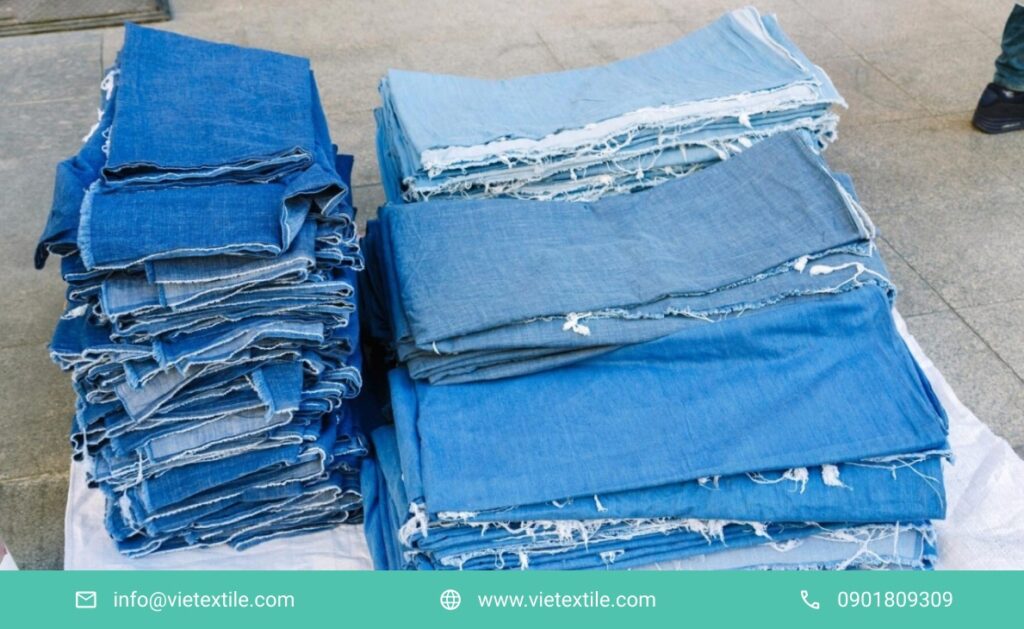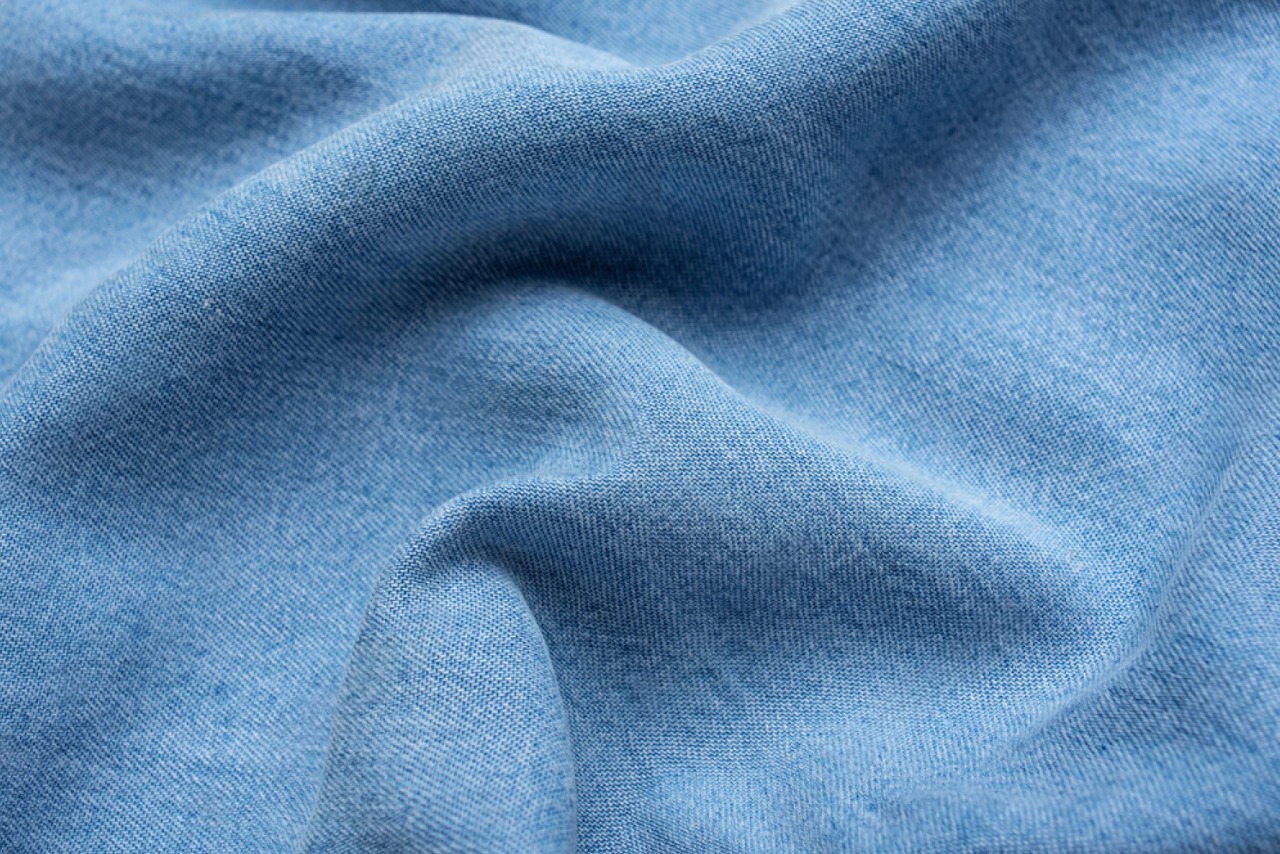
Common Incorrect Wash Effects: Incorrect Tone, Uneven Fade, Incorrect Mottling After Fabric Wash

In the textile fashion industry, the fabric wash process is a creative stage that transforms raw materials into items with unique styles. From softening and fading to distressing effects, fabric washing plays a crucial role in shaping aesthetics. However, if not performed correctly, this process can lead to incorrect wash effects, causing products to fall short of initial expectations, and even resulting in serious defects that affect quality and commercial value.

This article will delve into analyzing common types of incorrect wash effects such as incorrect color tone, uneven fade, or incorrect mottling. We will explore the causes behind these errors and effective measures for prevention and correction, aiming to ensure your products always meet the design’s quality and aesthetic standards.

1. What is an Incorrect Wash Effect?

An incorrect wash effect refers to a condition where a fabric product, after undergoing the wash process, does not achieve the desired aesthetic result as per the standard sample or original design. Instead of having a desired color tone, fade level, or mottled effect, the product displays a different, inconsistent, or undesirable visual defect. This is a serious problem, leading to wasted raw materials, time, and effort, while directly impacting the brand’s reputation.

The causes of an incorrect wash effect are diverse, potentially stemming from fabric preparation, chemical selection, machinery operation, or even water quality. Accurately identifying the type of error and finding its root cause is the first step to effective correction and preventing the recurrence of incorrect wash effects in production.

2. Common Types of Incorrect Wash Effects

The phenomenon of an incorrect wash effect can manifest in various forms, each with its own characteristics and causing a specific impact on the product.

2.1 Incorrect Tone
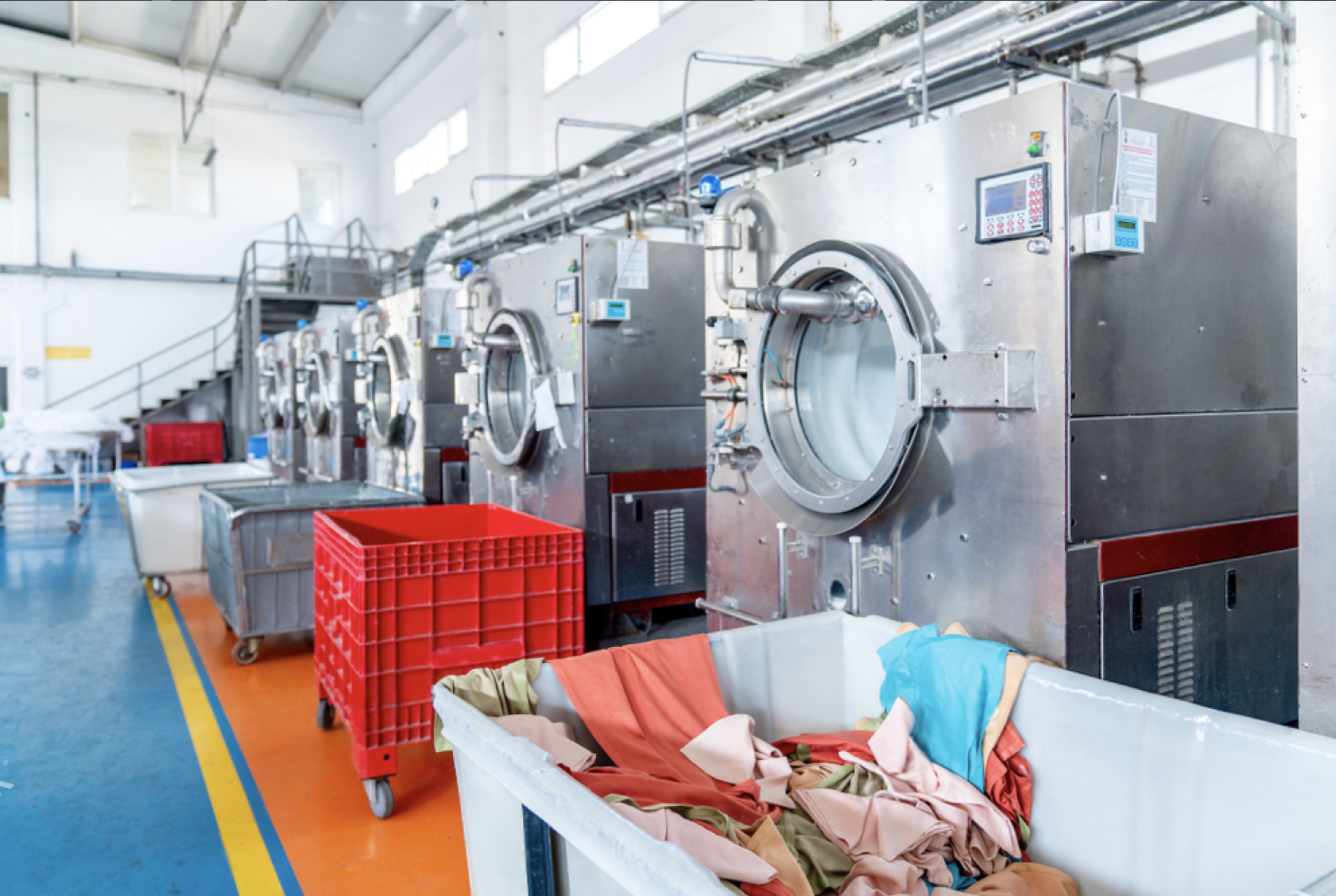
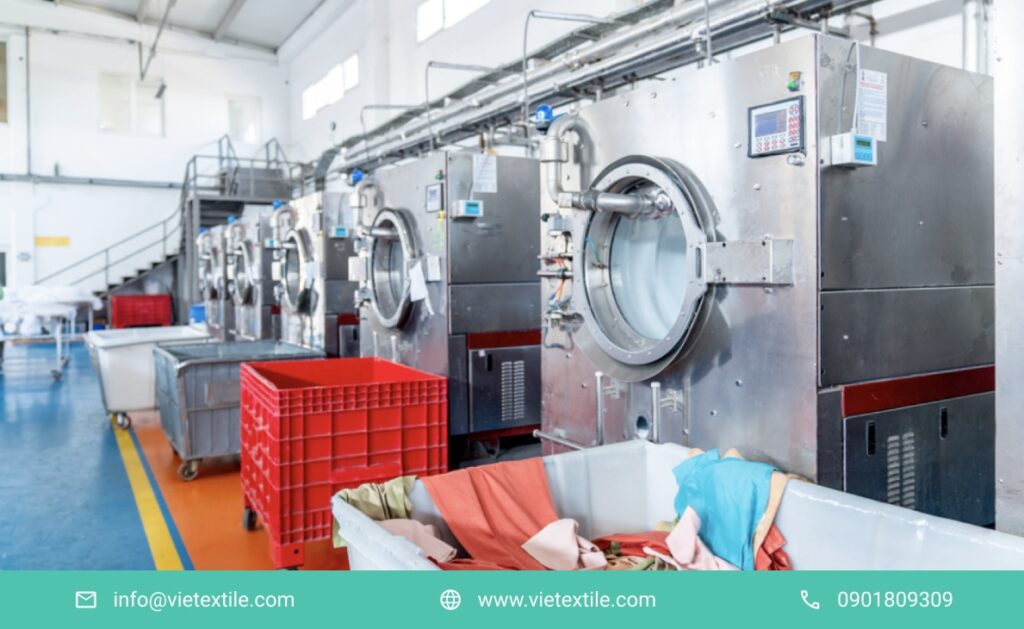
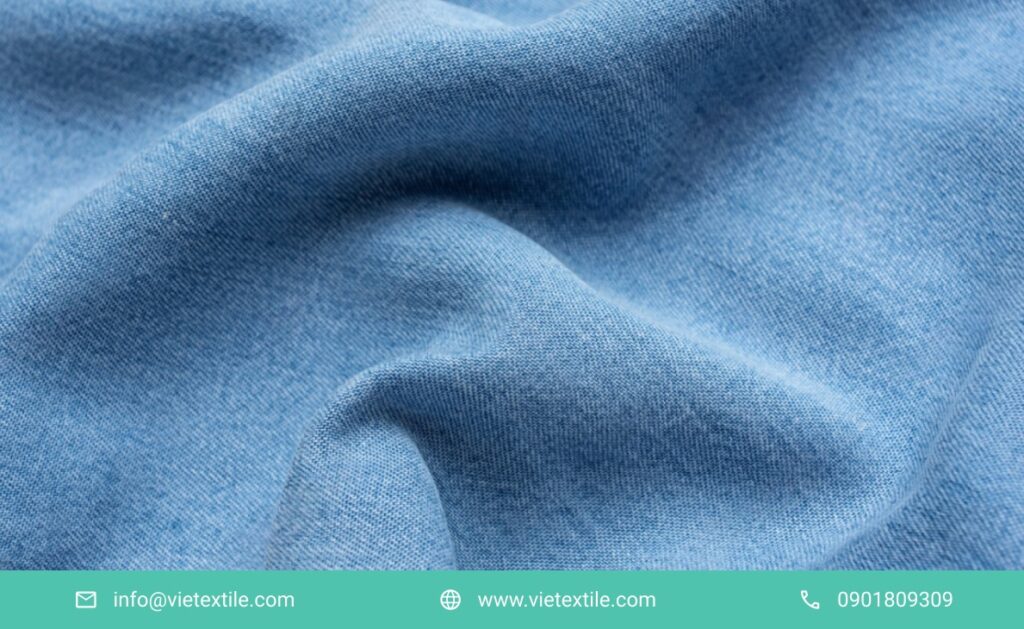
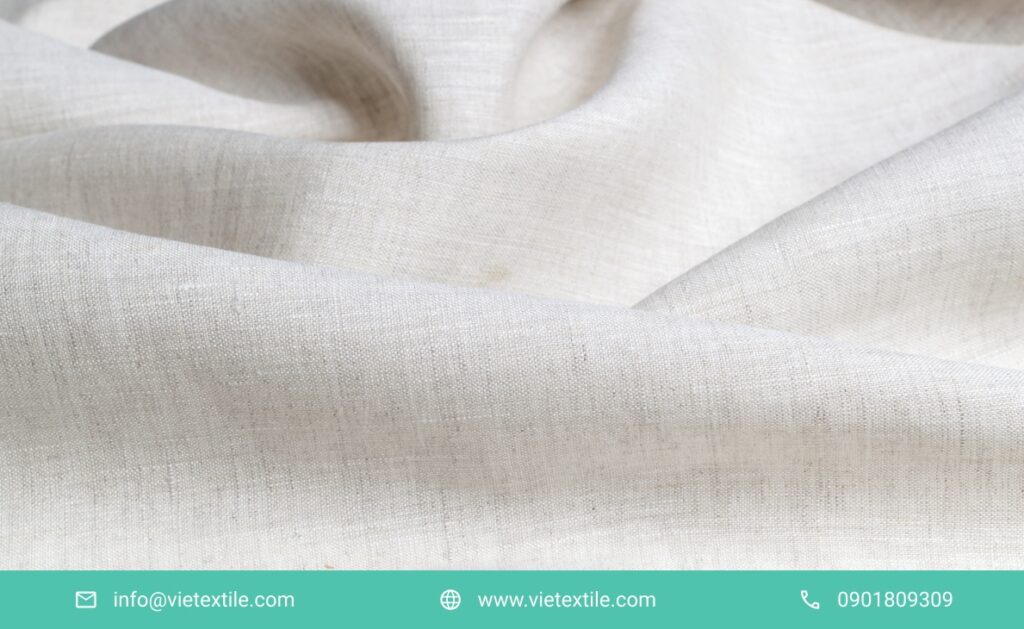
wrong-wash-tone-fabric
Common Incorrect Wash Effects: Incorrect Tone, Uneven Fade, Incorrect Mottling After Fabric Wash 6

The incorrect tone error occurs when the overall color of the product after washing does not match the required color tone in the design or standard sample. The fabric might be too dark, too light, or deviate in hue (e.g., needing grey-blue but turning out yellowish-blue). This is a very common and easily recognizable type of incorrect wash effect.

  • Causes:
    • Wrong chemical formula: Incorrect concentrations of bleach, enzymes, or other chemicals, failing to achieve the precise fading level, leading to an incorrect wash effect regarding tone.
    • Non-standard wash time and temperature: Washing time too short or temperature too low will prevent the fabric from fading to the desired tone. Conversely, too long or too hot will cause excessive fading.
    • Inconsistent initial fabric quality: If the raw fabric has inconsistent color tone or dye absorption capacity, the wash result will also not achieve the standard tone.
    • Poor process control: Fluctuations in wash parameters (pH, water ratio) throughout the process.
  • Impact: The product fails to meet aesthetic requirements, cannot be paired with other products in the same collection, or does not align with brand identity. This makes it difficult to sell products due to an incorrect wash effect.

2.2 Uneven Fading
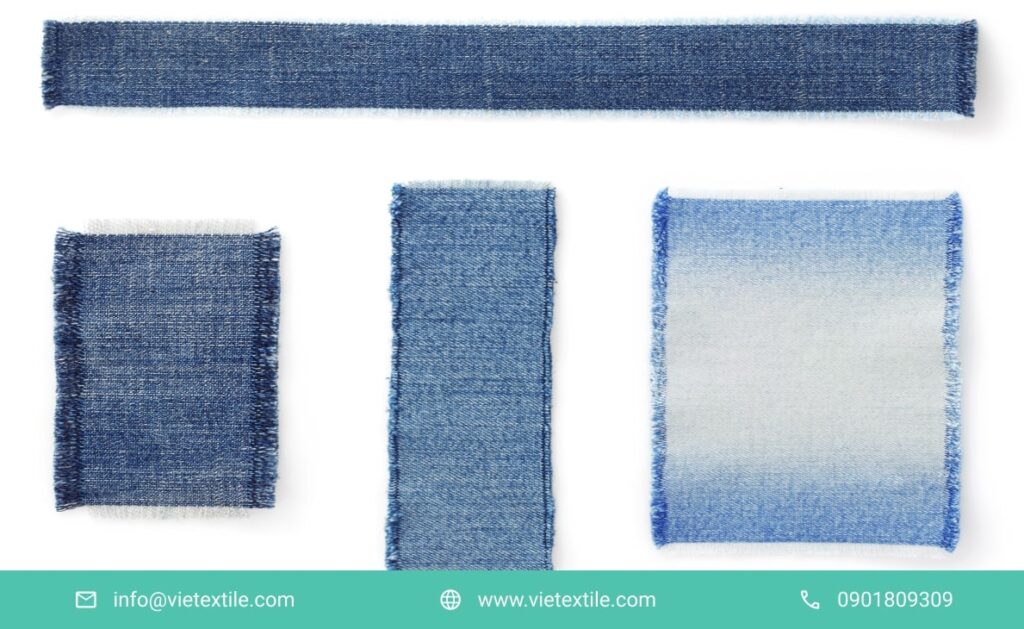
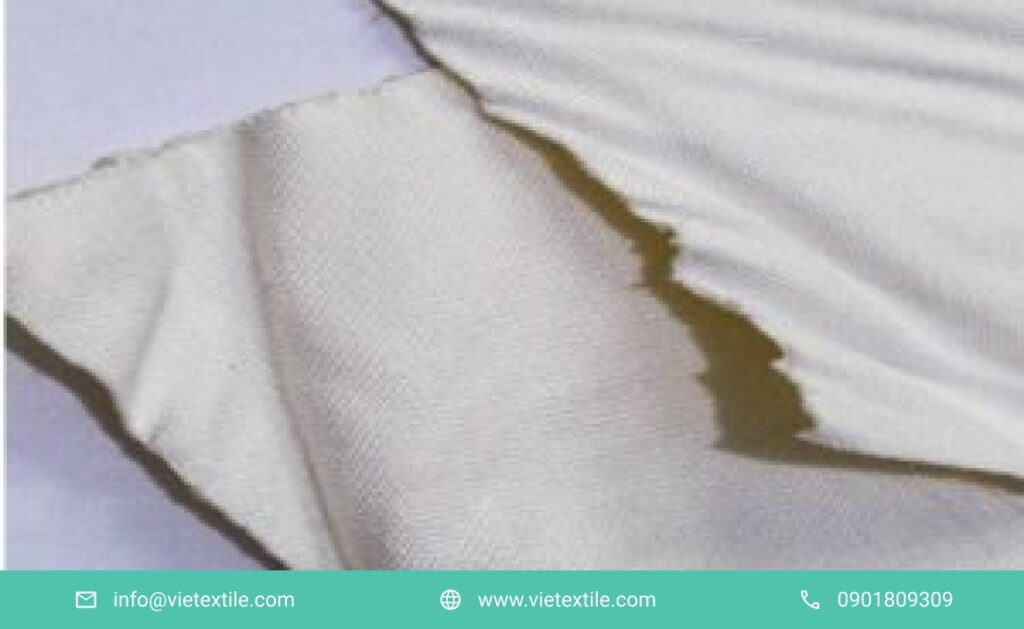
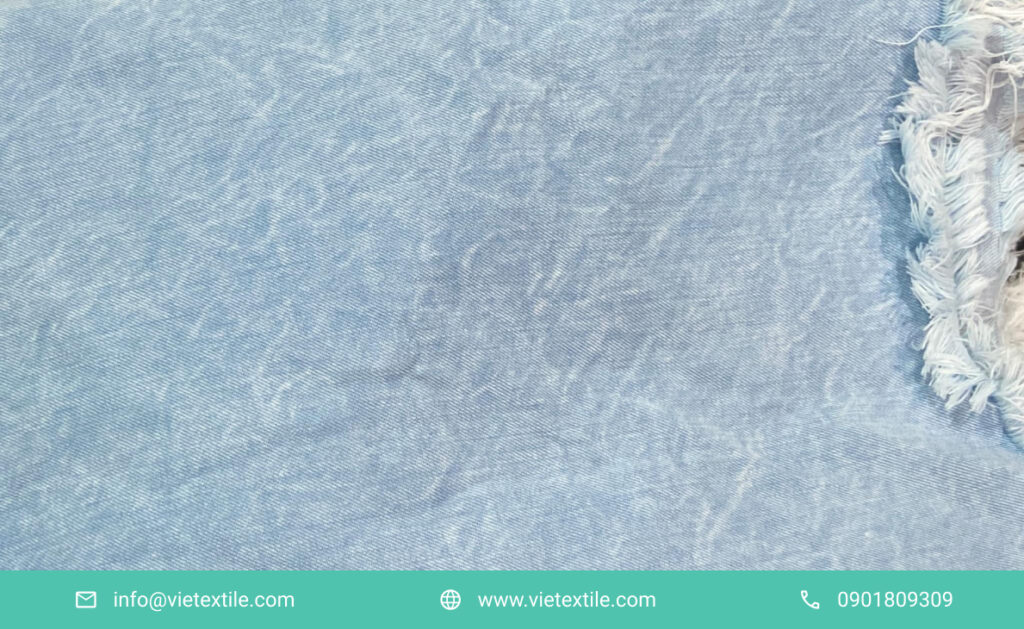
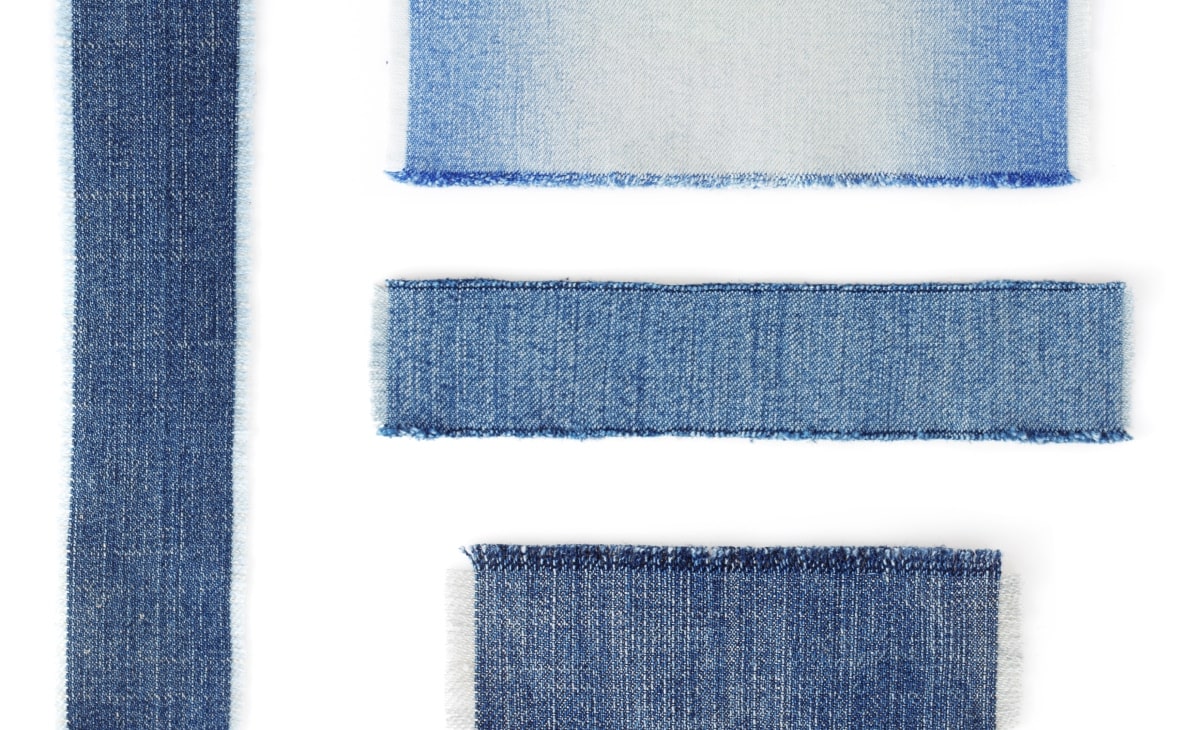
fabric-fade-error
Common Incorrect Wash Effects: Incorrect Tone, Uneven Fade, Incorrect Mottling After Fabric Wash 7

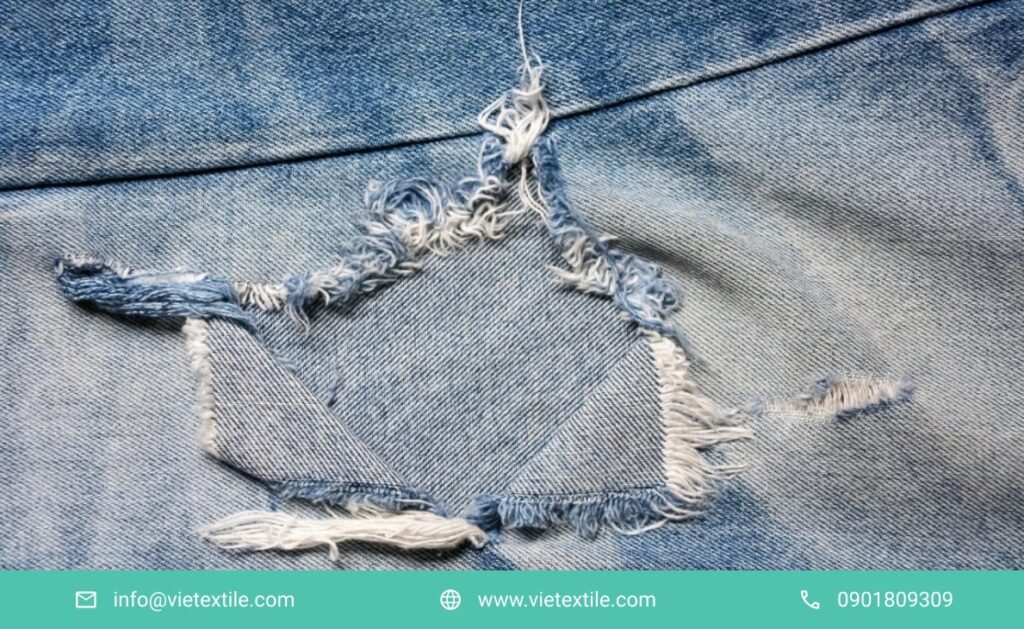
Uneven fading refers to a condition where the product’s color fades inconsistently, creating unwanted light/dark areas or asymmetrical fade lines. Unlike deliberate mottled effects, uneven fading is a type of incorrect wash effect that indicates a lack of professionalism in the process.

  • Causes:
    • Uneven chemical distribution: Wash chemicals are not uniformly dispersed or exposed to the entire fabric surface, causing some areas to be more strongly affected and fade more.
    • Inconsistent mechanical action: In stone wash or enzyme wash, if the fabric gets stuck in the machine, is not continuously agitated, or if stones/balls concentrate in certain areas, it will cause uneven abrasion and fading.
    • Fabric tangling or folding: When fabric tangles or folds in the washing machine, the areas inside the folds will have less contact with chemicals and mechanical action, leading to an incorrect wash effect with asymmetrical fade lines.
    • Residue/impurities on fabric: Remaining impurities on the fabric hinder the uniform fading process.
  • Impact: The product looks low-quality, loses its professional appearance, reduces perceived value, and can lead to customer rejection due to an incorrect wash effect in color.

2.3 Incorrect Mottling / Streaking
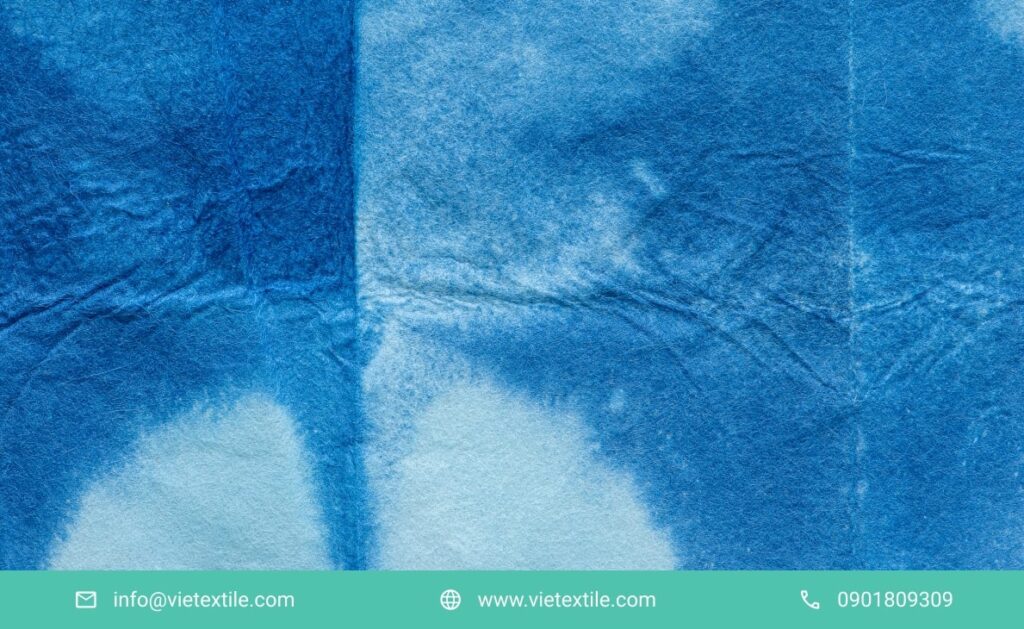
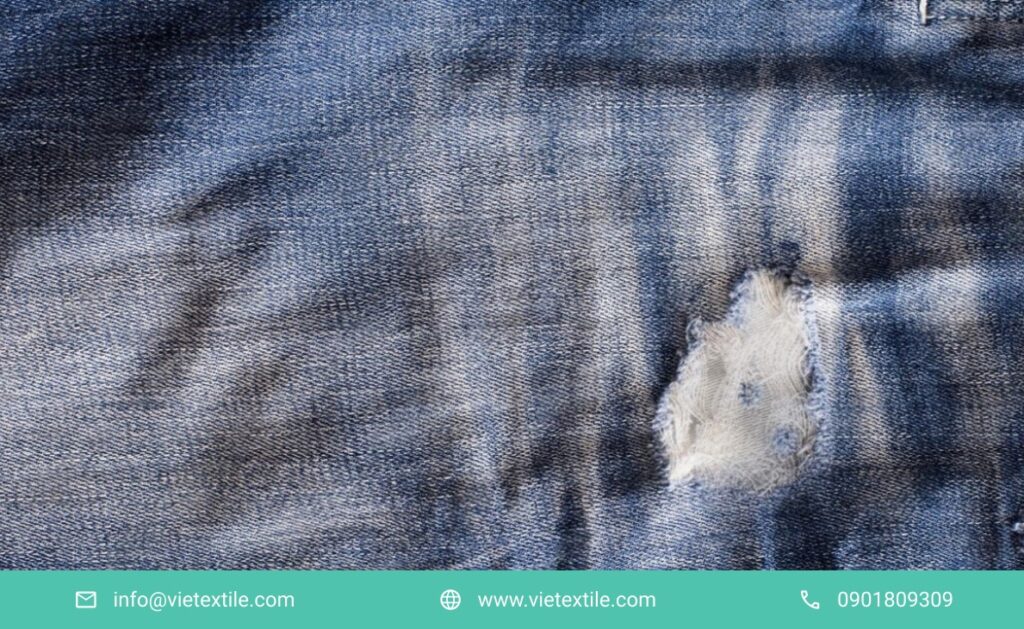
textile-bleeding-defect
Common Incorrect Wash Effects: Incorrect Tone, Uneven Fade, Incorrect Mottling After Fabric Wash 8

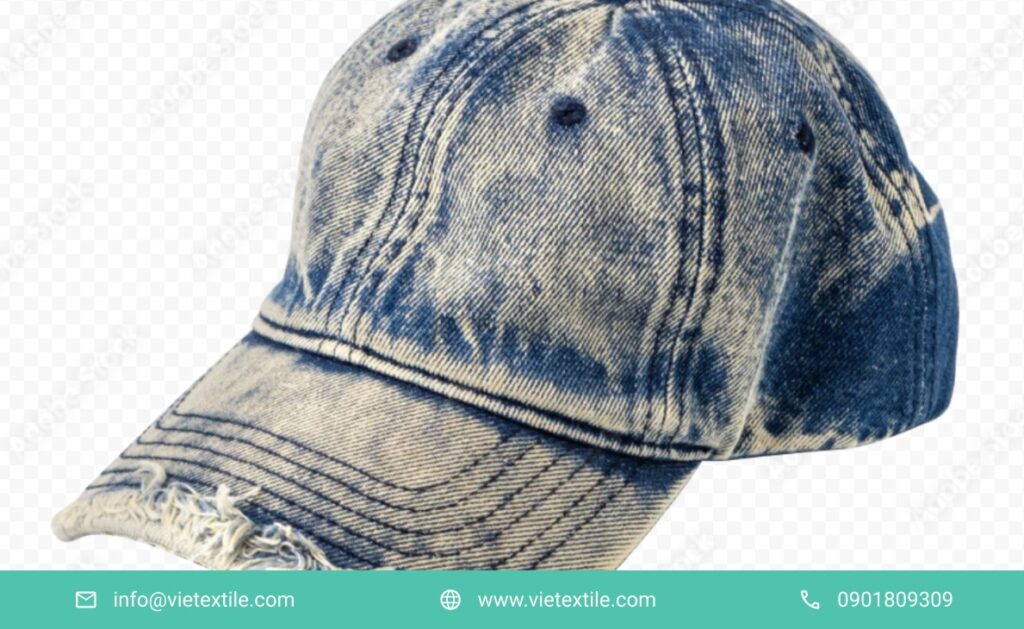
Incorrect mottling occurs when the mottled effect or streaks on the fabric do not achieve the desired shape, position, or intensity as per the design, or when random, unnatural blotches appear. This differs from intentional mottled washes and is a serious type of incorrect wash effect.

  • Causes:
    • Overdosing chemicals or incorrect technique: Especially in acid wash, if chemical concentration is too high or spraying/impregnation is improper, it can create overly large, uncontrollable white patches.
    • Water issues: Hard water or water contaminated with heavy metals can react with wash chemicals, creating unwanted stains or mottling.
    • Faulty washing equipment: Old washing machines, uneven drums, or clogged chemical spraying systems can cause uneven chemical distribution, leading to an incorrect wash effect in the form of wrong mottling.
    • Incomplete neutralization: Residual bleaching or acid chemicals not thoroughly neutralized after washing can continue to react, causing abnormal stains or mottling later.
  • Impact: The product’s aesthetics are distorted, unacceptable from a design perspective, forcing costly discarding or reprocessing, causing significant damage due to this incorrect wash effect.

3. General Causes of Incorrect Wash Effects and Solutions

To thoroughly prevent the phenomenon of incorrect wash effects, it is necessary to consider the entire production chain and implement comprehensive quality control measures from the root.
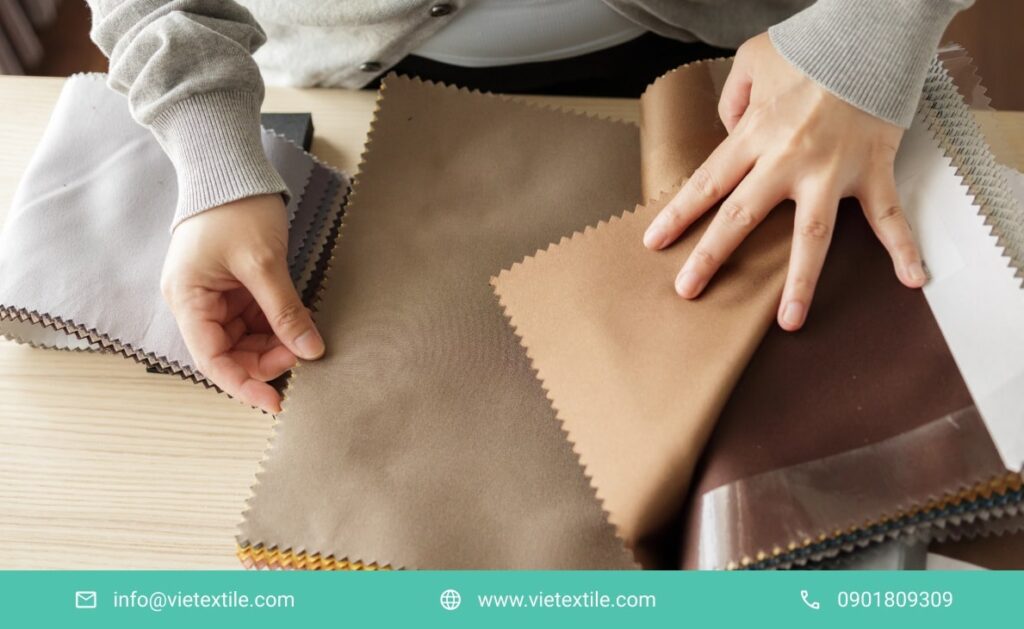
abric-fade-error
Common Incorrect Wash Effects: Incorrect Tone, Uneven Fade, Incorrect Mottling After Fabric Wash 9

3.1 Substandard Incoming Fabric Quality

  • Cause: Unevenly dyed fabric, containing impurities, or having inconsistent fiber structure will react differently to wash chemicals, leading to an incorrect wash effect.
  • Solution: Strictly inspect incoming fabric quality. Perform thorough fabric pre-treatment (scouring, desizing) to remove impurities and ensure a uniform fabric surface before washing.

3.2 Incorrect Chemical Selection and Preparation

  • Cause: Using low-quality chemicals, chemicals incompatible with fabric/dye, incorrect concentrations, or uneven dilution/dispersion are primary causes of an incorrect wash effect.
  • Solution: Only use chemicals from reputable suppliers. Develop precise chemical formulas for each fabric type and effect. Ensure chemicals are fully prepared and dispersed in the wash solution.

3.3 Poor Operation and Parameter Control of Washing Machine

  • Cause: Inappropriate water-to-fabric ratio, unstable wash temperature/time, uneven rotation speed, or fabric tangling/getting stuck in the machine. All lead to an incorrect wash effect due to inconsistent exposure.
  • Solution: Use modern industrial washing machines capable of precisely controlling parameters. Ensure fabric is continuously and uniformly agitated. Technicians need to be highly trained and strictly supervise the process.

3.4 Inadequate Post-Wash Treatment

  • Cause: Residual chemicals not thoroughly rinsed or completely neutralized can continue to react, causing an incorrect wash effect or exacerbating existing defects.
  • Solution: Perform multiple rinses with clean water. Use appropriate neutralizing agents and ensure complete removal of chemical residues. Check the pH of the final rinse water.

4. VieTextile: Expert in Preventing and Correcting Incorrect Wash Effects

VieTextile proudly stands as a leading partner in fabric treatment and washing services in Vietnam. We deeply understand the causes of incorrect wash effects and possess advanced technology and processes to prevent and effectively correct these errors.

We commit to:

  • Accurate Cause Analysis: Applying in-depth analytical methods to determine the root cause of all types of incorrect wash effects.
  • Optimal Remedial Solutions: Developing adjusted wash processes and carefully re-treating faulty products to restore product quality and value.
  • Standardized Wash Processes: Establishing and applying strict wash processes, from pre-treatment, chemical selection, machinery operation, to final neutralization and rinsing steps, to prevent incorrect wash effects from recurring.
  • Comprehensive Quality Control: Committed to ensuring fabric products after washing achieve uniform aesthetic effects and quality, precisely according to customer requirements.

Let VieTextile accompany you to solve all challenges related to incorrect wash effects and ensure the perfect quality of your fabric products.

5. Frequently Asked Questions (FAQs)

To help our valued customers better understand incorrect wash effects and related services, here are some frequently asked questions:

Q: Can incorrect wash effects be completely fixed? A: The possibility of completely fixing an incorrect wash effect depends on the severity and type of error. Some minor errors can be effectively re-treated. However, severe errors like fabric burning or tearing due to strong chemicals are very difficult or impossible to fully restore.

Q: How does VieTextile ensure no incorrect wash effects in mass production? A: VieTextile implements a multi-layered quality control process: incoming fabric inspection, rigorous lab wash testing, strict control of process parameters (temperature, chemicals, time) using automated systems, continuous monitoring by experienced technicians, and rigorous final product inspection before shipping.

Q: Is there a way to test fabric washability before sewing into products? A: Yes, you should send raw fabric samples or a small quantity of sewn products to VieTextile for wash testing (lab wash). This process helps evaluate the fabric’s reaction to the wash process and predict potential effects, avoiding incorrect wash effects in mass production.

Q: Is the cost to fix incorrect wash effects high? A: The cost to fix an incorrect wash effect depends on the complexity of the error and the quantity of products. Generally, this cost will be lower than completely discarding faulty products and manufacturing new ones, but it is still a significant incidental expense.

6. References & Contact

To thoroughly resolve incorrect wash effect issues and ensure the consistent quality of your products, contact VieTextile for in-depth consultation today!

Contact Information:

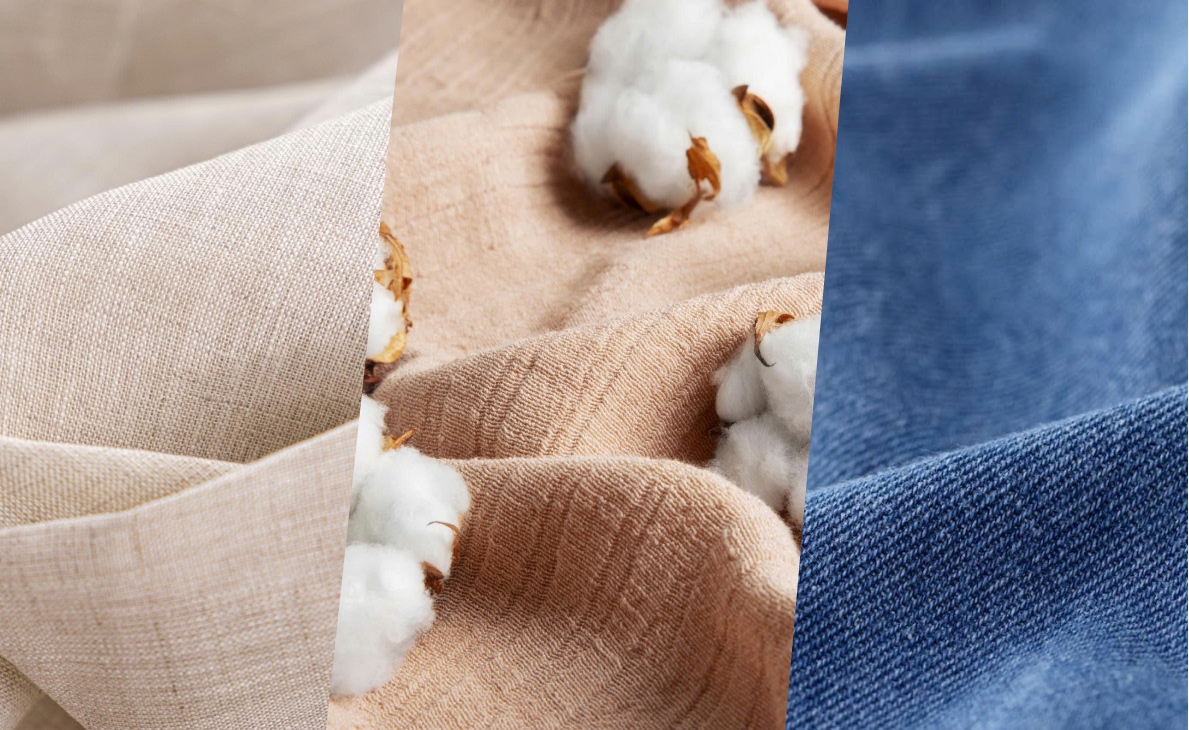
Identifying Fabrics Prone to Stiffening After Wash: Cotton, Denim, Linen

In the textile industry, one common issue encountered after processing or washing is fabric stiffening after wash. This condition not only reduces wearing comfort but also affects the drape and aesthetic appeal of products, especially those made from natural fibers. Properly identifying fabrics prone to stiffening and understanding the causes will help manufacturers and consumers implement effective preventive and corrective measures.

This article will delve into explaining why fabric stiffens after wash, focusing on common materials like cotton, denim, and linen. We will explore the causes of this phenomenon and how to remedy it to keep fabrics soft and durable, enhancing product value.

1. What is Fabric Stiffening After Wash?

stiff-linen-fabric
Identifying Fabrics Prone to Stiffening After Wash: Cotton, Denim, Linen 15

Fabric stiffening after wash is a condition where fabric fibers lose their natural softness and elasticity after undergoing washing, drying, or other chemical and mechanical treatments. Instead of feeling soft and smooth, the fabric becomes rough, stiff, uncomfortable to the touch and when worn. This significantly degrades the user experience and negatively impacts the perceived quality of the product.

This condition of fabric stiffening after wash can occur not only with clothing but also with other textile products such as towels and bed sheets. It can be caused by various factors, including the natural properties of the fabric fibers, water quality, chemicals used, and the drying process. Early intervention when fabric stiffening after wash occurs is necessary to preserve the product’s value.

2. Why Does Fabric Stiffen After Wash? Common Causes

To clearly understand why fabric stiffens after wash, we need to consider several key causes related to both fiber characteristics and processing methods.

2.1 Chemical or Mineral Residues

One of the primary causes of fabric stiffening after wash is the accumulation of chemical or mineral residues on the fabric fibers.

  • Chemicals from Manufacturing Processes: During dyeing, sizing, or initial processing steps, if chemicals are not thoroughly rinsed off, they can adhere to the fabric fibers. When the fabric dries, these chemicals crystallize, making the fabric stiff and rough.
  • Minerals in Hard Water: Hard water (containing high levels of calcium and magnesium ions) used for washing or rinsing fabric can leave mineral deposits on the fibers. These residues firmly attach to the fiber surface as the fabric dries, causing a stiff feel and loss of natural softness, leading to fabric stiffening after wash.

2.2 Fiber Bonding or Breakage

Incorrect washing and drying procedures can damage fabric fibers, leading to fabric stiffening after wash.

  • Washing at Excessively High Temperatures: Water that is too hot, especially when washing natural fabrics, can cause fibers to shrink suddenly and bond together, losing their inherent flexibility.
  • Over-drying or High-Temperature Drying: Drying fabric at excessively high temperatures or for too long completely removes the natural moisture from the fibers, making them brittle, stiff, and prone to breakage. When fibers break or bond, the overall fabric structure is affected, resulting in a coarse feel.
  • Strong Mechanical Action: Over-wringing, washing too vigorously, or using too many items at once in the washing machine can cause fabric fibers to intertwine, twist tightly, and bond together, leading to fabric stiffening after wash.

2.3 Insufficient or Incorrect Use of Fabric Softener

  • Not Using Fabric Softener: Fabric softeners lubricate fibers, reduce friction between them, and help fibers maintain their softness. If fabric softener is not used, or used insufficiently, fabric stiffening after wash is a predictable outcome.
  • Using the Wrong Type or Excessive Amount of Fabric Softener: Different fabric types may be compatible with different fabric softeners. Using the wrong type or an excessive amount can be counterproductive, creating a sticky film on the fabric that causes fabric stiffening after wash instead of softness.

2.4 Natural Properties of Fabric Fibers

Some natural fiber types tend to stiffen more after washing if not treated properly, such as cotton, denim, and linen. This will be analyzed in more detail in the following section.

3. Identifying Fabrics Prone to Stiffening After Wash: Cotton, Denim, Linen

Fabrics made from natural cellulose fibers, especially cotton, denim, and linen, have chemical and physical structures that make them more prone to stiffening after washing if not processed correctly. Understanding this characteristic is crucial to prevent fabric stiffening after wash.

3.1 Cotton Fabric

stiff-cotton-fabric-wash
Identifying Fabrics Prone to Stiffening After Wash: Cotton, Denim, Linen 16

Cotton is the most popular material and is loved for its softness. However, it is also one of the fabric types most prone to fabric stiffening after wash if not cared for properly.

  • Cause of Stiffening: Cotton fibers have a cellulose structure. When exposed to hot water and strong chemicals, hydrogen bonds within the fibers can break down and then re-form more tightly upon drying, causing the fibers to shrink and become stiff. Residues from soap or minerals in hard water can also easily adhere to cotton fibers, forming a stiff film on the surface, leading to fabric stiffening after wash.
  • Solutions/Prevention:
    • Use cold or warm water (not too hot) for washing.
    • Ensure thorough rinsing to remove all soap and chemicals.
    • Use an appropriate fabric softener.
    • Avoid drying at excessively high temperatures or over-drying. Air drying or tumble drying on a low heat setting is ideal to prevent fabric stiffening after wash.

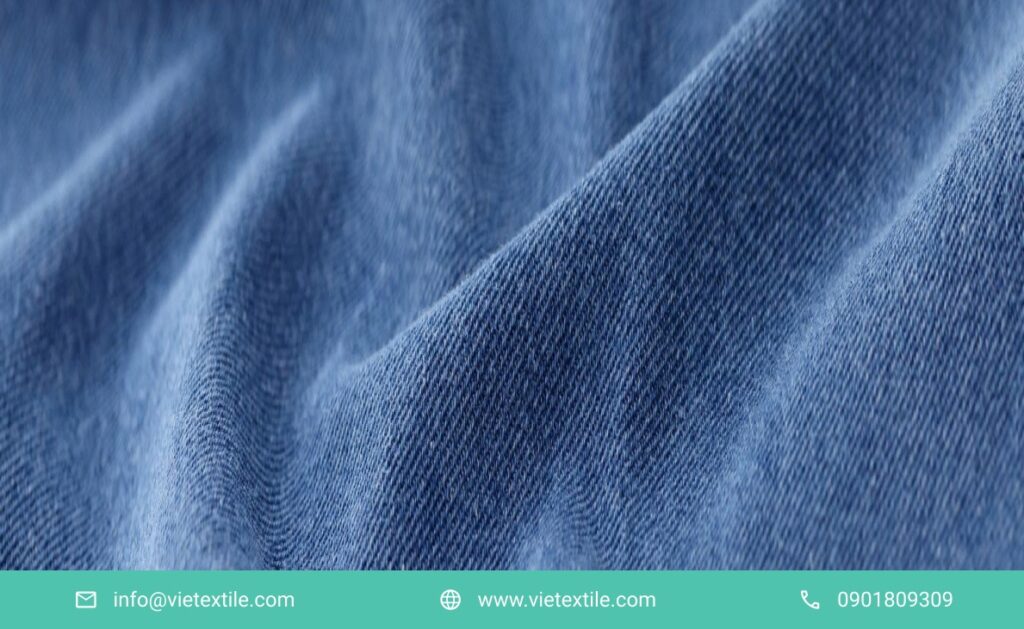
3.2 Denim Fabric

stiff-denim-fabric-after-wash
Identifying Fabrics Prone to Stiffening After Wash: Cotton, Denim, Linen 17

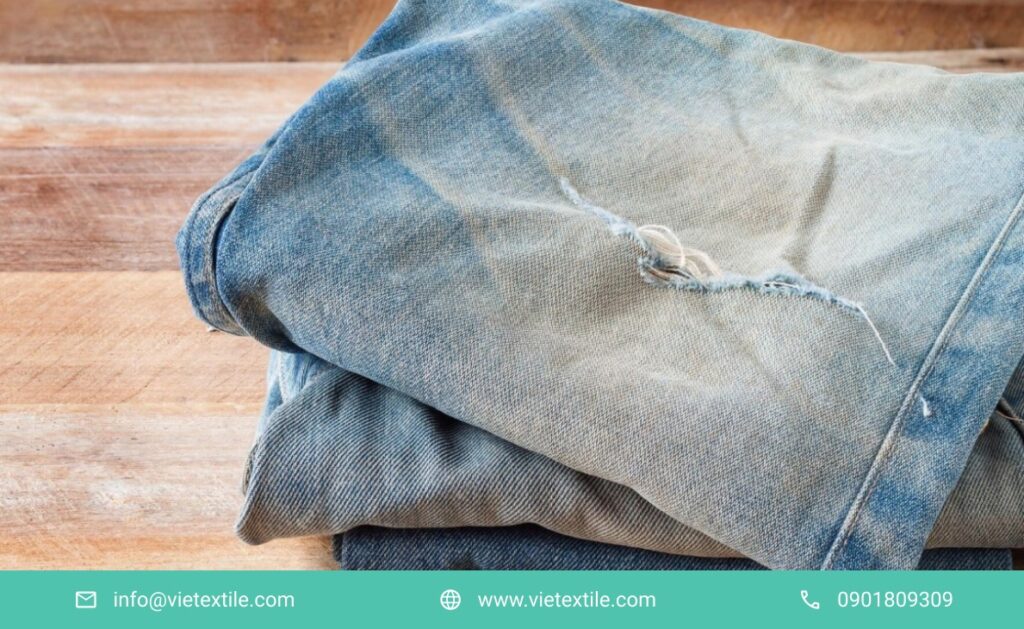
Denim, essentially a type of cotton twill fabric, is also very prone to fabric stiffening after wash, especially raw denim that has not been pre-treated.

  • Cause of Stiffening: Similar to cotton, denim stiffens due to the cellulose structure reacting with water and chemicals, causing the fibers to tighten upon drying. Raw denim is particularly susceptible to stiffening as it has not undergone softening treatments. Indigo dye residues can also contribute to fabric stiffening after wash if not properly washed off.
  • Solutions/Prevention:
    • For raw denim, the first wash can cause significant fabric stiffening after wash; persistent wearing will naturally soften the fabric over time.
    • Use gentle washing, cold water, and minimal detergent.
    • Apply industrial wash techniques like enzyme wash or controlled stone wash to soften the fabric from the start. Professional fabric washing services can effectively prevent fabric stiffening after wash on denim.
    • Always use fabric softener or white vinegar in the final rinse.

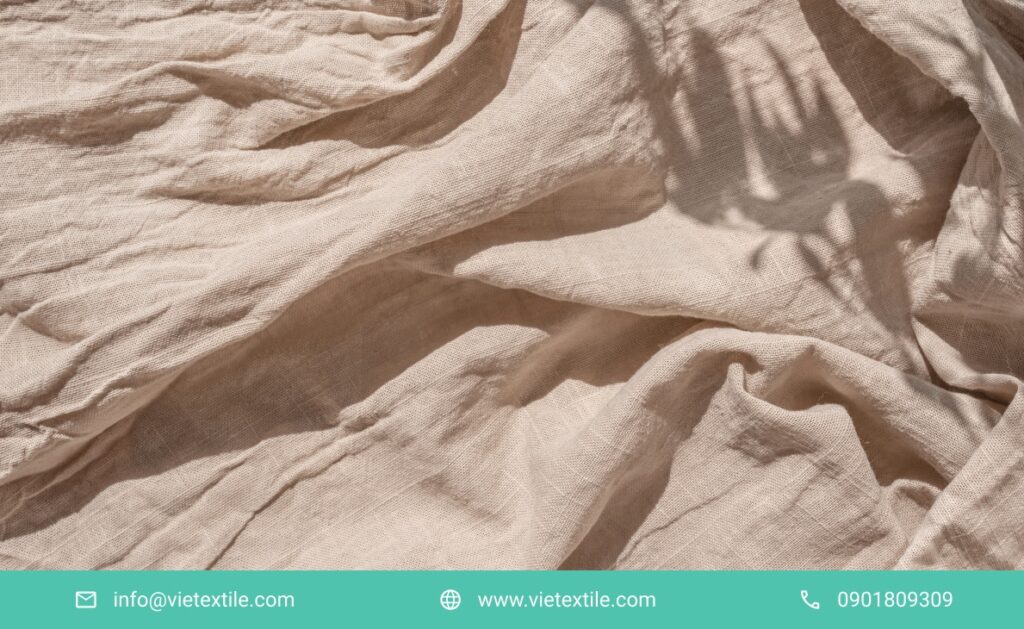
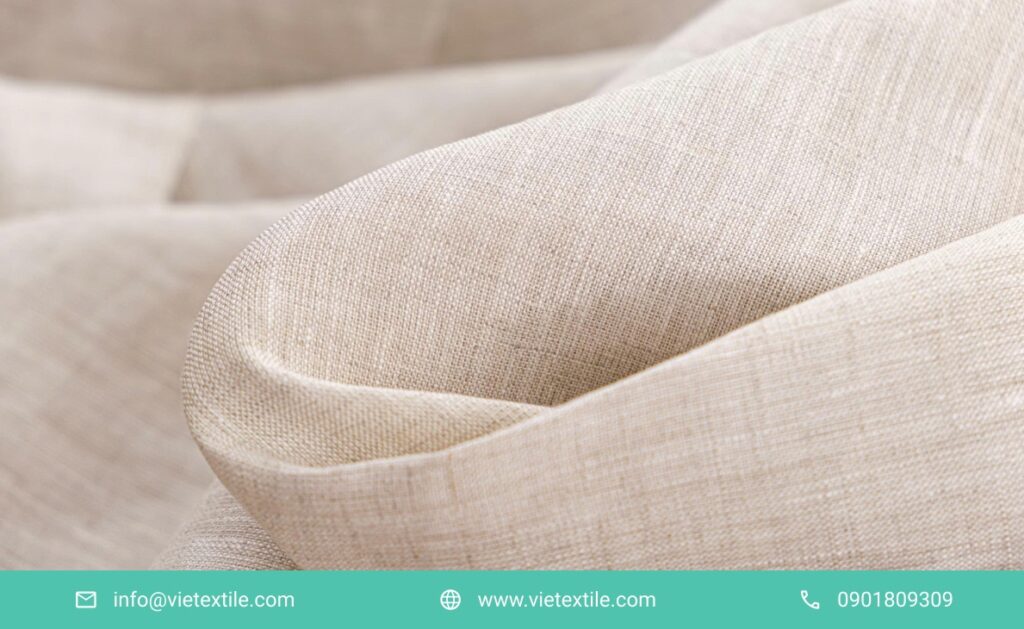
3.3 Linen Fabric

stiff-linen-fabric-texture
Identifying Fabrics Prone to Stiffening After Wash: Cotton, Denim, Linen 18

Linen (flax fabric) is another natural fiber type that tends to stiffen and wrinkle after washing, especially when new.

  • Cause of Stiffening: Linen fibers have a natural stiffness and less elasticity than cotton. When wet, linen fibers can become very rigid and prone to wrinkling. If not softened or dried properly, fabric stiffening after wash is common with linen.
  • Solutions/Prevention:
    • Wash with cold or warm water.
    • Do not wring excessively or dry at high temperatures. Air drying or tumble drying on a very low setting is best.
    • Use fabric softener or white vinegar when washing.
    • Iron when the fabric is still damp or use a steam iron to help soften and remove wrinkles. This helps minimize fabric stiffening after wash.

4. Solutions and Prevention Methods for Fabric Stiffening After Wash

To ensure fabrics remain soft and comfortable, effective preventive and corrective measures should be applied.

4.1 Material Selection and Production Process

  • Thorough Fabric Pre-treatment: Ensure fabrics are thoroughly pre-treated (scoured, softened) before cutting or dyeing to remove impurities and enhance their ability to absorb and release chemicals.
  • Water Quality Control: Use soft water (water treated to remove minerals) for washing and processing procedures in manufacturing to prevent mineral deposits from adhering to the fabric, thereby preventing fabric stiffening after wash.
  • Invest in Appropriate Chemicals and Additives: Use high-quality fabric softeners compatible with each fiber type and process.

4.2 Washing and Care Procedures at Home/Factory

  • Use Warm or Cold Water: Avoid washing with excessively hot water to prevent sudden shrinkage and bonding of fabric fibers.
  • Appropriate Detergent Dosage: Do not use too much detergent or bleach, as residues can cling to fibers and cause fabric stiffening after wash. Ensure thorough rinsing.
  • Thorough Rinsing: This is the most crucial step to completely remove chemical residues and soap. Perform multiple rinses if necessary.
  • Use Fabric Softener: Add fabric softener to the final rinse cycle.
  • White Vinegar (DIY): For mild cases of fabric stiffening after wash, you can add half a cup of white vinegar to the final rinse cycle along with detergent. Vinegar helps neutralize soap and naturally softens fabric fibers.
  • Avoid Over-drying or High Temperatures: Dry on a low heat setting or air dry. If using a dryer, remove fabric when slightly damp and air dry completely. Over-drying is a common cause of fabric stiffening after wash.
  • Gentle Mechanical Action: Washed and dried fabric can be gently kneaded, patted, or steam ironed to help relax the fibers and restore their softness.

5. VieTextile: Solutions for Fabric Stiffening After Wash Issues

VieTextile proudly stands as a leading partner in fabric processing and finishing, deeply understanding the causes and solutions for fabric stiffening after wash. We provide professional services to ensure your fabrics always achieve the desired softness and quality.

We offer:

  • In-depth Consultation: Our team of experts will analyze your fabric type and current production process to identify the root cause of fabric stiffening after wash and propose optimal solutions.
  • Professional Washing and Finishing Processes: We apply advanced washing techniques, such as enzyme wash, and use specialized softeners, strictly controlling temperature and drying time to ensure fabrics remain soft.
  • Water Quality Control: We ensure the water used in all fabric processing procedures meets standards, removing minerals that cause fabric stiffening.
  • Correctional Solutions: For products that have already experienced fabric stiffening after wash, we have special treatment methods to effectively restore the fabric’s softness.

Let VieTextile help you eliminate the worry of fabric stiffening after wash and elevate the quality of your products.

6. Frequently Asked Questions

To help customers better understand fabric stiffening after wash and related solutions, here are some frequently asked questions:

  • Q: Does fabric stiffening after wash affect fabric durability?
    • A: If fabric stiffening after wash is caused by fiber damage (e.g., brittleness, breakage due to over-drying or strong chemicals), then it may affect the overall durability of the fabric. However, if it’s due to chemical or mineral residues, mechanical durability is usually not significantly affected.
  • Q: Can baking soda help soften fabric stiffened after wash?
    • A: Baking soda has a mild alkaline property and can help neutralize some acids or chemical residues on the fabric, as well as soften water. You can try adding half a cup of baking soda to the wash cycle along with detergent to improve fabric stiffening after wash.
  • Q: Why do some synthetic fabrics not stiffen after wash?
    • A: Synthetic fabrics like polyester and nylon have different fiber structures compared to natural fibers. They absorb less water and are not affected by hard water or chemicals in the same way cellulose fibers are, therefore they are less prone to fabric stiffening after wash.
  • Q: Can VieTextile process large batches of fabric with fabric stiffening after wash issues?
    • A: Yes, VieTextile has the capacity and experience to handle large batches of fabric experiencing fabric stiffening after wash. We will analyze the cause, propose suitable treatment processes, and execute them effectively to restore fabric quality.

7. Reference & Contact

Contact Information:

Suitable Fabric Materials for Beautiful and Durable Mottled Fabric Dyeing Wash (Tie-dye Fabric)

In the modern fashion world, unique fabric surface treatment techniques are increasingly popular to create distinct products. Among them, mottled fabric dyeing wash (Tie-dye fabric) is a special method that transforms monochromatic fabrics into artworks with soft, natural, and spontaneous color effects. However, to achieve beautiful and durable mottled effects, selecting the appropriate fabric material plays an extremely crucial role.

This article will delve into explaining what mottled fabric dyeing wash (Tie-dye fabric) is, the criteria to consider when choosing fabric, and introduce the most ideal fabric materials for this technique, ensuring your products are not only beautiful but also colorfast over time.

1. What is Mottled Fabric Dyeing Wash (Tie-Dye Fabric)?

tie-dye-cotton-fabric
Suitable Fabric Materials for Beautiful and Durable Mottled Fabric Dyeing Wash (Tie-dye Fabric) 23

Mottled fabric dyeing wash (Tie-dye fabric) is a specialized fabric treatment technique that combines the dyeing process with in-depth washing steps to create an uneven, naturally spreading, and soft color effect on the fabric surface. Unlike solid color dyeing, this technique aims for spontaneity and artistry, bringing a unique, personalized look to each product. Every product treated with this method will have a distinct effect, not perfectly replicated, creating exclusive value.

The mottled fabric dyeing wash (Tie-dye fabric) process typically includes basic dyeing steps, followed by washing techniques such as stone wash, enzyme wash, or other chemical and mechanical treatments to fade colors, create mottled patterns, or subtle abrasions. The goal is for the dye to be unevenly distributed, creating areas of varying color intensity, smooth transitions, or strong contrasts, depending on the desired effect and the type of fabric material used.

2. Criteria for Choosing Fabric for Effective Mottled Fabric Dyeing Wash

To achieve the desired mottled fabric dyeing wash (Tie-dye fabric) effect and ensure product durability, fabric material selection must follow certain criteria:

silk-tie-dye-fabric
Suitable Fabric Materials for Beautiful and Durable Mottled Fabric Dyeing Wash (Tie-dye Fabric) 24

2.1 Dye Absorption Capacity

This is the primary factor determining the success of this technique. Fibers with good dye absorption capacity will help the color adhere firmly to the fiber, creating clear mottled areas that do not fade quickly during the wash process. Natural fibers like cotton and rayon generally have high hydrophilicity, easily absorbing reactive dyes or direct dyes, making them ideal choices for creating mottled fabric effects. Conversely, hydrophobic synthetic fibers like polyester require more complex dyeing techniques to achieve similar results.

2.2 Fabric Durability

The washing process in this technique often involves mechanical (such as stone washing, abrasion) or strong chemical treatments. Therefore, the fabric needs to have high durability to withstand these treatments without tearing, pilling, or significant quality degradation. Woven fabrics with a tight structure are generally more durable than delicate knitted fabrics when undergoing this process. Choosing fabric with appropriate durability will ensure the longevity of the product after the mottled dyeing wash.

2.3 Surface Structure and Weave Type

The surface structure and weave type of the fabric also greatly influence the mottled color effect. Fabrics with a less smooth surface, or those with a special weave texture (e.g., twill, canvas), often create clearer and more beautiful mottled patterns and color variations when performing this technique. Different fabric areas will retain or release dye unevenly, contributing to a natural and unique mottled effect. This choice is an important part of shaping the style for products with mottled fabric effects.

2.4 Shape Retention After Treatment

Some fabric materials may shrink or deform significantly after high-temperature washing and drying processes in this technique. Choosing fabric with good dimensional stability or pre-treated for shrinkage resistance will help the product maintain its original shape, prevent deformation, and ensure final quality. This is particularly important for garments requiring precise dimensions after completing the mottled fabric dyeing wash (Tie-dye fabric) process.

3. Suitable Fabric Materials for Mottled Fabric Dyeing Wash (Tie-dye fabric)

Based on the above criteria, here are the fabric materials considered most suitable for creating beautiful and durable mottled fabric dyeing wash (Tie-dye fabric) effects:

silk-tie-dye-fabric
Suitable Fabric Materials for Beautiful and Durable Mottled Fabric Dyeing Wash (Tie-dye Fabric) 25

3.1 Cotton Fabric

Cotton is the most common and is considered ideal for this technique. Cotton fibers have a natural cellulose structure, with excellent dye absorption capacity and high durability when subjected to mechanical washing effects. It is the top choice for creating mottled fabric effects.

  • Applications: Jeans, T-shirts, jackets, dresses… offering a vintage or streetwear look.
  • Note: Shrinkage of cotton needs to be controlled before this process to ensure product dimensions.

3.2 Rayon/Viscose Fabric

Rayon (Viscose) is a regenerated fiber from wood cellulose, similar in structure to cotton but softer and with better drape. This material is also highly suitable for this technique. The softness of Rayon also provides a comfortable feel when wearing products that have undergone mottled dyeing wash.

  • Applications: Dresses, blouses, scarves, creating an airy, artistic look.
  • Note: Rayon can be weaker when wet, requiring careful handling during washing.

3.3 Linen Fabric

Linen (flax fabric) is a natural fiber known for its high durability and unique surface texture. This material delivers a very distinctive mottled effect.

  • Advantages: Superior durability, withstanding strong washing. The natural texture of linen creates rustic, unique mottled patterns, highly popular in natural and vintage styles. Colors may not be very deep but are very authentic when undergoing this process.
  • Applications: Summer clothing, home decor, offering a rustic style.
  • Note: Linen wrinkles easily, but this also contributes to its natural beauty when undergoing this type of dyeing wash.

3.4 Tencel/Lyocell Fabric

Tencel and Lyocell are regenerated cellulose fibers from wood pulp, produced using an environmentally friendly process. They combine many advantages of natural and synthetic fibers, making them highly suitable for tie-dye fabric.

  • Advantages: Good dye absorption, resulting in beautiful, bright colors. The fabric is soft, has good drape, and is particularly environmentally friendly. Mottled effects on Tencel/Lyocell are often smoother and more luxurious.
  • Applications: High-end fashion, sportswear.
  • Note: Higher cost than other fabric materials, but the quality and mottled fabric dyeing wash (Tie-dye fabric) effects provided are worthwhile.

3.5 Blended Fabrics

Some blended fabrics, especially cotton/polyester or cotton/rayon, can also be used for mottled dyeing wash.

  • Advantages: Combines the advantages of different fiber types (e.g., durability of polyester, absorption of cotton). Requires more complex dyeing techniques to ensure both fiber types take color and create the desired mottled effect.
  • Note: A combination of suitable dyes for each fiber component is needed to achieve the best results when performing this technique on blended fabrics.

4. Factors Affecting the Colorfastness of Mottled Fabric After Dyeing Wash

To ensure the mottled color effect remains beautiful and durable over time, several factors need to be strictly controlled during the mottled fabric dyeing wash (Tie-dye fabric) process:

  • High-quality dyes: Use high-quality dyes with good colorfastness against light, washing, and friction.
  • Precise wash process: Control temperature, time, chemical concentration, and mechanical impact during washing to achieve the mottled effect without damaging the fibers or causing excessive fading.
  • Post-dyeing treatment: Proper washing, finishing, and drying techniques help fix the color and improve the physical properties of the fabric. This is a key factor for the durability of the mottled effect.
  • Quality control: Perform colorfastness tests after the dyeing wash to ensure products meet standards.

5. VieTextile: Your Partner for Mottled Fabric Dyeing Wash Services

With in-depth experience in the textile dyeing industry and modern machinery systems and technology, VieTextile is proud to be a reliable partner providing high-quality mottled fabric dyeing services. VieTextile’s team of engineers and specialists is always ready to advise and assist you in choosing the most suitable fabric material and mottled dyeing wash method for your design ideas and product requirements. Let us help you bring your ideas to life with impressive mottled fabric products.

6. Frequently Asked Questions (FAQs)

To help our valued customers better understand mottled fabric dyeing wash services, here are some frequently asked questions:

Q: Does mottled fabric dyeing wash reduce fabric durability? A: If performed by specialists and using appropriate equipment, the mottled fabric dyeing wash (Tie-dye fabric) technique will not significantly reduce fabric durability. VieTextile always strictly controls the process to ensure fiber quality is not affected.

Q: What mottled effects can be created with this technique? A: The mottled fabric dyeing wash (Tie-dye fabric) technique is highly versatile. It can create effects ranging from subtle, delicate color transitions to strong mottling and personalized distressed patterns. The specific effect depends on the fabric material, dyes, and wash methods applied.

Q: Is the mottled color durable and does it fade when washed? A: The mottled color created through mottled fabric dyeing wash (Tie-dye fabric) has high colorfastness when high-quality dyes and proper color-fixing processes are used. However, washing the product correctly (according to label instructions) will help maintain the effect and best colorfastness.

Q: Does VieTextile accept small quantities for mottled fabric dyeing wash? A: VieTextile provides mottled fabric dyeing wash services for both large quantities and sample orders or small quantities as per customer requirements. Please contact us for detailed consultation on our capabilities.

7. References & Contact

To explore the potential of the mottled fabric dyeing wash (Tie-dye fabric) technique and receive professional consultation for your project, contact VieTextile today!”

Contact Information:

Common Wash Errors in Local Brand Products and Effective Solutions

In the fashion industry, especially for local brands, product quality lies not only in the initial design or fabric material but also in the finishing process, where fabric washing plays an extremely crucial role. A good wash process can elevate a product and create unique effects; conversely, even minor wash errors can diminish value and severely impact a brand’s reputation. That’s why professional fabric wash services for local brands are becoming increasingly essential.

This article will delve into the most common wash errors encountered in local brand products, analyze their causes, and propose effective solutions, while emphasizing the role of high-quality fabric wash services for local brands in ensuring perfect product output.

1. Why Local Brands Need Professional Fabric Wash Services?

over-processed-denim-wash
Common Wash Errors in Local Brand Products and Effective Solutions 32

Local brands often focus on unique designs and distinct quality. However, performing washing in-house or collaborating with unprofessional washing units can lead to many risks. Professional fabric wash services for local brands not only provide modern machinery but also have a team of experienced technicians who deeply understand the characteristics of each fabric type and chemical. This helps to tightly control the wash process, thereby minimizing wash errors and ensuring consistent product quality.

A reliable fabric wash service for local brands will be an extended arm, helping brands focus on design and marketing, while being confident in the final product quality. This collaboration is particularly important for local brands to build credibility and compete sustainably in the volatile fashion market, where every small detail can make a difference.

2. Common Wash Errors in Local Brand Products

No matter how carefully the wash process is carried out, potential wash errors can still occur. Here are the common problems that local brands often face and how to effectively prevent and address them.

2.1 Excessive Shrinkage

fabric-shrinkage-after-wash
Common Wash Errors in Local Brand Products and Effective Solutions 33

Fabric shrinkage is one of the most common wash errors, especially for natural fabrics like cotton and rayon. When fabric shrinks more than permissible after washing, ready-made products will no longer match the designed size, severely affecting the fit and comfort for the wearer.

The main cause is often excessively high water temperature during washing, or uncontrolled drying temperatures. Additionally, fabric not adequately pre-treated for shrinkage by the supplier is also a factor. To fix this wash error, it’s crucial to strictly control washing/drying temperature and time, and choose fabrics that have been pre-shrunk or have high dimensional stability. Professional fabric wash services for local brands will have stringent shrinkage control processes to avoid this error.

2.2 Color Bleeding/Migration

Color bleeding or migration occurs when dye from one part of the fabric (or from other details like tags, sewing threads) dissolves and transfers to other parts, creating unwanted stains or streaks. This is a serious wash error that completely ruins the product’s aesthetic appeal.

The cause is often due to dyes with poor colorfastness, washing contrasting colors together without protective measures, or an ineffective post-dyeing color-fixing process. To avoid this wash error, fabric wash services for local brands need to use high-quality dyes with good colorfastness, wash sensitive colors separately or treat them specially, and ensure the color-fixing process is properly executed to lock dye molecules into the fabric fibers.

2.3 Unintended Fading/Discoloration

uneven-fabric-fade
Common Wash Errors in Local Brand Products and Effective Solutions 34

Unintended fading is when the fabric’s color becomes lighter or changes tone from the original design after the wash process. This wash error diminishes the product’s freshness and attractiveness, especially affecting products with characteristic local brand colors.

The cause can be due to using washing chemicals unsuitable for the dye type or fabric fiber, excessively long washing times, or the initial dye quality not meeting standards for light and wash fastness. To prevent this wash error, fabric wash services for local brands need to select chemicals and washing processes carefully researched for each fabric type, test dye colorfastness before mass production, and adjust wash intensity appropriately to achieve the desired effect without damaging the color.

2.4 Fabric Pilling, Abrasion, or Tearing

acid-wash-spill
Common Wash Errors in Local Brand Products and Effective Solutions 35

These wash errors relate to the fabric’s structure and durability. The fabric surface may develop small lint balls (pilling), suffer localized abrasion, or even tear during the wash process. This significantly reduces the product’s lifespan and aesthetic appeal.

The cause is often due to excessively strong mechanical action from the washing machine (too much friction, too fast rotation), using incorrect washing materials (like stones, balls) or too many, or the fabric itself having low tensile/tear strength. To address this wash error, fabric wash services for local brands must adjust wash intensity appropriately, select durable fabrics from the initial input stage, and thoroughly check fabric quality before putting it into the wash process. Using gentler washing methods or protecting the fabric with washing nets can also help minimize risks.

2.5 Fabric Stiffening/Harshness

After washing, some products may lose their natural softness, becoming stiff or harsh, causing discomfort to the wearer. This is a wash error that directly affects the customer’s feel and experience with the local brand’s product.

The cause can be due to chemical residue remaining on the fabric fibers after an insufficient rinsing process, not using appropriate or sufficient fabric softener, or drying at excessively high temperatures that over-dry the fabric fibers. To fix this wash error, fabric wash services for local brands need to ensure a thorough rinsing process to remove all chemicals, use specialized fabric softeners compatible with each fiber type, and tightly control temperature and humidity during drying to maintain the fabric’s natural softness.

3. The Role of Professional Fabric Wash Services for Local Brands in Correcting Wash Errors

To effectively avoid and correct the aforementioned wash errors, partnering with a professional fabric wash service for local brands is the optimal solution:

acid-wash-spill
Common Wash Errors in Local Brand Products and Effective Solutions 36
  • Expertise and Experience: Professional units have a team of technicians with deep understanding of various fabric types, dyes, and chemicals, and experience in handling thousands of different cases to provide optimal wash solutions, minimizing the risk of wash errors.
  • Modern Equipment: They are equipped with advanced industrial washing machinery systems, capable of precisely controlling temperature, time, and mechanical impact intensity, which is difficult for small facilities to achieve. This is the foundation for avoiding common wash errors.
  • Quality Control Process: Professional fabric wash services for local brands typically have a strict quality control process at each step, from incoming fabric inspection, sample wash testing, to final product inspection before delivery.
  • Customized Solutions: They are capable of developing specific wash formulas for each fabric type, desired effect, and specific requirement of a local brand, ensuring products always achieve the highest quality and aesthetic appeal, preventing all wash errors.

4. VieTextile: Your Reliable Partner for Fabric Wash Services for Local Brands

VieTextile proudly stands as a leading partner providing fabric wash services for local brands in Vietnam. With our modern factory system, advanced technology, and a team of experienced specialists, we are committed to delivering optimal fabric wash solutions, helping your products not only achieve the desired aesthetic effect but also remain durable and beautiful over time, completely free from unfortunate wash errors.

We understand the challenges local brands face and are always ready to accompany you, providing in-depth consultation services and the most suitable wash solutions. Let VieTextile help you elevate your products and assert your brand’s position in the market.

5. Frequently Asked Questions (FAQs)

To help our valued customers better understand fabric wash services for local brands and related issues, here are some frequently asked questions:

Q: How do I know if my fabric is suitable for a specific wash technique? A: VieTextile will analyze the fabric material and conduct small sample washes to assess the fabric’s compatibility with various wash techniques. This helps predict and prevent potential wash errors before mass production.

Q: What types of wash errors can VieTextile handle? A: We have experience in handling a variety of wash errors such as shrinkage, color bleeding, fading, pilling, harshness, and issues related to colorfastness. Depending on the extent and cause of the error, we will provide a suitable corrective solution.

Q: How are costs calculated for fabric wash services for local brands? A: Service costs depend on various factors such as fabric type, required wash technique, product quantity, and the complexity of the desired effect. Please contact VieTextile directly to receive a detailed quote and specific consultation for your needs.

Q: What information should I provide when requesting fabric wash services for local brands? A: To receive the best consultation and avoid wash errors, you should provide detailed information about the fabric material, fiber composition, desired wash effect, product quantity, and preferred quality standards. If you have washed product samples or design samples, that would be a significant advantage.

Q: Does VieTextile guarantee quality after washing? A: VieTextile commits to the quality of products after washing meeting the agreed-upon standards. We have a strict quality control process and always strive our best to ensure absolute customer satisfaction, minimizing all wash errors.

6. References & Contact

To ensure perfect quality for your products and avoid all wash errors, contact VieTextile today for consultation on professional fabric wash services for local brands!

Contact Information:

Wash Acid Jean: Chemicals, Advantages, Disadvantages & Safety Guidelines

Understanding the procedure and proper handling instructions for wash acid jean is key to ensuring both efficiency and safety. Since this process involves strong chemicals like oxalic acid, potassium permanganate, or diluted sulfuric acid, lack of knowledge can lead to serious consequences such as fabric damage, worker accidents, or environmental pollution. Each chemical used in wash acid jean has specific reaction characteristics and handling requirements. Only with a clear understanding can operators optimize the desired fading effects while minimizing risks. Thus, thorough instruction and preparation are essential before applying any wash acid jean techniques in real-world production.

1. Common Chemicals in Wash Acid Jean

denim-acid-wash-closeup
Wash Acid Jean: Chemicals, Advantages, Disadvantages & Safety Guidelines 41

Wash acid jean is a specialized denim treatment process where chemicals play a key role in creating strong and unique fading effects. Below are three of the most commonly used chemicals in wash acid jean, along with their functions, strengths, weaknesses, and safety precautions. Understanding each one will help you execute wash acid jean more effectively and safely.

2. Common Chemicals Used

Wash acid jean is a specialized denim treatment process where chemicals play a key role in creating strong and unique fading effects. Below are three of the most commonly used chemicals in wash acid jean, along with their functions, strengths, weaknesses, and safety precautions. Understanding each one will help you execute wash acid jean more effectively and safely.

acid-wash-jeans-chemicals
Wash Acid Jean: Chemicals, Advantages, Disadvantages & Safety Guidelines 42

2.1 Oxalic Acid

Function

Oxalic acid is used in wash acid jean to bleach fabric and create distinct washed-out areas on denim. It reacts with surface dyes, stripping them to produce a vintage, rugged look. Due to its strong acidity, it must be handled with strict adherence to safety guidelines.

Advantages

Oxalic acid provides fast and intense bleaching results, helping save time compared to traditional fading methods. It enhances productivity while delivering high aesthetic value, making it a popular choice in large-scale denim production.

Disadvantages

Its high corrosiveness poses serious risks if it contacts skin or is inhaled. Proper ventilation, fume extraction, and protective gear are essential when performing wash acid jean using oxalic acid.

2.2 Potassium Permanganate (KMnO4)

Function

In wash acid jean, potassium permanganate oxidizes dyes on the denim surface, creating a natural fading effect. It breaks the bond between dye and fiber, brightening the contact area. It’s applied as a diluted solution via spraying or soaking and must be neutralized afterward to halt ongoing reactions.

Advantages

Easy to handle and highly adaptable, it allows flexible control of fading levels by adjusting solution concentration—ideal for diverse design requirements. Its quick reaction speeds also streamline industrial workflows.

Disadvantages

Without proper neutralization, it may leave unwanted purple stains. Neutralization is a required step to prevent uneven coloration and ensure consistent aesthetics in the final wash acid jean product.

2.3 Diluted Sulfuric Acid (H2SO4)

Function: This chemical strips the outer dye layer to expose the lighter base underneath, creating bold fading suitable for rugged, vintage jean styles. Its powerful reaction demands strict control of concentration to avoid fabric damage.

Advantages

Rapid and deep fading in just a few minutes makes it suitable for urgent or high-contrast orders. Many factories still favor sulfuric acid in their wash acid jean process for its effectiveness.

Disadvantages

If misused, it can weaken fiber structure, leading to tearing. Exact dilution and careful application are critical to prevent irreversible fabric damage.

3. Safety in Handling Chemicals

chemical-safety-gear-denim
Wash Acid Jean: Chemicals, Advantages, Disadvantages & Safety Guidelines 43

Because this process uses strong chemicals, safety measures must be strictly followed:

  • Always use gloves, protective gear, and respirators: Handling chemicals like oxalic and sulfuric acid requires full PPE to prevent skin contact and inhalation. Workers must also be trained on chemical spill response.
  • Dilute properly and follow safety protocols: Accurate dilution is crucial. Over-concentration can damage fabric and endanger workers. Follow chemical supplier instructions, use precise measuring tools, and test pH before production.
  • Install chemical wastewater treatment systems: These chemicals can cause environmental damage if not treated. Use neutralization and filtration systems to meet environmental standards.
  • Inspect fabric post-wash to detect damage: Acid treatment may weaken fabric. Quality checks help identify early signs of tears or weak spots.

4. Conclusion

Chemical usage in this method enhances the visual appeal of premium denim products. However, success depends on understanding each chemical’s properties and executing with precision. Managing concentration, environment, and wastewater treatment ensures both product quality and safety.

5. Frequently Asked Questions (FAQs)

  1. Can this process damage fabric?
    Yes, if chemical concentration is too high or techniques are incorrect. Always inspect fabric after washing.
  2. Can oxalic acid be replaced with other chemicals?
    It depends on the desired effect, but oxalic acid remains the fastest-acting option.
  3. Is this process toxic?
    Yes, without protective measures. The chemicals are corrosive and may vaporize easily.
  4. Can all denim types undergo this treatment?
    Not recommended for thin or blended denim fabrics that are more delicate.
  5. How should wastewater be treated?
    Wastewater must be neutralized and filtered—never discharged untreated into the environment.

6. References & Contact

Need expert guidance on your wash acid jean process? Contact VieTextile for tailored solution

Current Pricing for Enzyme Wash Service

The enzyme wash technique is a popular fabric treatment trend in the modern fashion industry—especially for materials like denim, cotton, and stretch knits. Not only does it make the fabric surface soft, give it a vintage look, and reduce pilling, but enzyme wash is also more environmentally friendly than traditional acid or stone washing methods.

So, what is the current cost of an enzyme wash service? What should you consider when choosing a workshop? This article will help you understand the updated pricing for early 2025, along with the factors that affect washing costs, so you don’t get overcharged during production.

industrial-enzyme-wash
Current Pricing for Enzyme Wash Service 48

1. What Is the Enzyme Wash Technique?

To fully understand the effectiveness and value of the enzyme wash technique, you first need to grasp the nature of this technology. It’s not just a conventional fabric treatment method; it’s a strategy to enhance the aesthetic value and feel of each product.

1.1. Mechanism of the Enzyme Wash Technique

The enzyme wash technique is a method that uses biological enzymes—most commonly cellulase—to break down the microscopic fibers on the surface of cellulose fibers like cotton, viscose, or modal. This process reduces pilling, creates a smooth surface, and provides a gentle, even faded effect. The enzyme attacks the excess fuzz without affecting the main structure of the fabric, helping the product be both beautiful and durable.

1.2. Popular Applications in the Fashion Industry

The enzyme wash technique is widely used in casual, streetwear, and denim product lines—where customers demand a soft feel from the very first wear, along with a naturally faded look. Compared to traditional methods like stone wash (using pumice stones) or acid wash (using harsh chemicals), enzyme wash is gentler, causes less damage to the fabric, and reduces the risk of defects.

1.3. Environmental and Quality Control Benefits

Unlike mechanical or chemical washing techniques, the enzyme wash technique is more environmentally friendly because biological enzymes are highly biodegradable and non-toxic. Furthermore, the enzyme process is easy to control in terms of temperature, time, and concentration, which helps ensure a uniform effect across the entire batch—something that is very important in large-scale industrial production.

2. Pricing for Enzyme Wash Service (Updated early 2025)

industrial-enzyme-wash
Current Pricing for Enzyme Wash Service 49

The reference pricing below will give you a specific idea of the cost of an enzyme wash service by fabric type. From there, you can easily choose a solution that fits your budget and the material you are using.

Fabric TypeEnzyme Wash TypeMinimum QuantityUnit Price (VND/item)
Thick Denim (12oz+)Standard Enzyme Wash300 items15,000 – 25,000
100% Cotton KnitLight Enzyme Wash200 items12,000 – 20,000
Stretch CottonNeutral Enzyme Wash300 items13,000 – 22,000
Viscose/ModalSoftening Enzyme Wash200 items14,000 – 24,000

Note: This is a reference price list only; actual prices may vary depending on the region, accompanying techniques (dyeing – washing – drying – softening), and the complexity of the treatment.

3. Factors Affecting Enzyme Wash Technique Costs

The cost of an enzyme wash service is not fixed but is influenced by various factors. Understanding these factors will help you make a more accurate decision when working with processing workshops.

3.1. Fabric Type

The enzyme wash technique interacts differently with each type of fabric. With raw cotton, enzymes are easily absorbed and processed evenly, so the wash effect is more stable, which helps control costs. Conversely, stretch cotton or blended fabrics require more sophisticated technical adjustments to avoid fabric deformation.

Especially with soft or very thin fabrics like viscose or modal, the enzyme wash technique must be performed at the right temperature and time, with a reduced enzyme concentration to avoid fiber abrasion. These technical adjustments increase the processing cost compared to common fabrics but, in return, help the product maintain its softness and high aesthetic appeal.

3.2. Enzyme Type and Treatment Concentration

The enzyme wash technique is not simply a matter of choosing whether to use it or not; it’s a matter of choosing the right type of enzyme. The market currently offers various enzyme levels: from standard enzymes for basic washing, to neutral enzymes for a gentle faded effect, and combined enzymes to prevent shrinkage and maintain fabric shape.

The more specialized the enzyme, the more pronounced the effect, but at the same time, the processing cost also increases. Therefore, when using the enzyme wash technique, local brands need to understand their product needs and budget to choose the most optimal solution.

3.3. Requested Wash Effect

The enzyme wash technique can create various levels of effects, from a gentle wash to soften the fabric to a strong abrasion to create a worn-out or personalized patchy look. A light wash typically takes less time and uses a low enzyme concentration, so the processing cost is relatively cheap and suitable for basic product lines.

In contrast, when a brand requires a strong enzyme wash technique to create a deep vintage or distressed effect—often used in high-end denim or streetwear products—the process must be longer, and the enzyme dosage and time need to be more carefully controlled. Technicians must make precise adjustments to avoid damaging the fabric structure, which increases the processing cost.

3.4. Order Quantity

The enzyme wash technique also follows a common rule in the processing industry: the larger the quantity, the lower the unit price. For orders of 500 items or more, workshops often apply a significant discount, which helps brands save a considerable amount on each product.

However, if you only need to process 200–300 items—the standard MOQ of most enzyme wash service workshops today—the cost will be slightly higher to cover the expenses of operation, sample testing, and individual processing. For orders below this level, there may be an additional surcharge because it’s not efficient to operate the machinery.

4. Considerations When Choosing an Enzyme Wash Service Workshop

industrial-denim-laundry
Current Pricing for Enzyme Wash Service 50

Choosing the right processing workshop is a key factor to ensure the effectiveness of the enzyme wash technique. Here are some important considerations to help you minimize risks and optimize product quality when collaborating with professional enzyme treatment providers.

4.1. Thorough Sample Testing Before Mass Production

The enzyme wash technique is a sensitive process with each type of fabric, so sample testing plays an extremely important role. Before mass production, you should ask the processing workshop to perform a trial run on the exact fabric that will be used to ensure the effect meets your expectations. At the same time, sample testing also helps you evaluate the fabric’s durability after washing, its shrinkage rate, and its ability to hold its shape.

If you skip the sample testing step when applying the enzyme wash technique, the brand could face major risks: uneven color fading, distorted shirt shape, or brittle fabric that is easily torn. These are defects that are difficult to fix and could force you to discard the entire batch, causing significant damage to both cost and brand reputation.

4.2. Check Detailed Quotes and Technical Descriptions

The enzyme wash technique often involves many technical factors, so you need to proactively request a detailed quote before placing an order. The quote should clearly state the type of enzyme used, the treatment concentration, the processing time, the desired effect, and any additional surcharges. This not only helps you understand the costs but also gives you a basis for comparison between workshops.

In addition, a transparent quote for the enzyme wash technique also helps you control the production progress and plan your budget more accurately, avoiding hidden costs during processing.

4.3. Ensure Enzymes Meet Safety Standards

The enzyme wash technique requires strict control over raw materials, especially the enzymes used in the treatment process. Therefore, you should ask the workshop to provide a full technical data sheet related to the enzyme type, the operating procedure, the level of biodegradability, and safety for human skin.

Furthermore, make sure that the enzyme wash technique used by the workshop is certified by reputable organizations such as Oeko-Tex or GOTS. These certifications not only help ensure the quality of the output but also create a competitive advantage when your brand aims for the international market or participates in the global supply chain.

4.4. Prioritize Workshops with Practical Enzyme Experience

The enzyme wash technique is a process that requires a high level of practical experience and tight technical control. Biological enzymes are very sensitive to temperature, pH, and processing time; if these parameters are not correct, the product can easily have defects such as fading, brittle fabric, or distorted fiber structure.

Therefore, when choosing an enzyme wash service provider, you should prioritize workshops with many years of practical experience, who have worked with various fabric materials, and have finished products for you to compare. Additionally, the operating process needs to be transparent, with inspection logs to ensure your batch of goods achieves uniform quality.

5. VieTextile – A Reputable Address for Enzyme Wash Service

If you are looking for a reliable partner for an enzyme wash service—VieTextile is the ideal choice. With over 10 years of experience in the textile dyeing and finishing industry, VieTextile not only has a modern machinery system but also a strict quality control process, meeting a wide range of technical requirements from local brands to export businesses.

5.1. Deep Experience and Expertise

VieTextile has successfully implemented hundreds of enzyme treatment projects for materials like denim, cotton, stretch knits, and modal. Each product line has its own specific process that is refined according to requirements.

5.2. Free Consultation and Sample Testing

The technical team at VieTextile provides support for sample testing, adjusting the enzyme formula, quoting, and optimizing the technique—completely free of charge.

5.3. International Standards – Safe for Wearers

All enzymes used at VieTextile meet Oeko-Tex and GOTS standards. Our process is eco-friendly and ready to serve both the domestic and export markets.

5.4. Flexible Quantity – Fast Turnaround Time

Whether you need to test wash 200 items or produce thousands, VieTextile is flexible in handling it, with a committed turnaround time of 3–5 working days.

6. Conclusion

The enzyme wash technique is an ideal choice for local brands looking to create a premium, soft, and colorfast feel for their products. Although it may have a higher cost than some traditional washing types, enzyme wash is easy to control, environmentally friendly, and suitable for many common fabrics today.

To save costs while ensuring quality, start by testing samples, choosing the right enzyme, and working with an experienced workshop.

7. References & Contact

Contact VieTextile – Expert Enzyme Wash Service Consultation 

Fabric Washing for Local Brands, Fashion Startups: Is It Feasible?

In the world of modern fashion, especially for local brands and young startups, finding a unique differentiator in materials and style is crucial for survival. One of the techniques that helps a product become more distinctive, vintage, rugged, or soft is a fabric washing service—from enzyme wash and stone wash to acid wash or ozone wash.

But can small brands—which are often limited in budget and scale—access professional washing services? This article will break down the key aspects: cost, MOQ, risks, potential, and suggest a smart approach for local brands entering the fabric washing market.

1. Why Should Local Brands Care About a Fabric Washing Service?

In an increasingly competitive fashion market, local brands not only need great designs but also must create unique materials and a distinct feel when worn. This is why a fabric washing service is becoming a popular choice for many young brands. Beyond creating a vintage or softer surface, washing also brings an emotional connection to the product—something modern customers are willing to pay more for.

industrial-denim-laundry
Fabric Washing for Local Brands, Fashion Startups: Is It Feasible? 55

1.1. Creating Aesthetic Effects and Emotional Connections for Products

A fabric washing service is increasingly becoming an indispensable element in modern fashion design, especially for streetwear and casual lines. This technique not only provides an aesthetic effect but also creates an emotional bond with the wearer. With just a simple cotton T-shirt, applying an enzyme wash or acid wash can transform it into a vintage, soft, and rugged product—the exact vibe that young people are after.

Beyond the visual aspect, a fabric washing service also creates a “worn-in” feeling, making customers feel more comfortable and familiar from the very first try. In a market where consumers are increasingly sensitive to experience, integrating the right washing technique can turn an ordinary product into a “must-have” item in their wardrobe.

1.2. Brand Positioning for Local Brands

A fabric washing service is also an effective tool for local brands to build a clear and consistent brand image. With each product line properly treated with a washing technique, a brand can easily create a characteristic style—from rugged and classic to a friendly, relaxed fashion feel.

In particular, a fabric washing service is very suitable for the “wear it raw” trend—where consumers prefer products with a sense of history and a dynamic look. This is also why many famous streetwear brands like DirtyCoins, Degrey, and 5theway chose to invest in washed products early on to define their unique identity in the market.

2. Common Challenges Local Brands Face When Using a Fabric Washing Service

Before starting to develop a product, local brands need to understand that a fabric washing service is not just a treatment technique but part of a brand-building strategy. However, with limited budgets, a lack of technical knowledge, and barriers related to Minimum Order Quantity (MOQ), implementing washing is not always smooth sailing. Here are the common challenges young brands often face when entering this field.

laundry-process-industrial
Fabric Washing for Local Brands, Fashion Startups: Is It Feasible? 56

2.1. Cost and MOQ (Minimum Order Quantity)

A fabric washing service often requires local brands to meet a fairly high MOQ—from 300 to 500 products per design. This poses a major barrier for new startups, which have limited cash flow or are in the market testing phase.

Not only that, the cost for each washed product ranges from 12,000–30,000 VND, depending on the type of washing technique (enzyme, acid, stone, ozone), the fabric used, and specific finishing requirements. With a significant initial investment, choosing a fabric washing service forces young brands to carefully calculate their strategy, product pricing, and target customer segment to ensure a return on investment.

2.2. Risks of Washing Defects and Inconsistency

A fabric washing service is a manual process that requires high precision and strict control at every stage. Each step—from enzyme treatment and temperature coordination to chemical adjustment—directly affects the final result of the product.

If the fabric’s original color characteristics, shrinkage potential, or consistency in the treatment process are not carefully checked, the product is highly susceptible to defects such as color bleeding, stiff fabric, brittle fabric, or even complete damage. For small-scale local brands with limited budgets, defects arising from a fabric washing service not only cause financial loss but also significantly impact brand reputation.

2.3. Lack of Technical Knowledge and Input Inspection

A fabric washing service requires a deep understanding of the treatment technique, especially in choosing the right fabric for each type of wash. However, many new local brands often lack this fundamental knowledge, leading to incorrect material choices—for example, using untreated cotton that shrinks significantly with an enzyme wash. This greatly affects the product’s shape after finishing.

Moreover, an equally serious problem is that many young brands do not have the habit of sample testing before mass production. Skipping this small trial step increases the risk of defects during the fabric washing service. Additionally, if you cooperate with amateur processing workshops—which lack a clear technical inspection process—you may encounter unpredictable defects in color, shrinkage, fabric softness, or colorfastness.

3. A Smart Approach for Fashion Startups

denim-wash-factory
Fabric Washing for Local Brands, Fashion Startups: Is It Feasible? 57

With the rise of local brands in Vietnam, the need to find solutions for creating a unique style is growing. A fabric washing service therefore becomes an attractive option—not only creating unique material effects but also expanding the creative scope for fashion startups. However, to implement it effectively, young brands need a strategic approach. Here are some smart ways to enter the world of fabric washing without major obstacles.

3.1. Start with Sample Testing or a Capsule Collection

A fabric washing service doesn’t necessarily have to start on a large scale. Many local brands today flexibly negotiate with workshops to produce 20–50 sample items. These samples often use popular washing techniques like a light enzyme wash or stone wash—which are easy to implement, produce beautiful effects, and are great for promotional photos.

After getting the test products, you can take professional photos, run ads, or try to sell them in small batches on online channels. This approach helps you test the market and get customer feedback before deciding to scale up production or produce a seasonal collection. This is a smart and safe way for startups to manage risk while maintaining creativity and product differentiation.

3.2. Choose the Right Fabric from the Start to Save on Washing Costs

A fabric washing service will be more effective and less risky if you choose the right fabric from the beginning. Some fabrics—especially 100% cotton, twill, canvas, or thick denim—typically have good washing resistance and develop beautiful colors after treatment.

You should have a detailed discussion with the fabric supplier or ask the technical team at the wash workshop for specific advice. Additionally, some fabrics today have been pre-softened during the weaving stage, which makes the washing process smoother, limits shrinkage, and reduces the risk of brittle fabric. Choosing the right fabric from the start not only saves on washing costs but also reduces the defect rate, saves processing time, and increases production efficiency.

3.3. Work with an Experienced Workshop with Clear Processes

A fabric washing service will be more effective and less risky if you choose an experienced workshop with a clear process. Prioritize workshops that have input fabric inspection, small-sample wash tests, and transparent defect reporting before mass production. This helps you quickly detect potential technical errors such as shrinkage, color bleeding, or unwanted surface changes.

Furthermore, you should also ask for a specific quote for each type of washing technique, such as enzyme, acid, stone, or ozone, to easily compare and balance your budget. Although the workshop’s price may be 1,000–2,000 VND higher per product, good quality control will save you a lot of money in the long run, especially when dealing with customer complaints or returns due to unsatisfactory washing defects.

4. Conclusion

On the journey of building a fashion brand, every local brand needs a strategy to create a difference. A fabric washing service is not just a finishing step for a product, but a tool for positioning a style, making the product more impressive, emotional, and profound. But with limited resources, can a startup effectively utilize this technique? The answer lies in a smart, flexible, and steady step-by-step approach from the beginning.

4.1. A Fabric Washing Service is an Opportunity to Create a Unique Differentiator

A fabric washing service is completely feasible for a local brand or startup if they have a clear plan, choose the right partner, and start on a moderate scale. It is not simply a post-textile processing step—but a way to express the brand’s unique identity. When done well, the wash effect helps the product feel premium, unique, and easily leaves an impression on the market.

4.2. Start with Small but Strategic Steps

If you want to try your hand at the first washed product line, don’t rush into it. Start with sample testing, optimize your input fabric choices, and work with an experienced workshop. This helps you control quality, optimize costs, and still create a product that bears the brand’s signature. Every successful local brand journey begins with creating genuine emotion in each product, and a fabric washing service is a powerful tool to make that a reality.

5. References & Contact

Contact for fabric washing service consultation: Are you looking for a professional fabric washing service solution for your local brand? Don’t hesitate to contact VieTextile for step-by-step advice—from choosing the right washing technique, free sample testing, to mass production that ensures consistent quality and optimizes costs for your startup. 

7 Most Popular Wash Effects in Fabric Production 2025 (with Real-Life Illustrations)

In modern apparel manufacturing, understanding popular wash effects like enzyme, acid, or stone wash is a crucial factor in determining the quality and aesthetics of a fabric product. This article will help you identify, differentiate, and choose the right technique that best suits your product goals.

1. Why is Choosing the Right Wash Effect So Important?

hieu ung wash pho bien H1
7 Most Popular Wash Effects in Fabric Production 2025 (with Real-Life Illustrations) 64

A wash effect is more than just a fading process; it is a tool that creates a design language. A shirt or a pair of pants treated with the right wash technique can completely change its style—from elegant to edgy.

Choosing the right wash effect helps you:

  • Increase the perceived value of the product
  • Ensure it aligns with trends and your target market
  • Minimize shrinkage and color fading errors after mass production

2. Enzyme Wash – Naturally Soft, Eco-Friendly Finish

enzyme wash tao hieu ung mem mai cho vai cotton
7 Most Popular Wash Effects in Fabric Production 2025 (with Real-Life Illustrations) 65

Characteristics: Uses biological enzymes to break down micro-fibers, making the fabric soft and slightly fuzzy, creating a uniform, faded effect. Suitable for: Cotton, linen, tencel, bamboo… and products with a natural or sustainable fashion style. Advantages:

  • Uniform, faded color without damaging the fabric
  • Easy to control the technique
  • Very environmentally friendly 

Read our in-depth article: What is Enzyme Wash?

3. Acid Wash – Bold and Edgy Street Style

acid wash loang manh tren quan jeans dam mau
7 Most Popular Wash Effects in Fabric Production 2025 (with Real-Life Illustrations) 66

Characteristics: Uses chlorine and pumice stones to create high-contrast, strong faded patches on a dark fabric base. Suitable for: Denim, dark jeans, streetwear fashion. Advantages:

  • Creates a strong visual personality
  • Unique and distinctive effect
  • Suitable for limited edition products or punk/grunge styles 

⚠️ Requires careful control of treatment time and a standard ZDHC-compliant wastewater treatment system.

4. Stone Wash – Classic, Vintage, and Worn-Out

stone wash co dien voi hieu ung bac bui bam
7 Most Popular Wash Effects in Fabric Production 2025 (with Real-Life Illustrations) 67

Characteristics: Uses pumice stones to tumble with the fabric, naturally abrading the surface to create random, deep fades. Suitable for: Denim, canvas, and heavy fabrics. Advantages:

  • Creates an authentic vintage look
  • Very difficult to replicate
  • Perfect for local brands with a nostalgic aesthetic 

Read more: Denim Wash – The Secret to Creating a Unique Personality

5. Bleach Wash – All-Over Lightening

Characteristics: Uses a strong bleaching agent (usually sodium hypochlorite) to lighten the entire fabric surface. Suitable for: Dark blue denim that needs to be turned light blue or white. Advantages:

  • Creates a light base for printing, embroidery, or re-dyeing
  • Allows for a wide variety of effects
  • Applicable for recycling/carbon reduction

6. Ozone Wash – The Green Wash Technology of the Future

ozone wash khong nuoc tao hieu ung wash nhe
7 Most Popular Wash Effects in Fabric Production 2025 (with Real-Life Illustrations) 68

Characteristics: Uses ozone gas to oxidize the fabric surface, creating a light fade without the need for water, chemicals, or high temperatures. Suitable for: Businesses requiring sustainability certifications (GOTS, ZDHC, Bluesign, etc.). Advantages:

  • Super water-saving
  • Eco-friendly for natural fibers
  • No need for a wastewater treatment system Read more about ozone wash in export manufacturing at VieTextile (link to be added if available)

7. Pigment Wash – The Time-Faded Effect

Characteristics: Uses pigment dye to lightly dye the fabric, then washes it to create a faded effect that looks like it has aged over time. Suitable for: Cotton, local brand t-shirts, premium casual wear. Advantages:

  • Very trendy – similar to retro Korean styles
  • Can be combined with sharp embroidery/printing
  • Easy to control for high uniformity

8. Detailed Comparison of Popular Wash Effects

Differentiating between wash techniques is the first step for designers and technicians to choose the right method for their material and brand identity. Here is a detailed analysis of each wash effect based on three key factors: surface effect, environmental friendliness, and suitable fabric type.

8.1 Enzyme Wash

Effect: Enzyme wash results in a lightly faded, soft, and even-colored fabric surface. This effect is ideal for a natural, subtle, and sustainable fashion style. Environmental Friendliness: This is the most eco-friendly method on the list, using biological enzymes without harsh chemicals or large amounts of water. Suitable Fabrics: Best for natural materials like cotton, linen, tencel, and modal.

8.2 Acid Wash

Effect: Creates strong, high-contrast faded patches on the fabric surface, resulting in a visually striking and rebellious effect, often seen in punk or streetwear designs. Environmental Friendliness: Low environmental friendliness due to the use of chlorine or similar chemicals. Requires a standard wastewater treatment system for industrial-scale application. Suitable Fabrics: Best for dark denim or fabrics that need a bold effect.

8.3 Stone Wash

Effect: Creates a classic, authentically worn, and dusty retro look. The effect has a depth of color that is difficult for other techniques to replicate. Environmental Friendliness: Medium level, requiring the treatment of stone sludge after washing to ensure environmental safety. Suitable Fabrics: Best for denim, canvas, or heavy-weight materials.

8.4 Bleach Wash

Effect: Bleach wash lightens the entire fabric surface, turning dark blue denim into light blue or completely white, making it suitable for subsequent printing, embroidery, or re-dyeing. Environmental Friendliness: Low level if the amount of chlorine used is not controlled and an effective wastewater treatment system is not in place. Suitable Fabrics: Denim, twill, or fabrics that can withstand mild bleaching chemicals.

8.5 Ozone Wash

Effect: Creates a light, even fade without using water or chemicals. This is a modern wash technology, highly favored in sustainable export manufacturing. Environmental Friendliness: Extremely eco-friendly, producing zero waste and not requiring wastewater treatment. Suitable Fabrics: Cotton, bamboo, hemp, and especially ideal for GOTS, OEKO-TEX, and ZDHC certified fashion lines.

8.6 Pigment Wash

Effect: Creates a time-faded, retro, or secondhand look. After being dyed with pigment, the fabric is washed to create a subtle, uneven faded effect. Environmental Friendliness: Medium level—depends on the type of pigment and the treatment method used. Suitable Fabrics: Often used for cotton jersey, streetwear t-shirts, or Korean-style local brand fashion.

9. Suggestions for Choosing Popular Wash Effects Based on Actual Product Lines

Each apparel product line will be suitable for a specific wash technique or a group of techniques, depending on the material, brand image, and target market. Below are suggestions from the VieTextile technical team, based on our experience with numerous domestic and international brands.

9.1 Local Brand Jeans

For young fashion brands targeting customers who love a worn-out, street style but also need to optimize costs, a combination of stone wash and enzyme wash is an ideal choice. Stone wash creates an authentic aged feel, while enzyme wash softens the fibers, increasing comfort.

9.2 Premium Linen Shirts

For products made from linen fabric that need to maintain a natural drape and elegant color, enzyme wash is a safe and effective method. Enzymes do not break down the fiber structure, helping linen products retain their shape after washing without shrinking or becoming threadbare.

9.3 Edgy Cotton Hoodies

Hoodies and sweaters for a youthful, edgy style often prioritize unconventional wash effects. Acid wash or pigment wash are great options. Acid wash creates bold faded patches, while pigment wash gives the hoodie a “time-worn” look—perfect for vintage and old-school trends.

9.4 Export Fashion Lines

Fashion brands targeting export markets, especially Europe or North America, need to comply with strict environmental standards. Ozone wash combined with enzyme wash is a solution that both ensures aesthetic appeal and meets “zero discharge” requirements or standards like Bluesign, GOTS, and ZDHC.

9.5 Limited Collections – Strong Effects

For limited collections that need a clear, standout point of difference, you can choose acid wash, bleach wash, or even combine both with pigment wash to create multi-layered faded and streaky effects. Blending multiple wash techniques creates a “one-of-a-kind” feel for each product, thereby enhancing its perceived value and selling price. 

See specific effects at VieTextile’s wash factory: https://vietextile.com/xuong-wash-tphcm/

10. VieTextile’s Wash Sample Testing Process

  1. Receive material and target effect
  2. Select the appropriate wash technique
  3. Provide FREE sample testing
  4. Send real photos + effect report
  5. Save a custom wash formula for each customer 
  6. See the full process at: VieTextile’s wash factory in Ho Chi Minh City

11. Conclusion: Choosing a Wash Effect Requires Both Technical and Aesthetic Acumen

Don’t choose a wash effect just because it’s “trending”—choose based on the fabric, brand identity, production capabilities, and market requirements. The right technique will increase product value, retain customers, and optimize production costs.

Get a Free Wash Consultation and Sample Test Do you want to test a denim sample with a light acid wash? Or need a classic pigment wash for a local brand t-shirt collection? VieTextile offers free sample testing—providing real photos—along with detailed technical specifications. 

Hotline/Zalo for technical support: 0901 809 309 

Submit a request: https://vietextile.com/lien-he/

Enzyme Wash Acid Wash Stone Wash Comparison: Techniques, Effects, and Real-World Applications 2026

Are you looking for the right fabric washing method for your denim or cotton products? In this article, we will provide a comprehensive Enzyme Wash Acid Wash Stone Wash comparison, covering everything from techniques to effects and practical applications, to help you choose the best method for your brand identity.

1. Why is it Necessary to Differentiate Wash Techniques Before Production?

A wash effect is more than just a fading process; it’s an element that defines the product’s “personality.” From a simple pair of jeans, a different wash technique can create three completely distinct styles: natural casual, vintage worn-out, and rebellious edgy.

Understanding the wash techniques before production helps you:

  • Reduce the risk of faulty washing that leads to damaged goods
  • Ensure a consistent brand image
  • Optimize costs and time in mass production

2. Overview of 3 Popular Wash Techniques: Enzyme, Acid, and Stone

Emzyme wash
Enzyme Wash Acid Wash Stone Wash Comparison: Techniques, Effects, and Real-World Applications 2026 73

When it comes to fabric washing techniques in the fashion industry, especially for denim, the three most popular and widely applied methods today are: enzyme wash, acid wash, and stone wash. Each technique offers a unique aesthetic, has different physical or biological effects on the fabric, and is suitable for specific design directions and product lines.

2.1. What is Enzyme Wash?

Enzyme wash uses biological enzymes (usually cellulase) to break down surface fibers, softening the fabric and creating a light, natural faded effect. It aligns with the sustainable fashion trend and is widely applied to cotton, linen, tencel, and bamboo. 

✅ Advantages: Softens the fabric, maintains shape well, and causes minimal damage to fibers. 

⚠️ Note: Requires careful control of pH and temperature to avoid slight shrinkage.

2.2. What is Stone Wash?

Stone wash uses pumice stones to abrade the fabric, creating a strong faded effect and a naturally distressed look. It is suitable for denim, heavy fabrics, and vintage or retro products. 

✅ Advantages: Creates a distinct classic effect that is difficult to replicate. 

⚠️ Note: Can cause fiber wear if the tumbling time is too long or the stones are too large.

2.3. What is Acid Wash?

Acid wash uses chemicals (usually chlorine) combined with an abrasive material to create high-contrast, streaky faded patches. It is suitable for streetwear fashion and limited edition products. 

✅ Advantages: Creates a strong, eye-catching, and unique visual identity. 

⚠️ Note: Not environmentally friendly if wastewater is not treated properly.

3. When to Choose Which Technique?

Acid wash
Enzyme Wash Acid Wash Stone Wash Comparison: Techniques, Effects, and Real-World Applications 2026 74

Each wash technique has its own advantages. Therefore, a comprehensive Enzyme Wash Acid Wash Stone Wash comparison must be based on technical factors, aesthetic goals, and the type of fabric used.

3.1. Enzyme Wash

Do you need a product with a soft, gentle feel and a wash that doesn’t cause deformation? Choose Enzyme Wash. Suitable for: cotton shirts, linen dresses, premium sleepwear, resort wear. Especially suitable for brands that pursue green trends and products where the wash should not break the fabric’s structure. 

Read more: What is Enzyme Wash and how VieTextile implements it effectively

3.2. Stone Wash

If you are making a vintage denim line and want a “worn-out,” “slightly rebellious” feel, Stone Wash is the optimal choice. Suitable for: ripped jeans, classic denim jackets, military-style canvas bags. Should be done by a skilled factory that can control the abrasion level, stone type, and tumbling time. 

Reference VieTextile’s standard showroom denim wash technique

3.3. Acid Wash

Do you want a product with a “visually shocking” effect? Acid Wash provides a clear, highly personal streaky effect. Suitable for: oversized t-shirts, dark jeans, punk/streetwear styles. Should not be used on thin or light-colored fabrics. 

See more guidelines on how to wash t-shirts correctly

4. Direct Comparison: Enzyme – Acid – Stone Wash from a Technical and Application Perspective

So Sanh Enzyme Wash Acid Wash Stone Wash H1
Enzyme Wash Acid Wash Stone Wash Comparison: Techniques, Effects, and Real-World Applications 2026 75

To choose the right wash technique, designers and production managers need to compare the methods on multiple aspects: from aesthetic effects, impact on the fabric, ability to control batches, to environmental friendliness. Below is an in-depth Enzyme Wash Acid Wash Stone Wash comparison.

AspectEnzyme WashAcid WashStone Wash
Aesthetic EffectSoft, subtle fadeStrong, high-contrast streaksWorn-out, classic, unique depth
Fabric ImpactGentle, no fiber weakening if controlledCan weaken fibers if poorly controlledModerate wear, depends on stone and time
Environmental FriendlinessVery eco-friendly, uses bio-enzymesLow, uses strong chemicals; requires wastewater treatmentNeutral, requires stone sludge and wastewater treatment
Batch ControlEasy to control and replicateDifficult to achieve uniformityVaries, highly dependent on technician’s skill
Suitable FabricsCotton, linen, tencel, modalDark, thick denimDenim, heavy canvas

5. So, Which Technique Should You Choose for Your Product?

5.1. For Local Brands:

  • For a soft, durable feel: Enzyme Wash
  • For a streetwear, rebellious style: Acid Wash
  • For a vintage, retro, unisex look: Stone Wash

5.2. For Export Products:

  • Requiring environmental certification: Prioritize Enzyme or Ozone Wash
  • Washing on linen, tencel, or spandex-blend cotton: Use Enzyme Wash 

See how VieTextile processes linen fabric here

6. Technical Notes for Implementation

  • Always test samples before production.
  • Consult the wash factory’s parameters: temperature, pH, drum rotation time.
  • Monitor shrinkage and colorfastness after washing.
  • Check input chemicals: origin and certifications.

7. The Role of the Wash Factory in Product Quality

No matter which technique you choose, the determining factor is the skill and process of the wash factory. VieTextile currently offers:

  • The ability to perform all 3 techniques on various types of fabric
  • Providing real photos and videos of the wash effect
  • Free sample testing and saving a custom wash formula for each customer 

Learn more about VieTextile’s wash factory in Ho Chi Minh City

8. Conclusion & Strong CTA

Every wash technique has its own identity. The choice should not be based on short-term trends but should consider stability, fabric durability, environmental requirements, and brand image.

Do you need consultation on the right wash technique for your product line? 

Let VieTextile assist with free sample testing—providing real photos—and offering the optimal solution for each fabric type and brand identity.

Submit a free sample request at: https://vietextile.com/lien-he/ 

Technical consultation hotline: 0901 809 309

Reference ZDHC wastewater treatment standards at: https://www.roadmaptozero.com/

See more eco-friendly wash technology at Bluesign: https://www.bluesign.com/

Top 7 Criteria for Choosing a Professional Wash Factory in Ho Chi Minh City 2026

Are you looking for a reputable, professional, and high-quality Wash Factory in HCMC for your fashion products? This article is a comprehensive guide on how to choose the best wash factory, with in-depth suggestions from VieTextile.

1. Why Choose a Wash Factory in HCMC?

xuong wash tai tphcm
Top 7 Criteria for Choosing a Professional Wash Factory in Ho Chi Minh City 2026 80

Ho Chi Minh City is the largest textile and garment industry hub in Vietnam. It is also home to many modern industrial wash factories—from small-scale facilities specializing in high-end fashion to large factories serving export markets.

Choosing a Wash Factory in HCMC helps businesses save on transportation time, easily connect with the supply chain (printing, dyeing, sewing, packaging), and flexibly handle technical requirements for fast-paced orders.

2. Modern Machinery and Wash Technology

A standard wash factory should have advanced equipment such as:

  • Ozone wash machines: Reduces chemicals, is eco-friendly.
  • Laser wash machines: Creates fading effects and gentle abrasion.
  • Industrial enzyme wash machines: Uses biological enzymes to soften and naturally fade fabrics.

A Wash Factory in HCMC like VieTextile can handle a variety of fabrics: denim, linen, cotton, tencel, spandex, and more.

3. Skilled Technical Team and Quality Control Process

Beyond machinery, the skill of the wash technician determines the precision of each wash technique. A professional factory should have:

  • An R&D department to test samples for each fabric type.
  • Post-wash checks for shrinkage and pH levels.
  • A system to archive control samples and production reports for each batch.

At VieTextile, every order is tested in advance with a specific process tailored to the product’s requirements (showroom, export, or local brand).

4. Meeting International Standards: ZDHC, Bluesign

When choosing a Wash Factory in HCMC, export businesses need to ensure the supplier has certifications such as:

  • ZDHC: Zero discharge of hazardous chemicals.
  • Bluesign®: Environmentally and labor-friendly processes.
  • ISO 14001 or GOTS: For natural fibers.

5. Popular Fabric Wash Techniques Today

xuong wash tai TPHCM xu ly enzyme wash
Top 7 Criteria for Choosing a Professional Wash Factory in Ho Chi Minh City 2026 81

✅ Enzyme Wash – The Natural Effect

  • Uses biological enzymes to break down surface fibers.
  • Suitable for cotton, linen, bamboo.
  • Advantages: No shrinkage, eco-friendly. 

See more details here

✅ Stone Wash – The Strong Vintage Effect

  • Uses pumice stones or alternative materials.
  • Creates a deep fade and a clear distressed look.
  • Suitable for denim and heavy fabrics.

✅ Acid Wash – Unique Streaky Patches

  • Creates uneven, faded patches.
  • Beautiful but requires strict wastewater treatment.

✅ Ozone Wash – The Green Trend

  • Uses less water and fewer chemicals, with a clear effect.
  • Favored by international brands.

6. Sample Testing – A Mandatory Step Before Production

A professional wash factory should always:

  • Offer free sample testing.
  • Provide photos, analysis of effects, shrinkage, and color deviation.
  • Guarantee consistent results between the approved sample and mass production.

VieTextile typically processes test samples within 24 hours for customer approval, optimizing the time for new collection development.

7. Crucial Factors When Choosing a Wash Factory in HCMC

quy trinh wash vai linen tai VieTextile
Top 7 Criteria for Choosing a Professional Wash Factory in Ho Chi Minh City 2026 82

Choosing the right Wash Factory in HCMC not only helps ensure the fabric’s effect meets standards but also determines production timelines, output quality, and ultimate customer satisfaction. Here are the key factors you need to consider carefully.

7.1. Clear Quality Commitment and Warranty Policy

A reputable wash factory should provide a written commitment to the quality of its processing and offer a warranty in case the wash effect does not meet requirements or is inconsistent between batches. This is especially crucial for local brands or high-end export fashion.

7.2. Standard Wastewater Treatment System

Not all factories can meet environmental standards. Prioritize facilities with a circular wastewater treatment system that complies with QCVN standards or is certified by organizations like ZDHC or Bluesign. This is a mandatory requirement if you supply to international brands.

  Read more: What are ZDHC standards

7.3. Flexible Order Processing

You won’t always have large-scale production. Therefore, choose a Wash Factory in HCMC that can handle small orders starting from 50 products for testing, limited runs, or new collection development. This flexibility will help you optimize costs and launch times.

7.4. Experience with Special Fabrics like Linen and Spandex

Linen, cotton-spandex blends, or other bio-fibers are prone to shrinkage or deformation if not processed with the right technique. A professional wash factory must have a specific process for each fabric type, from controlling temperature and time to post-wash drying and softening methods.

7.5. Support for Sample Testing, Reporting, and Process Archiving

Sample testing is not just a technical step; it’s a quality commitment. Choose factories with a clear testing process, accompanied by photos, a technical data sheet, and a process file. Factories like VieTextile also save a control sample to ensure mass production matches the approved sample.

8. Common Errors When Choosing the Wrong Wash Factory

  • Inadequate sample testing => inaccurate fading.
  • Using uncertified chemicals => brittle fabric, skin allergies.
  • Long processing times, missed delivery deadlines.
  • No warranty => difficult to negotiate with customers.

9. Conclusion: Choosing the Right Wash Factory in HCMC is a Strategic Move

In an increasingly competitive fashion industry, product finishing quality is a key differentiator. A beautiful pair of jeans is not just about design; it’s about a consistent, durable, and on-trend wash effect. This can only be achieved when you choose the right Wash Factory in HCMC with deep technical expertise, modern equipment, a transparent process, and a strong partnership mindset.

Don’t trade quality for a low price. A professional wash partner will not only give you peace of mind in production but also increase your brand value and your ability to close deals in both domestic and international markets.

10. Contact Us Now – Get a Free Consultation & Wash Sample Test

Are you looking for a Wash Factory in HCMC? VieTextile is ready to:

  • Provide technical consultation tailored to each product line
  • Handle all types of fabric: denim, linen, cotton, tencel, spandex
  • Offer FREE sample testing with detailed technical reports
  • Commit to timelines, guarantee effects, and maintain process transparency

Contact us now via Hotline/Zalo: 0901 809 309 

Or send a sample request email: info@vietextile.com 
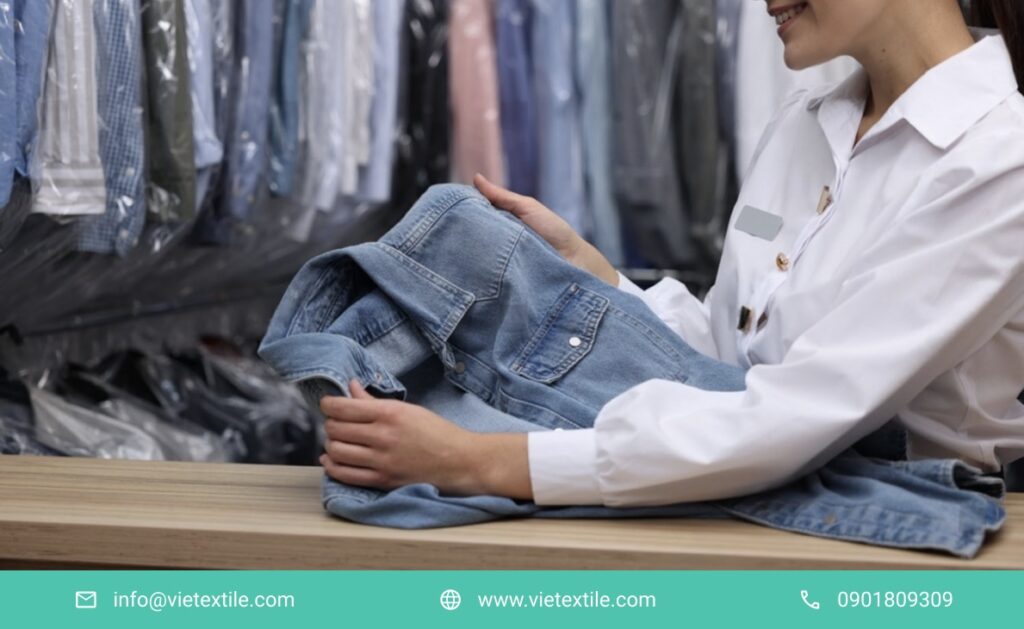
Visit https://vietextile.com/xuong-wash-tphcm/ to book your sample test today!

FAQ – Frequently Asked Questions

  • Does the Wash Factory in HCMC accept small orders? Yes. VieTextile accepts orders from 50 products and up.
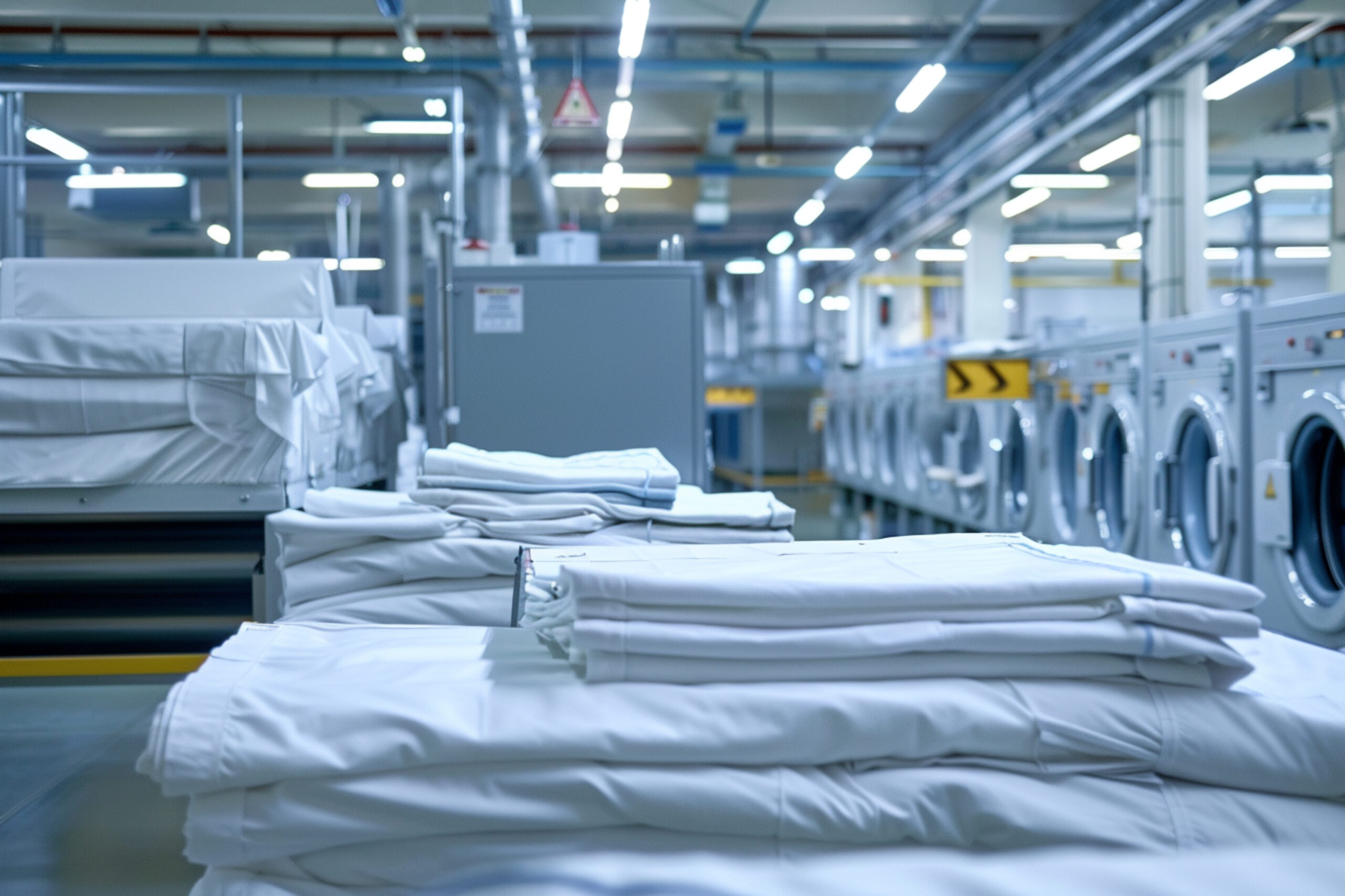
  • Does enzyme washing damage fabric? No, not if the correct process is used. Enzymes are very gentle and safe for natural fabrics.
  • Can linen be washed? Yes. But it requires a specific process to avoid shrinkage. VieTextile has a special formula for linen.
  • Can you make t-shirts colorfast? Yes. See details on t-shirt washing here.