What Is Antibacterial Fabric? Nano silver, Natural Extracts, and Enzyme Technologies

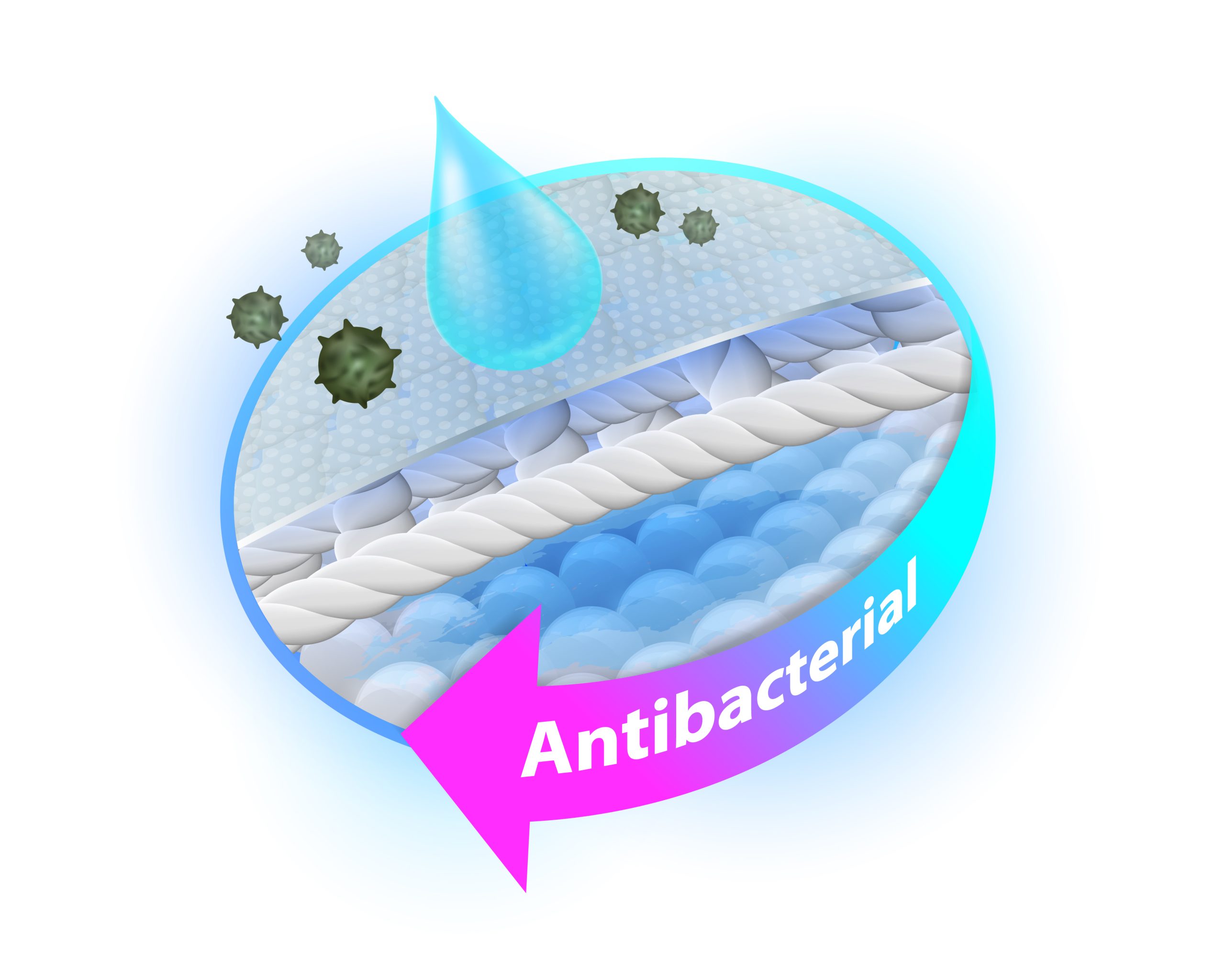
What is antibacterial fabric? It is a type of fabric treated with special technology to kill or inhibit the growth of bacteria, mold, and odor. Unlike conventional fabrics, antibacterial fabric not only protects the user’s health but also extends the product’s lifespan, making it particularly suitable for medical, sports, everyday clothing, and environments prone to contamination.

So, how is antibacterial fabric treated? Let’s explore the 3 most advanced technologies today.

1. Nano silver Technology – The Standard in Modern Healthcare

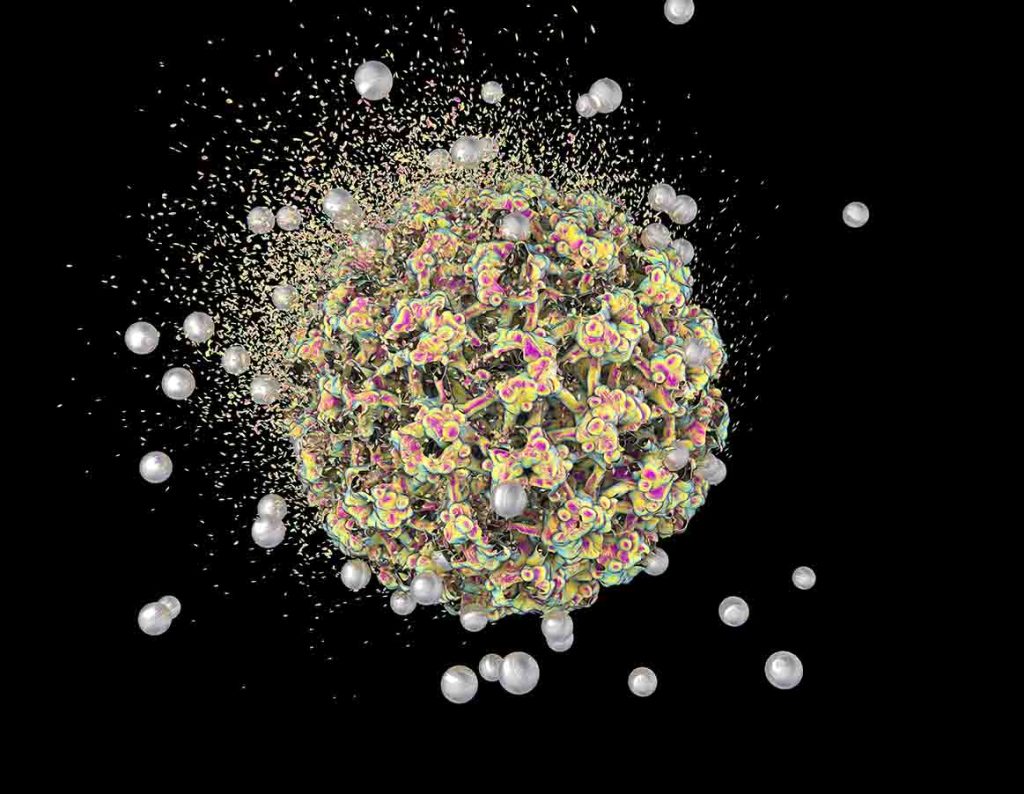
What is antibacterial fabric when talking about nano silver technology? This is an advanced technology that uses microscopic silver particles to effectively kill bacteria. Nano silver is currently the leading choice in the medical and sports textile industries.

Nano silver is one of the most common and effective technologies for treating antibacterial fabric today.
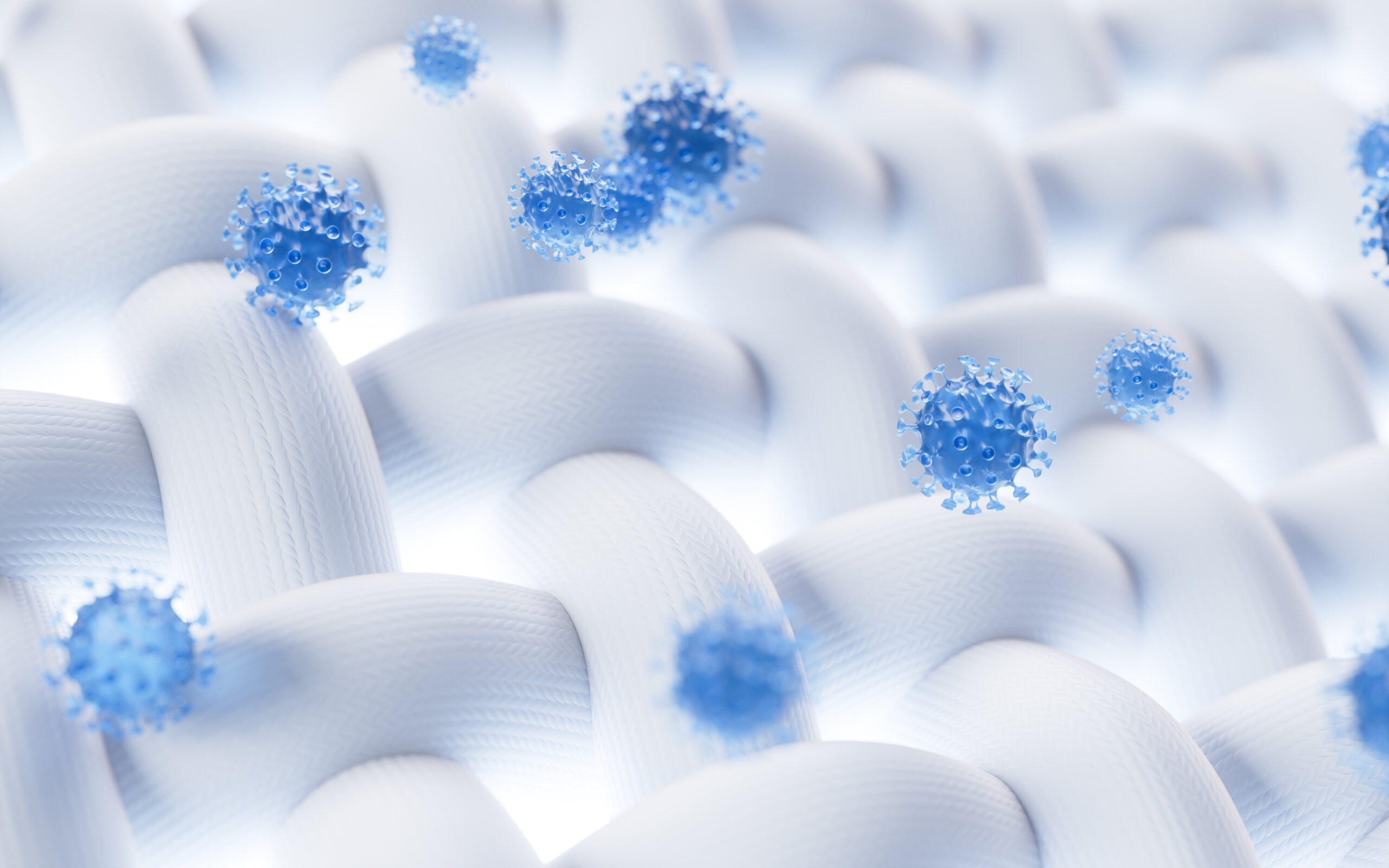
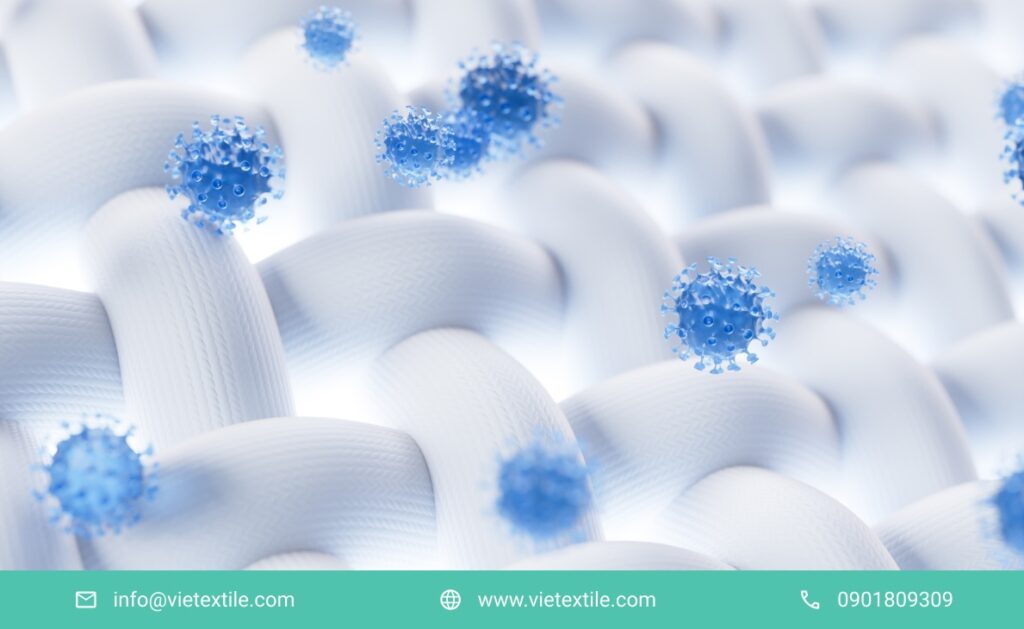
nano-silver-textile
What Is Antibacterial Fabric? Nano silver, Natural Extracts, and Enzyme Technologies 5

1.1. Mechanism of Action

The microscopic silver particles (nanoscale) have the ability to break down the cell membranes of bacteria, preventing them from multiplying and growing. At the same time, nano silver also inhibits bacterial enzymes, disrupting their vital functions.

1.2. Outstanding Advantages

What is antibacterial fabric if not a fabric that can kill up to 99% of bacteria in a short time? This is an outstanding advantage that makes nano silver fabric the top choice in healthcare settings and crowded places.

Besides its rapid antibacterial ability, what is antibacterial fabric also judged by is the durability of its effectiveness. Nano silver technology helps the fabric retain its superior antibacterial properties through many washes without needing re-treatment.

Finally, what is antibacterial fabric if it doesn’t ensure skin safety? Fabric treated with nano silver is generally non-irritating and safe for both children and people with sensitive skin.

1.3. Practical Applications

Nano silver fabric is widely used in: What is antibacterial fabric when applied in medical masks and hospital scrubs? It is a solution that helps limit the spread of bacteria in healthcare environments, providing an optimal layer of protection for doctors, nurses, and patients.

What is antibacterial fabric for sports and fashion? With its ability to control odor and inhibit harmful bacteria, this type of fabric is especially suitable for making sportswear, underwear, and socks – products that have a lot of contact with sweat and microorganisms.

What is antibacterial fabric in living and working spaces? When used for protective clothing or upholstery like curtains and sofas, antibacterial fabric helps prevent the growth of mold, keeping the space clean and safe.

2. Natural Extracts – Gentle and Eco-friendly

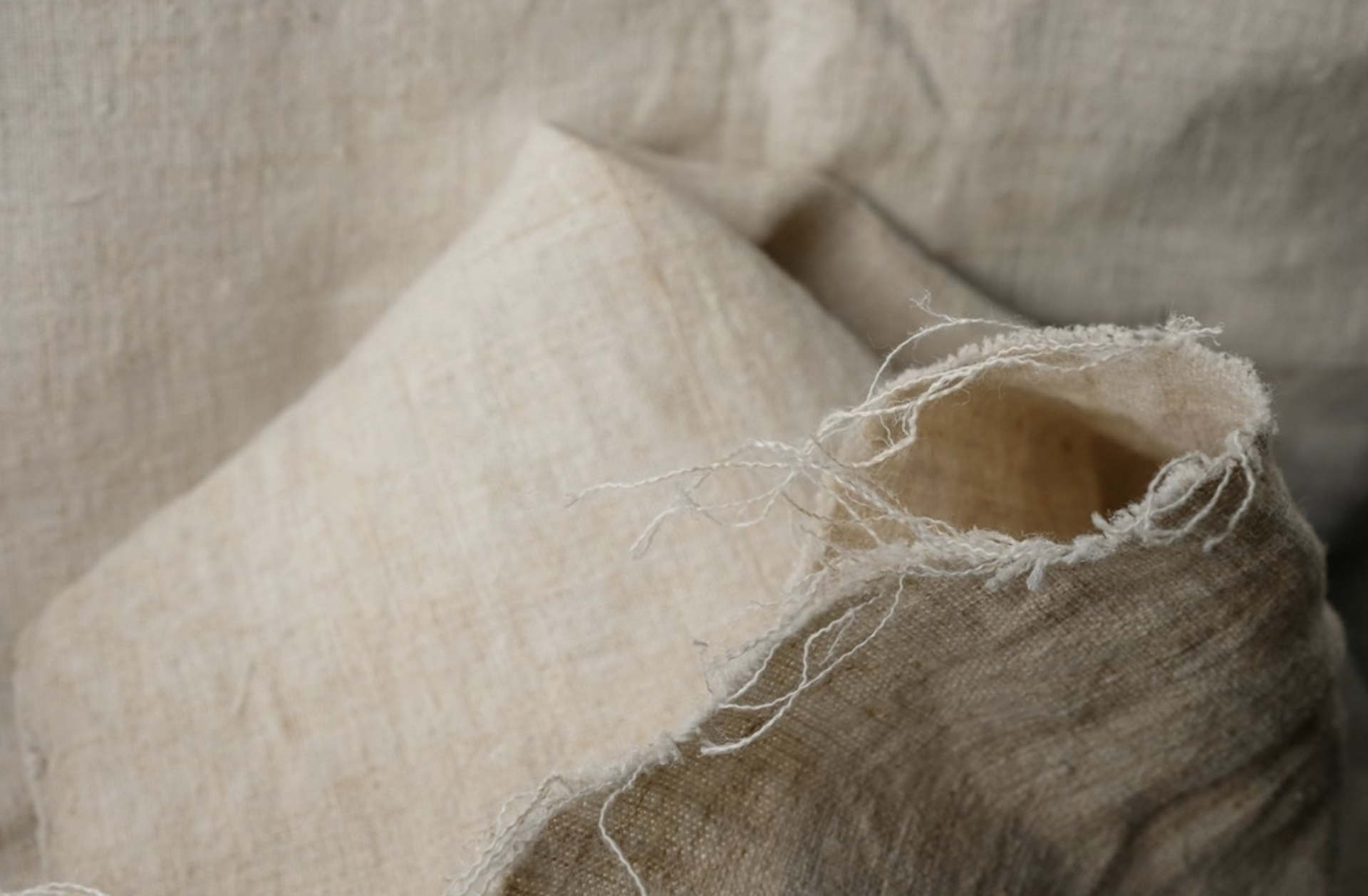
What is antibacterial fabric when treated with natural extracts? This is a line of fabric that uses antibacterial compounds from plants like cinnamon, green tea, and mint to create a natural antibacterial effect, suitable for people with sensitive skin and those who prefer a green lifestyle.
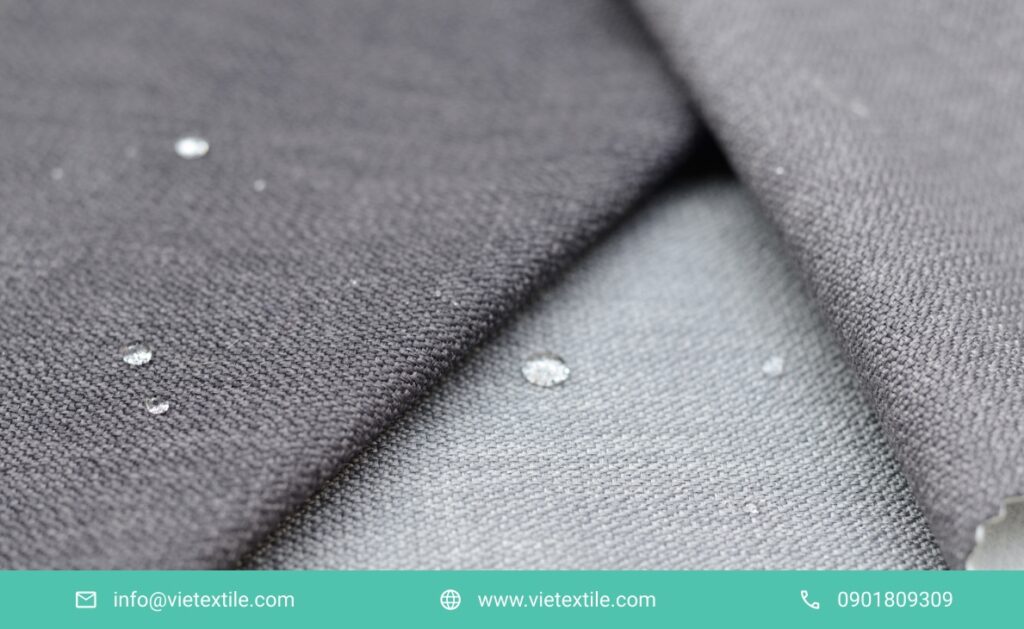
herbal-extract-fabric
What Is Antibacterial Fabric? Nano silver, Natural Extracts, and Enzyme Technologies 6

2.1. Antibacterial Properties from Natural Plants

Many plants like cinnamon, green tea, mint, and lemongrass have natural antibacterial properties. These compounds are extracted and infused into the fabric fibers to create an antibacterial effect.

2.2. Advantages

What is antibacterial fabric when natural extracts are applied? It is a line of fabric that does not contain harmful chemicals, ensuring safety for the user’s health, especially for children and the elderly.

What is antibacterial fabric if it doesn’t provide a gentle feel for sensitive skin? Thanks to its plant-based origin, natural extract fabric minimizes irritation, providing a comfortable experience.

What is antibacterial fabric in the trend of sustainable consumption? This is an eco-friendly fabric that is easily biodegradable, contributing to the reduction of textile waste and protecting the ecosystem.

2.3. Limitations

What is antibacterial fabric if it doesn’t provide lasting effectiveness? Compared to nano silver technology, natural extracts have a lower antibacterial capacity and are only suitable for environments with less bacterial exposure.

What is antibacterial fabric in practical daily use? Fabric treated with natural extracts often loses its effectiveness after a few washes, as the natural compounds are quickly washed away. This means the product needs to be replaced or re-treated more frequently to maintain its antibacterial effect.

2.4. Applications

What is antibacterial fabric when applied in products for children? This is an ideal choice for making clothes, bed linens, and blankets due to its gentleness and safety for sensitive skin, minimizing the potential for irritation or bacterial growth.

What is antibacterial fabric in fashion and interior design? When treated with natural extracts, this type of fabric provides a pleasant feel while helping products like fashion masks or decorative interior fabrics stay clean, odor-free, and colorfast over time.

3. Enzyme Technology – Optimizing Biological Efficiency

What is antibacterial fabric when treated with enzymes? This is a line of fabric that uses biological enzymes to break down the bacterial membrane, preventing them from adhering to the fabric fibers. This technology is both effective and maintains a soft, comfortable feel when worn.

Enzymes are biological catalysts produced from microorganisms or plants. When treating fabric, enzymes help break down the bacterial cell membrane or prevent microorganisms from attaching to the fabric fibers.
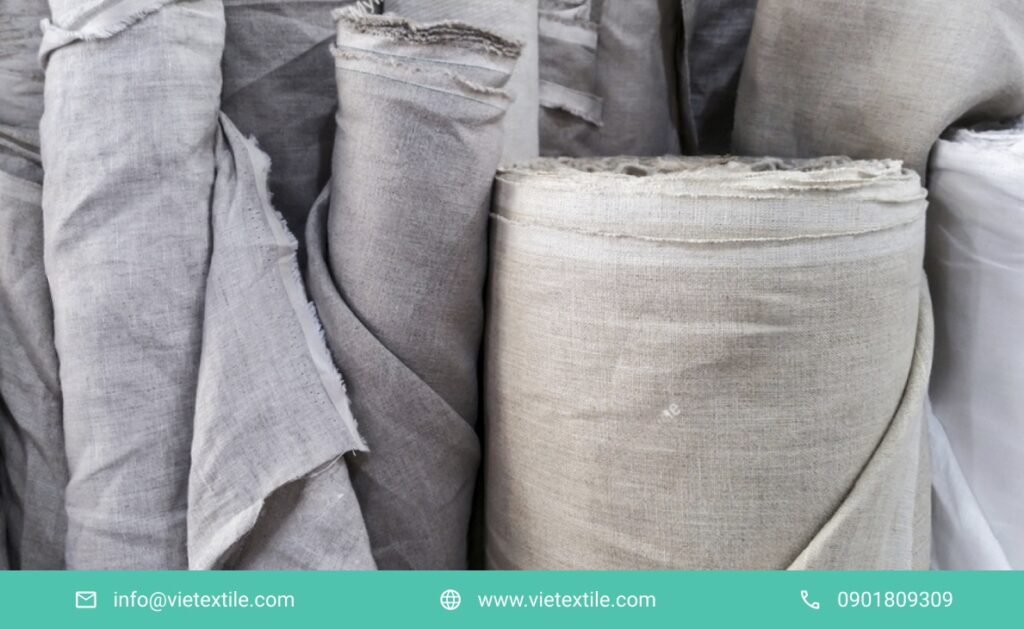
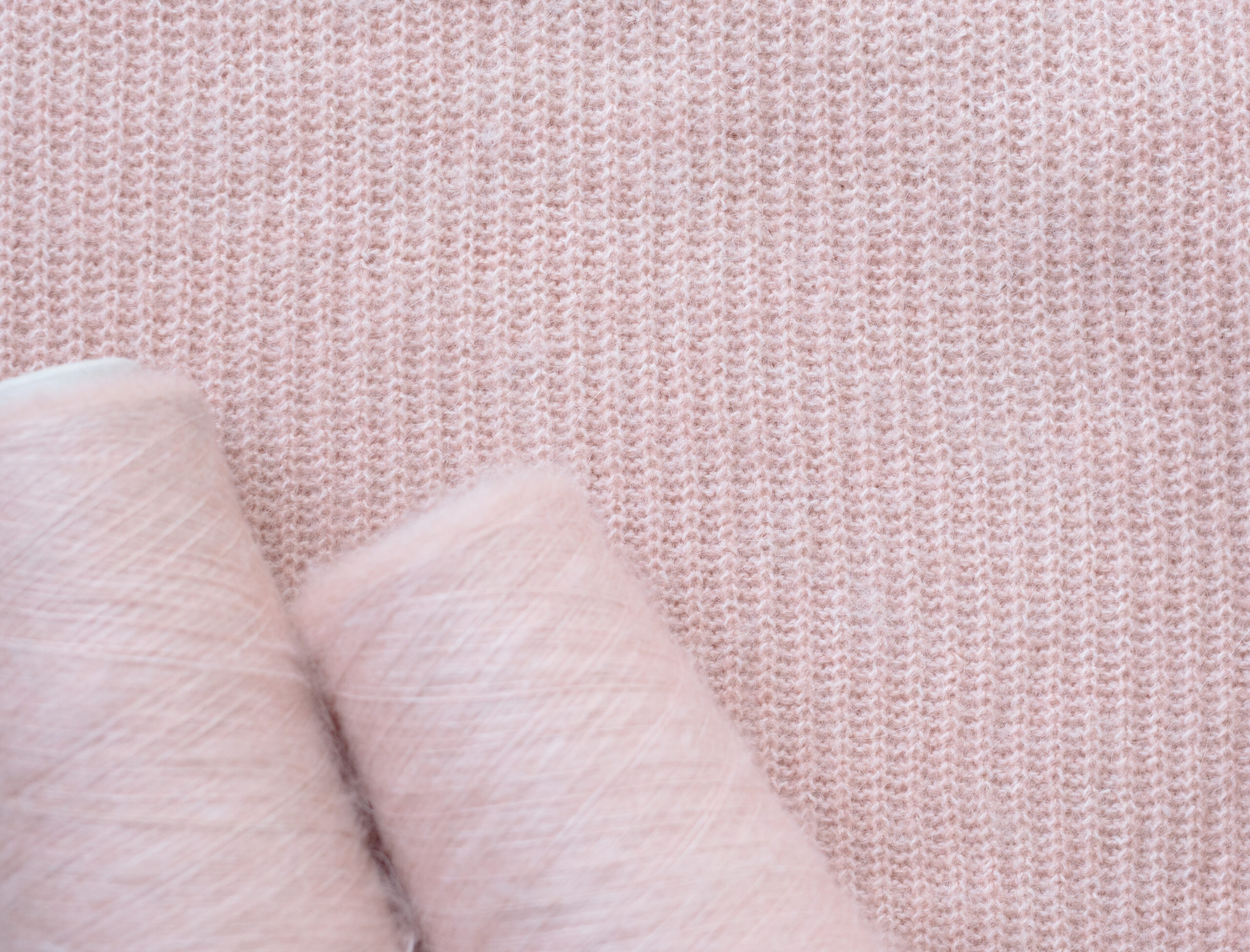
enzyme-treated-textile
What Is Antibacterial Fabric? Nano silver, Natural Extracts, and Enzyme Technologies 7

3.1. Advantages

What is antibacterial fabric when treated with enzymes? It is a type of fabric where the treatment process can be integrated directly into industrial washing, saving time and costs for manufacturers while still ensuring antibacterial effectiveness.

What is antibacterial fabric if it doesn’t provide a soft feel? Enzyme technology helps increase the smoothness and softness of the fabric fibers, making the product more comfortable to wear, especially for people with sensitive skin.

What is antibacterial fabric if it changes the user’s perception? With enzymes, the fabric fiber structure is preserved, causing no stiffness or strange odors after treatment, thereby maintaining a comfortable feel when worn.

3.2. Applications

What is antibacterial fabric when used in industrial products? In environments that require high hygiene standards such as offices, hotels, and factories, antibacterial upholstery and industrial fabrics help limit the growth of microorganisms, prevent odors, and extend the lifespan of the interior.

What is antibacterial fabric in personal healthcare? With its natural antibacterial ability that does not cause irritation, this type of fabric is an ideal choice for newborn clothing and for the elderly – individuals with sensitive skin and weak immune systems.

4. Conclusion

What is antibacterial fabric? It’s not just a regular fabric, but a health-protective solution for the new era. Depending on the intended use, you can choose the appropriate treatment technology: durable nano silver, safe natural extracts, or gentle biological enzymes.

What is antibacterial fabric? – It’s not just a trend, but an essential solution for modern life. From powerful nano silver, safe natural extracts, to refined biological enzymes – each treatment technology has its own role, suitable for different usage needs.

If you are looking for a reliable supplier of standard antibacterial fabric, do not hesitate to contact VieTextile for consultation and support.

5. References & Contact

Call now for a free consultation to choose the right antibacterial fabric for your industry needs, ensuring quality, safety, and effectiveness.

Selling Eco-Friendly Antibacterial Fabric: Organic – Recycled – Biological

As consumers become more health and environmentally conscious, companies selling antibacterial fabric are beginning to shift towards product lines that are more friendly to the ecosystem. Not only do these fabrics have effective antibacterial properties, but they also minimize negative impacts on the environment.

Especially in the fashion and textile industries, choosing raw materials like eco-friendly antibacterial fabric is becoming a new standard for sustainable development. Major brands not only focus on functionality but also on the green, clean, and safe aspects right from the raw material stage.

biodegradable-antibacterial-textile
Selling Eco-Friendly Antibacterial Fabric: Organic – Recycled – Biological 13

In this article, we will introduce 3 popular product lines in the antibacterial fabric market: organic, recycled, and biological fabrics. Each line has unique characteristics suitable for different brand directions and customer segments.

1. Selling Organic Antibacterial Fabric – A Safe Choice for Health

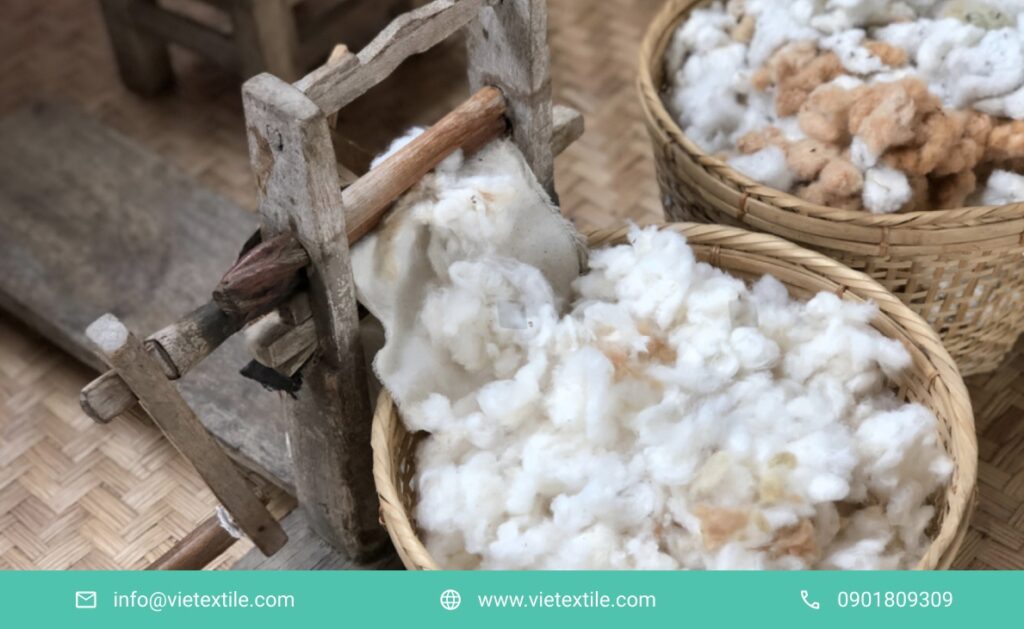
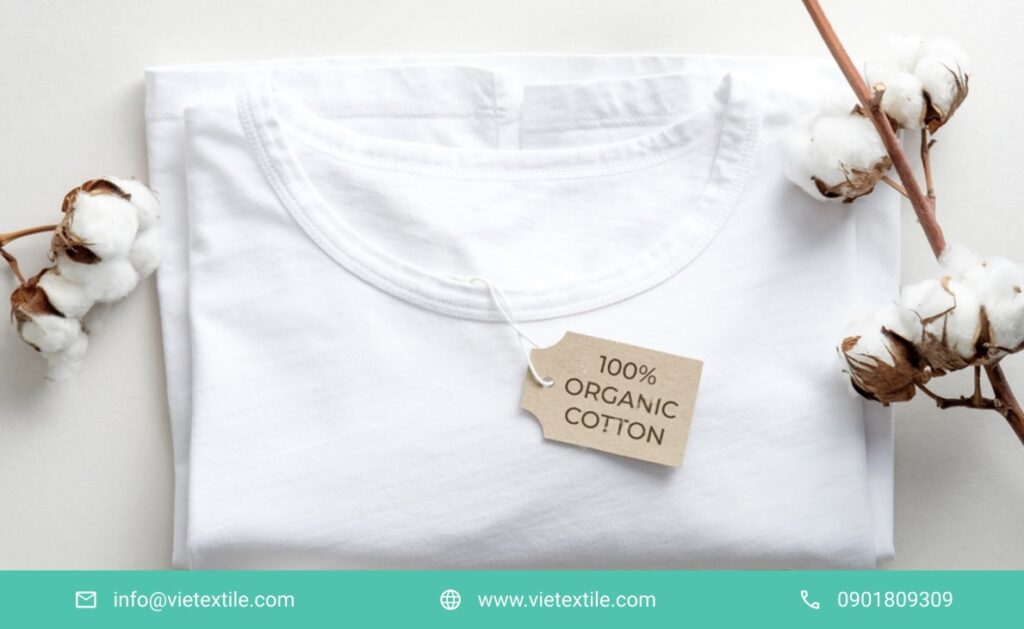
The sale of organic antibacterial fabric is becoming increasingly popular, especially for products woven from natural fibers like cotton, bamboo, and hemp, which are grown using organic methods (without chemical fertilizers or pesticides) and then treated with safe antibacterial technologies like nanosilver, chitosan, or biological enzymes.

organic-cotton-antibacterial-fabric
Selling Eco-Friendly Antibacterial Fabric: Organic – Recycled – Biological 14

Advantages:

  • Selling organic antibacterial fabric helps ensure maximum skin safety, making it particularly suitable for children and people with sensitive skin – groups that are easily irritated by chemicals in conventional fabrics.
  • The production and treatment process for organic antibacterial fabric does not pollute water sources or leave toxic residues in the soil, contributing to a sustainable ecosystem. This is why many businesses in the antibacterial fabric market are strongly shifting to this product line.
  • After their lifecycle, organic antibacterial fabrics are naturally biodegradable, significantly reducing the amount of industrial waste dumped into the environment. This not only has environmental significance but also enhances the reputation of brands that are selling antibacterial fabric with a focus on sustainability.
  • Selling organic antibacterial fabric is a strong trend in high-end export markets like Japan, Korea, and the EU, where safety and environmental standards are extremely strict.

2. Selling Recycled Antibacterial Fabric – A Sustainable and Economical Solution

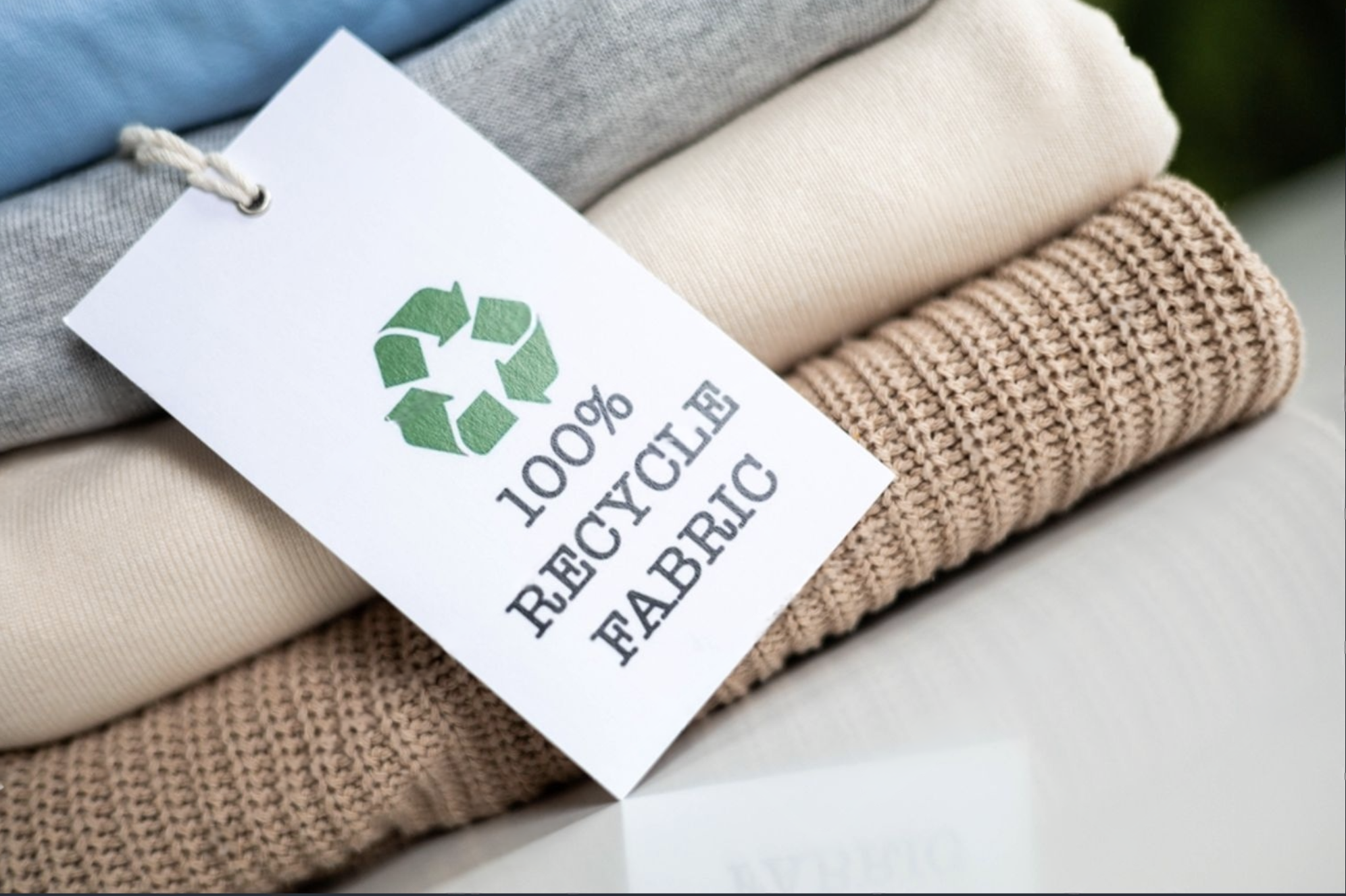
Recycled fabric is a type of fabric produced from used materials such as PET bottles, old clothes, or fabric scraps. The fabric is re-spun into fibers and treated with eco-friendly antibacterial technology. Businesses selling antibacterial fabric are increasingly expanding this product group to meet the demand for “greening” the supply chain.

recycled-polyester-antibacterial
Selling Eco-Friendly Antibacterial Fabric: Organic – Recycled – Biological 15

Advantages:

  • The sale of recycled antibacterial fabric helps reduce the need to exploit new raw materials like petroleum and natural fibers, contributing to resource savings and a reduction in carbon emissions in the production chain.
  • The sale of recycled antibacterial fabric helps effectively reuse plastic waste, fabric scraps, and old clothes, thereby significantly reducing the amount of industrial waste released into the environment, and promoting a circular and sustainable production trend in the textile industry.
  • Even when made from recycled materials, products in the antibacterial fabric category still ensure effective bacteria-killing properties after many washes, suitable for long-term use and safe for health.
  • For modern consumers, products made from recycled fabric are gradually winning hearts due to their sustainability and environmental significance. Therefore, companies selling recycled antibacterial fabric are also highly regarded by conscious consumers – those who not only seek quality but also care about the long-term impact of products on the planet.

3. Selling Biological Antibacterial Fabric – A New Generation Material for the Future

Selling biological antibacterial fabric is a trend that many businesses and brands are interested in. This is a type of fabric produced with advanced technology, using fibers with self-antibacterial capabilities like PLA (polylactic acid from corn), or integrating beneficial bacteria and natural enzymes to effectively prevent harmful microorganisms without the need for synthetic chemicals.

biodegradable-antibacterial-textile
Selling Eco-Friendly Antibacterial Fabric: Organic – Recycled – Biological 16

Advantages:

  • Thanks to advanced technology, biological antibacterial fabric lines have long-lasting antibacterial capabilities that do not diminish after a few washes, unlike many conventional fabrics. This helps brands selling biological antibacterial fabric build strong trust with high-end customers.
  • The production process of biological antibacterial fabric minimizes the use of synthetic chemicals, thereby ensuring safety for the wearer and reducing toxins released into the environment. This is an advantage that helps companies selling biological antibacterial fabric be highly valued in the clean consumption trend.
  • In addition to its antibacterial properties, this type of fabric is completely biodegradable and does not leave behind microplastics. This makes businesses selling biological antibacterial fabric a top choice for sustainable fashion brands.
  • Pioneering companies in this field often collaborate with research institutes, material startups, or high-end OEM manufacturers to create groundbreaking products for the future.

4. VieTextile – A Reputable, High-Tech Supplier of Antibacterial Fabric

With over 10 years of experience in the technical fabric industry, VieTextile is a company specializing in selling eco-friendly antibacterial fabric, providing a full range of products from organic, recycled to biological – meeting the needs of greening the supply chain for garment businesses.

Reasons to choose VieTextile:

  • The product lines for selling antibacterial fabric at VieTextile all have OEKO-TEX, GRS, and GOTS certifications, ensuring safety, environmental friendliness, and compliance with international export standards.
  • The product catalog for selling antibacterial fabric at VieTextile is very diverse, including both knitted and woven fabrics. Customers will be supported with free samples and testing at the factory, helping them choose the right antibacterial fabric for their practical application.
  • In addition, VieTextile’s service for selling antibacterial fabric also includes nationwide delivery and all-inclusive technical consulting, ensuring full support for all partners in the product implementation process.
  • Selling antibacterial fabric is not just about selling a product, but about providing a green, clean, and sustainable textile solution.

5. Conclusion

The sale of antibacterial fabric is not just about providing a material that is safe for health, but also a significant step towards sustainable fashion and production. The three groups of eco-friendly antibacterial fabric – organic, recycled, and biological – represent three promising directions, each suitable for different market needs.

If you are a garment manufacturer, a green fashion brand, or a textile material distributor, choosing the right product line will not only help improve the quality of your final products but also create a competitive advantage in the trend of responsible consumption.

VieTextile is proud to be a partner to businesses on their journey to find quality, safe, and planet-friendly antibacterial fabric.

6. References & Contact

Are you in need of a green, clean, and reputable source of antibacterial fabric? Contact VieTextile now for samples, consultation, and on-site technical support. 

Where to Buy Antimicrobial Fabric? A Comparison of Imports from Japan, Korea, and the US

With the risk of disease outbreaks returning in many countries, the demand for antimicrobial fabric in healthcare, fashion, and daily life is on the rise. However, many people are still asking: where to buy antimicrobial fabric from a reputable source, and between imports from Japan, Korea, and the US, which is the best choice?

This article will help you clarify the differences between popular imported antimicrobial fabrics, how to identify quality, and current reputable places to buy them.

Mua Vải Kháng Khuẩn Ở Đâu chất lượng cao?
Where to Buy Antimicrobial Fabric? A Comparison of Imports from Japan, Korea, and the US 20

1. Where to Buy Antimicrobial Fabric: Overview and Market Demand

Where to buy antimicrobial fabric is a question many consumers are asking as this type of fabric becomes increasingly popular in healthcare, fashion, and daily life. Antimicrobial fabric is a type of fabric treated with special technology to inhibit or kill bacteria, viruses, and mold. With its ability to prevent odors, protect the skin, and reduce the risk of infection, this fabric has become an indispensable material in the medical industry, children’s fashion, sportswear, and everyday wear.

To answer the question of where to buy antimicrobial fabric, you need to understand the differences between the products currently on the market, especially imported antimicrobial fabrics produced according to international standards. In particular, imported fabrics from Japan, Korea, and the US are favored for their superior processing technology and strict production standards.

According to a report by Grand View Research, the global antimicrobial fabric market could reach a size of over $20 billion by 2030, with Asia-Pacific accounting for a large share due to rapidly increasing demand after the pandemic.

2. Antimicrobial Fabric Imported from Japan

Antimicrobial fabric from Japan uses silver ion (Ag+) technology and combines nano ceramic fibers. Japan is very strict in its fabric quality inspection, often meeting the JIS L 1902 standard.

  • Effective use: Antimicrobial fabric imported from Japan has the ability to kill and inhibit bacteria by up to 99%, even after 50 washes—a superior number compared to many other common fabrics.
  • High safety: Thanks to the application of silver ion and nano ceramic fiber technology, the fabric does not cause skin irritation, and is especially safe for children, the elderly, and people with sensitive skin.
  • Feel when used: The fabric surface is soft and breathable, making the user feel comfortable for a long time. This is also why this type of fabric is often used in high-end medical masks, cleanroom supplies, and hospital staff uniforms.
  • Evaluation: Stable quality and sustainable antimicrobial properties, suitable for those who value health and fabric durability. However, the price of Japanese fabric is often higher than other products on the market.

3. Antimicrobial Fabric Imported from Korea

Antimicrobial fabric imported from Korea often uses a coating technique—applying a layer of antimicrobial agent to the fabric surface. This technology is often combined with fibers like bamboo charcoal or cotton blends to increase its effectiveness and mechanical durability.

  • Feel when used: The fabric surface is soft, smooth, and has a slight stretch, creating comfort when worn. This is an ideal feature for use in sportswear, office wear, or everyday clothing.
  • Antimicrobial effectiveness: While not as superior as Japanese or American fabric, it still maintains effective antimicrobial properties for about 30–40 washes if properly cared for.
  • Aesthetics and applications: The fabric comes in many color options, suitable for both fashion and popular consumer products.
  • Evaluation: Korean fabric has high applicability, meeting aesthetic and practical needs well. The price is moderate, suitable for manufacturers who need to optimize costs while still ensuring basic quality.

4. Antimicrobial Fabric Imported from the US

Antimicrobial fabric imported from the US stands out by integrating antimicrobial treatment technology from the fiber production stage—also known as dope-dyed technology. This process helps the antimicrobial agent penetrate deeply into each fiber instead of just coating the surface, providing a more sustainable effect.

  • Antimicrobial effectiveness: American fabric often meets the AATCC 100 standard—one of the most rigorous standards for antimicrobial inspection, ensuring effectiveness for up to 70 washes while maintaining safety for the user.
  • Reliability and durability: These fabrics often have a sturdy, thick structure and UV protection. This is an ideal choice for high-end masks, medical protective jackets, or uniforms for the airline and service industries.
  • International certifications: In addition to AATCC, many fabric lines also meet EPA certification—an important guarantee from the U.S. Environmental Protection Agency, which increases the reliability for exporting businesses.
  • Evaluation: It is the top choice in the medical industry, for export goods, and for applications that require high standards. The price is high but completely commensurate with its performance, durability, and brand reputation.

5. Where to Buy Reputable Antimicrobial Fabric in Vietnam?

mua vải kháng khuẩn ở đâu
Where to Buy Antimicrobial Fabric? A Comparison of Imports from Japan, Korea, and the US 21

When deciding where to buy antimicrobial fabric, you should prioritize suppliers with certificates of origin and a clear commitment to fabric quality inspection. One of the reputable addresses today is:

Viettextile – A reliable partner for high-quality imported antimicrobial fabric

Viettextile is one of the pioneering companies in Vietnam in the field of importing and distributing high-quality antimicrobial fabric from Japan, Korea, and the US. The company not only supplies products but also provides a comprehensive solution for businesses and designers.

  • Viettextile is committed to providing 100% official imports, with full certificates of origin (CO), quality (CQ), and prestigious international certifications such as JIS (Japan) and AATCC (US). This is a solid guarantee for the quality and reliability of each fabric roll.
  • The company has a rich fabric portfolio, from natural cotton to antimicrobial poly, bamboo charcoal, or stretchy interlock fabric—suitable for a variety of applications in medical apparel, office fashion, sportswear, and protective clothing.
  • Viettextile also provides detailed technical support to customers: from choosing the right fabric, custom color matching, to completely free sample testing before a large order.
  • In particular, the company always has samples available at its showroom for customers to check in person, and also provides 1:1 direct consultation with a team of experienced fabric experts.

The flexible nationwide delivery policy and attractive discounts specifically for large-scale production partners make Viettextile a reliable choice.

Contact them here for the fastest support: 

6. Conclusion

Imported antimicrobial fabric from Japan, Korea, and the US all have their own advantages in technology, durability, and application. Japan stands out for its safety and skin-friendliness, Korea for its flexibility and cost optimization, and the US for its medical standards and high durability.

If you are wondering where to buy antimicrobial fabric that is both high-quality and within your budget, choose an official import company like Viettextile to get advice on the most suitable fabric for your needs.

7. Further References

Learn more about:

Antibacterial Knitted Fabric – A High-End Material Solution

Explore the details of antibacterial knitted fabric: from its definition and production process to practical applications and health benefits. This article provides in-depth information, updates on new technologies, and a guide to choosing quality products.

1. What is Antibacterial Knitted Fabric?

vai det kim khang khuan H1
Antibacterial Knitted Fabric – A High-End Material Solution 25

If you’ve ever worried about odor-causing bacteria on your clothes or a child’s sensitive skin, antibacterial knitted fabric might be the answer.

This is a type of fabric woven from fibers with the ability to inhibit bacteria and fungi, or it’s treated with a special technology to eliminate harmful microorganisms.

Compared to woven fabrics, the knitted structure is more elastic, soft, and form-fitting. This is why, when combined with its antibacterial properties, this fabric is favored in fields that require direct skin contact, such as underwear, sleepwear, sportswear, and especially children’s clothing.

Another plus: modern antibacterial knitted fabric is typically non-irritating to the skin, eco-friendly, and holds many international certifications like OEKO-TEX or GOTS.

2. Production Process and Technology

Antibacterial knitted fabric can be created in two ways: treating the yarn before knitting or applying a finishing treatment after the fabric has been knitted. Each technology offers its own distinct effectiveness and value.

2.1. Technology Integrating Antibacterial Agents into the Yarn

This is the most modern method, often applied to synthetic fibers like polyester and polyamide. During yarn production, antibacterial agents such as nano-silver, zinc, or copper are incorporated into the core or surface of the fiber. This mechanism helps the antibacterial properties last for a long time—even up to 50-100 washes without losing effectiveness.

2.2. Finishing Treatment with Antibacterial Chemicals

This method is applied to both natural and synthetic fibers. After the fabric is knitted, the surface is immersed or coated with a layer of antibacterial active agents. This method is flexible but its effectiveness typically lasts for only about 20-30 washes, depending on the chemical used.

Some common technologies include:

  • Nano-silver (Ag+): Kills bacteria by breaking down their cell walls. It can inhibit over 650 strains of bacteria (according to NCBI, 2023).
  • Copper ions (Cu2+): Fights fungi and microorganisms, widely used in medical products.
  • Chitosan: Extracted from shrimp shells, it is eco-friendly and used for children’s and organic fabrics.

3. Pros and Cons of Antibacterial Knitted Fabric

3.1. Pros:

  • Superior Antibacterial Properties: Reduces odor-causing bacteria, which is especially useful for sportswear, socks, and underwear.
  • Skin-Friendly: The fabric is soft and non-irritating, making it ideal for infants and people with sensitive skin.
  • Stretchy and Breathable: Thanks to its knitted structure, the fabric is not only durable but also allows the skin to “breathe” better.
  • High Durability: Modern nano-technology helps maintain the antibacterial properties after many washes.

3.2. Cons:

  • Higher Cost: Due to technology and raw material costs, this fabric is about 30–50% more expensive than regular fabric.
  • Effectiveness May Decline: If a surface treatment method is used, the antibacterial ability will gradually decrease with each wash.

According to a 2024 survey by Textile Exchange, 67% of high-end fashion brands in Asia are shifting to using antibacterial fabric in at least 30% of their product lines.

4. Applications of Antibacterial Knitted Fabric in Daily Life

vai det kim khang khuan H3
Antibacterial Knitted Fabric – A High-End Material Solution 26

4.1. Children’s Fashion:

Children have weak immune systems and delicate skin that is prone to irritation. Using antibacterial fabric helps prevent rashes, redness, and dermatitis caused by sweat and dirt. Brands like Lullaby, Nous, Next, and Uniqlo Baby have integrated antibacterial knitted fabric into their clothing products for babies aged 0-3.

4.2. Sportswear and Underwear:

This is a fertile ground for antibacterial knitted fabric to showcase its strengths. The workout environment causes a lot of sweating—an ideal “feast” for bacteria. With its deodorizing feature, the fabric helps wearers feel dry, confident, and clean.

4.3. High-End Home Furnishings:

Beyond fashion, products such as pillows, blankets, and bedsheets made from antibacterial fabric are also gaining popularity in 4- and 5-star hotels. Customers are increasingly valuing “invisible hygiene,” creating a valuable niche for antibacterial home furnishings.

5. Guide to Choosing and Maintaining Antibacterial Knitted Fabric

5.1. Criteria for Choosing Quality Fabric:

  • International Certifications: Look for products with OEKO-TEX Standard 100 or ISO 20743 antibacterial certification.
  • Smell Test: High-quality antibacterial fabric has a low sweat-odor retention and doesn’t have a pungent smell like low-quality chemically treated fabrics.
  • Reputable Brands: Buy from reliable sources, avoiding fakes—especially for children’s fabrics.

5.2. Washing and Care Instructions:

  • Hand wash or machine wash on a gentle cycle (below 40°C).
  • Do not use strong fabric softeners with bleaching properties.
  • Hang dry in a well-ventilated area, avoiding prolonged direct sunlight to protect the antibacterial layer.
  • Pro-tip: You can use diluted white vinegar to soften the fabric and enhance its natural antibacterial properties.

6. Trends and the Future of Antibacterial Knitted Fabric

According to a 2024 Statista report, the global antibacterial fabric market is projected to reach $18.2 billion by 2026.

6.1. Strong Growth in Vietnam:

After the COVID-19 pandemic, Vietnamese consumers increasingly prioritize “health-friendly” products. Brands like VieTextile are boosting domestic production of antibacterial knitted fabric, supplying both export and local apparel markets.

6.2. Continuous Innovation in Technology:

New-generation nano-silver has self-cleaning capabilities. Recycled materials are being used in antibacterial fabrics to move toward a “dual-sustainable” product: clean, green, and safe.

7. Conclusion

If you are looking for a source of high-quality antibacterial knitted fabric suitable for children’s wear, underwear, or sportswear, contact VieTextile today for a consultation on the latest fabric samples, free testing, and a competitive quote.

Frequently Asked Questions (FAQs)

  • Is antibacterial knitted fabric durable? Yes, if it is treated with integrated antibacterial fiber technology from the start. Some types can maintain effectiveness after 50 washes.
  • Is antibacterial knitted fabric eco-friendly? Yes, especially if natural antibacterial agents like chitosan or bio nano-silver are used. Additionally, recycled fibers are also being prioritized.
  • Should antibacterial knitted fabric be used in summer? Yes, absolutely. The fabric is lightweight, stretchy, and prevents sweat odor—making it ideal for hot and humid tropical climates like Vietnam.
  • Does this fabric cause allergies? If it is OEKO-TEX certified, no. On the contrary, it can help prevent skin allergies.

Why is antibacterial cotton fabric a New Consumer Trend?

In a context where health and personal hygiene are increasingly prioritized, antibacterial cotton fabric has gradually become a new consumer trend. What makes this type of fabric so popular and favored? Let’s find out in the following article.

1. What is antibacterial cotton fabric? Key Features

Antibacterial cotton fabric is made from natural cotton fibers. However, its antibacterial properties are typically achieved through chemical treatment. This allows the fabric to easily meet required antibacterial effectiveness while preventing or destroying harmful bacteria and microorganisms. This process enhances the health protection features for the user, especially in infectious conditions such as healthcare or hot and humid environments where bacteria and viruses thrive.

Here are some key features of antibacterial cotton fabric:

  • High Antibacterial Capability: It can eliminate up to 99% of bacteria it comes into contact with. The fabric maintains its antibacterial properties even after multiple washes, which increases the product’s lifespan and effectiveness.
  • Environmentally Friendly: Chemical products used for antibacterial cotton fabric treatment from a clear source are mostly certified as safe and friendly to humans and the environment.
  • Effective Odor Control: It helps minimize odors caused by bacteria, keeping the product fresh and pleasant throughout its use.
  • Anti-Drip Feature: The antibacterial layer forms a protective barrier that effectively prevents droplets, reducing the risk of disease transmission.

2. Benefits of Using antibacterial cotton fabric

antibacterial cotton fabric offers numerous superior benefits, specifically:

  • Health Protection: The ability to eliminate bacteria and fungi helps prevent diseases transmitted through contact.
  • Odor Reduction: Antibacterial fabric helps control and prevent the growth of odor-causing bacteria, keeping clothes fresh.
  • Durability and Beauty: Not only is it durable during use, but this type of fabric also maintains its antibacterial properties after multiple washes. This ensures the product’s lifespan and saves costs for consumers.
  • Skin and Environment Friendly: The product does not cause skin irritation, is safe for users, and minimizes negative environmental impact.

3. Why has antibacterial cotton fabric become a new consumer trend?

Recently, consumers have shown a greater interest in health protection products, especially after the global pandemic. antibacterial cotton fabric provides an effective solution for preventing harmful bacteria and viruses on products that come into direct contact with the skin, such as clothes, face masks, and underwear.

vai cotton khang khuan 1
Why is antibacterial cotton fabric a New Consumer Trend? 30

In the healthcare sector, antibacterial fabric has become a safety standard, helping to minimize infection risks. Similarly, in hotels, restaurants, or sports, the demand for antibacterial fabric has significantly increased to meet high hygiene requirements. For these reasons, the consumer trend for this type of fabric has been growing strongly in recent years.

4. Applications of antibacterial cotton fabric

antibacterial cotton fabric is widely used in many fields, such as:

  • Production of Face Masks and Medical Protective Gear: This is the most common application. These medical fabrics can prevent the spread of disease-causing bacteria and viruses, protecting users from the risk of infection.
  • Fashion and Underwear: It is becoming a preferred choice for producing underwear and sportswear, helping to control odor and protect the skin during daily use.
  • Household Items: Used in the production of towels, bed sheets, and pillowcases, it helps ensure hygiene and prevents harmful bacteria from multiplying in humid environments.
  • Furniture Industry: Antibacterial fabric is applied to create a safe and high-quality living space.
vai cotton khang khuan ung dung cua trong y te

5. VieTextile: A Reputable and Quality Supplier of antibacterial cotton fabric

antibacterial cotton fabric is not only a fashion trend but also a smart choice for consumer health. Thanks to its outstanding advantages, this type of fabric is expected to continue to develop and become an indispensable part of modern life.

VieTextile is a leading company in the production, supply, and consultation of antibacterial cotton fabric solutions in Vietnam. We are committed to providing high-quality products that meet strict antibacterial standards. If you are interested or need to produce fabric, please contact VieTextile through the following methods:

  • Phone: +84 (0) 901809309
  • Email: Info@Vietextile.com
  • Office: 82C Quach Dinh Bao, Phu Thanh Ward, Tan Phu District, Ho Chi Minh City

VieTextile Specializes in Supplying High-Quality Antibacterial Fabric

The textile and garment industry is undergoing a powerful transformation as consumers increasingly favor high-quality products with superior features. This trend is driving the widespread adoption of Antibacterial Fabric in both production and use, providing a competitive advantage for manufacturers. However, finding a reliable supplier of Antibacterial Fabric that guarantees stable quality and reasonable prices remains a challenge for many businesses aiming to elevate their products and establish their market position.

The Importance of Antibacterial Fabric for the Textile Industry

Antibacterial Fabric plays a pivotal role in enhancing the quality of textile products. Antibacterial Fabric has outstanding properties such as antibacterial, odor-neutralizing, and permanent antiviral capabilities, which significantly improve the durability of the final product and contribute to public health protection.

soi tinh nang khang virus
VieTextile Specializes in Supplying High-Quality Antibacterial Fabric 34

Introducing VieTextile – A Leading Antibacterial Fabric Supplier

VieTextile is a leading supplier of Antibacterial Fabric in Vietnam. With many years of experience in the textile industry, VieTextile is committed to providing products of superior quality. VieTextile has become a trusted partner for numerous large domestic and international businesses.

We always focus on product development and constantly update our technologies in the textile industry to bring the highest satisfaction to our customers while enhancing production efficiency. This enables VieTextile to meet the stringent standards of the international market and contribute to the value and quality of our partners’ textile products.

Diverse Antibacterial Fabric Product Portfolio at VieTextile

VieTextile is proud to offer our partners the market’s newest Antibacterial Fabric product portfolio, catering to the diverse and modern production needs of the textile industry. VieTextile provides a range of antibacterial fibers with superior features, including:

  • Perma Anti-Virus Fabric: Perma Anti-Virus Fabric uses advanced Nano Silver technology. Perma fiber fabric offers outstanding antibacterial properties, not only preventing odor-causing bacteria and mold but also possessing permanent antiviral capabilities. This makes Perma Anti-Virus Fabric an ideal choice for clothing, medical supplies, and even products for babies.
  • Collagen Fabric: Collagen fabric is a wonderful combination of technology and natural elements. The fiber components in collagen fabric are extracted from fish scales. In addition to its superior sun protection features, which shield the skin from UVA and UVB rays with a UPF rating of up to 50+, collagen fabric also offers permanent odor neutralization. Collagen fabric is primarily used in the production of sportswear and underwear.
Vai khang khuan
VieTextile Specializes in Supplying High-Quality Antibacterial Fabric 35

VieTextile is continuously developing and updating new product lines to meet the growing demands of the market. We are committed to providing high-quality products that meet every one of our customers’ exacting requirements.

Benefits of Purchasing VieTextile’s Antibacterial Fabric

By choosing VieTextile as your Antibacterial Fabric supplier, your business will enjoy the following outstanding benefits:

  • Access to High-Quality Materials: Our diverse range of international-standard fibers helps enhance product quality and increase your competitive edge in the market.
  • Optimized Production Costs: Our competitive and flexible pricing policies help businesses optimize input costs and improve business performance.
  • Enhanced Production Capacity: VieTextile’s team of experienced technical specialists is ready to provide technical advice and optimal solutions for your business’s production line.
  • Building a Sustainable Partnership: We are committed to accompanying the development of your business through a long-term, stable cooperation policy aimed at mutual, sustainable growth.

Our Quality and Service Commitments at VieTextile

VieTextile always puts customer benefits first with firm commitments to product and service quality.

  • Competitive and Flexible Pricing: VieTextile offers flexible prices to fit our customers’ budgets, providing them with multiple options while ensuring product quality.
  • Commitment to Product Quality: We guarantee clear origins and ensure all products meet international standards. Every product from VieTextile comes with complete documentation verifying its origin.
  • Professional Customer Support Service: We provide dedicated consultation services, assisting customers in choosing the right products for their needs. Our team of technicians is always ready to offer technical support and ensure safe and prompt delivery.
  • Thoughtful After-Sales Policy: VieTextile’s service doesn’t end with the sale; we also focus on after-sales support. Customers will receive attentive assistance from our customer service team.

Conclusion

With our existing Antibacterial Fabric product portfolio, VieTextile is confident in our position in the textile industry. Contact VieTextile now for consultation on high-quality antibacterial fabric products. We are always ready to accompany our partners on the path to sustainable development and success.

An Introduction to Permanent Antimicrobial Fabric in Vietnam

Today, antimicrobial fabric technology is becoming a popular development trend in the general textile industry and the medical sector in particular. The product that has received the most attention is antimicrobial fabric with antiviral properties. Let’s learn more about antimicrobial fabric with VieTextile in this article.

1. What is Antimicrobial Fabric with Antiviral Properties?

Antimicrobial fabric with antiviral properties is a breakthrough in the textile industry. Essentially, this fabric is treated with special compounds that inhibit the growth and spread of viruses on the fabric’s surface. Antimicrobial fabric can inactivate viruses through various mechanisms, depending on the type of antiviral agent used. The three main types of antiviral agents on the market are inorganic, organic, and natural.

vai khang virus
An Introduction to Permanent Antimicrobial Fabric in Vietnam 39

2. Exploring Antiviral Agents for Fabric

2.1. Classification of Antiviral Agents

2.1.1. Inorganic Antiviral Agents

Typical inorganic antiviral agents are metal nanoparticles or metal compounds like gold, silver, and copper. These tiny metal particles can kill viruses by interacting with the glycoproteins on the virus’s surface, which hinders the virus’s attachment and entry into host cells. Additionally, metal nanoparticles can exert antiviral activity by interacting with the virus’s genome.

tieu diet virus bang hat nano bac
An Introduction to Permanent Antimicrobial Fabric in Vietnam 40

Furthermore, carbon-based nanoparticles can also neutralize viruses due to their excellent electrochemical and thermoelectric properties. Photocatalysts like can absorb light and generate substances that can oxidize and destroy the viral envelope.

2.1.2. Organic Antiviral Agents

Organic antiviral agents are compounds synthesized from organic elements. They are often used in the production of medicines and antiviral textile products. For example, quaternary ammonium salts like polyethyleneimine methyl dodecyl can quickly kill viruses by destroying their protective membrane. Additionally, heterocyclic compounds like pyrazoles and pyrimidines, as well as some special polymers like polyurethane N,N-dodecyl methyl, also have antiviral capabilities.

2.1.3. Natural Antiviral Agents

Natural antiviral agents are derived from plants, animals, and microorganisms. These compounds have the advantage of being safe, less toxic, and highly effective. Traditional Chinese medicines like Huoxiang Zhengqi and Lianhua Qingwen have been proven to be effective against many types of viruses. Propolis also has strong antibacterial and antiviral properties. Polysaccharides from microorganisms can also stimulate the immune system and inhibit viral development.

Perma antiviral knitted fabric is a groundbreaking product that applies nano-zinc technology combined with recycled fibers, providing an effective and safe antiviral solution for the skin and the environment.

2.2. Mechanism of Action for Antimicrobial Fabric with Antiviral Properties

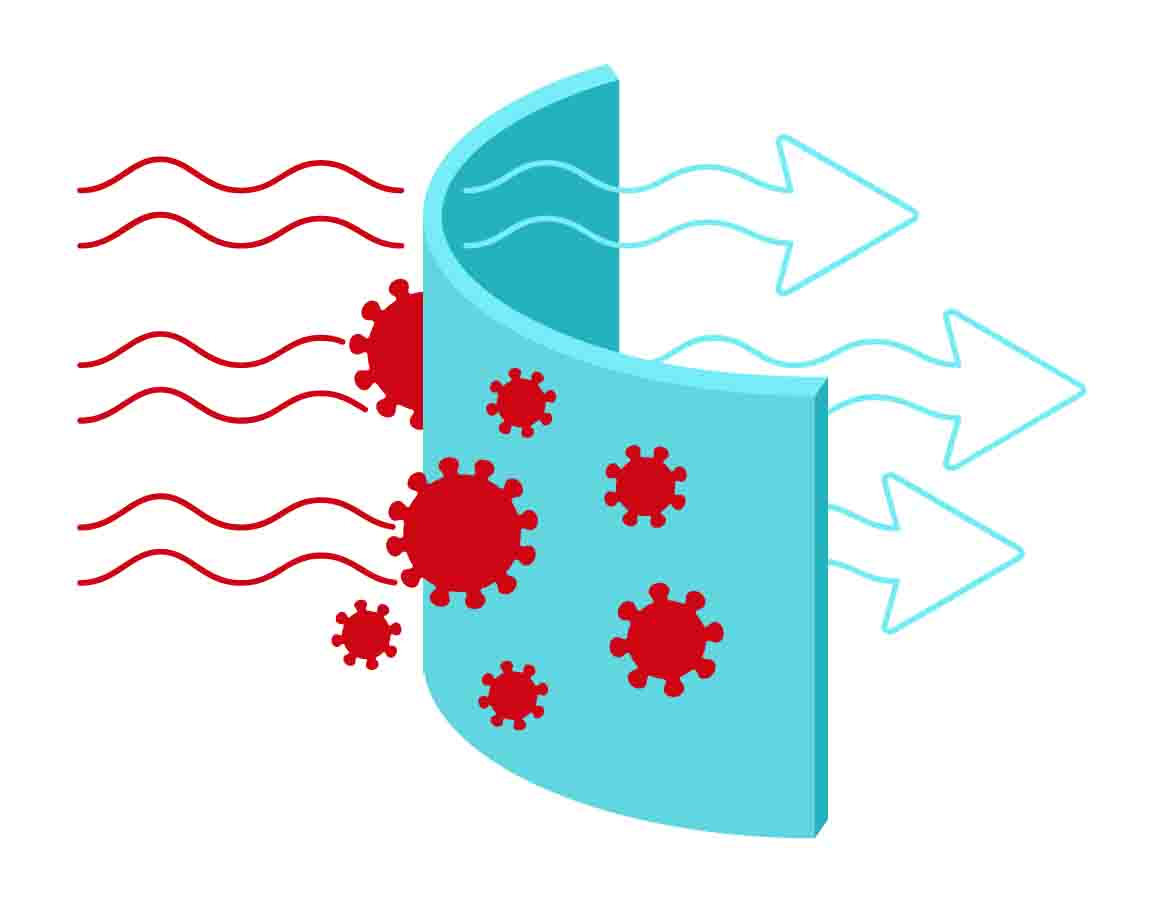
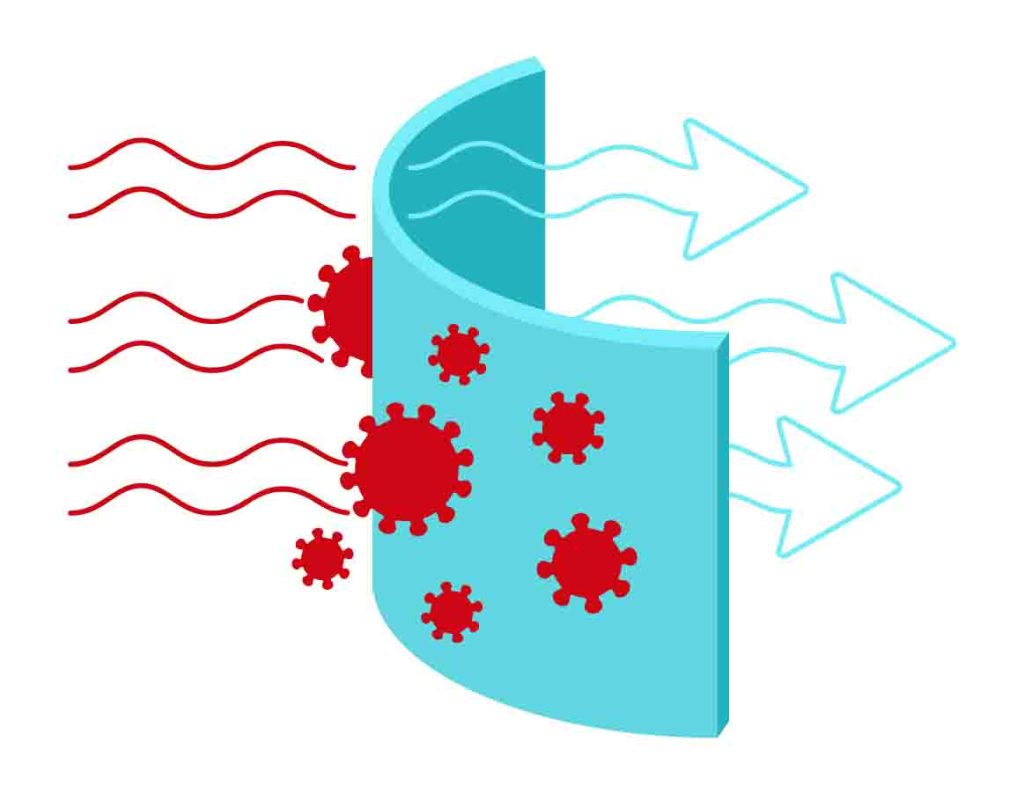
Antimicrobial fabric with antiviral properties is gaining widespread interest due to its ability to protect the wearer from pathogens. This type of fabric works through various mechanisms, such as preventing viral attachment, neutralization, and killing the virus.

The surface of some fabrics is coated with a nano-layer that prevents microorganisms and viruses from adhering to the fabric. Antiviral fabric has a smoother surface, which minimizes the ability of viruses to stick. In addition, some fabrics are treated with chemical compounds capable of neutralizing viruses, such as silver, copper oxide, titanium dioxide, and quaternary ammonium.

Currently, there are two main methods for producing antiviral performance fabrics. The first method is to mix the antiviral agent with a polymer spinning solution and spin it into a fiber. The second method is to apply the antiviral agents to the fabric after the bleaching, dyeing, or printing stages. In this process, the antiviral agent is padded, coated, or sprayed to finalize the fabric’s antiviral properties.

3. Benefits of Using Antimicrobial Fabric with Antiviral Properties

In complex epidemic situations, the need to protect personal and public health has become more urgent. Antimicrobial fabric with antiviral properties has emerged as a breakthrough solution with the following benefits:

  • Effective Health Protection: Due to its high antiviral efficacy, verified through strict scientific tests, it ensures user safety.
  • Improved Quality of Life: It is used in clothing, home furnishings, bedding, etc., helping to create a safe living environment and limiting the spread of viruses and bacteria.
  • Cost Savings and Environmental Protection: Although the initial investment cost is quite high, antiviral fabric is durable and recyclable, leading to long-term savings. This helps reduce the amount of textile waste released into the environment.

4. Applications of Antimicrobial Fabric with Antiviral Properties

Antimicrobial fabric with antiviral properties is being widely used in many fields, especially in the medical sector. The use of this type of fabric in medical facilities like hospitals and clinics helps reduce the risk of infection for patients and medical staff. Especially in the context of pandemics like Ebola or COVID-19, the use of antiviral performance fabric is extremely important for protecting public health.

Additionally, antimicrobial fabric with antiviral properties is also used in the production of face masks. Thanks to its ability to block bacteria and viruses, these masks not only help users avoid pathogenic microbes but also reduce the risk of transmission.

5. Contact Us for Antimicrobial Fabric Consultation

With its outstanding advantages, including high antiviral efficacy, durability, and user safety, this fabric has become a consumer trend. If you are interested in antimicrobial fabric products with permanent antiviral properties, do not hesitate to contact VieTextile through the following methods:

  • Phone: +84 (0) 901809309
  • Email: Info@Vietextile.com
  • Office: 82C Quach Dinh Bao, Phu Thanh Ward, Tan Phu District, Ho Chi Minh City