What is Woven Fabric? Characteristics, Classification, and Applications

Woven fabric is a type of textile that plays a vital role in many fields, from fashion to home furnishings. However, not everyone has a clear understanding of this fabric. So, what is woven fabric? Today’s article will help you explore its characteristics, classification, and diverse applications in life.

1. What is Woven Fabric? Its History and Development

Woven fabric is a type of textile made from a system of warp (longitudinal) and weft (transverse) yarns interlaced at right angles. The warp yarns run parallel to the length of the fabric, while the weft yarns are passed over and under the warp yarns in a specific pattern. The weaving process is carried out using a manual loom or a mechanical loom. These methods ensure a strong fabric structure and a variety of patterns.
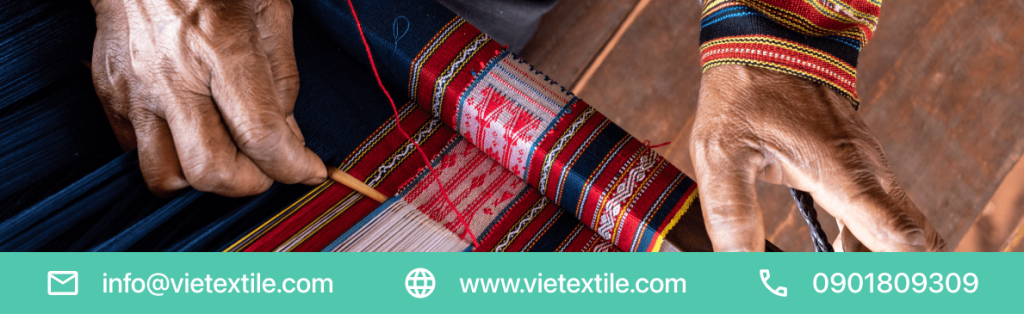
What is Woven Fabric
What is Woven Fabric? Characteristics, Classification, and Applications 4

The weaving industry has very early origins. Archaeological evidence shows that the ancient Egyptians knew how to weave fabric some 6,000 years ago. The Chinese successfully cultivated silkworms and wove silk about 4,000 years ago. Simple looms made of wood or bamboo and manual tools were used to create fabric. The weaving process was completely dependent on human labor.

Later, with the advent of the steam engine, the first mechanical looms appeared. This was a major turning point in the history of the textile industry. The invention of the fly shuttle by John Kay and the Jacquard mechanism helped improve productivity and diversify the types of fabric produced.

The 20th century saw major breakthroughs such as the rapier principle, shuttleless looms, air-jet looms, and water-jet looms. The weaving industry continues to develop with modern technology such as automation and artificial intelligence. Many new fabrics with superior features are created to meet diverse consumer needs.

2. Characteristics and Properties of Woven Fabric

In addition to understanding the definition of woven fabric, you can learn about its specific characteristics and properties:

  • Structure: It has a relatively tight structure with a dense, even surface due to the high density of interlacing yarns.
  • Selvedge: The selvedge is neat and strong, which makes the product durable and less prone to unraveling during use.
  • Stretch: The stretch of woven fabric depends on the properties of the yarn. However, in general, the horizontal and vertical stretch of woven fabric is typically lower than that of knitted fabric.
  • Durability: It does not curl at the edges and is less prone to snagging. This ensures its aesthetic appeal and durability over long-term use.
  • Aesthetics: It is diverse and rich in weaving patterns, with beautiful surface textures.

3. Classification of Woven Fabric

Woven fabric includes many different types, each with its own unique characteristics:

3.1. Plain Weave

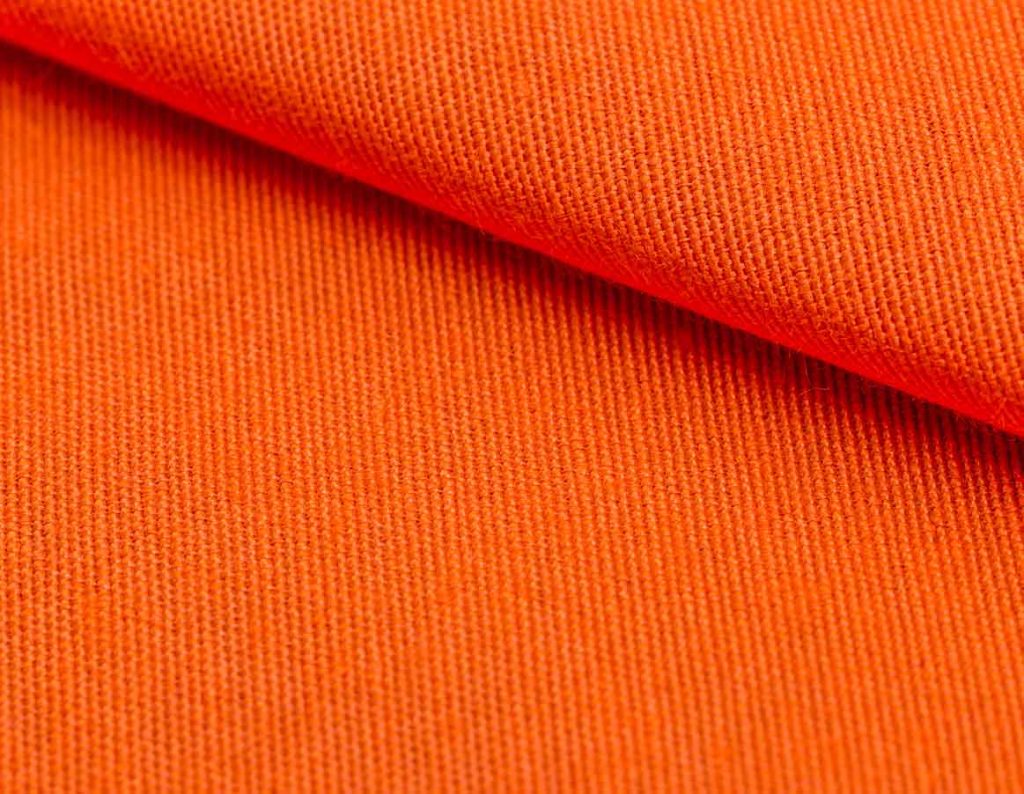
This is the most basic weave, where the weft yarn goes over one warp yarn and under the next in a simple alternating pattern. This creates a flat, smooth, and uniform fabric surface. Plain woven fabric is often used to produce bed sheets, student shirts, etc. The fabric’s thickness and weight depend on the thickness of the yarns used; the thicker the yarn, the thicker and heavier the fabric.

3.2. Twill Weave

Twill weave has a distinct diagonal pattern on the fabric surface. It is commonly used to produce jeans, work jackets, and backpacks. This weaving method gives the fabric high durability and abrasion resistance, allowing it to be used in harsh conditions.

3.3. Herringbone Weave

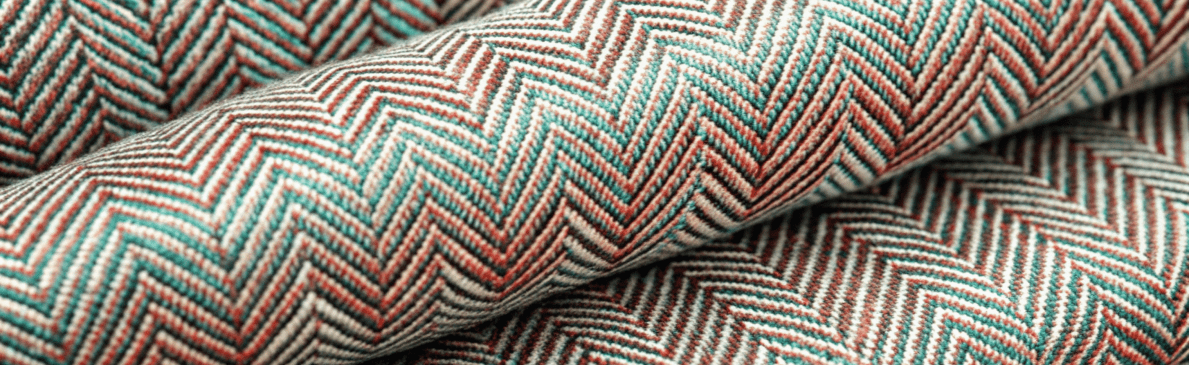
This weave has a special interlacing structure with a prominent V-shaped pattern on the fabric surface. This type of weave is often made from wool yarn and is used to produce winter coats. Herringbone woven fabric is not only warm but also provides a stylish and elegant appearance.
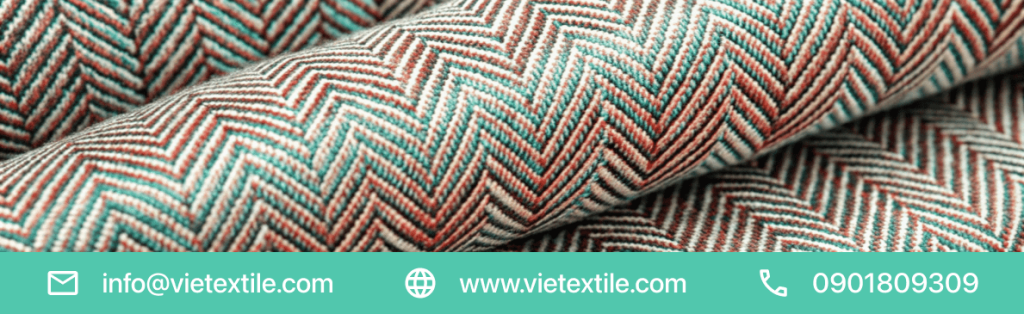
Vai det thoi xuong ca
What is Woven Fabric? Characteristics, Classification, and Applications 5

3.4. Satin Weave

The fabric surface is smooth and shiny because the weft yarn “floats” over four to seven warp yarns, which allows light to reflect. However, satin woven fabric is prone to tearing and is not as durable. It is often used for high-end dresses or fashion products.

3.5. Pile Weave

Pile weave has a soft, velvety layer thanks to the technique of cutting an additional set of yarns during the weaving process. Velvet is a good example, known for its soft, smooth surface. It is often used for high-end fashion and home furnishings.

4. Comparing Woven Fabric with Other Fabric Types

Woven fabric, knitted fabric, and non-woven fabric are three common types of textiles. Each has its own distinct properties and applications.

  • Woven Fabric: Created by interlacing two sets of warp and weft yarns at a right angle, woven fabric has a stable structure and low stretch. Thanks to this tight structure, woven fabric is often used for products that require high durability, such as trousers, shirts, upholstery, and curtains.
  • Knitted Fabric: Created by looping yarns together into a network, knitted fabric has good stretch and high moisture absorption. For this reason, knitted fabric is often used for products like T-shirts, sweaters, and sportswear. Compared to woven fabric, knitted fabric is often more prone to stretching out and fading after multiple washes.
  • Non-woven Fabric: Unlike the two fabrics above, non-woven fabric is not created by interlacing yarns. Instead, it is made by pressing short fibers or fiber sheets together using heat, chemicals, or mechanical means. Non-woven fabric is often soft, lightweight, and has good absorbency. It is widely used in medical products, disposable items, or insulation products.

5. Applications and Business Potential of Woven Fabric

Woven fabric has become a part of everyday life. From apparel and home goods to interior furnishings, most items are made from it. In the fashion industry, thanks to its high durability and good shape retention, woven fabric is an ideal choice for fashion products such as shirts, trousers, and dresses.

In the home goods and interior design industries, woven fabric is used to produce curtains, tablecloths, or other decorative products. Additionally, this type of fabric is applied to make seat covers and upholstery. Woven fabric maintains the beauty and longevity of home goods and furnishings for a long time.

With the increasing demand for high-quality, sustainable products, the business potential for woven fabric is growing. Businesses can invest in modern production technology and develop new products that meet market needs. Furthermore, researching and developing new, environmentally friendly fibers is also a promising direction that helps enhance the value and competitiveness of woven fabric products in the market.

6. VieTextile – A High-Quality Woven Fabric Production Company

VieTextile is a company specializing in the production of high-quality woven fabric. The company has built a strong network with leading mills, factories, and yarn and fabric companies in Vietnam, China, and Thailand. VieTextile always stays on top of trends and applies advanced technology in supply chain management, ensuring a modern and efficient production process.

VieTextile’s design team has a deep understanding of brands and the market and constantly creates innovative products. In addition, the R&D team with deep expertise in import and export ensures that the raw materials are modern and comply with international standards.

This article has answered the question of what woven fabric is, while also describing its characteristics, properties, classification, and practical applications. Woven fabric not only has superior advantages in durability but also provides a refined aesthetic value. As a result, woven fabric is gradually becoming one of the most favored fabrics and opens up many development opportunities for the textile industry.

If you are looking for a solution for producing high-quality, cost-effective woven fabric, do not hesitate to contact VieTextile through the following methods:

  • Phone: +84 (0) 901809309
  • Email: Info@Vietextile.com
  • Office: 82C Quach Dinh Bao, Phu Thanh Ward, Tan Phu District, Ho Chi Minh City
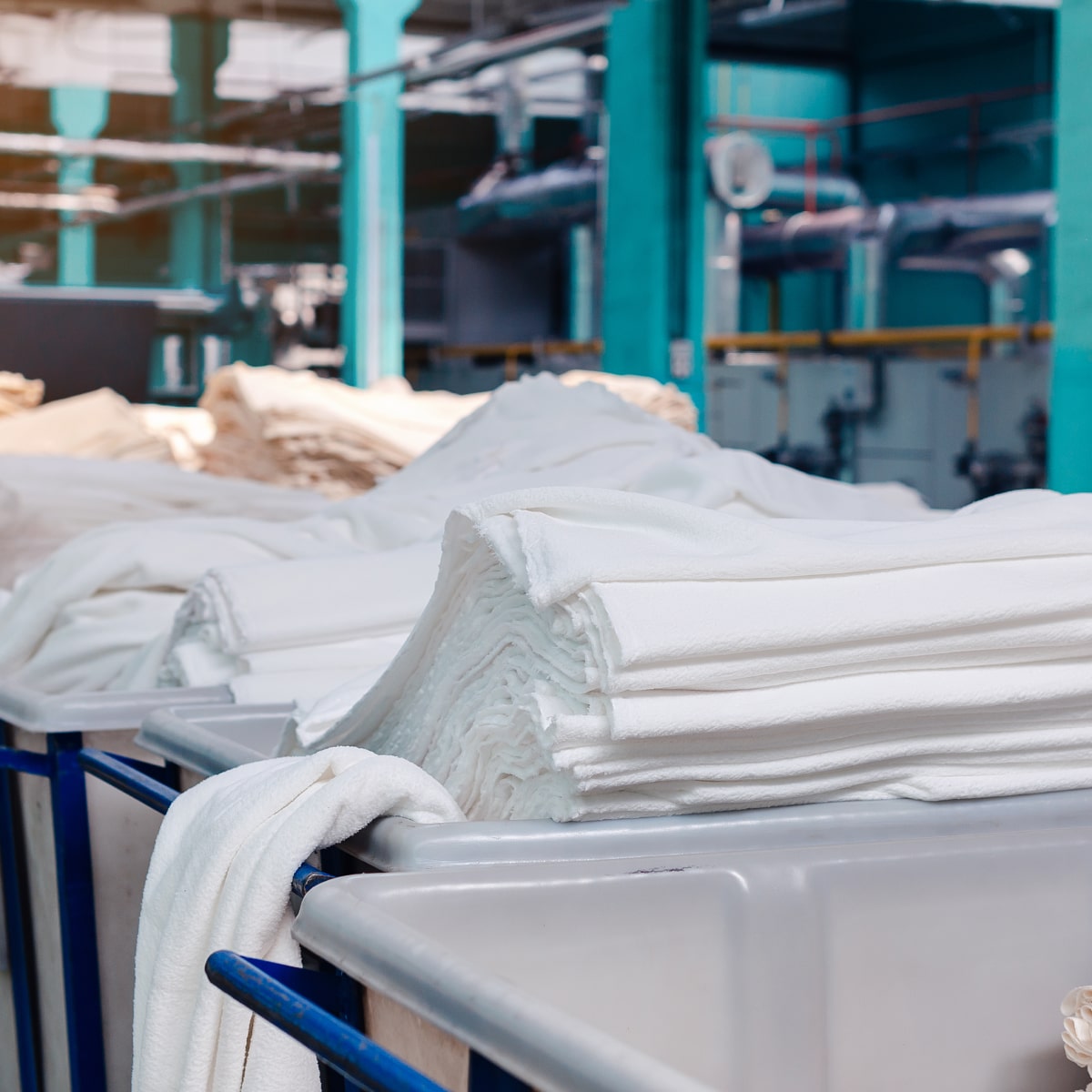
The Knitted Fabric Production Process: From Yarn to Finished Product

The knitted fabric production process goes through many stages, from individual yarns to finished products that serve human needs. From the initial steps like material preparation and spinning to the knitting and finishing stages, each phase plays a crucial role in producing high-quality knitted fabric.

1. Raw Materials for Knitted Fabric Production

The main raw materials for producing knitted fabric include natural and synthetic yarns. Common natural yarns are cotton, wool, silk, and linen. Cotton yarn is popular for its softness and good absorbency. Wool provides warmth, while silk gives a cool, soft feel. Linen yarn is stiff but very durable and absorbs sweat well.

Knitted Fabric Production Process
The Knitted Fabric Production Process: From Yarn to Finished Product 9

Synthetic yarns like polyester, nylon, acrylic, and spandex are also widely used in the knitted fabric production process due to their flexibility and ability to meet various technical requirements. Polyester is highly durable and dries quickly, while nylon is very strong and abrasion-resistant. Acrylic is soft and retains heat well, and spandex offers excellent stretch.

Some types of knitted fabric also combine both natural and synthetic yarns to leverage the advantages of both. For example, cotton-polyester blends are often combined to create knitted fabric that is more durable and less prone to wrinkling than 100% cotton fabric.

2. Detailed Knitted Fabric Production Process

The knitted fabric production process includes many complex stages that require high technical skill. Specifically:

Step 1: Material Preparation

The production process begins with material preparation. Before being used, the yarns must undergo a strict quality check. In addition, a thorough cleaning is essential to remove impurities and dirt.

Manufacturers can also blend different types of yarns to create fabric with special features. The blending ratio is carefully measured to ensure uniform quality.

Step 2: Spinning

After the pre-processing stage, the raw yarn is sent to the spinning process. Here, the yarn goes through several steps. The yarn is combed to remove impurities and align the fibers in a specific direction. It is then stretched to form continuous and uniform threads. Finally, the yarn is twisted to enhance its durability and elasticity. The finished yarn is wound onto spools, ready for the next stage of knitting.

Soi duoc cuon len cac ong suot 1
The Knitted Fabric Production Process: From Yarn to Finished Product 10

Step 3: Knitting

This is the most important stage in the production process. Knitting machines use knitting needles to create interconnected stitches. Each type of knitting machine has its own characteristics and applications. Flat knitting machines typically produce flat fabric pieces, while circular knitting machines create tubular fabric.

The machine operator adjusts technical parameters such as stitch length and fabric weight (GSM) to achieve a final product with the desired quality and thickness. Once the knitting process is complete, the fabric will be pre-inspected to detect and fix any knitting flaws.

Step 4: Fabric Finishing

After knitting, the fabric goes through stages like washing, dyeing, and chemical treatment. The washing process helps remove remaining impurities and cleans the fabric surface. Dyeing gives the product a uniform, long-lasting color. Additionally, the fabric can be treated with chemicals to enhance softness and wrinkle resistance.

Step 5: Quality Inspection

The fabric will be carefully inspected to ensure it meets quality standards before being shipped. Fabric samples are checked for durability, stretch, absorbency, and other characteristics.

3. Knitted Fabric Production Technology

Knitted fabric production technology has made remarkable progress in recent years. Modern knitting machines are equipped with automated control systems and are capable of producing fabric with high precision and speed.

One of the most advanced technologies is seamless knitting. This technology allows for the production of seamless knitted products that do not require separate pieces of fabric to be sewn together. This saves time and production costs while creating products that are more durable and comfortable for the wearer.

3D knitting technology is a new advancement in the knitting industry. This technology allows for the production of products with complex 3D structures, from shirts and pants to shoes, without having to cut and sew fabric pieces. 3D knitted products not only have high durability but also offer customization according to customer requirements.

In addition, chemical treatment and dyeing technologies are also continuously being improved to minimize environmental impact. Environmentally friendly dyes and water-saving dyeing processes are now widely applied in the knitting industry.

4. Inspection and Evaluation of Knitted Fabric Quality

Inspecting and evaluating the quality of knitted fabric is a crucial step in the production process. This is to ensure that the product meets the highest quality standards. The quality inspection process includes several different stages.

  • Material Inspection: Yarn rolls are thoroughly checked to ensure there are no flaws such as broken threads, excess fibers, or other defects. After knitting, the fabric is pre-inspected to detect knitting flaws such as loose stitches, broken stitches, or stains.
  • Finishing Inspection: The fabric’s properties such as durability, stretch, absorbency, and colorfastness are evaluated using tests like the tensile strength test and elasticity test. In addition, chemical tests are performed to check the fabric’s safety. Fabric samples must be free of toxic chemicals like formaldehyde, phthalates, or heavy metals.
  • Pre-packing and Shipping Inspection: A final visual inspection is done to ensure no flaws were missed. Technical specifications are also checked to ensure the product meets customer requirements.

5. VieTextile – High-Quality Knitted Fabric Production Company

This article has specifically described the knitted fabric production process and introduced VieTextile, a reputable provider of knitted fabric production solutions. We hope that this information will equip you with useful knowledge about this common type of fabric.

If you have any questions related to the knitted fabric production process, please do not hesitate to contact VieTextile through the following methods:

  • Phone: +84 (0) 901809309
  • Email: Info@Vietextile.com
  • Office: 82C Quach Dinh Bao, Phu Thanh Ward, Tan Phu District, Ho Chi Minh City
Differentiating Weft Knitted Fabric and Warp Knitted Fabric

Based on the weaving method, there are two main types of knitted fabric: weft knitted fabric and warp knitted fabric. These two versions differ significantly in their structural characteristics, properties, and applications. This article will focus on comparing the two methods, helping you make an informed decision when shopping or choosing materials for production and business.

1. What are Weft Knitted Fabric and Warp Knitted Fabric?

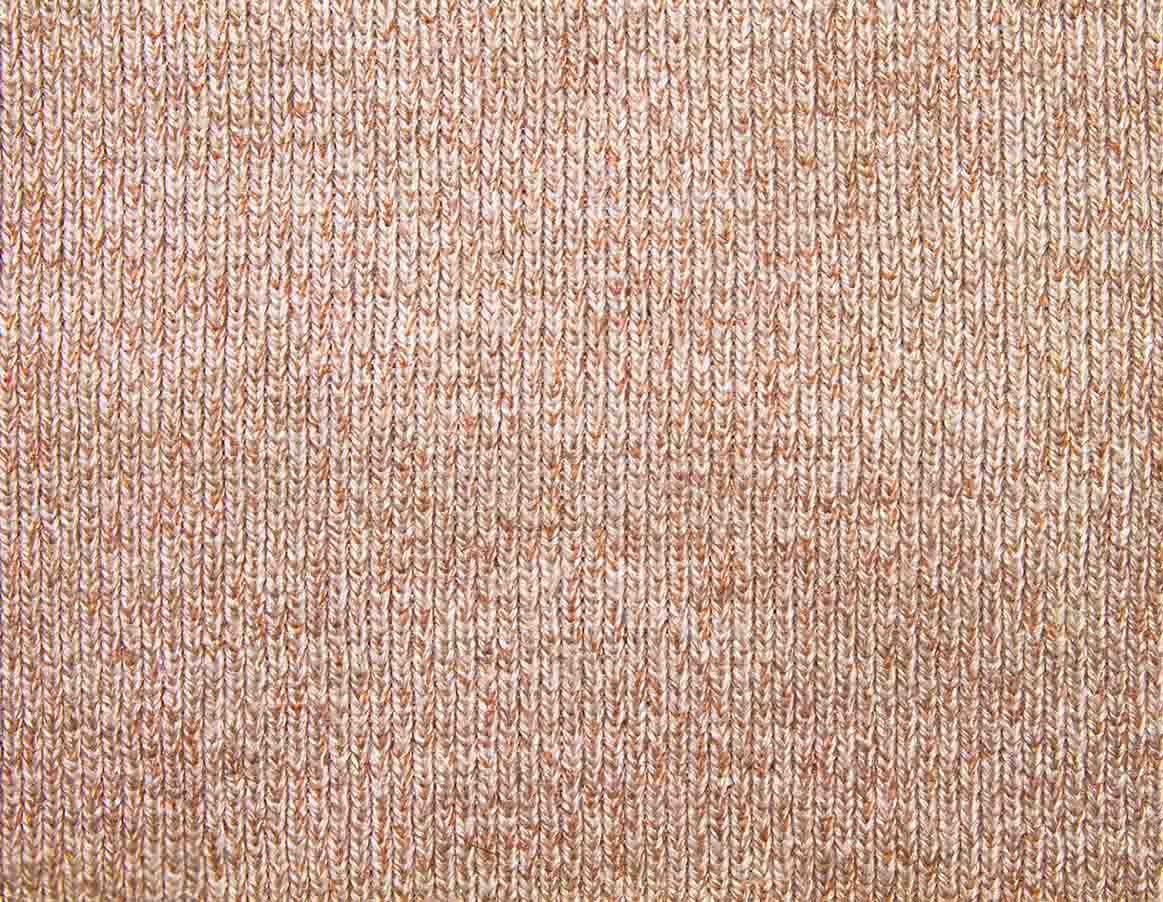
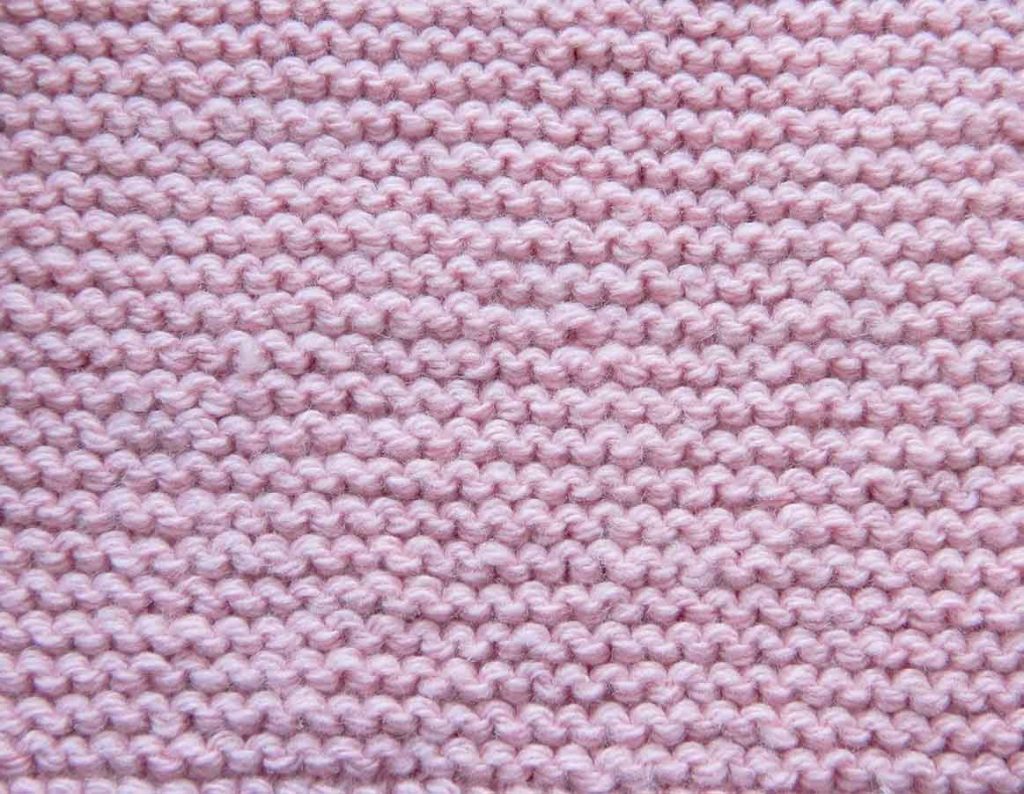
Weft knitted fabric is a type of textile produced by interlacing yarns horizontally from left to right. This process creates parallel rows (or loops) of stitches. Weft knitted fabric is typically very stretchy and soft, so it is often used for items like T-shirts and underwear.

vai det kim dan ngang
Differentiating Weft Knitted Fabric and Warp Knitted Fabric 14

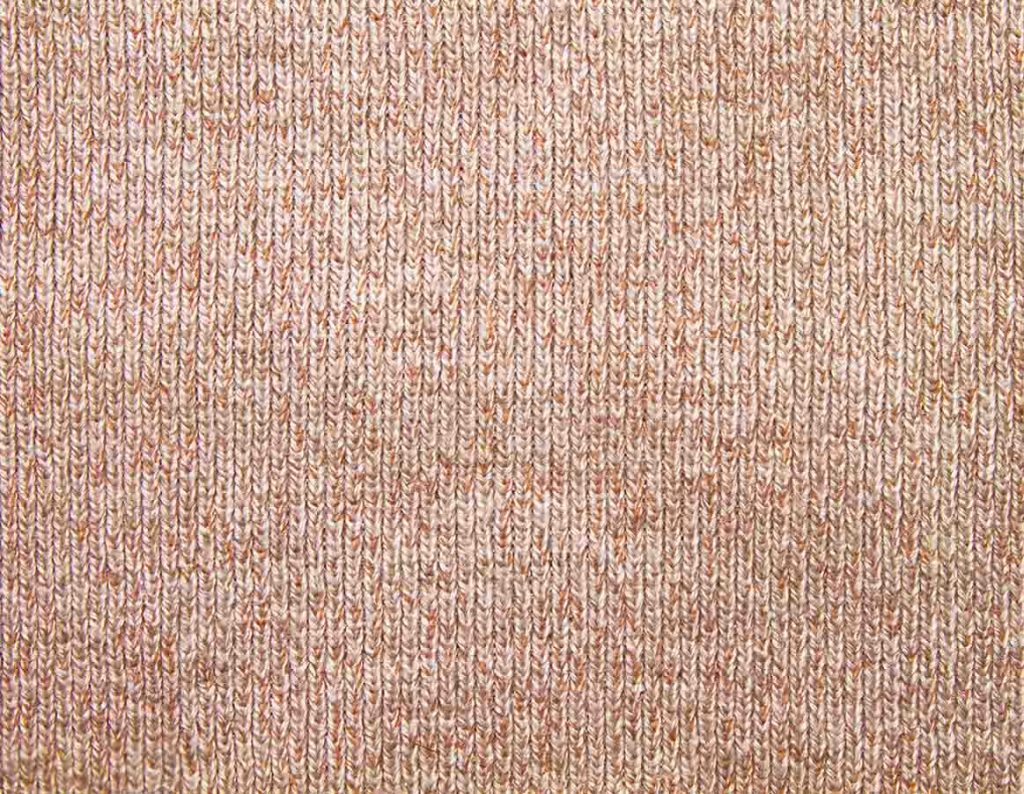
Warp knitted fabric is a type of textile produced by interlacing yarns vertically from top to bottom. This process creates parallel columns (or loops) of stitches that are perpendicular to the rows of weft knitted fabric. Warp knitted fabric is typically highly durable and less stretchy compared to weft knitted fabric. It is often used for sweaters and jackets.

2. Comparing Weft Knitted Fabric and Warp Knitted Fabric

Below is a detailed comparison of the production methods, characteristics, and applications of the two types of knitted fabric.

2.1. Production Method

With weft knitted fabric, the loops are formed horizontally. The knitting process repeats continuously, creating overlapping rows of loops. The production process for weft knitted fabric is simpler because it only uses one yarn at a time. The fabric can be made from both staple fibers and filament yarns, providing many options for material and fabric softness. The knitting process only uses latch needles, which helps create even, soft loops.

With warp knitted fabric, the loops are formed vertically. The needles move up and down to create columns of loops. You need to use a warp beam and multiple yarns simultaneously to create a strong, stable structure for this type of fabric. Typically, only filament yarns are used to knit warp knitted fabric. The knitting process can use various types of needles, such as latch needles, bearded needles, and compound needles, offering diverse and flexible knitting techniques.

vai det kim dan doc
Differentiating Weft Knitted Fabric and Warp Knitted Fabric 15

2.2. Characteristics

Here is a comparison of the characteristics of weft knitted fabric and warp knitted fabric:

  • Elasticity: Weft knitted fabric has high elasticity because the horizontal loops can stretch well. This makes the fabric soft and comfortable to wear, suitable for products requiring stretch such as T-shirts and sweaters. In contrast, warp knitted fabric has lower elasticity due to its sturdy vertical structure. Therefore, it is less stretchy and not as comfortable as weft knitted fabric.
  • Durability: Warp knitted fabric is generally more durable. Its vertical knitting structure makes the fabric less prone to deformation after multiple uses and washes. Meanwhile, weft knitted fabric, although it has good stretch, is more likely to pill and deform after a period of use.
  • Surface: Weft knitted fabric is generally softer and smoother due to the horizontal knitting method, which provides a comfortable feel against the skin. Conversely, warp knitted fabric has a firm surface and is less likely to pill, giving it a stiffer feel.
  • Shape Retention: Warp knitted fabric is notable for its good shape retention due to its strong vertical knitting structure. This helps the fabric maintain its shape and not wrinkle after many washes. In contrast, weft knitted fabric can easily deform and lose its shape after being used for a long time.

2.3. Applications

The different structures of the two fabrics lead to separate applications for each type, providing consumers with a wide range of shopping choices.

Specifically, the elasticity of weft knitted fabric is often applied to products that need good stretch, such as T-shirts, leggings, dresses, and underwear. Its smooth surface and good moisture-wicking ability are also advantages that make weft knit a top choice for comfortable and active wear.

Meanwhile, warp knitted fabric is often used to produce products that need a sturdy shape, such as trousers, jackets, and woolen items. In addition, warp knitted fabric is also a suitable material for producing high-end products that require aesthetics and high durability, such as woolen coats and cashmere sweaters.

3. Should You Choose Weft Knitted Fabric or Warp Knitted Fabric?

The choice between weft knitted fabric and warp knitted fabric should be based on the desired characteristics and features of the product. Weft knitted fabric is soft and flexible, while warp knitted fabric is noted for its durability and good shape retention.

Weft knitted fabric is ideal if you are looking for fabric for soft and stretchy apparel products such as T-shirts, leggings, dresses, and underwear. This type of fabric is also suitable for sportswear because its elasticity allows the wearer to move and exercise easily.

Warp knitted fabric is a good choice if you need a durable fabric that holds its shape well and is less prone to deformation after long-term use. Because of its high production cost, this type of fabric is often found in swimwear, jackets, high-end underwear, and products that require sturdiness and durability.

4. VieTextile – a Company that Produces and Processes 4.0 Technology Knitted Fabric

In general, both weft knitted fabric and warp knitted fabric have their own advantages and disadvantages, making them suitable for specific purposes. Clearly distinguishing between these two types of fabric not only helps consumers make suitable choices but also contributes to improving the quality and production efficiency of the textile industry.

If you are interested in custom-made knitted fabric production services, do not hesitate to contact us through the following methods:

  • Phone: +84 (0) 901809309
  • Email: Info@Vietextile.com
  • Office: 82C Quach Dinh Bao, Phu Thanh Ward, Tan Phu District, Ho Chi Minh City

All About Knitted Fabric: From Concept to Application

Throughout history, knitted fabric has always held a special place in the textile and apparel industry. This article will provide comprehensive information on the characteristics, properties, history, applications, and potential of knitted fabric, helping you gain a clearer understanding of this special textile.

1. Introduction to Knitted Fabric

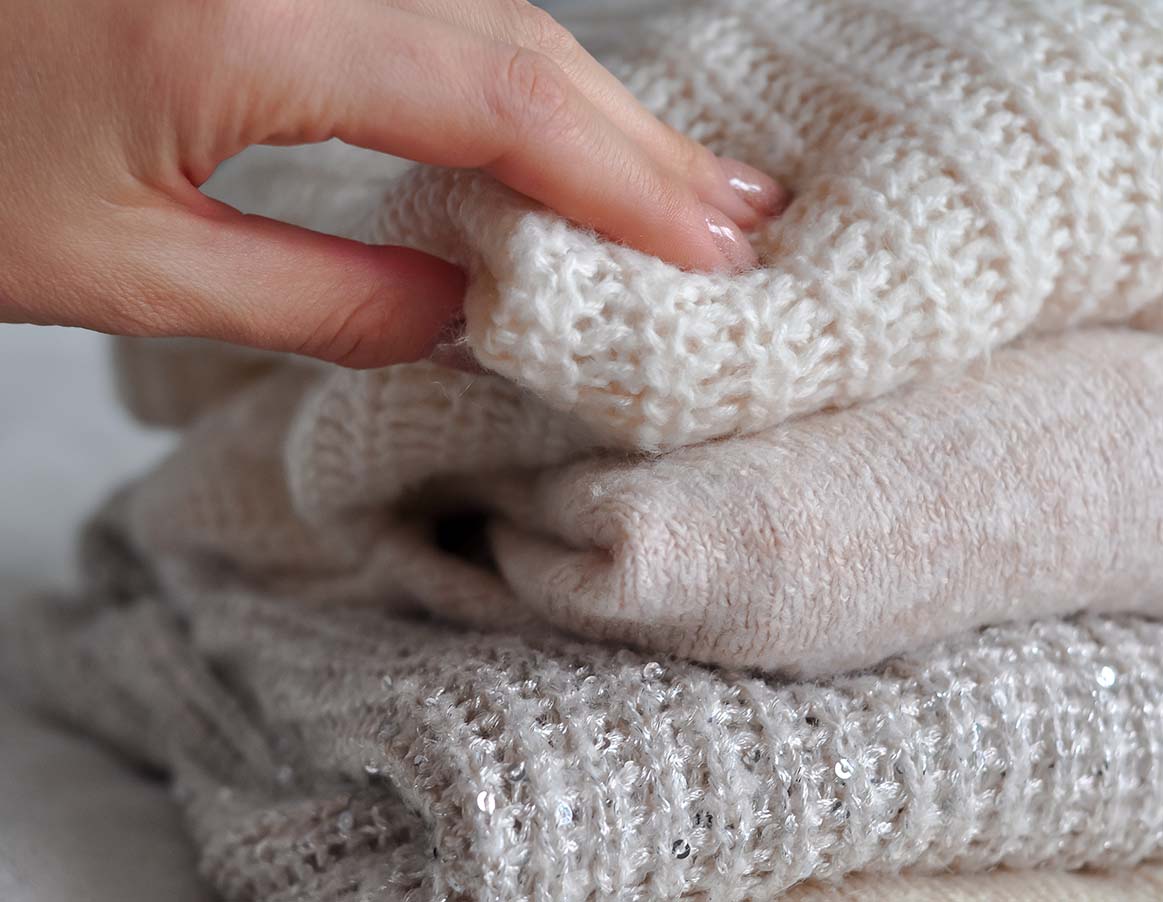
Knitted fabric is a type of textile created by interlocking loops of yarn in a specific pattern. This gives the fabric high elasticity and makes it easily conform to the body’s shape.

cau tao vai det kim
All About Knitted Fabric: From Concept to Application 19

Dating back in history, ancient Egyptians used knitting techniques to create products from wool. Knitted fabric truly began to develop and become widespread in Europe in the 16th century. The first knitting machine was invented by William Lee, an English clergyman. This invention marked a significant turning point in the textile industry, opening up the possibility for mass production of knitted fabric products and meeting the growing demands of the market.

2. Characteristics of the Fabric

Made of interlocking yarn loops, the fabric’s surface is soft and elastic. The fabric’s composition is often natural fibers like cotton or wool, or synthetic fibers like polyester and nylon. Sometimes, the fabric is blended from various types of yarns to enhance its durability, stretch, moisture-wicking properties, and more. Here are some of the notable advantages and disadvantages of this type of fabric.

2.1. Advantages:

  • Breathable and Soft: Its interlaced yarn structure provides a pleasant and comfortable feel during use.
  • Good Stretch: It conforms to all body shapes, supporting every body movement without causing discomfort.
  • Durable: It is long-lasting, resistant to fading and tearing, and easy to wash and care for.
  • Wrinkle-Resistant: It wrinkles less and holds its shape well, requiring minimal effort to iron.
  • Diverse: It comes in a wide variety of designs with countless colors and patterns, suitable for many styles.
ung dung vai det kim
All About Knitted Fabric: From Concept to Application 20

2.2. Disadvantages:

  • High Cost: The production process is complex, making it more expensive.
  • Prone to Unraveling: The interlaced loop structure can easily be stretched, creating small holes.
  • Can Lose Shape: It can stretch out and lose its shape after a period of use.

3. Common Types of Knitted Fabric

In the current market, knitted fabric is primarily classified by the knitting method. There are two main types: weft-knitted and warp-knitted.

3.1. Main Types of Weft-Knitted Fabric:

  • Interlock: Its surface is uniform, both sides are identical, and it has high durability and does not curl at the edges, but its stretch is limited.
  • Rib: It has an interlaced ribbed structure, high thickness, good elasticity, and does not curl at the edges.
  • Single Jersey: It is easy to distinguish between the face and reverse sides, has a moderate thickness, good stretch, but is prone to curling at the edges.

3.2. Main Types of Warp-Knitted Fabric:

  • Tricot: It has a system of horizontal and vertical ribs, is soft, and has high elasticity.
  • Milanese: Its face side has a ribbed structure, and its reverse side has diagonal lines; it is light, smooth, and holds its shape well.
  • Raschel: It has a loose mesh structure, is breathable but not stretchy, and is often used for linings.

4. Applications and Business Potential

Knitted fabric is constantly being improved and has become an important part of the modern fashion and apparel industry. It is widely used in many fields, from fashion (T-shirts, dresses, sportswear) to home furnishings (pillows, blankets, curtains) and even medical supplies.

The business potential for knitted fabric in Vietnam is enormous in the current context. This fabric has become a top choice for consumer trends that prioritize comfort, flexibility, and sustainability. Additionally, the production process, which uses high technology, is opening up new horizons towards multi-functional, smart fabrics.

Furthermore, the green consumer trend is promoting the production of fabrics from natural and recycled fibers. This not only minimizes environmental impact but also provides a competitive advantage for businesses. The international market, with its high demand for sustainable fashion products, is a great opportunity for the Vietnamese knitting industry to expand its reach.

5. VieTextile – A Quality Knitted Fabric Production and Solution Provider

VieTextile is a leading company in the field of knitted fabric production and solution provision. Applying the 3E principles (Energy – Environment – Expense), VieTextile continuously strives to offer optimal fabric solutions that ensure product quality, are environmentally friendly, and save costs for businesses.

This article has provided a comprehensive overview of knitted fabric, a type of textile widely used in daily life. Thanks to continuous technological development, knitted fabric is becoming more diverse in designs and materials, promising to bring many exciting surprises to consumers.

If you are interested in custom knitted fabric production services, please do not hesitate to contact us through the following methods:

  • Phone: +84 (0) 901809309
  • Email: Info@Vietextile.com
  • Office: 82C Quach Dinh Bao, Phu Thanh Ward, Tan Phu District, Ho Chi Minh City