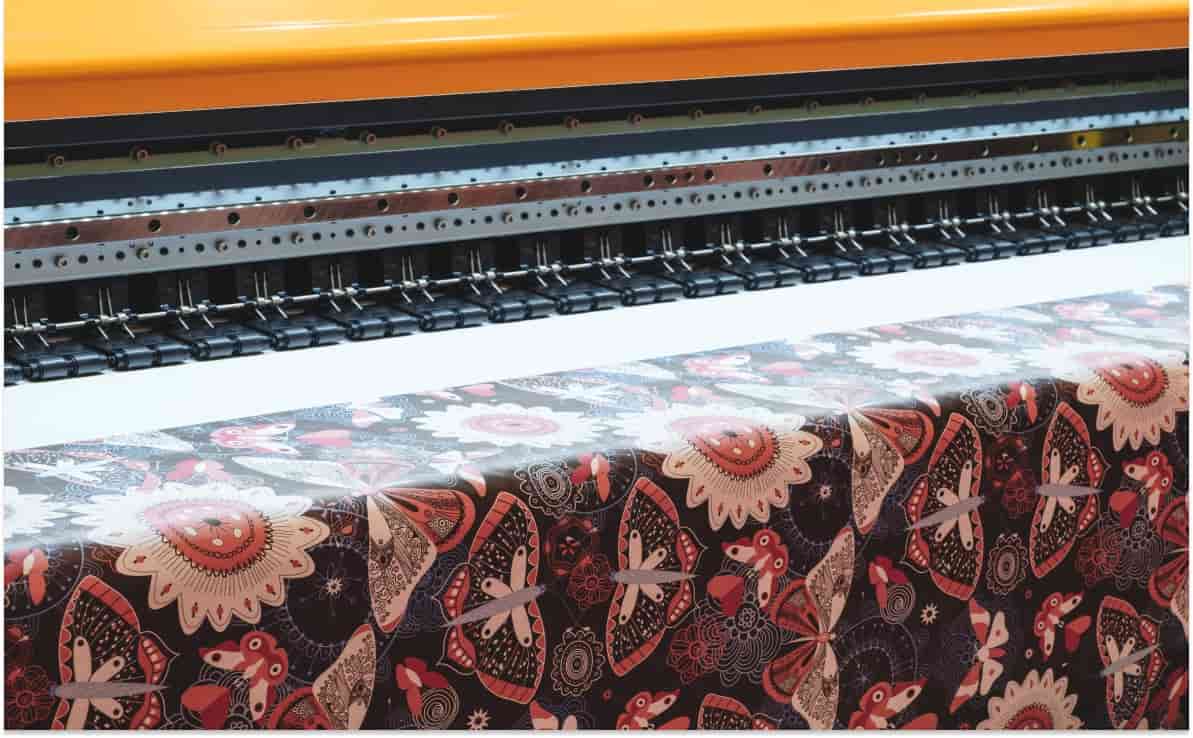
Nylon Pre-Treatment Secrets: How Pros Achieve Sharp, Vivid Prints

Nylon, or polyamide, is a powerhouse textile fiber favored across the high-performance sportswear, outdoor gear, and luxury intimate apparel markets. Its inherent strength, lightweight nature, and excellent drape make it indispensable. However, these very qualities present a significant challenge for digital textile printing: nylon is synthetic and hydrophobic, meaning it naturally repels water-based inks and lacks the accessible chemical groups needed for permanent dye fixation. Successfully achieving vibrant and colorfast results requires a mastery of the preparatory steps for direct printing nylon fabric.

Achieving sharp, vivid, and colorfast results when performing direct printing nylon fabric requires bypassing these chemical limitations through a highly specialized technique centered on the pre-treatment process. This preparation step is the “secret sauce” that determines print quality, turning a difficult substrate into a receptive canvas, essential for high-quality direct printing nylon fabric.

This comprehensive guide breaks down the essential science and methodology behind successful direct printing nylon fabric, detailing the chemical agents, physical processes, and stringent quality controls required to meet the demands of global brands. We will explore why mastering the pre-treatment stage is an indispensable step for professionals performing high-quality direct to nylon printing.
Nylon DTG printing
Nylon Pre-Treatment Secrets: How Pros Achieve Sharp, Vivid Prints 5

1. The Chemical Imperative: Why Nylon Demands Acid Inks

The success of direct printing nylon fabric hinges entirely on using the correct ink chemistry: Acid Inks. Understanding the fiber’s structure explains why this is the only viable method for direct printing nylon fabric.

1.1. Polyamide Structure and Amine Groups: The Electrostatic Lock

Nylon is a synthetic polymer characterized by repeating amide bonds. Crucially for dyeing, the fiber chain contains terminal amine groups (-NH2). Acid inks are so named because the dye molecules carry an anionic (negative) charge, while the amine groups on the nylon fiber are capable of accepting a cationic (positive) charge when treated with acid.

  • The Bonding Mechanism: In the presence of acid and heat, the amine groups become protonated (-NH3+). This positive charge on the fiber surface forms a strong electrostatic bond with the negatively charged Acid dye molecules. This bond is the foundation of durable color fixation necessary for successful direct printing nylon fabric.
  • Hydrophobicity Hurdle: Despite the chemical affinity for the dye, nylon’s hydrophobic nature means the fiber structure remains tight and repels the water in the ink carrier, hindering deep penetration. This là nơi tiền xử lý trở nên cần thiết để tối đa hóa năng suất của direct printing nylon fabric.

1.2. Acid Dye Classification: Leveling vs. Milling Dyes

Not all Acid inks are created equal. Professionals choose between two primary types for direct printing nylon fabric, depending on the desired color intensity and fastness requirements:

  • Leveling (Equalizing) Dyes: These dyes have smaller molecular structures and low molecular weight. They penetrate quickly and are excellent for achieving even, pale shades, but their wet fastness is generally lower due to weaker electrostatic bonds. They are rarely used for the most demanding direct printing nylon fabric applications like swimwear.
  • Milling (Super-Milling) Dyes: These dyes are larger and have multiple sulfonate groups, giving them a much stronger negative charge. They form more robust electrostatic bonds, leading to exceptional wet fastness and the deep, vivid colors required for high-end direct printing nylon fabric. They require more aggressive pre-treatment and fixation conditions (higher steam temperature or longer dwell time) to ensure proper diffusion and maximize color yield in the direct printing nylon fabric process.

1.3. Why Reactive and Disperse Inks Fail on Nylon

Using the wrong ink chemistry guarantees failure, emphasizing the need for precision when attempting direct printing nylon fabric.

  • Reactive Inks (for Cotton/Cellulose): These rely on chemical bonds with hydroxyl groups (-OH) found in cellulose. Nylon lacks these groups, so Reactive inks will simply wash off.
  • Disperse Inks (for Polyester/PET): These rely on dissolving into the synthetic fiber structure under high heat (sublimation). Nylon melts at a much lower temperature than polyester, and the dispersed dyes lacks the chemical structure to bond effectively, resulting in poor wash fastness and dull colors on direct printing nylon fabric.

2. The Core Secret: Pre-Treatment Chemical Engineering

The true mastery in direct printing nylon fabric lies in the application and formulation of the pre-treatment solution. This step is designed to chemically modify the nylon surface and physically swell the fiber, which is crucial for maximizing color saturation in direct printing nylon fabric.

2.1. Essential Components of the Pre-Treatment Recipe

The pre-treatment bath is a carefully balanced aqueous solution that must contain three primary ingredients to enable successful direct printing nylon fabric:

  1. Swelling Agents/Hydrophilic Polymers (Thickeners): Typically natural or synthetic polymers (like certain types of alginates or polyacrylic thickeners).
    • Function: These chemicals temporarily penetrate the fiber structure, causing the nylon to swell. This opens up tiny, temporary “channels” or pores in the normally tight polymer matrix, allowing the large Acid dye molecules to move deep inside the fiber during the steaming process. This is the main mechanism for successful direct printing nylon fabric.
  2. Acid/Fixation Agents (Proton Donors): Such as citric acid, tartaric acid, or other proprietary organic acid systems.
    • Function: These agents are critical for establishing the positive charge on the terminal amine groups (-NH3+). They lower the pH of the fabric (pH 4.0–5.5), creating the perfect acidic environment for the Acid dye to bond electrostatically during fixation. The correct pH is non-negotiable for vibrant direct printing nylon fabric.
  3. Wetting Agents/Anti-migrants: Surfactants used to ensure the solution penetrates the hydrophobic nylon uniformly.
    • Function: They guarantee a uniform “pick-up” percentage (PU%) across the entire fabric width during padding. Uneven pick-up leads to color variation and poor edge-to-edge quality in the final direct printing nylon fabric.

2.2. The Role of Urea and Other Humectants in Acid Dyeing

In addition to the core components, textile chemists often incorporate urea or other high-boiling-point humectants into the pre-treatment recipe for direct printing nylon fabric.

  • Urea’s Dual Function: Urea acts as both a swelling agent and a powerful humectant. It helps swell the nylon, further opening the amorphous regions for dye uptake. More importantly, during the drying and subsequent steaming phase, it helps retain moisture on the fabric surface. This sustained humidity is crucial for maintaining the mobility of the Acid dye molecules during the initial phases of fixation, ensuring deeper, more complete penetration required for high-quality direct printing nylon fabric.
  • The Concentration Sweet Spot: The concentration of urea must be optimized. Too little and dye fixation is poor; too much, and it can cause problems in the waste-water stream or lead to excessive ink spread (bleeding) during the actual printing stage.

3. Pre-Treatment Application: Optimizing the Foulard and Stenter

The physical application of the chemical solution is as critical as the formulation itself. This section details the equipment and control mechanisms vital for consistent direct printing nylon fabric.

3.1. The Padding Process (Foulard): Precision Pick-Up

Application of the pre-treatment solution is performed using a high-precision padding machine (foulard). This stage is the foundation of successful direct printing nylon fabric.

  • Precise PU% is Key: The amount of chemical solution retained by the fabric (PU%) is critical. For direct printing nylon fabric, maintaining a precise and consistent PU% (typically 60%–80% by weight) is essential. Too little, and the dye penetration is poor; too much, and the ink may bleed or migrate during drying.
  • Nip Pressure Control: The pressure applied by the nip rollers on the foulard is the primary variable controlling the PU%. Consistent pressure across the width is vital to avoid side-to-side variation (which would result in lighter/darker stripes in the direct printing nylon fabric).
  • Trough Management: The pre-treatment trough must be continuously mixed and monitored to prevent chemical concentration changes (which happens due to evaporation), ensuring a uniform solution is applied throughout the direct printing nylon fabric run.

3.2. Controlled Drying via the Stenter Frame

After padding, the nylon must be dried carefully and accurately before direct printing nylon fabric can commence. The stenter frame is the equipment used for this crucial process.

  • Function of the Stenter: The stenter frame not only dries the fabric but also holds it at a precise width using pins or clips. This width control is essential for maintaining dimensional stability, especially for stretch nylon used in activewear applications of direct printing nylon fabric.
  • Migration Prevention: Controlled multi-zone drying is mandatory to remove excess moisture without causing chemical migration. If migration occurs, the pre-treatment chemicals concentrate at the edges of the fabric, leading to a “picture framing” effect (darker edges) in the finished direct printing nylon fabric. Gradual temperature increases across the drying zones minimize this risk.
  • Residual Moisture Content (RMC): The RMC must be accurately measured and controlled (typically 5%–8%) before printing. If the fabric is quá khô, it can lead to poor dot gain and reduced color yield during direct printing nylon fabric.

4. Digital Printing and Ink Management for Nylon
Digital printing on nylon
Nylon Pre-Treatment Secrets: How Pros Achieve Sharp, Vivid Prints 6

Once the nylon is pre-treated and dried, it is ready for the digital stage of direct printing nylon fabric.

4.1. Color Fidelity and ICC Profiling for Acid Inks

Acid inks used for direct printing nylon fabric are known for their extremely broad and bright color gamut, making them ideal for high-impact sportswear.

  • Vibrancy: The strong electrostatic bond of the Acid dye to the nylon fiber allows for maximum color depth and vibrancy, often surpassing results achieved on natural fibers. The professional goal is to maximize the color yield potential of the direct printing nylon fabric process.
  • Ink Stability: High-quality Acid inks are formulated to be stable and resistant to sedimentation within the printhead, which is crucial for high-speed industrial printing and maintaining the integrity of the direct printing nylon fabric process.
  • RIP Software Profiles: Custom ICC profiles must be generated for each specific nylon type (e.g., Nylon 6 vs. Nylon 6,6) and its corresponding pre-treatment formulation. This ensures accurate color matching (\Delta E tolerance), which is critical for consistent direct printing nylon fabric across multiple batches.

4.2. Managing Nylon’s Surface Texture and Print Tension

Nylon often comes in highly technical weaves (ripstop, taffeta, stretch knit). These materials present unique challenges for precise direct printing nylon fabric.

  • Printer Tension Control: The printing machine must maintain perfect, uniform tension control (often vacuum-assisted) to prevent the stretch nylon from distorting during the print run. Distortion directly compromises the sharpness and registration accuracy of the direct printing nylon fabric.
  • Advanced Drop Placement: For fine lines and detailed graphics in direct printing nylon fabric, the printer must utilize advanced drop placement algorithms to compensate for any slight variation in fiber height or weave structure, ensuring every ink droplet lands precisely.
  • Printhead Maintenance: Due to the slightly acidic nature of the pre-treated nylon, meticulous printhead maintenance is required to prevent crystallization or corrosion within the printhead nozzles, which would lead to banding and drop-out defects, compromising the quality of the direct printing nylon fabric.

5. Fixation: Sealing the Chemical Bond (Steaming)

Fixation is the thermal step that completes the electrostatic bond between the Acid dye and the pre-treated nylon fiber. This is the moment the dye becomes permanent, securing the colorfastness of the direct printing nylon fabric.

5.1. Saturated Steam or Pressure Fixation Techniques

Unlike pigment or disperse dyes, which use dry heat, Acid dyes require heat in the presence of moisture. This is vital for deep color penetration when performing direct printing nylon fabric.

  • Saturated Steaming: This is the most common method, using industrial steamers at 100–102^{\circC for a dwell time of 7–10  minutes. The steam ensures the dye molecules remain hydrated and mobile, allowing them to penetrate the fiber pores opened by the pre-treatment. Consistent steam quality (free from contaminants) is vital for color integrity in direct printing nylon fabric.
  • Pressure Steaming (The High-Fastness Method): For maximum color depth and fastness on difficult nylon constructions (e.g., tightly woven ripstop or heavy ballistic nylon), pressure steamers are used. Operating at higher temperatures (e.g., 120–140^{\circC) under pressure, this method forces maximum dye migration and bond formation, ensuring the most robust direct printing nylon fabric possible. This aggressive method is necessary to achieve high fastness ratings on challenging substrates.

5.2. Post-Fixation Washing and Soaping

After fixation, the fabric must undergo a thorough washing process to remove all unfixed dye, residual thickeners, and the acid catalyst. This cleaning step is essential for the final wash fastness of the direct printing nylon fabric.

  • Neutralization: The first washing bath often involves a neutralizing agent (e.g., soda ash) to raise the pH back to neutral (pH 7.0–8.0).
  • Soaping: The fabric is then washed with a high-performance chemical soaping agent at an elevated temperature (often 60–75^{\circC) to strip away unfixed dye. Failure to completely clear the unfixed dye is the primary cause of poor wet rub fastness (crocking) and potential staining of white areas on the direct printing nylon fabric. This step dramatically improves the wash fastness of the direct printing nylon fabric.
  • Color-Fixing Agents (Post-Treatment): Sometimes, a final cationic fixing agent is applied in the last wash bath. This chemical acts as a “second line of defense,” forming a chemical barrier to lock in any dye molecules that didn’t fully penetrate, further boosting the wet fastness of the direct printing nylon fabric.

6. Defect Analysis: Troubleshooting Specific Issues in Direct Printing Nylon Fabric

Even with optimized chemistry, production environments face unique challenges when dealing with the synthetic nature of nylon. Professionals must be adept at identifying and correcting flaws specific to direct printing nylon fabric.

6.1. Common Print Defects

  • Banding (Horizontal or Vertical): The most common print defect.
    • Cause: Clogged, misaligned, or failed printhead nozzles. Can also be caused by insufficient vacuum on the print blanket allowing the nylon to flutter.
    • Solution: Immediate printhead cleaning cycles (automatic or manual), precise printhead calibration, and optimization of the direct printing nylon fabric file to minimize heavy solid areas if possible.
  • Mottling or Speckling (In solid areas): An inconsistent, uneven color coverage.
    • Cause: Insufficient pre-treatment concentration, or a pre-treatment that was not dried properly, leading to poor initial ink absorption. Can also be due to inadequate swelling agents for the complexity of the direct printing nylon fabric design.
    • Solution: Increase pre-treatment PU% slightly and verify stenter drying temperature uniformity.
  • Bleeding or Feathering (Fuzzy edges): Ink spreads beyond the intended area.
    • Cause: Excessive pre-treatment thickener concentration (too much polymer/urea) or the nylon was not dried sufficiently before direct printing nylon fabric. High humidity in the printing room can also exacerbate this issue.
    • Solution: Reduce the PU% or concentration of thickeners in the pre-treatment solution. Ensure environmental control (dehumidification) is maintained for high-quality direct printing nylon fabric.

6.2. Post-Fixation Defects (Fastness Failures)

These defects only become apparent after the washing and testing phase, highlighting a problem with the fixation process for direct printing nylon fabric.

  • Poor Wash Fastness: Color loss or bleeding in the wash test.
    • Cause: Insufficient fixation time/temperature in the steamer, inadequate acid concentration in the pre-treatment, or not using the appropriate Milling-type Acid dyes for the direct printing nylon fabric.
    • Solution: Increase steaming dwell time, verify steam quality (saturation), and confirm pre-treatment pH is within the 4.0–5.5 range.
  • Poor Wet Rubbing: Color transfer when rubbed vigorously while wet.
    • Cause: Residual unfixed dye on the surface of the fiber. The post-fixation soaping was insufficient or performed at too low a temperature for effective removal.
    • Solution: Increase soaping temperature (75^{\circC is ideal) and duration. Consider adding a post-treatment cationic fixer for the most demanding direct printing nylon fabric applications.

7. Sustainability and Future Trends in Direct Printing Nylon Fabric

While Acid dyes are necessary for the chemical bond required for direct printing nylon fabric, the textile industry is continually seeking ways to make the process more environmentally responsible.

7.1. Water and Energy Consumption

The reliance on steaming and extensive washing makes direct printing nylon fabric a water-intensive process compared to dry heat fixation methods (like Disperse/Sublimation printing).

  • Eco-Friendly Pre-Treatment: Research focuses on developing pre-treatment polymers that are easier to wash out (lower BOD/COD waste profile) and require lower concentration. These advanced, biodegradable polymers are key to greener direct printing nylon fabric.
  • Closed-Loop Washing Systems: Investment in washing ranges that filter, treat, and recirculate water significantly reduces the environmental impact of the post-fixation cleaning phase of direct printing nylon fabric.

7.2. Chrome-Free Acid Dyes

Historically, some high-fastness Acid dyes contained heavy metals like Chrome. Modern direct printing nylon fabric increasingly relies on chrome-free, high-purity Acid dye formulations that achieve superior wet fastness without the environmental hazard. This shift is mandatory for brands adhering to standards like ZDHC (Zero Discharge of Hazardous Chemicals).

7.3. The Challenge of Nylon/Elastane Blends

Most modern technical textiles are not 100% nylon but are blends with Elastane (Spandex/Lycra) for stretch. Direct printing nylon fabric that contains Elastane is even more complex.

  • Heat Sensitivity: Elastane is extremely sensitive to heat. The fixation temperature and time must be optimized to achieve full Acid dye fixation on the nylon without damaging or degrading the Elastane’s stretch memory. This often requires a compromise between maximum color fastness and fabric integrity in direct printing nylon fabric.
  • Dual-Process Printing: In some cases, specialized print manufacturers use a dual-ink setup, applying Acid inks for the nylon portion and low-energy Disperse inks for the Elastane portion, followed by separate fixation cycles. This is the ultimate technical challenge in direct printing nylon fabric blends.

8. Quality Assurance: Metrics for Direct Printing Nylon Fabric
Custom nylon fabric printing
Nylon Pre-Treatment Secrets: How Pros Achieve Sharp, Vivid Prints 7

Professional results are measured by stringent international standards, verifying the durability of the direct printing nylon fabric for its intended use (e.g., swimwear, activewear).

8.1. Wash Fastness (ISO 105 C06)

This is the ultimate test of the Acid dye’s bond to the nylon. The printed fabric must withstand multiple cycles of washing without significant loss of color or staining of adjacent fibers. It validates the entire direct printing nylon fabric process.

  • Required Rating: Global brands typically require a fastness rating of 4.0  or higher on the standard 5-point scale (the grey scale for color change and staining). A rating below this indicates poor fixation, likely due to inadequate pre-treatment or fixation parameters, necessitating a re-evaluation of the direct printing nylon fabric workflow.

8.2. Wet Rub Fastness (AATCC 8)

Crucial for activewear, this tests how much color rubs off when the fabric is wet. This directly relates to the comfort and non-staining nature of the direct printing nylon fabric.

  • Relevance: Since sportswear is exposed to sweat and high friction, excellent wet rub fastness (typically 3.5  or higher) is mandatory. Failure here means the user’s skin or clothing will be stained by the direct printing nylon fabric.

8.3. Light Fastness (ISO 105 B02)

Essential for outdoor gear and any product exposed to sunlight.

  • Testing: This test measures the resistance of the printed color to fading over time, rated on the Blue Wool scale (1  to  8). Outdoor direct printing nylon fabric often requires a rating of 6  or higher.

8.4. Defect Prevention in High-Volume Runs

Due to nylon’s smooth, synthetic surface, print defects are highly visible. Controlling the environment and the machinery is key to consistent direct printing nylon fabric.

  • Banding: The most common defect, caused by clogged or misaligned printhead nozzles. Requires constant printhead monitoring and cleaning routines during production of direct printing nylon fabric.
  • Pinholes: Small white specks where the ink did not adhere, often due to lint or dust particles on the pre-treated nylon surface before printing. The printing area must be highly controlled and clean for superior direct printing nylon fabric output.

9. Conclusion: Pre-Treatment is Paramount for Direct Printing Nylon Fabric

The move toward on-demand production demands that textile manufacturers master the specialized process of direct printing nylon fabric. The “secret” to achieving vibrant, sharp, and highly durable prints is not just the high-resolution DTF printer or the quality of the Acid inks, but the pre-treatment itself.

By precisely controlling the chemical balance of the swelling agents, acid catalysts, and humectants, industry leaders successfully overcome nylon’s inherent hydrophobicity, creating the ideal acidic environment for the electrostatic bond to form during fixation. This technical mastery ensures that the final product—from high-performance athletic wear to technical outerwear—meets the rigorous standards for wash fastness and color vibrancy required by the global market. The future of sustainable direct printing nylon fabric lies in advanced polymer research and closed-loop systems, continually optimizing this challenging but rewarding process.

10. Frequently Asked Questions (FAQ) about Direct Printing Nylon Fabric

Q1: Can I use Pigment Inks for Direct Printing Nylon Fabric?

A: While you can print a Pigment ink onto nylon, the results will not meet commercial wash fastness standards. Pigment inks only sit on the surface and require a strong binder (resin) cured by dry heat. They lack the ability to form a strong chemical bond with the nylon fiber. For high-performance apparel, where wash fastness must be 4.0 or higher, Pigment inks are unsuitable for direct printing nylon fabric. Only Acid inks create the necessary durable electrostatic bond.

Q2: What is the biggest challenge in scaling up Direct Printing Nylon Fabric production?

A: The biggest challenge is consistency in pre-treatment application and moisture control. The foulard machine must maintain a precise and uniform PU% (Pick-Up Percentage) across the fabric width. Any variation in the pre-treatment concentration or residual moisture content before printing will lead to visible color variation (banding or shading) across the roll, making consistent high-volume direct printing nylon fabric difficult to maintain without strict quality control protocols.

Q3: Why is Steaming (Wet Heat) essential for Acid Dyes on Nylon, instead of Dry Heat (like Disperse Dyes)?

A: Steaming provides saturated moisture and heat, which are necessary for three reasons in direct printing nylon fabric:

  1. Dye Mobility: The water vapor keeps the dye molecules hydrated and highly mobile, allowing them to rapidly penetrate the fiber.
  2. Fiber Swelling: The steam maximizes the swelling effect of the pre-treatment polymers, opening the nylon structure.
  3. Bond Formation: The heat catalyzes the final electrostatic bond formation (-NH3+  to  Dye-). Dry heat would instantly dry the ink, causing the dye to crystallize on the surface, resulting in poor color yield and fastness for direct printing nylon fabric.

Q4: How do I prevent bleeding (fuzzy edges) when printing fine details?

A: Bleeding is usually caused by excessive moisture or too high a concentration of thickeners/humectants in the pre-treatment.

  • Immediate Fixes: Ensure the nylon fabric is dried to the correct RMC (Residual Moisture Content, typically 5%–8%) before direct printing nylon fabric.
  • Recipe Adjustment: Reduce the concentration of urea or the polymer thickener in your pre-treatment recipe. This lowers the surface tension and migration potential, leading to sharper lines in your direct printing nylon fabric.

Q5: Is Direct Printing Nylon Fabric more sustainable than other methods?

A: Direct printing nylon fabric with Acid inks is a complex answer regarding sustainability. While it is more water-intensive than sublimation (Disperse printing), it offers high color vibrancy and excellent durability, which translates to a longer product lifespan (a key sustainability factor). The trend toward chrome-free Acid dyes and closed-loop washing systems is continuously improving the environmental footprint of direct printing nylon fabric. It is generally considered a cleaner process than conventional screen printing, which uses large volumes of messy print pastes.

Contact VieTextile Today for Expert Consultation!

Hotline: 0901 809 309 

Email: info@vietextile.com 

Website: https://vietextile.com
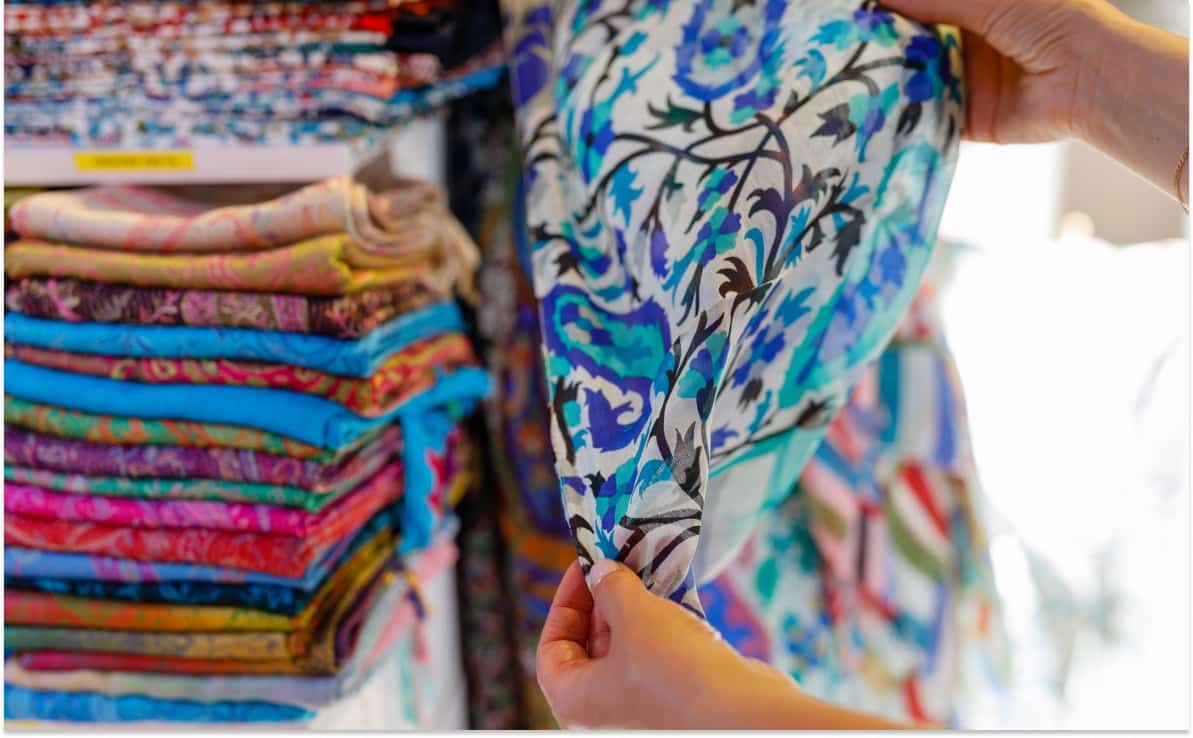
Why Direct Printing on Cotton Fabric in Vietnam Is Becoming a Global Manufacturing Trend

Cotton remains the king of natural fibers, prized globally for its comfort, breathability, and versatility. As fashion and textile brands pivot towards rapid, on-demand production and complex, high-resolution designs, the manufacturing location must possess the specialized technical infrastructure capable of handling cotton’s unique chemical requirements. 

Vietnam has emerged as the premier destination for high-quality, high-volume direct printing cotton fabric in Vietnam, rapidly setting itself apart from competitors. The global demand for sustainable, high-quality printed cotton is increasingly being met by factories specializing in direct printing cotton fabric in Vietnam.

The digital transition for cotton is fundamentally more complex than for synthetic fibers like polyester. Cotton requires Reactive ink chemistry, which demands precise pre-treatment (application of alkali and humectants), energy-intensive steam fixation, and rigorous post-print washing to achieve superior wash fastness and vibrant color yield. 

Vietnam’s strategic investment in mastering this wet-processing complexity, combined with unparalleled trade access and an accelerating focus on environmental compliance, is the key driver of this global trend. The capability to execute flawless Reactive printing is what elevates the direct printing cotton fabric in Vietnam sector.

The “made in Vietnam” designation for printed cotton now symbolizes not just manufacturing scale but technical mastery. This comprehensive analysis dives into the specific technical, economic, and compliance factors that underpin Vietnam’s ascent as the world’s go-to partner for direct printing cotton fabric in Vietnam. 

We detail the operational advantages, the strict quality assurance protocols, and the infrastructural maturity that collectively define the competitive edge of Vietnamese digital textile suppliers specializing in direct printing cotton fabric in Vietnam. The increasing market share for cotton textiles printed here confirms the strength of direct printing cotton fabric in Vietnam.

direct printing cotton fabric in vietnam
Why Direct Printing on Cotton Fabric in Vietnam Is Becoming a Global Manufacturing Trend 12

1. The Technical Mastery of Reactive Ink Systems for Cotton

Cotton printing relies on Reactive inks, which chemically bond with the cellulose fiber. This process demands absolute precision in three critical, sequential steps—a hallmark of advanced Vietnamese DTF facilities specializing in direct printing cotton fabric in Vietnam.

1.1. Precision Pre-treatment: The Canvas Preparation

The pre-treatment stage dictates the final color yield and wash performance. In the context of direct printing cotton fabric in Vietnam, pre-treatment is no longer a simple application but a measured chemical process essential for the success of direct printing cotton fabric in Vietnam.

  • Role of Alkali and Urea: The pre-treatment solution must contain alkali (e.g., sodium carbonate) to raise the fabric’s {pH to the necessary level ({pH 10.5–12.0) for the chemical reaction to occur. It must also include humectants (typically urea or urea substitutes) to keep the dye humid during the fixation phase, facilitating the migration and reaction of the dye with the cellulose.
  • Pick-Up (PU%) Control: Vietnamese factories utilize high-precision foulards or padding machines to achieve exact control over the Pick-Up Percentage ({\pm 1\% tolerance). Inconsistent PU% leads to uneven color density (mottling or patchiness) across the fabric roll, undermining the quality of the direct printing cotton fabric in Vietnam product.
  • Drying Control: After padding, the fabric must be dried uniformly. Controlled-temperature drying (often multi-zone ovens) prevents migration of the pre-treatment chemicals, which would otherwise result in dye build-up on the fabric edges. This careful preparation is key to repeatable quality in direct printing cotton fabric in Vietnam.

1.2. Steam Fixation: Driving the Chemical Bond

Unlike Disperse inks (fixed by dry heat), Reactive inks require saturated steam fixation. Vietnam’s investment in sophisticated, high-capacity industrial steamers is crucial for processing direct printing cotton fabric in Vietnam efficiently.

  • Temperature and Saturation: The fixation environment must maintain saturated steam at a temperature range of {100–102^{\circC. Insufficient temperature or dry steam leads to incomplete fixation, meaning most of the dye washes out in the next step, causing low color yield and poor wash fastness.
  • Dwell Time Consistency: The fabric must remain in the steamer for a precise dwell time (typically {7–10  minutes). Modern steamers in Vietnam use automated conveyor systems to ensure every point on the fabric receives the exact required exposure. This step is non-negotiable for high-quality direct printing cotton fabric in Vietnam.
  • Heat Transfer Uniformity: Auditing the steamer for temperature uniformity across the width of the fabric is mandatory, as variances lead to “center-to-edge” color shifts, a common production flaw that successful direct printing cotton fabric in Vietnam operations must eliminate.

1.3. Rigorous Post-Treatment Washing

The final, and perhaps most critical, step for direct printing cotton fabric in Vietnam is the removal of unfixed, hydrolyzed Reactive dye and residual chemicals.

  • The Soaping Process: Washing must include a “soaping” stage at high temperatures ( 95^{\circC) with chemical auxiliaries to rapidly and completely clear the unfixed dye. Failure here results in poor wet rub fastness (crocking) and potential staining of white areas of the design.
  • Water Quality and ETP: The high water consumption of this stage is offset by Vietnam’s modern Effluent Treatment Plants (ETP) which handle the high-load wastewater effectively, demonstrating compliance with environmental norms crucial for direct printing cotton fabric in Vietnam.

2. Operational Excellence: Speed, Flexibility, and Vertical Integration

The ability to offer speed-to-market while maintaining quality is the core business advantage of direct printing cotton fabric in Vietnam. The competitive global textile market increasingly relies on the efficiency provided by direct printing cotton fabric in Vietnam solutions.

2.1. Vertical Integration: Yarn-to-Print Control

Vietnam’s textile sector has evolved towards full-cycle manufacturing, greatly benefiting DTF cotton production and enhancing the overall value proposition of direct printing cotton fabric in Vietnam.

  • Eliminating Supply Chain Lag: When a factory controls its own weaving/knitting mill, the cotton fabric is prepared (scoured, bleached) immediately, ensuring optimal readiness for the highly sensitive pre-treatment stage. This eliminates external delays and guarantees the chemical preparation is perfectly matched to the fabric’s properties, a key differentiator for direct printing cotton fabric in Vietnam.
  • Consistent Greige Quality: Vertical control guarantees a stable supply of high-grade cotton (e.g., BCI, organic certified), which is essential for uniform ink absorption and the smooth running of the DTF printers, ensuring the foundation of quality for direct printing cotton fabric in Vietnam.

2.2. Optimized Lead Times and MOQs

Digital printing inherently allows for lower Minimum Order Quantities (MOQs), but Vietnamese efficiency maximizes this advantage for direct printing cotton fabric in Vietnam.

  • Fast Sampling (Strike-Offs): Due to local material availability, strike-offs (sample prints) can often be processed within {3–5  days, significantly faster than regions requiring overseas shipment of specialty fabrics. Rapid prototyping is a major strength of direct printing cotton fabric in Vietnam.
  • Production Flexibility: DTF enables a rapid transition between print designs and colorways without the lengthy setup time and high costs associated with rotary screen printing screens. This is critical for fashion brands managing high-SKU, low-volume collections and is facilitated by direct printing cotton fabric in Vietnam.
  • Average Production Lead Time: The total production cycle (from ready greige fabric to finished, tested, and rolled goods) for bulk cotton orders typically ranges from {4  to  6  weeks, making direct printing cotton fabric in Vietnam competitive for global replenishment programs.

2.3. The Role of Industrial Fleet Investment

The capacity for direct printing cotton fabric in Vietnam is bolstered by continuous investment in specialized, high-capacity machinery tailored for cotton.

  • Single-Pass Technology Adoption: Leading mills are incorporating Single-Pass digital printers, which can print up to {50  to  70  meters per minute. This scaling allows them to handle bulk cotton orders that were previously only feasible with screen printing, closing the capacity gap while retaining digital flexibility. This transition makes direct printing cotton fabric in Vietnam a powerhouse.

3. Compliance and Sustainability: Non-Negotiable for Cotton Exports

Due to the heavy use of water and chemicals in processing cotton, compliance is a strategic requirement for direct printing cotton fabric in Vietnam destined for Europe and North America. Sustainability is a primary focus for partners in direct printing cotton fabric in Vietnam.

3.1. ZDHC and Chemical Purity Mandates

The chemical management for Reactive cotton printing is scrutinized intensely by international buyers.

  • Reactive Ink and Auxiliary Certification: Brands insist that every chemical used—the Reactive inks themselves, the urea/humectants, the alkali, and the soaping agents—must be registered and compliant with the ZDHC Manufacturing Restricted Substances List (MRSL). Top Vietnamese factories achieve ZDHC Gateway Level 2 or 3 certification, proving they proactively manage chemical inputs essential for high-quality direct printing cotton fabric in Vietnam.
  • Heavy Metal and Azo Dye Exclusion: Rigorous testing is performed to ensure the inks used for direct printing cotton fabric in Vietnam are free of restricted heavy metals and Azo dyes that could cleave into harmful amines upon wear.

3.2. Water Footprint and ETP Excellence

Vietnam’s ETP infrastructure for textile processing is rapidly improving to meet global environmental demands.

  • Wastewater Management: The high Chemical Oxygen Demand (COD) and Total Suspended Solids (TSS) from cotton washing require specialized biological and chemical treatment. Modern Vietnamese ETPs utilize advanced technologies, including sequencing batch reactors (SBR) and membrane bioreactors (MBR), to ensure discharge water meets or exceeds national and international discharge standards, thus enabling responsible direct printing cotton fabric in Vietnam.
  • Water Usage Reporting: Factories are increasingly providing detailed water consumption metrics ({Liters per kilogram of fabric) to allow brands to measure and report on their Scope 3 emissions and water stewardship goals. This transparency is a key benefit of choosing direct printing cotton fabric in Vietnam.

3.3. Worker Safety and Social Compliance (SMETA/SA8000)

Social accountability remains a fundamental component of the “made in Vietnam” value proposition, especially in the chemical-intensive process of direct printing cotton fabric in Vietnam.

  • Handling Chemical Hazards: Due to the handling of strong alkalis in pre-treatment and various chemical auxiliaries, factory social audits (SMETA, SA8000) heavily scrutinize chemical storage, handling procedures, personal protective equipment (PPE) provision, and emergency response training to ensure worker safety within the direct printing cotton fabric in Vietnam operations.

4. Quality Assurance Protocols: Fastness, Color Management, and Defect Control

Vietnam cotton DTG printing
Why Direct Printing on Cotton Fabric in Vietnam Is Becoming a Global Manufacturing Trend 13

Quality consistency is the differentiating factor for direct printing cotton fabric in Vietnam. Suppliers must adhere to strict, verifiable quality assurance (QA) and testing protocols to succeed in the global market for direct printing cotton fabric in Vietnam.

4.1. Color Management and Delta E ( \DeltaE) Fidelity

Color accuracy must be maintained from the digital file to the final roll for reliable direct printing cotton fabric in Vietnam.

  • ICC Profile Generation: Custom ICC profiles are generated specifically for each type of cotton base (e.g., cotton sateen vs. cotton single jersey) and reactive ink set. This ensures accurate transformation of the digital color data (RGB/CMYK) to the printer’s color gamut, a requirement for high-end direct printing cotton fabric in Vietnam.
  • \DeltaE Tolerance: Production standards mandate a tight color tolerance. For premium brands, the maximum acceptable deviation from the approved strike-off or standard (Lab value) is {\Delta{E < 2.0. A higher \DeltaE typically results in rejection, demonstrating the precision needed for direct printing cotton fabric in Vietnam.

4.2. Physical Testing and Fastness Requirements

Final product quality of the direct printing cotton fabric in Vietnam output is verified through standardized physical tests (AATCC or ISO).

  • Wash Fastness Check: This is the most critical test for Reactive-printed cotton. Tests are conducted on a controlled sample to confirm color retention and minimal staining of adjacent white fabric after multiple washes (e.g., AATCC 61 3A). The required rating is generally {4.0  or higher, a benchmark consistently met by leading direct printing cotton fabric in Vietnam suppliers.
  • Dry and Wet Crocking: Tested using the AATCC Crockmeter, this verifies that the high-temperature washing effectively removed all unfixed dye. Poor wet crocking is an immediate failure and necessitates re-washing or rejection.
  • Shrinkage Control: DTF processing involves significant wet-processing (steaming and washing). The factory must use stenter frames and compaction finishing machines to control residual shrinkage to the brand’s tolerance (typically {\pm 3\%), preventing fit issues in the final garment printed by direct printing cotton fabric in Vietnam.

4.3. Print Defect Grading

Cotton’s natural fiber structure makes it susceptible to minor print defects. Clear grading protocols are essential for maintaining the reputation of direct printing cotton fabric in Vietnam.

  • Four-Point System Implementation: Factories utilize the industry-standard Four-Point System to grade printed fabric rolls. Defects (such as color streaks, banding from nozzle failures, or contamination spots) are assigned points based on size, and the total points per 100 square yards determine if the roll passes or fails.

5. Scaling Capacity and Future Investment Trends

The future of direct printing cotton fabric in Vietnam is defined by scale and automation, securing its position as a global leader in high-volume textile production. The success of direct printing cotton fabric in Vietnam is reliant on continuous technological advancement.

5.1. Single-Pass Investment and OPEX Efficiency

The shift to Single-Pass digital printers is a game-changer for the operating expenditure (OPEX) of high-volume direct printing cotton fabric in Vietnam.

  • Cost-Per-Meter Reduction: While the capital expenditure (CAPEX) for Single-Pass machines is high, the massive throughput ({> 20,000  meters/day) amortizes costs much faster, driving down the OPEX per meter, making digitally printed cotton competitive with rotary screen printing for medium-to-large runs. This makes direct printing cotton fabric in Vietnam economically attractive.
  • Reactive Ink Optimization: Investment in these machines encourages ink suppliers (like VieTextile) to develop highly stable, high-pigment-load Reactive inks tailored for the high-speed Single-Pass printheads, further perfecting the process of direct printing cotton fabric in Vietnam.

5.2. Automation in Post-Treatment

Future investments will focus on automating the water-intensive washing and finishing stages to improve consistency and reduce labor costs in direct printing cotton fabric in Vietnam.

  • Automated Dosing: Implementing sensors and automated dosing systems in the washing range ensures the precise amount of soaping and neutralizing agents are used, minimizing chemical consumption and maximizing washing efficiency, a crucial refinement for direct printing cotton fabric in Vietnam.
  • Data Integration: Linking the washing range parameters (temperature, speed, water flow) to the factory’s central Manufacturing Execution System (MES) allows brands to monitor the post-treatment process in real-time and verify compliance.

5.3. Circularity and Recycled Cotton Integration

Vietnam is positioning itself to handle the growing demand for sustainable cotton printing. The adoption of sustainable practices further solidifies the reputation of direct printing cotton fabric in Vietnam.

  • GOTS and OCS Certification: Factories that print direct printing cotton fabric in Vietnam often obtain certifications like the Global Organic Textile Standard (GOTS) or the Organic Content Standard (OCS) to verify the sustainability and traceability of the cotton fiber before it enters the digital printing process. This is crucial for brands’ sustainable sourcing goals.

6. Risk Management and Strategic Sourcing Framework

Securing a reliable supply chain for direct printing cotton fabric in Vietnam requires meticulous risk assessment and contractual clarity. Strategic partnerships minimize risks when sourcing direct printing cotton fabric in Vietnam.

6.1. Contractual IP Protection and Data Security

Protecting proprietary designs and digital print files is critical in high-resolution digital manufacturing, especially for direct printing cotton fabric in Vietnam.

  • NDAs and File Handling: All partnership agreements must include robust Non-Disclosure Agreements (NDAs) specific to digital design files. The factory’s IT protocols must ensure design files are stored on secure, access-controlled servers, isolated from public networks.
  • Physical Security: The printing room, where master strike-offs and printed goods are handled, should be a physically restricted area with limited staff access, verified during third-party security audits of the direct printing cotton fabric in Vietnam facility.

6.2. Chemical Supply Chain Resilience

Reliance on high-quality, specialty Reactive inks and pre-treatment chemicals creates a single point of failure if the supply chain is disrupted.

  • Dual-Source Strategy for Key Inputs: Brands should require the Vietnamese supplier to maintain an inventory or dual-sourcing relationship for critical chemical inputs (e.g., their primary black Reactive ink) from at least two ZDHC-compliant global suppliers. This safeguards the continuity of direct printing cotton fabric in Vietnam production.
  • Inventory Oversight: Negotiate minimum inventory levels for inks and consumables to mitigate risks associated with international shipping delays or sudden regulatory changes affecting chemical import.

6.3. Financial and Operational Risk Mitigation

Ensuring the financial stability of the partner and clear operational terms is key for successful direct printing cotton fabric in Vietnam projects.

  • Factory Age and CAPEX Status: Prioritize factories that have recently invested in new, industrial-grade DTF equipment (within the last 3-5 years). This indicates financial stability and a commitment to modern technology, reducing the risk of technical failures due to aging machinery in the direct printing cotton fabric in Vietnam sector.
  • Tolerance for Remake/Rework: Contracts must clearly define the brand’s tolerance levels for defective meters (e.g., maximum {1\% defective meterage per roll) and specify the factory’s responsibility for immediate remakes and the corresponding impact on delivery deadlines.

8. Advanced Digital Textile Workflow Integration and Traceability

Custom cotton fabric printing Vietnam
Why Direct Printing on Cotton Fabric in Vietnam Is Becoming a Global Manufacturing Trend 14

As production volume increases, the efficiency of direct printing cotton fabric in Vietnam depends critically on integrating the digital workflow across all stages, from design approval to final shipment. This integration is essential for managing the complexity of Reactive printing.

8.1. End-to-End Color Data Management

Maintaining color fidelity across different machines, seasons, and factory locations is a critical challenge that integrated workflows solve for direct printing cotton fabric in Vietnam.

  • Centralized ICC Profile Library: Leading manufacturers maintain a centralized, cloud-based library of ICC profiles, ensuring every printer, RIP station, and spectrophotometer uses the exact same, approved color data for a given cotton base. This standardization is vital for globally consistent direct printing cotton fabric in Vietnam.
  • Spectrophotometric Quality Gates: The workflow requires automated checks where color measurements (L^*,a^*,b^*) are taken after pre-treatment, after printing (wet state), and after washing (final state). Any deviations trigger immediate alerts, allowing the operator to adjust the steam or washing parameters dynamically.
  • Metadata Attachment: Every finished fabric roll produced via direct printing cotton fabric in Vietnam is assigned a unique digital identifier (QR code or RFID tag) that is linked to a database containing its full color history, \DeltaE pass/fail status, and the specific ink batch used.

8.2. Traceability from Yarn to Finished Print

The demand for complete transparency, driven by acts like the EU’s Digital Product Passport (DPP), requires robust traceability systems from every supplier of direct printing cotton fabric in Vietnam.

  • Raw Material Verification: The digital workflow must capture certificates proving the origin (e.g., Organic Content Standard or recycled content) of the cotton yarn before it is fed to the knitting/weaving stage. This data is the foundation of traceability for direct printing cotton fabric in Vietnam.
  • Chemical Consumption Logging: IoT sensors integrated into the pre-treatment padders and washing ranges automatically log the precise volume of water, steam, and chemical auxiliaries used per linear meter of direct printing cotton fabric in Vietnam. This verifiable data is essential for sustainability reporting.
  • Integration with Client Systems: The ultimate goal is API-level integration, allowing international brand clients to remotely query the Vietnamese factory’s MES system and pull real-time production status, quality reports, and compliance documentation for any order of direct printing cotton fabric in Vietnam. This level of digital trust is a key competitive edge.

9. Comparative Economics: ROI of DTF Cotton Vietnam vs. Traditional Methods

The economic argument for sourcing direct printing cotton fabric in Vietnam is now compelling, often demonstrating a superior Return on Investment (ROI) over traditional screen printing methods, particularly when factoring in market agility and sustainability costs.

9.1. Cost of Ownership Analysis (DTF vs. Rotary Screen)

While the initial CAPEX for industrial DTF is high, the variable cost structure shifts the financial advantage toward digital for modern fashion cycles.

Cost FactorRotary Screen Printing (Traditional)Digital DTF (Direct Printing Cotton Fabric in Vietnam)Economic Advantage
Setup CostVery High (Engraving Screens,  500-1,500 per color)Very Low (Digital File Processing Only)Digital is superior for low MOQs and complexity
Color Changeover TimeHigh (Hours for cleaning and screen change)Very Low (Minutes for file upload)DTF excels at speed and flexibility
Inventory RiskHigh (Must forecast large volumes for screen efficiency)Low (Print-on-demand reduces unsold stock)DTF provides superior inventory risk management
Chemical/Water WasteHigh (Due to screen washing and high printing volume)Lower (Ink is only applied where needed)DTF aligns with rising sustainability costs in direct printing cotton fabric in Vietnam

9.2. Realizing Cost Savings Through Reduced Inventory Risk

The most significant financial gain from direct printing cotton fabric in Vietnam comes not from the cost per meter, but from the avoidance of overproduction.

  • Lower MOQ Financial Model: By enabling low MOQs (down to {100  meters), brands can test new designs with minimal commitment. This reduces the need for markdowns and clearance sales, which can save more money than the raw cost difference between digital and screen printing.
  • Design Complexity at No Extra Cost: In rotary screen printing, complexity (more colors, finer detail) dramatically increases the cost due to the number of screens required. In direct printing cotton fabric in Vietnam, complexity is free; the ink consumption is the only variable, allowing for unlimited design detail without escalating manufacturing costs.

9.3. Long-Term Value of Compliance and Traceability

Investing in direct printing cotton fabric in Vietnam that meets ZDHC standards is a hedge against future regulatory risk.

  • Avoidance of Penalties: Non-compliant sourcing can lead to rejected shipments, fines, and market bans (e.g., in the EU). By choosing ZDHC-certified direct printing cotton fabric in Vietnam, brands avoid these potentially massive financial penalties, making the premium for compliance a sound financial investment.
  • Brand Reputation and Premium Pricing: Consumers are increasingly willing to pay a premium for verified sustainable goods. The transparency and compliance offered by top Vietnamese DTF partners directly support a brand’s ability to market high-value, fully traceable cotton apparel.

10. Conclusion: Vietnam’s Indispensable Role in Digital Cotton

The ascent of direct printing cotton fabric in Vietnam as a global manufacturing trend is a testament to the convergence of technical excellence, strategic economic advantages, and a robust commitment to global compliance. Mastery of the complex Reactive ink chemistry—the pre-treatment, steaming, and exhaustive washing—sets Vietnamese suppliers apart, guaranteeing the wash fastness and vibrancy demanded by the premium market. 

Combined with a vertically integrated supply chain, increasing investments in Single-Pass efficiency, and proactive adoption of ZDHC and OEKO-TEX standards, Vietnam offers a resilient, high-quality, and agile solution for global brands seeking reliable direct printing cotton fabric in Vietnam. 

The advanced digital workflow integration, coupled with favorable economics, confirms that choosing a partner for direct printing cotton fabric in Vietnam is choosing a strategically critical component for a future-proof supply chain. Global brands must now look to direct printing cotton fabric in Vietnam for their high-end, complex, and sustainable production needs.

Partner with VieTextile to access the highest-grade digital inks, chemical auxiliaries, and technical consulting necessary to integrate seamlessly with and elevate the performance of your chosen direct printing cotton fabric in Vietnam facility.

Contact VieTextile Today for Expert Consultation!

Hotline: 0901 809 309 

Email: info@vietextile.com 

Website: https://vietextile.com
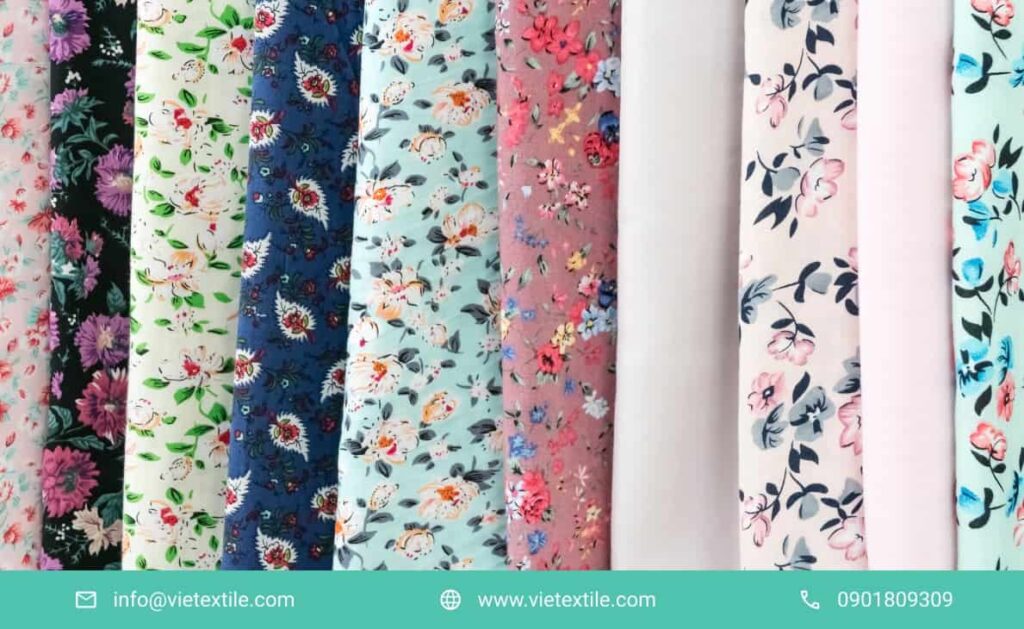
Inside Vietnam’s Direct-to-Fabric Ecosystem: Quality Standards and Real Production Capacity

The global textile industry is undergoing a rapid digital transformation, and Vietnam stands at the forefront of this shift, leveraging its position as a major garment exporter to become a sophisticated hub for digital Direct-to-Fabric (DTF) printing. 

For international brands, understanding the true capabilities, quality benchmarks, and operational capacity within the direct to fabric made in vietnam ecosystem is essential for strategic sourcing and supply chain resilience. This involves moving beyond anecdotal data to a rigorous analysis of technical execution, chemical compliance, and verifiable output metrics.

The maturity of the direct to fabric made in vietnam sector is characterized by two defining elements: an unyielding commitment to international quality standards (mandated by export markets like the EU and US), and a rapidly evolving production infrastructure capable of high-volume, high-speed, and high-complexity orders. 

The success of a Vietnamese DTF operation rests on mastering the intricate interplay between advanced industrial inkjet technology, precise chemical preparation (pre-treatment and post-treatment), and meticulous color management protocols. The “made in Vietnam” label now signifies not just assembly, but advanced manufacturing processes that meet or exceed global benchmarks for color fastness, environmental safety, and structural integrity.

This comprehensive guide offers an inside look at the direct to fabric made in vietnam ecosystem, providing sourcing professionals with the detailed technical knowledge required to accurately audit suppliers, set realistic production expectations, and fully capitalize on Vietnam’s digital textile manufacturing strength.

Direct to fabric made in Vietnam printing
Inside Vietnam’s Direct-to-Fabric Ecosystem: Quality Standards and Real Production Capacity 19

1. Structure of the Direct to Fabric Made in Vietnam Ecosystem

The Vietnamese textile industry’s strength lies in its accelerating vertical integration, which directly supports and enhances DTF operations.

1.1. Vertical Integration: Yarn to Print

Unlike regions reliant solely on cut-and-sew operations, the leading direct to fabric made in vietnam facilities are increasingly part of vertically integrated groups.

  • Upstream Advantages: These groups often control yarn spinning, knitting, and weaving. This control ensures the Greige Fabric Quality is optimal for digital printing—a critical factor. A factory controlling its own weaving can ensure the fabric’s preparation (singeing, desizing, scouring, bleaching) provides a uniform, highly absorbent surface, which is paramount for dye fixation and color yield.
  • Reduced Lead Times: Vertical control drastically compresses the supply chain. Instead of waiting weeks for fabric to arrive from a third-party mill, the material can transition from the finishing line directly to the digital pre-treatment line and then to the DTF printer, cutting overall lead times by 30-50%.
  • Geographic Clusters: Key manufacturing clusters, particularly in the South (Binh Duong, Dong Nai) and North (Hanoi, Hai Phong), concentrate these integrated services, facilitating efficient raw material and finished goods movement.

1.2. Technology Adoption and Printhead Diversity

The sector boasts a diversity of modern industrial-scale equipment, moving away from low-volume plotters to high-speed industrial solutions.

  • Industrial Fleet: Top direct to fabric made in vietnam factories primarily utilize high-speed, industrial-grade DTF printers from global leaders such as MS Printing Solutions, Durst, EFI Reggiani, and Mimaki (industrial series). These machines are built for 24/7 operation and maintain high registration accuracy.
  • Ink System Specialization: Factories strategically invest based on their primary output:
    • Reactive/Acid Lines: Requires significant space and investment in steam fixation and washing ranges for high-quality cotton and silk.
    • Disperse/Pigment Lines: Focuses on high-speed curing and calendering for polyester and blends, benefiting from a lower water footprint.

2. Global Quality Standards and Technical Benchmarks

The “made in Vietnam” label for textiles is internationally recognized only if it meets specific, measurable quality benchmarks enforced by third-party testing labs.

2.1. Color Fastness Testing: The Core Requirement

Color fastness measures the resistance of the printed color to various degrading factors, and the standards are strictly non-negotiable for the direct to fabric made in vietnam export segment.

  • Wash Fastness (AATCC 61 / ISO 105 C06): This tests color retention and staining when the fabric is laundered repeatedly under controlled conditions. For apparel, ratings of 4.0 or higher (out of 5) are typically required. Poor wash fastness, often caused by inadequate post-washing of unfixed dye, is a common failure point.
  • Rub Fastness (Crocking) (AATCC 8): Measures how much color transfers from the printed fabric to another cloth when subjected to rubbing (dry and wet). Low wet rub fastness in pigment prints often indicates insufficient binder curing.
  • Light Fastness (AATCC 16): Critical for outdoor, home furnishings, and sportswear. This measures color fade resistance under accelerated UV exposure. Standards vary, but performance wear often demands a result of 4.0-5.0 (out of 8).

2.2. Color Management Fidelity: \DeltaE and Calibration

Consistency across batches and seasons is the ultimate test of a reliable direct to fabric made in vietnam partner.

  • Delta E (\DeltaE) Tolerance: International brands require suppliers to operate within a tight color tolerance window, typically \Delta\mathbf{E < 2.0 for production (against the master reference). A \DeltaE of 1.0 is the goal for premium goods. Achieving this requires daily calibration of spectrophotometers and frequent re-profiling of ICC curves.
  • Print Repeat Accuracy: For engineered garments, the print must maintain precise geometric and linear accuracy across the full meterage. High-end DTF printers in Vietnam use advanced conveyor belt systems and precise tension control to ensure minimal elongation or distortion of the fabric during printing.

2.3. Pre-treatment and Post-treatment Precision

The quality of the final print is equally dependent on the chemical steps before and after printing.

  • Pre-treatment Application: The “Pick-Up” Percentage (PU%)—the amount of pre-treatment solution absorbed by the fabric—must be strictly controlled (\pm 1\%). Factories use high-precision foulards or padders with sensors to monitor solution concentration and PU% in real-time.
  • Washing Range Automation: For Reactive prints, modern washing ranges in Vietnam employ multi-stage, counter-current flow washing and auto-dosing of soaping agents to efficiently remove hydrolyzed dye while minimizing water consumption.

3. Compliance: Non-Negotiable for Direct to Fabric Made in Vietnam Exports

Vietnam DTF fabric printing
Inside Vietnam’s Direct-to-Fabric Ecosystem: Quality Standards and Real Production Capacity 20

Any fabric labeled “made in Vietnam” and destined for major Western markets must adhere to global chemical and environmental standards. Compliance is a hard filter for supplier selection.

3.1. ZDHC and MRSL Conformance

The ZDHC (Zero Discharge of Hazardous Chemicals) Manufacturing Restricted Substances List (MRSL) regulates the chemicals used in the manufacturing process.

  • Chemical Inventory Management: Leading direct to fabric made in vietnam facilities utilize software to track and manage their chemical inventory, ensuring every chemical auxiliary (pre-treatment chemicals, cleaning solutions, softeners) and every ink batch is sourced from ZDHC Gateway certified suppliers.
  • Formaldehyde and Azo Dyes: Specific focus is placed on eliminating formaldehyde-releasing agents (often found in older pigment binders) and ensuring dyestuffs are free from specific Azo compounds that can break down into carcinogenic amines.

3.2. Environmental and Water Footprint

The industry is under pressure to reduce its resource intensity, particularly concerning water.

  • ETP Performance: Compliance requires a high-performance Effluent Treatment Plant (ETP) capable of handling the high Chemical Oxygen Demand (COD) and Total Suspended Solids (TSS) characteristic of textile wastewater. Regular third-party monitoring of ETP output is standard practice.
  • Sustainability Reporting: Many Vietnamese factories are now required to provide detailed water usage per meter (L/m2) and energy consumption per meter (kWh/m2) to their international clients, driving investments in water-saving technologies like advanced membrane filters and low-liquor ratio washing systems.

3.3. Product Certification: OEKO-TEX Standard 100

OEKO-TEX certifies that the final printed product is safe for human contact and free from harmful substances.

  • Process Certification: Brands require the direct to fabric made in vietnam supplier to maintain active OEKO-TEX certification for their specific DTF process flow. This assures end-consumer safety, a key selling point in the EU and US.

4. Analyzing Real Production Capacity and Scale

Understanding the capacity metrics of a direct to fabric made in vietnam factory is essential for accurate production planning and lead time forecasting.

4.1. Single-Pass vs. Multi-Pass Capacity

DTF capacity is categorized based on the underlying machine technology.

  • Multi-Pass (Scanning) Printers: The historical workhorse. Capacity ranges from 500  to  3,000  meters per day per machine, depending on the complexity of the design, required resolution, and machine width (1.8m to 3.2m). This capacity is ideal for short-to-medium runs and fast sampling.
  • Single-Pass Printers: The future of high-volume digital printing. These fixed-printhead machines can reach speeds up to 50  to  70  meters per minute, equating to capacity of 20,000  to  40,000  meters per day per machine. While the initial CAPEX is enormous, the OPEX per meter is lowest, making this the choice for large-scale, continuous bulk printing demanded by major global brands.
Technology TypeDaily Capacity (Estimate)Best ForLead Time Focus
Multi-Pass (Scanning)500 – 3,000 mSampling, Small MOQs, Complex DesignsFlexibility & Speed of Change
Single-Pass (Fixed Head)20,000 – 40,000 mHigh-Volume Bulk Orders, Low VarietyCost Efficiency & Continuous Output

4.2. Handling Minimum Order Quantities (MOQs)

Digital printing has inherently lower MOQs than rotary screen printing, giving brands flexibility.

  • Typical DTF MOQ: A specialized direct to fabric made in vietnam facility can often handle orders as low as 50  to  100  meters per colorway.
  • Cost Efficiency Curve: While the factory can print small MOQs, the most cost-efficient production occurs above 500  meters, as the initial setup costs (pre-treatment padder loading, color calibration, file processing) are amortized over a longer run length.

4.3. Lead Time Breakdown

The total lead time for a printed fabric roll depends on the entire process, not just the printing speed.

  1. Greige Fabric Acquisition/Preparation: 2-4 weeks (if not vertically integrated).
  2. Pre-treatment Application: 1-2 days.
  3. Digital Printing: 1-2 days (depending on queue).
  4. Fixation/Curing: 1 day.
  5. Post-treatment/Washing/Drying: 2-4 days (the longest stage for Reactive prints).
  6. Final QC and Packing: 1 day.

Total average lead time for a ready-to-ship printed roll is typically 4  to  6  weeks, significantly faster than sourcing overseas greige fabric and then printing.

5. Strategic Challenges and Future Outlook

While the direct to fabric made in vietnam ecosystem is mature, it faces strategic challenges that will define its future competitiveness.

5.1. Infrastructure Gaps

Rapid industrial growth places strain on utility infrastructure.

  • Power Stability: High-speed DTF printing relies on absolute power stability to prevent printhead damage and color banding. Consistent power supply and reliance on high-capacity backup generators are key operational expenses in Vietnam.
  • Wastewater Capacity: As environmental regulations tighten, the cost and complexity of upgrading ETPs to handle increasingly stringent discharge limits for high-volume Reactive printing remain a significant CAPEX challenge for smaller manufacturers.

5.2. Labor and Expertise Development

The demand for technically proficient labor is escalating.

  • Color Specialists: There is a critical need for highly trained technicians specializing in spectrophotometry, ICC profile generation, and RIP software management—skills that require specialized training beyond traditional dyeing knowledge.
  • Chemical Engineers: Factories require chemical engineers capable of monitoring and adjusting complex pre-treatment recipes and ETP processes to maintain both print quality and compliance simultaneously.

5.3. Transition to High-Value Manufacturing

Vietnam must continue to transition up the value chain to remain competitive against emerging markets.

  • Innovation Focus: The future success of direct to fabric made in vietnam lies in specializing in high-margin niches, such as premium silk printing (Acid inks), technical functional fabrics (e.g., anti-microbial, UV-blocking), and sustainable printing using low-water-consuming Pigment inks with superior wash fastness.
  • Transparency and Digital Integration: Full integration of production data into international client’s blockchain-based traceability systems will become mandatory, further differentiating top-tier Vietnamese suppliers.

6. Risk Management and Auditing Protocols for International Sourcing

Vietnam direct-to-fabric production
Inside Vietnam’s Direct-to-Fabric Ecosystem: Quality Standards and Real Production Capacity 21

Effective risk mitigation is crucial when dealing with cross-border, high-tech manufacturing. International brands must implement specialized protocols beyond standard compliance audits to secure their operations with a direct to fabric made in vietnam partner.

6.1. Intellectual Property (IP) Protection Protocol

The confidentiality of proprietary designs and print files is paramount, especially in digital textile printing where designs are handled as high-resolution digital assets.

  • Digital Security and Access Control:
    • File Encryption: Mandate that all high-resolution design files (TIFF, PSD) transferred to the direct to fabric made in vietnam factory must be encrypted (e.g., password-protected zip archives).
    • RIP System Isolation: Ensure the factory’s Raster Image Processor (RIP) computer is physically and digitally isolated from the main internal network and the internet. This prevents unauthorized external access to the master design files used for production.
    • Design Destruction Protocol: Establish a clear, documented process for the digital and physical destruction of all client-specific data (ICC profiles, RIP job files, and physical strike-offs) 90 days after the final shipment of an order, or upon contract termination.
  • Facility Security: Conduct physical audits of the printing area, ensuring restricted access, mandatory sign-in/out procedures, and camera monitoring of the high-value equipment zones where designs are displayed and printed.

6.2. Supply Chain Disruption and Resilience Planning

Mitigating risks from natural disasters, logistical bottlenecks, and regional incidents is key to maintaining a resilient supply chain.

  • Dual-Sourcing Strategy: Avoid reliance on a single direct to fabric made in vietnam factory, even if it is vertically integrated. Maintain relationships with at least two geographically separated partners (e.g., one in the North and one in the South) to rapidly shift production during localized disruptions.
  • Raw Material Traceability (Tier 2/3 Mapping): Extend supply chain mapping beyond the direct factory (Tier 1). Identify and monitor the primary yarn and chemical suppliers (Tier 2 and Tier 3), particularly for specialized inks and binders, which can become sudden bottlenecks if a single source fails.
  • Force Majeure Clause Review: Rigorously review the Force Majeure clauses in the sourcing contract, ensuring they clearly define responsibilities, required communication timelines, and acceptable mitigation steps in the event of unforeseen disasters (e.g., typhoons, pandemics, major power grid failures).

6.3. Financial Due Diligence and Payment Security

Assessing the financial stability of the direct to fabric made in vietnam partner minimizes the risk of sudden production halts due to insolvency.

  • Credit Rating and Audit: Require annual independent financial audits and perform a credit check (via international credit reporting agencies) on potential partners. Focus on liquidity, debt-to-equity ratios, and consistent cash flow, especially for factories that have recently undertaken significant CAPEX (e.g., buying a new Single-Pass machine).
  • Payment Instrument Selection:
    • Letters of Credit (L/C): Preferred for initial, large-volume orders. L/Cs provide the most security for the brand, ensuring payment is only released upon presentation of verified shipping and quality documents.
    • Telegraphic Transfers (T/T): Used for established, long-term partners. Negotiate favorable payment terms (e.g., 30% advance, 70% upon shipment or 30 days after goods receipt) based on the history and financial strength of the direct to fabric made in vietnam factory.

7. Future Regulatory Landscape and Market Access Imperatives

The direct to fabric made in vietnam sector must rapidly adapt to forthcoming Western regulatory mandates, particularly those driven by the EU’s Circular Economy Action Plan, which will fundamentally change how textile products are manufactured, traced, and disposed of.

7.1. The EU Green Deal and Circular Economy Impact

Upcoming EU regulations will demand greater environmental performance and durability from textile products.

  • Design for Durability and Recyclability: Brands will need to collaborate with their Vietnamese DTF partners to select ink and fiber combinations that facilitate future recycling. For instance, avoiding complex blends or specific pigment inks that hinder fiber separation will become a design requirement.
  • Microplastic Filtration: As regulations target microplastic release during laundering, factories may need to verify the performance of their finished fabrics and potentially integrate specific finishing agents that improve fiber stability to minimize shedding.
  • Textile Waste Treatment: While Vietnam is the manufacturer, the new regulations will pressure the entire supply chain to manage end-of-life textiles, indirectly driving demand for recycled and certified sustainable inputs from Vietnamese mills.

7.2. Digital Product Passport (DPP) Requirements

The DPP, mandated for most products sold in the EU, will require comprehensive digital traceability data, placing a new burden on the direct to fabric made in vietnam manufacturer.

  • Data Management and Integration: The factory will be required to capture, store, and digitally link data points related to the printed fabric, including:
    • Ink Chemistry ID: The specific ZDHC-certified ink lot used.
    • Water/Energy Consumption: The verifiable L/m2 and kWh/m2 consumption for that batch.
    • Recycled Content Percentage: Proof of the percentage of recycled fibers in the Greige fabric.
  • Standardized Reporting: Manufacturers will need to invest in IoT (Internet of Things) sensors and Manufacturing Execution Systems (MES) to automate the collection and sharing of this highly granular data, moving away from manual quality control sheets.

7.3. US and Global Social Due Diligence (UFLPA and Beyond)

The expectation for deep supply chain transparency, particularly concerning labor practices, continues to intensify.

  • Tier N Mapping and Auditing: Compliance with acts like the UFLPA requires brands to map their entire supply chain back to the raw fiber stage. A direct to fabric made in vietnam partner must be prepared to fully disclose and prove the ethical sourcing of their yarn and chemicals, including full audits of their sub-suppliers.
  • Social KPIs Integration: Social compliance must move beyond pass/fail audits. Brands are increasingly requiring factories to report on key performance indicators (KPIs) related to worker well-being, such as average working hours, grievance mechanism efficacy, and training completion rates.

8. Conclusion: The Maturity of Direct to Fabric Made in Vietnam

The direct to fabric made in vietnam ecosystem represents a mature and technologically advanced manufacturing solution for the global apparel industry. The industry’s strengths—vertical integration, adherence to stringent chemical compliance (ZDHC, OEKO-TEX), and verified technical quality standards (high color fastness and low \DeltaE scores)—make it an indispensable sourcing destination.

With increasing investments in single-pass technology, the real production capacity is scaling rapidly, allowing the sector to efficiently handle both quick-turnaround small orders and massive bulk contracts. Crucially, future success hinges on implementing rigorous IP protection protocols and preparing for the incoming waves of European and global sustainability regulations (DPP, Green Deal). For international brands, partnering with a direct to fabric made in vietnam factory that demonstrates technical mastery, environmental responsibility, and forward-looking compliance is not just a sourcing decision—it is a strategic investment in a resilient, high-quality, and future-proof supply chain.

Partner with VieTextile to access the highest-grade digital inks, chemical auxiliaries, and technical consulting necessary to integrate seamlessly with and elevate the performance of your chosen direct to fabric made in vietnam factory.

Contact VieTextile Today for Expert Consultation!

Hotline: 0901 809 309 

Email: info@vietextile.com 

Website: https://vietextile.com
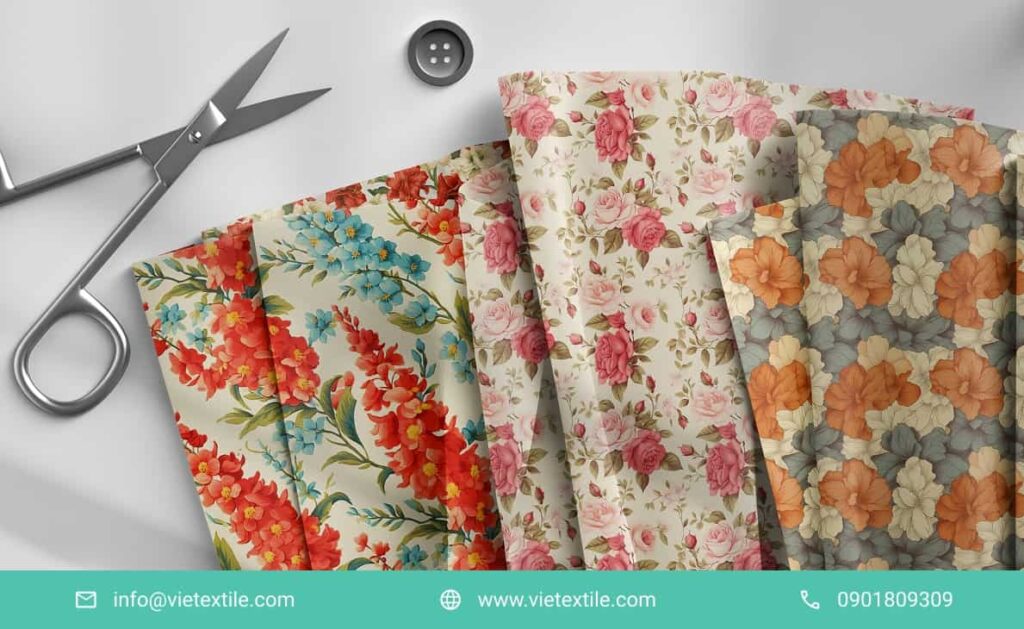
How International Brands Can Outsource Direct Fabric Printing to Vietnam 

Vietnam has solidified its status as a pivotal global hub for textile manufacturing and garment production, transitioning from a low-cost assembly point to a sophisticated, vertically integrated partner capable of handling complex digital textile processes. For international fashion and apparel brands seeking agility, supply chain diversification, and quality execution of high-resolution, complex textile designs, outsourcing to a direct to fabric Vietnam factory presents a compelling strategic advantage. 

This process, however, requires more than just finding a manufacturer; it demands a deep understanding of the local operational environment, technology synchronization, and adherence to the increasingly rigorous global compliance standards.

Digital Direct to Fabric (DTF) printing has revolutionized textile sourcing by enabling fast prototyping, reduced inventory risk, and personalization, moving beyond traditional screen printing constraints. The shift to a direct to fabric Vietnam factory allows brands to capitalize on lower labor costs, preferential trade agreements (such as the CPTPP and EVFTA), and a growing pool of technical expertise in color management and chemical handling. 

Yet, successful outsourcing depends on meticulous planning, particularly concerning pretreatment chemical compatibility (Reactive, Disperse, or Pigment systems), fixation reliability, and the factory’s commitment to environmental, social, and governance (ESG) standards.

This comprehensive technical and strategic guide is designed for sourcing managers, product developers, and supply chain executives. It provides an in-depth framework for evaluating, integrating with, and managing a high-performance direct to fabric Vietnam factory, ensuring superior print quality, consistent color fidelity, and full compliance with international regulatory bodies. 

We detail the critical steps from initial supplier audit to final product shipment, emphasizing the technical due diligence required to unlock Vietnam’s full potential in digital textile manufacturing.

Digital direct to fabric Vietnam factory
How International Brands Can Outsource Direct Fabric Printing to Vietnam  26

1. The Strategic Advantage of a Direct to Fabric Vietnam Factory

Vietnam’s position in the global supply chain offers specific, quantifiable benefits that drive major brands to relocate or expand their digital printing capacity here.

1.1. Geopolitical and Economic Stability

Vietnam offers a stable political and economic environment compared to some competing textile hubs. This stability is critical for long-term sourcing strategies and mitigating supply chain risks.

  • Trade Agreements: Access to vast markets is streamlined through major free trade agreements. The Comprehensive and Progressive Agreement for Trans-Pacific Partnership (CPTPP) and the EU-Vietnam Free Trade Agreement (EVFTA) provide preferential tariffs, making Vietnamese-made textiles highly competitive in major Western markets.
  • Vertical Integration Potential: The local textile industry is increasingly integrated, meaning a direct to fabric Vietnam factory can often source quality yarns, knit/weave the fabric, print digitally, and cut/sew the garment all within a close geographic radius, dramatically shortening lead times.

1.2. The Skilled Labor Pool and Technical Adaptation

While Vietnam initially benefited from low labor costs, the advantage now lies in the growing technical proficiency of its workforce in handling digital technology.

  • Digital Expertise: The labor force is highly adaptable to modern digital equipment (e.g., high-speed industrial printers like Reggiani, Durst, and MS), and factory technicians are increasingly adept at managing complex RIP software, ICC profiling, and chemical preparation specific to DTF.
  • Speed to Market: The ability of a direct to fabric Vietnam factory to rapidly process small to medium-sized orders, handle complex colorways, and adapt to design changes within a matter of days gives international brands the agility required by the “fast fashion” and “on-demand” retail models.

1.3. Cost Structure vs. Value Proposition

The cost advantage is no longer purely labor-driven but arises from operational efficiency and scale.

  • Optimized TCO (Total Cost of Ownership): While the raw ink cost may be similar globally, a direct to fabric Vietnam factory benefits from lower energy costs (relative to some developed economies) and lower overhead for large-scale operations, translating into a competitive TCO per meter of printed fabric.
  • Risk Mitigation: By decentralizing production from a single geographical region (the China-plus-one strategy), brands enhance resilience against unforeseen disruptions like natural disasters or trade conflicts.

2. Technical Due Diligence: Evaluating the Direct to Fabric Vietnam Factory

International brands must conduct rigorous technical audits focused on the factory’s ability to execute digital printing to the required standard. This goes far beyond general garment assembly audits.

2.1. Ink Chemistry Synchronization – The Foundation of Quality

The brand must mandate the specific ink chemistry based on the fabric being printed and the required end-use performance.

  • Reactive System Vetting (Cotton/Cellulose):
    • Pre-treatment Formulation: Verify the factory’s exact recipe for alkali (pH control) and humectants (urea concentration). Inconsistent pre-treatment is the single largest cause of color inconsistency and low fixation.
    • Steaming Uniformity: Audit the steamer to ensure temperature uniformity (\mathbf{100–102^{\circC saturation) and consistent dwell time across the full width of the fabric. Inefficient steaming leads to excessive hydrolyzed dye and poor fastness.
  • Disperse System Vetting (Polyester/Synthetics):
    • Curing Temperature Control: Calibrate the curing oven or rotary calender. Temperature variance of just \mathbf{\pm 5^{\circC can lead to incomplete dye sublimation or fiber scorching.
    • Cleaning Cycle: Verify the post-wash or clearing wash process is adequate to remove surface-level unfixed disperse dye, preventing later migration or back-staining.
  • Pigment System Vetting (Blends/Universal):
    • Binder Quality: Demand the use of MRSL-compliant, high-performance binders that minimize the stiffness (hand-feel) while maximizing wash fastness.
    • Curing Consistency: Ensure the curing time and temperature are precise for proper binder cross-linking, which is critical for the print’s durability.

2.2. Color Management and ICC Profiling

Color fidelity is the hallmark of digital printing. Brands must verify the factory’s color management protocols.

  • Equipment Calibration: The direct to fabric Vietnam factory must possess a high-end spectrophotometer (e.g., X-Rite) and routinely calibrate it.
  • ICC Profile Validity: Request proof that the factory builds and uses custom ICC profiles generated specifically for the combination of: (1) Ink set, (2) Printer model, (3) Fabric base (e.g., 10oz cotton twill vs. poly chiffon), and (4) Pre-treatment chemical lot. Using generic profiles is unacceptable for premium brand quality.
  • Delta E Testing: Implement a mandatory \DeltaE (Delta E, color difference) tolerance for all production runs, typically \mathbf{\Delta\mathbf{E < 2.0 against the master color standard (Lab value).

2.3. Water and Energy Infrastructure

The capacity to handle the “wet” process is crucial for Reactive and Acid printing.

  • Water Treatment: The factory must utilize robust water softening and deionization (DI) systems, as hard water contamination severely compromises Reactive and Acid dye performance.
  • ETP Capacity: Audit the Effluent Treatment Plant (ETP). Its capacity must match or exceed the printing volume, and its chemistry must be adequate to treat the specific chemical load (high COD, high Total Nitrogen if using urea).

3. Compliance and Sustainability Mandates 

High quality direct to fabric Vietnam factory
How International Brands Can Outsource Direct Fabric Printing to Vietnam  27

Global brands demand that their partners adhere to stringent environmental, social, and chemical compliance standards. These are often non-negotiable prerequisites for outsourcing to a direct to fabric Vietnam factory.

3.1. Chemical Management (ZDHC and MRSL)

The Zero Discharge of Hazardous Chemicals (ZDHC) Manufacturing Restricted Substances List (MRSL) is the industry standard for eliminating hazardous chemicals from the manufacturing process.

  • Supplier Verification: Brands must insist the direct to fabric Vietnam factory uses only ZDHC Gateway approved inks and pre-treatment auxiliaries. This requires the factory to track the chemical inventory and verify that all inputs (inks, thickeners, softeners, acids, alkalis) meet Level 1, 2, or 3 conformance.
  • Azo Dyes and Heavy Metals: Specifically verify that the factory’s ink set is free from banned Azo dyes that can cleave to form carcinogenic amines, and that heavy metal content is below regulatory thresholds.

3.2. Product Safety (OEKO-TEX Standard 100)

This standard ensures the final product is safe for human use.

  • Certification Scope: The brand should require the direct to fabric Vietnam factory to maintain OEKO-TEX Standard 100 certification for their specific process flow. This certifies that the final printed fabric is free from harmful levels of several hundred substances.

3.3. Social and Labor Compliance (SMETA, SA8000)

Beyond chemical compliance, social audits are mandatory to ensure ethical sourcing practices.

  • Audit Protocols: Brands must implement standard social accountability audits (e.g., SMETA, SA8000) to verify fair wages, safe working conditions, restricted working hours, and the prohibition of child or forced labor. This is especially sensitive in the fast-paced textile production environment of any direct to fabric Vietnam factory.

4. Outsourcing Workflow: From R&D to Shipment 

A structured five-phase workflow ensures seamless integration of the international brand’s needs with the capabilities of the direct to fabric Vietnam factory.

4.1. Phase 1: R&D and Sampling (The Digital Handshake)

  • Design File Preparation: Brands must supply designs in optimal format (e.g., TIFF or PSD with embedded color profiles) and specify the desired print resolution (e.g., 600×600 dpi or 1200×1200 dpi).
  • Strike-Off Protocol: The factory must produce a “Strike-Off” (a sample print) using the exact final production conditions (pre-treatment, ink, printer, fixation). The brand then approves the color (\DeltaE check) and hand-feel.
  • Data Loop: The digital file, the factory’s process parameters, and the approved physical strike-off are locked down in a database to ensure future bulk production matches the sample.

4.2. Phase 2: Production Scaling and Quality Gates

  • Batch Integrity: The factory must implement batch control for pre-treatment chemicals (pH testing every new batch) and ink (viscosity and temperature monitoring).
  • Pilot Run: A small initial production run (e.g., 500 meters) is processed to confirm the scale-up does not introduce new variances (such as center-to-edge color differences across the fabric roll).
  • Continuous Monitoring: Implement in-line or near-line quality control. For example, using a densitometer to check color bar patches every 100 meters of fabric ensures consistency without waiting for the end of the roll.

4.3. Phase 3: Post-Treatment and Finishing Control

The most critical post-print stages for quality control.

  • Washing Efficiency: For Reactive and Acid prints, residual alkali/acid and unfixed dye must be removed. The brand should demand a final \mathbf{pH check on the washed fabric (target \mathbf{pH 5.5–6.5) and perform a Wet Rub Fastness Test (Crocking) on a statistically significant sample size. Poor results here indicate inadequate washing.
  • Softness/Hand-Feel: After the chemical and heat treatment, softeners are applied. The brand must specify the target hand-feel and verify the factory uses only MRSL-compliant softening agents.

4.4. Phase 4: Final Quality Check and Testing

  • Physical Testing: Perform standard AATCC or ISO tests on the finished printed fabric from the bulk run: Wash Fastness (AATCC 61), Crocking/Rub Fastness (AATCC 8), and Light Fastness (AATCC 16). These tests confirm the print durability meets the product’s intended use (e.g., swimwear requires high chlorine resistance).
  • Defect Grading: Establish a strict fabric defect grading system (e.g., Four-Point System) to categorize and reject rolls with print flaws like banding, broken dots, or color streaks caused by printer nozzle failure.

4.5. Phase 5: Logistics and Traceability

  • Traceability: Each roll of printed fabric must be clearly marked with the unique job ID, date, batch number, and a record of the ink and chemical lot numbers used. This is vital for quick root cause analysis if a performance issue arises later in the supply chain.
  • Packaging and Shipment: Ensure packaging protects the sensitive digital print surface (e.g., wrapping in plastic film and core support) and meets the brand’s sustainability mandates (e.g., using recycled or minimal packaging materials).

5. Overcoming Operational Challenges in a Direct to Fabric Vietnam Factory

Despite the strategic advantages, international brands face specific operational hurdles when partnering with a direct to fabric Vietnam factory.

5.1. Managing Printhead Reliability and Maintenance

Industrial digital printheads (the core technology) are highly sensitive and require specialized maintenance.

  • Downtime Mitigation: Brands must verify the factory has a robust maintenance protocol (daily flushing, weekly deep cleaning) and maintains an inventory of spare parts (dampers, caps, and spare printheads) to minimize costly downtime, which directly impacts lead times.
  • Ink Compatibility: The factory must maintain strict purity levels for inks and flushing solutions. Contamination is the leading cause of printhead failure.

5.2. Dealing with Residual Chemicals and Fume Management

The fixation process generates fumes that must be managed responsibly.

  • Formaldehyde: If the factory uses older or lower-cost pigment binders, there is a risk of formaldehyde release during curing. Brands must demand factories use low- or non-formaldehyde release binders and ensure the curing oven is equipped with adequate air extraction and filtration.
  • Urea Byproducts: Steaming of Reactive prints releases ammonia (from urea), which must be properly vented and treated.

5.3. Communication and Technical Gap

Language and cultural differences require specialized attention to technical communication.

  • Dedicated Technical Liaison: Brands should appoint a dedicated bilingual technical liaison who understands both digital printing chemistry and local factory practices to manage the color and quality control interface effectively.
  • Standardized Reporting: Implement standardized, digital production reporting systems (e.g., a shared digital dashboard) to track critical process parameters (PU%, Steam Time, Curing Temp, \DeltaE scores) in real-time, bridging the communication gap.

6. Strategic Growth and Future Investment 

Textile direct to fabric Vietnam factory
How International Brands Can Outsource Direct Fabric Printing to Vietnam  28

The future competitive edge for a direct to fabric Vietnam factory lies in embracing advanced technology and sustainable practices.

6.1. Single-Pass Printing and Speed

The market is moving toward high-speed, single-pass inkjet technology, which offers printing speeds comparable to rotary screen printing.

  • Investment Strategy: Brands should prioritize direct to fabric Vietnam factory partners that are investing in these next-generation single-pass machines, as they offer the highest volume output and lowest cost-per-meter in the long run.

6.2. Water Conservation Technologies

Given the growing global pressure on water resources, future partnerships will favor factories demonstrating innovation in water conservation.

  • Closed-Loop Systems: Investment in advanced membrane filtration and reverse osmosis (RO) systems to recycle and reuse water from the washing range.
  • Pigment Optimization: Shifting more production to Pigment inks where feasible, exploiting the inherent “dry” process advantage to minimize water dependency.

6.3. Digital Traceability and Supply Chain Transparency

Brands are increasingly using blockchain and other digital tools to track every step of the garment’s lifecycle.

  • Data Integration: A forward-thinking direct to fabric Vietnam factory must be able to digitally integrate its production data (ink used, meterage printed, compliance reports) directly into the brand’s supply chain transparency platforms.

7. Financial and Logistical Framework for Outsourcing to a Direct to Fabric Vietnam Factory

Successful outsourcing hinges not only on technical quality but also on mastering the financial terms and complex cross-border logistics inherent in working with a direct to fabric Vietnam factory.

7.1. Pricing Model Negotiation

Brands must move beyond simple per-unit cost and establish a Total Cost of Ownership (TCO) model that allocates risk fairly.

  • Cost-Per-Meter (CPM) vs. All-in-One:
    • CPM: Typically includes printing, ink, and post-treatment (steaming/curing). This is preferred when the brand supplies the Greige (unprinted) fabric. The brand must clearly define the maximum acceptable ink coverage to prevent hidden surcharge disputes.
    • All-in-One: Includes fabric sourcing, printing, and finishing. This simplifies the supply chain but requires the brand to exercise extremely rigorous oversight on fabric quality and compliance certifications of the raw material supplier.
  • Volume Tiers and Discounts: Negotiate tiered pricing based on annual commitment or print run volume. The pricing should reflect the economies of scale that a high-volume direct to fabric Vietnam factory achieves with industrial ink bulk purchases.
  • Surcharge Transparency: Clearly define and cap surcharges for small-lot runs, rush orders, or designs requiring exceptionally high ink density (High Pass printing), which consumes more time and ink.

7.2. Inventory and Supply Chain Integration

Integrating the brand’s inventory management system with the factory’s production planning is vital for Just-in-Time (JIT) manufacturing.

  • Forecast Accuracy and Commitment: Brands must provide reliable 6-12 month rolling forecasts. While forecasts are rarely perfect, the direct to fabric Vietnam factory needs this data to secure ink, chemical auxiliaries, and labor capacity.
  • Vendor-Managed Inventory (VMI) of Greige Fabric: For high-volume contracts, the brand might place key Greige fabric qualities (e.g., Pima cotton jersey or recycled polyester) under VMI management at the factory. This reduces the factory’s material risk and drastically cuts down lead times, as the base material is immediately available for pre-treatment and printing.
  • Minimum Order Quantity (MOQ) Flexibility: Digital printing’s advantage is flexibility. The brand should negotiate lower MOQ tiers (e.g., 100–300 meters) compared to traditional screen printing (often 1,000+ meters), even if it involves a higher CPM premium.

7.3. Cross-Border Logistics and Customs Compliance

Navigating Vietnamese customs and international shipping requires expertise in Incoterms and documentation.

  • Incoterms Strategy:
    • FOB (Free On Board) Vietnam Port (e.g., Hai Phong or Ho Chi Minh City): This is the most common term. The direct to fabric Vietnam factory covers all costs and risks until the goods are loaded onto the vessel. This gives the brand control over international freight.
    • DDP (Delivered Duty Paid): This is the least common but simplest option, where the factory handles all costs, insurance, and duties to the final destination warehouse. This is rarely feasible due to complex foreign tax/duty structures.
  • Documentation Accuracy: Vietnamese customs are highly rigorous. All export documentation must perfectly match the physical goods and the commercial invoice. Errors (e.g., misclassifying fabric type, incorrect HTS codes) lead to lengthy delays and demurrage charges.
  • Container Loading Optimization: The factory must utilize expertise in maximizing container cubic utilization to minimize shipping costs, especially for bulky, rolled fabric. Ensuring the use of robust roll cores prevents damage during transit.

8. Conclusion: Engineering Excellence with a Direct to Fabric Vietnam Factory

Outsourcing digital direct fabric printing to Vietnam is a sound strategic decision for international brands seeking a balance of cost-efficiency, technical capability, and supply chain resilience. The success of this partnership is not accidental; it is engineered through meticulous technical due diligence. Brands must look beyond the quoted price and critically evaluate the factory’s chemical expertise (Reactive, Disperse, and Pigment systems), their commitment to world-class color management (\DeltaE and ICC profiling), and their unwavering adherence to global compliance standards (ZDHC, OEKO-TEX). 

By prioritizing a direct to fabric Vietnam factory that treats digital printing as a precise chemical and technical process, and by establishing a clear financial and logistical framework, international brands can reliably achieve vibrant, high-quality, and compliant textiles, solidifying their competitive edge in the global apparel market.

Partner with VieTextile to access the highest-grade digital inks, chemical auxiliaries, and technical consulting necessary to integrate seamlessly with and elevate the performance of your chosen direct to fabric Vietnam factory.

Contact VieTextile Today for Expert Consultation!

Contact Information: 

Hotline: 0901 809 309 

Email: info@vietextile.com 

Website: https://vietextile.com

Popular Inks Used for Direct to Fabric in Vietnam – Extended Technical Analysis

Vietnam stands as one of the world’s largest textile and garment exporters, holding a dominant position in the global supply chain. The rapid adoption of digital printing technologies, known as Direct to Fabric (DTF), has been crucial for adapting to the fast-fashion cycle, increasing design complexity, and meeting stringent quality standards set by international buyers. 

The success of any DTF operation, particularly for businesses focusing on direct to fabric in Vietnam, hinges fundamentally on selecting the correct ink chemistry. This choice is determined by the specific fiber composition (cotton, polyester, silk, blends), the required final product performance (wash fastness, rub fastness, UV resistance), and the environmental compliance standards necessary for the export market.

The market for direct to fabric in Vietnam is segmented by fiber type, leading to the co-existence and specialized application of three primary ink systems: Reactive, Disperse, and Pigment. Each ink type utilizes a distinct chemical mechanism to achieve fixation, requiring unique pre-treatment, post-treatment, and infrastructure. 

Understanding the nuanced advantages and limitations of each system is vital for Vietnamese textile manufacturers seeking to optimize production costs, minimize environmental impact, and deliver globally competitive products.

This extensive technical analysis will dissect the chemistry, application methodologies, market prevalence, and sustainability considerations for the most popular inks used for direct to fabric in Vietnam. We will provide professionals with the in-depth knowledge necessary to navigate this complex technological landscape and make informed investment decisions tailored to specific market demands.

Digital direct to fabric in Vietnam
Popular Inks Used for Direct to Fabric in Vietnam – Extended Technical Analysis 33

1. Reactive Inks: The Gold Standard for Natural Fibers

Reactive inks are the undisputed champion for printing on cellulose fibers, primarily cotton and rayon, which remain essential materials for high-quality domestic and international apparel markets that rely on direct to fabric in Vietnam. The robustness of the covalent bond is unmatched for color retention.

1.1. The Chemistry of Covalent Bonding and Alkali Control

Reactive inks are so named because they contain dyestuffs that chemically react with the fiber molecule. This reaction is heavily dependent on precise control of the pre-treatment chemistry.

  • The Target: Cellulose in cotton is rich in hydroxyl (-OH}) groups.
  • The Pre-treatment Cocktail: The pre-treatment solution must contain:
    1. Alkali Donor (e.g., Sodium Bicarbonate or specialized carbonate blends): This is the chemical catalyst. During the high-temperature steaming process, the alkali generates hydroxide ions (OH}-), which de-protonate the -OH} group on the cellulose, creating a highly reactive celluloxide anion (Cell-O}-). The concentration of the alkali is paramount. Too little, and the reaction is incomplete (low color yield); too much, and the cellulose can suffer damage.
    2. Humectants (e.g., Urea, Glycols): These are hygroscopic agents essential for dye mobility. They prevent the tiny ink droplets from drying too quickly on the fiber surface and, more importantly, dissolve the reactive dye molecules and alkali during steaming, enabling them to migrate and find the reaction site. Urea is highly effective but has regulatory scrutiny due to its conversion to ammonia.
    3. Thickener/Rheology Modifier (e.g., High-purity Alginate): This controls the dot gain. Alginates hold the low-viscosity ink droplet precisely where it lands, preventing lateral migration (wicking) before fixation. The viscosity profile must be tailored to the fabric weave (e.g., finer weaves need lower viscosity pre-treatment).
  • The Bond: During the fixation process (steaming), the activated dye molecule forms a permanent, irreversible covalent bond with the Cell-O}- site. This strong bond ensures the dye becomes a literal part of the fiber structure.

1.2. Fixation Dynamics and Hydrolysis

The chemical reaction must be controlled to maximize the covalent bond formation and minimize the wasteful side reaction known as hydrolysis.

  • Steaming Requirements: Fixation requires saturated steam at atmospheric pressure (100–102°C) for approximately 7–12 minutes. Saturated steam is critical because it introduces the necessary moisture for the dye and alkali to solubilize and become mobile.
  • Hydrolysis: In the presence of water, the reactive dye can also react with a hydroxyl ion from the water (OH}-), forming a hydrolyzed (unfixed) dye. This hydrolyzed dye does not bond to the fiber and must be completely removed in the post-treatment wash. Inefficient washing of hydrolyzed dye is the primary cause of poor wet fastness and staining in subsequent laundry cycles.
  • Application in the Vietnamese Market: The demand for Reactive DTF is driven by high-end apparel and fashion items produced for export to Europe and North America, where cotton is favored for its comfort and the highest fastness standards are enforced.

1.3. Infrastructure and Environmental Demands

  • High CAPEX: The process mandates significant capital investment in two key post-treatment machines:
    • Steamer: For applying saturated steam to drive the chemical fixation reaction.
    • Washing Range: For the rigorous hot soaping and rinsing necessary to remove unfixed dye, thickener, and residual chemicals.
  • Effluent Challenge: The high water usage and resulting effluent load—containing hydrolyzed dye, alkali residue, and sometimes high levels of urea/nitrogen—mean manufacturers utilizing direct to fabric in Vietnam with Reactive inks must have sophisticated Effluent Treatment Plants (ETP), including biological treatment stages, to comply with strict discharge limits.

2. Disperse Inks: Powering the Synthetic Export Sector

Vietnam’s massive production capacity for performance wear, sportswear, and technical apparel (all primarily polyester) makes Disperse inks the most prevalent system for manufacturers focused on this segment of direct to fabric in Vietnam.

2.1. The Mechanism of Sublimation and Thermal Transfer

Disperse inks are designed to fix to hydrophobic fibers, exclusively polyester and poly blends with high polyester content, through a physical, thermodynamic process.

  • The Process: Disperse dyestuffs are non-ionic and insoluble in water. During fixation, the ink is exposed to high, dry heat (\mathbf{180–210{\circ}C}).
  • Thermodynamics of Fixation:
    1. Fiber Glass Transition: The polyester fiber structure reaches its glass transition temperature (Tg}), causing the polymer chains to relax and open up the amorphous regions.
    2. Dye Sublimation: The heat causes the disperse dye molecule to sublime (turn directly from a solid state to a gaseous state).
    3. Physical Trapping: The gaseous dye molecules penetrate the opened polymer structure and dissolve into the polymer matrix. Upon rapid cooling, the polymer chains snap back, physically trapping the dye molecules within the fiber.
  • Dye Selection (L-type vs. E-type): Professional practice in direct to fabric in Vietnam involves selecting disperse dyestuffs based on their molecular weight and sublimation properties (L-type for high-temperature/high-fastness, E-type for lower temperature/lighter colors).

2.2. Fixation Technology: Calendering vs. Curing

Vietnamese manufacturers employ different fixation technologies based on volume and required fabric performance.

  • Sublimation Transfer Printing (Calendering): This involves printing on coated paper first. The paper is then pressed against the fabric at high heat (190–210°C) using a rotary calender. This method is dominant for apparel and provides excellent sharp detail.
  • Direct Disperse Printing (Curing/Baking): The ink is printed directly onto pre-treated polyester fabric (pre-treatment aids adhesion and color yield). The fixation is achieved by passing the fabric through a long, high-temperature oven (curing/baking). This is preferred for flag fabrics, mesh, and outdoor signage.
  • Post-Treatment Necessity: While often called a “waterless” process, printing dark or deep colors often requires a mild clearing wash or reduction clearing (using sodium hydrosulfite in a basic medium) to remove superficial, unfixed dye, preventing back-staining (color loss onto white areas or other textiles) and boosting rub fastness.

2.3. Market Advantages and Water Footprint

  • Speed and Efficiency: The thermal fixation process is rapid, leading to high throughput.
  • Durability: The print is highly resistant to UV light and chemical degradation, maintaining the technical integrity of the polyester fiber.
  • “Dry” Process: The minimal post-washing requirement (or simple clearing) significantly reduces water consumption and ETP strain—a major sustainability benefit for direct to fabric in Vietnam, making it highly competitive for environmentally conscious brands.

3. Pigment Inks: The Universal, Low-CAPEX Solution

Direct to fabric printing in Vietnam
Popular Inks Used for Direct to Fabric in Vietnam – Extended Technical Analysis 34

Pigment inks represent the fastest-growing segment for businesses offering diversified direct to fabric in Vietnam, primarily due to their versatility and low barrier to entry.

3.1. The Mechanism of Mechanical Adhesion and Binder Chemistry

Pigment inks are unique because they rely on a mechanical bond via a specialized polymeric binder. The quality and chemistry of this binder dictate the final fastness properties.

  • The Components: Pigment inks consist of microscopic, insoluble color particles suspended in an aqueous solution.
  • The Binder (The Key Chemical): The binder is typically an acrylic or polyurethane dispersion. It is applied either as a pre-treatment coating on the fabric before printing, or it is integrated directly into the ink (known as “One-Step” Pigments).
  • Fixation (Cross-Linking): The process requires dry heat curing (150–170°C). This heat activates the chemical cross-linking of the polymer binder. The binder solidifies, forming a durable, transparent, permanent film that encapsulates the pigment particle and physically glues it to the fiber surface.
    • Self-Crosslinking vs. External Catalyst: Modern binders are often self-crosslinking (e.g., using N-methylol compounds, though their use is highly regulated due to Formaldehyde release). Higher performance systems sometimes use a two-part system requiring a catalyst in the pre-treatment to ensure maximum adhesion.

3.2. Practical Challenges in Production

While highly versatile for direct to fabric in Vietnam, pigment systems present unique operational challenges.

  • Hand-Feel Compromise: Since the polymer film sits on the surface, prints can sometimes feel stiff or have a heavier ‘hand,’ especially in areas of high ink coverage, compared to the softness of reactive-dyed cotton. Achieving the right balance between wash fastness (requiring more binder) and soft hand-feel (requiring less binder) is a constant optimization challenge.
  • Jetting Stability and Maintenance: Pigment particles, being solids, are larger and heavier than soluble dye molecules. This makes the ink more prone to sedimentation, which can lead to printhead nozzle clogging (jet-outs) if the ink is not constantly recirculated and filtered. Regular and specialized printhead maintenance is non-negotiable.
  • Post-Treatment Simplicity: They require simple dry heat curing, eliminating the need for expensive steamers and vast washing ranges. This low water usage profile makes them highly attractive for manufacturers seeking a greener direct to fabric in Vietnam operation.

4. Acid Inks: The Niche for Premium Protein and Polyamide Fibers

Acid inks occupy a smaller, specialized segment of the direct to fabric in Vietnam market, primarily catering to high-value textiles like natural silk and synthetic nylon, demanding exceptional color brilliance and wet fastness.

4.1. The Chemistry of Ionic Bonding and Fiber Preparation

Acid inks rely on an ionic bond, dictated by precise pH control and fiber preparation.

  • Pre-treatment Environment: The process requires a pre-treatment that creates a highly acidic environment (\mathbf{pH 3.5–5.0}). This acid protonates the amine (-NH}_2) groups on the silk/nylon fiber, making them positively charged (-NH}_3+).
  • The Ionic Bond: Acid dye molecules are negatively charged (anionic, typically containing sulfonate groups R}-SO}_3-). They form an ionic bond (electrostatic attraction) with the positively charged sites on the fiber. This bond is weaker than a covalent bond but is the strongest feasible bond for protein fibers.
  • Fixation and Silk Tendering: Fixation is achieved through saturated steam (similar to Reactive inks). The critical challenge is the balance: sufficient steam time (5–8 minutes) is needed for full dye migration and bonding, but excessive steam causes silk tendering (hydrolysis of the peptide bonds), leading to strength loss and yellowing. Precise control over time, temperature, and steam quality is paramount.

4.2. Specialized Application and Quality Control in Vietnam

The use of Acid inks in direct to fabric in Vietnam is concentrated in heritage and high-fashion segments.

  • Silk: Used extensively for printing luxurious Vietnamese silk (e.g., Hà Đông silk) destined for high-end boutique markets, where color clarity and preservation of the silk’s natural sheen and soft hand-feel are paramount.
  • Nylon: Used for printing specialized synthetics like nylon-based swimwear or technical apparel that demand high-performance color retention and resistance to chlorine (for swimwear).
  • Post-Washing: Requires a gentle but comprehensive washing process to remove residual thickeners (often Guar-based or Alginate) and acid donors. Due to the delicacy of silk, mechanical agitation must be minimized during washing.

5. Digital Color Management and Consistency

Achieving consistent color output across different ink chemistries and print machines is a major technical challenge for manufacturers specializing in direct to fabric in Vietnam. This requires meticulous color management.

5.1. The Role of ICC Profiles

The International Color Consortium (ICC) profile is the mathematical description of a specific printing system’s color behavior.

  • Profile Generation: Creating an accurate ICC profile involves printing hundreds or thousands of measured color patches onto the pre-treated fabric using the specific ink set, resolution, and media settings. A spectrophotometer is then used to read the Lab* values of these patches. Software uses this data to map the printer’s color gamut.
  • Gamut Size:
    • Reactive and Acid Inks typically offer the largest color gamut (the range of achievable colors) due to the purity and brilliance of the soluble dyestuffs.
    • Pigment Inks generally have a smaller gamut, particularly in saturated blues, reds, and blacks, because the opaque nature of the solid particles limits light refraction.
  • Calibration for Direct to Fabric in Vietnam: Due to ambient humidity fluctuations in Vietnam, which affect ink drying and dot gain, profiles must be regularly checked and potentially regenerated, especially for critical color-matching jobs.

5.2. Delta E (Color Difference) Standards

Global buyers for direct to fabric in Vietnam often mandate strict color difference standards (Delta E, E}).

  • Tolerance: For premium apparel, E} must be less than 1.0 (virtually imperceptible to the human eye). For commodity textiles, E} up to 3.0 may be acceptable.
  • Process Control: Achieving low E} requires not just a perfect ICC profile but tight control over the entire process chain: pre-treatment consistency, steam quality (for Reactive/Acid), and curing temperature uniformity (for Disperse/Pigment).

6. Regulatory Compliance and ETP Design

Direct to fabric manufacturer in Vietnam
Popular Inks Used for Direct to Fabric in Vietnam – Extended Technical Analysis 35

Compliance with global chemical restrictions is a critical prerequisite for all export-focused direct to fabric in Vietnam operations. The choice of ink system directly impacts the regulatory burden.

6.1. ZDHC and MRSL Adherence

The Zero Discharge of Hazardous Chemicals (ZDHC) Foundation’s Manufacturing Restricted Substances List (MRSL) dictates which chemicals are forbidden or limited in the manufacturing process itself.

  • Ink Formulation: Reputable ink suppliers for direct to fabric in Vietnam must ensure their Reactive, Disperse, and Pigment inks are formulated without prohibited substances like certain heavy metals, Azo dyes that can cleave to form carcinogenic amines, and specific phthalates.
  • Pre-treatment Chemicals: The MRSL extends to pre-treatment auxiliaries. For instance, manufacturers must avoid formaldehyde-releasing cross-linking agents in Pigment binders and certain persistent wetting agents in the pre-treatment solutions.

6.2. OEKO-TEX Standard 100

This certification guarantees the final textile product is free from harmful substances and is required by most European retailers.

  • Product Safety: While MRSL focuses on process inputs, OEKO-TEX focuses on the final product output. All dye and pigment particles, as well as residual chemicals left on the fabric after washing, must meet these human ecology standards.

6.3. The ETP Design Challenge for Direct to Fabric in Vietnam

The environmental compliance strategy is fundamentally different based on the ink system used.

  • Reactive ETP Focus: The ETP for Reactive users must handle high Chemical Oxygen Demand (COD) from unfixed dye and thickeners, high salt content from neutralization, and high Total Nitrogen (TN) if urea is used. This requires multi-stage treatment including:
    1. Coagulation/Flocculation: To remove dye color and suspended solids.
    2. Biological Treatment (Aerobic/Anaerobic): To break down COD and TN (e.g., using activated sludge).
  • Pigment/Disperse ETP Focus: Since these processes use significantly less water and minimal post-washing, the ETP deals primarily with waste from pre-treatment padding and printhead flushing. The primary focus shifts from large-scale biological treatment to handling high concentrations of polymer binder residue and pigment solids. This often involves more physical and chemical separation techniques.

7. Strategic Ink Selection and Operational Trade-offs 

A successful strategy for DTF adoption in Vietnam requires matching ink chemistry to the primary business model, considering TCO (Total Cost of Ownership) and environmental impact.

7.1. Total Cost of Ownership (TCO) Comparison

The TCO analysis for direct to fabric in Vietnam must include all elements, not just the ink price per kilogram.

Cost ComponentReactive InksDisperse InksPigment Inks
Ink Cost (per Kg)MediumHighLow to Medium
Pre-treatment Cost (per meter)High (Alkali, Urea, Alginate)Low (Polymer assist)Medium (Polymer Binder)
Fixation CAPEXHigh (Steamer)Medium (Curer/Calender)Low (Curing Oven)
Post-Treatment OPEXVery High (Water, Steam, Soaping Agents, ETP)Low (Minimal/No Washing)Low (Minimal/No Washing)
Overall TCOBest for very high volume, premium cotton where fastness justifies cost.Best for polyester volume. Water savings drive cost efficiency.Best for short-runs, blends, and low-CAPEX entry.

7.2. Addressing the “Blend” Market

The rising demand for blended fabrics (e.g., 65% Polyester / 35% Cotton) forces a complex choice for direct to fabric in Vietnam manufacturers:

  • Dual Pass: Printing with Disperse ink, curing, then printing with Reactive ink, and steaming (High TCO, complex logistics).
  • Pigment Single Pass: Printing with Pigment ink (Single pass solution). This is the overwhelming preference due to the market’s demand for low-cost, fast-turnaround solutions, despite the slight compromise on hand-feel and fastness compared to the dual process. The evolution of next-generation pigment binders is continually closing this performance gap.

8. Conclusion: Master the Chemicals for Direct to Fabric in Vietnam 

The competitive strength of direct to fabric in Vietnam rests on its manufacturers’ ability to harness the power of digital ink chemistry strategically. The choice among Reactive, Disperse, Acid, and Pigment systems is a complex technical and financial decision dictated by fiber type, fastness requirements, and environmental compliance targets. Mastery of Reactive systems secures the premium cotton market, utilizing chemical fixation through steaming; Disperse systems dominate the technical polyester segment through rapid thermal sublimation; and Pigment systems provide the essential versatility and low water footprint demanded by the fast-moving blended fabric market. 

As Vietnam continues its ascension in the global textile arena, continuous investment in advanced ink formulations, precise color management protocols (ICC profiling), and compliant chemical management systems (ZDHC/OEKO-TEX) will be non-negotiable prerequisites. By integrating chemical expertise with operational efficiency, Vietnamese manufacturers are not merely printing fabric; they are chemically engineering textiles to meet the world’s most exacting standards, solidifying their position as a global leader in the direct to fabric space.

Partner with VieTextile to access the latest ink technologies, auxiliaries, and technical expertise required to elevate your production standards for direct to fabric in Vietnam and secure your position in the global textile arena.

Contact VieTextile Today for Expert Consultation!

Hotline: 0901 809 309 

Email: info@vietextile.com 

Website: https://vietextile.com
Pretreatment Chemicals for Silk Printing – What Professionals Use

Silk, the epitome of luxury in the textile world, presents a unique set of challenges and opportunities for digital printing. Its delicate protein structure, high luster, and demanding standards for color brilliance and hand-feel necessitate a highly specialized approach to the chemical preparation stage. 

For the process of direct printing silk fabric, the pretreatment is arguably more critical than the printing itself, as it chemically primes the polypeptide structure to accept, fix, and retain the dye molecules.

Unlike cellulosic fibers (like cotton) which require alkaline conditions, silk—a protein fiber derived from the cocoon of silkworms—requires an acidic environment for dyeing. This fundamental difference mandates the use of Acid Inks and a specific cocktail of pretreatment chemicals, including acid donors, high-purity thickeners, and humectants. Without this precise chemical recipe, the ink would simply fail to bond, resulting in washed-out colors, poor wash fastness, and unacceptable print quality.

This comprehensive technical guide is aimed at textile professionals and production managers, offering a molecular-level breakdown of the essential chemicals and methodologies employed to successfully prepare direct printing silk fabric. 

We will detail the function of each component, explain the ionic bonding mechanism unique to protein fibers, and provide insights into optimizing the pretreatment process for industrial-scale consistency and superior aesthetic results. Mastering this stage is the non-negotiable prerequisite for maintaining the prestige and performance associated with high-quality silk textiles.

High quality direct printing silk fabric
Pretreatment Chemicals for Silk Printing – What Professionals Use 40

1. The Chemistry of the Substrate: Why Silk is Different

Silk (primarily fibroin) is a natural protein fiber, meaning its chemical structure is fundamentally different from that of cotton (cellulose). This protein structure dictates the entire chemical process required for color fixation.

1.1. The Polypeptide Chain and Amino Groups

Silk is composed of long chains of amino acids linked by peptide bonds. These chains are rich in functional groups that are crucial for dyeing:

  • Amine Groups (-NH2): These are the key cationic sites. In an acidic environment, these groups readily protonate (accept a hydrogen ion) to form positively charged ammonium groups (-NH3+).
  • Ionic Bonding Sites: These positively charged sites are the only available receptor sites for the negatively charged Acid Dyes. The number and accessibility of these groups directly correlate with the maximum depth of shade achievable on the direct printing silk fabric.
  • Delicacy and Thermal Sensitivity: Unlike robust cellulose, silk is sensitive to high temperatures and strong alkalis. Aggressive chemical treatment or excessive heat can hydrolyze the peptide bonds, leading to loss of strength and luster (a process known as ‘tendering’).

1.2. Why Acid Dyes are the Only Solution

Due to the positively charged amine groups in an acid environment, the negatively charged anionic dye molecules of Acid Inks are drawn to the fiber surface by powerful electrostatic forces.

  • Ionic Bond Formation: The resulting bond is an ionic bond, formed between the R-SO3- group (Sulfonate group) on the dye molecule and the -NH3+ group on the silk fiber. While ionic bonds are weaker than the covalent bonds formed by Reactive Dyes on cotton, they are the strongest possible permanent bond achievable on protein fibers and provide excellent wet fastness when properly fixed.

2. The Core Chemical Components of Silk Pretreatment

The pretreatment solution for direct printing silk fabric is designed to perform three critical functions: create the required acidic environment, control the viscosity for precise printing, and manage moisture to aid dye mobility.

2.1. The Acid Donor: Creating the Cationic Site

This is the most crucial chemical component, responsible for setting the correct pH and activating the silk fiber.

  • Mechanism: The acid donor releases hydrogen ions (H+) into the solution. These ions protonate the amine groups on the silk fiber, converting them to the positive ammonium state (-NH3+). The ideal pH range for silk pretreatment is typically low, around pH 3.5 to 5.0.
  • Chemical Choices:
    • Volatile Organic Acids (e.g., Acetic Acid): These are commonly used in the dyebath but may not be the primary donor in digital pretreatment, where non-volatile options are preferred for consistency.
    • Non-Volatile Acid Donors (e.g., Citric Acid, Tartaric Acid, or specialized acid salts): These are often used as they remain active in the pad bath and on the dried direct printing silk fabric, ensuring the acidic environment is maintained through the printing stage and into fixation.
  • Consequence of Error: If the pH is too high (too neutral), the amine groups will not be fully protonated, resulting in very low color uptake and poor fixation.

2.2. The Thickeners/Anti-Wicking Agents: Sharpness and Definition

Since digital inks are low-viscosity, a thickener is essential to prevent lateral spread (wicking or bleeding) on the highly absorbent direct printing silk fabric.

  • Primary Choice: Sodium Alginate: Highly purified, low-viscosity sodium alginate is the professional standard. It is a natural, anionic polysaccharide that acts as a reservoir to hold the ink droplet precisely on the fiber surface until fixation. High-purity alginates are essential to avoid issues with clogging printheads or reacting with other components.
  • Synthetic Alternatives: Certain synthetic polyacrylates are also used for their stability and consistent viscosity profile, especially when ultra-sharp detail is required.
  • Role in Dot Gain: The thickener controls the dot gain—the diameter increase of the ink droplet upon hitting the fabric. Optimal viscosity ensures the dot is maximized for color saturation but minimized for edge definition.

2.3. Humectants and Wetting Agents: Dye Mobility

These agents control the ink’s behavior after it has been deposited by the printer.

  • Humectants (e.g., Urea, Glycols): These hygroscopic chemicals absorb moisture from the air and prevent the tiny ink droplets from drying too quickly. This extended drying time is crucial because the dye needs to remain mobile in the liquid phase until the fixation stage (steaming) to fully penetrate and react with the silk fiber.
  • Wetting Agents: Surfactants are added in low concentration to ensure the pretreatment solution spreads completely and uniformly across the entire surface of the direct printing silk fabric, overcoming the surface tension and preventing ‘fish-eye’ or patchy absorption areas.

3. Pretreatment Application Methodology and Control 

Digital direct printing silk fabric
Pretreatment Chemicals for Silk Printing – What Professionals Use 41

The method of applying the pretreatment solution dictates the final print quality and consistency. Uneven application is the single greatest cause of patchy or uneven prints.

3.1. The Padding Process (Foulard Machine)

For industrial, high-volume direct printing silk fabric, the padding machine (Foulard) is the standard application method.

  • Immersion and Nips: The silk fabric is immersed in the pretreatment trough and then passed through precision-calibrated squeeze rollers (nips).
  • Controlling Pick-Up Rate (PU%): The PU% is the percentage of solution weight applied relative to the dry fabric weight. For silk, the target PU% is critical and usually tightly controlled in the range of 70% to 90%. The roller pressure must be uniform across the entire width of the direct printing silk fabric to avoid streaks or lighter/darker bands in the final print.
  • Cold Application: The solution is typically applied at ambient temperature to prevent premature degradation of the chemicals or damage to the silk fiber structure.

3.2. Drying After Pretreatment

After padding, the direct printing silk fabric must be dried quickly and gently before printing.

  • Temperature Control: Drying must be done at the lowest effective temperature possible (usually less than 80°C) to prevent ‘baking’ the chemicals onto the surface or damaging the silk’s luster.
  • Moisture Content: The final residual moisture content must be carefully controlled, as it affects the ink droplet’s spread during printing. If the fabric is too dry, the ink may not penetrate properly; if it is too wet, ink spreading can become excessive.

4. The Fixation Stage: Steaming the Ionic Bond

After the ink has been jetted onto the pretreated direct printing silk fabric, the ionic bond must be permanently established via heat and moisture.

4.1. The Role of Saturated Steam

Fixation for acid dyes on silk is universally achieved using saturated steam at atmospheric pressure (100–102°C).

  • Moisture and Temperature: The steam provides the necessary thermal energy to accelerate the ionic bonding reaction and, critically, supplies the moisture needed to fully dissolve the dye and the acid donors. In the liquid phase, the dye molecules become highly mobile, allowing them to migrate fully into the amorphous regions of the silk fiber and find the protonated amine sites (-NH3+).
  • Steaming Time: Steaming time is typically short for silk, often 5 to 8 minutes, as prolonged exposure can damage the fiber. Precise timing is essential for maximizing fixation without compromising the fabric’s integrity.

4.2. Superheated Steam vs. Saturated Steam

  • Saturated Steam (Preferred): The moisture content is key for Acid Dye fixation on direct printing silk fabric.
  • Superheated Steam (Avoid): High-temperature, dry superheated steam (often used for polyester and Disperse Dyes) will rapidly degrade the silk fiber, leading to loss of hand-feel, yellowing, and significant strength reduction.

5. Post-Treatment and Achieving Ultimate Fastness 

The final stage is the removal of all non-reacted chemicals and ensuring the longevity of the final printed product.

5.1. Rinsing and Soaping

A thorough washing process is mandatory to remove residual acid donors, thickeners (alginate residue), and any unfixed dye (dye that did not form an ionic bond).

  • Initial Cold Rinse: A cold rinse immediately after steaming stabilizes the chemical system and removes surface-level chemicals.
  • Hot Soaping: The silk is then typically washed in hot water (around 60–70°C) using a mild, non-ionic soaping agent. This step solubilizes and lifts the unfixed dye particles and residual thickener from the fiber surface. Incomplete soaping is the primary cause of poor wet fastness (dye running during washing).
  • Neutralization (Optional but Recommended): Although the process starts acidic, a mild final rinse with a buffering agent or very mild alkali may be used to bring the direct printing silk fabric back to a neutral or slightly acidic pH (pH 5.0–6.5) to maximize stability and prevent residual acid degradation over time.

5.2. Specialized Finishing Agents

After washing, the silk may feel slightly stiff due to the heat and chemical treatments.

  • Softening Agents: High-quality silicone or cationic softeners are often applied in the final bath to restore the luxurious, soft hand-feel of the direct printing silk fabric. These must be chosen carefully to avoid impacting the color fastness.
  • Luster Enhancement: Specific finishing agents can be used to restore or enhance the natural sheen of the silk that may have been temporarily reduced by the steam and wash process.

6. Quality Control and Troubleshooting in Pretreatment

Direct printing silk fabric process
Pretreatment Chemicals for Silk Printing – What Professionals Use 42

Precise process monitoring ensures high-quality output and minimizes expensive reworks.

6.1. Essential Pre-Printing Checks

  • pH of the Pre-Treated Fabric: The pH must be measured accurately using a pH meter or precise indicator strips after the fabric has dried. A deviation from the target pH (e.g., above pH 5.0) indicates insufficient acid donor application, which will lead to fixation failure.
  • Viscosity and Specific Gravity: The pretreatment solution’s viscosity (especially if using alginate) must be checked consistently to prevent variation in the PU%, which leads to color and sharpness variation across different batches of direct printing silk fabric.
  • Wetting Test: A simple drop of water should wick quickly into the fabric, confirming that the silk was properly scoured and the pretreatment solution is penetrating the fiber correctly.

6.2. Post-Treatment Fastness Testing

  • Wash Fastness (ISO 105 C06): This is the ultimate test. It determines if the ionic bond was properly established. Poor wash fastness (color loss or staining) usually points to insufficient steaming time/temperature or inadequate post-soaping (residual unfixed dye).
  • Rub Fastness (Crocking) (ISO 105 X12): This tests color transfer under friction. Low rub fastness, especially when dry, often means too much unfixed dye or residual thickener remains on the surface of the direct printing silk fabric.

6.3. Pretreatment-Related Troubleshooting Scenarios

ProblemLikely Cause in Pretreatment/FixationSolution
Dull/Weak ColorsInsufficient acid donor (pH too high), leading to poor amine group protonation and low ionic bonding.Increase acid donor concentration to reach target pH 3.5–5.0.
Color Bleeding/Fuzzy EdgesExcessive pick-up rate (PU%) or insufficient thickener in the pretreatment formula.Reduce padding pressure or increase alginate/thickener concentration in the solution for direct printing silk fabric.
Stiff or Scratchy Hand-FeelResidual alginate thickener not fully removed in the post-treatment wash.Increase hot soaping temperature (to max 70°C) or extend the washing cycle time.
Yellowing/Fiber DamageSteaming time too long or temperature too high (especially if using Superheated Steam).Reduce steaming duration (aim for 5-8 minutes) and ensure steam is saturated, not superheated.
Streaking Across FabricUneven padding pressure leading to varying PU% across the width of the direct printing silk fabric.Re-calibrate the pressure rollers and check the levelness of the pretreatment trough.

7. Professional Chemical Sourcing and Sustainability

The quality of the chemicals used for direct printing silk fabric is non-negotiable, given the high value of the substrate.

7.1. Sourcing High-Purity Thickeners

Professional operations insist on using high-purity, low-solids sodium alginate. Low-grade alginates contain impurities that can react with the acid dyes, cause coagulation, and lead to irreversible printhead clogging—a costly failure in any digital textile operation.

7.2. Eco-Friendly Acid Donors

The trend in the industry is toward more environmentally benign chemicals. Highly volatile mineral acids are being replaced by bio-degradable organic acids (like citric acid) or specialized buffering salts that provide precise pH control with lower environmental impact in the effluent.

7.3. Water and Energy Footprint

Compared to the alkaline-based reactive process for cotton, the acidic silk process can sometimes be slightly more forgiving in terms of effluent neutralization, but it still requires significant water for the extensive washing-off of thickeners and unfixed dye. Optimizing the padding PU% and implementing high-efficiency washing ranges are key to reducing the water and energy consumption associated with printing direct printing silk fabric.

8. Conclusion: Master the Chemicals for Direct Printing Silk Fabric

Successful direct printing silk fabric is a technical achievement rooted firmly in chemical understanding. It is the mastery of the pretreatment stage—the application of the precise acidic environment and viscosity control agents—that enables the Acid Dyes to form their essential ionic bond with the silk fiber’s polypeptide chain. 

The elegance of the final printed silk, characterized by its vibrant colors, detailed sharpness, and luxurious hand-feel, is directly attributable to the seamless integration of chemistry and mechanics. Professionals prioritize strict control over the pH of the pretreatment solution, the uniformity of the application, and the efficiency of the saturated steam fixation to ensure maximum dye fixation and complete removal of all residual chemicals. 

By adhering to these exacting standards, manufacturers can ensure their direct printing silk fabric meets the highest global benchmarks for quality and durability, preserving the intrinsic value of this exquisite natural fiber.

For access to the highest purity pretreatment chemicals, acid inks, and expert technical support necessary for high-quality direct printing silk fabric, VieTextile is your trusted industry partner.

Contact VieTextile Today for Expert Consultation!

Contact Information: 

Hotline: 0901 809 309 

Email: info@vietextile.com 

Website: https://vietextile.com

Why Cotton Requires Reactive Ink for Best Direct Printing Results

Cotton remains the king of natural fibers in the global textile market, prized for its breathability, comfort, and versatile handle. As the textile industry rapidly shifts towards digital production methods, the challenge lies in matching the inherent quality of the cotton fiber with a printing ink system that ensures vibrant, durable, and commercially viable results. 

For direct printing cotton fabric, no other ink chemistry delivers the performance, color brilliance, and wash fastness of reactive inks. This necessity is not merely a preference but a mandate dictated by fundamental organic chemistry.

The core reason reactive inks are mandatory for direct printing cotton fabric centers on the chemical structure of cellulose, the polymer that constitutes the cotton fiber. Reactive dyes are the only class of dyestuffs that form a permanent, irreversible covalent bond with the cellulose molecule. 

This covalent linkage is the strongest possible type of chemical attachment, making the color an intrinsic part of the fiber itself. In contrast, other ink systems—such as pigment or acid dyes—rely on weaker mechanical encapsulation or less durable ionic bonds, which inevitably compromise the finished product’s longevity and performance.

This comprehensive technical guide will delve into the molecular-level interactions, the critical role of pre-treatment chemicals (alkali and urea), the fixation process (steaming), and the necessity of thorough post-treatment washing to maximize color yield and establish commercial-grade fastness on direct printing cotton fabric. We aim to provide textile manufacturers and digital print managers with the technical foundation necessary to optimize their workflow and achieve premium results consistently.

High quality direct printing cotton fabric
Why Cotton Requires Reactive Ink for Best Direct Printing Results 47

1. The Receptor: Understanding the Chemistry of Cotton Cellulose

To understand why reactive inks work best, one must first understand the chemical makeup of the cotton fiber itself. Cotton is essentially pure cellulose, a long-chain polymer of repeating D-glucose units.

1.1. The Critical Hydroxyl Group (-OH)

The cellulose polymer is rich in hydroxyl (-OH) groups. These groups are the active chemical sites on the cotton molecule, making the fiber highly hydrophilic (water-loving).

  • Chemical Reactivity: The hydrogen atom in the hydroxyl group can be substituted. Under the correct alkaline conditions (provided by pre-treatment), the hydroxyl group de-protonates, forming a highly reactive celluloxide anion (Cell-O-).
  • Bonding Site: This Cell-O- anion acts as a strong nucleophile, meaning it has a free electron pair ready to attack and form a chemical bond with an electron-deficient site—precisely the site provided by the reactive dye molecule. The concentration and accessibility of these -OH groups determine the maximum saturation and color depth achievable on the direct printing cotton fabric.

1.2. The Fiber Morphology Challenge

Cotton fibers have both crystalline (highly ordered, dense) and amorphous (disordered, open) regions. The printing process must facilitate dye penetration into both areas to achieve deep, robust coloration.

  • Penetration Depth: Unlike surface-level mechanical adhesion (pigments), reactive dyeing requires the dye molecule to penetrate deep into the amorphous regions of the direct printing cotton fabric. This penetration is aided by high moisture content and heat (steaming) during fixation.

2. The Agent: The Dual Nature of Reactive Inks (Direct Printing Cotton Fabric)

Reactive inks are a sophisticated class of dyestuffs specifically engineered to exploit the chemical structure of cellulose. Each reactive dye molecule contains two essential functional parts.

2.1. The Chromophore

The chromophore is the part of the molecule responsible for the color we perceive. It selectively absorbs and reflects light wavelengths.

  • Azo and Anthraquinone Structures: Reactive chromophores are typically complex ring structures (azo or anthraquinone) designed for high molar absorptivity, translating into bright, vivid colors and a high color yield on the direct printing cotton fabric.

2.2. The Reactive Group

This is the chemical “hook” that distinguishes reactive dyes from all other classes. It is the site that forms the covalent bond with the cotton fiber.

  • Vinyl Sulfone (VS) and Triazine (MCT/DCT): The two most common reactive groups in digital inks are the Vinyl Sulfone (VS) group (often sold as a sulfatoethyl sulfone derivative) and the Monochloro-Triazine (MCT) or Dichloro-Triazine (DCT) groups.
    • VS Mechanism: In an alkaline environment, the VS group converts into a highly reactive vinyl sulfone state (R-SO2-CH=CH2). The celluloxide anion (Cell-O-) from the cotton attacks this double bond, resulting in the permanent covalent bond.
    • Triazine Mechanism: The chlorine atoms on the triazine ring are highly susceptible to nucleophilic attack. The celluloxide anion attacks the carbon atom on the triazine ring, displacing the chlorine atom and forming a strong chemical link.

2.3. The Chemistry of the Permanent Link

The resulting dye-fiber bond is a permanent ether linkage (Cell-O-C). Because this bond is covalent, it is resistant to breaking under normal washing, laundering, and friction conditions, giving the direct printing cotton fabric its superior fastness properties.

3. The Catalytic Environment: Pre-Treatment and Fixation

Digital direct printing cotton fabric
Why Cotton Requires Reactive Ink for Best Direct Printing Results 48

The chemical reaction between the reactive dye and the cotton fiber cannot occur in neutral or acidic conditions; it requires a highly specific catalytic environment. This environment is created by the pre-treatment and sustained during the fixation process.

3.1. The Pre-Treatment Mandate: Alkali and Urea

The initial stage of preparing the direct printing cotton fabric involves padding the fabric with a precise pre-treatment solution. The two most critical components are the alkali and the humectant.

  • Alkali (Sodium Carbonate/Bicarbonate): This raises the pH of the cotton to the required alkaline level (typically pH 10.5–12.0). The high pH de-protonates the hydroxyl groups on the cellulose (creating Cell-O-) and activates the reactive groups on the dye molecule (e.g., forming the vinyl sulfone state). Without the alkali, the reaction rate is too slow, leading to minimal color fixation.
  • Urea (The Humectant): Urea is a powerful hygroscopic agent (moisture retainer). In digital printing, ink drops dry almost instantly. Urea keeps the dye molecules solubilized and mobile on the direct printing cotton fabric surface and within the fiber structure long enough for the dye to find and react with the activated celluloxide sites during the subsequent steaming process.

3.2. The Fixation Stage: Steaming

After printing, the direct printing cotton fabric is dried and then fixed, typically in a saturated steam chamber (100–105°C) for several minutes.

  • Steam Energy: The saturated steam provides the necessary thermal energy and high moisture content. The heat accelerates the chemical reaction kinetics, and the moisture ensures that the dye and alkali remain dissolved and highly mobile, allowing maximum penetration and reaction efficiency between the dye’s reactive group and the cotton’s celluloxide anion.
  • Incomplete Fixation: If the steaming temperature is too low or the time too short, the reaction is incomplete. The unfixed dye will remain chemically inert on the surface of the direct printing cotton fabric, resulting in reduced color depth and poor wash fastness when it is subsequently washed off.

4. The Competition: Why Other Inks Fail on Direct Printing Cotton Fabric

While other ink systems exist, their underlying chemical mechanism makes them unsuitable for achieving the highest commercial standards on cotton.

4.1. Pigment Inks: Mechanical Adhesion (The Binder Barrier)

Pigment inks are universal and can print on any direct printing cotton fabric, but they are not the best option for cotton.

  • Mechanism: Pigments are microscopic, insoluble particles encapsulated by a polymeric binder (a kind of chemical glue). The binder forms a film on the surface of the fabric, mechanically trapping the color. No chemical bond is formed with the cellulose.
  • Limitations:
    • Hand Feel: The polymer film sits on the surface, making the fabric stiff, especially in areas of high ink coverage.
    • Durability: The print’s fastness is entirely dependent on the strength of the binder, not the fiber-dye bond. Over time and repeated washing, this binder film degrades, leading to gradual color loss and cracking.
    • Vibrancy: The pigment particles scatter light more than chemically bonded dyes, often resulting in a duller appearance compared to the clarity of reactive dyes on the direct printing cotton fabric.

4.2. Acid and Metal Complex Dyes: The Wrong Target

Acid dyes are designed to bond ionically with protein fibers (like silk and wool) or polyamide (nylon) fibers, which have amine groups (-NH2).

  • Incompatibility: Since cellulose lacks these protein-specific amine groups, acid dyes cannot form a durable bond with direct printing cotton fabric. They would simply wash out almost entirely during post-treatment.

4.3. Disperse Dyes: The Wrong Temperature

Disperse dyes are the correct choice for polyester, but entirely unsuitable for direct printing cotton fabric.

  • Mechanism: Disperse dyes fix via sublimation (turning to gas) at high temperatures (180–210°C). The gas penetrates and dissolves into the polyester polymer.
  • Cotton Damage: Exposing direct printing cotton fabric to the required high fixation temperatures for disperse dyes (usually 45-60 seconds) causes severe degradation, yellowing, and brittleness.

The reactive ink system is thus the only one tailored to the specific chemical needs of the cotton fiber, maximizing the inherent properties of the direct printing cotton fabric.

5. The Clean-Up: Post-Treatment for Ultimate Fastness

While fixation is the bonding step, the post-treatment washing stage is equally vital for achieving maximum wash fastness on direct printing cotton fabric.

5.1. The Problem of Hydrolysis

During the fixation step (steaming), the reactive dye has two competing reactions:

  1. Fixation: Dye reacting with the cellulose (Cell-O-).
  2. Hydrolysis: Dye reacting with water/steam (OH-).

The dye that reacts with water/steam is known as hydrolyzed dye (unfixed dye). This dye is chemically inert to the cotton and must be completely removed.

5.2. The Importance of Hot Soaping

A rigorous washing-off process, typically involving multiple baths with high temperature (80–95°C) and specialized detergents/soaping agents, is required.

  • Removal: Hot soaping ensures that all thickeners, unfixed alkali (residual pre-treatment chemicals), and, most critically, the hydrolyzed dye are fully solubilized and rinsed away from the direct printing cotton fabric.
  • Consequence of Skipping: If the hydrolyzed dye remains on the fabric surface, it will cause two major problems:
    • Poor Wash Fastness: The dye will bleed onto unprinted areas during the first few consumer washes.
    • Poor Rub Fastness (Crocking): The unfixed dye powder can rub off onto skin or other clothing when dry.

5.3. Neutralization

Following the soaping, the direct printing cotton fabric must often be neutralized with a mild acid (e.g., acetic acid) to return the fiber and the fabric surface to a neutral or slightly acidic pH (pH 5.5–6.5). This final neutralization step stabilizes the fiber structure and prepares it for any final softening or finishing treatments.

6. Optimization and Process Control

Direct printing cotton fabric process
Why Cotton Requires Reactive Ink for Best Direct Printing Results 49

Achieving consistent, high-quality results with reactive inks requires precise control over several critical process parameters.

6.1. Controlling the Pre-Treatment Pick-Up Rate (PU%)

The PU% (the weight of solution added relative to the dry fabric weight) is the most critical factor.

  • Target Range: For direct printing cotton fabric, the PU% is typically targeted between 65% and 85%, depending on fabric weight and density.
  • Impact of Variation: If the PU% is too low, the alkali/urea concentration is too low, leading to insufficient fixation and dull colors. If the PU% is too high, the fabric is oversaturated, leading to excessive ink spread (dot gain) and blurry print details. Precise padding pressure is essential for consistency.

6.2. Water Quality Management

Water purity is crucial, as the reaction occurs in an aqueous environment.

  • Hard Water Issues: Hard water (containing Ca2+ and Mg2+ ions) can cause problems by precipitating certain reactive dye components or reacting negatively with the alkali, reducing its effectiveness. Using deionized or softened water is a best practice for printing direct printing cotton fabric.

6.3. Printer Settings and Ink Coverage

The printer’s firmware and ink deposition settings must be aligned with the pre-treatment chemistry.

  • ICC Profiles: The ICC color profile must be built using test prints that incorporate the specific pre-treatment and post-treatment cycle to accurately predict the final color output on the direct printing cotton fabric. Over-inking (too high ink volume) can overwhelm the pre-treatment agents, leading to wicking and poor detail.

7. Economic and Environmental Trade-offs

While reactive inks deliver superior quality on direct printing cotton fabric, their use involves specific economic and environmental considerations compared to pigment inks.

7.1. Cost of Infrastructure

The primary cost differential is the infrastructure. Using reactive inks mandates the purchase and maintenance of:

  • A Steamer: For heat and moisture fixation (a high-cost, high-energy requirement).
  • A Washing Range: For the rigorous hot soaping and rinsing (requires significant water and energy).

Pigment printing, conversely, only requires a dry heat curing oven, making the initial investment lower. However, the superior wash fastness and vibrancy of reactive prints often justify this higher capital expenditure for premium products.

7.2. Water and Effluent Management

Reactive dyeing is a wet process requiring substantial water usage for the post-treatment wash.

  • Effluent Load: The washing-off process generates significant effluent containing high concentrations of salts, thickeners, and unfixed (hydrolyzed) dyes. Textile mills must invest heavily in advanced Effluent Treatment Plants (ETP) to manage this chemical load, which includes COD (Chemical Oxygen Demand) and TDS (Total Dissolved Solids). This is a major sustainability factor to consider when choosing to print direct printing cotton fabric with reactive inks.

7.3. The Value Proposition

The higher cost and environmental complexity are offset by the superior fastness properties that allow the final product to meet stringent international standards (like ISO or AATCC) for sportswear, children’s clothing, and high-end fashion, where durability is non-negotiable. For a premium direct printing cotton fabric, the reactive system delivers the necessary value.

8. Troubleshooting Common Reactive Printing Issues

Addressing common faults related to the chemical process can save substantial material and time.

ProblemRoot Cause Analysis (RCA)Corrective Action
Poor Color Yield (Pale Prints)Insufficient alkali in pre-treatment (low pH) or inadequate steam fixation (low temperature/time).Increase alkali concentration or verify steam chamber temperature/duration for direct printing cotton fabric.
Color Bleeding/BlurringExcessive pre-treatment pick-up (too much solution) or insufficient thickener, causing high ink spread.Reduce padding pressure to lower PU% or use a pre-treatment formulation with higher viscosity.
Low Wash/Rub FastnessFailure to completely wash off hydrolyzed dye (unfixed dye residue).Increase washing temperature, improve the efficacy of the soaping agent, or add more rinsing steps.
Uneven Coloration/PatchinessUneven application of pre-treatment solution (faulty padding rollers or nozzle spraying).Calibrate padding roller pressure to ensure uniform PU% across the full width of the direct printing cotton fabric.
Pinholes or Missing DotsPre-treatment solution contamination or excessive static build-up on the direct printing cotton fabric causing deflection of ink droplets.Filter pre-treatment chemicals thoroughly and implement antistatic measures on the print line.

9. Conclusion: The Unbeatable Partnership

The superior quality achieved on direct printing cotton fabric using reactive inks is a direct consequence of harnessing the unique chemical structure of cellulose. By meticulously controlling the pre-treatment (alkali activation), the printing (dye deposition), the fixation (covalent bonding via steaming), and the post-treatment (hydrolyzed dye removal), manufacturers can create textiles that are vibrant, durable, and highly resistant to fading and bleeding. 

This deep chemical interaction sets reactive inks apart, making them the gold standard for any textile company serious about producing high-end, long-lasting direct printing cotton fabric products. While the process is more complex than pigment printing, the resulting quality justifies the investment in infrastructure and expertise.

To ensure your processes are optimized and your fabric quality is unmatched, partner with VieTextile for high-purity reactive inks, specialized pre-treatment auxiliaries, and the technical support required to master the science of printing direct printing cotton fabric.

Contact VieTextile Today for Expert Consultation!

Hotline: 0901 809 309 

Email: info@vietextile.com 

Website: https://vietextile.com
Pre-Treatment and Post-Treatment in Direct Printing Fabric 

The evolution of digital textile printing has revolutionized the industry, offering unparalleled flexibility, design complexity, and speed. However, achieving production-grade quality—characterized by vibrant colors, sharp detail, and exceptional wash fastness—is not solely dependent on the printer and the ink. The true secret lies in the meticulous application of pre-treatment and post-treatment processes to the direct printing fabric. 

These two stages, often accounting for a significant portion of the total process time and cost, are chemically and physically essential, acting as the foundation and the sealant for the printed result.

A fabric that is improperly pre-treated will exhibit poor color absorption, resulting in dull, washed-out colors and bleeding. Conversely, a perfectly printed fabric that undergoes inadequate post-treatment will quickly fade, bleed during washing, and lack the required durability for commercial use. This comprehensive guide will dissect the chemical and mechanical intricacies of both stages, providing textile professionals with the actionable knowledge required to optimize their process for every type of direct printing fabric, from natural cotton and silk to synthetic polyester and nylon. 

By mastering these critical stages, textile operations can elevate their quality standards, reduce costly reworks, and ensure their final products meet stringent consumer demands for longevity and vibrancy.

Digital direct printing fabric
Pre-Treatment and Post-Treatment in Direct Printing Fabric  54

1. The Chemistry and Imperative of Pre-Treatment 

Pre-treatment is a mandatory chemical process that prepares the direct printing fabric to receive, absorb, and chemically react with the digital printing inks. It is the single most critical step that dictates color yield and print definition.

1.1. Core Functions of Pre-Treatment Solution

The pre-treatment solution is not a single chemical but a complex formulation designed to execute several vital functions simultaneously:

  • Moisture Management (Hygroscopic Agents): The solution contains hygroscopic agents (e.g., urea, glycols) that manage the fabric’s moisture content. This is crucial because digital inkjet printers rely on the fabric surface being uniformly damp to prevent rapid drying of the fine ink droplets, ensuring they stay liquid long enough to penetrate the fiber structure.
  • Color Fixation (Acid Donors/Alkalis): For reactive and acid inks, the solution incorporates alkalis (e.g., sodium bicarbonate) or acid donors. These components create the necessary pH environment for the dye molecules in the ink to form a permanent, covalent bond with the cellulose (cotton) or polypeptide (silk/wool) fibers.
  • Surface Control (Thickeners/Polymeric Resins): The solution often includes low-viscosity thickeners or polymeric resins. These agents prevent ink spreading (or wicking) by controlling dot gain, ensuring sharp, precise edges and fine lines in the final print.
  • Defoamers and Wetting Agents: These ensure the solution spreads evenly across the entire surface of the direct printing fabric without bubbling or creating patchy areas, guaranteeing uniform ink reception.

1.2. Fabric-Specific Pre-Treatment Formulations (Direct Printing Fabric)

The exact chemical formulation must be tailored to the fiber type and the ink chemistry (Reactive, Acid, Pigment).

1.2.1. Reactive Inks (for Cellulose Fibers like Cotton)

  • Key Chemicals: High concentrations of alkali (Sodium Bicarbonate or Carbonate) and Urea.
  • Purpose: The high pH (alkali) is necessary for the reactive dye to form a covalent bond with the cotton’s hydroxyl groups. Urea acts as a powerful humectant, preventing the ink from drying too quickly, allowing maximum dye-fiber interaction time.

1.2.2. Acid Inks (for Polyamide/Protein Fibers like Silk, Wool, Nylon)

  • Key Chemicals: Acid donors and high-molecular-weight thickeners (e.g., Alginate).
  • Purpose: Acid inks rely on ionic bonds. The pre-treatment ensures the fiber retains the necessary charge and controls ink spread, while the thickener holds the color precisely on the fabric surface.

1.2.3. Pigment Inks (Universal, for Cotton, Poly, Blends)

  • Key Chemicals: High concentrations of polymeric binders (resins).
  • Purpose: Pigment inks do not chemically bond; they are mechanically adhered. The pre-treatment binder acts as a chemical “glue,” forming a durable polymer film on the direct printing fabric surface that encapsulates the pigment, essential for wash and rub fastness.

1.3. Application Methods for Pre-Treatment

The uniformity of the application is as important as the formulation itself.

  • Padding (Foulard): The most common industrial method. The direct printing fabric is passed through a trough containing the solution and then squeezed between precise pressure rollers (nips). This ensures extremely uniform, controlled pickup (usually 60-100% dry weight). This method is necessary for high-volume, consistent output.
  • Coating/Spraying: Used for smaller runs or specific print applications. Solutions are sprayed onto the fabric surface. While convenient, it is harder to control the uniform depth of penetration, leading to potential inconsistency if not done with specialized industrial spraying equipment.
  • Sizing and Desizing (Prerequisite): Before any pre-treatment, the greige (unprocessed) direct printing fabric must be fully desized and scoured to remove natural waxes, oils, and sizing agents. Residual impurities prevent the pre-treatment chemicals from adhering to the fibers, leading to blotchy and uneven color results.

2. The Direct Printing Process: Linking Pre-Treatment to Curing 

The actual printing phase serves as the critical bridge between the preparatory pre-treatment and the final post-treatment. Its effectiveness depends entirely on the chemical foundation laid in the first step.

2.1. Ink Penetration and Dot Gain Control

The pre-treatment polymers and hygroscopic agents ensure the ink droplet, upon hitting the surface, stays a controlled size (dot gain).

  • Optimal Dot Gain: If the ink spreads too much (high dot gain), the image becomes blurred, and fine details are lost. If the ink spreads too little, color depth is compromised, leading to a “halo” effect. The pre-treatment formulation balances this spread to maximize saturation while maintaining sharp resolution on the direct printing fabric.
  • Capillary Action: The prepared fiber surface (due to scouring and chemical agents) allows for controlled capillary action, drawing the dye molecule into the fiber structure rather than letting it sit only on the surface.

2.2. The Role of Intermediate Drying

Immediately after printing, the fabric often passes through a gentle drying tunnel. This process is crucial but must be carefully controlled.

  • Preventing Migration: Rapid drying can cause the dye molecules to migrate to the surface edges of the printed dots, leading to a phenomenon known as “coffee ringing” or dye migration. The mild initial drying is designed to stabilize the ink without triggering this migration before the final fixation stage.
  • Energy Consumption: The energy used for intermediate drying is a significant operational cost, emphasizing the need for highly efficient, well-insulated drying tunnels.

2.3. Environmental and Safety Considerations

The printing stage, and the chemicals used in pre-treatment, require strict environmental management.

  • VOC Emissions: While digital inks are generally lower in Volatile Organic Compounds (VOCs) than traditional screen printing, the solvents and auxiliary chemicals used in pre-treatment and cleaning require adequate ventilation and capture systems, particularly with dispersed and acid inks.
  • Waste Water Management: Residue from the pre-treatment process, especially the concentrated salts and alkalis, must be managed in the plant’s effluent treatment facility before discharge. The composition of the waste water changes significantly based on the direct printing fabric and ink type used.

3. Post-Treatment: Fixing, Curing, and Washing 

High quality direct printing fabric
Pre-Treatment and Post-Treatment in Direct Printing Fabric  55

Post-treatment is the final stage that permanently bonds the color to the fiber, removes unreacted chemicals, and establishes the fabric’s commercial wash and rub fastness properties.

3.1. Fixation and Curing (The Chemical Bonding Stage)

This is where the dye molecules form a permanent, irreversible bond with the direct printing fabric fiber. The method used depends entirely on the ink type.

3.1.1. Steaming (for Reactive and Acid Inks)

  • Process: The printed fabric is exposed to saturated steam (100–105°C) or Superheated Steam (160–180°C) for 6–10 minutes in a steamer unit.
  • Mechanism: Steam provides the energy (heat) and the moisture necessary to fully dissolve the dye molecules and the pre-treatment chemicals (alkalis/acids). This dissolved state allows the final, permanent chemical reaction (covalent or ionic bonding) to occur between the dye and the fiber, locking the color into the direct printing fabric.

3.1.2. Dry Heat Curing (for Pigment and Disperse Inks)

  • Process: The fabric is run through an oven or curing unit at high temperatures (typically 150–180°C) for 3–5 minutes.
  • Mechanism: Heat polymerization. This heat cross-links the polymeric binder applied during pre-treatment, turning the soft binder into a hard, insoluble polymer film that physically traps the pigment particles onto the fabric surface. Disperse inks also sublime (turn to gas) and penetrate polyester fibers under this high heat.

3.2. Washing (Soaping and Neutralization)

After fixation, a thorough washing process is non-negotiable for all chemically bonded inks (Reactive, Acid, Disperse).

  • Removing Unfixed Dye: The primary goal is to wash away all unfixed dye molecules and residual pre-treatment chemicals (salts, thickeners, alkalis). If these residues remain on the direct printing fabric, they will bleed onto the unprinted areas during consumer washing and dramatically reduce the final fastness properties.
  • Soaping: The washing process often involves a hot soaping stage (using specialized dispersing agents) to help solubilize and lift the unfixed dye particles from the fiber surface.
  • Neutralization: For reactive prints, a mild acid wash (e.g., acetic acid) may be required to neutralize residual alkali, stabilizing the fiber and preparing it for final finishing. The consistency and temperature control of the washing stage are critical loom machine spare parts.

3.3. Final Finishing (Softness and Handle)

After washing, the fabric often feels stiff due to the chemical treatments. A final finishing step restores the desired “hand-feel” (softness).

  • Softening Agents: Application of specialized textile softeners (e.g., silicone emulsions) can significantly improve the drape and feel of the direct printing fabric, making it commercially acceptable. These agents must be chosen carefully to ensure they do not compromise the color fastness achieved in the preceding stages.

4. Quality Control and Troubleshooting 

Effective quality control protocols at the pre-treatment and post-treatment stages are essential for process optimization and waste reduction.

4.1. Pre-Treatment Quality Checks

  • Pick-Up Rate (PU%): The most critical check. Measure the weight of the direct printing fabric before and after padding. The percentage increase (PU%) must be within a very tight tolerance (e.g., +/- 2%) to ensure uniform chemical application.
  • pH Measurement: Check the pH of the pre-treated fabric (using a pH meter or strips) before printing. Incorrect pH directly compromises the fixation reaction later (too low pH for reactive inks results in no fixation).
  • Wetting Test: A simple test to confirm the scouring was effective. Place a drop of water on the fabric; it should be fully absorbed almost instantly. Slow absorption indicates residual sizing or oils, necessitating a re-scour.

4.2. Post-Treatment Quality Checks (Fastness Testing)

These tests determine if the post-treatment was successful in locking the color.

  • Wash Fastness (ISO 105 C06): The primary commercial test. A printed sample is washed under specific conditions (temperature, detergent, mechanical agitation) to measure color loss and staining on adjacent white fabrics. Poor wash fastness indicates insufficient fixation (steaming/curing) or inadequate post-wash (unfixed dye residue).
  • Rub Fastness (Crocking) (ISO 105 X12): Measures color transfer due to friction. Poor rub fastness often indicates the dye is sitting too much on the fiber surface, often a sign of insufficient penetration or improper binder curing (for pigment inks).

4.3. Common Troubleshooting Scenarios

ProblemLikely Cause in Treatment StageSolution
Dull/Faded ColorsInsufficient pre-treatment chemicals (low PU%) or incorrect pH, preventing full chemical reaction.Increase chemical concentration or check pH of pre-treated direct printing fabric.
Color Bleeding/BlurringExcessive pre-treatment pickup (high PU%) or insufficient thickener, causing excessive ink spread (high dot gain).Reduce padding pressure to lower PU% or adjust thickener concentration.
Low Wash FastnessInsufficient fixation time/temperature (short steaming or low curing heat), leaving dye unfixed.Increase steaming time/temperature or increase curing oven temperature for direct printing fabric.
Stiff Fabric Hand-FeelResidual binder/thickener left after washing, or insufficient application of the final softening agent.Improve the hot-soaping stage in post-treatment, or increase softener dosage.

5. Material Science: Chemicals and Equipment 

The efficacy of the treatment process relies heavily on the quality and performance of the chemicals and the associated machinery.

5.1. Chemical Purity and Consistency

Industrial-grade chemicals must meet high purity standards. Variations in chemical concentration, especially for critical items like sodium bicarbonate or urea, can lead to unpredictable dyeing results, forcing costly color adjustments in the final print file. Using pre-mixed, high-quality formulated pre-treatment solutions often provides better consistency than mixing individual commodity chemicals in-house.

5.2. Steamer Technology

The design of the steaming unit (the key post-treatment machine) is crucial for the fixation of the direct printing fabric.

  • Saturated vs. Superheated Steam: Saturated steam (100–105°C) is ideal for reactive and acid inks as the moisture aids in dye solubility. Superheated steam is necessary for some disperse ink fixation. The steamer must be capable of maintaining an oxygen-free environment and uniform temperature to ensure consistent fixation across the entire fabric width.
  • Steamer Seals and Efficiency: Poorly maintained steamer seals lead to energy loss (steam leaks) and inconsistent fixation results due to the introduction of cold air, highlighting the importance of regular maintenance.

5.3. Washing Range Equipment

The industrial washing range must be capable of providing high flow, temperature stability, and multiple stages (baths).

  • Counter-Flow Washing: Efficient washing ranges use a counter-flow principle, where the dirtiest water is used for the first rinse, and the cleanest water for the final rinse. This minimizes water consumption while maximizing the removal of unfixed dye from the direct printing fabric.
  • Squeezing/Nip Rollers: Precision squeezing rollers between wash baths mechanically remove contaminated water before the fabric enters the next bath, drastically reducing water usage and increasing cleaning efficiency.

6. Environmental and Sustainability Aspects (Direct Printing Fabric)

Industrial direct printing fabric
Pre-Treatment and Post-Treatment in Direct Printing Fabric  56

Optimized pre-treatment and post-treatment are essential levers for reducing the environmental footprint of digital printing.

6.1. Water and Energy Reduction

  • Low-Water Washing: By optimizing the pre-treatment pickup rate, less chemical is used, which, in turn, requires less water to wash out. Modern washing ranges use minimal liquor ratios (MR) to achieve the required fastness with less water and thermal energy for heating the water.
  • Cold Fixation: Research into “cold fixation” techniques for reactive inks (allowing fixation to occur slowly at room temperature) aims to eliminate the massive steam and energy required for traditional high-temperature steaming, offering a future sustainable path for the direct printing fabric process.

6.2. Chemical Toxicity and Substitution

The industry is moving toward substituting highly toxic or regulated chemicals.

  • Urea Reduction: Efforts are focused on reducing or eliminating urea (a nitrogen compound that contributes to effluent pollution) in pre-treatment formulations by using alternative hygroscopic agents without compromising color yield on the direct printing fabric.
  • Formaldehyde-Free Binders: For pigment printing, the new generation of polymeric binders are formulated to be formaldehyde-free, reducing human health and environmental risks during the curing process.

6.3. Closed-Loop Systems

Implementing a closed-loop system for water recycling in the washing stage significantly reduces the volume of wastewater. Advanced filtration (ultrafiltration and reverse osmosis) can remove salts and dyes, allowing treated water to be reused in non-critical stages like the initial rinsing of the direct printing fabric.

7. Frequently Asked Questions (FAQ) about Direct Printing Fabric Treatment

Q7.1. Why can’t I skip pre-treatment for reactive ink on cotton?

A: Pre-treatment is mandatory for reactive inks on cotton (direct printing fabric) because it introduces the alkali (high pH) and moisture-managing agents (urea). Without the alkali, the reactive dye cannot form a permanent covalent bond with the cellulose fiber, leading to minimal color yield and zero wash fastness.

Q7.2. What happens if I cure a pigment print at too low a temperature?

A: Curing at too low a temperature or for too short a time prevents the polymeric binder from fully cross-linking and hardening. The pigment particles will only be weakly adhered to the direct printing fabric surface, resulting in extremely poor wash fastness and severe color loss during rubbing (crocking).

Q7.3. How does the type of water affect my treatment results?

A: Water hardness (high calcium/magnesium content) can severely affect chemical reactions. Hard water can precipitate certain dye molecules or negatively interact with auxiliary chemicals in the pre-treatment, leading to inconsistent color and poor print quality on the direct printing fabric. Deionized or softened water is often recommended.

Q7.4. Is steaming necessary for disperse inks on polyester?

A: No, disperse inks on polyester are fixed using dry heat curing (sublimation) at 160–180°C. Steaming is less effective for synthetic fibers. The dry heat causes the disperse dye to turn into a gas, which then penetrates and dissolves into the polyester fiber structure of the direct printing fabric.

Q7.5. What is the difference between direct printing fabric and transfer printing?

A: Direct printing fabric involves the printer depositing ink directly onto the textile surface. Transfer printing involves printing the design onto a special paper first, which is then heat-pressed onto the fabric. Both require specific pre- and post-treatments, but the chemical interactions differ based on the process.

Q7.6. How can I reduce the stiff hand-feel after pigment printing?

A: The stiffness comes from the necessary polymer binder. Ensure the final washing/rinsing stage is thorough (to remove residual, unfixed chemicals), and then apply a high-quality, specialized silicone micro-emulsion softener in the final finishing bath to restore the fabric’s soft hand-feel.

Q7.7. How long should fabric be stored after pre-treatment before printing?

A: Pre-treated direct printing fabric should ideally be printed within 24 to 48 hours. Long-term storage can lead to the deterioration of chemical activity (especially alkalis) and changes in the critical moisture content, compromising the final print quality. Store in a cool, humidity-controlled environment.

Q7.8. What pH level is ideal for pre-treatment of cotton with reactive inks?

A: The pre-treated cotton fabric should typically have a final pH in the range of 10.5 to 12.0. This strong alkaline environment is required to deprotonate the cellulose hydroxyl groups, making them highly reactive to the dye molecules during the subsequent steaming process.

Q7.9. Why is a wash-off required after disperse printing and curing?

A: Even though disperse inks fix via sublimation, a light wash-off is necessary to remove residual chemicals, unfixed low-molecular-weight dyes (which can cause rub fastness issues), and any residual traces of the paper or pre-treatment coating from the direct printing fabric.

Q7.10. How does a faulty steamer affect color vibrancy?

A: A faulty steamer (e.g., poor seal, fluctuating temperature) results in incomplete dye fixation. When the unfixed dye is washed off, the resulting color yield is much lower than expected, leading to dull, pale colors and reduced depth of shade on the direct printing fabric.

8. Conclusion: The Dual Pillars of Digital Fabric Quality 

The success of digital textile production hinges on recognizing pre-treatment and post-treatment not as auxiliary steps, but as the chemical and physical core of the entire process. The quality, precision, and consistency applied during the preparatory phase determine the printer’s ability to achieve maximum color yield and sharp definition. In turn, the efficiency of the post-treatment stage—specifically fixation, curing, and thorough washing—translates that potential into commercial reality, ensuring the direct printing fabric is durable, colorfast, and possesses the desired hand-feel. By meticulously controlling chemical purity, equipment performance (steamers and washing ranges), and critical parameters like Pick-Up Rate and pH, textile manufacturers can guarantee exceptional product quality, reduce waste, and build a truly sustainable and profitable digital printing operation.

Partner with VieTextile to access the highest quality chemicals, equipment, and expert consultation necessary to perfect your pre-treatment and post-treatment protocols for any direct printing fabric.

Contact VieTextile Today for Expert Consultation!

Hotline: 0901 809 309 

Email: info@vietextile.com 

Website: https://vietextile.com

Secrets to Choosing a Reliable, Competitively Priced Greige Fabric Supplier

Greige fabric is the initial foundation of every textile product, determining over 70% of the quality and cost of the finished item. Finding a trustworthy partner for selling greige fabric is not just a transaction; it’s a strategic, vital factor for every garment business.

In a fiercely competitive market where quality and price must align, identifying a reliable supplier is more complex than ever. This article will delve into 7 core secrets that businesses can use to easily choose a quality source for selling greige fabric, ensuring stable supply, and optimizing production costs.

Selling Greige Fabric
Secrets to Choosing a Reliable, Competitively Priced Greige Fabric Supplier 61

1. Overview of Greige Fabric and the Importance of a Quality Source

Greige fabric, also known as raw or loom-state fabric, is the output of the weaving process before any chemical treatment, dyeing, or printing. It is the rawest material, yet it holds all the potential and risks for the final product.

To succeed in the garment industry, controlling quality from the point of purchasing and selling greige fabric is an indispensable step. A low-quality supply can ruin an entire production line.

1.1. What is Greige Fabric? Basic Classification by Fiber

Greige fabric is defined as fabric in its most “primitive” state. The biggest difference lies in the fiber composition:

  • Greige Cotton Fabric: Woven from 100% raw cotton or poly-cotton blends. This is the most common type of greige fabric, typically having a natural off-white color and containing impurities and natural waxes from the fiber. Suppliers selling greige fabric must ensure the uniformity of the yarn.
  • Polyester Greige Fabric: Woven from synthetic polyester fibers. This type shrinks less and is often preferred for products requiring high durability.
  • Linen/Rayon Greige Fabric: Often used for more premium fashion products. Requires complex weaving processes and high standards from the source selling greige fabric.

Clearly understanding the type of greige fabric being purchased will help the business set precise technical standards for their selling greige fabric partner.

1.2. Why Be Cautious When Choosing a Greige Fabric Supplier?

A low-quality batch of greige fabric can cause a range of serious problems:

  • Increased Processing Costs: Greige fabric with many impurities or low tensile strength will increase the cost and time required during the dyeing and finishing process.
  • Final Product Defects: Greige fabric with weaving defects (like barring or needle faults) cannot be fixed after dyeing, leading to a high scrap rate.
  • Equipment Impact: Greige fabric that is stiff or contains excessive dust can damage needles, cutting blades, and expensive garment machinery.

Therefore, investing time and effort into choosing a reliable partner for selling greige fabric is a smart and necessary investment.

2. 7 Golden Secrets to Evaluating a Reliable Greige Fabric Supplier

A supplier’s reputation is not only shown through their introduction but must be proven by specific and transparent criteria.

Businesses should apply a strict set of evaluation standards to select long-term partners for selling greige fabric.

2.1. Request Certificates of Origin and Production Standards

Reliability always comes with transparency. A professional unit specializing in selling greige fabric must be ready to provide documents proving:

  • Fiber Origin: Certifications of fiber origin (e.g., BCI Cotton, recycled fiber) ensure sustainability and input quality.
  • Weaving Standards: ISO 9001 quality management certificates or test reports from independent labs (e.g., tensile strength, shrinkage sample).
  • Environmental (if applicable): Environmental certifications like GOTS or Oeko-Tex are significant advantages, showing the source selling greige fabric adheres to green processes.

Checking these certificates is the fastest way to assess the professionalism of a selling greige fabric partner.

2.2. Visual Inspection and Sample Batch Quality Assessment

Nothing is more important than directly inspecting the greige fabric quality. Businesses need to request samples and perform the following basic checks:

  • Fabric Width Uniformity: Ensure the greige fabric width is not skewed, and the edges must be straight and uniform. Excessive width deviation will cause material waste during cutting.
  • Weaving Defect Rate: Unroll the greige fabric sample and inspect it under light. Look for common weaving defects like needle faults, horizontal/vertical stripes, or broken threads. The acceptable defect rate is usually very low, below 3%.
  • Fiber Feel: Touch and feel the softness and smoothness of the yarn. Greige fabric with unusual stiffness may be due to excessive sizing agents or impurities.

2.3. Transparency in Pricing Policy and Bulk Discounts

The price of selling greige fabric often fluctuates with the raw material market, especially cotton prices. A reputable source selling greige fabric must have a clear pricing policy, based on:

  • Reference Price Chart: Providing a reference chart for different quality levels.
  • Wholesale Discount Policy: Offering clear discount levels for bulk orders of selling greige fabric (e.g., above 10,000 meters).
  • All-in Price: The price should include shipping and packaging costs to avoid hidden charges later.

Price transparency when selling greige fabric builds long-term trust.

2.4. Stable Supply Capability and Inventory Reserves

For large production factories, the stability of the greige fabric supply is paramount. Machinery cannot stop simply due to a lack of raw materials.

  • Production Capacity: Assess the supplier’s minimum monthly production capacity. Can they meet your largest orders?
  • Strategic Reserves: Does the supplier have a warehouse system and readily available greige fabric reserves to cope with market volatility or unforeseen events (like supply chain disruptions)?
  • Delivery Time: Commitment to accurate delivery times, especially when selling greige fabric based on customized orders.

2.5. Review Warehouse System and Greige Fabric Storage Procedures

The way greige fabric is stored before reaching the customer speaks volumes about professionalism. Greige fabric is highly susceptible to mold, contamination, or pest damage.

  • Warehouse Environment: The warehouse must be dry, cool, and have standard temperature and humidity control systems.
  • Handling Procedures: Greige fabric must be handled carefully, avoiding strong impacts that could affect the structure of the rolls. Rolls must be tightly wrapped to prevent dust and direct sunlight.
  • Lot Management: A warehouse management system (FIFO – First In, First Out) helps ensure greige fabric is not stored for too long, minimizing the risk of damage.

2.6. Return Policy and Defective Batch Handling

Even the most reliable greige fabric supplier can make mistakes. A clear return policy is proof of their commitment to quality.

  • Complaint Process: The supplier must have a fast, transparent complaint process (e.g., response within 48 hours).
  • Compensation Commitment: The level of compensation (new batch replacement, refund, or discount) must be clearly agreed upon in the selling greige fabric contract.
  • Re-inspection: A procedure for on-site inspection of defective batches is needed to determine the cause and responsibility.

2.7. Consult Feedback from Other Customers

Actual reviews from other businesses that have purchased and sold greige fabric from that supplier are an invaluable source of information.

  • Industry Network: Ask other partners in the textile industry about their experiences.
  • Major Projects: Review the list of clients and major projects the supplier has undertaken. Their ability to provide and sell greige fabric to large brands is the clearest proof of capability.
  • Service Attitude: Evaluate the attitude of the sales and technical teams. Enthusiasm and deep knowledge of greige fabric show serious investment.

3. Analysis of Factors Affecting Greige Fabric Selling Prices in the Market

Cung cấp và bán vải mộc
Secrets to Choosing a Reliable, Competitively Priced Greige Fabric Supplier 62

The price of selling greige fabric is a flexible factor, dependent on many variables. Understanding these factors helps businesses negotiate and optimize purchasing costs.

Price is not just the final number; it also reflects the quality and production process of the product.

3.1. Input Materials (Cotton, Synthetic Fibers)

Input material is the key factor determining the price of selling greige fabric:

  • Fiber Quality: Cotton with higher staple length or organic cotton will have a significantly higher greige fabric selling price than conventional cotton fiber.
  • Origin: The price of imported fiber (US, Australia) may differ from domestic or Asian fiber. This price difference is directly reflected in the finished greige fabric selling price.
  • Market Fluctuations: Cotton fiber is a commodity traded on the stock market, fluctuating daily. A source selling greige fabric with a good forecasting system can offer more stable prices.

3.2. Weaving Technology and Fabric Finish

The weaving process also greatly impacts the cost when selling greige fabric.

  • Weaving Density (Gauge): Greige fabric with high weaving density requires modern machinery and longer weaving time, leading to a higher price.
  • Wide/Narrow Fabric Width: The wider the fabric, the higher the weaving and processing costs. Standard widths usually help optimize the cost.
  • Fabric Cleanliness: Greige fabric woven on modern, well-cleaned, and well-maintained machines, with fewer impurities and weaving defects, will have a higher greige fabric selling price because it reduces risk for the buyer.

3.3. Order Volume (Wholesale vs. Retail Prices)

Order scale is the most direct factor affecting the price level:

  • Wholesale Greige Fabric Selling Price: When buying in large quantities (usually from 5,000 meters up), the supplier can optimize production and shipping costs, offering the best discount rates.
  • Retail Greige Fabric Selling Price: Small orders often have a higher price due to increased overhead, packaging, and handling costs for individual orders.

Long-term cooperation with a selling greige fabric supplier also helps the business receive better price incentives over time.

3.4. Shipping and Storage Costs

Logistics costs are sometimes overlooked but significantly affect the total purchasing cost of selling greige fabric.

  • Geographical Location: The shipping distance from the greige fabric supplier to your factory.
  • Shipping Method: Container shipping (good price) versus fast shipping by small truck (high price).
  • Inventory Cost: If the supplier supports warehousing and phased delivery (Just-in-Time), this can help you save on your own storage costs.

4. Common Risks When Purchasing Low-Quality Greige Fabric

The lure of a low price can lead to purchasing low-quality greige fabric, bringing major risks to the production process.

Early identification of these risks is key to protecting the production line and the final product quality.

4.1. Uncontrolled Shrinkage Faults

This is the most common risk when purchasing cheap greige fabric.

  • Abnormal Shrinkage: Low-quality greige fabric often has a higher-than-standard shrinkage rate (usually over 5%) or shrinks unevenly. This damages the size of the garment after washing or finishing.
  • Lack of Technical Support: Unreliable greige fabric suppliers often do not provide sample shrinkage data or support adjusting the processing formula accordingly.

4.2. Hard-to-Remove Oil Stains and Dirt During Finishing

The weaving process always uses machine lubricating oil. Greige fabric contaminated with dirty oil or dust due to poor storage will create stains.

  • Difficult to Fix: These stains are often difficult to remove completely during pre-treatment and dyeing, potentially leaving faint marks or causing uneven color absorption in the fabric.
  • Costly Chemicals: Dealing with these stains requires more chemicals and time, increasing costs and impacting the environment. This is a major issue when selling greige fabric that has not been properly stored.

4.3. Low Tensile Strength and Tear Resistance

Durability is a key indicator of product lifespan.

  • Weak Yarn: Greige fabric woven from low-quality or sub-standard recycled fibers often has low tensile strength. The fabric may tear or unravel during sewing, reducing productivity.
  • Low Density: Some units selling greige fabric intentionally weave with lower-than-standard fiber density (Under-spec) to reduce costs, making the finished fabric thin and easily torn.

5. VieTextile’s Role in Selling High-Quality Greige Fabric

Bán vải mộc tại Việt Nam
Secrets to Choosing a Reliable, Competitively Priced Greige Fabric Supplier 63

VieTextile is proud to be a strategic partner specializing in selling greige fabric of high quality and reliability, helping textile businesses optimize their supply chain and ensure output quality. We understand that your success is our top priority.

We provide comprehensive solutions, from technical consulting to delivery, ensuring every transaction for selling greige fabric is transparent and efficient.

VieTextile is committed to selling greige fabric manufactured on modern technology lines, strictly adhering to international quality control standards. We are always ready to provide full certificates of origin and test reports for shrinkage and strength for every batch of selling greige fabric.

With a large warehouse system and professional inventory management procedures (with temperature and humidity control), VieTextile ensures a stable supply of selling greige fabric, even during times of market volatility. VieTextile is confident in meeting bulk orders for selling greige fabric in large quantities, from Greige Cotton, Poly, to other complex greige fabrics.

We apply a transparent greige fabric selling price policy, publicly providing reference price charts and offering the most competitive discount rates for loyal customers. VieTextile’s team of technical experts is always ready to provide in-depth consultation, helping you choose the most suitable greige fabric type for your production goals, optimizing purchasing costs when selling greige fabric and minimizing product defect risks.

6. Frequently Asked Questions (FAQ) About Purchasing and Selling Greige Fabric

To answer common inquiries, we have compiled and addressed the following frequently asked questions related to purchasing and selling greige fabric.

Q1: What is the typical shrinkage rate for Greige Cotton Fabric? A1: The standard shrinkage rate for Greige Cotton Fabric (untreated) usually falls between 5% – 10% when washed. A reliable source selling greige fabric must provide accurate shrinkage data after processing.

Q2: How can I check the quality of greige fabric right in the warehouse? A2: You should visually inspect for weaving defects like needle faults, barring, and use a measuring tape to check for uniform fabric width. Additionally, check the feel for oil contamination or strange smells.

Q3: Should I prioritize the cheapest greige fabric selling price? A3: No. A cheap price often comes with risks regarding durability, impurities, and abnormal shrinkage. The cost of fixing faults later can be much higher than the initial savings. Look for a supplier selling greige fabric that balances price and quality.

Q4: Does VieTextile sell small retail orders of greige fabric? A4: VieTextile primarily focuses on selling greige fabric in bulk to factories and enterprises. However, we still support sample orders or small orders with optimized pricing.

Q5: Can moldy greige fabric be salvaged? A5: It depends on the severity. Lightly moldy greige fabric can be treated during bleaching, but severe mold will leave permanent stains and reduce the fiber’s durability. Checking and choosing a source selling greige fabric with good warehousing is crucial.

Q6: How can I ensure the fabric width I purchase is accurate? A6: The greige fabric width needs to be re-measured with specialized equipment. A reputable source selling greige fabric must commit to the width deviation being within acceptable limits (usually inch).

Q7: Is a clear contract necessary for selling greige fabric transactions? A7: Absolutely necessary. The selling greige fabric contract must clearly state the fiber type, weight (gsm), fabric width, quantity, price, and terms for quality and returns to protect the interests of both parties.

Q8: What popular types of greige fabric does VieTextile supply? A8: VieTextile specializes in selling greige fabric types like 100% Cotton, TC (T/C), CVC, and various Polyester greige fabrics for the fashion and bedding industries.

To find a reliable, high-quality source for selling greige fabric with competitive prices, let VieTextile be your strategic partner. Contact us now to receive detailed quotes and in-depth technical consultation on the most suitable greige fabric types for your production needs.

Contact Information:

  • Hotline: 0901 809 309
  • Email: info@vietextile.com
  • Website: https://vietextile.com
Where to Find a Small-Batch Polyester Fabric Dyeing Service?

Dyeing polyester (poly) fabric is a crucial step in the textile industry. However, finding a reliable dyeing workshop, especially for small-batch needs, can be a major challenge. Industrial dyeing facilities often only accept large orders, which makes it difficult for independent designers and small businesses.

Do you have a small fashion project, a personal collection, or simply want to experiment with a new fabric, but you’re not sure where to dye poly fabric for a small quantity? Don’t worry, this is a common issue faced by many in the textile industry. Large workshops prioritize partners with massive orders, making flexibility in quantity difficult to find.

This article will provide you with a detailed answer, helping you find a reputable place to dye poly fabric, especially when you only need a small quantity. We will explore the characteristics of poly fabric, the challenges of dyeing this material, and the important criteria for choosing the right dyeing partner.

Where to Dye Poly Fabric
Where to Find a Small-Batch Polyester Fabric Dyeing Service? 68

1. Where to Dye Poly Fabric: The Challenges of Finding a Service

Finding a reputable place to dye poly fabric that accepts small-batch orders is not easy. Here are the main reasons:

1.1. Technical Dyeing Challenges

Polyester fabric is a synthetic fiber with a tight and hydrophobic structure. Therefore, to dye poly fabric, a special type of dye called disperse dye is needed, which must be applied in a high-temperature and high-pressure environment. Most small workshops do not have the necessary equipment for this process.

This process requires a specialized high-pressure dyeing machine. The investment cost for this type of machinery is substantial, which is why many small workshops do not invest in it. Incorrect dyeing techniques can lead to uneven colors, blotches, and damaged fabric.

1.2. Cost and Quantity Challenges

The cost to start a dyeing batch, including electricity, water, chemicals, and labor, does not change much whether you are dyeing 10 meters or 1000 meters. Therefore, to optimize profits, industrial dyeing workshops often only accept large orders.

Finding a workshop that accepts a few dozen meters of poly fabric is very difficult. If they do, the cost per meter of fabric is often very high. Smaller workshops may accept it, but they often cannot guarantee quality.

1.3. Quality Issues

When you are looking for where to dye poly fabric, you must ensure quality. If the dyeing workshop lacks sufficient experience and technology, the fabric may have uneven colors, low colorfastness, or be damaged. This issue is especially critical for poly fabric.

2. Understanding Different Types of Dyeable Poly Fabric

Polyester is not just one type of fabric; it includes many variations with unique characteristics. Understanding each type will help you work more effectively with the dyeing workshop.

2.1. 100% Polyester Fabric

This is the most common type of poly fabric, made from 100% polyester fiber. Chemically, it is a synthetic polymer composed of ethylene terephthalate (PET) molecules. The structure of poly fiber is very tight and hydrophobic, which is why it is harder to dye than natural fabrics. However, this characteristic also gives it high durability, excellent wrinkle resistance, and easy maintenance.

100% polyester fabric is perfect for dyeing with bright and vibrant colors using the disperse dyeing method. Thanks to this property, it is widely used in many products such as sportswear, windbreakers, curtains, and linings.

2.2. Polyester-Cotton Blends (CVC, TC)

Blended fabrics combine poly and cotton, creating a balance between the properties of the two fibers.

  • TC fabric (Tetoron Cotton) has a higher percentage of polyester than cotton.
  • CVC fabric (Chief Value Cotton) has a higher percentage of cotton than polyester.

Dyeing blended fabrics is more difficult because you have to use two separate types of dyes for each fiber component: disperse dye for poly and reactive dye or direct dye for cotton. The dyeing process is often more complex, requiring each fiber component to be dyed separately or a two-step dyeing process, which is time-consuming and costly. However, the final product will have the advantages of both fibers: the durability of poly and the breathability and softness of cotton. This type of fabric is commonly used for uniforms, polo shirts, and everyday wear.

2.3. Polyester-Spandex Blends

This type of fabric adds spandex (also known as Lycra) fibers to increase elasticity and stretch. Dyeing poly-spandex blends is a major challenge because spandex is highly sensitive to high temperatures. When exposed to temperatures for an extended period, the spandex fiber can be damaged, reducing the fabric’s elasticity.

To solve this problem, professional dyeing workshops must adjust the dyeing process: use a lower temperature and shorter dyeing time, or use special dyeing aids to ensure that the disperse dye adheres well without damaging the spandex fibers. This type of fabric is a top choice for sportswear, leggings, swimwear, and other form-fitting garments.

3. Key Criteria for Choosing a Reputable Partner for Dyeing Poly Fabric

Xưởng nhuộm vải poly ở đâu
Where to Find a Small-Batch Polyester Fabric Dyeing Service? 69

To find a quality partner, you need to rely on the following criteria:

3.1. Modern Equipment and a Standardized Dyeing Process

A reputable dyeing workshop must have a high-pressure dyeing machine system, an automated color mixing machine, and quality testing equipment. These are the determining factors for the uniformity and accuracy of the dyed color.

A professional poly fabric dyeing process will include steps such as pre-treatment to clean the fabric, high-temperature dyeing to allow the disperse dye to penetrate deep into the fibers, and post-treatment to fix the color.

3.2. Deep Expertise and Problem-Solving Capability

Ask about their experience in dyeing poly fabric, especially with blended fabrics. A workshop with extensive experience will know how to handle issues that may arise, such as loang màu, color shifts, or low colorfastness.

Expertise is also reflected in their ability to consult, helping you choose the right type of dye for your product’s requirements, ensuring both quality and safety.

3.3. Flexible Pricing Policy for Small Orders

Ask for clear pricing for small orders. A good partner will have a transparent and clear pricing policy for each quantity bracket. Although the price may be higher than for large orders, this flexibility is very important.

They may apply pricing per meter or per quantity, depending on your order.

3.4. Professional Customer Service

A professional workshop will have a dedicated and enthusiastic consulting team, ready to answer your questions and support you throughout the process. Clear communication, providing updates on progress, and having a product warranty policy are all important factors.

4. The Professional Poly Fabric Dyeing Process

Many people wonder where to find a reputable poly fabric dyeing service. At VieTextile, we apply a professional process to ensure the highest quality for every order, including small quantities.

4.1. Receiving, Analysis, and Pre-treatment

This is the foundational step that determines the success of the entire dyeing process. When receiving your fabric, we not only weigh and measure the quantity but also meticulously analyze its technical characteristics:

  • Fiber Composition: We accurately determine the percentage of poly, cotton, spandex, or other blended fibers to choose the correct type of dye.
  • Fabric Structure: Knitted and woven fabrics have different structures, requiring adjustments to time and temperature.
  • Weight and Thickness: Thicker fabrics need longer dyeing times, while thinner fabrics need a gentler process to avoid damage.

Pre-treatment: Depending on the fabric type, we perform pre-treatment steps such as scouring to remove impurities and oils, and enzyme treatment to clean the surface and increase dye absorption.

4.2. Precise Color Matching with Modern Technology

Manual color mixing often leads to inconsistency between batches. At VieTextile, we use advanced technology to ensure absolute accuracy:

  • Spectrophotometer: This device “reads” the color sample you provide and precisely analyzes the color parameters. From there, the software automatically generates the optimal color formula, minimizing human error.
  • Automatic Color Dispenser: This system automatically dispenses and mixes dyes and chemicals according to the programmed formula, ensuring that every dyeing batch meets the committed color standard. This not only ensures color uniformity but also saves dye and minimizes waste.

4.3. Standard Dyeing Process – A “Seamless” Flow for Superior Quality

The dyeing process at our workshop is not just about soaking fabric in dye. It is a series of tightly controlled steps:

  • High-Pressure Disperse Dyeing: The fabric is placed in a high-pressure dyeing machine. The machine automatically raises the temperature to 130 degrees Celsius and maintains high pressure. Under these conditions, the tiny disperse dye particles can penetrate deep into the poly fiber structure, creating a permanent, colorfast shade.
  • Washing and Color Fixing: After dyeing, the fabric is washed multiple times to completely remove excess dye. We then use a fixing agent to set the color, ensuring it does not bleed or fade during use and washing.

4.4. Strict Quality Control From A to Z

Every fabric roll, after being dyed, must go through a rigorous quality control process before delivery:

  • Color Inspection: The fabric is inspected under different light sources (daylight, fluorescent light) in a color matching booth to ensure the color is accurate and does not change under different lighting.
  • Colorfastness Test: Fabric samples are tested for colorfastness to washing, rubbing (dry and wet), and sweat.
  • Physical Inspection: Our technical team inspects the fabric surface to detect minor flaws such as color streaks, blotches, stains, or other errors from the dyeing process.

5. Comparison of Hot Dyeing and Sublimation Printing for Poly Fabric

Sản phẩm nhuộm vải poly ở đâu
Where to Find a Small-Batch Polyester Fabric Dyeing Service? 70

There are two main dyeing methods for poly fabric, each with its own pros and cons. Understanding them will help you decide where to dye poly fabric.

5.1. Hot Dyeing (Disperse Dyeing)

Hot dyeing, also known as disperse dyeing, is the most common and effective dyeing method for 100% polyester fabrics. This process takes place in a high-pressure dyeing machine, where the temperature is raised to about 130 degrees Celsius and the pressure is tightly controlled. At high temperatures, the poly fiber structure expands, and the disperse dye particles (which are super small) can penetrate deep inside the fibers, making the color permanent and durable.

Pros:

  • Superior Colorfastness: Because the dye penetrates deep into the fibers, the color of hot-dyed fabric has excellent resistance to fading from washing, rubbing, and sun exposure.
  • Vibrant and Uniform Colors: The automated process ensures the color is evenly distributed throughout the fabric, without blotches.
  • Suitable for Large Quantities: This method is optimized for cost and time when mass-producing.

Cons:

  • High Initial Cost: Requires investment in modern and specialized machinery.
  • Not Suitable for Small Quantities: The cost to start a dyeing batch is high, making it uneconomical for small orders.
  • Environmental Impact: Consumes a lot of water and energy, and requires a complex wastewater treatment system.

5.2. Sublimation Printing

Sublimation printing is a modern digital dyeing technique, increasingly popular for small orders and products requiring complex patterns. The process involves three main steps: printing an image or design onto a special paper with sublimation ink, then pressing the printed paper onto the poly fabric under high temperature and pressure. When heated, the sublimation ink turns directly from a solid into a gas and permeates into the fabric fibers.

Pros:

  • Flexible and Suitable for Small Quantities: There is no minimum order quantity, making it ideal for independent designers, personal projects, or sample production.
  • Creates Complex Images and Patterns: This method allows for printing multi-color, detailed images and complex color gradients that cannot be achieved with hot dyeing.
  • More Eco-Friendly: Limits the use of water and chemicals compared to traditional dyeing methods.

Cons:

  • Only Suitable for High-Poly Fabrics: Sublimation printing only adheres well to polyester fibers.
  • Colors May Be Less Vibrant than Hot Dyeing: Especially for solid background colors, hot dyeing still provides a deeper and richer color.
  • Can Affect Hand Feel: Some fabrics may feel slightly stiffer after sublimation printing.

6. Factors Affecting Poly Fabric Dyeing Costs

It is also very important to find out where to dye poly fabric at a good price. The cost of dyeing depends on many factors:

6.1. Fabric Type and Fiber Composition

The fabric material is the first factor that determines the cost. Blended fabrics like poly-cotton or poly-viscose will have a significantly higher cost than 100% poly fabric. The reason is that they require two different types of dyes, one for each fiber component. The dyeing process is more complex, requiring tight control of temperature and time to ensure both types of fibers absorb the color well. This also increases the risk of errors.

6.2. Color and Intensity

The dyeing cost also depends on the color you choose. Dark colors like black, maroon, and navy blue often require a higher concentration of dye and a longer dyeing process to ensure the color penetrates deep and achieves the desired colorfastness. Therefore, chemical and energy costs will increase. Conversely, pastel and light colors usually have a lower cost. Custom color matching can also increase costs due to the need for trial dyeing batches.

6.3. Order Quantity

This is the most important factor in determining the dyeing price. The initial cost to prepare machinery, chemicals, and labor is a fixed expense for each dyeing batch, regardless of the fabric quantity. For large orders, this cost is distributed over a larger volume of fabric, which reduces the price per meter. Conversely, when you dye a small quantity, this fixed cost is concentrated on a small volume, making the price per meter of fabric very high.

7. VieTextile – Your Comprehensive Poly Fabric Dyeing Solution

VieTextile is proud to be a professional provider of textile dyeing services, especially for poly fabric. With our investment in modern technology and years of experience, we solve the difficult problem of where to dye poly fabric, especially for small-batch orders.

We understand that the needs of designers and small businesses are significant, and we are ready to meet them. VieTextile not only provides high-quality dyeing services but is also a reliable partner on your journey of product development.

8. Frequently Asked Questions (FAQ) About Poly Fabric Dyeing

Is poly fabric colorfast? Yes, if dyed with disperse dye and a standard dyeing process, the color on poly fabric is very colorfast and fades minimally when washed or exposed to sunlight.

Can poly fabric be dyed manually? It is very difficult. Due to the properties of poly fiber, manual dyeing can hardly ensure the color penetrates evenly and has high colorfastness.

Where is the best place to dye poly fabric? The best place to dye poly fabric depends on many factors. It is important to choose a workshop with modern technology, an experienced technical team, and a suitable pricing policy.

Does VieTextile accept small-batch poly fabric dyeing? Yes. VieTextile has a policy to support small-batch orders, helping designers and small businesses bring their ideas to life.

To learn more about our poly fabric dyeing services and get a detailed quote, contact VieTextile today!

Contact Information:

  • Hotline: 0901 809 309
  • Email: info@vietextile.com
  • Website: https://vietextile.com