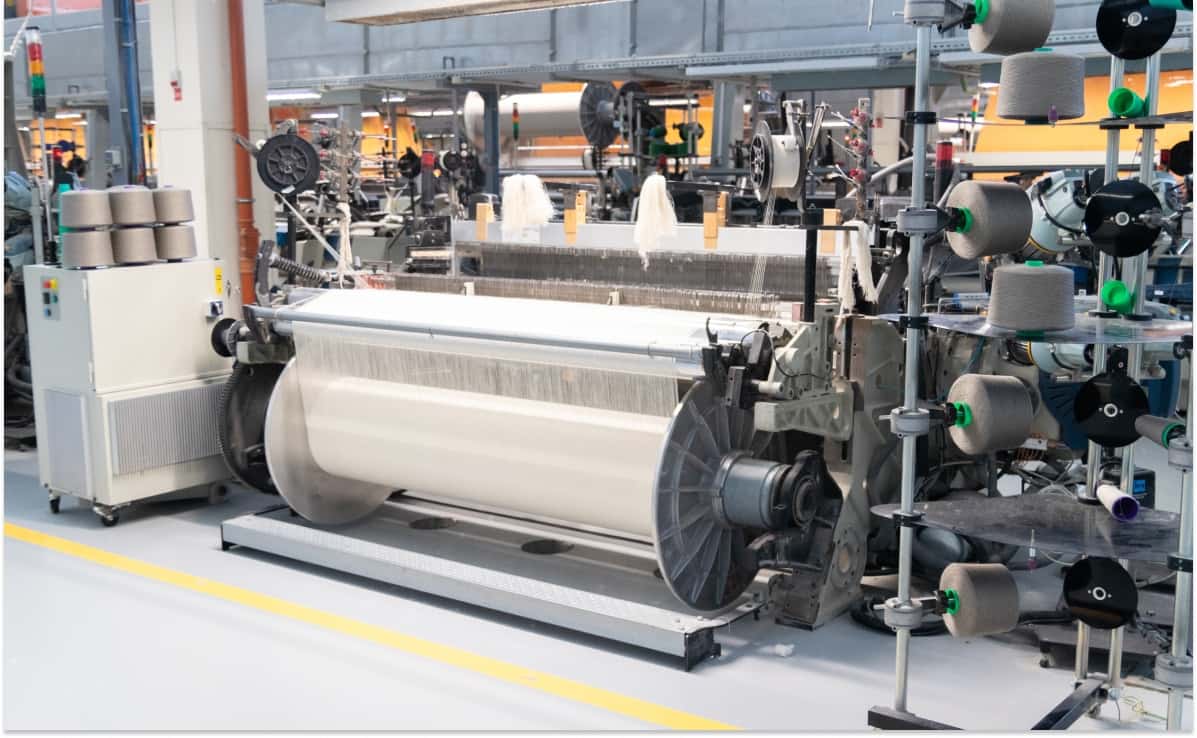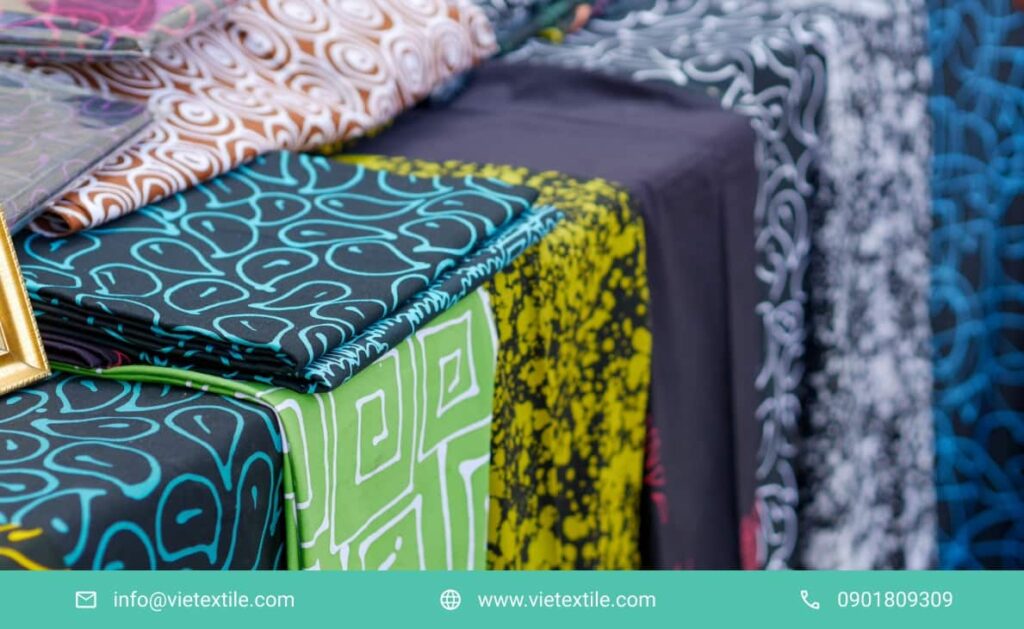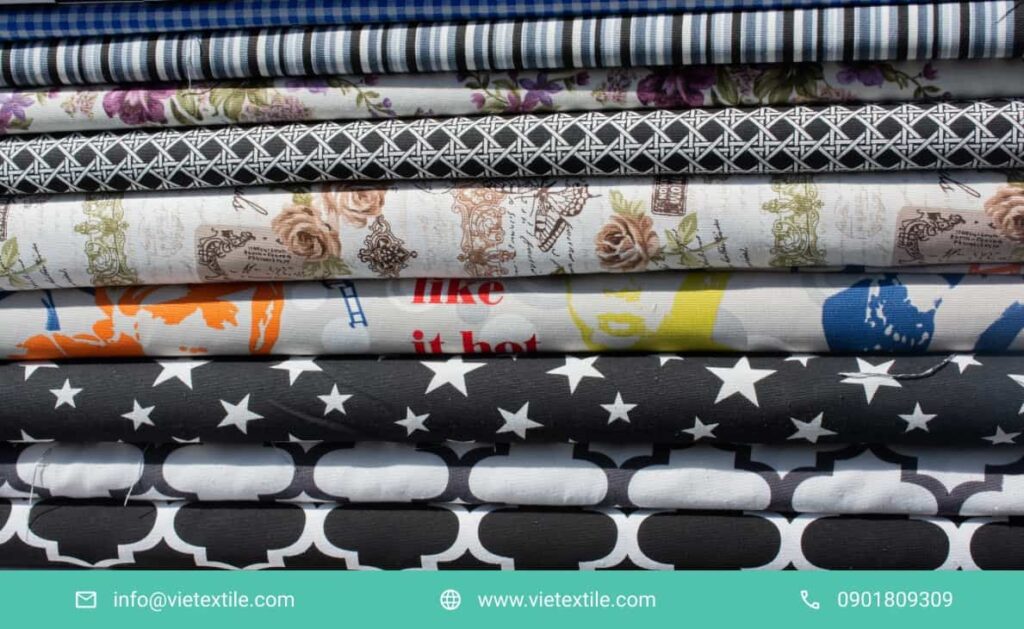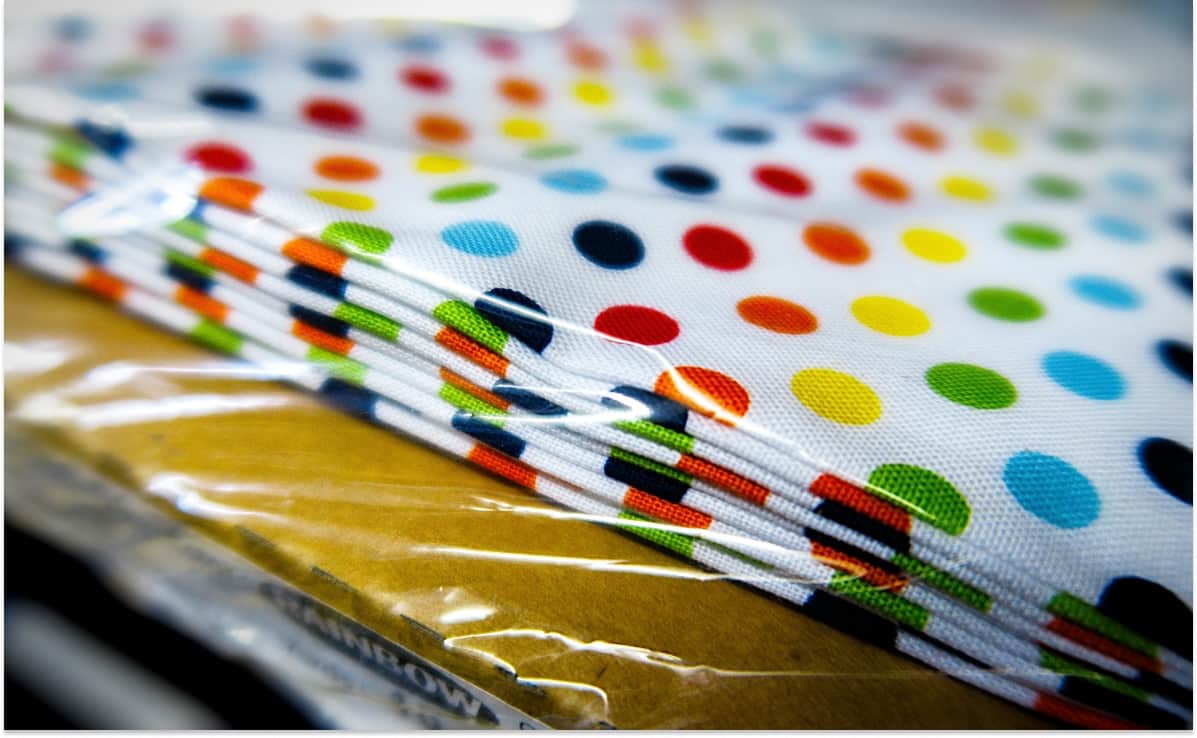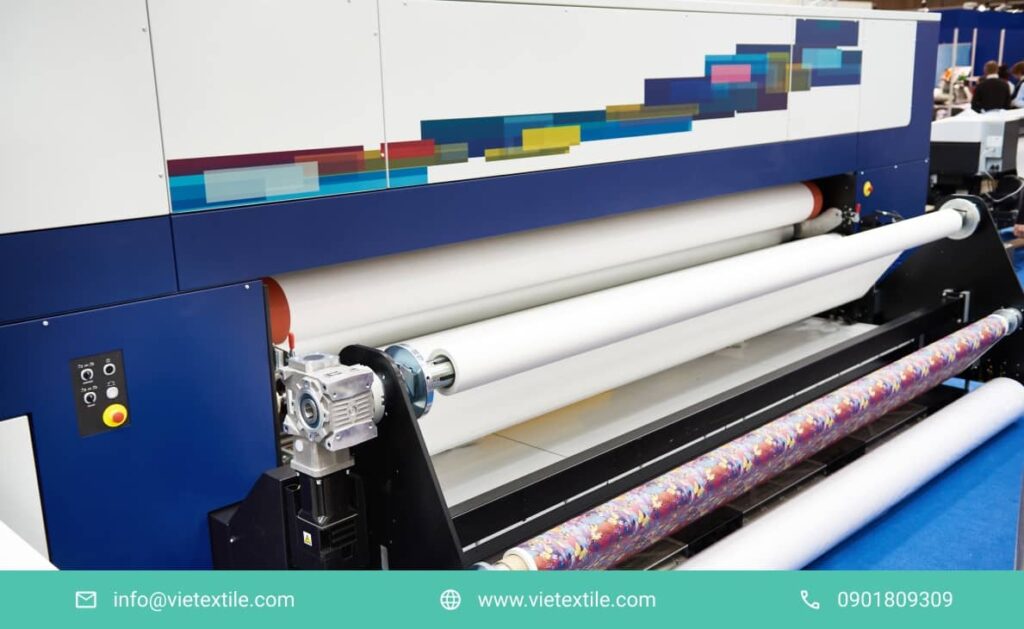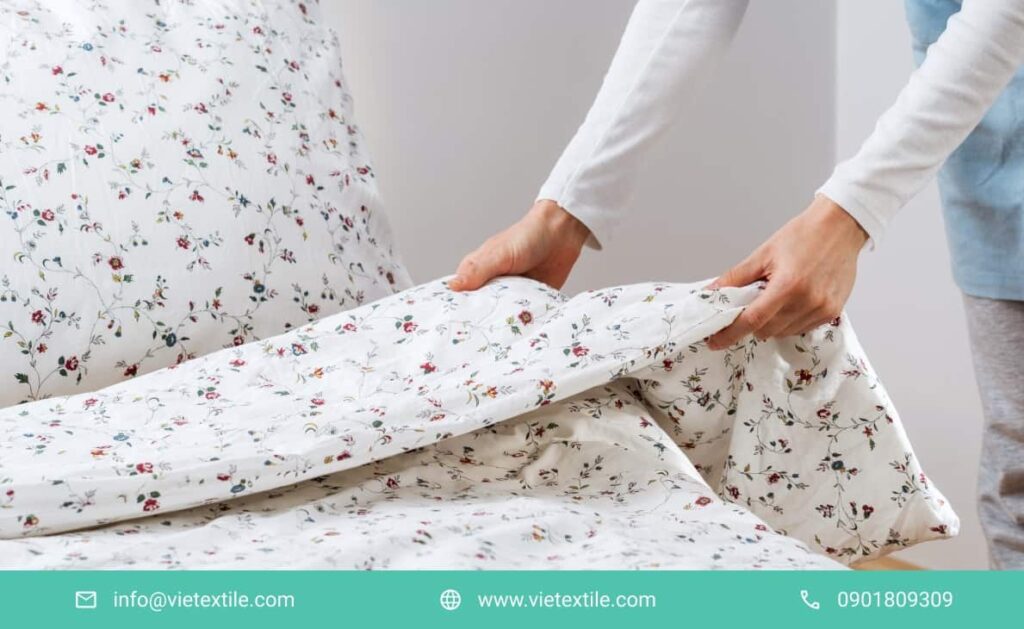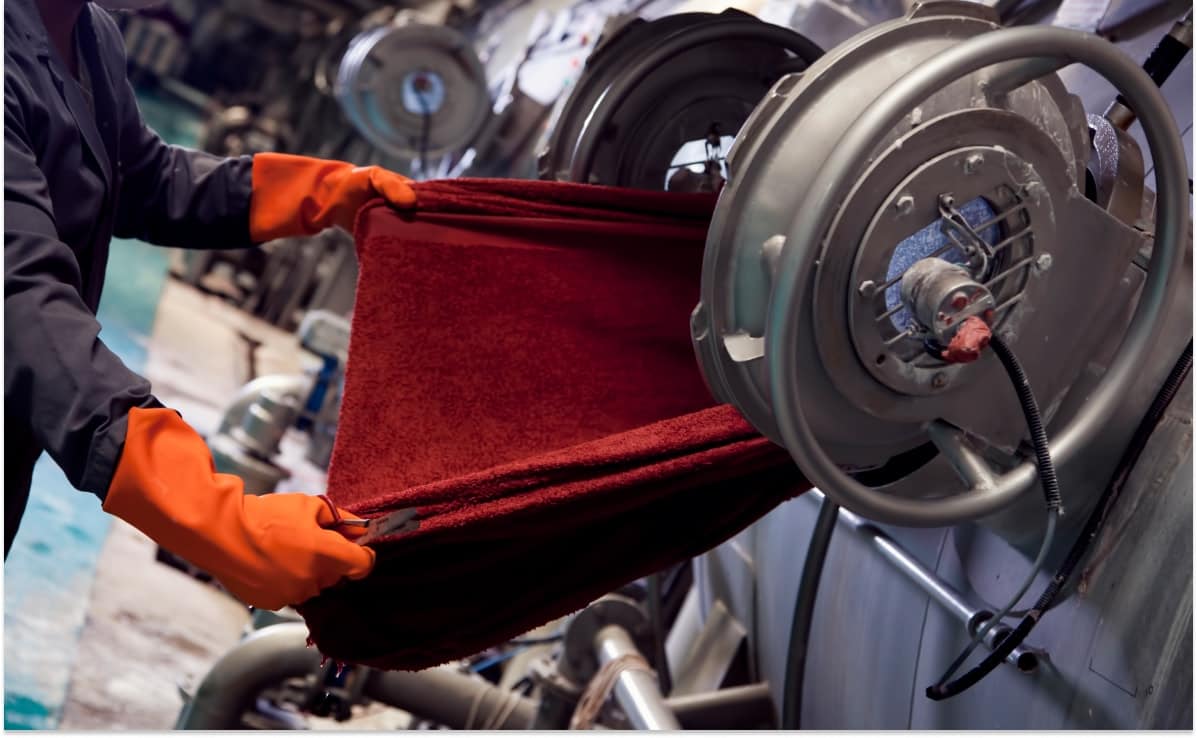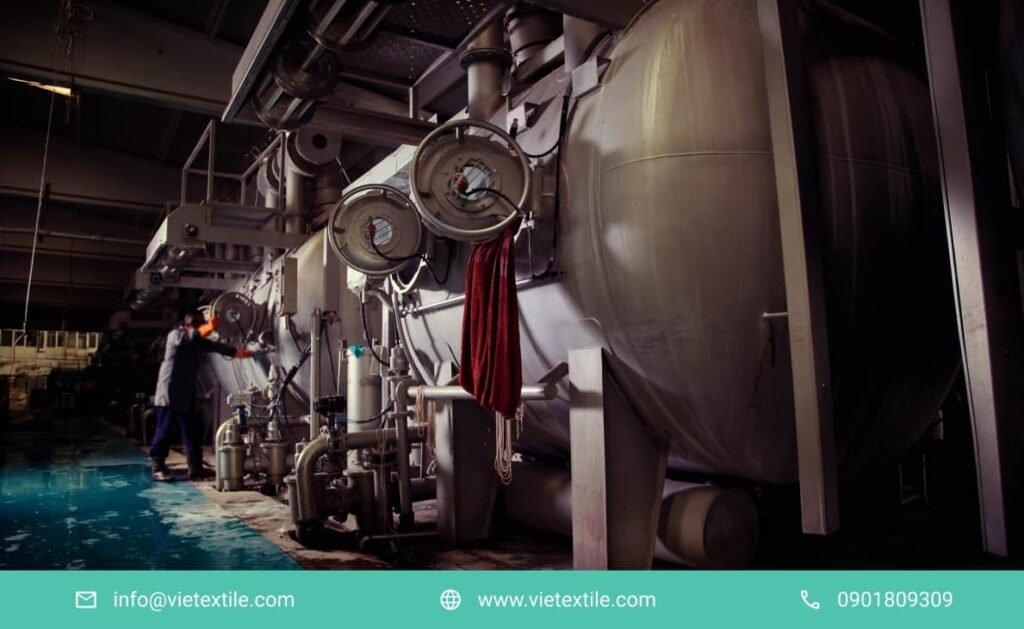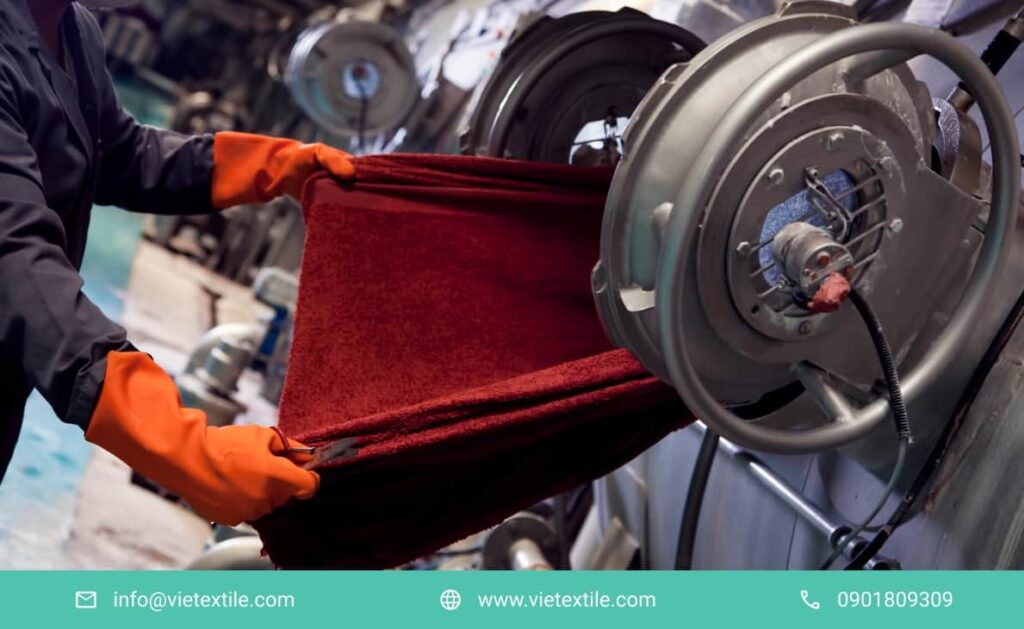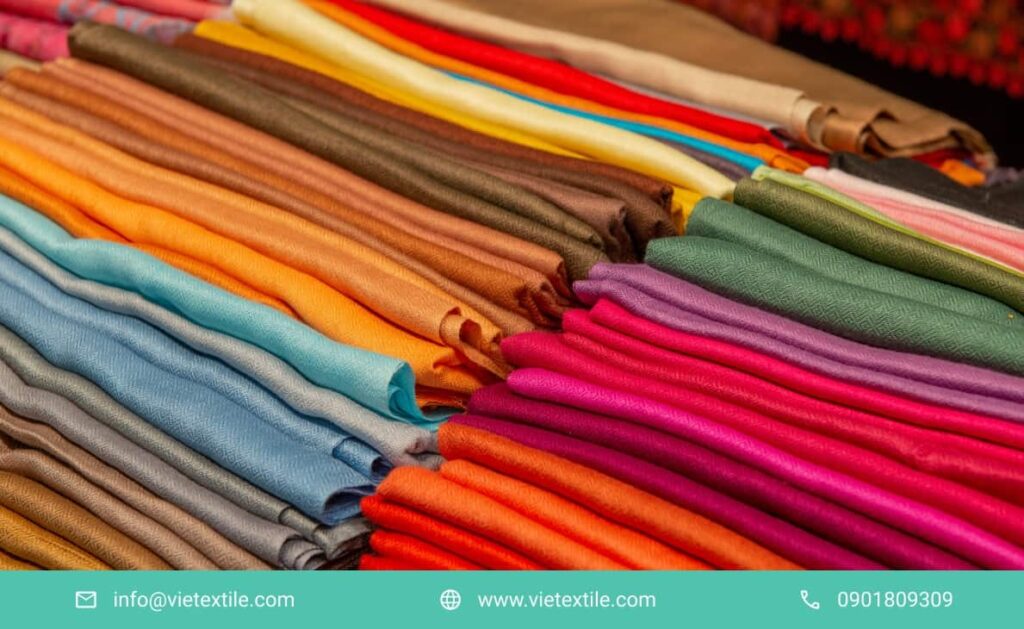
What Is Greige Fabric? Pros and Cons of Using It

In the textile industry, producing a finished product goes through many complex stages. However, before fabric is dyed, printed, or finished, it exists in its raw state, known as greige fabric. So, what exactly is greige fabric and what is its pivotal role in the textile supply chain?

The boom of fast fashion and diverse trends has created a high demand for speed and flexibility in fabric production. Greige fabric is the crucial link that helps manufacturers meet these demands. It is not just an intermediate product but a material that offers many strategic benefits, especially in inventory management and process optimization.

This article will delve into the definition of what greige fabric is, analyze its outstanding advantages, and discuss the limitations to be aware of when using it. From there, you will gain a more comprehensive understanding of this fabric’s role and how to leverage it most effectively.
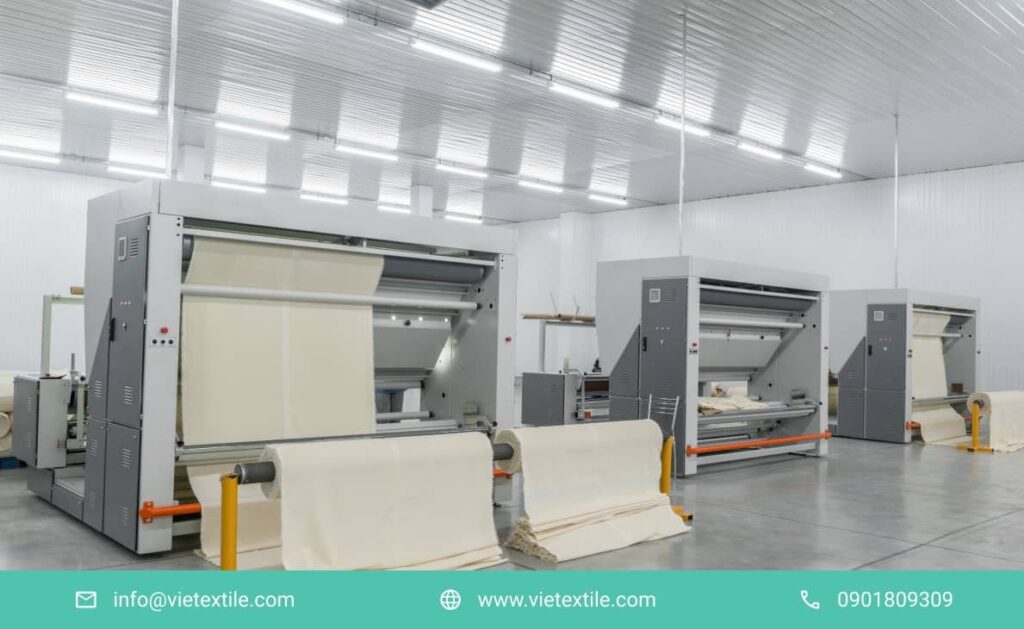
What Is Greige Fabric
What Is Greige Fabric? Pros and Cons of Using It 5

1. What Is Greige Fabric? – Definition and Common Types

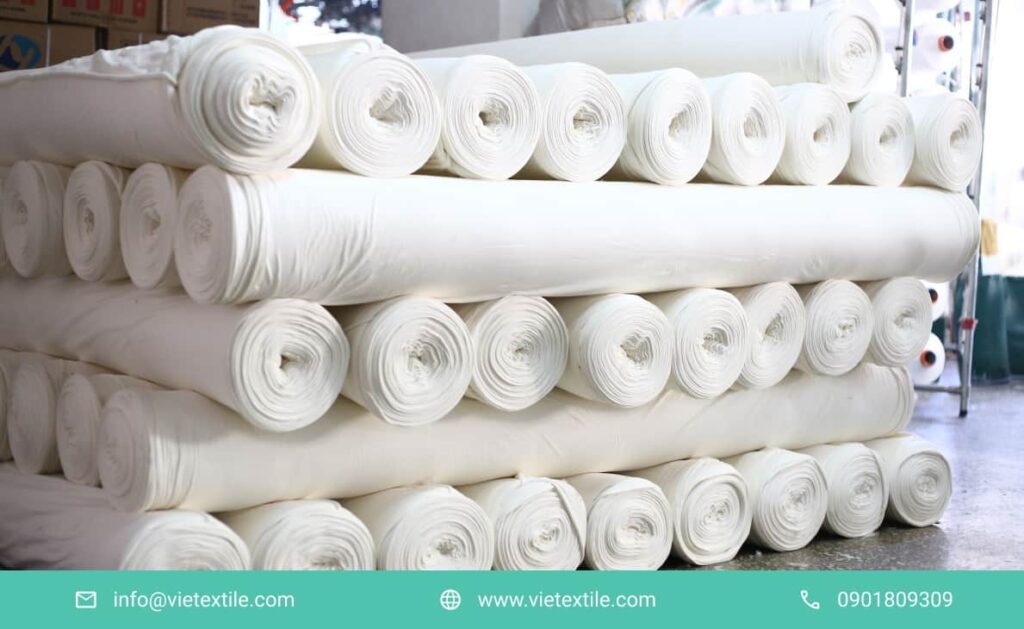
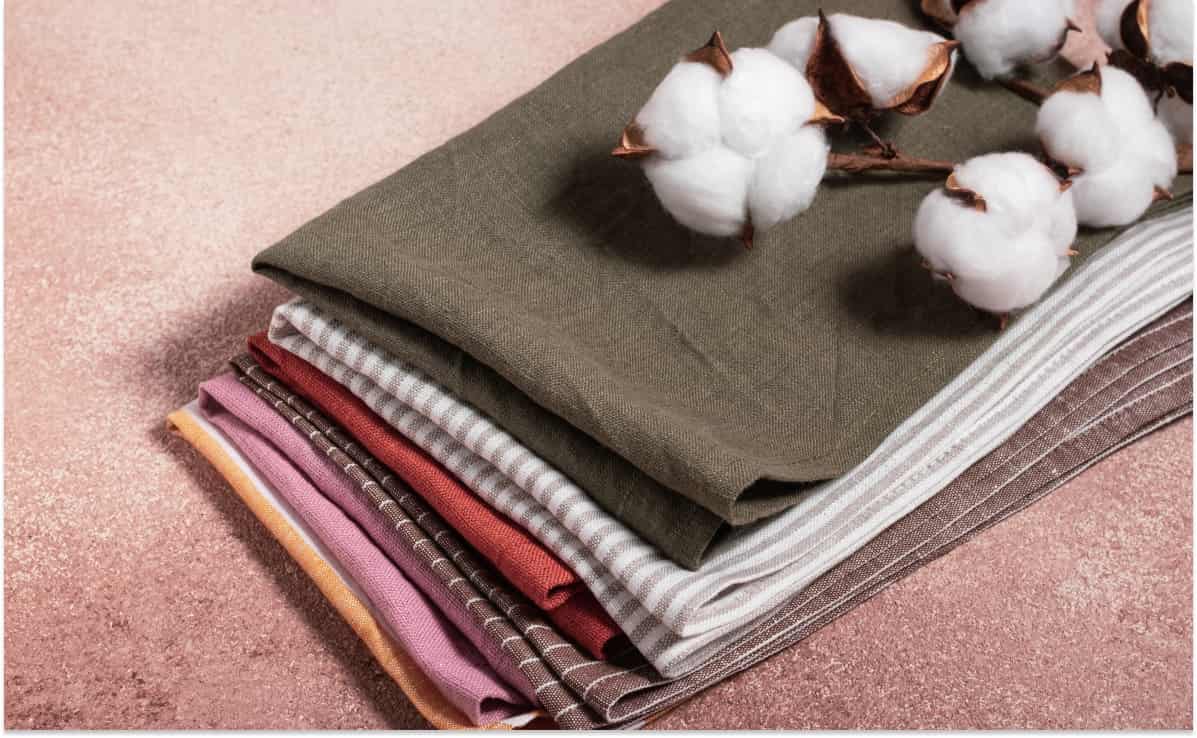
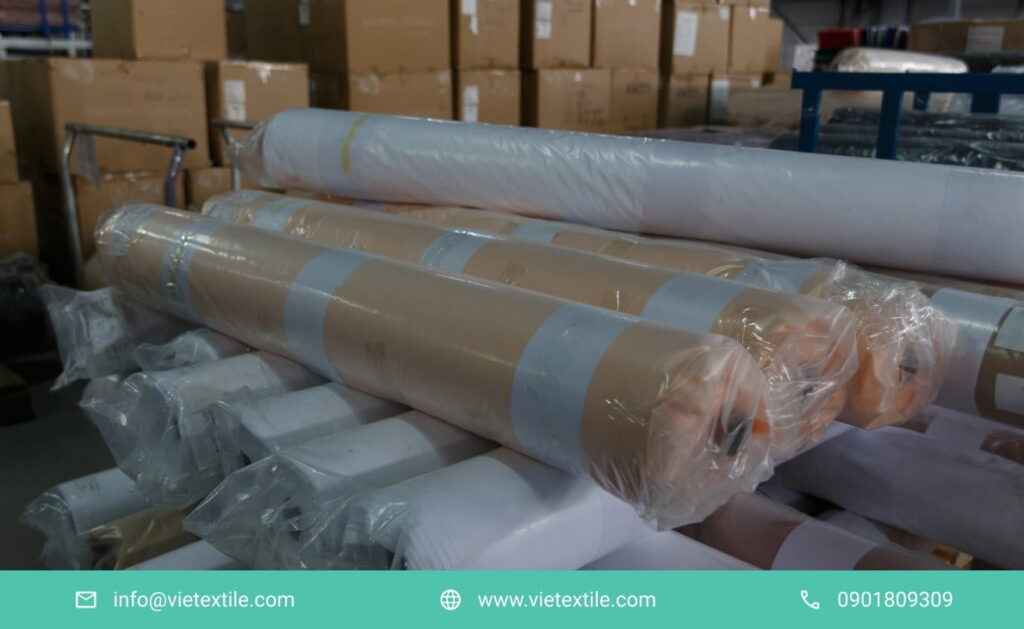
Greige fabric, also known as “loom state” or “gray fabric”, is the raw fabric right after it has been woven, without undergoing any processing steps such as dyeing, bleaching, printing, or finishing. It retains the natural color of the original fibers, which is often an off-white or light cream color. The term “greige” is a combination of the words “grey” and “beige,” accurately describing the raw color of this fabric. So, what is the definition of greige fabric? Simply put, it is a key product, ready for the next production stages.

1.1. Types of Greige Fabric by Fiber Content

Depending on the type of fiber used, greige fabric can be classified into different types, each with its own characteristics.

  • Greige Cotton: Raw fabric made from cotton fibers. This is the most common type because cotton is a widely used natural fiber. Greige cotton typically has an off-white color and a rough, stiff surface.
  • Greige Polyester: Raw fabric made from polyester fibers. This type is usually a brighter white, with a smooth surface and high durability.
  • Greige Silk: Raw silk fabric, which retains its natural sheen but has not been chemically treated for colorfastness.
  • Greige Blend Fabric: Raw fabric woven from a combination of two or more different types of fibers, such as cotton blended with polyester. This type combines the advantages of each fiber.

1.2. Greige Fabric in the Supply Chain

Greige fabric serves as a strategic “raw material” in the supply chain. The greige fabric is produced and stored in large quantities, ready for customer orders. When there is a specific request for color, printing, or finishing, the greige fabric will be taken out for further processing. What is greige fabric in this context? It is the solution that helps businesses manage better.

2. Outstanding Advantages of Using Greige Fabric

The use of greige fabric offers many strategic benefits for textile businesses, helping them optimize production and enhance competitiveness.

2.1. Optimized Deep Production Processes

Using greige fabric allows textile mills to standardize and optimize their initial production process. Instead of having to constantly change weaving formulas and machine setups to produce fabrics with different colors and finishes, they can focus on weaving a large quantity of greige fabric with consistent quality. This helps maximize machine capacity and reduce downtime due to product changeovers.

A mill can weave thousands of meters of greige fabric before any specific order is placed. The greige fabric is then stored as a readily available “raw material.” When an order comes in from a customer, whether for dyeing, printing, or a special finish, the greige fabric is taken out and processed. This process operates on a “make-to-order” model, instead of “make-to-stock” for each color, which helps minimize the risk of overproduction.

2.2. Increased Flexibility and Reduced Inventory

This is one of the biggest advantages of greige fabric. In the ever-changing fashion industry, predicting color or pattern trends is a major challenge. If a business produces and stores a large quantity of pre-dyed fabric, it faces the risk of high inventory when that color is no longer in style.

With greige fabric, this risk is significantly reduced. Businesses only need to store the raw fabric and then quickly dye or print it according to market demands. This helps them react faster to new trends, meeting the needs of fast fashion and capsule collections. This not only reduces financial risk but also helps the business maintain flexibility and competitiveness.

2.3. Lower Cost

Using greige fabric helps significantly reduce costs in the supply chain.

  • Lower initial production cost: Since greige fabric has not undergone any processing, the production cost per meter is significantly lower.
  • Optimized transportation costs: Shipping greige fabric in bulk is easier and more cost-effective than shipping many small batches of processed fabrics.
  • Reduced storage costs: The cost of storing greige fabric is also lower because it does not require complex storage conditions. Businesses only need a standard warehouse, instead of having to invest in a specialized warehouse management system for each type of finished fabric.

3. Limitations to Consider When Using Greige Fabric

Although it has many advantages, the use of greige fabric also has certain limitations.

3.1. Requires Complex Finishing Processes

After the greige fabric is ready, it must go through a series of complex chemical and mechanical processes to become a final product.

  • Pre-treatment: This is the first and most important step. The raw fabric is cleaned, bleached, and treated with enzymes to remove natural impurities (like oils, waxes) and residual chemicals from weaving. The goal is to make the fabric highly absorbent and ready for dyeing.
  • Dyeing and Printing: This process requires high technical skill to ensure color consistency and accuracy. There are various dyeing methods, from immersion dyeing to digital printing, each suitable for a specific fiber and color effect. An error at this step can ruin the entire batch.
  • Finishing: This is the final stage to add desired features to the fabric, such as wrinkle resistance, water resistance, flame retardancy, or softness. Specialized chemicals and processing technologies are used. To ensure quality, businesses need to find a dyeing and finishing partner with experience, modern technology, and a strict quality control system.

3.2. Sustainability Challenges

Processing raw fabric into finished products can pose significant environmental challenges, especially in stages that use chemicals and water.

  • High water and energy consumption: Fabric dyeing is a water- and energy-intensive industry. The bleaching and post-dyeing washing processes require a huge amount of water.
  • Chemical pollution: Excess chemicals and dyes, if not handled properly, can cause water pollution.
  • Air emissions: The drying process and fuel-burning machinery can produce greenhouse gases. Businesses need to be responsible in choosing processing partners with a commitment to the environment. Modern mills are applying solutions such as water recycling systems, using eco-friendly dyes (without heavy metals), and energy-saving technology. This not only protects the environment but also enhances brand value.

4. Detailed Analysis of the Greige Fabric Processing Cycle
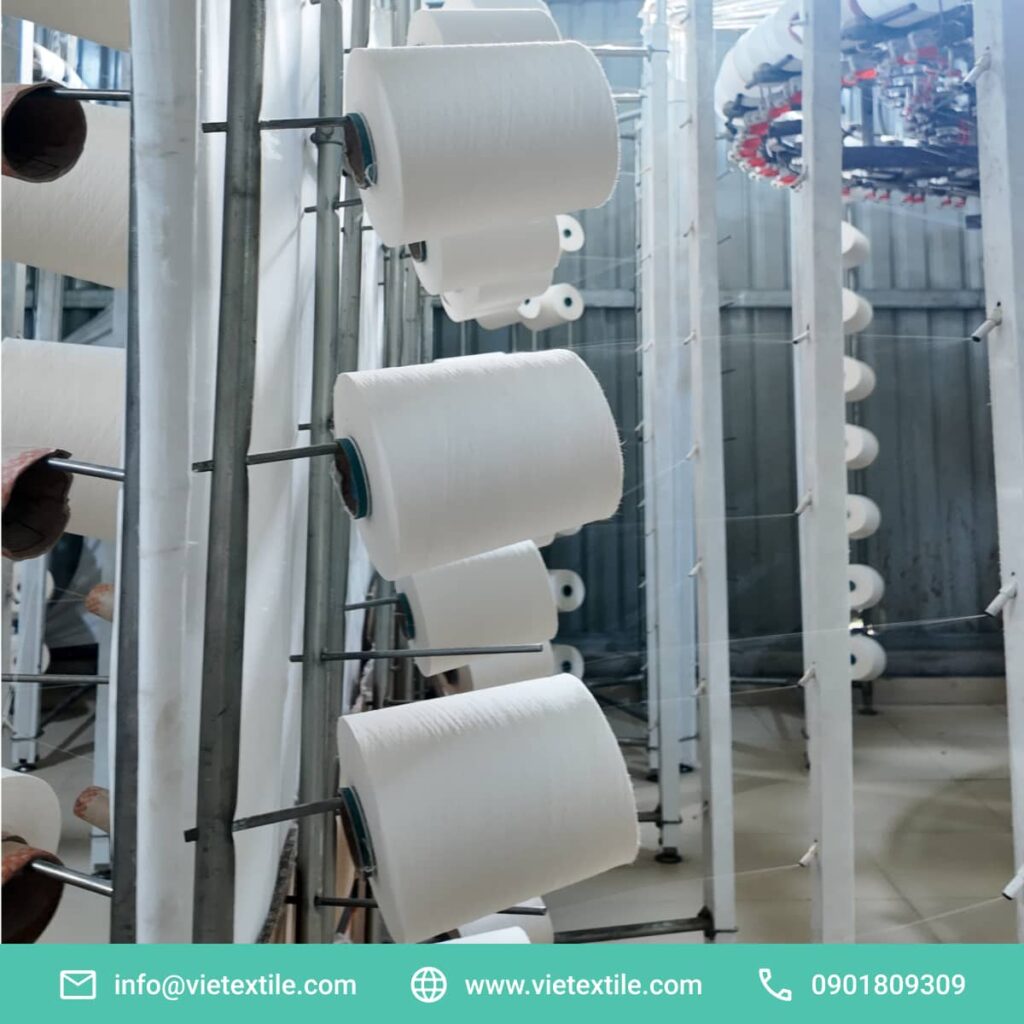
Quy trình sản xuất greige fabric là gì
What Is Greige Fabric? Pros and Cons of Using It 6

To better understand the value of greige fabric, we need to delve into the subsequent processing stages. Each step plays a crucial role in determining the quality and properties of the final product.

4.1. Pre-treatment Process

This is the first and most crucial step to prepare the raw fabric for subsequent stages. This process includes:

  • Desizing: Raw fabric often has a starch coating to increase stiffness and reduce friction during weaving. This coating must be completely removed using enzymes or chemicals to make the fabric softer and more absorbent.
  • Scouring: The fabric is treated in a hot alkaline solution to remove natural impurities like waxes, oils, and dirt. The goal is to clean the fibers, helping the fabric absorb water and dyes better.
  • Bleaching: If a pure white or light-colored fabric is needed, the fabric will be bleached with hydrogen peroxide or other bleaching agents. This process removes the fabric’s natural color.
  • Mercerization: Applied mainly to cotton fabric. The fabric is treated with a strong alkaline solution to enhance the luster, strength, and dye affinity of the fibers.

4.2. Dyeing and Printing Process

After pre-treatment, the greige fabric will be dyed or printed as required.

  • Dyeing: This is the main stage to add color to the fabric. There are many different dyeing techniques:
    • Exhaust Dyeing: The fabric is immersed in a dye solution.
    • Continuous Dyeing: The fabric runs through dye baths and heat treatments continuously.
    • Specialized Dyeing: Advanced methods like yarn dyeing, piece dyeing, etc.
  • Printing: Instead of dyeing the entire fabric, patterns or designs can be printed. Printing methods include:
    • Screen Printing: Common for large-quantity orders.
    • Digital Printing: Flexible, suitable for complex patterns and small-quantity orders.

4.3. Finishing Process

After dyeing or printing, the fabric is finished to achieve the desired properties.

  • Mechanical Finishing: Using mechanical methods like napping, calendering, and brushing to change the fabric’s surface.
  • Chemical Finishing: Using chemicals to create special features like wrinkle resistance, water resistance, antimicrobial properties, flame retardancy, or softness.

5. Factors Affecting Greige Fabric Processing Costs

When businesses decide to process greige fabric, cost is one of the most important factors to consider.

5.1. Fiber Type and Fabric Quality

The price of greige fabric depends on the fiber material. Natural fibers like silk and organic cotton are often more expensive than polyester. Similarly, fiber density and weaving method also affect the price. Fabric with a high fiber density (high durability, low stretch) will be more expensive.

5.2. Processing Stages

Each processing stage after weaving adds to the cost. Fabric that is bleached, dyed, and finished will be more expensive than the initial raw fabric. This cost also depends on the complexity of the color, the type of chemicals, and the finishing technology used. Dyeing special colors or printing complex patterns will be more costly than basic dyeing.

5.3. Order Quantity

Most processing mills have a preferential pricing policy for large orders. For startups or small businesses with small-quantity orders, the cost per meter of fabric will often be higher. However, some mills like VieTextile offer flexible solutions to support small orders, helping to reduce financial barriers.

5.4. Mill Scale and Technology

Large-scale mills that invest in modern and highly automated technology will have lower production costs, leading to more competitive prices. However, these mills usually only accept large orders. Conversely, smaller mills can be more flexible in handling small, individual orders.

6. Challenges and Solutions in Greige Fabric Production
Vải mộc greige fabric là gì
What Is Greige Fabric? Pros and Cons of Using It 7

Despite its great potential, the production and processing of greige fabric also face significant challenges.

6.1. Quality and Process Challenges

One of the biggest challenges is ensuring the consistent quality of the greige fabric. Any error in the weaving process will affect the quality of the final product.

Solution: Modern weaving mills need to implement strict quality control systems, using automated machinery and sensor technology to detect errors right from the weaving stage. Inspecting the greige fabric before moving to the next processing stage is mandatory.

6.2. Environmental and Sustainability Challenges

As mentioned above, the fabric processing stages can have a negative impact on the environment.

Solution: Manufacturers and processing mills need to invest in green technology, use eco-friendly chemicals, and implement modern wastewater treatment systems. Partnering with international organizations to achieve sustainability certifications like Bluesign® or OEKO-TEX® is also a way to demonstrate environmental commitment.

7. Greige Fabric and the Sustainable Future of the Textile Industry

With consumers increasingly concerned about the environment, greige fabric is becoming a part of a sustainable strategy.

7.1. Reducing Excess Fabric Inventory

Greige fabric helps brands produce on-demand rather than on-forecast, minimizing the amount of finished fabric that is overproduced and has to be discarded. This directly reduces resource waste and landfill waste.

7.2. Optimizing a Sustainable Supply Chain

Mills can optimize material transportation, reducing carbon emissions. Greige fabric also allows brands to choose dyeing and finishing suppliers that are committed to sustainability, creating a more transparent and responsible supply chain.

8. VieTextile – A Comprehensive Solution for Greige Fabric

With many years of experience in the textile industry, VieTextile is proud to be a reliable partner, providing a comprehensive solution for greige fabric. We not only supply high-quality greige fabric but also have a modern dyeing and finishing system, helping you transform raw fabric into a finished product quickly and efficiently.

VieTextile is committed to using advanced technology and environmentally friendly processes, ensuring your products achieve the highest quality while meeting sustainability standards.

9. Frequently Asked Questions (FAQ) About Greige Fabric

Is greige fabric only cotton? No, greige fabric is not just cotton. It can be any type of fabric that has just been woven, including polyester, silk, linen, and various blends.

Can raw fabric be used for sewing immediately? Raw fabric should not be used for sewing immediately. It needs to be bleached, dyed, and finished to have the desired color, durability, and properties.

Where can I buy greige fabric? You can buy greige fabric from large textile mills or suppliers specializing in raw fabric. VieTextile is one of the providers offering comprehensive solutions for fabric and processing.

For detailed consultation on greige fabric and processing solutions, contact VieTextile today!

Contact Information:

  • Hotline: 0901 809 309
  • Email: info@vietextile.com
  • Website: https://vietextile.com
Greige Fabric Processing HCMC for Small Businesses and Fashion Startups

In the fashion and textile industry, finding a reputable partner for Greige Fabric Processing HCMC is one of the most crucial steps, especially for small businesses and startups. Greige fabric processing is not just a technical step; it’s the foundation that determines the quality and cost of the final product.

In Ho Chi Minh City (HCMC) specifically, where the fashion industry is vibrant, the demand for Greige Fabric Processing HCMC is constantly rising. However, finding a flexible partner in terms of quantity who can also guarantee quality at an affordable price is always a challenge.

Fashion startups and small businesses often face many difficulties in the supply chain, from sourcing raw materials to production. Among these, the Greige Fabric Processing HCMC stage plays a pivotal role. The cost of investing in machinery and labor for weaving fabric is often financially unfeasible. Therefore, choosing a professional processing workshop is the optimal solution.

This article will delve into the benefits, criteria, and processes you need to know when selecting a Greige Fabric Processing HCMC service. We will explore why partnering with a professional greige fabric partner is the key to success for emerging brands.

Greige Fabric Processing HCMC
Greige Fabric Processing HCMC for Small Businesses and Fashion Startups 12

1. What is Greige Fabric Processing?

Before diving into the benefits and criteria, it’s crucial to understand the concept of greige fabric processing. This service acts as a bridge between the yarn supply and the final product finishing stages, such as dyeing and printing.

1.1. The Concept of Greige Fabric

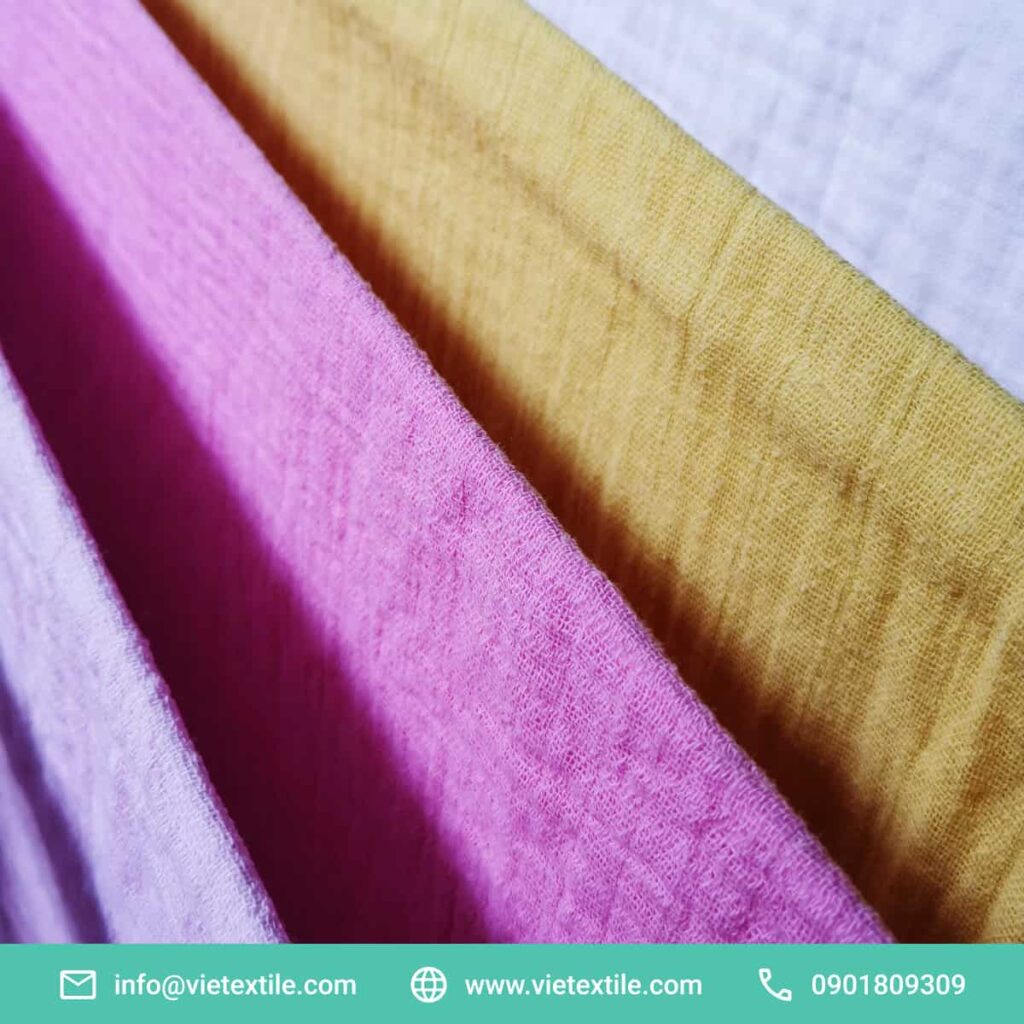
Greige fabric is raw, unprocessed textile that has not undergone any post-weaving treatment. It is the fabric in its most natural state, typically off-white or cream-colored, retaining the basic properties of the yarn. Greige fabric is the first semi-finished product, with a rough surface and none of the finished features like softness, wrinkle resistance, or colorfastness.

1.2. The Role of Greige Fabric Processing

Greige Fabric Processing is a service that produces greige fabric according to customer requirements. Instead of investing in a costly weaving system, businesses can place orders with specialized workshops. This service not only helps save initial costs but also ensures that the fabric is produced according to specific technical standards. The greige fabric is then transferred to dyeing and printing facilities to create the final product.

2. Benefits of Greige Fabric Processing HCMC for Fashion Startups

The Greige Fabric Processing HCMC service offers many competitive advantages for small businesses and startups, helping them overcome initial barriers.

2.1. Optimizing Production Costs

Investing in weaving machinery is a huge expense, from the machines themselves to maintenance, labor, and warehousing. Outsourcing Greige Fabric Processing HCMC allows startups to significantly reduce their fixed costs. Instead of investing billions of VND, they only need to pay a cost based on the actual quantity of products.

This helps the company’s cash flow be used more effectively for other core activities such as marketing, design, and product development. As a result, startups can focus on brand building and market expansion without worrying about financial burdens.

2.2. Flexibility in Quantity and Time

Professional Greige Fabric Processing HCMC units are often flexible in accepting small-quantity orders. This is crucial for startups that want to test the market with a limited collection or produce samples before mass production.

This quantity flexibility helps reduce inventory risk, allowing businesses to easily adjust production output according to market demand. At the same time, partnering with a processing workshop also helps shorten production time, accelerating the launch of new products.

2.3. Ensuring Consistent and High Quality

With experience and a modern machinery system, reputable Greige Fabric Processing HCMC units can ensure high and consistent product quality. They have a team of skilled technicians with a deep understanding of different fiber types and weaving techniques.

Professional greige fabric workshops typically have a strict quality control process at every stage, from raw material input to the final product output. This minimizes product defects such as streaks, fiber flaws, or uneven thickness.

3. Criteria for Choosing a Greige Fabric Processing Unit in HCMC

Quy trình gia công dệt mộc TPHCM
Greige Fabric Processing HCMC for Small Businesses and Fashion Startups 13

To find a suitable Greige Fabric Processing HCMC partner, you need to consider the following criteria:

3.1. Production Capacity and Equipment

Check if the workshop has enough modern machinery and production capacity to meet your needs. Modern knitting or weaving machines not only offer high productivity but also ensure consistent fabric quality.

Ask about the types of machinery they use, such as circular knitting machines, shuttle looms, etc. This will help you evaluate their capability to produce complex fabric types.

3.2. Experience and Expertise

Industry experience is a key factor. An experienced Greige Fabric Processing HCMC unit will understand the issues that may arise and have effective solutions. They will advise you on the most suitable fiber types, weaving styles, and technical specifications.

Find out about the projects they have completed, especially with partners similar to you.

3.3. Quality Control Process

Ask about the workshop’s quality control process. A strict process includes checking raw materials, in-process inspection, and final product inspection. This will give you peace of mind about product quality.

Quality control for greige fabric typically includes checks for durability, thickness, stretch, and other weaving defects.

3.4. Pricing Policy and Support Services

Compare prices among different Greige Fabric Processing HCMC units. However, don’t just choose the lowest price; consider the overall quality of service and reputation. A reasonable price combined with professional service is a better choice.

Find out about support services such as technical consultation, delivery, and warranty policies.

4. Common Types of Greige Fabric in HCMC Processing

The demand for Greige Fabric Processing HCMC is diverse, ranging from basic fabrics to those with special features.

4.1. Cotton Greige Fabric

Cotton is the most common natural fiber. Cotton greige fabric has high durability, good absorbency, and breathability. It is a top choice for everyday fashion products such as T-shirts and polo shirts. Greige Fabric Processing HCMC with cotton yarn is highly popular.

4.2. Polyester Greige Fabric

Polyester is a synthetic fiber with high durability, good wrinkle resistance, and quick drying properties. Polyester greige fabric is often used for sportswear and windbreakers. Greige Fabric Processing HCMC with polyester requires special machinery and techniques.

4.3. CVC, TC and Other Blended Fabrics

Blended fabrics are a combination of two or more fiber types. CVC (Chief Value Cotton) fabric has a higher cotton-to-poly ratio, while TC (Tetoron Cotton) has a higher poly ratio. Greige Fabric Processing HCMC with blended fabrics requires more complex techniques to ensure that the properties of each fiber type are maximized.

5. Processes in a Professional Greige Fabric Processing Service

Sản phẩm từ gia công dệt mộc TPHCM
Greige Fabric Processing HCMC for Small Businesses and Fashion Startups 14

A standard Greige Fabric Processing HCMC process will include the following steps:

5.1. Receiving Requirements and Consultation

This is the first and most important step. The processing unit will receive your requirements, including fabric type, quantity, design, etc. The technical team will advise you on fiber types, weaving styles, and provide the most suitable solutions.

They will analyze your needs to ensure the final product meets the desired standards.

5.2. Material Preparation and Production

After an agreement is reached, the workshop will proceed with material preparation. The weaving yarn will be quality-checked and then fed into the weaving machine. Depending on the fabric type and weaving style, this process can take from a few days to several weeks.

Modern machinery will ensure the fabric is woven with high precision.

5.3. Output Product Quality Control

Every roll of greige fabric, once woven, must undergo a strict quality control process. The inspection team will examine the fabric to detect weaving defects such as streaks, flaws, or stains.

Technical parameters like thickness, weight, and stretch will also be re-checked.

5.4. Delivery and Post-Sale Support

Once the product meets the standards, it will be packaged and delivered directly to you. A reputable processing unit will also have a post-sale support policy to address any issues that may arise.

6. Challenges and Solutions for Greige Fabric Processing in HCMC

Despite the many benefits, Greige Fabric Processing HCMC still comes with a few potential challenges.

6.1. The Challenge of Small Quantities

This is the most common problem. Many large workshops in HCMC often only accept minimum orders of 1000 kg or more. This makes them inaccessible to startups. Solution: Look for workshops specializing in small-quantity Greige Fabric Processing HCMC, with flexible machinery systems to handle small orders, helping to reduce costs and waste.

6.2. The Challenge of Inconsistent Quality

If you don’t choose carefully, you might partner with unprofessional workshops, leading to unstable product quality, defective fabric rolls, streaks, or uneven stretch. Solution: Thoroughly research the reputation and experience, and request a sample from the Greige Fabric Processing HCMC workshop before mass production.

6.3. The Challenge of Cost and Time

The price for small orders is often higher than for large ones. Additionally, waiting for a workshop’s production schedule can slow down your project. Solution: Create a clear production plan, and communicate directly with your partner about timelines and costs. Greige Fabric Processing HCMC at reputable workshops will help you optimize both of these factors.

7. Superior Benefits of Choosing VieTextile for Greige Fabric Processing HCMC

VieTextile is proud to be a reliable partner in the textile industry, especially for Greige Fabric Processing HCMC. We offer a comprehensive solution for startups and small businesses, helping you turn your ideas into tangible products most effectively.

We have a modern machinery system and a team of skilled engineers and workers, ensuring superior fabric quality. Our flexible quantity policy means you no longer have to worry about small orders. We are committed to providing high quality, reasonable prices, and fast production times.

VieTextile is not just a greige fabric processing workshop; we are also a strategic partner. We are always ready to listen, advise, and accompany you on your brand’s development journey.

8. Frequently Asked Questions (FAQ) about Greige Fabric Processing HCMC

What is greige fabric? Greige fabric is the textile woven from raw yarn into fabric that has not yet been dyed, printed, or finished.

Is there a minimum quantity for Greige Fabric Processing HCMC? It depends on the workshop. At VieTextile, we have a flexible policy that accepts small-quantity orders to support startups and businesses.

How is the cost for Greige Fabric Processing HCMC calculated? The cost is usually calculated per kilogram or per meter of fabric. The price will vary depending on the yarn type, weaving style, quantity, and other technical requirements.

How long does it take for greige fabric processing? The processing time depends on the order quantity, fabric complexity, and the workshop’s production schedule. At VieTextile, we are committed to fast and on-time delivery.

Can greige fabric be woven according to a custom sample? Yes. Professional Greige Fabric Processing HCMC workshops like VieTextile can weave fabric according to custom samples, ensuring a unique product that fits your design.

To get detailed consultation and a quote for our Greige Fabric Processing HCMC services, contact VieTextile today!

Contact Information:

  • Hotline: 0901 809 309
  • Email: info@vietextile.com
  • Website: https://vietextile.com
Comparing Industrial and Manual Fabric Dyeing Services

Choosing the right fabric dyeing method is a crucial decision for fashion and textile brands. Depending on the scale of production, quality requirements, and the uniqueness of the product, a business can choose between two main methods: industrial dyeing and manual dyeing. Each method has its own distinct characteristics, advantages, and disadvantages.

In the modern textile industry, the demand for fabric colors and quality is becoming more diverse. This raises the question of which type of Textile Dyeing Service to choose to optimize production and meet customer tastes. The two most common methods are industrial and manual dyeing, each offering its own benefits.

This article will delve into a comparison of these two Textile Dyeing Service types, from technology and process to pros, cons, and practical applications. From there, you will have a comprehensive overview to make the right decision and choose the Textile Dyeing Service that best suits your business goals.

Textile Dyeing Service
Comparing Industrial and Manual Fabric Dyeing Services 19

1. Concepts and Development History of Textile Dyeing Service

Before diving into the comparison, let’s understand the basic concept of a Textile Dyeing Service. This is a technical process aimed at creating color for textile materials, including fibers, fabric rolls, or finished garments.

Textile Dyeing Service providers use dyes, chemicals, and specialized equipment to create the desired color. This process not only changes the color but can also affect other properties of the fabric, such as colorfastness, elasticity, and softness.

1.1. Industrial Textile Dyeing Service

Industrial fabric dyeing is a dyeing process carried out on a large scale, using modern machinery and technology. This method is often applied to large orders, from hundreds to thousands of meters of fabric. The process is highly automated, from color mixing to dyeing and finishing. The main goal of industrial Textile Dyeing Service is to achieve high color uniformity, large output, and competitive prices. This is the foundation of the mass-market fashion industry.

The history of industrial dyeing began in the 19th century with the invention of the first synthetic dye (such as mauveine by William Henry Perkin). The development of azo dyes, reactive dyes, and large-capacity dyeing machines transformed fabric dyeing from a traditional craft into a modern industry. Today, industrial Textile Dyeing Service not only focus on productivity but also on resource efficiency and environmental protection.

1.2. Manual Textile Dyeing Service

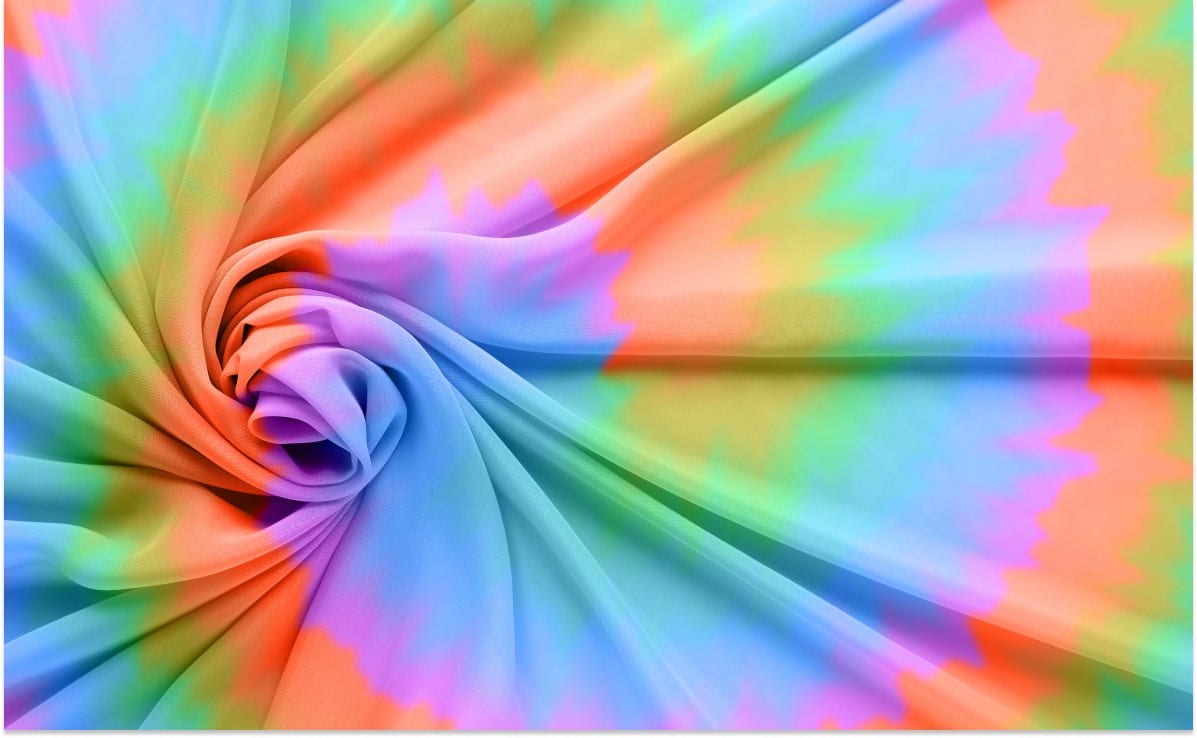
In contrast, manual fabric dyeing is a dyeing process performed by hand or with small equipment, focusing on small quantities. This method is often used in small workshops, for high-end fashion designers or special projects. Artistry, uniqueness, and high customization are the highlights of this service. Manual dyeing often creates unique color effects that cannot be replicated by machines, bringing individual value to each product.

Manual dyeing has a long history, linked to ancient civilizations that used natural materials such as bark, leaves, and roots to create colors. Techniques like tie-dye, Japanese shibori, or Indonesian batik have become cultural heritage. In the modern era, manual Textile Dyeing Service still retain their value and are sought after by designers to create one-of-a-kind products.

2. Pros and Cons of Each Fabric Dyeing Method

Sản phẩm hoàn thiện từ dịch vụ nhuộm vải
Comparing Industrial and Manual Fabric Dyeing Services 20

The choice between these two dyeing methods depends on the specific needs of each project. Understanding the pros and cons will help you make a wise decision.

2.1. Advantages of Industrial Textile Dyeing Service

  • High Productivity and Efficiency: Thanks to the use of modern machinery such as high-pressure Jet dyeing machines and continuous Pad-Steam machines, industrial Textile Dyeing Service can process a huge volume of fabric in a short time, helping to meet large orders and reduce production time.
  • High Uniformity and Stability: The automated process ensures that the fabric’s color is dyed uniformly and consistently between batches. Parameters such as temperature, pressure, and dye concentration are precisely controlled, minimizing human error. A spectrophotometer is used to measure color objectively, ensuring the final product meets standards.
  • Competitive Pricing: With a large scale and an optimized process, the cost per meter of industrially dyed fabric is significantly lower than that of manual dyeing. This is crucial for mass-market fashion brands, where price is the top competitive factor.
  • Ability to Dye Synthetic Fabrics: Industrial dyeing with high-pressure machines can handle synthetic fabrics like polyester and nylon, which are very difficult to dye without high temperatures and pressure.

2.2. Disadvantages of Industrial Textile Dyeing Service

  • Large Minimum Order Quantity: Most industrial Textile Dyeing Service providers have a minimum quantity requirement to optimize production costs. This makes it difficult for independent designers or small brands who want to test products in small quantities.
  • Less Design Flexibility: Industrial dyeing focuses on accurately reproducing colors according to a formula. Therefore, it is not suitable for creating unique color effects, ombré, or blotchy patterns.
  • Low Uniqueness: Industrially dyed products often have identical colors, lacking the uniqueness and artistry of manual dyeing. This may not be suitable for the high-end fashion segment.

2.3. Advantages of Manual Textile Dyeing Service

  • High Uniqueness and Artistry: Manual dyeing allows the artisan to create special color effects, unique lines, or intricate patterns. Each manually dyed product is a one-of-a-kind work of art, bringing high value in terms of aesthetics and personalization.
  • Flexibility in Quantity: Manual dyeing workshops can handle very small orders. This is ideal for designers who want to test colors or produce limited collections without having to order in large quantities.
  • Suitable for Special Fabrics: Manual dyeing can handle natural fabrics well, such as silk and linen, where industrial machines sometimes face difficulties.

2.4. Disadvantages of Manual Textile Dyeing Service

  • Low Uniformity: Due to the manual process, ensuring color uniformity across the entire fabric roll is a major challenge. Color variations or differences between batches can occur, requiring the artisan to have high skill and many years of experience.
  • High Cost: Manual Textile Dyeing Service require a lot of time and effort from the artisan. This results in significantly higher production costs than industrial dyeing, making it unsuitable for mass-market products.
  • Low Productivity: The production time for each manual dyeing order is often longer than for industrial dyeing. This is not suitable for urgent or large-quantity orders.

3. The Dyeing Process of Industrial and Manual Fabric Dyeing Services

Gia công theo dịch vụ nhuộm vải
Comparing Industrial and Manual Fabric Dyeing Services 21

Understanding the process will help you choose the right Textile Dyeing Service more easily. Although the purpose is the same, the processes of these two methods are distinctly different.

3.1. Professional Industrial Dyeing Process

Pre-treatment Stage: This is a crucial step that determines the fabric’s ability to absorb dyes.

  • Boiling and Washing: Removes natural impurities such as wax, oil, and dirt clinging to the fabric fibers.
  • Bleaching: Uses chemicals to remove the fabric’s natural color, helping the dye to be more accurate, especially for cotton fabric.
  • Mercerizing (for cotton): Treating the fabric with an alkaline solution to swell the fibers, increasing luster, strength, and dye absorption.

Dyeing Stage:

  • Automated Color Mixing: The dyeing workshop’s laboratories use a spectrophotometer to analyze the customer’s color sample, then an automated color mixing machine calculates and formulates the most precise dye recipe. This ensures color uniformity between batches.
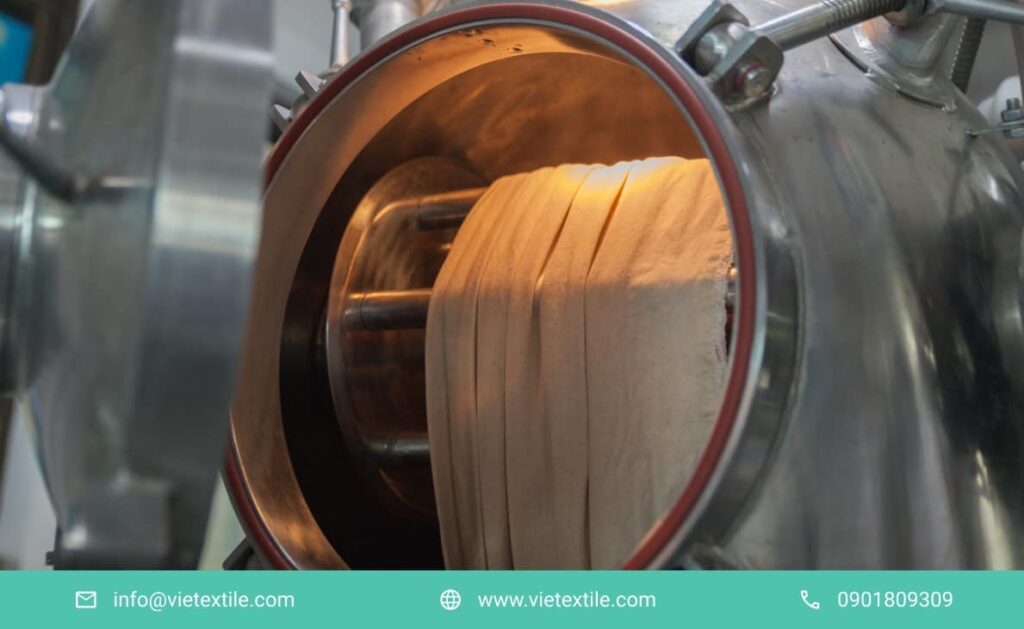
  • Fabric Dyeing on Machines: Fabric is fed into specialized dyeing machines such as a Jet dyeing machine (using a strong flow to circulate the fabric), an Overflow dyeing machine (circulating fabric with an overflow of water), or a Jigger dyeing machine (for woven fabrics), depending on the fabric type and technical requirements.

Post-treatment Stage:

  • Thorough Washing: The fabric is washed multiple times to remove excess dye and chemicals. This process helps increase colorfastness and ensures the fabric does not cause skin irritation for the user.
  • Fixing (Color Fixing): A color-fixing agent is used to make the dye adhere more firmly to the fabric fibers, preventing fading when washed or rubbed.
  • Drying and Finishing: The fabric is dried using an industrial dryer. Then, finishing steps can be performed such as softening, calendaring (glossing), or adding special features like wrinkle-resistance, water-resistance, or antibacterial properties.

Quality Control (QC): The final product is re-inspected with a spectrophotometer to compare it with the standard color and visually inspected to detect small flaws such as color blotches or stripes. Colorfastness tests for washing and rubbing are also performed.

3.2. Traditional Manual Dyeing Process

Preparation Stage:

  • Cleaning: The fabric is washed by hand to remove impurities.
  • Mordanting (Color Fixing): This is an important step for dyeing with natural dyes. The fabric is soaked in a solution containing natural mordants such as alum, iron salts, etc., to make the fabric fibers absorb the color better.

Dyeing Stage:

  • Manual Color Mixing: The artisan will mix the dye based on experience and feel. This requires a deep understanding of colors and the chemical reactions with each fabric type.
  • Fabric Dyeing: The fabric is dipped into the dyeing vat and stirred by hand or with simple tools. For special techniques, the fabric will be shaped (tied, folded, knotted) before dipping.

Post-treatment Stage:

  • Washing and Drying: The fabric is washed manually with cold water, then dried in the sun or shade depending on the dye’s requirements.
  • Manual Finishing: Finishing steps are usually simple, including ironing or softening the fabric with natural materials.

Quality Control: Quality inspection is primarily based on the artisan’s experience and feel, and there are often no precise measurement devices.

4. Practical Applications of Textile Dyeing Service

Each Textile Dyeing Service method has its own distinct applications, suitable for different market segments and product goals.

4.1. Applications of Industrial Dyeing

Industrial dyeing is the backbone of the mass-market textile industry. This service is widely used to produce:

  • Mass-market Fashion: T-shirts, jeans, dresses, etc., in large quantities to supply retail chains.
  • Uniforms: Dyeing uniforms for companies, schools, and hospitals, which require high color uniformity.
  • Household Textiles: Upholstery fabric, curtains, tablecloths, etc., with standard and stable colors.
  • Technical Fabrics: Dyeing specialized fabrics such as flame-retardant, UV-resistant, and antibacterial fabrics for protective and medical products.

4.2. Applications of Manual Dyeing

Manual dyeing is aimed at unique products with high artistic value. This service is suitable for:

  • High-End Fashion: Limited collections, high-quality handmade products.
  • Handmade Products: Handbags, accessories, scarves, etc., with unique colors and patterns.
  • Textile Art: Artworks, fabric paintings, decorative rugs.
  • Sustainable Fashion Brands: Dyeing with natural, eco-friendly dyes, targeting customers who care about organic and sustainable products.

5. Environmental Impact and Sustainable Solutions

In the context of globalization and increasing environmental awareness, the impact of Textile Dyeing Service on the environment is a matter of concern. Both industrial and manual dyeing have their own challenges and solutions.

5.1. Environmental Challenges of Industrial Dyeing

Industrial wastewater is one of the biggest problems. The dyeing process uses a large amount of water, and the wastewater contains chemicals, excess dyes, and other harmful substances. If not treated properly, they can cause serious water pollution. Industrial dyeing also consumes a lot of energy to maintain high temperatures and pressures.

However, reputable industrial Textile Dyeing Service providers are investing in sustainable solutions:

  • Wastewater Treatment Systems: Using biological and chemical-physical filtration technologies to remove pollutants before discharging into the environment.
  • Water-Saving Dyeing Technology: Using low-liquor ratio dyeing machines and recycling water in the production process.
  • Using Eco-Friendly Dyes: Shifting to the use of dyes that do not contain heavy metals, are non-toxic, and are biodegradable.

5.2. Environmental Challenges of Manual Dyeing

Although considered more eco-friendly, manual dyeing can also cause environmental problems if synthetic dyes are used and waste is discharged without control. However, the biggest advantage is the ability to use natural dyes.

  • Natural Dyes: Using plant-based materials (indigo leaves, onion skins, roots) helps minimize chemical pollution.
  • Small Scale: The amount of wastewater and energy consumed is much lower than in industrial dyeing.

6. Choosing the Right Textile Dyeing Service for Your Brand

To make the right decision, you need to carefully analyze your business needs and goals.

6.1. Define Your Product Needs

  • Production Volume: If you need to produce thousands of meters of fabric per month, an industrial Textile Dyeing Service is the only option to ensure productivity and cost. Conversely, if you only produce small collections, a manual Textile Dyeing Service will be more suitable.
  • Uniformity Requirements: Products like uniforms and mass-market fashion need consistent colors. Industrial dyeing will ensure this.
  • Uniqueness Requirements: If your product needs uniqueness and high artistic value, choose manual dyeing.
  • Brand Value: Some brands build a sustainable and unique image, in which case manual or digital dyeing will be part of the brand story.

6.2. Factors to Consider When Choosing a Fabric Dyeing Partner

  • Experience and Reputation: Check their track record, completed projects, and feedback from past clients.
  • Technology: Learn about their machinery systems, color mixing processes, and quality control.
  • Pricing Policy: Request a detailed quote, discounts for large orders, and other potential hidden costs.
  • Environmental Policy: Ask about their wastewater treatment systems and the types of dyes they use.
  • Customer Service: A good partner must have a professional consultation team, ready to assist you throughout the process.

7. VieTextile – A Comprehensive Textile Dyeing Service Solution

VieTextile is proud to offer a comprehensive Textile Dyeing Service solution, combining the advantages of both industrial and manual methods. We understand that each customer has unique needs, and a single solution cannot meet them all.

With a modern machinery system and a professional industrial dyeing process, VieTextile can meet large orders with consistent quality, high colorfastness, and competitive prices. We always adhere to international standards to ensure the highest quality products.

Additionally, VieTextile also provides small-batch Textile Dyeing Service, using advanced technology combined with the skill of our technical team. This allows us to create unique colors, catering to designers and brands who need flexibility and artistry in their products.

We are committed to providing in-depth consultation, helping you choose the right method and Textile Dyeing Service type. With VieTextile, you not only get a quality product but also a reliable partner.

8. Frequently Asked Questions (FAQ) About Textile Dyeing Service

  • What types of fabrics can Textile Dyeing Service be applied to? Textile Dyeing Service can be applied to many different types of fabrics, from natural fibers (cotton, silk) to synthetic fibers (polyester, nylon) and blended fabrics. VieTextile has experience in handling most fabrics available on the market.
  • Will the dyed color fade after washing? Colorfastness depends on the type of dye, the dyeing process, and the fabric material. Professional Textile Dyeing Service providers like VieTextile are committed to using high-quality dyes and a standard process to ensure the best colorfastness for the product.
  • Can fabric be dyed to a specific color sample? Yes. Most Textile Dyeing Service providers accept dyeing according to the color sample provided by the customer. With modern color mixing technology, VieTextile can reproduce the color as accurately as possible.
  • How to choose the right Textile Dyeing Service? To choose the right Textile Dyeing Service, you need to clearly define your needs regarding quantity, quality, time, and budget. Then, thoroughly research the experience, technology, and pricing policies of providers.
  • Are Textile Dyeing Service eco-friendly? Reputable Textile Dyeing Service providers are increasingly focusing on environmental factors. VieTextile uses safe dyes and chemicals and has a standard wastewater treatment system to protect the environment.
  • How is the price of a Textile Dyeing Service calculated? The price of a Textile Dyeing Service is usually calculated per kilogram or meter of fabric. The price will vary depending on the fabric type, color complexity, order quantity, and accompanying finishing services.
  • Does VieTextile provide small-batch Textile Dyeing Service? Yes. VieTextile can accommodate orders of just a few meters, catering to the needs of designers and independent brands.

To find a high-quality Textile Dyeing Service that suits your needs, contact VieTextile today!

Contact Information:

  • Hotline: 0901 809 309
  • Email: info@vietextile.com
  • Website: https://vietextile.com
Applications of Small-Batch Fabric Dyeing in High-End Fashion

Small-batch fabric dyeing is not merely a production process but a key trend in the modern fashion industry. Especially in the high-end fashion segment, small-batch dyeing offers flexibility and uniqueness, helping designers turn their creative ideas into reality without being limited by large-scale production. This solution opens up many new opportunities for brands, from creating limited collections to experimenting with new colors and effects.

The high-end fashion industry always demands sophistication, uniqueness, and a high degree of personalization. In this context, traditional large-scale production methods often fail to meet the constant creative needs of designers. This is where small-batch fabric dyeing becomes a groundbreaking solution. Not only does it help save costs and resources, but this process also allows high-end fashion brands to experiment with bold ideas, create unique products, and enhance brand value.

This article will delve into the applications and benefits of small-batch fabric dyeing in the high-end fashion industry, from creating unique capsule collections to promoting sustainable development. We will explore the process, technology, and importance of small-batch fabric dyeing in shaping the future of high-end fashion, and understand why this is a strategic move for brands seeking to differentiate themselves in the market.

Small-batch fabric dyeing
Applications of Small-Batch Fabric Dyeing in High-End Fashion 26

1. What is Small-Batch Fabric Dyeing? Process and Technology

Small-batch fabric dyeing is a technical process that allows for dyeing fabric in small quantities, typically from a few meters to a few dozen meters, instead of thousands of meters like traditional industrial methods. This technique uses advanced technology such as digital dyeing (digital printing) or optimized manual methods.

The main goal is to meet the demand for flexible production, minimize waste, and allow for high customization. Applying small-batch fabric dyeing helps designers easily test and adjust colors and patterns before mass production, or simply create special products.

1.1. Digital Dyeing Technology (Digital Printing)

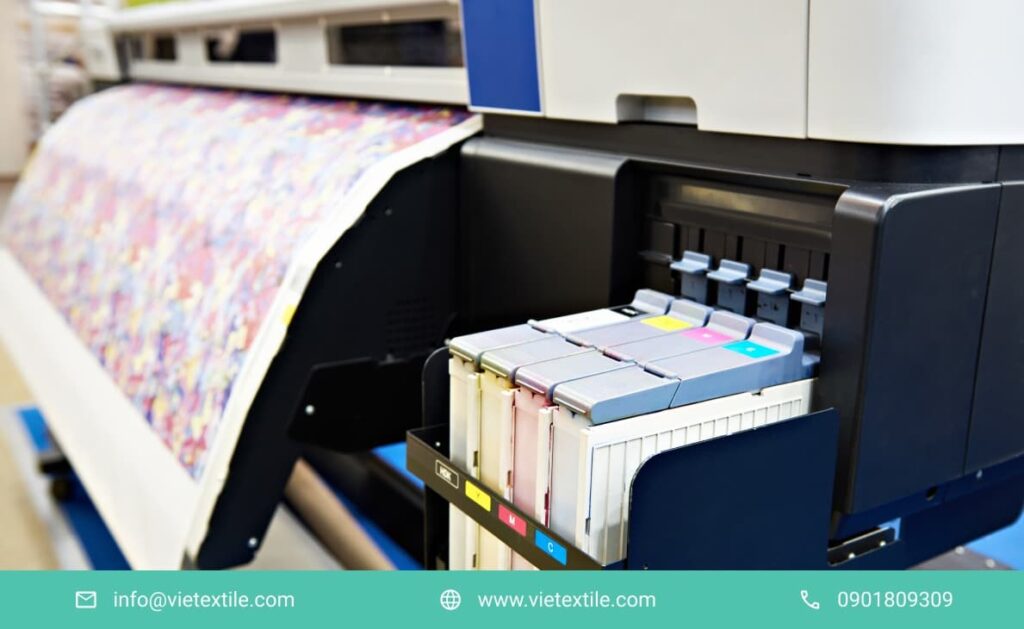
One of the most advanced technologies supporting small-batch fabric dyeing is digital dyeing. Instead of using complex and expensive screens like in traditional screen printing, this technology uses a specialized inkjet printer to spray ink directly onto the fabric surface. This allows for the precise reproduction of complex patterns, diverse colors, and gradient effects.

The advantage of this method is its high customizability and no large minimum order quantity, making it very suitable for the needs of small-batch fabric dyeing. It also helps reduce the amount of ink and wastewater, contributing to sustainable development.

1.2. Optimized Traditional Dyeing Methods

In addition to digital technology, some traditional dyeing methods have also been optimized to suit small-batch fabric dyeing. For example, direct or reactive dyes can be used in smaller dye baths.

This process requires high precision in preparing the dye mixture and controlling the temperature, but it allows designers to create exclusive color palettes with good depth and colorfastness. This method is often applied to small-batch dyeing orders that require simple but high-quality colors, especially on natural fabrics.

2. Diverse Applications of Small-Batch Fabric Dyeing in High-End Fashion Design

Sản phẩm nhuộm vải số lượng ít
Applications of Small-Batch Fabric Dyeing in High-End Fashion 27

2.1. Developing Capsule Collections

Capsule collections typically consist of a limited number of products designed around a specific theme. Small-batch fabric dyeing is the perfect tool for this. It allows brands to create exclusive colors and patterns that are not available on the market. This not only increases the uniqueness of the collection but also creates a sense of scarcity, driving customer demand.

Using small-batch fabric dyeing helps brands save production costs, avoid inventory risks, and ensure each product is of the highest quality. For example, a brand can use small-batch dyeing to create 100 jackets with unique hand-painted patterns, bringing a sense of sophistication and personalization.

2.2. Creating One-Of-A-Kind Pieces

In the world of high-end fashion, uniqueness is a matter of survival. Small-batch fabric dyeing allows designers to create one-of-a-kind items on demand for customers or for special events.

This could be a wedding dress with a unique color, a jacket with intricate patterns, or a performance outfit with a unique gradient color effect. This ability to customize enhances the customer experience and affirms the brand’s class. Small-batch fabric dyeing turns each product into an art piece that cannot be replicated.

2.3. Experimenting with Colors and Materials

Before mass production, designers need to test many different fabric samples. The small-batch dyeing process helps them do this efficiently and economically. They can test many different shades on the same fabric to find the perfect color, or test the same color on many types of fabric to see the final effect.

This helps minimize errors, save costs, and shorten product development time. Small-batch fabric dyeing is a crucial stepping stone in the creative process, helping brands be more confident before investing in mass production.

2.4. Restoring Vintage Clothing and Recycling

In the context of sustainable fashion, recycling and restoring old clothing are becoming a trend. Small-batch fabric dyeing plays an important role in refreshing vintage clothing or outdated products. Instead of being discarded, these items can be re-dyed with a new color, giving them a completely different look.

Applying small-batch fabric dyeing to recycling projects not only helps reduce textile waste but also creates unique products with their own story. This is a potential application for high-end fashion brands aiming for sustainability.

3. Small-Batch Fabric Dyeing and Sustainable Benefits in the Fashion Industry

Gia công nhuộm vải số lượng ít
Applications of Small-Batch Fabric Dyeing in High-End Fashion 28

3.1. Minimizing Water and Chemical Waste

One of the biggest problems with the traditional textile industry is the waste of water resources and the use of harmful chemicals. Industrial dyeing processes often consume tons of water and chemicals to process a large volume of fabric.

In contrast, small-batch fabric dyeing, especially modern techniques like digital dyeing, significantly reduces the amount of water and chemicals needed. This process often uses just enough chemicals for the required fabric volume, thereby minimizing wastewater and negative environmental impact. This is an important step forward in sustainable production.

3.2. Reducing Inventory and Waste

Mass production often leads to product surplus and excess inventory. Brands face a large financial risk when they cannot sell all their goods. With small-batch fabric dyeing, brands only produce according to actual demand or specific orders, which helps reduce the risk of inventory and material waste.

This is not only good for the environment but also optimizes business efficiency. Small-batch fabric dyeing helps brands operate more effectively, avoiding the situation of having to liquidate products at low prices or, worse, discarding them.

3.3. Promoting a Circular Economy

The circular economy in fashion aims to keep materials and products in use for as long as possible. Small-batch fabric dyeing is an indispensable part of this model. Instead of producing completely new items, brands can utilize leftover fabric or recycled fabric to create new products by re-dyeing them.

This helps extend the life cycle of materials and reduces the need for new resource extraction. Applying small-batch fabric dyeing to a circular business model is a strategic move, affirming a brand’s commitment to social and environmental responsibility.

4. Comparison Between Small-Batch and Industrial Dyeing

To better understand the importance of small-batch fabric dyeing, we need to compare it with traditional industrial dyeing methods. The difference is not only in scale but also in efficiency, flexibility, and environmental impact.

4.1. Scale and Flexibility

Traditional industrial dyeing operates on a large scale, typically thousands of meters of fabric at a time. This requires careful preparation of machinery, chemicals, and human resources, making it unsuitable for small orders.

In contrast, small-batch fabric dyeing is designed to handle small batches, from a few meters to a few dozen meters. This offers excellent flexibility, allowing brands to test, adjust, and produce unique designs quickly.

4.2. Production Costs

The cost per meter of fabric for industrial dyeing is often much lower than for small-batch dyeing when producing in large volumes. However, when considering the total cost, industrial dyeing has a high risk of inventory.

If a collection does not sell well, the money invested in mass production becomes a financial burden. Small-batch fabric dyeing solves this problem by minimizing risk and only producing on demand, helping high-end fashion brands optimize cash flow and manage finances more effectively.

4.3. Environmental Impact

Industrial dyeing consumes a large amount of water and chemicals, creating polluted wastewater. This is one of the main causes of environmental pollution in the textile industry. With small-batch fabric dyeing, especially modern technologies, the amount of water and chemicals used is significantly reduced.

Wastewater is also treated more effectively due to the small volume, reducing the burden on the environment. Therefore, small-batch fabric dyeing is a more environmentally friendly choice.

5. VieTextile: The Leading Small-Batch Fabric Dyeing Solution in Vietnam

VieTextile is proud to be a pioneer in providing high-quality small-batch fabric dyeing solutions in Vietnam. With a modern machinery system and a team of skilled technicians, we are committed to delivering dyed fabric products with precise colors, high durability, and safety for users.

VieTextile understands the needs of high-end fashion brands, from the need for flexibility in design to uniqueness in each product. Every small-batch dyed product from us goes through a strict quality control process, ensuring consistent and long-lasting colors. VieTextile is not just a production partner but also a companion to designers on their journey of unlimited creativity.

5.1. Exclusive Technology and Production Capacity

We have invested in the most advanced small-batch fabric dyeing technologies, allowing us to handle complex orders with high precision. Our dyeing process is optimized to save resources, minimize waste, and ensure environmental safety. As a result, VieTextile can meet all requirements, from compact capsule collections to sample fabrics for large projects. Production flexibility is one of VieTextile’s core strengths.

5.2. Commitment to Quality and Customer Service

At VieTextile, we prioritize quality. All small-batch dyed products are thoroughly inspected to ensure the color is as requested, with no bleeding or fading after washing. Our consulting team is always ready to assist customers, from choosing the right fabric and color mixing to advising on the production process. We believe that professionalism and dedication are the keys to building long-term relationships with our partners.

6. Frequently Asked Questions (FAQ) About Small-Batch Fabric Dyeing

  1. Is small-batch fabric dyeing more expensive than industrial dyeing? Small-batch fabric dyeing has a higher cost per meter of fabric, but it saves overall costs because you don’t have to produce in large quantities, thereby avoiding the risk of inventory and waste.
  2. What types of fabrics can be used with the small-batch dyeing method? Most types of fabrics can be dyed with this method, including cotton, silk, linen, and synthetic fabrics. The compatibility of the dye with each fabric type will be carefully checked to ensure the best results.
  3. How long does it take to complete a small-batch dyeing order? The time to complete a small-batch dyeing order is often much faster than industrial dyeing, usually taking only a few days depending on the complexity of the color and the volume.
  4. Is the quality of small-batch dyed products guaranteed? With modern technology, the quality of small-batch dyed products is completely guaranteed in terms of color, durability, and safety. The dyes used are all safe and non-harmful to the skin.
  5. Can small-batch fabric dyeing create any special effects? Yes, with advanced techniques, small-batch fabric dyeing can create many special effects such as gradient effects, tie-dye patterns, or complex patterns, making the product more unique.
  6. What is the main difference between small-batch fabric dyeing and fabric printing? Fabric printing usually only affects the surface, while small-batch fabric dyeing changes the color of the entire fabric fiber. Both methods can be used to create unique products, depending on the design purpose.

To get high-quality small-batch fabric dyeing, contact VieTextile today!

Contact Information:

  • Hotline: 0901 809 309
  • Email: info@vietextile.com
  • Website: https://vietextile.com
Comparing Digital Printing on Linen vs. Heat Transfer: Which Method Should You Choose?

In the world of fabric printing, there are countless different technologies, each with its own pros and cons. For linen fabric, the two most frequently mentioned technologies are digital printing on linen and heat transfer printing. Although both offer the ability to decorate and create on the fabric surface, they have completely different operating principles, finished product quality, and costs.

Understanding this difference is extremely important to help you make the right decision, ensuring the quality and aesthetics of the final product. This article will go in-depth into a comparison of each aspect of these two printing technologies, thereby helping you determine which method is most suitable for your project.

digital printing on linen
Comparing Digital Printing on Linen vs. Heat Transfer: Which Method Should You Choose? 33

Linen fabric, with its natural properties, breathability, and rustic beauty, has become a top choice for many applications from fashion to interior design. Therefore, the demand for printing on this material is increasing. However, choosing the printing technology not only affects the cost but also determines the durability, color, and feel of the product. Heat transfer printing is known for its simple process and low cost, while digital printing on linen is known for its superior quality.

This article will analyze in detail the pros and cons of each method, providing useful advice so you can choose the most suitable printing technology, thereby optimizing production and business efficiency.

1. Understanding Digital Printing on Linen Technology

Digital printing on linen, also known as Direct to Garment (DTG) printing, is a modern printing method that uses a specialized printer to spray ink directly onto the fabric surface.

The ink will penetrate deep into each fabric fiber, creating a sharp image, vibrant colors, and a natural soft feel. After printing, the fabric will be treated with heat or steam to fix the color, ensuring the ink bonds tightly to the fabric fibers, effectively preventing fading after many washes.

1.1. Detailed Production Process of Digital Printing on Linen

The digital printing on linen production process is carried out through professional steps to ensure the best finished product quality.

  • Fabric Pre-treatment: This is the first and extremely important step. The linen fabric will be cleaned and coated with a special chemical layer. This chemical layer has the effect of smoothing the fabric surface, helping the ink adhere better, preventing ink from bleeding, and ensuring the printed colors are bright and authentic. For colored linen fabric, pre-treatment also helps prevent the fabric’s base color from affecting the printed colors.
  • Design and Print File Preparation: The design file is prepared on a computer, ensuring high resolution and accurate colors. Specialized software will optimize the file to be compatible with the printer, helping to reproduce every complex detail, from the finest lines to subtle color gradient effects.
  • Direct Printing: The treated fabric is fed into the digital printer. The printer uses tiny nozzles to spray ink directly onto the fabric surface according to the design file. Advanced printing technology allows the machine to operate at high speed and with absolute precision, ensuring the image is printed evenly and sharply across the entire surface.
  • Heat Post-treatment: This is the key step that determines colorfastness. After printing, the fabric is put into a heat press or steamer. The high temperature will dry the ink and create a chemical bond with the fabric fibers. This process helps the ink penetrate deep into each fiber, thereby creating a durable color layer that does not fade after washing or exposure to environmental factors.

1.2. Outstanding Advantages of Digital Printing on Linen

  • Excellent Image Quality: Digital printing technology allows for the reproduction of high-resolution images, complex details, and smooth color gradient effects. With digital printing on linen, you can create designs with many colors, even print portrait photos, while ensuring sharpness and authenticity.
  • High Colorfastness: The ink is heat-treated to create a chemical bond with the fabric fibers, making the color part of the fabric. This provides superior colorfastness, resisting fading when washed, ironed, or exposed to sunlight.
  • Soft Feel: Because the ink soaks into the fabric rather than forming a coating on the surface, the product after printing retains the natural softness and breathability of linen fabric. The fabric does not become stiff or rough, providing a comfortable feel when used.
  • Quantity Flexibility: The digital printing on linen method does not require printing screens, so it is very suitable for small-quantity production, sample printing, or personalized orders, which helps reduce initial costs.

1.3. Factors Affecting Print Quality

Many factors determine the final quality of the digital printing on linen product, including:

  • Linen Fabric Quality: There are many types and thicknesses of linen fabric. High-quality linen fabric with a uniform surface will produce a sharper print. 
  • Type of Ink: Pigment ink and reactive ink are the two most common types. Pigment ink is easier to use and safer, while reactive ink provides much higher colorfastness. 
  • Printer Technology: A modern digital printer with high resolution will produce sharper, more detailed images. 
  • Pre- and Post-treatment Process: If this process is not carried out correctly, the ink may not adhere well, leading to color bleeding or rapid fading after use.

2. Understanding Heat Transfer Printing Technology

Gia công in vải linen trực tiếp
Comparing Digital Printing on Linen vs. Heat Transfer: Which Method Should You Choose? 34

Heat transfer printing is an indirect printing method. The image is printed on a special transfer paper using specialized ink. This paper is then placed on the fabric surface and hot pressed with a heat press machine. Under the effect of heat and high pressure, the ink from the paper sublimates and adheres to the fabric fibers, creating the printed image.

2.1. Outstanding Advantages of Heat Transfer Printing

  • Low Cost: The cost of heat transfer printing is often lower than digital printing on linen, especially for large orders or printing simple designs. 
  • Fast Production: The heat transfer printing process is relatively quick, suitable for mass production in large quantities. 
  • Ability to Print on Polyester Fabric: Heat transfer printing works best on synthetic fabrics like polyester. Therefore, if the linen fabric is blended with polyester, this method will be effective.

2.2. Disadvantages of Heat Transfer Printing

  • Limited Print Quality: Heat transfer printing often cannot reproduce small details and complex color gradient effects as well as digital printing on linen. The image may be pixelated or not sharp. 
  • Poor Colorfastness: Because the ink only adheres to the surface of the fabric fibers instead of penetrating deep, heat transfer printed products on natural linen fabric often do not have high colorfastness and are prone to fading after washing and ironing. 
  • Not Suitable for Linen Fabric: The biggest weakness of heat transfer printing is that it is not compatible with 100% linen fabric. Linen is woven from natural fibers, so it does not have the ability to bond with heat transfer ink, leading to prints that are easily peeled, cracked, and quickly faded. 
  • Stiff Fabric: After printing, the ink layer forms a film on the fabric surface, making the fabric stiff and less breathable, which causes it to lose the natural softness of linen.

3. Detailed Comparison: Digital Printing on Linen vs. Heat Transfer Printing

In kỹ thuật số vải linen trực tiếp
Comparing Digital Printing on Linen vs. Heat Transfer: Which Method Should You Choose? 35

To help you get a more comprehensive view, here is a detailed comparison table between digital printing on linen and heat transfer printing.

CriteriaDigital Printing on LinenHeat Transfer Printing
Image QualityHigh, sharp, smooth color gradients.Average, easily pixelated, less sharp.
ColorfastnessHigh, ink penetrates deep into fibers, anti-fade.Low, ink only adheres to the surface, easily peels.
Fabric FeelSoft, retains the fabric’s natural properties.Stiff, creates a film on the fabric surface.
Suitable Fabric100% linen and natural blended fabrics.Polyester, poly blends (less suitable for linen).
Production CostHigher (especially for large quantities).Lower (suitable for large quantities).
FlexibilityVery flexible, suitable for sample printing, personalization.Less flexible, suitable for mass production.
Production TimeFast.Fast.

4. Which Method Should You Choose?

The choice between digital printing on linen and heat transfer printing depends on your intended use and budget.

  • Choose Digital Printing on Linen When: You prioritize product quality, colorfastness, and want to retain the natural softness and breathability of linen fabric. This is the ideal choice for high-end fashion products, bedding, curtains, or orders with high aesthetic and durability requirements. Digital printing on linen brings a natural, elegant, and personalized beauty.
  • Choose Heat Transfer Printing When: You need to print products in large quantities, with a low budget, and are willing to accept average print quality. This method should only be considered if you use linen fabric blended with polyester, and do not place too much emphasis on colorfastness and the feel of the fabric after printing.

5. Digital Printing on Linen at VieTextile: The Premier Quality Choice

VieTextile is proud to be a pioneer in the field of digital printing on linen, providing a comprehensive and highest-quality solution for all your needs. We understand that product quality is the most important factor. Therefore, we only use the most advanced digital printing technology and specialized, eco-friendly inks, ensuring sharp images, vibrant colors, and superior colorfastness.

When you choose digital printing on linen services at VieTextile, you will receive:

  • Dedicated Consultation: Our team of experts will advise you on how to choose the right fabric, design, and printing technology to achieve the best results. 
  • Premium Quality: Each product is strictly controlled through every stage, from fabric pre-treatment to heat post-treatment, ensuring perfect color adhesion and retaining the properties of linen fabric. 
  • Fast Production Time: With a system of modern machinery and a professional work process, we are committed to completing orders on schedule. Competitive Prices: We offer reasonable, competitive prices in the market, helping you optimize production costs.

6. Frequently Asked Questions (FAQ) About Digital Printing on Linen

6.1. Can digital printing on linen be done on all fabric colors? Technically, digital printing on linen can be done on colored fabrics, but the best results are on light-colored fabrics (white, cream, beige). When printing on dark fabrics, a white underbase layer is needed, which may increase the cost.

6.2. Can heat transfer printing be done on 100% cotton fabric? No. Heat transfer printing is not suitable for printing on 100% cotton fabric or natural fiber fabrics like linen, as the ink cannot sublimate and adhere to the fabric fibers effectively.

6.3. How can I make my digital printing on linen product last the longest? To make your digital printing on linen product colorfast, you should wash it with cold water, use a mild detergent, avoid using a dryer, and dry it in the shade, away from direct sunlight.

6.4. Does digital printing on linen change the fabric’s texture? No. Digital printing on linen does not change the fabric’s texture. In contrast, heat transfer printing often creates a film on the surface, making the fabric stiff and losing its natural softness.

6.5. Can digital printing on linen be combined with other printing techniques? Yes. Digital printing on linen can be combined with other techniques such as embroidery or screen printing to create unique effects and highlight the design.

To get professional, high-quality digital printing on linen products with superior colorfastness and perfect aesthetics, contact VieTextile today! Our team is always ready to consult and assist you with any project.

Contact Information:

  • Hotline: 0901 809 309
  • Email: info@vietextile.com
  • Website: https://vietextile.com
Cotton Linen Fabric Printing for Modern Interiors: Curtains, Bed Sheets, Decorative Pillows

Cotton linen fabric is the perfect blend of linen’s rustic beauty and cotton’s softness and durability. This blend creates an ideal material for interior products. Embracing this trend, cotton linen fabric printing technology has developed rapidly.

Cotton linen fabric printing technology transforms single-color fabrics into colorful works of art. It opens up countless creative opportunities for designers. From curtains and bed sheets to decorative pillows, cotton linen fabric printing provides outstanding aesthetic value, creating a personalized and unique living space.

This article will delve into the process, advantages, and applications of cotton linen fabric printing technology for interiors. This is a comprehensive guide to help you better understand this type of printing, as well as how to apply it most effectively.

Cotton Linen Fabric Printing
Cotton Linen Fabric Printing for Modern Interiors: Curtains, Bed Sheets, Decorative Pillows 40

1. What is Cotton Linen Fabric?

Before diving into the printing technology, it’s essential to understand cotton linen fabric. It is not just a material but also a story about the harmonious blend of two natural fibers with long histories.

1.1. History & Origin

Cotton has been grown and woven for thousands of years, with ancient ruins found in Mexico and Pakistan. It is known for its softness and excellent absorbency. Meanwhile, linen, one of the oldest types of fabric, is woven from flax plants and has been a symbol of luxury and durability since ancient Egypt.

The combination of these two fibers created a new fabric that leverages the strengths of both. Cotton linen fabric offers the comfort of cotton while retaining the durability and rustic beauty of linen.

1.2. In-depth Analysis of Properties

1.2.1. Texture & Feel

Cotton linen fabric has a characteristic woven texture, with the natural light creases of linen. When you touch it, you’ll feel the softness of cotton and the structured feel of linen. This prevents the fabric from being too soft or too rough.

The fabric surface is ideal for the cotton linen fabric printing process as it helps the ink adhere well and represent colors authentically.

1.2.2. Superior Absorbency & Breathability

Thanks to the cotton fibers, cotton linen fabric has excellent absorbency, which keeps the fabric surface dry. This is very important for interior products like bed sheets and cushions, which require comfort and hygiene.

The breathability of linen helps air circulate, preventing the buildup of moisture and bacteria. This is a major plus for cotton linen fabric printing for decorative items.

1.2.3. Durability & Wrinkle Resistance

Cotton linen fabric is highly durable and abrasion-resistant, giving interior products a long lifespan. Although linen tends to wrinkle, the blend with cotton significantly reduces this phenomenon.

This is why cotton linen fabric printing is popular for products that are frequently used and washed.

2. In-depth Digital Printing Technology on Cotton Linen Fabric

In kỹ thuật số vải cotton linen
Cotton Linen Fabric Printing for Modern Interiors: Curtains, Bed Sheets, Decorative Pillows 41

Cotton linen fabric printing technology has revolutionized the interior manufacturing industry. The advent of advanced digital printing methods has overcome many limitations of traditional printing, providing superior quality and flexibility.

2.1. Common Printing Methods

2.1.1. Direct-to-Garment (DTG) Printing

DTG is one of the leading methods for cotton linen fabric printing. Its operating principle is similar to a paper printer but is specially designed for fabric. The ink is sprayed directly into the fabric fibers, creating a print with high sharpness and detail.

This method is ideal for complex designs with many colors. The ink used is water-based, which is eco-friendly and safe for users.

2.1.2. Reactive Digital Printing

Reactive printing is a more in-depth process. Reactive dyes are designed to chemically bond with natural fabric fibers. After printing, the fabric undergoes a steaming process to activate the chemical reaction.

The biggest advantage of this method is extremely high colorfastness, which does not fade when washed or exposed to light. Therefore, it is a perfect choice for cotton linen fabric printed products that require long-lasting color durability.

2.2. Advantages for Interior Applications

2.2.1. Color & Detail Reproduction

Digital printing technology allows for the reproduction of millions of colors, from simple tones to complex color gradient effects. This gives designers the freedom to be creative without limitations.

With cotton linen fabric printing, complex patterns such as paintings, classic motifs, or photographic images are reproduced vividly.

2.2.2. High Flexibility & Customization

Unlike traditional screen printing, digital printing does not require screens. This significantly reduces preparation time and costs. Small-quantity orders can be processed quickly and efficiently.

This flexibility allows interior businesses to produce custom products, creating exclusive and personalized designs for each customer.

2.2.3. Eco-friendly

The ink used in digital printing is typically water-based, which does not contain harmful chemicals like solvent-based inks. This minimizes the environmental impact and ensures the safety of users.

This is an important factor, especially when the product is used in a living space.

3. The Standard Process for Printing on Cotton Linen Fabric

To have a perfect cotton linen fabric printed product, the production process must be carried out professionally and meticulously. Each step plays a crucial role in determining the final quality.

3.1. In-depth Implementation Steps

3.1.1. Fabric & Print File Preparation

Cotton linen fabric needs to be carefully checked for quality and cleanliness. Before printing, the fabric must be pre-treated with a special chemical layer to create an ideal surface for ink adhesion. This helps the ink not to bleed and the colors to be brighter.

The design file needs to have a high resolution (at least 300 dpi) and be converted to a standard color system (e.g., CMYK) to ensure the printed colors match the design.

3.1.2. Printer Operation & Ink Activation

The fabric is fed into the digital printer, where the ink is sprayed directly onto the surface. Depending on the type of ink (DTG or reactive), the subsequent process will differ. With reactive ink, the fabric is passed through a steamer to activate the chemical bond between the ink and the fibers.

With DTG ink, the fabric is typically cured with heat.

3.1.3. Finishing & Quality Control

After printing and curing, the printed cotton linen fabric is washed to remove excess chemicals and ink. This process makes the fabric softer and the colors more durable. The fabric is then dried, ironed flat, and a final quality check is performed.

The quality check includes evaluating the sharpness of the image, the accuracy of the colors, and the colorfastness to rubbing.

4. Choosing a Professional Cotton Linen Fabric Printing Service

Sản phẩm in vải cotton linen
Cotton Linen Fabric Printing for Modern Interiors: Curtains, Bed Sheets, Decorative Pillows 42

To achieve the best results, choosing a reputable cotton linen fabric printing partner is extremely important. A professional printing workshop will not only provide printing services but also be a companion, helping you optimize the production process.

4.1. Partner Selection Criteria

4.1.1. Experience & Expertise

A reputable cotton linen fabric printing workshop must have many years of experience in the industry, with a deep understanding of different types of fabrics and printing technologies. They will know how to handle technical issues and advise you on the most optimal solutions.

A skilled technical team is a key factor in creating high-quality products.

4.1.2. Customer Service Policy

A good partner will have a clear customer service policy, including delivery time, return policy, and after-sales support. They will listen to your feedback and provide solutions that fit your needs.

Transparency in pricing and the working process is also an important criterion.

5. VieTextile – Your Premier Cotton Linen Fabric Printing Partner

VieTextile is proud to be a trusted partner, providing professional cotton linen fabric printing services that meet all the market’s strictest requirements. We own a system of modern machinery and a team of experienced technicians who have a deep understanding of each printing technology.

With VieTextile, you don’t have to worry about keeping up with trends. We always update the latest printing technologies and provide comprehensive cotton linen fabric printing solutions, from design consultation to mass production.

We are committed to providing high-quality cotton linen fabric printed products, helping you stand out in the market.

6. Frequently Asked Questions About Cotton Linen Fabric Printing

  • How to distinguish high-quality cotton linen fabric? High-quality cotton linen fabric often has a soft surface, even weave, and no impurity spots. When you hold it, you will feel the natural structure of linen and the softness of cotton.
  • Is printing on cotton linen fabric colorfast? Yes. With specialized reactive printing technology for natural fabrics, the print on cotton linen fabric has superior colorfastness and does not fade when washed or exposed to sunlight.
  • Is the printed cotton linen product safe for sensitive skin? Completely safe. The ink used in digital printing technology is water-based, which does not contain harmful chemicals, making it very safe for users, including children and those with sensitive skin.
  • Is the price of cotton linen fabric printing expensive? The price depends on many factors, such as quantity, design complexity, and printing technology. However, for small orders, cotton linen fabric printing using digital printing technology is very reasonably priced and competitive.
  • Does VieTextile offer design consultation? We do not provide design services, but our team is always ready to consult and support you technically to get the most perfect print.

To discover the latest cotton linen fabric printing trends and receive detailed consultation, contact VieTextile today!

Contact Information:

  • Hotline: 0901 809 309
  • Email: info@vietextile.com
  • Website: https://vietextile.com
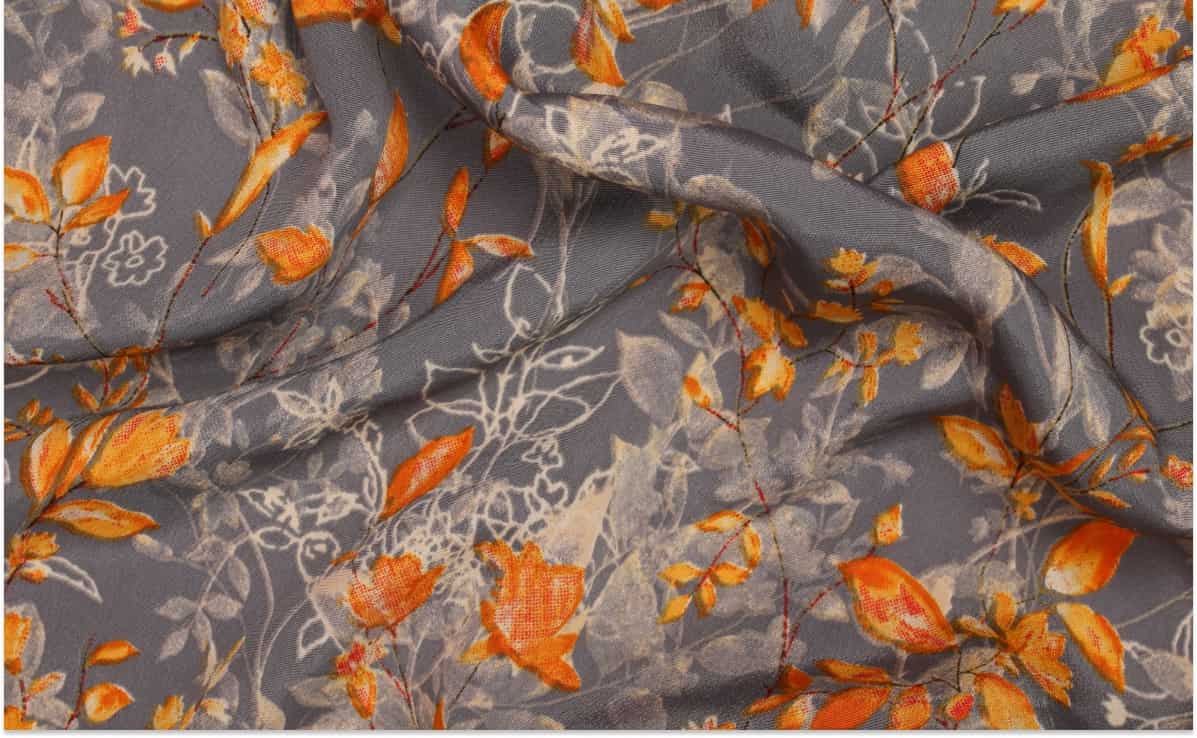
Digital Printing Technology on Poly Canvas Fabric

Poly canvas fabric, with its perfect combination of polyester’s durability and canvas’s rustic texture, has become a favorite material in the printing industry. Recognizing this potential, digital printing technology on poly canvas fabric has developed strongly.

This poly canvas fabric printing technology allows for the reproduction of complex designs with high accuracy. It opens up countless opportunities for designers and businesses. From fashion products and bags to interior decor, the flexibility of poly canvas fabric printing brings outstanding aesthetic value.

This article will delve into the processes, advantages, and key factors of poly canvas fabric printing technology. This is a comprehensive guide to help you better understand this type of printing.

Poly Canvas Fabric Printing
Digital Printing Technology on Poly Canvas Fabric 47

1. What is Poly Canvas Fabric?

Poly canvas fabric is a synthetic material woven from high-density polyester fibers, mimicking the structure and surface of traditional canvas fabric. This combination provides outstanding properties.

1.1. Properties & Structure

1.1.1. Composition & Texture

Poly canvas fabric is primarily made from polyester fibers. Polyester is known for its high durability, excellent wrinkle resistance, and lack of shrinkage when washed. The fabric surface has tightly interwoven fibers, creating a rustic texture similar to cotton canvas fabric.

This texture not only provides a natural look but also creates an ideal surface for the poly canvas fabric printing process.

1.1.2. Water Resistance & Colorfastness

Polyester has natural water-resistant properties, which helps poly canvas fabric resist mildew in humid weather. This makes poly canvas fabric a perfect choice for outdoor products.

Specifically, the colorfastness of poly canvas is excellent, helping the poly canvas print not fade after multiple washes.

1.2. Common Applications

1.2.1. Fashion & Accessories

Poly canvas fabric printing is widely applied in the production of handbags, backpacks, shoes, and other fashion products. The water resistance and high durability give these products a long lifespan.

The print on poly canvas fabric also has high sharpness and vibrant colors, which increases the aesthetic appeal of fashion products.

1.2.2. Interior Decor & Art

With its rustic beauty and moisture resistance, poly canvas fabric is used for wall art, curtains, and cushions. Poly canvas fabric printing with artistic designs brings a unique beauty to living spaces.

This type of fabric is also an excellent choice for digital paintings, as it can authentically reproduce the details and colors of the original work.

2. Advanced Digital Printing Processes on Poly Canvas Fabric

In kỹ thuật số vải poly canvas
Digital Printing Technology on Poly Canvas Fabric 48

Digital printing technology on poly canvas fabric has revolutionized the printing industry, allowing for fast, flexible, and cost-effective production. There are two primary methods used for this type of printing.

2.1. Sublimation Printing

Sublimation printing is one of the leading methods for poly canvas fabric printing. Solid sublimation ink turns into a gas under high heat and pressure, then permeates deep into the polyester fibers.

This process creates a print with absolute adhesion, which does not crack or fade. This is a very effective method for poly canvas fabric printing with complex designs.

2.2. UV Printing

UV printing uses ink that is instantly cured by UV light. The UV ink creates a film on the fabric surface that is water-resistant, scratch-resistant, and colorfast.

This method allows for poly canvas fabric printing with designs that have 3D effects or raised surfaces, providing a unique tactile experience.

2.3. Outstanding Advantages

2.3.1. Sharp Color & Detail Reproduction

Digital printing technology on poly canvas fabric has the ability to reproduce millions of colors. As a result, complex designs, color gradients, and small details are authentically reproduced.

This allows designers to be creative without being limited by the number of colors.

2.3.2. Production Flexibility & Time Savings

Unlike traditional screen printing, digital printing technology on poly canvas fabric does not require creating screens. This significantly reduces preparation time and costs.

Small-quantity orders can be processed quickly, allowing businesses to be more flexible in meeting market demands.

3. The Standard Process for Printing on Poly Canvas Fabric

To achieve a high-quality print, the poly canvas fabric printing process must be strictly followed from preparation to finishing.

3.1. Steps to Take

3.1.1. Fabric Treatment & Print File Preparation

Poly canvas fabric needs to be cleaned and flattened before printing. The fabric surface must be dry to ensure the best ink adhesion. The design file must be prepared with a high resolution and the correct color system to avoid color deviations.

Good print file preparation is a key factor for success in poly canvas fabric printing.

3.1.2. Machine Operation & Curing

The fabric is fed into the digital printer. The printer will automatically spray ink according to the pre-programmed design. After printing, the fabric will be cured so that the ink adheres firmly to the fabric fibers.

With sublimation printing technology, the fabric is heat pressed after printing to sublimate the ink.

3.1.3. Quality Control

After completion, each poly canvas fabric printed product is carefully inspected for color, sharpness, and ink adhesion. This helps ensure the final product meets the highest quality standards.

4. Choosing a Professional Poly Canvas Printing Service

Sản phẩm in vải poly canvas
Digital Printing Technology on Poly Canvas Fabric 49

To achieve the best results, choosing a reputable poly canvas fabric printing partner is extremely important. A professional printing workshop will help you optimize the process and avoid unnecessary risks.

4.1. Selection Criteria

4.1.1. Modern Technology & Equipment

A reputable poly canvas fabric printing workshop needs to own a system of modern machinery capable of printing with high resolution and speed. Advanced technology is the decisive factor for print quality.

The printing and curing systems must be regularly maintained to ensure the best performance.

4.1.2. Experience & Technical Team

An experienced technical team will help you with advice on the best type of ink, colors, and fabric treatment. Their understanding will help solve problems that arise during the poly canvas fabric printing process.

They will also help you choose the most suitable printing method for your goals.

5. VieTextile – Your Premier Poly Canvas Fabric Printing Partner

VieTextile is proud to be a trusted partner, providing professional poly canvas fabric printing services that meet all the market’s strictest requirements. We own a system of modern machinery and a team of experienced technicians who have a deep understanding of each printing technology.

With VieTextile, you don’t have to worry about keeping up with trends. We always update the latest printing technologies and provide comprehensive poly canvas fabric printing solutions, from design consultation to mass production.

We are committed to providing high-quality poly canvas fabric printed products, helping you stand out in the market.

6. Frequently Asked Questions About Poly Canvas Fabric Printing

  • Is sublimation printing suitable for poly canvas fabric? Yes. Poly canvas fabric, with its polyester composition, is very suitable for sublimation printing technology, providing a durable and sharp print.
  • Does printing on poly canvas fabric fade? No. With high-quality printing technology and ink, the print on poly canvas fabric has superior colorfastness and does not fade when washed.
  • Is it possible to print on poly canvas fabric in small quantities? Absolutely. Digital printing technology allows for poly canvas fabric printing in small quantities, suitable for individuals or local brands.
  • Is the price of poly canvas fabric printing expensive? The price depends on many factors. However, for small orders, poly canvas fabric printing using digital printing technology is very reasonably priced.
  • Does VieTextile offer design consultation? We do not provide design services, but our team is always ready to consult and support you technically to get the most perfect print.

To discover the latest poly canvas fabric printing trends and receive detailed consultation, contact VieTextile today!

Contact Information:

  • Hotline: 0901 809 309
  • Email: info@vietextile.com
  • Website: https://vietextile.com
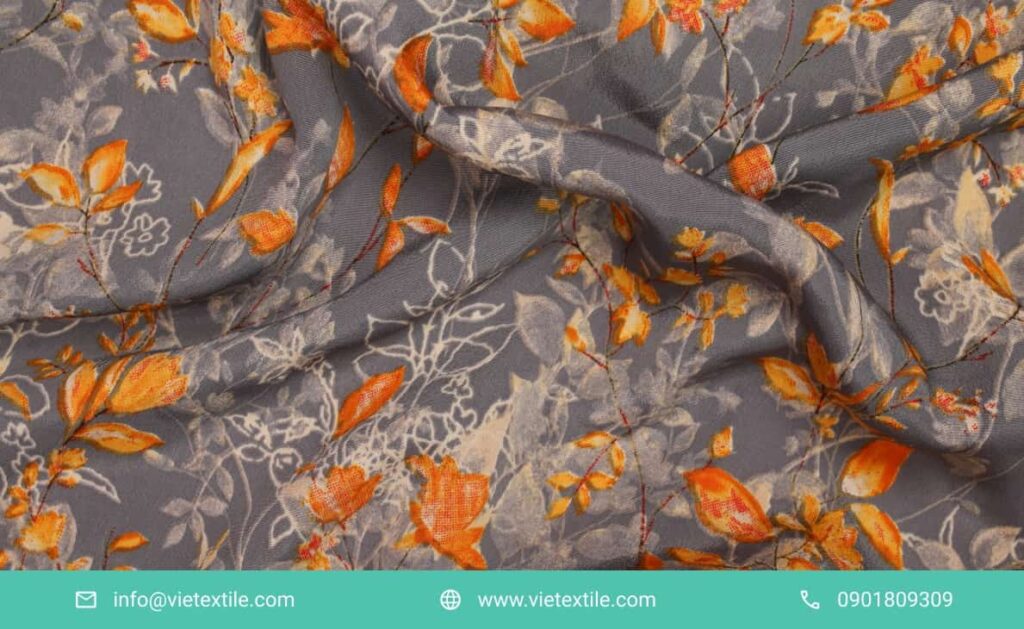
Canvas Cotton Fabric Printing Trends 2025: Popular Colors & Designs

As 2025 approaches, it brings powerful changes in the fashion and interior design industries. Canvas cotton fabric, with its durable, rustic, and colorfast properties, continues to be a favorite material. To create unique and trend-leading products, it is crucial to grasp the latest canvas cotton fabric printing styles.

These trends not only reflect a shift in aesthetic tastes but also show consumers’ growing interest in sustainable and personalized values. From natural color palettes to abstract patterns, each trend tells its own story. The customizability of the canvas cotton fabric printing process makes it easy for brands to bring any design idea to life.

This article will take you on a deep dive into the most prominent trends of 2025. We will explore the key color palettes, unique design styles, and their practical applications in everyday life, especially in the field of canvas cotton fabric printing.

canvas cotton fabric printing
Canvas Cotton Fabric Printing Trends 2025: Popular Colors & Designs 54

1. Organic & Muted Tones

The slow and sustainable living trend is on the rise. This brings a strong comeback of natural and muted color palettes. This is a safe choice that still ensures sophistication for canvas cotton fabric printed products.

1.1. Dominant Color Palette

1.1.1. Warm Earthy Tones

2025 will see the rise of colors such as beige, cream, earthy brown, and slate gray. These colors evoke a sense of warmth and peace, bringing a feeling of closeness to nature. They are not only easy to combine but also create a harmonious, soothing overall look.

Specifically, canvas cotton fabric printing with these warm tones also highlights the rustic beauty of the material, adding aesthetic value to the product.

1.1.2. Pastel & Light Accents

To avoid monotony, designers often combine warm earthy tones with pastel accents like mint green, light coral pink, or apricot yellow. These colors bring a fresh, youthful feel and create a perfect balance in the design.

This combination is particularly effective when used for canvas cotton fabric printing on products like tote bags, backpacks, or curtains, creating a light and relaxed feeling for the user.

1.2. Related Design Styles

1.2.1. Refined Minimalism

Minimalist style continues to be a top choice. Minimalist designs focus on sophistication and the removal of unnecessary details. Patterns on canvas cotton fabric are often just geometric lines, simple typography, or basic shapes.

Using a muted color palette combined with a minimalist design will create a luxurious and modern canvas cotton fabric printed product without being overly complicated.

1.2.2. Vintage & Retro Nostalgia

Nostalgic designs are making a strong comeback. Stripes, plaids, and classic images like vintage patterns or Paisley motifs are re-imagined on the rustic canvas fabric. This combination brings a feeling of nostalgia and romance.

Canvas cotton fabric printing with these designs gives the product depth, creating a distinctive look that appeals to lovers of timeless beauty.

2. Nature-inspired Patterns

In kỹ thuật số vải cotton canvas
Canvas Cotton Fabric Printing Trends 2025: Popular Colors & Designs 55

Connecting with nature is one of the biggest needs of modern society. Therefore, nature-inspired patterns will be a trend not to be missed in 2025. This is an ideal trend for canvas cotton fabric printing.

2.1. Prominent Patterns

2.1.1. Botanical Motifs

Leaves, flowers, dried branches, etc., are used as patterns in a subtle way. They are no longer vibrant, detailed images but rather sketched lines or abstract representations of nature.

These patterns bring a relaxed, earthy feel and are very suitable for canvas cotton fabric printed products used for home decor, such as cushions and wall art.

2.1.2. Landscape Patterns

Landscape patterns such as mountains, seas, deserts, or vast fields are depicted with simple lines. This creates a peaceful picture, showing reverence and love for nature.

This type of pattern is especially popular when used for canvas cotton fabric printing on interior decoration products, bringing nature into the living space.

2.2. Related Design Styles

2.2.1. Rustic Bohemian

The Bohemian style combines perfectly with nature-inspired patterns. Motifs of leaves, ethnic patterns, and free-flowing, unrestrained lines create an unconstrained and free-spirited beauty.

The rustic beauty of canvas fabric enhances the freedom and romance of this style.

2.2.2. Minimalist Scandinavian

The Scandinavian style is characterized by simplicity, functionality, and closeness to nature. Patterns of leaves and dried branches with a neutral color palette will be the perfect choice. This style brings elegance and sophistication, making it very suitable for canvas cotton fabric printing.

3. Abstract Art & Designs

Sản phẩm in vải cotton canvas
Canvas Cotton Fabric Printing Trends 2025: Popular Colors & Designs 56

In 2025, consumers are not just looking for products, but also for uniqueness that expresses their own personality. Abstract patterns perfectly meet this need. This is one of the leading trends for canvas cotton fabric printing.

3.1. Prominent Abstract Forms

3.1.1. Shapes & Lines

Simple shapes, winding curves, or free-form lines are combined in an improvisational way. Asymmetry and non-conformity create a unique beauty.

These patterns are especially suitable for canvas cotton fabric printing on fashion products like handbags and backpacks, adding a personal touch to the user.

3.1.2. Color Stripe Patterns

Random color transitions, smudged streaks, or interwoven color bands create a vibrant, deep picture. This pattern evokes a sense of exploration and limitless creativity.

To create this effect, canvas cotton fabric printing requires modern digital printing technology to ensure smooth color transitions.

3.2. Related Design Styles

3.2.1. Contemporary Art Deco

The Art Deco style with its strong geometric lines, symmetrical patterns, and contrasting color palettes will be re-imagined in a more modern way.

The combination of Art Deco and abstract patterns creates a classic yet very modern beauty, making it very suitable for canvas cotton fabric printing on premium products.

3.2.2. Natural Wabi-sabi

The Wabi-sabi style celebrates the beauty of imperfection and nature. Abstract patterns with unfinished lines and blotchy color patches will perfectly embody this spirit. This is a new artistic approach to canvas cotton fabric printing.

4. Personalized & Symbolic Patterns

Consumers increasingly want to use products that tell their own story and express their identity. Therefore, symbolic or customizable patterns will rise in popularity. This trend is highly favored for canvas cotton fabric printing.

4.1. Prominent Forms

4.1.1. Personalized Patterns

Handwriting, personal names, favorite quotes, or important dates are transformed into patterns. This turns a regular product into an item with personal meaning.

Specifically, canvas cotton fabric printing for small-quantity orders makes it easy for brands to meet this customer demand.

4.1.2. Symbolic Patterns

Cultural symbols or spiritual icons are used as patterns. This not only creates uniqueness but also helps users feel a deep connection with the product.

Astrological symbols, representative animals, or traditional cultural symbols will be popular choices when printing on canvas cotton fabric.

4.2. Related Design Styles

4.2.1. Modern Pop Art

The Pop Art style with its vibrant colors and images from popular culture will be combined with personalized elements. Portraits and favorite cartoon characters are expressed in a unique way. This is a very creative style for canvas cotton fabric printing.

4.2.2. Graffiti & Street Art

The street style with Graffiti patterns, artistic handwriting, and bold drawings will bring a strong, personalized look. This style expresses freedom and unconventionality, making it very suitable for young people.

5. Technical & Ink Considerations

To realize the design trends above, printing technology plays a key role. Choosing the right technology and ink type will determine the final quality of the canvas cotton fabric printed product.

5.1. Advanced Printing Technology

5.1.1. Direct-to-Garment Digital Printing

Direct-to-Garment (DTG) technology is the top choice for small-quantity canvas cotton fabric printing. This technology allows for direct printing of high-resolution images onto the fabric, accurately reproducing complex details, color transition effects, and abstract patterns.

DTG helps save costs and time for small orders, allowing local fashion brands to easily experiment with new designs.

5.1.2. UV Inkjet Printing

UV printing on canvas cotton fabric is becoming increasingly popular. The UV ink is cured by ultraviolet light, creating a durable film that is water-resistant and fade-resistant. This technology is especially suitable for canvas cotton fabric printed products used outdoors.

5.2. Ink & Environmental Protection

5.2.1. Eco-friendly Water-based Ink

The 2025 canvas cotton fabric printing trend also emphasizes the use of water-based ink. Water-based ink is safe for human health and friendly to the environment, aligning with the green living ethos.

These inks do not contain harmful substances, ensuring the product is completely safe.

5.2.2. Protective Coating

After printing, a protective coating can be added to increase the durability of the image. This coating helps resist scratches, prevent fading, and is water-repellent, extending the lifespan of the canvas cotton fabric printed product.

6. VieTextile – Your High-Quality Canvas Cotton Fabric Printing Partner

VieTextile is proud to be a trusted partner, providing professional canvas cotton fabric printing services that meet every trend and the market’s strictest requirements. We not only have a system of modern machinery but also a team of technicians who have a deep understanding of each type of fabric and printing technology to ensure the best quality.

With VieTextile, you don’t have to worry about keeping up with trends. We always update the latest printing technologies and provide comprehensive canvas cotton fabric printing solutions, from design consultation to mass production.

Let VieTextile accompany you on your journey to building your own fashion or interior design brand. We are committed to providing high-quality canvas cotton fabric printed products, helping you stand out in the market.

7. Frequently Asked Questions About Canvas Cotton Fabric Printing

  • Is canvas cotton fabric printing colorfast? With modern printing technology and specialized ink, canvas cotton fabric has excellent colorfastness, resisting fading from washing and sun exposure.
  • Does canvas fabric need pre-treatment before printing? Yes. For some types of canvas fabric, pre-treatment is necessary for better ink adhesion and a sharper print.
  • Is it possible to print on canvas cotton fabric in small quantities? Absolutely. Direct-to-Garment digital printing technology allows you to print on canvas cotton fabric in extremely small quantities, suitable for individuals or local brands.
  • Is the price of canvas cotton fabric printing expensive? The price depends on many factors such as quantity, design, and ink type. However, for small orders, canvas cotton fabric printing using Direct-to-Garment technology is very reasonably priced.
  • Does VieTextile offer design services? We do not provide design services, but our team is always ready to consult and support you technically to get the most perfect print.

To discover the latest canvas cotton fabric printing trends and receive detailed consultation, contact VieTextile today!

Contact Information:

  • Hotline: 0901 809 309
  • Email: info@vietextile.com
  • Website: https://vietextile.com
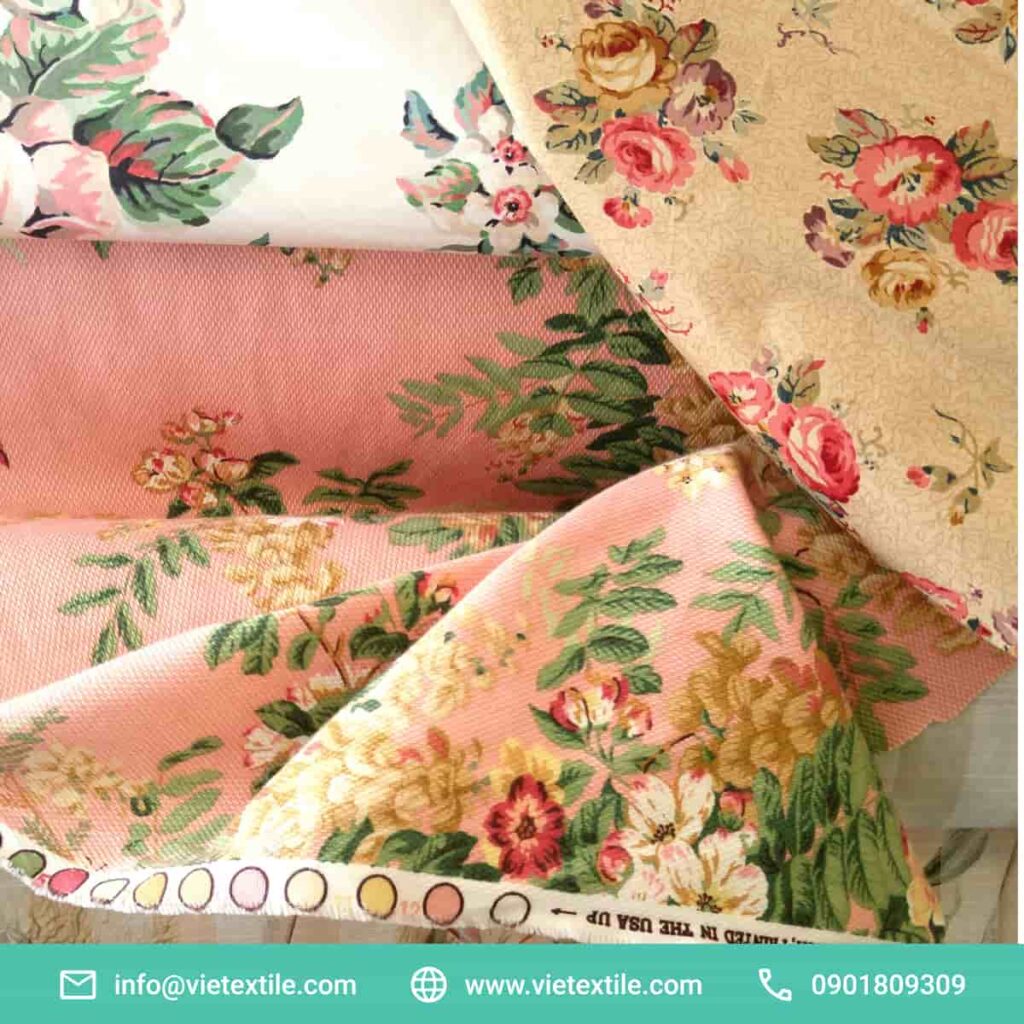
Is Direct-to-Linen Printing Colorfast? How to Keep Colors Long-lasting

Linen fabric, with its rustic beauty and naturally breathable feel, has become one of the most popular materials in both the fashion and interior design fields. The direct-to-linen printing technique has opened up a new era, allowing designers and consumers to freely create unique patterns and motifs on this material.

However, a big question that is always asked is whether the printed colors on linen fabric are truly durable. This article will delve into this issue, providing you with a detailed answer and golden tips to keep the fabric colors vibrant.

Linen is woven from flax fibers, a natural fiber known for its breathability, good absorbency, and high durability. The structural characteristics of linen fibers are quite coarse and porous, which creates both advantages and challenges for the printing process. Understanding the fabric’s properties is the first step to assessing the ink’s colorfastness.

This article will not only address colorfastness but also provide an overview of direct-to-linen printing technology, the factors affecting quality, and most importantly, how you can care for your printed product to maintain its long-lasting beauty. We will go in-depth into each aspect, from technology and ink materials to detailed care tips, helping you feel completely at ease when choosing a printed linen product.

direct-to-linen printing
Is Direct-to-Linen Printing Colorfast? How to Keep Colors Long-lasting 61

1. What is Direct-to-Linen Printing?

Direct-to-linen printing is a modern digital printing method that uses a specialized printer to spray ink directly onto the fabric surface. The ink is then treated with heat or chemicals to bond tightly with each fiber, creating a sharp image with vibrant colors. This method is completely different from traditional printing techniques like screen printing, where the ink only coats the surface. Direct printing allows for the creation of small details, smooth color gradients, and is suitable for small quantities at a reasonable cost. The printing process is fully controlled by a computer, which ensures the accuracy and uniformity of colors.

1.1. Detailed Direct-to-Linen Printing Process

The direct-to-linen printing process includes three main stages: pre-treatment, printing, and post-treatment.

Pre-treatment Stage: Raw linen fabric, after being cleaned, is coated with a special chemical layer. This chemical layer plays a crucial role in preparing the fabric surface, helping the ink adhere better, preventing ink from bleeding, and ensuring the printed colors are bright and vibrant. The pre-treatment chemicals also help increase the colorfastness of the final product. Depending on the type of linen fabric (100% linen or linen blend), the type and amount of chemicals used will be adjusted accordingly.

Printing Stage: The pre-treated fabric is fed into a specialized digital printer. The printer uses tiny nozzles to spray ink directly onto the fabric surface according to the pre-programmed design file. With modern printing technology, the machine can reproduce millions of different colors, making it easy to print complex patterns, subtle color gradients, and high-resolution images.

Post-treatment Stage: This is the most important step in determining the colorfastness of the finished product. After printing, the fabric is put into a heat curing machine to dry the ink and create a chemical bond with the fabric fibers. Depending on the type of ink, the process can be high-temperature heat curing or steaming. The heat treatment helps the ink penetrate deep into each fiber, thereby creating a durable, long-lasting color layer that does not fade after washing.

1.2. Common Ink Types for Linen Fabric

When performing direct-to-linen printing, choosing the right ink type is a decisive factor for quality and durability. The two most popular ink types today are Pigment ink and Reactive ink.

  • Pigment Ink: This is a water-based ink that is safe for the skin and eco-friendly. The color particles of pigment ink adhere to the fabric surface and are fixed with heat. The advantage of this ink is its vibrant colors, high sharpness, and simple printing process. However, in terms of wash colorfastness, pigment ink is often slightly less durable than reactive ink, especially for dark colors.
  • Reactive Ink: This type of ink is widely used in the textile printing industry. Reactive ink creates a chemical bond with the fabric fibers, making the color part of the fabric itself rather than just on the surface. Therefore, products printed with reactive ink have superior colorfastness, resisting fading well when washed and ironed. The disadvantage is that the printing process is more complex, requiring special post-treatment equipment. VieTextile uses both types of ink depending on the customer’s requirements to ensure the direct-to-linen printed product achieves the best quality.

1.3. Outstanding Benefits of Direct-to-Linen Printing

Using direct-to-linen printing services offers a series of outstanding benefits.

  • True Color Reproduction: Digital technology allows for the reproduction of almost any color tone and complex color gradient effect, resulting in sharp, lifelike images. 
  • Eco-friendly: Compared to traditional printing methods, direct printing significantly reduces chemical and wastewater usage, contributing to environmental protection. 
  • Quantity Flexibility: You can print from one meter to thousands of meters without the hurdle of initial production costs, which is very suitable for fashion designers, small-scale producers, or for making samples. 
  • High Customization: This technique allows for printing unique designs on each product, meeting the market’s growing demand for personalization. 
  • Reduced Production Time: The automated process significantly shortens the time from design to finished product, accelerating the time to market.

2. Unraveling the Colorfastness of Direct-to-Linen Printing

Sản phẩm in trực tiếp vải linen
Is Direct-to-Linen Printing Colorfast? How to Keep Colors Long-lasting 62

The answer to the question “Is direct-to-linen printing colorfast?” is YES, but the colorfastness depends on several factors. When performed with the correct process and quality materials, the product can maintain vibrant colors for many years.

2.1. Factors Determining Colorfastness

To ensure the direct-to-linen printed product achieves high durability, the following factors should be considered:

  • Quality of Ink and Chemicals: Poor-quality ink or ink that is not suitable for linen fabric will easily fade after a few washes. High-quality ink with UV resistance and anti-fade properties is a key factor. Additionally, the pre-treatment chemicals also play a crucial role in helping the ink adhere better. 
  • Linen Fabric Properties: Natural linen fabric has a porous texture and a special fiber structure. Some linen blends will have different color adhesion capabilities. Choosing the right ink and process for each type of fabric will ensure the best colorfastness.
  •  Post-printing Treatment Process: The heat curing or steaming stage after printing is extremely important. The temperature and treatment time must be precise so that the ink can penetrate deep and bond firmly with the fabric fibers, creating a permanent bond. An incorrect process will significantly reduce colorfastness. 
  • Product Care: This is the final but extremely important factor. How you wash, dry, and store the product after purchase also greatly affects its colorfastness. Using strong detergents, washing with hot water, or drying in direct sunlight will cause the printed color to fade quickly.

2.2. Comparing Colorfastness with Other Printing Methods

Compared to traditional printing methods like screen printing, direct-to-linen printing has its own advantages and disadvantages in terms of colorfastness.

  • Screen Printing: Uses a thick layer of ink, creating a raised feel on the fabric surface. The ink adheres well and is quite colorfast. However, it is limited in the number of colors and small details, making it unsuitable for complex designs. 
  • Heat Transfer Printing: Uses heat to transfer an image from specialized transfer paper to the fabric. This method is only suitable for polyester fabrics or fabrics with a poly blend. Printing on natural linen fabric will result in poor performance, with colors that are prone to fading and not durable. 
  • Direct Printing: Ensures authentic colors, sharp details, and high colorfastness when the correct ink and treatment process are used. This is the best choice for complex and multi-colored designs on linen fabric.

3. Tips to Keep Printed Linen Colors Long-lasting

To ensure your direct-to-linen printed product retains its original beauty, proper care and maintenance are crucial. These are simple but extremely effective tips that you should apply.

3.1. How to Properly Wash a Direct-to-Linen Product

  • First Wash: After purchasing a direct-to-linen printed product, you should hand wash it with cold water, without using soap. This helps remove any residual ink and stabilize the colors.
  • Use a Mild Detergent: Choose a soap or laundry detergent with a neutral pH that does not contain strong bleaching agents. Bleach can damage the fabric fibers and cause the printed color to fade. 
  • Hand Wash or Gentle Machine Wash: It is best to hand wash to protect the printed details. If using a washing machine, choose the gentle cycle or the one for delicate fabrics. Turn the product inside out before washing to reduce friction with other clothes. Avoid Hard
  • Wringing: Do not wring the product too hard after washing. Wring gently or use a towel to absorb the water to avoid damaging the fiber structure and excessive wrinkling.

3.2. Drying and Storage Instructions

  • Dry in the Shade: Direct sunlight is the number one enemy of printed colors. UV rays can cause colors to fade quickly. Dry the direct-to-linen printed product in a cool, airy place, away from harsh sunlight. 
  • Do Not Use a Dryer: The high temperature of a dryer can shrink the fabric and damage the ink’s bond. It is best to let the product air dry naturally. 
  • Iron at a Low Temperature: When ironing, turn the product inside out and iron at a low or medium temperature. Using a steam iron is better to avoid scorching the fabric.

3.3. Avoid Agents That Cause Fading

  • Do Not Soak for Too Long: Soaking a direct-to-linen printed product for too long in soapy water will cause the color to fade. 
  • Do Not Pour Soap Directly on the Fabric: Dissolve the soap in water before putting the product in to wash. 
  • Limit Contact with Chemicals: Avoid exposing the product to strong chemicals like industrial cleaners or bleach.

4. Notable Applications of Direct-to-Linen Printing

In kỹ thuật số trực tiếp vải linen
Is Direct-to-Linen Printing Colorfast? How to Keep Colors Long-lasting 63

Thanks to the flexibility and high durability of the printing technology, direct-to-linen printed products are being widely applied in many different fields, from fashion to interior decor.

4.1. Applications in Fashion

  • Everyday Wear: From dresses, shirts to shorts, direct-to-linen printing brings unique patterns, creating a personal and distinctive style for the wearer. 
  • Fashion Accessories: Printed handbags, scarves, or linen hats are also an excellent choice.

4.2. Applications in Interior Decor

  • Sofa Upholstery & Cushions: Printed linen fabric is used to upholster sofas, make cushions, or curtains, bringing a luxurious, classic beauty to living spaces. 
  • Fabric Wall Art: Artworks can be printed directly onto linen fabric and stretched into wall art, creating a subtle highlight for your home.

5. Direct-to-Linen Printing at VieTextile: A Comprehensive Solution for Colorfastness

VieTextile is proud to be a pioneer in the field of direct-to-linen printing, providing a comprehensive and high-quality solution for all your needs. We understand that colorfastness is a vital factor for a printed product, and that is why we focus on modern technology and strict quality control processes.

At VieTextile, we use the most advanced digital printers and eco-friendly inks, certified safe for users and with superior anti-fade properties. Each direct-to-linen printed product at VieTextile undergoes a precise heat treatment process, ensuring the color penetrates deep into each fiber, maintaining its vibrancy over time.

We not only provide direct-to-linen printing services but also act as a partner accompanying you from design consultation and material selection to the finished product. Whether you need to print a sample or mass-produce, the VieTextile team is always ready to assist you. Direct-to-linen printing at VieTextile is not just a service; it’s a commitment to quality and satisfaction. We are committed to providing products with the highest colorfastness, helping you feel confident in every design.

6. Frequently Asked Questions (FAQ) About Direct-to-Linen Printing

6.1. Is direct-to-linen printing safe for the skin? Yes. The specialized inks used for direct-to-linen printing at VieTextile are water-based, free of heavy metals or harmful chemicals, ensuring absolute safety for users, including those with sensitive skin.

6.2. What is the cost of direct-to-linen printing services? The cost of direct-to-linen printing depends on many factors such as the quantity, size, complexity of the pattern, and type of fabric. Contact us directly to get a detailed and most suitable quote for your needs.

6.3. How can I distinguish between direct-to-linen printing and manual printing? Direct-to-fabric printing has uniform colors, sharp details, and no ink bleeding. In contrast, manual printing often has uneven colors and imperfect lines.

6.4. Does linen fabric retain its natural properties after direct printing? Yes. VieTextile’s direct-to-linen printing technology does not alter the fabric’s fiber structure, helping the fabric retain its natural breathability, softness, and beauty.

6.5. Is direct-to-linen printing easily damaged when washed? No. The direct-to-linen printing method does not weaken the fabric fibers. However, you need to wash it gently according to the instructions to protect both the printed color and the fabric quality.

To get professional, high-quality direct-to-linen printed products with superior colorfastness, contact VieTextile today! Our team is always ready to assist and consult with you in detail.

Contact Information:

  • Hotline: 0901 809 309
  • Email: info@vietextile.com
  • Website: https://vietextile.com
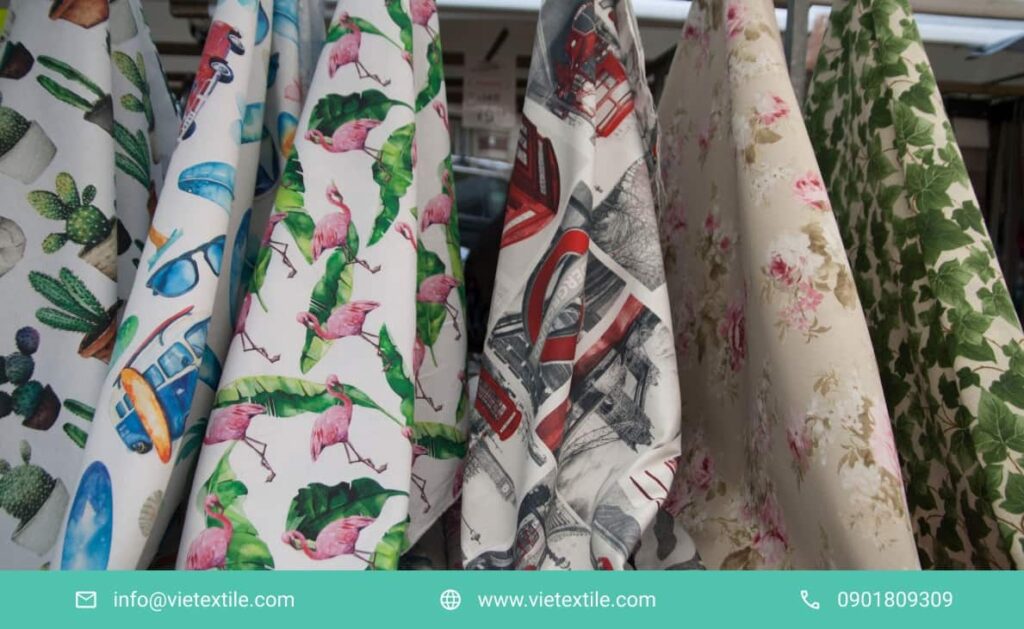
The Secret to Choosing a Reputable, Well-Priced Fabric Dyeing Workshop in HCMC

For fashion and textile brands, finding a reliable partner for fabric dyeing is a crucial factor that determines the quality of the final product. Especially in a dynamic market like Ho Chi Minh City, where there are hundreds of fabric dyeing workshops, making the right choice is extremely important. A reputable fabric dyeing workshop in HCMC not only ensures accurate, durable colors but also optimizes costs and production time.

The textile and fashion industry in Vietnam, particularly in Ho Chi Minh City, is growing strongly. Along with this development is the demand for professional, high-quality fabric dyeing services. However, with so many options, how do you find a truly reliable fabric dyeing workshop in HCMC that offers services at a reasonable price?

This article will provide a comprehensive overview of the important criteria for evaluating and choosing a reputable fabric dyeing workshop in HCMC. We will delve into factors from technology and experience to pricing policies and customer service, helping you make the wisest decision for your business.

fabric dyeing workshop in HCMC
The Secret to Choosing a Reputable, Well-Priced Fabric Dyeing Workshop in HCMC 68

1. Important Criteria for Evaluating a Fabric Dyeing Workshop in HCMC

To ensure product quality and optimize the production process, evaluating a fabric dyeing workshop in HCMC needs to be based on various criteria. A comprehensive view will help you avoid unnecessary risks, from uneven colors to delayed delivery. Partnering with a reputable fabric dyeing workshop in HCMC will be a solid foundation for your brand’s growth.

1.1. Product Quality and Colorfastness

This is the most important criterion when choosing a fabric dyeing workshop in HCMC. Product quality is reflected in many factors:

  • Accurate Colors: The dyed color must match the agreed-upon sample, without any tonal deviation. A professional fabric dyeing workshop in HCMC will have a specialized color mixing department, using electronic color measurement systems (such as a spectrophotometer) to ensure absolute accuracy. The dyed fabric sample will be compared under various light sources to ensure color stability in all lighting conditions.
  • Color Uniformity: The entire fabric roll must have a uniform color, with no blotches or color differences between batches. This problem often occurs when the technology is not modern enough or the dyeing process is not strictly controlled. A reputable fabric dyeing workshop in HCMC will use a circular dyeing machine, ensuring the dye penetrates every fiber evenly.
  • Colorfastness: The dyed fabric must retain its color after multiple washes, without fading or bleeding onto other fabrics. This criterion is evaluated based on various factors such as colorfastness to washing, rubbing, and sunlight. A professional fabric dyeing workshop in HCMC will use high-quality dyes and adhere to precise temperature and processing times to ensure the best colorfastness.

1.2. Technology and Production Process

Modern technology is the determining factor for the productivity and quality of a fabric dyeing workshop in HCMC.

  • Machinery System: A reputable dyeing workshop needs to be equipped with modern, highly automated machines that help precisely control temperature, pressure, and dyeing time. This not only increases efficiency but also minimizes human error. For example, high-pressure dyeing machines allow for dyeing difficult-to-absorb synthetic fabrics, while an automated color mixing system ensures the dyeing formula is strictly followed.
  • Standard Process: The dyeing process must be strictly followed from pre-treatment, dyeing, washing, to finishing. A professional fabric dyeing workshop in HCMC will have a clear, transparent process that ensures safety and quality. This process usually includes steps: fabric preparation, enzyme treatment (for cotton), dyeing, washing and cleaning, drying, and finishing. Each step plays a crucial role and must be carefully supervised.
  • Quality Control (QC): Find out if the fabric dyeing workshop in HCMC has a strict quality control process after each stage. A good QC process will help detect and fix errors in a timely manner, preventing the delivery of faulty goods to customers. Common tests include color inspection with a spectrophotometer, colorfastness testing with an industrial washing machine, and fabric shrinkage testing.

1.3. Experience and Market Reputation

The experience of a fabric dyeing workshop in HCMC is demonstrated by its years of operation and completed projects.

  • Years in Operation: A workshop with many years of experience will be better at handling issues, from dyeing complex fabrics to providing color consultations. They have accumulated a wealth of knowledge about dyes, chemicals, and optimal processes for each fabric type.
  • Client Portfolio: Learn about the list of brands that have partnered with the fabric dyeing workshop in HCMC. Collaborating with large, well-known brands is proof of their quality and reputation. In addition, you can also ask about specific projects they have completed to evaluate their capabilities.
  • Feedback from Past Clients: Seek feedback from previous partners to get an objective view of the service quality, delivery time, and work attitude of the fabric dyeing workshop in HCMC. Forums, industry groups, or social media pages can be useful sources of information.

1.4. Pricing Policy and Discounts

Price is always an important factor, but it should not be the only one to consider.

  • Listed Prices: A reputable fabric dyeing workshop in HCMC will have a clear, transparent price list with no hidden costs. Prices are usually calculated per kilogram or meter of fabric and can vary depending on the fabric type, color, and quantity.
  • Discounts: Negotiate discount policies for large orders or loyal customers. A reasonable price accompanied by professional service will be the optimal choice. Some fabric dyeing workshops in HCMC also have policies to support startups or young designers.
  • Price Comparison: Don’t hesitate to compare prices between different fabric dyeing workshops in HCMC, but make sure you are comparing based on the same level of quality and service. Be cautious of prices that are too low, as they may be associated with poor quality, the use of harmful chemicals, or unreliable delivery times.

1.5. Customer Support Services

Good customer service will make the partnership smoother.

  • In-depth Consultation: A good fabric dyeing workshop in HCMC will have a team of consultants knowledgeable about dyeing techniques, ready to help you choose the right dyes, colors, and processes for each fabric type. They can advise on colorfastness, the ability to dye special fabrics, and optimal solutions for each project.
  • After-Sales Support: The warranty and complaint resolution policy are also factors to consider. A reputable fabric dyeing workshop in HCMC will be responsible for its products even after delivery. They will have a clear process for resolving issues quickly and fairly.

2. Common Service Types of a Fabric Dyeing Workshop in HCMC

Quy trình sản xuất tại xưởng nhuộm vải TPHCM
The Secret to Choosing a Reputable, Well-Priced Fabric Dyeing Workshop in HCMC 69

To meet the diverse needs of the market, a professional fabric dyeing workshop in HCMC often offers various types of services. Understanding these services will help you choose the right partner for your needs.

2.1. Large-Batch Fabric Dyeing

This is the traditional service of most fabric dyeing workshops in HCMC. This service is suitable for mass-market fashion brands that need to produce in large quantities to optimize costs. These orders are typically processed on industrial dyeing machines, ensuring high productivity and competitive prices. An experienced fabric dyeing workshop in HCMC will be able to handle large orders efficiently, ensuring consistent quality and meeting deadlines.

2.2. Small-Batch and On-Demand Dyeing

With the growth of high-end fashion and independent brands, the demand for small-batch fabric dyeing is increasing. Some fabric dyeing workshops in HCMC have invested in digital dyeing technology or optimized manual processes to meet this need. This service allows designers to test colors, create capsule collections, or “one-of-a-kind” products without worrying about minimum order quantities.

2.3. Specialized Dyeing and Fabric Finishing

In addition to basic color dyeing, some fabric dyeing workshops in HCMC also provide special fabric finishing services to enhance the product’s functionality.

  • Water Repellent: Applied to products like jackets and rain gear. The water-repellent finish creates a protective layer on the fabric surface, preventing water from seeping in while maintaining breathability.
  • Wrinkle-Resistant: Helps fabric stay smooth, suitable for products that need to hold their shape. This process often uses special chemicals to alter the fabric’s structure, making it less prone to wrinkling after washing or use.
  • UV Protection: Protects the wearer’s skin from the harmful effects of sunlight. UV-protective finishes are added during the dyeing process to enhance the fabric’s ability to reflect and absorb ultraviolet rays.
  • Softening Finish: Gives the fabric a soft, pleasant feel against the skin. This is a very important service for underwear, children’s clothing, or high-end fashion products.
  • Antibacterial Finish: Helps prevent mold and mildew growth, and inhibits the development of bacteria, keeping the product clean and fresh.

3. Benefits of Partnering with a High-Quality Fabric Dyeing Workshop in HCMC

Choosing a reputable fabric dyeing workshop in HCMC is not just about finding a service provider, but about building a strategic partnership. The benefits that a reputable fabric dyeing workshop in HCMC brings will far exceed the initial investment.

3.1. Ensures Consistent and Stable Quality

A fabric dyeing workshop in HCMC with a strict quality control process will ensure that every fabric roll has a stable color and durability, no matter how large your order is. This helps you build credibility with customers, without having to worry about products being defective or failing to meet standards. Consistent quality also helps reduce the rate of faulty goods and the cost of re-production, thereby optimizing profits.

3.2. Saves Time and Production Costs

Instead of having to invest in your own machinery and labor, partnering with a professional fabric dyeing workshop in HCMC will help you significantly save on initial and operational costs. Furthermore, with their experience and optimized processes, these workshops can shorten production time, allowing your products to quickly launch on the market. Time is money, and having a reliable partner will help you keep up with fashion trends.

3.3. Mitigates Quality and Deadline Risks

Risks such as faulty goods, inaccurate colors, or delayed delivery can cause significant damage to a brand. By choosing a reputable fabric dyeing workshop in HCMC, you can minimize these risks, ensuring every step of the supply chain runs smoothly. A clear contract and a professional support team will be a shield protecting you from these risks.

3.4. Stays Updated on New Technologies and Trends

A leading fabric dyeing workshop in HCMC will always stay updated on new dyeing technologies and market color trends. This allows you to access the most advanced techniques, create unique products, and lead the way in trends. They can also advise you on eco-friendly fabrics and dyeing methods, meeting the market’s growing demand for sustainable products.

4. Common Mistakes When Choosing a Fabric Dyeing Workshop in HCMC

Sản phẩm hoàn thiện từ xưởng nhuộm vải TPHCM
The Secret to Choosing a Reputable, Well-Priced Fabric Dyeing Workshop in HCMC 70

To avoid unnecessary risks, you should be aware of some common mistakes when choosing a fabric dyeing workshop in HCMC.

4.1. Focusing Only on Low Prices and Ignoring Quality

This is the most common mistake. A price that is too low can come with substandard quality, the use of low-quality dyes, or non-standard processes. This can lead to serious consequences such as poor colorfastness and fading, affecting your brand’s reputation. Remember, choosing a well-priced fabric dyeing workshop in HCMC does not mean choosing the cheapest one. Request to see quality certifications or third-party test reports.

4.2. Skipping Sample Testing

Before signing a contract and proceeding with mass production, you must always ask the fabric dyeing workshop in HCMC to provide a dye sample. This helps you check the color, durability, and feel the actual quality of the product. Skipping this step can lead to unwanted surprises upon delivery. Test the dyed fabric sample by washing, exposing it to sunlight, and rubbing it to check its colorfastness.

4.3. Not Requiring a Clear Contract and Terms

The contract is an important legal document that protects the rights of both parties. A clear, detailed contract regarding quantity, fabric type, color, delivery time, and complaint resolution policy will help you avoid future disputes. Make sure all commitments from the fabric dyeing workshop in HCMC are documented in the contract. Pay special attention to the terms regarding quality, completion time, and penalties if either party fails to comply.

4.4. Lack of Communication During Production

Effective communication is the key to a successful partnership. Do not hesitate to communicate with the fabric dyeing workshop in HCMC about specific requirements, emerging issues, and production progress. This ensures that everything proceeds as planned and all problems are resolved in a timely manner. Regularly updating the order status via email or phone will help you manage production more effectively.

5. VieTextile – The Leading Reputable Fabric Dyeing Workshop in HCMC

Among the options for a fabric dyeing workshop in HCMC, VieTextile is proud to be a leading reputable provider, trusted by many large brands. With many years of experience in the industry, we understand the challenges that brands face and are committed to providing the most optimal solutions.

VieTextile owns a modern machinery system, imported from leading global brands, ensuring a closed-loop production process that is safe and environmentally friendly. Our team of technicians are highly skilled experts with a deep understanding of all types of fabrics and dyes, ensuring the highest quality products. We always adhere to international quality standards, from controlling raw materials to the final product, affirming our position as a professional fabric dyeing workshop in HCMC.

We offer a wide range of services, from large-batch fabric dyeing for industrial orders to small-batch dyeing for independent fashion brands. Whatever your needs, VieTextile is always ready to meet them with flexibility and professionalism. We believe that with our dedication and commitment to quality, VieTextile will be your trusted partner on your journey of brand development. A partnership with VieTextile is an investment in quality and reputation.

6. Frequently Asked Questions (FAQ) About a Fabric Dyeing Workshop in HCMC

  1. What types of fabrics can a fabric dyeing workshop in HCMC dye? VieTextile, a reputable fabric dyeing workshop in HCMC, can handle most common fabrics such as cotton, polyester, silk, linen, and blended fabrics. We also have experience in dyeing special fabrics like recycled fabrics, organic fabrics, and fabrics with complex structures.
  2. What is the average delivery time for a fabric dyeing workshop in HCMC? Delivery time depends on the order volume, fabric type, and color. However, a professional fabric dyeing workshop in HCMC like VieTextile always strives to optimize the process to shorten production time as much as possible, typically taking only 5-7 business days for common orders.
  3. Is it necessary to provide a color sample when working with a fabric dyeing workshop in HCMC? Yes. Providing a standard color sample is very important to ensure the fabric dyeing workshop in HCMC can mix the color and dye the fabric according to your requirements. We encourage customers to use standard color systems like Pantone to achieve the highest accuracy.
  4. Can a fabric dyeing workshop in HCMC handle small orders? Some fabric dyeing workshops in HCMC offer small-batch dyeing services. This is a strength of VieTextile, where we can accommodate orders of just a few meters, catering to the needs of designers and independent brands.
  5. Are the dyes used safe for the wearer? Reputable fabric dyeing workshops in HCMC will use dyes that do not contain harmful chemicals, are safe for the skin, and are environmentally friendly. VieTextile uses dyes that are certified safe, ensuring products meet international standards such as Oeko-Tex Standard 100.
  6. How to check the product quality after receiving it from the fabric dyeing workshop in HCMC? You can check by comparing the color with the agreed-upon sample, inspecting the color uniformity across the entire fabric roll, and performing a colorfastness test by washing. Additionally, you can ask the fabric dyeing workshop in HCMC to provide a quality test report from independent labs.
  7. Does VieTextile support dyeing on complex materials? With our experience and modern technology, VieTextile can successfully dye many types of complex materials, including blended fabrics, knitted fabrics, and fabrics with high technical requirements.

To find a reputable, well-priced, and quality-assured fabric dyeing workshop in HCMC, contact VieTextile today!

Contact Information:

  • Hotline: 0901 809 309
  • Email: info@vietextile.com
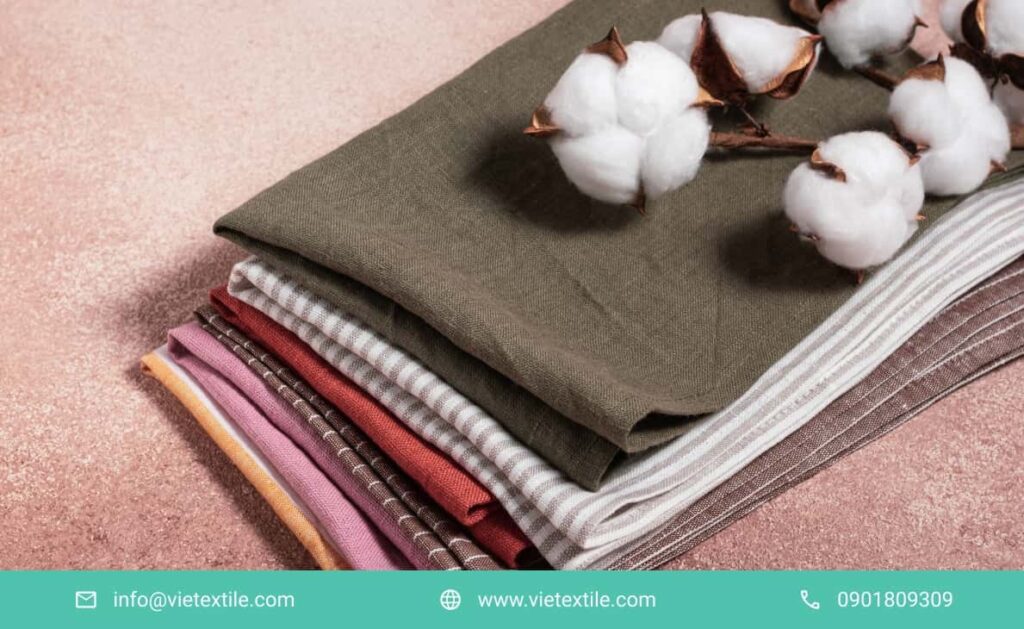
  • Website: https://vietextile.com