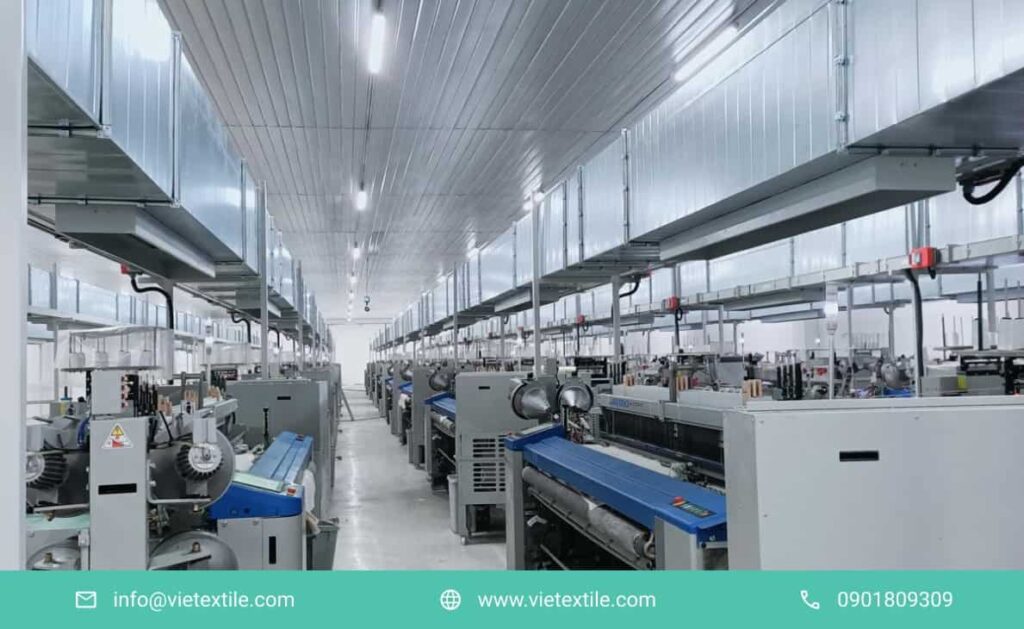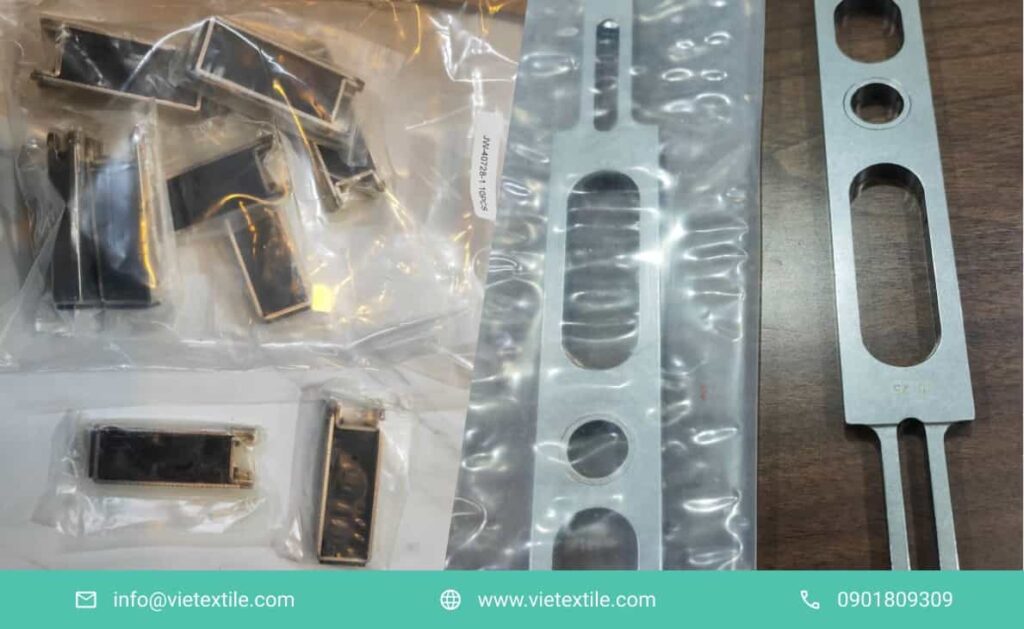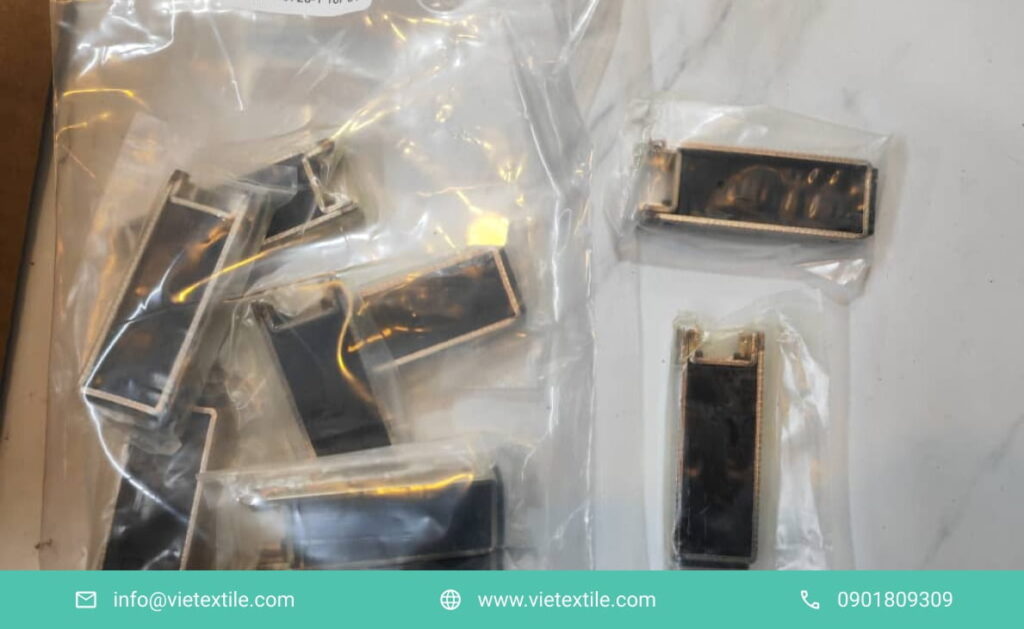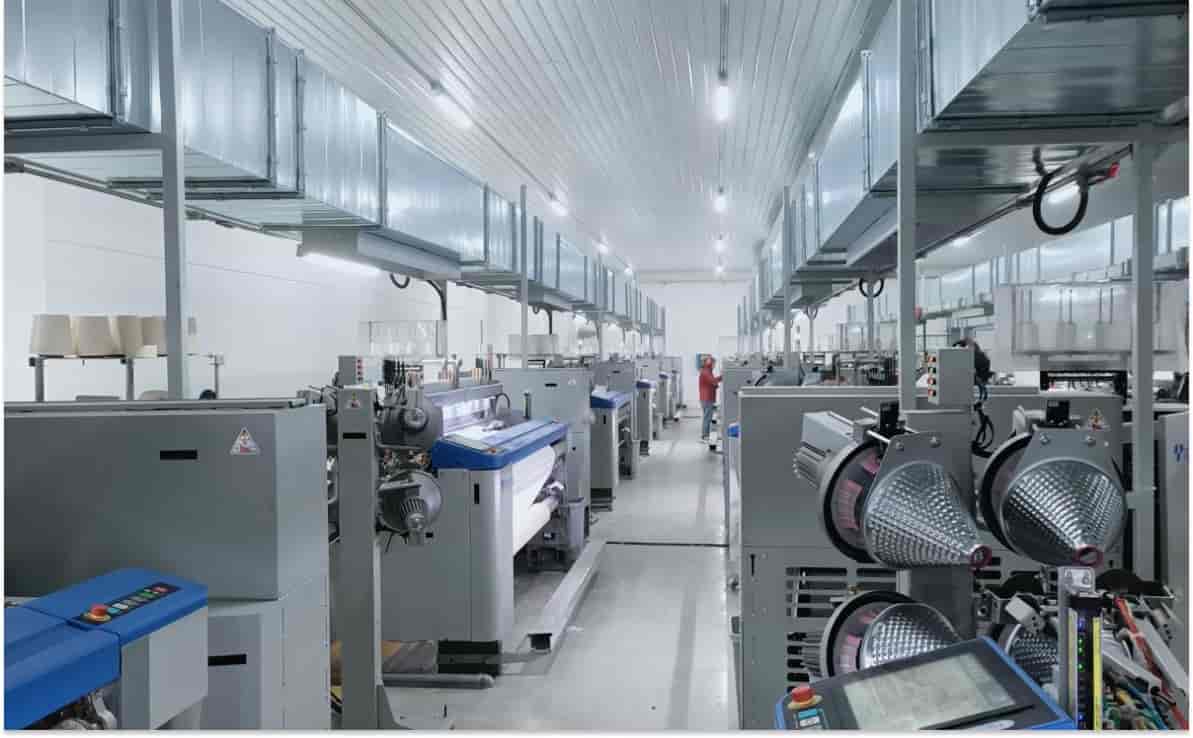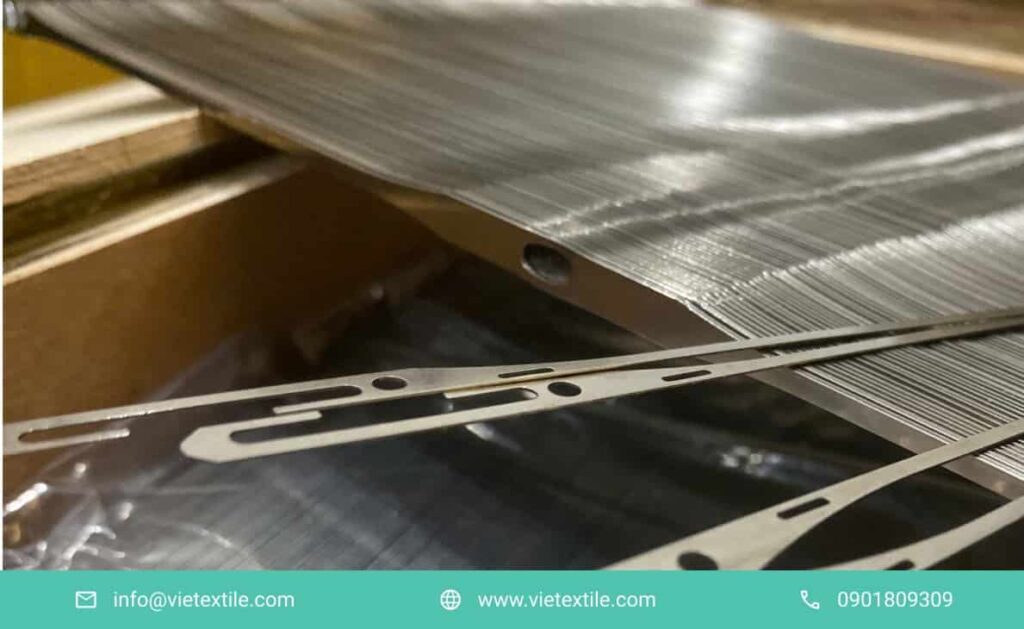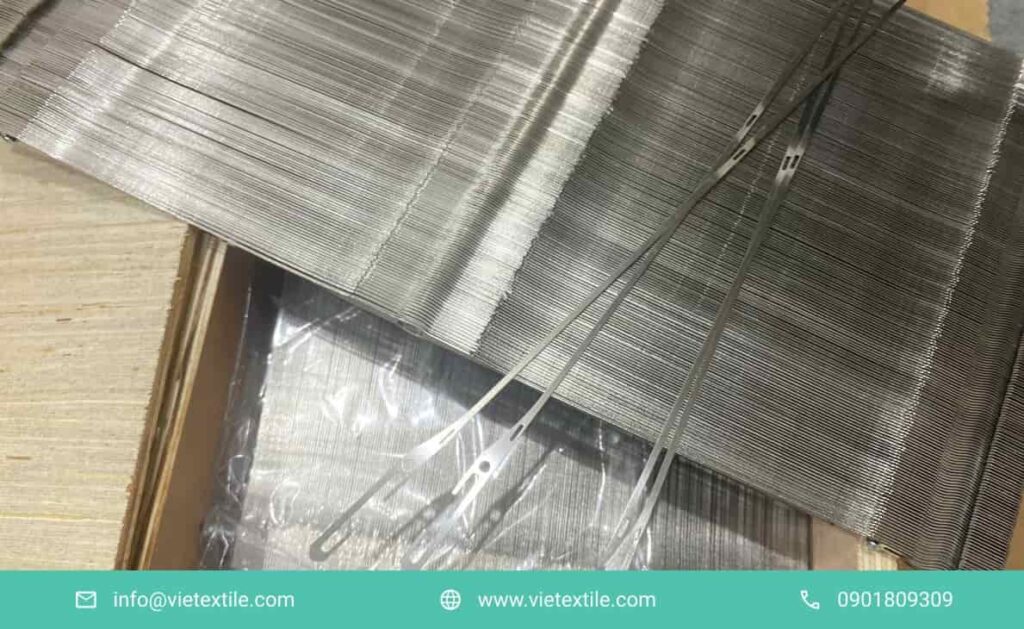
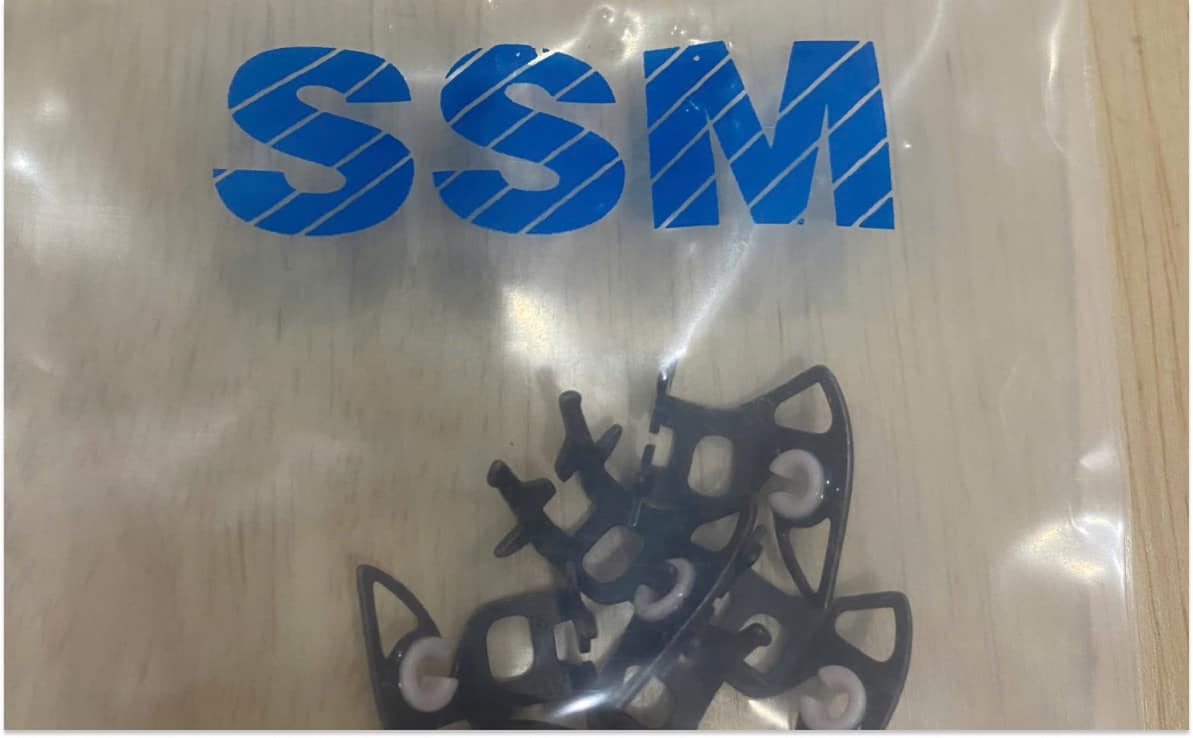
5 Common Errors on SSM Winding Machines and Genuine SSM Winding Machine Parts for Complete Resolution

SSM winding machines operate continuously at high capacity, demanding absolute stability. Understanding the 5 most common technical errors and the role of genuine SSM Winding Machine Parts is key to maintaining optimal performance.

SSM (Schärer Schweiter Mettler) winding machines are among the most critical pieces of equipment in the textile industry, renowned for their high winding precision and speed. The role of the SSM machine in preparing yarn before weaving is indispensable, directly influencing the quality of the finished fabric.

However, no matter how modern the equipment is, due to continuous, high-intensity operation over time, SSM machines cannot avoid technical failures. Timely recognition and correction of these errors are crucial factors for maintaining productivity and product quality.

This article delves into the 5 most common errors encountered by technicians on SSM machines, while also detailing the role of genuine SSM Winding Machine Parts in completely solving these issues, ensuring smooth system operation and extending equipment lifespan.
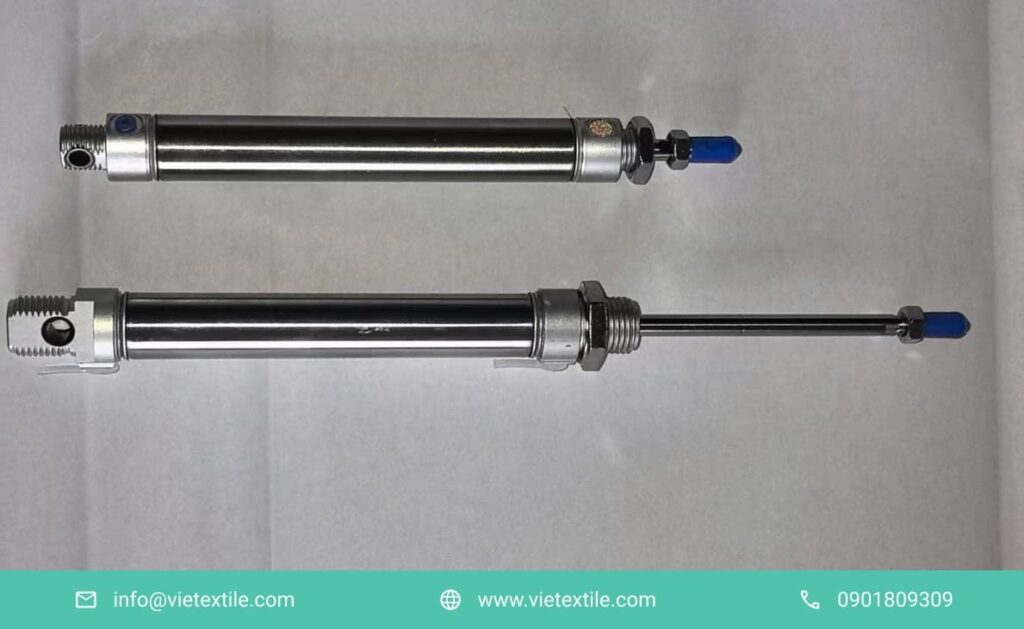
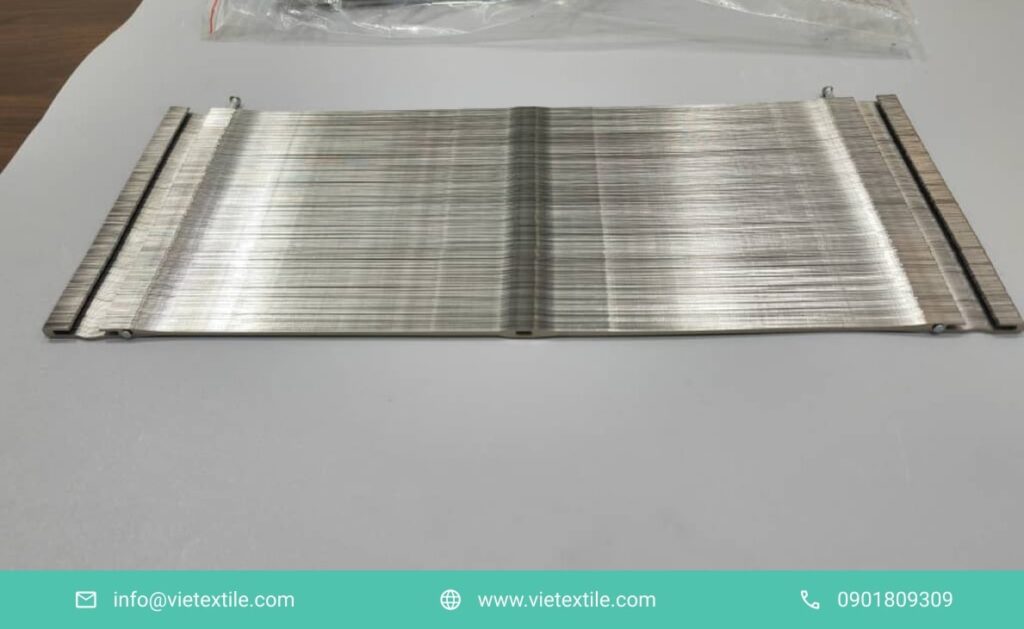
Phụ tùng máy quấn sợi SSM chính hãng
5 Common Errors on SSM Winding Machines and Genuine SSM Winding Machine Parts for Complete Resolution 5

1. SSM Winding Machine Parts and Frequent Yarn Breakage Error (Yarn Breakage)

Yarn breakage is the top issue, causing the most waste of time and raw materials on any winding machine, including SSM machines. This situation not only reduces efficiency but also directly affects the quality of the finished yarn package. Complete resolution requires the intervention of specialized SSM Winding Machine Parts.

1.1. Main Causes of Yarn Breakage Error

Yarn breakage often stems from multiple causes, requiring a complete check of the yarn path on the machine. The strength of the yarn is finite, and any point of excessive friction or tension can cause failure.

  • Yarn Clearer Mechanism: If this component is worn or incorrectly set, it may remove too much good quality yarn or, conversely, fail to detect yarn defects. An overly sensitive setting can cut the yarn even for minor defects, leading to uneven tension and breakage. Wear on the cutting blades in the Yarn Clearer also reduces its cleaning efficiency.
  • Tension Discs: Worn, rusty, or grooved tension discs (due to long-term friction) create non-uniform friction. Excessive tension at a single point will weaken and break the yarn. Failure to clean the tension discs also increases friction due to accumulated dust.
  • Splicer/Knotter: Poor splice quality, lacking the necessary strength to withstand high winding speeds, leads to yarn breakage right at the splice. This error is often caused by misaligned or worn internal parts within the splicer.
  • Yarn Sensor/Gate: A dirty, damaged, or misplaced sensor can send incorrect signals, causing the machine to suddenly accelerate or decelerate, leading to breakage. Dust-covered optical sensors are a common cause of this error.

1.2. Critical SSM Winding Machine Parts for Complete Fix

To thoroughly resolve the yarn breakage error, periodic replacement of the following SSM Winding Machine Parts is essential. Replacement not only restores function but also ensures the machine’s original precision.

  • Replacing Blade/Sensor Head of Yarn Clearer: This is the most sensitive component. Replacing the high-quality cutting head or sensor head helps optimize defect removal without compromising the yarn’s overall strength. Using blades made of Tungsten Carbide or high wear-resistant material will extend the parts’ lifespan.
  • New Tension Discs (Ceramic Tension Discs): Using Ceramic or high-grade anti-wear tension discs ensures a smooth contact surface, creating stable and uniform tension. Ceramic material also helps reduce static electricity, which is a cause of yarn breakage.
  • Splicer/Knotter Accessory Kit: Includes the cutter blade, clamp, and other positioning details. Ensure they are sharp and precisely aligned to create a splice with strength close to the original yarn. Regularly check and replace the clamping components to ensure the yarn is held securely during splicing.
  • Rollers and Guide Wheels: Scratches on the surface of the rollers are also a major cause of friction. Replacing smooth rollers with genuine SSM Winding Machine Parts helps the yarn move more smoothly. Guide rollers made of stainless steel or hard alloy are preferred to minimize friction.

1.3. Rules for Inspecting and Installing Parts to Prevent Breakage

For SSM Winding Machine Parts replacement to achieve maximum effectiveness, the inspection and alignment procedure must be strictly followed.

  • Assess Wear: Use specialized measuring tools to check the depth of grooves on the tension discs and traverse drum.
  • Tension Alignment: After replacing new tension discs, a Tensiometer should be used to ensure uniform tension across all winding heads.
  • Splice Quality Check: Perform a trial run and check the splice strength manually or with a specialized tester. Any loose splice requires the Splicer to be re-adjusted or replacing additional SSM Winding Machine Parts related.
  • Maintenance and replacement of SSM Winding Machine Parts for components directly contacting the yarn is the most effective long-term strategy for minimizing yarn breakage errors.

2. SSM Winding Machine Parts and Package Irregularity Error (Package Irregularity)
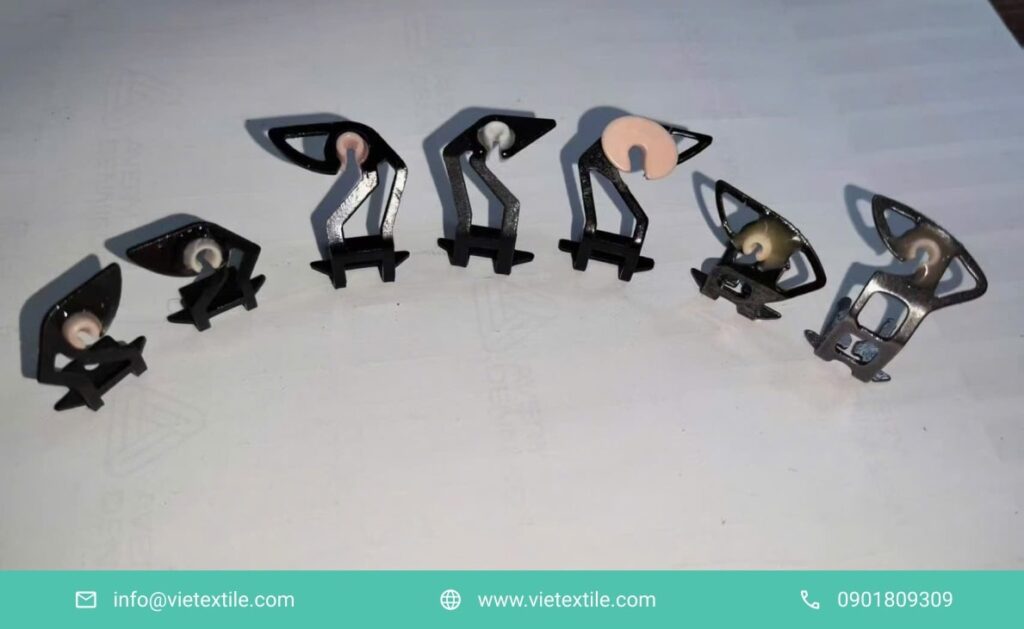
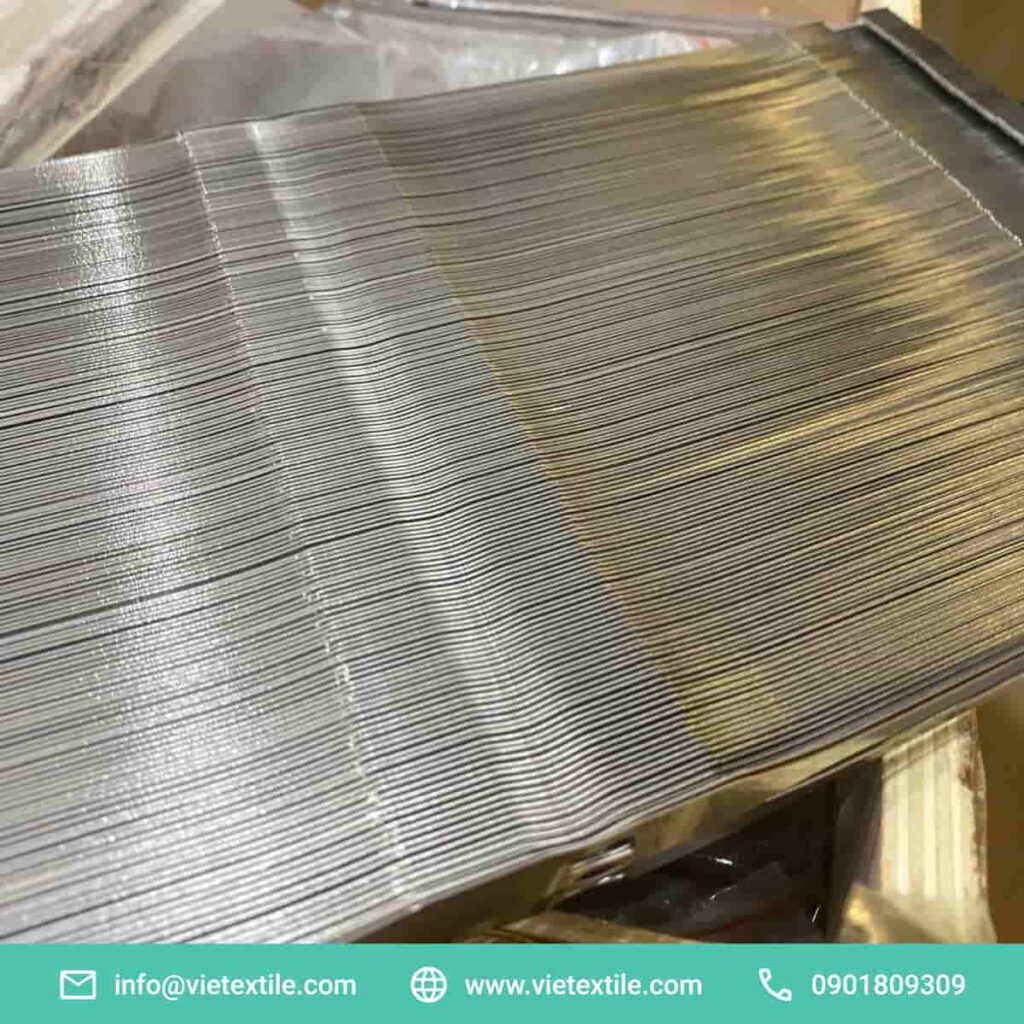
Cung cấp phụ tùng máy quấn sợi SSM
5 Common Errors on SSM Winding Machines and Genuine SSM Winding Machine Parts for Complete Resolution 6

Package irregularity occurs when the shape of the finished yarn package is deformed, with density being loose or too tight in certain areas. This error reduces the quality of the final product and can cause difficulties in subsequent processing steps.

2.1. Impact of Failures on Finished Yarn Package Quality

Package irregularity (Cone Irregularity) can manifest as “deformed packages,” “bulging packages,” or “uneven loose/tight packages.” These errors are not just aesthetic issues but also cause serious technical consequences in subsequent stages of the textile production line.

  • Causes Package Damage and Waste: Deformed packages can easily collapse, unwind, or be permanently misshapen during transport and storage. This leads to raw material loss and processing costs.
  • Affects Subsequent Processes: Uneven winding density makes subsequent processing difficult, especially in weaving or knitting. An overly tight package can easily cause yarn breakage when unwinding, while an overly loose package will easily tangle and reduce the efficiency of the loom.
  • Aesthetics and Brand Image: Unattractive yarn packages affect the perception of quality from the manufacturer. Customers always prioritize packages with precise shape and density.

Using high-quality SSM Winding Machine Parts is key to achieving yarn packages with ideal shape and density, ensuring a stable input for subsequent production processes.

2.2. Detailed SSM Winding Machine Parts to Resolve Package Errors

The main components responsible for shaping the yarn package on the SSM machine must be checked and replaced with new SSM Winding Machine Parts when showing signs of wear, especially the parts that create traversing and rotating motion.

  • Traverse Drum/Grooved Drum: This is the heart of the winding system, determining the winding pattern and package uniformity. If the groove on the drum is worn or damaged, the winding pattern will deviate, causing package bulging or deformation. Replacing the new traverse drum with precise grooves is mandatory to restore winding quality.
  • Bearings of the Traverse Drum: Vibrations caused by worn bearings will transmit to the traverse drum, losing the precision of the yarn distribution process, leading to loose and uneven yarn packages. Replacing genuine bearings helps the traverse drum rotate smoothly and stably even at high speeds.
  • Friction Wheel and Drive Components: In some SSM machine models, the friction wheel is the component that transmits rotational force to the yarn package. If this wheel is worn, the friction force is insufficient, and the yarn package may rotate slower than the required speed, causing a loose package. Genuine SSM Winding Machine Parts ensure maximum grip and mechanical durability.
  • Electromagnetic Brake System (Brake System): The brake must operate precisely when a fault occurs. If the brake system fails, the yarn package may continue to rotate slowly after the machine stops, causing unwanted looseness at the stopping point. Worn brake pads or damaged electromagnetic coils need replacement.

2.3. Importance of Winding Angle Sensor and Precision

In modern SSM machines, package accuracy also depends on sophisticated sensors and electronic components.

  • Winding Angle Sensor: This component monitors the winding angle and winding speed. If this sensor fails, the data sent to the controller will be incorrect, leading to inaccurate speed adjustments and uneven packages. Replacing a genuine sensor is a prerequisite.
  • Cone Surface: Ensure the cone surface that contacts the yarn package is always clean and scratch-free. Use SSM Winding Machine Parts such as specialized pads or washers to minimize vibration and increase grip.

The combination of precise alignment and the use of new SSM Winding Machine Parts will ensure that every finished yarn package meets the standards for shape and density, optimizing weaving efficiency.

3. SSM Winding Machine Parts and Electronic Module Failure (Electronic Module Failure)

Modern SSM winding machines rely on electronic circuit boards (PCBs) and control modules to manage every parameter from winding speed, yarn tension, to splicer system operation. Electronic module failure is one of the most severe issues, as it can halt the entire winding head or even the whole machine.

3.1. Common Failures of Electronic Modules

The working environment in textile factories often includes dust, high temperatures, and certain humidity levels, which are harmful factors for sensitive electronic circuits. Diagnosing electronic module failure often relies on error codes displayed on the control screen.

  • Individual Winding Unit Control Module Failure: This module is responsible for controlling a specific winding head. When it fails, that winding head will completely stop operating and usually reports an error related to overcurrent or a Communication Error.
  • Position/Speed Sensor Failure: These electronic sensors provide crucial data to the CPU for calculating rotational speed and traverse drum position. Sensor failure leads to incorrect data, causing winding errors or continuous yarn breakage. Common error codes include Position Error or Speed Deviation Error.
  • Power Supply Unit (PSU) Failure: The PSU provides clean and stable power to the circuit boards. A failed PSU can supply unstable voltage, causing subsequent damage to other components, especially sensitive control chips.
  • Communication Bus Failure: This error usually relates to the bus cables between modules or between the module and the central controller (CPU). Oxidized or chewed wires are common causes.

3.2. Replacing Electronic SSM Winding Machine Parts

Repairing electronic modules is often complicated and time-consuming. The most effective solution is to replace them with genuine electronic SSM Winding Machine Parts to ensure compatibility and reliability.

  • New Control Module: Completely replace the Winding Unit Controller module. This not only restores the winding head’s function but also ensures stability and accurate communication with the central control system. Need to ensure the new module has a firmware version compatible with the system.
  • High-Precision Sensors: Replace faulty optical sensors, proximity sensors, or tension sensors. These SSM Winding Machine Parts need high precision to provide immediate and accurate data to the control system.
  • Main PCB/CPU Board: In case of more severe errors, replacing the Main PCB is necessary. This is an expensive and complex component but is the only solution when the logic system encounters a failure.
  • Cables and Connectors: These small details should not be overlooked. Oxidized, broken wires or loose connectors can cause intermittent signals, leading to errors that seem like board failures.

3.3. Standard Procedure for Diagnosing and Handling Board Failures

To minimize machine downtime, the procedure for handling electronic module failures needs to follow these steps:

  • Record Error Code: Accurately record the error code displayed on the HMI or the indicator light on the module.
  • Check Power Supply: Ensure the voltage supplied to the module is within the acceptable range using a VOM.
  • Swap Module: Try swapping the faulty module with a known working module on the same machine. If the error moves, the module is indeed faulty.
  • Replace with Genuine SSM Winding Machine Parts: Only use replacement modules with the correct part number and compatible version to avoid system conflicts.

Using genuine electronic SSM Winding Machine Parts ensures perfect compatibility and long-term stable performance, preventing recurring errors.

4. SSM Winding Machine Parts and High Noise and Vibration Error (High Noise and Vibration)

Excessive noise and vibration are clear signs of serious mechanical issues latent inside the SSM winding machine. This error not only affects the working environment but also directly reduces the lifespan of other SSM Winding Machine Parts, especially sensitive electronic components.

4.1. Analysis of Causes of Mechanical Vibration

Vibration often results from imbalance in rotating components or wear and tear on mechanical parts. High winding speeds (up to 2000m/min) make even small vibrations dangerous.

  • Imbalance of Rotating Parts: Any imbalance in the traverse drum, guide rollers, or motors will cause strong vibration when the machine runs at high speed. This imbalance can be due to uneven dust accumulation or internal mechanical damage.
  • Bearing Failure: Worn, broken, or inadequately lubricated bearings of the traverse drum, main motor, or guide rollers will create loud noise and unusual vibration (whining, rattling). This is the most common cause, requiring immediate replacement with SSM Winding Machine Parts.
  • Belt Drive System: Stretched, cracked belts or worn pulleys are also causes of noise (squealing due to slipping) and vibration. Stretched belts lead to loss of rotational speed synchronization.
  • Loose Components: Loose screws, bolts, or mounting brackets due to long-term operation can also create knocking sounds. These loose details can also damage nearby electronic circuits.

4.2. Catalog of SSM Winding Machine Parts Needed for Replacement

To minimize noise and vibration, focus on moving SSM Winding Machine Parts and the suspension system.

  • Genuine Bearings: Replace all bearings of the traverse drum and motor with high-quality types capable of high load and speed. This is a mandatory investment to protect other expensive components. Sealed bearings are preferred to prevent dust intrusion.
  • New Drive Belts: New belts ensure correct tension and synchronization in the drive, eliminating noise from belt slippage. Use belts with precise specifications according to SSM.
  • Dampers/Shock Absorbers: Rubber or spring damping components used to isolate the motor and rotating parts from the machine frame. Replacing hardened or torn dampers will effectively absorb vibration, protecting the machine frame and electronic modules.
  • Specialized Bolts and Screws: Ensure the use of bolts and screws with high durability and anti-vibration properties, often self-locking types to prevent loosening during operation.

4.3. Preventive Maintenance for Vibration and Parts Optimization

Implementing preventive maintenance is the best strategy to deal with vibration errors.

  • Periodic Vibration Measurement: Use a specialized vibration meter to check the vibration level on winding heads and motors. If the vibration level exceeds the allowable threshold, check and replace related SSM Winding Machine Parts.
  • Accurate Lubrication: Adhere to the schedule and type of grease recommended by the SSM manufacturer for the bearings. Too much or too little lubrication can both be harmful.
  • Dynamic Balancing: For large rotating parts like the traverse drum, dynamic balancing should be performed if there is suspicion of imbalance.

Investing in high-quality mechanical SSM Winding Machine Parts helps the machine run quietly, extends the life of electronic components, and reduces overall maintenance costs.

5. SSM Winding Machine Parts and Ineffective Cleaning/Blower System Error (Suction/Blower Failure)
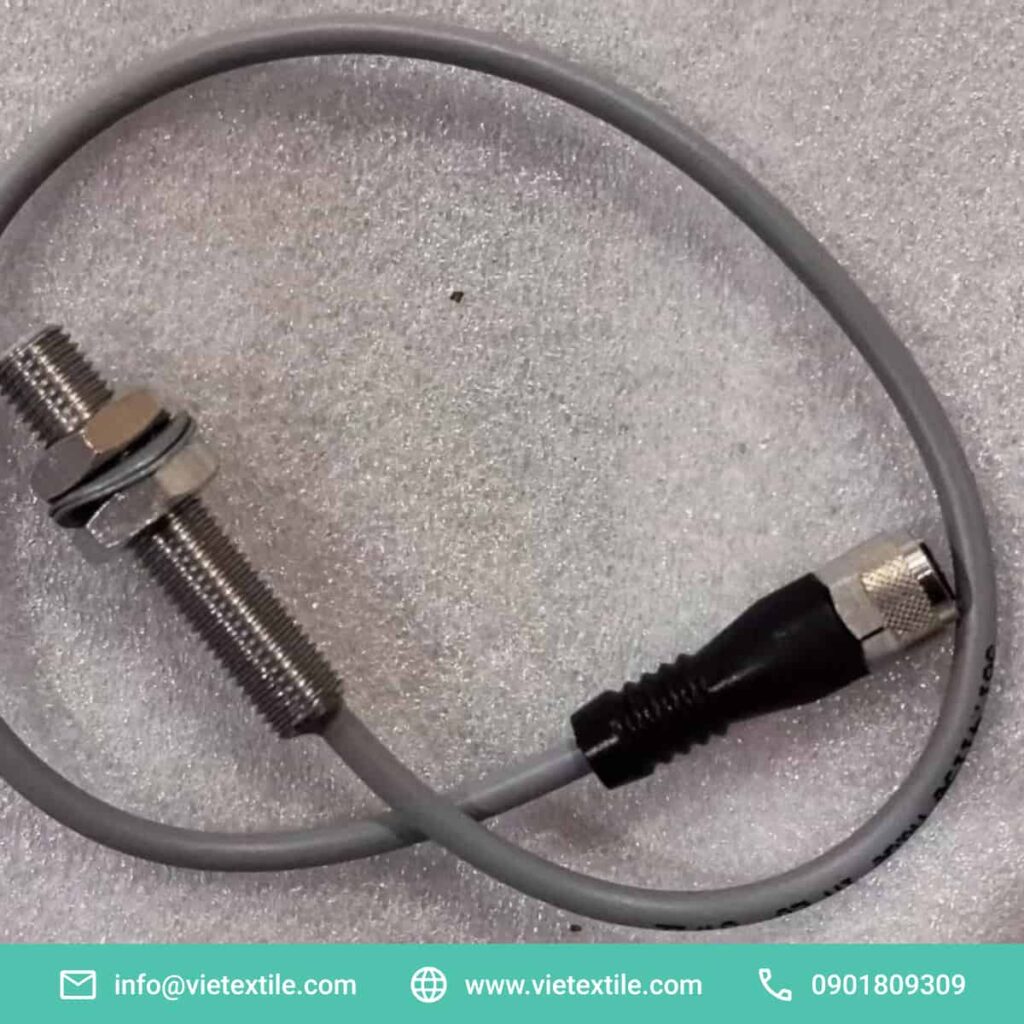
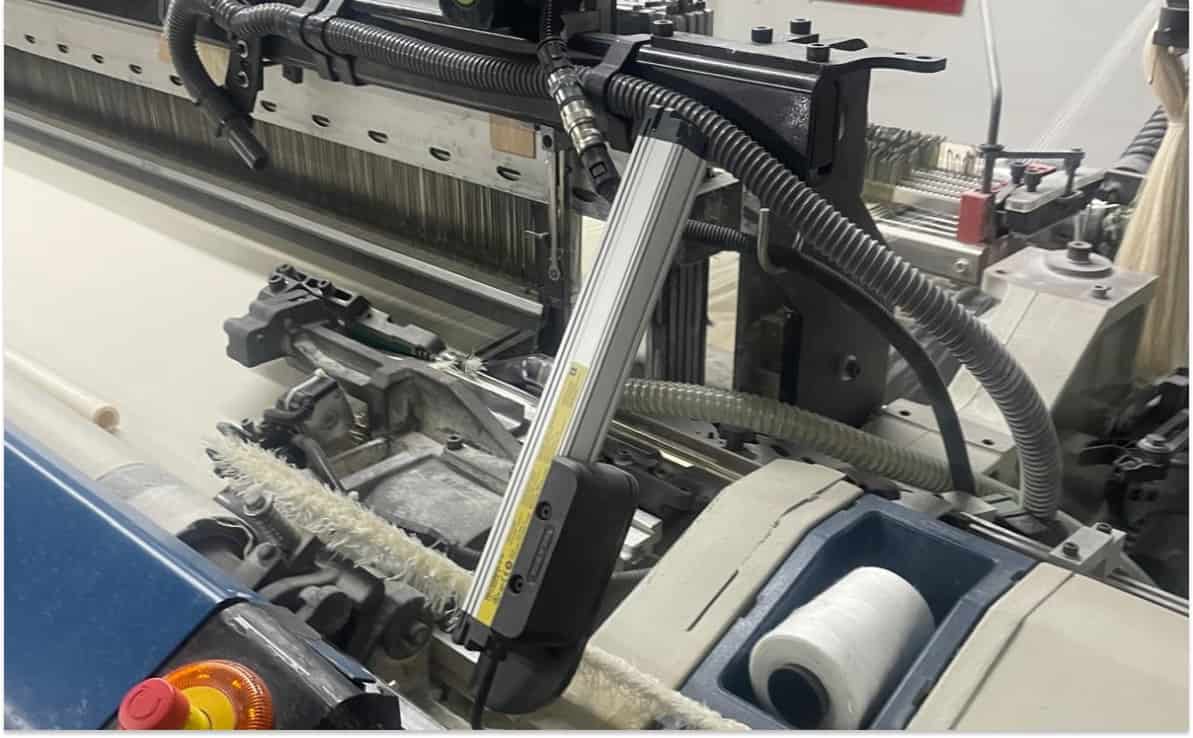
phụ tùng máy quấn sợi SSM giá tốt
5 Common Errors on SSM Winding Machines and Genuine SSM Winding Machine Parts for Complete Resolution 7

In the textile factory environment, fiber dust is inevitable. The SSM winding machine is equipped with a specialized suction and blower system to keep the winding area and sensor components clean. When this system fails, dust accumulates, leading to more serious indirect errors, from yarn breakage to electronic module failure.

5.1. Consequences of Poor Dust Collection System

Fiber dust accumulation on the SSM machine can lead to the following problems, often needing SSM Winding Machine Parts for resolution:

  • Sensor and Electronic Circuit Errors: Dust clinging to optical sensors, tension sensors, or circuit boards causes signal interference, leading to hard-to-diagnose errors. Fiber dust can also cause localized electrical discharge on the circuit board.
  • Increased Friction and Temperature: Dust sticking to moving parts (like the traverse drum or rollers) increases friction, raises local temperature, and consumes more energy. High temperature reduces the lifespan of mechanical and electronic components.
  • Reduced Splice Quality: Dust adhering to the splicer system reduces the precision of the yarn splice, causing subsequent yarn breakage due to weak splices that cannot withstand tension.
  • Damage to Suction Motor: The suction motor working overloaded due to clogged filters or ducts is also a common error, leading to coil burn-out or motor bearing failure.

5.2. Essential SSM Winding Machine Parts for the Cleaning System

Maintaining and replacing the SSM Winding Machine Parts of the cleaning system is an important part of preventive maintenance, helping to protect the entire machine system.

  • New Air Filters and Filter Bags: Replacing filters periodically is the simplest yet most effective measure. A clogged filter will significantly reduce suction force. Use high-efficiency fine dust filter bags with precise dimensions according to SSM standards.
  • Fan and Blades: Worn or broken fan blades will reduce the airflow of the blowing system. Replacing genuine fans ensures powerful cleaning capability. Check the fan balance to avoid vibration.
  • Air Ducts and Solenoid Valves: Leaky air ducts or a stuck solenoid valve controlling airflow are also common causes. Replace high-quality solenoid valves and check the tightness of the ducts, especially at connection points.
  • Suction/Blower Motor and Bearings: In case the suction motor is completely damaged due to overheating or worn bearings, the entire motor assembly needs replacement to restore maximum dust suction performance, preventing errors related to electronic SSM Winding Machine Parts.

5.3. Optimizing Airflow and System Cleaning

To ensure the performance of the cleaning system, optimization actions should be carried out:

  • Airflow Measurement: Periodically measure air pressure and flow at the suction points to detect clogs early.
  • Deep Cleaning: Disassemble and clean air ducts, especially curved sections where dust easily accumulates.
  • Timely Replacement of SSM Winding Machine Parts: Adhere to the filter replacement schedule and check suction motor bearings as recommended by the manufacturer.

Maintaining the efficiency of the cleaning system by using genuine SSM Winding Machine Parts not only extends the machine’s lifespan but also prevents most other indirect technical errors.

6. VieTextile: Strategic Partner for Genuine SSM Winding Machine Parts Supply

With extensive experience in the textile industry, VieTextile is proud to be a strategic partner, specializing in providing solutions and genuine SSM Winding Machine Parts, helping textile enterprises optimize their production lines and thoroughly handle complex technical errors.

VieTextile understands that the quality of SSM Winding Machine Parts directly affects equipment performance and lifespan. That is why we commit to supplying only components manufactured to the highest standards, ensuring superior compatibility and durability. We are always ready to provide all types of SSM Winding Machine Parts, from simple mechanical details like washers and specialized screws to complex electronic modules like control boards and optical sensors, serving various SSM machine models including SSM Xeno, SSM FMX, and SSM PS6. Our inventory is always maintained at a stable level to quickly meet urgent replacement needs.

VieTextile’s technical team is well-trained, not only selling SSM Winding Machine Parts but also providing in-depth consultation on the root causes of failures and optimal replacement and alignment methods. We offer remote diagnosis services and onsite support when necessary, helping customers save time and costs. We commit to providing fast delivery services and 24/7 technical support to ensure minimal customer downtime. VieTextile’s goal is to help customers restore productivity fastest and maintain stable operation.

We also place special emphasis on a clear warranty policy for each type of SSM Winding Machine Parts supplied. Each component undergoes a rigorous quality check before reaching the customer. VieTextile always accompanies textile factories in improving product quality and optimizing operating costs by supplying SSM Winding Machine Parts with long lifespans and competitive prices, contributing to the sustainable development of the Vietnamese textile industry.

7. Frequently Asked Questions about SSM Winding Machine Parts (FAQ)

7.1. When Should I Replace SSM Winding Machine Parts Instead of Repairing?

You should replace SSM Winding Machine Parts when the repair cost is equal to or higher than the replacement cost, or when the component is excessively worn (e.g., grooves on the traverse drum, tension disc surface) and cannot restore original performance. Especially with electronic components, replacement is often a more stable solution because repairing electronic modules carries a high risk of recurring errors.

7.2. Are SSM Winding Machine Parts Classified by Specific SSM Machine Models?

Yes. Each SSM machine model (e.g., SSM Xeno, SSM FMX, SSM PS6) has different designs and part numbers for SSM Winding Machine Parts. Using incompatible parts can cause serious damage to the system. Customers need to provide the exact machine model and serial number to ensure receiving the appropriate and firmware-compatible parts.

7.3. How Can I Extend the Lifespan of Electronic SSM Winding Machine Parts?

To extend the lifespan of electronic SSM Winding Machine Parts, you need to maintain a clean working environment (reduce fiber dust), control temperature and humidity, and especially ensure the blower/suction system operates effectively. Checking and stabilizing the power supply to the machine is also a key factor, avoiding voltage spikes.

7.4. Which SSM Parts Need the Most Regular Replacement to Avoid Yarn Breakage?

The SSM Winding Machine Parts that need the most regular replacement to avoid yarn breakage are the cutter blade of the Splicer/Knotter, Tension Discs, and the bearings of the traverse drum, as they are subject to continuous friction and load. The replacement schedule must be strictly adhered to based on operating hours.

7.5. Does VieTextile Provide Installation and Alignment Services for SSM Winding Machine Parts?

Yes. VieTextile not only supplies SSM Winding Machine Parts but also provides professional installation, alignment, and maintenance services by experienced technicians, ensuring new components operate with optimal performance and are precisely aligned according to the SSM manufacturer’s standards.

7.6. What Parts Help Save Energy for SSM Winding Machines?

Using high-efficiency Winding Motors or new, low-friction drive belts are indirect SSM Winding Machine Parts that help save energy. Additionally, replacing old air filters with new ones will help the suction motor operate with less load, thereby reducing electricity consumption.

7.7. What to Do When SSM Winding Machine Parts Are Not Available in Vietnam?

In cases where rare or specialized SSM Winding Machine Parts are not available, VieTextile offers an express order service directly from international suppliers. We will advise on temporary solutions while waiting for the goods to arrive to minimize machine downtime.

7.8. What Is the Difference Between Standard Bearings and Specialized Bearings for SSM Machines?

Specialized bearings for SSM machines are SSM Winding Machine Parts designed to withstand extremely high rotational speeds and high temperatures, often being high-precision class and using special lubrication grease. Standard bearings will quickly wear out, causing vibration and serious damage.

7.9. How to Identify the Failure of the Traverse Drum?

Traverse drum failure is often identified by loud mechanical noise, strong vibration at the winding head, or finished yarn packages with visibly deformed shapes (wavy or lopsided packages). You need to check the groove depth and replace this SSM Winding Machine Parts immediately upon detecting excessive wear.

7.10. How Is the Warranty for SSM Winding Machine Parts Applied at VieTextile?

All SSM Winding Machine Parts supplied by VieTextile have a clear warranty policy, adhering to the manufacturer’s standards. The specific warranty period will depend on the type of component (mechanical, electronic) and is clearly stated in the sales contract to ensure maximum customer benefits.

To purchase genuine, professional SSM Winding Machine Parts and receive immediate technical support, contact VieTextile today!

Contact Information: 

Hotline: 0901 809 309 

Email: info@vietextile.com 

Website: https://vietextile.com
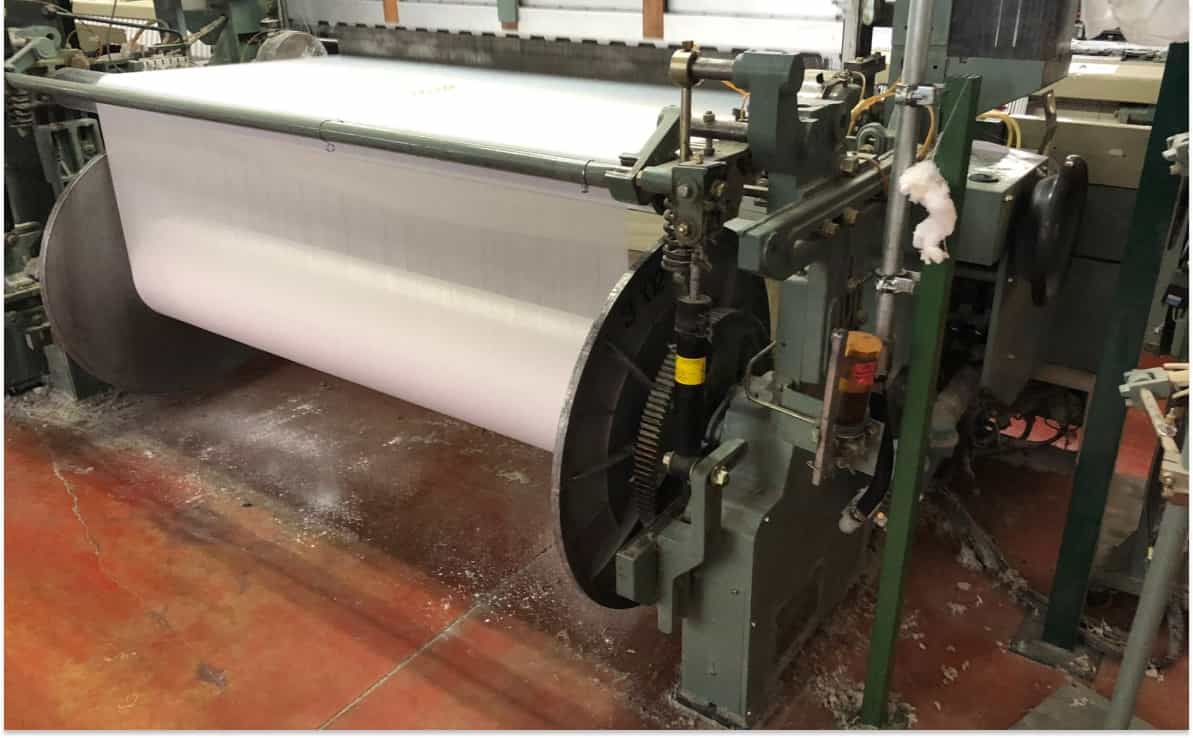
Why Dornier Rapier is Preferred in High-Tech Weaving?

In the textile world, the Dornier Rapier loom represents the pinnacle of flexibility, precision, and delicate yarn handling capability. Unlike high-speed models specializing in weaving commodity fabrics such as Airjet or Waterjet, Dornier Rapier is specifically engineered to conquer the challenges of Technical Textiles – where durability, structural accuracy, and the ability to handle expensive, sensitive yarns (such as Carbon, Aramid, Glass fiber) are paramount.

This advantage stems not just from the brand, but from the perfect synchronization among exclusive Dornier Rapier Loom Components, particularly the Positive Gripper Weft Insertion Mechanism. This article will delve into every technical aspect, from the mechanical structure to the electronic control system, to decipher why Dornier Rapier is the leading choice for technical fabric manufacturers globally.

Technical weaving is the most demanding market segment, producing fabrics used in aerospace, automotive, medical, and construction industries. The yarns used in this sector are often very thick, rigid, or extremely brittle and sensitive to friction, requiring a weft insertion mechanism that is exceptionally gentle yet ensures the tension and accuracy of every pick.

Dornier Rapier perfectly meets this requirement thanks to its technological philosophy: “Quality first, Speed second.” The Dornier Rapier Loom Components are not only manufactured from the most advanced materials but are also designed to eliminate mechanical weak points. The Positive Gripper Weft Insertion System, combined with a rigid machine frame and modern electronic control technology, allows the Dornier loom to handle the widest material spectrum on the market, from superfine 10  denier filaments to extremely coarse 10,000  tex yarns.

To truly understand Dornier’s power, we need to analyze eight core technical aspects, highlighting the critical importance of using genuine Dornier Rapier Loom Components to maintain high-tech weaving performance.

Cung cấp linh kiện máy dệt Dornier Rapier
Why Dornier Rapier is Preferred in High-Tech Weaving? 12

1. Core Mechanical Advantage: The Positive Rapier Weft Insertion System

The biggest difference in Dornier lies in its Rapier Weft Insertion Mechanism, especially the Positive Gripper technology, which creates outstanding flexibility and precision.

1.1. Positive Gripper Principle and Sensitive Yarn Weaving

The Positive Gripper mechanism ensures the weft yarn is firmly and gently clamped and exchanged between the two rapier heads (feeder and receiver).

  • Gentle Handling: The weft yarn is held at an absolutely low and stable tension throughout the insertion process. This is crucial when weaving Glass Fiber or Carbon fiber, which are highly susceptible to damage, breakage, or surface wear due to high friction.
  • Gripper Head: The Gripper Head, a critical Dornier Rapier Loom Component, is made of special material with an optimally designed contact surface to minimize friction force when clamping the yarn.
  • Self-Cleaning Capability: The clamping mechanism is designed to automatically remove fragmented yarn pieces, preventing accumulation and avoiding clamping errors.

1.2. Analysis of the Rapier Tape/Band Structure

The Rapier Tape is the fastest moving and highest loaded part of the weft insertion system.

  • Advanced Material: Dornier OEM uses composite material or reinforced carbon fiber for the Rapier Tape. This material helps reduce the inertia mass of the mechanism, allowing the loom to achieve higher speeds and reduce vibration.
  • Impact on Speed: Lighter Rapier Tapes reduce the load on the main drive system and lower energy consumption. Using non-genuine Dornier Rapier Loom Components made of inferior material (like heavier steel alloys) will significantly reduce weaving speed and increase wear on related gears.
  • Durability and Precision: The OEM Rapier Tape has absolute stiffness and dimensional stability, ensuring the gripper head is always positioned accurately, even when weaving wide widths (540  cm).

2. Wide Material Spectrum and Diverse Applications

Dornier Rapier is favored for its ability to handle the widest material spectrum, from the finest to the coarsest.

2.1. Weaving Coarse and Special Yarns

For technical fabrics, the yarn is often multifilament with very high fineness (for filter meshes) or coarse, rigid yarn (for Geotextiles).

  • Aramid/Kevlar & Carbon: These yarns have extremely high tensile strength but are brittle and expensive. Unstable tension created by the Airjet mechanism can cause yarn breakage. Dornier Rapier, with its Positive Insertion Mechanism, maintains near-zero yarn tension during insertion, preserving yarn integrity.
  • Weaving Widths up to 540  cm: The Dornier loom is one of the few Rapier models that can weave wide widths stably. This is extremely important for industrial products such as Geomembranes or large industrial filter meshes.

2.2. Weaving Multi-Layer Fabrics (3D/Multi-Layer)

Weaving three-dimensional structures or multi-layer fabrics (e.g., spacer fabrics) is an exclusive strength of Dornier Rapier.

  • Requirement: Absolute precision is needed in shedding and uniform weft insertion force across the entire width.
  • Role of Dornier Rapier Loom Components: The stability of the Monolithic Frame Rigidity and the Dornier Rapier drive system helps maintain perfect Sley and Reed alignment, allowing complex structures to be woven without distortion.

3. Exclusive Machine Frame and Vibration Reduction System

High-tech weaving accuracy demands an extremely stable mechanical platform.

3.1. Monolithic Frame Rigidity

The Dornier frame is designed as a heavy, extremely rigid monolithic structure, absorbing most of the vibration generated during high-speed weaving.

  • Benefit: This rigidity ensures that all moving mechanisms (Shedding, Tappet, Weft Insertion) maintain precise alignment even when operating at high speeds or weaving heavy, coarse yarns.
  • Quality Assurance: Reduced vibration directly lowers the rate of warp and weft yarn breakage, especially when weaving brittle yarns.

3.2. Mass Balancing System

Dornier utilizes counterweights and advanced drive designs to automatically balance the inertia mass of the moving Rapier mechanism.

  • Quality of Dornier Rapier Loom Components in Drive: Gears and main shafts are manufactured with P5 precision or higher, minimizing friction and wear. This increases the lifespan of expensive mechanical parts.
  • Energy Efficiency: Reducing unnecessary vibration also helps lower energy consumption and noise, creating a better working environment.

4. PCL (Programming Control Logic) and Electronics Technology

The flexibility in Dornier Rapier applications is supported by its exclusive PCL electronic control system.

4.1. PICANOL-DORNIER Control Logic

Dornier’s electronic control system allows flexible adjustment of nearly every weaving parameter, from warp tension and brake force to Weft Timing. The management of electronic Dornier Rapier Loom Components is essential for this precision.

  • Application Flexibility: Engineers can quickly change these parameters via the HMI screen, allowing for efficient Quick Style Change (QSC), which is crucial for small, diverse orders in technical weaving.
  • Electronic Dornier Rapier Loom Components: Dornier’s Sensors and Encoders are OEM, ensuring high resolution and instantaneous response speed, necessary for precise Rapier positioning control.

4.2. Advanced Stop Motion System (Warp/Weft Stop Motion)

The sensitivity of the stop motion system is a key factor in protecting expensive yarns.

  • Weft Stop Motion (Weft Breakage Stop): Dornier Rapier uses highly sensitive optical or piezoelectric sensors, ensuring the loom stops immediately upon detecting yarn breakage. The reaction speed must be less than 1  ms to prevent extended weaving defects.
  • Critical Dornier Rapier Loom Components PCB: The Main Control PCB is specifically designed to handle high-speed signals and activate a powerful electromagnetic brake. Replacing this board with an Aftermarket item, especially if it is not a genuine Dornier Rapier Loom Component, can significantly reduce the reaction speed, leading to severe errors when weaving expensive Carbon fiber.

5. Maintenance Strategy and Management of Dornier Rapier Loom Components

Linh kiện máy dệt Dornier Rapier chính hãng
Why Dornier Rapier is Preferred in High-Tech Weaving? 13

For the Dornier Rapier to operate optimally in high-tech weaving, managing replacement Dornier Rapier Loom Components is mandatory.

5.1. Prioritizing OEM Components for the Rapier Mechanism

The Rapier Assembly is the most critical and expensive component.

  • Rapier Tape: Although the purchase price of OEM Dornier Rapier Loom Components is high, the lifespan and stability of the OEM Rapier Tape are many times greater than Aftermarket items. Using poor-quality Rapier Tapes can lead to premature wear of Guide Hooks and damage to other Dornier Rapier Loom Components.
  • Gripper Head: Must be replaced cyclically. The OEM Gripper Head ensures accurate clamping angle, stiffness, and precise anti-wear material, protecting the woven yarn from damage.

5.2. Centralized Lubrication System Maintenance

The Dornier Rapier lubrication system is automatic and centralized (Centralized Lubrication System).

  • Lubrication Dornier Rapier Loom Components: The oil pump, oil distribution valves, and pipelines – these critical Dornier Rapier Loom Components must be OEM to ensure precise oil pressure at every important lubrication point (main shaft, gearbox).
  • Importance: Clogging or insufficient oil pressure can cause serious and costly damage to gears and drive shafts.

5.3. Tolerance Control of Mechanical Spare Parts

In high-tech weaving, the tolerance of Dornier Rapier Loom Components must be absolutely guaranteed.

  • Reed: The OEM Reed has extremely high flatness and accuracy in the distance between the dents, ensuring uniform warp yarn distribution. Aftermarket Dornier Rapier Loom Components may have small errors, causing Barre defects on the fabric.
  • Gear Mesh Position: The gears in the gearbox must mesh perfectly. OEM ensures no backlash, allowing for smooth and precise power transmission.

6. In-Depth Technical Analysis of Specific Dornier Rapier Loom Components

To achieve a deeper understanding, we need to detail the mechanical and electronic parts.

6.1. Electronic Take-Up & Let-Off Mechanism

Dornier looms use a Take-Up (cloth winding) and Let-Off (warp yarn release) system fully controlled by electronic Servo Motors.

  • OEM Servo Motor: A core electronic Dornier Rapier Loom Component, ensures continuous maintenance of Warp Tension, even when machine speed changes. This is important when weaving stretchy fabrics or fabrics with different thicknesses.
  • Tension Sensor: The warp tension sensor must have high resolution to send precise feedback signals to the PCL controller, ensuring effective closed-loop control operation.

6.2. Shedding Motion Control

Dornier prioritizes the use of electronic Dobby or Jacquard for high-tech weaving.

  • Electronic Dobby/Jacquard: Independently controlled, allowing for the creation of complex and precise sheds (e.g., 3/1 Twill, Satin, or 3D structures).
  • Lifting/Lowering Mechanism Dornier Rapier Loom Components: The Push Rods and Draw Hooks in the Dobby must be OEM, capable of high load endurance and long lifespan. Minor flaws in these Dornier Rapier Loom Components can cause Warp Streaks defects on the fabric.

6.3. Infinitely Variable Shed Angle Control Capability

New generation Dornier Rapier looms allow for infinitely variable adjustment of the Shed Angle via Servo Motor.

  • Benefit: Optimizes the shed for different yarn types. Coarse yarns need a wider shed, while brittle yarns need a gentle, narrow shed.
  • Main Encoder: The Main Encoder is a critical Dornier Rapier Loom Component, providing main shaft position data with high resolution, allowing the PCL controller to change the shed angle and Weft Insertion Timing for each weaving cycle.

7. Impact on Total Cost of Ownership (TCO) and Profitability

Linh kiện máy dệt Dornier Rapier chất lượng cao
Why Dornier Rapier is Preferred in High-Tech Weaving? 14

The high initial cost of the Dornier Rapier loom and Dornier Rapier Loom Components is offset by lower TCO and superior output quality.

7.1. Reduced Damage Cost from Expensive Yarns (Material Damage Cost)

When weaving Carbon or Aramid fibers (priced at 10 – 50  USD/kg), the cost of damage due to yarn breakage is substantial.

  • Dornier Rapier: Due to the Positive Insertion Mechanism, the yarn breakage rate is significantly lower than Airjet/Waterjet when weaving these materials.
  • Spare Parts TCO: Investing in OEM Dornier Rapier Loom Components protects expensive yarns from damage, leading to much higher Net Profit.

7.2. Energy Optimization in Technical Weaving

Although Rapier looms consume more energy than Airjet (due to the mechanical energy required to move the Rapier), Dornier Rapier has an optimized drive design.

  • Efficient Lubrication System: Reduces friction.
  • Lightweight Components: Carbon Rapier Tapes and Composite parts help reduce the load on the motor, saving energy compared to older Rapier models.

8. VieTextile: Strategic Partner for Genuine Dornier Rapier Loom Components

To maintain the technical advantage of the Dornier Rapier, the use of genuine Dornier Rapier Loom Components is mandatory. VieTextile is committed to providing high-quality OEM components and professional technical services.

8.1. Supplying High-Load Components

We provide a full range of Dornier Rapier Loom Components, including:

  • OEM Carbon/Composite Rapier Tapes and precision Gripper Heads.
  • Control PCBs, Sensors, Encoders ensuring the response speed of the PCL system.
  • High-precision tolerance drive components (gears, Sley shaft) for wide-width looms.

8.2. Specialized Alignment and Maintenance Services

Replacing critical Dornier Rapier Loom Components like Rapier Tapes requires precise alignment techniques. VieTextile’s technical team is expertly trained to:

  • Align Weft Timing after Rapier replacement.
  • Inspect and adjust centralized lubrication pressure, ensuring the lifespan of every mechanical Dornier Rapier Loom Component.

9. Frequently Asked Questions about Dornier Rapier Loom Components (FAQ)

This section addresses specialized questions related to the Dornier Rapier and replacement components.

9.1. Which Dornier Rapier Loom Components are most susceptible to wear? Answer: The Dornier Rapier Loom Components subjected to high friction and load: Rapier Band, Gripper Head, and Guide Hooks. For the electrical system, Weft Stop Motion sensors and Encoders can be damaged due to vibration or fiber fly accumulation.

9.2. Can Aftermarket Dornier Rapier Loom Components be used? Answer: It is not recommended, especially for Grade A components (Rapier Tape, Gripper Head, Control Board). Aftermarket items may have inaccurate tolerances, causing premature wear of related parts and damaging expensive woven yarn, leading to a much higher TCO than investing in genuine Dornier Rapier Loom Components.

9.3. Why is Dornier Rapier more suitable for weaving glass fiber than Airjet? Answer: Glass fiber is very brittle and sensitive to tension. Airjet uses pneumatic force to propel the yarn, creating uneven tension and high friction at the nozzle, easily damaging the fiber. Dornier Rapier uses the Positive Gripper mechanism, inserting the yarn with absolute low and stable tension, preserving the fiber structure.

9.4. How to check the lifespan of a Dornier Rapier Tape? Answer: The lifespan of an OEM Dornier Rapier Tape, one of the Dornier Rapier Loom Components with the most critical lifecycle, is usually measured in operating hours or million picks. Regular checks include: checking the wear of the Rapier surface (friction level), inspecting for small cracks on the Composite material, and checking the precise fit of the Gripper Head mounting holes.

9.5. How does VieTextile guarantee the quality of Dornier Rapier Loom Components? Answer: VieTextile only supplies OEM Dornier Rapier Loom Components or replacement parts with OEM-equivalent certification from Dornier-approved European manufacturers. We provide quality certificates and commit to technical alignment support after replacement.

Dornier Rapier is the machine that generates high value in the technical textile industry. Maintaining this advantage requires an absolute commitment to the quality of every replacement component. 

To ensure your Dornier loom always operates with the highest performance, precision, and durability, choose genuine Dornier Rapier Loom Components. Contact VieTextile immediately for specialized consultation on spare parts, preventive maintenance, and solutions for optimizing Dornier Rapier performance. 

Contact Information: 

Hotline: 0901 809 309 

Email: info@vietextile.com 

Website: https://vietextile.com
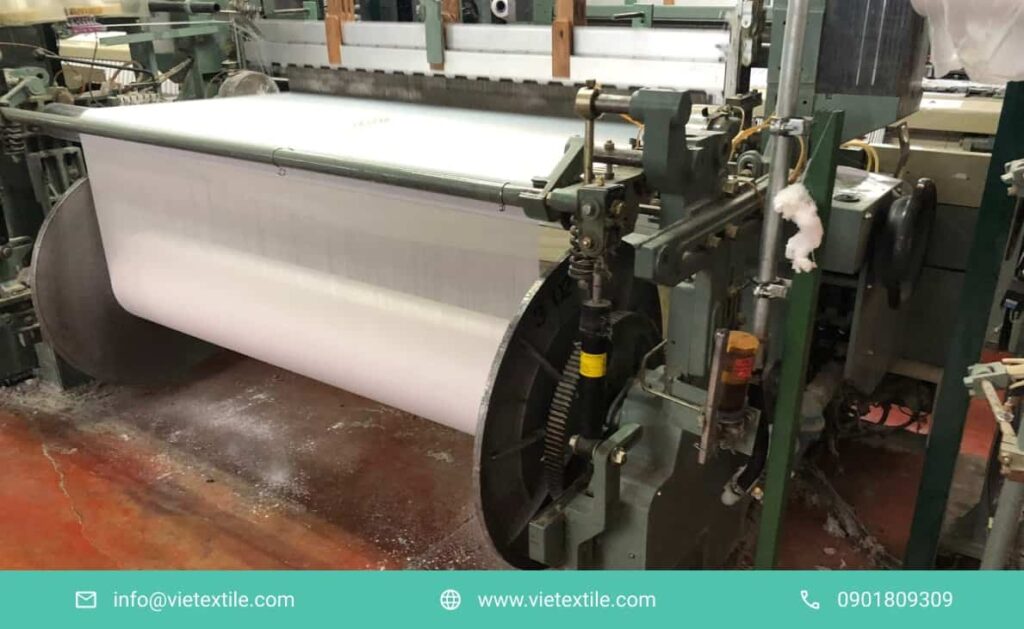
The Effect of Weft Stop Motion in Reducing Finished Fabric Damage – A Comprehensive Technical Guide

In high-speed weaving, warp yarn breakage is an inevitable incident. If this fault is not immediately detected and addressed, the loom will continue weaving without the weft yarn, causing severe weaving defects (Mispick, Crack) that span multiple picks, damaging the finished fabric, and reducing product value.

The Weft Stop Motion system (The mechanism for stopping the machine upon weft breakage) was developed to solve this problem. This is a core safety component that determines the output quality of the loom. Maintenance and Procuring Weft Stop Motion Components are vital factors in ensuring instantaneous reaction, minimizing damage, and maintaining stable operational efficiency. This article will delve into the operating principle, the types of faults that arise, and the strategy for managing replacement components.

Modern looms operate at speeds up to thousands of Picks Per Minute (PPM). A weft breakage fault lasting only a few seconds can create a flawed fabric segment several meters long. The main function of the Weft Stop Motion is to detect the absence of the weft yarn as it crosses the fabric width (or immediately after it is cut). Upon detecting an error, the system sends a signal to the central controller to activate the electromagnetic brake (Brake) and stop the machine immediately.

The precision and reaction speed of the Weft Stop Motion entirely depend on the sensitivity of the sensors (Sensor) and the quality of the related electronic components. Substandard components can lead to two serious types of errors: “False Stop” (causing time waste) and “Missed Stop” (causing severe fabric damage).

To optimize efficiency and quality, textile factories need to understand the structure, operating mechanism, and know the correct method for Procuring Weft Stop Motion Components, suitable for each type of loom (Airjet, Waterjet, Rapier) and the type of yarn being woven. We will analyze these issues in detail.

Cung cấp linh kiện weft stop motion
The Effect of Weft Stop Motion in Reducing Finished Fabric Damage – A Comprehensive Technical Guide 19

1. Structure and Operating Principle of the Weft Stop Motion

Weft Stop Motion is an integrated system consisting of synchronized electro-mechanical components.

1.1. Core Components of the System

  • Weft Sensor/Detector: This is the heart of the system, usually an optical sensor (Photo Sensor) or a capacitive/piezoelectric sensor. Its function is to detect the presence of the weft yarn at one or more specific positions across the fabric width. 
  • Amplifier/Controller: Receives the extremely small signal from the sensor, amplifies it, and compares it with the reference signal (Reference Signal) within the set timing window (Timing). 
  • Stopping Mechanism (Brake & Clutch): Upon detecting a fault signal, the controller activates the brake to stop the machine in the shortest time possible, typically less than one weaving cycle.

1.2. In-Depth Operating Principle (Timing)

The Weft Stop Motion system does not operate continuously but is activated within a specific time window (Window Time), typically measured by the main shaft’s rotational angle (Crank Angle). 

  • Weft Detection Position: The weft yarn is checked at one or more positions, for example: 30% (start), 50% (middle), and 90% (end) of the fabric width. 
  • Fault Handling Process:
  1. The weft yarn is inserted.
  2. The sensor detects the yarn and sends a “OK” signal to the processor.
  3. If no “OK” signal is received within the allowed time window, the processor confirms a weft break.
  4. The electromagnetic brake (Brake Solenoid) is activated to stop the machine immediately.
  5. The machine stops at a safe position (usually 90 or 180 degrees) for the technician to easily handle the fault.

2. Core Effects in Reducing Finished Fabric Damage

Weft Stop Motion plays a critical role in protecting finished fabric quality from serious, especially repetitive, defects.

2.1. Preventing Extended Mispick Defects (Missing Weft Yarn)

A Mispick fault occurs when the machine fails to stop immediately after a weft break. 

  • Damage: As the machine continues to run, it creates a gap without weft yarn, then inserts a new yarn in the next cycle. This fault creates a “crack” (Crack) or a different colored horizontal stripe (Barre) on the fabric, degrading the finished fabric value to Grade B, or even Grade C. 
  • Effect: Weft Stop Motion ensures the machine stops immediately within the weaving cycle where the fault occurs, limiting the Mispick defect to just one pick, making it easier for the technician to handle the fault and perform pick removal.

2.2. Controlling Tension Marks and Loose Yarn Loops

Weft tension is crucial. When a yarn breaks, the remaining yarns can become unevenly tense or loose. 

  • Damage: If the machine does not stop quickly, tension fluctuation can cause a horizontal stripe effect (Barre) or deform the weaving structure around the break point. 
  • Effect: Instantaneous machine stoppage helps fix the position of the remaining warp and weft yarns, minimizing mechanical deformation of the fabric structure before the fault is addressed.

2.3. Minimizing Mechanical Impact During Fault Handling

When the machine stops promptly, the fault handling process (cleaning broken yarn, re-inserting yarn) takes place more easily. Benefit: Reduces worker manipulation time and avoids auxiliary damage to other components like the Reed or Heddle due to tangled broken yarn. Advice: Procuring Weft Stop Motion Components helps the system stop the machine smoothly, without mechanical shock, protecting the lifespan of the brake and motor.

3. Common Types of Weft Stop Motion and Replacement Components

Mua linh kiện weft stop motion chất lượng cao
The Effect of Weft Stop Motion in Reducing Finished Fabric Damage – A Comprehensive Technical Guide 20

The selection and Procuring Weft Stop Motion Components must be based on the technology and the type of loom being used.

3.1. Optical Weft Stop Motion (Photo Sensor)

Common on Airjet and Rapier looms. The system uses a light beam and a receiver to detect the yarn. 

Principle: The weft yarn passing through cuts the light beam, creating a signal change at the receiver. If there is no change, the machine reports an error. 

Components to Procure:

  • Transmitter/Receiver: Sensors must have high sensitivity and good resistance to dust/vibration.
  • Signal Cable: Cables must withstand heat and friction, ensuring the signal is not disturbed. Wear Fault: The sensor surface accumulates dust or is scratched, leading to a “False Stop” due to a weak signal. It is necessary to focus on Procuring Weft Stop Motion Components for replacement and adjusting the angle.

3.2. Capacitive/Piezoelectric Weft Stop Motion

Often used in applications for weaving metal or conductive yarns. 

  • Principle: Detects changes in capacitance or pressure as the weft yarn passes through. 
  • Components to Procure: The piezoelectric sensor and the pre-amplifier (Pre-Amplifier) must have high electromagnetic noise filtering capability.

3.3. Hydraulic Weft Stop Motion (Waterjet Detectors)

Specific to Waterjet looms. Typically optical or mechanical sensors sensitive to the presence of the water stream carrying the yarn. 

  • Components to Procure: The sensor must be protected by a waterproof casing and withstand humid, corrosive environments. Procuring Weft Stop Motion Components for Waterjet looms requires corrosion-resistant materials.

4. Diagnosing Common Faults Due to Worn Weft Stop Motion Components

The wear and tear of the Weft Stop Motion system causes two main types of faults: False Stop and Missed Stop.

4.1. False Stop Fault – Causing Productivity Waste

This fault occurs when the machine stops but the weft yarn was actually inserted successfully. Main Causes:

  • Dust Accumulation on Sensor: Yarn dust adheres to the optical sensor surface, attenuating the signal strength.
  • Overly High Sensitivity Setting: The system is set too sensitively, making it easily affected by vibration or electromagnetic noise.
  • Damaged Signal Cable: The cable is cracked, exposed, or has poor contact, causing sudden signal loss/noise. Remedy: Regular cleaning. If the fault persists, it is necessary to focus on Procuring Weft Stop Motion Components.

4.2. Missed Stop Fault – Causing Severe Fabric Damage

This fault occurs when the weft yarn breaks but the machine does not stop, creating an extended Mispick defect. Main Causes:

  • Completely Damaged Sensor: The electronic circuit or the transmitter/receiver of the sensor is burned/damaged.
  • Faulty Processor (Amplifier): The signal processing chip no longer functions accurately.
  • Incorrect Stopping Timing: The time window for checking the yarn does not match the time the yarn passes through. Remedy: This is a serious fault, requiring immediate replacement. It is necessary to focus on Procuring Weft Stop Motion Components.

5. Strategy for Management and Procuring Weft Stop Motion Components

Linh kiện weft stop motion chính hãng
The Effect of Weft Stop Motion in Reducing Finished Fabric Damage – A Comprehensive Technical Guide 21

To optimize weaving efficiency, a smart procurement and maintenance strategy is needed.

5.1. Total Cost of Ownership (TCO) Analysis

The initial purchase price should not be the sole comparison point.

  • OEM Components: Ensure high precision and long lifespan (typically 20,000 – 30,000 hours), minimizing False Stop and Missed Stop faults. TCO is lower due to fewer sudden failures and less fabric defects.
  • Aftermarket Components: Can be 50% cheaper, but are prone to interference and failure in vibrating environments, leading to increased machine downtime costs, fault handling costs, and rejected fabric costs. Conclusion: For Critical (Grade A) Weft Stop Motion Components, prioritize the method of Procuring Weft Stop Motion Components.

5.2. Essential Spare Parts Stocking (Safety Stock)

Stocking easily damaged components is necessary to avoid component waiting time. 

  • Products to Stock: Backup optical sensors, signal cables, and related brake relays/solenoids. 
  • Priority: Stock sensors for the highest-speed loom models (e.g., Toyota JAT710, Tsudakoma ZAX9100) because these machines pose the greatest risk of creating fabric defects.

5.3. Alignment Procedure After Replacement

After Procuring Weft Stop Motion Components and replacing them, alignment is mandatory. 

  • Crank Angle Alignment: Ensure the sensor is activated and checks the yarn at the exact main shaft crank angle specified by the loom manufacturer. A 1-degree deviation can cause a fault. 
  • Sensitivity Adjustment: Use a measuring device (Oscilloscope) to check the signal amplitude. Sensitivity must be set at the optimal level: high enough to detect thin yarns, but low enough to resist noise and vibration.

6. Technical Factors When Procuring Weft Stop Motion Components by Loom Brand

Each loom brand has different technical requirements for Weft Stop Motion Components.

6.1. Toyota Airjet Looms (JAT Series)

  • Requirement: Components must be compatible with Toyota’s high-speed signal processing system. The sensor must be effective against fly dust, as the Airjet environment is often dry and dusty. 
  • Focus when Procuring: The durability of the sensor casing and the quality of the connector to withstand continuous vibration.

6.2. Tsudakoma Waterjet Looms (ZW Series)

  • Requirement: Components must be completely waterproof and corrosion-resistant. The sensor must be protected by a casing with a high IP (Ingress Protection) rating. 
  • Focus when Procuring: The material of the protective casing and signal cable must withstand humid environments and chemical vapors. Procuring Weft Stop Motion Components for Waterjet looms requires special attention to corrosion resistance.

6.3. Rapier Looms (Dornier, Picanol)

  • Requirement: High precision in timing due to the more complex weft insertion mechanism. The sensor needs to be installed at multiple points to check the entire length of the weft yarn. 
  • Focus when Procuring: Sensitivity and the ability to transmit accurate signals over long distances (especially for wide-width looms).

7. VieTextile: The Comprehensive Solution for Procuring Weft Stop Motion Components

VieTextile is a trusted partner providing genuine Weft Stop Motion solutions and specialized technical services.

7.1. Supplying OEM Components Guaranteeing Reaction Speed

We provide OEM sensor components and signal amplifiers, ensuring a reaction speed of under 1 ms – a key factor for the machine to stop promptly at weaving speeds over 1500 PPM. 

  • Quality Control: Every Weft Stop Motion Component is tested for sensitivity and noise immunity before reaching the customer.

7.2. Specialized Technical Alignment Support

Replacing the Weft Stop Motion requires specialized knowledge of weaving angles and electronics. VieTextile’s technical team assists with:

  • Timing Setup: Adjusting the main shaft crank angle so the sensor checks the yarn at the correct moment.
  • Noise Handling: Diagnosing and eliminating electromagnetic interference (EMI) sources that cause False Stop faults.

7.3. Diversifying Parts Selection

VieTextile provides a full range of Weft Stop Motion Components for popular loom brands (Toyota, Tsudakoma, Picanol, Dornier, Sulzer), making it easy for factories to focus on Procuring Weft Stop Motion Components suitable for each specific Model.

8. Frequently Asked Questions about Procuring Weft Stop Motion Components (FAQ)

This section addresses specialized questions related to the Weft Stop Motion system and component procurement.

8.1. How do I know if the Weft Stop Motion sensor needs to be replaced? Answer: The sensor needs replacement when: 1) The frequency of False Stop or Missed Stop faults suddenly increases, which is not caused by dust or incorrect alignment. 2) After measurement, the sensor’s Signal Amplitude drops below the safe threshold, despite being thoroughly cleaned.

8.2. How does the choice made when Procuring Weft Stop Motion Components directly affect the fabric? Answer: The choice of poor-quality items when Procuring Weft Stop Motion Components results in slow reaction speed (signal delay), causing the machine to stop 10 ms later. This delay is enough to create an extended Mispick fault, leading to a Crack defect on the fabric or a serious horizontal stripe defect.

8.3. Can a faulty optical sensor be repaired? Answer: Most modern optical sensors are monolithic components. Repair is often ineffective and does not guarantee sensitivity, especially for high-speed sensors. The safest solution is Procuring Weft Stop Motion Components.

8.4. How should a False Stop fault caused by the Weft Stop Motion be handled? Answer: First, clean the sensor and check the signal cable. If the fault persists, try slightly reducing the Sensitivity. If it still cannot be resolved, the fault may lie in the Amplifier or the sensor itself has suffered permanent sensitivity degradation and needs replacement.

8.5. What is VieTextile’s commitment when Procuring Weft Stop Motion Components? Answer: We commit to supplying OEM or OEM-equivalent components, guaranteeing precise tolerance and reaction speed according to the machine manufacturer’s standards, helping you optimize fabric quality and minimize machine downtime.

Weft Stop Motion is the quality shield for finished fabric. Don’t let worn components harm your profit. Contact VieTextile immediately for specialized consultation on the Weft Stop Motion system, fault diagnosis, and to ensure the Procuring Weft Stop Motion Components, guaranteeing superior reliability and performance for your loom. 

Contact Information: 

Hotline: 0901 809 309 

Email: info@vietextile.com 

Website: https://vietextile.com
Choosing the Right OEM Spare Parts – Cutting Costs Without Compromising Performance: An In-Depth TCO Analysis

In the modern textile industry, the decision regarding spare parts procurement is always a conflict between initial cost and long-term performance. OEM (Original Equipment Manufacturer) parts are generally priced significantly higher than Aftermarket parts, but choosing based solely on the cheapest price can lead to severe consequences: poor fabric quality, increased unplanned downtime, and repetitive repair costs.

The effective strategy is not to cut the purchase price of spare parts, but to manage the Total Cost of Ownership (TCO). This article will deeply analyze OEM Parts Cost Comparison, helping managers make smart decisions that ensure optimal performance while keeping the budget in check.

Weaving looms, whether Airjet or Waterjet technology, are massive capital investments, and their profitability hinges on stable and fast operation. Every minute of machine downtime represents a lost opportunity cost. Therefore, replacing a spare part is not just a transaction; it’s a strategic decision.

Many factories make the mistake of only focusing on OEM Parts Cost Comparison with the sale price of Aftermarket goods. OEM parts are manufactured with the highest material standards, extremely tight tolerances, and are designed to work in perfect synchronization with the original machinery. Substandard parts, although initially 50% to 70% cheaper, carry the risk of damaging related components, reducing weaving speed, increasing the defect rate, and shortening maintenance cycles.

The goal of this document is to provide a comprehensive view of TCO. We will not merely use OEM Parts Cost Comparison based on the list price, but we will also analyze hidden costs such as labor costs, energy costs, and fabric quality costs, thereby presenting a smart parts selection strategy that helps your factory achieve the goal of “Cutting costs without compromising performance.”

Phân tích chi phí phụ tùng OEM
Choosing the Right OEM Spare Parts – Cutting Costs Without Compromising Performance: An In-Depth TCO Analysis 26

1. Analyzing the Price Difference: OEM Parts Cost Comparison and Aftermarket

Understanding the nature of the price difference is the first step in cost management.

1.1. OEM (Original Equipment Manufacturer): The Commitment to Quality

OEM parts are manufactured by the loom company itself (such as Toyota, Tsudakoma, Dornier) or by authorized producers.

  • Characteristics: High-grade materials, 100% tolerance adherence to original design standards, and rigorous testing.
  • High Price Factors:
    • Research & Development (R&D): Costs for developing and testing functionality.
    • Warranty & Support: Price includes warranty costs and exclusive technical services.
    • Material Quality: Use of specialized alloys, high heat, and friction-resistant polymers.
  • Example: A Waterjet nozzle made of anti-erosion Ceramic might cost up to 5 times more than an Aftermarket equivalent.

1.2. Aftermarket (Replacement Parts): Hidden Risks

Aftermarket parts are manufactured by independent companies.

  • Characteristics: Cheap price, easy to source, but material quality and tolerance are often not guaranteed.
  • Risks:
    • Poor Material: Metals wear quickly, seals and packings harden easily.
    • Inaccurate Tolerance: Small deviations can cause vibration, noise, and damage to mating components.
  • Consequence: After performing OEM Parts Cost Comparison and opting for the cheaper item, you may have to replace it 3-4 times more frequently.

2. Analyzing Total Cost of Ownership (TCO) – More Important Than Initial Cost

TCO is the sum of all costs associated with owning, operating, and maintaining a component throughout its lifespan.

2.1. Unplanned Downtime Cost

This is the largest hidden cost and is often overlooked when performing OEM Parts Cost Comparison against Aftermarket alternatives.

  • Cause: Aftermarket components fail earlier than expected. Example: A Solenoid valve jams, or a cutter blade breaks.
  • Formula: Downtime Cost = (Lost Revenue/Hour) \ (Downtime Duration).
  • Impact: One minute of downtime for a high-speed loom can cost hundreds to millions of VND in lost revenue, not to mention the cost of restart and fault handling.

2.2. Fabric Quality Cost

Substandard parts directly reduce product quality.

  • Worn Airjet Nozzles: Cause unstable airflow, leading to weft yarn breaks, mispicks, or tension marks.
  • Poor Waterjet Pump Seals: Cause pressure fluctuations, creating horizontal streaks (Barre) or Water Streaks on the fabric.
  • Consequence: Increases the proportion of Grade B or C fabric, or forces discounted sales, resulting in revenue loss. This cost can far outweigh the price difference when performing OEM Parts Cost Comparison.

2.3. Labor and Maintenance Frequency Cost

  • Aftermarket Components: Due to shorter lifespan, they require more frequent replacement.
  • Increased Costs: Higher labor costs (technicians, maintenance staff) for unnecessary replacements. Furthermore, replacing poor-quality parts may require more time for fine-tuning to return the machine to normal operation.

3. Quantitative Analysis: The Economic Benefit of Standard OEM Parts

We will use a specific example to quantify the benefits of considering TCO, rather than simply focusing on OEM Parts Cost Comparison.

3.1. Case Study 1: Toyota Airjet Loom Nozzle

MetricOEM PartAftermarket Part
Initial Purchase Price (A)100 USD30 USD
Average Lifespan (B)12,000  hours4,000  hours
Replacements in 12,000  hours1 time3 times
Total Purchase Cost (A \times Replacements)100 USD90 USD
Downtime per Replacement2 hours3 hours (due to difficult adjustment)
Downtime Cost (Loss  \500/hour)1,000 USD1,500 USD
Defect/Off-Grade Fabric Cost (Estimated)500 USD2,500 USD
Total TCO (for 12,000  hours)1,600 USD4,090 USD

Conclusion: Although the Aftermarket purchase price is 70% cheaper, the final TCO is 2.5 times higher than the OEM part. This proves that initial OEM Parts Cost Comparison is insufficient.

3.2. Case Study 2: High-Pressure Pump Seal Kit for Tsudakoma Waterjet Loom

MetricOEM PartAftermarket Part
Initial Purchase Price (A)800 USD250 USD
Average Lifespan (B)6,000  hours2,000  hours
Piston Damage RiskLow (1%)High (15%)
Catastrophic Repair Cost (Piston Failure)0  USD (in  6,000  hours)(15%  \1,500  USD) = 225  USD (Expected)
Total TCO (Including risk)800 USD475  USD + 225  USD + Downtime Cost

OEM Parts Cost Comparison shows that the risk of Piston damage due to poor-quality seals is an extremely large potential cost.

4. Strategy for Choosing Standard OEM Parts to Optimize Costs

So sánh phụ tùng OEM và thay thế
Choosing the Right OEM Spare Parts – Cutting Costs Without Compromising Performance: An In-Depth TCO Analysis 27

To reduce costs while ensuring performance, factories must apply a selection strategy based on the risk level and importance of the components.

4.1. Component Classification by Importance (ABC Analysis)

This strategy helps determine when to prioritize OEM parts.

  • Grade A (Critical – OEM Mandatory): Components that cause catastrophic downtime, directly affect weaving quality, and have no quick replacement solution.
    • Examples: High-Pressure Pump, Piston, Nozzles, Timing Solenoid Valves, Main Control PCB.
    • Principle: Always base the choice on OEM Parts Cost Comparison to select OEM. The initial cost is high but the TCO is the lowest.
  • Grade B (Necessary – Consideration): Worn components that are easy to replace but require precision.
    • Examples: Weft Cutter Blades, Heddles, various Belts.
    • Principle: Can consider Aftermarket parts from trusted suppliers, but must strictly check quality and tolerance.
  • Grade C (Non-Critical – Aftermarket Acceptable): Details that do not affect weaving quality and machine speed.
    • Examples: Protective covers, handles, basic screws, protective shields.
    • Principle: Choose Aftermarket if the material quality is equivalent.

4.2. Optimal OEM Spare Parts Stocking Technique

Stocking OEM spare parts helps avoid being forced to buy Aftermarket parts in an emergency.

  • Safety Stock: Calculate and maintain a safe stock level for Grade A and B components, ensuring enough supply during the Lead Time.
  • Batch Purchasing: Perform OEM Parts Cost Comparison on large orders to receive discounts from the supplier, reducing the initial cost while maintaining quality.
  • Replacement Planning: Schedule Preventive Maintenance for OEM components based on machine running hours (e.g., replace nozzles after 12,000  hours), helping to avoid sudden downtime and optimize component lifespan.

5. In-Depth Material Analysis – The Key to the Price Difference

The price difference, when performing OEM Parts Cost Comparison, primarily stems from the materials used.

5.1. Durable Materials in Airjet Environment (Friction and Heat)

  • Heddles and Reed: OEM uses special Stainless Steel with higher hardness and a smoother surface. Aftermarket parts may use common steel, which is prone to corrosion, rust, and creating high friction, increasing warp yarn breaks.
  • Bearings: OEM uses P5 or P4 precision ratings, lubricated with high-lifespan specialty grease. Poor-quality Aftermarket bearings are easily overheated, causing vibration and premature failure of the transmission shaft.

5.2. Hydraulic-Resistant Materials in Waterjet Environment (Pressure and Corrosion)

  • Pump Seals/Packings: OEM parts use PTFE (Polytetrafluoroethylene) or special Polymer compounds that withstand pressures over 100  bar and resist swelling from water. Aftermarket parts often use standard rubber, which is easily compressed and prone to leakage after a few hundred hours of operation.
  • Nozzle Surface: The contact surface of OEM nozzles is often coated with anti-wear materials like Ceramic or Sapphire to resist erosion from ultra-high water velocity. Poor-quality material will quickly deform, compromising the water stream.

6. Long-Term Impact of Poor Quality Parts on Asset Value

Failing to properly consider OEM Parts Cost Comparison and choosing cheap parts also affects the loom’s resale value.

6.1. Domino Effect of Failure

A faulty Aftermarket component can cause widespread damage:

  • Example: A failed Aftermarket bearing causes vibration. This vibration damages expensive optical sensors or misaligns the main shaft, leading to repair costs many times higher than the money saved by buying a cheap bearing.
  • Consequence: Reduces the overall lifespan of the machine, requiring major overhaul sooner than expected.

6.2. Reduced Resale Value

When selling used looms, buyers always check the maintenance history and the replaced components.

A machine with a documented history of maintenance using OEM spare parts consistently commands a resale price 10\% to 20\% higher than a machine that uses many unknown Aftermarket parts. Key components like PCBs, Motors, and Pumps, if OEM, are highly valued.

7. VieTextile: Your Strategic Partner for OEM Parts Cost Consulting

Khác biệt chi phí phụ tùng OEM
Choosing the Right OEM Spare Parts – Cutting Costs Without Compromising Performance: An In-Depth TCO Analysis 28

VieTextile is not just a supplier, but a strategic partner helping you optimize costs when using OEM Parts Cost Comparison and making smart procurement decisions.

7.1. Expertise in TCO Analysis

We support your factory in:

  • Weft Break Cost Analysis: Accurately calculate the cost of loss due to increased weft break rates when using poor-quality parts.
  • Risk Modeling: Identify the risk of cascading failure and calculate the potential cost of Grade A components.
  • Material Selection Consulting: Advise on the most suitable materials for your current yarn type and weaving speed.

7.2. Supplying Standard OEM Parts and Economical Replacement Solutions

We supply a full range of OEM components for major loom brands (Toyota, Tsudakoma), guaranteeing origin and quality. In cases where cost reduction is needed for Grade B components, VieTextile advises on high-quality replacement parts (often referred to as OEM-equivalent) from certified manufacturers, helping save initial costs while maintaining strict tolerances.

8. Frequently Asked Questions about OEM Parts Cost Comparison (FAQ)

This section addresses specialized questions related to the spare parts cost strategy.

8.1. How can I differentiate between genuine OEM parts and counterfeit OEM-lookalikes? Answer: Genuine OEM parts always have the packaging and labels of the loom manufacturer (e.g., Toyota or Tsudakoma logo), along with the clear Part Number and Certificate of Origin (CO). During OEM Parts Cost Comparison, always request these documents from your supplier, like VieTextile.

8.2. Can Aftermarket parts be used for electronic components? Answer: Absolutely not. Electronic components (PCBs, Sensors, Encoders) demand high precision in signal and voltage. Using Aftermarket parts can cause permanent damage to the central control system (Controller), skyrocketing repair costs far beyond the initial cost savings considered in OEM Parts Cost Comparison.

8.3. What is “Tolerance” and why is it important when performing OEM Parts Cost Comparison? Answer: Tolerance is the allowed limit of size and shape variation of a component compared to the original design. OEM parts have extremely tight tolerances (e.g., 0.001  mm), ensuring perfect fitment. Aftermarket parts often have a larger tolerance, causing backlash, vibration, and increased friction during high-speed operation.

8.4. Does stocking OEM parts increase inventory costs? Answer: Yes, but Inventory Cost is always much lower than the Unplanned Downtime Cost. The strategy is to stock Critical (Grade A) loom components and optimize the stock quantity for Grade B components, helping balance inventory costs and operational risk.

8.5. How does VieTextile apply the OEM parts cost comparison strategy? Answer: We perform a TCO analysis for each component group based on the customer’s machine performance data (running hours, weft break rate) to advise on a preventive purchasing strategy, helping customers realize that investing in OEM parts is truly the most economical long-term solution.

Don’t let the initial purchase price overshadow the long-term economic benefits of OEM quality. Smart decision-making starts with a comprehensive OEM Parts Cost Comparison, based on Total Cost of Ownership (TCO).

Let VieTextile be your strategic partner to optimize performance and profit. Contact us now for expert consulting on OEM parts and to build the most effective spare parts cost management strategy!

Contact Information: 

Hotline: 0901 809 309 

Email: info@vietextile.com 

Website: https://vietextile.com
Common Faults Due to Wear in Tsudakoma Waterjet Loom Components – A Comprehensive Technical Diagnosis Guide

Tsudakoma Waterjet looms (most commonly the ZW series) are key workhorses in the production of filament fabrics due to their superior weaving speed and high energy efficiency. However, the principle of weft insertion using extremely high-pressure water subjects the Tsudakoma Waterjet loom components to severe hydraulic and mechanical stress.

Wear and tear on critical parts such as the high-pressure pump, nozzles, and sealing systems (seals/packings) not only reduce productivity but also cause serious weaving defects, directly impacting the quality of the finished fabric. This in-depth article from VieTextile will help you accurately diagnose faults arising from the physical wear of components.

In the high-intensity textile manufacturing environment, the precision of the Tsudakoma Waterjet is the key to success. A weaving cycle demands that the high-pressure pump generates stable pressure, and the nozzle maintains a perfect water stream shape. When the Tsudakoma Waterjet loom components begin to wear, this stability breaks down, leading to a cascade of errors: pressure drops, water stream dispersion, and unstable weft insertion, resulting in easily visible weaving faults like yarn breaks, horizontal streaks (Barre), or mispicks.

Managing wear is not simply about replacing a part when it completely breaks down. An advanced maintenance strategy must be able to diagnose hidden faults, predict the remaining lifespan of the Tsudakoma Waterjet loom components based on Performance Data, and implement Predictive Maintenance. Using non-genuine or poor-quality spare parts for replacement only accelerates the wear rate and shortens the lifespan of other related components.

We will delve into the 7 most common types of faults, from hydraulic failures (Nozzle, Pump) to mechanical failures (Cutter, Sley), and provide technical solutions to fix them, ensuring your Tsudakoma Waterjet loom always maintains its highest operational efficiency.

Cung cấp linh kiện máy dệt Tsudakoma Waterjet
Common Faults Due to Wear in Tsudakoma Waterjet Loom Components – A Comprehensive Technical Diagnosis Guide 33

1. Overview of Basic Wear on Tsudakoma Waterjet Loom Components

Wear on a Waterjet loom is not just physical deterioration but also functional degradation due to high water pressure and high speed.

1.1. Hydraulic Wear (Cavitation & Erosion)

This is the characteristic form of wear on Waterjet looms, occurring primarily on the pump and nozzle.

  • Cavitation: When water passes through areas of rapid velocity change (such as inside the pump or nozzle), local pressure drops suddenly, creating vapor bubbles. When these bubbles collapse, they generate strong shockwaves, causing pitting on the metal surface, especially on the pump piston and nozzle wall.
  • Erosion: This is gradual wear caused by solid particles (sediments, minerals) in the water impacting the surface of the Tsudakoma Waterjet loom components, altering the nozzle shape and piston clearance.

1.2. Mechanical Wear Due to High-Speed Friction

Moving parts (Sley, Cutter) are subjected to continuous friction, leading to increased clearance and loss of precision.

  • Cutter Blade and Tuck-in Mechanism: Wear reduces sharpness and changes clearance, causing selvage defects.
  • Bearings and Main Shaft: Wear due to heavy mechanical load causes vibration, noise, and mechanical misalignment.

1.3. Electronic Wear (Solenoid & Sensor)

Electronic components degrade due to high temperature, humidity, and electrochemical corrosion from water.

  • Solenoid Valves: Coils become short-circuited or corroded, reducing reaction speed and causing timing errors in water jetting.
  • Sensors: Damage to the optical surface or corrosion of connection pins leads to false error signals.

2. Hydraulic System Failure – The Cause of the Most Severe Weaving Faults

The high-pressure water supply system is where most faults originate. Wear of the Tsudakoma Waterjet loom components in this system leads to fabric quality defects and reduced pump lifespan.

2.1. Main Nozzle and Sub Nozzle

The nozzle’s job is to convert pressure into kinetic energy of the water stream.

2.1.1. Common Fault: Reduced Jet Velocity and Yarn Breakage

  • Wear: The nozzle bore is eroded or cavitated, increasing the bore diameter.
  • Consequence: The increased bore diameter reduces the pressure and speed of the water jet. The jet disperses, losing its ability to carry the weft yarn across the weaving width quickly. This leads to:
    • Machine reporting Weft Breakage because the yarn does not reach the destination in time.
    • Increased load on the pump to compensate for pressure loss.

2.1.2. Common Fault: “Water Spot/Streaks” Error

  • Wear: Contaminants or erosion alter the shape of the internal nozzle O-ring seat.
  • Consequence: The nozzle leaks small water droplets or sprays an uneven water stream, causing repeated water spots or vertical streaks on the fabric. This is a severe quality defect, requiring the replacement of the entire Tsudakoma Waterjet loom component—the nozzle assembly.

2.2. High-Pressure Pump

The high-pressure pump, especially sealing components like seals and the Piston/Plunger, is the component subjected to the highest hydraulic load.

2.2.1. Common Fault: System Pressure Drop

  • Wear: The piston seals and packing wear due to friction and cavitation, causing water to leak backward.
  • Consequence: The pump cannot maintain the set pressure (e.g., 15  bar} to 10  bar), resulting in poor weft insertion performance and inability to reach maximum weaving speed. The technician must increase the input pressure, which increases energy consumption.

2.2.2. Common Fault: Catastrophic Mechanical Failure

  • Wear: The Piston/Plunger is deeply scratched or unevenly worn due to contaminants in the water.
  • Consequence: Causes pump seizing, damaging related drive components (crankshaft), leading to catastrophic downtime and extremely high repair costs. Periodic replacement of this Tsudakoma Waterjet loom component’s seal/packing kit is crucial to protect the Piston.

3. Faults Due to Mechanical Drive and Yarn Wear

Mechanical wear reduces timing precision and yarn cutting quality.

3.1. Weft Cutter Assembly

The yarn cutting mechanism determines the quality of the selvage.

3.1.1. Common Fault: Weft Fraying and Selvage Tuck-in Error

  • Wear: The Cutter Blade becomes dull or chipped.
  • Consequence: The weft yarn is not cut cleanly but is stretched or frayed, creating a ragged selvage. This causes serious faults at the Tuck-in Device and reduces the aesthetic quality of the finished fabric.
  • Diagnosis: Visually inspect the cutter blade and check the clearance between the fixed and moving blades. Replace this Tsudakoma Waterjet loom component—the cutter blade—at the first sign of dullness.

3.1.2. Common Fault: Tuck-in Device Damage

  • Wear: The Grippers of the Tuck-in mechanism are worn or have loose joints.
  • Consequence: The grippers cannot securely hold the weft yarn end, leading to a selvage fault where the yarn end is not tucked into the correct position, causing holes in the fabric edge.

3.2. Sley/Reed Drive System

The Sley is subjected to continuous impact when pushing the weft yarn into the fell.

3.2.1. Common Fault: Barre Due to Vibration

  • Wear: The Bearings or brass bushes of the Sley shaft are worn, creating backlash greater than the allowable limit.
  • Consequence: The Sley movement is no longer smooth and precise, causing minor vibrations during beating-up. This vibration leads to uneven weft density distribution, creating the Barre fault on the fabric.

4. Electronic and Sensor Component Failure Due to Humid Environment

Linh kiện thay thế máy dệt Tsudakoma Waterjet
Common Faults Due to Wear in Tsudakoma Waterjet Loom Components – A Comprehensive Technical Diagnosis Guide 34

The water-saturated working environment causes rapid corrosion of the electronic Tsudakoma Waterjet loom components.

4.1. Weft Sensor

This sensor detects whether the weft yarn has reached its destination.

4.1.1. Common Fault: False Stop

  • Wear: The optical sensor surface is cloudy due to scratches or deposits of lime/minerals from the water. Or the connector pins are corroded due to humidity.
  • Consequence: The sensor fails to accurately detect the weft yarn signal, leading to the machine reporting a yarn break (False Stop) and unnecessary downtime.

4.1.2. Common Fault: Missed Stop

  • Wear: The internal electronic circuit of the sensor fails randomly due to excessive humidity or high temperature.
  • Consequence: The machine does not stop when the weft yarn is actually broken, leading to a prolonged Mispick fault across multiple weaving cycles, severely damaging the fabric.

4.2. Water Solenoid Valves

The Solenoid valve controls the timing and flow of water to the nozzle.

4.2.1. Common Fault: Hydraulic Injection Timing Deviation

  • Wear: The internal spring fatigues or the Solenoid coil overheats, causing the valve’s Response Time to slow down.
  • Consequence: The valve opens/closes slower than the signal from the main control board. This causes a deviation in the actual Weft Insertion Angle, leading to unstable weft tension and increased yarn breakage rates. Replacement of this critical Tsudakoma Waterjet loom component is highly sensitive.

5. Fault Diagnosis Strategy from Tsudakoma Component Wear

Accurate diagnosis requires a combination of fabric fault analysis and physical/technical inspection.

5.1. Fabric Fault Analysis for Hydraulic Wear

Observed Fabric FaultPotential Wear Root CauseInspection and Solution
Weft breaks concentrated near the selvageMain nozzle bore worn, sudden pressure dropMeasure nozzle head pressure, replace the Nozzle.
Uneven dark/light horizontal streaks (Barre)Pump seal worn, system pressure fluctuatesCheck for seal leaks, replace the seal kit and Piston.
Repeated Water StreaksLocalized nozzle surface wear or nozzle seal leakReplace the Tsudakoma Waterjet loom component’s nozzle seal or the complete nozzle assembly.
Fabric Edge Contraction/PuckeringDull cutter blade, weak tuck-in mechanism due to wearCheck cutter blade sharpness and the holding power of the Tuck-in grippers.

5.2. Electronic and Mechanical Fault Analysis

  • Bearing/Bushing Faults: Use a Vibration Meter to determine the wear level of the main shaft bearings. High vibration amplitude signals the need for replacement.
  • Solenoid Valve Faults: Use a frequency/time meter or Oscilloscope to check the signal delay of the valve compared to the control signal from the PCB. A delay exceeding 5  ms can cause weaving defects.

6. Proper Technical Replacement Procedure for Worn Components

Linh kiện máy dệt Tsudakoma Waterjet chính hãng
Common Faults Due to Wear in Tsudakoma Waterjet Loom Components – A Comprehensive Technical Diagnosis Guide 35

Replacement of Tsudakoma Waterjet loom components must strictly adhere to OEM standards to avoid damaging other related parts.

6.1. High-Pressure Pump Seals Replacement

  • Absolute Power Off (LOTO): Disconnect power and release all water pressure from the system.
  • Use Specialized Tools: Only use tools designed for seal removal and installation, avoiding scratching the Piston/Plunger.
  • Precise Lubrication: Apply a thin layer of specialized lubricant (usually silicone grease or glycerin) to the new seals to reduce initial friction.
  • Leak Check: After installation, check for leaks at low pressure before returning the machine to high-speed production.

6.2. Nozzle Assembly Replacement

  • Absolute Cleanliness: Before installing the new nozzle, absolutely clean the nozzle chamber to remove contaminants. Small debris can tear the O-ring of the new nozzle.
  • Torque Tightening: Use a Torque Wrench to tighten the nozzle to the specified value (typically 10  Nm to 15  Nm). Overtightening will deform the nozzle housing and damage the seal.

6.3. Electronic Component Replacement (Sensor/Solenoid)

  • Check IP Rating: Ensure the new Tsudakoma Waterjet loom component has an IP (Ingress Protection) rating suitable for the humid Waterjet environment.
  • Use Anti-Moisture Sealant: Use a protective coating (Conformal Coating) for sensitive electronic connection points, especially cable connectors.

7. VieTextile Supplies Genuine Tsudakoma Waterjet Loom Components

VieTextile is committed to providing genuine, OEM-standard Tsudakoma Waterjet loom components, helping factories completely fix wear faults and optimize weaving performance.

7.1. Commitment to High Hydraulic Material Quality

We focus on specialized material quality for Tsudakoma’s hydraulic environment:

  • Nozzles: Use Ceramic or Tungsten Carbide materials with the highest resistance to erosion and cavitation.
  • Seals/Packings: Provide seal kits made of composite Polymer materials that withstand high pressure and temperature, ensuring no leakage and extended pump life.

7.2. Technical Consulting Service for Fault Diagnosis

VieTextile’s technical team has deep expertise in diagnosing faults caused by wear in Tsudakoma Waterjet loom components. We not only supply spare parts but also support with:

  • Analyzing error data from the machine screen (Error Log).
  • Measuring actual pressure and weft insertion timing.
  • Consulting on Preventive Replacement strategies for components with a limited lifespan.

7.3. Absolute Compatibility Guarantee for ZW Series

We provide a complete range of components for the ZW series (ZW408, ZW8100, etc.), ensuring parts are 100% compatible with the OEM code. This compatibility is the decisive factor for your loom to operate stably at maximum speed without abnormal weaving faults caused by poor-quality components.

8. Frequently Asked Questions about Tsudakoma Waterjet Loom Components (FAQ)

This section addresses the most common questions related to Tsudakoma Waterjet loom components and wear issues.

8.1. Should I replace the nozzle based on operating cycles or signs of failure? Answer: Nozzles should be replaced according to operating cycles (typically 8,000 – 10,000 hours) or immediately upon signs of failure. The nozzle is a limited-life Tsudakoma Waterjet loom component. Preventive replacement helps avoid yarn break and Barre faults, which cause greater damage than the replacement cost of the nozzle.

8.2. How does hard water affect Tsudakoma Waterjet loom components? Answer: Hard water (high in calcium and magnesium minerals) significantly increases the rate of wear due to Erosion and creates lime deposits inside the system. Lime deposits cling to the nozzle wall and Solenoid valve, reducing precision and causing blockages. A proper water treatment system must be used before supplying water to the loom.

8.3. How can I check the accuracy of the water Solenoid valve? Answer: Check by measuring the valve’s response time using a frequency meter or Oscilloscope. If the response time is delayed compared to the manufacturer’s specification (usually under 10  ms), the coil or the entire Solenoid valve Tsudakoma Waterjet loom component needs replacement.

8.4. Which component is the most frequent cause of “False Stop” faults? Answer: This fault is usually caused by the Weft Sensor being contaminated, scratched on the surface, or having a damaged electronic circuit due to humidity. Check and clean the sensor. If the fault persists, the sensor needs replacement.

8.5. Which critical Tsudakoma Waterjet loom components does VieTextile supply? Answer: VieTextile focuses on critical components that determine performance, such as: High-pressure pump assemblies, Piston seals/packings, Main/Sub Nozzles, hydraulic Solenoid valves, cutter blades, and optical sensors.

8.6. Why are genuine components more important for Waterjet looms than Airjet looms? Answer: For Waterjet looms, the Tsudakoma Waterjet loom components must withstand extremely high pressure and a corrosive environment. Material quality and tolerance must be absolutely precise. Non-genuine parts are prone to Cavitation and leakage, causing rapid damage to the high-pressure pump—the most expensive component.

Don’t let small faults caused by component wear affect your product quality and profit. Be proactive in diagnosis and replacement.

Contact VieTextile now to receive expert technical consultation and genuine Tsudakoma Waterjet loom components, ensuring superior reliability and performance for your loom:

Contact Information: 

Hotline: 0901 809 309 

Email: info@vietextile.com 

Website: https://vietextile.com
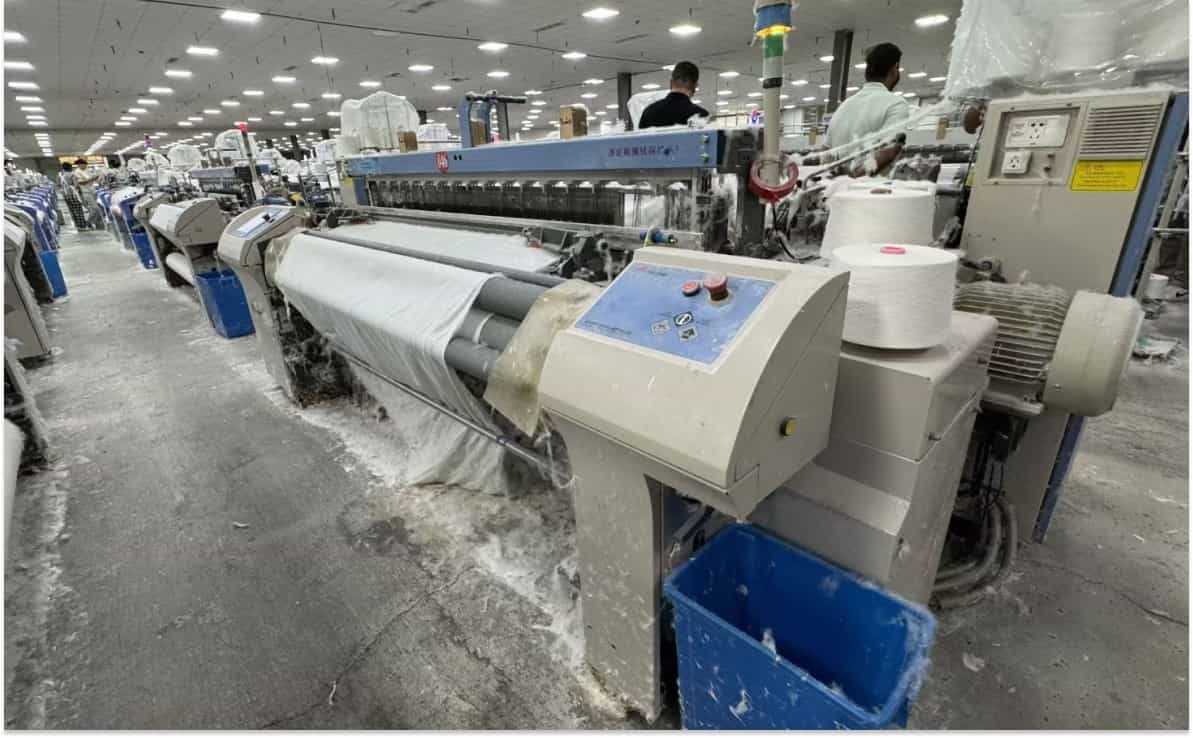
How to Properly Maintain and Replace Toyota Airjet Loom Components

Toyota Airjet Looms (JAT Series) are engineered to operate at maximum speed and high stability, posing a significant challenge to maintenance teams. The complexity of the high-speed pneumatic system, combined with the precision weaving mechanism, requires the maintenance and replacement of Toyota Airjet loom components to strictly adhere to the manufacturer’s technical standards.

Any inaccuracies in calibration, especially concerning the weft insertion and main drive components, will lead to a substantial decrease in OEE (Overall Equipment Effectiveness), an increase in fabric defect rates, and uneven wear. This in-depth technical guide provides detailed instructions on the inspection, diagnosis, and replacement procedures for the most critical Toyota Airjet loom components, applicable to the most popular JAT series models today.

Modern textile manufacturing relies entirely on the speed and accuracy of the equipment. Toyota Airjet looms have demonstrated their leading position through their ability to run continuously at speeds up to 2,000 meters of weft yarn per minute. However, to sustain this performance, technical intervention must always be timely and precise.

The Toyota Airjet loom components operate in a harsh environment: subjected to high friction, continuous contact with pneumatic pressure, and fiber dust. Therefore, managing the lifecycle of key parts—from Main Nozzles and Solenoid Valves to main drive components (Sley Drive)—is a deciding factor in a factory’s success.

We will go beyond routine cleaning procedures. This manual delves into engineering physics, including how to check torque, calibrate the crank angle, analyze sensor signals, and build an optimal spare parts inventory management strategy. The goal is to help your technical team enhance diagnostic capabilities, execute accurate Toyota Airjet loom components replacement, minimize downtime, and maximize product quality.

Cung cấp linh kiện máy dệt Toyota Airjet
How to Properly Maintain and Replace Toyota Airjet Loom Components 40

1. In-Depth Analysis of the Pneumatic System: The Heart of the Airjet Loom

The pneumatic system is the most sensitive area and determines the weaving performance of the Toyota Airjet loom. The precision of the airflow is controlled by the coordination between the air nozzles and the solenoid valves.

1.1. Main Nozzles and Sub Nozzles: Physics and Wear

Air nozzles are responsible for creating a concentrated airflow to propel the weft yarn across the weaving width.

1.1.1. Wear Mechanisms and Consequences

  • Wear Caused by Yarn: The weft yarn, especially blended or highly twisted types, creates continuous friction inside the nozzle bore. This alters the shape and diameter of the air exit hole, leading to a degradation of air stream collimation.
  • Wear Caused by Fiber Dust: Fiber fluff and contaminants in the compressed air are compacted onto the nozzle wall, causing localized blockages and air stream turbulence.

Consequences: When the nozzle wears, the pressure required to propel the weft yarn increases, leading to higher energy consumption. More importantly, the accuracy of the weft insertion stop point is deviated, causing weaving defects like tuck-in errors or weft breakage.

1.1.2. Technical Inspection Procedures for Air Nozzles

  • Visual Inspection (Optimization): Use a magnifying glass or handheld microscope to inspect the nozzle bore walls, looking for scratches, concave wear marks, or stubborn contamination.
  • Back Pressure Test: Use specialized measuring equipment to check the compressed air back pressure at the nozzle tip. High back pressure indicates nozzle blockage.
  • Periodic Replacement: Air nozzles, despite no obvious failures, should be replaced after a certain operating cycle (typically 8,000 to 12,000 running hours), especially when weaving high-precision yarn types.

1.2. Pneumatic Solenoid Valves

Solenoid valves control the timing and amount of air discharge.

1.2.1. Failure Analysis and Technical Requirements

  • Slow Response Time: Due to coil or internal spring fatigue, the valve opens/closes slower than the signal from the main control board. This causes a deviation in the actual Weft Insertion Angle compared to the set angle.
  • Valve Leakage: Internal rubber seals become rigid or torn due to heat and chemicals in the compressed air. Leakage reduces system pressure and wastes energy.

1.2.2. Solenoid Valve Replacement Technique

  • Absolute Air Discharge (Zero Pressure): It is mandatory to discharge all compressed air from the related pipelines before removing the valve.
  • Resistance Check: Measure the resistance of the new Solenoid coil (typically 18-25 Ohms, depending on the model) to ensure the coil is not open or short-circuited.
  • Installation and Sealing: Use appropriate sealant for thread connections and tighten to the specified torque. Incorrect installation or loose tightening can cause immediate leakage.
  • Functional Check: After replacing this Toyota Airjet loom component, perform a test run at low speed and monitor the valve’s response time using a specialized meter.

2. Main Mechanical Drive Toyota Airjet Loom Components

The mechanical drive system is responsible for the movement of the Sley, the Shedding mechanism, and the Let-Off/Take-Up motions.

2.1. Sley and Drive Gears

The Sley is the part that pushes the weft yarn into the fell of the cloth. It bears the largest mechanical load.

2.1.1. Inspection of Sley Drive Gear Wear

Signs of Wear: Loud noise, abnormal vibration, and especially uneven warp yarn tension/contraction due to Sley movement backlash.

Inspection Procedure:

  • Remove the protective cover and visually inspect the tooth surface of the main Sley Drive Gear and intermediate gears.
  • Use a feeler gauge to measure the backlash between the teeth. Backlash exceeding the limit (typically 0.15  mm – 0.25  mm depending on the model) indicates that this Toyota Airjet loom component must be replaced.

2.1.2. Sley Drive Gear Replacement (Detailed Example)

  • Mark Position: Mark the timing marks on the main shaft and the gear.
  • Remove Brake/Clutch: If applicable, remove the brake/clutch assembly from the shaft.
  • Remove Gear: Use a specialized gear puller to gently remove the old gear. Absolutely do not use a hammer as it can damage the bearings or deform the shaft.
  • Install New Gear: Clean the shaft and install the new gear. Use a heat gun to slightly warm the new gear (max 100 C) to facilitate smoother installation.
  • Timing Alignment: Reinstall and align the marked timing marks. Adjust the gear backlash to the standard level.

2.2. Shedding System

This system controls the Heddle Frames to create the Shed.

  • Cam Shedding Looms: Check the wear of the rollers and the cam surface.
  • Dobby/Jacquard Looms: Check control cables and electronic components. Worn or loose cables need replacement to ensure the precision of the Shed opening.

2.3. Take-Up and Let-Off Systems

Signs of Failure: Fabric has horizontal streaks (Barre) or uneven Pick Density (PPI).

Components to Watch: The Take-Up gearbox gears and the Let-Off motor speed sensors. Replacement of these Toyota Airjet loom components is mandatory if any deviation occurs.

3. Management and Replacement of Electronic Components – The Eye of the Airjet Loom

Linh kiện thay thế máy dệt Toyota Airjet
How to Properly Maintain and Replace Toyota Airjet Loom Components 41

Toyota Airjet looms rely heavily on electronic sensors to maintain speed and quality.

3.1. Weft Detector/Sensor

This sensor detects the presence of the weft yarn after insertion.

Operating Principle: Typically uses optical or piezoelectric sensors.

Failure Analysis:

  • False Stop: Occurs when the sensor reports a yarn break when the yarn is still present. This is usually due to contamination or fiber dust on the sensor surface, or the sensor being misaligned.
  • Missed Stop: The machine does not stop when the weft yarn breaks. This is often due to a damaged sensor or a faulty circuit.

Replacement and Calibration: When replacing the sensor, a specialized measuring tool must be used to calibrate the clearance and angle, ensuring the optical/electrical signal is accurately transmitted to the main control board.

3.2. Main Control Board (PCB)

The main control board is the brain that manages the entire weaving process.

Signs of Failure: Random error messages displayed on the screen, control functions not responding, or the machine failing to start.

Replacement Procedure:

  • Data Backup: It is mandatory to back up all Set Parameters and Fabric Style Data before removing the old board.
  • ESD Compliance: Use an ESD wrist strap to protect the new board from damage caused by static electricity.
  • Connection Check: Ensure all ribbon cables and power connectors are tightly and correctly plugged in.

4. Toyota Airjet Loom Components Management Strategy (Spare Parts Inventory)

Effective management of the spare Toyota Airjet loom components inventory is key to reducing unplanned machine downtime.

4.1. Component Classification by Priority Level

  • Level A (Critical): Toyota Airjet loom components that cause prolonged downtime, are difficult to procure, and have a long Lead Time. Examples: Main control board, main motor, large drive gears, complex Solenoid valve clusters. Must always be stocked.
  • Level B (Necessary): Toyota Airjet loom components that wear quickly, require periodic replacement, and are easier to procure. Examples: Main/Sub air nozzles, cutters, yarn sensors, seals. Stock according to consumption cycle.
  • Level C (Optional): Parts that rarely fail, or can be repaired/fabricated on-site. Examples: Machine covers, protective caps.

4.2. Calculating the Reorder Point (ROP)

ROP is a formula used to determine when to order new Toyota Airjet loom components to avoid running out of stock during the Lead Time.

ROP = (Daily Consumption Rate \times Lead Time) + Safety Stock

Applying ROP to Level A and B Toyota Airjet loom components ensures the factory always has replacement parts available.

4.3. Parts Quality Management (Sourcing Strategy)

  • Use OEM Only: Although the price is higher, OEM Toyota Airjet loom components ensure material compatibility and tolerance, protecting other parts and extending machine life.
  • Check Certification: Always require Certificates of Origin (CO) and Quality (CQ) from reliable suppliers like VieTextile.

5. Advanced Calibration Procedure After Component Replacement

After replacing critical Toyota Airjet loom components, calibration is mandatory to ensure the machine operates at optimal performance.

5.1. Clearance and Parallelism Calibration

  • Sley Clearance: Use a Dial Gauge to check the parallelism and clearance between the Sley and the Reed at all positions across the weaving width. Even a small deviation in parallelism causes Reed wear and warp yarn breakage.
  • Shaft Parallelism: Check the parallelism of the Main Shaft and other drive shafts.

5.2. Weft Insertion Timing Calibration

This is the most critical step and requires a technician to use electronic angle measuring equipment.

  • Determine Shed Closure Angle: Typically 350 to 10 of the main shaft.
  • Pneumatic Timing Adjustment: Adjust the Solenoid valve opening time so that the Main Air begins propelling the weft yarn exactly at a specific main shaft angle (e.g., 300 to 310).
  • Sub Air Adjustment: Calibrate the timing and position of the sub-nozzle clusters to maintain the weft yarn speed and tension as it travels across the weaving width. Replacing Sub Air-related Toyota Airjet loom components (like valves) will require recalibration of this entire timing sequence.

5.3. Run-in Procedure After Major Maintenance

After replacing major mechanical components, the machine requires a run-in procedure for the new parts to seat and normalize.

  • Low-Speed Running: Operate the machine at 50% of maximum speed for 2-4 hours.
  • Temperature Check: Monitor the temperature of newly installed bearings, gears, and motors. A sudden or excessive temperature increase is a sign of incorrect installation or lack of lubrication.
  • Torque Re-tightening: After 24 hours of operation, check and re-tighten the torque of critical screws and bolts (e.g., motor mounting bolts, Sley shaft bolts) to prevent loosening due to vibration.

6. Failure Analysis of Toyota Airjet Loom Components and Troubleshooting Solutions

Understanding the root cause of failure helps prevent recurring breakdowns.

6.1. Air Nozzle Failure – Flow Analysis

Sign of FailureRoot CauseTechnical Solution
Air pressure increase by 15-20%Worn nozzle, changed exit hole shapeReplace the Toyota Airjet loom component with a new OEM nozzle. Check inlet compressed air pressure.
Frequent weft breaks near the fabric edgeInsufficient Sub Air speed or incorrect timingClean or replace the Solenoid valve, recalibrate Sub Air timing according to the main shaft angle.
Tuck-in failureExcessive tuck-in mechanism clearance or dull cutter bladeAdjust clearance, replace cutter blade. Check air pressure at the Tuck-in Nozzle.

6.2. Mechanical Failure – Vibration Analysis

  • Excessive Vibration: Often due to uneven Sley gear wear or damaged bearings. Bearings or gears must be replaced, and shaft alignment checked simultaneously.
  • Loose Connections: Use appropriate thread lockers for bolts subjected to high vibration after replacing mechanical Toyota Airjet loom components.

7. Safety and Environmental Standards When Handling Components

Phụ tùng và linh kiện máy dệt Toyota Airjet
How to Properly Maintain and Replace Toyota Airjet Loom Components 42

Ensuring safety and adhering to waste disposal regulations is mandatory.

7.1. LOTO (Lockout/Tagout) Rules

Mandatory: Before performing any Toyota Airjet loom components replacement (especially electrical and mechanical parts), the technician must disconnect the main power source and lock/tag the main switch to prevent unintended machine operation.

Discharge Residual Energy: Always discharge all compressed air and ensure all moving parts have stopped completely (Zero Energy State).

7.2. Industrial Waste Disposal

  • Electronic Components: Boards and damaged sensors must be treated as hazardous Electronic Waste (E-Waste).
  • Greasy Components: Oil-soaked bearings and gears must be separately categorized and handled according to environmental regulations to prevent pollution.

8. Detailed Guide for Main Nozzle Replacement and Calibration

Since the air nozzle is the most critical Toyota Airjet loom component, the replacement procedure needs to be detailed.

8.1. Tool and Position Preparation

Tools: Torque Wrench, specialized nozzle removal tool, Angular Gauge for main shaft rotation, and thread sealant (Teflon Tape or Thread Sealant).

Machine Position: Rotate the main shaft to 350 (or the removal angle specified by Toyota).

8.2. Replacement Steps

  • Disconnect: Remove the compressed air hose and control cable (if any) from the nozzle cluster.
  • Remove Old Nozzle: Use the specialized removal tool to gently unscrew the old nozzle. Check the O-ring or metal washer.
  • Clean Installation Chamber: Extremely important. Absolutely clean the installation chamber to remove fiber dust and contaminants.
  • Install New Nozzle: Install a new O-ring or washer. Install the new nozzle and hand-tighten first.
  • Accurate Torque Tightening: Use the torque wrench to tighten the nozzle to the specified value (typically 15  Nm to 20  Nm). Overtightening will deform the nozzle housing and chamber; loose tightening causes leakage.

8.3. Post-Installation Calibration

  • Nozzle Height Calibration: Use a specialized ruler to check the height from the nozzle tip to the Reed edge. Height deviation affects the air stream collimation.
  • Operational Pressure Check: Start the machine and check the compressed air output pressure of the new nozzle. Compare with the Specification and adjust the pressure regulating valve if necessary.
  • Timing Check: Monitor the Solenoid signal and weft insertion timing on the control screen to ensure no deviation after replacing this Toyota Airjet loom component.

9. Analyzing Differences and Optimization by Machine Series

Despite sharing the Airjet principle, different JAT series models have varying maintenance requirements.

9.1. Toyota JAT710 (High Mechanical Durability)

Maintenance Focus: JAT710 often uses a more traditional mechanical (or electromagnetic) clutch and brake system. The brake shoes and Clutch Disc need thorough inspection.

Electronic Components: Although less complex than the JAT810, electronic Toyota Airjet loom components in the JAT710, such as ICs on the board, may be harder to source due to obsolescence. Prioritize stocking these components.

9.2. Toyota JAT810/JAT800 (Modern Speed and Electronics)

Maintenance Focus: Direct Drive system uses servo/AC motors instead of clutches, minimizing wearing mechanical parts. However, it requires higher precision from position sensors (Encoders).

Electronic Components: Motor control boards, especially the Inverter, are expensive and sensitive Toyota Airjet loom components. Maintenance must include checking the cleanliness and temperature of the Electrical Cabinet. Failures on the JAT810 are typically electronic rather than mechanical.

10. Conclusion and Next Steps

The correct maintenance and replacement of Toyota Airjet loom components is a continuous process that requires a combination of deep technical knowledge, precise tools, and smart parts management strategy. From checking the air pressure at the nozzle to calibrating the Sley gear backlash within a few tens of micrometers, every detail affects weaving quality and productivity.

Do not settle for sub-optimal performance or the risk of sudden machine stops due to low-quality Toyota Airjet loom components. Partner with a reliable Toyota Airjet loom components supplier who offers expert technical consultation to ensure your machine always operates at its best.

VieTextile commits to providing a comprehensive solution for your textile factory: genuine Toyota Airjet loom components, technical consulting services, and standardized maintenance procedures.

Act now to optimize your performance and profitability! Contact us to receive detailed quotes and a schedule for specialized maintenance checks:

Contact Information: 

Hotline: 0901 809 309 

Email: info@vietextile.com 

Website: https://vietextile.com
Loom Picker Supply by Manufacturer – The Right Standard for Optimal Performance

In the industrial textile sector, the performance of shuttle looms heavily depends on the quality and compatibility of spare parts, especially the picking stick. Using picking sticks that do not meet the Original Equipment Manufacturer (OEM) standard is the leading cause of machine errors, speed reduction, and decreased equipment lifespan. This article will delve into the importance of a professional loom picker supply by manufacturer service, helping textile producers optimize performance and finished fabric quality.

The Vietnamese textile industry operates a large volume of high-tech shuttle looms from world-leading brands like Tsudakoma, Picanol, Toyota, and Sulzer. Each of these machine manufacturers has exclusive mechanical designs and drive systems, demanding that replacement parts meet absolute precision in material, dimensions, and hardness. If you cannot find a source that provides a precise loom picker supply by manufacturer, the risk of damage and weaving defects is significant.

The picking stick, or Pickers, is a component subjected to millions of repetitions of friction and impulse force. Even a minimal deviation in size, material composition (such as Shore hardness), or surface coating can disrupt the dynamic balance of the machine. This not only leads to an increased yarn break rate but also rapidly wears out other expensive components like Shuttle Boxes and drive shafts.

VieTextile prides itself on being a reliable partner for loom picker supply by manufacturer, ensuring that every spare part meets OEM standards and is optimized for each specific machine model. We understand that choosing the correct picking stick is a strategic technical decision that determines a business’s competitiveness and profitability.

Dây go theo hãng máy dệt
Loom Picker Supply by Manufacturer – The Right Standard for Optimal Performance 47

1. Technical Principles of Loom Picker Supply by Manufacturer (OEM Standard)

Each shuttle loom manufacturer develops specific material standards and picking stick designs tailored to the speed and yarn type the machine is optimized for. Understanding this principle is key to ensuring compatibility and performance.

1.1. The Importance of Part Codes and Exclusive Design

Each loom model has a unique picking stick part code. This code not only represents the external dimensions but also includes the core material composition, anti-static coating, or impulse absorption padding.

A professional loom picker supply by manufacturer service must strictly adhere to these technical specifications. Using “multi-purpose” picking sticks often leads to failures because the replacement material cannot withstand the maximum operating pressure and temperature of the OEM machine.

1.2. Shore Hardness and Differences Between Manufacturers

The hardness of the picking stick (Shore Hardness) is a critical physical factor that determines the impulse absorption capacity and the stick’s durability.

Different manufacturers require different hardness levels:

  • Ultra-high-speed looms (often the latest Picanol generations) require picking sticks with higher hardness to ensure a decisive drive force.
  • Coarse yarn looms (older Tsudakoma models) might require a slightly softer picking stick to maximize shock absorption.

A unit that provides a loom picker supply by manufacturer must be capable of accurately measuring and supplying the exact Shore hardness required by the machine manufacturer.

1.3. Specialized Core Materials and Surface Coatings

Modern picking sticks are no longer just a piece of leather or simple polymer, but a multi-layer composite product.

  • Core: Manufacturers like Sulzer often use reinforced synthetic fiber cores (Kevlar or Carbon) to achieve maximum tensile strength.
  • Coating: Toyota may require a special anti-static coating for models weaving filament yarns.

VieTextile’s loom picker supply by manufacturer service ensures the material is accurately replicated, from the core structure to the final coating, helping the machine operate as reliably as new.

1.3.1. Analysis of Core Material Differences

The core material is the main load-bearing element. Different loom manufacturers optimize the core to suit their picking mechanism.

  • Hard Polymer Core: Common in O and C type picking sticks, used in medium-speed looms, requiring balanced mechanical strength.
  • Reinforced Fiber Composite Core: Often found in J type picking sticks of high-end manufacturers, helping the picking stick resist thermal expansion and force, maintaining absolute precision for the loom picker supply by manufacturer service.

1.3.2. Anti-Friction Coating Standards

The surface coating minimizes friction with the shuttle and the connecting rod.

  • European manufacturers’ (Picanol) coatings often focus on high wear resistance.
  • Japanese manufacturers’ (Tsudakoma) coatings often prioritize resistance to sizing chemical adhesion.

The loom picker supply by manufacturer must ensure this coating not only reduces friction but also withstands the chemicals in the weaving environment.

2. Loom Picker Supply for Japanese Shuttle Loom Manufacturers (Tsudakoma, Toyota)

Japanese shuttle looms are known for their reliability, high speed, and advanced electronic technology. Choosing picking sticks for these brands requires high precision in dimensions to match the sophisticated picking system.

2.1. Specific Technical Requirements for Tsudakoma Pickers

Tsudakoma is a common manufacturer of air and water jet looms. While Tsudakoma does not produce shuttle looms, their expertise in knitting and other textile parts still influences the picking stick standards.

  • Wear-Resistant Pickers: Tsudakoma models often operate at very high speeds, requiring picking sticks with absolute wear resistance.
  • Electronic Compatibility: Tsudakoma’s control system is very sensitive. The supplied picking stick needs good anti-static properties to avoid causing electronic signal interference in the machine.

The loom picker supply by manufacturer service for Tsudakoma should focus on product lines certified for durability at high rotational speeds.

2.2. Picking Stick Standards for Toyota Looms

Toyota looms are known for their mechanical precision and stability when weaving complex yarn types.

  • Absolute Geometric Precision: The picking stick must have absolutely accurate dimensions and shape (especially the bevel angles) to fit Toyota’s drive mechanism.
  • Blended Yarn Application: Many factories use Toyota for weaving blended yarns (T/C, CVC). The supplied picking stick must be balanced, capable of both withstanding Cotton friction and effectively dissipating heat for Polyester.

The loom picker supply by manufacturer service for Toyota must pay special attention to composite materials that reduce vibration and increase lifespan.

2.2.1. Optimal Picker Supply for JAT Models (Air Jet Looms)

Toyota’s JAT series are high-speed air jet looms. The picking stick must meet the requirements for smooth transmission to protect the yarn.

  • Key Requirements: Controlled elasticity, precise impulse absorption capability.

A minor deviation in the loom picker supply by manufacturer can damage the air jet system and increase operating costs.

3. Loom Picker Supply for European Shuttle Loom Manufacturers (Picanol, Sulzer)

Dây go chính hãng theo từng máy dệt
Loom Picker Supply by Manufacturer – The Right Standard for Optimal Performance 48

European manufacturers like Picanol and Sulzer (now Itema) are symbols of high-speed and versatile weaving technology. Their models require picking sticks with superior durability and load capacity.

3.1. High-Quality Picker Requirements for Picanol

Picanol is renowned for its Rapier Looms and Airjet machines. Picanol picking sticks often have a more complex design to optimize the rapier propulsion mechanism.

  • Rapier Mechanical Compatibility: Picking sticks for Picanol Rapier must withstand strong checking and drive forces, ensuring the precision of the weaving rapier.
  • Heavy Load Resistance: Picanol machines are often used to weave heavy fabrics, requiring the picking stick to have the highest possible tensile strength.

The loom picker supply by manufacturer service from VieTextile ensures the material can withstand the harsh working environment of European machines.

3.1.1. Picking Stick Standards for OptiMax and Gamma Series

New machine series like OptiMax require new-generation picking sticks with high-grade Polymer materials, possessing partial self-lubricating capability to reduce friction.

When providing a loom picker supply by manufacturer for Picanol, the model and year of manufacture must be clearly identified to select the picking stick with the appropriate hardness for the machine’s current speed.

3.2. Picking Stick Standards for Sulzer/Itema

Sulzer looms (now inherited by Itema technology) typically have a robust mechanical structure, famous for weaving specialty and wide fabrics.

  • Dimensional Stability Capability: Sulzer machines operate continuously for long periods. The picking stick must have absolute dimensional stability, resisting expansion due to prolonged heat or tension.
  • Deformation Resistance: The picking stick material must be able to quickly recover its shape after each picking cycle, ensuring the drive force is always uniform.

VieTextile’s loom picker supply by manufacturer service for Sulzer focuses on J-type Composite picking sticks, capable of enduring high-intensity production environments.

4. Risk Analysis of Not Using Loom Picker Supply by Manufacturer Standards

Using non-OEM standard picking sticks, whether due to counterfeit, low-quality products, or “multi-purpose” spares, leads to severe consequences regarding cost and quality.

4.1. Increased Yarn Break Rate and Reduced Fabric Quality

Non-standard picking sticks often have incorrect hardness and elasticity.

  • Incorrect Hardness: Causes uneven shuttle propulsion impulse, over-tensioning warp threads or leading to unstable shuttle movement.
  • Poor Coating: Increases friction, generates heat, and damages the yarn surface, especially filament yarns.

The consequence is a skyrocketing yarn break rate, continuous machine stops, and defective woven fabric (uneven weft, small tears), directly impacting fabric quality.

4.2. Reduced Lifespan of Expensive Loom Parts

Poor-quality picking sticks cannot absorb impulse effectively, causing the impact force to transfer directly to the drive mechanism.

  • Shuttle Box Wear: The shuttle box surface will be damaged quickly due to inaccurate collisions, requiring high replacement costs.
  • Bearing and Crankshaft Damage: Unabsorbed vibration puts stress on other delicate mechanical components, severely shortening the loom’s lifespan.

Accurate loom picker supply by manufacturer is a measure to protect long-term machine assets.

4.3. Decreased Productivity and Increased Operating Costs

When the loom is constantly stopped due to yarn breaks caused by poor-quality picking sticks, the overall factory productivity is severely reduced.

  • Labor Costs: Increased labor costs for intervention and repair.
  • Energy Costs: The machine does not operate efficiently, leading to unnecessary energy consumption.

Only by using a genuine loom picker supply by manufacturer and ensuring OEM quality can the factory operate the loom at its maximum designed speed.

5. VieTextile Provides Genuine Loom Picker Supply by Manufacturer

Cung cấp dây go theo hãng máy chính hãng
Loom Picker Supply by Manufacturer – The Right Standard for Optimal Performance 49

VieTextile understands that providing a loom picker supply by manufacturer is not just about selling a product; it is about delivering a comprehensive technical solution that ensures absolute compatibility and the highest operational performance for the customer’s looms.

5.1. 100% OEM Standard Compatibility Commitment

We commit that all supplied picking sticks comply 100% with the technical specifications, core materials, Shore hardness, and surface coatings according to the Original Equipment Manufacturer standards of leading machine brands. The loom picker supply by manufacturer process at VieTextile undergoes strict quality control before reaching the customer. This precision eliminates all risks related to impulse, friction, or physical deformation, protecting your yarn and loom from damage.

5.2. Diverse Picker Solutions for All Machine Series

VieTextile does not only provide a loom picker supply by manufacturer for common brands but also meets the needs for specialized models, from high-speed Air Jet looms (Toyota, Tsudakoma) to heavy-duty Rapier looms (Picanol, Sulzer). Our diverse loom picker supply by manufacturer capability saves you search time and ensures a stable supply for all equipment in your factory. Our technical team is always ready to advise on selecting the picking stick with the best durability and features.

5.3. In-Depth After-Sales Technical Support Service

We do not stop at providing a loom picker supply by manufacturer; we also offer comprehensive technical support services. This includes consultation on new picking stick tension adjustment, analysis of part-related yarn break causes, and scheduled replacement planning. Support from VieTextile helps your factory maintain the highest operational performance and extends the lifespan of other mechanical components.

5.4. Smart and Economically Efficient Investment Strategy

Using a genuine loom picker supply by manufacturer and original parts is considered a smart investment strategy. The initial cost may be higher than counterfeit goods, but the long-term benefits are superior, including: reduced maintenance costs, increased productivity due to fewer yarn breaks, and enhanced finished fabric quality. VieTextile helps you achieve optimal economic efficiency thanks to the superior durability and stability of the product.

6. Frequently Asked Questions About Loom Picker Supply by Manufacturer (FAQ)

This section addresses the most common questions related to the loom picker supply by manufacturer service and related technical issues.

6.1. Why do picking sticks from the same manufacturer (e.g., Toyota) have multiple different codes?

Answer: The different codes are because the picking sticks are designed for various machine models (e.g., JAT610, JAT710, JAT810) and different yarn types (cotton, polyester, blended yarn). Each code will have subtle differences in Shore hardness, core material, and surface coating. The loom picker supply by manufacturer service must rely on the precise code to ensure absolute compatibility.

6.2. Can “multi-purpose” picking sticks replace the need for a specific loom picker supply by manufacturer?

Answer: “Multi-purpose” picking sticks may fit dimensionally but often fail to meet the technical standards (hardness, anti-static, heat dissipation) required by the machine manufacturer. This significantly increases the risk of yarn breaks, part wear, and reduced machine performance.

6.3. How to distinguish between genuine and poor-quality picking sticks?

Answer: Genuine picking sticks (from reputable loom picker supply by manufacturer units) usually have sharp, clear color, finishing, logo, and OEM codes. Most importantly, they have uniform hardness and elasticity, which is distinctly different from poor-quality goods that easily deform.

6.4. Which loom models does VieTextile primarily provide a loom picker supply by manufacturer for?

Answer: VieTextile provides picking sticks for most common shuttle loom manufacturers in Vietnam, including: Tsudakoma (Air Jet, Water Jet), Toyota (JAT series), Picanol (OptiMax, Gamma), Sulzer / Itema (rapier loom series), and many others.

6.5. Is the replacement frequency longer when using a professional loom picker supply by manufacturer service?

Answer: Absolutely yes. OEM standard picking sticks have a much longer lifespan than low-quality goods. A genuine loom picker supply by manufacturer ensures you have parts that can withstand millions of operating cycles, reducing replacement frequency and maintenance costs.

6.6. How to place an order and receive expert consultation from VieTextile?

Answer: To receive accurate consultation and a genuine loom picker supply by manufacturer, please provide your loom model, current part code, or the type of yarn you are weaving. Contact us via the information below for the fastest support.

Do not compromise your fabric quality and loom lifespan by using unverified picking sticks. Choose the professional solution for long-term economic efficiency.

Contact VieTextile now for consultation and genuine loom picker supply by manufacturer, ensuring your loom always operates at optimal performance and superior fabric quality:

Contact Information: 

Hotline: 0901 809 309 

Email: info@vietextile.com 

Website: https://vietextile.com
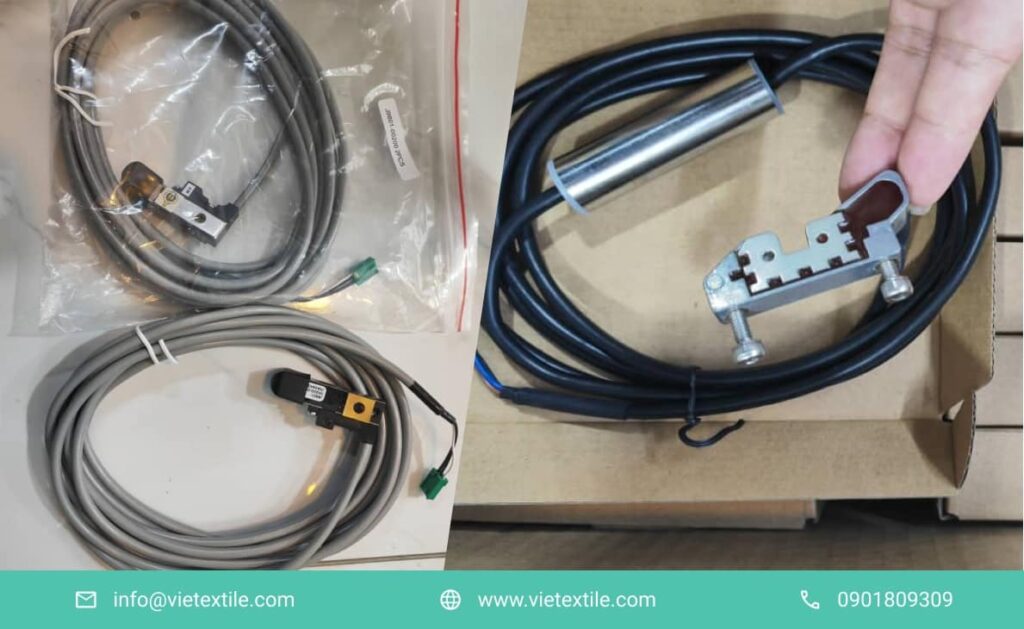
Decisive Influence of O, C, J Type Picking Sticks on Finished Woven Fabric Quality

In shuttle loom technology, the picking stick (Shuttle Pickers) is an indispensable component, playing a crucial role in propelling and checking the shuttle, directly affecting the stability of the weaving cycle. Currently, the three most common types of picking sticks trusted by weaving mills are the O, C, and J types.

However, selecting the wrong picking stick type can lead to machine failure, yarn breaks, and fabric defects. This article will perform an O C J picking stick comparison in detail, analyzing the technical characteristics and specific impact of each type on the durability, uniformity, and overall quality of the finished woven fabric.

The textile industry is facing increasingly high demands for product quality and production efficiency. To maintain high machine speeds while ensuring a low yarn break rate, perfect compatibility between the loom spare parts and the production process is mandatory. Among the spare parts, the picking stick is one of the components subjected to the highest mechanical stress and friction, determining the “survival” of the warp threads during weaving.

The three types of picking sticks, O, C, and J, are classified based on their shape, material, and installation method, each designed to optimize different loom models and yarn applications. If the picking stick is incompatible with the machine or yarn, it can cause excessive impulse, generate high friction heat, or simply wear out quickly, leading to severe weaving defects such as uneven weft insertion or tears in the warp threads.

Through a scientific O C J picking stick comparison, VieTextile aims to provide a comprehensive view, helping production managers make smart investment decisions, ensuring stable loom operation, minimizing downtime, and significantly improving the quality of finished fabric. Let’s explore these subtle yet decisive differences.

Khác biệt giữa dây go O C J
Decisive Influence of O, C, J Type Picking Sticks on Finished Woven Fabric Quality 54

1. Technical Overview of the Three Common Picking Stick Types (O, C, J)

The O C J picking stick comparison begins by understanding the basic structure and application of each type. Although they share the function of propelling and checking the shuttle, each picking stick type carries unique characteristics in design and material, affecting how they interact with the shuttle and the woven yarn.

1.1. O Type Picking Stick (Open Type Picker)

The O type picking stick, also known as the open type picker, has a simple design, often used for traditional mechanical looms or medium-speed looms. Its notable feature is an open (or hollow) section for easier installation.

  • Characteristics: Easy to replace, low initial cost. Often made of leather or basic polymer compounds.
  • Application: Older shuttle looms, weaving coarse yarns (low cotton count), or low-speed weaving, where requirements for precision and lifespan are not too strict.
  • Limitation: Low durability, easily deformed by heat and friction, requiring a higher frequency of maintenance and replacement compared to the O C J picking stick comparison.

1.2. C Type Picking Stick (Closed Type Picker)

The C type picking stick (closed type) is an improved version with a more solid structure. The C type picking stick has a closed design, often manufactured with higher precision, enhancing its load-bearing capacity and stability during shuttle propulsion.

  • Characteristics: Higher mechanical strength than the O type, better impulse absorption capacity. Often made of multi-layer composite material.
  • Application: Medium to high-speed looms, weaving standard yarns (cotton, T/C), where longer lifespan and stability are needed.
  • Benefit: Reduces vibration when checking the shuttle, thereby lowering the yarn break rate caused by impulse.

1.3. J Type Picking Stick (J-Groove or Specialized Type)

The J type picking stick represents the specialized spare parts group, often designed with a groove (J-Groove) or special shape to be compatible with very high-speed modern looms or looms requiring absolute precision.

  • Characteristics: High-grade composite material (often Carbon/Kevlar fiber coated with Polymer), with superior anti-static and heat dissipation capabilities. Dimensional accuracy is maximized.
  • Application: Ultra-high-speed shuttle looms, weaving synthetic yarns (polyester, nylon) sensitive to heat, or weaving technical fibers, filament yarns.
  • Goal: Optimize performance, minimize yarn breaks to the maximum extent (below 1 break/1000 meters), and ensure uniform fabric quality.

2. O C J Picking Stick Comparison on Technical Characteristics and Materials

The difference in material and structure is the core of the O C J picking stick comparison and simultaneously determines their resistance and interaction with the weaving process.

Comparison CriterionO Type Picking StickC Type Picking StickJ Type Picking Stick
Main MaterialLeather, Basic PolymerPolymer/Composite 2-3 layersHigh-Grade Composite, Kevlar/Carbon
Tensile Strength (Lifespan)Low (Short)Medium – FairHigh (Very long)
Impulse Absorption CapacityPoor (Transmits strong impulse)Good (Effective vibration reduction)Excellent (Maximum shock reduction)
Anti-Friction/Heat CapabilityPoorMediumSuperior (Often has a heat dissipation coating)
Dimensional StabilityLow (Prone to stretching/deformation)GoodAbsolute (Not affected by heat)
Machine Speed CompatibilityLow (Below 180 rpm)Medium – HighVery High (Above 250 rpm)

2.1. Analysis of Impulse Resistance and Tensile Strength

Impulse resistance is the most critical factor. When the shuttle is checked, the impact force can be significant.

  • O Type Picker: Because they are often made of basic materials, they absorb impulse poorly, transmitting much vibration to the shaft and yarn, leading to an increased yarn break rate, especially for low-elongation yarns like blended or coarse spun yarns.
  • C & J Type Pickers: Designed with a multi-layer composite structure, they act as effective shock absorbers. When performing the O C J picking stick comparison, C and J type picking sticks significantly reduce vibration, helping the shuttle stop more smoothly, protecting the yarn and extending the mechanical lifespan of the loom.

The J type picking stick, thanks to core materials like Kevlar or Carbon, has the highest tensile strength and dimensional stability. This ensures that even after millions of high-speed cycles, the picking stick maintains its original shape and precise transmission force.

2.2. Ability to Control Temperature and Anti-Static Properties

When weaving synthetic fibers (Polyester), temperature and static electricity are major issues.

  • O Type Picker: Almost no ability to dissipate heat or conduct static electricity. High friction causes the surface to heat up easily, softening and breaking synthetic yarns.
  • C Type Picker: Has better heat dissipation but requires parameter checking.
  • J Type Picker: Is the top choice when conducting an O C J picking stick comparison for synthetic fibers. They often incorporate conductive materials (anti-static) and have an ultra-low friction surface coating, helping to tightly control the temperature at the contact point, preventing yarn degradation due to heat.

2.3. Impact on the Lifespan of Other Loom Spare Parts

The O C J picking stick comparison is not just about comparing the lifespan of the picking stick itself, but also the lifespan of the entire picking system. Poor-quality picking sticks (O type) cause strong vibration and impulse, leading to rapid wear of components such as rivets, crank shafts, and bearings. Conversely, investing in C and J type picking sticks allows the machine to operate more smoothly, significantly reducing overall maintenance costs.

3. Specific Influence of Picking Sticks on Woven Fabric Quality

So sánh cấu tạo dây go O C J
Decisive Influence of O, C, J Type Picking Sticks on Finished Woven Fabric Quality 55

Woven fabric quality is determined by the uniformity of weft density, yarn tension, and the absence of surface defects. The choice of picking stick directly influences each of these factors.

3.1. O Type Picker: Risk of Fabric Defects Due to Instability

The O type picking stick, with its poor stability and low precision, carries many risks regarding fabric quality:

  • Weft Density Variation (Weft Density Variation): Because the picking stick is prone to stretching or deformation, the shuttle propulsion force is uneven, leading to inconsistent weft insertion (sometimes tight, sometimes loose), creating non-uniform weaving bands (barre defects) on the fabric.
  • Increased Warp Yarn Break Defects: Strong impulse due to poor shock absorption causes excessive tension on the warp threads, increasing the yarn break rate.
  • Yarn Scratching: The surface of the O type picking stick can easily become rough or wear unevenly, potentially scratching delicate yarns like silk or filament fibers.

3.2. C Type Picker: The Balance Between Cost and Performance

The C type picking stick is a balanced solution, significantly improving quality compared to the O type while maintaining reasonable costs:

  • Improved Uniformity: The closed structure and better material help the C type picking stick maintain a more stable transmission force, improving the uniformity of the weft density.
  • Reduced Vibration: Minimizes shaking during the weaving cycle, thereby reducing minor weaving defects caused by machine instability.
  • Suitable for Standard Yarns: Ideal for weaving standard cotton or blended yarns at medium to high speeds, providing acceptable fabric quality for the mass market.

3.3. J Type Picker: Ensuring Premium Fabric Quality

When performing an O C J picking stick comparison for weaving premium or technical fabrics, the J type picking stick is the irreplaceable choice:

  • Absolute Precision: Absolute dimensional stability ensures perfect shuttle force and speed, leading to completely uniform weft density and zero weaving defects.
  • Maximum Yarn Protection: Low friction surface and anti-static capability protect synthetic yarns from thermal damage and fiber fuzzing, preserving the luster and smoothness of the finished woven fabric.
  • High Weaving Productivity: Allows the loom to operate at maximum speed while maintaining an extremely low yarn break rate, optimizing production time and output quality.

4. Analysis of Picking Stick Selection Based on Woven Yarn Type

To make the optimal decision in the O C J picking stick comparison, the manager needs to consider the type of yarn being used. Each yarn type has a different “tolerance threshold” for friction, temperature, and impulse.

4.1. Picking Stick Selection for Natural Yarns (Cotton, Wool)

Cotton yarn typically has good mechanical strength but generates a lot of fiber fuzz and dust.

  • Recommendation: C or J type picking sticks are preferred. The C type is the economical choice for medium-speed cotton weaving, as it balances durability and cost. However, if weaving high-quality cotton (fine yarn, high count) at fast speeds, the J type should be chosen to ensure precision and lifespan.
  • Factor to Consider: High wear resistance and durability to withstand the impact from cotton fibers.

4.2. Picking Stick Selection for Synthetic Yarns (Polyester, Nylon, Filament)

Synthetic yarns are sensitive to temperature and static electricity, requiring spare parts with heat dissipation and static control capabilities.

  • Recommendation: J type picking stick is mandatory. When performing an O C J picking stick comparison, only the J type has the specialized composite material and anti-static, low-friction coating necessary to prevent thermal degradation and yarn break incidents.
  • Note: The C type can be used at very low speeds, but does not guarantee thermal stability.

4.3. Picking Stick Selection for Special and Technical Yarns

Technical fibers (such as carbon fiber, glass fiber) require extremely high precision and durability, as well as chemical resistance.

  • Recommendation: It is mandatory to use the J type picking stick with specialized composite materials (chemical-resistant, high-temperature resistant). The J type picking stick allows for absolute control of the shuttle propulsion force, without damaging the yarn’s surface structure.

5. Technical Guidelines for Optimal Picking Stick Selection and Maintenance

Bảng so sánh dây go O C J
Decisive Influence of O, C, J Type Picking Sticks on Finished Woven Fabric Quality 56

The O C J picking stick comparison and selecting the right type is only the first step. The proper installation and maintenance procedure is the decisive factor in maximizing the spare part’s performance.

5.1. Technical Standards When Selecting

  • OEM Parameters: Always cross-reference the OEM (Original Equipment Manufacturer) part code with the supplier. Dimensional and shape compatibility is absolutely crucial.
  • Hardness (Shore Hardness): The picking stick must have the appropriate hardness. J type picking sticks are generally harder, allowing for more decisive force transmission.
  • Quality Certification: Ensure the picking stick has certificates for tensile strength and wear resistance from reputable manufacturers.

5.2. Installation Process and Tension Adjustment

Installation and adjusting the picking stick tension are key. Whether it’s an O, C, or J type picking stick, if it’s too tight or too loose, it will cause damage:

  • Too Tight: Reduces the picking stick’s lifespan and increases stress on the drive shaft.
  • Too Loose: Causes insufficient shuttle propulsion force, leading to weft insertion defects.

Using a specialized tension gauge and strictly adhering to the loom manufacturer’s technical specifications is mandatory. For the J type picking stick, adjustment precision must be prioritized even more.

5.3. Maintenance and Scheduled Replacement Strategy

  • O Type Picker: Requires weekly checks and earlier replacement due to short lifespan.
  • C & J Type Pickers: Regular checks for surface wear and dimensional stability. Although they have a long lifespan, they still need to be replaced according to the manufacturer’s recommended cycle to ensure optimal performance.
  • Cleaning: Regularly clean the picking stick surface from fiber fuzz and sizing residue, especially when weaving cotton, to maintain a low friction coefficient and reduce heat generation.

6. Frequently Asked Questions About O C J Picking Stick Comparison (FAQ)

This section addresses the most common questions related to the O C J picking stick comparison and practical application.

6.1. Can the J type picking stick be used for low-speed (older) looms?

Answer: Technically yes, if physically compatible, but it is unnecessary. The J type picking stick is costly and optimized for high speed and precision. Using the J type on an older machine can be a waste of resources, unless you need absolute break control for an extremely sensitive yarn type.

6.2. Is the C type picking stick good enough to weave polyester yarn at medium speed?

Answer: The C type picking stick can suffice, but it is not the ideal solution. If weaving polyester, the top priority is static and temperature control. When performing an O C J picking stick comparison, the J type has specialized materials for this capability, while the C type is inferior, which may lead to a higher yarn break rate.

6.3. How do I know exactly which picking stick type is currently used on the machine?

Answer: The best way is to check the OEM part code on the current picking stick or refer to the loom’s technical manual. The overall shape (open, closed, grooved) is also a visual indicator for the O C J picking stick comparison.

6.4. Does changing from an O type to a C type picking stick require major adjustments on the loom?

Answer: If the physical size of the C type picking stick is fully compatible with the loom’s mounting slot, the adjustment is primarily to reset the shuttle propulsion tension. The C type picking stick is generally more stable, which may allow you to slightly increase the machine speed after replacement.

6.5. Does VieTextile offer consulting services to perform an O C J picking stick comparison and select the appropriate type?

Answer: Yes. VieTextile provides in-depth technical consulting services. We will analyze your loom model, operating speed, and yarn type to give the most accurate recommendation on the O C J picking stick comparison and selecting the optimal type.

The O C J picking stick comparison and choosing the correct spare part is a strategic decision, impacting your profitability and fabric quality.

Contact VieTextile immediately for expert consultation on genuine picking stick lines (O, C, J), ensuring your loom operates with the highest precision and efficiency:

Contact Information: 

Hotline: 0901 809 309 

Email: info@vietextile.com 

Website: https://vietextile.com
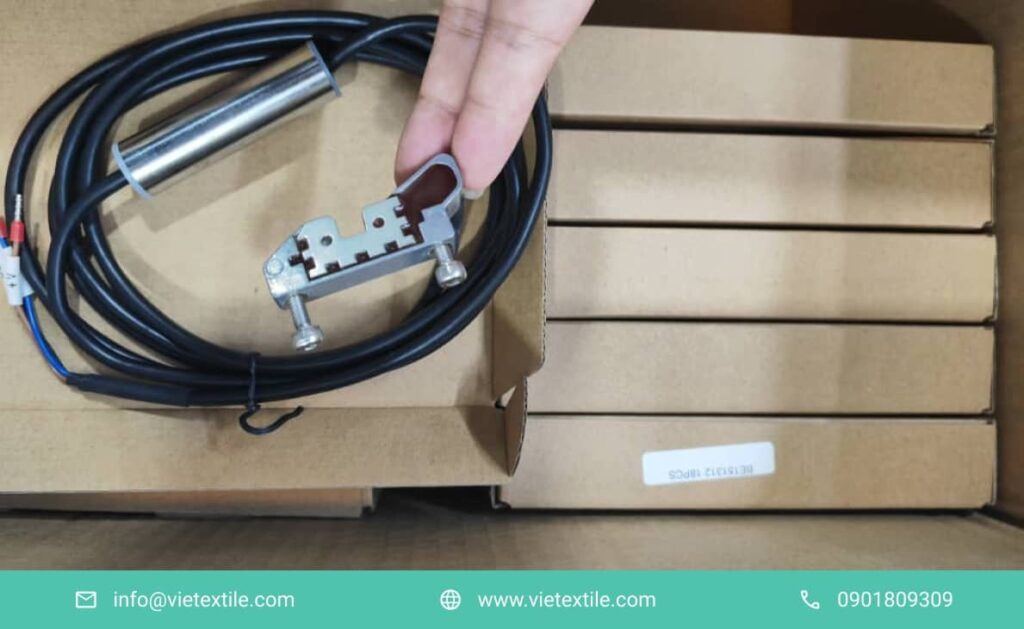
Comprehensive Guide to Picking Stick Selection by Yarn Type for Cotton, Polyester, Viscose, and Blended Yarns

In the modern textile production environment, the decision to choose loom spare parts must be based on precise technical factors. Specifically, Picking Stick Selection by Yarn Type is key to ensuring machine productivity, reducing yarn breaks, and improving the quality of finished fabric.

Each type of yarn—from natural cotton, sensitive viscose, to synthetic polyester—possesses distinct physical and mechanical properties, demanding a type of picking stick with perfect compatibility. This article from VieTextile provides in-depth guidance so you can perform Picking Stick Selection by Yarn Type in the most scientific way.

The Vietnamese textile and garment industry is aiming for the production of high-quality products that can compete in the international market. To achieve this, optimization must begin with the smallest details in the production process. The loom picking stick, although a small spare part, acts as the main impulse transmission component, determining the stability of the shuttle and the integrity of the warp threads throughout the weaving cycle.

The biggest challenge for production managers is how to balance high machine speed and low break rates, especially when dealing with a variety of raw materials. Mistakes in Picking Stick Selection by Yarn Type can lead to serious consequences: a picking stick that is too rigid causes high friction, leading to heating and breaking of synthetic fibers, while a picking stick that is too soft or less elastic cannot control the tension of cotton threads at high speeds.

VieTextile, with long-term experience in supplying genuine spare parts, clearly understands the importance of material compatibility. In this guide, we will delve into the unique properties of cotton, polyester, viscose, and common blended yarns. From there, we will provide technical criteria and specific recommendations to help you execute the Picking Stick Selection by Yarn Type accurately, ensuring continuous operational efficiency and superior fabric quality.

Cách chọn dây go theo sợi
Comprehensive Guide to Picking Stick Selection by Yarn Type for Cotton, Polyester, Viscose, and Blended Yarns 61

1. The Scientific Basis of Picking Stick Selection by Yarn Type

Before diving into each yarn type, it is important to understand why the picking stick material greatly influences the woven yarn. The transmission mechanism of the picking stick generates force, speed, and friction, all of which directly affect the tension and physical structure of thousands of warp threads. Picking Stick Selection by Yarn Type aims to balance these factors, protecting the yarn from thermal and mechanical damage.

1.1. Concept of Loom Picking Sticks and Material Classification

The loom picking stick, also known as the shuttle propelling belt, is a flexible component connecting the loom’s main drive mechanism to the shuttle (or the weft insertion mechanism). Its role is to transmit the shuttle’s decisive propulsion force and simultaneously absorb the impulse when the shuttle is brought to a stop.

Picking stick materials are divided into three main groups:

  • Traditional Leather: Typically used for lower-speed looms, offering a certain degree of flexibility but lower durability and heat resistance.
  • Synthetic Rubber/Polymer: More common, offering high mechanical strength, but careful consideration is required regarding the coefficient of friction and anti-static capability.
  • Composite/High-Technology Materials: Recommended by VieTextile, these include layers of synthetic materials (often Kevlar, Carbon, or special Polymer-coated reinforced fibers) to optimize tensile strength, elasticity, and heat resistance. This is the ideal choice when high-quality yarn or high-speed weaving requires precise Picking Stick Selection by Yarn Type.

1.2. Influence of Friction Coefficient and Picking Stick Hardness

The friction coefficient of the picking stick is a factor that directly generates heat and wears down the yarn surface. When implementing Picking Stick Selection by Yarn Type, manufacturers must note:

  • Sensitive Fibers (such as silk, viscose): Require a picking stick with a super-smooth surface and a low friction coefficient to avoid scratches or fiber fluffing.
  • Coarse Fibers (such as cotton, spun yarns): Can tolerate a moderate friction coefficient, but must ensure high durability to withstand abrasion.

The hardness (Shore Hardness) of the picking stick affects its ability to absorb impulse. A picking stick that is too hard will transmit a strong impulse, easily breaking brittle fibers or fibers with low elongation. Conversely, ideal hardness helps stabilize shuttle speed, creates uniform tension for the weft yarn, and reduces pressure on the warp threads.

1.3. The Importance of Controlling Temperature Impact on Yarn

Heat generated by friction is the greatest enemy of synthetic fibers like Polyester and Nylon, as they have low melting points. When the yarn contacts a hot picking stick or machine parts, the fiber can degrade, weaken, or even melt, causing mass yarn breaks.

Do đó, khi chọn Picking Stick Selection by Yarn Type for synthetic fibers, ưu tiên phải là các vật liệu composite có khả năng tản nhiệt cực tốt hoặc có lớp phủ chống nhiệt độ cao. Investment in genuine picking sticks ensures the material is tested to maintain a stable temperature in a continuous, high-speed operating environment.

2. Selection Criteria for Cotton and Viscose Picking Sticks (Natural and Semi-Synthetic Fibers)

Cotton and Viscose (Rayon) fibers represent the group of materials originating from natural or semi-synthetic sources. They generally have good dry tensile strength but are highly sensitive to changes in moisture and surface friction. Picking Stick Selection by Yarn Type for this group requires special consideration for material stability and softness.

2.1. Properties of Cotton Fiber and Mechanical Strength Requirements

Cotton is the most commonly woven fiber. Its characteristic is high strength, but it tends to fuzz easily and generate fiber dust during the weaving process.

  • Requirement for the Picking Stick: Needs a picking stick with high mechanical strength that can withstand the significant friction generated when weaving cotton.
  • Material Solution: Multi-layer composite picking sticks or specially treated high-grade leather. The material surface should not be too rough to avoid further peeling of fibers on the surface.
  • Benefit of Correct Selection: Minimizes the accumulation of fiber dust on the picking stick and machine parts, thereby extending continuous operation time before machine cleaning is necessary.

2.2. Properties of Viscose Fiber and Moisture Challenges

Viscose (artificial silk, Rayon) is a semi-synthetic fiber known for its softness and high moisture absorption capacity. The biggest challenge when weaving Viscose is that its strength decreases significantly when wet or in high-humidity environments.

  • Requirement for the Picking Stick: Must have absolute dimensional stability and not be affected by moisture or sizing agents. The picking stick must ensure no change in length or elasticity, which could instantly change yarn tension.
  • Material Solution: Water and chemical-resistant Polymer or Composite materials are optimal. It is strictly prohibited to use leather or moisture-absorbing picking sticks when implementing Picking Stick Selection by Yarn Type for Viscose.
  • Technical Note: Viscose’s sensitivity requires the picking stick to transmit motion as smoothly as possible, avoiding any sudden vibrations.

2.3. Optimal Picking Stick Solutions for Cotton and Viscose

To meet both the requirements for mechanical strength (for Cotton) and physicochemical stability (for Viscose), VieTextile often recommends the following picking stick product lines:

  • Abrasive-Resistant Series: Picking sticks coated with a special PU (Polyurethane) or Polymer layer, resistant to abrasion caused by cotton fibers, and easy to clean.
  • Dimensionally Stable Series: Uses a non-stretching composite core, helping to maintain accurate transmission force, which is crucial when weaving Viscose yarn sensitive to tension.

When carrying out Picking Stick Selection by Yarn Type for cotton, prioritize spare parts with partial self-cleaning capability to reduce maintenance time and maximize the operating time of the loom.

3. Strategy for Picking Stick Selection by Yarn Type for Polyester and Synthetic Fibers (Filament Yarns)

Hướng dẫn chọn dây go theo sợi
Comprehensive Guide to Picking Stick Selection by Yarn Type for Cotton, Polyester, Viscose, and Blended Yarns 62

Polyester, Nylon, Acrylic, and other synthetic fibers (often continuous filament yarns) are characterized by high tensile strength, minimal sensitivity to moisture, but extreme sensitivity to temperature and static electricity. These two factors require a completely different strategy for Picking Stick Selection by Yarn Type.

3.1. Properties of Polyester Fiber and Heat Generation Issues

Polyester tends to generate greater friction when rubbing against surfaces, and due to its insulating nature, the heat generated is not easily dissipated. High temperatures at the contact point (caused by a hot picking stick) can soften the Polyester fiber, leading to breaks or creating permanent defects in the fabric after dyeing.

  • Requirement for the Picking Stick: Must have superior heat dissipation capabilities and an extremely low coefficient of friction.
  • Anti-wear and Anti-heat Coating: The picking stick must be coated with materials resistant to wear under high temperatures.

3.2. Requirements for Anti-Static and Static Conductivity

Static electricity is an inherent problem when weaving synthetic fibers. Static electricity causes warp threads to attract each other, attracting dust and fibers, causing weaving failures and yarn breaks.

  • Anti-Static Requirement: When choosing Picking Stick Selection by Yarn Type for Polyester, it is mandatory to select picking sticks with anti-static or conductive properties.
  • Anti-Static Material: Advanced picking stick lines incorporate carbon particles or conductive compounds into the Polymer material. This helps neutralize the static charge generated during the transmission process, keeping the warp threads in equilibrium.
  • RFI (Radio Frequency Interference) Limitation: Controlling static electricity also helps reduce electromagnetic interference (RFI) in the electronic machine environment, ensuring the accuracy of weaving sensors.

3.3. Advanced Composite Materials for Synthetic Fibers

To meet the demanding requirements of synthetic fibers, leading spare parts manufacturers have developed new-generation picking sticks.

  • Carbon/Kevlar Fiber Core: Provides high tensile strength and dimensional stability under high temperatures.
  • PTFE (Teflon) or UHMPE Coating: These are surface coatings with an extremely low friction coefficient, minimizing the heat generated when the shuttle moves.
  • Multi-layer Structure Picking Stick: Designed to absorb force more uniformly, helping to reduce the impulse exerted on Polyester fibers, which have low elongation.

The Picking Stick Selection by Yarn Type for synthetic fibers is about finding the balance between the rigidity needed for efficient power transmission and the surface softness to protect the yarn from thermal friction.

4. Technical Approach for Picking Stick Selection by Yarn Type for Blended Yarns

Blended Yarns, such as T/C (Polyester/Cotton) or CVC (Cotton/Chief Value Cotton), combine the properties of both natural and synthetic fibers. This poses a more complex challenge in Picking Stick Selection by Yarn Type, as the picking stick must operate effectively with both material types.

4.1. Analyzing the Combined Characteristics of Blended Yarns

When weaving blended yarns, the warp and weft threads carry “contradictory” requirements. Ví dụ:

  • Cotton Component: Prone to fuzzing and dust creation.
  • Polyester Component: Sensitive to thermal friction and static electricity.

The chosen picking stick must be capable of handling both: resisting abrasion caused by cotton but providing good heat dissipation to protect polyester.

4.2. Selecting a Picking Stick that Balances Strength and Softness

For blended yarns, the principle of Picking Stick Selection by Yarn Type is to prioritize balanced, versatile materials:

  • High Strength and Smooth Surface: Select a type of picking stick with a sturdy core (capable of handling the load of cotton/coarse fiber weaving) but with a super-smooth outer surface (to reduce thermal friction for polyester).
  • Moderate Chemical/Moisture Resistance: Must ensure the picking stick is not deformed by moisture (affecting cotton) and still possess a certain anti-static capability (affecting polyester).
  • Slight Self-Adjustment Capability: Although the picking stick cannot completely self-adjust, selecting a material with optimal elasticity helps absorb small differences in tension arising from the difference in elongation between cotton and polyester.

VieTextile always recommends picking stick lines specifically designed for blended yarn applications, often advanced Polymer compounds with a dual molecular structure, allowing for balanced performance.

4.3. Adjusting Loom Parameters When Using Picking Sticks for Blended Yarns

Picking Stick Selection by Yarn Type for blended yarns is not just about purchasing spare parts; it also involves adjusting loom parameters:

  • Adjusting Picking Stick Tension: Tension needs to be set at a medium level, strong enough for stable shuttle propulsion (necessary for polyester’s rigidity) but not too tight to avoid breaking the cotton component.
  • Controlling Environmental Humidity: Maintaining stable humidity in the factory is mandatory. Humidity that is too low increases static electricity (harming polyester); humidity that is too high reduces the strength of cotton. The selected picking stick must perform well under this controlled condition.
  • Inspection Frequency: Because blended yarns create a complex combination of wear factors, the frequency of picking stick inspection and maintenance needs to be increased compared to weaving single fibers.

5. Optimizing Performance Through Picking Stick Selection by Yarn Type

Tiêu chuẩn chọn dây go theo sợi
Comprehensive Guide to Picking Stick Selection by Yarn Type for Cotton, Polyester, Viscose, and Blended Yarns 63

Picking Stick Selection by Yarn Type is a strategic technical decision for risk management and overall performance optimization of a weaving mill. The right decision brings long-term benefits that far exceed the initial investment cost in genuine spare parts.

5.1. Direct Impact on Break Rates for Each Type of Yarn

The perfect compatibility of the picking stick will significantly reduce the yarn break rate.

  • Reducing Cotton/Viscose Breaks: By providing smooth, non-jerking transmission force, genuine picking sticks protect the yarn from mechanical shock, reducing breaks due to over-tensioning.
  • Reducing Polyester/Synthetic Breaks: By controlling friction and temperature, high-quality picking sticks prevent the thermal degradation of the fiber, reducing breaks due to physical factors.
  • Economic Benefit: Every yarn break causes machine stoppage; reducing this rate means increasing the effective operating time of the loom and saving intervention labor costs.

5.2. Impact on Finished Fabric Quality and Structure

The quality of the picking stick is directly related to the uniformity of the woven fabric:

  • Uniform Weft Density: A stable picking stick ensures the shuttle’s speed and force are consistent, so the weft yarn is inserted with uniform density across the entire fabric width, avoiding errors in uneven thickness/thinness.
  • Tension Control: Genuine picking sticks maintain constant transmission force, helping prevent the weft yarn from slackening or becoming over-taut, thereby ensuring the fabric’s strength and uniform structure.
  • Minimizing Surface Defects: Picking sticks with smooth surfaces, especially important when weaving filament yarns, prevent scratches or fiber fuzzing, protecting the perfect appearance of the fabric.

5.3. The Role of the Genuine Supplier (VieTextile) in Selection

Picking Stick Selection by Yarn Type requires a deep understanding of materials and weaving technology. VieTextile is not just a picking stick supplier but also a technical consulting partner:

  • Yarn Material Analysis: We support the analysis of customers’ yarn weaving properties (strength, elongation, heat resistance) to recommend the most suitable picking stick.
  • Supply of OEM-Standard Products: Ensuring the picking stick’s technical specifications (size, hardness, durability) are 100% compatible with each loom model and the requirements of the yarn type.
  • Adjustment Support: Providing technical guidance or on-site service to adjust the tension of new picking sticks, ensuring optimal operating performance right from the start.

6. Frequently Asked Questions About Picking Stick Selection by Yarn Type (FAQ)

This section answers the most common questions related to Picking Stick Selection by Yarn Type and maintenance.

6.1. Can I use the same type of picking stick for both cotton and polyester?

Answer: Technically, yes, but it is not recommended. If unavoidable, you should choose a balanced composite picking stick (often with a low-friction coating and anti-static properties) to minimize risk for polyester and enhance durability for cotton. However, performance will not be as optimized as when performing a separate Picking Stick Selection by Yarn Type.

6.2. How does an anti-static picking stick work?

Answer: Anti-static picking sticks are manufactured by adding conductive particles (like carbon) to the main material. These particles create a path for the static charge generated during the weaving of synthetic fibers (like polyester) to be neutralized or conducted to the ground, preventing charge buildup and yarn break incidents.

6.3. How do I know when a picking stick needs replacement?

Answer: A picking stick needs replacement when there are clear signs of wear on the surface, cracks, deformation, or, most importantly, when you notice a sudden increase in the yarn break rate with no other clear cause. Picking Stick Selection by Yarn Type and timely replacement will minimize machine downtime.

6.4. Is using cheap picking sticks for coarse fibers (cotton) cost-effective?

Answer: No. Cheap picking sticks often have poor mechanical strength and quickly wear down due to the friction of cotton fibers. This leads to more frequent replacement needs, increased maintenance costs, and machine downtime, causing much greater losses than investing in a genuine picking stick from the outset.

6.5. Do I need to adjust the picking stick tension when switching from cotton to viscose?

Answer: Yes. Viscose yarn is more sensitive to tension. Even with the appropriate Picking Stick Selection by Yarn Type, you should still adjust the picking stick tension slightly lower than for cotton to ensure smooth transmission and minimize the impulse impact on the viscose fiber.

6.6. Does VieTextile offer yarn material analysis services for Picking Stick Selection by Yarn Type?

Answer: Yes. VieTextile is ready to provide in-depth technical consulting and support to analyze customer yarn properties to give the most accurate recommendations on Picking Stick Selection by Yarn Type, maximizing production efficiency.

Picking Stick Selection by Yarn Type is a strategic technical decision. Don’t let poor-quality spare parts hinder your loom’s performance and fabric quality.

Contact VieTextile immediately for expert consultation and genuine loom picking stick lines, optimized for Cotton, Polyester, Viscose, and Blended Yarns:

Contact Information: 

Hotline: 0901 809 309 

Email: info@vietextile.com 

Website: https://vietextile.com
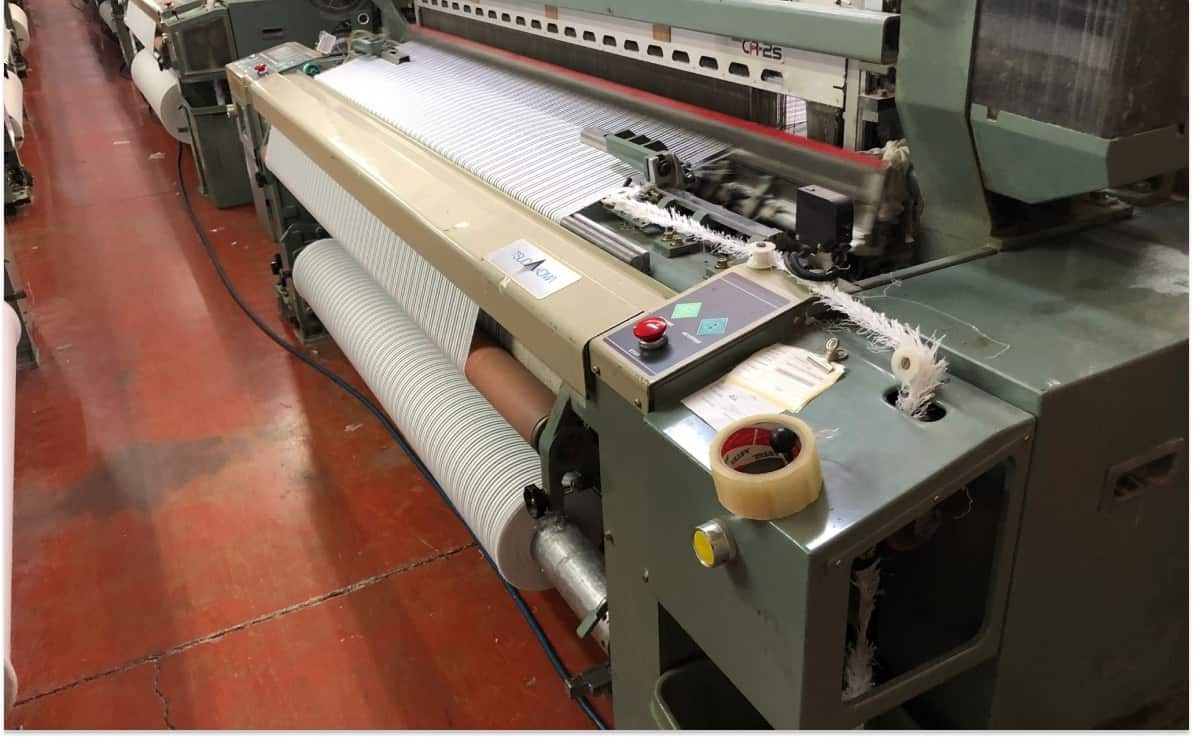
The Importance of Shuttle Loom Pickers in Reducing Yarn Breakage and Improving Fabric Quality

In the textile industry, maintaining loom efficiency and product quality is paramount, directly impacting profitability. The Genuine Shuttle Loom Picker plays a pivotal role, directly determining the stability of the weft insertion process. This article will clarify the influence of this small yet powerful component on your production efficiency.

The continuous development of the textile industry requires manufacturers to constantly refine processes and optimize production costs. One of the biggest challenges faced by weaving mills is yarn breakage, especially warp yarn, leading to material loss and significantly reducing machine speed. The procurement and use of high-quality genuine spare parts become a prerequisite.

In this context, the role of the Genuine Shuttle Loom Picker is increasingly recognized seriously. This component is not merely a transmission part; it is a critical factor in balancing yarn tension and minimizing friction throughout the weaving cycle. The quality of the picker is the dividing line between a smooth-running production line and one frequently hampered by breakdowns.

This article will delve into the mechanism, strategic importance, selection criteria, standard maintenance procedures, and how investing in high-quality genuine parts allows VieTextile to commit to delivering the most perfect woven fabric products. This is your comprehensive guide to optimizing manufacturing operations.

Cung cấp dây go dệt thoi chính hãng
The Importance of Shuttle Loom Pickers in Reducing Yarn Breakage and Improving Fabric Quality 68

1. What is a Genuine Shuttle Loom Picker and its Core Mechanism?

To fully understand the importance of this component, we must first accurately define it and its basic operational mechanism on the loom. The Genuine Shuttle Loom Picker is the part responsible for connecting and transmitting kinetic energy from the loom to the shuttle or weft insertion mechanisms. It ensures the synchronized and precise movement of the shuttle across the fabric width.

The biggest difference between a Genuine Shuttle Loom Picker and ordinary types lies in the material composition and manufacturing precision. Genuine pickers are often made from composite materials with high elasticity and mechanical strength, capable of withstanding continuous high-frequency operation and high friction. This significantly extends the picker’s service life.

1.1. Concept and Structure of the Picker

The picker, also known as the shuttle strap or buffer, is a flexible piece of material with two ends attached to the picking mechanism. Its structure must ensure moderate tension, neither too loose nor too tight, to transmit force decisively yet smoothly.

The main purpose of the Genuine Shuttle Loom Picker is to absorb part of the impact energy and maintain the stability of the shuttle’s speed. Vibration and trajectory deviation of the shuttle are minimized, thereby allowing the weft yarn to be perfectly inserted. Reputable shuttle loom manufacturers consistently focus on material research for this specific part.

Investing in high-quality raw materials for picker production ensures structural homogeneity. When operating at high speeds, genuine components like the picker do not wear out quickly, maintaining their original shape and optimal transmission force. This is the decisive factor for the long-term stability of the loom in a high-intensity production environment.

1.2. The Absolute Role of the Picker in the Weaving Process

The role of the Genuine Shuttle Loom Picker extends beyond force transmission; it is an energy control intermediary. When the shuttle is launched, the picker must ensure an even picking force, preventing the shuttle from flying too hard or too weakly. This is fundamental to ensuring the warp threads are neither over-tensioned nor rub against other machine components.

This precision directly impacts minimizing warp yarn breakage rates, which is a leading cause of unscheduled machine downtime. Using a Genuine Shuttle Loom Picker helps the mill reduce downtime, save on maintenance costs, and increase overall labor productivity. The quality of the spare part must be a top priority.

Controlling warp yarn tension through the stability of the picker also contributes to achieving the ideal shedding margin. A tightly controlled shedding margin minimizes collisions between the warp threads and the shuttle, thereby protecting the yarn from damage. The transmission force of the Genuine Shuttle Loom Picker is the key factor in achieving this optimization.

1.3. Classification of Pickers by Material and Application

Pickers are classified based on materials such as leather, synthetic rubber, or advanced composite materials. Each material has distinct advantages and disadvantages regarding durability, elasticity, and wear resistance. Choosing the appropriate Genuine Shuttle Loom Picker must be based on the type of yarn being woven, the machine speed, and the temperature and humidity conditions in the mill.

Modern composite Genuine Shuttle Loom Pickers are often preferred because they offer an optimal combination of light weight, high durability, and excellent shock-absorbing capabilities. This investment in premium materials ensures stable long-term operational performance, providing long-term economic benefits to textile enterprises.

For high-speed weaving applications or weaving special materials like fiberglass or carbon fiber, using a Genuine Shuttle Loom Picker made from heat-resistant and chemical-resistant materials is mandatory. These materials prevent the rapid degradation of the picker due to harsh environments, maintaining uninterrupted weaving efficiency.

2. Direct Impact of the Picker on Yarn Breakage

Yarn breakage not only causes raw material waste but is also a major obstacle to mass production. The source of these incidents often stems from a lack of synchronization and high friction during shuttle travel. This is where the quality of the Genuine Shuttle Loom Picker asserts its decisive role.

Minimizing yarn breakage is a key goal, and a genuine picker is scientifically designed to serve this objective. They create an ideal contact point with the shuttle mechanism, preventing sudden shocks or unnecessary friction that can weaken the yarn structure. This helps the yarn maintain its inherent strength throughout the weaving process.

2.1. Friction Reduction Mechanism of the Genuine Picker

One of the most important factors in reducing yarn breakage is friction control. The surface of a Genuine Shuttle Loom Picker is specially treated to minimize the coefficient of friction when contacting other parts of the loom. The smooth and uniform picker surface ensures the shuttle is launched and braked gently, without jarring.

When using poor-quality pickers, a rough or uneven surface creates high localized friction points. These points are the agents that cause yarn heating and rapid wear of the warp threads, leading to mass yarn breakage. Therefore, using a Genuine Shuttle Loom Picker is the root solution for preventing yarn breakage.

High-end Genuine Shuttle Loom Picker manufacturers often apply polymer surface coatings or self-lubricating compounds. This coating not only reduces friction but also helps resist dust and lint adhesion, maintaining a cleaner working environment and minimizing potential causes of yarn breakage during machine operation.

2.2. Impact of Stability and Force Balance

The stability of the Genuine Shuttle Loom Picker after many hours of operation is crucial. If the picker stretches or deforms after a short period, the transmission force will change, leading to an imbalance in yarn tension. This imbalance creates weak points in the fabric, easily causing breaks.

A genuine picker has the ability to maintain its structure and elasticity throughout its service life, ensuring the transmission force remains at the optimal level. As a result, manufacturers can rely on the uniformity of yarn tension, producing high-quality and durable fabric products. This is a worthwhile investment for the production process.

Force fluctuation during shuttle picking, common with low-quality pickers, creates non-uniformity in the tightness of the weft yarn across the fabric surface. This not only causes yarn breakage but also damages the fabric structure. Only a Genuine Shuttle Loom Picker can ensure absolute force synchronization, providing irreplaceable weaving performance.

2.3. Performance Comparison of Yarn Breakage Reduction: Generic vs. Genuine Picker

Experience has shown that ordinary, cheap pickers often achieve stable performance for only a short period, then begin to degrade rapidly. This decline in durability and elasticity leads to a surge in yarn breakage rates, sometimes exceeding 30% above the acceptable limit.

Conversely, the use of Genuine Shuttle Loom Pickers has been proven to consistently maintain the lowest yarn breakage rate. This difference not only improves productivity but also minimizes operator intervention, optimizing the entire weaving process. The higher initial investment cost is quickly offset by production benefits.

Tests in real-world weaving environments show that switching to using a Genuine Shuttle Loom Picker can reduce machine stops due to yarn breakage by up to 50%. This is an impressive figure, clearly demonstrating the difference in material technology and mechanical precision between genuine products and those circulating in the market.

3. Selecting Genuine Shuttle Loom Pickers: Technical Criteria and Materials

Phụ kiện dây go dệt thoi chính hãng
The Importance of Shuttle Loom Pickers in Reducing Yarn Breakage and Improving Fabric Quality 69

The selection of a Genuine Shuttle Loom Picker should not be based solely on price but on stringent technical standards. This component must be perfectly compatible with the loom model and meet the requirements of the yarn type being woven. Only when these criteria are met is the effectiveness of reducing yarn breakage and improving fabric quality guaranteed.

Incompatibility in material or size can cause rapid wear, not only to the picker but also to other loom components such as the picking mechanism. Investing in a Genuine Shuttle Loom Picker is an investment in the safety and longevity of the entire machine system, preventing costly major breakdowns.

3.1. Tensile Strength and Abrasion Resistance of the Picker

Tensile strength is one of the most important indicators for assessing the quality of a Genuine Shuttle Loom Picker. The picker must withstand large, repeated tensile forces for millions of cycles without breaking or deforming, especially when the loom operates at high speeds.

The abrasion resistance of the Genuine Shuttle Loom Picker is directly related to the component’s lifespan and stability. Premium composite materials often have superior wear resistance compared to traditional rubber or leather, helping to maintain a smooth surface, thereby reducing friction with the yarn.

Furthermore, the selection of a Genuine Shuttle Loom Picker must consider resistance to environmental factors such as humidity, temperature, and chemicals that may be present during the weaving process. Harsh working environments require the picker to have high chemical stability to prevent degradation over time.

Checking the quality certificate from a reputable manufacturer is an essential step when purchasing a Genuine Shuttle Loom Picker. These certificates confirm that the picker has undergone rigorous testing for tensile strength, load-bearing capacity, and elasticity according to international technical standards. This is the guarantee of product quality.

3.2. Elasticity and Impact Absorption Capacity

The perfect elasticity of the Genuine Shuttle Loom Picker is the key factor that helps absorb and dissipate the impact force generated when the shuttle is launched and braked. If the picker is too stiff or lacks elasticity, the impact force will be transferred directly to the warp threads and other mechanical parts, causing yarn breakage and machine damage.

The shock absorption capacity of the Genuine Shuttle Loom Picker not only protects the yarn but also protects the loom itself from excessive vibration. Reduced vibration extends the life of bearings, rotating shafts, and other transmission components, significantly minimizing overall maintenance costs.

Another benefit of elasticity is the ability to maintain constant transmission force even with slight changes in temperature or humidity in the mill. High-quality Genuine Shuttle Loom Pickers are less affected by these fluctuations, ensuring consistent yarn tension, which contributes to the uniform quality of the finished fabric.

Reputable suppliers of Genuine Shuttle Loom Pickers like VieTextile always prioritize products with optimal elasticity indices, specifically designed to operate in high-speed loom environments. This precise technical calculation ensures that every weaving cycle occurs smoothly, minimizing yarn breakage incidents.

3.3. Dimensional and Standard Specifications

Using a Genuine Shuttle Loom Picker with precise dimensions and technical specifications as required by the loom manufacturer is a prerequisite. A slight deviation in length, width, or thickness can damage the picking mechanism and cause serious operational problems.

Inaccurate picker dimensions will lead to non-uniform transmission force, causing the shuttle to fly off course or slip. This not only increases the risk of yarn breakage but also creates weaving defects on the fabric surface, reducing product quality and requiring waste disposal. Only a Genuine Shuttle Loom Picker can guarantee this precision.

When purchasing a Genuine Shuttle Loom Picker, the OEM (Original Equipment Manufacturer) part code should be compared with the supplied product. Absolute code matching ensures that the picker is designed to work harmoniously with other loom components, thereby maximizing the efficiency and reliability of the entire weaving system.

VieTextile always advises customers not to experiment with unverified pickers or those without clear technical specifications. Initial cost savings by using low-quality pickers will lead to much greater damage in terms of productivity and fabric quality in the long run. Prioritize the Genuine Shuttle Loom Picker from the start.

4. Picker’s Role in Improving Fabric Quality

Woven fabric quality is assessed based on many factors such as yarn density uniformity, tension balance, and the absence of weaving defects. The role of the Genuine Shuttle Loom Picker in enhancing these factors is often underestimated, but in reality, it is crucial for the final product.

The stability that the Genuine Shuttle Loom Picker brings to the weaving cycle minimizes defects such as slack weft, skew warp, or uneven weave marks. These defects, though minor, lead to the fabric being downgraded and unusable for high-end orders, causing significant economic damage.

4.1. Reducing Fabric Defects due to Weft Misalignment

Weft yarn is inserted into the fabric width thanks to precise shuttle launch, and this precision is entirely dependent on the picker’s performance. The Genuine Shuttle Loom Picker ensures the shuttle always reaches the correct position at a stable speed, helping the weft yarn be laid straight and tight according to the established density.

If the picker is worn or lacks sufficient force, the shuttle speed will be unstable, leading to differences in weft yarn tension. This defect creates non-uniform weave bands (barre defects) on the fabric, reducing the aesthetic quality and structure of the product, making it ineligible for Grade A classification.

Maintaining the powerful and consistent transmission force of the Genuine Shuttle Loom Picker is the most effective measure to prevent weaving defects caused by the weft. This is especially important when weaving high-density fabrics or those requiring absolute precision, such as technical and luxury fabrics.

Choosing a Genuine Shuttle Loom Picker is the optimal solution to ensure every weaving cycle is perfect, helping manufacturers minimize the rate of rejected fabric. Investing in quality parts is a direct investment in the company’s reputation and competitiveness in the international textile market.

4.2. Maintaining Fabric Structure Uniformity

Structural uniformity is the decisive factor in the value of woven fabric. The stability of the loom, guaranteed by the Genuine Shuttle Loom Picker, helps maintain warp and weft tension at an ideal balance. This balance creates consistent thickness, softness, and tensile strength across the entire fabric piece.

When using low-quality pickers, increased vibration and impact temporarily change the warp yarn tension, leading to undesirable tightening or loosening points in the fabric structure. These points are not only easily torn but also cause color differences after dyeing.

The Genuine Shuttle Loom Picker helps the loom achieve mechanical harmony, where all parts operate smoothly and synchronously. The result is a fabric piece with superior quality, meeting the strictest standards for durability and aesthetics required by export markets.

VieTextile emphasizes that using a Genuine Shuttle Loom Picker is key to controlling quality at the microscopic level of the yarn. Only when the basic components operate stably, the manufacturer can ensure the final product has high uniformity, minimizing the risk of mass rejection.

4.3. Application of Genuine Pickers for High-Quality Fabrics

High-quality fabrics such as silk, satin, or those with delicate synthetic components, are highly sensitive to friction and impact force. The use of a Genuine Shuttle Loom Picker made from special composite materials is mandatory to handle these delicate yarns without damaging their structure.

When weaving high-end fabrics, even a slight abrasion on the picker can create a scratch or break the yarn, leading to the entire fabric roll being classified as waste. Therefore, the investment cost in a Genuine Shuttle Loom Picker for this segment is entirely reasonable, helping to protect the high value of the raw input material.

Choosing a Genuine Shuttle Loom Picker not only concerns durability but also smooth, non-heat-generating transmission capacity. High temperatures due to friction can denature some synthetic fibers, seriously affecting the subsequent dyeing process, reducing the overall quality of the woven fabric.

Leading global manufacturers of Genuine Shuttle Loom Pickers have developed specialized product lines for each machine type and yarn application. VieTextile is proud to supply these advanced solutions, helping Vietnamese weaving mills confidently produce high-quality, globally competitive woven fabric products.

5. Technical Procedure for Picker Maintenance and Replacement

To maximize the benefits and lifespan of the Genuine Shuttle Loom Picker, adhering to a standard maintenance and replacement procedure is essential. Proper maintenance not only helps the picker operate stably but also prevents major breakdowns on the loom.

Neglect in maintenance can cause the picker to degrade quickly, leading to uneven transmission force and an increased risk of sudden yarn breakage. A periodic maintenance plan helps the mill better control operating costs and ensures productivity is consistently maintained at the highest level.

5.1. Inspection and Periodic Maintenance Frequency

The inspection frequency for the Genuine Shuttle Loom Picker should be established based on the loom’s speed and intensity of operation. For machines running 24/7, visual inspection and tension measurement should be performed weekly or after every 500 hours of operation.

Periodic maintenance includes cleaning the picker surface of accumulated dust and lint, which are causes of increased friction. Although a Genuine Shuttle Loom Picker is resistant to dirt, frequent cleaning with specialized solvents (if recommended) will ensure optimal transmission performance.

It is necessary to record measured parameters of the Genuine Shuttle Loom Picker’s tension and elongation over time. Significant changes in these indices are a warning sign that the picker is nearing the end of its lifespan and needs to be prepared for replacement to avoid unscheduled machine downtime.

A crucial part of the inspection is assessing cracks, wear, or localized deformation on the surface of the Genuine Shuttle Loom Picker. If any signs of damage are detected, immediate replacement is necessary to prevent the failure from spreading to other expensive mechanical components of the loom.

5.2. Guide to Replacing Genuine Shuttle Loom Pickers

The replacement procedure for a Genuine Shuttle Loom Picker must be performed by an experienced technician, strictly following the loom manufacturer’s instructions. The first step is to ensure the loom is completely de-energized to guarantee occupational safety.

When installing a new Genuine Shuttle Loom Picker, attention must be paid to the installation direction and setting the initial tension according to technical specifications. Incorrect installation, such as overtightening, will significantly reduce the picker’s lifespan and put unnecessary pressure on the rotating shafts, causing early failure.

Only Genuine Shuttle Loom Pickers supplied by VieTextile should be used to ensure compatibility. Using non-genuine pickers, even if the size seems suitable, still carries risks regarding material quality and structure, leading to unstable performance immediately after replacement.

After replacement, the technician needs to run the machine slowly and gradually increase the speed, simultaneously monitoring the picking force. Any excessive vibration, strange noises, or shuttle trajectory deviation are signs of imperfect installation, requiring immediate adjustment to protect the quality of the woven yarn.

5.3. Tension Adjustment After New Installation

Tension adjustment is the most important step after installing a new Genuine Shuttle Loom Picker. The ideal tension must ensure effective transmission without overloading the picker or related components. This is usually done with specialized tension measuring equipment.

If the tension of the Genuine Shuttle Loom Picker is too low, the shuttle will be launched weakly and unstably, leading to weft insertion errors and increased yarn breakage rates. Conversely, if the tension is too high, it will quickly damage the picker and put excessive pressure on the loom’s drive shaft, causing the machine to overheat.

The precision in tension adjustment can only be achieved when using a Genuine Shuttle Loom Picker because they have high material uniformity. Non-genuine pickers often have differences in thickness and elasticity between batches, making adjustment difficult and ineffective.

VieTextile provides in-depth technical support to help customers perfectly adjust the tension of the Genuine Shuttle Loom Picker. Ensuring optimal tension is the key factor in exploiting the full potential for reducing yarn breakage and improving woven fabric quality that genuine pickers offer.

6. VieTextile and the Commitment to Quality Genuine Pickers

Dây go dệt thoi chính hãng cho máy dệt
The Importance of Shuttle Loom Pickers in Reducing Yarn Breakage and Improving Fabric Quality 70

VieTextile understands that the quality of every single loom component deeply affects customer success. With the vision of becoming a leading textile solution provider, we are committed to supplying only products that meet international standards. This is why VieTextile is a reliable partner in providing Genuine Shuttle Loom Pickers.

We place the quality control process first, from selecting raw material manufacturers to the final inspection before the product reaches the customer. Transparency in origin and quality is VieTextile’s firm commitment when supplying Genuine Shuttle Loom Pickers to every business, from small scale to large corporations.

6.1. Why Choose VieTextile for Your Picker Needs

The top reason to choose VieTextile is our extensive specialization in the field of shuttle weaving. We don’t just sell products; we also provide comprehensive technical solutions, helping customers choose the Genuine Shuttle Loom Picker that best suits their machine model and the type of yarn they are using.

VieTextile’s commitment to quality is clearly demonstrated through a thoughtful warranty and after-sales service for all types of Genuine Shuttle Loom Pickers. We are always ready to provide technical support, helping customers install, adjust, and maintain correctly to achieve optimal weaving performance and extend the component’s lifespan.

6.2. Supply Chain Capacity and Quality Control

VieTextile maintains a global partner network with leading shuttle loom component manufacturers. This allows us to ensure the supply of Genuine Shuttle Loom Pickers is always stable, abundant, and offered at the most competitive prices in the market. We help customers mitigate the risk of material shortages.

Every shipment of Genuine Shuttle Loom Pickers imported undergoes a strict inspection process for tensile strength, elasticity, and heat resistance. This quality control is the guarantee that every product reaching you is perfect, helping your loom operate at the highest level of efficiency.

6.3. Commitment to the Development of Vietnam’s Textile Industry

VieTextile’s mission is to accompany the sustainable development of Vietnam’s textile industry by providing high-quality technology solutions and genuine spare parts. We believe that, with quality Genuine Shuttle Loom Pickers, weaving enterprises will enhance their international competitiveness.

VieTextile constantly updates the latest material technology and continuously seeks advanced types of Genuine Shuttle Loom Pickers. This is to ensure that our customers always have access to the best solutions to optimize production processes, minimize costs, and improve the quality of the final product.

7. Frequently Asked Questions about Genuine Shuttle Loom Pickers (FAQ)

This section will answer the most common questions related to the use and maintenance of Genuine Shuttle Loom Pickers.

7.1. What is the average lifespan of a Genuine Shuttle Loom Picker? Answer: The lifespan of a Genuine Shuttle Loom Picker depends on the machine speed and yarn type. Typically, a genuine picker can operate effectively for 6 to 12 months, while a poor-quality one may only last a few weeks, significantly impacting the production process.

7.2. How can I distinguish a Genuine Shuttle Loom Picker from counterfeit goods? Answer: Genuine Shuttle Loom Pickers usually have clear labels, traceability barcodes, and a high level of surface finish, without burrs or uneven cuts. It is best to purchase from reputable suppliers like VieTextile.

7.3. Does replacing the picker affect machine downtime? Answer: If using a Genuine Shuttle Loom Picker with precise dimensions and technical specifications, the replacement and adjustment process will be quick, minimizing machine downtime and returning the machine to production promptly.

7.4. Is periodic maintenance required for a Genuine Shuttle Loom Picker? Answer: Although Genuine Shuttle Loom Pickers are very durable, periodic checks of tension and surface cleaning will help extend their lifespan and maintain stable transmission performance, preventing yarn breakage.

7.5. Does VieTextile provide installation and adjustment services for Genuine Shuttle Loom Pickers? Answer: Yes. VieTextile not only sells Genuine Shuttle Loom Pickers but also provides comprehensive technical support services, including professional installation and adjustment at the customer’s weaving mill.

7.6. What happens if I use a non-genuine picker? Answer: Using a non-genuine picker can cause yarn breakage to spike, damage other mechanical parts of the loom due to uncontrolled friction and impact, leading to much higher repair costs than investing in a Genuine Shuttle Loom Picker from the start.

7.7. Can Genuine Shuttle Loom Pickers be recycled or reused? Answer: Most types of Genuine Shuttle Loom Pickers cannot be reused as they undergo physical degradation and lose elasticity after a long period of operation. However, some composite materials may be recyclable.

Contact Information: 

To improve woven fabric quality and ensure your loom operates at maximum efficiency with professional Genuine Shuttle Loom Pickers, contact VieTextile today! We are committed to providing the best shuttle loom component solutions.

  Hotline: 0901 809 309 

Email: info@vietextile.com 
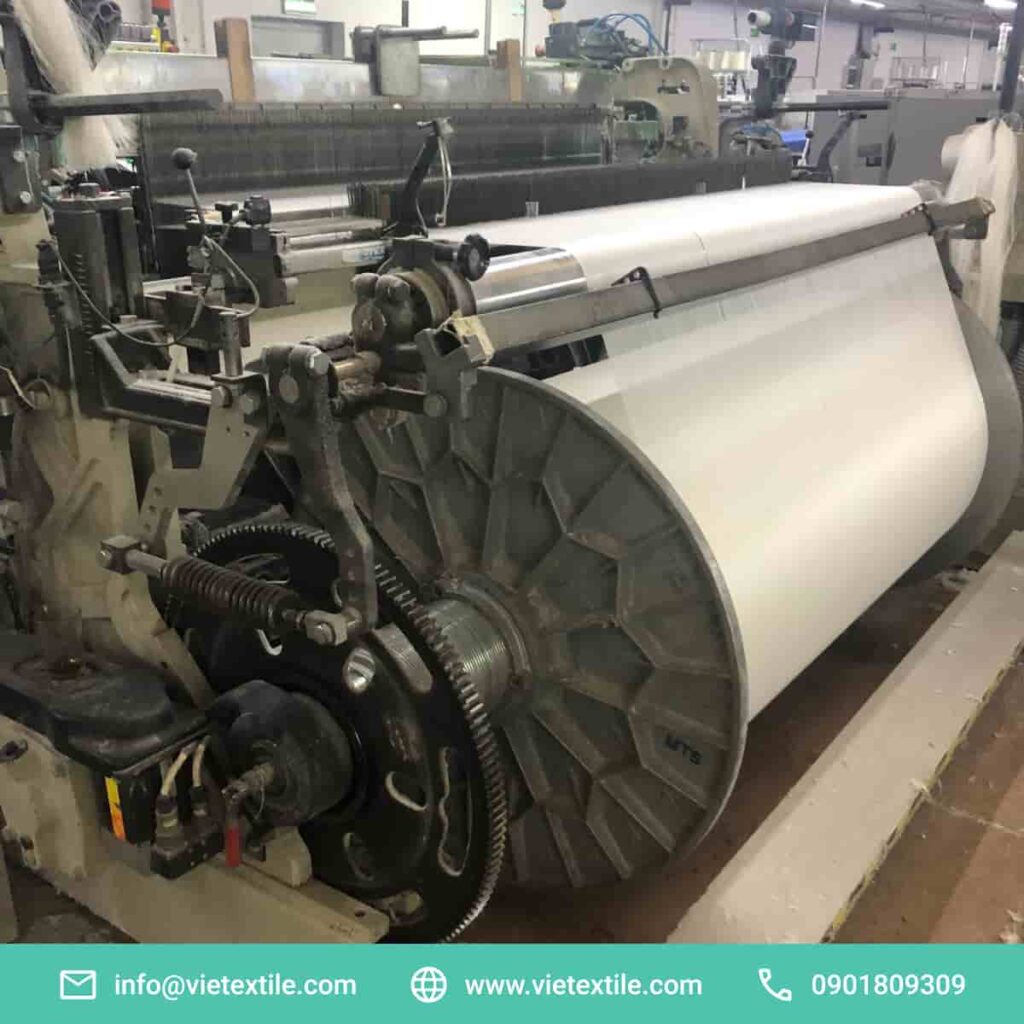
Website: https://vietextile.com