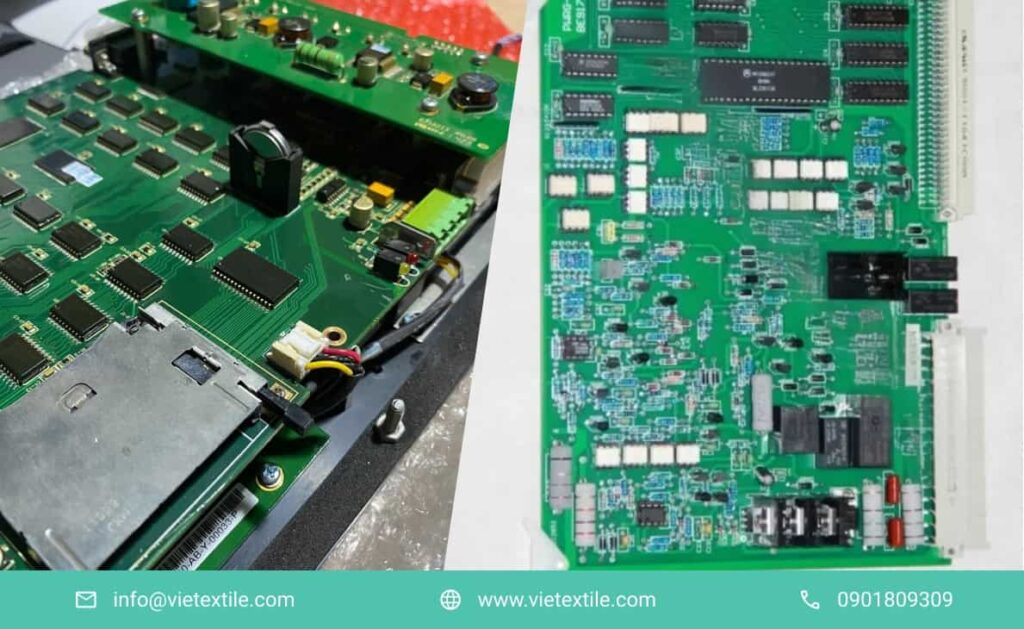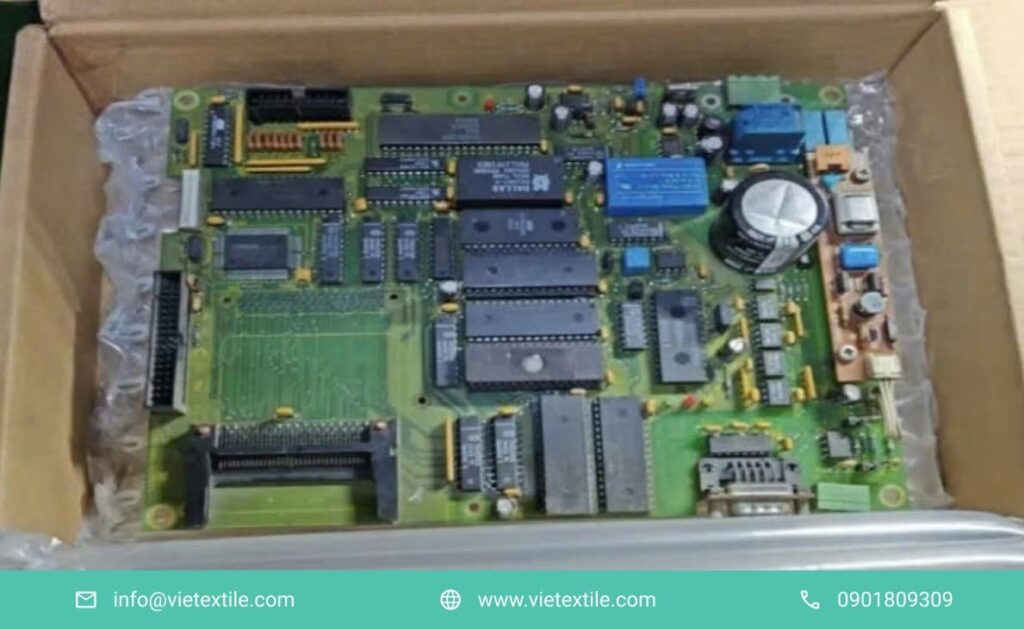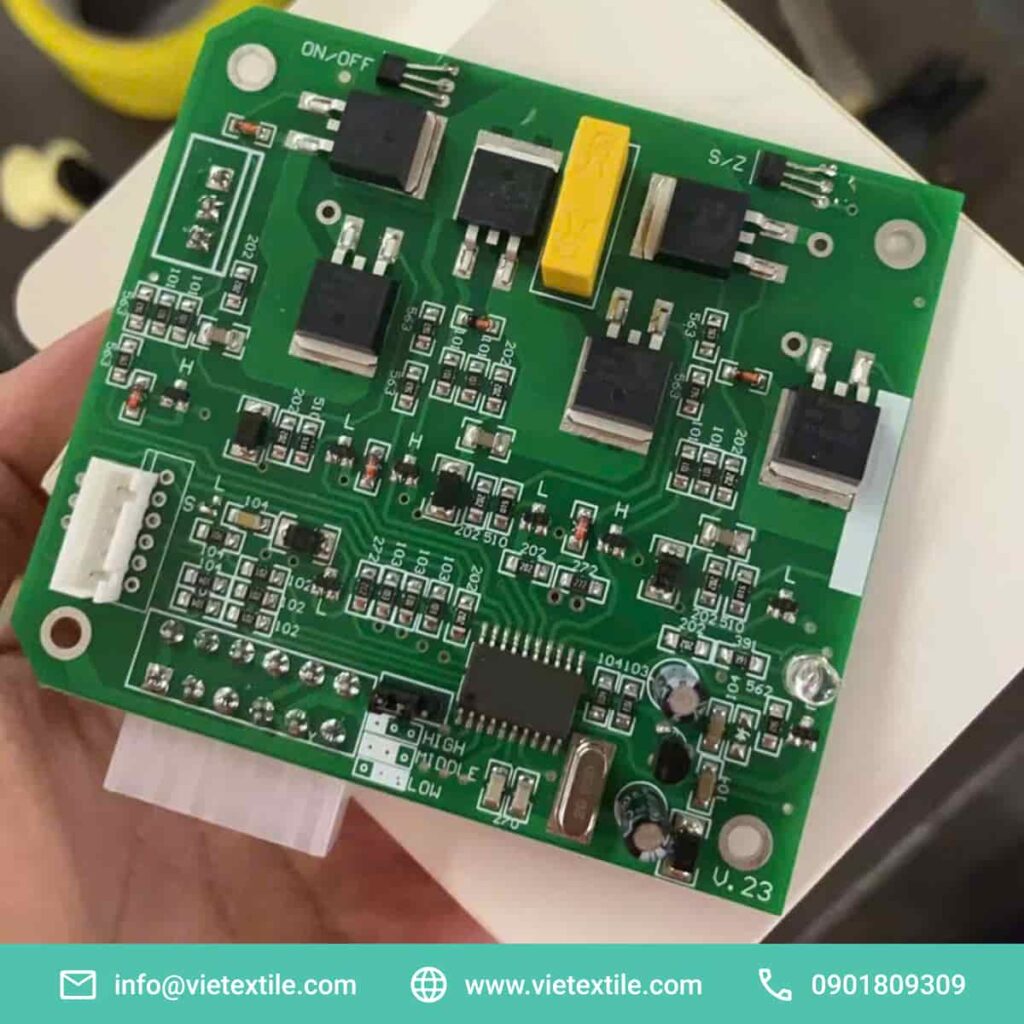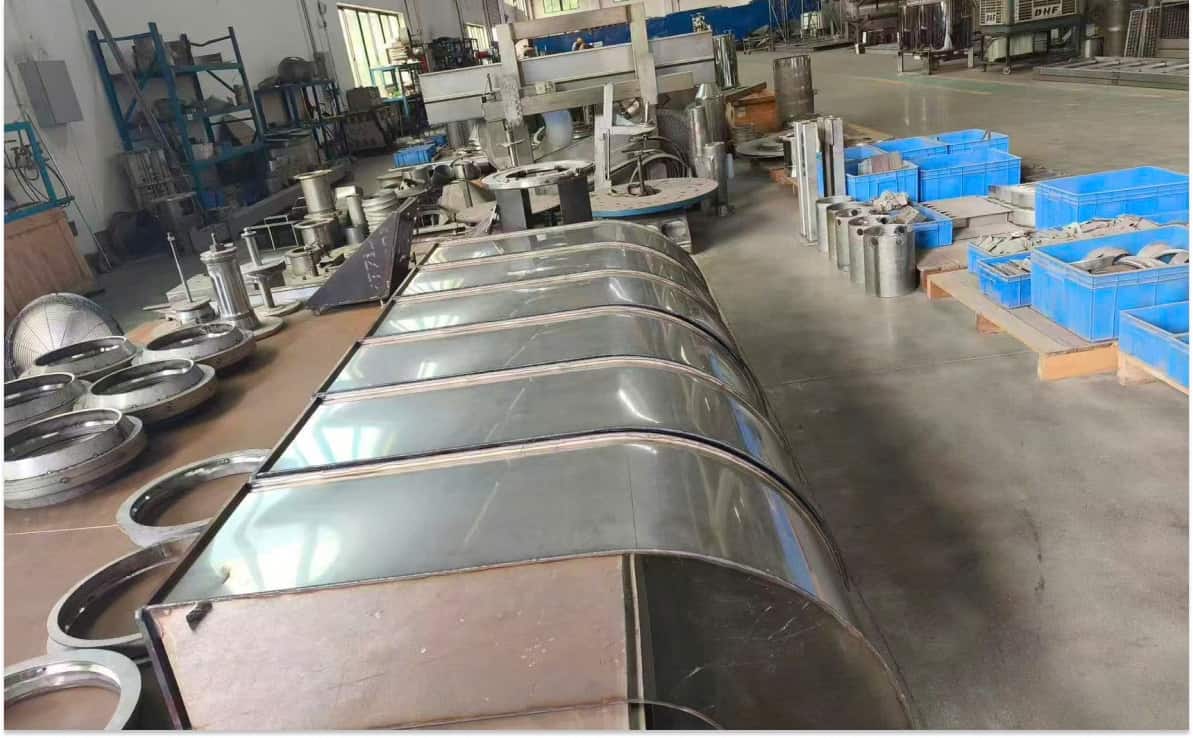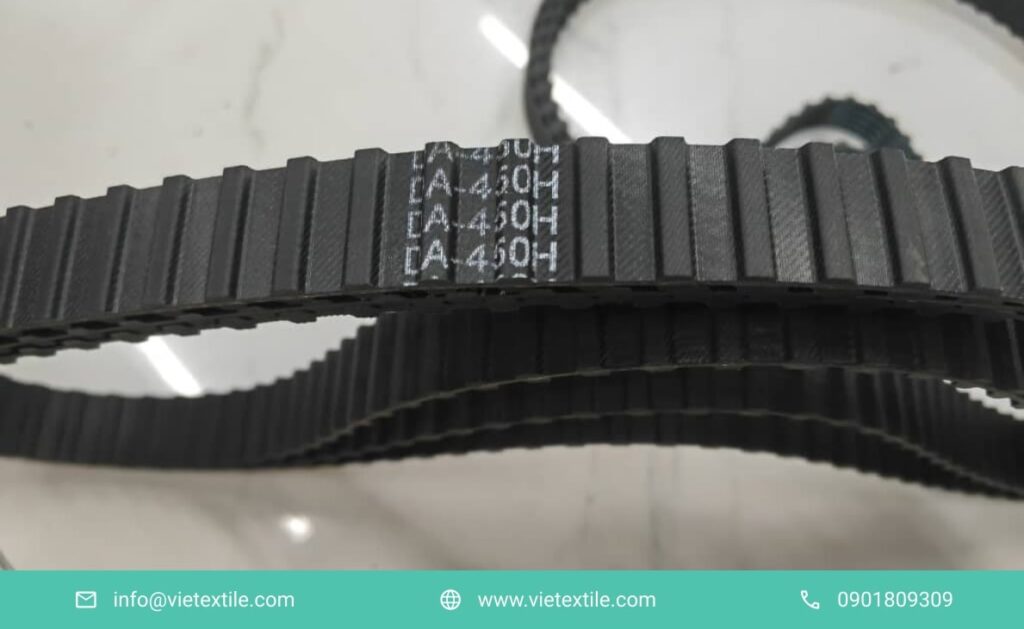
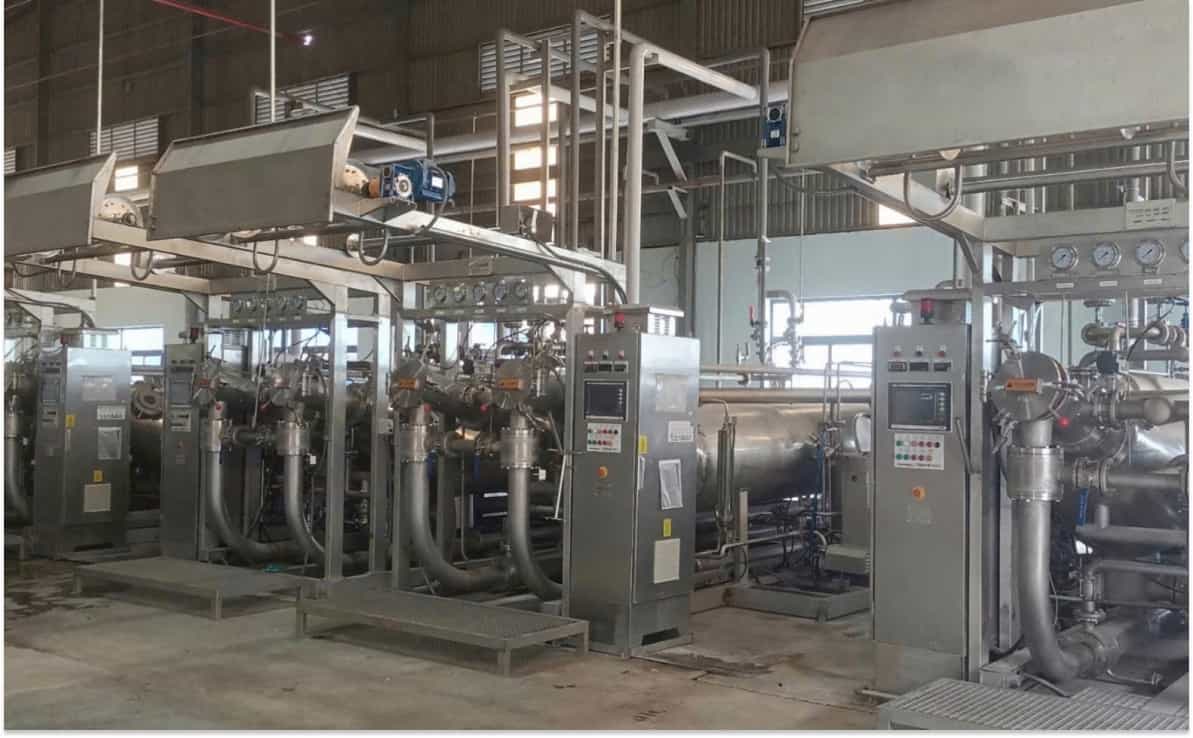
Energy-Saving Danitech Dyeing Machine Spare Parts for Modern Textile Plants

The global textile industry is under increasing pressure to improve sustainability, and for dyeing houses, this translates directly to optimizing energy, water, and chemical consumption. Danitech machines are already leaders in low-liquor ratio dyeing, but true efficiency gains are found in the strategic selection and timely replacement of every Danitech dyeing machine spare part. Choosing the right high-efficiency component is the single most effective way to reduce the Total Cost of Ownership (TCO) and meet stringent environmental targets.

This comprehensive guide is dedicated to identifying the critical Danitech dyeing machine spare part that directly impacts resource consumption. We will delve into the science behind high-efficiency impellers, precision thermal controls, and advanced sealing systems, providing factory managers and maintenance engineers the actionable knowledge needed to transform their Danitech machines into sustainable, cost-saving powerhouses. By focusing on smart component choices, modern textile plants can achieve both profitability and environmental responsibility.
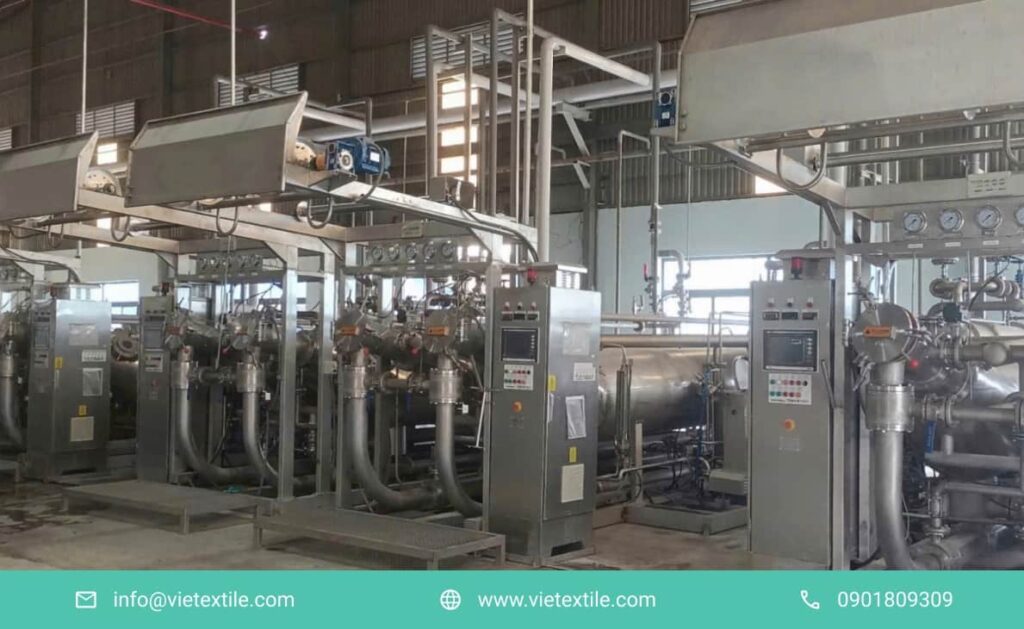
Danitech dyeing machine spare part supplier
Energy-Saving Danitech Dyeing Machine Spare Parts for Modern Textile Plants 5

1. The Energy Landscape of Danitech Dyeing: Where Savings Begin

Danitech machines are designed for low liquor ratios, inherently saving water and energy. However, over time, wear and tear on internal components can degrade this efficiency. Understanding the three main areas of energy consumption—Electricity (Pumps/Motors), Thermal Energy (Steam), and Water/Chemicals—is the first step in targeting the correct Danitech dyeing machine spare part for replacement.

1.1. TCO vs. Purchase Price: The Real Cost of a Danitech dyeing machine spare part

A low-cost, generic spare part might seem appealing initially, but if it causes a 5% drop in pump efficiency or reduces the lifespan by half, the long-term energy and labor costs outweigh the initial saving. TCO analysis proves that investing in a high-quality, precision-engineered Danitech dyeing machine spare part results in substantial savings over the operational lifespan of the machine.

The TCO calculation must factor in lost production, increased energy usage, and premature replacement cycles. A detailed TCO model should include: Initial Purchase Price, Installation Costs, Annual Energy Consumption (KW x Hours x Cost/KW), Maintenance and Labor Costs, Downtime Costs, and Disposal Costs. Ignoring energy consumption, which can represent up to 70% of the lifetime cost of a pump, renders the spare part choice economically unsound.

1.2. The Three Pillars of Efficiency: Electricity, Steam, and Water

Every Danitech dyeing machine spare part can be categorized by the resource it helps save:

  • Electricity: Primarily controlled by the pump impeller, motor, and Variable Frequency Drives (VFDs). Worn components increase motor load. This includes not just mechanical wear but also electrical degradation leading to inefficient power conversion.
  • Thermal Energy (Steam/Cooling Water): Controlled by heat exchangers, steam control valves, and insulation integrity. Poor performance here extends cycle times and increases utility consumption. Steam accounts for the largest energy cost, making the integrity of thermal Danitech dyeing machine spare part absolutely crucial.
  • Water & Chemicals: Controlled by precision dosing pumps, flow meters, and sealing systems. Leaks or inaccurate dosing waste both resources and time. Chemical waste often requires re-processing, compounding the consumption of water and energy.

1.3. Danitech Machine-Specific Efficiency Features

Danitech is known for features like rapid dyeing cycles and optimized fabric transport. Maintaining these features requires specialized Danitech dyeing machine spare part like high-precision nozzles and hydraulic systems. Any component failure in the fabric transport mechanism can cause “stop-and-start” operation, leading to massive energy and steam wastage as the bath temperature fluctuates and the pump cycles unnecessarily. Specifically, the synchronized movement of the reel and the pump must be flawless, relying on the robust performance of associated gearboxes, bearings, and control sensors.

1.4. Lifetime Costing and Depreciation of Critical Spares

For high-value components, such as the main pump body or the heat exchanger core, depreciation schedules must reflect expected efficiency decay. A factory committed to sustainability should not wait for catastrophic failure. Instead, using efficiency targets (e.g., pump KW/Liter/Minute drops by 10%) as the trigger for replacing a critical Danitech dyeing machine spare part ensures that the machine never drifts significantly from its optimum operating point. This proactive approach locks in energy savings over the full lifespan of the machine.

2. Optimizing Circulation Systems: The Core Electrical Savings (Danitech dyeing machine spare part)

The main circulation pump is the single largest consumer of electricity in a dyeing house. Maximizing its efficiency through high-quality spares is paramount for energy reduction.

2.1. High-Efficiency Main Pump Impellers

The design and condition of the impeller—the most critical Danitech dyeing machine spare part in the pump assembly—dictate the flow rate per kilowatt-hour.

2.1.1. Material and Coating for Hydrodynamic Efficiency

Impellers must be manufactured from precision-cast SS316L to resist chemical corrosion. Critically, the surface finish must be near-perfectly smooth (often achieved through electropolishing). A rough, pitted, or eroded surface (due to cavitation or particle abrasion) drastically increases fluid friction, reducing hydraulic efficiency and forcing the motor to consume more power to maintain the required liquor velocity. Regular inspection and replacement of worn impellers are vital energy-saving tasks. Furthermore, the balance of the impeller is critical; an unbalanced impeller not only consumes more energy due to vibration but also drastically reduces the life of the pump bearings and mechanical seals.

2.1.2. Cavitation Mitigation and Taper Lock Hubs

Cavitation—the formation and implosion of vapor bubbles—erodes the impeller surface, reducing its lifespan and efficiency. High-quality Danitech dyeing machine spare part impellers feature specific blade angles designed to minimize turbulence and cavitation risk, especially important at high temperatures and pressures. Additionally, ensuring the impeller is securely mounted with a high-precision taper lock or keyway prevents slippage, ensuring maximum power transfer from the motor. A secure mount is vital to maintaining the precise clearance between the impeller and the pump casing, known as the wear plate clearance, which directly impacts efficiency.

2.2. VFDs and Motor Controls: Precision Power Management

The Variable Frequency Drive (VFD) controls the pump speed, allowing soft starts and precise flow rates. A failing or outdated VFD is a significant energy drain.

  • VFD Degradation: Over time, the capacitors and insulated gate bipolar transistors (IGBTs) within the VFD (a major electrical Danitech dyeing machine spare part) degrade, leading to increased harmonic distortion and reduced conversion efficiency. Proactively replacing VFD cooling fans and performing thermal checks prevents premature catastrophic failure. A failing VFD can drop efficiency by several percentage points, wasting significant electricity and potentially damaging the motor.
  • Motor Bearings: Failed motor or pump bearings cause excessive friction, increasing power consumption and heat output. Replacing high-quality bearings before they reach failure point is a core energy-saving PM strategy. The use of ceramic or high-performance roller bearings can extend life and minimize friction loss, justifying the higher initial cost of this Danitech dyeing machine spare part.

2.3. Low-Friction Nozzles and Flow Distributor Design

The flow distributors and nozzles guide the dye liquor onto the fabric. Optimized flow reduces backpressure on the pump. Replacing worn or clogged nozzles—essential Danitech dyeing machine spare part—ensures uniform liquor distribution with minimum energy expenditure. Any surface roughness in the flow path increases the power needed to achieve the required velocity, directly increasing electricity consumption. The nozzle design must also be appropriate for the fabric type to ensure proper lifting and circulation without excessive turbulence or friction.

2.4. Motor Efficiency Classes (IE3/IE4) and Power Quality

Modern Danitech dyeing machine spare part inventories should prioritize motors of at least IE3 (Premium Efficiency) or, ideally, IE4 (Super Premium Efficiency) ratings. Upgrading older motors can deliver immediate and continuous electrical savings. However, these high-efficiency motors are more sensitive to power quality issues. The VFD, as the critical control component, must be paired with harmonic filters or line reactors to protect the motor windings from excessive electrical stress, ensuring the longevity and sustained efficiency of the motor as a key Danitech dyeing machine spare part. Monitoring the motor’s power factor is another essential check for efficiency.

3. Thermal Efficiency: Massive Savings in Steam and Water
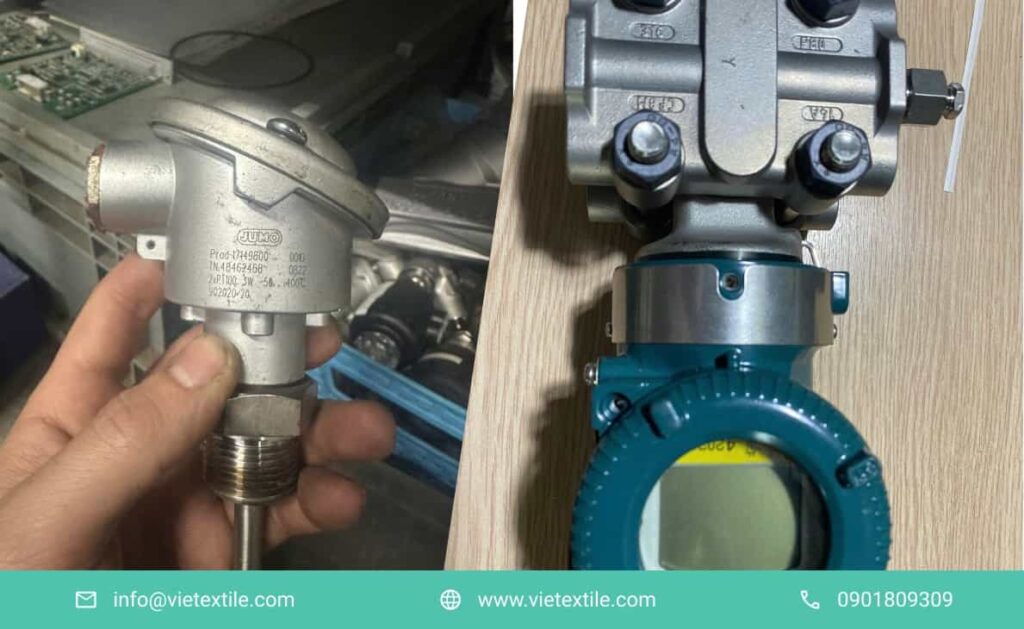
Original Danitech dyeing machine spare part
Energy-Saving Danitech Dyeing Machine Spare Parts for Modern Textile Plants 6

Steam consumption is typically the highest operating cost in textile dyeing. Thermal efficiency revolves around minimizing heat loss and maximizing heat transfer speed and accuracy.

3.1. Advanced Heat Exchanger Spares

The heat exchanger is the most critical thermal Danitech dyeing machine spare part. Its efficiency dictates cycle time, steam usage, and cooling water usage.

3.1.1. High-Conductivity Tube Material and Fouling

While most tubes are stainless steel, specialized high-performance Danitech exchangers use specific welding and polishing techniques to boost conductivity and minimize surface roughness. More commonly, the primary issue is fouling—the buildup of scale, dyes, and chemical residues on the heat exchange surfaces. Replacing a heavily scaled tube bundle is often more cost-effective than continuous chemical cleaning, as a clean surface drastically cuts down the steam time needed to reach the target temperature. A 1mm layer of scale can reduce heat transfer efficiency by over 10%, directly translating to wasted steam and prolonged cycle times.

3.1.2. High-Temperature Sealing Systems for Insulation

Thermal leakage is wasted energy. All seals, gaskets, and insulation jackets must be maintained in peak condition. Utilizing high-temperature, low-conductivity polymer seals (like PTFE, or expanded graphite gaskets) where metal meets metal prevents heat wicking and steam loss. Any failure of the external insulation or vessel cladding, though not a Danitech dyeing machine spare part itself, must be addressed immediately as it represents continuous, unchecked steam wastage. The integrity of the flange gaskets on the heat exchanger must be regularly checked as failure leads to immediate and dangerous steam leaks.

3.2. Precision Steam Control Valves and Actuators

Accurate temperature control prevents overheating (wasting steam) or lagging (extending cycle time).

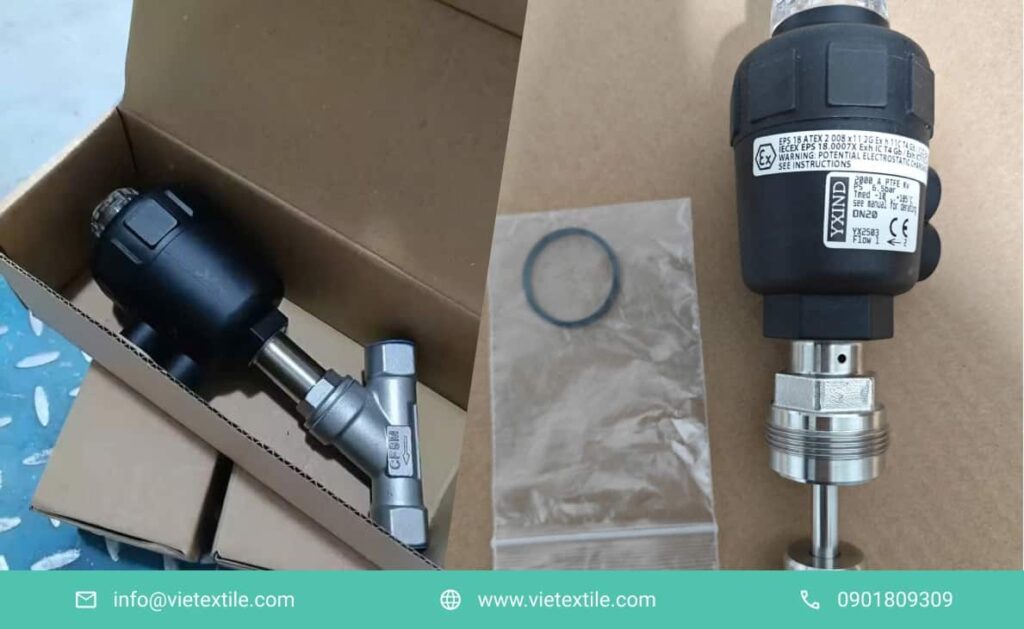
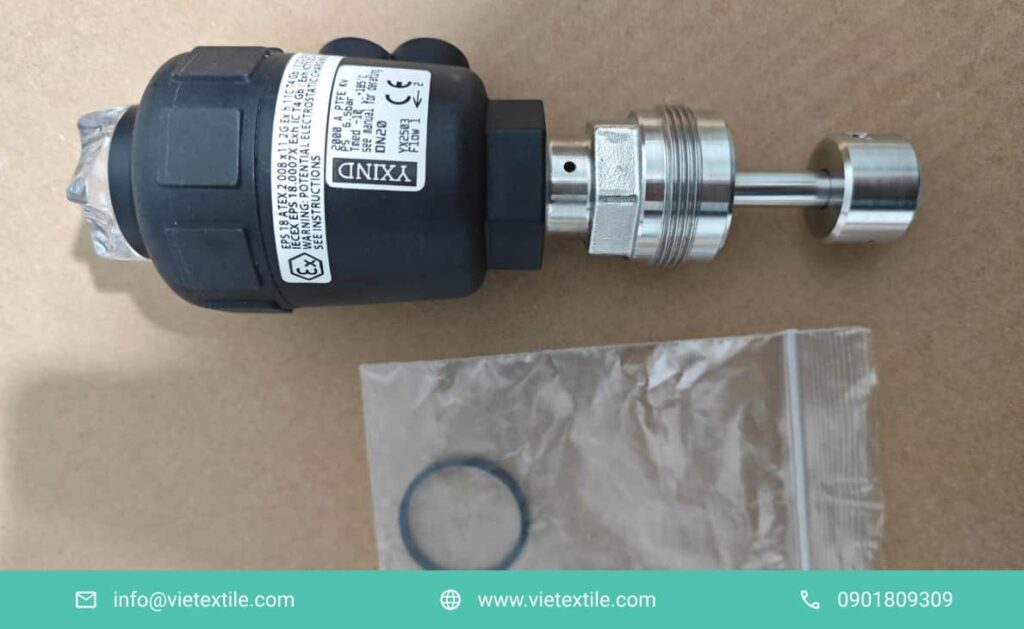
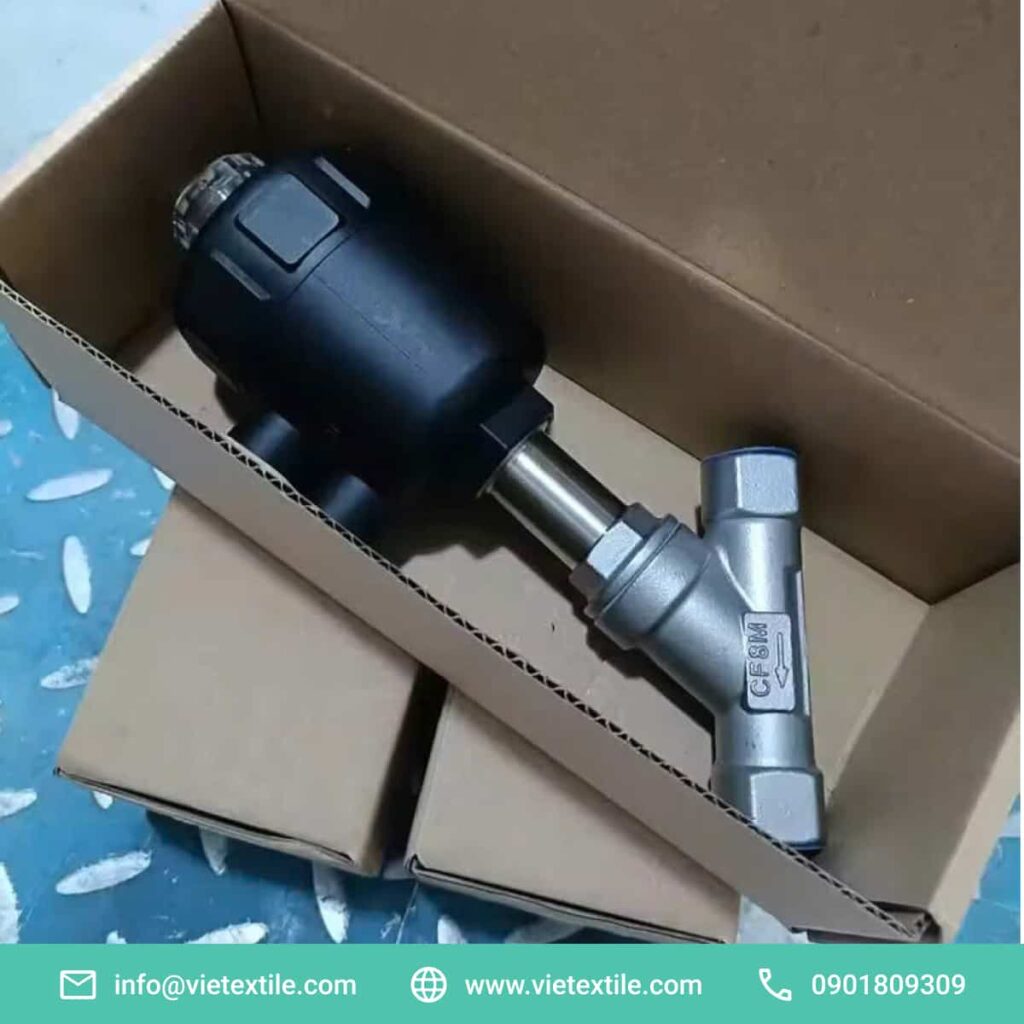
  • Valve Integrity: The steam valve must close absolutely tightly to prevent “steam creep” or “leakage.” A worn plug or seat (critical Danitech dyeing machine spare part) will leak, consuming steam even during holding periods. Leakage rates must be periodically quantified to justify the replacement of the internal valve trim.
  • Actuator Response: The pneumatic actuator and positioner must respond instantly and accurately to the PLC signal. Slow or sticking actuators (due to worn seals or low air quality) lead to temperature overshoots, requiring unnecessary cooling, thus wasting both steam and cooling water. Proactive replacement of diaphragm and packing Danitech dyeing machine spare part ensures tight control, minimizing the energy required for precise temperature ramps.

3.3. Efficient Water Cooling System Spares

The rapid cooling phase also consumes vast amounts of water. Efficient heat exchange here is crucial. The cooling water valves and associated control systems must be precisely regulated to prevent over-cooling, which would require re-heating, or under-cooling, which prolongs the cycle. Worn water-flow meters, a key Danitech dyeing machine spare part, can provide inaccurate readings, compromising the cooling phase precision. Utilizing high-accuracy electromagnetic flow meters instead of older turbine meters provides more stable and reliable input for the PLC.

3.4. Steam Traps and Condensate Return Systems

Often overlooked, the humble steam trap is a vital thermal Danitech dyeing machine spare part. Its function is to rapidly remove condensate and non-condensable gases without allowing live steam to escape. A failed (blowing) steam trap is one of the largest sources of continuous steam loss in a plant. Regular testing (ultrasonic or thermal) and proactive replacement of failed traps, diaphragms, or orifices ensures that the steam delivered to the Danitech machine is dry and at maximum thermal capacity, reducing overall steam generation demand. Efficient condensate return minimizes energy use by recycling hot water back to the boiler.

4. Water and Chemical Management for Process Efficiency

Low liquor ratio machines like Danitech rely on precise measurement and minimal leakage. Wastage in these areas is costly both environmentally and financially.

4.1. Precision Level Sensors and Dosing Pumps

Accurate level control is fundamental to low liquor ratio dyeing.

  • Level Sensor Calibration: A drifting level sensor (an electronic Danitech dyeing machine spare part) can result in the operator manually adding excess water, negating the low liquor ratio advantage and increasing steam demand. Regular calibration is non-negotiable, particularly for hydrostatic sensors that can be affected by temperature and density changes.
  • Dosing Pump Components: Dosing pumps deliver precise amounts of dye and chemical auxiliaries. Worn piston seals, check valves, or diaphragms (precision Danitech dyeing machine spare part) cause inaccurate dosing, leading to shade correction runs (re-dyeing) and immense wastage of chemicals, water, and time. Replacing the liquid-end components of the dosing pump assembly must be done with certified materials to ensure chemical compatibility and long-term volumetric accuracy.

4.2. High-Integrity Mechanical Sealing Systems

Any internal leakage of liquor into the motor housing or external leakage onto the floor is a waste of expensive water, heat, and chemicals.

  • Mechanical Seals: The primary Danitech dyeing machine spare part for leak prevention in the circulation pump. Failure is almost always due to incorrect installation, use of incorrect material (e.g., standard rubber instead of Viton or EPDM), or operating the pump dry. Investing in high-quality silicon carbide or carbon/ceramic seal faces ensures maximum longevity. Dual mechanical seals with a barrier fluid system provide the highest integrity for continuous operation.
  • Drainage Valve Integrity: The main drain valve must close absolutely tightly. A leaking drain valve, even a small drip, represents continuous, wasted hot water, chemicals, and energy from every single batch. The valve seat and seal, crucial Danitech dyeing machine spare part, must be replaced at the first sign of seepage. Using actuators with position feedback ensures the PLC knows the valve has fully closed.

4.3. Fabric Transportation and Nozzle Integrity

A smooth fabric path minimizes friction and prevents “roping” issues.

  • Nozzle Gaps and Guides: Worn fabric guides or improper nozzle gaps (key Danitech dyeing machine spare part) can damage the fabric, leading to waste, or disrupt the optimized flow, increasing circulation time and energy usage. Maintaining the integrity of these components is a direct route to faster, more efficient processing. The internal surface finish of the fabric chamber, including guide rollers and rollers, must be maintained to minimize friction, thus lowering the pump load and electrical consumption.

4.4. Chemical Preparation and Agitation Efficiency

The efficiency of chemical preparation tanks often impacts final dyeing results and subsequent waste. Replacing worn impellers and agitator seals (vital Danitech dyeing machine spare part for auxiliary systems) ensures homogenous mixing, which translates to accurate dosing and reduced need for re-runs. High-efficiency agitator motors with VFD control should also be used to prevent over-mixing and unnecessary power consumption during holding phases.

5. The Science of Longevity: Material Choice and Wear Resistance

Longevity means less frequent replacement, which saves labor, procurement costs, and reduces landfill waste, directly enhancing sustainability.

5.1. SS316L and Corrosion Mitigation

Every wetted metallic Danitech dyeing machine spare part must be SS316L (or higher, e.g., Duplex steel). SS316L’s molybdenum content provides superior resistance to chloride-induced pitting, common in textile chemicals. Using a cheaper SS304 component is a guaranteed path to premature failure, metal ion contamination of the bath, and high replacement frequency. Specific attention must be paid to areas prone to crevice corrosion, such as flange connections and bolt seats, necessitating the use of specialized anti-corrosion coatings or duplex steel bolts.

5.2. Elastomer Selection for Chemical Endurance

The specific elastomer (rubber compound) of a seal is the key to its survival in the aggressive Danitech environment.

  • Viton (FKM): Excellent all-around resistance to heat and a broad spectrum of chemicals, making it the preferred material for high-pressure pump mechanical seals and steam valve packing.
  • PTFE (Teflon): Used for highly chemically resistant valve diaphragms and static gaskets where zero swell or degradation is permitted. While rigid, it is indispensable for critical chemical dosing Danitech dyeing machine spare part.
  • EPDM: Often used for general sealing in milder chemical areas, offering good resistance to hot water and steam, but with lower chemical resistance than Viton. Correct selection based on the specific dye recipe is critical for longevity.

5.3. Precision Machining and Tolerances

Danitech machines operate with extremely tight tolerances, especially in the pump and sealing areas. Aftermarket Danitech dyeing machine spare part must be machined with equal precision. Even a micron of misalignment or deviation can cause severe vibration, leading to premature failure of seals and bearings, resulting in massive downtime and energy losses due to friction. Dimensional accuracy is verified by CMM (Coordinate Measuring Machine) reports.

5.4. Advanced Non-Metallic and Composite Materials

In some areas, especially friction-prone surfaces like bearing bushes or guide rollers, advanced non-metallic materials like PEEK (Polyether ether ketone) or specialized polymer composites are used. These materials offer superior wear resistance, low friction coefficients, and chemical inertness compared to traditional metals, contributing to a longer lifespan and lower friction energy loss for the associated Danitech dyeing machine spare part. Replacing a worn metal guide with a correctly specified polymer component can lower the drive tension required and extend reel bearing life.

6. Digital & IoT-Ready Danitech Dyeing Machine Spare Part: The Next Frontier

The integration of smart technology into spare parts provides real-time data, transforming maintenance from reactive to truly predictive.

6.1. Smart Sensors in Critical Locations

Newer generations of Danitech dyeing machine spare part, such as bearing housings or motor mounts, can be equipped with integrated wireless vibration or temperature sensors. These IoT-enabled components constantly report health status to the central maintenance system. This provides instantaneous alerts for anomalies, allowing technicians to replace a Danitech dyeing machine spare part just before it fails, maximizing its useful life while eliminating the risk of unplanned downtime.

6.2. Advanced Flow and Density Measurement

High-precision Coriolis or ultrasonic flow meters—expensive but essential electronic Danitech dyeing machine spare part—are becoming standard. They offer highly accurate, temperature-compensated measurement of liquor flow and chemical density, eliminating the errors associated with older paddle wheel sensors or sight glasses. This precision directly translates into perfect dosing and the correct circulation rate, optimizing cycle speed and minimizing chemical wastage.

6.3. Condition Monitoring of VFDs and PLCs

The VFD and PLC boards are complex electronic Danitech dyeing machine spare part. Integrating specialized monitoring software to track parameters like ripple voltage, capacitor charging time, and control loop stability provides early warning of electronic component degradation. Proactive replacement of sensitive electronic boards based on predictive data avoids system crashes and safeguards the entire control process.

7. Quality Assurance and Certification Protocol for Danitech Dyeing Machine Spare Part
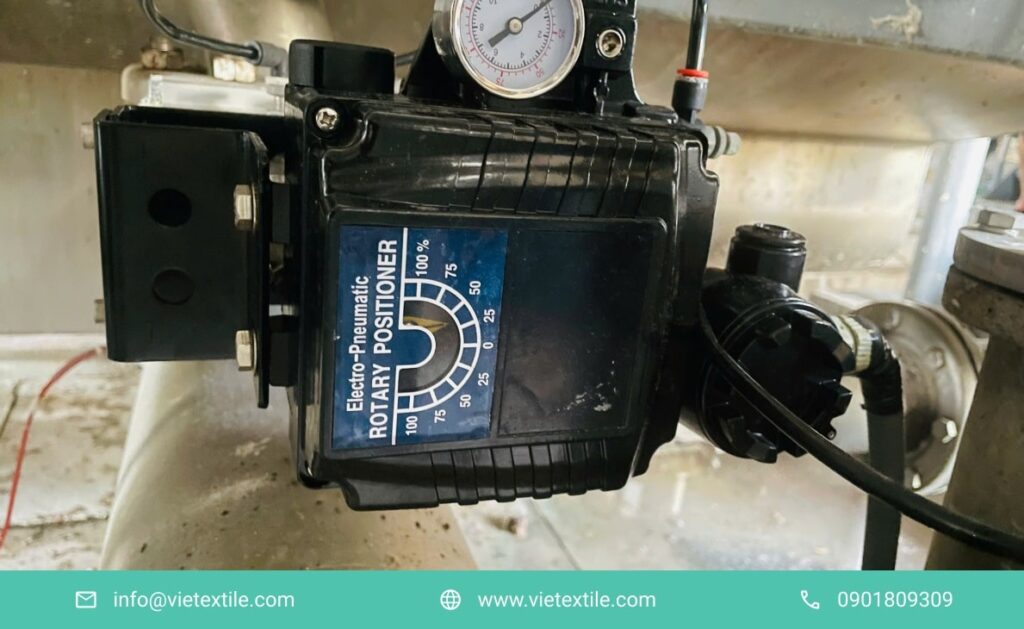
Phụ tùng máy nhuộm chính hãng
Energy-Saving Danitech Dyeing Machine Spare Parts for Modern Textile Plants 7

The operational integrity of the Danitech machine is only as good as the quality of the replacement Danitech dyeing machine spare part. Strict QA protocols must be applied to all inventory.

7.1. Mill Test Certificates (MTC) and Traceability

For all stainless steel components, the supplier must provide a valid Mill Test Certificate (MTC). This document verifies the exact chemical composition (especially the Molybdenum content for SS316L) and mechanical properties of the material. Traceability ensures that every metallic Danitech dyeing machine spare part can be linked back to the original steel batch, providing an ironclad guarantee against material substitution (e.g., SS304 instead of SS316L).

7.2. Dimensional Accuracy and Tolerance Checks

Precision Danitech dyeing machine spare part, like impellers, seals, and valve trims, must adhere to strict dimensional tolerances. Reputable suppliers conduct independent dimensional checks using Coordinate Measuring Machines (CMM) and provide a report with the component. A visually identical, but dimensionally inaccurate, impeller will destroy the pump seals and bearings quickly, negating any cost savings.

7.3. Non-Destructive Testing (NDT)

For critical pressure-retaining components (e.g., pump casings, heat exchanger heads), Non-Destructive Testing (NDT) such as Dye Penetrant Inspection (DPI) or Ultrasonic Testing (UT) is used to detect micro-cracks or welding defects that could lead to catastrophic failure under High-Temperature/High-Pressure (HTHP) conditions. Insisting on NDT for these Danitech dyeing machine spare part is a safety and reliability imperative.

8. Integrating Predictive Maintenance (PdM) with Danitech dyeing machine spare part

Predictive Maintenance (PdM) technology allows replacement to be based on the actual component condition, rather than fixed time intervals, maximizing the life of every expensive Danitech dyeing machine spare part.

8.1. Vibration Analysis for Pump Systems

By monitoring vibration signatures (amplitude, frequency), maintenance teams can detect bearing wear or impeller imbalance months before failure. This allows the replacement of the faulty bearing or mechanical seal Danitech dyeing machine spare part to be scheduled during planned shutdown, eliminating expensive, unplanned emergency downtime and associated energy surges from quick repairs. PdM systems can differentiate between simple unbalance and actual bearing component failure.

8.2. Thermal Imaging on Electrical Spares

Infrared thermography identifies hot spots in the VFD, motor windings, or control panel terminals. High heat indicates excessive resistance or component stress (like a failing capacitor bank in the VFD), signaling an imminent failure of a crucial electrical Danitech dyeing machine spare part. Detecting and replacing these components before breakdown saves the cost of an entire system failure and prevents safety hazards.

8.3. Fluid Analysis for Lubrication Systems

Analyzing gearbox oil or grease for wear metals (iron, copper) and contamination (water, chemical residue) provides early warnings about the condition of internal gears and bearing Danitech dyeing machine spare part. Contamination often indicates the failure of a low-cost seal, allowing technicians to replace the cheap seal before it destroys an expensive bearing.

9. VieTextile Partnership for Danitech dyeing machine spare part

VieTextile understands the necessity of continuity, quality, and sustainability in modern textile manufacturing. We are committed to supplying high-quality, energy-optimized Danitech dyeing machine spare part, supported by technical expertise and strategic logistics. Our goal is to be your partner in achieving maximum operational efficiency.

  • Guaranteed Energy Efficiency: Our range includes energy-optimized impellers and high-precision sealing assemblies, specifically designed to meet or exceed Danitech OEM hydrodynamic specifications, ensuring maximum flow rate per kW consumed. We help you select the most efficient Danitech dyeing machine spare part.
  • SS316L Certification: We guarantee that all dye-liquor contact components are manufactured from corrosion-resistant SS316L, providing verifiable material certifications for every stainless steel Danitech dyeing machine spare part to ensure quality and long-term durability against corrosion.
  • Strategic Inventory: We maintain a readily available stock of high-criticality, long-lead-time Danitech dyeing machine spare part (A-class items) to ensure rapid delivery, drastically reducing downtime and eliminating the need for expensive air freight during emergencies.
  • Technical Consultation: Our technical teams provide expert guidance on optimal replacement schedules, material suitability based on your specific chemical recipes, and troubleshooting support for complex system failures involving multiple Danitech dyeing machine spare part.

10. Frequently Asked Questions (FAQ) about Danitech dyeing machine spare part

Q10.1. Which Danitech dyeing machine spare part offers the quickest return on investment (ROI) for energy saving?

A: The main pump impeller and high-precision steam control valve (including its seals and actuator) offer the quickest ROI. An efficient impeller saves electricity daily, while a non-leaking valve saves steam, the highest operating expense. Both are essential Danitech dyeing machine spare part.

Q10.2. How often should the VFD be inspected for optimal energy efficiency?

A: The VFD (a key electrical Danitech dyeing machine spare part) should be visually and thermally inspected quarterly. Focus on cooling fans, dust filters, and capacitor temperatures. Proactive replacement of internal fans and filters every 18-24 months is recommended to ensure sustained electrical efficiency.

Q10.3. What material should be used for the mechanical seal in a Danitech HTHP machine?

A: For HTHP conditions, the mechanical seal faces should be hard materials like Silicon Carbide (SiC) or Tungsten Carbide (WC), and the elastomer O-rings should be high-performance polymers like Viton (FKM) or PTFE to handle the high heat and pressure, ensuring the integrity of this critical Danitech dyeing machine spare part.

Q10.4. Does a low-quality level sensor cause energy waste?

A: Yes. A low-quality or miscalibrated level sensor (an electronic Danitech dyeing machine spare part) leads to inaccurate readings. Operators compensate by manually overfilling the bath, which wastes water and increases the steam required to heat the larger liquor volume, resulting in significant energy loss. This is a common but easily fixed efficiency drain.

Q10.5. How can I verify the material quality of a stainless steel Danitech dyeing machine spare part?

A: Always request a Mill Test Certificate (MTC) from your supplier. This documentation verifies the exact chemical composition of the stainless steel, guaranteeing the component is SS316L and not an inferior alloy like SS304. Never install a stainless steel Danitech dyeing machine spare part without an MTC.

Q10.6. What is the lifespan of VFD capacitors (a major Danitech dyeing machine spare part)?

A: VFD capacitors typically have a lifespan of 5-7 years, regardless of usage hours, due to the nature of the electrolytic fluid. Proactive replacement of the VFD unit or its capacitors is often required after this period to prevent failure and maintain the efficiency of this electrical Danitech dyeing machine spare part.

Q10.7. Why is proper air quality important for pneumatic Danitech dyeing machine spare part?

A: Pneumatic actuators and valves use compressed air. Poor air quality (moisture, oil) causes corrosion and clogs the internal seals and pilot valves of the actuator, leading to slow or sticking valve movement. This directly impacts temperature control and causes steam/water waste, making air quality crucial for the pneumatic Danitech dyeing machine spare part.

Q10.8. Which auxiliary Danitech dyeing machine spare part contributes most to water savings?

A: The high-precision dosing pump diaphragms/seals and the integrity of the main drain valve’s seating surfaces contribute most to water and chemical savings. Preventing chemical leaks and ensuring zero post-drainage drip saves substantial amounts of water and chemicals per batch.

Q10.9. Should I only use parts with the Danitech logo?

A: While OEM parts are guaranteed fits, high-quality aftermarket suppliers like VieTextile can provide equivalent or superior Danitech dyeing machine spare part that meet or exceed OEM specifications, often at a better TCO, provided they come with material and tolerance certification and an MTC.

Q10.10. How do VFD harmonics affect other electronic Danitech dyeing machine spare part?

A: Excessive VFD harmonics (electrical noise) can be caused by VFD failure. This noise can interfere with the signals of nearby sensitive electronic Danitech dyeing machine spare part, such as PLCs and sensors, leading to erratic control behavior and quality issues that compromise the entire dyeing process.

11. Conclusion: The Sustainable Future with Strategic Danitech Dyeing Machine Spare Part Management

Achieving true sustainability and maximizing profitability in a modern textile plant hinges on the precise management of every Danitech dyeing machine spare part. Moving beyond simple repair, a strategic focus on energy-saving components—from high-efficiency SS316L impellers and precision VFDs to perfectly sealing steam control valves—allows your Danitech machinery to operate at peak thermodynamic and hydraulic efficiency. This approach reduces steam and electricity consumption, shortens cycle times, and drastically cuts down the generation of waste materials. The choice of spare part is the ultimate operational leverage. By prioritizing TCO, certified quality, and the integration of smart PdM technology, your factory can successfully navigate the complexities of global textile demands while significantly reducing its environmental footprint.

Partner with VieTextile today to optimize your inventory and ensure your Danitech machines are running with the most efficient Danitech dyeing machine spare part available.

Contact VieTextile Today for Expert Consultation!

Contact Information: 

Hotline: 0901 809 309 

Email: info@vietextile.com 

Website: https://vietextile.com
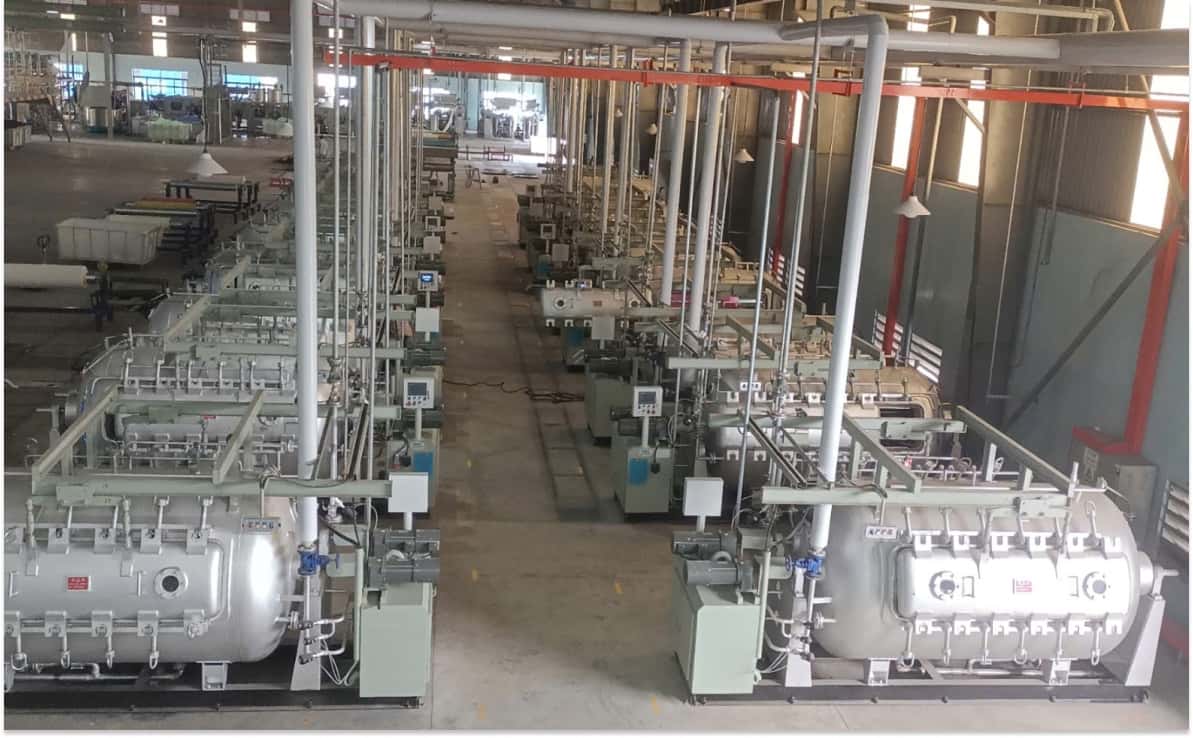
Maintenance Schedule for Fong’s Dyeing Machines: When to Replace Spare Parts

Fong’s dyeing machines are renowned for their durability and high performance in the textile industry. However, to sustain optimal efficiency and extend equipment lifespan, adhering to a strict maintenance schedule and knowing the exact moment to replace critical Fongs dyeing machine spare part are paramount. Timely replacement helps the factory avoid substantial losses from unexpected downtime and ensures consistent dye batch quality.

This comprehensive article provides a detailed maintenance schedule and highlights the warning signs indicating when essential components of your Fong’s dyeing machine require replacement. It offers deep dives into material science, inventory management, advanced predictive maintenance, and troubleshooting, giving maintenance teams the ultimate guide to Fongs dyeing machine spare part longevity and operational excellence.

Supply Fongs dyeing machine spare part
Maintenance Schedule for Fong’s Dyeing Machines: When to Replace Spare Parts 12

1. The Critical Importance of Scheduled Parts Replacement

Managing your inventory of Fongs dyeing machine spare part goes beyond simply buying and replacing components when they fail. It is a strategic approach essential for controlling the Total Cost of Ownership (TCO) of your machinery. A proactive approach not only saves money but fundamentally safeguards the quality integrity of your entire textile output, minimizing waste and resource consumption.

1.1. Mitigating Downtime Costs

Sudden machine shutdown caused by the failure of a single Fongs dyeing machine spare part can incur costs far exceeding the price of the part itself. These costs include idle labor wages, wasted energy, and, most critically, lost production and delayed order fulfillment. Proactive replacement minimizes these expensive interruptions. Furthermore, the labor cost associated with an emergency repair is significantly higher than that of a planned, scheduled replacement. Analyzing historical failure rates of each Fongs dyeing machine spare part is the foundation for a predictive maintenance strategy, allowing maintenance to be performed during scheduled breaks, not emergency stops.

1.2. Eliminating Quality Risks

A slightly worn component, such as a mechanical seal or a pump impeller, might not cause an immediate machine failure, but it will reduce the efficiency of the dye liquor circulation. This drop in flow rate leads to poor color leveling (unlevel dyeing), resulting in defective goods that require costly re-dyeing, escalating chemical consumption and process time. Consistent quality relies on high-performing Fongs dyeing machine spare part. Even minor deviations in temperature readings or liquor flow can cascade into major quality defects, underscoring the necessity of precision from every Fongs dyeing machine spare part. This directly links maintenance quality to brand reputation and customer satisfaction.

2. Replacement Cycles for Mechanical Fongs Dyeing Machine Spare Part

Mechanical components are constantly subjected to pressure, high temperatures, and friction, giving them the most predictable replacement cycles. Understanding these cycles is key to maintaining peak machine performance and preventing catastrophic failures.

Component (Fongs Dyeing Machine Spare Part)Inspection FrequencyRecommended Replacement TimeframeCritical Warning Signs
Main Pump Mechanical SealQuarterly (3 Months)6,000 – 8,000 Operating HoursDye liquor leakage, elevated pump temperature, irregular vibration.
Pump/Motor BearingsBi-Annually (6 Months)8,000 – 10,000 Operating HoursLoud grinding noise, excessive vibration (verified by vibration analysis).
Pump ImpellerAnnually (12 Months)When pump efficiency drops by 10-15%Slower liquor circulation rate compared to original specification, pressure drop.
Gaskets & O-ringsUpon Opening/MaintenanceEvery time the assembly is opened or upon signs of hardening/crackingSteam or liquor leakage, visible deformation or cracking of the polymer.
Heat Exchanger TubesAnnually (Inspection)15,000 – 20,000 Operating Hours (or when scale buildup is severe)Slow heating/cooling rates, increased steam consumption for same result.

Expert Advice on Seals and Gaskets

In the High Temperature High Pressure (HTHP) environment of Fong’s machines, gaskets and mechanical seals are among the most critical Fongs dyeing machine spare part. Always specify chemically and thermally resistant materials such as Viton or EPDM for seals, and ensure absolute precision when replacing mechanical seals to maintain operational integrity. Selecting the wrong elastomer can lead to chemical degradation in days, making the seal useless and causing catastrophic failure. Furthermore, ensure the sealing surfaces (shaft and seat) are perfectly clean and undamaged before installing a new Fongs dyeing machine spare part seal.

2.1. Advanced Bearing Management and Lubrication

The reliability of the main circulation pump relies heavily on its bearings. Premature bearing failure in a Fongs dyeing machine spare part is often caused by inadequate lubrication, excessive heat transferred from the motor or the pumping medium, or contamination. Using synthetic, high-temperature grease and employing ultrasonic monitoring can extend the life of these critical Fongs dyeing machine spare part far beyond the recommended timeframe. When replacing bearings, ensure proper seating, precise alignment using laser alignment tools (if available), and use the correct fill percentage of high-quality grease to prevent immediate failure. Over-greasing is just as damaging as under-greasing.

2.2. Impeller Wear Analysis and Efficiency

The pump impeller, a primary Fongs dyeing machine spare part, is susceptible to cavitation (formation of vapor bubbles in the liquid) and erosion from chemicals and abrasive particles in the dye liquor. Even a minimal amount of erosion on the blade tips drastically reduces the hydraulic efficiency, directly impacting color levelness and significantly increasing the energy required to maintain flow. Regular visual inspection during annual maintenance is necessary to check for surface pitting or chipping, which signals the time for replacing this key Fongs dyeing machine spare part. Dynamic balancing of the impeller after any repair or cleaning is essential to prevent vibration that damages the bearings and seals.

2.3. Maintenance of the Heat Exchanger and Associated Spares

The heat exchanger is vital for the rapid heating and cooling cycles of the Fong’s machine. Its primary Fongs dyeing machine spare part concern is scaling and fouling on the tube surfaces, which severely reduces heat transfer efficiency. Chemical cleaning should be performed regularly (quarterly or bi-annually, depending on water hardness). If scaling cannot be removed, or if tubes show signs of perforation, replacement of the tube bundle—a major Fongs dyeing machine spare part—is necessary. Slow heating rates are a direct indicator that the heat exchanger Fongs dyeing machine spare part is performing poorly, leading to extended cycle times and higher energy costs.

3. Inspection and Calibration Schedule for Electrical/Electronic Parts

Original Fongs dyeing machine spare part
Maintenance Schedule for Fong’s Dyeing Machines: When to Replace Spare Parts 13

Electronic components rarely have fixed replacement cycles; their maintenance focuses on regular inspection and calibration to maintain precision and responsiveness. Reliability in this area is key to automated process control and achieving shade repeatability.

3.1. Variable Frequency Drive (VFD) Longevity and Preventive Measures

The VFD controls motor speed and is a primary electrical Fongs dyeing machine spare part and energy consumer.

  • Inspection: Quarterly. Check the cleanliness of cooling fans, filter mats, operating temperature, and visible condition of electrolytic capacitors. Dust and humidity are the main enemies.
  • Replacement: Typically 5-7 years for the whole unit, or a proactive capacitor replacement program every 4-5 years. When the VFD frequently triggers overcurrent/overheat errors that cannot be solved by cleaning or recalibration, it signals the end of life for this expensive Fongs dyeing machine spare part.
  • Signs of Failure: Unstable motor operation at low speeds, or unusual audible noise from the VFD unit. Crucially, VFD capacitors are electrolytic and degrade over time regardless of usage; replacing them can significantly extend the life of this expensive Fongs dyeing machine spare part. Ensuring stable incoming power via proper surge protection extends the life of the VFD considerably.

3.2. Temperature Sensors (PT100) and Pressure Transducers Precision

The accuracy of these sensors determines the repeatability of the color matching process.

  • Inspection/Calibration: Every 6 months. Compare the sensor reading with a traceable, calibrated master thermometer. The process should involve checking linearity across the operating range (e.g., 50°C, 80°C, 120°C).
  • Replacement: When the deviation exceeds the accepted tolerance (usually ± 0.5°C). Immediate replacement is necessary if the sensor, a critical Fongs dyeing machine spare part, reports erratic or constant error values. Sensor drift is a slow, insidious degradation that causes subtle color inconsistencies before complete failure, making regular calibration indispensable.

3.3. PLC and Control Modules Reliability and Environmental Factors

While Fong’s PLCs are generally robust, the I/O (Input/Output) modules or Power Supply Units (PSU) are susceptible to voltage spikes and high ambient temperatures.

  • Inspection: Annually. Check the PSU health by measuring output voltage under load and inspect physical connections of I/O modules for corrosion. Pay attention to terminal blocks, as vibration can loosen connections.
  • Signs of Failure: Machine actuators behaving randomly, or control valves not reacting precisely to PLC signals. It is advisable to stock backup Fongs dyeing machine spare part like common I/O modules and the PSU to minimize emergency downtime. Heat is the main enemy of these electronic Fongs dyeing machine spare part; ensuring the control cabinet seals are intact and the internal cooling system functions properly is essential for longevity. Consider installing cabinet air conditioners in extremely hot climates.

4. Deep Dive into Material Science and Standardization

When procuring any Fongs dyeing machine spare part that interacts with dye liquor, chemicals, or steam, the material specification is paramount. Cutting corners on material choice will inevitably lead to massive corrosion-related costs, premature failure, and batch contamination.

4.1. The SS316L Mandate: Anti-Corrosion Strategy

For all wetted parts—impellers, pump casings, flow distributors, and nozzles—only Stainless Steel 316L should be accepted as a Fongs dyeing machine spare part. SS316L contains Molybdenum, which grants superior resistance to pitting and crevice corrosion, commonly caused by chlorides present in water and various dyeing chemicals, especially under HTHP conditions. Using SS304 to save cost is a false economy; it will corrode, releasing metallic ions that contaminate the dye bath, leading to expensive fabric rejects and a premature need for replacement of the mechanical Fongs dyeing machine spare part. Always demand a Mill Test Certificate (MTC) to verify the alloy composition of any stainless steel Fongs dyeing machine spare part.

4.2. Elastomer Selection: Matching Material to Chemical Resistance

The choice of seals and gaskets (elastomers) is dictated by the specific chemical recipes used, including dyestuff types, acids, alkalis, and auxiliary chemicals.

  • Viton (FKM): Excellent for high-temperature and oil/solvent resistance. Ideal for mechanical seals and gaskets that face a wide variety of strong acids and high heat. This is often the default choice for critical pressure seals in a high-quality Fongs dyeing machine spare part, offering superior longevity.
  • EPDM: Superior resistance to hot water, steam, and polar solvents, making it suitable for water inlet/outlet valve seals and steam lines. However, EPDM is less resistant to mineral oils and petroleum-based greases.
  • PTFE (Teflon): Offers almost universal chemical resistance and high thermal stability. It is used for critical valve diaphragms and specialized seals where zero contamination and maximum chemical resilience are required. It is an indispensable Fongs dyeing machine spare part in highly corrosive environments where other elastomers would fail quickly.

4.3. Plastic and Polymer Components

Many small components, such as yarn carrier spacers or filter basket handles, are made from engineering plastics like Polypropylene (PP) or PEEK. While cheaper than metal, these Fongs dyeing machine spare part can degrade from heat, UV light (if stored improperly), or chemical absorption, leading to embrittlement and breakage. Ensure replacement plastic Fongs dyeing machine spare part are correctly rated for the operating temperature and chemical environment.

5. Advanced Inventory Management for Fongs Dyeing Machine Spare Part

Effective maintenance is impossible without the right Fongs dyeing machine spare part being available at the right time. A modern inventory system moves beyond simple spreadsheets and incorporates predictive analytics.

5.1. Implementing a Computerized Maintenance Management System (CMMS)

A CMMS integrates work orders, maintenance history, and stock levels. By linking a specific Fongs dyeing machine spare part (e.g., pump bearing set) to its machine’s runtime hours and historical failure data, the system can trigger a purchase order automatically based on predicted failure rates, optimizing capital expenditure and ensuring parts are available for scheduled PMs. Digital tracking of every Fongs dyeing machine spare part transaction—including location, cost, and machine history—is a non-negotiable step toward modern maintenance efficiency.

5.2. Establishing Minimum Stock Levels (Safety Stock) and ABC Analysis

Safety stock is the minimum buffer inventory needed to cover lead time and usage volatility. Use ABC analysis to categorize Fongs dyeing machine spare part:

  • Category A (High Value/Criticality): Main pump seals, PLC modules, VFDs. These require the highest safety stock and strict control.
  • Category B (Medium Value/Usage): Bearings, major gaskets, sensors. Balanced stock level.
  • Category C (Low Value/High Usage): O-rings, bolts, small fuses. Bulk stock required.

The calculation must consider the supplier’s reliability and the lead time of the Fongs dyeing machine spare part. A PLC module, a high-criticality Fongs dyeing machine spare part with a 6-week lead time, requires a much larger safety stock than a common O-ring. Factories must balance the cost of holding inventory against the cost of machine downtime.

5.3. Vendor Auditing and Qualification for Quality Assurance

When sourcing non-OEM Fongs dyeing machine spare part, rigorous vendor qualification is vital. This involves auditing the supplier’s manufacturing facilities, demanding material certificates (e.g., Mill Test Certificates for SS316L), and requesting dimensional reports (checking tolerances). A certified supplier ensures that every Fongs dyeing machine spare part meets the exact specifications required by Fong’s machinery, safeguarding your investment and product quality. Quality control starts with the supplier of the Fongs dyeing machine spare part.

6. Troubleshooting by Fongs Dyeing Machine Spare Part Failure

Knowing which Fongs dyeing machine spare part to suspect when a specific symptom appears drastically cuts down troubleshooting time and prevents costly exploratory maintenance.

6.1. Root Cause Analysis for Low Circulation Flow

If the liquor circulation time increases, the primary suspect is usually the pump assembly.

  • Suspect 1 (Mechanical): Worn Impeller or damaged internal flow distributor Fongs dyeing machine spare part. Check for pitting or chipping. A worn Fongs dyeing machine spare part like an impeller directly reduces head and flow.
  • Suspect 2 (Electrical): VFD or Motor. If the pump RPM is lower than specified, the VFD, a critical Fongs dyeing machine spare part, may be underperforming or the motor is failing. Check motor current draw against nameplate specifications.
  • Suspect 3 (Process): Clogged filters or nozzles. While not technically a spare part failure, a high-quality liquor circulation pump Fongs dyeing machine spare part will be strained by blockages, leading to premature failure of seals and bearings. Check pressure differential across filters.

6.2. Diagnosing Temperature Instability

Inaccurate temperature control affects color consistency more than any other variable and requires immediate attention to the sensor and valve Fongs dyeing machine spare part.

  • Suspect 1 (Sensor Drift): The PT100 sensor, a precise Fongs dyeing machine spare part, is reading incorrectly. Recalibrate or replace it immediately.
  • Suspect 2 (Valve Malfunction): The steam control valve is sticking or leaking. A faulty pneumatic actuator or a worn valve seal Fongs dyeing machine spare part prevents precise steam control, leading to temperature overshoots or lag. Check air pressure supply to the actuator.
  • Suspect 3 (PSU Fluctuation): Unstable power supply to the PLC/Control Unit can cause erratic readings from sensors and unpredictable valve action. The PSU is an often overlooked but crucial Fongs dyeing machine spare part. Check DC voltage output stability.

7. Advanced Predictive Maintenance (PdM) Techniques for Fong’s

Industrial Fongs dyeing machine spare part
Maintenance Schedule for Fong’s Dyeing Machines: When to Replace Spare Parts 14

Moving beyond scheduled maintenance (PM), Predictive Maintenance (PdM) uses advanced technology to determine the actual condition of critical Fongs dyeing machine spare part, allowing replacement to occur just before failure.

7.1. Vibration Analysis (Vibro-Analysis)

Vibration analysis detects bearing deterioration or pump imbalance before audible noise occurs. By monitoring frequency signatures, technicians can distinguish between common issues:

  • High Frequency Noise: Indicates bearing lubrication issues (requires immediate attention to the bearing Fongs dyeing machine spare part).
  • Specific Harmonic Frequencies: Indicate misalignment or impeller imbalance (requires scheduled correction).

This predictive maintenance technique allows you to schedule the replacement of the faulty bearing Fongs dyeing machine spare part during planned downtime, preventing catastrophic pump failure.

7.2. Thermal Imaging (Infrared Thermography)

Thermal cameras detect excessive heat in electrical and mechanical systems, pointing to potential failure in key Fongs dyeing machine spare part.

  • Electrical: Overheating terminals, circuit breakers, or VFD components (e.g., capacitors or heat sinks). A hot spot indicates a high resistance, potentially leading to immediate failure of an electrical Fongs dyeing machine spare part.
  • Mechanical: Overheating bearings or mechanical seals. Elevated temperatures above the baseline indicate friction, misalignment, or lack of lubrication, signaling the need to replace the mechanical Fongs dyeing machine spare part.

7.3. Oil and Grease Analysis

For main motor and pump gearboxes (if applicable), periodic analysis of lubricating oil or grease reveals the presence of wear metals (iron, chromium, copper), indicating specific component degradation (e.g., gears, shafts, or bearing Fongs dyeing machine spare part). Water or chemical contamination in the lubricant also signals seal failure.

8. Energy Efficiency and Sustainability Through Spare Part Management

Worn or low-quality Fongs dyeing machine spare part directly impact a factory’s energy consumption, contradicting sustainability goals and inflating utility bills.

8.1. Impeller Wear and Power Draw

As the pump impeller, a crucial Fongs dyeing machine spare part, erodes, its hydraulic efficiency drops, requiring the VFD to drive the motor at higher speeds (and higher power consumption) to maintain the required liquor circulation rate. Replacing a worn impeller with a correctly specified SS316L Fongs dyeing machine spare part can result in significant electricity savings, often justifying the replacement cost within months.

8.2. Steam Valve and Heat Exchanger Leaks

A leaking steam valve (due to a worn seat or seal Fongs dyeing machine spare part) or fouled heat exchanger (due to scale) causes the machine to consume excessive steam to reach the target temperature. This directly impacts the factory’s boiler efficiency and natural gas consumption. Proactive replacement of steam valve Fongs dyeing machine spare part (seals, diaphragms) and regular heat exchanger cleaning are essential energy-saving practices.

8.3. Motor and VFD Upgrades

Older Fong’s machines may utilize less efficient motors (IE1 or IE2 classification). When the motor or VFD Fongs dyeing machine spare part reaches its end-of-life, upgrading to a high-efficiency motor (IE3 or IE4) and a modern VFD can provide the most substantial long-term energy savings. This transition should be viewed as an efficiency investment, not just a replacement expense.

9. Specialized Valve Maintenance: Diaphragms and Actuators

Control valves are complex assemblies where multiple Fongs dyeing machine spare part work in concert to manage flow and pressure with precision. Their failure is a frequent cause of temperature and liquor level issues.

9.1. Pneumatic Actuators and Air Quality

Pneumatic actuators control most valves on Fong’s machines. The primary Fongs dyeing machine spare part risk here is from contaminated air supply (moisture or oil). Dirty air leads to corrosion or gumming up of the internal seals and moving parts of the actuator. Regular maintenance of the air filter/regulator Fongs dyeing machine spare part is critical. Actuator diaphragms are rubber or polymer Fongs dyeing machine spare part that must be replaced on a schedule (typically every 3-5 years) to prevent sudden air leaks and valve failure.

9.2. Diaphragm Valves vs. Ball Valves

Fong’s machines often use diaphragm valves for chemical dosing and ball/globe valves for major flow control.

  • Diaphragm Valves: The diaphragm is the critical Fongs dyeing machine spare part, preventing chemical ingress into the actuator. It must be replaced immediately upon failure, using PTFE material for maximum chemical resistance.
  • Ball/Globe Valves: The Fongs dyeing machine spare part that wears here are the internal seals (seats) and stem packing. Worn seats lead to internal leakage (passing fluid when closed), causing inaccurate volume control and potential quality defects.

10. VieTextile’s Role in Supplying Fongs Dyeing Machine Spare Part

VieTextile understands the necessity of continuity and quality in textile manufacturing. We are committed to supplying high-quality Fongs dyeing machine spare part, supported by technical expertise and strategic logistics. Our commitment is built on three pillars: Quality Assurance, Inventory Optimization, and Technical Partnership.

  • Certified Materials: We guarantee that all dye-liquor contact components are manufactured from corrosion-resistant SS316L. We provide material certifications (MTCs) for every stainless steel Fongs dyeing machine spare part we deliver, ensuring compliance and peace of mind.
  • Strategic Stock: We maintain a ready inventory of critical, A-class Fongs dyeing machine spare part (long lead-time items) to ensure rapid delivery, drastically reducing downtime for your Fong’s machinery. Our local stock is a strategic advantage for your operational continuity, providing an emergency buffer against global supply chain delays.
  • Technical Support: We provide expert consultation on optimal replacement timing and the best material selection tailored to your factory’s specific operating environment and chemical use. Our engineers help you make the smartest TCO-driven decisions about your Fongs dyeing machine spare part purchasing, often identifying opportunities for efficiency upgrades.

11. Frequently Asked Questions (FAQ) about Fongs Dyeing Machine Spare Part

Q11.1. How often should the main circulating pump be overhauled?

A: The main circulating pump should be overhauled every 8,000 to 10,000 operating hours. This includes replacing the mechanical seal, all bearings, and inspecting the impeller. This prevents catastrophic failure of this crucial Fongs dyeing machine spare part.

Q11.2. Is it safe to use non-OEM Fongs dyeing machine spare part?

A: Yes, provided the supplier offers parts that meet or exceed OEM specifications in terms of material (SS316L) and dimensional tolerance. Always request material certifications to ensure the quality of the non-OEM Fongs dyeing machine spare part.

Q11.3. What are the signs of a failing VFD Fongs dyeing machine spare part?

A: Common signs include increased motor noise, frequent overcurrent faults, and reduced motor efficiency, especially at low speeds. Often, replacing the VFD’s internal capacitors can prolong the life of this expensive Fongs dyeing machine spare part.

Q11.4. Why do mechanical seals fail early in Fongs machines?

A: Early mechanical seal failure is usually caused by running the pump dry (cavitation), poor water quality, incorrect pump alignment, or using a low-quality Fongs dyeing machine spare part seal material that degrades rapidly in high-temperature chemical environments.

Q11.5. How can I extend the lifespan of my temperature sensor Fongs dyeing machine spare part?

A: Ensure the sensor pocket is clean, reduce chemical scaling, and avoid exposing the PT100 probe to direct, high-velocity chemical streams. Regular recalibration is also necessary to maintain the accuracy of this sensitive Fongs dyeing machine spare part.

Q11.6. What is the most critical Fongs dyeing machine spare part to keep in stock?

A: The most critical items are high-cost, long-lead-time, or single-point-of-failure components. These typically include the mechanical seal assembly, main pump bearings, and critical PLC I/O modules. Maintaining stock for these Fongs dyeing machine spare part is mandatory.

Q11.7. What is the difference between EPDM and Viton Fongs dyeing machine spare part seals?

A: EPDM is superior for hot water and steam resistance but is poor against oils. Viton (FKM) offers a wider range of chemical resistance, making it a better, though more expensive, choice for seals exposed directly to varied dye recipes and high temperatures.

Q11.8. How does poor filtration affect my Fongs dyeing machine spare part?

A: Poor filtration allows abrasive particles (fiber debris, insoluble dye) to enter the circulating system. This causes accelerated wear on the pump impeller and creates scratching on mechanical seal faces, dramatically shortening the lifespan of these Fongs dyeing machine spare part.

Q11.9. Should I replace the entire valve or just the Fongs dyeing machine spare part seals/diaphragms?

A: For minor leaks, replacing seals or diaphragms is often sufficient. However, if the valve body is corroded or the stem/seat shows significant wear, replacing the entire valve is recommended to ensure precise flow control and prevent recurring issues.

Q11.10. What role does vibration analysis play in Fongs dyeing machine spare part maintenance?

A: Vibration analysis detects bearing deterioration or pump imbalance before audible noise occurs. This predictive maintenance technique allows you to schedule the replacement of the faulty bearing Fongs dyeing machine spare part during planned downtime, preventing catastrophic pump failure.

Q11.11. How can CMMS improve my management of Fongs dyeing machine spare part inventory?

A: CMMS links parts usage directly to machine runtime. This automation predicts when a Fongs dyeing machine spare part will be needed for scheduled maintenance, eliminating guesswork, optimizing stock levels, and ensuring the right part is on the shelf when required.

Q11.12. What specific materials are used for the main circulation pump casing?

A: The pump casing, a non-wearing but critical Fongs dyeing machine spare part, is typically cast from high-grade Stainless Steel, preferably SS316L, to resist corrosion and handle the high pressure and temperature of the dye liquor without cracking or failing.

12. Conclusion: Maximizing Efficiency with Quality Fongs Dyeing Machine Spare Part

Maintenance and replacement of Fongs dyeing machine spare part are not mere upkeep tasks; they are critical financial and quality assurance decisions. By moving from reactive repairs to predictive maintenance (PdM) techniques, adhering to a rigorous inspection schedule, performing TCO analysis, and prioritizing premium materials (like SS316L for chemical contact parts), your factory can minimize unscheduled downtime and ensure absolute color repeatability. Investing in the correct, high-quality Fongs dyeing machine spare part is the most effective way to extend the lifespan and maximize the efficiency of your Fong’s dyeing equipment. The strategic management of every Fongs dyeing machine spare part is the difference between consistent profitability and costly, unpredictable setbacks.

Consider VieTextile your expert technical partner in sourcing and supplying reliable Fongs dyeing machine spare part.

Contact VieTextile Today for Expert Consultation!

Contact Information: 

Hotline: 0901 809 309 

Email: info@vietextile.com 

Website: https://vietextile.com
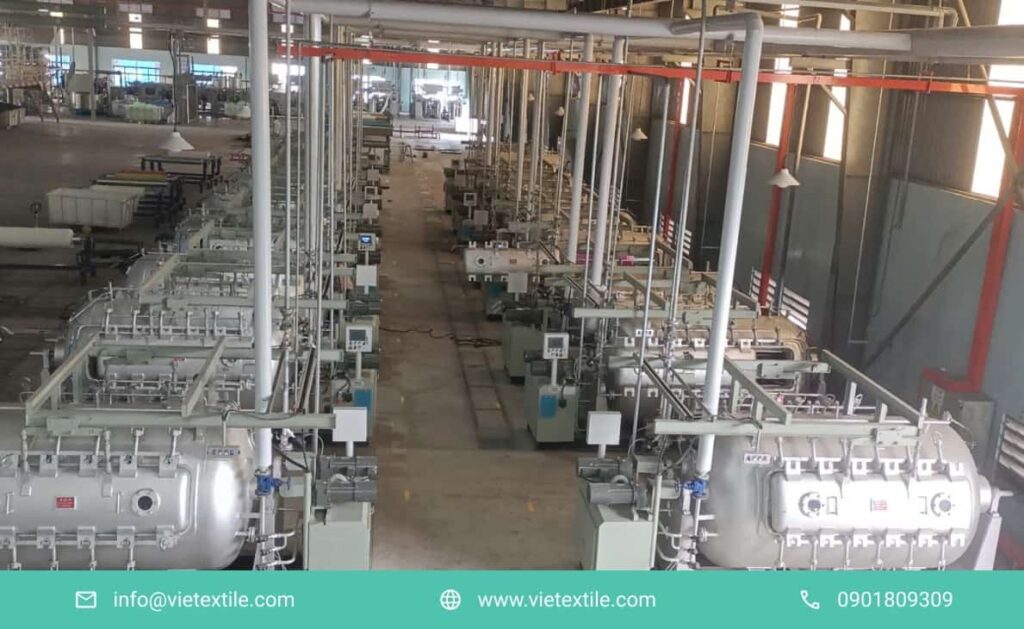
Applications of the Industrial Stenter Machine in Woven & Knitted Fabric Production

In the value chain of the textile and garment industry, the finishing process plays a crucial role, determining the aesthetic appeal, dimensional stability, and functional properties of the final product. Among these, the Industrial Stenter Machine (Stenter Frame) is indispensable equipment, often referred to as the “heart” of the finishing stage, responsible for width setting, drying, and stabilizing the physical structure of the fabric.

This article will delve into the operating principles, structure, and technical applications of the Industrial Stenter Machine, aiming to highlight the differences in operation and parameter settings when processing the two most common types of fabric: Woven Fabric and Knitted Fabric. A clear understanding of these technical parameters is key to optimizing productivity, minimizing defects, and ensuring fabric quality meets export standards.

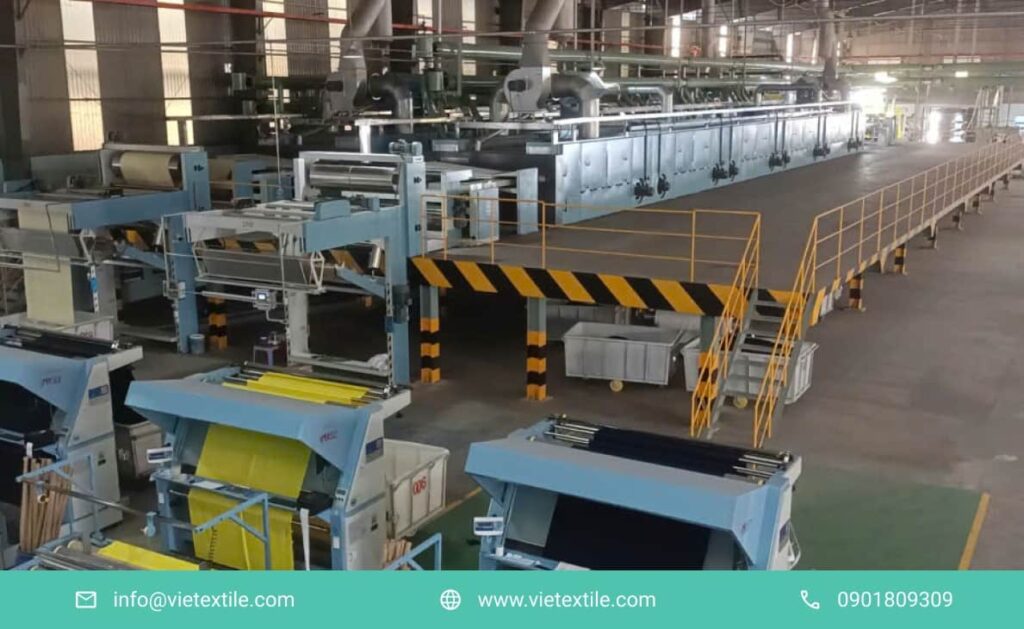
Industrial Stenter Machine
Applications of the Industrial Stenter Machine in Woven & Knitted Fabric Production 19

1. Overview of the Industrial Stenter Machine (Stenter Frame)

The Industrial Stenter Machine is a complex apparatus, designed to process fabric after wet treatments such as Dyeing, Washing, or Printing. The primary function of the machine is to use heat, steam, and mechanical tension to fix the fabric’s structure.

1.1. Basic Structure of the Stenter Machine

Modern Industrial Stenter Machines typically consist of the following main components:

  • Entry Zone: Includes the Padder (Padding Mangle) to control moisture absorption, the Straightener (Weft Straightener) to align warp/weft threads, and the Expander (Expanding Device) to open the fabric.
  • Pin/Clip Chain System: This is the most crucial mechanism, using pins or clips to securely hold the two fabric edges and stretch the fabric to a preset width throughout the heat treatment process.
  • Drying Chambers: These are insulated compartments where the fabric is dried and heat-treated using hot air circulation. Each chamber can be temperature-controlled independently.
  • Exit Zone: Includes the Cooling Zone, Selvage Trimmer (edge cutter), and the Batching/Plaiding (fabric rolling/folding) mechanism.

1.2. Core Function of the Heat Setting Process

Heat setting is the most vital process, especially for synthetic fibers (Polyester, Nylon). This process helps to:

  • Dimensional Stability: Eliminates Residual Stress generated during weaving and wet processing minimizes fabric Shrinkage when washed.
  • Improved Colorfastness: Fixes dye molecules into the fiber.
  • Enhanced Properties: Improves Elasticity, Hand Feel (softness), and wrinkle resistance.

2. Industrial Stenter Machine Application for Woven Fabric (Woven)

Woven fabrics (e.g., Denim, Poplin, Canvas) have a fixed warp/weft structure and are less elastic than knits. Therefore, the goal of the Industrial Stenter Machine when processing this fabric type focuses on width control and flatness.

2.1. Linear Width and Tension Control

  • Objective: To achieve the precise Finished Width required by the customer.
  • Operating Technique: Overfeed is usually set at a low level (below 5%) or 0% to avoid reducing the Thread Count (fabric density).
  • Common Fault: Excessive tension → causes fabric Skew/Bow (thread distortion) and reduces GSM (Grams per Square Meter).

2.2. Weft Straightening

  • Problem: During dyeing/washing, woven fabric is prone to twisting, causing the weft threads to deviate from the 90∘ angle (Skewing).
  • Solution: Use an Automatic Weft Straightener at the entry of the Industrial Stenter Machine. This device uses optical sensors or a CCD Camera to detect the angle deviation and automatically adjusts the rollers to return the weft threads to a perfect right angle.

2.3. Dry Finishing Applications

The Industrial Stenter Machine is also the platform for applying Functional Finishes.

  • Wrinkle-Free Finish: The fabric is padded with anti-wrinkle chemicals (e.g., Formaldehyde-based Resin) at the Padder, then Cured in the drying chambers at high temperatures (typically above 160∘C).
  • Water Repellent Finish: Fluorocarbon chemicals are applied and fixed by heat, requiring control over chemical uniformity and chamber temperature.

3. Industrial Stenter Machine Application for Knitted Fabric (Knitted)

Knitted fabrics (e.g., Single Jersey, Pique, Fleece) have a naturally elastic Loop Structure. The main objective of the Industrial Stenter Machine here is to control shrinkage and define the surface appearance.

3.1. Shrinkage Control and Overfeed Index

  • Objective: Ensure the fabric achieves high Dimensional Stability and residual shrinkage below 3−5%.
  • Operating Technique: Knitted fabric is always processed with Positive Overfeed (typically from 5%−20%).
  • High Overfeed: Feeds more fabric into the drying chamber relative to the exit speed, allowing the fabric to naturally shrink back to a relaxed state → increasing GSM and reducing post-wash shrinkage.

3.2. Optimal Width Setting

  • Problem: Knits are easily Deformed when stretched → negatively affecting elasticity.
  • Solution: Use high-sensitivity Edge Sensors to monitor and maintain the precise fabric width. Lateral Tension must be carefully controlled using the clip system to prevent Edge Curling (fabric edge rolling).

3.3. Specialized Pin Tentering

  • Technical Difference: Knitted fabrics are often processed using a Pin Chain mechanism instead of Clips because pins penetrate the loop structure better, helping to stabilize the fabric without deforming the selvage.
  • Air System: The drying chamber of the Industrial Stenter Machine for knits requires a stronger Air Impingement system (perpendicular airflow) for faster and more uniform drying, preventing Moisture Migration.

4. Optimizing Performance and Energy Consumption

Máy định hình vải công nghiệp chính hãng
Applications of the Industrial Stenter Machine in Woven & Knitted Fabric Production 20

The efficiency of the Industrial Stenter Machine directly impacts the Total Cost of Ownership (TCO).

4.1. Temperature and Operating Speed Control

  • Temperature: Must be set precisely according to the fiber type (e.g., Polyester 180−200∘C, Cotton below 150∘C). Infrared Sensors are used to monitor the actual fabric surface temperature.
  • Speed: The optimal Production Speed must balance the necessary Dwell Time (heat retention time) to set the structure and the hourly throughput (Tons/Hour).

4.2. Heat Recovery System Management

  • Cost Savings: Modern Industrial Stenter Machines use a Heat Recovery System to capture heat from the hot exhaust gas → heating the fresh air supplied to the drying chambers or heating water for the dyeing process.
  • Benefit: Reduces Gas/Oil consumption by up to 30%, helping exporting factories improve their Carbon Footprint.

5. Common Faults and Technical Solutions

Understanding common faults is key to maintaining the Industrial Stenter Machine effectively.

5.1. Unstable Fabric Width Fault (Shade Variation / Width Fluctuation)

  • Causes:
    • Pin/Clip Chain misalignment due to mechanical wear → loose gripping.
    • Stretching Unit slippage → uneven tension.
  • Correction: Periodically inspect the Chain Guide and replace worn Industrial Stenter Machine spare parts (Pins/Clips). Recalibrate the Edge Sensor.

5.2. Uneven Drying Fault

  • Causes:
    • Blower/Fan failure in the drying chamber → uneven hot air flow.
    • Air Filter blockage → reduced hot air circulation speed.
  • Correction: Clean or replace the filters. Check the Motor and Blower fan blades → ensure the Delta T (temperature difference) between chambers is within limits (typically below 5∘C).

6. International Standards and Quality Control

Export manufacturers must strictly adhere to quality standards after the fabric passes through the Industrial Stenter Machine.

6.1. Shrinkage Test

  • Standards: AATCC 135 or ISO 6330. The maximum acceptable shrinkage is typically 3% (Woven) or 5% (Knitted).
  • Significance: Evaluates the effectiveness of the Heat Setting Dwell Time. If shrinkage is high → temperature needs to be increased or machine speed reduced.

6.2. Width and Thread Deviation Control (Skew/Bow)

  • Standard: ASTM D3887. The maximum acceptable Skew/Bow deviation is typically 3% of the fabric width.
  • Significance: Evaluates the performance of the Automatic Weft Straightener at the entry of the Industrial Stenter Machine. High deviation → fabric becomes Waste during cutting and sewing.

7. Periodic Maintenance and Optimizing Spare Parts Lifespan

To maintain the highest performance of the Industrial Stenter Machine, a strict Preventive Maintenance (PM) plan is mandatory, focusing on moving and heat-exposed Industrial Stenter Machine spare parts.

7.1. Maintenance Procedure for Pin/Clip Chain and Track Guide

  • Importance: The Pin/Clip Chain is subject to continuous mechanical load and high temperatures. Worn chain causes vibration and destabilizes the fabric width.
  • Detailed PM:
    • Lubrication: Use OEM-approved High-Temperature Oil (often containing Silicone or PTFE) for the Chain system. Lubrication must be automatic or performed daily to prevent Jamming and reduce friction.
    • Track Cleaning: Remove accumulated residue, resin, and dye on the Track Guide. Residue increases friction → increases Motor load and causes rapid wear.
    • Industrial Stenter Machine Spare Parts Replacement: Pin Chains should be checked for stretching and replaced when the wear limit is reached to avoid Skip Pin (missing pin/clip) during operation.

7.2. Air Management and Dust Filtration System

  • Air Filter: Accumulated dust and Microfiber decrease Air Flow and drying efficiency. Filters must be cleaned weekly and replaced every 6−12 months.
  • Blower/Fan Check: Blower fan blades must be Balanced after cleaning. Imbalance causes vibration → damages the Bearing and Motor → requires immediate replacement of these Industrial Stenter Machine spare parts.

7.3. Selecting High-Quality Industrial Stenter Machine Spare Parts

  • Electronic Components: For sensors, Temperature Controllers, and Inverters, always prioritize OEM or certified brand Industrial Stenter Machine spare parts (e.g., Siemens, Schneider) to ensure Accuracy and Compatibility.
  • Material Composition: Heat-resistant Gasket and Seal components must use PTFE or Viton materials to resist finishing chemicals and high temperatures.

8. Impact of the Padding Mangle (Padder) System on Finishing Quality

Quy trình vận hành máy định hình vải công nghiệp
Applications of the Industrial Stenter Machine in Woven & Knitted Fabric Production 21

The Padder is the zone that determines the amount of Wet Pick-up (WPU) of finishing chemicals introduced into the fabric, directly affecting the efficiency of Functional Finishing.

8.1. Controlling the Wet Pick-up (WPU) of Chemicals

  • What is WPU? It is the percentage weight of the chemical solution absorbed by the fabric compared to the dry fabric weight. Formula:
    WPU=Dry Fabric WeightWet Fabric Weight−Dry Fabric Weight​×100%
  • Importance:
    • Woven Fabric: Typically requires low WPU (40%−70%).
    • Knitted Fabric: Typically requires high WPU (70%−100%).
  • Fault: Uneven WPU → causes Shade Variation (color variation) or functional failures (e.g., uneven Water Repellent area).

8.2. Role of Nip Pressure in Uniformity

  • Nip Pressure: The force applied between the two Padder rollers (Nip Rollers) determines the WPU. The pressure must be uniform across the entire fabric width.
  • High Capacity: Industrial Stenter Machines for large mills use a hydraulic/pneumatic system to ensure consistent Nip Pressure and high Repeatability between batches.
  • Maintenance: Padder Rollers must be Ground periodically to prevent Crowding (roller surface deformation) → ensuring perfect pressure.

8.3. Common Padder Roller Faults

  • Worn Rubber Coating Fault: The rubber coating of the Padder Roller becomes hardened or unevenly worn → causes WPU faults at the fabric edges.
  • Correction: Requires immediate replacement or refurbishment of the Industrial Stenter Machine Padder Roller spare part when the Shore Hardness test fails to meet OEM standards.

9. Integrating Industry 4.0 Technology into the Industrial Stenter Machine

New generations of Industrial Stenter Machines are integrating Smart Manufacturing solutions to optimize automatic operation.

9.1. Smart Sensors and Real-time Monitoring

  • Moisture Sensor: Installed at the exit of the drying chamber to measure the Residual Moisture of the fabric. The system automatically adjusts the machine speed in real-time → saving energy and preventing Over-drying.
  • GSM Sensor (Gram Per Square Meter): Measures fabric weight online → helps adjust Overfeed or tension to continuously maintain stable GSM.
  • Benefit: Minimizes operator intervention and ensures high Repeatability of quality between batches.

9.2. Big Data Analysis for Recipe Optimization

  • Data Collection: The Industrial Stenter Machine collects thousands of Data Points regarding temperature, speed, pressure, WPU, and energy consumption for each Recipe.
  • Optimization: The MES (Manufacturing Execution System) software uses Big Data to determine the optimal Recipe for each fabric type → reducing Set-up Time and maximizing Throughput.
  • Predictive Maintenance: Analyzes Motor vibration data or Bearing temperature → predicts the time when Industrial Stenter Machine spare parts need replacement before a breakdown occurs.

9.3. Automation of Start-up and Shut-down Processes

  • Benefit: Minimizes Human Error in complex procedures.
  • Function: The Stenter Machine can automatically Ramp up temperature and speed according to a pre-programmed Curve and automatically Cool down the Chain after completion → extending the lifespan of heat-resistant Industrial Stenter Machine spare parts.

10. Conclusion: Strategic Importance of the Industrial Stenter Machine

The Industrial Stenter Machine is a long-term and strategic investment for every textile and garment factory. For woven fabrics, it ensures fixed structure and flatness; for knitted fabrics, it determines elasticity and shrinkage control. Optimizing operating parameters, strictly implementing PM, and maintaining the Industrial Stenter Machine spare parts accurately are key factors to improving product quality, reducing energy costs, and maintaining competitiveness in the export market.

Integrating Industry 4.0 technology and scientifically managing Industrial Stenter Machine spare parts (e.g., Predictive Maintenance) will be the main driver for the sustainable development of the textile industry in the digital age.

VieTextile is committed to providing high-efficiency Industrial Stenter Machine solutions and genuine spare parts, accompanying textile enterprises in achieving global quality standards.

11. Frequently Asked Questions (FAQ) About the Industrial Stenter Machine

Q1: Can the Stenter Frame be used to process woven and knitted fabrics simultaneously? A1: Mechanically, yes, but general operation is not optimal. Woven fabrics require low Lateral Tension and low Overfeed, while knitted fabrics need high Overfeed (>5%) to stabilize shrinkage. Switching between the two types requires very different adjustments to Padder pressure, Chain speed, and temperature settings.

Q2: Does using a Pin Chain instead of Clips affect woven fabric? A2: Yes. The Pin Chain will leave small Pin Holes along the selvage. For high-end or delicate woven fabrics → this can be considered an aesthetic defect. Therefore, woven fabrics usually prefer Clips.

Q3: How is Dwell Time calculated? A3: Dwell Time is calculated by the formula:

DwellTime=Operating Speed(m/min)Total Drying Chamber Length​

This is the most critical parameter to ensure the chemical reaction (e.g., Curing) or the heat setting process is completed according to standards.

Q4: Why is precise WPU (Wet Pick-up) control necessary? A4: WPU determines the actual concentration of finishing chemicals (e.g., Silicone, Resin) on the fabric. If WPU is too high → it wastes chemicals and increases drying costs. If WPU is too low → the functional finish (e.g., anti-wrinkle, water repellent) will not achieve the required effectiveness.

Q5: How can the lifespan of the Pin Chain be extended? A5: The lifespan of the Pin Chain primarily depends on maintenance. The most important steps are using the correct specialized High-Temperature Lubricant in the right amount to reduce friction, and regularly cleaning the Track Guide to remove accumulated residue.

12. VieTextile – Industrial Stenter Machine Solution Partner

VieTextile specializes in providing high-performance Industrial Stenter Machine solutions and genuine replacement parts:

  • In-depth Consultation: Support in calculating appropriate Operating Parameters (Temperature, Dwell Time, Overfeed) for your specific woven and knitted fabric types.
  • Precision Components: Supplies spare parts such as Pins/Clips, Chain Guide, Blower Motors, and Weft Straightener Sensors to maintain the machine’s technical stability.

To receive detailed consultation on the Industrial Stenter Machine and finishing process optimization, contact us now:

  • Contact Information:

Hotline: 0901 809 309

Email: info@vietextile.com

Website: https://vietextile.com
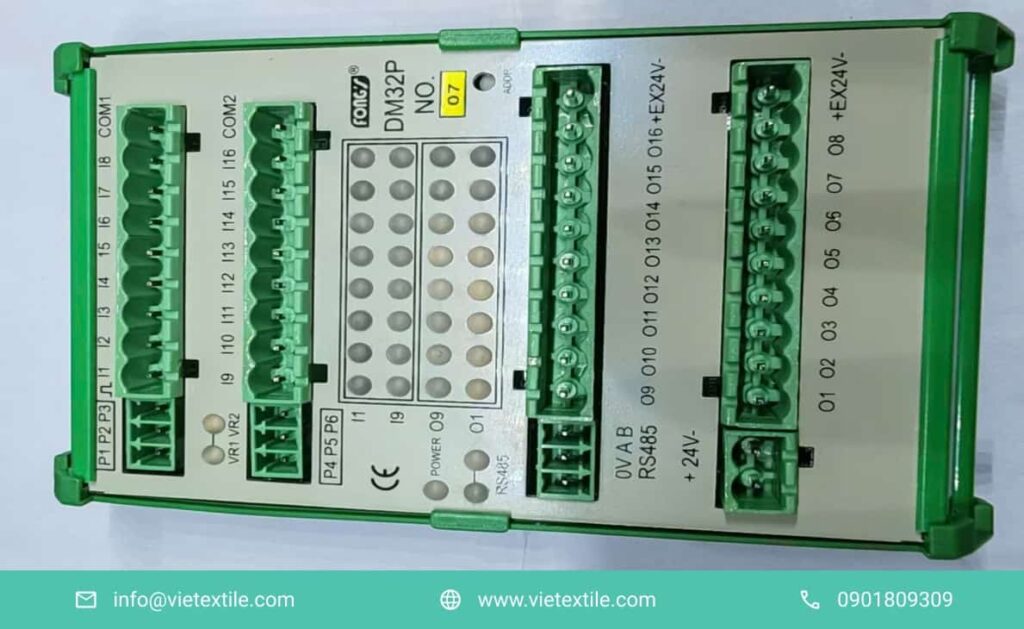
ABB Circuit Board Components Upgrade Trends 2025: Integrated IoT & AI Technology

The industrial automation sector is witnessing a profound revolution, where speed and adaptability are becoming critical factors for survival. To meet this demand, core control systems, such as those produced by ABB, are compelled to evolve. This article will delve into the analysis of upgrade trends for ABB Circuit Board Components in 2025, specifically focusing on the powerful integration of the Internet of Things (IoT) and Artificial Intelligence (AI) technology.

By 2025, maintaining outdated control systems will no longer be an optimal choice. Businesses need to transition to smarter solutions, with a focus on the new generations of ABB Circuit Board Components. Our key exploration will cover the role, challenges, pioneering technologies (IoT, AI, 5G), standardized upgrade procedures, and the long-term economic and operational benefits that this transformation brings.

Cung cấp linh kiện bo mạch công nghiệp
ABB Circuit Board Components Upgrade Trends 2025: Integrated IoT & AI Technology 26

1. What Are ABB Circuit Board Components and Their Core Role?

ABB Circuit Board Components are the control heart (Controller Heart) of a wide range of industrial automation equipment and systems manufactured by ABB, from inverters and PLC controllers to complex drive systems and robots. They are responsible for information processing, executing control algorithms, and managing communication between electromechanical components. Understanding the nature and function of ABB Circuit Board Components is the first step in recognizing the importance of upgrading.

1.1. Basic Concept of ABB Circuit Board Components

ABB electronic circuit boards, also known as PCBs (Printed Circuit Boards) or specialized control modules, are designed to operate in harsh industrial environments. They must withstand high temperatures, humidity, vibration, and electromagnetic interference. The main components of an ABB Circuit Board Component typically include the Microprocessor, Memory, Communication Ports, and Power Circuits optimized for durability and reliability.

Previous generations of ABB Circuit Board Components primarily focused on logic control capability and local reaction speed. However, the new generation aims for wide-area network connectivity and the ability to process Big Data at the Edge. This shift requires more powerful processing chips and integrated wireless communication modules. This is the crucial point that differentiates old and new lines of ABB Circuit Board Components.

1.2. The Importance of Circuit Boards in Industrial Systems

Any minor malfunction on an ABB Circuit Board Component can lead to the shutdown of an entire production line, causing millions of dollars in losses per hour. The circuit board is not only the bridge between software and hardware but also the place where critical firmware and configuration parameters are stored. Therefore, the quality and performance of ABB Circuit Board Components directly determine the Overall Equipment Effectiveness (OEE) of the plant.

Upgrading ABB Circuit Board Components is not merely replacing damaged hardware but also unlocking new features such as advanced diagnostics, Self-tuning parameter adjustment, and compatibility with modern MES/ERP production management systems. Companies relying on ABB equipment must view the maintenance and upgrade of ABB Circuit Board Components as a business strategy, not just a repair cost.

1.3. Lifecycle and the Need for Circuit Board Upgrades

The lifespan of ABB Circuit Board Components typically ranges from 5 to 15 years, depending on the operating environment and the manufacturer’s support cycle (End-of-Life – EoL). When a circuit board line reaches the EoL stage, sourcing genuine replacement components becomes difficult and expensive. This is when the need for an upgrade becomes urgent.

The demand for upgrading ABB Circuit Board Components also stems from the desire to improve performance. Control technology is constantly advancing. New motor control algorithms, smarter energy management, and faster communication protocols require the circuit board hardware to have sufficient computing power. Investing in the latest generations of ABB Circuit Board Components is the best way to ensure the system always operates at peak performance.

2. Industry 4.0 Context and the Necessity of Upgrading ABB Circuit Board Components

The Industry 4.0 revolution is driving the need to connect everything in the factory. Devices no longer operate independently but must share data continuously to create a “Smart Factory”. In this context, older generation ABB Circuit Board Components, originally designed for isolated environments, become a bottleneck hindering the digital transformation process.

2.1. Challenges from Legacy Systems

ABB Circuit Board Components from older product lines often use outdated communication protocols like Profibus or Modbus RTU, making integration with modern Ethernet/IP network systems difficult. Furthermore, they lack the capability to collect and process detailed data at the sensor level, which IoT requires. This deficit in processing power makes running AI/Machine Learning models directly on the circuit board impossible.

When old ABB systems fail, the Mean Time To Repair (MTTR) increases significantly due to manual diagnosis and the scarcity of old ABB Circuit Board Components. Upgrading to new circuit boards completely resolves this issue, providing new industry-standard communication ports and integrating remote diagnostic tools.

2.2. Requirements for Connectivity and Data Collection Capability

The foundation of Industry 4.0 is data. To optimize processes, information must be collected from every point in the factory, including the operating parameters of each ABB Circuit Board Component. Old circuit boards often only provide basic data such as fault status or key I/O values.

In contrast, modern ABB Circuit Board Components are equipped with IoT modules, allowing them to send thousands of data points per second to Cloud platforms or SCADA systems. This data includes component temperature, voltage fluctuation, operating frequency of relays, and detailed performance parameters, establishing the basis for Predictive Maintenance and energy optimization.

2.3. Economic Benefits from Energy Efficiency Optimization

Energy efficiency is a key factor in operating costs. New generations of ABB Circuit Board Components integrate smarter control algorithms, allowing inverters and motors to operate at the peak efficiency point. For example, using advanced Vector Control algorithms available on new control boards significantly reduces power consumption compared to traditional V/f control methods.

The investment in replacing or upgrading ABB Circuit Board Components will be quickly recouped through energy savings. Furthermore, reducing the risk of unexpected breakdowns due to faulty circuit boards also helps avoid the huge costs associated with unplanned production downtime.

3. Pioneering Technology in the ABB Circuit Board Components Upgrade Trend 2025

ABB Circuit Board Components
ABB Circuit Board Components Upgrade Trends 2025: Integrated IoT & AI Technology 27

2025 marks the maturity of integrating IoT and AI directly into control hardware. This trend is not just about attaching an external module but redesigning the entire architecture of ABB Circuit Board Components to transform them into Intelligent Processing Units.

3.1. IoT Integration: Real-time Monitoring and Predictive Maintenance

IoT (Internet of Things) technology is the backbone for real-time data collection. For ABB Circuit Board Components, IoT means:

  • Deeply integrated sensors: Instead of just external sensors, new circuit boards have built-in sensors to measure microprocessor temperature, humidity inside the enclosure, and even integrated accelerometers on the board.
  • Large buffer memory: Allows the circuit board to store local data in case of network loss, ensuring no critical information about the status of the ABB Circuit Board Component is missed.

3.1.1. Application of Smart Sensors on the Circuit Board

These smart sensors provide micro-data, helping to identify early signs of aging or performance degradation much sooner than periodic inspection methods. For instance, an unusual temperature increase of a processing chip on an ABB Circuit Board Component can signal an impending power supply failure or overload. This data is immediately transmitted back to the monitoring system.

By analyzing patterns in temperature, voltage, and current data, the system can accurately predict the exact time a specific ABB Circuit Board Component needs to be replaced, allowing maintenance to be optimally scheduled in advance, instead of waiting for a breakdown to occur. This significantly reduces spare parts inventory costs.

3.1.2. Edge Computing Connectivity for Instant Data Processing

Edge Computing is an indispensable part of the 2025 generation of ABB Circuit Board Components. Instead of sending all raw data to the Cloud, these circuit boards have the capability for pre-processing, noise filtering, and running simple Machine Learning models locally.

Processing data at the edge minimizes Latency to the lowest level, which is necessary for rapid response control applications (Real-time Control). If the circuit board detects a sensor value exceeding a safety threshold, it can automatically adjust without waiting for commands from the central server. This is a major step forward compared to old ABB Circuit Board Components that only had passive data collection capabilities.

3.2. The Role of Artificial Intelligence (AI) in ABB Circuit Board Components

AI is no longer a Post-analysis tool but has become a part of the control process. Embedded AI is integrated directly into the processing chips on ABB Circuit Board Components to perform complex functions.

3.2.1. Automated Control Algorithm Optimization

AI-integrated ABB Circuit Board Components can learn from various operating conditions (e.g., changes in load, ambient temperature, input material quality) and automatically fine-tune control parameters (PID parameters, Response speed) to maintain optimal performance.

This automated optimization feature surpasses traditional control algorithms that require manual intervention by engineers. It helps equipment using ABB Circuit Board Components achieve more stable and accurate performance under all operating conditions.

3.2.2. Anomaly Detection and Root Cause Analysis

AI on the ABB Circuit Board Component acts as a 24/7 diagnostic expert. It uses machine learning models to identify normal operating patterns of the equipment. Any minor deviation, even if it doesn’t cause an immediate fault, is flagged as an Anomaly.

More importantly, AI can assist with Root Cause Analysis (RCA). When a failure occurs, the AI on the ABB Circuit Board Component can examine data points before and after the incident to pinpoint whether the cause was a hardware failure, a programming error, or an operational error. This significantly reduces the time for diagnosis and troubleshooting.

3.3. New Wireless Connectivity Standards (5G/LPWAN)

The advent of Industrial 5G and LPWAN (Low-Power Wide-Area Networks) technologies like LoRaWAN or NB-IoT is changing how ABB Circuit Board Components communicate. 5G provides ultra-fast bandwidth and Ultra-low latency, allowing near-instantaneous Remote Control of equipment using ABB Circuit Board Components.

LPWAN is ideal for monitoring equipment in vast or hard-to-reach areas, where a small amount of data needs to be transmitted at a low frequency and long battery life is required. Compatibility with these new wireless standards is a mandatory feature for ABB Circuit Board Components produced from 2025 onwards.

4. Standard Procedure and Challenges When Upgrading ABB Circuit Board Components

Upgrading ABB Circuit Board Components is a complex project requiring thorough preparation and adherence to industry standard procedures. The biggest challenge is not the cost but ensuring Backward Compatibility and minimizing Downtime.

4.1. Current State Assessment and Replacement Planning

The first step is to inventory and assess all currently operating ABB Circuit Board Components. This includes identifying the Hardware Revision, firmware version, and critical configuration parameters. It’s necessary to clearly identify which circuit boards have reached or are approaching EoL, and which ones have poor performance.

The upgrade plan needs to be phased, prioritizing the replacement of ABB Circuit Board Components in the most Critical Assets. This plan must include backing up all control programs and old configuration parameters to ensure quick restoration in case of a failure.

4.2. Selecting Standard-Compliant Replacement ABB Circuit Board Components

The selection of replacement ABB Circuit Board Components must be done with the utmost care. It must be ensured that the new circuit boards not only have the same basic functionality but also are compatible physically (size, connectors) and electronically (voltage, current).

An error in selecting ABB Circuit Board Components can lead to serious damage to the entire piece of equipment. Therefore, partnering with reputable suppliers specializing in genuine ABB products and spare parts is a prerequisite to ensure the quality and durability of the upgrade process.

4.3. Software Integration and System Tuning

After the physical installation of the new ABB Circuit Board Component, the next crucial step is software integration. This involves loading the latest firmware, restoring backed-up control programs, and configuring new parameters related to IoT and AI (e.g., IP address, cloud communication port, Edge AI parameters).

The Tuning process is mandatory. New control algorithms on the ABB Circuit Board Component may operate differently from the old board. Engineers need to run tests with varying loads to fine-tune parameters, ensuring the system runs smoothly and achieves target performance.

4.4. Testing and Commissioning

The testing phase must include Functional Tests, Limit Tests, and Stress Tests. This ensures the new ABB Circuit Board Component operates stably in all situations, even when the system is under heavy load or facing unusual operating conditions.

Commissioning is the final stage, where the system is brought into actual production under close supervision. Collecting performance data during this phase helps confirm that the ABB Circuit Board Component upgrade has achieved the goals of enhancing reliability and optimizing performance.

5. Long-term Benefits of Transitioning to New Generation ABB Circuit Board Components

Sản phẩm linh kiện bo mạch ABB
ABB Circuit Board Components Upgrade Trends 2025: Integrated IoT & AI Technology 28

The decision to upgrade and replace ABB Circuit Board Components is not just a solution to obsolescence but also a strategic investment that brings significant long-term financial and operational benefits, laying the foundation for future competitiveness.

5.1. Enhanced Reliability and Reduced Downtime

New ABB Circuit Board Components are designed with higher material durability and better heat resistance and noise immunity. Most importantly, with the Predictive Maintenance feature based on IoT and AI, ABB Circuit Board Components can pre-signal impending failures.

The shift from Reactive Maintenance to Predictive Maintenance helps reduce unexpected failures by up to . This ensures that machine uptime is maximized, leading to higher output and more stable cash flow. ABB Circuit Board Components act as a reliable gatekeeper for the entire system.

5.2. Improved Competitiveness with Accurate Data

The capability to collect and analyze detailed data from new generation ABB Circuit Board Components provides unprecedented Insights into the production process. Managers can identify energy waste points, inefficient production cycles, and quality deviations.

This accurate data is used for continuous process optimization, allowing the factory to respond quickly to market changes and specific production requirements. Owning ABB Circuit Board Components with AI/IoT capabilities helps businesses build a sustainable competitive advantage in the textile and other industrial sectors.

5.3. Ensuring Compliance with New Industrial Security Standards

OT Security (Operational Technology Security) is a top concern in the era of connectivity. Old ABB Circuit Board Components often lack necessary security features and are vulnerable to Cyber Attacks.

Upgraded circuit boards are integrated with Hardware Security Modules (HSM), End-to-end Encryption for data transmission, and robust authentication mechanisms. This ensures that critical data and control commands are securely protected, helping the business comply with international industrial security regulations and avoid legal risks.

6. VieTextile: Comprehensive Solution for Genuine ABB Circuit Board Components

At VieTextile, we understand that upgrading ABB Circuit Board Components is a strategic decision, not merely purchasing spare parts. With long-standing experience in the textile and automation industry, VieTextile is committed to providing comprehensive ABB Circuit Board Components solutions, from consultation to installation and tuning.

VieTextile always prioritizes quality when supplying any ABB Circuit Board Component to customers. We only distribute genuine products with clear origins, ensuring maximum compatibility and durability for your system. Every ABB Circuit Board Component we supply undergoes a rigorous quality inspection process before reaching the user, ensuring they fully meet the most stringent technical standards set by ABB.

We offer in-depth consultation services on selecting and upgrading ABB Circuit Board Components from older product lines to the latest generations integrated with IoT and AI. VieTextile’s technical team has profound knowledge of the ABB system architecture, ensuring the installation of ABB Circuit Board Components is performed quickly, accurately, and minimizes downtime.

VieTextile’s goal is to help customers optimize operating costs and efficiency through intelligent ABB Circuit Board Components upgrades. We don’t just sell products; we provide total solutions, helping you fully utilize the new features of the circuit board, such as Predictive Maintenance and energy optimization. Using high-quality ABB Circuit Board Components from VieTextile is an investment that guarantees long-term profitability and stability for your business.

7. Frequently Asked Questions (FAQ) About ABB Circuit Board Components and Upgrading

1. Question: Is upgrading ABB Circuit Board Components to lines with integrated IoT and AI complex? Answer: The process of upgrading ABB Circuit Board Components requires specialized technical knowledge in both hardware and software, but it is not complex if a standard procedure is followed. VieTextile provides a comprehensive service package to simplify this transition process.

2. Question: Is the cost of upgrading ABB Circuit Board Components higher than repairing the old board? Answer: The initial cost to upgrade to new ABB Circuit Board Components is usually higher than repair. However, in the long run, the upgrade provides benefits in energy savings, reduced downtime, and increased equipment lifespan, resulting in a quick return on investment.

3. Question: How do I know if my ABB Circuit Board Component is due for replacement? Answer: Signs include: unexplained circuit board failure, equipment being discontinued (EoL), reduced performance, or the board’s inability to connect to modern industrial network systems (IoT). Upgrading the ABB Circuit Board Component is the optimal solution.

4. Question: Does VieTextile provide tuning services after replacing the ABB Circuit Board Component? Answer: Yes. VieTextile not only supplies ABB Circuit Board Components but also performs the entire process of installation, firmware configuration, and system tuning to ensure the equipment operates accurately and achieves optimal performance.

5. Question: What specific benefits does integrating AI into ABB Circuit Board Components bring to a textile factory? Answer: AI on the ABB Circuit Board Component helps optimize motor speed and tension, minimizing product defects, and predicting failures of textile machinery. This directly improves product quality and reduces operating costs.

6. Question: Can I find ABB Circuit Board Components for older product lines (Legacy) at VieTextile? Answer: VieTextile specializes in supplying both new ABB Circuit Board Components and replacement spare parts for older product lines, ensuring the continuity of production operations for customers.

7. Question: Is using 5G/LPWAN connectivity standards on new ABB Circuit Board Components safe? Answer: New generation ABB Circuit Board Components are integrated with hardware security and industry-standard data encryption, ensuring much higher security than older communication protocols.

To upgrade your control system with intelligent ABB Circuit Board Components, contact VieTextile today! For professional ABB Circuit Board Components upgrade, contact VieTextile today!

  • Contact Information:

Hotline: 0901 809 309

Email: info@vietextile.com

Website: https://vietextile.com
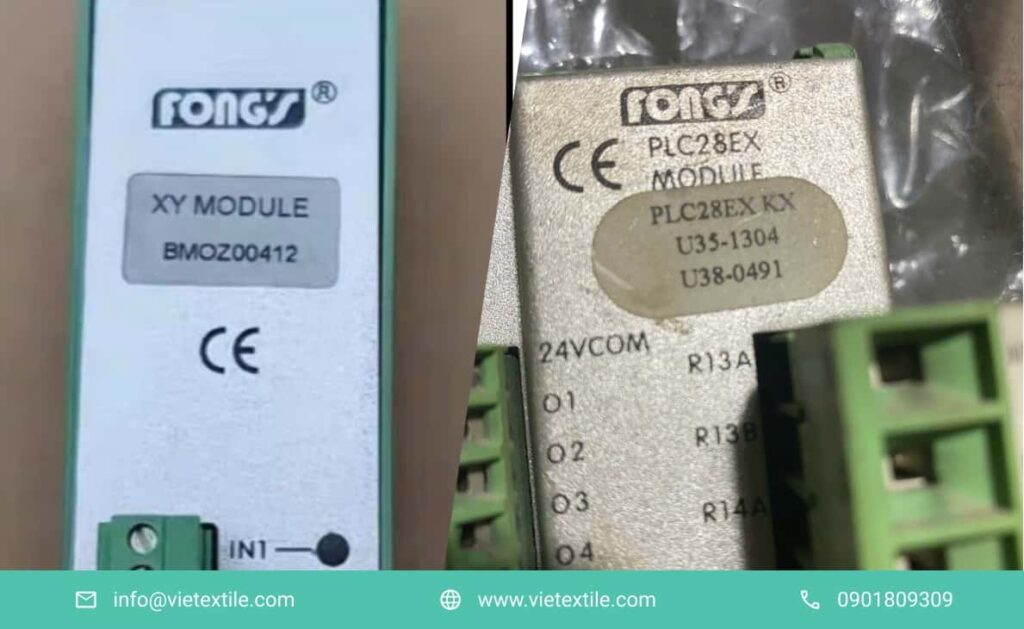
How to Choose the Right Dyeing Machine Spare Parts for Your Factory

The textile industry relies heavily on precision, and the performance of your dyeing machine spare part is central to consistent quality. Choosing the right components is a strategic decision that directly impacts operational efficiency and production costs. This ultimate guide provides a detailed roadmap to ensure you select the best parts.

The textile dyeing process is a complex, high-stakes operation that demands peak performance from every piece of equipment. At the heart of this process are the dyeing machine spare part components. These parts, often small and specialized, dictate the machine’s efficiency, longevity, and—most importantly—the quality of the final dyed fabric. A single failing part can lead to costly downtime, inconsistent color batches, and significant waste.

This comprehensive guide is designed to empower factory managers, maintenance teams, and procurement specialists with the knowledge to make informed decisions. We will explore the various types of dyeing machine spare part components, the critical factors to consider during selection, and the long-term benefits of prioritizing quality. By the end, you will understand how to optimize your inventory and maintenance strategy to keep your dyeing operations running smoothly.

Cung cấp phụ kiện máy nhuộm
How to Choose the Right Dyeing Machine Spare Parts for Your Factory 33

1. Understanding the Different Types of Dyeing Machine Spare Part

Dyeing machines, whether they are HTHP (High Temperature High Pressure), atmospheric jets, or jigger machines, are complex systems. Each machine has a vast array of specialized components. Understanding the major categories of dyeing machine spare part is the first step toward effective maintenance and procurement.

1.1. Mechanical Spare Parts

These are the moving components that facilitate the physical processes within the machine, often experiencing the most wear and tear.

1.1.1. Pump Assemblies and Impellers

The pump is the heart of the dyeing machine, circulating the liquor efficiently. Key dyeing machine spare part in this area include the main circulating pump, transfer pump, and the impeller. A worn impeller reduces flow rate, leading to poor color penetration and uneven dyeing.

1.1.2. Sealing and Gasket Components

Seals (O-rings, mechanical seals) and gaskets are crucial for maintaining the pressure and temperature required for effective dyeing, especially in HTHP machines. A faulty seal can cause leaks, pressure loss, and safety hazards. High-quality materials like Viton or EPDM are essential for long-lasting performance in the presence of various chemicals and high heat.

1.1.3. Fabric Transportation Systems

These parts ensure the fabric moves through the machine smoothly without damage. Examples include cloth rollers, pressure rollers, and various drive mechanisms. Damage to these dyeing machine spare part can cause rope marks, creases, or inconsistent tension, severely affecting fabric quality. A failure in the fabric transportation system means a complete shutdown of the machine, making these parts critical A-class inventory items.

1.2. Electrical and Electronic Spare Parts

The brain and nervous system of the dyeing process. These components control temperature, time, and dosage with precision.

1.2.1. Control Panels and PLCs

The Programmable Logic Controller (PLC) is the core control unit. Spares like I/O modules, power supplies, and communication cards are critical for automated operation. A reliable PLC ensures precise execution of the dyeing program, which is vital for color repeatability. When sourcing a replacement dyeing machine spare part for the PLC, always verify software compatibility and revision levels.

1.2.2. Sensors and Transducers

Accurate measurement is non-negotiable in dyeing. This category of dyeing machine spare part includes:

  • Temperature sensors (PT100): For precise temperature control, usually placed in multiple points in the machine.
  • Level sensors: To accurately measure liquor volume, essential for maintaining the correct liquor ratio (MLR).
  • Pressure transducers: For monitoring pressure inside the vessel, crucial for safe HTHP operations.

1.2.3. Motors and Drives

Motors power the pumps and fabric movement systems. Variable Frequency Drives (VFDs) control motor speed, ensuring gentle and precise fabric handling. These are high-value dyeing machine spare part requiring expert selection and maintenance, particularly matching the VFD characteristics to the motor’s power curve for optimal efficiency.

1.3. Valves and Pneumatic Components

Valves control the flow of water, steam, dye, and chemicals, while pneumatic systems often actuate these valves precisely and rapidly.

1.3.1. Control and Shut-off Valves

This includes steam inlet valves, water inlet valves, and drain valves. The reliability of a solenoid or pneumatic valve directly impacts the accuracy of chemical dosing and temperature ramping. Choosing robust, corrosion-resistant valves is key to a long-lasting dyeing machine spare part inventory. Frequent cycling requires robust internal components.

1.3.2. Air Preparation Units

Pneumatic components such as filters, regulators, and lubricators (FRL units) prepare the compressed air used to control the valves. Maintaining clean, dry, and regulated air is vital for the proper function and longevity of all actuated dyeing machine spare part. Ignoring air quality is a common reason for premature valve failure.

2. Key Factors When Selecting a Dyeing Machine Spare Part

Selecting a generic component can lead to immediate failure or reduced efficiency. The decision must be based on a rigorous evaluation of several critical factors. Prioritizing these factors ensures that every dyeing machine spare part you purchase adds value to your operation.

2.1. Compatibility and OEM Specifications

The most fundamental requirement is that the dyeing machine spare part must be fully compatible with the specific machine model, whether it’s a machine from Thies, Fong’s, Sclavos, or a local manufacturer.

2.1.1. Matching Model and Series

Always cross-reference the part number with the machine’s manual and the original component’s specifications. A seemingly identical part from a different series might have minor yet critical differences in tolerances or material composition, leading to reduced efficiency or outright mechanical failure.

2.1.2. Importance of Original Equipment Manufacturer (OEM) Standards

While non-OEM parts can offer cost savings, they must meet or exceed OEM quality standards. A reputable supplier of a dyeing machine spare part will be able to provide certifications and documentation that confirm their component meets the required dimensional, material, and performance tolerances. Always prioritize certified third-party components that specialize in that particular dyeing machine spare part.

2.2. Material Composition and Chemical Resistance

Dyeing processes involve high temperatures, high pressure, and exposure to aggressive chemicals (acids, alkalis, dyes, surfactants). The material of the dyeing machine spare part must withstand this harsh environment without degrading or contaminating the dye liquor.

2.2.1. Stainless Steel Grades

For parts that contact the liquor (vessel walls, pumps, impellers), only high-grade stainless steel like SS316L is acceptable due to its superior corrosion resistance compared to standard SS304. Inferior material will quickly degrade, contaminating the batch, causing fabric defects, and requiring premature replacement of the dyeing machine spare part.

2.2.2. Polymer and Elastomer Selection

For seals, gaskets, and valve diaphragms, the specific chemical environment dictates the material:

  • Viton (FKM): Excellent resistance to high temperatures and a wide range of organic and inorganic chemicals.
  • EPDM: Highly resistant to hot water and steam, often preferred for its sealing properties in non-oil environments.
  • PTFE (Teflon): Superb chemical inertness, often used in critical seals and valve seats where zero contamination is required. This choice significantly impacts the lifespan of the dyeing machine spare part.

2.3. Performance, Efficiency, and Longevity

The true cost of a dyeing machine spare part is not its purchase price, but the total cost of ownership (TCO), which includes replacement frequency, maintenance costs, and its impact on energy consumption.

2.3.1. Energy Efficiency

A poorly manufactured pump impeller, for instance, can reduce hydraulic efficiency by up to 10-15%, forcing the motor to consume significantly more electricity to maintain the required flow rate. Investing in high-efficiency dyeing machine spare part (like precision-machined impellers or low-friction mechanical seals) can lead to substantial long-term energy savings that quickly justify the higher initial cost.

2.3.2. Durability and Expected Lifespan

Choose parts known for their durability. A component that lasts twice as long, even if it costs 30% more upfront, results in substantial savings from reduced downtime, fewer maintenance labor hours, and a lower overall replacement rate. This focus on lifespan is key when assessing any dyeing machine spare part. Demand supplier guarantees regarding the operational hours or cycles of critical components like bearings and seals.

3. A Step-by-Step Process for Procuring Dyeing Machine Spare Parts

Dyeing Machine Spare Part
How to Choose the Right Dyeing Machine Spare Parts for Your Factory 34

A systematic approach to procurement is vital for avoiding costly mistakes and ensuring a consistent supply of quality components. This process moves from identifying the need to final installation and inventory management.

3.1. Needs Assessment and Criticality Analysis

The process begins with accurately identifying which dyeing machine spare part is needed and how critical it is to continuous operation. This dictates the urgency and necessary quality level.

3.1.1. Defining the Need

Is the part needed for scheduled preventative maintenance (PM), or is it a reactive purchase to address an unexpected breakdown? PM parts can be sourced with lead time, allowing for competitive pricing and thorough quality checks. Breakdown parts, however, require immediate, expedited attention and access to reliable, locally stocked inventory.

3.1.2. ABC Analysis for Spare Part Stocking

Classify all dyeing machine spare part based on their impact and cost:

  • A-Class: High-cost, long-lead-time, or mission-critical parts (e.g., PLCs, main circulating pumps, specialized heat exchangers). These must be kept in stock.
  • B-Class: Moderate cost and criticality (e.g., standard control valves, minor motors, common sensors). Stock level based on historical usage and supplier lead time.
  • C-Class: Low-cost, easily replaceable parts (e.g., fuses, small O-rings, common bolts). Can be ordered in bulk with minimal safety stock. This analysis ensures capital isn’t unnecessarily tied up in low-criticality items.

3.2. Vetting and Selecting Suppliers

Choosing the right supplier for your dyeing machine spare part is as important as choosing the part itself. The supplier must offer quality, reliability, and technical support.

3.2.1. Quality Certifications and Traceability

A reputable supplier should offer parts with verifiable traceability, ensuring you know the material source and manufacturing process. Look for ISO 9001 certifications and strict quality control protocols. They should be able to guarantee the precise material composition (e.g., SS316L certification) and dimensional accuracy of the delivered dyeing machine spare part. Request material test reports (MTRs) for metallic components.

3.2.2. Technical Support and Expertise

The best suppliers are also technical partners. They should have the expertise to advise you on which specific dyeing machine spare part is best suited for an older machine model or for an updated chemical process you are implementing (e.g., switching to a new type of dye which requires a more resistant seal material). Their knowledge significantly reduces your risk of purchasing the incorrect component.

3.3. Quality Inspection and Inventory Management

The procurement process is not complete until the new dyeing machine spare part is verified and properly stored for future use.

3.3.1. Incoming Inspection

Upon arrival, visually inspect every part for manufacturing defects, transport damage, and surface finish. Verify the part number, crucial dimensions (using precision tools like calipers and micrometers), and confirm material (e.g., checking the shore hardness of rubber seals). Never install a suspect dyeing machine spare part; a flawed component guarantees premature failure.

3.3.2. Optimal Storage Conditions

Store spares in a clean, controlled environment. Electrical and electronic components need protection from moisture, dust, and temperature fluctuations. Rubber and polymer seals (O-rings, gaskets) must be stored away from direct sunlight, ozone sources (like electric motors), and extreme temperatures to prevent premature degradation, ensuring their full lifespan when finally used as a dyeing machine spare part. Proper tagging and location mapping (bin locations) are essential for rapid retrieval during emergencies.

4. Common Issues and Solutions in Dyeing Machine Spare Part Management

Managing spares in a textile factory is challenging. Proactively addressing common issues can minimize operational interruptions and save significant resources.

4.1. Dealing with Obsolescence of Dyeing Machine Spare Part

Older dyeing machines are reliable workhorse, but their original parts can become obsolete, making procurement difficult. This is a common challenge for factories looking to maximize the return on investment (ROI) from legacy equipment.

4.1.1. Sourcing Aftermarket and Custom Components

When OEM parts are discontinued, reliable aftermarket suppliers, like VieTextile, specialize in reverse engineering or manufacturing high-quality replacement dyeing machine spare part that meet or exceed the original specifications. This requires a supplier with strong technical capabilities, CAD modeling, and precision manufacturing processes to ensure the form, fit, and function are exact replicas.

4.1.2. Strategic Upgrades

Sometimes, the best solution is to upgrade a subsystem rather than replace an obsolete component. For instance, replacing an outdated analog temperature control system with a modern digital PLC and related sensors can improve machine performance, enhance color consistency, and simplify future dyeing machine spare part sourcing since modern components are widely available.

4.2. Minimizing Downtime and Reactive Maintenance

A heavy reliance on reactive maintenance—waiting for a breakdown to order a dyeing machine spare part—is the most expensive approach, leading to lost production hours and rushed, costly shipping fees.

4.2.1. Implementing Predictive Maintenance (PdM)

Use monitoring technologies (vibration analysis on pumps, thermal imaging on electrical cabinets, oil analysis on gearboxes) to predict when a dyeing machine spare part is about to fail. For example, increased pump bearing temperature or vibration signals the need to replace the pump bearing before it seizes, preventing catastrophic machine damage and extensive downtime.

4.2.2. Creating Standard Operating Procedures (SOPs)

Ensure your maintenance team has clear, well-documented SOPs for the quick replacement of high-failure-rate parts (e.g., mechanical seals, temperature probes). Having the right tools pre-staged and a step-by-step procedure, including safety lock-out/tag-out (LOTO), minimizes the machine’s time offline. The SOP should detail the exact dyeing machine spare part required, its bin location, and the necessary torque specifications.

4.3. The Impact of Counterfeit Parts

The textile spares market sometimes includes low-quality or counterfeit parts, which pose a major risk to your operation, leading to unexpected failures, damage to surrounding components, and product quality issues. These are often sold at suspiciously low prices that should immediately raise red flags.

4.3.1. Risks of Inferior Quality

Counterfeit dyeing machine spare part typically use low-grade or incorrect materials (e.g., SS304 instead of SS316L, or cheap rubber instead of Viton). This leads to rapid corrosion, premature wear, and failure under the high-temperature and high-pressure conditions of dyeing. A failed counterfeit seal can lead to a steam or liquor leak, posing a safety risk.

4.3.2. Vetting and Verification

To mitigate this risk, always procure your dyeing machine spare part from established, certified distributors or directly from specialized aftermarket manufacturers with a proven track record. Demand material certifications and a warranty. If a price seems too good to be true for a critical part, it almost certainly indicates a compromise in quality. Build a partnership with trusted suppliers who prioritize quality and traceability.

4.4. Optimizing Inventory Levels and Cash Flow

Holding too much stock ties up capital; holding too little guarantees downtime. The goal is to find the optimal safety stock level for every dyeing machine spare part.

4.4.1. Calculating Safety Stock

The safety stock level for each dyeing machine spare part should be calculated based on usage rate, supplier lead time, and the criticality of the machine component. Use formulas that factor in variability in demand and lead time. For example, a long-lead-time, A-class part needs significantly more safety stock than a common C-class item.

4.4.2. Centralized Digital Tracking

Implement a Computerized Maintenance Management System (CMMS) to track inventory levels, usage history, and replacement schedules. This digitalization eliminates guesswork, provides accurate forecasts for future demand for each dyeing machine spare part, and automatically triggers reorder points, preventing stock-outs during critical periods.

5. Advanced Strategies for Dyeing Machine Optimization and Spare Part Planning

Phụ kiện máy nhuộm chính hãng
How to Choose the Right Dyeing Machine Spare Parts for Your Factory 35

Moving beyond basic maintenance, factories can implement advanced strategies focused on Total Cost of Ownership and standardization to achieve world-class operational efficiency.

5.1. Total Cost of Ownership (TCO) Analysis

When evaluating a dyeing machine spare part, switch the focus from purchase price to TCO. This comprehensive calculation is the key to long-term profitability.

5.1.1. TCO Calculation Components

The TCO for a dyeing machine spare part includes:

  • Purchase Price: The initial cost of the part.
  • Installation Cost: Labor time required for installation.
  • Operating Cost: Impact on energy consumption (efficiency).
  • Maintenance Cost: Frequency and cost of repair/replacement.
  • Downtime Cost: Lost revenue and overhead during machine failure (often the largest component). A high-quality, higher-priced dyeing machine spare part often has the lowest TCO due to minimal downtime and superior energy efficiency.

5.1.2. Life Cycle Assessment (LCA)

Perform a life cycle assessment on critical components. For example, comparing two different brands of mechanical seals. Brand A might be cheap but lasts 6 months. Brand B costs 50% more but lasts 18 months and has 5% lower friction (saving energy). The LCA will unequivocally show that Brand B, despite the higher initial cost, is the smarter choice for your dyeing machine spare part inventory.

5.2. Energy Consumption Audit of Dyeing Machine Spare Part

Since dyeing is an energy-intensive process (steam, electricity), auditing the energy impact of certain spare parts can yield massive savings.

5.2.1. Focusing on Pump Systems

The circulating pump consumes the most power. Regularly audit pump performance. If the pump efficiency drops (due to a worn impeller or bearing), replacing that specific dyeing machine spare part immediately saves energy. A 5% drop in pump efficiency on a 75kW motor running 24/7 is a substantial annual energy loss.

5.2.2. Insulation and Heat Loss

Check the insulation on the dyeing machine and related piping. Seals and gaskets also play a crucial role in preventing steam and heat loss. Replacing an old, compressed gasket that causes heat leakage is a critical, low-cost intervention that improves energy efficiency. Prioritizing robust sealing components is a smart investment in your dyeing machine spare part strategy.

5.3. Standardization of Dyeing Machine Spare Part Across the Fleet

Many factories operate machines from different manufacturers or different eras. Standardizing certain non-proprietary components simplifies management and reduces inventory costs.

5.3.1. Standardizing Common Components

Where possible, standardize universal parts across all machines, such as:

  • Common Sensors: Use the same temperature sensor brand/model (e.g., PT100) across all vessels.
  • Motor Brands: Consolidate motor brands and sizes to reduce the number of different bearings and drives needed.
  • Pneumatic Components: Use a single brand for air regulators, solenoid valves, and cylinders. This standardization means fewer unique types of dyeing machine spare part must be stocked, reducing complexity and bulk purchasing savings.

5.3.2. Consolidating Procurement

By standardizing and centralizing procurement, you increase your buying power with key suppliers, securing better pricing, priority support, and shorter lead times for every dyeing machine spare part. This strategic consolidation turns procurement from a transaction into a long-term partnership.

6. VieTextile: Your Trusted Partner for Dyeing Machine Spare Part

Choosing the right partner is the final and most critical step in ensuring the long-term reliability of your dyeing operations. VieTextile is not just a supplier; we are a specialist partner committed to delivering precision and reliability in every dyeing machine spare part.

6.1. Specialization and Expertise in Textile Spares

VieTextile possesses deep, specialized knowledge of the textile industry, particularly in the dyeing and finishing sectors. We understand the harsh chemical and thermal environments in which every dyeing machine spare part operates. Our inventory is curated based on years of technical experience, focusing exclusively on components that meet or exceed the performance of OEM specifications. This specialization means you get expert advice, not just a catalog number.

6.2. Commitment to Certified Quality and Traceability

Quality is the foundation of our offering. Every dyeing machine spare part supplied by VieTextile comes with guaranteed material specifications. We prioritize SS316L for critical liquid-contact components and use only certified elastomers (Viton, EPDM) designed for high-heat, high-chemical resistance. This meticulous attention to material composition ensures maximum lifespan and prevents costly batch contamination or premature machine failure.

6.3. Supporting Both Modern and Legacy Dyeing Machine Models

VieTextile recognizes the value of older, reliable dyeing machines. We maintain an extensive inventory of hard-to-find and often obsolete dyeing machine spare part for legacy equipment from major global manufacturers. Furthermore, we leverage advanced manufacturing capabilities to reverse-engineer and produce high-precision replacements when originals are unavailable, ensuring your factory can maintain its workhorse machines indefinitely.

6.4. Rapid Response and Global Logistics for Dyeing Machine Spare Part

Downtime is the enemy of profitability. VieTextile’s logistics network is optimized for the textile industry’s urgent needs. We maintain strategic stock levels of A-class, mission-critical dyeing machine spare part to ensure rapid dispatch and minimize your machine’s time offline. Our commitment extends beyond simple delivery; we offer technical guidance on the proper installation and application of every component.

7. Frequently Asked Questions (FAQ) about Dyeing Machine Spare Part

This section addresses common queries regarding the maintenance and procurement of critical dyeing components, reinforcing the importance of quality in every dyeing machine spare part.

7.1. What Is the Most Common Cause of Failure in a Dyeing Machine Spare Part?

The most common cause of failure is corrosion and thermal degradation, often concentrated in seals, gaskets, and pump impellers. These failures usually result from using an incorrect material composition (e.g., using a cheaper O-ring not rated for the operating temperature) or poor water quality. Always select a dyeing machine spare part certified for chemical resistance.

7.2. How Often Should I Replace a Mechanical Seal on My Circulating Pump?

The replacement interval for a mechanical seal depends heavily on the machine’s operating hours and the quality of the specific dyeing machine spare part. Generally, seals should be inspected during every major preventative maintenance cycle (e.g., every 6,000 to 8,000 operating hours). Use predictive maintenance tools (vibration and temperature monitoring) to replace the seal just before its predicted failure point to maximize the lifespan of the dyeing machine spare part.

7.3. Is It Necessary to Stock a Spare PLC for Every Dyeing Machine?

Stocking a spare PLC for every machine can be costly. Instead, factories should identify the single most common PLC model used across the fleet and stock one or two of that primary unit, along with common I/O modules and power supplies. Criticality dictates stocking. If a machine breakdown due to a missing PLC would cost hundreds of thousands in lost production, then a spare is justified. A proactive inventory strategy for this high-value dyeing machine spare part is essential.

7.4. How Does Water Hardness Affect the Longevity of a Dyeing Machine Spare Part?

High water hardness can drastically reduce the lifespan of components, especially heat exchanger surfaces and certain seals. Hard water leads to scale buildup, which reduces thermal efficiency and can cause localized overheating, accelerating the failure of gaskets and metallic dyeing machine spare part. Regular descaling and water treatment are crucial preventative measures.

7.5. What Is the Ideal Material for a HTHP Dyeing Machine Valve Seat?

For High Temperature High Pressure (HTHP) dyeing machines, valve seats must withstand extreme thermal cycling and high pressures. The ideal material for the seat and stem of a critical control valve is typically high-grade SS316L combined with specialized sealing materials like reinforced PTFE or PEEK (Polyether ether ketone), which offer superior dimensional stability and chemical resistance compared to standard materials in a dyeing machine spare part application.

7.6. Can I Use a Generic Motor for My Dyeing Machine Pump?

While you can use a generic motor, it must precisely match the specifications of the original motor, including power rating (kW/HP), frame size, insulation class, IP rating (Ingress Protection), and most critically, the efficiency class (IE3 or IE4). Using an unrated or lower-efficiency motor as a dyeing machine spare part will lead to higher electricity consumption and potentially motor overheating under continuous load, undermining operational efficiency.

7.7. What Documentation Should I Request When Buying a New Dyeing Machine Spare Part?

You should always request:

  • Material Test Report (MTR): Especially for SS316L components.
  • Dimensional Certification: Verifying tolerances are met.
  • Warranty Certificate: Providing coverage against premature failure.
  • Installation Guide: Ensuring proper fitment and initial operation. This documentation confirms the quality and authenticity of the dyeing machine spare part.

7.8. How Can I Reduce the Inventory Cost of Dyeing Machine Spare Part Without Risking Downtime?

The best way is to partner with a reliable local supplier like VieTextile who can offer just-in-time delivery for B- and C-class items. By shifting the inventory burden to the supplier, you free up working capital. Focus your internal inventory strictly on A-class, long-lead-time, mission-critical dyeing machine spare part identified through rigorous failure mode and criticality analysis (FMEA).

7.9. How Does Wear on the Impeller Affect the Dyeing Process?

Wear (erosion or corrosion) on the pump impeller significantly reduces the liquor circulation rate and flow uniformity within the dyeing vessel. This decreased flow directly results in a lower heating/cooling rate and, more critically, leads to poor color leveling and uneven dye penetration, resulting in inconsistent batches and costly re-dyes. Replacing a worn impeller with a precision-balanced dyeing machine spare part is crucial for maintaining fabric quality.

7.10. What Are the Long-Term Benefits of Investing in High-Quality Seals and Gaskets?

Investing in high-quality seals and gaskets for your dyeing machine spare part inventory offers multiple benefits: they minimize steam and liquor leaks, which directly translates to lower energy (steam) consumption and reduced water/chemical usage. They also prevent catastrophic failures that cause machine damage and eliminate the risk of product contamination, ensuring consistent batch quality and minimizing the Total Cost of Ownership.

To ensure dyeing machine spare part procurement is professional and effective, contact VieTextile immediately!

Contact Information: 

Hotline: 0901 809 309 

Email: info@vietextile.com 

Website: https://vietextile.com
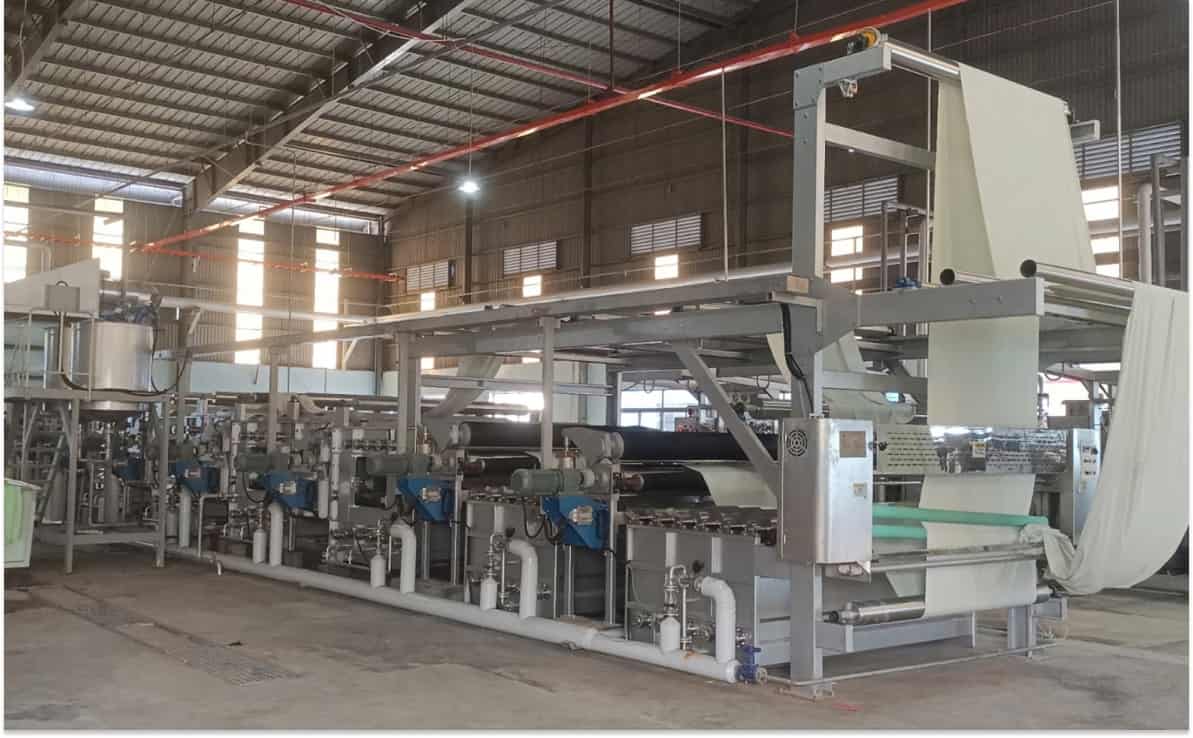
Secrets to Selecting Yarn Dyeing Machine Spare Parts Based on Factory Capacity

In the textile dyeing industry, the dyeing machine is the heart of the production process. Machine performance depends not only on the initial technology but is also heavily influenced by the quality and investment strategy for replacement yarn dyeing machine spare parts. Choosing spare parts unsuitable for the operational capacity and scale of the workshop can lead to waste, production interruptions, and a decline in final product quality.

This in-depth analysis will provide a comprehensive view of the secrets to selecting industrial yarn dyeing machine spare parts, helping managers and maintenance engineers accurately determine needs, optimize the Total Cost of Ownership (TCO), and ensure continuous operation for all factory sizes, from Small-Scale to Export-Oriented.

Cung cấp phụ tùng máy nhuộm sợi
Secrets to Selecting Yarn Dyeing Machine Spare Parts Based on Factory Capacity 40

1. Classifying Factory Capacity and Corresponding Spare Part Needs

The demand for yarn dyeing machine spare parts is not uniform across different production scales. Classification helps determine the priority level and contingency budget.

1.1. Small-Scale Dyeing Workshops (Under 10 Tons/Day)

  • Characteristics: Typically use small-capacity dyeing machines, operate intermittently (Single-Shift), or use second-hand machines. Focus is on flexible production to meet small, irregular orders.
  • Spare Part Strategy: Prioritize the most critical and easily damaged yarn dyeing machine spare parts to maintain minimum operation.
  • Priority Group 1 (Critical): Mechanical Seals of the main pump, Control Valves, and PT100 sensors (Temperature).
  • Objective: Minimize short-term downtime. Maintain minimal inventory, heavily relying on the speed of supply from the local yarn dyeing machine spare parts supplier.
  • Cost: Spare parts budget of approximately 1% – 2% of the total machine value, emphasizing fast delivery service and technical consultation.

1.2. Medium-Capacity Dyeing Factories (10 – 30 Tons/Day)

  • Characteristics: Operate 2-3 shifts (Multi-Shift), diversify machine types (Atmospheric and High-Temperature). Require higher stability and planned downtime.
  • Spare Part Strategy: Need to balance cost and availability. Apply ABC inventory management and invest in contingency for semi-critical components.
  • Group A (High Value, Critical): Main Electronic Boards (PLC Modules), Inverters, Actuators of the steam valve for the dyeing machine. Requires 100% spare part backup for these Modules.
  • Group B/C: Mechanical wear parts (Bearing, Gasket, O-ring). Buy in larger quantities for better Cost-efficiency and reduced transportation costs.
  • Cost: Annual maintenance budget of approximately 3% – 5% of the total machine value, focusing on periodic Preventive Maintenance (PM) contracts.

1.3. Large-Scale Export Factories (Over 30 Tons/Day)

  • Characteristics: Operate continuously 24/7 (Continuous Operation), demanding absolute quality stability, near-zero downtime, and adherence to international Audit standards.
  • Spare Part Strategy: Mandatory use of genuine (OEM) or highest quality OEM-equivalent yarn dyeing machine spare parts. Quality must be the number one priority.
  • Risk Management: Maintain Strategic Stock for every Critical Part. Yarn dyeing machine spare parts are considered an investment in Quality Assurance and Business Continuity.
  • Performance Maintenance: Prioritize spare parts that optimize the dyeing cycle (e.g., high-pressure pumps, Control Valves with high precision and Repeatability).
  • Cost: Maintenance budget may reach 5% – 7% of the total machine value, but this is offset by stable productivity and quality.

2. Technical Analysis of Key Yarn Dyeing Machine Spare Part Groups

A detailed analysis of the function of each group of yarn dyeing machine spare parts helps managers make informed purchasing decisions, avoiding overstocking or missing essential components.

2.1. Hydraulic and Circulation System Spare Parts

The circulation system determines the dye color Levelness. The yarn dyeing machine spare parts selected here must withstand high temperature, chemicals, and pressure.

  • Main Pump Mechanical Seals: This is the most critical wear yarn dyeing machine spare part, responsible for preventing leakage and maintaining pump pressure.
    • Criteria: Must choose Seal Face materials compatible with maximum temperature (e.g., SiC/SiC for high temperatures) and chemical corrosion resistance.
    • Large-Scale Factories: Requires genuine Seals to ensure 24/7 leak-free operation, especially those with Double Seal designs for higher safety.
  • Carrier Spindles/Dyeing Carriers:
    • Criteria: Must ensure no deformation under fiber compaction pressure, SS316 (Stainless Steel 316) material for rust and chemical corrosion resistance. Large-scale factories need periodic checks of the Carrier clamping pressure to avoid Channeling (Uneven Flow).

2.2. Heating and Steam System Spare Parts

This system requires high-precision steam valves for yarn dyeing machines to control the Rate of Rise (RoR).

  • Control Valve and Pressure Reducing Valve (PRV):
    • Factory Capacity: Directly proportional to the valve size (DN) and PN rating. Large factories require PN25 valves or higher, with Actuators and Positioners offering 0.5% accuracy to control the Heating Curve precisely.
    • Common Fault: Incorrect Cv selection leading to Valve Seat Wire Drawing (Erosion) and leakage. Requires selecting yarn dyeing machine spare parts with Trim Sets made of Stellite for harsh hot steam environments.
  • Steam Traps:
    • Criteria: Must choose a steam trap appropriate for the condensate discharge capacity. Thermostatic steam traps are often preferred over Mechanical types due to their better Air Venting capability, improving heat transfer efficiency.

2.3. Electronic Control System Spare Parts

This system determines the reliability and automation of the machine, ensuring the Repeatability of dyeing batches.

  • Temperature Sensors (PT100) and Level Sensors:
    • Criteria: Accuracy and Sensitivity must be high. For large factories, this yarn dyeing machine spare part needs to be in stock for immediate replacement upon failure, preventing color deviations.
  • PLC/HMI Modules:
    • Strategy: Only purchase spare PLC Modules for machine models that have been discontinued. For new machines, prioritize spare Drivers/Inverters as they are more prone to failure than the PLC Main Processor. Ensure the Firmware Version of the spare yarn dyeing machine spare part Module is compatible with the current system.

3. Secrets to Selecting Yarn Dyeing Machine Spare Part Suppliers Based on Scale

The yarn dyeing machine spare part supplier acts as an Insurance policy for the factory’s operation. The partnership strategy must align with the needs for speed and quality.

3.1. For Small-Scale Factories: Prioritize Speed and Flexibility

  • Criteria: Choose a yarn dyeing machine spare part supplier with nearby inventory or the ability to deliver quickly (under 24h). Require Hotline Support and Remote Diagnosis services.
  • Quality: Accept OEM-equivalent yarn dyeing machine spare parts (verified) to save costs, especially for non-critical parts (e.g., Gaskets, Fuses).
  • Limitation: Avoid purchasing cheap, unverified yarn dyeing machine spare parts for high-pressure mechanical components.

3.2. For Export Factories: Standardization and Source Transparency

  • Criteria: Require the yarn dyeing machine spare part supplier to commit to CO/CQ (Certificate of Origin and Quality) for every Critical Part order. Needs the capability for Traceability for each batch of spare parts.
  • Strategic Partner: Sign long-term supply contracts, requiring fixed Lead Time and 24/7 Technical Support capability.
  • Benefit: Ensures genuine yarn dyeing machine spare parts do not void the machine’s Warranty and meet stringent international Audit standards (e.g., ISO, Bluesign).

4. Yarn Dyeing Machine Spare Part Inventory Management by Capacity (ABC Analysis)

Phụ tùng thay thế máy nhuộm sợi
Secrets to Selecting Yarn Dyeing Machine Spare Parts Based on Factory Capacity 41

Implementing the ABC method is key for dyeing factories to control working capital tied up in yarn dyeing machine spare part inventory.

4.1. Group A (High Value, Critical)

  • Analysis: 20% of spare part quantity accounts for 80% of inventory value (e.g., PLC, Control Valve, Main Pump). Low failure frequency but high Business Impact.
  • Inventory Strategy: Must stock 100% backup for parts with Lead Time over 1 week. These yarn dyeing machine spare parts must be stored in a controlled environment.
  • Management: Weekly inventory monitoring, verifying Code status and Serial Number.

4.2. Group B (Medium Value, Semi-Critical)

  • Analysis: 30% of spare part quantity accounts for 15% of inventory value (e.g., Sensor, Inverter, Pressure Gauge). Medium failure frequency.
  • Inventory Strategy: Reorder when reaching Min/Max levels based on Lead Time and average usage frequency (MOQ). Use MRP (Material Requirement Planning) for optimization.

4.3. Group C (Low Value, Fast Consumables)

  • Analysis: 50% of spare part quantity accounts for 5% of inventory value (e.g., Gasket, O-ring, Fuse, Contactors). High failure frequency.
  • Inventory Strategy: Bulk Purchase to optimize costs and always keep available in local factory stock. Use the 2-Bin System for simple management.

5. Impact of Yarn Dyeing Machine Spare Parts on Energy Consumption

Choosing quality yarn dyeing machine spare parts not only improves lifespan but is also a sustainable energy-saving strategy (Energy Efficiency).

5.1. Main Pump and Efficiency

  • Problem: Old circulation pumps or those using non-OEM yarn dyeing machine spare parts (e.g., worn Impeller) reduce efficiency, leading to energy waste.
  • Solution: Invest in genuine pumps with high Efficiency Ratings (IE3/IE4) and replace the Impeller periodically when wear exceeds 10% helps reduce electricity consumption for the circulation system. Perform VFD (Variable Frequency Drive) Tuning to optimize RPM.

5.2. Steam Valve and Heat Leakage

  • Problem: Steam valves for yarn dyeing machines leak (Seat Leakage) due to poor Trim material selection or insufficient Actuator closing force.
  • Consequence: Steam waste into the dyeing vessel when the valve is closed → uncontrolled standby temperature and increased Gas/Oil costs.

6. Influence of Environmental Factors on Spare Part Lifespan

Dyeing Machine Spare Parts
Secrets to Selecting Yarn Dyeing Machine Spare Parts Based on Factory Capacity 42

The harsh operating environment of the dyeing factory (high temperature, humidity, chemicals) significantly shortens the lifespan of yarn dyeing machine spare parts.

6.1. Chemical Corrosion of Metal Components

  • Problem: Acid vapor (Acetic Acid) and alkali (Soda Ash) in the air and condensate cause rapid corrosion of non-SS316 metal parts. Especially pump Housings and valves.
  • Solution: Large-scale factories must require yarn dyeing machine spare parts made from SS316L (Low Carbon) or duplex/super duplex materials for specialized environments.

6.2. Humidity and Fiber Dust Causing Electronic Failures

  • Problem: High humidity (often above 80%) and fiber dust accumulation cause short circuits and Oxidation on PCB circuits and Terminals of electronic yarn dyeing machine spare parts (Sensor, Relay, Contactor).
  • Solution: Install Dehumidifiers in the Control Room. Use yarn dyeing machine spare parts with high IP (Ingress Protection) ratings (at least IP65) for outdoor Actuators and Sensors.

7. Evaluating Key Performance Indicators (KPIs) of Spare Part Suppliers

Choosing the right yarn dyeing machine spare part supplier requires evaluation based on objective KPIs, not just price.

7.1. On-Time Delivery (OTD) Ratio

  • Goal: The supplier must achieve OTD above 95% for Group A and B parts.
  • Significance: Ensures the supply chain is not disrupted, reducing excessive Holding Cost at the factory.

7.2. Failure Rate

  • Goal: The Failure Rate of yarn dyeing machine spare parts must be below 1% during the Warranty Period.
  • Significance: Reflects the actual quality of the product. A reputable supplier will be willing to provide their Failure Rate reports.

7.3. Technical Consulting Capability

  • Goal: The yarn dyeing machine spare part supplier needs an engineering team with actual experience on dyeing machines → providing correct Part Number and accurate Substitutions without system conflicts.

8. Conclusion: Investing in Yarn Dyeing Machine Spare Parts is a Strategic Investment

Selecting yarn dyeing machine spare parts appropriate for the factory’s capacity is not just a simple technical decision but a critical economic strategy. From small factories prioritizing reaction speed (Lead Time) to large factories prioritizing OEM quality and Risk Management, the difference lies in resource allocation and TCO control.

Investing in high-quality yarn dyeing machine spare parts is an investment in stability, energy saving, and the reputation for final product quality.

VieTextile is proud to be a strategic partner, specializing in genuine and OEM-equivalent yarn dyeing machine spare parts with in-depth consulting, helping your business achieve the most optimal and sustainable performance.

9. Frequently Asked Questions (FAQ) About Yarn Dyeing Machine Spare Parts

Q1: How do OEM and OEM-equivalent spare parts differ? A1: OEM (Original Equipment Manufacturer) spare parts are supplied by the machine manufacturer itself (e.g., Fong’s, Thies). OEM-equivalent spare parts are manufactured by a third party with the same material, dimensions, and technical standards but without the original brand label. Small factories often choose OEM-equivalent for non-critical parts to reduce costs, while export factories prioritize OEM for the most important parts.

Q2: How to determine the appropriate spare parts for factory capacity? A2: Appropriate spare parts are determined through Criticality Analysis:

  • Small Capacity: Choose parts with high availability and low Lead Time.
  • Large Capacity: Choose parts with high mechanical durability (e.g., steam valve Trim material is Stellite instead of standard SS316) to maximize uptime cycle.

Q3: Which spare part in the dyeing machine affects Energy Consumption the most? A3: The most influential spare parts are the Circulation Pump Mechanical Seal and the Steam Control Valve.

  • Seal: If damaged, water/chemical leakage reduces pump pressure, forcing the pump to work harder → higher electricity consumption.
  • Steam Valve: Seat leakage → steam waste → increased Gas/Oil costs.

10. VieTextile – Strategic Yarn Dyeing Machine Spare Part Supplier Partner

VieTextile is proud to be a strategic partner, specializing in genuine yarn dyeing machine spare parts and expert technical consulting services:

  • Capacity Consultation: Support in Criticality analysis and building Safety Stock levels suitable for your scale and 24/7 operational capacity.
  • Diverse Supply Source: Supply yarn dyeing machine spare parts from leading OEM manufacturers and verified OEM-equivalent sources, ensuring quality and stable Supply Chain capability.
  • Energy Saving Solutions: Focus on yarn dyeing machine spare parts that help improve the Efficiency of pumps, steam valves, and chemical dosing systems.

For detailed consultation on yarn dyeing machine spare part solutions and performance optimization, please contact us immediately:

Contact Information: 

Hotline: 0901 809 309 

Email: info@vietextile.com 

Website: https://vietextile.com
How to Select the Right Steam Valve for Yarn Dyeing Machines Based on Working Pressure

In the yarn dyeing process, steam is the dominant energy source, determining the heating rate, temperature stability, and consequently, the uniformity of the dye color. The steam valve for the yarn dyeing machine plays a crucial role in controlling the flow and pressure of the steam. However, selecting a valve that deviates from the required pressure rating (Pressure Nominal – PN) and working temperature not only leads to a decline in heating efficiency but also poses a serious risk of operational safety hazards.

This in-depth analysis will focus on the most important technical criteria: Working Pressure and Design Pressure. We will delve into various types of steam valves for yarn dyeing machines, provide guidance on calculation methods, and material selection, helping engineers and operation managers make accurate and sustainable investment decisions.

Steam Valve for Yarn Dyeing Machine
How to Select the Right Steam Valve for Yarn Dyeing Machines Based on Working Pressure 48

1. The Importance of Pressure in Steam Valve Selection

Working Pressure is the fundamental factor that determines the mechanical strength and lifespan of the steam valve for the yarn dyeing machine. Errors in determining the PN rating can lead to leakage, material deformation, or even catastrophic valve failure.

1.1. Concepts of Design Pressure (PN/Class)

  • Pressure Nominal (PN): This is the European standard pressure designation (EN/ISO). Examples: PN16, PN25, PN40 correspond to a maximum pressure of 16 Bar, 25 Bar, and 40 Bar that the valve can withstand at ambient temperature.
  • ASME Class (Class): This is the US standard pressure designation (ANSI/ASME). Examples: Class 150, Class 300. The relationship between Class and Bar is more complex than PN because it depends on temperature (Pressure-Temperature Rating).

The selection of the steam valves for the yarn dyeing machine should be based on the Design Pressure of the entire steam system (typically 1.5 to 2 times higher than the Working Pressure to ensure safety).

1.2. The Effect of Temperature on Pressure Rating

Most metallic materials (Cast Iron, Carbon Steel, Stainless Steel) experience a reduction in their pressure-bearing capacity as temperature increases.

  • P-T Curve: Manufacturers of steam valves for yarn dyeing machine always provide a Pressure-Temperature Rating (P-T Curve) chart. For example, a PN25 valve may withstand 25 Bar at but only 18 Bar at 220∘C (typical saturated steam temperature).

Golden Rule: Always choose a steam valves for the yarn dyeing machine with a PN/Class greater than the actual Working Pressure at the maximum operating temperature.

2. Common Steam Valves for Yarn Dyeing Machine by Function

Phụ kiện van hơi máy nhuộm sợi
How to Select the Right Steam Valve for Yarn Dyeing Machines Based on Working Pressure 49

Yarn dyeing machines primarily use two types of steam valves: Isolation (shut-off) and Control.

2.1. Isolation Valves

These are used to isolate a part of the system for maintenance or shutdown. These valves typically operate in a fully open or fully closed state.

  • Gate Valve:
    • Characteristics: Straight flow path, very low Pressure Drop when fully open.
    • Application: Often used for Main Steam Lines requiring high PN. Gate valves have high durability but are not suitable for Throttling (flow regulation).
  • Globe Valve:
    • Characteristics: Design includes a baffle, forcing the flow to change direction, resulting in a higher Pressure Drop than Gate Valves.
    • Application: Globe valves offer better flow regulation capabilities than Gate Valves and are often used before Control Valves as shut-off valves.

2.2. Control Valves

These are used to regulate steam flow, thereby controlling the temperature and pressure inside the dyeing vessel.

  • Pneumatic Control Valve:
    • Characteristics: Globe valve or Globe valve with specialized port, controlled by a Pneumatic Actuator based on a PID signal from the controller.
    • Importance: This is the most crucial steam valves for the yarn dyeing machine, and it must be selected with the precise PN rating to prevent leakage during Throttling.
  • Pressure Reducing Valve (PRV):
    • Characteristics: Automatically maintains stable outlet pressure, regardless of changes in inlet pressure.
    • Application: Essential for steam branches requiring lower pressure (e.g., PRV reducing 10 Bar to 4 Bar for auxiliary heating areas).

3. Material Selection Based on Pressure and Corrosion

The material used to manufacture the steam valve for the yarn dyeing machine must withstand pressure, temperature, and potential corrosive agents.

3.1. Valve Body Material

  • Ductile Iron (GGG40): Commonly used for PN16 or PN25 valves with standard saturated steam temperatures. Low cost, relatively good mechanical strength.
  • Carbon Steel (A216 WCB): A popular choice for PN40 (Class 300) systems and higher temperatures. Offers superior heat and pressure resistance compared to Cast Iron.
  • Stainless Steel (SS304/316): Used for highly corrosive steam environments (e.g., steam contaminated with chemicals from the dyeing process or impure feedwater). SS316 is preferred for its absolute corrosion resistance.

3.2. Trim & Sealing Material

  • Trim (Valve Disc, Stem): Often made of SS316 or Hard Facing (such as Stellite) to resist Erosion from high-velocity steam and friction during opening and closing.
  • Sealing (Packing/Gaskets): Must withstand high temperature and pressure. Common materials are PTFE for temperatures below 200∘C and Graphite for temperatures above 250∘C. Graphite packing is considered the standard for high-pressure steam valves for yarn dyeing machine.

4. Technical Analysis for Control Valve Selection

Van hơi máy nhuộm sợi chính hãng
How to Select the Right Steam Valve for Yarn Dyeing Machines Based on Working Pressure 50

Selecting a control steam valves for the yarn dyeing machine is more complex than selecting an isolation valve, requiring the calculation of the Flow Coefficient (Cv) and Rangeability.

4.1. Calculating the Flow Coefficient (Cv)

Cv is the standard flow rate parameter (Gallons/Minute) that the valve can pass at a 1 PSI pressure drop. The Cv calculation must be based on:

  • Maximum Steam Flow Rate (Mass Flow Rate): Determined by the dyeing vessel’s heating requirement (BTU/hr).
  • Inlet Pressure (P1) and Outlet Pressure (P2): Steam pressure before and after the valve.
  • Pressure Drop (ΔP=P1−P2): Must be within the valve’s recommended range.

Incorrect Cv Selection:

  • Cv Too Large (Oversized): The steam valves for the yarn dyeing machine must operate in a nearly closed position (Under-sized Opening) for regulation, leading to inaccurate Throttling and rapid erosion (Wire Drawing).
  • Cv Too Small (Undersized): The valve always operates in a Fully Open state, failing to meet the required flow rate, leading to slow heating times.

4.2. Actuator Size and Air Supply

  • Actuator (Pneumatic Actuator): Must provide sufficient force (Thrust) to close the steam valves for the yarn dyeing machine at maximum differential pressure (ΔPmax​). This force needs to be carefully calculated, especially when the valve needs to close against the steam pressure (Fail-to-Close/Open).
  • Air Supply: Pneumatic Control Valves require a dry and clean air source. A high-quality Air Filter Regulator (AFR) is an essential spare part for the dyeing machine to protect the Actuator and Positioner.

5. Common Faults Due to Incorrect Steam Valve Pressure Selection

Choosing the wrong steam valves for the yarn dyeing machine is the root cause of many operational issues and increased maintenance costs.

5.1. Leakage Through Valve Body

Cause: Working pressure exceeds the design PN of the valve body. This is common in Ductile Iron valves operated beyond the PN16 limit. Consequence: Steam escaping, wasting energy, creating a humid environment, and posing an accident risk to workers.

5.2. Seat/Disc Failure

Cause: Erosion due to an oversized Cv of the steam valves for the yarn dyeing machine → the valve operates near the closed position → high-velocity steam (Flashing) cuts into the metal surface (Wire Drawing). Consequence: The valve cannot close completely (Leakage Through Seat), causing steam leakage into the dyeing vessel when the valve is supposed to be closed, leading to uncontrolled standby temperatures.

5.3. Gasket Failure

Cause: Temperature and working pressure exceed the limits of the Gasket material (typically PTFE used above 200∘C). Consequence: Steam leakage through the Flange or between the Body and the Bonnet.

6. Long-Term Investment Strategy for Steam Valves for Yarn Dyeing Machine

Steam Valves for Yarn Dyeing Machine
How to Select the Right Steam Valve for Yarn Dyeing Machines Based on Working Pressure 51

The investment strategy for steam valves for yarn dyeing machine needs to focus on the Total Cost of Ownership (TCO) rather than just the initial purchase price.

6.1. Standardization by Application

Classify steam valves for yarn dyeing machine into two main groups:

  • High-Pressure/High-Temperature Group: PN40 (Class 300) or higher, Carbon Steel or SS316 material. Used for the main steam line.
  • Low-Pressure/Control Group: PN25 (Class 150), Ductile Iron or Carbon Steel material. Used for steam branches feeding the dyeing vessel.

Standardization helps minimize the number of spare part Part Numbers in inventory.

6.2. Preventive Maintenance

  • Quarterly Leak Check: Use an Ultrasonic Leak Detector to find internal steam valves for yarn dyeing machine leaks (Seat Leakage) that are not visible to the naked eye.
  • Scheduled Replacement: Replace Gaskets and Packing of the steam valves for the yarn dyeing machine according to the maintenance schedule, without waiting for leakage to occur.

6.3. Selecting Professional Suppliers

Reputable suppliers of steam valves for yarn dyeing machine do not just sell products; they also provide accurate sizing services (Cv calculation and Actuator sizing), ensuring the valve operates optimally under the mill’s actual pressure and temperature conditions.

7. Conclusion: Safety and Efficiency Through Correct Selection

Selecting the appropriate steam valves for the yarn dyeing machine based on working pressure is a critical technical decision, directly affecting operational safety, equipment lifespan, and energy efficiency. Understanding the PN/Class ratings, P-T Rating compatible materials, and accurately calculating Cv are the foundations for building a stable steam system, ensuring the yarn dyeing process achieves the highest quality.

VieTextile is a unit specializing in providing genuine steam valve solutions for yarn dyeing machines, from isolation valves to specialized Control Valves for the textile industry. We are committed to providing the most in-depth technical consulting to help your business select the appropriate valve, optimize operating costs, and enhance safety standards.

8. Frequently Asked Questions (FAQ) about Steam Valves for Yarn Dyeing Machine

Q1: Should I choose a Ball Valve or a Gate Valve as the main steam shut-off valve? A1: In high-pressure steam systems, a Globe Valve is often preferred over a Ball Valve for Isolation or a Gate Valve for absolute shut-off. Ball Valves are not recommended because the PTFE seals are easily damaged by Superheated Steam and generate high Torque when opening/closing at high pressures.

Q2: What is the Test Pressure of a steam valves for a yarn dyeing machine? A2: The Test Pressure is the hydraulic pressure used by the manufacturer to check the body’s strength and the Seat/Seal’s tightness. This pressure is always higher than the design PN (e.g., 1.5 times PN) and should not be confused with the maximum Working Pressure (PN).

Q3: Does the Cv of the steam valves for a yarn dyeing machine change when the steam temperature changes? A3: Cv (Flow Coefficient) is a mechanical constant of the valve (based on shape and Port size). However, because steam is a compressible fluid, the actual Mass Flow through the valve will change with temperature and pressure. Therefore, engineers must use a more complex Cv formula (for gas/steam) to calculate the required flow rate.

9. VieTextile – Genuine Steam Valves for Yarn Dyeing Machine Supplier Partner

VieTextile is proud to be a strategic partner, specializing in genuine steam valve solutions for yarn dyeing machines and expert technical consulting services:

  • In-Depth Consulting: Support in calculating Cv and Actuator sizing to ensure the valve operates accurately under all pressure/temperature conditions.
  • Quality Assurance: Supply valves with clear PN/Class ratings, Trim/Body materials compatible with high-pressure steam.
  • Maintenance Solutions: Provide replacement Gaskets, Packing, and Reconditioning services for control steam valves for yarn dyeing machines.

For detailed consultation on steam valve solutions for yarn dyeing machines and steam system optimization, please contact us immediately:

Contact Information: 

Hotline: 0901 809 309 

Email: info@vietextile.com 

Website: https://vietextile.com
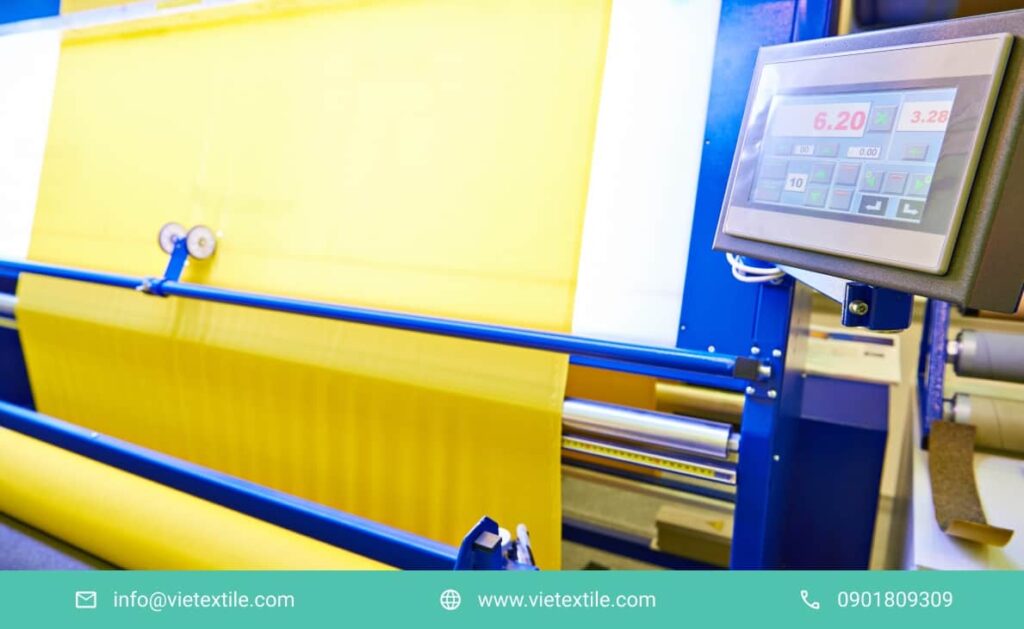
Common Faults in Tsudakoma Loom Spare Parts and How to Fix Them

Tsudakoma looms, whether Air Jet or Rapier models, are renowned for their high speed, stability, and superior durability. However, continuous high-intensity operation and harsh working environments (temperature, humidity, fiber dust) place immense stress on the loom’s wear parts. Understanding the common faults of Tsudakoma loom spare parts is not only crucial for quick technical diagnosis but is also key to implementing an effective preventive maintenance strategy.

This in-depth analysis will explore the most common fault groups in Tsudakoma loom spare parts, ranging from the weft insertion mechanism and electronic control systems to heavily loaded mechanical components. The goal is to provide a detailed guide on troubleshooting, minimizing Downtime, and optimizing product quality.

Tsudakoma loom spare
Common Faults in Tsudakoma Loom Spare Parts and How to Fix Them 57

1. Faults Related to Weft Insertion System Spare Parts

This is the most frequent fault group, which directly and severely impacts the loom‘s Efficiency and energy consumption.

1.1. Worn or Clogged Main/Sub Nozzles

Cause: The Nozzle is a Tsudakoma loom spare part subjected to continuous friction and air pressure. Faults primarily arise from the wear of the bore, which reduces aerodynamic efficiency, or from accumulated dust, oil, and grease causing localized clogging.

Symptoms:

  • A sudden increase in the required air pressure to maintain speed.
  • High frequency of weft stops, especially at high RPM.
  • Slack picks or miss picks (weft yarn failing to reach the far side).

Solution:

  • Diagnosis: Measure the Nozzle bore diameter using specialized gauges to determine the wear level.
  • Fix: Use a specialized Nozzle cleaning kit and non-corrosive detergent solution for periodic cleaning. If the wear exceeds the tolerance limit, the Tsudakoma loom spare part Nozzle must be replaced with a genuine new one.

1.2. Solenoid Valve Failure

Cause: Solenoid valves are high-speed Tsudakoma loom spare parts prone to internal mechanical wear or electromagnetic coil failure due to heat and overload.

Symptoms:

  • Slow Response Time: Leads to inaccurate air timing, causing weft break faults.
  • Stuck Open/Close: The valve fails to open/close, resulting in compressed air leakage (energy waste) or failure to inject air.

Solution:

  • Diagnosis: Use the Solenoid Test function on the loom’s HMI to measure the actual response time of the valve.
  • Fix: If the fault is due to sticking, try cleaning the air filter. If the response time is slow, the entire Tsudakoma loom spare part Solenoid Valve must be replaced with a genuine component to ensure precise timing.

2. Faults Related to the Cutting Mechanism Spare Parts

Faults in the cutting mechanism directly affect Selvage Quality and are a common cause of loom stops.

2.1. Dull or Broken Weft Cutter Blade

Cause: High friction and a high cutting frequency (millions of times per day) cause the blade to wear down or chip.

Symptoms:

  • Fraying or untidy fabric selvage.
  • Increased weft break faults at the cutting position or selvage defects.
  • Unusual loud noise when the cutting mechanism operates.

Solution:

  • Inspection: Visually check the sharpness of the blade.
  • Fix: Replace the Tsudakoma loom spare part Cutter Blade periodically based on the manufacturer’s recommendation (usually based on the number of Picks woven). Always adjust the clearance (gap) and cutting timing after replacing the new blade.

3. Faults Related to Electronic and Control Spare Parts

Electronic faults are often difficult to diagnose and require high specialized skills, but they can cause complete machine shutdown or continuous fabric defects.

3.1. Main PCB/Micro-Processor Board Failure

Cause: Voltage spikes, high temperature, high humidity, or the aging of semiconductor components.

Symptoms: The machine fails to start, errors are displayed on the HMI, or intermittent stops occur.

Solution:

  • Diagnosis: Check the power supply and cable connections. If basic checks reveal no fault, the PCB needs to be isolated and checked with specialized equipment.
  • Fix: In most cases, the PCB needs to be repaired by a professional service or replaced with a genuine Tsudakoma loom spare part PCB to ensure compatibility and performance.

3.2. Weft/Warp Sensor Failure

Cause: Accumulation of fiber dust on the optical sensor surface, or an internal electrical circuit fault within the sensor.

Symptoms: False stops (sensor reports a yarn break when the yarn is intact), or the machine fails to stop when the yarn breaks (long smash).

Solution:

  • Cleaning: Clean the sensor surface with compressed air or specialized cleaning solution.
  • Adjustment: Recheck the sensitivity of the sensor via the HMI. If the fault persists after cleaning, the Tsudakoma loom spare part sensor must be replaced.

4. Faults in Heavily Loaded Mechanical and Drive System Spare Parts

Phụ tùng thay thế máy dệt Tsudakoma
Common Faults in Tsudakoma Loom Spare Parts and How to Fix Them 58

These faults often cause loud noise, high vibration, and can lead to more severe damage to the entire loom if not addressed promptly.

4.1. Worn Bearings and Bushings

Cause: High friction, heavy load, and inadequate lubrication or the use of poor-quality oil/grease.

Symptoms:

  • Unusual mechanical noise (latching or screeching).
  • Localized temperature increase at bearing positions.
  • High Vibration, which shortens the lifespan of other Tsudakoma loom spare parts.

Solution:

  • Diagnosis: Use a Vibration Analyzer to accurately identify the damaged bearing.
  • Fix: Replace the bearing precisely according to the manufacturer’s Part Number. Ensure the use of specialized tools to avoid damaging the shaft during removal/installation.

4.2. Auto-Lubrication System Failure

Cause: Failed Oil Pump, clogged Metering Valves, or an excessively dirty Oil Filter.

Symptoms: Low Oil Pressure warning on the HMI, or technicians observe movement joints lacking oil.

Solution:

  • Inspection: Check the oil level in the reservoir and the cleanliness of the oil filter.
  • Repair/Replace: If the oil pump fails, the Tsudakoma loom spare part oil pump needs replacement. If the metering valve is clogged, it must be dismantled for cleaning or replacement. Ensure the correct type of lubrication oil is used as per Tsudakoma’s technical requirements.

5. Faults Related to Warp Tension and Fabric Take-up System

The stability of the Warp Tension and the Weft Density (Picks Per Inch – PPI) depends on these spare parts.

5.1. Load Cell and Warp Tension Sensor Failure

Cause: The Load Cell or Tension Sensor is an electronic force sensor, easily affected by overload or voltage surges.

Symptoms:

  • Warp Tension displayed on the HMI is unstable or inaccurate.
  • Fabric defects like Thick and Thin Place (uneven density) due to the Let-off system failing to adjust promptly.

Solution:

  • Calibration: Re-calibrate the Load Cell according to Tsudakoma’s standard procedure.
  • Replacement: If calibration fails, the Tsudakoma loom spare part Sensor must be replaced to ensure optimal warp tension control.

5.2. Take-up System Gearbox and Motor Fault

The Take-up system is responsible for winding the finished fabric at a precise weft density (PPI).

Cause: Gear wear in the Gearbox due to lack of oil or overload. Servo/Stepper motor failure controlling the fabric winding.

Symptoms:

  • Weft Density PPI is inaccurate compared to the setting, often leading to Barre defects across the fabric width.
  • Loud noise from the Take-up Gearbox.

Solution:

  • Maintenance: Check and replace Gearbox oil periodically.
  • Repair/Replace: Replace worn Gears or Bearings within the Gearbox. If the Stepper motor exhibits Missed Step errors, the Tsudakoma loom spare part motor needs replacement.

6. Environmental Factors Impacting Spare Part Lifespan

Linh kiện và phụ tùng máy dệt Tsudakoma
Common Faults in Tsudakoma Loom Spare Parts and How to Fix Them 59

The textile mill environment plays a critical role in determining the lifespan and reliability of Tsudakoma loom spare parts.

6.1. Impact of Fiber Dust and Humidity on PCBs and Optical Sensors

  • Fiber Dust: Fine fiber dust adheres and accumulates easily. When it adheres to the PCB surface (especially in high-voltage areas), it forms conductive bridges, causing short circuits or leakage currents, damaging control chips. When adhering to Photo Sensors, it reduces signal intensity, leading to false machine stops.
  • High Humidity: High humidity (often maintained for yarn processing) is an enemy of electronic and mechanical components. Humidity causes Corrosion on PCB contact points and Solenoid valves. For mechanical Tsudakoma loom spare parts, humidity can rust poorly lubricated components.

Preventive Measures:

  • High-Pressure Cleaning: Use industrial vacuums and dry compressed air to clean PCBs and sensors regularly.
  • Protective Coating: Prioritize PCBs coated with Conformal Coating to resist moisture and dust.

6.2. Impact of Temperature on Lubrication and Mechanics

  • Excessive Heat: Looms running at high RPM generate significant heat. High temperatures reduce the Viscosity of the lubricating oil, causing the oil to lose its protective capability on metal surfaces. This accelerates the wear of mechanical Tsudakoma loom spare parts like Cams, Bearings, and Gears.

Corrective Measures:

  • Specialized Oil: Only use lubrication oils with a high Viscosity Index and good thermal stability.
  • Cooling System Control: Ensure the oil cooler or cooling fans operate effectively.

7. Comprehensive Strategy to Minimize Tsudakoma Loom Spare Part Faults

To optimize the performance and lifespan of Tsudakoma loom spare parts, mills must transition from Reactive to Preventive and Predictive Maintenance.

7.1. Establish Preventive Maintenance (PM) Cycles

  • Scheduled Intervals: Establish PM schedules based on Picks woven (e.g., 200 million Picks for Nozzles and 1 billion Picks for Cams/Bearings).
  • Periodic Checks:
    • Weekly: Check air pressure, lubricating oil temperature, and overall vibration.
    • Monthly: Detailed cleaning of Solenoid components, sensors, and Cutter.
    • Quarterly: Check main shaft play, re-adjust Weft Insertion timing.

7.2. Material Source Quality Management

  • Absolute OEM/Genuine Priority: For critical Tsudakoma loom spare parts (PCB, Nozzle, Cam, Bearing), prioritize genuine or OEM components from reputable suppliers. Low-quality components not only fail quickly but also cause damage to other related parts.
  • Technical Training: Regularly train technicians on the replacement and adjustment procedures for Tsudakoma loom spare parts to avoid installation errors that can lead to premature failure.

8. Conclusion: Cost Optimization Through Predictive Maintenance

Phụ tùng máy dệt Tsudakoma chính hãng
Common Faults in Tsudakoma Loom Spare Parts and How to Fix Them 60

Understanding common faults and implementing a predictive maintenance strategy are key factors in enabling mills to fully leverage the technological advantages of Tsudakoma looms. Investing in high-quality Tsudakoma loom spare parts is not an expense, but an investment in the stability of productivity and fabric quality.

VieTextile is a strategic partner specializing in genuine Tsudakoma loom spare parts solutions and expert predictive maintenance services. We are committed to helping you minimize downtime and optimize the operating efficiency of your production line.

9. Frequently Asked Questions (FAQ) about Tsudakoma Loom Spare Parts

Q1: Can Tsudakoma loom spare parts be repaired, or must they always be replaced? A1: It depends on the spare part type. Simple mechanical parts (Levers, Bushings) can often be repaired/restored. However, electronic Tsudakoma loom spare parts (PCB), pneumatic components (Nozzle, Solenoid Valve), or high-load mechanical parts (Cam, Bearing) should be replaced with new ones or repaired by specialists to ensure technical precision.

Q2: What is the main cause of recurring faults across multiple Tsudakoma looms? A2: The main cause is usually a system issue, rather than a single Tsudakoma loom spare part failure. For example:

  • Pneumatic System: Poor air quality (containing water/oil) damages Solenoid valves across the fleet.
  • Environment: Excessively high temperature/humidity damages PCBs and sensors.
  • Power Supply: Voltage fluctuations damage electronic control units.

Q3: Can ERP software be used to manage the inventory of Tsudakoma loom spare parts? A3: Yes, integrating ERP or CMMS (Computerized Maintenance Management System) software helps manage Tsudakoma loom spare part inventory based on the number of Picks woven and the historical MTBF (Mean Time Between Failures), enabling more effective Predictive Maintenance.

10. VieTextile – Genuine Tsudakoma Loom Spare Parts Supplier Partner

VieTextile is proud to be a strategic partner, specializing in genuine Tsudakoma loom spare parts solutions and specialized technical maintenance services, helping mills to:

  • Ensure OEM Quality: Supply Tsudakoma loom spare parts with clear origin, meeting strict technical standards to maximize operational lifespan.
  • Optimize Productivity: Provide technical support for early fault diagnosis and loom calibration, helping to achieve maximum speed and maintain the highest machine efficiency.
  • Reduce Costs: Consult on preventive maintenance and inventory strategies, helping to lower energy costs and the risk of sudden downtime.

For detailed consultation on Tsudakoma loom spare parts solutions and weaving performance optimization, please contact us immediately:

Contact Information: 

Hotline: 0901 809 309 

Email: info@vietextile.com 

Website: https://vietextile.com
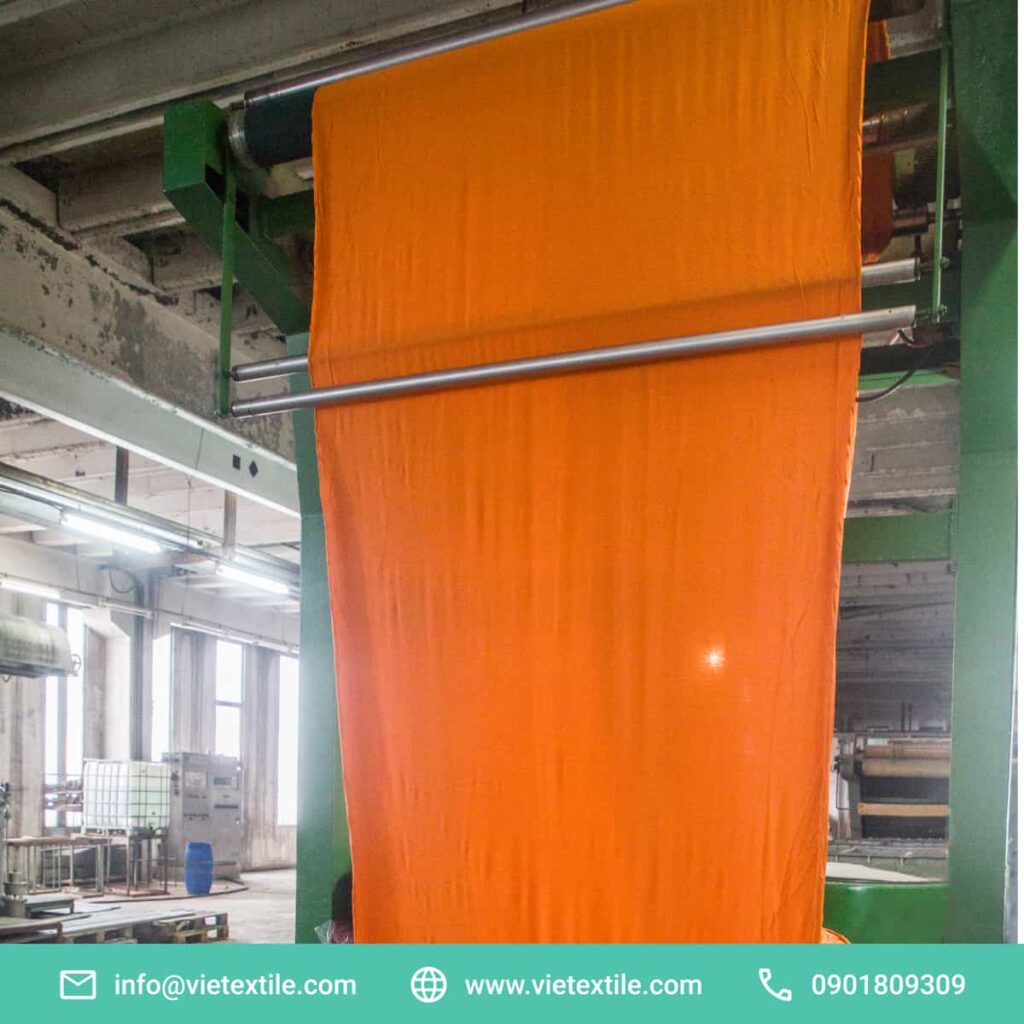
The Impact of Tsudakoma Air Jet Loom Spare Parts on Fabric Quality and Productivity

In the modern textile industry, the Tsudakoma Air Jet Loom is recognized as a leader in speed and reliability. However, the peak operating performance of these machines relies not only on the initial technology but also absolutely on the quality and condition of every component, especially the Tsudakoma Air Jet Loom spare parts. Any degradation or failure of even the smallest component can have significant consequences for overall productivity and the quality of the final product.

This in-depth analysis aims to clarify the close relationship between investing in and maintaining high-quality Tsudakoma Air Jet Loom spare parts with a company’s competitiveness. We will delve into each core group of spare parts, from the weft insertion mechanism to the electronic systems, to clearly understand their direct impact on weaving performance indicators and the Fabric Standard.

Tsudakoma Air Jet Loom spare
The Impact of Tsudakoma Air Jet Loom Spare Parts on Fabric Quality and Productivity 66

1. The Impact of Tsudakoma Air Jet Loom Spare Parts on Productivity (Performance Output)

Loom productivity is measured by the number of picks per minute (PPM) and the Machine Efficiency (ME) ratio. Tsudakoma Air Jet Loom spare parts play a crucial role in maintaining both these indicators.

1.1. Weft Insertion System and Operating Speed

The weft insertion system (including the Main Nozzle and Sub-Nozzles) is where Tsudakoma Air Jet Loom spare parts demonstrate their role most clearly in terms of speed.

  • Main and Sub-Nozzles: Responsible for generating the pneumatic thrust and maintaining a stable airflow to propel the weft yarn across the loom width at speeds of 1800–2500 PPM.
  • Worn Nozzles: When the Tsudakoma Air Jet Loom spare part Nozzle is worn or the bore diameter enlarges, aerodynamic efficiency drops. This forces the machine to increase air pressure to maintain speed, leading to high energy consumption and, more importantly, instability in the insertion process, which increases weft breaks and forces the machine to stop.
  • Machine Efficiency (ME): A set of low-quality Tsudakoma Nozzles can reduce efficiency by to 10%, equivalent to hundreds of meters of lost fabric daily.
  • Solenoid Valves: The response time of these valves is extremely important. Poor-quality valves have slow opening/closing times, causing a misalignment of the weft insertion timing relative to the main Cam motion, resulting in weft faults and limiting the maximum weaving speed the machine can achieve.

1.2. Cutting Mechanism and Stop Motion

The cutting mechanism and stop motion sensors must operate synchronously and accurately.

  • Cutter Blade: The cutter blade is one of the fastest-wearing Tsudakoma Air Jet Loom spare parts due to high friction and cutting frequency. A dull cutter will not cut the yarn cleanly, causing selvedge defects and weft breaks, forcing the machine to stop to remove the fault. Downtime frequency due to cutting faults is a major cause of productivity loss.
  • Sensors: Inaccurate or slow-response Warp/Weft Stop Motion Sensors can cause delayed reactions, leading to extended fabric defects (long smash) and material waste, directly affecting the ME index.

2. The Impact of Tsudakoma Air Jet Loom Spare Parts on Fabric Quality

Fabric quality is assessed by the uniformity of the weft density, the perfection of the selvedge, and the Defect Rate.

2.1. Nozzle Precision and Weft Density (Picks Density)

  • Thrust Distribution: High-quality Tsudakoma Air Jet Loom spare parts Nozzles ensure the pneumatic thrust is distributed evenly across the entire fabric width. Worn or low-quality Nozzles create inconsistent airflow, leading to the weft yarn being slack or overly tense in different positions.
  • Uneven Weft Density: This instability results in an uneven Weft Density (Picks Per Inch – PPI), a severe defect for high-quality fabrics. This cannot be fixed after the fabric is woven and leads to an increased defect rate.

2.2. Selvage Quality

Selvedge quality depends on the cutter blade and the Tucking Device.

  • Cutter Sharpness: Sharp and precise Tsudakoma Air Jet Loom spare parts cutter blades ensure a clean, fray-free selvedge, creating a neat and sturdy border.
  • Tucking Device: The components of the tucking unit must be precisely machined and free from wear. Worn gripping components reduce the clamping force, causing selvedge yarns to slip out, creating loose selvedge defects that impact the aesthetics and durability of the fabric.

2.3. Electronic Components and Fabric Uniformity

Control boards and sensors are crucial Tsudakoma Air Jet Loom spare parts responsible for the consistency of the weaving cycles.

  • Control Boards (PCB): If the control board (e.g., Weft Insertion Controller) is unstable or a non-genuine part is used, it can cause minor timing discrepancies in valve operation, leading to differences in weft density between weaving cycles and creating subtle horizontal streaks (banding/barre) defects.

3. The Role of the Lubrication System and Beating-up Mechanism

Phụ tùng máy dệt khí Tsudakoma chính hãng
The Impact of Tsudakoma Air Jet Loom Spare Parts on Fabric Quality and Productivity 67

Tsudakoma Air Jet Loom spare parts related to mechanical and lubrication systems play a silent but decisive role in the long-term stability and quality of high-speed weaving.

3.1. Auto-Lubrication System Spares

Modern Tsudakoma looms use an auto-lubrication system to precisely deliver grease and oil to high-friction points like cam joints and main shafts.

  • Oil Pump, Metering Valves, and Hoses: The quality of the Oil Pump, Metering Valves, and delivery hoses is critical. If the metering valves are worn or clogged (due to poor-quality oil), insufficient lubrication is provided, leading to excessive wear and heat generation in vital areas like the Cam Box, Main Gear Box, and Bearings.
  • Impact on Vibration: Insufficient lubrication increases the loom’s Vibration. High vibration not only shortens the lifespan of electronic Tsudakoma Air Jet Loom spare parts (PCBs, sensors) but also directly affects the tension and stability of the warp yarns, increasing warp break faults and fabric defects.

3.2. Impact of Cams and Bearings on Fabric Uniformity

Core mechanical Tsudakoma Air Jet Loom spare parts govern the fundamental movements of the weaving process.

  • Cam and Tappet Assembly: The Cam controls the Beating-up motion and Shedding. Wear on the Cam surface or Cam Follower bearings will cause small deviations in the beating-up timing. This deviation, even by milliseconds, changes the actual Picks Per Inch (PPI), resulting in horizontal streaks and affecting fabric uniformity.
  • Main Bearings: Low-quality or end-of-life Main Bearings (non-genuine Tsudakoma Air Jet Loom spare parts) introduce play in the main shaft, undermining the absolute precision required for high-speed weaving.

4. Analysis of Hidden Costs and Risks of Using Non-Genuine Spares

Many SMEs try to reduce initial costs by choosing non-genuine Tsudakoma Air Jet Loom spare parts, but this often leads to greater hidden costs and risks.

4.1. Increased Energy and Air Consumption

  • Pneumatic Efficiency: Non-genuine Tsudakoma Air Jet Loom spare parts Nozzles often fail to meet the machining precision of OEM parts. This increases pneumatic friction and reduces propulsion efficiency, forcing technicians to increase the loom’s operating pressure, leading to a significant rise in electricity costs for the air compressor (the largest operating cost).

4.2. Unscheduled Downtime and Maintenance Costs

  • Shorter Lifespan: Low-quality Tsudakoma Air Jet Loom spare parts have a 30% to 50% shorter lifespan than genuine parts. This requires more frequent replacement and increases maintenance labor costs.
  • Sudden Breakdown: Inferior components are prone to sudden failure, causing Unscheduled Downtime. The cost loss for each hour of downtime can reach hundreds of USD (lost revenue opportunity, waiting labor costs, depreciation).

4.3. Quality Losses and Reputation Damage

  • Fabric Defects: Non-genuine Tsudakoma Air Jet Loom spare parts are often the direct cause of fabric defects. When the defect rate rises, profit decreases, and more importantly, the mill’s reputation with export customers is damaged.

5. Early Fault Detection Techniques

Linh kiện và phụ tùng máy dệt khí Tsudakoma
The Impact of Tsudakoma Air Jet Loom Spare Parts on Fabric Quality and Productivity 68

Early fault diagnosis by monitoring critical indicators is key to extending the lifespan of Tsudakoma Air Jet Loom spare parts and minimizing downtime.

5.1. Utilizing Compressed Air Pressure Sensors

  • Monitoring Indicators: Tsudakoma looms are equipped with pressure sensors at each Nozzle cluster (main, sub, and Relay Nozzles). Technicians must monitor abnormal changes in air pressure.
  • Early Warning Signal: If the necessary pressure to propel the weft yarn begins to increase over time, it is a clear sign that the Nozzle is worn or the valve is leaking. Replacing the Tsudakoma Air Jet Loom spare part early when this indicator exceeds the threshold (instead of waiting for a weft break fault) helps save energy and maintains productivity.

5.2. Electronic Fault Diagnosis via HMI Screen

  • Analyzing Error Logs: The HMI (Human Machine Interface) screen of the Tsudakoma loom provides a detailed Error Log. Technicians should analyze the frequency of weft stop faults based on each control valve.
  • Identifying Faulty Components: If a specific Solenoid Valve consistently causes weft stop faults, this indicates that the valve has a Slow Response Time or is stuck, requiring immediate replacement. This is an efficient method to accurately identify which Tsudakoma Air Jet Loom spare part needs replacing without dismantling the entire valve unit.

6. Smart Investment Strategy for Tsudakoma Air Jet Loom Spare Parts

To optimize TCO and maintain performance, mills need to adopt a smart procurement strategy, built on real operational data.

6.1. Prioritized Investment in Core Wear Components

  • Nozzles and Valves: These are the two types of Tsudakoma Air Jet Loom spare parts that must be purchased as absolute priority, either genuine (OEM) or from authorized suppliers with high-quality certification. Ensuring quality in this area is key to energy savings and reducing weft faults.
  • Cutter Blades: Similarly, high-quality cutter blades ensure perfect selvedges and reduce the frequency of machine stops.

6.2. Life Cycle Management

Replacement should not happen only after failure but according to a forecasted cycle based on the number of Picks woven.

  • MTBF Forecasting: Accurately record the lifespan of each batch of Tsudakoma Air Jet Loom spare parts. Replace proactively 5% before the projected MTBF to avoid the risk of sudden downtime.
  • Technical Consultation: Utilize the consulting services of reputable Tsudakoma Air Jet Loom spare parts suppliers to determine the optimal maintenance and replacement cycle for different yarn materials.

6.3. ABC/Pareto Inventory Management

Effective inventory management optimizes working capital and ensures the availability of Tsudakoma Air Jet Loom spare parts when needed.

  • Group A (Critical – 80% Value): Includes Nozzles, PCBs, and complex mechanical assemblies. These are the most expensive and critical items. Maintain minimum stock, but ensure rapid supply from the authorized vendor.
  • Group B (Medium – 15% Value): Includes control valves, bearings, cutter blades. Maintain a safe stock level as they have an average replacement frequency and directly impact productivity.
  • Group C (Low – 5% Value): Standard gaskets, air filters, standard bolts. Stock large quantities, as they are inexpensive and frequently used.

7. Conclusion: Quality Investment is Productivity Investment

Phụ tùng bảo trì máy dệt khí Tsudakoma
The Impact of Tsudakoma Air Jet Loom Spare Parts on Fabric Quality and Productivity 69

The influence of Tsudakoma Air Jet Loom spare parts on fabric quality and productivity is direct and decisive. Choosing genuine or high-quality OEM Tsudakoma Air Jet Loom spare parts is the smartest strategy, helping mills to:

  • Maintain the highest Machine Efficiency (ME), ensuring maximum productivity.
  • Minimize compressed air consumption and operating costs.
  • Ensure consistent fabric quality, meet export standards, and strengthen brand reputation.

VieTextile is a pioneer in providing comprehensive, high-quality Tsudakoma Air Jet Loom spare parts solutions, committed to offering specialized technical support to optimize your weaving performance.

8. Frequently Asked Questions (FAQ) about Tsudakoma Air Jet Loom Spare Parts

Q1: Are Tsudakoma Air Jet Loom spare parts compatible with other air jet loom brands? A1: Most core Tsudakoma Air Jet Loom spare parts (like Nozzles, control PCBs) are proprietary and are not compatible with machines from other brands like Toyota or Picanol. However, some standard spare parts (bearings, standard sensors) might be interchangeable. Always check the precise Tsudakoma Air Jet Loom spare part number before purchasing.

Q2: How can I distinguish between genuine and counterfeit Tsudakoma Air Jet Loom spare parts? A2: Genuine Tsudakoma Air Jet Loom spare parts often feature anti-counterfeit labels, clear Part Numbers, high-grade machining materials (especially for wear-resistant metal parts), and come with a CO/CQ certificate from an authorized supplier. The most obvious difference lies in the dimensional accuracy and surface finish.

Q3: Does compressed air pressure deviation directly affect fabric quality? A3: Yes, compressed air pressure deviation (whether due to valve failure or worn Nozzles) directly affects the weft insertion force, causing the weft yarn to be slack or overly tense, leading to uneven weft density defects, which create horizontal streaks (barre) on the fabric surface.

9. VieTextile – Genuine Tsudakoma Air Jet Loom Spare Parts Supplier Partner

VieTextile is proud to be a strategic partner, specializing in genuine Tsudakoma Air Jet Loom spare parts solutions and specialized technical maintenance services, helping mills to:

  • Ensure OEM Quality: Supply Tsudakoma Air Jet Loom spare parts with clear origin, meeting strict technical standards to maximize operational lifespan.
  • Optimize Productivity: Provide technical support for Nozzle diagnosis and calibration, helping the loom achieve maximum speed and maintain the highest machine efficiency.
  • Reduce Hidden Costs: Consult on preventive maintenance and inventory strategies, helping to lower energy costs and the risk of sudden downtime.

For detailed consultation on Tsudakoma Air Jet Loom spare parts solutions and weaving performance optimization, please contact us immediately:

Contact Information: 

Hotline: 0901 809 309 

Email: info@vietextile.com 

Website: https://vietextile.com
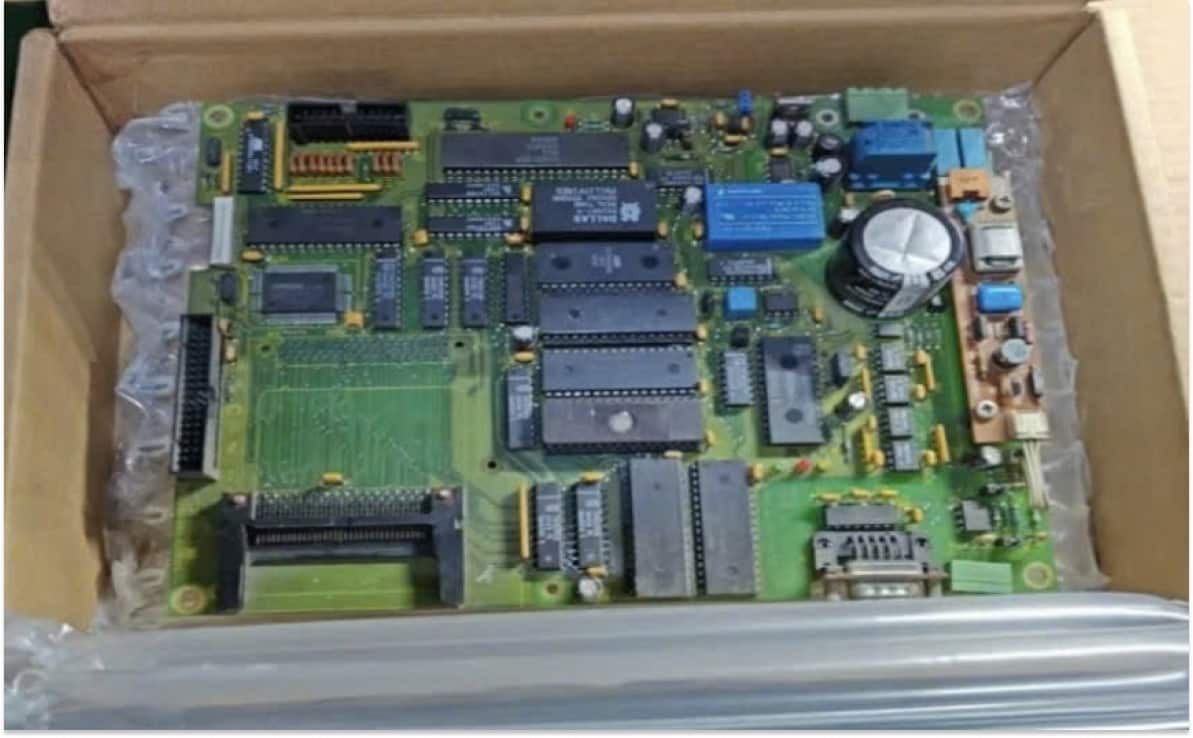
Maintenance and Replacement Procedures for Itema Air Jet Loom Spare Parts

The Itema Air Jet Loom is known as one of the most advanced pieces of equipment in the textile industry, delivering exceptional speed and efficiency. However, to maintain peak productivity and equipment lifespan, managing and maintaining Itema Air Jet Loom spare parts is a critical factor. Wear and tear on components like Nozzles, air valves, and cutter blades can lead to fabric defects, compressed air wastage, and costly downtime.

This in-depth analysis will delve into detailed Preventive Maintenance (PM) procedures, providing guidance on diagnosing and replacing Itema Air Jet Loom spare parts for core wear components. This is an essential guide to help the technical teams of textile mills optimize operating costs and ensure stable export quality.

Itema Air Jet Loom spare
Maintenance and Replacement Procedures for Itema Air Jet Loom Spare Parts 75

1. The Importance of Preventive Maintenance (PM) for Itema Air Jet Loom Spare Parts

Preventive Maintenance is not just about fixing faults; it is a proactive strategy to keep the equipment in optimal condition, which is especially crucial for high-speed weaving machines like Itema.

1.1. Impact of PM on Equipment Lifespan and TCO

  • Extended Component Lifespan: Routine cleaning and lubrication of mechanical Itema Air Jet Loom spare parts help reduce friction and heat, thereby extending the life of components like Cams and Cutter Blades.
  • Optimized Total Cost of Ownership (TCO): The cost of periodic maintenance is always lower than the cost of sudden repairs. PM helps reduce the frequency of replacing expensive Itema Air Jet Loom spare parts and avoids losses due to unexpected downtime.
  • Maintained Pneumatic Efficiency: Regularly servicing valves and Nozzles helps reduce compressed air leakage, which in turn cuts down on the electricity costs for the air compressor—the largest operating expense of an air jet loom.

1.2. Classification of Spares by Maintenance Cycle

Itema Air Jet Loom spare parts can be divided into three groups based on maintenance priority:

GroupComponent ExamplesMaintenance FrequencyRationale
A (Fast-Wearing)Nozzles, Cutter Blades, GasketsDaily Inspection, Short Cycle Replacement (e.g., 6–12 months)Direct contact with yarn/air, high friction.
B (Mechanical Load)Cams, Bearings, Tucking Device componentsQuarterly Inspection, Replacement based on picks (e.g., 2–3 years)Subject to continuous mechanical stress.
C (Electronic/Structural)PCBs, Sensors, FrameAnnual Inspection, Replace upon failure/upgradeHigh replacement cost, critical control functions.

2. Detailed Maintenance Procedures for Weft Insertion and Pneumatic Systems

The Weft Insertion System and pneumatic components are the most complex areas and require the most stringent maintenance for Itema Air Jet Loom spare parts.

2.1. Nozzle Maintenance

The Nozzle is the fastest-wearing component and determines 70% of the weft insertion performance.

Daily Inspection:

  • Visual Check: Ensure the Nozzle surface is free from yarn debris, wax, or chemical residue.
  • Pressure Check: Verify that the compressed air pressure at the main and sub-Nozzles is within the target pressure limits specified by Itema.

Quarterly Maintenance:

  • Ultrasonic Cleaning: Remove the main and sub-Nozzles, use specialized cleaning solution and an ultrasonic cleaner to remove deep-seated deposits.
  • Wear Inspection: Use specialized measuring tools to check the diameter of the Nozzle bore. An enlarged bore due to friction reduces weft insertion efficiency and increases air consumption.

Nozzle Replacement Procedure:

  1. Isolate the loom from compressed air and power sources.
  2. Remove the fixing bolts and pull the old Nozzle out of the machine.
  3. Install the new Itema Air Jet Loom spare part Nozzle, tightening the bolts to the specified torque to prevent damage to the gasket.
  4. Perform pressure and timing calibration of the new Nozzle via the machine’s Human-Machine Interface (HMI).

2.2. Solenoid Valve Unit Maintenance

The Solenoid Valves control the timing and flow of compressed air.

Quarterly Inspection:

  • Leakage Check: Use soapy foam solution or specialized flow meters to check for leaks at joints and valve seals. Valve leakage is the biggest single cause of energy waste.
  • Response Time: Check the response speed of the pneumatic valve to the electrical signal from the PLC.

Solenoid Valve Replacement Procedure:

  1. Identify the faulty valve by checking its electrical signal and response.
  2. Bleed the compressed air from the valve system.
  3. Remove the electrical control wires and air hoses.
  4. Install the new Itema Air Jet Loom spare part valve, ensuring the O-rings and seals are tight. After installation, re-check the pressure and operating timing of the valve on the loom.

3. Maintenance for Cutting, Tucking, and Motion Control Mechanisms

Phụ tùng thay thế máy dệt khí Itema
Maintenance and Replacement Procedures for Itema Air Jet Loom Spare Parts 76

Mechanical mechanisms under direct load must be checked for precision and adequately lubricated.

3.1. Cutter Blade Maintenance and Replacement

The Cutter Blade ensures a clean fabric selvedge. A dull blade increases yarn tension, causing weft breaks and selvedge defects.

Weekly Inspection:

  • Sharpness: Use a magnifying glass to check the cutter blade for chipping or dullness.
  • Clearance: Check the clearance between the fixed and movable cutter blades. Excessive clearance reduces cutting efficiency.

Cutter Blade Replacement Procedure:

  1. Isolate the loom power, and secure the cutter unit.
  2. Remove the old blade. Clean away any lodged yarn debris and dust.
  3. Install the new Itema Air Jet Loom spare part cutter blade.
  4. Adjust the cutting clearance according to specifications (typically very small, around 0.05–0.1 mm) using a dial gauge or specialized feeler gauge.

3.2. Tucking Device Maintenance

The Tucking Device ensures residual yarns are tucked into the fabric selvedge. This is a complex, high-friction mechanical component.

Monthly Inspection:

  • Mechanical Wear: Check the gripper teeth and the cam controlling the tucking motion.
  • Lubrication: Periodically lubricate the pivot points with specialized grease to reduce friction.
  • Component Replacement: When the small gripper components are worn, replacing the entire tucking unit is often more optimal than repairing individual small parts. Choosing genuine Itema Air Jet Loom spare parts ensures the precision of this mechanism.

3.3. Cam, Belt, and Bearing Maintenance

These components provide the primary motion transmission for the weaving process.

  • Cams and Cam Discs: Regularly check the Cam surfaces for wear or pitting due to friction. Annual maintenance includes checking alignment and lubrication.
  • Belts and Gears: Check the tension of the drive belts. A slack belt reduces timing precision, affecting weaving speed and quality. Replace belts every 3–5 years.

4. Diagnosis and Troubleshooting of Common Itema Air Jet Loom Spare Parts Faults

Early fault diagnosis helps minimize losses and downtime.

4.1. Weft Stop Failure

  • Symptom: The weft yarn breaks, but the machine fails to stop promptly, causing extended fabric defects.
  • Root Cause: Faulty Weft Stop Sensor or weak Nozzle propulsion force.
  • Fix:
    • Sensor: Clean the optical sensor or check its electrical signal. If the sensor is unresponsive, the Itema Air Jet Loom spare part sensor needs to be replaced.
    • Nozzle: Recalibrate the Nozzle pressure or replace the Nozzle if it is excessively worn.

4.2. Excessive Air Consumption

  • Symptom: The air compressor runs continuously, or the weaving system pressure drops despite normal compressor operation.
  • Root Cause: Air leakage. of leakage occurs at hose connections, valve seals, or worn Nozzles.
  • Fix:
    • Valve: Use an Ultrasonic Leak Detector to pinpoint the leakage location. Focus on checking O-rings and hose fittings.
    • Nozzle: Replace worn Nozzles. Investing in pneumatic valve maintenance is the best way to reduce TCO.

4.3. Uneven Selvedge Irregularities

  • Symptom: The fabric selvedge is loose, frayed, or not neatly tucked.
  • Root Cause: Dull cutter blade or a worn/faulty tucking device.
  • Fix:
    • Cutter: Replace the cutter blade and readjust the cutting clearance.
    • Tucking Device: Check the Tucking Timing on the HMI screen. If mechanical parts are worn, replacement of the Itema Air Jet Loom spare part tucking unit is required.

5. Strategy for Optimizing Itema Air Jet Loom Spare Parts Investment for SMEs

Phụ tùng máy dệt khí Itema chính hãng
Maintenance and Replacement Procedures for Itema Air Jet Loom Spare Parts 77

Spare parts procurement must be a strategic decision, especially for SMEs needing to optimize capital.

5.1. Prioritize OEM/Genuine Spares for Core Components

For parts that directly impact quality and productivity (Nozzles, control PCBs, Cams), SMEs should prioritize genuine or authorized OEM (Original Equipment Manufacturer) Itema Air Jet Loom spare parts.

  • Pros: 100% compatibility, guaranteed durability and performance, minimizes the risk of sudden faults.
  • Cons: Higher initial investment cost.

5.2. Spare Parts Inventory Management based on 80/20 Rule

Focus 80% of the maintenance budget on the 20% of the most critical and fast-wearing Itema Air Jet Loom spare parts (Nozzles, Seal Kits, Cutter Blades).

  • Ready Stock: Always maintain minimum stock levels for these fast-wearing components to ensure near-zero downtime.
  • Supply Contract: Establish long-term supply contracts with reputable Itema Air Jet Loom spare parts suppliers to ensure stable pricing and fast delivery for expensive components (like PCBs, main shafts).

6. Choosing a Supplier Partner for Itema Air Jet Loom Spare Parts

A supplier partner is not just a parts vendor but a strategic partner in maintaining loom performance.

6.1. Criteria for Selecting a Reputable Supplier

  • Clear Origin: Ensure that the Itema Air Jet Loom spare parts supplied are genuine or OEM certified, with a commitment to quality and warranty period.
  • Technical Support Services: The supplier must have a team of engineers knowledgeable about Itema looms to assist with on-site installation, calibration, and fault diagnosis.
  • Response Time (Lead Time): The ability to quickly supply scarce or urgent spare parts (ideally within 48 hours) is a vital factor for a 24/7 mill.

7. Conclusion: Deep Maintenance is the Key to Itema Loom Performance

Phụ tùng bảo trì máy dệt khí Itema
Maintenance and Replacement Procedures for Itema Air Jet Loom Spare Parts 78

The process of maintaining and replacing Itema Air Jet Loom spare parts is complex yet essential technical operation. Correct investment in preventive maintenance for core components like Nozzles, Valves, and Cutters, combined with a smart procurement strategy (prioritizing OEM for critical spares) will help mills:

  • Maximize the speed and weaving efficiency of the Itema loom.
  • Significantly reduce operating costs (especially compressed air consumption).
  • Extend equipment lifespan, ensuring stable export product quality.

VieTextile is a provider that offers comprehensive genuine Itema Air Jet Loom spare parts solutions along with specialized technical maintenance services, helping Vietnamese textile businesses maintain a competitive edge in the global market.

8. Frequently Asked Questions (FAQ) about Itema Air Jet Loom Spare Parts

Q1: Should I use OEM or high-quality aftermarket parts for my Itema Air Jet Loom? A1: You should use OEM Itema Air Jet Loom spare parts for core components that affect quality (such as Nozzles, PCBs, Cams). High-quality aftermarket parts can be considered for standard mechanical components (bearings, belts), provided the supplier has clear certification.

Q2: Why is the Nozzle the most expensive spare part to replace? A2: The Nozzle is more than just an air hole; it is a component machined to extremely high precision, directly impacting pneumatic efficiency and weft stability at high speeds. The cost of wear-resistant material and the precise machining process make the Nozzle the Itema Air Jet Loom spare part with the largest investment cost.

Q3: What is the optimal frequency for checking compressed air pressure? A3: Compressed air pressure for each Nozzle should be checked and calibrated at least once per week or after every change in yarn type. This periodic check helps detect early leaks and optimizes electricity costs.

9. VieTextile – Strategic Partner for Itema Air Jet Loom Spare Parts Supply

VieTextile is committed to being your strategic partner, specializing in genuine Itema Air Jet Loom spare parts solutions and specialized technical maintenance services:

  • Genuine Products: Reliable sourcing of Itema Air Jet Loom spare parts, ensuring quality and operational lifespan.
  • 24/7 Technical Support: A team of experienced engineers ready to assist with on-site diagnosis, installation, and calibration.
  • Inventory Consulting: Support in building a spare parts inventory strategy based on the 80/20 principle to optimize capital for SMEs.

For detailed consultation on maintenance procedures and optimal Itema Air Jet Loom spare parts solutions, please contact us immediately:

Contact Information: 

Hotline: 0901 809 309 

Email: info@vietextile.com 
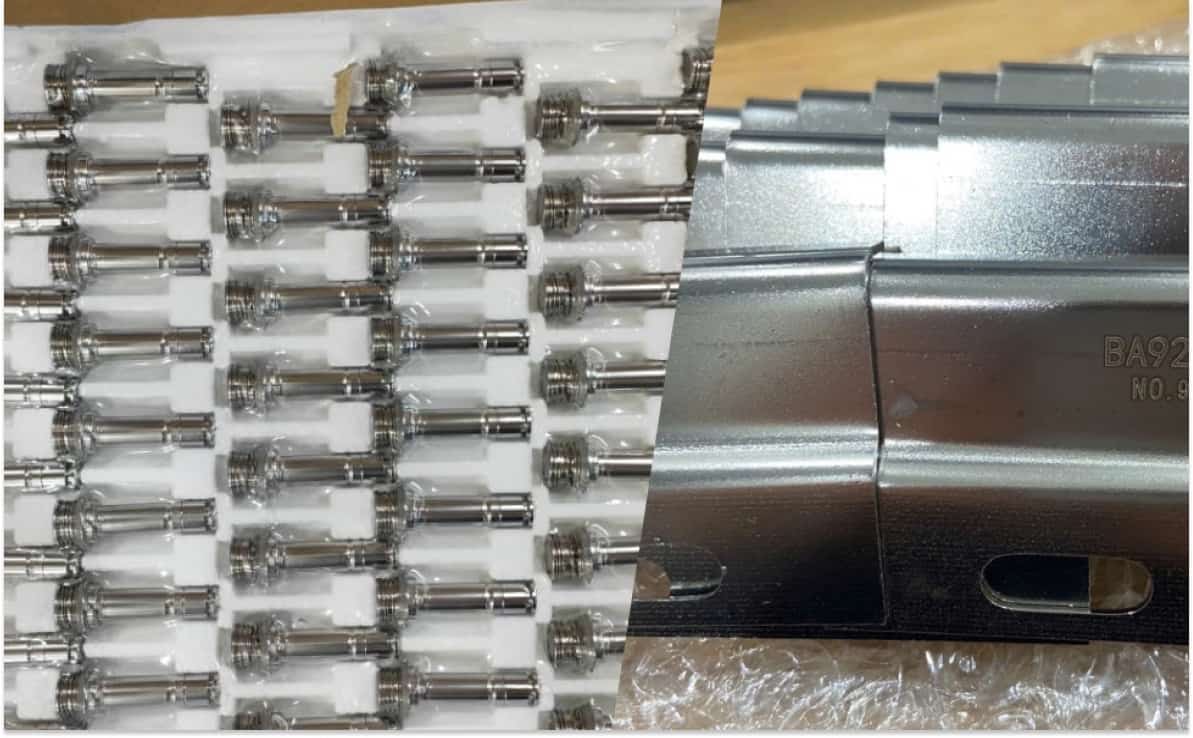
Website: https://vietextile.com