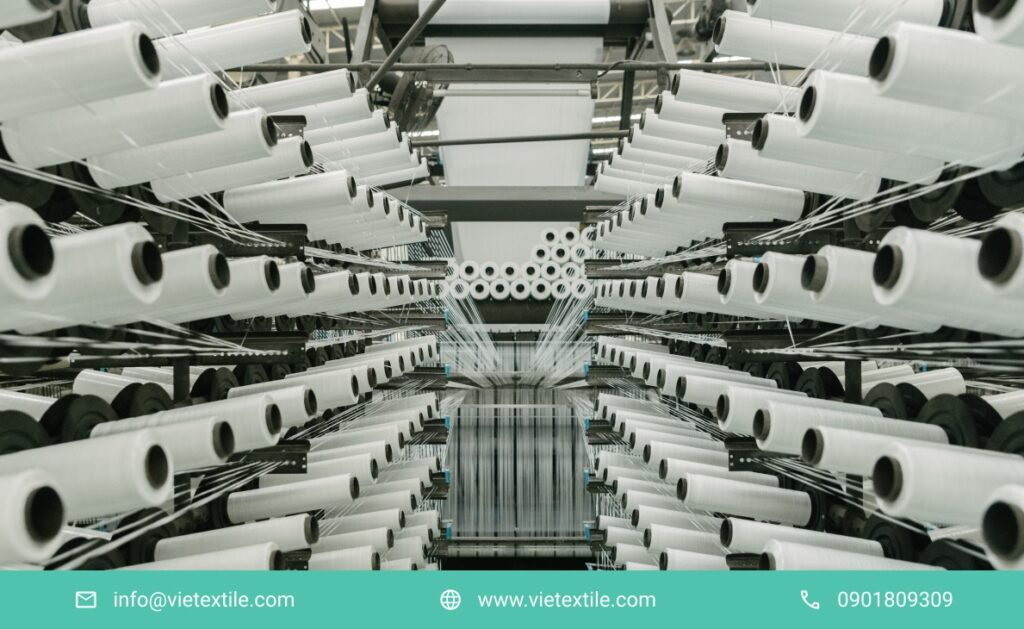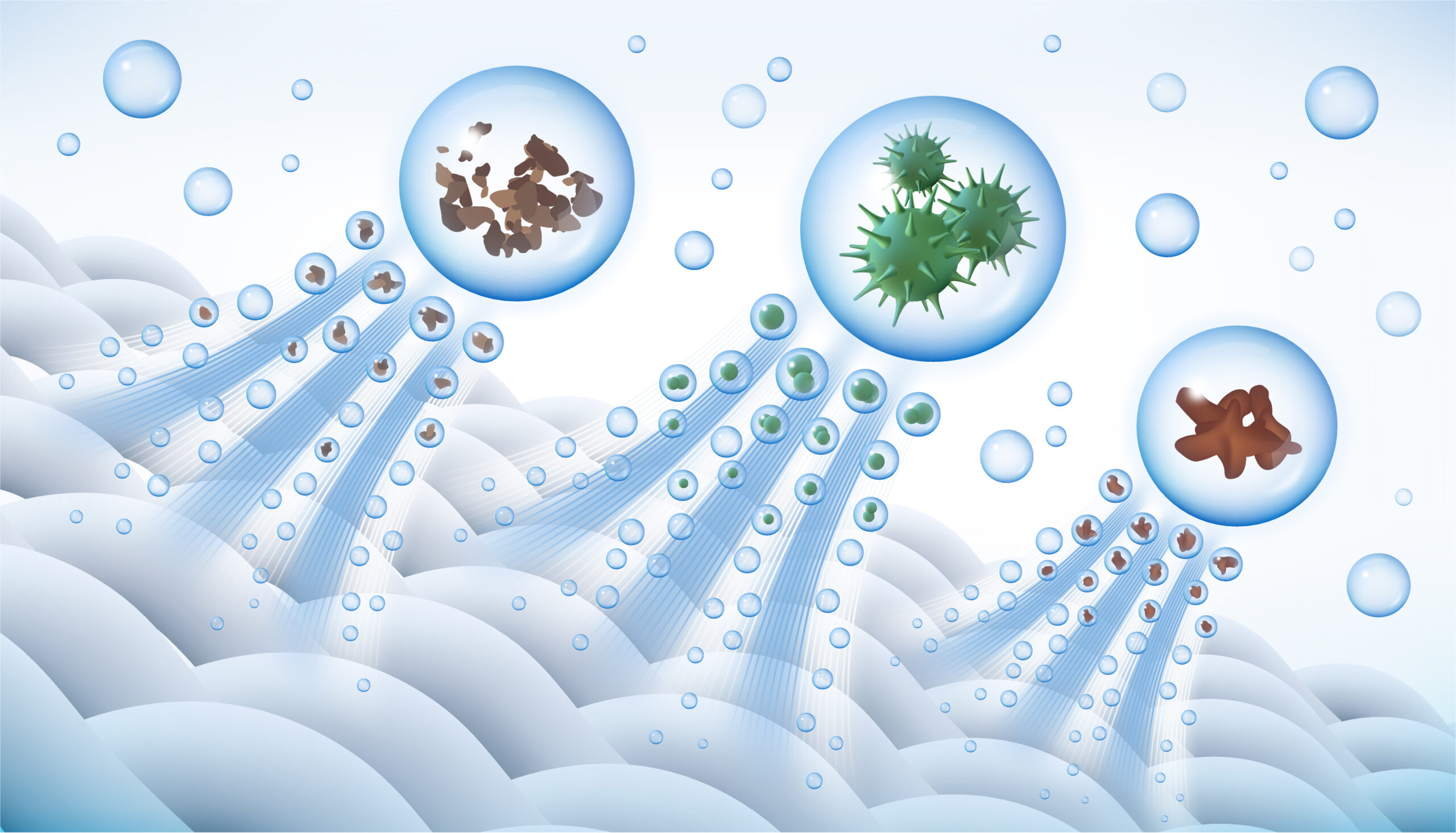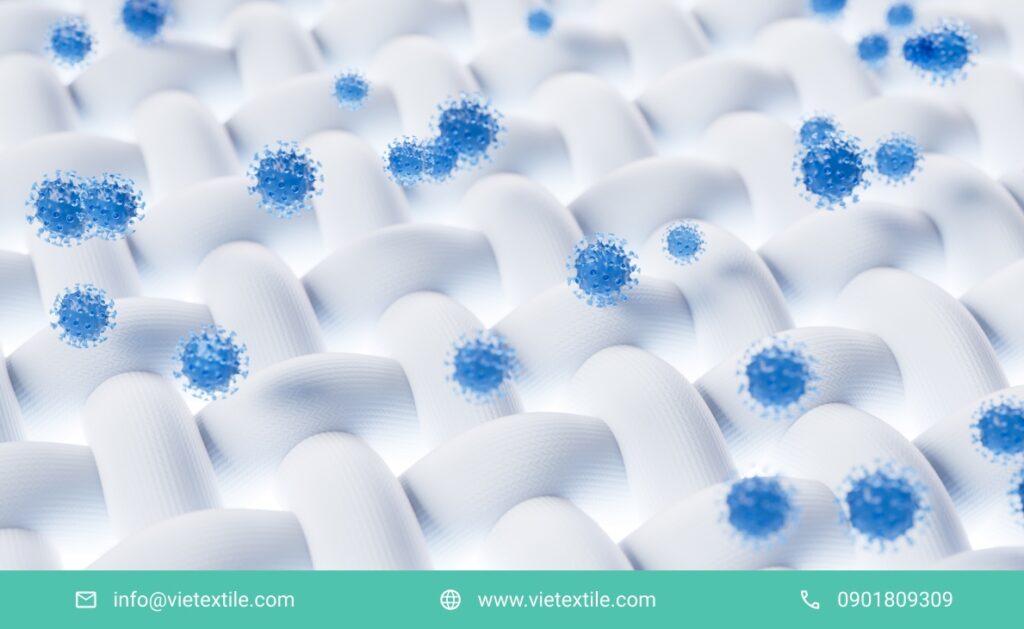
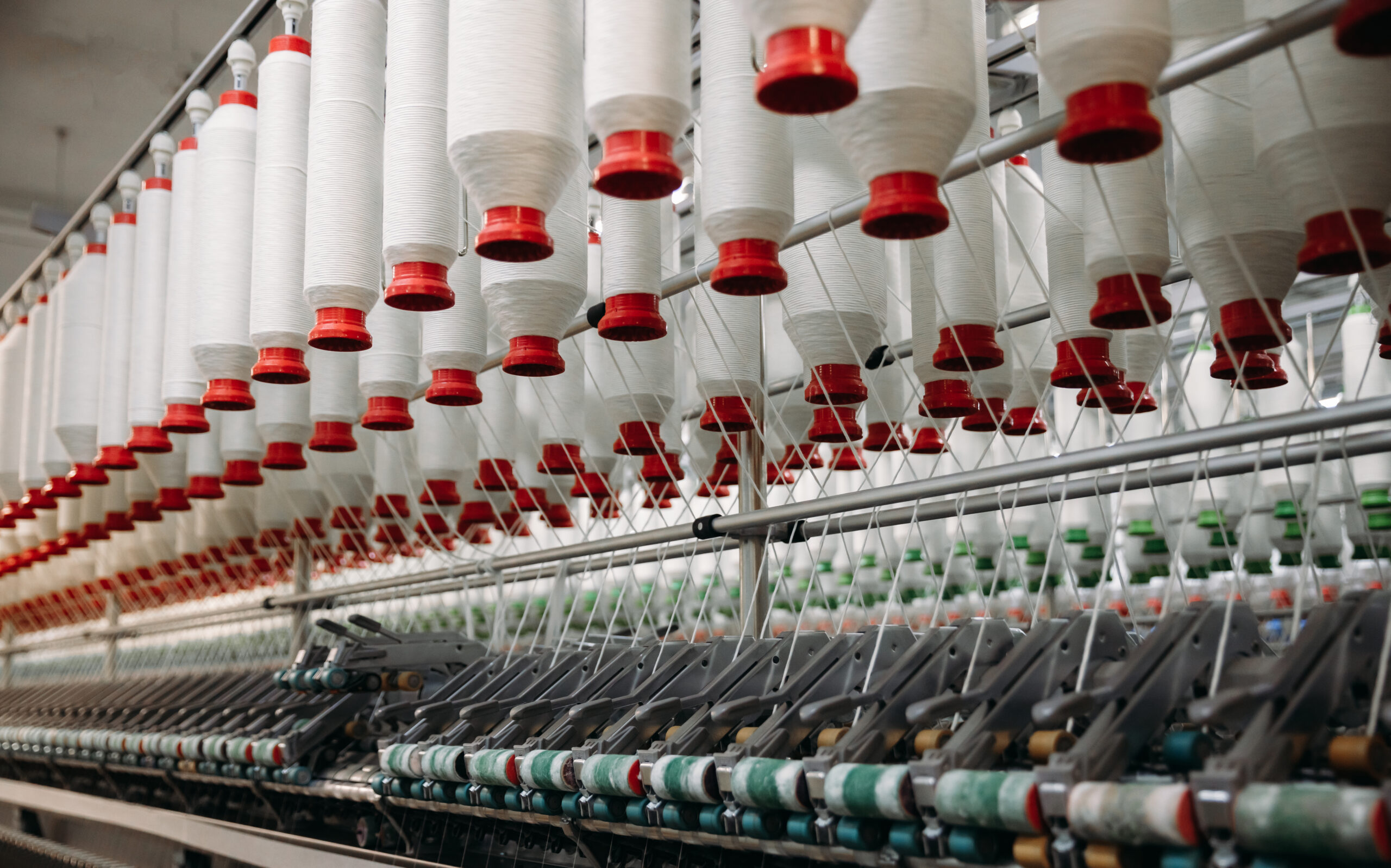
Modern Functional Fiber Production Technology: From Core to Surface

Functional fibers can be antibacterial, odor-eliminating, or UV-protective, but how are they created? This article will give you a comprehensive understanding of functional fiber production technology. To learn about common fiber types and current usage trends, you can refer to the overview article “What is functional fiber? Applications in modern textiles.

Cong Nghe San Xuat Soi Tinh Nang H2
Modern Functional Fiber Production Technology: From Core to Surface 5

1. Overview of Modern Functional Fiber Production Technology Trends

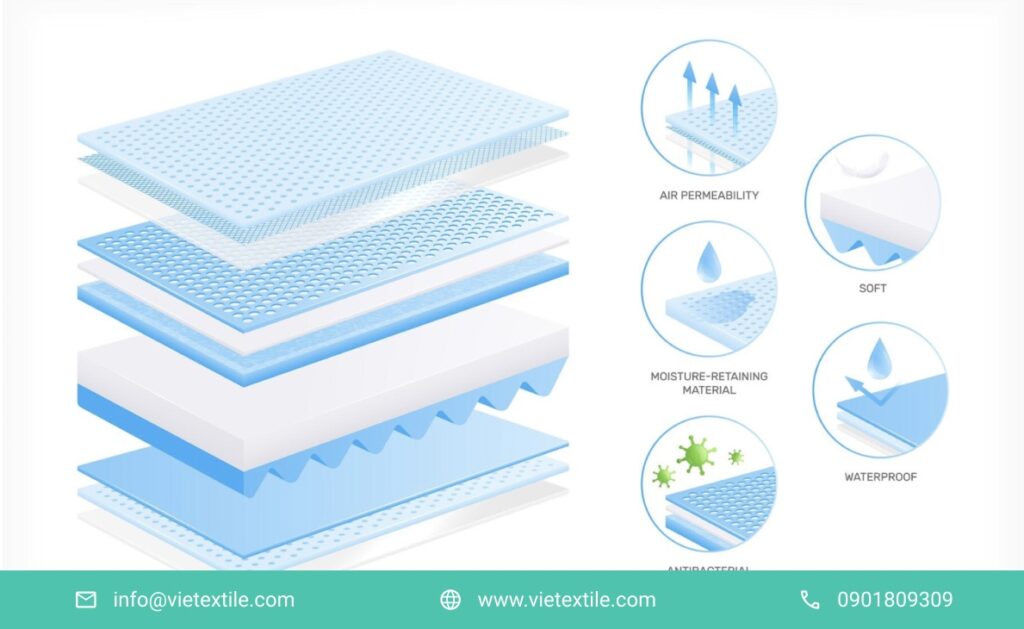
The development of technology and the increasing demand for health, aesthetics, and convenience have driven significant changes in the textile industry. In this evolution, functional fiber is a crucial step forward, as it is not just a simple textile material but also carries functional value for the user.

From fibers with antibacterial, deodorizing, anti-UV, flame-retardant, and quick-drying properties—many of which have been analyzed in the article “A Comparison of Antibacterial and Conventional Fiber – Superior Advantages in Modern Textiles.

The core difference between conventional and functional fibers lies in the production method: integrating properties from within (intrinsic) or adding supplementary treatments from the outside (extrinsic).

2. Classifying Functional Fiber Production Technology

Currently, functional fiber production technology is divided into two main approaches:

2.1. Intrinsic Functional Integration (from the core)

This technology allows manufacturers to blend functional particles (such as nano-silver, ceramics, or bioactive compounds) directly into the polymer base before spinning the fiber. As a result, the antibacterial or deodorizing properties are “firmly attached” to the fiber and last longer.

2.2. Extrinsic Functional Treatment (surface treatment)

After spinning the fiber or weaving the fabric, manufacturers can add functional properties by coating, immersion, or using enzyme or plasma treatments. This method is flexible and applicable to various materials, but its durability is often lower.

CriteriaIntrinsic (from the core)Extrinsic (surface treatment)
Functional DurabilityHigh (50–100 washes)Medium (20–40 washes)
Investment CostHigherMore flexible, lower cost
Integration LevelGood, uniform throughout the fiberSurface-level, easily loses effectiveness over time

3. Intrinsic Functional Fiber Technology
Cong Nghe San Xuat Soi Tinh Nang H3
Modern Functional Fiber Production Technology: From Core to Surface 6

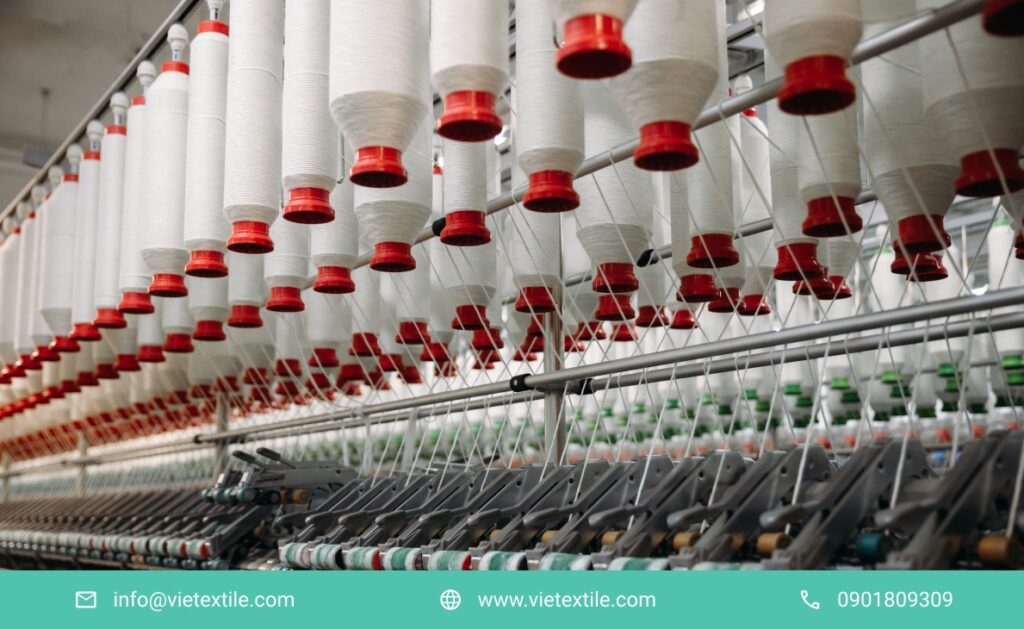
One of the prominent trends is the use of compound nanomaterial technology, where functional materials are dispersed into a polymer base such as polyester, nylon, or polypropylene before spinning.

Examples:

  • Nano-silver (Ag+): Provides lasting antibacterial properties for medical apparel, underwear, and sportswear.
  • Nano-ceramic: Reflects UV rays and helps retain body heat in cold weather.
  • PCM (Phase Change Materials): Helps the fiber self-regulate temperature according to the environment.

Pioneering companies:

  • Toray (Japan): Developed the AQUAIR® fiber line with nano-integration.
  • Invista (USA): Applied antibacterial Lycra® for activewear.
  • Hyosung (South Korea): Developed Creora Fresh®, an anti-odor and anti-static fiber.

A key advantage of intrinsic fibers is their high functional durability, which does not diminish after washing and can maintain properties throughout the product’s life cycle.

4. Extrinsic Functional Fiber Technology

This method relies on creating a coating or chemically altering the surface properties of the fiber or fabric after spinning. Common techniques include:

4.1. Coating / Finishing:

Applying antibacterial, anti-UV, or water-resistant chemicals using industrial calendering or coating machines.

4.2. Plasma Treatment:

Creating an activated surface to enhance the bonding between the fiber and the functional chemicals.

4.3. Enzyme Treatment:

Using bio-enzymes to break down odor-causing molecules like fatty acids or ammonia. This mechanism is analyzed in more detail in the article “Odor-Eliminating Fiber Technology: How Does It Work and Is It Really Effective?”.

The advantages of this technology are its low cost and easy applicability to various fiber types, including cotton and viscose. However, the functional durability will decrease with the number of washes and frequency of use.

5. Commonly Used Functional Materials
Cong Nghe San Xuat Soi Tinh Nang H1
Modern Functional Fiber Production Technology: From Core to Surface 7

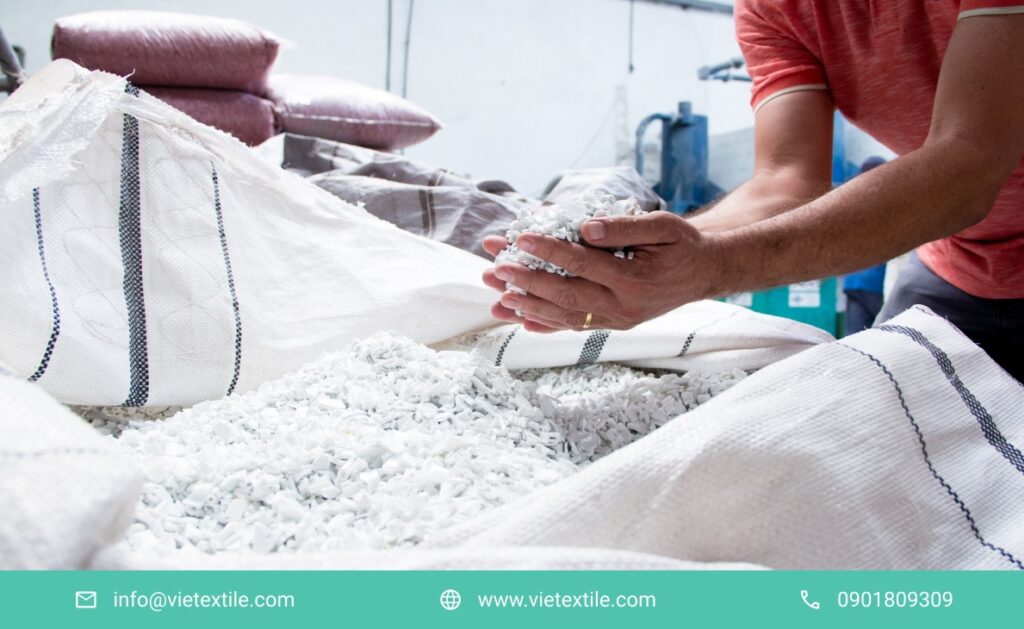
In the production of functional fibers, the choice of integrated material plays a crucial role in determining its effectiveness. Each material offers distinct properties suitable for different applications in the modern textile industry.

5.1. Nano-silver (Ag+) 

Considered the most common material in antibacterial fiber technology. Thanks to its superior bacteria-killing ability, nano-silver is often integrated into underwear, masks, and medical textile products to prevent bacterial growth on the fabric surface.

5.2. Bio-enzymes

An environmentally friendly solution often used in odor-eliminating fiber treatments. Enzymes help break down odor-causing molecules like fatty acids or ammonia, making them very suitable for sportswear, socks, and products worn for extended periods.

5.3. Nano-zinc (ZnO)

In addition to its antibacterial properties, nano-zinc also has strong antifungal characteristics. It is an ideal material for school uniforms, children’s fabrics, or any product that requires a high level of safety for sensitive skin.

5.4. Titanium dioxide

This material is notable for its UV-blocking ability. When integrated into the fiber, titanium dioxide helps protect the skin from the effects of sunlight—especially useful in outdoor jackets, mountaineering gear, and work uniforms.

5.5. Activated charcoal

Activated charcoal is commonly used for odor control due to its ability to absorb volatile compounds. It is a popular choice for pillows, blankets, and furniture in enclosed environments like cleanrooms or high-end hotels.

6. Technical Standards and Testing

To ensure the article meets professional and international evaluation requirements, you can directly reference the following documents and links:

  • AATCC TM100 – Antibacterial Finishing Standard
  • ISO 20743: Textiles — Determination of antibacterial activity
  • OEKO-TEX® STANDARD 100 Certification To ensure the quality and practical effectiveness of functional fibers, the textile industry adheres to strict international standards that test durability, safety, and the ability to be antibacterial or odor-eliminating.

6.1. ISO 20743 – For Antibacterial Fibers

This is an international standard that measures the ability to kill or inhibit the growth of bacteria on fabrics and fibers. It is often applied to fibers containing nano-silver, nano-zinc, or those treated with enzymes.

6.2. ISO 17299 – For Odor-Eliminating Fibers

This standard is specifically used to test the level of elimination of odor-causing compounds such as ammonia (NH3) and isovaleric acid—which are typically body odors. The test is based on the reduction in compound concentration after a period of exposure.

6.3. OEKO-TEX STANDARD 100

This is an important certification that confirms the fiber and fabric do not contain harmful chemicals and are safe for the skin—including children’s skin. It is an almost mandatory requirement for international brands.

7. Challenges and Future Development Trends

Although it offers many advantages, functional fiber production technology still faces some challenges that need to be addressed:

7.1. Functional Durability After Washing

Extrinsically treated fibers often experience a decline in functionality after 20–40 washes. This is a weakness that requires manufacturers to find better adhesion technology or combine it with a protective layer.

7.2. Cost Optimization for Large-Scale Production

Integrating functionality into the polymer core requires specialized machinery and high-level technical expertise, which is not yet suitable for many textile factories in Vietnam. Therefore, there is a need for localized technology solutions.

7.3. New Development Trends

  • Multifunctional fibers: Combining antibacterial + anti-UV + moisture-wicking properties.
  • Recycled materials + green technology: Developing recycled PET fibers with integrated functionalities.
  • Integrating AI into fiber treatment processes: Monitoring and adjusting chemical coating or enzyme treatment temperature in real-time.

8. Frequently Asked Questions (FAQ)

Does nano-silver technology retain its functionality after washing? Yes, if it is integrated into the fiber core, the functionality can be maintained for up to 100 washes without significant degradation.

Can cotton fiber be treated to become a functional fiber? Yes. Cotton can be treated with enzymes, nano-coatings, or plasma to add functions like antibacterial or odor-eliminating properties.

Is the production cost of functional fiber high? On average, it is 10–30% higher than conventional fiber, depending on the technology. However, this is offset by a significantly higher usage and commercial value.

Which technology is the most environmentally friendly? Bio-enzymes and biodegradable materials (bio-based) are sustainable directions favored by international brands.

9. Contact for Custom Functional Fiber Production Consultation

Are you a garment business, a fabric distributor, or an international trading company looking to develop an exclusive line of functional fibers?

Contact VieTextile to:

  • Receive technical consultation on suitable materials.
  • Order R&D samples upon request.
  • Connect with specialized OEM/ODM partners for functional fiber treatment.

Odor-Eliminating Fiber Technology: How Does It Work and Is It Really Effective?

This article explores how odor-eliminating fiber works, the technology behind it, and assesses its practical effectiveness in the modern textile industry.

1. What Is Odor-Eliminating Fiber? Why Is It Necessary for Textiles?

soi khu mui H1
Odor-Eliminating Fiber Technology: How Does It Work and Is It Really Effective? 12

In tropical climates like Vietnam, the buildup of sweat and bacteria on fabrics is a common cause of discomfort for wearers. Especially for products such as sportswear, office uniforms, or underwear, the demand for odor-eliminating fabrics is growing.

Odor-eliminating fiber is a type of fiber that incorporates special technologies to absorb, break down, or inhibit odor-causing bacteria. Unlike antibacterial fibers, which focus on killing microorganisms, odor-eliminating fiber aims to treat volatile compounds that cause odors, such as ammonia, fatty acids, and sweat.

2. The Mechanism of Odor-Eliminating Fiber

soi khu mui H2
Odor-Eliminating Fiber Technology: How Does It Work and Is It Really Effective? 13

2.1. Nano-silver Technology

Nano-silver kills odor-causing bacteria by breaking down their cellular structure. When integrated into the fiber, it prevents bacteria from growing—thereby eliminating the root cause of the odor.

2.2. Bio-enzyme Technology

Bio-enzymes work by breaking down odor-causing compounds (like fatty acids) into neutral, odorless molecules. This technology is especially effective for underwear and children’s clothing.

2.3. Activated Charcoal, Ionization, and Gas-Absorbing Coatings

Some fibers use activated charcoal or gas-absorbing coatings to capture and neutralize odors. These technologies do not kill bacteria but are very effective at temporarily reducing odors.

3. Assessing Real-World Effectiveness

The effectiveness of odor-eliminating fiber can be verified using standards such as AATCC TM148 or ISO 17299. Tests that measure the reduction of odor concentration in real-time show:

  • Over 70% odor reduction after 1 hour of exposure to sweat odor.
  • Some high-end products achieve a 90–95% odor reduction.
  • The effectiveness is maintained for 20–60 washes, depending on the integrated technology.

In addition to technical factors, user feedback from major brands like Uniqlo, Puma, and Columbia shows a high level of satisfaction with products that use odor-eliminating fiber in active environments.

4. Effectiveness Comparison: Odor-Eliminating Fiber vs. Conventional Fabric

4.1. Odor Control Capability

Conventional fabric has no odor control mechanism and can easily develop odors when exposed to sweat, especially in hot and humid weather. In contrast, odor-eliminating fiber can reduce odors by 70% to 95% within 1 hour of use, thanks to its ability to absorb or neutralize volatile compounds.

4.2. Wash Durability

Odor-eliminating fiber can maintain its effectiveness for 20–60 washes, depending on the technology used (nano-silver, enzymes, or absorbing coatings). Meanwhile, conventional fabric often retains odors more strongly after a few uses, requiring heavy washing that reduces its lifespan.

4.3. Wearer Experience

Products using odor-eliminating fiber provide a drier, more comfortable feeling, especially during strenuous activities or prolonged wear. Conventional fabrics can cause odors, a feeling of dampness, and reduce confidence in social settings.

5. Practical Applications and Notable Brands

Odor-eliminating fiber is widely used in many textile product lines that have high requirements for hygiene, comfort, and odor control—especially in active or continuous use environments.

5.1. Sportswear

Major sports brands like Decathlon, Lululemon, and Puma integrate odor-eliminating fiber into products such as sports shirts, running shorts, and gym jackets. The ability to eliminate odor helps users feel more confident during high-intensity activities and reduces the frequency of washing.

5.2. Underwear and Socks

Underwear, bras, and socks are ideal applications for odor-eliminating fiber because these areas tend to accumulate sweat and bacteria. Some Japanese underwear brands even combine both deodorizing and antibacterial features to enhance the user experience.

5.3. Student and Office Uniforms

Given the need to be worn all day in crowded environments, equipping shirts and uniforms for students or hotel and restaurant staff with odor-eliminating fiber is a solution that helps maintain a pleasant smell, increasing comfort and professionalism.

5.4. Bedding and Medical Supplies

Some manufacturers of cleanroom and hospital fabrics also apply odor-eliminating fiber to sheets, medical gowns, and bedding, helping to control biological odors in high-risk environments.

6. Safety and Testing Standards

Soi khu mui H3
Odor-Eliminating Fiber Technology: How Does It Work and Is It Really Effective? 14

6.1. Is It Safe for the Skin?

A common question is whether odor-eliminating fiber causes skin irritation. Advanced technologies like bio-enzymes and nano-silver have undergone clinical testing. When produced to the correct standards, they do not cause allergies or affect sensitive skin.

6.2. Testing Standards and Certifications

The effectiveness and safety of odor eliminating fiber are typically assessed by international standards such as:

  • AATCC TM148 – Measures the deodorizing capability of fabrics under real conditions.
  • ISO 17299-3 – Measures the ability to eliminate ammonia and isovaleric acid.
  • OEKO-TEX® STANDARD 100 – Ensures the product is free of harmful substances. Reputable brands often require test reports and OEKO-TEX certifications from their suppliers to ensure consumer safety.

7. Frequently Asked Questions (FAQ)

Does odor-eliminating fiber last long? Depending on the production technology, the effectiveness can be maintained for 20–60 washes while retaining its function.

Does machine washing remove the deodorizing function? If washing instructions are followed (low temperature, no harsh bleach), the effectiveness remains stable.

What is the difference from antibacterial fiber? Odor-eliminating fiber treats unpleasant odors, while antibacterial fiber kills disease-causing bacteria. Some types combine both functions.

Are there any eco-friendly odor-eliminating fibers? Yes. Some bio-based fiber lines that combine natural enzymes and recycled materials are gaining popularity.

8. Contact Us for Consultation and Samples

Do you want to apply high-quality odor-eliminating fiber to your products?

Contact VieTextile for technical advice, sample testing, and a quick quote: 

A Comparison of Antibacterial and Conventional Fiber – Superior Advantages in Modern Textiles

Why are more and more brands switching to using antibacterial fiber? This is a crucial topic within the “Functional Fiber” category, a modern direction in the textile industry. This article will help you understand the clear differences between antibacterial fiber and conventional fiber—in terms of effectiveness, applications, and cost.

1. Definition and Nature of the Two Fiber Types

antibacterial fiber
A Comparison of Antibacterial and Conventional Fiber – Superior Advantages in Modern Textiles 19

Conventional fiber is a widely used material in traditional textiles, primarily including cotton, polyester, viscose, and others. These fibers do not incorporate additional features but simply provide mechanical durability and a comfortable feel.

In contrast, antibacterial fiber is a type of fiber integrated with active agents such as nano-silver, zinc ions, or plant extracts, or it is surface-treated to inhibit or kill the growth of odor-causing and harmful bacteria and fungi.

By nature, antibacterial fiber is “functional,” often undergoing high-tech processes such as:

  • Integrating nano-materials into the fiber’s core (intrinsic).
  • Surface coating or finishing (extrinsic).

2. Feature Comparison – Usage Effectiveness

Evaluation CriteriaConventional FiberAntibacterial Fiber
Bacteria EliminationNoneKills 99% of bacteria (AATCC TM100 standard)
Sweat Odor ControlNoneYes (eliminates odor-causing bacteria)
Safety for Sensitive SkinCan cause irritation if dampReduces dermatitis, provides better skin protection
Long-term HygieneProne to dirt and mold accumulationStays clean longer, provides continuous bacterial protection

A study from the Korea Textile Institute showed that nano-silver fiber reduced E.Coli and S.Aureus bacteria by up to 99.3% after 24 hours, while conventional fiber showed no similar effect.

3. Wash Durability, Reusability, and Environmental Impact

Soi Khang Khuan H2
A Comparison of Antibacterial and Conventional Fiber – Superior Advantages in Modern Textiles 20

3.1. Wash Durability between Conventional and Antibacterial Fiber

Conventional fiber has no active protection, so bacteria and odors accumulate with each use if not treated with chemicals.

Antibacterial fiber, especially the type integrated into the fiber core, can maintain its effectiveness for up to 50–100 washes, without being washed away over time like surface-treated finishes.

Externally-treated antibacterial fibers have a shorter lifespan, averaging 20–40 washes, yet they still outperform conventional fiber in short-term use environments like uniforms, student apparel, and event clothing.

3.2. Environmental Impact and the Sustainable Consumer Trend

Beyond performance, a criterion that is gaining increasing attention in the textile industry is the environmental impact of the materials used. Conventional fibers like cotton, while natural in origin, have a production process that consumes a lot of water and pesticides. Meanwhile, polyester—a common synthetic fiber—takes hundreds of years to fully decompose in the environment.

Modern antibacterial fiber, especially that developed with a bio-based and sustainable approach, can reduce the number of washes needed, which means saving water, reducing the use of detergents, and minimizing the amount of microfibers released into the oceans. A report from Textile Exchange states that products using antibacterial fabrics can help reduce water consumption by 30% throughout the product’s life cycle.

Additionally, because antibacterial fiber stays clean longer, products made from this type of fiber are less likely to stain or degrade prematurely, extending their average lifespan by 1.5–2 times compared to conventional fiber under the same usage conditions. This is a crucial factor for brands aiming for an ESG (Environmental, Social, and Governance) strategy in their supply chain.

4. Practical Applications

Soi Khang Khuan H3
A Comparison of Antibacterial and Conventional Fiber – Superior Advantages in Modern Textiles 21

Conventional fiber is widely used in everyday fashion, but it is easily affected by bacteria, moisture, and odors—especially in a tropical climate like Vietnam.

Antibacterial fiber, however, demonstrates a clear advantage in these applications:

  • Medical apparel: Protects the wearer from cross-contamination.
  • School uniforms: Reduces the risk of skin diseases.
  • Sportswear: Limits sweat odor, increasing comfort.
  • Office wear: Stays clean and odor-free all day long.

In fact, brands like Uniqlo, Decathlon, and Columbia have already adopted antibacterial fiber for their health-focused and sportswear product lines.

5. Production Costs and Economic Efficiency

Reliable References:

The production cost of antibacterial fiber is 10–25% higher than that of conventional fiber due to the use of specialized materials and technology. However, in the long term, antibacterial fiber helps save costs:

  • Reduced laundry frequency.
  • Increased product lifespan.
  • Lower return rates due to odor or skin irritation.

A 2023 survey by Textile World showed that European retailers are willing to pay 15% more for textile products that incorporate user-protective features.

6. Antibacterial Fiber in Brand Strategy and Sustainable Production

6.1. The Advantage of Building a Brand Based on Health and Safety Values

If your goal is low cost, mass production, or short-term use, conventional fiber might be the right choice.

However, if you are aiming for sustainability, user health, reduced operational costs, and elevated product value, antibacterial fiber is a worthwhile investment.

Especially in the post-pandemic context, consumers are strongly shifting towards products that offer health protection, are environmentally friendly, and provide long-term safety.

6.2. The Role of Antibacterial Fiber in the Global Supply Chain

Beyond being a technical solution, antibacterial fiber is also a tool for creating a brand’s competitive advantage in the era of smart consumption. Today’s consumers don’t just buy a shirt—they buy protection, peace of mind, and the ethical values associated with that product.

In Europe, over 42% of consumers are willing to pay more for textile products that incorporate health-protective features (according to Nielsen, 2022). For Vietnamese textile brands that want to export to the US or EU, adopting antibacterial fiber and obtaining certifications like OEKO-TEX or Bluesign will be key to expanding their market.

From a production standpoint, antibacterial fiber helps factories optimize their washing, packaging, and finished product storage processes, reducing rework costs and increasing the ability to control output quality. This is a tremendous advantage when participating in the global supply chain.

Antibacterial fiber is not just a material; it is a foundation for brands to build a green, clean, and responsible image in the eyes of global consumers.

7. Frequently Asked Questions from Businesses and Consumers

7.1. Does nano-silver fiber cause skin irritation?

No, as long as the correct concentration is used and it has OEKO-TEX certification. The nano-silver within the fiber core does not come into direct contact with the skin.

7.2. Can antibacterial fiber be machine-washed?

Yes, using a gentle cycle and avoiding strong bleaches. It is recommended to wash at temperatures below 40°C.

7.3. Do products made from antibacterial fiber need to be ironed?

It depends on the fabric type. However, most antibacterial fiber fabrics today have better wrinkle resistance than conventional fibers.

7.4. Should I use antibacterial fabrics for school uniforms?

It is highly recommended. This environment has a high risk of contact, and antibacterial fiber helps protect students’ health more effectively.

8. Contact Us for Consultation and Antibacterial Fiber Samples

Do you want to apply high-quality antibacterial fiber to your products?

Contact VieTextile for technical advice, sample testing, and a quick quote: 

What Are Functional Fibers? Their Applications in the Modern Textile Industry

Functional fibers are modern textile fibers integrated with advanced technologies for antibacterial, UV-protective, and odor-neutralizing properties. So what are they, who should use them, and how are they applied in the textile industry? This article provides a comprehensive overview.

1. Introduction to the Smart Fiber Trend

In the era of high technology and sustainable consumption, the textile industry is undergoing a major revolution with the emergence and development of functional fibers. No longer just a material for making fabric, today’s fibers are integrated with superior properties: antibacterial, odor-neutralizing, UV-protective, anti-static, flame-retardant, quick-drying, and even self-cooling.

The rise of functional fibers not only meets the demands of modern consumers but also opens up a new direction for the future of the textile industry: safe, smart, and environmentally friendly.

2. What Are Functional Fibers? How Do They Differ from Traditional Fibers?

Functional fibers are specially treated or integrated with unique properties to enhance the performance of textile products. These properties can be created through:

  • Fiber composition: Integrated directly during production (e.g., silver nanoparticles, zinc nanoparticles, ceramics, etc.).
  • Surface treatment: Coating with antibacterial or UV-protective agents, or using mechanical and chemical treatments.

Compared to traditional fibers, functional fibers excel at serving specific needs such as:

  • Maintaining hygiene and safety: Antibacterial, odor-neutralizing.
  • Increasing product durability and lifespan: Anti-wrinkle, flame-retardant.
  • Providing comfort and convenience: Breathable, quick-drying.

3. Common Types of Functional Fibers

soi tinh nang H1
What Are Functional Fibers? Their Applications in the Modern Textile Industry 25

Functional fibers are distinguished not only by their technical features but also by the evolution they represent in the modern textile industry. Here are some of the most notable types:

3.1. Antibacterial Fibers

This is the most common type of functional fiber, integrated with silver nanoparticles, zinc nanoparticles, or silver ions to eliminate bacteria on the fabric surface. Brands like Uniqlo and Gap have used these fibers for their health and sportswear lines.

3.2. Odor-Neutralizing Fibers

These fibers use odor-absorbing compounds or silver nanoparticles to neutralize body odor and sweat upon contact. Many premium underwear and activewear products now use this type of fiber.

3.3. UV-Protective Fibers

These fibers prevent direct contact between UV-A and UV-B rays and the skin. They are typically coated with a UV Shield layer or woven with a dense fiber structure. They are suitable for outdoor apparel and construction uniforms.

3.4. Flame-Retardant Fibers

Integrated with fire-retardant agents or using self-extinguishing polymers, this type of fiber meets military and firefighting industry standards.

3.5. Anti-Static Fibers

Thanks to the integration of carbon or conductive fibers, these fibers help reduce static shocks, making them ideal for electronic component manufacturing environments.

3.6. Thermal Regulating Fibers (PCM)

Applying phase change material (PCM) technology, these fibers automatically adjust the fabric’s surface temperature according to the surrounding environment, making them popular in high-end sportswear.

3.7. Quick-Drying Fibers

Materials like Tencel, bamboo fiber, and enhanced microfiber polyester wick away moisture extremely quickly, providing a cool feeling all day long. Adidas and Nike have applied these fibers in many of their running and training apparel lines. The durability of these properties is lower than those integrated from the fiber’s core.

4. Functional Fiber Production Technology

The technology for creating functional fibers is currently divided into two main approaches: integration from the fiber’s core and post-spinning treatment. Each method has its own advantages and limitations, depending on the intended use and the manufacturer’s investment budget.

4.1. Intrinsic Functional Fiber

This is a modern technology in which functional materials such as silver nanoparticles, zinc ions, ceramics, or PCMs are blended directly into the polymer resin before spinning. For example, when silver nanoparticles are integrated into polyester, it creates a durably antibacterial fiber that maintains its effectiveness for up to 100 washes. Toray (Japan) and Invista (USA) are pioneers in this technology.

The advantage of this method is the very high durability of the properties, which do not wash away. However, production costs are also higher due to the strict control required for input materials and precise blending technology.

4.2. Extrinsic Functional Fiber

This method uses coating, finishing, or plasma treatment technologies to apply a functional layer to the surface of the fiber or finished fabric. This is a flexible approach that can be applied to many types of fibers like cotton, polyester, and viscose at a lower cost.

However, the durability of the properties of these treated fibers often only lasts for 20–40 washes. Therefore, this type of fiber is more suitable for short-term use products or those that do not require frequent washing, such as event uniforms or medical face masks.

Choosing the right technology should be based on practical needs: if high durability and repeated use are required, the intrinsic method is preferable; if cost and flexibility are the priorities, post-spinning treatment is the optimal choice.

5. Practical Applications of Functional Fibers

soi tinh nang H2
What Are Functional Fibers? Their Applications in the Modern Textile Industry 26

Functional fibers are now widely used in many aspects of life and production, especially in the textile industry. Here are some typical industries and specific product applications:

5.1. Healthcare

In the healthcare industry, functional fibers are used to produce highly antibacterial face masks, scrubs, and medical gloves, which help prevent the growth of bacteria and viruses. This is especially important in hospital and clinic environments where a high degree of hygiene is required.

5.2. Sports

Given the demand for breathability and odor control, odor-neutralizing and quick-drying fibers are widely used in sports t-shirts, shorts, and socks. This is an ideal choice for people who are physically active or play sports frequently.

5.3. Office Wear

Odor-neutralizing and anti-wrinkle fibers are integrated into shirts, suits, and trousers, helping the wearer maintain a neat, formal appearance for long periods, while also preventing body odor in confined office environments.

5.4. School Uniforms

Antibacterial fibers are used to produce school uniforms, ensuring hygiene safety for students who wear uniforms all day long in high-contact environments.

5.5. High-End Fashion

In high-end fashion, fabrics made from antibacterial Tencel and silk blended with silver nanoparticles are popular for their natural odor-neutralizing capabilities, providing a soft and luxurious feel, while also ensuring skin protection and environmental friendliness.

5.6. Industrial Uniforms

Anti-static and flame-retardant fibers are used in uniforms for factory workers, technicians, cleanroom staff, or in specific industries. This provides better protection for workers in high-risk environments.

6. Relevant International Standards and Certifications

The quality of functional fibers is evaluated not only by sensory perception but also through testing by independent organizations:

  • OEKO-TEX Standard 100: Human-safe for skin contact.
  • AATCC TM100, ASTM E2149: Antibacterial efficacy.
  • ISO 20743:2021: Antibacterial testing on textiles.
  • Bluesign®: Ensures sustainability in the production process.

Businesses should request a COA (Certificate of Analysis) and a test report from the supplier when purchasing functional fibers.

7. VieTextile – Your Functional Fiber Supplier in Vietnam

7.1. Reliable References:

With its production capacity, R&D, and practical testing, VieTextile currently supplies a diverse range of functional fibers:

  • Antibacterial fibers using silver and zinc nanoparticles
  • Odor-neutralizing fibers with biological enzyme treatment technology
  • Fabrics integrated with UV-protective and anti-wrinkle properties
  • Custom R&D services for domestic and export brands

7.2. VieTextile Commitment:

  • Quality certified by OEKO-TEX
  • Flexible delivery based on customer requirements
  • Technical consulting and sample testing support before mass production

Frequently Asked Questions (FAQ)

Are silver nanoparticle fibers truly effective at eliminating bacteria? Yes. According to AATCC TM100, silver nanoparticles can kill over 99% of common bacteria on fabric within 24 hours of use.

Are odor-neutralizing fibers effective in hot, humid conditions? Yes, if the fibers are treated with the correct technology. Research from the Korea Textile Institute shows that odor-neutralizing effectiveness is maintained at over 85% after 30 washes.

Should I use UV-protective fibers for children’s clothing? It is highly recommended. Children have sensitive skin that needs protection from UV rays. UV-protective fibers help minimize long-term skin damage.

Where can I buy functional fibers in Vietnam? VieTextile is a reputable supplier of functional fibers in Vietnam, offering free technical consulting and sample testing.

How do the production costs of antibacterial and regular fibers compare? On average, they are 10–25% higher, but this is offset by superior durability and properties throughout the product’s lifespan.

Call to Action: If you are looking for high-quality functional fiber solutions that align with market trends and international standards, contact VieTextile now for a free consultation, a trial sample, and a quick quote within 24 hours.

Contact for samples and technical consultation: 

What is Perma Anti-Viral Textile Fiber? Advantages and Applications

Perma anti-viral textile fiber has emerged as an optimal solution, meeting the diverse needs of consumers and creating a breakthrough in the textile industry. So, what is Perma anti-viral textile fiber? Why should you choose Perma fiber as a solution for your textile business? Let’s find out the details in the article below.

1. The Concept of Functional Fibers and Perma Anti-Viral Textile Fiber

1.1. What Are Functional Fibers?

Functional fibers are fibers that are enhanced with superior properties compared to traditional fibers through the application of nanotechnology or other special treatment methods. As a result, functional fibers give textile products outstanding advantages such as anti-bacterial, deodorizing, UV protection, and wrinkle resistance.

Some common types of functional fibers today include bamboo fiber, modal fiber, carbon fiber, and coolmax fiber.

1.2. Characteristics of Perma Anti-Viral Textile Fiber

The Perma anti-viral textile fiber is a quality product from the Perma Group in Thailand. It is a type of anti-bacterial polyester fiber produced using modern nanotechnology. The special feature of Perma fiber is its ability to integrate nano zinc oxide into the fiber’s molecular structure. This creates superior anti-bacterial, deodorizing, and UV-protective capabilities.

soi vai khang virus perma
What is Perma Anti-Viral Textile Fiber? Advantages and Applications 30

Information about Perma fiber:

  • Composition: Short-fiber polyester combined with high-performance nano zinc oxide.
  • Moisture Absorption: 2.5-3.0% (higher than ordinary polyester at 1.5-2.0%).
  • Anti-bacterial Capability: Achieves 99.0% effectiveness in antibacterial fabric testing by the American Association of Textile Chemists and Colorists (AATCC 100: 2019).
  • UV Protection: UPF index of 25 to 30%, which is higher than regular polyester.
  • Hydrogen Peroxide (H2O2) Generation: The nano zinc oxide in Perma fiber releases about 20 microamperes of energy, reacting with moisture in the air to produce H2O2, which is beneficial for the skin.

2. Outstanding Advantages of Perma Anti-Viral Textile Fiber

Perma anti-viral textile fiber possesses many outstanding advantages, making it a comprehensive solution for the textile industry:

2.1. Superior Anti-bacterial Capability, Protecting User Health

The nano zinc oxide in Perma fiber inhibits the growth of bacteria like Staphylococcus aureus and Klebsiella pneumoniae, which are causes of skin diseases, allergies, respiratory issues, and unpleasant odors. The anti-bacterial effectiveness has been proven by tests from reputable certification bodies.

2.2. Fast Moisture-Wicking Properties

With a moisture absorption capacity of 2.5-3.0% higher than ordinary polyester, Perma fiber helps wick away sweat quickly, providing a dry and comfortable feeling for the wearer. This is especially beneficial during sports activities or in hot and humid environments.

2.3. High Color Fastness, Keeping Products Looking New After Many Washes

Perma fiber is highly regarded for its color fastness. It helps products retain their vibrant colors and prevents fading after multiple washes.

2.4. Environmentally Friendly

The production process of Perma fiber has a minimal environmental impact. The tight structure of Perma fiber ensures the fabric does not shed microfibers during washing, guaranteeing safety for both users and the ecosystem.

3. Diverse Applications of Perma Anti-Viral Textile Fiber

The Perma anti-viral textile fiber is widely used in the production of various textile products, including:

3.1. Production of High-End Sportswear

With its anti-bacterial, deodorizing, and quick moisture-wicking properties, Perma fiber is a top choice for high-end sportswear brands. Comfortable, lightweight, and breathable are the words used to describe products made from this fiber, allowing wearers to feel confident during sports activities.

Soi khang virus perma ung dung nhieu linh vuc

By using Perma fiber for sportswear, manufacturers can avoid risks related to fiber quality, providing the best experience for users and offering comfort and confidence with every move.

3.2. Production of Workwear

Using Perma fiber in the production of workwear is a smart choice. Its superior anti-bacterial properties provide standard safety and enhance the comfort of workers in harsh working environments.

Therefore, applying Perma fiber to workwear production is an effective way to ensure the safety and health of workers, helping them work in a safer and healthier manner.

3.3. Production of Underwear and Loungewear

Perma fiber is an ideal choice for producing underwear and loungewear due to its perfect combination of softness, good moisture absorption, and anti-bacterial properties. The softness of Perma fiber also provides a gentle feel and maximum comfort for sensitive skin.

3.4. Production of Other Textile Products

With its superior properties such as moisture-wicking, anti-bacterial, and durability, Perma anti-viral textile fiber is widely applied in the production of bath towels, bed sheets, curtains, and more.

3.5. Breakthrough Application in the Medical Sector

Not limited to fashion and household textiles, Perma fiber is also creating a breakthrough in the medical sector with its superior anti-bacterial properties and absolute skin safety. The use of Perma fiber in the production of bandages and medical masks helps minimize the risk of infection and protects the health of both patients and medical staff.

Additionally, medical garments made from Perma fiber improve the effectiveness of preventing cross-contamination in hospital environments, ensuring optimal safety during treatment and healthcare.

4. VieTextile – Your Reputable Partner for Supplying Perma Anti-Viral Textile Fiber

We are proud to be a strategic partner of many prestigious domestic and international brands. The combination of years of experience, a creative spirit, and investment in modern technology has given us the opportunity to provide customers with high-quality Perma anti-viral textile fiber, meeting all production requirements of the market.

Contact us immediately via our Hotline for detailed consultation.

What Is Permanent Antiviral Fiber? A 9-Part Guide for Textile Innovators (2024)

Permanent antiviral fibers are revolutionizing the textile industry by offering long-lasting protection against viruses. This article explores what these fibers are, how they work, who uses them, and how to produce, test, and apply them effectively.

1. What Are Permanent Antiviral Fibers?

soi tinh nang khang virus
What Is Permanent Antiviral Fiber? A 9-Part Guide for Textile Innovators (2024) 34

Permanent antiviral fibers are textiles integrated with functional additives that neutralize or deactivate viruses on contact.

Unlike topical antiviral coatings, these fibers maintain their virus-fighting properties through repeated washes and extended use.

They are typically made using nanotechnology or embedded with metal ions such as silver, copper, or zinc.

Some variants use plant-based antiviral agents such as quaternary ammonium salts or chitosan derivatives.

2. How Do Antiviral Fibers Work?

These fibers disrupt virus structures by breaking protein shells, binding to viral DNA/RNA, or oxidizing key molecules.

Mechanisms vary by active agent:

  • Silver ions penetrate cell walls and destroy genetic material.
  • Copper oxide releases reactive oxygen species that destabilize viruses.
  • Zinc ions inhibit virus binding to host cells.
  • Chitosan forms a physical barrier and binds to viral proteins.

For more on copper’s antiviral properties, see this research by the US National Institutes of Health.

3. Applications of Antiviral Fibers

Used in:

  • Face masks
  • Medical scrubs
  • Hospital bedding
  • Uniforms for schools or airlines
  • Home textiles (pillowcases, curtains)
  • Sportswear and yoga clothing
  • Travel accessories (blankets, pillows)

Especially critical during pandemics and in high-risk environments where hygiene is vital.

4. Who Uses Antiviral Textiles?

soi vai co tinh nang khang virus

Industries such as:

  • Healthcare: for infection control
  • Apparel: for antiviral fashion lines
  • Transport: airline and train seats
  • Hospitality: antiviral linens for hotels
  • Education: uniforms for students and teachers

Governments also procure antiviral uniforms for frontline workers and military use.

5. Manufacturing Antiviral Fibers

Antiviral functionality is added through:

  • Dope dyeing: embedding active agents during fiber extrusion
  • Masterbatch blending: incorporating agents into polymers
  • Surface grafting: chemically bonding antiviral molecules to fiber surface
  • Plasma treatment: to activate fiber surface for antiviral adhesion

Polymers like PET, PA6, viscose, and even biodegradable PLA are commonly used.

6. Standards and Testing Methods

To claim antiviral performance, fibers must be tested under standards like:

  • ISO 18184: determines antiviral activity in textiles
  • AATCC TM100: assesses antimicrobial durability
  • JIS L 1922: Japanese industrial standard for antiviral efficacy
  • GB/T 20944.3 (China): antibacterial and antiviral fabric evaluation

See also the ISO 18184 guideline overview for international validation.

Results are reported in log reduction values—e.g., 99.9% = 3 log reduction.

7. Benefits of Permanent Antiviral Fibers

Advantages include:

  • Durable and washable protection
  • Safer for sensitive skin compared to chemical finishes
  • Eco-friendly (fewer disinfectants required)
  • Increased product value and user confidence
  • No need for post-wash reapplication

Unlike sprayed coatings, intrinsic antiviral yarns resist fading, leaching, or degradation.

8. Limitations and Safety Considerations

  • Potential regulatory restrictions (e.g., REACH, EPA)
  • Costlier production than conventional fibers
  • Effectiveness may depend on humidity and viral load
  • Heavy metals (silver, copper) require waste treatment controls

For safety guidance, review OEKO-TEX® chemical safety guide.

Always validate claims with third-party testing and ensure compliance with health regulations.

9. The Future of Antiviral Textiles

Emerging trends include:

  • Plant-based antiviral agents (e.g., chitosan, tannins)
  • Smart antiviral fabrics that release actives upon contact
  • Multi-functionality: combining antiviral, antibacterial, and moisture-wicking in one fiber
  • Biodegradable antiviral textiles for sustainable fashion
  • AI-powered production lines that optimize fiber performance in real time

Global demand is rising in sectors like aviation, eldercare, education, and outdoor sports.ion, and outdoor sports.

VieTextile – advancing functional fibers for a healthier world.

Looking to develop antiviral textile products? Our team offers R&D, formulation, and manufacturing consultation for antiviral fibers. Contact Us or email info@vietextile.com