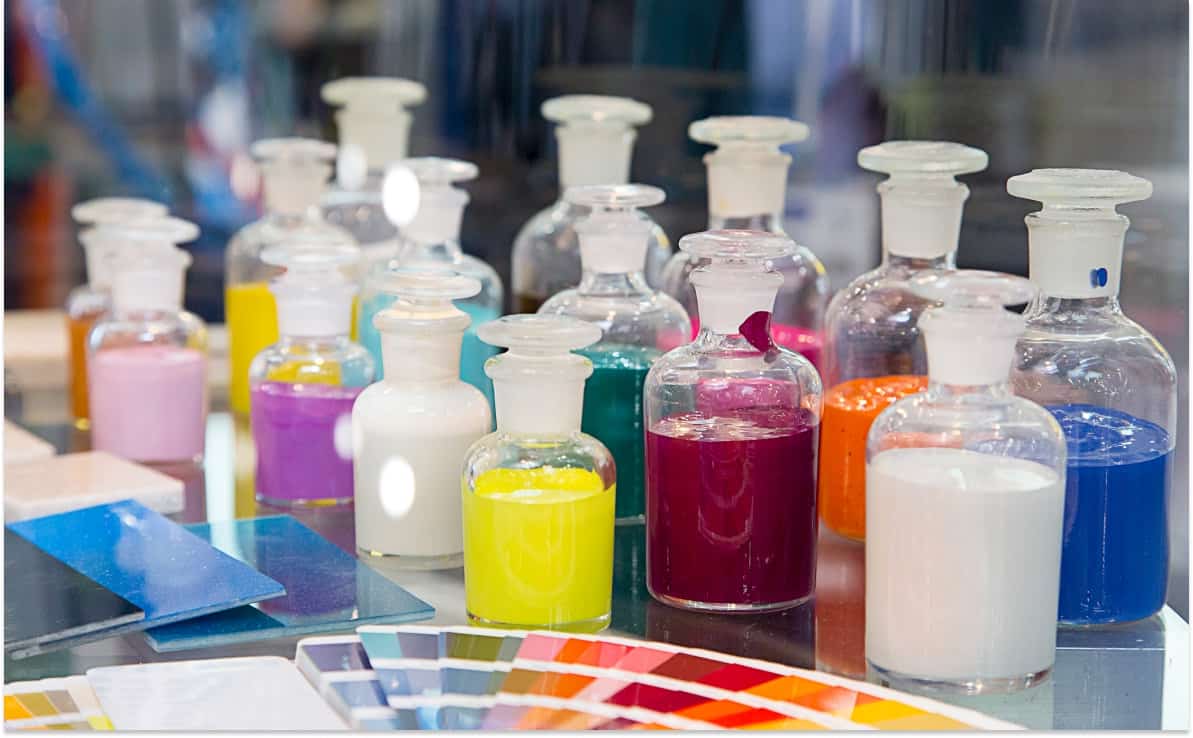
After the printing process is completed on the fabric, the post-treatment stage plays a decisive role in the final quality of the textile product. Using the correct type of Post Print Fabric Treatment Chemicals not only helps fix the color and enhance wash fastness but also significantly improves the softness and hand feel of the fabric. This article will analyze in detail the two most important impacts of this stage on textile products.
The modern textile industry demands perfection at every step, especially after printing. The printing process, whether pigment, reactive, or acid printing, always leaves excess dyes, auxiliaries, and base chemicals on the surface and inside the fabric fibers. The Post Print treatment process is a series of complex chemical reactions aimed at removing these residual chemicals, enhancing color fastness, and adjusting the fabric’s physical characteristics.
If the wrong type of Post Print Fabric Treatment Chemicals is chosen, or if the concentration and temperature are applied incorrectly, the product may fade quickly (low wash fastness) or become coarse, reducing commercial value and user experience. Optimizing the process of using Post Print Fabric Treatment Chemicals is a key task for every textile factory.
We will delve into each type of chemical and its mechanism of action on color fastness (wash resistance, rubbing resistance) and the fabric hand feel to help manufacturers optimize their processes and ensure product quality.
1. The Importance of Post Print Treatment
Post Print treatment is the crucial transitional step from semi-finished to finished product. This stage aims to remove impurities and unfixed chemicals, thereby stabilizing the color structure and improving desired physical properties.
1.1. Main Objectives of Chemical Use
The use of Post Print Fabric Treatment Chemicals has three main objectives: cleaning, fixing, and finishing. Each objective directly impacts the final product quality.
1.1.1. Cleaning and Removing Residual Substances
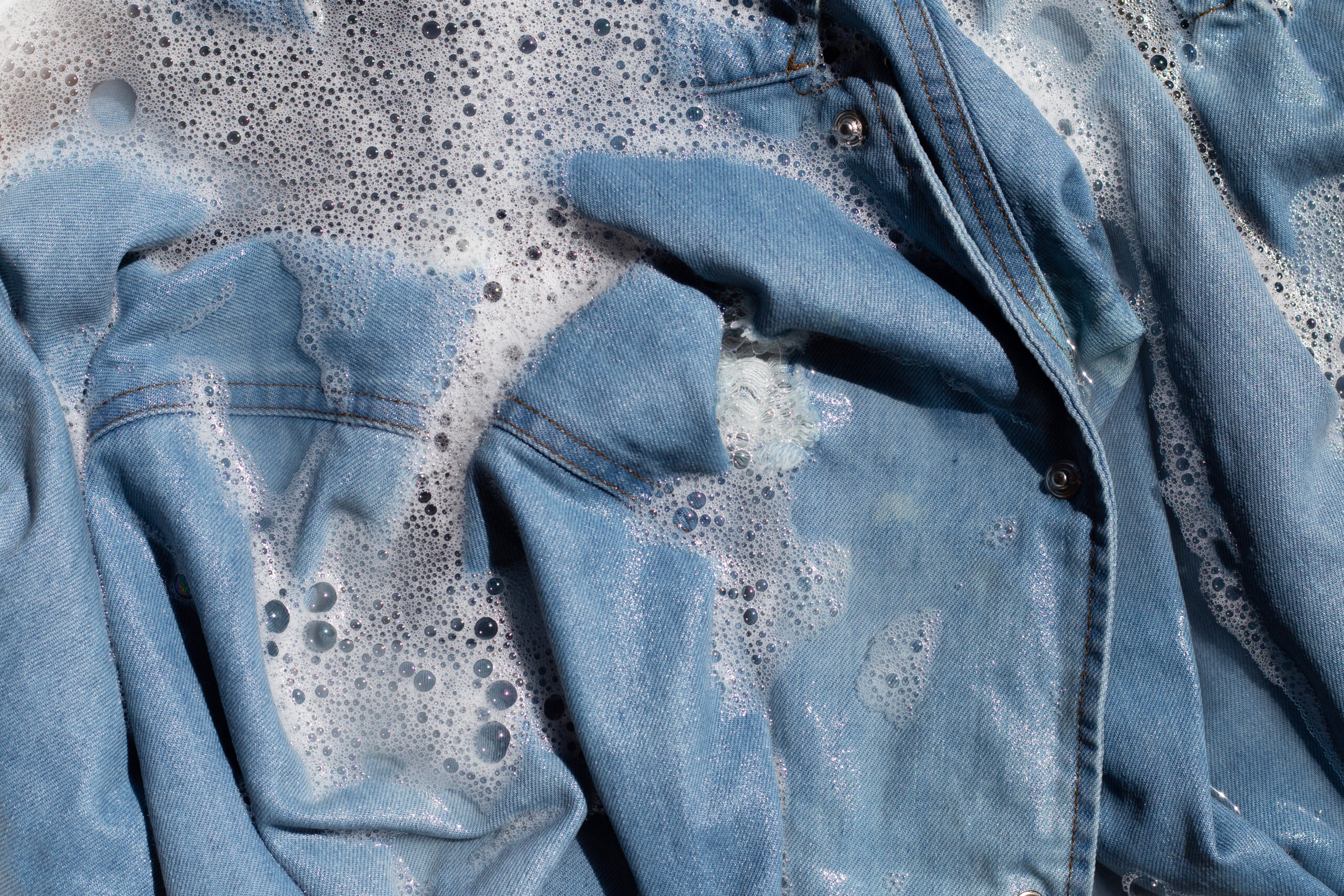
After printing, unfixed dyes, thickeners, and other auxiliaries remain adhered to the surface. Their removal is mandatory. If these substances are not completely removed, they will cause bleeding or staining during washing, reducing the product’s color fastness. Specialized washing agents are the core Post Print Fabric Treatment Chemicals in this step.
1.1.2. Color Fixing
This is the most critical step for color fastness. Fixing agents are used to create stronger chemical or ionic bonds between the dye molecules and the fabric fibers. The goal is to prevent the color from washing off or transferring to other fabrics during use and laundering. Post Print Fabric Treatment Chemicals for color fixing help the product maintain its freshness for a long time.
1.1.3. Improving Fabric Hand Feel (Softening)
After high-temperature and harsh chemical processes, the fabric often tends to become rough. Softeners are added as one of the Post Print Fabric Treatment Chemicals to restore softness, create a pleasant feel upon touch, and sometimes to improve anti-wrinkle or anti-static properties.
1.2. Chemical Stages in Post Print Treatment
This process is not a single step but a continuous series of reactions. Controlling temperature, pH, and chemical concentration is paramount for Post Print Fabric Treatment Chemicals to achieve maximum effectiveness.
1.2.1. Hot Washing Process
This is the initial cleaning step, typically using hot water combined with non-ionic detergents to dissolve and remove thickeners and unfixed dyes. The washing temperature and time must be strictly controlled; too low a temperature is ineffective, but too high can damage the printed color.
1.2.2. Neutralization
The printing process often uses an alkaline or acidic environment. The Post Print Fabric Treatment Chemicals in this step are weak acids or bases (e.g., acetic acid, soda ash) to bring the fabric’s pH back to neutral or suitable for the finishing step. Incorrect pH can reduce the effectiveness of subsequent softeners and fixing agents.
2. Impact on Color Fastness
Color fastness is the measure of a textile material’s resistance to color change when exposed to environmental factors such as washing, light, rubbing, perspiration, and chemicals. Post Print Fabric Treatment Chemicals play a pivotal role in achieving high color fastness standards.
2.1. Specialized Washing Agents
The use of specialized washing agents is necessary to achieve good wash fastness and color stability. The goal is to completely remove unreacted dyes and auxiliaries.
2.1.1. Removing Unfixed Dyes
These Post Print Fabric Treatment Chemicals (often dispersants and surfactants) help disperse unfixed dye molecules from the fiber into the wash liquor. If the washing process is ineffective, residual dyes will wash out during the consumer’s first wash, causing severe fading.
2.1.2. Impact on Wash Fastness
Wash fastness (according to ISO 105-C06 standards) is one of the most important indices. The selected Post Print Fabric Treatment Chemicals must ensure thorough cleaning without affecting the already formed color bonds. Improper washing with poor quality chemicals can lead to the breakdown of color bonds, significantly reducing color fastness.
2.2. Mechanism of Fixing Agents
Fixing agents are the group of Post Print Fabric Treatment Chemicals that directly improve color fastness by strengthening the bond between the dye and the fiber.
2.2.1. Fixing for Reactive Dyes
For Reactive printing, the use of cationic polymer-based fixing agents is common. These Post Print Fabric Treatment Chemicals create positively charged sites (cationic sites) on the fiber, attracting the anionic groups of the dye, forming stable ionic bonds that supplement the formed covalent bonds. This helps increase wash fastness and wet rub fastness.
2.2.2. Color Trapping Mechanism for Pigment Dyes
For Pigment printing, the fixing agent is essentially a high-durability binder, not a direct chemical reaction. This Post Print Fabric Treatment Chemical acts as a transparent polymer film, “trapping” the pigment particles on the fiber surface. The quality of the binder (elasticity, transparency, and heat resistance) determines the dry and wet rub fastness, as well as the fabric hand feel. Poor quality binder can peel off, causing color loss.
2.3. Dispersing Agents
In some printing cases, especially with Disperse Dyes, Post Print Fabric Treatment Chemicals include special dispersing auxiliaries.
2.3.1. Ensuring Uniformity
These auxiliaries help the dye disperse evenly and prevent the aggregation of color molecules in the wash liquor. Color aggregation can lead to color particles redepositing on the fabric, causing undesirable “staining” and reducing color cleanliness and brightness.
2.3.2. Impact on Rub Fastness
Rub fastness is the ability of the color not to transfer to another fabric when rubbed. The removal of unfixed dye molecules through Post Print Fabric Treatment Chemicals helps the fabric surface become cleaner, thereby significantly improving dry and wet rub fastness.
3. Impact on Fabric Hand Feel
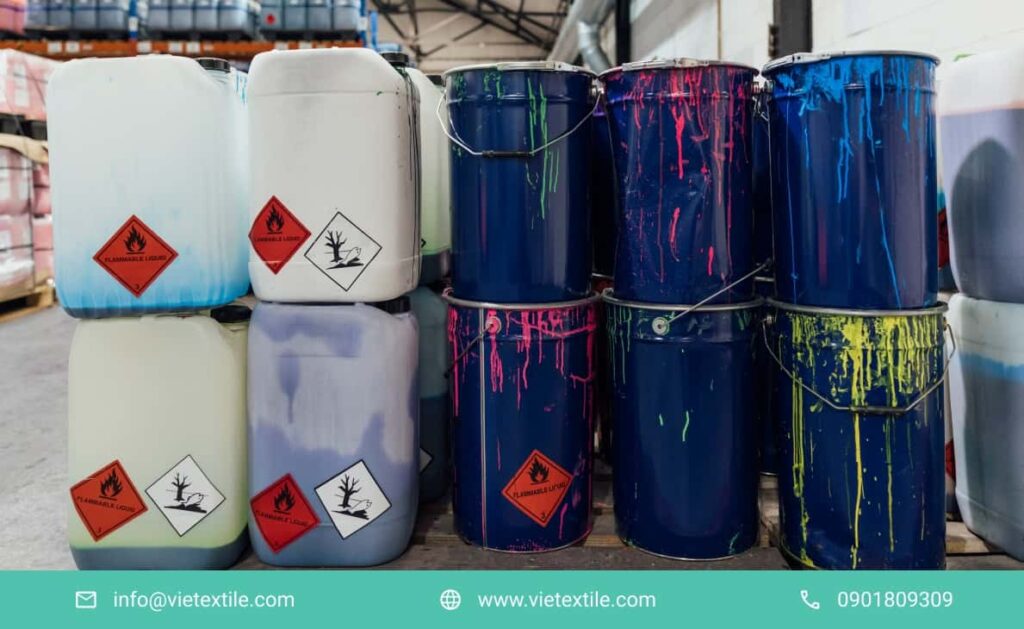
After high-intensity heat and chemical processing, fabric often loses its natural softness. Softeners are the most important group of Post Print Fabric Treatment Chemicals aimed at restoring and improving this sensory characteristic.
3.1. Common Softeners
Softeners are organic compounds with long molecular structures, often silicone oils or fatty acids, designed to create a thin film enveloping the fabric fibers.
3.1.1. Cationic Softeners
This is the most common type of softener, which works by ionically bonding with the negatively charged groups on cellulose fibers. Cationic softeners create a smooth, “full hand” feel for the fabric. However, if the concentration of this Post Print Fabric Treatment Chemical is too high, it can reduce the fabric’s water absorption capacity.
3.1.2. Silicone Softeners
Silicone softeners (e.g., Polyorganosiloxanes) create superior softness, providing a slippery, smooth, and resilient (bouncy hand) feel. Silicone-based Post Print Fabric Treatment Chemicals are preferred because they minimally affect water repellency compared to the cationic type and provide better wash durability.
3.1.3. Non-Ionic Softeners
Non-ionic softeners are often used when the least impact is needed on other fabric properties, for example, in Pigment printing, where they can be combined with the binder without reducing the fixing capability of the binding agent.
3.2. Mechanism of Action on Fiber Structure
Softeners work by reducing friction between individual fibers in the fabric structure.
3.2.1. Reducing Fiber Friction
During heat treatment, fabric fibers often contract and become stiff, increasing friction between them. The thin layer of the Post Print Fabric Treatment Chemical (softener) acts as a lubricant, allowing fibers to slide past each other more easily when the fabric is bent or folded. This provides a soft, smooth feel to the touch.
3.2.2. Impact on Absorbency
Although softeners improve the fabric hand feel, they can reduce the product’s water absorbency. Hydrophobic softeners like silicone, when coating the fibers, impede the water penetration process. Choosing Post Print Fabric Treatment Chemicals with hydrophilic properties is necessary for products like towels or sportswear.
3.3. Negative Impact of Softeners on Color Fastness
It is important to note that there is a conflict between improving the fabric hand feel and maintaining color fastness. Softeners can negatively affect color fastness.
3.3.1. Interaction with Dyes
Some softeners, especially the Cationic type, can weaken the bond between the dye and the fiber if they are used excessively or are chemically incompatible. This can lead to shade change or slight fading.
3.3.2. Post Print Fabric Treatment Chemicals and Yellowing
Some types of softeners, particularly amine compounds, tend to yellow upon exposure to high temperatures or nitrogen oxides (NOx) in the air. This phenomenon is particularly evident on white or light-colored fabrics, reducing the product’s sensory value. Selecting heat-stable Post Print Fabric Treatment Chemicals is essential.
4. pH Control and Other Auxiliary Factors
Controlling pH throughout the Post Print treatment process is a vital factor that determines the effectiveness of Post Print Fabric Treatment Chemicals and the final color fastness.
4.1. Importance of pH Neutralization
Most printing processes are carried out in an alkaline environment (high pH). After printing, the fabric must be neutralized to a neutral or slightly acidic pH (pH 5.5 – 6.5) before applying softeners or fixing agents.
4.1.1. Acid Neutralizing Agents
Neutralizing agents such as Acetic Acid or Formic Acid are used to eliminate excess alkalinity. Incomplete neutralization will reduce the reactivity and binding capacity of subsequent Post Print Fabric Treatment Chemicals, especially cationic polymer fixatives.
4.1.2. Impact of Residual pH
If the fabric remains highly alkaline after printing, it can cause skin irritation for the wearer and alter the shade of some sensitive dyes. Controlling residual pH is a necessary step to ensure the product’s safety and color fastness.
4.2. Preservatives and Anti-Mould Agents
In humid markets like Vietnam, the use of preservatives is an indispensable part of Post Print Fabric Treatment Chemicals.
4.2.1. Preventing Microbial Growth
Preservatives help inhibit the growth of mold and bacteria on the fabric during storage and transportation, which is especially important for fabrics containing starch or cellulose-based thickeners.
4.2.2. Safety Requirements
These Post Print Fabric Treatment Chemicals must strictly adhere to chemical safety regulations (such as OEKO-TEX Standard 100), as they may come into direct contact with consumer skin. It is necessary to choose preservatives that are effective but non-toxic and do not cause color change in the fabric.
5. Process and Quality Control of Post Print Fabric Treatment Chemicals
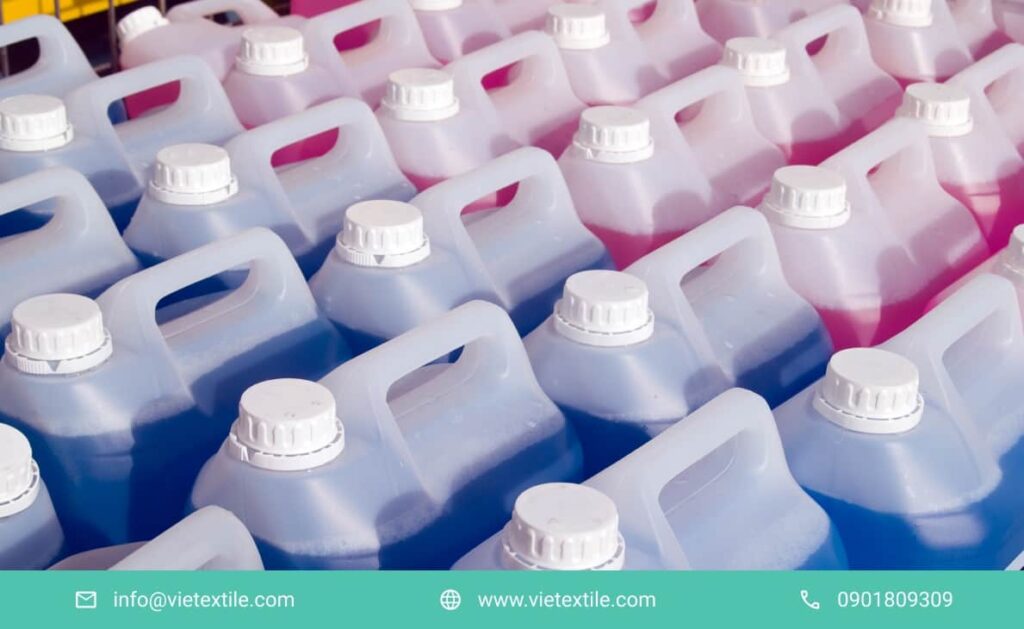
The effectiveness of Post Print Fabric Treatment Chemicals depends not only on the type of chemical but also on how they are applied and controlled.
5.1. Controlling Concentration and Mixing Ratio
The chemical mixing ratio determines economic efficiency and product quality. Too low a concentration will not achieve the desired color fastness and fabric hand feel.
5.1.1. Optimizing Concentration
The concentration of Post Print Fabric Treatment Chemicals (especially softeners and fixatives) must be optimized. Using too much softener is not only costly but can also cause problems such as a greasy feel, reduced absorbency, and yellowing. Conversely, a low concentration of fixative will significantly reduce color fastness.
5.1.2. Equipment-Based Control
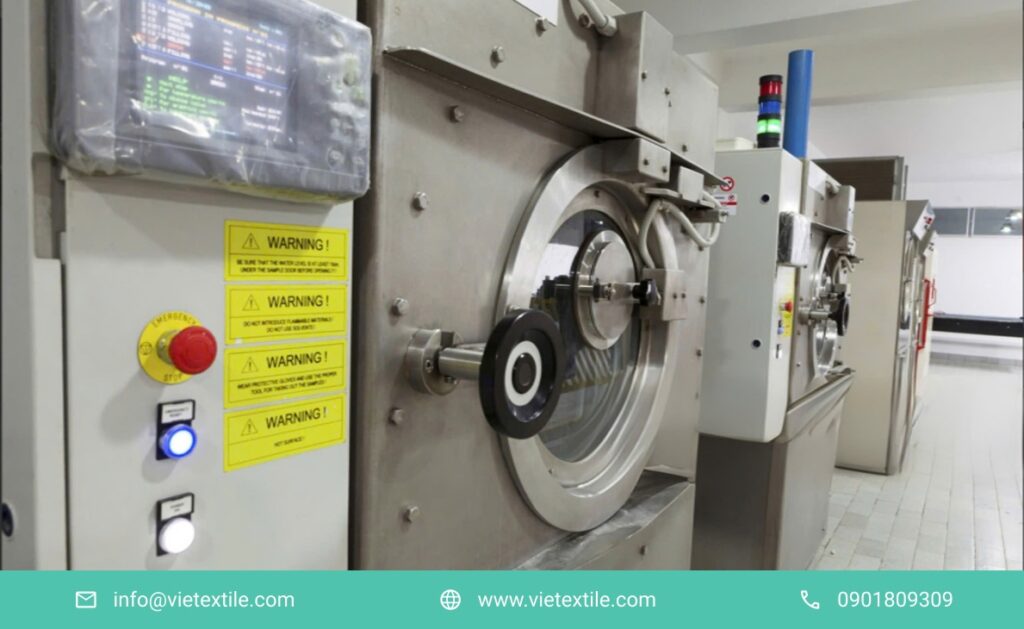
Modern factories use automatic dosing systems to ensure that Post Print Fabric Treatment Chemicals are always added to the dye/wash bath at the precise concentration, eliminating human error.
5.2. Output Quality Testing Protocols
After treatment, the product must be rigorously tested against international standards.
5.2.1. Color Fastness Tests
Color fastness tests must be performed on every batch, including:
- Wash fastness (ISO 105-C06)
- Dry and wet rub fastness (ISO 105-X12)
- Light fastness (ISO 105-B02) Quality Post Print Fabric Treatment Chemicals must help the product achieve at least level 3-4 (on a 5-point scale) for these tests.
5.2.2. Hand Feel Assessment
Fabric hand feel is a subjective factor but can still be assessed using standardized methods or by using Softness Tester equipment, ensuring the fabric achieves the required softness, smoothness, or fullness as demanded by the customer.
6. VieTextile – Comprehensive Solution for Post Print Fabric Treatment Chemicals
VieTextile is proud to be a partner providing advanced textile chemical solutions, especially in the Post Print treatment sector. We understand that optimizing the use of Post Print Fabric Treatment Chemicals is a key factor for Vietnamese manufacturers to compete in the international market.
We offer a comprehensive portfolio of specialized washing agents, Reactive fixatives, and new-generation Silicone softeners. VieTextile’s technical team is committed to working with customers to check the compatibility of Post Print Fabric Treatment Chemicals with specific dye systems and fabric types (cotton, polyester, blend), ensuring the highest color fastness and the softest, most pleasant hand feel according to market demands.
Each Post Print Fabric Treatment Chemical product from VieTextile comes with detailed technical documentation on optimal concentration, application temperature, and pH requirements. We help customers minimize the risk of fading, yellowing, and coarsening, thereby enhancing product quality and optimizing production costs. Let VieTextile be the stable bridge to help you master the Post Print treatment stage with leading Post Print Fabric Treatment Chemicals solutions.
7. Frequently Asked Questions (FAQ) About Post Print Fabric Treatment Chemicals
7.1. Do Softeners Affect the Absorbency of Fabric?
Answer: Yes. Most softeners, especially the silicone type, create a hydrophobic film, which can significantly reduce the fabric’s water absorbency. It is necessary to choose hydrophilic Post Print Fabric Treatment Chemicals if the product requires high absorbency (e.g., sportswear).
7.2. Why is pH Neutralization Necessary After Fabric Printing?
Answer: pH neutralization is necessary to remove residual alkalinity from the printing process. If the pH is not adjusted, it can change the color shade, reduce the effectiveness of subsequent Post Print Fabric Treatment Chemicals (fixatives, softeners), and cause skin irritation.
7.3. Which Post Print Fabric Treatment Chemicals Help Improve Wet Rub Fastness?
Answer: Fixing Agents, especially cationic polymer compounds, help strengthen the bond between the dye and the fiber, thereby minimizing color shedding when rubbed wet. Thorough washing with specialized Post Print Fabric Treatment Chemicals is also a prerequisite.
7.4. Do Post Print Fabric Treatment Chemicals Cause Yellowing?
Answer: Some softeners, particularly amine-based Cationic types, can cause yellowing upon exposure to heat or nitrogen oxides. The solution is to choose heat-stable and non-amine Post Print Fabric Treatment Chemicals.
7.5. What Level Should Ideal Wash Fastness Achieve?
Answer: Ideal wash fastness (on a 5-point scale) should achieve a minimum of level 4, or level 3-4 and above in commercial standards. Achieving this level relies heavily on the correct selection and application of quality Post Print Fabric Treatment Chemicals.
To optimize your Post Print treatment process and ensure the quality of your textile products, contact VieTextile today!
Contact information:
Hotline: 0901 809 309
Email: info@vietextile.com
Website: https://vietextile.com