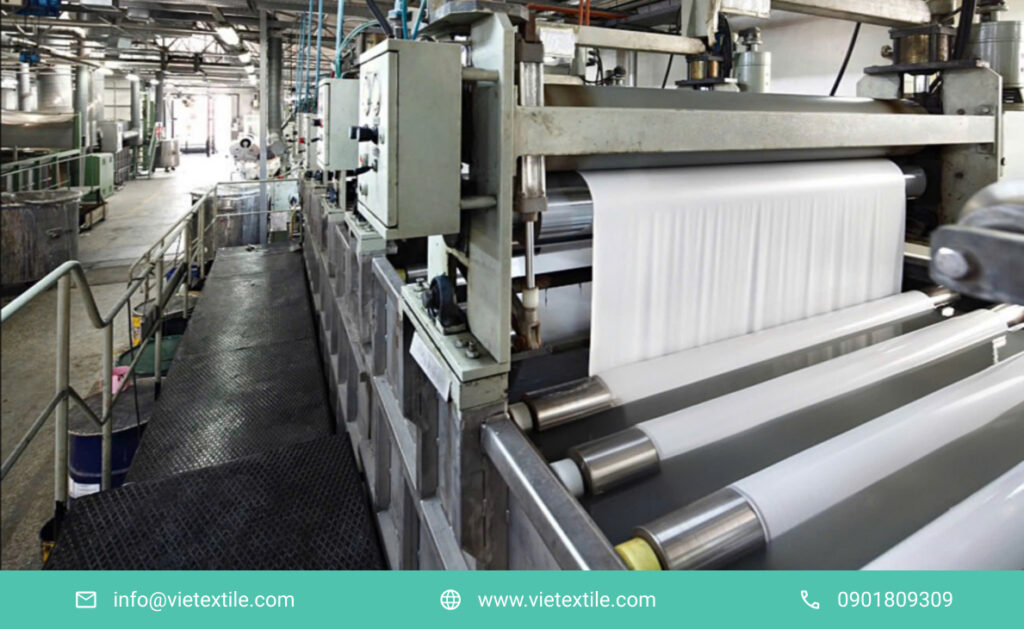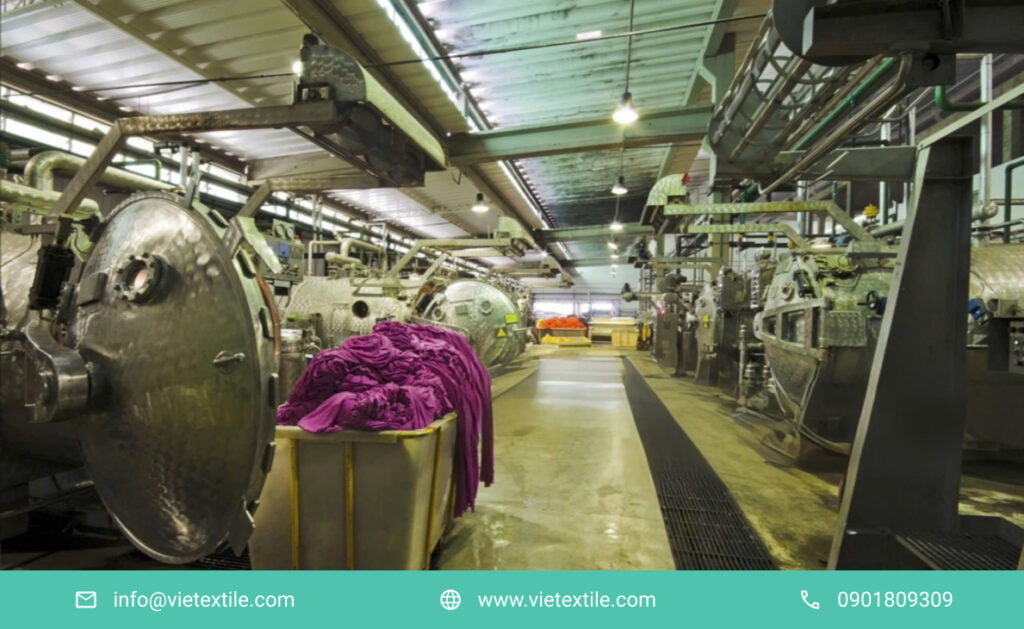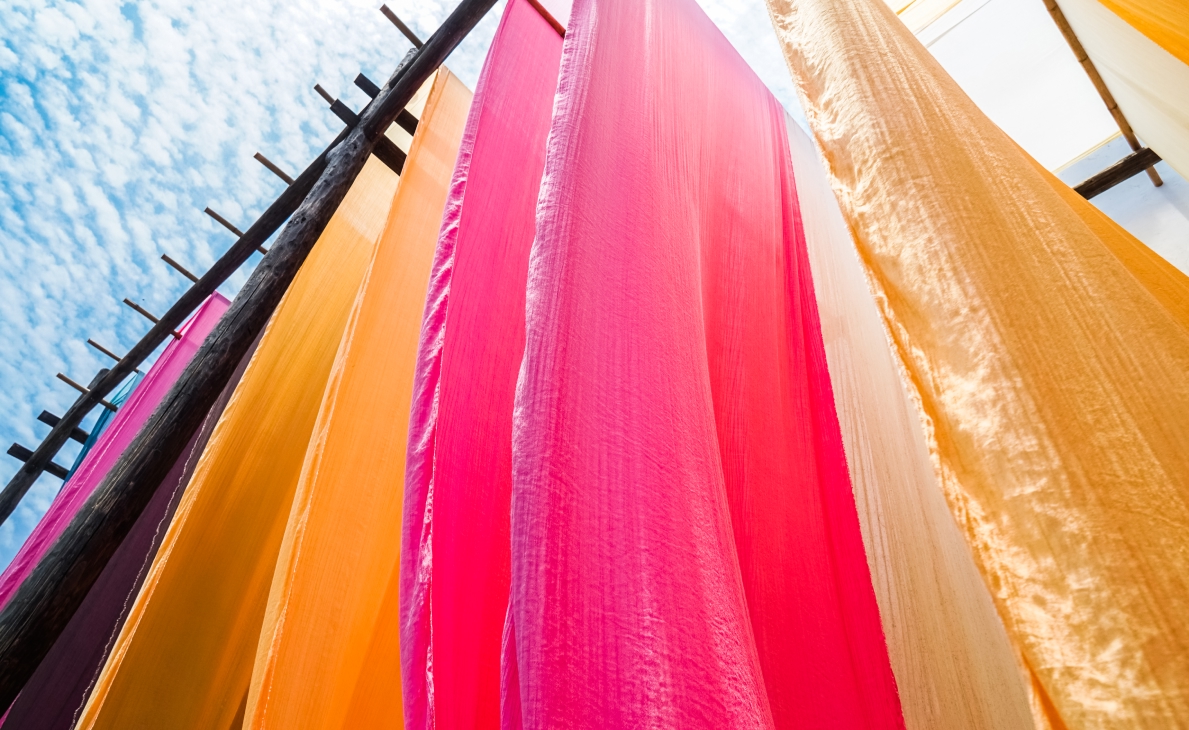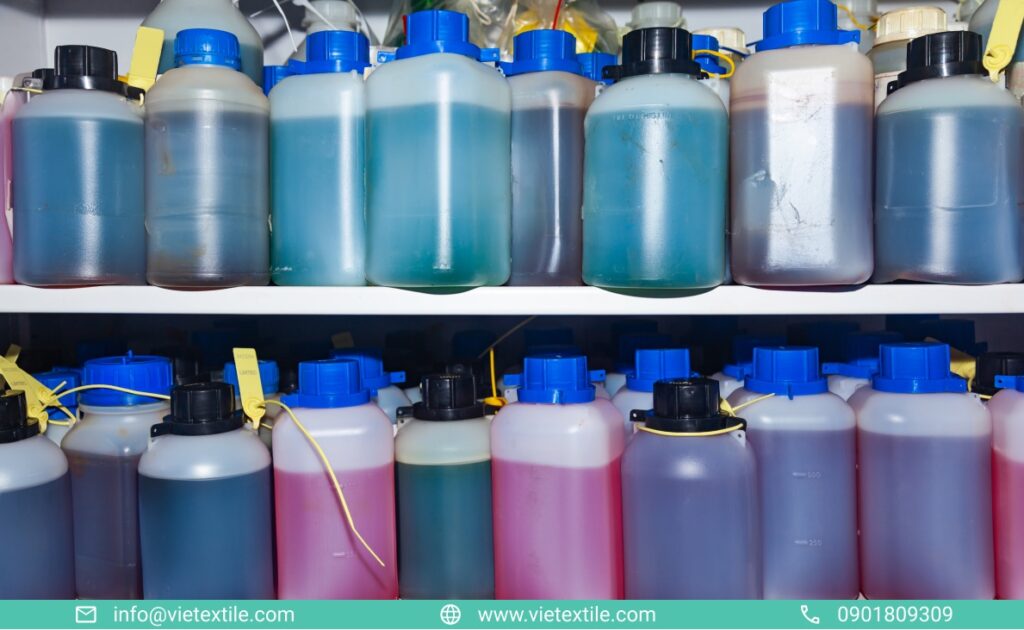
What is Enzyme Wash? A 7-Step Guide for Textile Professionals

Enzyme wash is a garment finishing process used to soften fabric and reduce fuzziness. In this article, you will learn what enzyme wash is, who uses it, and how it’s done effectively.

1. What Is Enzyme Wash?
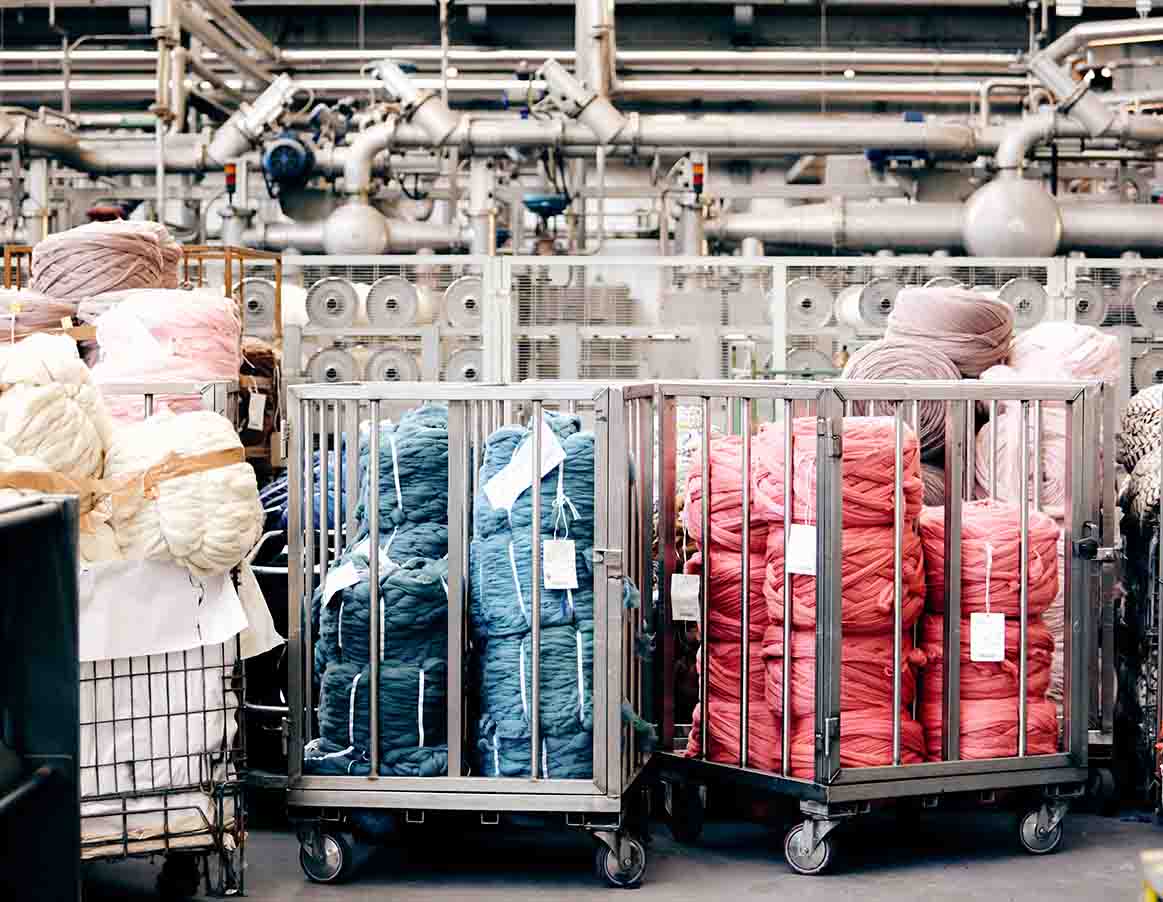
Enzyme Wash 02
What is Enzyme Wash? A 7-Step Guide for Textile Professionals 5

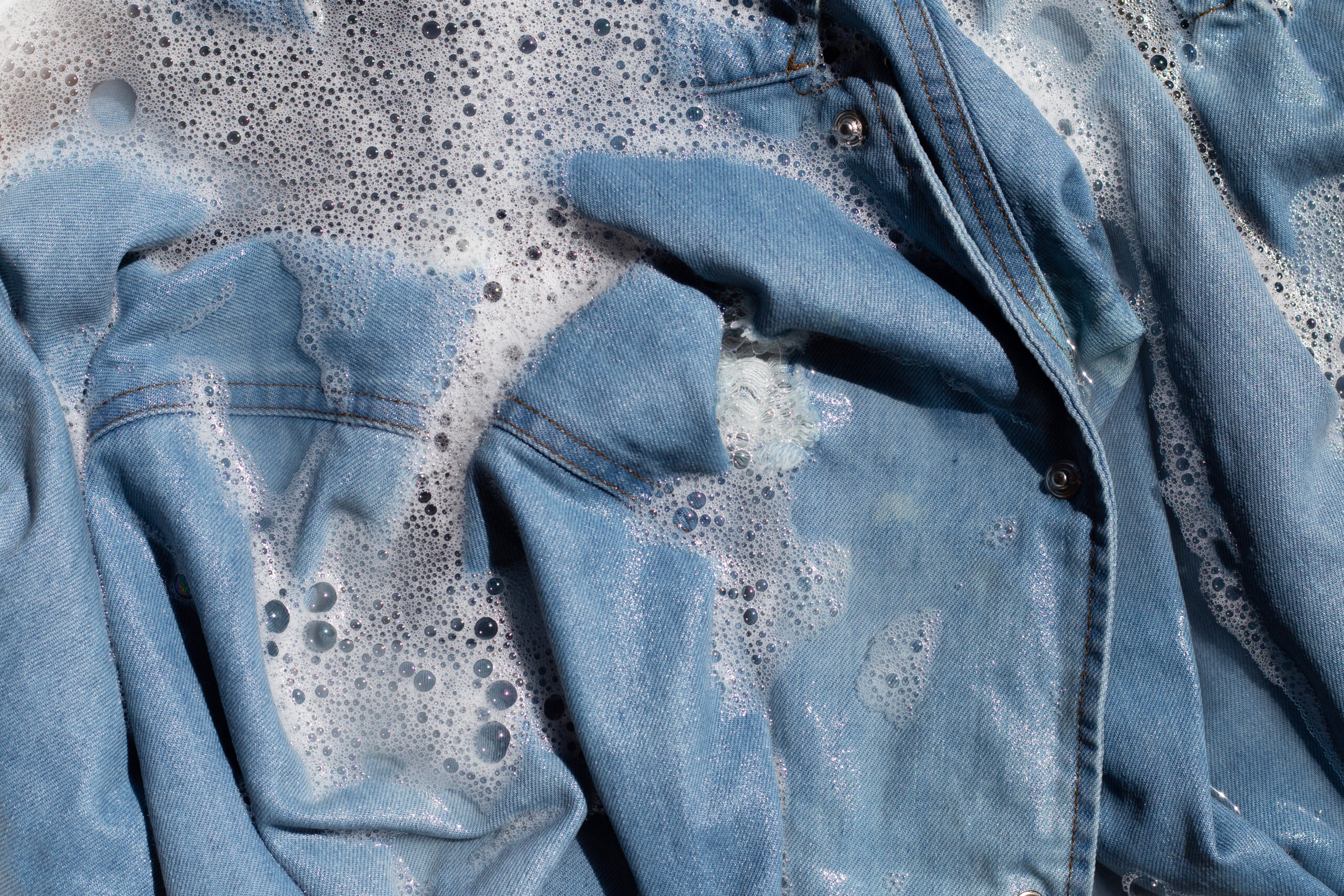
Enzyme wash is a bio-chemical treatment using cellulase enzymes to degrade cellulose fibers on fabric surfaces. It gives garments a soft feel and faded, worn-out look.

This method is eco-friendlier than stone washing and uses less water and energy.

The process is particularly beneficial for cotton, denim, and other natural cellulose-based fibers.

2. Who Uses Enzyme Wash?

Garment manufacturers and denim brands apply enzyme washing to jeans, t-shirts, and cotton-based apparel.

It is also used by sustainable fashion producers for its low environmental impact.

Top-tier fashion houses and private label brands use enzyme wash to enhance garment softness and aesthetic.

3. How Does Enzyme Wash Work?

The process breaks down surface fibers using cellulase enzymes. These enzymes only affect the outer layers of cellulose-based fabrics.

This selective degradation smooths the surface while preserving the fabric’s integrity.

The enzymes catalyze the hydrolysis of β-1,4-glycosidic bonds in cellulose, leading to fibril removal and surface smoothing.

4. The 7-Step Enzyme Wash Process
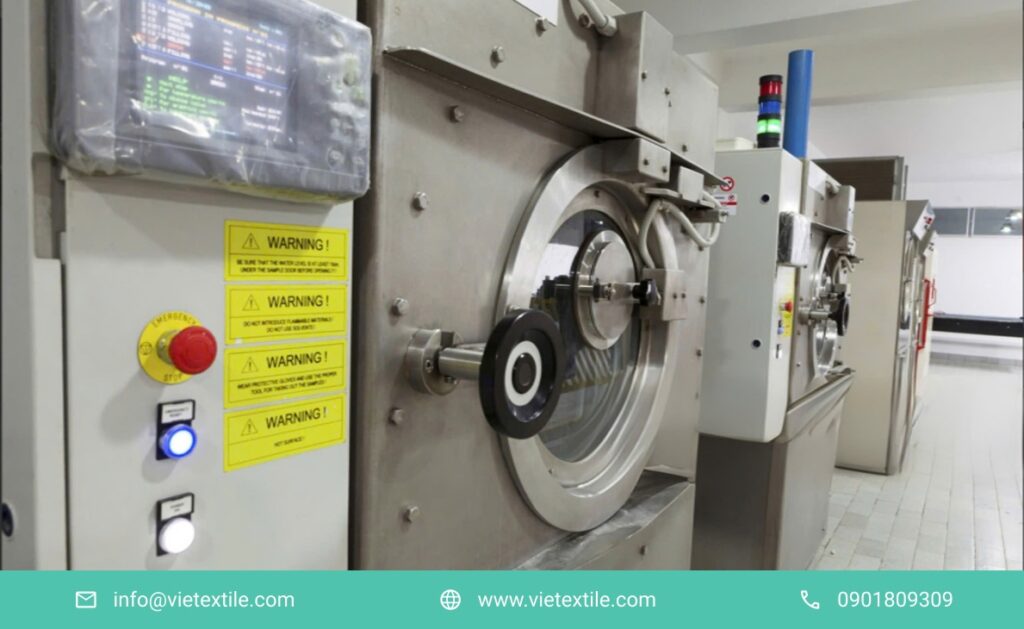
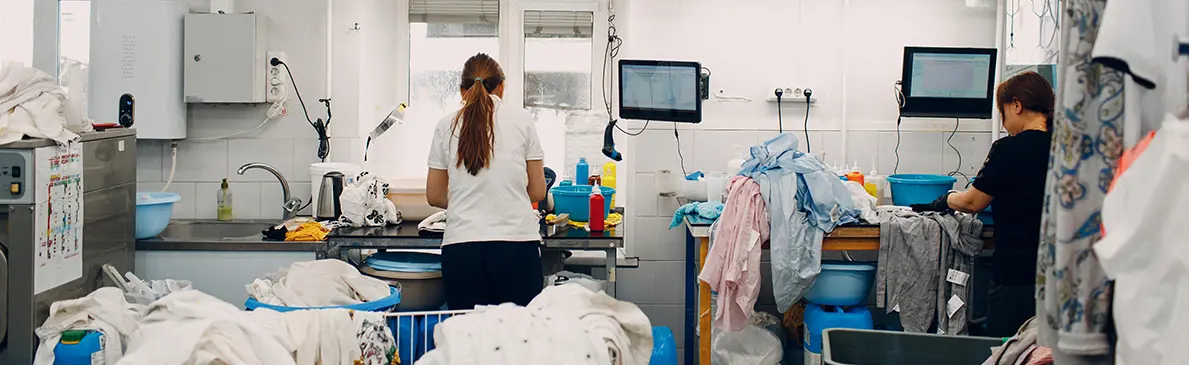
Enzyme Wash 03
What is Enzyme Wash? A 7-Step Guide for Textile Professionals 6

Step 1: Fabric Loading

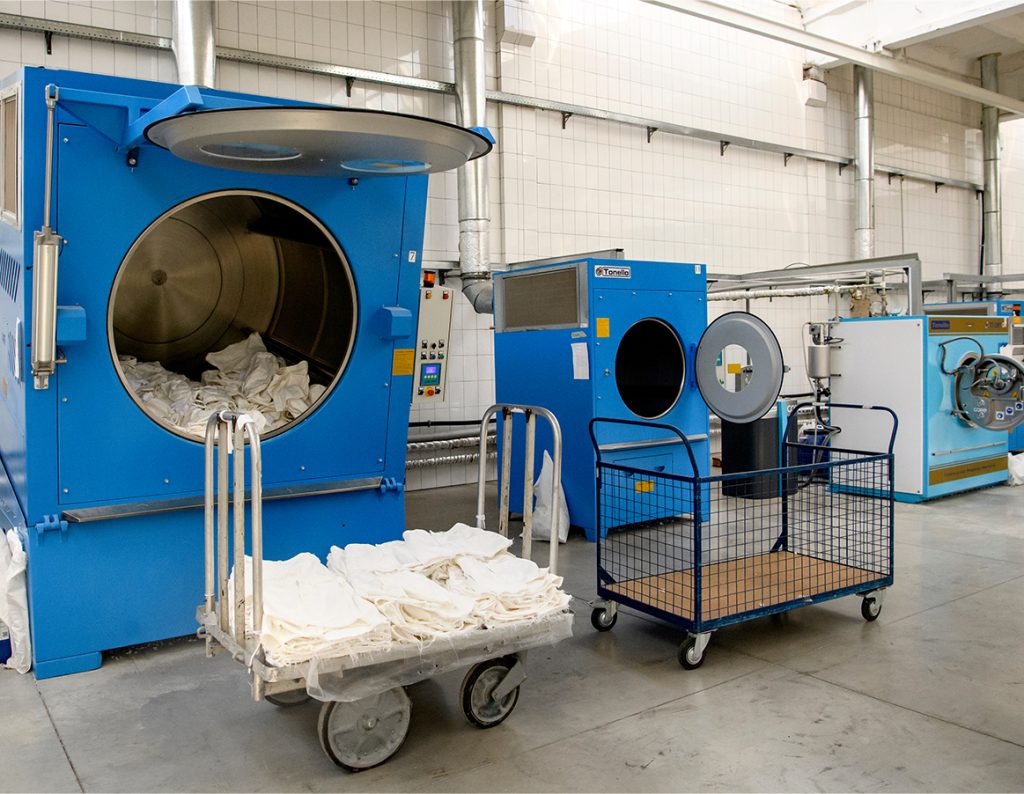
Load garments into an industrial washing machine at 40–60% of capacity.

Step 2: Wetting & Desizing

Add water and desizing agents to remove starch and improve enzyme penetration.

Step 3: Heating

Heat the bath to 50–60°C. Cellulase enzymes work optimally in this range.

Step 4: Enzyme Dosing

Add cellulase enzymes at a 0.5–2% concentration depending on fabric type.

Step 5: Tumble Action

Tumble garments for 30–60 minutes. Movement ensures even enzyme contact.

Step 6: Rinsing

Rinse to remove degraded fibers, enzymes, and residual chemicals.

Step 7: Softening & Drying

Add fabric softener and proceed with tumble drying or hydro extraction.

Post-wash, neutralization and pH adjustment are done to halt enzyme activity.

5. Enzyme Wash vs. Stone Wash

FeatureEnzyme WashStone Wash
Eco-friendlyYesNo
Fabric DamageLowHigh
SoftnessHighMedium
Water UsageLowerHigher
ReproducibilityHighLow

Stone washing uses pumice stones that physically abrade fabric. Enzyme washing achieves similar aesthetics without fabric damage.

6. Types of Enzymes Used

  • Neutral Cellulase: Best for general softening.
  • Acid Cellulase: Offers higher abrasion; used for strong vintage effects.
  • Bio-Polishing Enzymes: Remove fuzz from knit fabrics.

Each enzyme type has a different mode of action and is selected based on fabric type and desired finish.

7. Pros and Cons of Enzyme Washing
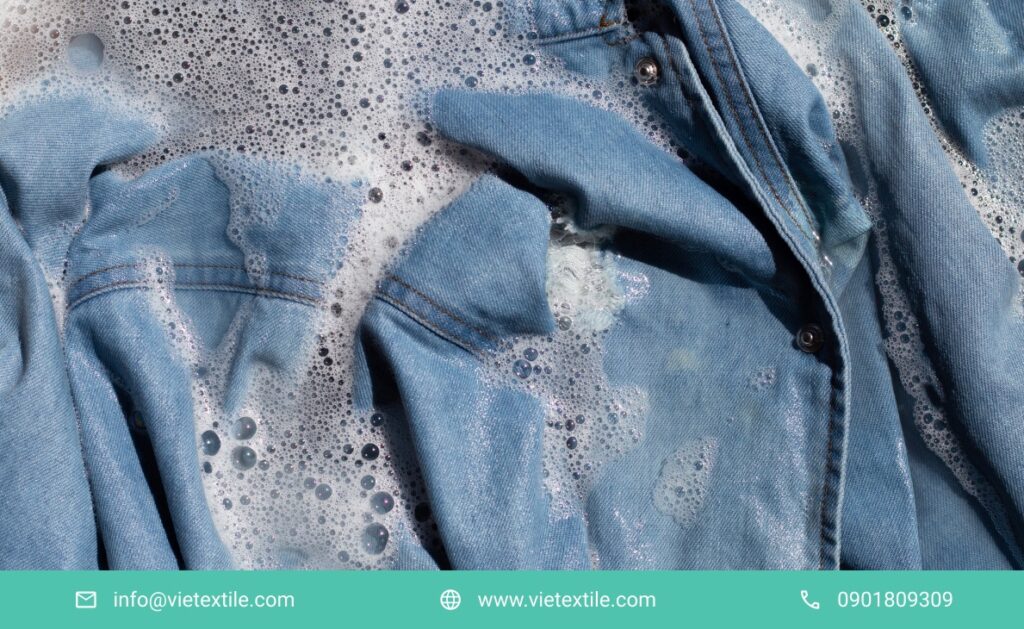
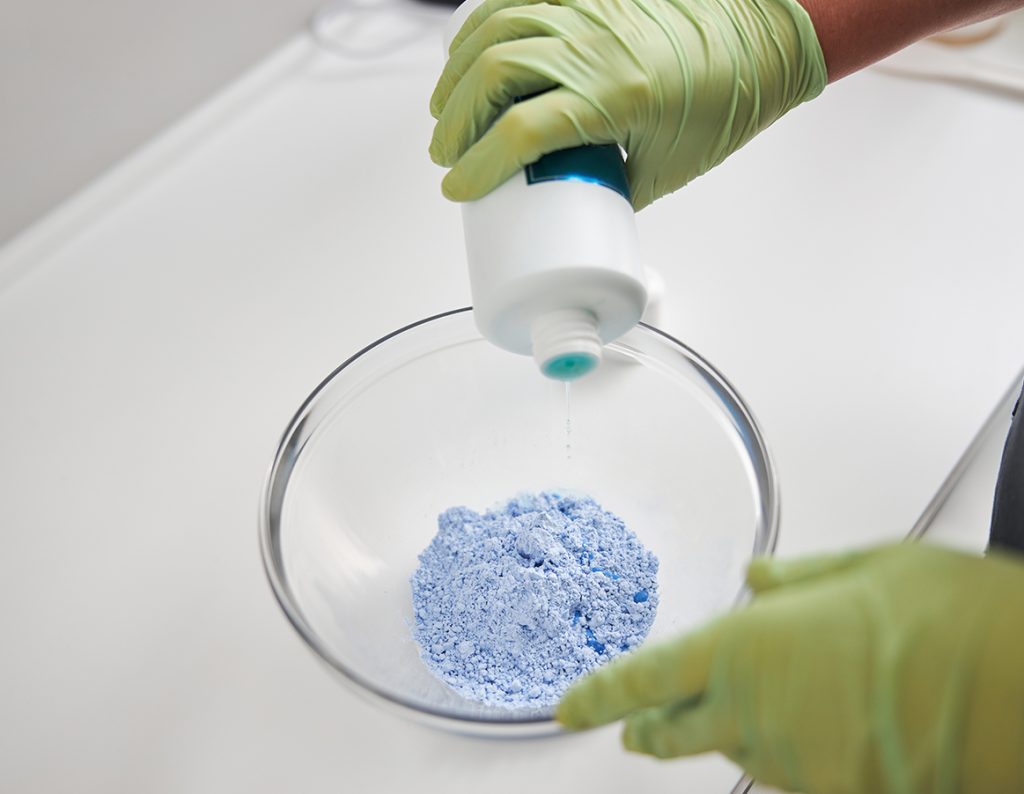
Enzyme Wash 01
What is Enzyme Wash? A 7-Step Guide for Textile Professionals 7

Advantages:

  • Reduces pilling and increases smoothness.
  • Enhances garment appearance and comfort.
  • Minimizes environmental impact.
  • Biodegradable enzyme disposal.
  • Less mechanical stress on machinery.

Disadvantages:

  • High temperature sensitivity.
  • Costlier than traditional methods.
  • Enzymes may weaken overuse.
  • Inconsistent results if not tightly controlled.

8. Real-Life Applications

“We replaced pumice stones with enzymes and cut our water usage by 40%,” said Tanaka Co., a denim mill in Japan (2023 Sustainability Report).

Brands like Levi’s, Uniqlo, and Patagonia use enzyme wash in their eco-denim lines.

Vietnamese exporters are also adopting enzyme wash to comply with EU/US green standards.

9. Safety and Quality Considerations

Ensure enzyme compatibility with fabric type. Over-processing may thin the fabric.

Neutralize enzymes post-wash to prevent continued degradation.

Use softeners that do not interfere with enzyme-treated fabrics.

Operators should monitor temperature, pH, and time closely to avoid overreaction.

10. Key Parameters for Enzyme Efficiency

ParameterOptimal Range
Temperature50–60°C
pH4.5–6.5
Time30–60 minutes
Enzyme Dosage0.5–2% owf

Maintaining ideal parameters is crucial for consistent results.

11. Industry Certifications and Compliance

Enzymes used in textile processing must meet international standards such as:

  • OEKO-TEX®
  • ZDHC MRSL
  • ISO 9001:2015 (Production Quality)

Buyers are increasingly asking suppliers to prove low-impact garment finishing.

Local factories applying enzyme washes are becoming more competitive in global sourcing.

12. Future of Enzyme Washing

Bioengineered enzymes with improved stability are in development.

Next-gen enzyme wash aims to cut process time by 30% and increase uniformity.

AI-assisted wash cycles are also emerging in smart factory setups.

Automated enzyme dosing and remote monitoring systems will improve control and scalability.

13. Resources & Further Reading

Partner with VieTextile – where innovation meets sustainability.

Ready to apply enzyme wash in your production line? Contact our experts for tailored guidance, technical support, and enzyme sourcing.
Get Free Consultation
Or email us directly at: info@vietextile.com
Polyester Fabric Dyeing: Standard Techniques for Long-Lasting Color and Cost Efficiency

Looking for reliable polyester fabric dyeing services? Here are the top 5 solutions from VieTextile that combine cost-efficiency, ISO colorfastness, Pantone precision, and fast production turnaround for every business size. Whether you produce uniforms, sportswear, or export garments, these techniques are proven to deliver performance and aesthetics.

1. Introduction to Polyester Fabric

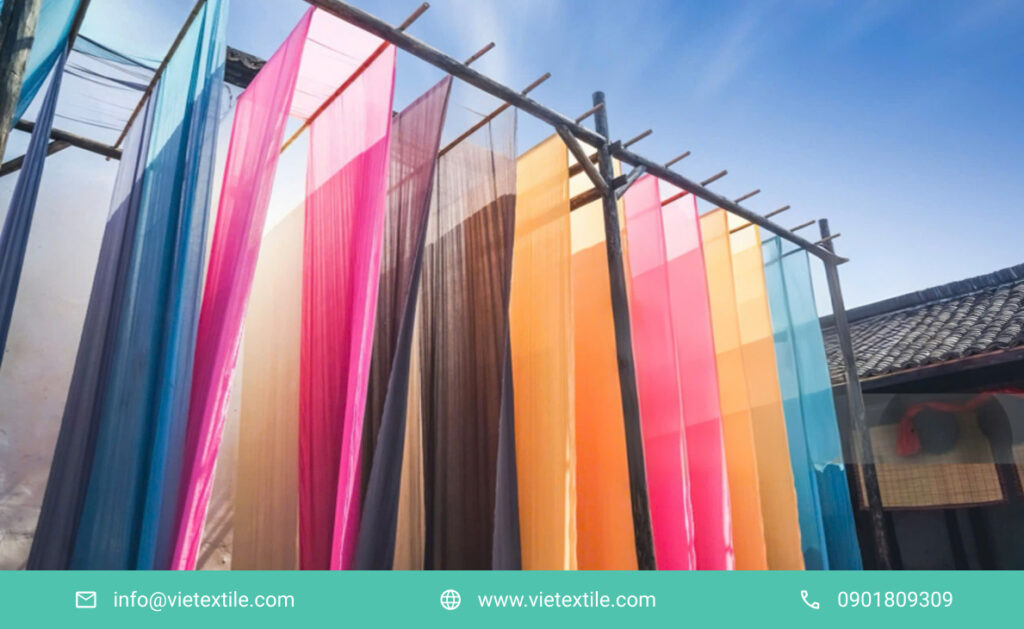
Polyester is one of the most common synthetic fibers in the textile industry, favored for its durability, wrinkle resistance, and cost-effectiveness. However, due to its tightly packed fiber structure, polyester is harder to dye than natural fabrics like cotton or linen. Even small technical errors can lead to uneven coloring, blotches, or fast fading. At VieTextile, we specialize in polyester fabric dyeing using disperse, sublimation, and digital methods.

According to a 2023 report by Textile Exchange, polyester accounted for 52% of the global synthetic fiber market, highlighting the importance of mastering its dyeing techniques.

Polyester Fabric Dyeing: Standard, Colorfast and Economical Secrets 4
Polyester Fabric Dyeing: Standard Techniques for Long-Lasting Color and Cost Efficiency 12

2. Common Polyester Dyeing Methods

2.1 Traditional Disperse Dyeing

  • Suitable for woven, knitted, and wide-width polyester fabrics
  • Enables dye to penetrate deep into the fiber
  • Ideal for uniforms and sportswear production

2.2 Sublimation Dyeing (Heat Transfer Printing)

  • Applies logos and patterns on 100% polyester fabric
  • Produces sharp images that won’t peel or crack
  • Commonly used for event uniforms, soccer jerseys, and premium sportswear

2.3 Digital Printing on Polyester

  • Sublimation printing is a key technique in polyester fabric dyeing for fashion and activewear.
  • Allows unlimited colors and high-resolution image printing
  • Perfect for small quantity, custom design orders

3. VieTextile’s Polyester Dyeing Process

Our 5-step polyester fabric dyeing process ensures color precision and industrial consistency.

Polyester Fabric Dyeing: Standard, Colorfast and Economical Secrets 5
Polyester Fabric Dyeing: Standard Techniques for Long-Lasting Color and Cost Efficiency 13

3.1 Initial Consultation and Fabric Inspection

  • Identify fabric composition: pure polyester or blends (e.g., poly-cotton, poly-spandex)
  • Recommend appropriate dyeing method: disperse dyeing, sublimation, or specialty techniques

3.2 Color Matching

  • Clients provide Pantone codes or physical swatches
  • Colors are matched using professional software, with 99% accuracy

3.3 Lab Dips and Client Approval

  • Test-dye 2–5 meters to verify color, fastness, and wash durability
  • Send samples to clients for approval before bulk production

3.4 Bulk Production

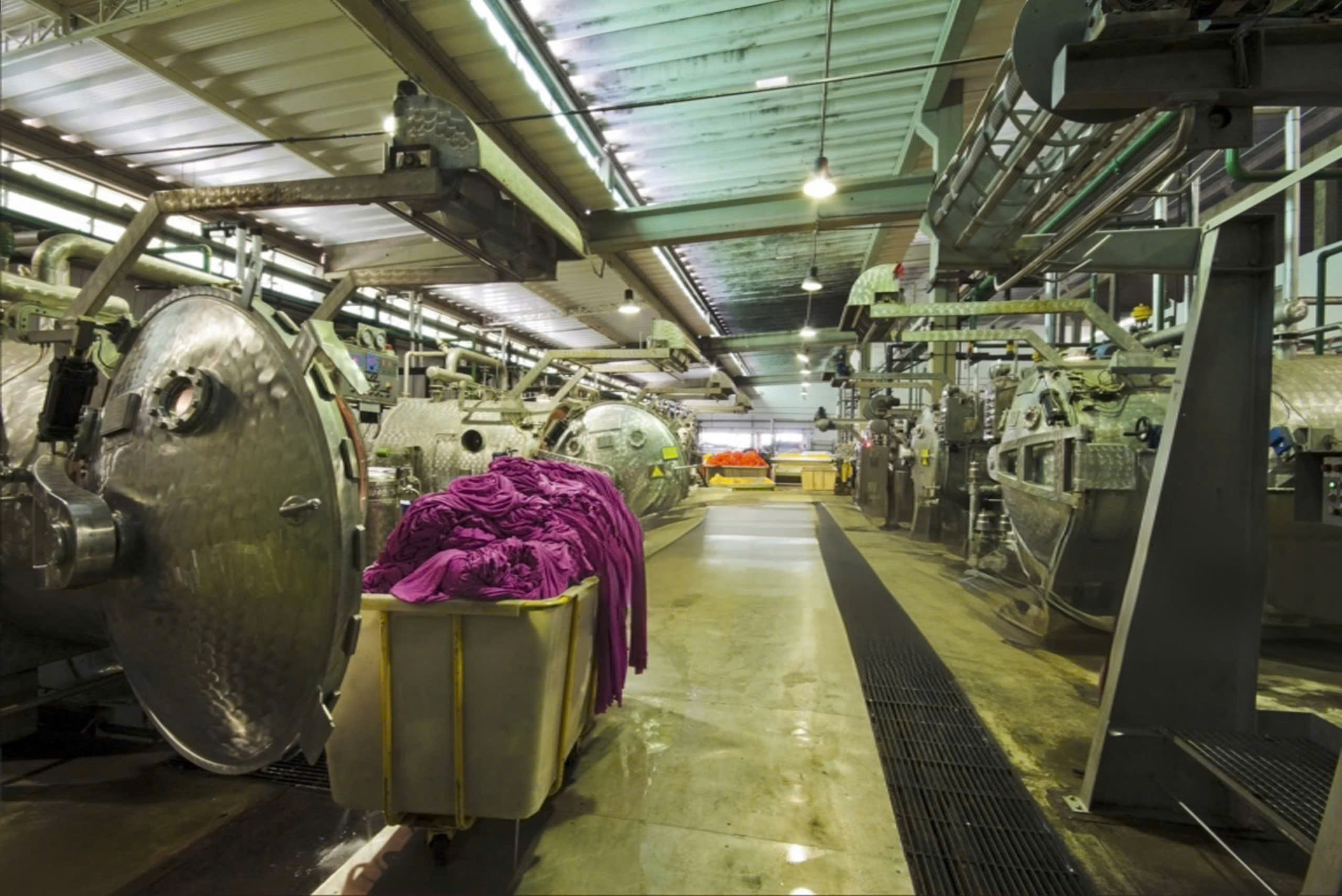
  • Use closed-loop Jet Dyeing, Jigger Dyeing, or wide-width dyeing machines
  • Maintain temperatures between 90–130°C for deep dye penetration and uniform color

3.5 Post-Dyeing Treatment and Quality Control

  • Stabilize colors with professional fixing agents
  • Conduct ISO 105-C06 colorfastness tests
  • Ensure no shrinkage, no fading, and no oligomer issues

4. VieTextile’s Commitment to Dyeing Quality

  • High colorfastness: ISO level 4–5, maintains color after 50 washes
  • No cross-staining: Oeko-Tex certified, safe for export apparel
  • Fast turnaround: 5–7 days for orders under 5,000 meters
  • Cost-effective: Customized pricing to fit each order’s volume and method

VieTextile applies ISO 105-C06 colorfastness standards and complies with OEKO-TEX Standard 100 for fabric safety and durability in export markets.

5. Key Notes for Optimal Dyeing Results

Polyester Fabric Dyeing: Standard, Colorfast and Economical Secrets 6
Polyester Fabric Dyeing: Standard Techniques for Long-Lasting Color and Cost Efficiency 14
  • Maintain stable temperature throughout the dyeing process to ensure even absorption
  • Add auxiliaries like Eganol to prevent oligomer spots during high-temperature dyeing
  • Always perform lab dips before mass dyeing to minimize risks and save costs
  • Disperse dyeing is the most widely used method in polyester fabric dyeing, ensuring deep fiber penetration.

6. Post-Dyeing Care Instructions

  • Wash separately with cold water, avoid strong bleach
  • Dry in the shade or well-ventilated area to prevent UV fading
  • Fashion expert Dr. Nguyen Hong from Hanoi University of Textile Industry notes: “Post-dyeing care determines over 60% of the product’s color durability.”

Learn more about cotton fabric pre-treatment methods before dyeing to ensure optimal results.

7. Common Dyeing Issues and Professional Fixes

7.1 Uneven Coloring

  • Often caused by fluctuating temperatures or poor agitation
  • Resolve by stabilizing temperature and ensuring consistent circulation

7.2 Shrinkage or Deformation

  • Avoid thermal shock by cooling fabric slowly and soaking in cold water before rinsing

7.3 Rapid Color Fading

  • Use strong fixing agents post-dyeing to improve adhesion and longevity

8. Conclusion

Whether you’re a fashion designer handling boutique orders or a garment manufacturer managing mass production, VieTextile is your ideal polyester dyeing partner. With years of industry expertise, modern machinery, and strict quality controls, we deliver efficient, eco-friendly, and cost-saving dyeing solutions.

For more information or a detailed quote, contact VieTextile today for expert consultation!

Frequently Asked Questions (FAQs)

What is the ideal dyeing temperature for polyester? Typically between 90–100°C for optimal disperse dye performance.

Why is polyester harder to dye than cotton? Its fiber structure is denser, limiting dye penetration compared to cotton.

Does VieTextile accept small orders? Yes! Orders from 150m/color are accepted—ideal for small brands and fashion startups.

What’s the turnaround time for polyester fabric dyeing? 5–7 days for orders under 5,000 meters; larger orders are scheduled upon request.

Can I request Pantone-specific colors? Absolutely! Our Pantone matching system ensures precise color reproduction.

How much does polyester dyeing cost? Ranges from VND 25,000 to 100,000/meter depending on quantity, method, and technical requirements.

Fabric Dyeing Chemicals: A Guide to Choosing for Each Fabric Type

1. Introduction to Fabric Dyeing Chemicals

Gioi thieu ve hoa chat nhuom vai
Fabric Dyeing Chemicals: A Guide to Choosing for Each Fabric Type 19

1.1. Concept and Role of Dyeing Chemicals in the Textile Industry

Fabric dyeing chemicals are an essential component in the textile industry, helping to create colors and enhance the aesthetic value of fabric products.

Each fabric type has different chemical properties, requiring suitable dyeing chemicals to ensure colorfastness, prevent color bleeding, and avoid damaging the fabric structure. According to a study by Textile Chemistry Review, over 80% of textile products worldwide use synthetic dyes. However, the trend of using environmentally friendly, non-toxic dyes is growing strongly.

1.2. Common Dye Types in the Textile Industry

Each fabric has its own chemical characteristics, so choosing the right fabric dye is a decisive factor for colorfastness, coverage, and color stability. Here are the most common dye types in the textile industry, classified by their properties and application on different fabric types.

  • Reactive Dyes: This type of dye forms a strong chemical bond with the cellulose fibers in cotton, viscose, and linen, making the color durable and resistant to fading even after many washes. This dye penetrates deep into the fabric fibers through a reaction with the hydroxyl (-OH) groups of cellulose, creating a strong bond between the dye and the fiber.
    • Pros: High colorfastness, good fade resistance, and a rich color palette.
    • Cons: The dyeing process is complex, requiring an alkaline environment to fix the color.
  • Acid Dyes: This type of dye can form an ionic bond with the amine (-NH₂) groups on the fabric fibers, helping the color adhere firmly without damaging the fiber structure.
    • Pros: Vibrant colors, good water solubility, and easy to control during the dyeing process.
    • Cons: Easily fades in strong sunlight or when exposed to alkaline chemicals.
  • Direct Dyes: Direct dyes are often used for cotton, viscose, and rayon fabrics, adhering to the fibers through Van der Waals forces and hydrogen bonds with cellulose. Without needing a fixative or special treatment, direct dyes easily penetrate the fibers by simply boiling them in water.
    • Pros: Easy to use, simple dyeing process, and low cost.
    • Cons: Low colorfastness, easily fades with frequent washing or exposure to sunlight.
  • Disperse Dyes:Disperse dyes are an ideal choice for dyeing polyester, acrylic, and acetate fabrics due to their ability to penetrate non-absorbent fibers. With their ultra-small molecular size, these dyes are insoluble in water and instead attach to the fabric fibers through a diffusion process at high temperatures (above 120°C).
    • Pros: Durable colors, fade-resistant to washing, and high friction resistance.
    • Cons: Requires high temperatures for the dye to penetrate, and the dyeing process is more complex than other types of dyes.

2. How to Choose the Right Dyeing Chemicals for Each Fabric Type

Cach chon hoa chat nhuom phu hop cho tung loai vai
Fabric Dyeing Chemicals: A Guide to Choosing for Each Fabric Type 20

2.1. Cotton Fabric – Choose Reactive Dyes for Long-Lasting Color

Cotton fabric has a cellulose fiber structure and is highly absorbent but prone to fading. Using reactive dyes creates a strong bond with the cotton fibers, resulting in vibrant, long-lasting colors.

Standard Cotton Dyeing Process

  • Pre-treatment: Bleach the fabric to remove impurities.
  • Dyeing: Mix reactive dye at 40-60°C.
  • Color Fixing: Use NaCl salt and caustic soda (NaOH) to ensure the dye adheres firmly to the fibers.
  • Washing: Remove residual dye to prevent color bleeding.
    • Example: Levi’s uses Indigo Flow dyeing technology, making denim 40% more colorfast than traditional dyeing.

2.2. Polyester Fabric – Use Disperse Dyes for Better Color Adhesion

Polyester fabric has a smooth, water-repellent surface, so disperse dyes must be used. Important Notes When Dyeing Polyester:

  • Dyeing Temperature: 120-130°C for the color to penetrate deep into the fibers.
  • Dyeing Assistant: A carrier helps increase color penetration.
  • Post-dyeing Treatment: Rinse with a mild acid to stabilize the color.
    • Example: Nike uses Supercritical CO₂ Dyeing technology, saving 75% of water when dyeing polyester.

2.3. Silk Fabric – Choose Acid Dyes to Maintain Softness

Silk has a soft surface that is easy to dye but can be damaged by harsh chemicals. Acid dyes make the color beautiful and durable without stiffening the fabric.

Standard Silk Dyeing Process:

  • Soak the fabric in a mild acetic acid solution.
  • Mix acid dye in warm water (60-80°C).
  • Soak for 30-40 minutes, stirring gently for even color penetration.
  • Rinse with cold water and dry in the shade.
    • Example: Hermès uses handcrafted dyeing to give silk rich and unique colors.

2.4. Wool Fabric – Use Acid Dyes to Retain Color and Softness

Wool is a fabric that can shrink when exposed to high heat, so it needs to be dyed at a low temperature with acid dyes. Important Notes When Dyeing Wool:

  • Do not dye above 90°C to prevent wool fibers from shrinking.
  • Use a pH stabilizer to prevent color bleeding.
    • Example: Textile mills in Italy use biological enzymes to dye wool, helping the fibers retain their natural softness.

3. New Trends in Fabric Dyeing Technology

Xu huong moi trong cong nghe nhuom vai
Fabric Dyeing Chemicals: A Guide to Choosing for Each Fabric Type 21

The textile industry is undergoing a strong transformation with modern dyeing solutions that optimize color quality, reduce environmental pollution, and increase sustainability. These new technologies not only help businesses save costs but also meet strict environmental and consumer health standards.

Here are the fabric dyeing trends that are completely changing the textile industry in recent years.

3.1. Using Biological Dyes – A Sustainable Solution

Biological dyeing technology is one of the groundbreaking advancements in modern textile dyeing. Scientists have studied how to extract colors from plants, bacteria, or fungi to create biological dyes. Some practical examples:

  • Pili (France): Developed dyes from bacteria that reduce water usage by up to 50% compared to traditional dyeing. Biological dyes from bacteria and plants help reduce environmental pollution.
  • Colorifix (UK): Uses genetically modified bacteria to synthesize dyes without toxic chemicals.
  • Living Colour (Netherlands): Uses microorganisms to create natural colors on fabric.

Practical Application:

  • The fashion brand Pangaia has applied biological dyeing technology to produce sustainable clothing, which reduces wastewater by 90% compared to conventional dyeing.

3.2. Waterless Dyeing Technology – The Future of the Textile Industry

This technology uses supercritical CO₂ gas instead of water to dissolve the dye. This allows the color to adhere to the fabric without the need for water.

  • DyeCoo (Netherlands): A pioneer in this field, the company developed a technology that uses liquid CO₂ to dye polyester fabric without water.
  • Adidas DryDye: Applies DyeCoo to produce millions of sportswear items, saving 50 million liters of water annually.

3.3. Enzyme Dyeing Technology – A Green Alternative to Chemicals

Enzyme dyeing technology uses biological enzymes to increase color adhesion. This helps minimize the use of harmful chemicals and preserves the fiber structure. Some companies have developed this technology:

  • DyStar (Germany): Applies enzymes to the dyeing process to reduce the amount of salt and chemicals.
  • Novozymes (Denmark): Provides enzymes that help dye cotton fabric without the need for alkalis.

3.4. Nano Dyeing Technology – A New Improvement for More Durable Fabric

Nano technology has been widely applied in textiles, especially in the field of dyeing. Nano dyeing helps the dye adhere firmly to each fiber without using many color fixatives.

Practical Application of Nano Dyeing:

  • Uniqlo Airism: Applies nano technology to give the fabric twice the colorfastness of conventional dyeing.
  • Under Armour: Uses nano dyeing in its sports product line to increase fade resistance.

4. VieTextile – A Leading Supplier of Fabric Dyeing Chemicals

In the textile dyeing industry, choosing the right fabric dyeing chemicals determines the colorfastness, aesthetic appeal, and lifespan of the fabric. VieTextile is a proud supplier of high-quality fabric dyeing chemicals for factories and dyeing workshops nationwide.

We distribute a diverse range of reactive dyes, acid dyes, direct dyes, and disperse dyes, helping to optimize the dyeing process and ensure fabric quality meets international standards. Contact us now for a consultation on choosing the right type for your production needs and get the best quote!

Frequently Asked Questions about Fabric Dyeing Chemicals

  1. Which fabric dyeing chemical is the safest? Biological dyes or those certified by OEKO-TEX, GOTS.
  2. How do I test the colorfastness of dyed fabric? Test using the wet and dry rubbing method.
  3. Can I dye polyester fabric with reactive dyes? No, polyester only adheres well to disperse dyes.

Cotton Fabric Dyes: 9 Best Options and Effective Usage Tips

Cotton fabric dyes are a crucial element in the textile industry, helping to create durable and rich colors. This article will introduce you to 9 of the best dyes, the correct usage techniques, and tips to keep colors lasting longer.

1. What Are Cotton Fabric Dyes?

Thuoc Nhuom Vai Cotton 03
Cotton Fabric Dyes: 9 Best Options and Effective Usage Tips 26

Cotton fabric dyes are compounds used to create colors on cotton material. Their prominent feature is the ability to penetrate deep into the fibers, creating vibrant and durable colors.

Thanks to technological advancements, the current market offers a diverse range of dyes, from chemical to natural, meeting the needs of both industrial and personal production. Additionally, the trend of using environmentally friendly dyes is becoming increasingly popular, aligning with global sustainability standards.

2. Common Types of Cotton Fabric Dyes Today

2.1. Reactive Dyes

This type of dye is favored for its ability to form a strong chemical bond with cotton fibers, making the color durable and resistant to fading after many washes. This is an ideal choice for industrial dyeing with strict quality requirements. For example, Reactive Blue 19 dye is often used in large manufacturing plants due to its excellent colorfastness and reasonable cost.

2.2. Natural Dyes

The trend of using natural dyes is increasingly popular due to their safe and environmentally friendly properties. Indigo leaves and turmeric are two common natural dye sources. A study from the Vietnam Textile and Apparel Institute shows that products dyed with natural dyes reduce negative environmental impact by 40% compared to traditional chemical dyes.

2.3. Acid Dyes

Although often used for protein fibers like wool and silk, acid dyes can also be applied to cotton blends. This type of dye creates vibrant colors, suitable for high-end products.

3. The 9 Best Cotton Fabric Dyes Today

Thuoc Nhuom Vai Cotton 01
Cotton Fabric Dyes: 9 Best Options and Effective Usage Tips 27
  • Honor: Manufactured in China, this dye is known for its high colorfastness.
  • Procion Mx: Easy to use, suitable for both artisans and beginners.
  • OBA (Optical Brightening Agent): Enhances brightness, making white fabric stand out more.
  • Reactive Blue: Suitable for industrial dyeing processes.
  • Acid Dyes: The number one choice for silk-cotton blends.
  • Viechemol SR: Works well at low temperatures, saving energy.
  • Natural Indigo: 100% organic, environmentally friendly.
  • Indigo Leaf Dye: A handcrafted product, suitable for sustainable fashion.
  • Satin Dye: Specifically for high-end fabrics, creating a soft effect.

4. Detailed Cotton Fabric Dyeing Process

Thuoc Nhuom Vai Cotton 02
Cotton Fabric Dyes: 9 Best Options and Effective Usage Tips 28

4.1. Fabric Preparation

This step is crucial to ensure the dye penetrates evenly and does not bleed. It usually involves a pre-treatment step to wash the cotton fabric with warm water and a mild detergent to remove dirt and grease. 

Use a mordant if necessary to increase the fabric’s ability to retain color.

4.2. Dye Mixing

Mix the dye according to the manufacturer’s recommended ratio. A common formula is to use 10g of dye for every 1kg of fabric. Dissolve the dye in warm water, then stir well to ensure there are no clumps.

4.3. Dyeing and Color Setting

Soak the fabric in the dye solution for 30-60 minutes. Stir gently to ensure even color penetration. After dyeing, rinse the fabric several times with clean water to remove excess dye.

5. Tips for Long-Lasting and Beautiful Colors

  • Wash Correctly: Use cold water and a mild detergent to prevent fading.
  • Use a Color Fixative: Soak the fabric in a color fixative solution at least once a month.
  • Dry in a Shady Place: Avoid direct sunlight to prevent the color from fading.

6. Common Mistakes When Dyeing Cotton Fabric

Many people do not wash the fabric thoroughly before dyeing, which leads to uneven color. In addition, using too much dye can also affect colorfastness. Make sure to follow the correct procedure and read the manufacturer’s instructions carefully to achieve the best results.

7. Contact for Consultation

VieTextile is a leading provider of comprehensive cotton fabric dyeing solutions. With a diverse catalog of chemicals, including reactive, natural, and environmentally friendly dyes, we are committed to delivering vibrant, durable, and safe colors for all products. VieTextile’s dyeing chemicals not only meet strict quality standards but are also supported by a team of experienced experts, ready to provide optimal solutions for every specific need.

Contact us now for consultation and a quote:

  • Address: 82C Quach Dinh Bao, Phu Thanh Ward, Tan Phu District, Ho Chi Minh City
  • Phone: 090 1809 309
  • Email: info@vietextile.com
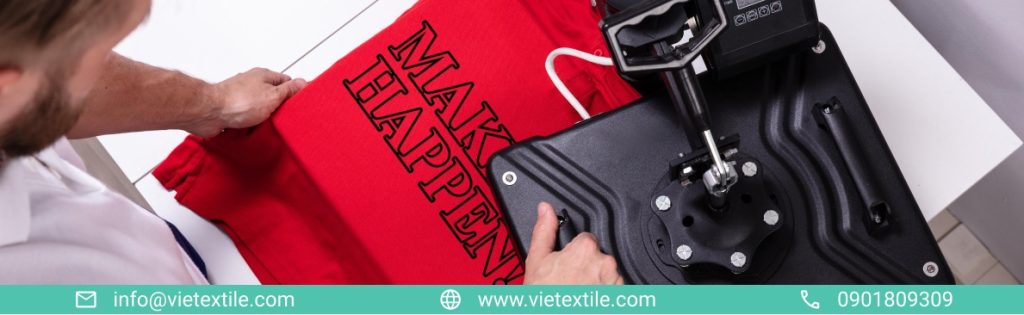
8. Conclusion

This article has provided detailed information on the types of cotton fabric dyes, the proper dyeing process, and tips for maintaining beautiful, long-lasting colors. With this knowledge, you can confidently apply these techniques and achieve your desired results.

Frequently Asked Questions (FAQs)

  1. Is natural dyeing on cotton fabric colorfast? Yes, if the dyeing and color-setting processes are done correctly.
  2. How can I prevent the dye from bleeding? Use a mordant during the preparation step and rinse the fabric thoroughly after dyeing.
  3. Which dye is most suitable for industrial dyeing? Types like Reactive Blue 19 or Honor are top choices due to their durability and ability to dye evenly.

Explore Common Types of Fabric Printing Inks and Their Applications

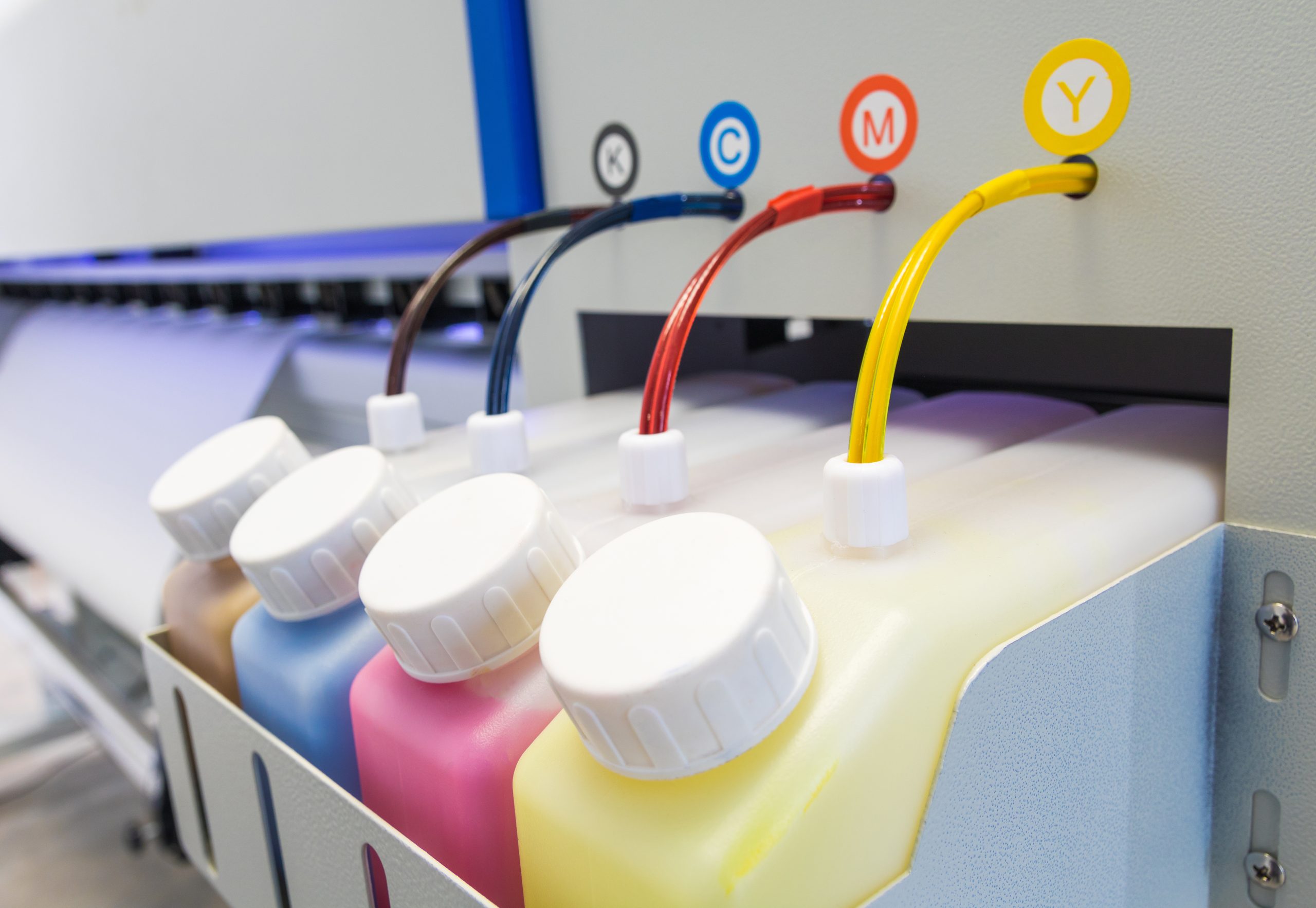
Fabric printing ink is more than just a coloring agent; it’s a determining factor in a product’s quality and durability. This article will guide you through the diverse world of common fabric printing inks, exploring their outstanding properties and practical applications.

1. Overview of Fabric Printing Ink

Fabric printing ink plays a crucial role in the textile industry, helping to create unique fabric products with diverse colors and patterns.

1.1. What is Fabric Printing Ink?

Fabric printing ink is a coloring material used to create images, patterns, or text on the fabric surface, making textile products more lively and unique. There are many different types of inks with specific properties such as colorfastness, adhesion, and resistance to environmental factors. Choosing the right ink directly affects the quality of the final product, production efficiency, and business costs.

1.2. The Importance of Fabric Printing Ink for Textiles

Fabric printing ink is extremely important in the textile industry, especially in fashion design and interior decoration. Quality ink brings brightness, sharpness, and colorfastness to patterns while ensuring safety for users, particularly when in direct contact with the skin. Furthermore, the trend of using environmentally friendly inks is becoming increasingly popular, helping manufacturers minimize negative impacts on the environment and enhance the sustainability of products.

Muc in vai 02
Explore Common Types of Fabric Printing Inks and Their Applications 33

2. Common Types of Fabric Printing Inks

The current market offers many different types of printing inks. Each type has its own characteristics and applications. Here are some common types of printing inks.

2.1. Reactive Inks

Reactive ink is one of the most common types of ink in the industry, often used with natural materials like cotton, silk, and wool. This type of ink chemically reacts with fabric fibers, helping to create sharp images with vibrant, durable colors even after many washes. Because of this property, reactive inks are often used to produce high-end fashion products. However, the process of using reactive ink requires many complex treatment steps.

2.2. Acid Inks

Acid inks are primarily used for silk, wool, and lycra fabrics, and are often seen on swimwear and sportswear. Acid inks can penetrate deep into the fabric, providing vibrant colors with good brightness and adhesion. Notably, this type of ink is resistant to chlorine and seawater, making it a perfect choice for products that are often exposed to water.

2.3. Sublimation Inks

Sublimation ink is an ideal choice for polyester fabric. The sublimation process requires the ink to transition from a solid to a gaseous state under high heat and pressure, then penetrate deep into the fabric fibers. This helps the ink adhere firmly to the fabric without the need for washing or drying, while also minimizing environmental impact. Sublimation inks are favored for their ability to produce patterns with bright, durable, and long-lasting colors after many washes.

muc in vai
Explore Common Types of Fabric Printing Inks and Their Applications 34

2.4. Disperse Inks

Disperse inks are often used for direct printing on polyester fabric. During the printing process, disperse ink is sprayed onto the fabric surface. Under high heat and pressure, the color particles penetrate deep into the fabric fibers to form a strong bond. After cooling, the colors are locked into the fibers, resulting in a product with high colorfastness and good resistance to fading.

2.5. Water-Based Inks

Water-based ink is a sustainable and safe choice for the textile industry because it does not contain harmful chemicals. Therefore, this type of ink is often used for printing on cotton or other natural fabrics. Water-based ink easily penetrates the fabric and does not require complex treatment steps. However, its disadvantage is lower colorfastness, and it can easily fade after many washes if not handled correctly.

2.6. UV-Curable Inks

UV ink is widely used in fast printing processes that require high durability. A notable feature of this ink is its ability to dry instantly upon exposure to UV light, which saves time and energy. UV ink is often printed directly onto non-absorbent fabrics like plastic, polyester, or other synthetic materials.

Muc in vai 01
Explore Common Types of Fabric Printing Inks and Their Applications 35

3. Practical Applications of Fabric Printing Inks

Fabric printing inks play an important role in production, from fashion to interior design and advertising:

  • In the Fashion Industry: Pigment or dye inks are commonly used. They help fashion brands print in large quantities while maintaining high quality. Inks can be used on cotton, polyester, and blended fabrics, meeting the diverse needs of the market.
  • In the Field of Interior and Decoration: Inks used in this field must have good adhesion, be colorfast, and be environmentally friendly. They help increase the aesthetic appeal and durability of products.
  • In the Field of Advertising: Special inks are often required. Latex or UV printing technology on fabric not only creates high-quality products but also minimizes environmental impact by using less water and energy.

4. Environmentally Friendly Fabric Printing Inks – A New Trend in the Fashion Industry

Here are some types of inks and new printing technologies that meet the requirements for sustainability and environmental safety:

  • Water-Based Inks: Water-based inks do not contain harmful solvents, which reduces VOCs (volatile organic compounds) and consumes less water than traditional printing. Water-based inks are not only good for the environment but also safer for users, especially in large-scale production.
  • Eco-Pigment Inks: This is a top choice for many major fashion brands that want to reduce their carbon footprint. Pigment inks do not penetrate deep into the fabric but adhere firmly to the surface thanks to polymers, providing sharp, durable images. Notably, this type of ink is highly rated because it does not require much water during the printing process.
  • Latex and UV Printing Technology: Latex inks do not use solvents, are biodegradable, and can be printed on polyester or recycled fabrics. UV technology, which uses UV lamps to dry the ink, is highly valued for its energy-saving efficiency and waste reduction.

Fabric printing inks have transformed plain fabrics into vibrant works of art. Each type of ink has its own advantages and disadvantages, suitable for different needs and purposes. Sustainable printing technologies and inks also open up new opportunities, helping to increase product value and better meet market demands.

Contact VieTextile today for consultation:

  • Phone: +84 (0) 901809309
  • Email: info@vietextile.com
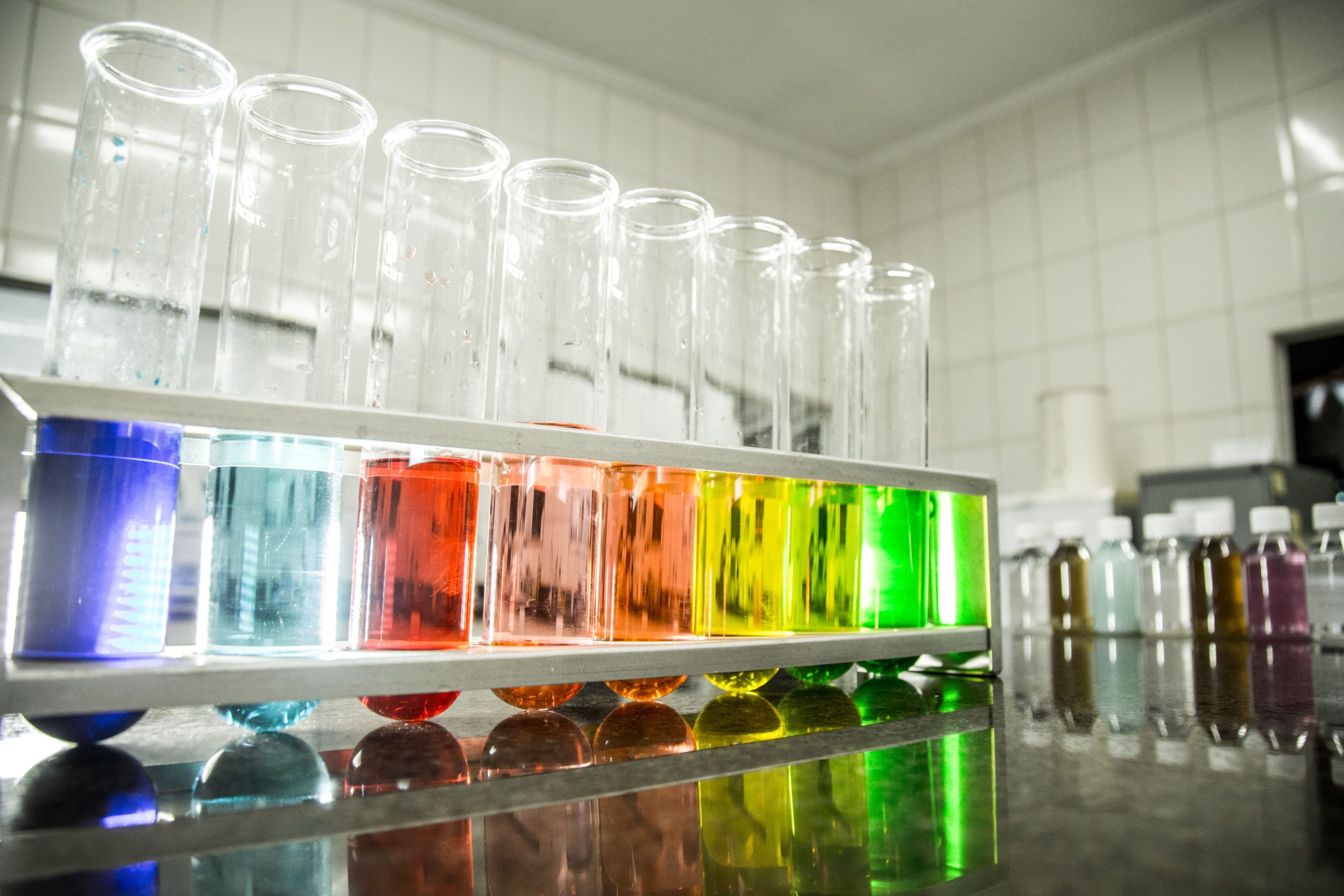
  • Office: 82C Quach Dinh Bao, Phu Thanh Ward, Tan Phu District, Ho Chi Minh City

Inks for Cotton Fabric: Choosing the Best Ink and Printing Process

Inks for cotton fabric not only affect color and colorfastness but also determine the fabric’s softness. So, how do you choose the right ink and an optimal printing process? Find the answers in the article below.

1. The Importance of Inks for Cotton Fabric

Cotton fabric is a popular material thanks to its soft, breathable, and skin-friendly properties. To create unique designs from this material, the process of printing patterns, logos, and text is crucial. Among these, the ink is the factor that directly determines the image quality, colorfastness, and aesthetic value of the product. Choosing poor-quality ink will cause the image to easily fade or peel off, or make the fabric feel stiff and uncomfortable to wear. In contrast, good ink will maintain bright, durable colors through many washes.

2. Introduction to Some Common Types of Inks for Cotton Fabric

The current market has many types of Inks for Cotton Fabric. Specifically:

2.1. Plastisol Ink

Plastisol ink is a common ink type used in screen printing on cotton fabric. A characteristic of plastisol ink is that it is water-resistant, creating sharp and durable prints. With its main components being PVC (Polyvinyl Chloride) and plasticizers, plastisol ink can feel slightly stiff and heavy on the fabric. The ink curing process requires high heat for the ink to solidify and firmly adhere to the fabric fibers.

Inks
Inks for Cotton Fabric: Choosing the Best Ink and Printing Process 39

2.2. Water-based Ink

This type of ink is made from water, making it very environmentally friendly and safe for users. Water-based ink penetrates deep into the fabric fibers, and the print is smoother and softer than with plastisol ink. However, its colorfastness is lower, and the cotton fabric must be thoroughly treated for the ink to adhere well.

2.3. Discharge Ink

This type of ink removes the original color of the cotton fabric (usually a dark color) and replaces it with another color. The print has high contrast and vibrant colors on a dark background. Discharge ink is especially suitable for detailed designs with sharp colors. The process of printing with discharge ink requires high-level technical skills and deep knowledge of chemicals to ensure safe and quality printing.

2.4. DTG Ink (Direct to Garment)

DTG ink is printed directly onto the fabric with a digital printer, which is especially suitable for printing complex images with many colors. DTG ink penetrates deep into the cotton fabric fibers and does not cause a stiff or heavy feel on the fabric. The DTG printing process requires modern machinery, so the printing cost is often higher than traditional methods.

3. Printing Methods for Cotton Fabric

Printing on cotton fabric not only requires suitable ink but also an appropriate printing method. Here are some common printing methods:

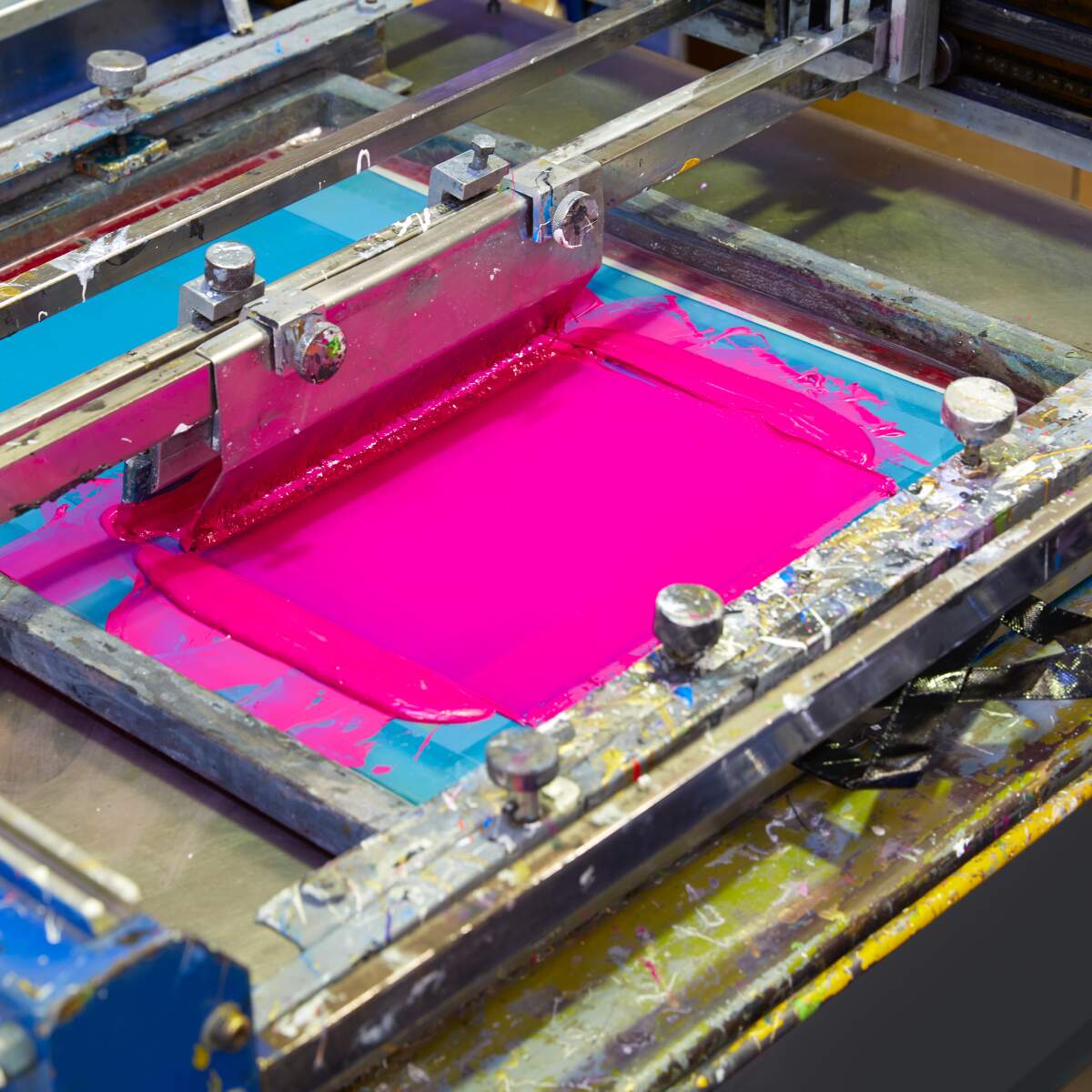
  • Screen Printing: This method uses a screen and a squeegee to press ink through the screen onto the fabric. Screen printing allows for sharp, colorfast prints and can be used on large areas.
  • Direct to Garment (DTG) Printing: This is a method of printing directly onto the fabric with a digital printer, without a screen like in screen printing. This method supports printing complex, multi-colored images and is suitable for small, custom orders. DTG printing requires pre-treating the fabric for better ink adhesion, and the initial investment cost for machinery is quite high.
  • Heat Transfer Printing: This is an indirect printing method where the image is printed on transfer paper. Then, heat is applied to transfer the ink from the paper to the fabric. This method is easy to perform and is suitable for complex designs. The colorfastness of the printed image may not be high if not done correctly.
Inks for Cotton Fabric
Inks for Cotton Fabric: Choosing the Best Ink and Printing Process 40

4. Tips for Choosing an Ink for Cotton Fabric That’s Both Colorfast and Sharp

If you want the best printing results on cotton fabric, you can refer to some of the following tips:

  • Determine the purpose of use: If the product needs to be washed frequently and is often exposed to sunlight, plastisol or DTG ink would be a suitable choice due to their high colorfastness. Conversely, if aesthetics and a soft feel are prioritized, water-based ink would be more ideal.
  • Check the compatibility of ink and fabric: Each type of cotton fabric will yield different printing results when using the same type of ink. You should check the compatibility between the ink and the fabric before mass printing. This helps the ink adhere well and prevents bleeding or rapid fading.
  • Choose the appropriate printing method: Screen printing is suitable for large orders and simple designs, while DTG or heat transfer printing is suitable for complex designs and small orders.
  • Control the printing process: The printing process needs to be tightly controlled from fabric preparation and ink selection to printing and post-treatment. In particular, you should pay attention to the temperature and ink curing time. This is a major factor affecting the adhesion and colorfastness of the ink on the fabric.
  • Use high-quality ink: Poor-quality ink will reduce the value of the final product. You should choose ink from a reputable supplier and follow the necessary instructions to ensure the printing results meet the requirements.

5. Ink Solutions for Cotton Fabric from VieTextile

VieTextile is a provider of a wide range of ink products, including reactive, pigment, acid, and disperse inks. Our products not only provide superior printing quality but also ensure user safety and environmental friendliness. Furthermore, our ink products always have ZDHC and Oeko-Tex certifications, so your workshop can produce with peace of mind.

If you are still wondering about choosing the right ink, please contact VieTextile through the following methods for the best support:

  • Phone: +84 (0) 901809309
  • Email: info@vietextile.com
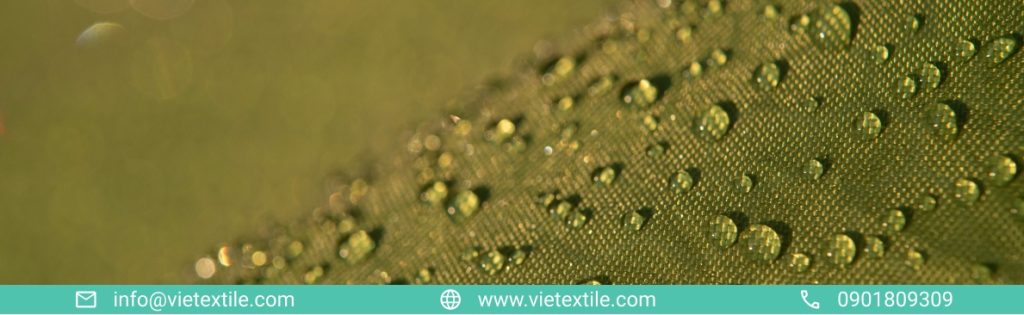
  • Office: 82C Quach Dinh Bao, Phu Thanh Ward, Tan Phu District, Ho Chi Minh City

VieChemol Fabric Treatment Chemical – The Optimal Solution for the Textile Dyeing Industry

Fabric treatment chemicals are a key factor that determines the quality and aesthetic appeal of a fabric product. Among these, VieChemol SR fabric treatment chemical is an optimal solution that significantly improves product quality and production efficiency.

1. What Are Fabric Treatment Chemicals? The Importance of Fabric Treatment Chemicals

Fabric treatment chemicals are substances or compounds used during the production, finishing, and preservation of fabric. The fabric treatment process not only cleans the fabric but also improves its properties such as color, softness, and resistance to wrinkles, water, stains, and flames. Thanks to these chemicals, fabric products become more diverse in style and color and can be applied in many different fields.

Chat chong tham nuoc
VieChemol Fabric Treatment Chemical - The Optimal Solution for the Textile Dyeing Industry 44

The importance of fabric treatment chemicals cannot be denied. They help make colors more durable and less likely to fade when washed, and they prevent wrinkling and shrinkage, increasing the mechanical durability for a longer product lifespan. Fabric is equipped with special features through the treatment process, allowing it to be used in various fields such as fashion, furniture, healthcare, and industry. Fabric treatment chemicals help fabric products compete better on the market, meeting consumer demands for quality, safety, and sustainability.

2. Common Types of Fabric Treatment Chemicals

There is a wide variety of fabric treatment chemicals, serving many different purposes. Specifically:

  • Bleaching Agents: Bleaching agents are often used during the fabric preparation stage. They make the fabric bright white and uniform, which is important for beautiful dyeing results.
  • Dyeing Agents: Dyeing agents provide a variety of colors for fabric, from simple to complex. Common types of dyes include direct dyes, reactive dyes, disperse dyes, and azoic dyes.
  • Fabric Softeners: Fabric softeners reduce friction between fibers. This makes the fabric softer and more pleasant to the touch. Examples include cationic softeners, non-ionic softeners, and silicone softeners.
  • Anti-Wrinkle Agents: Anti-wrinkle agents help minimize wrinkles, keeping the fabric smooth and looking good. This type of chemical is commonly used on cotton and polyester fabrics, especially for office wear.
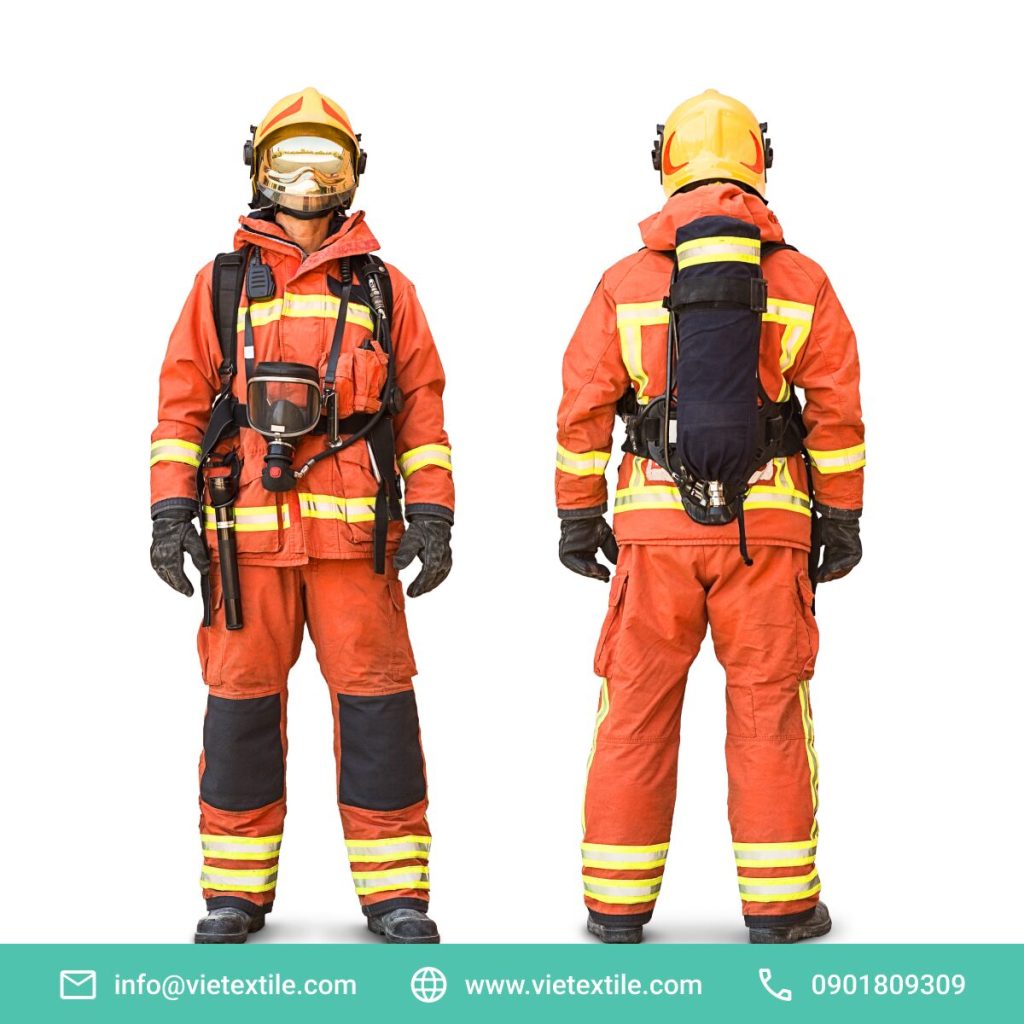
  • Flame Retardants: Flame retardants can reduce the flammability of a fabric. They are often used in the production of protective clothing and furniture.
  • Antibacterial Agents: Antibacterial agents work to kill bacteria and prevent the growth of bacteria and fungi on the fabric surface. This type of chemical is especially important for fabric products used in healthcare and for children’s items, where high standards of hygiene and health safety are required.
Chat chong chay
VieChemol Fabric Treatment Chemical - The Optimal Solution for the Textile Dyeing Industry 45

3. VieChemol – A Highly Effective Industrial Fabric Treatment Chemical

VieChemol SR is a comprehensive solution for the industrial fabric treatment process. Thanks to its many outstanding properties, VieChemol SR is proving its important role in improving the quality and efficiency of washing and dyeing.

3.1. Effectively Removes Oil and Dirt

The main component of the product is Ethoxylate derivatives, a chemical compound known for its superior cleaning ability. During textile production, fabric is often covered in oil from machinery, along with dirt and other impurities. If not thoroughly cleaned, these stains will affect the quality of the final product, especially during the dyeing stage. VieChemol SR provides a clean fabric surface, helping the fabric easily absorb the dye for uniform and beautiful colors.

3.2. Flexible Use and Preparation

Another strength of VieChemol SR is its flexibility in use and preparation. The product is easily soluble in water, does not create much foam, and is not affected by hard water or the pH of the environment. This means VieChemol SR can be used effectively in a variety of conditions.

Moreover, the product can be combined with oxalic acid to increase the effectiveness of bleaching and cleaning. This flexibility allows factories to easily adjust their production process to suit the specific requirements of each fabric type and treatment stage.

3.3. Safe and Eco-friendly

In addition to its superior cleaning effectiveness, VieChemol SR also ensures safety and environmental friendliness. The product is stable under normal use conditions and does not undergo dangerous polymerization reactions. At the same time, VieChemol SR is incompatible with strong acids and oxidizing agents, minimizing risks during production.

Notably, the Ethoxylate component is biodegradable, which contributes to environmental protection. This is a significant advantage, in line with the current trend of clean and sustainable production.

3.4. Saves Time and Cost

The traditional washing and dyeing process often consumes a lot of time and energy. However, with VieChemol SR, this process becomes simpler and more efficient. The product significantly shortens the treatment time and reduces water and energy consumption. This optimizes production costs and saves resources. Furthermore, VieChemol SR also contributes to increased productivity, bringing greater economic benefits to businesses.

4. Applications of VieChemol in the Textile Dyeing Industry

VieChemol SR is widely applied in:

  • Removing oil and impurities: It removes grease and impurities clinging to the fabric surface. This is especially useful for removing oil from spinning machines and lubricants from the knitting process.
  • Cleaning and preparing fabric before dyeing: It effectively cleans, removing dirt, sizing (gelatin), sediment, and dust remaining on the fabric before dyeing.
  • Increasing the effectiveness of fabric bleaching: The product can be combined with oxalic acid to increase bleaching effectiveness, making the fabric brighter and more durable.
  • Preventing impurity redeposition: It prevents impurities from redepositing on the fabric surface after cleaning, thereby maintaining the efficiency of the production process and ensuring fabric quality.
  • Cleaning machinery and equipment: It cleans and removes dirt and grease on machine surfaces, which prevents rust and extends the lifespan of the equipment.

Thanks to its outstanding advantages in cleaning ability, environmental friendliness, and cost-effectiveness, the VieChemol SR fabric treatment chemical is a perfect choice for textile dyeing businesses that want to improve product quality and compete in the market.

If you are interested in the VieChemol SR fabric treatment chemical, please contact VieTextile using the following methods:

  • Phone: +84 (0) 901809309
  • Email: info@vietextile.com
  • Office: 82C Quach Dinh Bao, Phu Thanh Ward, Tan Phu District, Ho Chi Minh City

A List of 20+ Common Textile Chemicals

Chemicals are an indispensable part of the textile production and finishing process. So, what are the most common textile chemicals? Let’s find out the answer in the following article.

1. What are Textile Chemicals? Their Importance in the Textile Industry

Textile chemicals are inorganic substances, salts, and acids used in the process of manufacturing fibers, fabrics, and finishing textile products. Textile chemicals include dyes, fabric softeners, anti-wrinkle agents, waterproofing agents, detergents, and many others.

Chemicals play an extremely important role in the textile industry, from fiber pretreatment, bleaching, dyeing, and printing to finishing. They are widely used to improve the durability and functionality of textile products.

For example, flame retardants for upholstery fabric, antibacterial agents for sportswear, or mildew-resistant agents for protective clothing. Furthermore, chemicals simplify the production process, creating special fabrics like UV-protective, wrinkle-resistant, or high-durability fabrics. It can be affirmed that the remarkable development of the modern textile industry would not have been possible without chemicals.

hoa chat nganh det may
A List of 20+ Common Textile Chemicals 48

2. A List of 20+ Common Textile Chemicals

Here is information about common chemicals corresponding to each stage of textile product manufacturing, from bleaching and dyeing to anti-wrinkle and waterproofing treatments.

2.1. Dyes

Dyes are chemicals used to color fabric and other textile materials, enhancing their aesthetics and meeting customer requirements.

  • Azo Dyes: A class of dyes containing the azo group (-N=N-) in their structure, they often have bright colors and high colorfastness.
  • Physical Dyes: These dyes do not react chemically with the fabric but only adhere to the fiber surface, so they are prone to fading when washed.
  • Precipitating Dyes: Dyes that create a precipitation reaction on the fabric surface, resulting in durable colors.
  • Plant-Based Dyes: Extracted from plant sources such as coffee, cashew fruit, and natural wood, they have high safety but often lower colorfastness compared to synthetic dyes.
  • Animal-Based Dyes: Dyes derived from animal sources such as those used for silk and wool from insects or marine animals, they often yield beautiful, natural colors.

2.2. Dyeing Auxiliaries

Dyeing auxiliaries are chemicals that help improve dyeing efficiency. Their main uses are to adjust pH, enhance color uptake, stabilize the dyeing environment, and decolorize before dyeing.

  • Dyeing Salts: Phosphate, sulfate, chloride salts, etc., are used to adjust colorfastness and improve the dye’s absorption on the fabric.
  • Alkaline Agents: Sodium hydroxide, potassium hydroxide, etc., adjust the pH during the dyeing process, helping the dye penetrate evenly and last longer.
  • Stabilizers: Urea, acetic acid, oxalic acid, etc., help stabilize the dyeing environment, prevent precipitation, and improve dyeing efficiency.
  • Reducing Agents: Dithionite, sulfur dioxide, formaldehyde, etc., are used to decolorize before dyeing, helping to create even colors that meet requirements.

2.3. Finishing Agents

Finishing agents are chemicals used after the dyeing process to improve the fabric’s properties and quality. Examples include anti-wrinkle, waterproofing, flame-retardant, antibacterial, and durability-enhancing agents.

  • Anti-Wrinkle Agents: Composed of polymers, synthetic resins, etc., these help prevent fabric from wrinkling after washing, maintaining the product’s aesthetic appeal.
  • Waterproofing Agents: Silicones, paraffin, polyurethanes, etc., create a coating on the fabric surface, protecting it in wet conditions.
  • Flame Retardants: Ammonium salts, phosphates, etc., reduce the fabric’s flammability, enhancing safety during use.
  • Antibacterial Agents: Silver, copper, and zinc compounds, etc., inhibit the growth of bacteria and mold on the fabric, protecting the user’s health.

2.4. Bleaching Agents

Bleaching agents are chemicals used to remove the natural color of fabrics, brighten them, and prepare the fabric surface for subsequent processing steps.

  • Chlorine and Derivatives: Hypochlorite, dichloroisocyanurate, etc., are widely used in fabric bleaching, offering high efficiency but can be harmful if not used correctly.
  • Active Oxygen: Hydrogen peroxide and peracids are less harmful to the environment and are often preferred in modern industry.
  • Sulfur and Disodium Compounds: These help bleach fabrics effectively.

2.5. Wastewater Treatment Chemicals

Wastewater treatment chemicals are used to treat wastewater and waste generated during the dyeing process.

  • Neutralizing Agents: Sulfuric acid, hydrochloric acid, etc., neutralize the remaining alkaline agents from the dyeing process, ensuring environmental safety.
  • Precipitants: Aluminum, iron, and calcium salts remove impurities and heavy metals from wastewater, reducing pollution.
  • Oxidizing Agents: Such as ozone and chloramines, these oxidize organic substances, disinfect, and purify wastewater.
  • Enzymes for Color and Odor Removal: These effectively and safely remove unpleasant colors and odors from wastewater.

2.6. Cleaning and Detergent Chemicals

Cleaning and detergent chemicals help remove dirt, oil, grease, and other impurities from fabric surfaces and textile materials.

  • Dechlorinating and Decolorizing Agents: These help remove residual chlorine and unwanted dyes from water, ensuring clean and safe water.
  • Soaps, Powders, and Liquid Detergents: Commonly used in daily life, they help clean clothes and fabric surfaces.
  • Water Softeners: Phosphonates and polycarboxylates reduce water hardness, increasing the effectiveness of detergents.

3. Environmentally Friendly Textile Chemicals – VieChemol SR

Despite their significant benefits, the use of textile chemicals also poses many challenges, especially concerning the environment and health. However, with remarkable technological advancements, manufacturers and businesses are continuously seeking environmentally friendly chemical solutions that protect consumer health.

VieChemol SR Conc 5 in 1, a product from VieTextile, is a non-ionic surfactant used for wetting, scouring, and bleaching in the dyeing industry. With its ability to remove oil stains and prevent impurities from redepositing, this product helps fabric become clean and bright through a short process. The Ethoxylate component cleans effectively, is easily soluble in water, does not create much foam, and is not affected by hard water or pH levels. VieChemol SR is stable and does not cause dangerous reactions, making it a highly popular and environmentally friendly solution today.

This article has introduced over 20 common textile chemicals while emphasizing the importance of applying chemicals in production. For the goal of sustainable development, you should understand the types of chemicals and continuously seek alternative solutions that are safe for health and friendly to the environment.

If you are interested in our VieChemol SR Conc 5 in 1 scouring agent, do not hesitate to contact us through the following methods:

  • Phone: +84 (0) 901809309
  • Email: Info@Vietextile.com
  • Office: 82C Quach Dinh Bao, Phu Thanh Ward, Tan Phu District, Ho Chi Minh City

Comparing Traditional and VieChemol SR Industrial Dyeing

Both traditional and modern industrial dyeing processes aim to create products with modern, refined colors. However, VieChemol SR technology helps optimize the dyeing process for factories. At the same time, VieChemol SR also helps improve the quality of the finished product. Let’s explore the difference between the traditional industrial dyeing process and VieChemol SR chemical technology in the following article.

1. Improvements in the Industrial Dyeing Process

The dyeing process directly affects the quality, colorfastness, and aesthetic appeal of the fabric. Dyeing helps to cover the natural color of the fibers. In addition, dyeing can also enhance the features of the fabric.

Dyeing technology is constantly being improved to optimize the process and enhance the value of the finished product. In the early days, humans already knew how to use natural materials to create dyes. This manual process required meticulousness, patience, and was highly dependent on natural conditions. However, this method was time-consuming, labor-intensive, and could not be used for mass production.

The industrial revolution opened the door to synthetic dyes. At the same time, dyeing techniques were also greatly improved, helping the dyeing industry to develop.

2. Understanding the Traditional Industrial Dyeing Process

Basically, all fabric dyeing processes must go through a fabric cleaning step. However, traditional industrial dyeing is a manual and very time-consuming method.

2.1. The Traditional Industrial Dyeing Process (for white) typically goes through the following 4 steps:

  • Step 1: Scouring and Cleaning the Fabric: This is the step of scouring the greige fabric. There is a lot of oil, sizing (gelatin), sediment, dust, and stains left after weaving. Through this step, the greige fabric will be cleaned. This process usually takes 120-180 minutes.
  • Step 2: Hot Washing: This is the step to clean the bleach from step 1. At the same time, it rinses away any remaining sediment to make the fabric completely clean. This process usually takes 60 minutes.
  • Step 3: pH Balancing: This is an extremely important step. It helps the fabric achieve a standard white color and prevents color bleeding and unevenness. This process usually takes 30 minutes.
  • Step 4: Cold Washing: This is the step to rinse off the chemicals used and prepare the fabric for production. This process usually takes 15-20 minutes.

2.2. The Traditional Industrial Dyeing Process (for dark colors) typically goes through the following 11 steps:

  • Step 1: Scouring and Cleaning the Fabric: This is the step of scouring the greige fabric. There is a lot of oil, sizing (gelatin), sediment, dust, and stains left after weaving. Through this step, the greige fabric will be cleaned. This process usually takes 120-180 minutes.
  • Step 2: Hot Washing: This is the step to clean the bleach from step 1. At the same time, it rinses away any remaining sediment to make the fabric completely clean. This process usually takes 60 minutes.
  • Step 3: pH Balancing: This is an extremely important step. It helps the fabric achieve a standard white color and prevents color bleeding and unevenness. This process usually takes 30 minutes.
  • Step 4: Cold Washing: This is the step to rinse off the chemicals used and prepare the fabric for use. This process usually takes 15-20 minutes.
  • Step 5: Fabric Dyeing: Add the corresponding chemicals and dyes to dye the fabric. This process usually takes 300 minutes.
  • Step 6: Cold Washing: This is the step to rinse off the excess dye on the fabric from step 5. This process usually takes 15-20 minutes.
  • Step 7: pH Balancing: This is an extremely important step. It helps the fabric achieve the desired dark color and prevents color bleeding and unevenness. This process usually takes 30-45 minutes.
  • Step 8: Hot Washing: This is the step to clean the chemicals from step 7 and fix the color for the fabric.
  • Step 9: Hot Washing: Continue to clean the chemicals from step 8.
  • Step 10: Hot Washing:
  • Step 11: Cold Washing, Ready for Use:

Using the old dyeing method, it takes an average of nearly 5 hours a day to dye a white fabric to a standard color. And it takes more than 10 hours a day to dye a dark-colored fabric as required. These parameters are measured based on the operating capacity of one machine.

In reality, the traditional industrial dyeing process is very time-consuming, costly, and labor-intensive. If a factory wants to increase production, it must have more machines and a skilled workforce to ensure factory productivity and product quality. In addition, the issue of environmental waste is also a major concern for factories and local governments. Therefore, with the old process, factories often face difficulties if they want to expand production.

3. Understanding the Industrial Dyeing Process with VieChemol SR

VieChemol SR is a non-ionic surfactant used in the wetting, scouring, and bleaching process in the dyeing industry. The scouring chemical VieChemol SR can remove oil from spinning machines and knitting lubricants, while preventing impurities from redepositing.

3.1. The Industrial Dyeing Process (for white) using VieChemol SR is described as follows:

  • Step 1: Scouring: Use the VieChemol SR scouring chemical to clean the greige fabric to a standard white color. This process usually takes 120 minutes.
  • Step 2: Cold Washing: This is the step to rinse off the chemicals used and prepare the fabric for production. This process usually takes 30-40 minutes.

3.2. The Industrial Dyeing Process (for dark colors) using VieChemol SR is described as follows:

  • Step 1: Scouring: Use the VieChemol SR scouring chemical to clean the greige fabric to a standard white color. This process usually takes 120 minutes.
  • Step 2: Fabric Dyeing: Begin dyeing the fabric with the required chemicals and dyes. This process usually takes 190 minutes.
  • Step 3: Washing and Rinsing: Hot wash for 7 stages to rinse off the dye and chemicals. This process usually takes about 150 minutes.

Overall, the dyeing process combined with the VieChemol SR chemical takes less than 3 hours for white and 7.5 hours for dark colors per day. In addition, the quality of the finished product is significantly improved. Factories can save time, energy, and labor in the fabric treatment process. From there, they can optimize the production process and ensure product quality. As a result, expanding production also becomes easier.

VieChemol SR has become an ideal solution in the modern textile dyeing industry. In addition, VieChemol SR is extremely environmentally friendly. So factories do not have to worry about the waste treatment process after production.

4. Comparison of Traditional Dyeing and VieChemol SR Processes

To better understand the difference between the traditional dyeing process and VieChemol SR chemical technology, please follow the comparison criteria below:

4.1. Performance and Product Quality

  • Traditional Dyeing Process: The fabric colors are refined and modern, but efficiency is not high, and it requires highly skilled labor.
  • Dyeing Process with VieChemol SR: Ensures uniform color and high colorfastness, along with high production efficiency thanks to the optimized process.

4.2. Resource Savings and Environmental Protection

  • Traditional Dyeing Process: Uses synthetic chemicals, which can cause environmental pollution if not handled properly, and consumes a lot of energy (electricity, water) during the dyeing process.
  • Dyeing Process with VieChemol SR: Uses environmentally friendly synthetic chemicals, limits environmental pollution, and the optimized treatment process saves significant energy.

4.3. Cost and Competitiveness

  • Traditional Dyeing Process: High costs for raw materials, energy, and labor.
  • Dyeing Process with VieChemol SR: High costs for raw materials, energy, and labor.

4.4. Flexibility and Process Complexity

  • Traditional Dyeing Process: The process is long, cumbersome, and manual, so it requires a lot of personnel.
  • Dyeing Process with VieChemol SR: The process is short, has a formula, and is automated thanks to machinery.

5. Application of Modern Dyeing Technology

With the traditional dyeing method, the process to get a standard white fabric takes quite a long time. With the advent of the advanced scouring chemical VieChemol SR, factories will save more than half the time and energy compared to the old process. VieChemol becomes a perfect choice for fabric dyeing factories that want to improve their production process and optimize costs.

If you are looking for a scouring chemical that supports a modern dyeing process, do not miss VieChemol SR – an effective, cost-saving, and environmentally friendly scouring solution. Contact VieTextile today for a consultation:

  • Phone: +84 (0) 901809309
  • Email: info@vietextile.com
  • Office: 82C Quach Dinh Bao, Phu Thanh Ward, Tan Phu District, Ho Chi Minh City

Viechemol SR Scouring Chemical and the Process on Cotton Fabric

How to choose the right scouring chemical for cotton fabric is a concern for many businesses. Businesses today are still looking for a scouring chemical that can increase the productivity of washing and dyeing, while still ensuring the quality of the final product. The following article will introduce Viechemol SR Conc – a new technology scouring chemical.

1. Introduction to Viechemol SR Scouring Chemical

Viechemol SR Conc is a non-ionic surfactant scouring chemical. Viechemol SR is used in the wetting, scouring, and bleaching process in the dyeing industry. The product has many outstanding features. It increases cleaning efficiency while ensuring user safety and environmental protection:

  • The main components of Viechemol SR Conc are Ethoxylate derivatives that effectively clean dirt, grease, and impurities on the fabric surface.
  • It has non-ionic properties, is easily soluble in water, does not create much foam, and is not affected by hard water or environmental pH.
  • It can be combined with substances like oxalic acid to increase the effectiveness of bleaching and cleaning.
  • It is stable under normal conditions and does not undergo dangerous reactions, making it safe for users.
  • It is biodegradable, which minimizes negative impacts on the environment.

The scouring chemical Viechemol SR Conc is a comprehensive solution for the scouring process in the textile industry, providing outstanding efficiency, cost savings, and ensuring safety for users and the environment. Here are some basic applications:

  • Cleaning Fabric Before Dyeing: It removes dirt, grease, and impurities to help the fabric easily absorb the dye, resulting in beautiful and even colors.
  • Increasing Fabric Bleaching Efficiency: It can be combined with oxalic acid for effective fabric bleaching, making the fabric brighter and more durable.
  • Cleaning Machinery and Equipment: It removes dirt and grease on machinery and equipment, preventing rust and corrosion, which extends the service life.
Scouring Chemical
Viechemol SR Scouring Chemical and the Process on Cotton Fabric 55

2. Benefits of Using Viechemol SR Scouring Chemical on Cotton Fabric

The scouring chemical Viechemol SR Conc brings many important benefits to the cotton fabric washing and dyeing process. The product helps to enhance washing efficiency by effectively removing oil and impurities while preventing redeposition. As a result, cotton fabric will easily absorb the dye, and the colors will be beautiful, even, and long-lasting.

In addition, the cotton washing and dyeing process using Viechemol SR Conc scouring chemical is performed quickly and effectively, which minimizes water and energy consumption, helping to optimize production costs.

1163x902 min
Viechemol SR Scouring Chemical and the Process on Cotton Fabric 56

3. Process for Using Viechemol SR Scouring Chemical on Cotton Fabric

3.1. Determining the Dosage of Viechemol SR Scouring Chemical

To ensure the cotton fabric washing and dyeing process has no errors, please follow the formula guidelines below:

For normal dirty fabric:

  • VieChemol SR Conc 1.5–2.0%
  • Temperature: 80 – 95°C

For heavily dirty fabric:

  • Option 1:
    • VieChemol SR Conc 2.0–2.5%
    • Temperature: 90 – 95°C
  • Option 2:
    • VieChemol SR Conc 2.0–2.5%
    • Temperature: 90 – 95°C

Note:

  • The optimal temperature for washing is 40°C.
  • When used to remove metal impurities, it should be neutralized in the final wash.
  • Fabrics finished with a water or oil repellent must be rinsed with a detergent afterwards.

For more detailed information, companies and factories can contact the VieTextile support team for assistance in testing Viechemol SR scouring chemical in the lab.

3.2. Process for Using Viechemol SR Scouring Chemical

To compare and evaluate the traditional cotton fabric washing and dyeing process and the process using Viechemol SR scouring chemical, please see the following information.

1 – Process to Create a Standard White Cotton Fabric Traditional process to create a standard white cotton fabric:

  • Step 1: Scour the greige fabric to remove oil, sizing, sediment, dirt, and stains. This takes 2 – 3 hours.
  • Step 2: Hot wash to rinse off the bleach and remaining sediment. This takes about 1 hour.
  • Step 3: Balance the pH to ensure even color. This takes about 30 minutes.
  • Step 4: Cold wash to remove chemicals and prepare for the dyeing process. This takes 15 – 20 minutes.

Process to create a standard white cotton fabric with Viechemol SR Conc:

  • Step 1: Use Viechemol SR Conc scouring chemical to clean the greige fabric to the standard color. This takes about 2 hours.
  • Step 2: Cold wash to rinse off the chemicals and prepare for the dyeing process. This takes 30 – 40 minutes.
vai trang cotton 1163x902 1
Viechemol SR Scouring Chemical and the Process on Cotton Fabric 57

2 – Process for Treating Dark-Colored Cotton Fabric with Chemicals Traditional process for washing and dyeing dark-colored cotton fabric:

  • Step 1: Add chemicals to scour the greige fabric, removing oil, sizing (gelatin), sediment, dirt, and stains. This takes 2 – 3 hours.
  • Step 2: Hot wash to clean the bleach and any remaining sediment. This takes 1 hour.
  • Step 3: Adjust the pH to a standard level to achieve the required color, avoiding bleeding and unevenness. This takes 30 minutes.
  • Step 4: Cold wash to rinse off chemicals for use or to prepare for the dyeing process. This takes 15 – 20 minutes.
  • Step 5: Use chemicals and dyes to dye the fabric. This usually takes 5 hours.
  • Step 6: Cold wash to clean the excess dye on the fabric. This takes 15-20 minutes.
  • Step 7: Adjust the pH to a standard level to achieve the desired color. This usually takes 45 – 60 minutes.
  • Step 8: Hot wash to fix the color and rinse off chemicals from step 7. This takes 1 hour.
  • Step 9: Hot wash to rinse off chemicals from step 8.
  • Step 10: Hot wash for a deep clean.
  • Step 11: Cold wash to finish the dyeing process.

Process for washing and dyeing dark-colored cotton fabric with Viechemol SR Conc:

  • Step 1: Use Viechemol SR Conc scouring chemical to clean the greige fabric to the standard color. This takes about 2 hours.
  • Step 2: Dye the fabric with chemicals and dyes. This takes 190 minutes.
  • Step 3: Hot wash in 7 stages to rinse off dyes and chemicals. Stage 4 adds Viechemol. The total time is about 150 minutes.
Quy trinh giat 1163x902 1
Viechemol SR Scouring Chemical and the Process on Cotton Fabric 58

4. The Effectiveness of Viechemol SR Scouring Chemical on Cotton Fabric

When using the Viechemol SR Conc scouring chemical with the cotton fabric washing and dyeing process, the final product will meet the standards for beautiful, non-bleeding colors and have high colorfastness and fabric durability. The treated fabric not only retains its color but also provides a soft feel.

With the traditional washing and dyeing method, the process to get a standard white fabric takes quite a long time. Viechemol SR Conc will help factories save more than half the time and energy compared to the old process. This makes Viechemol a perfect choice for fabric dyeing factories that want to improve their production process and optimize costs.

The use of Viechemol SR scouring chemical in the cotton fabric washing and dyeing process brings many practical benefits to the industrial textile and dyeing industry. With its outstanding effectiveness, Viechemol SR promises to become a trusted companion, helping to elevate the production process and create high-quality products.

5. Contact Information for Scouring Chemicals

If you have any questions related to Viechemol SR Conc scouring chemical or scouring chemicals for cotton fabric, feel free to contact VieTextile through the following methods:

  • Phone: +84 (0) 901809309
  • Email: info@vietextile.com
  • Office: 82C Quach Dinh Bao, Phu Thanh Ward, Tan Phu District, Ho Chi Minh City