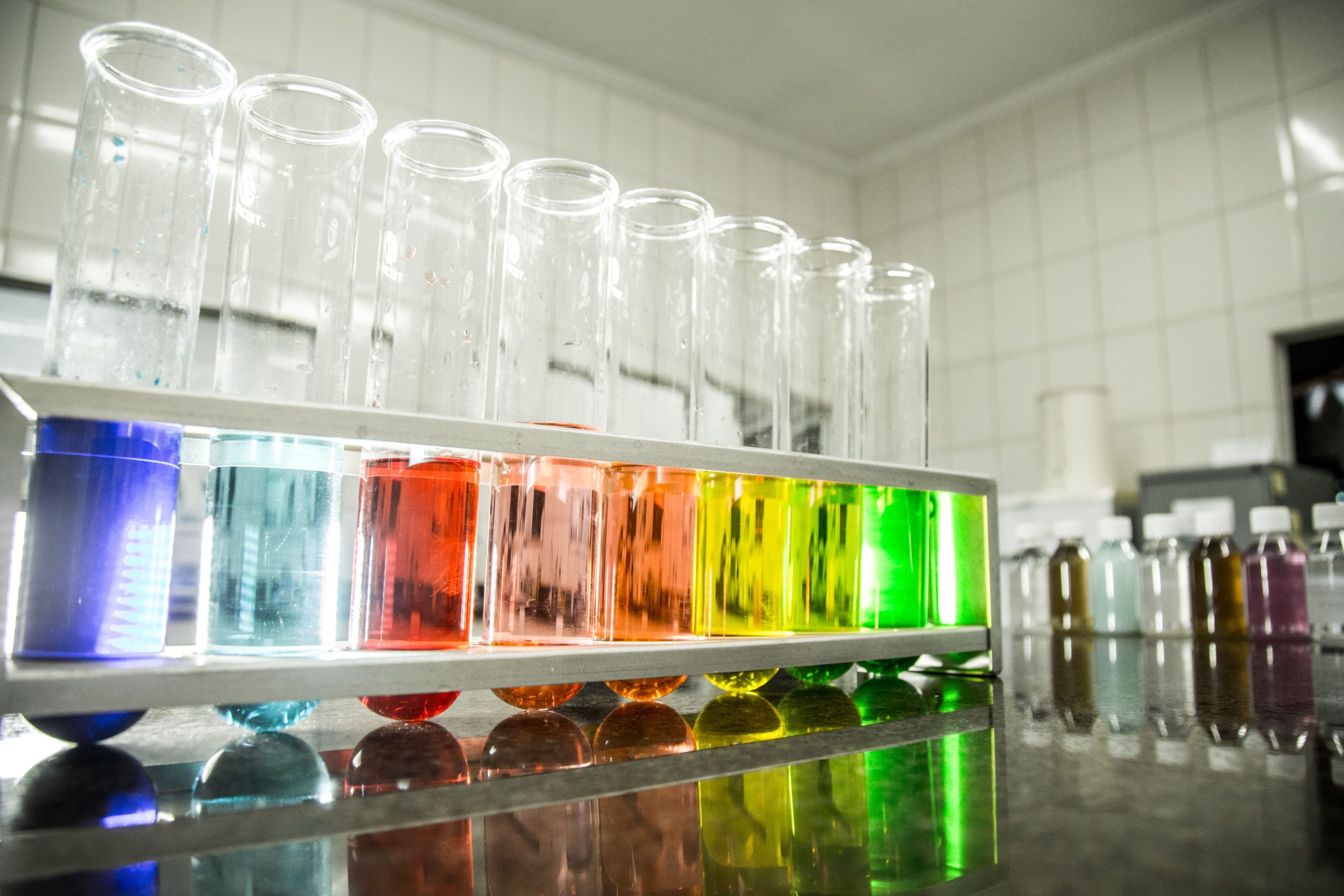
VieChemol Fabric Treatment Chemical – The Optimal Solution for the Textile Dyeing Industry

Fabric treatment chemicals are a key factor that determines the quality and aesthetic appeal of a fabric product. Among these, VieChemol SR fabric treatment chemical is an optimal solution that significantly improves product quality and production efficiency.

1. What Are Fabric Treatment Chemicals? The Importance of Fabric Treatment Chemicals

Fabric treatment chemicals are substances or compounds used during the production, finishing, and preservation of fabric. The fabric treatment process not only cleans the fabric but also improves its properties such as color, softness, and resistance to wrinkles, water, stains, and flames. Thanks to these chemicals, fabric products become more diverse in style and color and can be applied in many different fields.
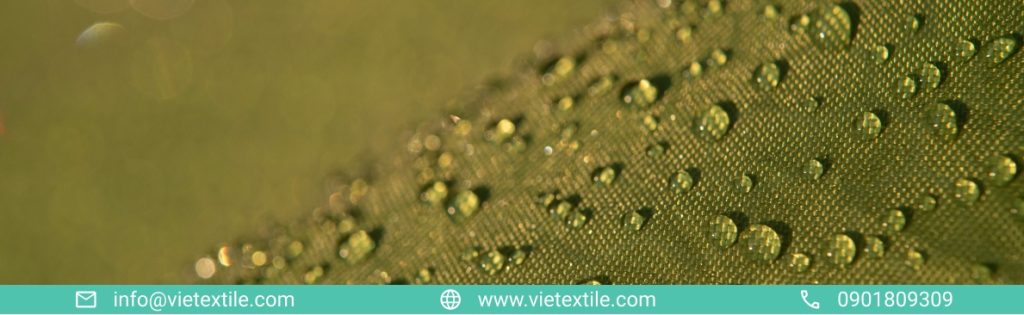
Chat chong tham nuoc
VieChemol Fabric Treatment Chemical - The Optimal Solution for the Textile Dyeing Industry 4

The importance of fabric treatment chemicals cannot be denied. They help make colors more durable and less likely to fade when washed, and they prevent wrinkling and shrinkage, increasing the mechanical durability for a longer product lifespan. Fabric is equipped with special features through the treatment process, allowing it to be used in various fields such as fashion, furniture, healthcare, and industry. Fabric treatment chemicals help fabric products compete better on the market, meeting consumer demands for quality, safety, and sustainability.

2. Common Types of Fabric Treatment Chemicals

There is a wide variety of fabric treatment chemicals, serving many different purposes. Specifically:

  • Bleaching Agents: Bleaching agents are often used during the fabric preparation stage. They make the fabric bright white and uniform, which is important for beautiful dyeing results.
  • Dyeing Agents: Dyeing agents provide a variety of colors for fabric, from simple to complex. Common types of dyes include direct dyes, reactive dyes, disperse dyes, and azoic dyes.
  • Fabric Softeners: Fabric softeners reduce friction between fibers. This makes the fabric softer and more pleasant to the touch. Examples include cationic softeners, non-ionic softeners, and silicone softeners.
  • Anti-Wrinkle Agents: Anti-wrinkle agents help minimize wrinkles, keeping the fabric smooth and looking good. This type of chemical is commonly used on cotton and polyester fabrics, especially for office wear.
  • Flame Retardants: Flame retardants can reduce the flammability of a fabric. They are often used in the production of protective clothing and furniture.
  • Antibacterial Agents: Antibacterial agents work to kill bacteria and prevent the growth of bacteria and fungi on the fabric surface. This type of chemical is especially important for fabric products used in healthcare and for children’s items, where high standards of hygiene and health safety are required.
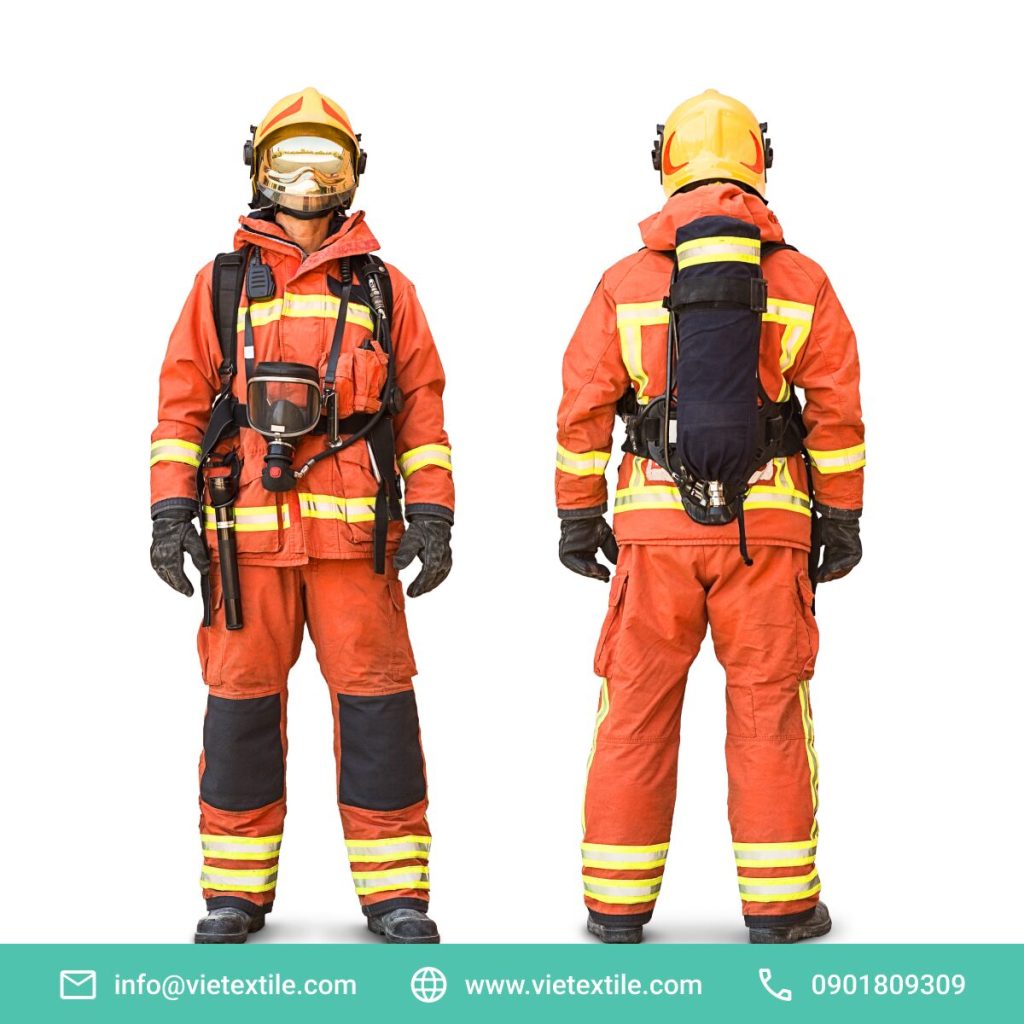
Chat chong chay
VieChemol Fabric Treatment Chemical - The Optimal Solution for the Textile Dyeing Industry 5

3. VieChemol – A Highly Effective Industrial Fabric Treatment Chemical

VieChemol SR is a comprehensive solution for the industrial fabric treatment process. Thanks to its many outstanding properties, VieChemol SR is proving its important role in improving the quality and efficiency of washing and dyeing.

3.1. Effectively Removes Oil and Dirt

The main component of the product is Ethoxylate derivatives, a chemical compound known for its superior cleaning ability. During textile production, fabric is often covered in oil from machinery, along with dirt and other impurities. If not thoroughly cleaned, these stains will affect the quality of the final product, especially during the dyeing stage. VieChemol SR provides a clean fabric surface, helping the fabric easily absorb the dye for uniform and beautiful colors.

3.2. Flexible Use and Preparation

Another strength of VieChemol SR is its flexibility in use and preparation. The product is easily soluble in water, does not create much foam, and is not affected by hard water or the pH of the environment. This means VieChemol SR can be used effectively in a variety of conditions.

Moreover, the product can be combined with oxalic acid to increase the effectiveness of bleaching and cleaning. This flexibility allows factories to easily adjust their production process to suit the specific requirements of each fabric type and treatment stage.

3.3. Safe and Eco-friendly

In addition to its superior cleaning effectiveness, VieChemol SR also ensures safety and environmental friendliness. The product is stable under normal use conditions and does not undergo dangerous polymerization reactions. At the same time, VieChemol SR is incompatible with strong acids and oxidizing agents, minimizing risks during production.

Notably, the Ethoxylate component is biodegradable, which contributes to environmental protection. This is a significant advantage, in line with the current trend of clean and sustainable production.

3.4. Saves Time and Cost

The traditional washing and dyeing process often consumes a lot of time and energy. However, with VieChemol SR, this process becomes simpler and more efficient. The product significantly shortens the treatment time and reduces water and energy consumption. This optimizes production costs and saves resources. Furthermore, VieChemol SR also contributes to increased productivity, bringing greater economic benefits to businesses.

4. Applications of VieChemol in the Textile Dyeing Industry

VieChemol SR is widely applied in:

  • Removing oil and impurities: It removes grease and impurities clinging to the fabric surface. This is especially useful for removing oil from spinning machines and lubricants from the knitting process.
  • Cleaning and preparing fabric before dyeing: It effectively cleans, removing dirt, sizing (gelatin), sediment, and dust remaining on the fabric before dyeing.
  • Increasing the effectiveness of fabric bleaching: The product can be combined with oxalic acid to increase bleaching effectiveness, making the fabric brighter and more durable.
  • Preventing impurity redeposition: It prevents impurities from redepositing on the fabric surface after cleaning, thereby maintaining the efficiency of the production process and ensuring fabric quality.
  • Cleaning machinery and equipment: It cleans and removes dirt and grease on machine surfaces, which prevents rust and extends the lifespan of the equipment.

Thanks to its outstanding advantages in cleaning ability, environmental friendliness, and cost-effectiveness, the VieChemol SR fabric treatment chemical is a perfect choice for textile dyeing businesses that want to improve product quality and compete in the market.

If you are interested in the VieChemol SR fabric treatment chemical, please contact VieTextile using the following methods:

  • Phone: +84 (0) 901809309
  • Email: info@vietextile.com
  • Office: 82C Quach Dinh Bao, Phu Thanh Ward, Tan Phu District, Ho Chi Minh City
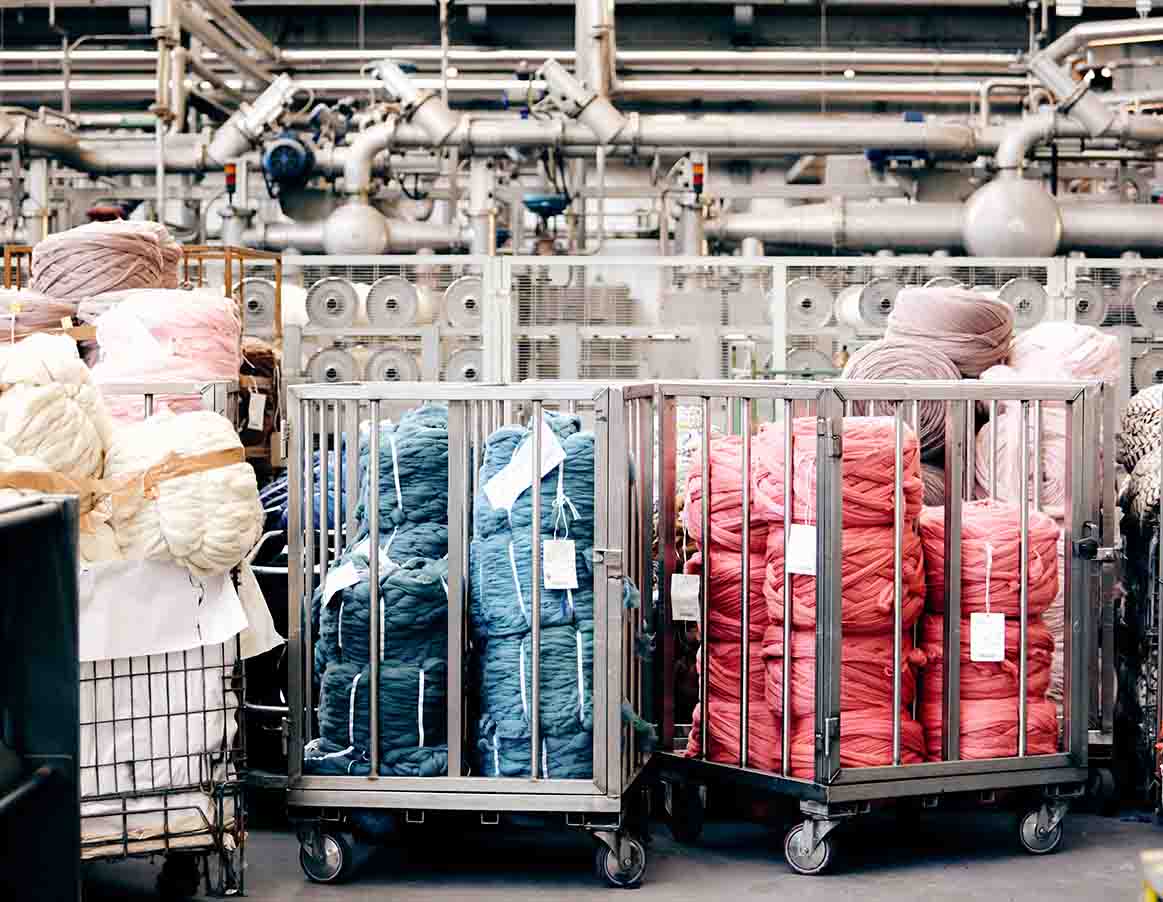
Comparing Traditional and VieChemol SR Industrial Dyeing

Both traditional and modern industrial dyeing processes aim to create products with modern, refined colors. However, VieChemol SR technology helps optimize the dyeing process for factories. At the same time, VieChemol SR also helps improve the quality of the finished product. Let’s explore the difference between the traditional industrial dyeing process and VieChemol SR chemical technology in the following article.

1. Improvements in the Industrial Dyeing Process

The dyeing process directly affects the quality, colorfastness, and aesthetic appeal of the fabric. Dyeing helps to cover the natural color of the fibers. In addition, dyeing can also enhance the features of the fabric.

Dyeing technology is constantly being improved to optimize the process and enhance the value of the finished product. In the early days, humans already knew how to use natural materials to create dyes. This manual process required meticulousness, patience, and was highly dependent on natural conditions. However, this method was time-consuming, labor-intensive, and could not be used for mass production.

The industrial revolution opened the door to synthetic dyes. At the same time, dyeing techniques were also greatly improved, helping the dyeing industry to develop.

2. Understanding the Traditional Industrial Dyeing Process

Basically, all fabric dyeing processes must go through a fabric cleaning step. However, traditional industrial dyeing is a manual and very time-consuming method.

2.1. The Traditional Industrial Dyeing Process (for white) typically goes through the following 4 steps:

  • Step 1: Scouring and Cleaning the Fabric: This is the step of scouring the greige fabric. There is a lot of oil, sizing (gelatin), sediment, dust, and stains left after weaving. Through this step, the greige fabric will be cleaned. This process usually takes 120-180 minutes.
  • Step 2: Hot Washing: This is the step to clean the bleach from step 1. At the same time, it rinses away any remaining sediment to make the fabric completely clean. This process usually takes 60 minutes.
  • Step 3: pH Balancing: This is an extremely important step. It helps the fabric achieve a standard white color and prevents color bleeding and unevenness. This process usually takes 30 minutes.
  • Step 4: Cold Washing: This is the step to rinse off the chemicals used and prepare the fabric for production. This process usually takes 15-20 minutes.

2.2. The Traditional Industrial Dyeing Process (for dark colors) typically goes through the following 11 steps:

  • Step 1: Scouring and Cleaning the Fabric: This is the step of scouring the greige fabric. There is a lot of oil, sizing (gelatin), sediment, dust, and stains left after weaving. Through this step, the greige fabric will be cleaned. This process usually takes 120-180 minutes.
  • Step 2: Hot Washing: This is the step to clean the bleach from step 1. At the same time, it rinses away any remaining sediment to make the fabric completely clean. This process usually takes 60 minutes.
  • Step 3: pH Balancing: This is an extremely important step. It helps the fabric achieve a standard white color and prevents color bleeding and unevenness. This process usually takes 30 minutes.
  • Step 4: Cold Washing: This is the step to rinse off the chemicals used and prepare the fabric for use. This process usually takes 15-20 minutes.
  • Step 5: Fabric Dyeing: Add the corresponding chemicals and dyes to dye the fabric. This process usually takes 300 minutes.
  • Step 6: Cold Washing: This is the step to rinse off the excess dye on the fabric from step 5. This process usually takes 15-20 minutes.
  • Step 7: pH Balancing: This is an extremely important step. It helps the fabric achieve the desired dark color and prevents color bleeding and unevenness. This process usually takes 30-45 minutes.
  • Step 8: Hot Washing: This is the step to clean the chemicals from step 7 and fix the color for the fabric.
  • Step 9: Hot Washing: Continue to clean the chemicals from step 8.
  • Step 10: Hot Washing:
  • Step 11: Cold Washing, Ready for Use:

Using the old dyeing method, it takes an average of nearly 5 hours a day to dye a white fabric to a standard color. And it takes more than 10 hours a day to dye a dark-colored fabric as required. These parameters are measured based on the operating capacity of one machine.

In reality, the traditional industrial dyeing process is very time-consuming, costly, and labor-intensive. If a factory wants to increase production, it must have more machines and a skilled workforce to ensure factory productivity and product quality. In addition, the issue of environmental waste is also a major concern for factories and local governments. Therefore, with the old process, factories often face difficulties if they want to expand production.

3. Understanding the Industrial Dyeing Process with VieChemol SR

VieChemol SR is a non-ionic surfactant used in the wetting, scouring, and bleaching process in the dyeing industry. The scouring chemical VieChemol SR can remove oil from spinning machines and knitting lubricants, while preventing impurities from redepositing.

3.1. The Industrial Dyeing Process (for white) using VieChemol SR is described as follows:

  • Step 1: Scouring: Use the VieChemol SR scouring chemical to clean the greige fabric to a standard white color. This process usually takes 120 minutes.
  • Step 2: Cold Washing: This is the step to rinse off the chemicals used and prepare the fabric for production. This process usually takes 30-40 minutes.

3.2. The Industrial Dyeing Process (for dark colors) using VieChemol SR is described as follows:

  • Step 1: Scouring: Use the VieChemol SR scouring chemical to clean the greige fabric to a standard white color. This process usually takes 120 minutes.
  • Step 2: Fabric Dyeing: Begin dyeing the fabric with the required chemicals and dyes. This process usually takes 190 minutes.
  • Step 3: Washing and Rinsing: Hot wash for 7 stages to rinse off the dye and chemicals. This process usually takes about 150 minutes.

Overall, the dyeing process combined with the VieChemol SR chemical takes less than 3 hours for white and 7.5 hours for dark colors per day. In addition, the quality of the finished product is significantly improved. Factories can save time, energy, and labor in the fabric treatment process. From there, they can optimize the production process and ensure product quality. As a result, expanding production also becomes easier.

VieChemol SR has become an ideal solution in the modern textile dyeing industry. In addition, VieChemol SR is extremely environmentally friendly. So factories do not have to worry about the waste treatment process after production.

4. Comparison of Traditional Dyeing and VieChemol SR Processes

To better understand the difference between the traditional dyeing process and VieChemol SR chemical technology, please follow the comparison criteria below:

4.1. Performance and Product Quality

  • Traditional Dyeing Process: The fabric colors are refined and modern, but efficiency is not high, and it requires highly skilled labor.
  • Dyeing Process with VieChemol SR: Ensures uniform color and high colorfastness, along with high production efficiency thanks to the optimized process.

4.2. Resource Savings and Environmental Protection

  • Traditional Dyeing Process: Uses synthetic chemicals, which can cause environmental pollution if not handled properly, and consumes a lot of energy (electricity, water) during the dyeing process.
  • Dyeing Process with VieChemol SR: Uses environmentally friendly synthetic chemicals, limits environmental pollution, and the optimized treatment process saves significant energy.

4.3. Cost and Competitiveness

  • Traditional Dyeing Process: High costs for raw materials, energy, and labor.
  • Dyeing Process with VieChemol SR: High costs for raw materials, energy, and labor.

4.4. Flexibility and Process Complexity

  • Traditional Dyeing Process: The process is long, cumbersome, and manual, so it requires a lot of personnel.
  • Dyeing Process with VieChemol SR: The process is short, has a formula, and is automated thanks to machinery.

5. Application of Modern Dyeing Technology

With the traditional dyeing method, the process to get a standard white fabric takes quite a long time. With the advent of the advanced scouring chemical VieChemol SR, factories will save more than half the time and energy compared to the old process. VieChemol becomes a perfect choice for fabric dyeing factories that want to improve their production process and optimize costs.

If you are looking for a scouring chemical that supports a modern dyeing process, do not miss VieChemol SR – an effective, cost-saving, and environmentally friendly scouring solution. Contact VieTextile today for a consultation:

  • Phone: +84 (0) 901809309
  • Email: info@vietextile.com
  • Office: 82C Quach Dinh Bao, Phu Thanh Ward, Tan Phu District, Ho Chi Minh City
Viechemol SR Scouring Chemical and the Process on Cotton Fabric

How to choose the right scouring chemical for cotton fabric is a concern for many businesses. Businesses today are still looking for a scouring chemical that can increase the productivity of washing and dyeing, while still ensuring the quality of the final product. The following article will introduce Viechemol SR Conc – a new technology scouring chemical.

1. Introduction to Viechemol SR Scouring Chemical

Viechemol SR Conc is a non-ionic surfactant scouring chemical. Viechemol SR is used in the wetting, scouring, and bleaching process in the dyeing industry. The product has many outstanding features. It increases cleaning efficiency while ensuring user safety and environmental protection:

  • The main components of Viechemol SR Conc are Ethoxylate derivatives that effectively clean dirt, grease, and impurities on the fabric surface.
  • It has non-ionic properties, is easily soluble in water, does not create much foam, and is not affected by hard water or environmental pH.
  • It can be combined with substances like oxalic acid to increase the effectiveness of bleaching and cleaning.
  • It is stable under normal conditions and does not undergo dangerous reactions, making it safe for users.
  • It is biodegradable, which minimizes negative impacts on the environment.

The scouring chemical Viechemol SR Conc is a comprehensive solution for the scouring process in the textile industry, providing outstanding efficiency, cost savings, and ensuring safety for users and the environment. Here are some basic applications:

  • Cleaning Fabric Before Dyeing: It removes dirt, grease, and impurities to help the fabric easily absorb the dye, resulting in beautiful and even colors.
  • Increasing Fabric Bleaching Efficiency: It can be combined with oxalic acid for effective fabric bleaching, making the fabric brighter and more durable.
  • Cleaning Machinery and Equipment: It removes dirt and grease on machinery and equipment, preventing rust and corrosion, which extends the service life.
Scouring Chemical
Viechemol SR Scouring Chemical and the Process on Cotton Fabric 12

2. Benefits of Using Viechemol SR Scouring Chemical on Cotton Fabric

The scouring chemical Viechemol SR Conc brings many important benefits to the cotton fabric washing and dyeing process. The product helps to enhance washing efficiency by effectively removing oil and impurities while preventing redeposition. As a result, cotton fabric will easily absorb the dye, and the colors will be beautiful, even, and long-lasting.

In addition, the cotton washing and dyeing process using Viechemol SR Conc scouring chemical is performed quickly and effectively, which minimizes water and energy consumption, helping to optimize production costs.

1163x902 min
Viechemol SR Scouring Chemical and the Process on Cotton Fabric 13

3. Process for Using Viechemol SR Scouring Chemical on Cotton Fabric

3.1. Determining the Dosage of Viechemol SR Scouring Chemical

To ensure the cotton fabric washing and dyeing process has no errors, please follow the formula guidelines below:

For normal dirty fabric:

  • VieChemol SR Conc 1.5–2.0%
  • Temperature: 80 – 95°C

For heavily dirty fabric:

  • Option 1:
    • VieChemol SR Conc 2.0–2.5%
    • Temperature: 90 – 95°C
  • Option 2:
    • VieChemol SR Conc 2.0–2.5%
    • Temperature: 90 – 95°C

Note:

  • The optimal temperature for washing is 40°C.
  • When used to remove metal impurities, it should be neutralized in the final wash.
  • Fabrics finished with a water or oil repellent must be rinsed with a detergent afterwards.

For more detailed information, companies and factories can contact the VieTextile support team for assistance in testing Viechemol SR scouring chemical in the lab.

3.2. Process for Using Viechemol SR Scouring Chemical

To compare and evaluate the traditional cotton fabric washing and dyeing process and the process using Viechemol SR scouring chemical, please see the following information.

1 – Process to Create a Standard White Cotton Fabric Traditional process to create a standard white cotton fabric:

  • Step 1: Scour the greige fabric to remove oil, sizing, sediment, dirt, and stains. This takes 2 – 3 hours.
  • Step 2: Hot wash to rinse off the bleach and remaining sediment. This takes about 1 hour.
  • Step 3: Balance the pH to ensure even color. This takes about 30 minutes.
  • Step 4: Cold wash to remove chemicals and prepare for the dyeing process. This takes 15 – 20 minutes.

Process to create a standard white cotton fabric with Viechemol SR Conc:

  • Step 1: Use Viechemol SR Conc scouring chemical to clean the greige fabric to the standard color. This takes about 2 hours.
  • Step 2: Cold wash to rinse off the chemicals and prepare for the dyeing process. This takes 30 – 40 minutes.
vai trang cotton 1163x902 1
Viechemol SR Scouring Chemical and the Process on Cotton Fabric 14

2 – Process for Treating Dark-Colored Cotton Fabric with Chemicals Traditional process for washing and dyeing dark-colored cotton fabric:

  • Step 1: Add chemicals to scour the greige fabric, removing oil, sizing (gelatin), sediment, dirt, and stains. This takes 2 – 3 hours.
  • Step 2: Hot wash to clean the bleach and any remaining sediment. This takes 1 hour.
  • Step 3: Adjust the pH to a standard level to achieve the required color, avoiding bleeding and unevenness. This takes 30 minutes.
  • Step 4: Cold wash to rinse off chemicals for use or to prepare for the dyeing process. This takes 15 – 20 minutes.
  • Step 5: Use chemicals and dyes to dye the fabric. This usually takes 5 hours.
  • Step 6: Cold wash to clean the excess dye on the fabric. This takes 15-20 minutes.
  • Step 7: Adjust the pH to a standard level to achieve the desired color. This usually takes 45 – 60 minutes.
  • Step 8: Hot wash to fix the color and rinse off chemicals from step 7. This takes 1 hour.
  • Step 9: Hot wash to rinse off chemicals from step 8.
  • Step 10: Hot wash for a deep clean.
  • Step 11: Cold wash to finish the dyeing process.

Process for washing and dyeing dark-colored cotton fabric with Viechemol SR Conc:

  • Step 1: Use Viechemol SR Conc scouring chemical to clean the greige fabric to the standard color. This takes about 2 hours.
  • Step 2: Dye the fabric with chemicals and dyes. This takes 190 minutes.
  • Step 3: Hot wash in 7 stages to rinse off dyes and chemicals. Stage 4 adds Viechemol. The total time is about 150 minutes.
Quy trinh giat 1163x902 1
Viechemol SR Scouring Chemical and the Process on Cotton Fabric 15

4. The Effectiveness of Viechemol SR Scouring Chemical on Cotton Fabric

When using the Viechemol SR Conc scouring chemical with the cotton fabric washing and dyeing process, the final product will meet the standards for beautiful, non-bleeding colors and have high colorfastness and fabric durability. The treated fabric not only retains its color but also provides a soft feel.

With the traditional washing and dyeing method, the process to get a standard white fabric takes quite a long time. Viechemol SR Conc will help factories save more than half the time and energy compared to the old process. This makes Viechemol a perfect choice for fabric dyeing factories that want to improve their production process and optimize costs.

The use of Viechemol SR scouring chemical in the cotton fabric washing and dyeing process brings many practical benefits to the industrial textile and dyeing industry. With its outstanding effectiveness, Viechemol SR promises to become a trusted companion, helping to elevate the production process and create high-quality products.

5. Contact Information for Scouring Chemicals

If you have any questions related to Viechemol SR Conc scouring chemical or scouring chemicals for cotton fabric, feel free to contact VieTextile through the following methods:

  • Phone: +84 (0) 901809309
  • Email: info@vietextile.com
  • Office: 82C Quach Dinh Bao, Phu Thanh Ward, Tan Phu District, Ho Chi Minh City
Viechemol SR Chemical: The New Generation Scouring Agent 5 in 1 for Superior Textile Quality

Effective scouring is paramount in textile processing to remove impurities such as dirt, oils, and grease from fabric surfaces. This critical step ensures the uniform quality and successful dyeing of textile products. For businesses seeking a high-performance wetting and scouring agent, Viechemol SR Chemical presents a compelling solution. This article will provide a detailed description of VieChemol SR, covering its composition, key properties, and applications to offer a comprehensive understanding of this advanced chemical.

1. Introduction to Viechemol SR Chemical: Advanced Scouring and Wetting Agent

Viechemol SR Chemical is a non-ionic surfactant specifically engineered for use in the wetting, scouring, and bleaching processes within the textile dyeing industry. This powerful scouring agent is highly effective at removing spinning machine oils and knitting lubricants from fabrics. Furthermore, Viechemol SR Chemical plays a crucial role in preventing the redeposition of these impurities onto the textile material.

Viechemol SR Chemical
Viechemol SR Chemical: The New Generation Scouring Agent 5 in 1 for Superior Textile Quality 19

A key advantage of VieChemol SR is its excellent water solubility, which allows for ease of use and flexible application. It can be readily incorporated into existing processes or formulated into specific solutions tailored to the unique requirements of different manufacturing workflows.

2. Key Properties of Viechemol SR Chemical

Viechemol SR Chemical exhibits several distinct characteristics that contribute to its high performance in textile preparation:

  • Primary Composition: Its main components are Ethoxylate derivatives, known for their effective cleaning capabilities.
  • Appearance: The product is a clear, yellowish liquid, making it easy to identify and handle during use.
  • Non-ionic Nature: Being non-ionic, Viechemol SR Chemical dissolves readily in water without generating excessive foam. This property also means its performance is not adversely affected by hard water or variations in the pH of the working environment.
  • Compatibility: It can be combined with acids or other sequestering agents if necessary. This allows for an enhanced cleaning and bleaching effect during textile processing.
  • Stability: VieChemol SR is stable under normal storage and application conditions and does not undergo hazardous polymerization.
  • Incompatibility: It is incompatible with strong acids and oxidizing agents.

3. Composition of Viechemol SR Chemical: The Power of Ethoxylates

The primary active ingredients in the Viechemol SR Chemical scouring agent are Ethoxylate derivatives. These compounds are widely utilized in the manufacturing of detergents and wetting agents due to their excellent surfactant properties. Ethoxylates are chemical compounds produced through ethoxylation, a reaction between ethylene oxide and a substrate (initiator material) such as alcohol, phenol, amine, fatty acid, or other organic substances.

VieChemol SR offers several superior features compared to traditional scouring technologies. Conventional cleaning agents often struggle with complete water solubility, tend to produce excessive foam, and can be negatively impacted by water hardness, leading to reduced cleaning efficiency.

In contrast, VieChemol SR, with its non-ionic Ethoxylate derivative base, dissolves easily in water with minimal foam generation. This allows for effective use even in hard water conditions. The product’s ability to be combined with other substances like acids to boost whitening and cleaning performance is a significant advantage that older technologies often cannot match.

Furthermore, VieChemol SR is stable under ordinary conditions and does not undergo dangerous polymerization reactions. Its incompatibility with strong acids and oxidizing agents also contributes to safer handling for users. Ethoxylates are known for their biodegradability, which helps minimize the environmental impact of textile processing. These outstanding characteristics allow VieChemol SR to deliver superior scouring results compared to older agents while maintaining a strong safety profile.

4. Performance Benefits of VieChemol SR Scouring Agent

VieChemol SR is an ideal choice for textile dyeing and preparation processes due to the following outstanding performance benefits:

  • Effective Oil and Lubricant Removal: It efficiently eliminates oil stains and lubricants originating from spinning machinery or the knitting production process. This ensures the high quality of the final textile product.
  • Versatile Application: Viechemol SR Chemical can be used with various types of lubricants and oil preparations. This broadens its applicability, potentially extending to food processing, industrial lubricants, and other sectors requiring effective cleaning.
  • Prevents Impurity Redeposition: It effectively stops impurities from resettling onto the fabric. This helps maintain the efficiency and consistency of the production process.
  • Customizable Performance: The agent’s action can be tailored to specific production needs by combining it with sequestering agents or acids.
  • Ease of Use and Formulation: VieChemol SR is simple to use and incorporate into solutions. This helps optimize production workflows, saving time and effort.
Viechemol SR Chemical
Viechemol SR Chemical: The New Generation Scouring Agent 5 in 1 for Superior Textile Quality 20

5. Contact Vietextile for VieChemol SR Consultation

VieChemol SR is more than just an effective scouring and wetting agent; it is a comprehensive solution for textile dyeing preparation, offering significant advantages to the textile industry. We hope the information provided by Vietextile has been helpful.

If you have any questions regarding the VieChemol SR scouring agent or are interested in our custom textile dyeing and finishing services, please do not hesitate to contact us using the details below:

  • Phone: +84 (0) 901809309
  • Email: Info@Vietextile.com
  • Office: 82C Quach Dinh Bao, Phu Thanh Ward, Tan Phu District, Ho Chi Minh City, Vietnam.