

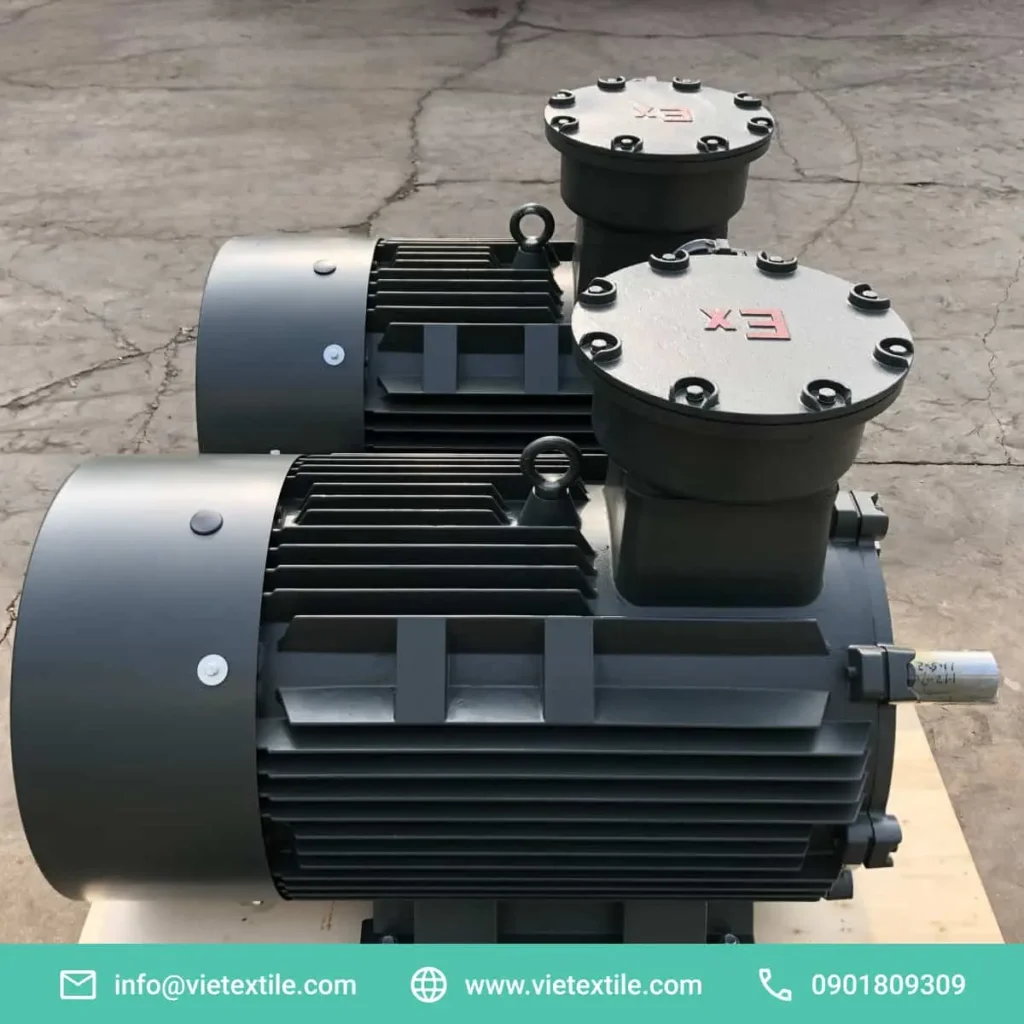
In the landscape of modern industrialization, the industrial electric motor stands as the backbone, the beating heart driving every production line. From the bustling textile machinery sector to diverse manufacturing plants, the right Industrial Electric Motor Selection not only impacts performance but also directly affects operating costs and business sustainability. This article will delve into 6 crucial criteria to help you make intelligent investment decisions.
To optimize operational efficiency and minimize risks, mastering factors from fundamental principles to advanced technology is essential. An inappropriate choice of an industrial electric motor can lead to energy waste, high maintenance costs, and undesirable downtime. We will guide you through each step, from understanding key concepts and evaluation criteria to maintenance strategies and requesting a quote, ensuring investment in the most optimal solution for your plant.
- Understanding the principles and role of industrial electric motors is fundamental for effective investment and operational decisions.
- Motor selection must be based on comprehensive criteria such as power output, energy efficiency (IE3/IE4/IE5), total cost of ownership (TCO), and compatibility with specific environments.
- Energy optimization through high-efficiency motor technology (IE4/IE5) and variable frequency drives (VFDs) is a key strategy to reduce costs and enhance efficiency, leading to truly energy efficient industrial motors.
- Preventive and predictive maintenance, coupled with proper installation and operation, plays a vital role in extending motor lifespan and ensuring reliability, critical for effective industrial motor maintenance.
- A detailed request for quotation, including technical specifications and support services, will help businesses receive the most optimal electric motor solution.
- 1. Understanding Industrial Electric Motors: Foundations for Optimal Selection and Performance
- 2. Key Criteria for Industrial Electric Motor Selection in Textile Machinery
- 3. Comparing Industrial Electric Motor Types and Modern Energy Efficiency Technologies
- 4. Practical Applications of Industrial Electric Motors in Textile Manufacturing and Other Industries
- 5. Risk Management, Maintenance, and Lifespan Extension for Industrial Electric Motors
- 6. Effective Request for Quotation (RFQ) Checklist for Industrial Electric Motor Selection
- 7. Frequently asked questions
1. Understanding Industrial Electric Motors: Foundations for Optimal Selection and Performance
Industrial electric motors are the foundational components of modern manufacturing plants, essential for converting electrical energy into mechanical power to drive diverse machinery. From complex textile machinery lines to critical pumping, ventilation, or conveyor systems, a comprehensive understanding of these motors is crucial. This foundational knowledge supports informed Industrial Electric Motor Selection, efficient operation, and proactive industrial motor maintenance, thereby minimizing the risk of unexpected downtime.
1.1 Basic Concept and Operating Principle
An industrial electric motor is fundamentally a machine engineered to convert electrical energy into mechanical energy, specifically generating rotational or linear force for production machinery. Unlike smaller domestic motors, these industrial motor types are designed for continuous operation within demanding industrial environments. Characterized by high power output, exceptional durability, and the ability to handle heavy loads, they truly serve as the core of numerous industrial systems.
The basic operating principle of an electric motor is based on electromagnetic induction. As electric current flows through the stator’s windings, it creates a rotating magnetic field. This field then interacts with induced currents in the rotor, generating a torque that causes the rotor to spin. This transformative process efficiently converts electrical energy into mechanical rotational motion, supplying power to connected equipment.
1.2 Key Classification and Structure
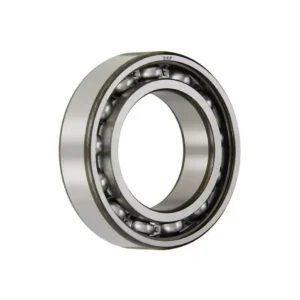
Every industrial electric motor comprises essential components: the stator, rotor, housing, terminal box, and bearings. The stator is the stationary part containing the windings, while the rotor is the rotating component mounted on a shaft that generates motion. The housing protects internal parts and aids in heat dissipation, and the terminal box facilitates electrical connections. Bearings minimize friction, supporting smooth shaft rotation and extending the motor’s lifespan.
Industrial electric motors are primarily classified by their current type: alternating current (AC) motors and direct current (DC) motors. AC motors are more prevalent in industrial settings due to their efficient power transmission and adaptable voltage variation, making them a common choice in Industrial Electric Motor Selection. Although DC motors offer precise speed control for specific applications, advanced AC motor control technologies have increasingly led to their replacement.
Within the AC motor category, there are two primary classifications: asynchronous (induction) motors and synchronous motors. Induction motors are the most common industrial motor types in factories, valued for their simple construction, high durability, and lower initial cost. In contrast, synchronous motors maintain a rotational speed perfectly synchronized with the grid frequency, making them ideal for applications demanding high precision in speed and superior electrical efficiency.
1.3 Importance in Industrial Production Processes
The role of industrial electric motors is truly indispensable across all modern production processes. They power critical textile machinery such as stenter machines, dyeing machines, and looms, thereby ensuring the continuous and efficient operation of manufacturing lines. Beyond primary production, these motors are also extensively utilized in essential auxiliary systems, including water pumps, high-capacity ventilation fans, air compressors, and conveyor belts.
The stability and energy efficiency of an industrial electric motor directly influence both overall productivity and product quality. A poorly performing motor not only leads to significant energy waste but also risks causing breakdowns and costly production interruptions. Consequently, the correct Industrial Electric Motor Selection and proper operation represent a strategic decision that directly impacts a company’s profitability and competitive advantage.
Given steadily rising energy costs, optimizing the efficiency of industrial electric motors has become a paramount priority. A motor that is carefully selected and properly maintained ensures high energy performance, aligning with goals for energy efficient industrial motors. This approach significantly helps reduce operating costs and extends equipment lifespan, which is particularly vital in industrial facilities where hundreds, or even thousands, of motors operate continuously.
For further reference: IEC 60034-30-1:2025 — Efficiency classes of line operated AC motors.
For further reference: U.S. Department of Energy — Motor Systems.
2. Key Criteria for Industrial Electric Motor Selection in Textile Machinery
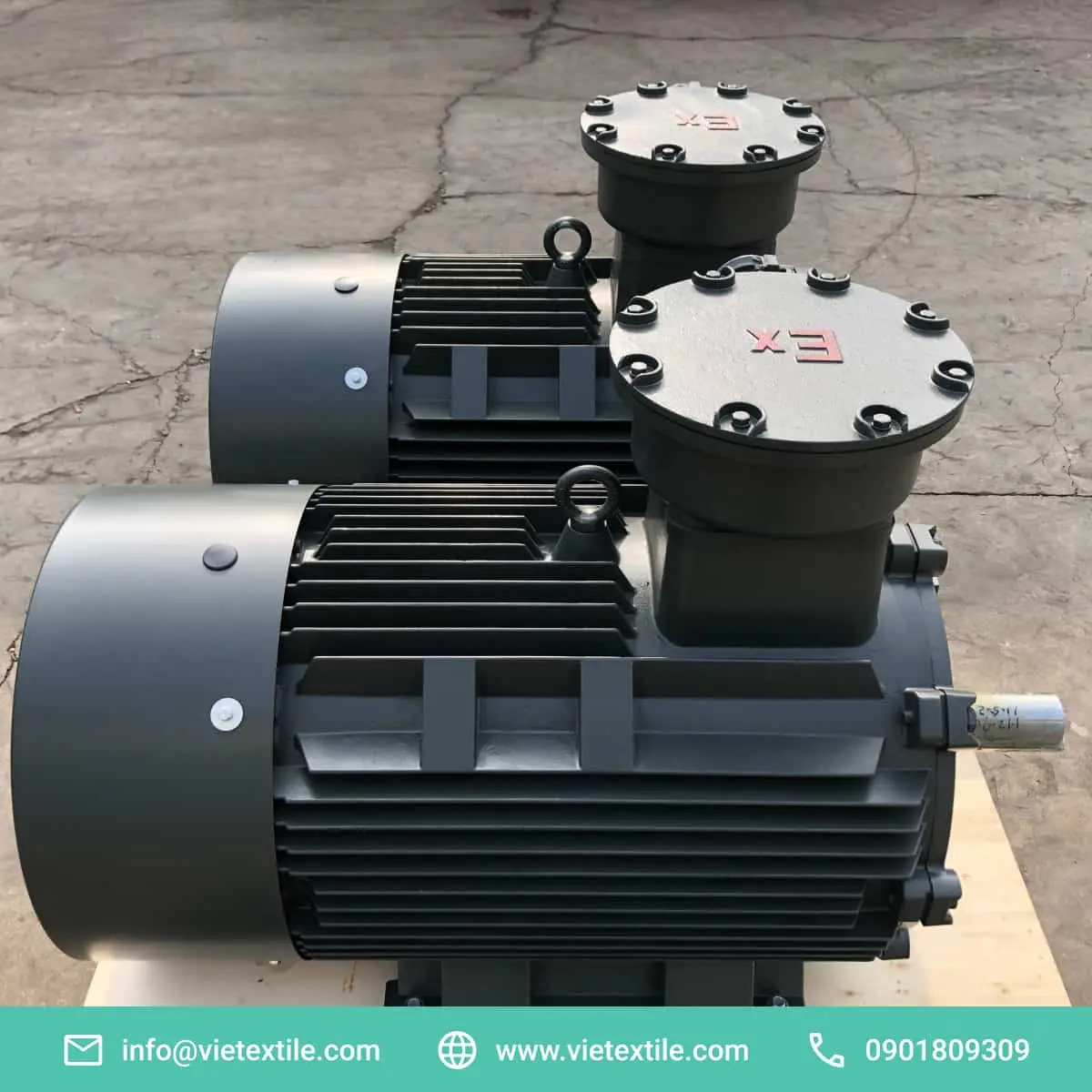
Industrial electric motor selection demands careful consideration of numerous factors, extending beyond mere power ratings. Given the specific production environment of textile machinery, characterized by humidity, dust, chemicals, and precision requirements, choosing the right electric motor becomes even more critical. A well-informed decision ensures optimal performance, extended equipment lifespan, and reduced total operating costs.
2.1 Assessing Requirements for Power, Torque, and Speed
The initial fundamental factor in Industrial Electric Motor Selection is determining the necessary power (kW or HP) and torque to drive the load. The power output must be sufficient to meet the machinery’s maximum demands, including start-up phases and sudden load changes. Torque is vital for overcoming initial resistance and maintaining rotational speed under load, especially for applications requiring heavy starting.
Beyond power and torque, the rotational speed (RPM) of the industrial electric motor is another crucial factor. Many processes in the textile machinery industry, such as spinning, weaving, or finishing, demand precise rotational speeds and flexible control capabilities. Selecting an electric motor with an appropriate rated speed or the ability to control speed via a variable frequency drive will optimize production efficiency and product quality.
2.2 Energy Efficiency Standards and Total Cost of Ownership (TCO)
Energy efficiency of industrial electric motors is a paramount criterion amidst rising electricity costs. International standards like IEC 60034-30-1 define efficiency classes from IE1 to IE5. Opting for energy efficient industrial motors that meet IE3 (Premium Efficiency) standards or higher significantly reduces electricity costs throughout the product’s lifecycle, optimizing the operation of industrial motors.
To comprehensively evaluate the value of an industrial electric motor, a Total Cost of Ownership (TCO) analysis is essential. TCO encompasses purchase, installation, operation (energy consumption), maintenance, repair, and disposal costs. Typically, energy costs constitute the largest portion of a motor’s TCO, potentially reaching 90% or more over its operational lifespan.
Although high-efficiency motors may have a higher initial purchase price, this investment often yields quick returns through substantial reductions in electricity costs. Prioritizing energy efficient industrial motors that meet high-efficiency standards like IE3 or IE4 is a smart strategy. This optimizes long-term operating expenses and enhances the factory’s competitiveness.
2.3 Environmental Compatibility and Operating Conditions
The operating environment for industrial electric motors in textile machinery is often harsh. Factors such as high temperatures, high humidity, fine cotton dust, textile fibers, and chemicals from dyeing processes can severely impact motor lifespan and performance. It is crucial to select an industrial electric motor capable of withstanding these challenging conditions.
The IP (Ingress Protection) rating is a critical criterion for assessing resistance to dust and water. For instance, an electric motor with an IP55 rating is protected against dust ingress and water jets, making it suitable for many textile machinery applications. Wet areas or those with potential liquid exposure will require a higher IP rating to ensure durability and safety.
Furthermore, factors such as voltage, frequency, and phase count of the power supply must be fully compatible with the industrial electric motor’s requirements. The cooling method, such as TEFC (Totally Enclosed Fan Cooled), should also be considered to ensure stable, overheat-free operation. Neglecting these factors can lead to operational failures, reduced motor lifespan, or safety hazards for personnel.
Technical reference: U.S. Department of Energy — Motor Systems.
3. Comparing Industrial Electric Motor Types and Modern Energy Efficiency Technologies
For many industrial applications, AC induction motors (also known as asynchronous or squirrel cage motors) are a primary choice due to their prevalence and robust design. These industrial motor types offer a simple structure, low initial cost, and high durability, making them well-suited for stable load applications. However, a key characteristic is their inherent ‘slip,’ where the rotor speed is always slower than the rotating magnetic field. This slip can diminish energy efficiency, particularly when operating under low load conditions.
Conversely, synchronous motors maintain a rotor speed precisely equal to the rotating magnetic field of the stator, enabling extremely accurate speed and position control. Permanent Magnet Synchronous Motors (PMSMs) are increasingly preferred for Industrial Electric Motor Selection where high efficiency is paramount. These energy efficient industrial motors significantly reduce energy losses by employing permanent magnets on the rotor, proving exceptionally effective, especially when integrated with Variable Frequency Drives (VFDs).
The fundamental differences between these two industrial electric motor types extend beyond their operating principles to impact initial investment and long-term energy consumption. AC induction motors generally present lower upfront costs but offer average energy efficiency industrial motors. In contrast, synchronous motors, particularly PMSMs, involve higher initial costs but compensate with superior efficiency and highly flexible control capabilities, making them a strategic choice for advanced Industrial Electric Motor Selection.
| Criterion | AC Induction Motor (Squirrel Cage) | Synchronous Motor (PMSM) |
|---|---|---|
| Operating Principle | Rotor speed slower than magnetic field (with slip) | Rotor speed synchronous with magnetic field (no slip) |
| Energy Efficiency | Good to fair (load dependent), typically IE1-IE3 | Very high, typically IE4-IE5, especially at low loads and variable speeds |
| Initial Cost | Lower | Higher |
| Speed Control Capability | Limited, requires VFD for precise control | Very precise and flexible with VFD |
| Maintenance | Simple, few special requirements | May require higher expertise for control systems |
| Typical Applications | Pumps, fans, conveyors, air compressors (stable loads) | Precise control systems, robots, machine tools, textile machinery, centrifuges |
3.1 High-Efficiency Motor Technologies (IE4, IE5) and the Role of Variable Frequency Drives (VFDs)
Amidst rising energy costs, adhering to energy efficiency standards for industrial electric motors has become paramount for sustainable operations. As defined by IEC 60034-30-1, efficiency classes IE4 (Super Premium Efficiency) and IE5 (Ultra-Premium Efficiency) signify the pinnacle of advanced motor technology, offering significantly reduced energy losses compared to lower classifications. Selecting industrial electric motors that achieve these premium efficiency levels not only substantially lowers electricity bills but also plays a vital role in reducing carbon emissions.
To truly maximize energy efficiency industrial motors, Variable Frequency Drives (VFDs) are an indispensable technology. VFDs enable precise and flexible adjustment of an industrial electric motor’s rotational speed, matching it exactly to dynamic load requirements rather than continuous full-speed operation. The U.S. Department of Energy (Motor Systems) highlights that implementing VFDs can yield substantial electricity savings, ranging from 20-50% depending on the specific application, making them exceptionally effective for variable load scenarios like pumps, fans, or air compressors.
The advantages of VFDs extend significantly beyond just energy savings, contributing to overall operational excellence in industrial motor maintenance. They prolong equipment lifespan by minimizing mechanical stress during starts and stops, enhance precision in manufacturing process control, and notably reduce operational noise. By integrating high-efficiency industrial electric motors (IE4, IE5) with VFDs, facilities can achieve unparalleled operational optimization, concurrently realizing substantial reductions in electricity costs.
3.2 Selecting the Right Industrial Electric Motor Technology: Upgrade or New Investment?
Making an informed Industrial Electric Motor Selection involves a critical decision: whether to upgrade existing industrial electric motors or invest in new, modern motor technology. For older equipment, a thorough assessment is crucial, focusing on maintenance costs, current energy consumption against modern standards, and integration feasibility with new control systems. If older motors remain functional but exhibit inefficiency, initially installing VFDs can be a cost-effective solution to improve overall performance.
However, for industrial electric motors that are significantly aged, frequently malfunction, or consume excessive energy, investing in new high-efficiency motors (IE4, IE5) combined with VFDs often presents the more economically sound choice. A comprehensive Total Cost of Ownership (TCO) analysis consistently reveals that, despite a higher initial outlay, the long-term benefits derived from substantial energy savings and reduced industrial motor maintenance expenses deliver an attractive Return on Investment (ROI).
Strategic Industrial Electric Motor Selection is vital; it not only guarantees optimal operational efficiency but also significantly enhances a company’s competitive edge. Careful consideration of factors such as load characteristics, operating environment, precision requirements, and explicit energy-saving goals for industrial motors is essential. A smart procurement strategy for industrial motor types prioritizes the overall long-term value delivered, rather than solely focusing on the initial purchase cost.
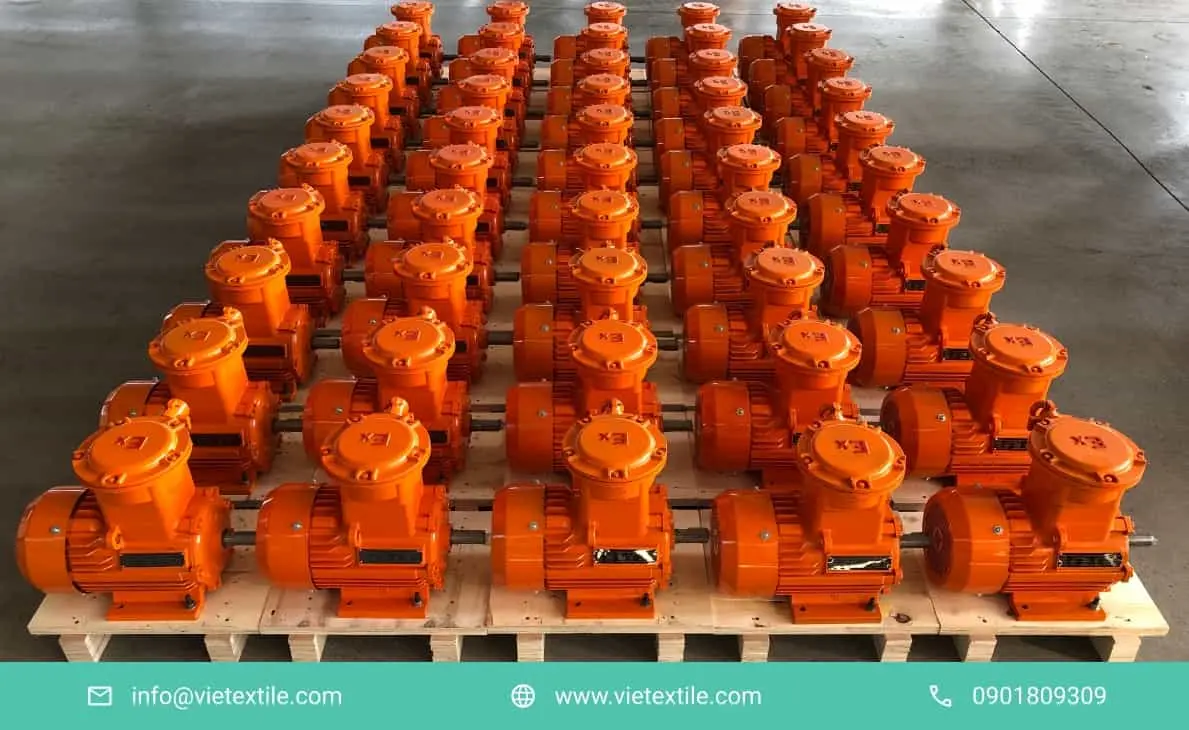
Without a deep understanding of the selection criteria and technology of industrial electric motors, businesses risk missing opportunities to optimize long-term operating costs and production efficiency.
4. Practical Applications of Industrial Electric Motors in Textile Manufacturing and Other Industries
Industrial electric motors are the heart of every modern production line, and their role is increasingly vital across various sectors, especially in textile manufacturing. With a diverse range of processes and equipment, each application demands an industrial electric motor with specific technical characteristics. Understanding how these motors are integrated and optimized, informed by proper Industrial Electric Motor Selection, significantly enhances overall operational efficiency within any factory.
4.1 Applications in Key Textile Machinery (Stenters, Looms, Dyeing Machines)
Within textile manufacturing, stenter machines play a pivotal role in stretching and shaping fabric. Stenter motors typically require precise speed control and stable torque to ensure uniform fabric quality throughout the process. These electric motors for textile machinery are often paired with Variable Frequency Drives (VFDs) to flexibly adjust roll and tensioning speeds, suiting various material types and optimizing motor energy savings.
Looms and knitting machines are also energy-intensive pieces of equipment with high demands for specific industrial motor types. Motors in looms require rapid start/stop capabilities and high torque to efficiently drive shuttles or needles. With technological advancements, PMSM (Permanent Magnet Synchronous Motor) industrial electric motors combined with VFDs are gradually replacing traditional induction motors, achieving higher precision and efficiency in motion control.
Dyeing and fabric finishing machines also rely heavily on industrial electric motors. These motors operate circulating pumps for dyeing solutions, chemical mixing units, and fabric winding/unwinding shafts. In humid and chemical environments, the motors require a high IP protection rating and excellent corrosion resistance. Selecting high-efficiency motors for these specific applications can significantly reduce operating costs and improve reliability.
4.2 Industrial Electric Motors for Pumps, Fans, and Air Compressors
Beyond primary production equipment, industrial electric motors are fundamental components of crucial auxiliary systems. Industrial pump motors are widely utilized for water supply, chemical circulation, and wastewater treatment within factories. Due to their continuous operation and frequently variable flow rates, the Industrial Electric Motor Selection for pumps is critical. Pairing these pump motors with VFDs and high-efficiency motor types delivers superior energy savings and optimized performance, crucial for reducing operational costs.
Ventilation and dust extraction fan systems also depend on robust industrial fan motors to maintain a safe and clean working environment. This is especially critical in textile machinery, where cotton dust and volatile chemicals are common. Since industrial fan motors often operate under variable loads, the right Industrial Electric Motor Selection, coupled with VFDs, is essential. Equipping them with VFDs allows precise fan speed adjustment to actual needs, which not only saves electricity but also enables more effective air quality control and extends motor lifespan.
Air compressors, essential equipment supplying compressed air for numerous production stages, demand powerful and reliable industrial air compressor motors. These motors often withstand heavy loads and continuous operation, making their proper Industrial Electric Motor Selection vital. Opting for energy efficient industrial motors combined with VFDs for air compressors can significantly reduce electricity consumption, particularly when compressed air demand is unstable. This strategy contributes substantially to overall motor energy savings and ensures operational stability.
4.3 Optimizing Performance Through Appropriate Industrial Electric Motor Selection for Each Application
To achieve optimal performance and significant motor energy savings, application-specific industrial electric motor optimization is paramount. This process begins with a thorough analysis of the equipment’s load characteristics, which is crucial for Industrial Electric Motor Selection. Key load types include stable loads (e.g., conveyors), variable loads (e.g., pumps, fans, air compressors), or inertial loads (e.g., centrifuges). Each distinct load type is best suited to a specific industrial motor type and control strategy, ensuring maximum efficiency.
For stable load applications, investing in energy efficient industrial motors with the highest efficiency classes, such as IE4 or IE5, is a top priority. This ensures sustained energy savings over time. Conversely, for variable load applications, combining high-efficiency industrial motor types with Variable Frequency Drives (VFDs) offers the optimal solution. VFDs precisely adjust the motor’s output power to match dynamic load demands, effectively preventing energy waste when the motor operates below full capacity.
The correct sizing of industrial electric motors, meticulously avoiding oversizing, is another critical factor in application-specific optimization and effective Industrial Electric Motor Selection. An industrial electric motor that is excessively large for its actual load will operate less efficiently at lower loads, resulting in significant energy waste. Therefore, accurate calculation of the required power and torque, combined with modern control technology, is crucial to ensure durable, efficient, and cost-effective system operation.
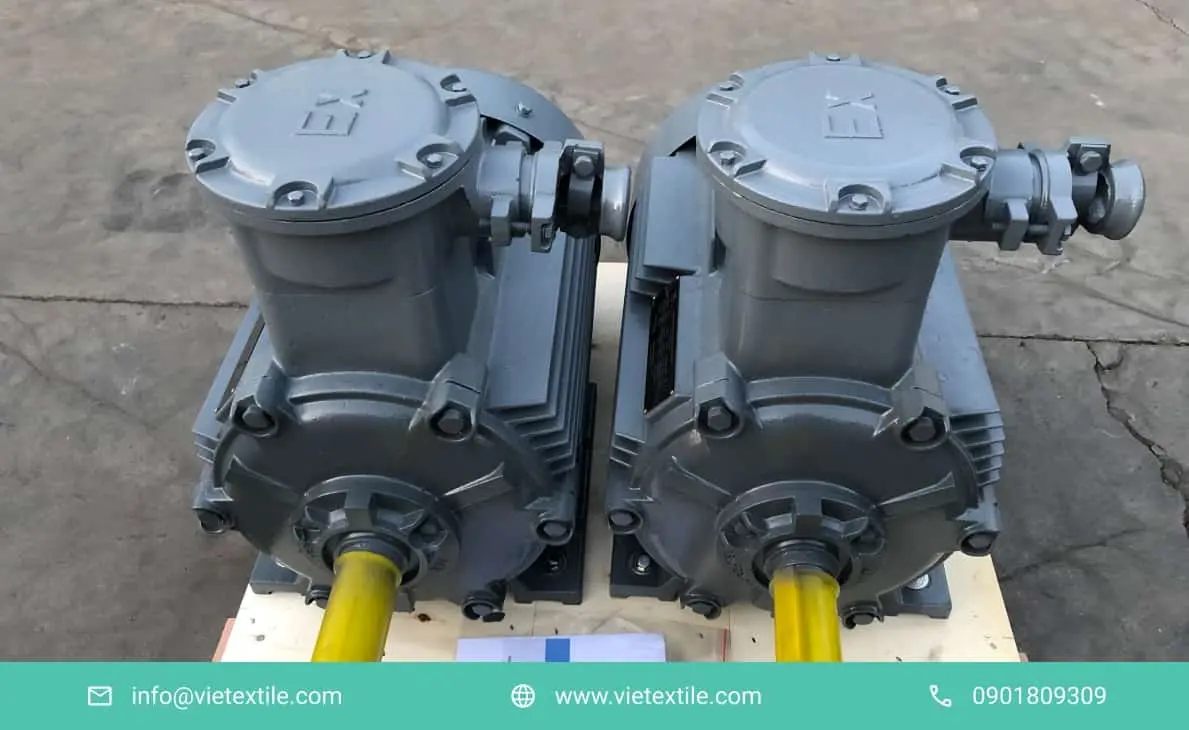
5. Risk Management, Maintenance, and Lifespan Extension for Industrial Electric Motors
Effective risk management and robust industrial motor maintenance are paramount for ensuring continuous operation and extending the lifespan of industrial electric motors. A comprehensive maintenance strategy is essential, as it minimizes unexpected downtime, optimizes operational costs, and significantly enhances the reliability of production systems. Thoroughly understanding common failure causes and implementing appropriate maintenance methods are key to safeguarding your valuable investment in Industrial Electric Motor Selection.
5.1 Common Faults and Early Detection Signs
Industrial electric motors frequently encounter issues originating from excessive overheating, overloading, abnormal vibration, and critical bearing failures. Overheating, a common damage factor, often stems from poor ventilation or operation beyond rated limits. Both electrical and mechanical overloading force the motor to draw high current, potentially damaging windings or other vital mechanical components.
Abnormal vibrations often signal shaft misalignment, rotor imbalance, or bearing wear, leading to rapid deterioration and structural damage. Additionally, electrical issues like overvoltage, undervoltage, or phase loss can cause current asymmetry, increasing temperature and reducing efficiency. Early detection of these critical symptoms is vital for preventing severe motor failures and expensive repairs.
Key early warning signs for potential motor issues include abnormal noises like whistling or unusual humming. An elevated motor temperature above normal levels clearly indicates overloading or cooling problems. A burning smell, reduced operational efficiency, or inverter fault messages showing high current are crucial signals requiring immediate attention to protect your industrial electric motor.
5.2 Preventive and Predictive Maintenance Strategies
Preventive Maintenance (PM) is a fundamental yet highly effective industrial motor maintenance strategy, focusing on scheduled, routine activities. These include general motor inspections, precise bearing lubrication, thorough dust removal, and essential shaft alignment. PM’s primary goal is to proactively prevent failures by maintaining industrial electric motors in optimal operating condition, ensuring consistent and reliable performance.
To further optimize maintenance, Predictive Maintenance (PdM) uses advanced technologies to continuously monitor motor conditions and anticipate potential failures. Common PdM methods include vibration analysis to detect imbalance or bearing damage. Thermal imaging cameras are crucial for temperature analysis, identifying abnormal hot spots from overloading or poor electrical connections.
Oil analysis thoroughly assesses lubrication quality and detects wear particles, while insulation testing (megger test) evaluates the critical integrity of motor insulation. By effectively integrating PM with PdM, facilities can strategically shift from reactive repairs to a proactive maintenance strategy. This combined approach significantly reduces unplanned downtime, saves on emergency repair costs, and extends the operational lifespan of valuable industrial electric motor assets.
5.3 Best Practices for Extending Lifespan and Enhancing Reliability
Correct installation is the foundational step for ensuring the longevity and reliability of industrial electric motors. This involves precise shaft alignment between the motor and its load, plus mounting on a sturdy, vibration-free base. Poor alignment is a leading cause of premature bearing failure and increased vibration, significantly reducing motor lifespan and efficiency.
Managing the operating environment is also essential for motor longevity. Ensuring the motor operates in a controlled environment regarding temperature, humidity, and dust levels helps prevent overheating and corrosive degradation. Especially for electric motors for textile machinery, protecting them from dust and chemical vapors is critical to prevent cooling system blockages or insulation degradation.
Finally, ensuring a stable and high-quality power supply is indispensable. Installing robust protective devices against overvoltage, undervoltage, phase loss, and short circuits shields the industrial electric motor from sudden electrical disturbances. Regular inspection of electrical connections and wiring is crucial for maintaining system stability, contributing to an extended lifespan and continuous operational performance.
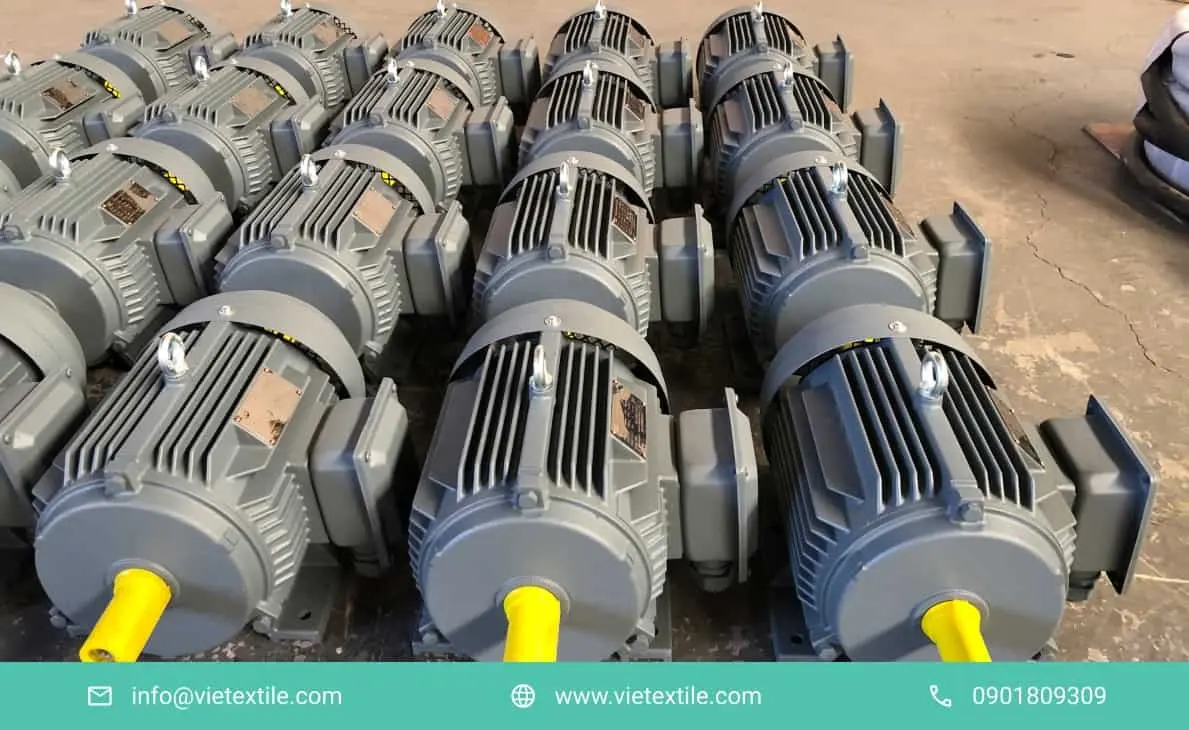
6. Effective Request for Quotation (RFQ) Checklist for Industrial Electric Motor Selection
Preparing a comprehensive and detailed Request for Quotation (RFQ) is the critical first step for effective Industrial Electric Motor Selection. An efficient RFQ prevents costly errors and ensures you receive the optimal solution from suppliers. A clear request not only helps suppliers understand your precise needs but also establishes a solid foundation for comparison and negotiation, maximizing your investment’s returns and operational efficiency.
6.1 Technical Information to Provide to Suppliers
When submitting an RFQ for Industrial Electric Motor Selection, provide a detailed list of technical specifications. This enables suppliers to propose an accurate and suitable industrial electric motor that meets your operational demands. Key parameters include rated power (kW or HP), operating voltage (Volts), frequency (Hz), and the number of phases. Rotational speed (RPM), along with starting and rated torque, are crucial for determining the motor’s operational capability with a specific load type.
Clearly define the appropriate IP protection rating for the installation environment, such as IP55 for dusty and humid conditions, or IP65/IP66 for harsher settings like textile machinery operations. This prevents premature wear and ensures consistent performance. Energy efficiency standards (IE3, IE4, IE5) are also vital. They guarantee long-term operational efficiency and significant power savings for the industrial electric motor, making them key for selecting energy efficient industrial motors and reducing operating costs.
Specific application information is equally important, including the machine type, load characteristics (e.g., stable, variable, or inertial loads), and the operating cycle. Detailed installation environment conditions, such as expected temperature, humidity, and the presence of dust, chemicals, or vibration, will guide the supplier. This data allows them to recommend an industrial electric motor engineered with suitable durability and resistance for optimal performance and extended service life.
6.2 Service Support Requirements and Commercial Terms
Beyond technical specifications, your RFQ for Industrial Electric Motor Selection must detail service support and commercial terms. For support services, explicitly outline warranty policies, including duration and applicable conditions. Reliable after-sales technical support is paramount, particularly ensuring the ready availability of essential spare parts and efficient repair services to significantly minimize operational downtime and maintain productivity.
Regarding commercial terms, clearly specify expected delivery times to align with your production schedule and project timelines. Specific payment conditions, including methods and schedules, shipping costs, and any special packaging requirements (if applicable), must be explicitly stated. Transparency on these crucial factors from the outset helps prevent misunderstandings and facilitates a smooth procurement process for your industrial electric motor acquisition.
If specific quality or safety certifications are required, such as CE, UL, or ISO 9001, list them clearly within your RFQ. Requiring these certifications ensures the product you receive fully complies with all relevant industry standards and applicable legal regulations. This proactive step establishes quality control from the initial procurement stage, affirming the equipment’s reliability, operational safety, and long-term performance.
6.3 Key Questions to Ask When Working with Suppliers
After submitting your RFQ, asking strategic questions to potential suppliers is the crucial final step in evaluating their capabilities and suitability for your Industrial Electric Motor Selection. Inquire about their specific experience in providing similar industrial motor types solutions for your industry, especially for specialized textile machinery applications. This helps determine if they possess a deep understanding of your unique operational challenges and specific requirements, ensuring a tailored solution.
Request that suppliers present their optimal proposed solution tailored for your specific needs, detailing the technical reasoning and tangible benefits. Also, thoroughly inquire about their technical support capabilities, including typical response times for support requests and emergency assistance. Clarify their return policies and all detailed warranty terms, covering conditions and exclusions, to effectively prevent future complications or disputes.
Investigate similar projects they have successfully completed, focusing on how their solutions addressed comparable industrial challenges. Also, assess their ability to provide comprehensive technical documentation, detailed operating manuals, and precise engineering drawings. A reputable supplier will readily provide all this essential information. This diligent and comprehensive approach empowers you to make a thoroughly informed purchasing decision and foster a sustainable partnership with your chosen industrial electric motor supplier, ensuring ongoing support and satisfaction.
7. Frequently asked questions
How do industrial electric motors differ from residential motors, and what are the main industrial motor types?
Industrial electric motors are engineered for continuous operation, high power output, and harsher environments. They prioritize durability, high energy efficiency, and precise control, often adhering to strict international standards for various industrial motor types . In contrast, residential motors are generally smaller, have lower requirements for performance and durability, and are suited for intermittent household use.
What do the IE3, IE4, and IE5 energy efficiency standards signify, and how do they impact operating costs?
The IE3, IE4, and IE5 standards (per IEC 60034-30-1) indicate the energy efficiency levels of motors, with IE5 being the highest. Motors with higher efficiency consume less electricity to produce the same mechanical power output. While the initial investment cost might be higher, utilizing high-efficiency IE motors leads to significant electricity cost savings over their operational lifetime, reducing the Total Cost of Ownership (TCO).
When is it advisable to invest in PMSM synchronous motors or integrate Variable Frequency Drives (VFDs) with AC asynchronous motors?
Investing in PMSM synchronous motors is recommended when applications demand extremely high efficiency, high power density, and precise speed control across all loads. Integrating Variable Frequency Drives (VFDs) with AC asynchronous motors is an optimal choice when flexible speed and torque control are needed for variable loads, offering significant energy savings compared to running motors at fixed speeds. This also extends motor lifespan and reduces mechanical wear.
How can the lifespan of an industrial electric motor be extended, and downtime minimized?
To extend motor lifespan, regular preventive maintenance such as lubrication, cleaning, and alignment checks is essential. Additionally, implementing predictive maintenance through vibration and temperature analysis helps detect potential issues early. Ensuring correct installation, a stable power supply, and a controlled operating environment are also crucial factors for effective industrial motor maintenance .
What are the most crucial technical details to provide when requesting a quote for Industrial Electric Motor Selection ?
The most important details include power output (kW/HP), voltage, frequency, number of phases, speed (RPM), torque, IP protection rating, and desired efficiency standard (IE3, IE4, IE5). Furthermore, clearly describing the specific application, load characteristics, installation environment, and operating cycle will help suppliers propose the most accurate and suitable solution.
Need expert advice on industrial electric motors or a quote? Our team is ready to help you select the most optimal solution for your plant.