

To prevent operational risks with ceramic eyelets, replace them immediately upon detecting micro-cracks or surface roughness (Ra) exceeding 0.2 µm, rather than attempting repairs. Effective measures include risk mapping, failure mode analysis, and setting alert thresholds, such as a 20% increase in thread breaks, to ensure optimal performance and minimize ceramic eyelet risks.
When should you replace ceramic eyelets instead of attempting repairs? This is a crucial question for production managers striving to optimize costs and ensure product quality. Making the right decision not only impacts machine performance but also directly affects business efficiency.
This article will delve into 7 preventive measures for operational risks related to ceramic eyelets, from identifying risk scope to quality control methods and warning signals. The goal is to help you make informed decisions to maintain equipment reliability and minimize losses.
- Ceramic eyelets must be replaced when micro-cracks or surface roughness (Ra) exceeding 0.2 µm are detected to avoid product quality risks.
- Risk mapping using a 5×5 matrix helps assess the likelihood and consequences of failure modes, such as abrasive wear causing thread breaks.
- Early detection of failure modes like abrasive grooving or cracks/chips can be achieved with a magnifying glass or surface roughness measurements, reducing thread breakage errors by 15%.
- Establish alert thresholds such as ‘a 20% increase in thread breaks compared to the 24-hour average’ for proactive maintenance.
- Requiring Certificates of Analysis (COA) and 100% surface roughness inspection of incoming ceramic eyelets can help reduce product defects by 30%.
- 1. When to Replace Ceramic Eyelets Instead of Repairing Them
- 2. What is the Scope of Technical and Operational Ceramic Eyelet Risks?
- 3. How to map Ceramic Eyelet Risks in Automation Systems?
- 4. What are Common Ceramic Eyelet Failure Modes and How to Detect Them?
- 5. What Safety Layers Are Needed to Control Ceramic Eyelet Risks?
- 6. What Condition Signals Indicate Impending Ceramic Eyelet Failure?
- 7. What evidence is needed to assess Ceramic Eyelet Risks?
- 8. Frequently asked questions
1. When to Replace Ceramic Eyelets Instead of Repairing Them
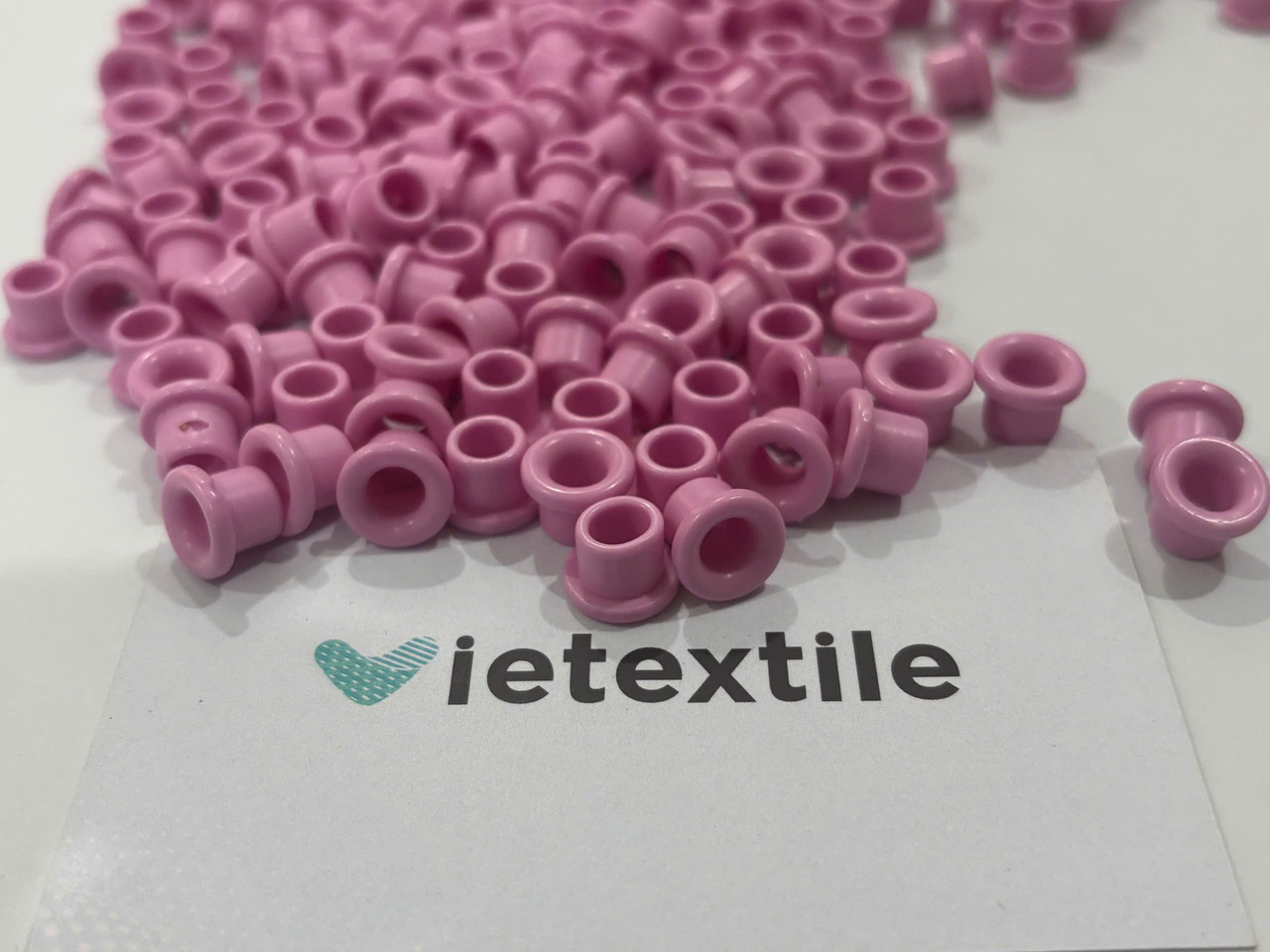
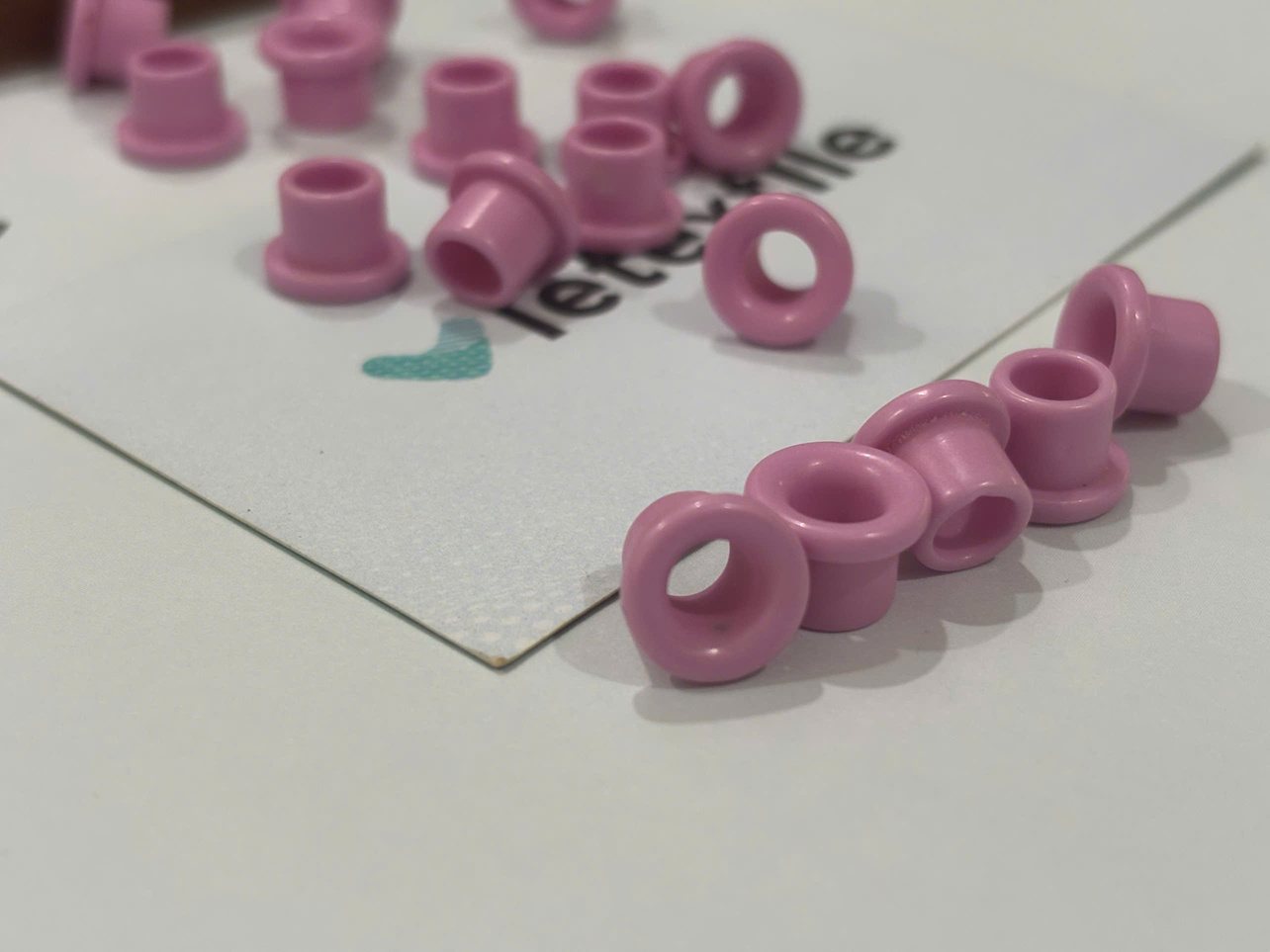
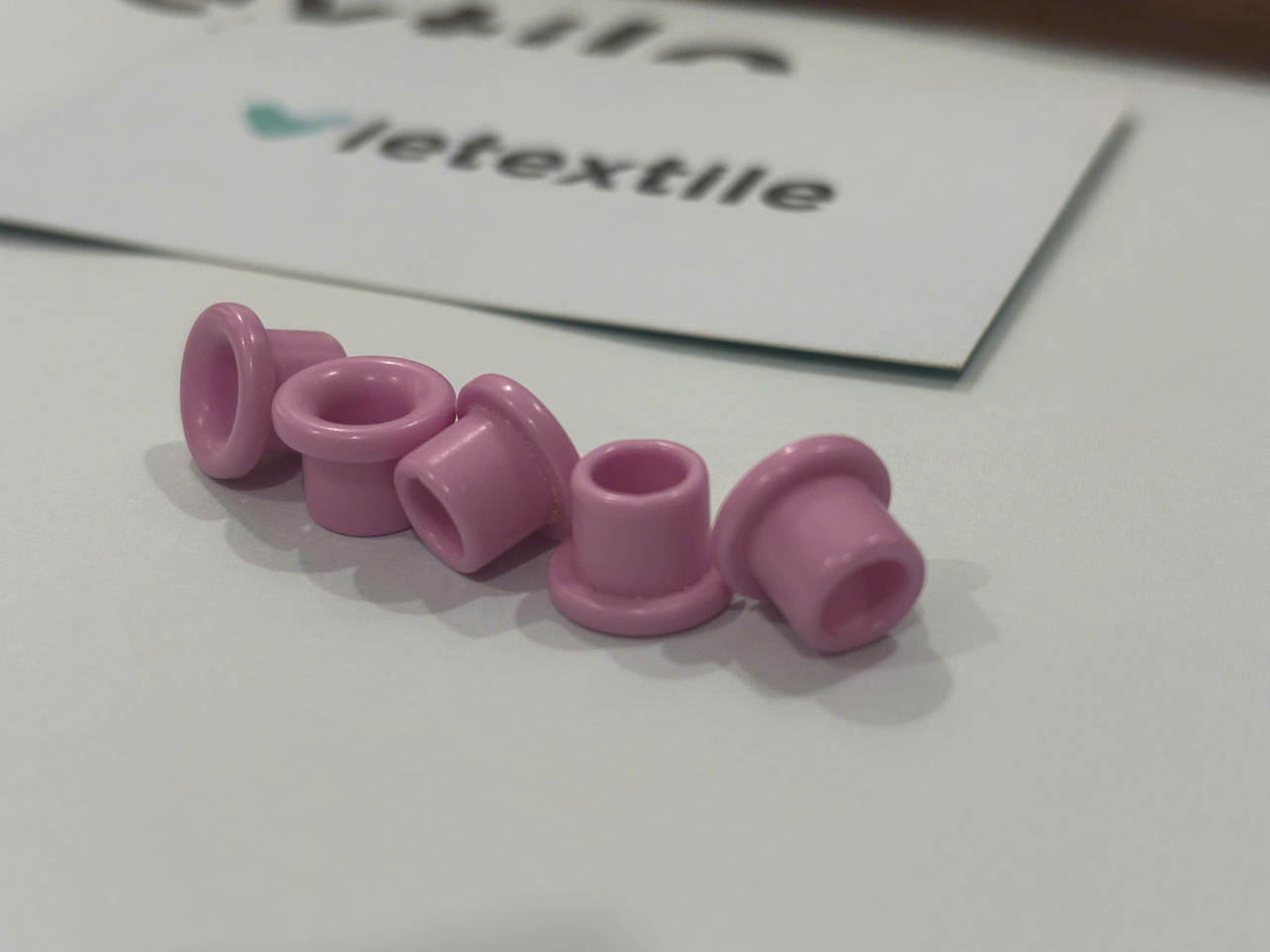
Ceramic eyelets are essential components in industrial machinery, guiding threads, wires, or liquids. Crafted from advanced ceramic materials like Alumina (Al2O3) or Zirconia (ZrO2), they boast exceptional hardness, typically 8-9 on the Mohs scale, high wear resistance, and ultra-smooth surfaces with a roughness (Ra) below 0.2 µm. These properties are critical for product quality and operational efficiency. The decision to repair or replace ceramic eyelets when issues arise is a crucial aspect of production risk management, directly impacting costs, product quality, and equipment reliability.
1.1 Failure Analysis of Damaged Ceramic Eyelets
The failure chain of ceramic eyelets often begins with minor physical damage that escalates into more severe production problems. Initially, microscopic cracks, tiny chips, or surface wear from continuous friction with threads or wires may be imperceptible to the naked eye. However, this damage creates sharp edges or increases surface roughness, directly leading to thread breakage, scratching, or a reduction in the final product’s quality.If not detected and addressed promptly, initial damage can spread, causing geometric deformation of the ceramic eyelet. This not only reduces guiding efficiency but also increases the risk of damage to other machine parts due due to uneven thread tension or increased friction. A damaged ceramic eyelet can cause a cascade of product defects, directly impacting factory productivity and economic efficiency, necessitating stringent quality control measures.Common failure scenarios include cracking from thermal shock or mechanical impact, chipping from concentrated force, surface wear from continuous friction with the guided material, and structural deformation due to material defects or overloading. For instance, a small crack on a ceramic eyelet’s surface has been documented to increase thread breakage frequency by up to 15% in high-speed textile machines, highlighting the importance of preventive maintenance for ceramic eyelets.
1.2 Decision Rule: Repair or Replace Ceramic Eyelets?
To make an optimal decision between repairing and replacing ceramic eyelets, a rule based on cost and risk analysis should be applied. First, assess the extent and type of damage: if it’s only a shallow scratch or minor wear that can be polished without significantly altering the shape or surface roughness, repair might be the more economical option. This method saves labor and material costs while reducing downtime.However, if the ceramic eyelet has deep cracks, large chips, noticeable geometric deformation, or wear exceeding technical tolerances, replacement is mandatory to ensure equipment reliability. Repair costs must be compared with replacement costs, including new component expenses, labor, and downtime. If the total repair cost, including the risk of post-repair product quality issues, exceeds 60% of a new component’s value, replacement offers better long-term economic efficiency and reliability.For example, a microscopic crack that cannot be effectively repaired on a thread guide ceramic eyelet can cause continuous thread breakage, significantly reducing productivity and incurring scrap costs. In this case, the cost of replacing a new ceramic eyelet will be much lower than the total damage caused by faulty products and downtime. Replacement ensures an intact guiding surface, minimizes friction, and maintains optimal thread quality, which is a critical part of effective production risk management.
1.3 Impact of the Decision on Thread and Final Product Quality
The decision to repair or replace ceramic eyelets has a direct and profound impact on thread and final product quality. If a damaged ceramic eyelet is inadequately repaired, residual minor defects on the surface can continue to cause wear, scratching, or thread breakage, leading to substandard products. This not only wastes raw materials but also affects brand reputation and factory competitiveness, requiring a strong focus on quality control.Conversely, replacing a damaged ceramic eyelet with a new, high-quality component ensures that the contact surface with the thread remains smooth and defect-free. This minimizes friction, maintains stable thread tension, and prevents thread-related defects throughout the production process. According to a 2022 study by the Vietnam Textile and Apparel Association (VITAS), switching to high-quality ceramic eyelets helped businesses reduce thread breakage rates by an average of 20-25%, contributing to improved product quality and optimized production efficiency.Investing in new ceramic eyelets when necessary is not just an expense but a strategic investment in product quality and production process stability. It helps mitigate operational risks, optimize productivity, and ensures the final product meets the market’s most stringent standards, reinforcing equipment reliability and business competitiveness.
2. What is the Scope of Technical and Operational Ceramic Eyelet Risks?
In the textile and industrial sectors, analyzing ceramic eyelet risks is a critical aspect of ensuring continuous production operations and product quality. These risks encompass both technical aspects, such as wear, cracking, and material deformation, and operational aspects, such as incorrect installation, poor maintenance, or improper use. Understanding the scope of ceramic eyelet risks helps factories focus resources on core controllable hazards, thereby enhancing equipment reliability and improving production risk management.
2.1 Key Technical Risks to Consider for Ceramic Eyelets
Technical risks for ceramic eyelets primarily arise from material properties and harsh working conditions in manufacturing environments. Wear is the foremost risk, occurring due to continuous friction between the thread/wire and the eyelet surface, especially when the guided material is highly abrasive or moves at high speeds. This wear increases surface roughness, causing scratches or grooves, directly affecting thread quality and potentially leading to thread breakage, resulting in product defects.Cracking and fracture are other technical risks, often caused by sudden thermal shock, mechanical impact during operation or installation, or material defects from the manufacturing stage. An initial small crack can rapidly propagate under tension or vibration, leading to complete ceramic eyelet failure. Deformation, though less common with hard ceramic materials, can still occur under extreme loads or prolonged high temperatures, altering the eyelet’s original shape and affecting the thread path, thereby reducing equipment reliability.For example, in the textile industry, a worn ceramic eyelet can increase the product defect rate due to continuous thread scratching or breakage, causing significant losses in productivity and raw material costs. Identifying and preventing such ceramic eyelet failure analysis is crucial for maintaining quality control.
2.2 Operational Risks and Their Impact on the Production Line
Beyond technical factors, operational risks also play a significant role in causing ceramic eyelet damage and affecting the entire production line. Incorrect installation is a common cause, including overtightening leading to cracks, off-center mounting increasing localized friction, or using the wrong type of eyelet for a specific application. These errors may not cause immediate damage but will accelerate component degradation, reducing lifespan and equipment reliability.Poor or unscheduled maintenance is also a serious operational risk in production risk management. Failure to regularly inspect the ceramic eyelet surface for early detection of scratches, wear, or improper cleaning to remove dust and residue can increase friction and accelerate degradation. Using eyelets for unintended purposes, such as with unsuitable thread types or chemical environments, will also shorten their lifespan and increase the risk of failure.These operational risks not only reduce the lifespan of ceramic eyelets but can also trigger a chain reaction of negative consequences across the entire production line. For instance, an incorrectly installed ceramic eyelet can cause uneven thread tension, leading to product quality defects or even damaging other machine parts. A lack of regular inspections might allow a cracked ceramic eyelet to continue operating, causing widespread thread breakage and production halts, resulting in significant time and cost losses, necessitating strict preventive maintenance ceramic eyelets processes.
2.3 Issues Not Within the Scope of This Assessment
To maintain the focus of this article, we will limit the scope of risk assessment to technical and operational aspects directly related to ceramic eyelets. Other types of risks not within this scope include external factors that do not directly cause material damage or affect the direct operational process of the ceramic eyelets.
| Risk Type | Within Assessment Scope | Not Within Assessment Scope |
|---|---|---|
| Technical | Surface wear, cracking, chipping, deformation due to overload/thermal shock, manufacturing material defects. | Overall machine design risks (unless directly related to ceramic eyelets). |
| Operational | Incorrect installation procedures, ineffective preventive maintenance, improper use, lack of operator training. | Supply chain risks (component shortages, delivery delays), financial risks (price fluctuations), market risks (changes in product demand). |
| Product Quality | Direct impact from ceramic eyelet damage (thread breakage, thread scratching, product deformation). | Product quality defects unrelated to ceramic eyelets (e.g., dyeing errors, weaving errors from other machine parts). |
| Environmental | Damage due to harsh environmental conditions (temperature, chemicals directly affecting ceramic material). | Broader environmental risks (air, water pollution) not directly related to ceramic eyelet damage. |
Limiting the scope helps managers focus on hazards that technical, maintenance, and operational departments can directly control or influence to mitigate. Issues such as supply chain risks or financial risks, while important for overall business operations, will not be analyzed in detail in this article as they fall outside the specific technical expertise of ceramic eyelets and direct quality control measures.
3. How to map Ceramic Eyelet Risks in Automation Systems?
After understanding the scope of ceramic eyelet risks, the next step is to develop a detailed risk map. Risk mapping is an essential tool for proactively managing potential hazards from ceramic eyelets, especially in highly automated production lines. This process not only helps identify weaknesses but also quantifies the impact, allowing for appropriate resource allocation for effective prevention and response. A detailed risk map forms the basis for developing preventive maintenance strategies and improving operational processes, contributing to increased productivity and sustained product quality.
3.1 Risk Matrix: Likelihood and Consequence
A 3×3 or 5×5 risk matrix is a visual method for classifying risks based on two key factors: likelihood and the severity of the consequence. For ceramic eyelet risks, the likelihood can be low, medium, or high, depending on operating conditions, component lifespan, and inspection frequency. The severity of the consequence is rated from negligible to catastrophic, affecting product quality, productivity, and even occupational safety.
For example, the risk of ‘ceramic eyelet wear causing thread breakage’ might be assessed as a medium likelihood if there is no regular maintenance schedule, and a high consequence due to machine downtime, material waste, and reduced product quality. Conversely, a small crack that does not immediately cause thread breakage might have a low likelihood, but if not detected early, it can escalate into a more severe consequence. Assigning quantitative values to each level (e.g., likelihood 1-5, consequence 1-5) helps calculate an overall risk score, prioritize risks, and develop effective preventive maintenance plans.
3.2 Evaluating Current Control Measures
After identifying and ranking ceramic eyelet risks, the next step is to evaluate the control measures currently in place to mitigate those risks. These measures can include engineering controls such as selecting appropriate ceramic materials (e.g., Zirconia instead of Alumina for high-stress applications), robust mechanical installation designs to reduce vibration, or using tension sensors in automated systems to ensure equipment reliability.
Additionally, operational control measures play a crucial role, including establishing regular preventive maintenance schedules and providing specialized training for maintenance personnel on how to inspect and identify early signs of ceramic eyelet damage. Automation systems can provide continuous data on machine performance, thread breakage incidents, or vibration parameters, helping to assess the effectiveness of existing control measures and determine if adjustments or additions are needed to enhance quality control.
3.3 Risk Mitigation and Monitoring Plan
Based on the risk map and evaluation of current control measures, businesses need to develop a detailed risk mitigation plan. This plan includes identifying specific actions to reduce the likelihood or severity of consequences, such as investing in more durable ceramic eyelets, upgrading automated monitoring systems for early anomaly detection, or establishing procedures for replacing eyelets when they reach a certain wear threshold within the framework of manufacturing risk management.
In an automated context, data plays a key role in monitoring ceramic eyelet risks. SCADA or MES systems can collect data on thread breakage incidents, production speed, and other operational parameters related to ceramic eyelets. Analyzing this data helps update the risk map in real-time, identify failure trends, and adjust maintenance plans. A typical example is using data from an automated warehouse management system to ensure sufficient spare parts are always available.
According to research by the Vietnam Textile and Apparel Research Institute, implementing an automated warehouse management system can reduce the time spent searching for and replacing components by up to 40%, thereby minimizing machine downtime when physical risks occur [Source]. This not only improves productivity but also significantly reduces unexpected incidents, contributing to comprehensive failure prevention.
To maintain stable production quality, the decision to replace ceramic eyelets should not only be based on repair costs but also consider the potential risks to product quality if repairs are not absolutely effective.
4. What are Common Ceramic Eyelet Failure Modes and How to Detect Them?
Common ceramic eyelet failure modes include abrasive wear leading to grooves and scratches, as well as cracking, chipping, or breakage, often caused by continuous friction, thermal shock, or impact. Early detection through visual inspection, roughness measurement, or sensor monitoring is crucial to prevent thread breakage and product quality degradation. Understanding these failure modes and their underlying mechanisms is key to maintaining product quality and optimizing equipment performance in industries utilizing ceramic eyelets.
Each failure mode has distinct signs and consequences, requiring appropriate detection methods to prevent widespread damage. Proactive early identification of issues enables production and maintenance departments to make timely decisions, thereby protecting production lines from unwanted disruptions. This is particularly important for ensuring equipment reliability and maintaining product quality control.
4.1 Failure Mode 1: Wear and Grooves
Wear is the most common failure mode for ceramic eyelets, occurring due to continuous friction between the eyelet surface and the guiding material, such as yarn or wire. Despite the high hardness of ceramic materials, repeated contact under high pressure and speed gradually erodes the surface, forming grooves or altering surface roughness. This is particularly evident at high-load contact points or where material passes through the eyelet at suboptimal contact angles, reducing the effectiveness of the ceramic eyelet.
The consequences of wear and grooves are severe for product quality and productivity. Grooves on the ceramic eyelet surface increase friction with the yarn, leading to continuous thread breakage, reduced machine productivity, and increased scrap rates. In the textile industry, scratched yarn can result in fabric defects, directly impacting the value of the final product. If not detected and addressed promptly, wear can also damage other components in the system due to increased load or vibration, posing significant manufacturing risks.
4.2 Failure Mode 2: Cracking, Chipping, and Breakage
Cracking, chipping, and breakage are failure modes caused by mechanical or thermal stress, generally less common than wear but with more immediate and severe consequences. Causes can include impact during installation or operation, sudden thermal shock (e.g., rapid temperature changes when the machine operates in harsh environments), or material defects from the ceramic eyelet manufacturing process. Sometimes, microscopic cracks can develop internally due to residual stress or non-uniform microstructure, affecting the durability of the ceramic eyelet.
The consequences of cracking, chipping, or breakage of ceramic eyelets are extremely serious for production operations. A small crack can quickly develop into a chip or complete break under the influence of yarn tension, causing widespread thread breakage and sudden machine stoppage. Ceramic fragments can be ejected, posing a hazard to operators and damaging adjacent machine parts. Additionally, an uneven surface due to cracks or chips will damage the yarn or wire, leading to defective products and requiring complete component replacement, incurring significant costs and production downtime, necessitating stringent failure prevention measures.
4.3 Detection Methods and Severity Assessment
Early detection of ceramic eyelet failure modes requires a combination of periodic inspection and monitoring technology. Visual inspection is the basic method for identifying obvious cracks, chips, or grooves. Using a magnifying glass or UV light can help detect microscopic cracks or surface discoloration, supporting quality control. For knitting factories, implementing a routine inspection process for ceramic eyelet surfaces with a magnifying glass and replacing them when scratches smaller than 0.1mm are detected has reduced thread breakage errors by 15%, demonstrating the effectiveness of this method.
To assess severity and detect earlier signs, measuring surface roughness (Ra) with specialized equipment is highly effective. An increase in surface roughness beyond an acceptable threshold (e.g., Ra 0.5 µm) is a clear indicator of wear. In automated systems, yarn tension sensors can detect abnormal increases in tension, signaling that the eyelet surface has worn or developed grooves. Vibration sensors can also be used to detect large cracks or chips causing abnormal vibrations during operation, helping the maintenance department intervene promptly before serious incidents occur, ensuring equipment reliability and manufacturing risk management.
5. What Safety Layers Are Needed to Control Ceramic Eyelet Risks?
Establishing a multi-layered defense system is crucial for effectively controlling potential ceramic eyelet risks in manufacturing. This system encompasses technical measures, operational procedures, and clear stop-work conditions. The primary goal is to ensure equipment reliability, maintain product quality, and protect worker safety, thereby optimizing production efficiency.
5.1 Hazard Analysis and Unwanted Event Chains
Despite being small components, ceramic eyelets can pose significant hazards if not properly managed. Key risks include yarn breakage, product damage, reduced productivity, and safety concerns if a fractured eyelet becomes a projectile. Even a minor crack on the ceramic surface can create excessive friction, leading to continuous scratching or breaking of yarn, resulting in material waste and emergency machine shutdowns.
Unwanted event chains often begin with a small failure that goes undetected, such as a microscopic wear mark developing into a crack. Without appropriate protective layers, this crack will increase friction, cause widespread yarn breakage, degrade textile product quality, and incur high repair costs. Analyzing such scenarios helps in formulating effective failure prevention measures.
5.2 Technical and Procedural Protective Layers
Implementing multi-tiered protective layers is essential for quality control and mitigating ceramic eyelet risks. The first layer involves design and material selection, including choosing ceramics with high hardness and wear resistance, such as Zirconia (ZrO2) over Alumina (Al2O3) for high-friction applications. Concurrently, mechanical design must ensure secure installation, minimizing vibration and stress on the eyelet.
The second protective layer consists of technical and automation solutions. This includes integrating yarn break sensors into machinery to automatically stop the machine in case of an incident. Additionally, vibration monitoring systems can provide early warnings of ceramic eyelet anomalies before they cause severe damage. These solutions enable proactive production risk management and minimize losses.
The third protective layer focuses on operational and maintenance procedures. Regular visual inspections, magnifying glass checks, or surface roughness measurements should be scheduled. Furthermore, clear preventive maintenance procedures and comprehensive training programs for operators are necessary to identify signs of eyelet failure and troubleshoot issues. Strict adherence to these procedures helps maintain component performance and lifespan.
5.3 Stop-Work Conditions and Emergency Actions
Clearly defined stop-work conditions are critical to prevent more severe incidents and protect product quality. If obvious cracks, significant chips on the ceramic eyelet surface, or excessive wear causing deformation are detected, the machine must be stopped immediately for inspection and replacement. Additionally, if the ceramic eyelet causes continuous yarn breakage (e.g., a 20% increase in breakage rate during a production shift compared to normal) or if sensors trigger warnings (e.g., vibration exceeding permissible thresholds), these are also signals to stop the machine.
In emergencies, such as a complete eyelet fracture or severe damage to yarn/wire, an emergency stop procedure must be initiated, the area isolated, and the component replaced immediately. Subsequently, a root cause analysis should be conducted to understand the problem and update preventive measures. This helps minimize downtime and ensures operator safety, contributing to comprehensive quality control.
The table below summarizes protective layers and stop-work conditions for ceramic eyelet risks, supporting effective production risk management:
| Protective Layer | Description | Specific Examples | Stop-Work Conditions |
|---|---|---|---|
| 1. Design & Material Selection | Select ceramic materials with properties suitable for the application (hardness, wear resistance, surface roughness). Ensure robust mounting design to minimize vibration and stress. | Use Zirconia (ZrO2) eyelets for high-friction points instead of Alumina (Al2O3). Design eyelet holders to minimize contact with other vibrating components. | Not directly applicable; relates to initial design and supplier evaluation. |
| 2. Engineering & Automation | Implement automatic monitoring and detection systems for early warning or machine shutdown in case of anomalies. | Automatic yarn break sensors stop the machine. Vibration monitoring systems detect abnormal frequencies from eyelets. Surface temperature sensors warn of localized heat increase. | Yarn break sensor activates machine stop. Vibration alert exceeds 20% above normal levels continuously for 5 minutes. Eyelet surface temperature suddenly rises above 60°C. |
| 3. Operational & Maintenance Procedures | Establish periodic inspection, preventive maintenance procedures, and staff training. | Visual/magnifying glass inspection every shift. Surface roughness (Ra) measurement weekly. Replace eyelets according to preventive maintenance schedule (e.g., after 2000 operating hours). Train staff to recognize cracks, wear. | Detection of clear cracks or chips on the eyelet surface. Eyelet surface wear creating grooves deeper than 0.1 mm. Yarn breakage rate increases 15% over 4 continuous hours without other clear causes. |
6. What Condition Signals Indicate Impending Ceramic Eyelet Failure?
Early recognition of signals indicating impending ceramic eyelet risks and failure is crucial for proactive maintenance and preventing production disruptions. These signs often include visual cues like scratches, discoloration, and unusual noises, combined with quantitative data such as increased yarn tension, higher breakage rates, or changes in surface roughness. Monitoring and analyzing these signals help optimize equipment reliability and failure prevention.
6.1 Visual and Qualitative Signals
Visual signals are the most easily identifiable signs of ceramic eyelet degradation. These include the appearance of scratches, wear grooves, or small chips on the surface that contacts the yarn or wire. Such defects not only increase friction but can also damage the guided material, directly impacting product quality control.
Localized discoloration, particularly dark or yellowed areas, can also indicate increased temperature due to excessive friction or chemical reactions with the production environment. Additionally, unusual noises emanating from the eyelet area, such as squealing, grinding, or rattling, may point to uneven wear, loose installation, or even internal material fractures. These qualitative signals are typically detected through regular manual inspections by operations or maintenance personnel.
6.2 Operational Data Signals and Alert Thresholds
For a more precise understanding of ceramic eyelet condition, quantitative signals from operational data must be monitored. A key indicator is an increase in yarn or wire tension as it passes through the eyelet, suggesting significantly increased friction due to a worn or damaged eyelet surface. This can be measured by tension sensors integrated into the system, providing continuous data on operational status.
Furthermore, a sudden increase in the number of yarn or wire breaks per hour or per production shift is a clear warning sign of eyelet degradation. A common alert threshold might be a 20% increase in breakage rate compared to the average over 24 continuous operating hours. The surface roughness (Ra) of the ceramic eyelet, measured with specialized equipment, is also a critical indicator; if roughness exceeds Ra 0.5 µm, it signals a need for replacement.
Localized temperature increases on the eyelet surface, detected by thermal sensors or cameras, also indicate abnormal friction. Monitoring machine vibration parameters provides valuable data. Changes in vibration frequency spectrum or amplitude can signal looseness, wear, or fracture of the ceramic eyelet. When these values exceed permissible thresholds (e.g., a 10-15% increase from baseline), the system can trigger an alert for technical staff to conduct a deeper inspection, enabling failure prevention before a major incident occurs.
6.3 Comparison of Monitoring Methods
Ceramic eyelet monitoring can be performed through various methods, from manual to automated, each with its own advantages and disadvantages. Manual monitoring using visual inspection or a magnifying glass is effective for detecting obvious cracks, chips, or wear, especially small scratches. However, this method is time-consuming, depends on the inspector’s experience, and cannot provide continuous real-time data.
Conversely, automated monitoring using sensors (tension, vibration, temperature) provides continuous data, allowing for the establishment of automatic alert thresholds, thereby reducing reliance on human factors. Although initial investment costs are higher, automated systems enable early detection of anomalies, minimize unexpected downtime, and optimize maintenance schedules, contributing to production risk management.
The biggest challenge is distinguishing eyelet failure signals from other production line issues, such as yarn defects or other machine component failures. This requires in-depth data analysis, combined with practical experience and sometimes machine learning algorithms, to draw accurate conclusions. Integrating data from multiple sources helps build a more comprehensive picture of equipment condition.
7. What evidence is needed to assess Ceramic Eyelet Risks?
To accurately evaluate the condition and associated ceramic eyelet risks, quality, procurement, and technical managers must gather evidence from three primary sources: suppliers, internal operational data, and actual failure analysis. This comprehensive approach facilitates effective purchasing and maintenance decisions, ensures product quality, and minimizes downtime in textile machinery.
7.1 Evidence from Suppliers and Technical Specifications
The first and most crucial evidence comes from supplier technical documentation, including Material Certificates of Analysis (COA) and Technical Data Sheets (TDS). These documents provide detailed information on material composition (e.g., Alumina, Zirconia), hardness (typically measured in Mohs or Vickers scale), surface roughness (Ra), and heat resistance. Verifying these parameters ensures that ceramic eyelets meet committed quality standards and are suitable for specific textile manufacturing applications.
Furthermore, incoming quality inspection data is indispensable for confirming the conformity of newly received ceramic eyelet batches. These inspections include precise dimensional measurements using calipers or optical measuring devices to ensure tolerance, and surface checks with microscopes or roughness testers to detect even the smallest defects. Performing 100% surface roughness inspection for incoming ceramic eyelets can help a textile factory reduce product defects caused by eyelets by 30%, as a typical case pattern has demonstrated.
7.2 Operational Data and Internal Inspections
Actual operational data from the production line provides the most vivid evidence of ceramic eyelet performance and durability. Detailed maintenance logs, reports on thread breaks or product defects related to eyelets, and data from monitoring sensors are invaluable. Fiber tension sensors or vibration sensors can provide quantitative data on operational changes, thereby signaling potential issues early. This helps in preventive maintenance ceramic eyelets.
Collecting and analyzing data on factors such as replacement frequency, documented causes of damage in maintenance history, and impacts on productivity or product quality is essential. This data helps the technical department assess the average lifespan of ceramic eyelets under specific factory operating conditions, while also identifying weaknesses in design or material. From this, managers can optimize preventive maintenance schedules and improve operational processes to enhance equipment reliability and address ceramic thread guide issues.
7.3 Evidence from Actual Incidents and Root Cause Analysis
When ceramic eyelets fail, collecting samples of damaged eyelets for Root Cause Analysis (RCA) is critical evidence. This analysis includes visual inspection, macro photography, and sometimes material analysis to determine the failure mode (wear, crack, chip) and the underlying mechanism. RCA results provide deep insight into why the eyelet failed, which could be due to material defects, installation design errors, harsh operating conditions, or poor maintenance procedures, contributing to effective ceramic eyelet failure analysis.
A comparison table of technical specifications between new and used or faulty ceramic eyelets is also useful quantitative evidence. By remeasuring hardness, surface roughness (Ra), or checking for dimensional changes in failed eyelets against original specifications, we can quantify the degree of quality degradation and remaining lifespan. This evidence not only helps prevent future failures but also provides a basis for negotiation with suppliers or adjusting incoming quality control criteria, optimizing production processes, and more effectively managing production risks for textile machinery ceramic guides.
8. Frequently asked questions
How can I differentiate high-quality ceramic eyelets from inferior products?
High-quality ceramic eyelets typically have a hardness of 8-9 on the Mohs scale, an ultra-smooth surface with an Ra roughness below 0.2 µm, and no cracks or chips. Inferior products often have higher roughness, are prone to cracking and rapid wear, directly impacting yarn quality and increasing ceramic eyelet risks.
How long do ceramic eyelets typically last before needing replacement?
The lifespan of ceramic eyelets depends on the material, operating conditions, and frequency of use. Generally, they can perform effectively for several years. However, replacement is necessary when signs of wear, cracks, chips, or when surface roughness exceeds acceptable limits, such as Ra 0.5 µm, are detected.
What environmental factors affect the durability of ceramic eyelets?
Environmental factors such as high temperatures, humidity, and the presence of corrosive chemicals can impact the durability of ceramic eyelets. Sudden thermal shock or mechanical impact can also cause cracking. Dusty environments or abrasive particles also accelerate surface wear, contributing to ceramic eyelet risks.
Is predictive maintenance recommended for ceramic eyelets?
Absolutely. Predictive maintenance for ceramic eyelets helps detect early signs of failure, such as increased yarn tension, a rise in thread breaks, or changes in surface roughness, through sensor monitoring. This allows for timely replacement or maintenance, preventing production disruptions and minimizing major repair costs.
Are you looking for high-quality ceramic eyelet solutions or need consultation on operational risk management? Contact us for expert support and to find the most suitable products for your needs.