

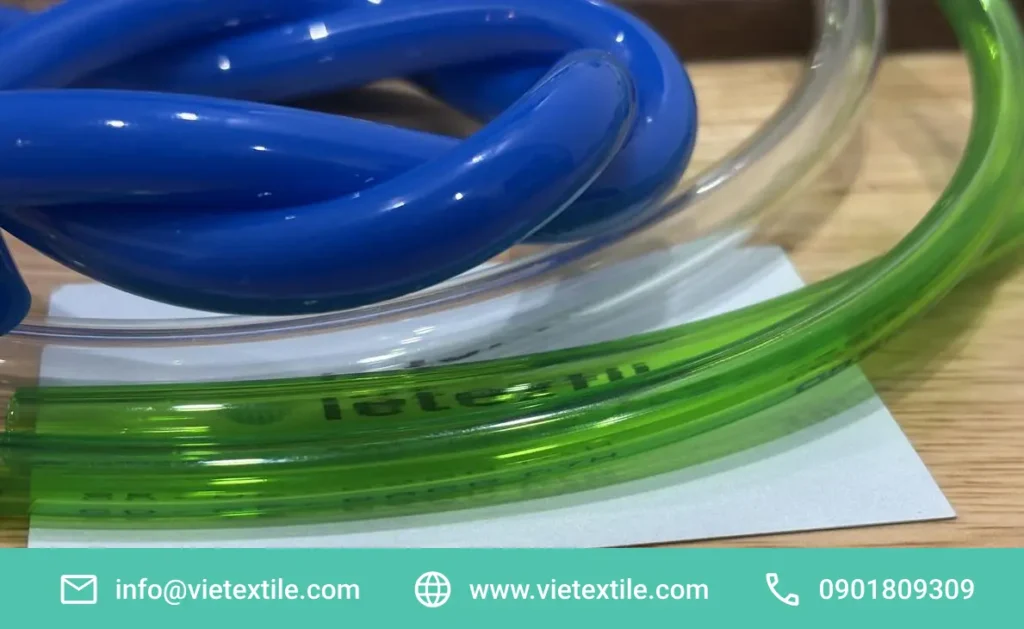
To protect the air hose for textile machines from technical risks, 7 layers of protection should be implemented, including using durable hose materials and safety valves, while adhering to periodic inspections with a pressure threshold of ±10% of the rated pressure. This helps control leaks, prevent hose bursts, ensure safe operation, and optimize pneumatic system efficiency.
In the textile industry, the performance and reliability of weaving machines heavily depend on their pneumatic systems. However, the potential risks associated with the air hose for textile machines are often underestimated, leading to severe consequences such as sudden machine shutdowns, reduced product quality, or even workplace accidents. Overlooking early warning signs can result in significant losses due to repair costs and production downtime.
To address this challenge, a comprehensive approach is needed, focusing not only on troubleshooting but also on proactive prevention and control of technical risks. This article delves into 7 essential layers of protection, helping managers and maintenance engineers in the textile industry actively identify, analyze, and mitigate hazards related to air hoses. The goal is to ensure safe operation and optimize pneumatic efficiency, thereby extending equipment lifespan and enhancing production effectiveness.
- Hazard analysis for the air hose for textile machines involves identifying physical risks (hose bursts, high-pressure leaks) and operational risks (machine jams, reduced product quality), then defining technical protection layers such as safety valves and pressure sensors.
- Monitoring condition signals like abnormal pressure drops (a threshold of ±10% of rated pressure) or localized temperature increases (exceeding 70°C) is crucial for ensuring hose reliability.
- Quality inspection of air hoses requires evidence such as material certifications per ASTM D2240 (Shore A/D hardness) and pressure test reports, along with system airflow and dew point data.
- Applying a self-assessment questionnaire for physical condition, performance, and safety, combined with an action priority scale from 1 (urgent) to 5 (further monitoring), helps in effective maintenance planning.
- Establishing conditional decision-making rules (IF-THEN) for incident scenarios, e.g., IF (minor leak) AND (no pressure impact) THEN (schedule repair during maintenance period), optimizes response and minimizes risks.
- 1. How to Analyze Hazards and Determine Protection Layers for Air Hoses for Textile Machines?
- 2. What Condition Signals and Thresholds Should Be Monitored to Ensure the Reliability of Air Hoses for Textile Machines?
- 3. What Evidence, Documentation, and Data Are Required to Assess Air Hose Quality and System Productivity?
- 4. What Self-Assessment Questions and Action Priority Scale Ensure Effective Air Hose Maintenance?
- 5. Conditional Decision Rules for Air Hose for Textile Machines Troubleshooting
- 6. Scope, Applicability, and Exclusions for Air Hose for Textile Machines Risk Control
- 7. How to Map Risks for Air Hoses for Textile Machines by Likelihood, Consequence, and Control Measures?
- 8. Frequently asked questions
1. How to Analyze Hazards and Determine Protection Layers for Air Hoses for Textile Machines?
To ensure optimal safety and productivity in textile mills, hazard analysis and the establishment of protection layers for air hoses for textile machines are indispensable. This process not only helps managers and maintenance engineers identify potential risks but also accurately assesses consequences and develops effective preventive measures.
A systematic approach minimizes the risk of failures, protects personnel, and maintains product quality, especially since pneumatic systems are the backbone of many modern textile machines.
1.1 What are air hoses for textile machines, and why do they pose risks?
Air hoses for textile machines are core components responsible for transmitting compressed air from the compressor to the operating parts of textile machines, such as needles, shuttles, and yarn clamping mechanisms. These components require a stable compressed air supply for precise and continuous operation. With an average operating pressure of 6-8 bar and operating temperatures that can reach up to 60°C, this working environment poses significant challenges to hose durability.
These harsh operating conditions make air hoses for textile machines a potential source of numerous technical risks. Continuous high pressure and fluctuating temperatures cause material degradation over time, leading to serious failures if not strictly controlled. Clearly identifying these hazards is the first step in building a comprehensive risk control strategy, ensuring the safety and reliability of the entire textile machine system.
1.2 Typical failure scenarios and their consequences
Failure scenarios of air hoses for textile machines often lead to serious consequences, affecting both occupational safety and production efficiency. The primary physical hazard is hose rupture or high-pressure air leaks, which can cause severe injuries to machine operators due to flying debris or sudden compressed air release. A hose rupture not only threatens lives but also severely damages surrounding equipment, causing prolonged production downtime.
Furthermore, operational hazards such as machine jams or reduced product quality due to pneumatic fluctuations are common issues. Even small air leaks reduce system pressure, causing pneumatic components to operate inefficiently, leading to weaving errors, yarn breakage, or needle jams. This not only increases the rate of defective products but also results in significant energy waste, directly impacting pneumatic system productivity and the mill’s profitability.
1.3 Establishing protection layers and emergency shutdown conditions
To control technical risks from air hoses for textile machines, establishing multiple layers of protection is crucial. Technical protection layers include equipping safety valves to automatically release pressure when exceeding permissible limits, pressure sensors for continuous system monitoring, and selecting durable, heat-resistant hose materials.
These materials must meet industrial standards for strength and pressure resistance, ensuring that the air hose for textile machines can operate stably in the textile machine environment.
Parallel to the technical layer, the procedural protection layer focuses on management and operational activities. This includes establishing regular inspection schedules for air hoses for textile machines, training operators on failure signs and emergency response procedures. Preventive maintenance procedures should be implemented, including daily visual inspections for signs of cracks, bulges, or deformation of hoses, along with recording system pressure and temperature per shift.
Finally, clearly defining emergency shutdown conditions is a key factor in ensuring operational safety. These conditions include system pressure exceeding defined safety limits (e.g., more than 10% above the manufacturer’s recommended operating pressure or industry standards), large air leaks causing noticeable noise or sudden pressure drops, and clear physical damage to the hose such as cracks, severe blistering, or ruptures.
When any of these conditions occur, the system must be immediately shut down to prevent accidents and assess the extent of damage, protecting the safety of personnel and equipment.
2. What Condition Signals and Thresholds Should Be Monitored to Ensure the Reliability of Air Hoses for Textile Machines?
To maintain the reliability and operational safety of textile machine pneumatic systems, monitoring condition signals is a crucial factor. Plant managers and maintenance departments need to understand key indicators and establish appropriate alert thresholds for timely responses. This not only prevents major incidents but also optimizes pneumatic system productivity and protects plant assets.
2.1 Types of condition signals to monitor
Early identification of anomalies is the foundation of a proactive maintenance strategy for air hoses for textile machines. Instead of focusing solely on pressure, technicians need to monitor a variety of signal types. Specifically, abnormal pressure drops or unstable fluctuations at the point of air consumption are critical indicators, directly impacting operational efficiency.
Additionally, localized temperature increases on the hose are a notable warning. Friction from air leaks or blockages can cause localized heating, exceeding normal ambient temperatures. Technicians should also pay attention to auditory signals such as hissing, whistling, or unusual noises from air leaks, which are often audible in a textile mill environment. Finally, visual signals such as cracks, bulges, deformation, discoloration, corrosion, or signs of oil and grease on the hose are the clearest visual indicators that the hose is deteriorating and requires immediate inspection to control technical risks.
2.2 Establishing alert and operational shutdown thresholds
To translate condition signals into timely action, establishing specific alert and operational shutdown thresholds for air hoses for textile machines is essential. For pressure, the alert threshold is typically set at ±10% of the rated operating pressure. For example, if the rated pressure is 7 bar, an alert will trigger when the pressure drops below 6.3 bar or rises above 7.7 bar, indicating issues with leaks, blockages, or pressure regulator faults, affecting operational safety. A study by the Compressed Air Challenge shows that maintaining stable pressure significantly reduces energy consumption.
Regarding temperature, the alert threshold could be when the temperature at a specific point on the hose exceeds 70°C, indicating friction or localized overload. In the case of auditory signals, any loud hiss audible from a distance of 1 meter in a factory environment is a serious warning sign of compressed air leakage. The operational shutdown threshold is usually triggered when pressure drops sharply (e.g., a 20% reduction from the rated value), or when there are clear signs of physical damage such as cracks, large bulges, or ruptures, posing a risk to occupational safety or damage to textile machine equipment. Regular textile machine maintenance helps mitigate these risks.
2.3 How the maintenance department monitors and responds
The maintenance department plays a central role in monitoring and responding to the condition signals of air hoses for textile machines. They need to be trained to perform daily visual inspections, looking for signs of cracks, bulges, deformation, or discoloration on the hose, especially at connections and bends. Listening for compressed air hissing is also an important skill, as air leaks often produce distinctive sounds, helping to detect issues related to optimizing pneumatic system productivity early.
Upon detecting any abnormal signals, the maintenance department must follow established response procedures. For small leaks or minor pressure fluctuations, they need to record them in the maintenance log and report them for detailed inspection and repair planning. In the event of large leaks, sudden pressure drops, or severe physical damage posing a safety risk, the maintenance department must immediately initiate emergency machine shutdown procedures and isolate the compressed air source. Prompt and accurate response not only protects assets but also ensures employee safety and maintains the productivity of the textile mill.

3. What Evidence, Documentation, and Data Are Required to Assess Air Hose Quality and System Productivity?
To mitigate technical risks and optimize pneumatic system productivity in textile factories, assessing air hose for textile machines quality must rely on specific evidence. Instead of making general requests, maintenance and quality control departments should focus on collecting industry standard compliance certifications, third-party inspection reports, and actual operational data.
These documents provide a comprehensive view of hose reliability, from material composition to performance in harsh production environments, contributing to operational safety.
3.1 Material Certifications and Technical Standards
Evaluating the quality of an air hose for textile machines begins by verifying material certifications and technical standards. The maintenance department should request Material Test Reports (MTRs) to examine the chemical composition and mechanical properties of the hose, ensuring they meet durability and lifespan requirements in textile loom environments.
Hydrostatic Test Reports are also crucial evidence, confirming that the hose has been tested to withstand pressures exceeding its rated operating pressure, thereby minimizing the risk of hose bursts and enhancing operational safety.
Furthermore, relevant industry standards for compressed air quality and materials should be considered. ISO 8573-1:2010 (Compressed air – Part 1: Contaminants and purity classes) is a vital reference to ensure the hose does not contaminate the compressed air, which directly impacts the quality of textile products. For hose materials, ASTM D2240 specifies Shore A/D hardness, helping to assess resistance to deformation and abrasion.
Adherence to these standards directly influences the reliability and operational safety of the pneumatic system, helping to optimize compressed air productivity.
3.2 Requirements for Test Samples and Independent Inspection Reports
During procurement or routine inspections, requesting material test samples is essential for conducting independent verifications. These samples can be used to test tensile strength, tear strength, and chemical resistance, ensuring the air hose for textile machines material is suitable for the textile factory environment.
Results from these tests will be compared against manufacturer-committed specifications, enabling quality management to make accurate decisions regarding product acceptance or rejection.
Additionally, third-party inspection reports on heat resistance, UV resistance (if the hose is exposed to sunlight), or abrasion resistance are valuable pieces of evidence. These reports provide an objective view of the hose’s performance under specific conditions, supplementing manufacturer certifications.
Having comprehensive independent inspection evidence helps mitigate risks related to compressed air hose quality and ensures operational safety, contributing to efficient textile machine maintenance.
3.3 Operational Data and Maintenance Logs
To assess the overall productivity of the pneumatic system and textile machines, collecting and analyzing operational data is indispensable. Data on air flow, stable pressure, and the dew point of the compressed air system provide direct information about operational efficiency. For example, significant pressure fluctuations or a high dew point can indicate leaks or an inefficient filtration system, severely affecting textile machines using compressed air and product quality.
Detailed maintenance logs are another valuable source of documentation, recording the history of replacements, repairs, and leak checks for the air hose for textile machines. This information helps the maintenance department identify recurring weaknesses, determine the actual lifespan of the hoses, and plan more effective preventive maintenance. Inspecting and fixing compressed air leaks can significantly reduce wasted compressed air, directly improving productivity and saving energy costs for the textile factory.

“To effectively control technical risks for the air hose for textile machines, relying solely on replacement upon failure is insufficient. A sustainable strategy demands a proactive prevention system, from selecting standard-compliant materials to establishing monitoring and conditional response procedures, optimizing both safety and productivity.”
4. What Self-Assessment Questions and Action Priority Scale Ensure Effective Air Hose Maintenance?
To maintain air hose for textile machines effectively, engineers and technicians should utilize a self-assessment questionnaire focused on physical condition, performance, and safety, combined with an action priority scale ranging from 1 (urgent) to 5 (further monitoring). This tool helps systematize inspections, control technical risks, and inform corrective actions, ensuring safe operation and optimizing pneumatic productivity for textile looms.
4.1 Periodic Inspection Questionnaire for Hose Condition
The maintenance department needs to implement a periodic checklist for comprehensively assessing the condition of the air hose for textile machines, ensuring safe and efficient operation. These questions should cover both physical and operational aspects, helping to detect potential issues early. For example, “Does the hose show any cracks, bulges, abnormal deformation, or discoloration?” is a critical question to identify structural damage that could lead to leaks or hose bursts in a textile machine environment.
Additionally, performance-related questions such as “Is the compressed air pressure stable at points of use?” or “Are there any abnormal hissing sounds or noises from the air hose for textile machines?” help evaluate compressed air transmission capability and detect air leaks. For operational safety, it is essential to ask, “Are safety valves or pressure relief valves functioning correctly and regularly inspected?” to ensure protective devices are maintained.
Integrating these questions into the inspection process enhances the overall quality of textile machine maintenance.
4.2 Scoring and Criteria for Prioritizing Corrective Actions
To translate findings from the questionnaire into concrete actions, a clear priority scale is essential. This scale helps determine the urgency level and allocate resources effectively, preventing serious issues related to the air hose for textile machines from being overlooked.
A priority scale from 1 to 5 can be applied, where 1 signifies “Urgent, stop machine immediately” (e.g., large leak, burst hose), and 5 means “Requires further monitoring, address during scheduled maintenance” (e.g., minor stains, small deformation not affecting pressure).
Criteria for determining priority levels include the degree of risk (occupational safety, textile machine damage), frequency of occurrence (repeated failures), and the cost of correction versus the cost of losses due to production downtime. For instance, a small but continuous compressed air leak causing significant energy waste over time also needs to be prioritized, even if not as urgent as a hose burst risk.
Using a priority scale helps optimize textile machine maintenance plans and effectively manage technical risks.
4.3 Applying a Scorecard to Improve Maintenance Quality
Combining the self-assessment questionnaire with the priority scale creates a quality scorecard for air hose for textile machines maintenance. This scorecard is not just an inspection tool but also a means to track progress and continuous improvement in textile machine maintenance. After each inspection, results are recorded, and corrective actions are planned and executed according to the determined priority level.
In this way, the scorecard becomes an integral part of the PDCA (Plan-Do-Check-Act) cycle of maintenance. It allows managers to monitor trends in air hose for textile machines failures, evaluate the effectiveness of corrective measures, and adjust maintenance strategies as needed. This is a practical tool that technicians can easily adopt to enhance operational safety and optimize compressed air productivity.
| Error Code | Inspection Question | Status (Yes/No/Resolved) | Priority Level (1-5) | Suggested Action |
|---|---|---|---|---|
| AHM-01 | Does the air hose show obvious cracks, bulges, or deformation? | Yes | 1 (Urgent) | Stop the textile loom, replace the hose immediately to ensure safety. |
| AHM-02 | Is a compressed air leak detected visually, audibly, or with soap solution? | Yes | 2 (High) | Mark the location, plan repair/replacement of the hose as soon as possible. |
| AHM-03 | Is the compressed air pressure stable at the point of use (fluctuation > ±10%)? | No | 3 (Medium) | Check for leak sources, adjust the pressure regulation system to optimize compressed air productivity. |
| AHM-04 | Does the air hose show signs of wear or rubbing against other components? | Yes | 4 (Low) | Install hose protection, monitor during the next textile machine maintenance cycle. |
| AHM-05 | Is the hose discolored or stiffer than normal, affecting durability? | Yes | 5 (Monitor) | Record, monitor during subsequent inspections to plan for replacement. |
5. Conditional Decision Rules for Air Hose for Textile Machines Troubleshooting
To optimize responses to pneumatic system failures, textile plant managers and maintenance engineers should develop conditional (IF-THEN) decision rules instead of absolute conclusions. This approach allows the textile machine maintenance department to respond flexibly based on the severity and impact of the incident, thereby enhancing operational reliability and minimizing unnecessary downtime.
5.1 Analyzing Failure Patterns and Root Causes for Air Hose for Textile Machines
Analyzing failure patterns and root causes is fundamental to developing effective conditional decision rules for air hose for textile machines. By reviewing historical data on incidents such as leaks, hose deformation, or pressure fluctuations, engineers can identify recurring factors and underlying causes, such as unsuitable materials, imprecise installation procedures, or harsh environmental conditions.
Studying past failures, including minor incidents that did not cause severe consequences, provides a comprehensive view of the “failure chain.” This enables textile businesses not only to address symptoms but also to resolve root problems, thereby enhancing the overall operational reliability of the compressed air system and optimizing pneumatic efficiency.
5.2 Developing IF-THEN Rules for Each Scenario
Based on root cause analysis and risk assessment, developing clear IF-THEN rules for each air hose for textile machines failure scenario is essential. These rules guide specific actions, helping technicians and operators make quick and accurate decisions, avoiding ambiguity in emergency or non-emergency situations, and contributing to effective technical risk control.
- Scenario 1: Minor Leak: IF (a minor leak is audible but does not affect system pressure) AND (there are no signs of severe physical deformation) THEN (mark the location, plan repair or replacement during the next scheduled textile machine maintenance).
- Scenario 2: Major Leak: IF (a major leak causes significant pressure drop (>10% of operating pressure) OR (the leak causes loud, dangerous noise) THEN (emergency machine shutdown, isolate the damaged compressed air hose section, and replace immediately to ensure operational safety).
- Scenario 3: Deformed Hose: IF (the hose is deformed but has no air leak) AND (operating pressure remains stable) THEN (closely monitor the deformation with measurement tools, plan a proactive replacement within 1-2 weeks to prevent unexpected failure).
- Scenario 4: Recurring Failure: IF (the same type of failure recurs on the same hose section or type of air hose for textile machines within 3-6 months) THEN (conduct an in-depth root cause analysis, consider changing hose material, supplier, or system design to improve durability and mitigate risks).
Applying these conditional rules helps optimize operational reliability and minimize unnecessary production interruptions. Decisions will be based on the priority and actual impact of the incident, rather than overreacting or ignoring potential issues, thereby enhancing the operational safety and efficiency of textile looms.
5.3 Applying Rules to Optimize Operational Reliability
Applying the established IF-THEN rules to daily operations helps the textile machine maintenance department respond proactively and consistently to air hose for textile machines incidents. These rules serve as a guide, ensuring that all corrective actions are appropriate to the severity and impact of the incident on productivity and operational safety.
Training technicians and operators on how to effectively use these rules is a key factor in technical risk control. When the maintenance department can quickly identify scenarios and apply the correct actions, downtime will be minimized, and the reliability of the production line will be significantly improved. This also contributes to building a data-driven and standardized process culture, enhancing the overall incident response capability of the textile plant.
6. Scope, Applicability, and Exclusions for Air Hose for Textile Machines Risk Control
This article focuses on risk control for air hose for textile machines, specifically hoses leading from the main pressure regulator to pneumatic components on textile looms. The proposed approach applies to textile plants with established routine maintenance systems. We will not delve into central air compressor systems, air filtration systems, or overall electrical/mechanical risks of textile looms.
6.1 Limitations of Air Hose for Textile Machines Risk Control
Risk control for air hose for textile machines within this article’s framework is specifically limited to ensure focus and utility for textile plant managers and maintenance engineers. We concentrate solely on compressed air hoses after the air has been processed (filtered, dried) and regulated, running from the main pressure regulator or local air distribution points to the operating components of the textile loom.
This includes hoses supplying air to knitting, weaving, or other pneumatic actuators on the textile machine. Limiting the scope helps readers easily apply the principles and rules discussed to their specific context, optimizing textile machine maintenance and operation at each loom. The technical risk control measures presented aim to enhance productivity and operational safety directly in the primary production area of the plant.
6.2 Conditions for Applying This Approach
The risk control approach for air hose for textile machines proposed in this article is most effective when applied under specific conditions. First, it is suitable for textile plants using pneumatic looms, where air hose for textile machines play an essential role in production operations. Second, plants need to have an established and adhered-to routine maintenance system, including inspection schedules, spare parts replacement, and personnel training on operational safety.
Furthermore, successful application requires commitment from management to provide resources and support for technical risk control activities. Plants must be capable of collecting and analyzing operational data, such as pressure, airflow, and incident history, to evaluate the effectiveness of control measures and optimize pneumatic efficiency.
6.3 Aspects Not Covered in This Article
To maintain focus and ensure depth, certain aspects related to the overall pneumatic system and other risks are not covered in this article. Specifically, we do not delve into central air compressor systems, including compressor types, operating principles, or maintenance of main compression equipment. Air filtration, drying systems, and upstream air treatment devices are also outside the scope of discussion regarding air hose for textile machines.
The article also does not cover other types of air hoses not used in textile looms, risk issues related to the overall electrical or mechanical systems of textile looms. Detailed cost-benefit analysis for each specific risk control measure is also not presented. The objective is to provide information focused on air hose for textile machines and directly related risk control measures, aiming to support the textile machine maintenance department.
| Aspect | Scope of Application in This Article | Not Within the Scope of This Article |
|---|---|---|
| Main Subject | Air hoses from the regulator to components on textile looms. | Central air compressor systems, overall air filtration/drying systems. |
| Applicability Conditions | Textile plants using pneumatic looms, with routine maintenance systems. | Plants without maintenance procedures or not using pneumatic looms. |
| Focused Hazards | Leaks, deformation, physical damage to air hose for textile machines. | Risks related to electrical, overall mechanical systems of textile looms. |
| Analysis | Failure pattern analysis, conditional decision rules for technical risk control. | Detailed cost-benefit analysis for each measure, complex AI algorithms. |
| Objective | Improve reliability and optimize pneumatic efficiency at the point of use on textile looms. | Optimize the entire plant’s pneumatic system. |
7. How to Map Risks for Air Hoses for Textile Machines by Likelihood, Consequence, and Control Measures?
To effectively map risks for air hoses for textile machines, maintenance managers and engineers must follow three key steps: assess the likelihood and severity of consequences for each hazard, construct a risk matrix to prioritize issues, and then develop appropriate risk control and mitigation plans. This mapping process visually categorizes risks, providing a foundation for informed decisions regarding textile machine maintenance and operational safety.
7.1 Assessing the Likelihood and Consequence Severity of Each Risk
Risk assessment begins by identifying potential hazards associated with air hoses for textile machines, followed by an analysis of their likelihood and the severity of their consequences. Likelihood is categorized from Very Low, Low, Medium, High, to Very High, based on historical failure frequency or industry data. For instance, a minor compressed air leak from an air hose might have a Medium likelihood due to gradual wear over time.
Consequence severity is rated from Insignificant, Minor, Moderate, Severe, to Catastrophic, based on the impact on safety, production, and product quality. A minor compressed air leak, for example, might have Minor consequences, leading to energy waste and reduced textile machine efficiency. Conversely, an incident like a hose burst could have a Low likelihood but Catastrophic consequences, potentially causing severe operator injury or extensive equipment damage.
7.2 Developing a Risk Matrix and Prioritizing Controls
After assessing likelihood and consequences, the next step is to develop a risk matrix. This visual tool combines both factors to determine the overall risk level. The matrix typically categorizes risks into levels such as Low, Medium, High, and Very High, enabling maintenance departments to quickly identify and prioritize issues requiring attention. Very High risks demand immediate prioritization for implementing technical risk control measures.
For example, the risk of an air hose burst, despite having a Low likelihood, would be classified as a Very High risk on the matrix due to its Catastrophic consequences. In contrast, a minor compressed air leak, with Medium likelihood and Minor consequences, might be categorized as a Medium risk. This risk matrix approach helps textile factories allocate resources more effectively, focusing on hazards with the greatest potential for damage.
| Consequence Level \ Likelihood | Very Low | Low | Medium | High | Very High |
|---|---|---|---|---|---|
| Catastrophic (5) | High Risk | Very High Risk | Very High Risk | Very High Risk | Very High Risk |
| Severe (4) | Medium Risk | High Risk | Very High Risk | Very High Risk | Very High Risk |
| Moderate (3) | Low Risk | Medium Risk | High Risk | Very High Risk | Very High Risk |
| Minor (2) | Low Risk | Low Risk | Medium Risk | High Risk | Very High Risk |
| Insignificant (1) | Low Risk | Low Risk | Low Risk | Medium Risk | High Risk |
7.3 Developing Risk Control and Mitigation Plans
Based on the risk matrix, control measures must be developed to prevent, mitigate, or respond to each identified hazard. Preventive measures focus on stopping risks from occurring, such as performing regular maintenance on the air hose for textile machines according to manufacturer recommendations, or replacing hoses before they reach their end-of-life. This helps maintain the quality of the pneumatic system and reduces the likelihood of failure.
Mitigation measures aim to limit the severity of consequences if a risk occurs. Examples include installing automatic safety valves that cut off air when excessive pressure is detected, or using hose materials capable of withstanding pressures higher than standard operating levels. Finally, response measures involve establishing clear emergency shutdown procedures and training personnel on how to handle air hose leaks or bursts, ensuring maximum operational safety for workers and equipment.
Comprehensive pneumatic risk mapping is fundamental to building an effective safety and maintenance management system. By thoroughly understanding hazards, their likelihood, and consequences, textile factories can proactively implement technical risk control measures, ensuring the reliability and optimal performance of their pneumatic systems while protecting assets and personnel.

8. Frequently asked questions
How can the main hazards of an air hose for textile machines be identified?
The main hazards of an air hose for textile machines include physical risks such as hose bursts and high-pressure air leaks, along with operational risks like machine jams or reduced product quality due to pneumatic fluctuations. This identification should be based on an analysis of the hose’s construction, working environment, and specific operating conditions of the textile machine.
What signals indicate reliability issues with an air hose for textile machines?
Warning signals for reliability issues include abnormal pressure drops, pressure fluctuations, localized temperature increases on the hose (exceeding 70°C), hissing or unusual noises from leaks, and visual signs such as cracks, bulges, deformation, or discoloration of the hose. Early detection helps prevent serious failures.
What documentation and evidence are needed to verify the quality of an air hose for textile machines?
To verify the quality of an air hose for textile machines, documentation such as the manufacturer’s Material Test Report (MTR), Hydrostatic Test Report, and operational data on airflow, pressure, and dew point are required. Additionally, referencing ISO 8573-1 for compressed air quality and ASTM D2240 for hose material hardness is essential.
How can maintenance actions for an air hose for textile machines be prioritized effectively?
Prioritize maintenance actions for an air hose for textile machines effectively by using a self-assessment questionnaire covering physical condition, performance, and safety. Then, apply a priority scale from 1 (urgent, machine shutdown) to 5 (further monitoring needed) based on risk level, frequency of occurrence, and repair costs to optimize the maintenance plan.
How does a risk map for an air hose for textile machines help in risk management?
A risk map helps visualize hazards by combining the likelihood and severity of each incident (e.g., minor leak, hose burst). This allows managers to prioritize risks (Low, Medium, High) and develop appropriate preventive, mitigating, or responsive control measures, thereby enhancing overall risk management effectiveness.
Do you need solutions to optimize your pneumatic system or advice on high-quality air hoses for your textile machines?
Contact VieTextile today for expert support and to find the most suitable parts.