

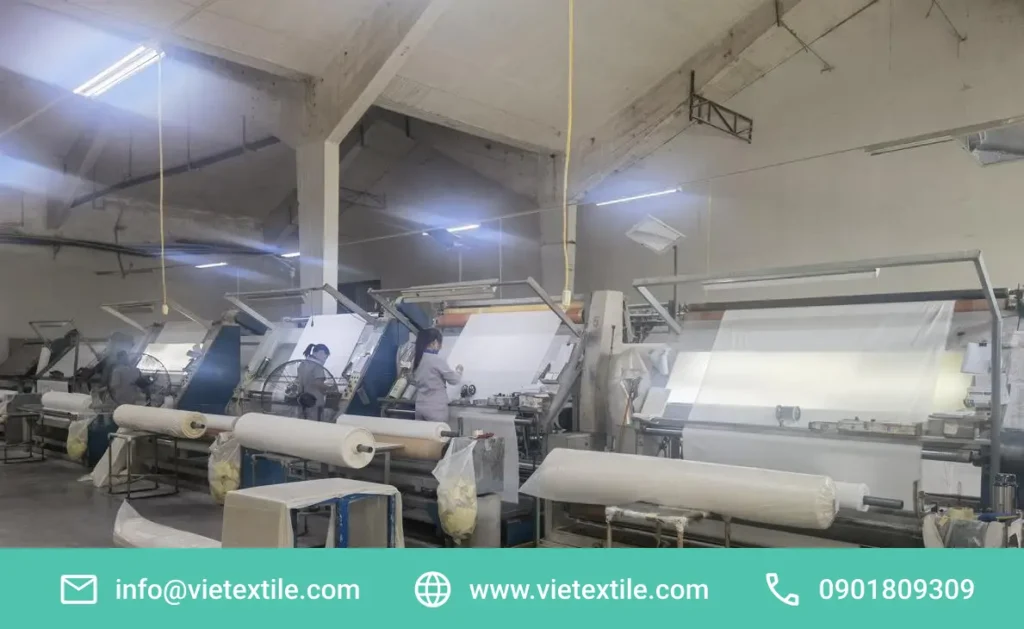
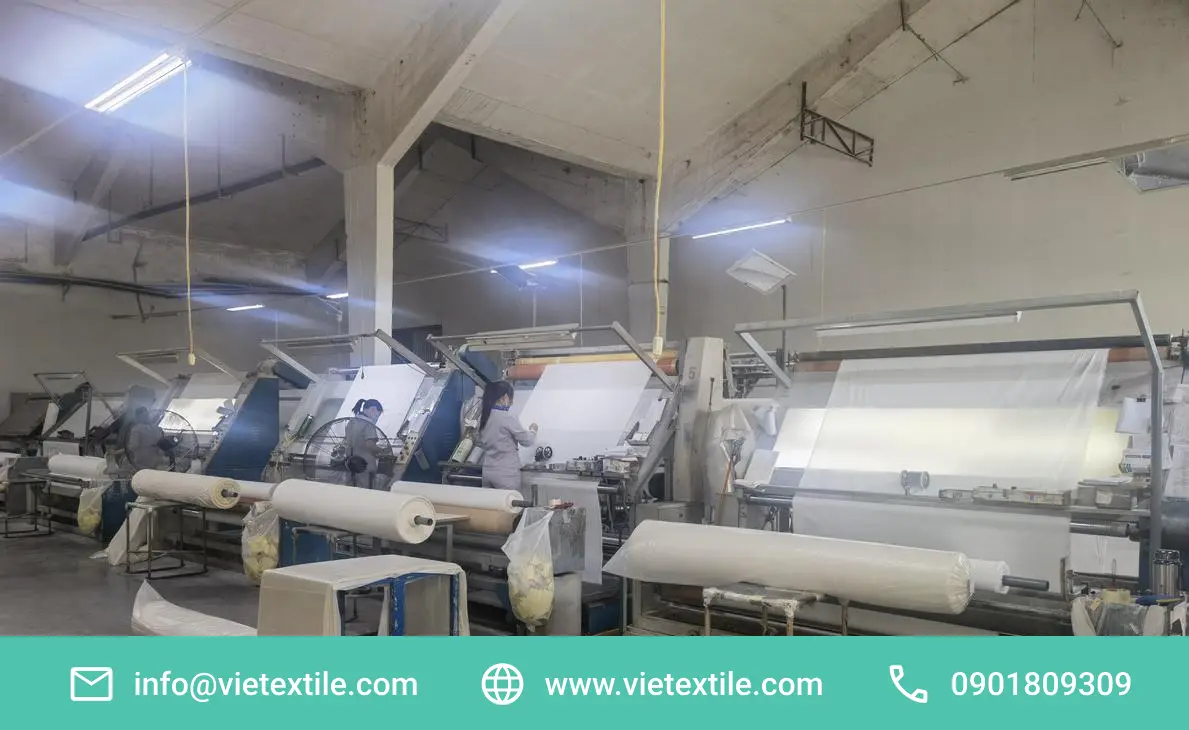
In the constantly evolving textile industry, fabric quality control is a pivotal factor in determining competitiveness. AI fabric inspection machines are reshaping this process, offering a technological breakthrough superior to traditional methods. These are **AI-powered automated fabric defect detection** devices, integrating artificial intelligence to enable fault detection with unprecedented accuracy and speed.
The advent of AI in fabric inspection not only eliminates human error but also optimizes the entire production chain. Textile manufacturers can minimize costs associated with waste and ensure products meet the highest standards before reaching consumers. This creates sustainable value and enhances brand reputation in the market.
This article delves into 7 core aspects of AI fabric inspection machines, from their structure and operating principles to practical applications and key operational considerations. The goal is to provide a comprehensive overview, helping textile businesses better understand the potential and effective implementation of this technology.
- AI fabric inspection machines enhance inspection accuracy and speed, minimizing manual errors and waste in textile production.
- These systems integrate AI technology for image analysis, identifying a diverse range of defects across various fabric types.
- The market offers various types of AI fabric inspection machines, from standalone units to integrated in-line systems, suitable for all production scales and needs.
- Effective operation of an AI fabric inspection machine requires standardized procedures, regular calibration, and a strategy for managing potential risks.
- Close collaboration with suppliers for technical support, training, and software upgrade roadmaps is a key factor for long-term success.
- 1. What is an AI Fabric Inspection Machine and Its Role in the Textile Industry?
- 2. Architecture and Operational Mechanism of an AI Fabric Inspection Machine
- 3. Popular Types and Key Features of AI Fabric Inspection Machines
- 4. Diverse Applications of AI Fabric Inspection Machines in the Textile Supply Chain
- 5. Key Technical Specifications of an AI Fabric Inspection Machine
- 6. Effective Operation and Risk Management for AI Fabric Inspection Machines
- 7. Key Technical Questions for AI Fabric Inspection Machine Suppliers
- 8. Frequently asked questions
1. What is an AI Fabric Inspection Machine and Its Role in the Textile Industry?
1.1 Definition and Basic Principles of AI in Fabric Inspection
An AI fabric inspection machine is an automated system integrating artificial intelligence (AI), particularly computer vision and machine learning, to detect defects on fabric surfaces during production. Unlike traditional automated fabric inspection machines, which rely on rigid rules, AI systems learn from vast datasets. This enables them to identify and classify a wide range of defects, from the smallest imperfections to complex anomalies. This ensures high accuracy and flexible adaptation to various fabric types and new defect patterns.
The basic operational principle of an AI fabric inspection machine involves capturing high-resolution images as fabric moves through the system. Computer vision algorithms then process these images, extracting features and comparing them against a trained defect database. Through machine learning, the AI continuously refines its ability to detect, classify, and predict defects based on learned patterns. The result is a detailed report outlining the location, type, and severity of each detected flaw.
1.2 Superiority Over Traditional Methods
Historically, fabric quality control relied heavily on manual inspection or basic non-AI automated machines. Manual inspection proved inefficient, slow, and prone to subjective errors, often leading to inconsistent accuracy and overlooked defects. Non-AI automated systems also had limitations in recognizing complex or subtle flaws, frequently requiring extensive reconfiguration for each new fabric type or defect pattern.
The advent of the AI fabric inspection machine represents a significant leap forward in efficiency and reliability. Its learning and adaptive capabilities enable automated fabric defect detection with far greater accuracy and consistency than traditional methods. The system operates continuously without performance degradation, substantially reducing labor costs and inspection times while boosting overall production output.
1.3 Strategic Importance for Modern Manufacturing
In the increasingly competitive textile industry, maintaining and enhancing product quality is paramount. An AI-powered fabric inspection system plays a strategic role in ensuring output quality, minimizing waste, and optimizing production processes. By accurately detecting defects early, manufacturers can avoid the considerable costs associated with processing flawed products or handling product recalls.
Furthermore, this intelligent fabric defect detection machine not only identifies flaws but also collects comprehensive quality data, providing deep insights into production issues. This data forms the basis for managers to make informed decisions regarding process improvements, machine adjustments, or material sourcing, thereby enhancing overall factory efficiency. Standardizing textile AI quality control with AI also helps businesses meet international standards and increasingly stringent customer demands.
Learn more: Textile Weaving Machines: Discover the Best Types Today.
2. Architecture and Operational Mechanism of an AI Fabric Inspection Machine
2.1 Key Components and Functions
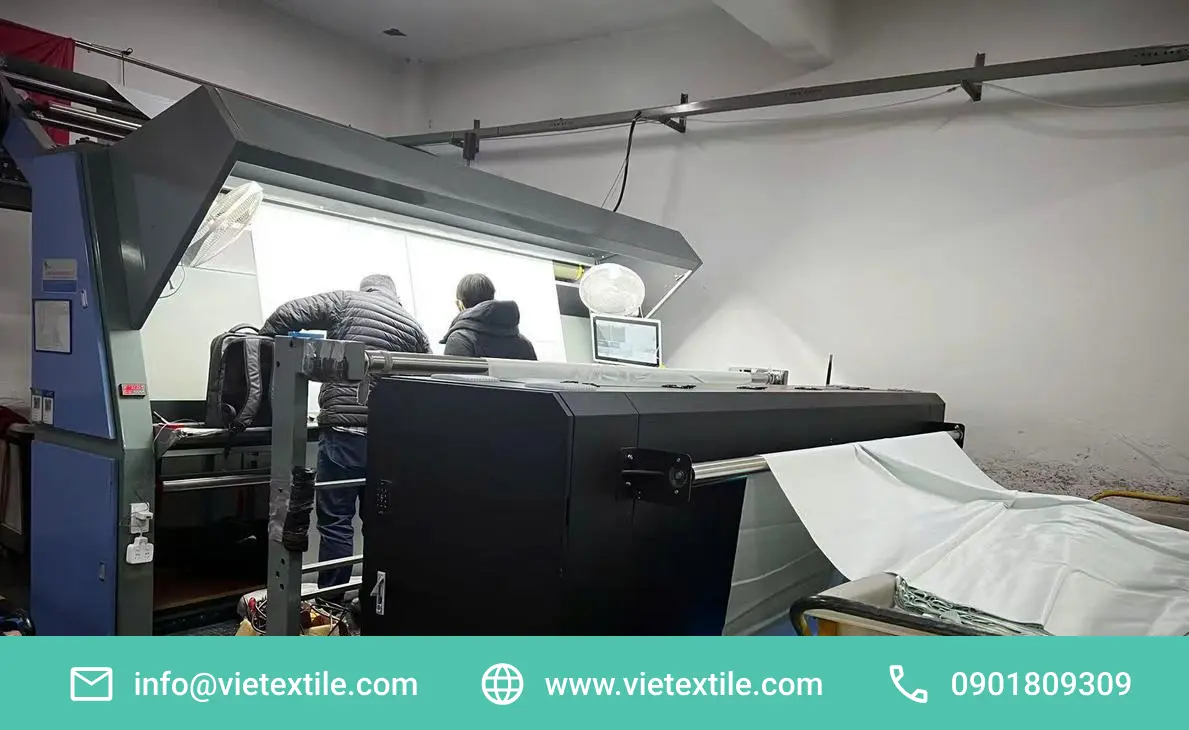
The architecture of an AI fabric inspection machine is a sophisticated integration of mechanical hardware, optical components, and data processing technology. At its core are one or more high-resolution cameras, typically line scan cameras, strategically positioned to capture the entire fabric surface. These cameras are capable of imaging thousands of pixels per millimeter, ensuring even the smallest defects are not overlooked.
To guarantee optimal image quality, a specialized illumination system, often utilizing high-efficiency LED lights, is integrated. This lighting system creates uniform and powerful illumination across the fabric surface, effectively highlighting various defect types such as faulty threads, holes, or stains. Concurrently, a precise fabric transport mechanism, featuring controlled rollers, ensures the fabric moves steadily and without distortion through the inspection area at a consistent speed.
The central processing unit, equipped with powerful CPUs and GPUs, is responsible for receiving and processing the vast amounts of image data from the cameras. These processing units provide the computational power necessary to run complex machine learning algorithms in real-time. A high-quality display allows operators to monitor the inspection process, view detected defects, and access detailed analytical reports, facilitating easy interaction and system management.
2.2 Image Data Collection and Analysis Process
The operational principle of an AI fabric inspection machine begins when a fabric roll is loaded and transported through the inspection zone by the movement mechanism. As the fabric passes, the specialized illumination system lights its surface, while high-resolution cameras continuously capture images at extremely high speeds, generating a stream of digital image data. Each image represents a small, highly detailed segment of the fabric.
Raw image data is then transmitted to the central processing unit. Here, image preprocessing occurs to remove noise, adjust brightness and contrast, and normalize image size and orientation. The objective is to create a clean, consistent dataset, ready for subsequent analytical algorithms. This preprocessing step ensures that the AI can effectively detect defects without being impacted by external factors.
2.3 Integrating Machine Learning Algorithms for Defect Detection
Following image preprocessing, the digital data is fed into an analysis module employing advanced machine learning (ML) and computer vision (CV) algorithms. These algorithms undergo extensive training on vast datasets comprising millions of meticulously annotated images. This training includes examples of both flawless fabric and diverse defect types, such as holes, stains, weaving errors, broken threads, or color variations.
The crucial role of this diverse training data is to teach the AI fabric inspection machine to recognize subtle differences. Through iterative learning cycles, the system develops robust internal models, enabling it to distinguish between the inherent patterns of perfect fabric and the distinct signatures of various imperfections. This foundational learning process allows the AI to develop highly accurate defect detection capabilities.
The machine learning system then continuously compares the features of the incoming fabric images with its established learned patterns. If a specific region of an image significantly deviates from the perfected fabric model, the algorithm promptly flags it as a potential defect. It then classifies the defect, utilizing its deep learned knowledge to identify the exact type (e.g., oil stain, faulty weft, hole) and its precise coordinates on the fabric.
This advanced capability of the automated fabric defect detection dramatically enhances the speed and consistency of quality control processes. It far surpasses manual inspection methods, offering superior accuracy and significantly reducing human error. Such technological integration is pivotal for modern textile AI quality control, ensuring high product standards.
Related reading: Weaving Machine: Top 8 Models for Efficiency – Vietexile.
3. Popular Types and Key Features of AI Fabric Inspection Machines
3.1 Classification by Scanning and Processing Technology
The current market for AI fabric inspection machines offers a diverse range of products, primarily classified by their scanning technology and image processing capabilities. These machines are engineered to suit various fabric types, including woven, knitted, and non-woven textiles, effectively meeting quality control demands from raw material to finished goods. The choice of scanning technology directly impacts the system’s accuracy and speed in automated fabric defect detection.
A common classification method involves camera technology. AI fabric inspection machines utilizing line-scan cameras are often preferred for applications requiring ultra-high resolution and continuous inspection of wide fabrics. Conversely, machines employing area-scan cameras are better suited for inspecting smaller fabric areas or when flexibility in localizing and capturing specific defects is needed. Some advanced systems also integrate multi-spectral technology to detect subtle flaws that are difficult for the human eye or conventional cameras to identify.
3.2 Classification by Integration Capability and Production Scale
Models of AI fabric inspection machines are also categorized based on their integration capabilities within existing textile manufacturing processes. Standalone units operate as independent machines, typically used for sample inspection, small batch checks, or in small to medium-sized workshops. These offer flexibility in placement and operation, making them ideal for needs not requiring deep integration into an automated system.
For large-scale manufacturing facilities, integrated in-line or near-line fabric inspection systems are optimal choices. In-line machines are directly integrated into the production line, performing real-time fabric inspection immediately after weaving, dyeing, or finishing stages. Near-line machines, conversely, are positioned close to the production line, enabling rapid inspection of fabric rolls post-processing, thereby minimizing transport and handling times.
The level of automation and production scale are key factors when considering the overall fabric inspection system architecture. Systems can be configured to handle fabric widths ranging from tens of centimeters to several meters, with flexible inspection speeds. Large factories often prioritize machines capable of connecting to Manufacturing Execution Systems (MES) or Enterprise Resource Planning (ERP) for automated reporting and defect data management, enhancing overall textile AI quality control.
3.3 Configuration Characteristics for Specific Applications
Each AI fabric inspection machine type boasts specific configuration characteristics optimized for specialized applications. For instance, a system designed for knitted fabrics might require unique tensioning mechanisms and elasticity handling, differing from a machine tailored for woven fabrics. Beyond mechanical adjustments, these advanced machines are commonly equipped with intuitive user interfaces. This allows operators to quickly set inspection parameters, define defect criteria, and efficiently manage the collected defect data, contributing significantly to robust textile AI quality control.
Other notable features of advanced fabric inspection systems include their ability to learn new defects. This empowers the AI system to automatically update its knowledge base and recognize previously unseen flaw types, a crucial capability in a constantly evolving production environment with diverse fabric types and designs. Furthermore, sophisticated automated reporting systems provide comprehensive, detailed information on all detected defects, encompassing their precise location, classification, and severity. This critical data empowers production departments to make rapid and accurate decisions, significantly enhancing automated fabric defect detection and overall quality management.
For high-end applications, advanced intelligent fabric defect detection machines offer robust connectivity and data sharing capabilities through industry standards like SCADA (Supervisory Control and Data Acquisition) or MES (Manufacturing Execution Systems). This integration not only facilitates real-time quality monitoring across the production floor but also establishes a solid foundation for big data analytics. Such analysis aims to continuously optimize the entire production process, thereby improving operational efficiency, reducing waste, and ultimately lowering costs.
Ultimately, selecting the correct type and configuration of an AI fabric inspection machine, one that is precisely aligned with a factory’s specific operational needs, is paramount for maximizing return on investment and achieving optimal textile quality control.
| Classification Criterion | AI Fabric Inspection Machine Type | Key Advantages | Primary Limitations |
|---|---|---|---|
| By Scanning Technology | Line-Scan Scanner | Ultra-high resolution; ideal for continuous, high-speed surface inspection; detects small, subtle defects. | Higher initial investment cost; requires precise lighting adjustment and speed synchronization. |
| By Scanning Technology | Area-Scan Scanner | Flexible in capturing specific areas; suitable for sample inspection or complex patterned fabrics; simpler setup. | Inspection speed can be slower than line-scan for large fabric widths; lower overall resolution for the same area. |
| By Integration Capability | Standalone AI Fabric Inspection Machine | Flexible installation; easy deployment for small batches or samples; lower initial investment cost. | Requires manual operation; not automatically integrated into continuous production lines; can create productivity bottlenecks. |
| By Integration Capability | In-line AI Fabric Inspection Machine | Real-time continuous inspection; early defect detection, reduces waste; optimizes productivity and production efficiency. | Complex integration into existing systems; more difficult to move or reconfigure; high investment cost. |
| By Integration Capability | Near-line AI Fabric Inspection Machine | Combines flexibility of standalone with efficiency of in-line; rapid inspection after production stages; reduces transport time. | Still involves manual or semi-automatic fabric roll transfer; does not achieve full seamlessness like in-line. |
Related reading: Industrial Weaving Machines: A 7-Step Buyer’s Guide (2025).
Related reading: The Air Jet Loom: An In-Depth Guide to Its Structure & Design.
Related reading: Water Jet Looms: A 5-Point Guide to Choosing the Right Machine.
Related reading: Industrial Weaving Machines: A 7-Step Buyer’s Guide (2025).
Related reading: The Air Jet Loom: An In-Depth Guide to Its Structure & Design.
Related reading: Water Jet Looms: A 5-Point Guide to Choosing the Right Machine.
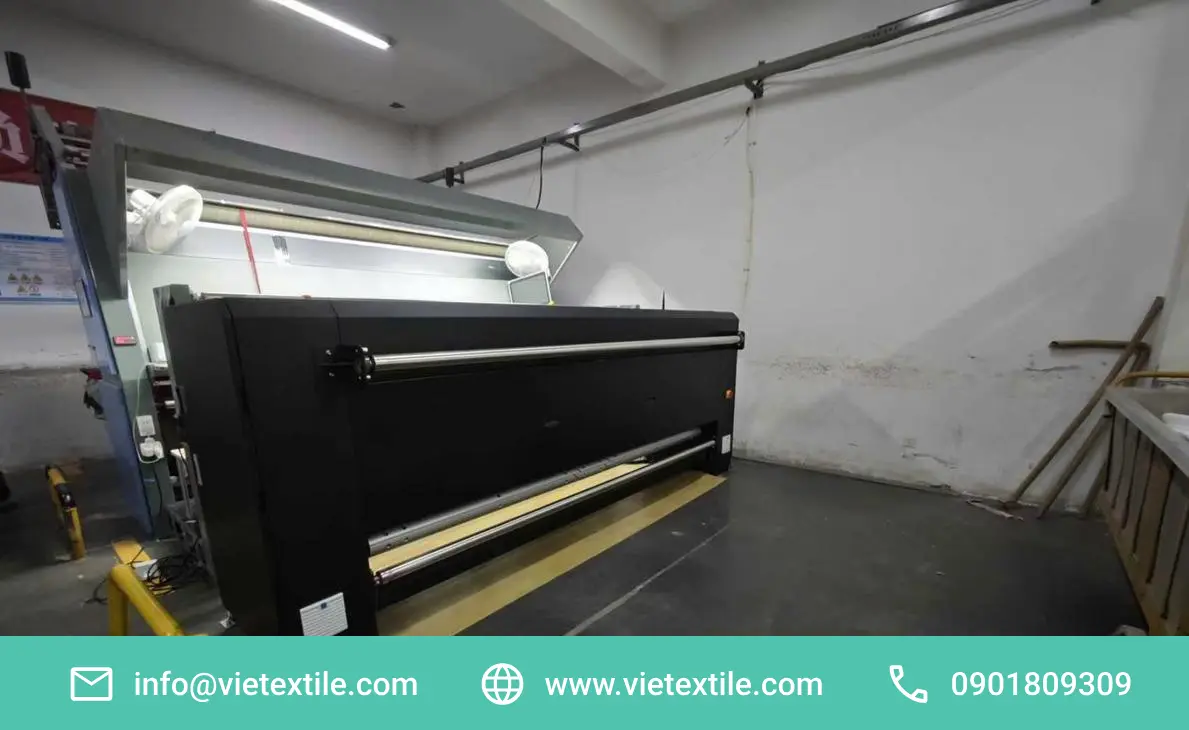
If the textile industry does not invest in automated quality control technology such as AI fabric inspection machines, its competitiveness in terms of cost and product quality in the global market could be significantly impacted in the long run.
4. Diverse Applications of AI Fabric Inspection Machines in the Textile Supply Chain
4.1 Quality Inspection of Raw Fabric and Semi-Finished Products
AI fabric inspection machines play a critical role right from the initial stages of the textile supply chain, beginning with the inspection of grey fabric after weaving or knitting. At this point, the AI system can quickly detect structural defects such as broken threads, warp/weft stripes, loose yarns, or holes, which commonly arise during these processes. This early defect detection enables manufacturers to promptly adjust machinery, preventing wasted raw materials and effort in subsequent textile production processes.
Furthermore, during the processing of semi-finished products like dyeing, printing, or preliminary finishing, this equipment continues to demonstrate its value. It can identify defects related to uneven coloring, stains, unwanted dye streaks, or printing errors. These diverse defect detection capabilities significantly reduce waste rates, ensuring only quality-standard fabric rolls proceed to the final steps and thereby optimizing the entire production process.
4.2 Ensuring Finished Fabric Quality Before Shipment
At the final stage of the production process, before finished fabric is cut, sewn, or shipped, the AI system undertakes its crucial role in final quality assurance. It meticulously scans the entire fabric surface once more to identify any minor defects that might have been missed or introduced during the final finishing stages. This includes flaws such as creases, permanent wrinkles, loose fibers, small stains, or subtle color variations.
Implementing such a system at this juncture is paramount for ensuring the final product meets stringent customer and market quality standards. With its accurate and consistent defect recognition, this automated fabric defect detection equipment eliminates human subjectivity, significantly reducing the risk of defective products reaching consumers. This not only safeguards brand reputation but also mitigates costs associated with product returns or quality claims, thus upholding excellent textile AI quality control.
4.3 Optimizing Production Processes and Minimizing Waste
Beyond its direct defect detection function, the application of this technology offers significant benefits in optimizing the overall production process. Detailed data on the location, type, and frequency of each defect are collected and analyzed by the AI system. This invaluable information empowers engineers and managers to identify the root causes of quality issues, such as weaving machine setup errors, dyeing chemical problems, or finishing process malfunctions.
By analyzing defect data, factories can implement scientific process adjustments, thereby minimizing waste rates and optimizing raw material utilization. Reducing textile waste not only saves material costs but also lessens the burden of waste disposal, contributing to sustainable development in the industry. Understanding common defect types further allows manufacturers to implement effective preventive measures, leading to continuous product quality improvement and enhanced overall factory productivity through advanced system architecture.
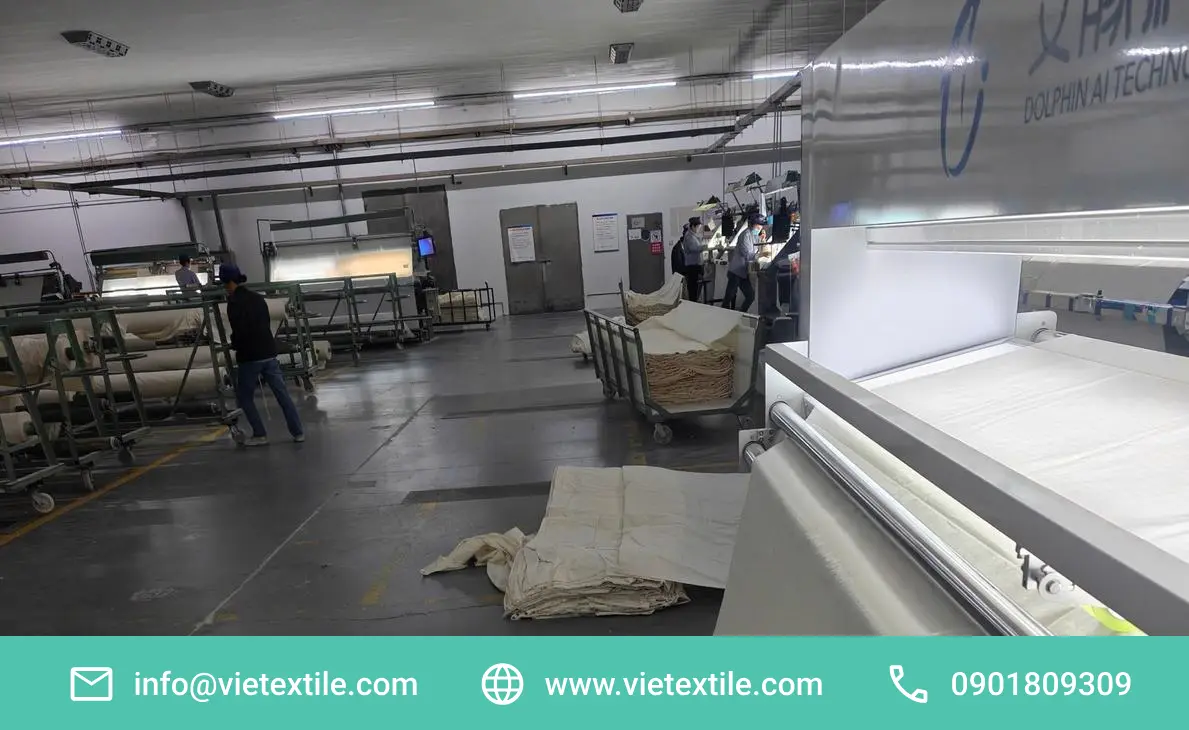
5. Key Technical Specifications of an AI Fabric Inspection Machine
5.1 Resolution and Scanning Speed
Camera system resolution is a critical parameter for an AI fabric inspection machine, directly influencing its ability to detect the smallest defects on the fabric surface. Higher resolution, for instance, several tens of megapixels per line scan camera, allows the system to capture more detailed images. This significantly enhances sensitivity in identifying microscopic flaws such as tiny broken threads, pinpoint stains, or fine weave errors that are often imperceptible to the human eye, which is especially crucial for high-grade fabrics or those with stringent quality requirements.
In addition to resolution, the machine’s scanning speed, typically measured in meters per minute (m/min), indicates its fabric processing capacity per unit of time. A high scanning speed enables factories to maintain production throughput without hindering the inspection process, ensuring all fabric rolls are checked promptly. Balancing resolution and scanning speed is essential, depending on fabric characteristics and desired output, to optimize the efficiency of the overall textile AI quality control system.
5.2 Defect Detection Capability and Accuracy
Defect detection capability is a core characteristic of an AI fabric inspection machine, defining the range of flaws the system can identify and classify. An advanced system can detect a diverse array of common defects, including holes, oil stains, yarn faults, weave errors, horizontal/vertical stripes, uneven coloring, creases, and even more complex structural fabric defects. This ensures comprehensive inspection, making the system suitable for various fabric types and applications.
System accuracy reflects its ability to precisely distinguish between defects and non-defects. This is accompanied by the miss rate – the actual number of defects the system fails to detect – and the false alarm rate – instances where the system flags a defect that doesn’t exist. An effective AI fabric inspection machine requires high accuracy and a low miss rate to prevent poor-quality products from reaching the market. Simultaneously, a low false alarm rate is crucial to avoid wasting time and resources on unnecessary manual re-inspection.
5.3 User Interface and System Integration Capabilities
An intuitive and user-friendly interface (UI) is vital for technicians and operators to maximize the capabilities of an AI fabric inspection machine. A well-designed UI provides clear operational status, displays visual representations of defects, and allows for easy customization of inspection parameters. Detailed reporting and statistical features on defect quantity, type, and location are also essential for performance analysis and decision-making for process improvement.
System integration capabilities play a pivotal role in optimizing the overall production workflow for textile factories. A smart automated fabric defect detection system should seamlessly connect and exchange data with existing systems such as Manufacturing Execution Systems (MES) or Enterprise Resource Planning (ERP). This enables real-time sharing of fabric quality information, supporting production planning, inventory management, and comprehensive performance tracking across the fabric inspection system architecture.
Common connectivity and data communication standards like OPC UA or Modbus are typically supported to ensure compatibility with a factory’s current automation infrastructure. System integration not only improves information flow but also minimizes manual data entry, enhancing operational efficiency. This also allows for quicker responses to quality issues, creating a significant competitive advantage for factories aiming to optimize production processes with Industry 4.0 technology.
6. Effective Operation and Risk Management for AI Fabric Inspection Machines
6.1 Standard Operating Procedures and Initial Calibration
Effective operation of an AI fabric inspection machine begins with adhering to standard startup procedures. Operators must ensure all power and data connections are correctly established before powering on the system according to the manufacturer’s recommended sequence. Once the machine is started, setting initial parameters such as fabric type, roll speed, and defect detection thresholds is a crucial step for the system to commence the inspection process.
Regular calibration is indispensable for maintaining the accuracy of the computer vision system. This involves checking and adjusting lighting, camera focus, and sensor parameters to ensure consistently clear and precise image acquisition. Scheduled calibration, or calibration whenever there is a significant change in fabric type, helps the AI fabric inspection machine maintain optimal defect detection performance.
6.2 Challenges and Potential Risks
Deploying and operating an automated fabric defect detection system is not without its challenges. One significant hurdle is acquiring sufficient, diverse, and high-quality training data for the AI, especially when dealing with numerous fabric types or complex defect patterns. The production environment itself can also pose challenges, such as variations in lighting, temperature, and humidity, or the accumulation of dust on camera lenses, all of which can affect accurate image capture.
Potential risks include the system’s propensity for false positives – reporting non-existent defects, which wastes time on unnecessary re-inspections. Conversely, the risk of false negatives, where actual defects are missed, can lead to substandard products entering the market, damaging reputation and incurring costs. System downtime due to technical errors or over-reliance on a single vendor for technical support are additional risks that require careful management when using this advanced AI-powered fabric inspection equipment.
6.3 Preventive Maintenance Strategies and Basic Troubleshooting
To ensure the continuous and efficient operation of an AI fabric inspection machine, implementing a robust preventive maintenance strategy is essential. For hardware, this includes regularly cleaning camera lenses and sensor components. This practice is crucial to prevent dust accumulation and maintain optical clarity, which directly impacts image quality and defect detection accuracy. Additionally, routinely checking and tightening electrical connections and signal cables helps avert unexpected interruptions and ensures stable data flow.
On the software front, keeping the system updated is vital. This means updating software and firmware according to manufacturer recommendations to ensure the machine benefits from the latest AI algorithms, performance enhancements, and security patches. Furthermore, frequent backups of training data and system configurations are critical measures. These backups enable rapid recovery in the event of system failures or data corruption, minimizing downtime for the automated fabric defect detection system.
Operators can also address minor issues through basic troubleshooting. Simple steps like restarting the system or verifying all connections are often effective in resolving temporary glitches. Moreover, comprehensive training for operating personnel and internal maintenance teams on these procedures is paramount. A knowledgeable team equipped with basic skills can resolve many common problems, significantly reducing downtime and optimizing the overall performance and lifespan of the AI fabric inspection machine, ensuring consistent textile AI quality control.
7. Key Technical Questions for AI Fabric Inspection Machine Suppliers
When considering the implementation of an AI-powered textile quality control system, preparing a list of in-depth technical questions is crucial for successful integration. This enables factory owners and technical directors to thoroughly assess a supplier’s capabilities, gain a clearer understanding of their proposed solution, and ensure the equipment meets the specific requirements of their production processes. An open and detailed technical dialogue can clarify both short-term commitments and long-term support capabilities for the advanced inspection technology.
Gathering detailed information extends beyond surface-level features and specifications. It critically encompasses aspects like integration capabilities with existing infrastructure, operational flexibility, and comprehensive post-sales support services. A robust set of technical questions serves as a powerful tool for making informed investment decisions, optimizing overall operational efficiency, and effectively mitigating potential risks during the deployment and ongoing use of an automated fabric defect detection system.
7.1 Technical Support and Operational Training Requirements
The level of technical support provided by a supplier is a pivotal factor in the successful implementation and continuous operation of an AI fabric inspection machine. It is essential to inquire about the specific forms of technical assistance offered, including immediate remote support via phone or internet, and the availability of on-site support for resolving more complex or critical issues. Understanding average response times for different request types is equally important.
Beyond immediate assistance, clarify the various post-sales support packages available, such as different levels of preventive maintenance and routine software upgrade services. This ensures the system remains stable, performs efficiently over time, and minimizes unexpected downtime. A clear understanding of these provisions is key for long-term operational success.
In addition to technical support, a robust training program for operational and maintenance staff is absolutely indispensable. Factory owners should inquire about the comprehensive content of the training program, its duration, and the location where it will take place—whether at the supplier’s facility or directly at the client’s production site. Understanding how to proficiently operate, calibrate, and perform basic troubleshooting will significantly empower your team, minimize potential downtime, and optimize the performance of the automated fabric defect detection system from day one.
7.2 Software Upgradeability and System Customization
AI technology is constantly evolving, meaning the ability to upgrade software—including firmware and advanced AI algorithms—is critical for the long-term lifespan and sustained effectiveness of the equipment. It is important to ask about the system’s software upgrade roadmap, the frequency of new update releases, and any associated costs that may arise from these upgrades. This due diligence ensures your AI fabric inspection machine will always be equipped with the latest advanced defect detection algorithms, thereby maintaining a competitive edge in textile AI quality control operations for the future.
Each textile factory often has unique fabric types, specific weave structures, or distinct quality inspection requirements that necessitate flexibility. Therefore, the system’s ability to be customized for these particular needs is a significant advantage. Ask suppliers about their capacity to adjust defect detection parameters, incorporate new defect types for identification, or integrate seamlessly with your existing Manufacturing Execution Systems (MES) or Enterprise Resource Planning (ERP) systems. This adaptability ensures the fabric inspection system architecture can truly align with and perform effectively within your unique production environment.
7.3 Safety Standards and Industry Certifications
Workplace safety and strict adherence to industry standards are paramount in any modern manufacturing facility. When selecting an AI fabric inspection machine, inquiring about the industrial safety certifications the equipment has obtained is crucial for worker protection and compliance. Certifications such as CE (Europe), UL (USA), or relevant ISO standards for quality and manufacturing safety indicate that the equipment has undergone rigorous testing and meets stringent requirements for electrical, mechanical, and environmental factors, thereby ensuring robust operational security.
Additionally, it is vital to understand the equipment’s compliance with environmental and occupational health standards related to its ongoing operation. For instance, does the equipment’s noise level fall within acceptable regulatory limits? Are there any specific ventilation or controlled environmental conditions required for optimal and safe machine operation that protect workers? These crucial questions help ensure that deploying advanced automated fabric defect detection equipment not only enhances efficiency but also actively contributes to maintaining a safe and sustainable working environment for all personnel.
See also: Textile machine components: Choose right, run durable, save costs.
8. Frequently asked questions
What types of defects can an AI fabric inspection machine detect, and with what accuracy?
An AI fabric inspection machine can detect a wide range of defects, from structural flaws like broken threads and holes to surface imperfections such as stains, horizontal/vertical stripes, and color variations. The system’s accuracy is very high, often exceeding 95%, significantly reducing the rate of overlooked defects compared to manual inspection. The specific level of accuracy depends on the quality of the training data and the camera technology utilized.
How complex is it to integrate an AI fabric inspection machine into an existing textile production line?
The complexity depends on the machine’s configuration and the factory’s existing infrastructure. Standalone systems are generally easier to integrate, whereas in-line systems (directly integrated into the production line) may require more significant mechanical and software adjustments. However, with consultation and support from the supplier, the process can be optimized to minimize disruptions.
How is data collected from an AI fabric inspection machine used to improve product quality and production processes?
The defect data collected by an AI fabric inspection machine provides deep insights into recurring production issues. Analyzing this data helps identify the root causes of defects, allowing for adjustments in weaving, dyeing, or finishing stages to improve the process. This leads to reduced waste, optimized material usage, and enhanced overall product quality.
What are the environmental requirements (light, temperature, humidity) for operating an AI fabric inspection machine?
To ensure the AI fabric inspection machine operates accurately, the operating environment needs to be controlled. Lighting must be stable and free from glare that could cause interference, often requiring specialized illumination systems. Temperature and humidity should remain within the manufacturer’s recommended limits to protect electronic and optical components and prevent impacts on system performance.
Are specialized experts required to operate, calibrate, and maintain an AI fabric inspection machine, or can internal staff be trained?
Initially, professional installation and in-depth calibration may require support from supplier engineers. However, for basic operation and maintenance procedures, internal staff can be effectively trained. Supplier-provided training courses are crucial to ensure your team is proficient in using and maintaining the system.
Are you seeking advanced fabric quality control solutions for your factory?
Contact us for expert consultation on AI fabric inspection machine models tailored to your production needs.