

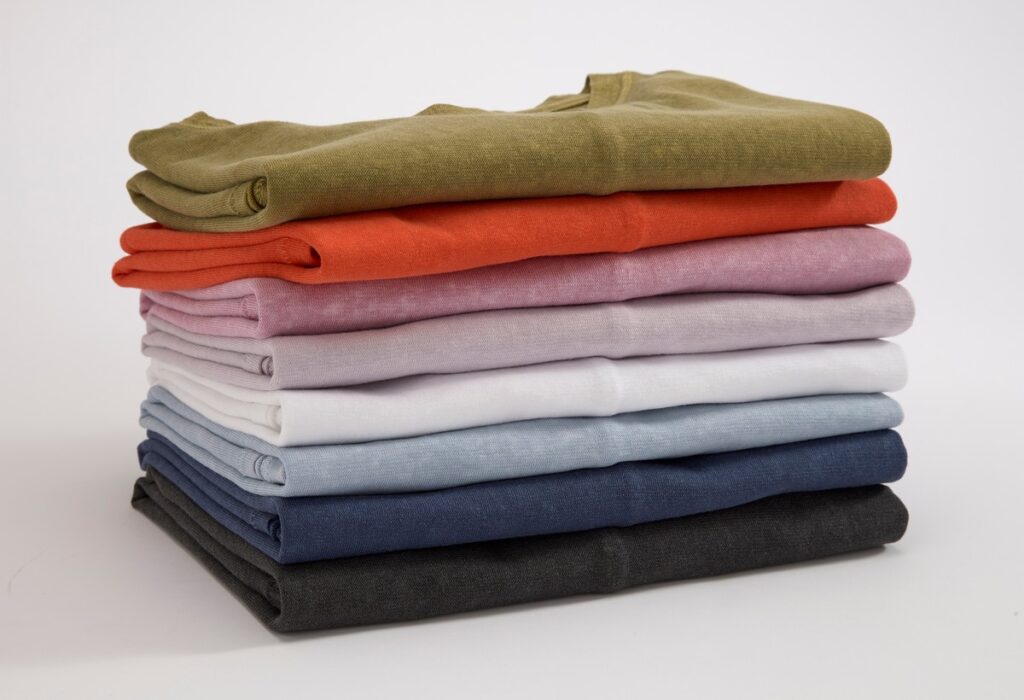
In the textile industry, Interlock fabric is one of the most highly regarded knitted materials due to its harmonious combination of aesthetics and superior technical characteristics. Interlock fabric not only offers a premium, smooth appearance but also possesses impressive durability, stretch, and moisture absorption capabilities, making it an ideal choice for a variety of products, from sportswear to everyday apparel. To optimize the potential of this material, a clear understanding of its technical characteristics is crucial in the Interlock fabric production process.
This article will delve into analyzing the prominent technical characteristics of Interlock fabric: stretch, moisture absorption, and durability. We will learn how these characteristics are created in the Interlock fabric production process and why they are important for the final product quality.
I. What is Interlock Fabric in Interlock Fabric Production?
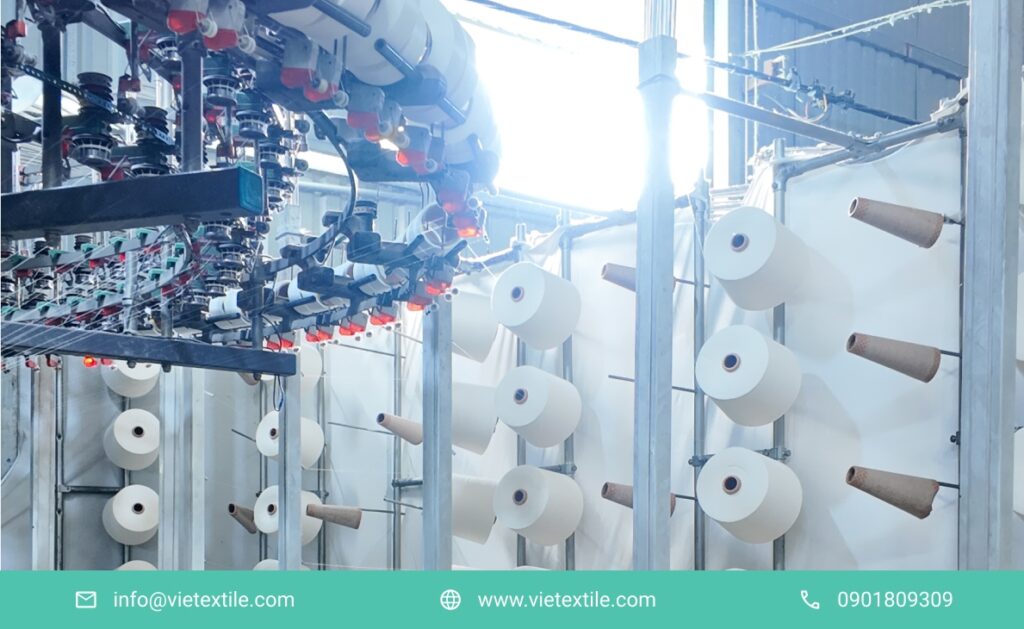
Reputable and Modern Knitted Fabric Production Factory
Interlock fabric is a type of double-knit fabric created on a knitting machine with two sets of needles (double jersey machine). Essentially, it is formed by interlacing two layers of Single Jersey fabric, creating a sturdy and smooth structure on both sides. Unlike Rib fabric which has distinct vertical ribs, Interlock fabric has a flat, smooth surface that is identical on both the right and wrong sides, providing a refined and premium appearance to products after Interlock fabric production.
This special knitting structure makes Interlock fabric thicker and sturdier than Single Jersey, while minimizing edge curling when cut, a significant advantage in the Interlock fabric production process and garment cutting. It is a favored material due to its stability and luxurious appearance.
II. Prominent Technical Characteristics of Interlock Fabric
Interlock fabric is highly valued due to the combination of many valuable technical characteristics, making it distinctive in the Interlock fabric production industry.
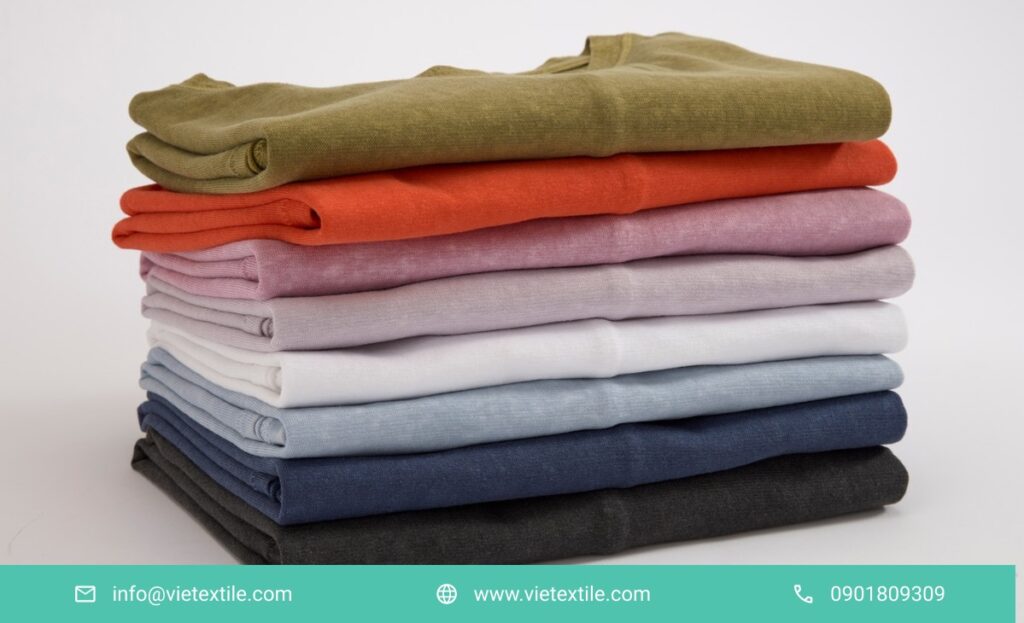
Knitted Fabric Production Process: From Yarn to Finished Product
1. Superior Stretch and Elasticity
Although not as stretchy as Rib fabric, Interlock fabric still possesses very good stretch and elasticity, especially horizontally. Its knit structure allows the fabric to stretch without losing its original shape during use or washing. This is an important characteristic in Interlock fabric production for garments requiring comfort and flexibility in movement.
The elasticity of Interlock fabric helps products maintain their shape well, being less prone to bagging or deformation after multiple wears and washes. This increases the lifespan of clothing and ensures products always look new and fit well. The moderate stretch also allows Interlock fabric to conform comfortably to the body without feeling constrictive, suitable for many types of garments.
2. Good Moisture Absorption and Breathability
Interlock fabric, especially when produced from cotton fibers or natural blended fibers, has very good moisture absorption and breathability. Its knit structure with tiny loops creates many small spaces, allowing air to circulate easily through the fabric. This helps moisture and sweat from the body be absorbed and released quickly, keeping the wearer feeling dry and comfortable.
The moisture absorption and breathability of Interlock fabric make it an ideal choice for sportswear, loungewear, and children’s clothing, where comfort and body temperature regulation are top priorities. Optimizing this characteristic in Interlock fabric production contributes to creating high-quality products.
3. High Durability and Resistance to Deformation
One of the most outstanding advantages of Interlock fabric is its superior durability. Its sturdy double-layer knit structure and securely interlocked stitches give the fabric better resistance to tearing, unraveling, and stretching compared to Single Jersey fabric. This makes Interlock fabric very durable, capable of withstanding impacts during use and frequent machine washing without significant damage.
The resistance to deformation of Interlock fabric is also very impressive. Due to its sturdy structure, the fabric is less prone to bagging, shrinking, or twisting after washing, helping products maintain their shape well and retain their original size. This characteristic is a significant advantage in Interlock fabric production, ensuring products have a long lifespan and maintain their beauty over time.
4. Smooth Surface and Premium Hand-Feel
Interlock fabric has a smooth, uniform surface on both sides, providing a pleasant and soft feel to the touch. This is due to its securely interlocked stitch structure, without prominent ribs or lint like Single Jersey or Rib fabric. The flat and smooth surface creates a premium, elegant appearance for products.
The soft and smooth hand-feel of Interlock fabric increases comfort when worn, particularly suitable for products that come into direct contact with the skin, such as underwear, children’s clothing, or sportswear. Maintaining this surface is an important goal in high-quality Interlock fabric production.
III. Wide Applications of Interlock Fabric in Interlock Fabric Production
Thanks to its superior technical characteristics, Interlock fabric is widely used in Interlock fabric production for various types of apparel:
- Sportswear and Activewear: Its stretch, moisture absorption, and high durability make Interlock fabric an ideal choice for gym T-shirts, leggings, and athletic sets.
- Children’s and Baby Clothing: Its soft surface, safe for sensitive children’s skin, along with its durability and good shape retention, makes Interlock fabric a preferred choice in Interlock fabric production for baby clothes.
- Premium Polo Shirts and T-shirts: The smooth and elegant appearance of Interlock fabric is very suitable for creating high-quality polo shirts or T-shirts, providing comfort and a good fit.
- Underwear and Sleepwear: Its moisture absorption, breathability, and soft feel make Interlock fabric an excellent choice for underwear and sleepwear, ensuring maximum comfort.
- Everyday Casual Wear: With its durability, shape retention, and comfortable feel, Interlock fabric is commonly used in Interlock fabric production for everyday casual wear such as light jackets and jogger pants.
- The Sustainable Fashion Market Will Focus on New Materials
- Development Trends of Vietnam’s Textile Industry
IV. VieTextile: Expert in Interlock Fabric Production
VieTextile proudly stands as a leading partner in Interlock fabric production in Vietnam. We not only have a deep understanding of the technical characteristics of Interlock fabric but also possess the technology and experience to produce high-quality fabrics that meet all stringent customer requirements.
With a modern knitting machinery system, standardized production processes, and a team of experienced engineers and specialists, VieTextile is committed to delivering Interlock fabric products with superior stretch, optimal moisture absorption, high durability, and a perfectly smooth surface. We are always ready to advise and accompany you to choose the most suitable Interlock fabric type, elevating your collection.
V. Frequently Asked Questions (FAQs)
To help our valued customers better understand Interlock fabric production and its technical characteristics, here are some frequently asked questions:
Q: Does Interlock fabric curl at the edges when cut?
A: No, one of the outstanding advantages of Interlock fabric is that it does not curl at the edges when cut, thanks to its sturdy double-layer knit structure. This saves time and reduces waste in the cutting and sewing process, which is an advantage in Interlock fabric production.
Q: How to distinguish Interlock fabric from Single Jersey and Rib fabric?
A: Single Jersey fabric has only a right side (V-stitches) and a wrong side (horizontal loops), and easily curls at the edges. Rib fabric has distinct vertical ribs on both sides, easily noticeable. Interlock fabric, however, is smooth and flat on both sides, which are identical, and is usually thicker than Single Jersey, without ribs like Rib. This structure is characteristic of Interlock fabric production.
Q: What fiber types can Interlock fabric be produced from?
A: Interlock fabric can be produced from many different fiber types such as cotton, polyester, viscose, modal, lyocell, and blended fibers. Cotton fiber is the most common for producing Interlock fabric for everyday wear.
Q: Is Interlock fabric colorfast?
A: The colorfastness of Interlock fabric depends on the fiber type used and the quality of the dyeing process. When dyed with appropriate dyes and a standard process, Interlock fabric has very good colorfastness, withstanding many washes without significant fading. VieTextile always ensures the dyeing quality for its Interlock fabric production
To learn more about our Interlock fabric production capabilities and receive optimal fabric solution consultation, contact VieTextile today!
Contact Information:
- Hotline: 0901 809 309
- Email: info@vietextile.com
- Website: https://vietextile.com