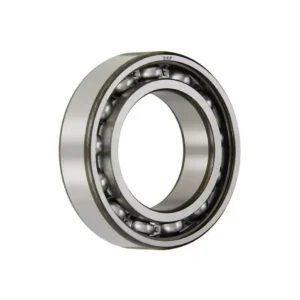


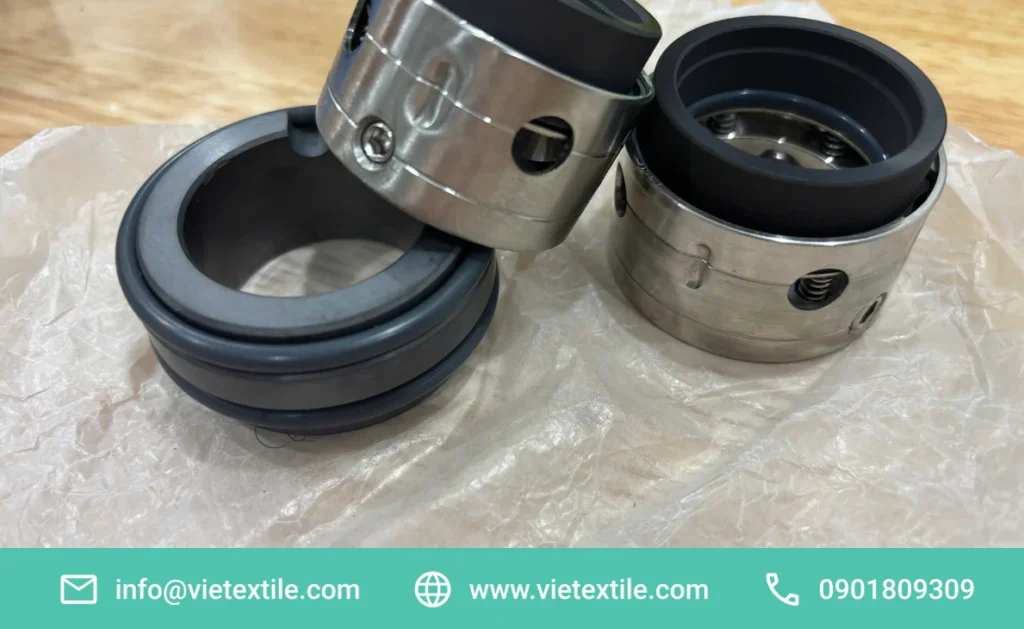
Mechanical seals are dynamic sealing devices that prevent leakage of liquids or gases between rotating shafts and pump casings in industrial machinery, capable of withstanding pressures up to 25 bar. To select the appropriate mechanical seal applications, it’s crucial to identify the fluid type, temperature (from -20°C to 200°C), pressure, and rotational speed.
Mechanical seals are dynamic sealing devices used to prevent the leakage of liquids or gases between two relatively moving surfaces in industrial pump systems. However, many textile factories often make mistakes in determining operational requirements, leading to the selection of unsuitable mechanical seals and causing serious problems.
A clear understanding of the construction, operating principles, and factors affecting the performance of industrial mechanical seals is crucial. This enables maintenance engineers and operations managers to make accurate decisions, thereby optimizing equipment lifespan, minimizing maintenance costs, and ensuring operational safety.
This article will analyze 6 common mistakes when determining mechanical seal applications in the textile industry, while also providing detailed guidelines for effective seal selection and implementation, especially in dyeing machine applications and wastewater treatment systems.
- Mechanical seals can withstand pressures up to 25 bar and operate at temperatures from -20°C to 200°C, depending on the material.
- Replace seals immediately if leakage exceeds limits or if surface temperature continuously rises more than 10°C above normal to prevent system damage.
- In textile dyeing wastewater pumps with corrosive chemicals, at 80°C and 5 bar pressure, seals need a lifespan of at least 2 years and chemical-resistant materials.
- SiC/SiC seal faces, Viton O-rings, and Hastelloy C springs are optimal choices for detergent chemical pumps (pH 12, 90°C, 7 bar pressure).
- 1. What are mechanical seals and how do you design compatible test samples?
- 2. When should mechanical seals be replaced to mitigate operational risks?
- 3. How are mechanical seal applications segmented by product, capacity, and quality requirements?
- 4. How to build mechanical seal use cases with input conditions and success criteria?
- 5. How do you assess the suitability of mechanical seal materials and process characteristics?
- 6. How do you translate operational needs into mechanical seal specifications?
- 7. Frequently asked questions
1. What are mechanical seals and how do you design compatible test samples?
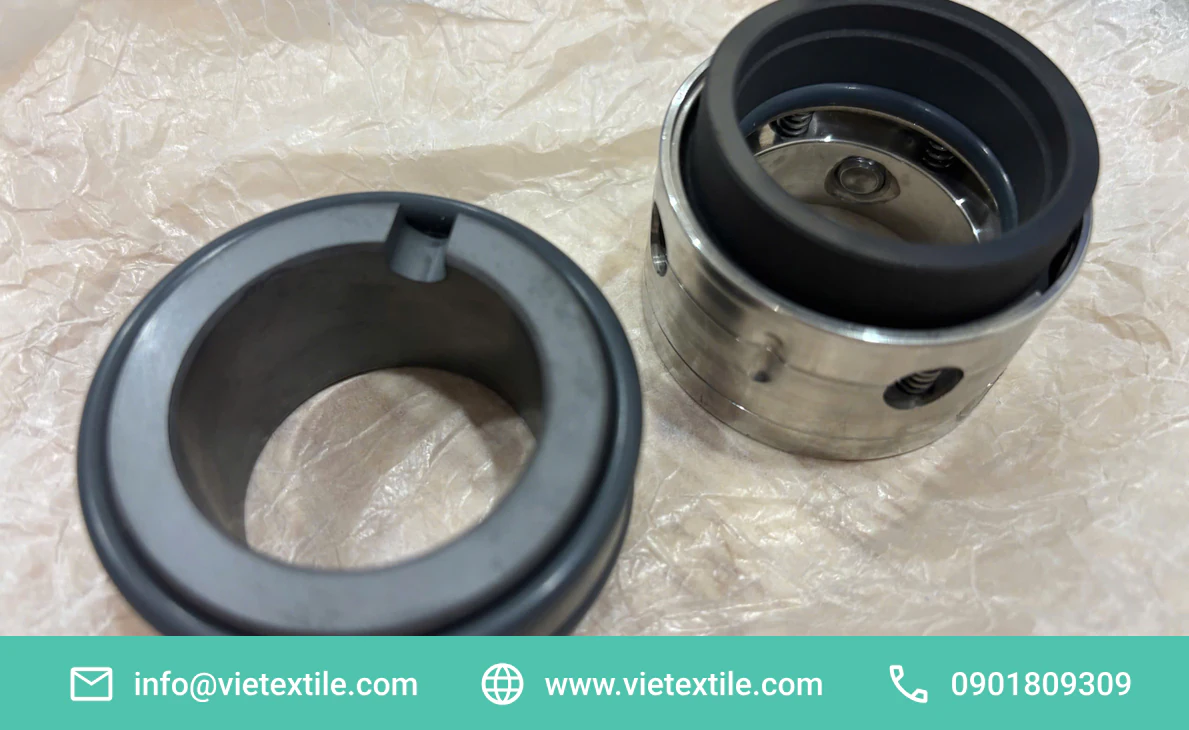
Mechanical seals are dynamic sealing devices that prevent fluid or gas leakage between two relatively moving surfaces, typically a rotating shaft and a pump casing in industrial systems. These seals can withstand pressures up to 25 bar and temperatures from -20°C to 200°C, ensuring stable operation under various harsh conditions. Understanding their mechanism and designing effective tests is crucial for performance and durability, especially in heavy industrial applications like the textile industry.
1.1 How do mechanical seals operate in harsh environments?
The sealing mechanism of industrial mechanical seals relies on creating an extremely thin fluid film between two faces: one stationary, attached to the pump casing, and one rotating with the shaft. The force between these faces, combined with the medium’s pressure, maintains continuous contact and effectively prevents leakage. This protects the production environment and optimizes operational costs.
In harsh environments like textile factories, mechanical seals face challenges such as high temperatures from dyeing processes, fluctuating pressures in chemical pumping systems, and the presence of solid particles or corrosive substances. Selecting appropriate materials for seal components is critical to withstand these conditions, ensuring stable operation and extending equipment lifespan.
1.2 Designing mechanical seal test samples: Which variables need control?
To assess the compatibility of mechanical seal applications with a system, designing controlled test samples is essential. Key variables to control include operating pressure (e.g., 2 to 15 bar), medium temperature (20°C to 150°C), shaft rotational speed (500 to 3000 rpm), and medium type (clean water, dyeing chemicals, wastewater with solids). Strict control of these factors accurately simulates real-world operating conditions.
Furthermore, the continuous operating time of the test sample is a crucial factor. Testing should simulate actual operating conditions for a sufficiently long period, such as 500 to 1000 hours, to evaluate the seal’s durability and stability. The test design must include both a control sample (current or standard seal) and new seal variants for evaluation, providing an objective basis for comparison and accurate conclusions.
| Variable | Control Sample (Current Seal) | Test Sample (New Seal) | Control Method |
|---|---|---|---|
| Pressure | 5 bar | 5 bar, 10 bar, 15 bar | Pressure regulating valve, pressure sensor |
| Medium Temperature | 80°C | 80°C, 120°C, 150°C | Heating system, temperature sensor |
| Shaft Rotational Speed | 1500 rpm | 1500 rpm, 2500 rpm | Variable frequency drive, electric motor |
| Medium Type | Wastewater with chemicals (pH 7) | Wastewater with chemicals (pH 3-11) | Actual medium, pH testing |
| Operating Time | 500 hours | 500 hours, 1000 hours | Hour meter, continuous monitoring |
1.3 How do you record and evaluate the acceptance criteria for test samples?
Recording and evaluating test sample acceptance criteria is the final step in determining the success of mechanical seal applications. Acceptance criteria must be clearly quantified, such as permissible leakage rate (not exceeding 0.1 ml/hour), seal face wear (not exceeding 0.05 mm after 1000 hours of operation), and stable operating temperature (not exceeding 10°C above medium temperature). These criteria ensure the seal meets technical requirements.
Recording methods include direct measurement of leakage using measuring cups or flow sensors, infrared temperature sensors to check seal faces, and periodic visual inspection for anomalies like noise or vibration. Systematically recording data and comparing it with control samples provides an objective view of the new seal’s performance.
Collected data requires thorough analysis to determine the relationship between test variables and seal performance. For example, if the new seal has a significantly lower leakage rate than the control sample under the same high-pressure and temperature conditions, this is a positive indicator. Conversely, if the seal face temperature rises sharply or wear exceeds limits, the seal’s design or material should be re-evaluated for optimization.
2. When should mechanical seals be replaced to mitigate operational risks?
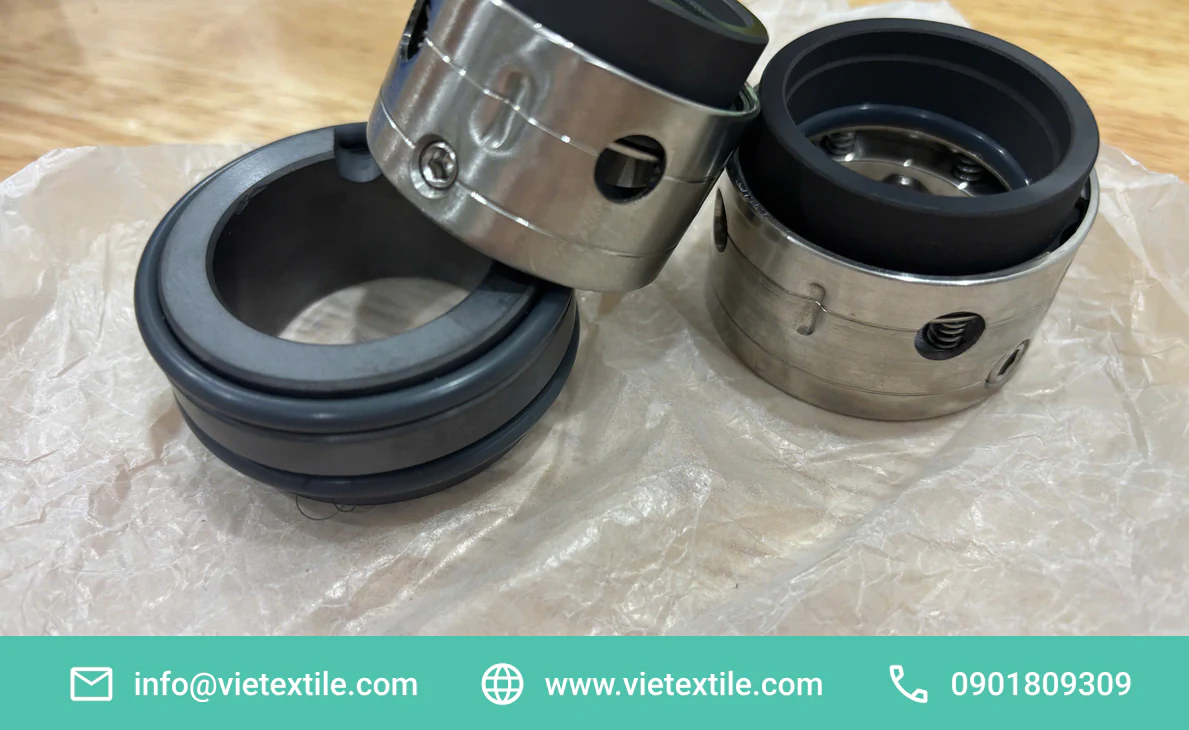
Technical directors should proactively replace mechanical seals when warning signs appear, such as abnormal fluid/gas leakage, a continuous seal face temperature increase of over 10°C above normal, unusual noise, vibration, or when the seal’s recommended lifespan is nearing its end. Timely action helps mitigate operational risks, protects industrial pump systems, and prevents unexpected disruptions.
Delaying mechanical seal replacement leads to a cascade of serious issues, impacting the entire production system. Understanding warning signs and applying timely decision-making rules is key to maintaining stable and safe operation for equipment using industrial mechanical seals in textile factories and other industries.
2.1 What signs indicate a mechanical seal is at risk?
Several early warning signs indicate that a mechanical seal is experiencing problems and requires replacement consideration. The clearest sign is abnormal fluid or gas leakage from the seal area. Leakage exceeding permissible limits, for instance, more than 0.5 ml/hour for a new seal or a sudden increase from previous stable levels, is a critical indicator that needs close monitoring.
Additionally, an increase in seal face temperature is a worrying sign. If the measured temperature is consistently more than 10°C above the medium’s normal operating temperature or exceeds the seal material’s safety threshold, this could be due to excessive friction. Strange noises, abnormal vibrations from the pump or electric motor area, and increased energy consumption by the motor also indicate that the mechanical seal is operating inefficiently, creating greater resistance during operation.
2.2 Conditional decision rules: What factors determine seal replacement?
To make an informed decision on mechanical seal replacement, technical directors should apply conditional decision rules based on risk signs and operational data. The first rule is immediate replacement upon detecting leakage exceeding permissible limits or when leakage directly impacts operational safety and the production environment.
If the seal face temperature consistently rises more than 10°C above normal for several days, plan for inspection and proactive replacement during the next maintenance cycle. For seals with a recommended lifespan (e.g., 2-3 years), schedule proactive replacement when the seal approaches this threshold, even without clear signs of failure. Analyzing historical failure data also helps predict risks and establish optimal replacement cycles for pump mechanical seals, ensuring cost-effectiveness and minimizing downtime.
| Risk Sign | Threshold/Condition | Decision Rule | Priority Level |
|---|---|---|---|
| Fluid/Gas Leakage | > 0.5 ml/hour or continuous leakage | Replace immediately | Highest |
| Increased Seal Face Temperature | Consistently > 10°C above normal | Plan proactive replacement | High |
| Unusual Noise/Vibration | Abnormal, unexplained | Inspect, replace if necessary | Medium |
| Increased Motor Energy Consumption | 5-10% increase with no clear cause | Inspect, evaluate performance | Medium |
| Recommended Lifespan Nearing End | Reached 80% of design lifespan | Plan periodic replacement | Low to Medium |
2.3 What is the potential chain of events when a mechanical seal fails?
Failure to replace mechanical seals promptly can lead to a severe chain of events, causing significant damage to the plant. First, medium leakage can damage surrounding components like pump bearings or electric motors due to chemical ingress or lubricant loss. This increases friction, causes overheating, and ultimately leads to bearing failure, resulting in much higher repair costs than simply replacing the seal.
If the seal fails completely, the pump may shut down unexpectedly, disrupting the entire production line and causing significant productivity losses. In the textile industry, leakage of dyeing chemicals or detergents can cause environmental contamination, endanger operators, and damage products. Repair costs will include replacing the seal and damaged components, along with costs from lost production, environmental remediation, and potential fines.
Therefore, proactive risk management and timely replacement of pump mechanical seals are crucial for the sustainable operation of any plant.
3. How are mechanical seal applications segmented by product, capacity, and quality requirements?
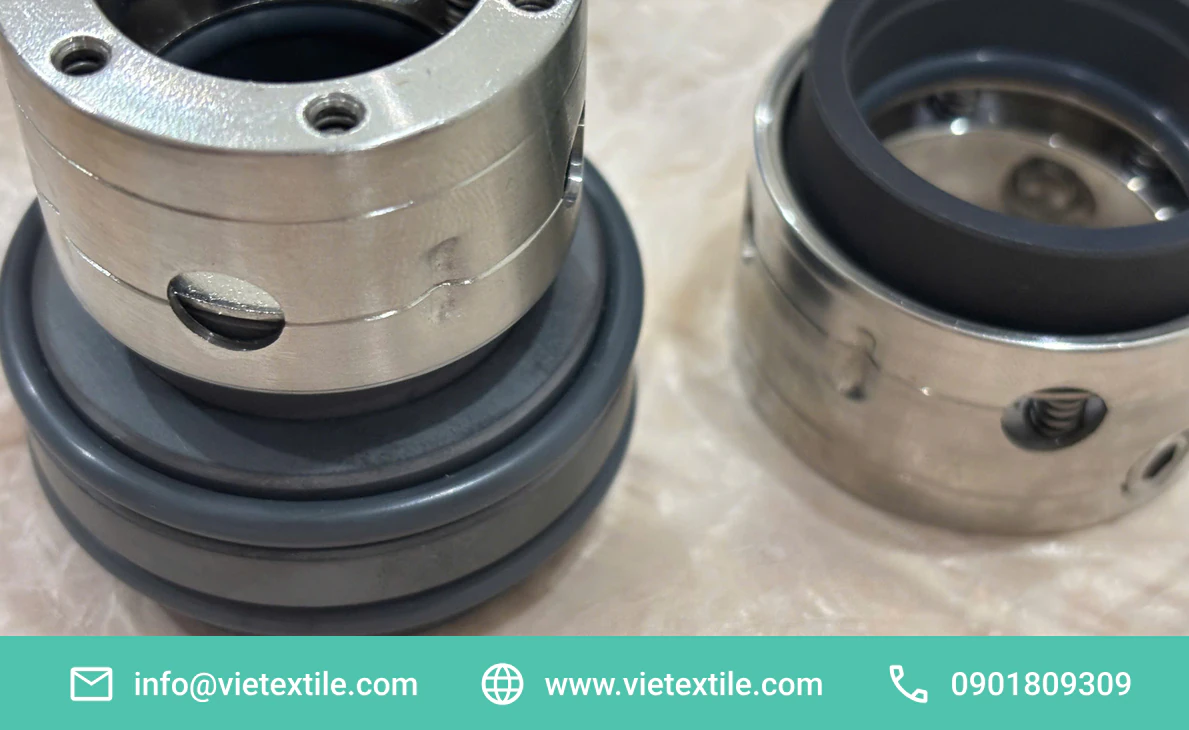
To optimize costs and performance, plant owners and procurement departments must categorize industrial mechanical seals based on textile product type, pump operating capacity, and finished product quality requirements. This classification ensures that each pump system is equipped with the most compatible mechanical seal, extending equipment lifespan and minimizing leakage incidents. Understanding these criteria is key to making accurate mechanical seal selections, which reduces maintenance costs and increases productivity.
3.1 Which mechanical seals are suitable for each textile product type?
In the textile industry, dyeing, spinning, and finishing stages have distinct environmental and media conditions, requiring specialized mechanical seals. Dyeing processes often involve corrosive chemicals and high temperatures, demanding industrial mechanical seals with superior chemical and heat resistance. For the spinning area, a dusty environment and high shaft speeds necessitate seals that resist wear and operate stably.
Conversely, fabric finishing processes use thicker media and fluctuating pressures. This demands robust mechanical seal designs capable of handling solids and pressure variations, ensuring sealing integrity and equipment longevity.
3.2 How does operating capacity affect mechanical seal selection?
Pump capacity is a critical factor when selecting pump mechanical seals. Small pumps (under 10kW) typically operate at low pressures and can use simpler, cost-effective single spring seals. Medium pumps (10-50kW) with moderate pressure and rotational speeds are often suitable for multi-spring or cartridge seals, balancing performance and investment cost.
For large pumps (over 50kW), which handle high flow rates, high pressures, and significant vibrations, double cartridge seals or metal bellows seals are necessary to ensure durability and safety. Selecting an unsuitable mechanical seal for the operating capacity can lead to premature failure and production downtime.
3.3 How do product quality requirements impact mechanical seal specifications?
Finished product quality requirements directly influence the specifications and sealing integrity of industrial mechanical seals. For high-end textile products demanding absolute cleanliness and zero leakage, seals with perfect sealing, such as double cartridge seals with a buffer fluid system, are essential. Conversely, for standard products, a very small amount of leakage might be acceptable if it does not affect quality.
In such cases, more economical options like single spring seals may be suitable. Thoroughly evaluating quality requirements helps procurement departments balance mechanical seal performance with the investment budget.
To make effective mechanical seal selection decisions, the table below provides an overview of the suitability of common seal types for specific application segments in the textile and general industries.
| Criterion | Dyeing (Chemicals, High Temperature) | Spinning (Dust, High Speed) | Finishing (Thick Media, Variable Pressure) | Small Pump (<10kW, Low Pressure) | Medium Pump (10-50kW, Moderate Pressure) | Large Pump (>50kW, High Pressure, Vibration) | High-End Products (No Leakage) | Standard Products (Minor Leakage Acceptable) |
|---|---|---|---|---|---|---|---|---|
| Single Spring Seal | Not Suitable | Moderately Suitable | Not Suitable | Highly Suitable | Moderately Suitable | Not Suitable | Not Suitable | Highly Suitable |
| Multi-Spring Seal | Moderately Suitable | Highly Suitable | Moderately Suitable | Not Suitable | Highly Suitable | Moderately Suitable | Moderately Suitable | Highly Suitable |
| Single Cartridge Seal | Highly Suitable | Highly Suitable | Highly Suitable | Moderately Suitable | Highly Suitable | Highly Suitable | Highly Suitable | Moderately Suitable |
| Double Cartridge Seal | Highly Suitable | Not Suitable | Highly Suitable | Not Suitable | Moderately Suitable | Highly Suitable | Highly Suitable | Not Suitable |
To assess the suitability of current mechanical seals, procurement departments can conduct a mini-audit. Consider these questions: Do current seals frequently leak in chemical dyeing environments? Is their lifespan on high-capacity pumps meeting expectations? Are seals replaced too often for products requiring high cleanliness? If the answer is “yes” to any of these questions, it indicates that the current seals may not be suitable for the application segment.
Re-evaluating and selecting optimal industrial mechanical seals will yield significant benefits in performance, reduced maintenance costs, and enhanced product quality throughout the plant.
Accurately assessing fluid conditions and operating parameters is a key factor in ensuring the long-term lifespan and performance of mechanical seals, avoiding risks arising from incorrect material selection.
4. How to build mechanical seal use cases with input conditions and success criteria?
To ensure operational efficiency and equipment longevity, plant owners need to develop mechanical seal applications use cases. This involves clearly defining input conditions such as media type, temperature, pressure, and rotational speed. Subsequently, specific success criteria for lifespan, leakage rate, and maintenance frequency are established to evaluate performance. This process not only aids in accurate purchasing decisions but also provides a basis for monitoring and improving pump mechanical seals performance. A well-defined use case is a valuable tool for both engineering and procurement departments, ensuring effective equipment management and risk reduction.
4.1 What input conditions should be considered when building mechanical seal use cases?
When building mechanical seal applications use cases, identifying input conditions is paramount. These factors include the media type (e.g., clean water, corrosive chemicals, textile dyeing sludge), actual operating temperature, system pressure, and pump shaft rotational speed. Additionally, continuous operating time per day and the surrounding working environment (corrosive or abrasive conditions) must be considered.
Each input factor directly influences the mechanical seal’s material and design. For example, pumping high-temperature cleaning chemicals requires seals with special chemical and heat resistance. Overlooking any condition can lead to selecting an unsuitable seal, causing premature failure and costly repairs for the plant.
4.2 How to define clear success criteria for each use case?
Defining clear success criteria is an indispensable step for evaluating mechanical seal performance. These criteria must be quantifiable and measurable, such as “no leakage for 24 hours/day,” “seal lifespan of at least 2 years,” “no maintenance required for 6 consecutive months,” or “pump efficiency reduction not exceeding 3%.”
Setting these specific goals provides plant owners and engineering departments with an objective measure to compare different mechanical seal types. It also forms the basis for developing ‘what-if’ scenarios. For instance, “What if the temperature suddenly increases by 20°C?” – would the seal still meet the success criteria for sealing integrity and lifespan?
These ‘what-if’ scenarios help assess the mechanical seal’s resilience under harsh or abnormal operating conditions. They allow the plant to anticipate and better prepare for unexpected situations, thereby minimizing risks and repair costs. If the current industrial mechanical seals cannot withstand sudden temperature increases, considering a type with better heat-resistant materials is necessary to ensure continuous operation.
4.3 How does a decision tree help select seals for complex use cases?
In complex use cases, employing a decision tree is an effective method for selecting appropriate mechanical seal applications. The decision tree starts with primary input conditions, then branches out based on specific criteria and requirements. For example, the first branch might be “Media Type,” followed by “Temperature,” “Pressure,” and finally “Lifespan Requirement.”
Each branch of the decision tree leads to a recommended seal type or seal material. This systematizes the selection process, ensuring no critical factors are overlooked. For instance, a decision tree for a textile wastewater pump scenario would lead to a seal with abrasive-resistant faces and chemical-resistant O-rings, optimized for harsh environments.
Consider a scenario involving pumping textile wastewater containing corrosive chemicals, at 80°C, 5 bar pressure, and a 2-year lifespan requirement. According to the decision tree, the first step is to identify the media (wastewater + corrosive chemicals) => requiring chemical-resistant materials. Next, 80°C temperature => requiring high-temperature resistant materials.
5 bar pressure and a 2-year lifespan requirement => necessitating a robust mechanical seal design, possibly a single or double cartridge seal with Silicon Carbide/Silicon Carbide (SiC/SiC) faces and Viton or EPDM O-rings. Applying a decision tree helps make informed choices, minimizes errors, and optimizes investment costs for industrial mechanical seals in the plant.
5. How do you assess the suitability of mechanical seal materials and process characteristics?
Assessing the suitability of mechanical seal materials for specific media and operating conditions is crucial for achieving optimal pump system performance and longevity. Technical directors and maintenance departments must carefully consider the chemical resistance, temperature, pressure, and abrasion resistance of seal components. Proper material selection significantly extends the lifespan of industrial mechanical seals, reducing failure risks and maintenance costs.
Neglecting this assessment can lead to severe consequences, including chemical leaks, premature equipment failure, unscheduled downtime, and increased operational expenses. Therefore, a systematic approach is essential for analyzing and selecting the most appropriate pump mechanical seals. This balances initial costs with the long-term total cost of ownership.
5.1 Which mechanical seal materials are suitable for corrosive chemicals in textile dyeing?
The textile dyeing industry often involves harsh operating environments with corrosive chemicals such as acids, alkalis, bleaches, and solvents, frequently at high temperatures and pressures. Common mechanical seal face materials include Carbon, Ceramic, Silicon Carbide (SiC), and Tungsten Carbide (TC). For O-rings and secondary seals, Viton (FKM), EPDM, and PTFE are primary choices.
Silicon Carbide (SiC) and Tungsten Carbide (TC) are preferred seal face materials for mechanical seal applications in highly corrosive and abrasive chemical environments. SiC offers superior hardness and excellent chemical resistance across various acids and alkalis. TC provides high mechanical strength and outstanding abrasion resistance, particularly effective when the media contains solid particles. Carbon is often used as a mating material for SiC or TC due to its good self-lubricating properties.
For O-rings, Viton (FKM) is suitable for strong chemicals and high temperatures but performs poorly with hot water and steam. EPDM is ideal for hot water, steam, and many alkalis but is incompatible with mineral oils and solvents. PTFE (Teflon) offers the most universal chemical resistance over a wide temperature range, though it has lower elasticity and tends to deform under continuous pressure.
5.2 How do the structure and processing characteristics of the media affect seal lifespan?
The physical structure and characteristics of the media directly impact the lifespan and performance of industrial mechanical seals. High-viscosity media or those containing solid particles, such as textile dyeing sludge or wastewater with fabric fibers, cause rapid wear on the seal faces. These particles can become trapped in the seal gap, damaging the faces or hindering spring operation, leading to mechanical seal leakage.
Media temperature and pressure are also critical. Excessively high temperatures can degrade O-ring materials, reducing elasticity and causing leaks. Continuously fluctuating or excessively high pressure can lead to cracking or deformation of seal components. The media’s pH determines the chemical corrosion potential of the seal materials, requiring materials with appropriate acid or alkali resistance to maintain the integrity of pump mechanical seals.
For instance, post-printing nylon fabric treatment often uses strong cleaning chemicals and high temperatures, which can quickly degrade conventional seal materials. In such cases, materials like SiC/SiC for seal faces and Viton or PTFE for O-rings should be considered to ensure seal longevity. Ignoring these characteristics increases the risk of premature failure and unexpected maintenance costs.
5.3 How do you calculate material suitability to avoid premature failure risks?
To quantify the suitability of mechanical seal materials, technical directors can use a Material Compatibility Index (MCI). This index evaluates the seal material’s resistance to factors like temperature, chemical concentration, and exposure time. A simple formula could be: MCI = (Temperature Resistance * Chemical Resistance * Abrasion Resistance) / Failure Risk Factor.
Temperature and chemical resistance are typically rated on a scale from 1 (poor) to 5 (excellent), based on material manufacturer data or industry standards. Abrasion resistance can be based on material hardness and the level of solid particles in the media. The failure risk factor is calculated based on anticipated replacement frequency and repair costs.
The goal is to select mechanical seal materials with the highest MCI for specific operating conditions, optimizing the durability of industrial mechanical seals.
The table below illustrates how to assess the compatibility of common seal materials with typical media conditions in the textile industry. Technical directors should input actual values based on their plant’s media and operating conditions to gain an accurate view of the suitability of current or potential mechanical seal materials. This will inform effective procurement and maintenance decisions.
| Seal Material | Acidic Media (pH 2-4) | Alkaline Media (pH 10-12) | Hot Water/Steam (80-120°C) | Abrasive Media with Solids | Overall Rating (Example) |
|---|---|---|---|---|---|
| Carbon (Seal Face) | Medium | Good | Good | Poor | 3.0 |
| Ceramic (Seal Face) | Good | Medium | Good | Poor | 3.5 |
| Silicon Carbide (SiC) | Excellent | Excellent | Excellent | Good | 4.5 |
| Tungsten Carbide (TC) | Good | Good | Good | Excellent | 4.2 |
| Viton (FKM) (O-ring) | Excellent | Good | Poor | Not Applicable | 3.8 |
| EPDM (O-ring) | Poor | Excellent | Excellent | Not Applicable | 3.5 |
| PTFE (Teflon) (O-ring) | Excellent | Excellent | Excellent | Not Applicable | 4.8 |
While the table is a useful quick assessment tool, the final decision should be based on a detailed analysis of specific operating conditions and actual plant data. Sometimes, a trade-off between initial material cost and seal lifespan must be considered. Higher-grade mechanical seal materials may have a greater upfront cost but can significantly reduce maintenance expenses and downtime risks in the long run, leading to a lower total cost of ownership (TCO) for pump mechanical seals.
Inadequate assessment can lead to selecting less durable materials, causing leaks, equipment damage, environmental contamination, and affecting product quality. Technical directors should prioritize the reliability and longevity of mechanical seal applications. This is especially critical in high-purity applications or when handling hazardous chemicals, where mechanical seal failures can result in significant damage.
<n
6. How do you translate operational needs into mechanical seal specifications?
Translating operational needs into precise mechanical seal specifications is an indispensable step to ensure the efficiency and reliability of pumping systems. The purchasing department must collaborate closely with technical directors and operations to gather data on media type, temperature, pressure, rotational speed, and lifespan requirements. This information is then cross-referenced with various mechanical seal materials and configurations.
This process ensures that the selected industrial mechanical seals are best suited for the application, optimizing pump performance and minimizing operational risks. Inaccurate specifications can lead to inefficient operation, leaks, premature failure, and unnecessary costs for pump mechanical seals. Therefore, a clear understanding of technical factors is vital to avoid these errors.
6.1 Which operational needs should be translated into technical specifications?
Core operational needs that must be translated into technical specifications include the media type (e.g., clean water, wastewater, acids, alkalis, solvents, sludge, cleaning chemicals), maximum and minimum operating temperatures, operating pressure (bar or psi), pump shaft rotational speed (RPM), and continuous daily operating hours. Additionally, requirements for durability, corrosion/abrasion resistance, and permissible leakage rates must be clearly defined.
For example, a pump handling textile dyeing wastewater might need to operate continuously 24/7 with abrasive solid-laden media, corrosive chemicals (pH 12), and temperatures up to 90°C. Durability requirements might include a minimum seal lifespan of 2 years and near-zero leakage. This information forms a solid basis for determining detailed mechanical seal specifications, ensuring effective operation under harsh conditions.
Maintenance needs are also a crucial factor. If a plant aims to minimize maintenance, selecting cartridge mechanical seals for easy installation and replacement, or opting for ultra-durable materials, is advisable. The system’s automation level also plays a role; for instance, an automated monitoring system might require seals capable of tolerating minor fluctuations without triggering false alarms, contributing to optimal pump mechanical seals selection.
6.2 What factors influence the determination of mechanical seal specifications?
Determining mechanical seal specifications is influenced by numerous technical and environmental factors. The pump shaft diameter is the most basic parameter, dictating the seal’s size. The media type and operating temperature will determine the seal face materials (e.g., SiC/SiC, Carbon/Ceramic) and O-ring materials (Viton, EPDM, PTFE) to ensure chemical compatibility and heat resistance of industrial mechanical seals.
Operating pressure affects the seal design (e.g., unbalanced, balanced seals) and spring type (single spring, multiple springs). Shaft rotational speed impacts wear and heat generation at the seal faces, requiring materials with high friction resistance. The working environment (corrosive, abrasive, vibrating) is also critical, potentially necessitating special materials or heavy-duty designs to extend the lifespan of pump mechanical seals.
Furthermore, the available installation space within the pump is a practical consideration. Some cartridge seal types may not fit in confined spaces. Finally, budget and desired seal lifespan are economic factors influencing the choice between different materials and designs, balancing initial cost with long-term total cost of ownership for mechanical seal applications.
6.3 How does the process of converting needs into mechanical seal specifications work?
The process of converting operational needs into mechanical seal specifications begins with comprehensive data collection from operations and engineering departments. The purchasing department then conducts a “process walkthrough” to trace the media flow and operating conditions at each installation point. This helps visualize the challenges that industrial mechanical seals will face during operation.
The next step is to build a “cause-map” to link potential operational issues with unsuitable seal parameters. For example, if the media has a high pH and a temperature of 90°C, a mechanical seal with an EPDM O-ring might fail quickly. This map helps identify key technical specifications to prioritize for effective pump mechanical seals selection.
Finally, based on these analyses, the purchasing department defines specific mechanical seal specifications, including shaft diameter, seal face material type, O-ring material, spring material, design pressure, maximum operating temperature, and design type (e.g., single spring, multiple spring, cartridge seal). The table below illustrates an example of this conversion, making it easy for plants to apply.
| Operational Need | Mechanical Seal Specification | Explanation |
|---|---|---|
| Pumping cleaning chemicals (pH 12) | O-ring Material: Viton or PTFE | Ensures resistance to strong alkalis and cleaning chemicals. EPDM may also be considered depending on concentration and temperature. |
| Temperature 90°C | Seal Face Material: SiC/SiC; O-ring Material: Viton/PTFE | SiC has high thermal durability. Viton/PTFE withstands heat better than EPDM at this temperature, extending seal life. |
| Pressure 7 bar | Seal Design: Balanced or Cartridge Seal | Balanced seals reduce load on seal faces, increasing lifespan at high pressures. Cartridge seals are easy to install and maintain. |
| Abrasive media with particles | Seal Face Material: Tungsten Carbide (TC) or Silicon Carbide (SiC) | TC and SiC have high hardness, better abrasion resistance than Carbon/Ceramic, suitable for harsh environments. |
| 2-year lifespan requirement | Spring Material: Hastelloy C (corrosion-resistant); Seal Design: Robust | Hastelloy C resists chemical corrosion, extending spring life. Choose a robust seal design for harsh operating conditions. |
Applying this process helps the purchasing department communicate effectively with suppliers, ensuring that ordered mechanical seals precisely meet plant requirements. This not only optimizes performance but is also a crucial step in automating spare parts procurement, minimizing errors, and enhancing the reliability of pumping systems, especially for pump mechanical seals.
Another specific example: if a plant needs to pump water containing small fabric fibers at 70°C and 4 bar pressure, the specifications might be: single spring mechanical seal, SiC/Carbon seal faces, EPDM O-ring, stainless steel spring. This combination provides good abrasion resistance from SiC, hot water resistance from EPDM, and reasonable cost, suitable for mechanical seal applications in textile environments.
7. Frequently asked questions
How do I know if the current mechanical seal is compatible with the system?
To assess compatibility, it’s necessary to check operating parameters such as temperature, pressure, fluid type, and shaft rotational speed. A compatible seal will not leak, overheat, or produce strange noises under stable operating conditions.
What signs indicate that a mechanical seal needs immediate replacement to avoid risks?
Warning signs include abnormal liquid or gas leakage, a continuous increase in seal surface temperature by more than 10°C above normal, unusual noises from the seal area, abnormal vibrations, or a decrease in pump performance. When these signs are detected, immediate replacement is necessary to prevent more severe damage.
Which mechanical seal is the best choice for textile dyeing wastewater pumps with corrosive chemicals?
For textile dyeing wastewater pumps containing corrosive chemicals, mechanical seals with Silicon Carbide (SiC) faces combined with Viton or EPDM O-rings are often the optimal choice. These materials ensure high chemical corrosion resistance and good mechanical durability, extending seal life in harsh environments.
What information do I need to provide to a supplier for appropriate mechanical seal selection?
To ensure accurate advice from a supplier regarding mechanical seal applications, you need to provide comprehensive information about the fluid type (including chemical concentration), maximum and minimum operating temperatures, operating pressure, shaft rotational speed, pump shaft diameter, and continuous operating duration.
Are you looking for optimal mechanical seal solutions for your textile factory’s pump systems? Contact us for expert advice on materials and design, ensuring the performance and durability of your equipment.