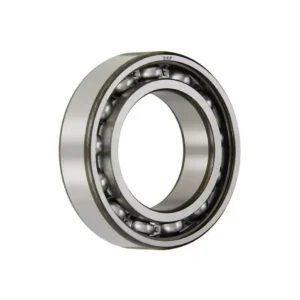



Small batch textile washing in HCMC is a solution for processing fabrics or garments in volumes under 500kg per batch, ideal for samples or special orders. This application helps small garment factories and startups optimize production costs, ensuring product quality and colorfastness.
Small batch textile washing in Ho Chi Minh City (HCMC) is a service for processing small volumes of fabric or garments, typically under 500kg per batch, catering to sample orders, pilot products, or specialized product lines. The demand for low volume fabric wash is steadily increasing, especially among small garment factories, fashion startups, and independent designers in HCMC.
Finding a reliable washing partner not only helps these businesses save on machinery investment costs but also ensures consistent product quality. However, to choose the right service, it’s crucial to understand the technical factors, processes, and criteria for evaluating effectiveness.
This article will delve into 6 practical applications of small batch textile washing services, analyzing aspects of materials, capacity, and quality requirements to help you make an optimal decision.
- Small batch textile washing typically applies to batches under 500kg, suitable for small garment factories and startups.
- When undertaking small batch textile washing, it’s essential to weigh the trade-off between cost and quality, especially for premium or export products.
- Designing wash test samples requires clear identification of independent variables (chemicals, temperature) and dependent variables (colorfastness, shrinkage) to ensure material compatibility.
- Applying decision rules, such as reducing water temperature and selecting shorter cycles, can help optimize energy consumption by up to 20% during low-load washing.
- Enzyme washing is an effective choice for cotton fabrics when aiming for softening or a subtle vintage effect, with success criteria including desired softness and colorfastness.
- 1. What is small batch textile washing in Ho Chi Minh City, and how can process compatibility be verified?
- 2. When should trade-offs between cost and quality be accepted for small batch textile washing services?
- 3. How can small batch textile washing test samples be designed to ensure material compatibility?
- 4. What decision-making rules help operators optimize energy during small batch textile washing?
- 5. Which small batch textile washing segments offer optimal cost-efficiency for different products?
- 6. When should enzyme wash be applied to cotton fabric, and what are the criteria for success?
- 7. Frequently asked questions
1. What is small batch textile washing in Ho Chi Minh City, and how can process compatibility be verified?
Small batch textile washing services in Ho Chi Minh City (HCMC) are crucial for the textile and garment industry, especially for small workshops, fashion startups, and independent designers. This service processes small volumes of fabric or garments, typically under 500kg per lot, for samples, trial orders, or specialized products. Verifying process compatibility from the outset is essential not only for ensuring product quality but also for optimizing energy efficiency, preventing resource waste, and controlling operational costs.
1.1 What is small batch washing in the textile industry?
Small batch washing in the textile industry is a specialized service focusing on processing small-scale lots, significantly different from mass production. This demand arises from independent designers, fashion startups, small garment factories, or larger companies needing to process test samples and special products.
The primary goal of this low volume fabric wash service is to achieve the desired wash effect on each product, ensuring quality and consistency despite the small quantity, while also controlling energy consumption.
Common wash types include soft wash, enzyme wash, faded wash, distressed wash, and special effect washes. Each type requires specific processes, chemicals, and equipment, directly impacting the final result and energy consumption. In HCMC, the demand for small batch textile washing is growing due to the evolving fashion industry and diverse product requirements, necessitating optimized textile washing solutions focused on operational efficiency.
1.2 Framework for verifying wash process compatibility to optimize energy
To assess compatibility between washing equipment and fabric types, operators need to consider a comprehensive testing framework. This framework includes equipment, materials, control software, electrical and mechanical systems, and operational procedures. This compatibility is crucial not only for the final product quality but also for the energy efficiency of the entire washing process.
An incompatible system can lead to fabric damage, undesirable wash results, or increased operational costs for HCMC washing services due to energy waste.
For example, a washing machine with an electric motor unsuitable for the load or fabric type will consume more energy than necessary. Similarly, control software lacking specialized wash cycles for delicate materials can cause errors and damage products, extending processing time and increasing electricity costs. Thorough evaluation of each component helps optimize equipment performance and lifespan while minimizing production risks, which is especially important when performing sample washes and needing to control energy costs.
1.3 Process compatibility factors directly impacting energy efficiency
Key washing process factors directly affecting energy efficiency include water temperature, wash time, type of chemicals used, and machine load. High water temperatures require more energy for heating, while excessively long wash times also increase the power consumption of electric motors and drying systems. Choosing unsuitable washing chemicals can prolong cycles or require higher temperatures to achieve effectiveness, impacting the operational costs of HCMC washing services.
The compatibility among these factors is a decisive element for achieving optimal energy efficiency.
Machine load is also a critical factor; a washing machine operating at its optimal load will consume energy more efficiently. Conversely, overloading or underloading leads to energy waste. Optimizing these factors not only helps reduce operational costs but also contributes to environmental protection, posing a significant challenge for operators in the textile industry when optimizing textile washing. Specifically, using Variable Frequency Drives (VFDs) for electric motors can adjust rotation speed according to the load, leading to significant electricity savings, serving as a prime example of optimizing equipment compatibility.
| Process Factor | Description | Energy Impact | Compatibility Criteria for Energy Optimization |
|---|---|---|---|
| Washing Equipment | Machine type (horizontal, vertical drum), capacity, maintenance status. | Old, poorly maintained machines consume 15-20% more electricity and water than new, regularly serviced machines. | Suitable for batch volume (<500kg), has energy-saving modes, inverter technology for electric motors. |
| Fabric Material | Composition (cotton, polyester, silk), thickness, sensitivity to heat and chemicals. | Sensitive fabrics require low temperatures, short cycles, reducing energy by 10% compared to fabrics needing aggressive treatment. | Fabric’s heat and chemical resistance must match machine settings, avoiding excessively long cycles or high temperatures. |
| Control Software | Pre-set wash programs, cycle customization capability. | Optimized software reduces wash time and energy by 5-10% through precise control. | Has specialized cycles for small batch washing, easily customizable parameters (temperature, time, spin speed) for each fabric type. |
| Electrical System | Voltage, electric motor power, Variable Frequency Drive (VFD). | VFDs save 20-30% electricity compared to traditional electric motors due to flexible speed adjustment. | Electric motor and electrical system match machine power requirements, integrated with VFD for load control. |
| Mechanical System | Shaft, bearings, water pump, heating system. | Clogged water pumps, worn bearings increase electric motor power by 10% due to friction and poor efficiency. | Mechanical components operate smoothly, no leaks, reduced friction, ensuring efficient transmission. |
| Operating Procedure | Load, temperature, chemicals, wash time. | Optimizing procedures can reduce water and electricity consumption by 20-25% through rational parameter adjustment. | Standardized procedures, with output quality control, ensuring appropriate machine load and efficient chemical use. |

2. When should trade-offs between cost and quality be accepted for small batch textile washing services?
After understanding small batch textile washing services and how to verify process compatibility, factory owners face a critical strategic decision: when to accept trade-offs between cost and quality.
This decision impacts not only immediate profits but also long-term brand reputation and competitiveness in the textile market.
2.1 Identifying situations for accepting wash cost trade-offs
In a competitive textile manufacturing environment, there are several situations where factory owners must carefully consider cost-quality trade-offs for small batch textile washing services. A typical case is when performing wash sample testing for potential clients or for internal research and development purposes.
The main goal here is to test basic wash effects, shrinkage, and material compatibility with chemicals, not necessarily to achieve perfect quality like the final product. Therefore, using lower-cost chemicals or wash cycles to save R&D budget is acceptable, provided the test results remain reliable and informative for the intended purpose.
Another situation to consider is when producing “fast fashion” items or products with short lifecycles, where speed to market and low cost are often top priorities. With rapidly changing market conditions, reducing custom textile finishing costs can help keep product prices competitive, even if the wash quality is merely acceptable rather than premium. This is particularly relevant for low volume fabric wash services in Ho Chi Minh City (HCMC), where small garment factories and fashion startups often seek flexible solutions to meet market demands efficiently.
2.2 Assessing the comprehensive impact of cost trade-offs on product quality
To make informed cost trade-off decisions, factory owners should apply a Total Cost of Ownership (TCO) framework rather than focusing solely on the direct cost of the washing service. For example, if a garment factory chooses the lowest-priced small batch textile washing service, they might save some initial costs. However, if the wash quality is unsatisfactory, products could be damaged, leading to increased defect rates, rework costs, or even compensation to customers. These hidden costs, including damage to brand reputation and customer loss, can far exceed the initial savings.
A common real-world example is washing denim fabric with cheap bleaching chemicals or an uncontrolled process. This can result in uneven fading, noticeable stains, or, more severely, tears due to chemical corrosion of the fabric fibers. Another instance might involve a delicate silk blend losing its intended drape and softness due to an aggressive wash cycle chosen for its lower cost. These incidents not only waste materials and time but also directly affect revenue and the ability to renew contracts with partners when optimizing custom textile finishing.
Therefore, the assessment should include quality risks, rework costs, compensation costs, and the long-term impact on the brand when needing a low volume fabric wash.
2.3 Other strategic factors influencing trade-off decisions
Beyond direct costs and product quality, several other strategic factors significantly influence wash cost trade-off decisions. The first factor is the specific requirements of the target market. If the product targets the high-end segment, wash quality is a top priority, and cutting small batch textile washing costs may not be acceptable, as it could compromise the premium appeal.
Conversely, if the target market is mass-market or disposable products, cost flexibility may be higher, especially for custom textile finishing services. The second factor is production and delivery time. In some urgent cases, to meet tight delivery deadlines, factory owners may have to accept higher washing costs to ensure quality and speed, prioritizing time-to-market over minimal expense. The third factor is the relationship and collaboration capability with the washing service provider in HCMC.
A reputable partner can offer cost-optimized solutions that still ensure acceptable quality, while also advising on potential risks, helping to minimize losses for factory owners when small batch textile washing is required.
| Trade-off Scenario | Primary Goal | Wash Cost | Product Quality | Potential Risks | Potential Benefits |
|---|---|---|---|---|---|
| Sample Washing | Test effects, material compatibility | Low (priority on savings) | Medium (minor deviations acceptable) | Desired effect not achieved, re-washing needed. | Save R&D budget, accelerate testing process. |
| Fast Fashion Products | Competitive pricing, speed to market | Medium to Low | Medium (basic assurance) | Short product lifespan, negative customer feedback. | Increase profit margins, respond quickly to trends. |
| Premium/Export Products | Perfect quality, brand reputation | High (priority on quality) | High (no errors accepted) | High production costs, reduced price competitiveness. | Maintain reputation, high selling price, fewer returns. |
| Special Requirement Products (Ex: Vintage) | Achieve unique aesthetic effects | Medium to High (depending on complexity) | High (precise effect required) | Difficult to achieve desired effect, material waste. | Create unique products, high added value. |
3. How can small batch textile washing test samples be designed to ensure material compatibility?
To ensure material compatibility for small batch textile washing, technical managers must approach test sample design strategically. This involves not only controlling variables but also establishing a comprehensive risk assessment process, identifying potential failure scenarios, and developing mitigation plans. The goal is to optimize the textile washing process from the testing phase, avoiding wasted materials and production time.
Scientific wash test design helps small garment factories, fashion startups, and independent designers in Ho Chi Minh City (HCMC) minimize risks during mass production. A structured testing process, focused on risk analysis, allows for predicting material behavior under various washing factors. This enables formula adjustments, which is a crucial step to ensure the quality and efficiency of the sample washing process.
3.1 What risks need to be assessed when designing wash tests for new materials?
When designing small batch textile washing tests for new materials or unproven wash formulas, technical managers must prioritize assessing potential risks. Key risks include material damage (tearing, fraying, deformation), undesirable color fading or shifting, excessive shrinkage, and changes in hand-feel that reduce product value. Early identification of these risks helps in developing a focused and effective testing plan.
Each material type has unique characteristics, leading to different risk mechanisms. For example, knitted fabrics have a higher shrinkage risk than woven fabrics, while reactive-dyed fabrics may be sensitive to strong detergents. Analyzing fiber composition, fabric structure, and dye type is the first step to predict and prepare for specific material risks. This is especially important for small batch textile washing, where each error can result in significant losses.
To mitigate risks, technical managers should establish a risk matrix, evaluating the likelihood and impact of each risk type. Preventive measures may include selecting milder wash chemicals, adjusting wash temperature and time, or using fiber-protective auxiliaries. This helps optimize the textile washing process, ensuring the final product meets desired quality standards.
3.2 What is the process for developing test scenarios and risk assessment criteria?
The process for developing test scenarios must include identifying independent variables (chemicals, temperature, time) and dependent variables (colorfastness, shrinkage, hand-feel, tensile strength). However, the technical manager’s focus should be on creating diverse test scenarios that simulate real-world and “stress” washing conditions. This includes testing at the upper and lower limits of process parameters to determine material thresholds, which is essential for small batch textile washing services in HCMC.
Risk assessment criteria must be clearly defined, based not only on product quality requirements but also on the company’s risk tolerance. For instance, for a premium product, colorfastness and hand-feel criteria will be very strict, while a standard product may have a wider acceptable margin. These criteria must be quantified, e.g., “shrinkage not exceeding 2%” or “color fading not exceeding level 4 on the AATCC gray scale.”
To develop scenarios, technical managers can apply a simplified Design of Experiments (DOE) method. For example, create a test matrix with different combinations of temperature (low, medium, high) and chemical concentration (low, medium, high). Each combination will represent a wash scenario. The results from these scenarios will provide valuable data on material behavior under extreme conditions, helping to make optimal decisions for small batch textile washing in HCMC.
3.3 How is data analyzed to make risk mitigation and process optimization decisions?
Data analysis from small batch textile washing tests should focus on identifying relationships between independent variables and assessed risks. Technical managers should use comparative charts (e.g., bar charts, line graphs) to visualize the impact of each wash parameter on quality indicators (colorfastness, shrinkage, hand-feel). This helps quickly identify the highest risk factors, especially when performing low volume fabric wash.
To make risk mitigation decisions, it is crucial to analyze the root cause of any negative test results. For example, if fabric shrinks excessively at high temperatures, the solution might be to reduce the temperature or find chemicals effective at lower temperatures. This analysis goes beyond changing a single variable, considering the interaction between multiple factors to ensure a comprehensive solution for textile wash optimization.
Optimizing the small batch textile washing process requires balancing effectiveness (achieving desired effects) and risk mitigation. Technical managers can use test data to develop “safe wash formulas” for specific material types, including permissible ranges for chemicals, temperature, and time. This creates a set of standard operating procedures, helping small garment factories and fashion startups confidently perform sample washing and low volume fabric wash in HCMC.
| Potential Risk | Manifestation | Test Scenario | Assessment Criteria | Mitigation Solution |
|---|---|---|---|---|
| Material Damage | Tearing, fraying, deformation | Washing with strong chemicals, long duration, high temperature | Tensile strength test, visual inspection | Reduce chemical concentration, shorten duration, lower temperature |
| Color Fading/Shifting | Color change, unevenness | Washing with bleaching chemicals, high temperature, mixing fabrics | Colorfastness measurement (AATCC gray scale), comparison with control sample | Use color protectants, wash separately, reduce temperature |
| Excessive Shrinkage | Significant dimensional change | Washing at high temperature, strong drying | Measure dimensions before/after wash (length/width) | Control wash/dry temperature, use anti-shrink agents |
| Hand-feel Change | Fabric rough, stiff, loss of softness | Washing with stiffening chemicals, no softener | Sensory evaluation, fabric softness measurement | Use appropriate softener, adjust pH |
| Environmental/Safety Issues | Toxic discharge, hazardous chemical exposure | Using environmentally unfriendly chemicals, lack of PPE | Check wastewater pH, comply with safety regulations | Choose bio-based chemicals, safety training, provide PPE |
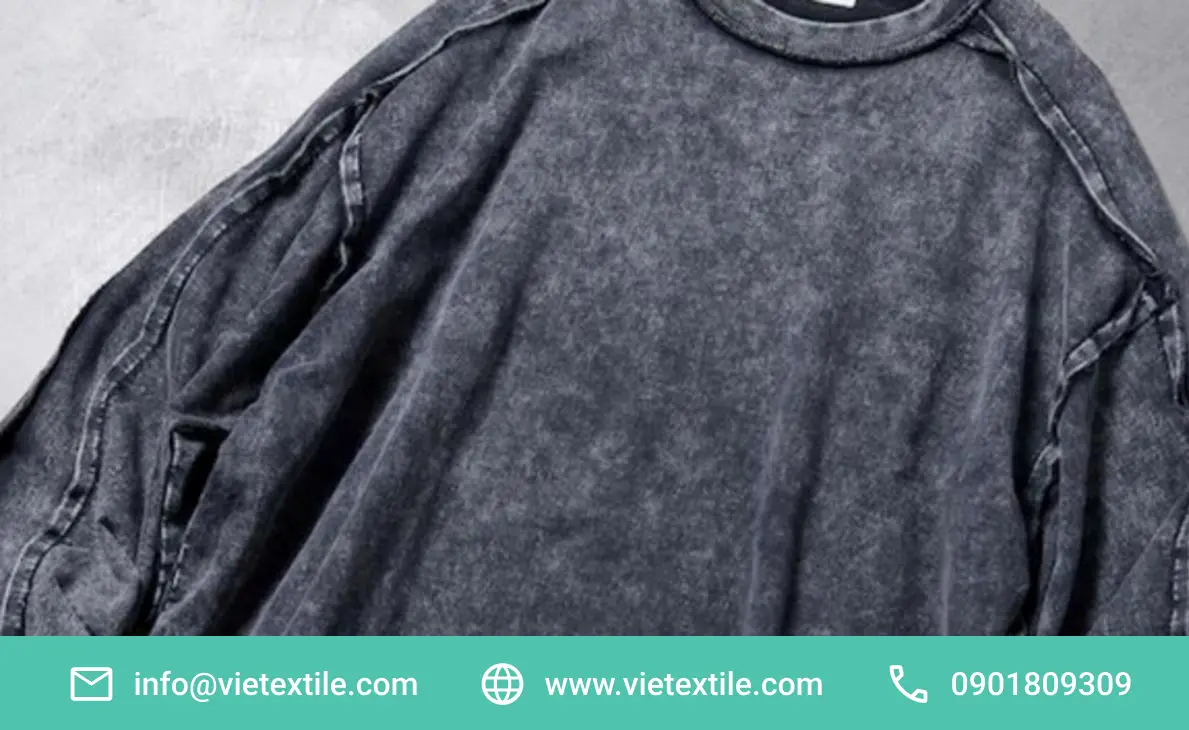
To optimize the effectiveness of small batch textile washing, a balance is needed between technical requirements and equipment capabilities, particularly in controlling energy and chemical parameters.
4. What decision-making rules help operators optimize energy during small batch textile washing?
Operators can optimize energy during small batch textile washing by applying conditional decision-making rules. Prioritizing shorter wash cycles and lower temperatures for delicate fabrics or low machine loads significantly reduces electricity and water consumption, while ensuring product quality for custom textile finishing services in HCMC.
Energy optimization in the small batch textile washing process not only reduces operating costs but also contributes to the factory’s sustainability goals. Operators play a crucial role in making small adjustments that yield significant results. By adhering to specific decision-making rules, they can avoid energy waste without compromising the quality of low volume fabric wash.
Energy efficiency in washing is a critical competitive factor, especially amidst fluctuating energy prices. The following rules provide operators with a clear framework for making informed decisions. This helps maximize the performance of washing equipment and minimize environmental impact, contributing to overall textile wash optimization.
4.1 What should operators check before washing to save energy?
Before starting a wash cycle, operators must check the machine load to ensure it is neither overloaded nor underloaded. If the load is too low for the machine’s capacity, consider combining compatible wash batches or adjusting to a shorter, less water-intensive cycle. An ideal machine load optimizes energy usage per kilogram of product during small batch textile washing in HCMC.
Checking the initial water temperature is crucial; using hotter water than necessary is a primary cause of energy waste. If the fabric type and chemicals allow, prioritize washing at lower temperatures or even cold water. For example, basic cotton fabrics or those not requiring special effects can often be washed effectively at low temperatures, saving heating energy for custom textile finishing services in HCMC.
The wash liquor ratio (water-to-fabric ratio) also requires careful consideration. Using too much water not only wastes resources but also increases the energy needed for heating and rinsing. Operators should adhere to recommended ratios for each fabric type and wash formula to achieve maximum efficiency with minimal water and energy, especially when performing on-demand garment washing.
Finally, setting the appropriate wash cycle is essential for textile wash optimization. Select a cycle with optimal duration and rinse counts for each fabric type and soil level. Avoid excessively long cycles or unnecessary multiple rinses, as each step consumes energy. Thoroughly checking these factors before operation significantly reduces electricity and water costs.
4.2 What adjustments during washing help reduce energy consumption while maintaining quality?
During the wash process, operators can adjust the electric motor’s rotation speed at certain stages to reduce energy consumption. For instance, reducing speed during wetting or pre-rinsing can save electricity without significantly affecting efficiency. High rotation speed is typically only needed during the spinning phase for effective water removal, controlled by an inverter, especially for low volume fabric wash.
If the wash process is underway and the water temperature is found to be higher than initially required, operators can adjust the temperature down to save heating energy. However, this must be done carefully to avoid disrupting chemical reactions or affecting the desired wash effect. This adjustment is most effective when the heating system has a quick response capability, supporting overall textile wash optimization.
Monitoring and adjusting wash time is also a way to optimize energy. If quality requirements are met earlier than expected, operators can consider shortening the cycle time. This is particularly useful when washing easily processed fabrics or performing small batch textile washing tests. Every minute saved contributes to energy conservation.
Additionally, optimizing chemical usage indirectly impacts energy. Using the correct type and dosage of chemicals makes the washing process more efficient, sometimes allowing for reduced temperature or wash time. This not only ensures quality but also lessens the energy burden for subsequent wastewater treatment, supporting textile wash optimization.
4.3 How can common energy-wasting mistakes in small batch textile washing be avoided?
A common energy-wasting mistake is operating washing machines with suboptimal loads. Many operators often start machines even with a small amount of product, leading to energy consumption equivalent to a full load cycle. To avoid this, operators should wait or combine small batches with similar wash requirements to reach near-maximum allowable load, especially for low volume fabric wash.
Another mistake is using excessively high water temperatures or overly long wash times for fabrics that do not require stringent conditions. For example, washing basic cotton T-shirts at 60°C for 90 minutes instead of 40°C for 60 minutes will waste significant electricity for heating. Operators must adhere to guidelines for optimal wash temperature and time for each specific material type, aiding textile wash optimization.
Failure to regularly inspect and maintain equipment also contributes to energy waste. For instance, unmaintained electric motors or inverters can operate inefficiently, consuming more electricity than necessary. Operators should immediately report any unusual signs like loud noises, vibrations, or reduced performance to the maintenance department for prompt resolution, especially for on-demand garment washing processes.
Finally, a lack of training on energy optimization rules is a major cause. Operators need to be equipped with knowledge about how wash parameters affect energy consumption. Regular training sessions and providing operational checklists will help them make correct decisions, avoid recurring mistakes, and contribute to the factory’s overall energy saving goals, particularly for custom textile finishing services in HCMC.
| Situation | Decision-Making Rule | Energy Benefit |
|---|---|---|
| Low machine load (<50% capacity) | IF load is low THEN select a shorter wash cycle or wait for a full load. | Reduces electricity and water consumption per kg of product. |
| Delicate or easy-to-wash fabric (e.g., silk, chiffon) | IF fabric is delicate THEN reduce water temperature and wash time. | Saves heating energy and operational electricity. |
| Wash only for softening, not bleaching | IF only softening THEN prioritize softening chemicals, reduce temperature and time. | Reduces heating energy and avoids excessive cycles. |
| Washing basic cotton fabric | IF basic cotton THEN use water temperature 30-40°C instead of 60°C. | Saves 30-50% heating energy. |
| Final rinse phase | IF final rinse THEN ensure maximum spin speed for effective water removal. | Reduces energy for post-wash drying. |
| Detecting water or steam leaks | IF leak detected THEN report to maintenance department immediately. | Prevents water and heating energy waste. |
5. Which small batch textile washing segments offer optimal cost-efficiency for different products?
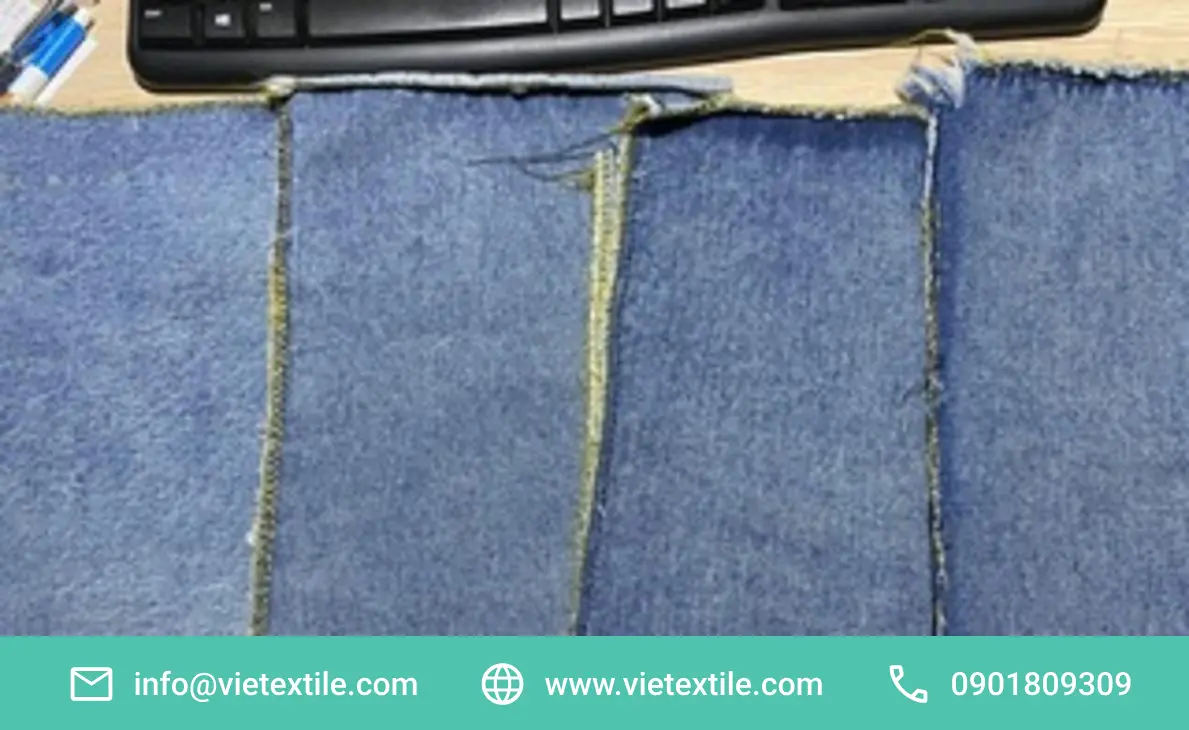
To optimize costs for small batch textile washing services, small garment factories, fashion startups, and independent designers in Ho Chi Minh City (HCMC) must segment applications based on product characteristics. Each fabric type and quality requirement, from basic T-shirts to distressed denim or high-end fashion fabrics, demands distinct washing processes. These processes directly influence operational costs and economic efficiency.
Correctly identifying the right small batch fabric wash segment helps factory owners make more effective investment and operational decisions, preventing resource waste. Instead of applying a generic washing process, customizing it for each segment maximizes value while ensuring the final product quality. This is a crucial strategy for optimizing textile washing in a competitive market.
From an operational perspective, cost optimization extends beyond choosing the cheapest wash type. It also involves minimizing product damage risks, conserving energy and water, and shortening cycle times. Solutions like water recycling or using bio-based chemicals can offer long-term benefits, especially when performing sample washes or handling special orders.
5.1 How do small batch washing costs differ for T-shirts, denim, and high-end fashion fabrics?
The cost of small batch textile washing services in Ho Chi Minh City (HCMC) varies significantly across product types like basic T-shirts, distressed denim, and high-end fashion fabrics due to differing technical and quality requirements. Basic T-shirts typically require a simpler washing process, focusing on softness and cleanliness, resulting in the lowest cost due to minimal use of special chemicals and shorter processing times.
For denim, especially distressed or faded styles, costs are considerably higher. This process demands specialized chemicals such as enzymes and bleaches, and may also involve mechanical treatments like sanding or laser. The washing time is longer, and both energy and water consumption are higher, increasing the unit cost for small batch denim washing services.
High-end fashion fabrics like silk, cashmere, or special synthetic blends require extremely gentle and precise washing processes. Chemical usage must be strictly controlled to avoid damaging fiber structures or causing color loss. Production volumes are often very low, demanding high meticulousness and premium labor and chemical costs, making this the most expensive segment for unit washing costs.
5.2 How can the cost-effectiveness of small batch textile washing be evaluated for specialized products?
To assess the cost-effectiveness of small batch textile washing for specialized products, managers should use a comprehensive acceptance scorecard. This scorecard must include quantitative and qualitative criteria such as direct cost per product, expected reject rate, cycle completion time, and the degree of sensory quality satisfaction.
The scorecard needs to specify acceptable thresholds for each criterion. For example, “washing cost not exceeding X% of product selling price,” “reject rate below Y%,” and “turnaround time not exceeding Z hours.” This helps objectively compare different washing service options and identify the solution that provides the best value within the overall cost context, which is particularly important when performing sample washes.
Another crucial aspect is evaluating opportunity costs and risks. If a low-cost washing process carries a high risk of product damage, the cost of rework or brand reputation loss could far outweigh initial savings. The acceptance scorecard helps factory owners gain a balanced perspective, considering not only direct costs but also long-term factors in optimizing textile washing.
5.3 What environmental factors influence small batch textile washing costs in each segment?
Environmental factors significantly impact small batch textile washing costs in each segment, primarily through wastewater treatment expenses, energy consumption, and the use of eco-friendly chemicals. Increasingly stringent environmental regulations in Ho Chi Minh City (HCMC) require washing facilities to invest in advanced wastewater treatment systems, which increases operational costs for small batch services.
The denim washing segment, with its use of strong chemicals and dark-colored wastewater, often faces the highest treatment costs. Conversely, basic T-shirt washing or soft washing for high-end fabrics using milder chemicals incurs lower wastewater treatment costs. Investing in water and energy-saving washing technologies, such as inverter-driven washing machines or water recycling systems, is also an initial cost to consider for optimizing textile washing.
Using eco-friendly chemicals, though potentially more expensive than traditional ones, helps reduce wastewater treatment costs and ensures regulatory compliance. This is especially important for export products or brands with high sustainability requirements. Factory owners must weigh the initial chemical procurement costs against long-term environmental benefits and access to premium markets when providing small batch fabric wash services.
| Application Segment | Quality Objective | Washing Process Requirements | Acceptance Scorecard (1-5, 5 highest) |
|---|---|---|---|
| Basic T-shirt Wash | Softness, cleanliness, no shrinkage, colorfastness | Regular wash, soft wash, rinse, tumble dry | Cost: 5, Quality: 4, Time: 5 |
| Denim Wash (distressed, faded) | Faded effect, natural distressing, durability | Enzyme, bleach, sanding/laser, multiple rinses, tumble dry | Cost: 3, Quality: 5, Time: 3 |
| High-end Fashion Fabric Wash | Preserve structure, softness, accurate color, no damage | Gentle wash, specialized chemicals, temperature/pH control | Cost: 2, Quality: 5, Time: 4 |
| Special Product Wash (samples/trial orders) | Meet sample standards, effect testing, high precision | Highly customized sample wash process, iterative testing | Cost: 1, Quality: 5, Time: 2 |
6. When should enzyme wash be applied to cotton fabric, and what are the criteria for success?
Enzyme wash should be applied to cotton fabric when the goal is to soften the material, create a gentle faded effect (stone wash look), or remove surface fuzz (bio-polishing) without damaging the fiber structure. This method is optimal for small garment factories or fashion startups in Ho Chi Minh City (HCMC) requiring small batch textile washing services, especially when conducting sample washes to achieve desired effects.
Enzyme wash is a cotton fabric treatment process that uses biological enzymes to partially break down cellulose on the fiber surface. This method makes the fabric softer, reduces pilling, and can create unique surface effects, adding value to the product. The primary success criteria are achieving the desired softness and visual effect while ensuring the fabric remains undamaged, colorfastness is maintained, and user perception is improved after washing.
However, applying enzyme wash requires understanding the enzyme type, optimal concentration, temperature, and pH to achieve the desired effect without adverse reactions. Technical directors must grasp these factors to ensure compatibility between the enzyme and the specific cotton fabric, preventing issues like reduced fabric strength or undesirable color unevenness, thereby optimizing textile washing.
6.1 What input conditions are necessary for effective enzyme washing of cotton fabric?
For effective enzyme washing of cotton fabric, input conditions must be tightly controlled, including the appropriate enzyme type, precise concentration, stable water temperature, optimal pH, and suitable processing time. Each enzyme type (e.g., neutral cellulase, acid cellulase) will have its own effective operating range, determining the final effect on the fabric and the quality of the small batch fabric wash service.
Enzyme concentration typically ranges from 0.5% to 3% of the fabric’s weight, depending on the desired effect intensity and enzyme type. Water temperature is crucial; most enzymes perform best between 45-60°C. The pH of the wash solution must also be adjusted within the enzyme’s optimal range, usually 4.5-5.5 for acid cellulase or 6.0-7.5 for neutral cellulase, using buffer agents to maintain stability.
Enzyme washing time usually lasts from 30 to 90 minutes, depending on the mechanical intensity of the machine, enzyme concentration, and desired effect. The liquor ratio is also an important factor, influencing the uniform distribution of the enzyme and treatment effectiveness. A common ratio is 1:5 to 1:10 (fabric:water), ensuring full enzyme contact with the fabric surface during the sample wash process.
6.2 What are the criteria for evaluating the success of the enzyme washing process?
Success criteria for the enzyme washing process include achieving the required fabric softness, surface effects (e.g., fading, fuzz removal) matching the sample, absence of physical damage like tearing or reduced tensile strength, and maintained colorfastness after washing. User perception of the final product is a decisive factor, especially for products undergoing small batch textile washing in Ho Chi Minh City (HCMC).
Softness can be measured by hand feel or fabric stiffness testing devices. Fading or stone wash effects need to be compared against standard samples to ensure consistency. Testing the tensile and tear strength of the fabric after washing is essential to ensure no significant degradation in mechanical strength, a critical step in the sample wash process.
Colorfastness should be evaluated according to industry standards (e.g., colorfastness to rubbing, colorfastness to washing) to ensure colors do not fade or shift. Additionally, visual inspection to detect streaks, enzyme residues, or other washing defects is an indispensable part of the success criteria, helping to optimize textile washing.
6.3 How can compatibility issues be resolved when enzyme washing cotton fabric?
To resolve compatibility issues when enzyme washing cotton fabric, technical directors need to conduct small-scale trials before mass production, adjust process parameters, and select enzymes suitable for each fabric type. A common problem is reduced fabric strength or streaking due to uneven or overly aggressive enzyme activity, affecting the small batch fabric wash service.
If fabric strength is reduced, consider lowering enzyme concentration, shortening wash time, or increasing pH to reduce enzyme activity. Streaks often occur due to insufficient liquor ratio, excessive machine load, or uneven enzyme dispersion. It is crucial to ensure the washing machine is not overloaded and that the enzyme is fully dissolved before adding it to the machine, especially when performing sample washes.
Furthermore, complete enzyme removal after washing is critical through thorough rinsing or using enzyme inactivators. Residual enzymes on the fabric can continue to act and cause damage over time. Closely monitoring parameters throughout the washing process and recording batch results will help establish a standard procedure and effectively resolve compatibility issues, ensuring the quality of small batch textile washing in Ho Chi Minh City (HCMC).
| Decisive Factor | Condition | Action | Expected Result |
|---|---|---|---|
| Fabric Softening Goal | High softness required, maintain strength | Select Neutral Cellulase Enzyme | Soft fabric, minimal strength reduction, less fuzz |
| Softness needed, with light faded effect | Select Acid Cellulase Enzyme | Soft fabric, with vintage faded effect | |
| Cotton Fabric Type | Knitted cotton fabric (T-shirts) | Low to medium enzyme concentration, short duration | Avoid stretching, maintain good shape |
| Woven cotton fabric (denim, khaki) | Medium to high enzyme concentration, longer duration | Achieve faded effect, soften stiff fibers | |
| Environmental Requirements | Prioritize green process, fewer chemicals | Use bio-enzymes, optimize water recycling | Reduce environmental impact, meet green standards |
| Prioritize lowest cost | Consider between enzymes and traditional chemicals | Save direct costs, need to evaluate waste treatment costs | |
| Investment Level | Standard washing machine available | Adjust parameters, select appropriate enzyme | Optimize existing equipment for small batch washing |
| Invest in specialized washing machine | Select machine with automatic temperature, pH control | Stable process, consistent quality for HCMC washing services |
7. Frequently asked questions
What types of businesses benefit from small batch textile washing in HCMC?
Small batch textile washing services are ideal for small garment factories, fashion startups, independent designers, and companies needing to wash samples or specialized products. It helps reduce initial machinery investment costs and optimizes production processes for infrequent or custom orders.
How can I find a reputable small batch textile washing facility in HCMC?
To find a reputable washing facility, prioritize those with experience in your desired fabric type and wash effect. Check reviews from other partners or inquire about their quality control processes and ability to provide test samples before committing. Ensure they can meet your specific technical standards.
Is the cost of small batch textile washing higher than large volume washing?
The cost of small batch textile washing is typically higher per unit product compared to large volume washing due to fixed costs for process setup and machine operation. However, it saves on initial machinery investment and reduces risk when testing new products.
What types of fabrics are commonly processed with small batch textile washing in HCMC?
Common fabrics processed with small batch textile washing in HCMC include cotton, denim, linen, and various synthetic fabrics requiring special effects. Small batch washing is particularly effective for products needing softness, fading, or vintage effects that are difficult to control consistently in large volume washes.
Are you looking for an optimal small batch textile washing solution for your products? Contact VieTextile for in-depth consultation on the most suitable washing processes and technologies for your needs.