
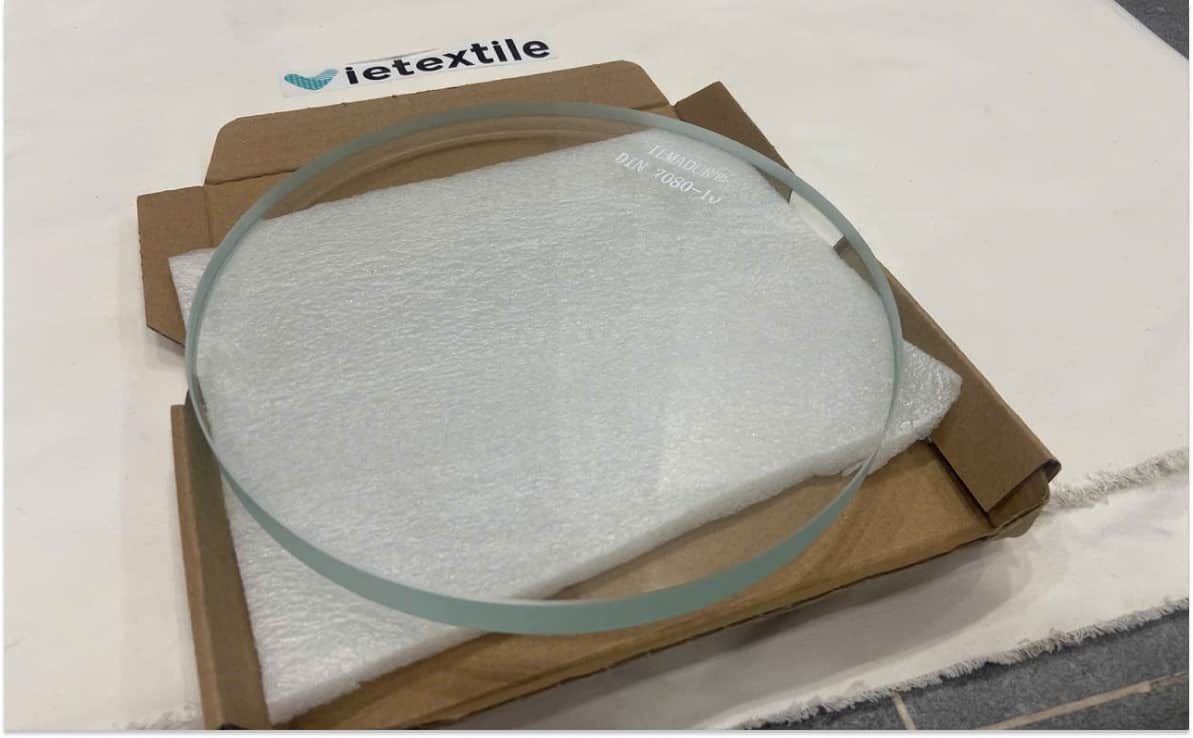
The sight glass is an indispensable component in industrial systems that require monitoring liquids or gases at high temperatures. To ensure safety and efficiency, selecting a highly durable Heat Resistant Sight Glass is crucial. This article will delve into the core factors that determine their lifespan and heat resistance capabilities.
In the harsh operating environments of many industries such as petrochemical, thermal power, or food processing, sight glasses not only need to be transparent but must also withstand significant changes in temperature and pressure. If not selected and installed correctly, a Heat Resistant Sight Glass can crack or shatter, causing considerable danger and damage.
A clear and reliable view is a prerequisite for the safe operation of industrial processes. Therefore, investing in quality Heat Resistant Sight Glass types is an investment in the long-term stability and efficiency of the plant.
We will analyze five main groups of factors: Material composition, installation design, operating environment, manufacturing process, and finally, quality standards. Understanding these factors will help engineers and purchasing managers make the most informed decisions when sourcing high-quality Heat Resistant Sight Glass.
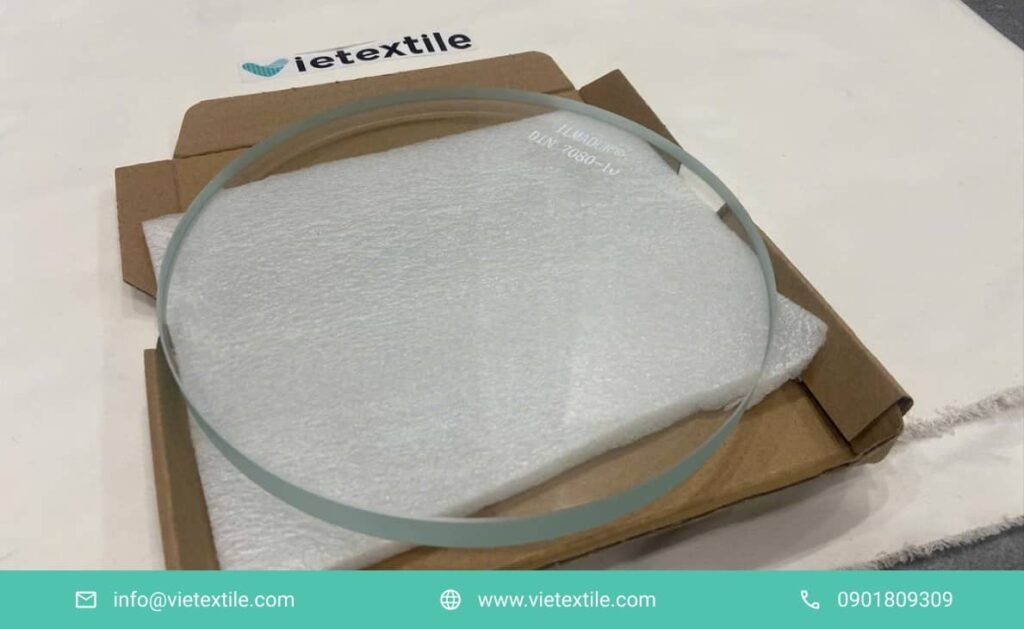
1. Material Composition – The Foundation of Heat Resistant Sight Glass
The heat resistance and thermal shock resistance of a sight glass primarily depend on the material’s coefficient of thermal expansion and softening point. The lower the coefficient of thermal expansion, the less the material changes in size with temperature fluctuations, thereby reducing internal stress. Material selection is the first and most critical step in determining the durability of a Heat Resistant Sight Glass.
1.1. Borosilicate Glass (Borosilicate Glass)
Borosilicate glass is the most common type used as Heat Resistant Sight Glass because it has a low coefficient of thermal expansion, typically around 3.3 x 10^-6/K, which helps minimize stress during sudden temperature changes. The balance between cost and performance makes it the top choice for many applications.
1.1.1. Standards and Thermal Limits
Borosilicate glass is often manufactured according to international standards such as DIN 7080 or ASTM E230. These standards ensure the material’s purity and uniformity, which directly affect its heat resistance. Borosilicate can operate continuously at temperatures up to about 280°C (depending on pressure) and withstand larger thermal shocks than ordinary soda-lime glass.
1.1.2. Thermal Load Classification
In practical applications, the maximum temperature Borosilicate can withstand must be derated as pressure increases. This is because high temperatures weaken the glass structure, making it more susceptible to destruction by compressive and tensile forces from pressure. Therefore, engineers must always consult the Pressure-Temperature Curve (P-T Curve) when choosing Borosilicate Heat Resistant Sight Glass.
1.1.3. Advantages Over Soda-Lime Glass
Ordinary soda-lime glass has a much higher expansion coefficient, leading to poor thermal shock resistance. Borosilicate, thanks to its higher silica and boron oxide content, offers superior durability against rapid heating and cooling cycles. This balance of cost and performance is why Borosilicate is the leading choice for Heat Resistant Sight Glass.
1.2. Quartz Glass (Fused Silica)
Quartz glass, or Fused Silica, is the material with the highest purity (usually over 99.99% SiO2) and an extremely low coefficient of thermal expansion, close to zero. This unique characteristic makes Quartz glass a superior type of Heat Resistant Sight Glass, especially in the harshest environments.
1.2.1. Extreme Temperature Resistance
Quartz glass can withstand continuous working temperatures up to 1200°C and tolerate extreme thermal shocks—for example, being moved directly from a furnace into the air—without damage. This excellent thermal shock resistance is due to its near-zero thermal expansion coefficient. The use of this Heat Resistant Sight Glass is irreplaceable in extremely high-temperature applications.
1.2.2. Purity and Applications
Due to its high purity, Quartz glass also has excellent UV and IR transmission capabilities, making it ideal for optical applications, laboratories, and semiconductor manufacturing, where both thermal durability and special optical properties are required. However, the cost of manufacturing and processing Quartz glass is often significantly higher than Borosilicate.
1.3. Sapphire Glass (Sapphire Glass)
Sapphire glass is not a silicate glass in the usual sense but a form of aluminum oxide crystal (Al2O3). It is a single-crystal material, second only to diamond in hardness (Knoop hardness around 1800), offering excellent scratch and corrosion resistance, while also being an extremely effective type of Heat Resistant Sight Glass.
1.3.1. Hardness and Chemical Resistance
Sapphire’s crystalline structure provides exceptionally high mechanical strength, allowing it to withstand extremely high pressures even at high temperatures. Sapphire’s operating temperature can reach up to 2000°C. Its corrosion resistance is also very high, keeping it stable in strong alkaline and acidic environments.
1.3.2. Ultra-High Temperature Applications
Sapphire Heat Resistant Sight Glass is ideal for ultra-high temperature and high-pressure applications such as vacuum furnaces, pressure measuring devices in the oil and gas industry, where conventional glasses cannot cope. Although the initial investment cost is high, the lifespan and reliability of Sapphire often justify the expense.
1.4. Aluminosilicate Glass (Alumino)
Aluminosilicate glass (also called Alumina glass) offers better heat and pressure resistance than Borosilicate but is lower than Sapphire and Quartz. This is the perfect intermediate choice for industrial applications requiring higher durability than Borosilicate but not the high cost of Quartz or Sapphire.
1.4.1. Improved Mechanical Durability
Aluminosilicate glass contains a high content of aluminum oxide (Al2O3), significantly improving mechanical strength and thermal shock resistance compared to Borosilicate. This material is often used in systems requiring high mechanical strength and heat resistance, especially when observing liquids in boilers or high-pressure environments.
1.4.2. Alkaline Corrosion Resistance
Another advantage of this type of Heat Resistant Sight Glass is its ability to resist corrosion from alkaline solutions (high pH) better than Borosilicate at high temperatures. The durability of this Heat Resistant Sight Glass has been widely proven in the energy industry.
2. Design and Installation Structure of Heat Resistant Sight Glass
Apart from the glass material itself, the way the device is installed and its surrounding design also greatly affects the lifespan and thermal durability of the Heat Resistant Sight Glass. A non-standard installation design can turn the best material into a system weakness.
2.1. Glass Thickness and Size
The thickness of the glass is calculated based on the system’s maximum temperature and pressure, often accompanied by a high safety factor (typically 4:1 or 5:1). Thicker glass means higher pressure resistance. However, increasing the thickness must be carefully considered.
2.1.1. Effect of Thickness on Thermal Stress
Glass that is too thick can increase internal thermal stress and reduce thermal shock resistance. When the temperature changes, the glass surface exposed to the hot medium expands differently from the surface exposed to cooler air. This stress layer can lead to cracking and shattering if the thickness is too great without proper heat treatment.
2.1.2. Size and Stress Distribution
The size (diameter) of the glass is also important. Larger glass has a greater surface area exposed to installation stress and temperature differences, making it more susceptible to damage if not installed precisely. This is a crucial factor when using large-sized Heat Resistant Sight Glass, requiring the support flange to be absolutely flat and rigid.
2.2. Gasket/Thermal Pad Type
The gasket not only serves as a seal but also acts as a shock absorber and thermal insulator between the glass and the metal frame (flange). Metal and glass have different expansion coefficients; the gasket must absorb this difference to protect the glass. Choosing the correct gasket material is mandatory to maintain the durability of the Heat Resistant Sight Glass.
2.2.1. Common Heat Resistant Gasket Materials
PTFE (Teflon) or Graphite: Popular for high-temperature and chemical applications. PTFE has a temperature limit of around 250°C, while Graphite can go up to 450°C or more in non-oxidizing conditions. Graphite is the ideal choice for superheated steam applications. Mica: Often used to protect the glass surface directly exposed to extremely hot media (like boilers), preventing corrosion and minimizing direct heat transfer from the medium to the glass surface. Mica acts as a protective shield.
2.2.2. Role as a Shock Absorber
The gasket must have a certain elasticity to compensate for the uneven expansion between the glass (e.g., Borosilicate) and the steel frame (Carbon Steel or Stainless Steel). Choosing a gasket that is too hard or too thin will transfer mechanical stress directly onto the Heat Resistant Sight Glass, increasing the risk of cracking.
2.3. Clamping Force and Installation Method
The bolt tightening force during the installation of a Heat Resistant Sight Glass must meet the specified torque standard. This is one of the most common causes of sight glass failure.
2.3.1. Risk of Overtightening
Overtightening will create excessive mechanical stress, squeezing the glass against the metal flange. Especially when the glass expands due to heat, this double stress (mechanical + thermal) will lead to immediate or short-term cracking. This error often appears as star-shaped cracks right at the tightening center.
2.3.2. Importance of Torque
Conversely, undertightening will cause leaks and create weak points for pressure shocks. Adherence to the manufacturer’s standard torque (using a torque wrench) is vital for the durability of the Heat Resistant Sight Glass. The torque is designed to create an ideal “compressive stress” on the gasket, ensuring tightness without damaging the glass.
3. Operating Environment – The Real-World Challenge for Heat Resistant Sight Glass
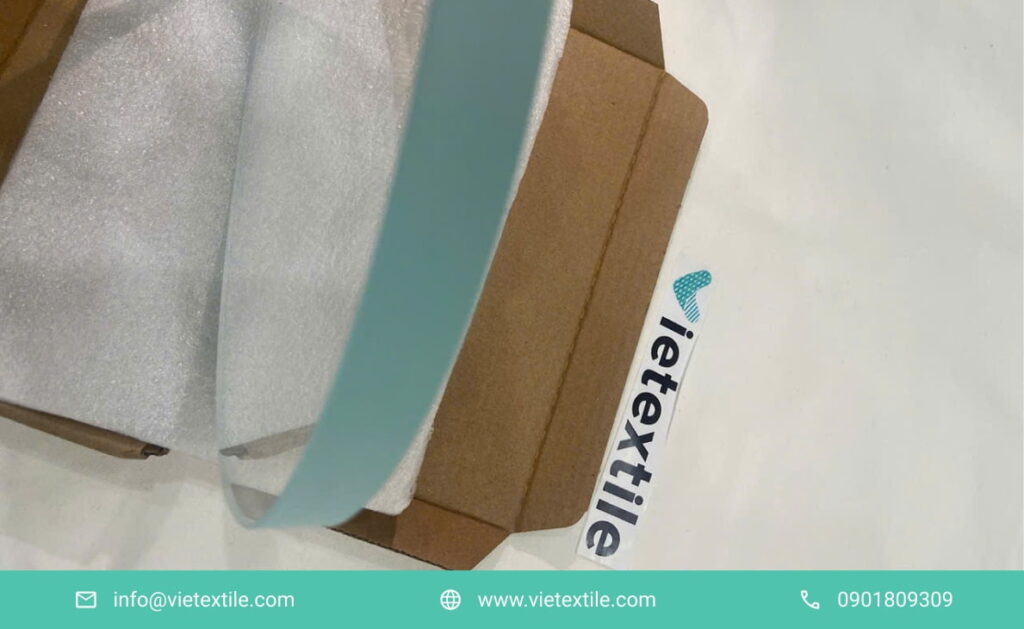
The actual environment inside the vessel or pipeline determines how the Heat Resistant Sight Glass must cope with the challenges of temperature, pressure, and chemicals throughout its operating life.
3.1. Thermal Cycling
Thermal cycling is the repeated change between high and low temperatures (e.g., the work/rest cycle of a boiler, heating/cooling processes). This is the biggest enemy and the leading cause of “fatigue failure” in Heat Resistant Sight Glass.
3.1.1. Mechanism of Failure
Each cycle generates compressive and tensile stress on the glass surface due to expansion and contraction. Sudden temperature changes increase thermal shock stress, causing micro-cracks to appear. Over time and through hundreds or thousands of cycles, these cracks develop deeper and lead to sudden failure. Glass with a low thermal expansion coefficient (like Quartz) will have better resistance to this phenomenon.
3.1.2. Mitigation Measures
To minimize the impact of thermal cycling, the system’s heating and cooling process must be performed slowly, according to the maximum rate of temperature change recommended by the Heat Resistant Sight Glass manufacturer. External insulation around the glass area also helps maintain temperature uniformity.
3.2. Working Temperature and Maximum Design Temperature
It is necessary to clearly distinguish between the normal working temperature and the maximum design temperature. The maximum design temperature is usually set to ensure a large safety factor.
3.2.1. Thermal Safety Factor
The Heat Resistant Sight Glass equipment must be selected so that the actual working temperature is only a fraction (usually no more than 75%) of the maximum design temperature to ensure a safety factor. This allows the glass to withstand short-term, unforeseen temperature variations.
3.2.2. Material Aging at High Temperatures
If the operating temperature frequently exceeds 80% of the design temperature, the lifespan of the glass will be significantly reduced due to material aging and increased risk of creep deformation of the glass structure. High temperatures drastically reduce the mechanical strength of the Heat Resistant Sight Glass, making it more susceptible to pressure failure.
3.3. Operating Pressure Accompanied by Heat
Pressure and temperature always go hand-in-hand in industrial applications, and they have an inverse relationship with glass durability.
3.3.1. Pressure-Temperature Relationship (P-T Curve)
High pressure will reduce the glass’s heat resistance, and vice versa. A piece of Heat Resistant Sight Glass might withstand 500°C at atmospheric pressure, but only 300°C at 10 bar. The manufacturer’s pressure-temperature limit curve (P-T Curve) is a mandatory document to consult to ensure that the glass selected is suitable for both parameters simultaneously.
3.3.2. Tensile Stress from Pressure
Internal pressure creates a force pushing on the glass, causing tensile stress on the outer surface of the glass. Glass is very strong in compression but very weak in tension. The thickness design must ensure that the maximum tensile stress never exceeds the safety limit, especially when combined with thermal stress.
3.4. Corrosiveness of Liquid or Gas
Chemical corrosion is an often-overlooked factor, but it is a silent killer that reduces the lifespan of Heat Resistant Sight Glass.
3.4.1. Impact of Alkaline Environments
Many industrial liquids, especially alkaline solutions (high pH) or saturated steam, can chemically corrode the surface of silicate glass (such as Borosilicate), especially at high temperatures. This corrosion phenomenon is called “leaching” or “etching,” creating weak points and significantly reducing the mechanical strength of the Heat Resistant Sight Glass.
3.4.2. Mica Protection Solution
Using a Mica protection layer (as mentioned in Section 2.2) is the standard solution in high-pressure steam environments or alkaline media. Mica prevents direct chemical reaction between the liquid and the glass, protecting the glass from corrosion and extending the lifespan of the Heat Resistant Sight Glass. Choosing a material with higher chemical corrosion resistance (like Sapphire) is also a radical solution.
4. Fabrication and Surface Treatment of Heat Resistant Sight Glass
The quality of manufacturing and the final treatment process of the glass significantly impact its mechanical and thermal load capacity. The difference in fabrication processes creates the difference between Heat Resistant Sight Glass suppliers in the market.
4.1. Tempering Process
Tempering is a special heat treatment process aimed at improving the durability of the glass.
4.1.1. Creating Surface Compressive Stress
The tempering process involves rapidly cooling the glass surface after heating, creating a permanent layer of compressive stress on the outer surface. This compressive stress layer must be overcome before any tensile force can affect the surface, significantly improving the mechanical strength and thermal shock resistance of the Heat Resistant Sight Glass.
4.1.2. Limitations After Tempering
Tempered glass withstands bending and impact better than ordinary glass. However, tempered glass cannot be cut, drilled, or ground afterward. If the tempering process is not tightly controlled, internal defects can appear, reducing the overall quality of the finished Heat Resistant Sight Glass and potentially causing cracking during operation.
4.2. Surface Finish and Defects
Surface finish is a crucial factor determining the glass’s load-bearing capacity.
4.2.1. Impact of Flaws
Scratches, micro-cracks, or surface defects (called “flaws”)—no matter how small—can become stress concentration points when the glass is subjected to heat or pressure. A flaw acts as a “stress concentrator.” Under the effect of thermal cycling, these defects will rapidly spread, leading to failure.
4.2.2. Smoothness Standards
The finish (flatness and smoothness) of high-quality Heat Resistant Sight Glass must meet strict standards (usually a very low surface roughness Ra) to ensure that no weak points exist on the surface. The polishing and grinding process must achieve high precision.
4.3. Protective Coating
To enhance durability in chemical environments, applying a protective coating is necessary.
4.3.1. Purpose of the Coating
Some Heat Resistant Sight Glass products are coated with special chemical protection or non-stick layers. This coating helps prolong the glass’s life in corrosive environments, preventing reactions between the internal fluid and the glass surface. The coatings are often thin polymer or metal oxide materials.
4.3.2. Thermal Resistance Requirements of the Coating
However, it must be ensured that this coating also has a thermal resistance equivalent to or higher than the base glass. If the coating peels off or decomposes at operating temperatures, it not only loses its protective effect but can also contaminate the process and affect visibility, reducing the durability of the Heat Resistant Sight Glass equipment.
5. Quality Standards and Inspection of Heat Resistant Sight Glass
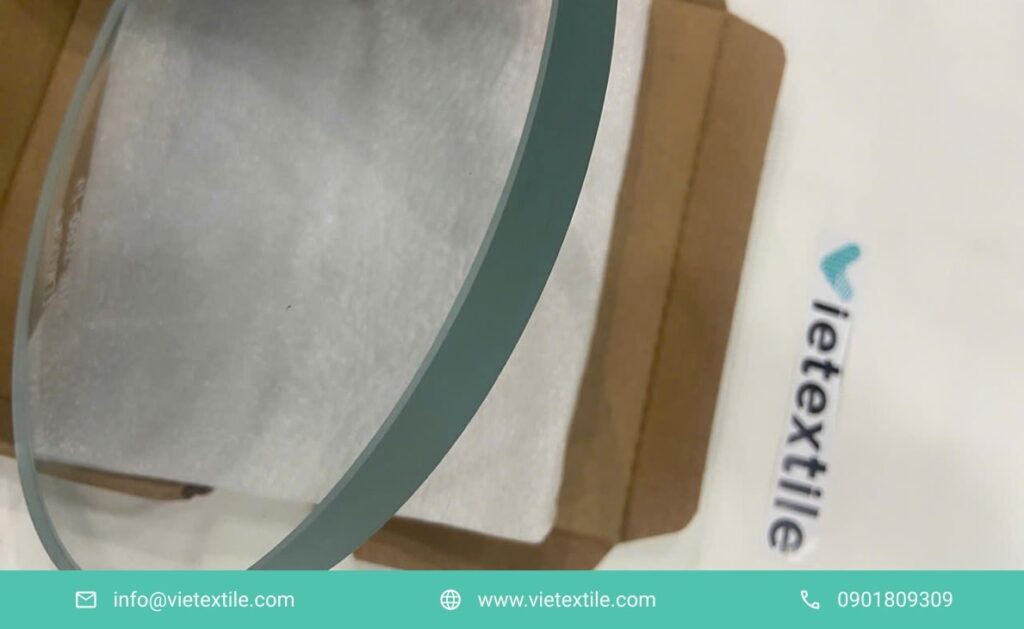
Adherence to international standards and rigorous inspection procedures is the final, but equally important, factor in ensuring the reliability of Heat Resistant Sight Glass.
5.1. ASME, DIN, and ISO Standards
Technical standards serve as the guiding light for manufacturing quality.
5.1.1. Standard Regulations
Heat Resistant Sight Glass must comply with international technical standards such as ASME (USA), DIN (Germany), or related ISO standards. These standards precisely regulate material composition, dimensional tolerances, and pressure/temperature testing procedures. Strict adherence to these regulations ensures compatibility and safety.
5.1.2. Quality Certification
Purchasing Heat Resistant Sight Glass from suppliers certified to ISO 9001 and products meeting ASME standards helps ensure the uniformity and high quality of the material from raw input to the final product.
5.2. Thermal Shock Testing
Thermal shock testing is one of the most rigorous durability tests.
5.2.1. Simulating Harsh Conditions
Thermal shock testing is the process of suddenly exposing the Heat Resistant Sight Glass from a high temperature to a low temperature (e.g., from 300°C into cold water) to simulate the harshest operating conditions, such as emergency cooling or an incident.
5.2.2. Durability Requirements
Only Heat Resistant Sight Glass products that pass this test are considered qualified for use in environments with frequent thermal cycling. Test results must be clearly documented and provided in the product documentation to prove the glass’s endurance.
5.3. Material Traceability
For critical applications, material traceability is indispensable.
5.3.1. Material Test Report (MTR)
The Material Test Report (MTR) of the Heat Resistant Sight Glass is essential to ensure the authenticity of the material. The MTR provides evidence of the precise chemical composition, mechanical properties, and manufacturing process, ensuring that the glass is produced according to the committed specifications.
5.3.2. Risks Without MTR
The lack of material traceability can pose significant risks when the glass is used in systems requiring high safety and precision, as there may be confusion between standard Borosilicate and premium Borosilicate.
6. VieTextile – Leading Partner for Heat Resistant Sight Glass Supply
VieTextile is proud to be a reliable partner in providing high-quality industrial viewing solutions. We understand that Heat Resistant Sight Glass is not just a component; it is a key factor ensuring the safety and efficiency of your system, especially in high-temperature environments.
VieTextile’s technical team has extensive experience in consulting and selecting the Heat Resistant Sight Glass material best suited to the customer’s specific operating environment, based on factors such as temperature, pressure, chemical type, and thermal cycling. We are committed to supplying products that are rigorously tested and meet international standards for heat resistance, pressure, and corrosion resistance. Each Heat Resistant Sight Glass product comes with full quality certification and an MTR (Material Test Report).
We specialize in supplying a diverse range of Borosilicate (DIN 7080), Quartz (Fused Silica), and Aluminosilicate glass, ensuring we meet all temperature and pressure requirements, from simple boiler applications to high-temperature reactors. Let VieTextile be the stable bridge that helps you observe production processes safely and accurately with quality Heat Resistant Sight Glass, minimizing the risk of failure caused by environmental and installation factors.
7. Frequently Asked Questions (FAQ) About Heat Resistant Sight Glass
7.1. What is the Maximum Temperature Borosilicate Glass Can Withstand?
Answer: Borosilicate glass is typically used safely at continuous working temperatures up to 280°C. However, this heat resistance gradually decreases as system pressure increases. Always consult the manufacturer’s P-T chart when using this type of Heat Resistant Sight Glass.
7.2. What is the Difference Between Ordinary Glass and Heat Resistant Sight Glass?
Answer: The core difference lies in the coefficient of thermal expansion. Ordinary glass has a high expansion coefficient, making it prone to cracking from thermal shock, while Heat Resistant Sight Glass (like Quartz or Borosilicate) has an extremely low expansion coefficient, allowing them to withstand sudden temperature changes without failure.
7.3. Should I Replace Heat Resistant Sight Glass Periodically?
Answer: Yes. Even without visible damage, accumulated thermal cycling and chemical corrosion reduce the durability of the Heat Resistant Sight Glass over time, leading to “material fatigue.” It should be inspected and replaced periodically according to the manufacturer’s recommendations or after a certain number of operating cycles.
7.4. What is the Mica Layer Used for in Heat Resistant Sight Glass?
Answer: The Mica layer is used as a protective surface layer to prevent corrosion from alkaline liquids or steam at high temperatures, significantly extending the lifespan of the underlying Heat Resistant Sight Glass and maintaining transparency.
7.5. Which Factor is Most Important in Determining the Glass’s Thermal Durability?
Answer: The material composition (reflected by the coefficient of thermal expansion) and the resistance to Thermal Cycling are the two most crucial factors. Choosing a Heat Resistant Sight Glass with a low thermal expansion coefficient is the top priority for ensuring longevity.
To select and install professional Heat Resistant Sight Glass, contact VieTextile today!
Contact information:
Hotline: 0901 809 309
Email: info@vietextile.com
Website: https://vietextile.com