
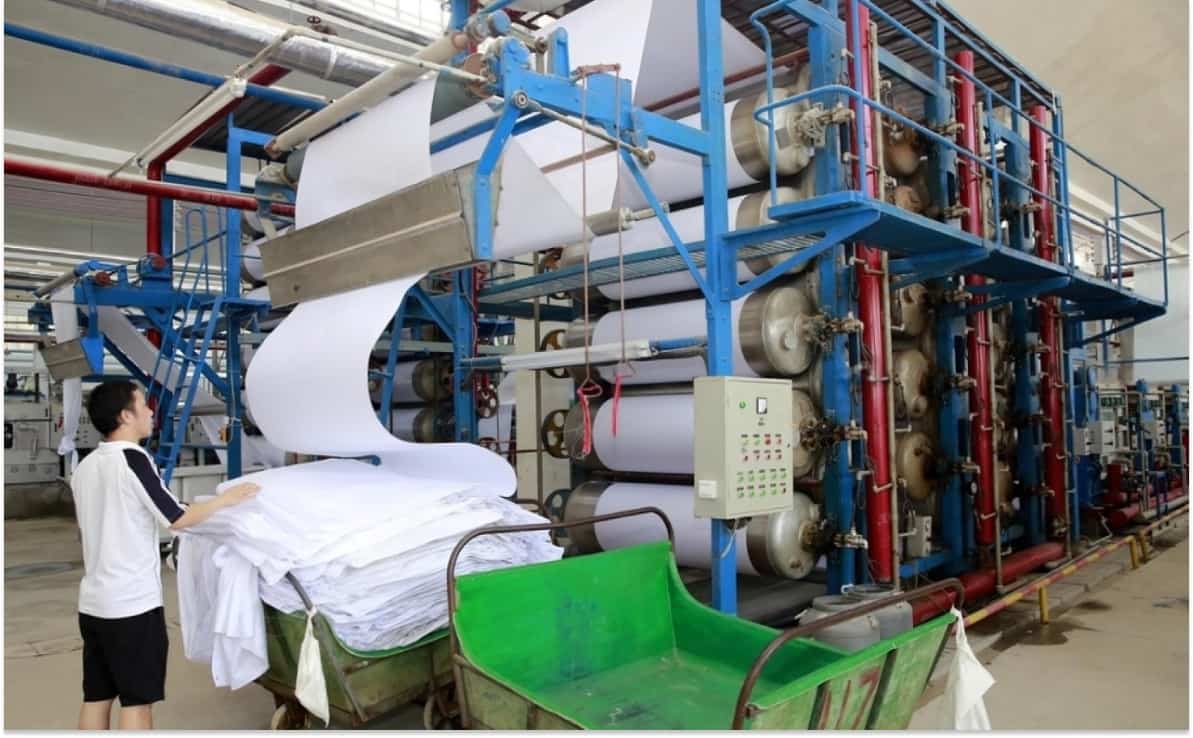
Nylon (Polyamide) is a textile material with high durability, good elasticity, and is often used for swimwear and sportswear. However, nylon is a fiber that is quite “sensitive” to temperature and chemicals. A small mistake in the Post Print Nylon Fabric Treatment Stage can ruin an entire order. This article will point out common mistakes that factories often encounter and how to fix them to ensure absolute color fastness.

1. Incorrect Control of Steaming Temperature and Humidity
Nylon fibers have a lower melting point than polyester and are very sensitive to heat. Steaming is the most important step for acid dye molecules to migrate into the fiber.
1.1. Steaming Temperature Too High
Many operators believe that the higher the temperature, the more durable the color. This is a fatal mistake in the Post Print Nylon Fabric Treatment Stage.
1.1.1. Deformation of Nylon Fibers
When the temperature exceeds the allowed threshold (usually above 105°C for saturated steam), nylon fibers begin to soften and shrink significantly. This changes the product dimensions and creates a dry, stiff fabric feel, losing the natural elasticity required for swimwear or sportswear.
1.1.2. Color Shade Alteration
Excessive temperatures can “burn” some sensitive pigments, causing the printed color to deviate from the original design sample. A standard Post Print Nylon Fabric Treatment Stage requires temperature stability at 100°C – 102°C with high precision.
1.2. Lack of Humidity in the Steaming Chamber
Steam that is too dry (superheated steam) will not be able to swell the nylon fiber enough for the dye to enter.
1.2.1. Faded and Non-Durable Colors
If the humidity does not meet the standards in the Post Print Nylon Fabric Treatment Stage, the dye only adheres loosely to the fiber surface. Consequently, after washing, the color will wash away significantly, leading to unsatisfactory wash fastness.
1.2.2. Uneven Color (Frosting)
Inconsistent humidity in the steaming chamber creates areas of different color intensity on the same meter of fabric. Controlling steam saturation is a mandatory requirement to optimize the Post Print Nylon Fabric Treatment Stage.
2. Using Inappropriate Fixing Agents
After steaming, acid dyes on nylon still need a chemical “lock” to prevent color migration when encountering water or perspiration.
2.1. Choosing the Wrong Type of Fixative
Many printing workshops use the same fixative for cotton fabric on nylon fabric. This is a common mistake that ruins the Post Print Nylon Fabric Treatment Stage.
2.1.1. Different Binding Mechanisms
Acid dyes bond with the amino groups (-NH2) of nylon. Fixatives for nylon (usually synthetic derivatives of tannin or phenol) must be capable of creating a large molecular barrier surrounding the dye site. Using the wrong chemicals makes the Post Print Nylon Fabric Treatment Stage useless regarding color fastness.
2.1.2. Impact on Light Fastness
Some cheap fixing agents can reduce the light fastness of nylon fabric, causing the product to fade quickly when used outdoors or under harsh sunlight (for swimwear).
2.2. Substandard Fixative Concentration
Saving on color fixatives is a direct cause of goods being returned due to fading issues.
2.2.1. Color Bleeding During Washing
If the fixative concentration in the Post Print Nylon Fabric Treatment Stage is too low, the protective film will not be sealed enough to hold the color particles. When users wash the garment, the dye will escape into the wash water and stain lighter-colored fabric parts.
2.2.2. Migration After Drying
During the drying process at the end of the Post Print Nylon Fabric Treatment Stage, if the color is not well-fixed, it will migrate to the fabric surface along with water evaporation, creating irreparable blotches.
3. Superficial Post-Print Washing Process
Post-print washing aims to remove residual dyes, thickeners, and printing auxiliaries. This is the most water and time-consuming step, so it is often cut short by factories.
3.1. Wash Water Temperature Not High Enough
To remove excess acid dyes, the wash water needs to reach a temperature of about 60°C – 70°C.
3.1.1. Residual Dye on the Surface
Many units only wash with cold water in the Post Print Nylon Fabric Treatment Stage. Cold water is not powerful enough to dissolve dye molecules that are not covalently bonded, leading to the fabric retaining a lot of “phantom color.”
3.1.2. Reduced Print Transparency
Excess ink and thickeners that are not washed clean will create a cloudy film on the print, reducing the brightness and sharpness of the patterns, severely affecting the aesthetic quality of the output from the Post Print Nylon Fabric Treatment Stage.
3.2. Lack of Washing-off Agents
Using only clean water is not enough to clean printed nylon fabric.
3.2.1. Preventing Back-staining
In the wash bath of the Post Print Nylon Fabric Treatment Stage, excess dye is pushed out into the water. Without specialized anti-backstaining agents, these color molecules will re-adhere to white fabric areas. This is extremely dangerous for high-contrast printed patterns.
3.2.2. Role of Thickener Cleaners
Washing auxiliaries help break down the structure of the printing paste (thickener), helping the fabric become soft and escape stiffness after finishing the Post Print Nylon Fabric Treatment Stage.
4. In-depth Analysis: Binding Mechanism of Acid Dyes on Nylon
To understand why the Post Print Nylon Fabric Treatment Stage is so important, we need to delve into the chemistry of Polyamide fibers.
4.1. Electrostatic and Hydrogen Bonding
Nylon possesses terminal amino groups (-NH2). In an acidic environment, these groups become positively charged (-NH3+). Negatively charged acid dye molecules are then attracted to these sites.
4.1.1. Competition Among Dye Molecules
If the printing process does not control the amount of dye, molecules will compete to bond with the limited amino groups. Excess dye that cannot find a bonding site is the cause of problems in the Post Print Nylon Fabric Treatment Stage. Vigorous washing is required to thoroughly remove this excess.
4.1.2. Influence of Molecular Weight
Acid dyes with high molecular weights are usually more durable but harder to penetrate. The Post Print Nylon Fabric Treatment Stage for these inks requires longer steaming times to ensure bulky molecules can arrange themselves stably within the fiber structure.
4.2. Role of Heat Setting
Nylon is a thermoplastic fiber. Heat treatment not only helps fix color but also helps shape the product.
4.2.1. Releasing Internal Stress
In the Post Print Nylon Fabric Treatment Stage, the heat setting process helps release stresses generated during weaving and printing. If not “relaxed” by heat properly, the fabric will curl or twist after washing.
4.2.2. Enhancing Crystallinity
The right temperature helps increase the crystallinity of the amorphous regions in nylon, thereby “locking” the dye molecules tighter, enhancing the efficiency of the Post Print Nylon Fabric Treatment Stage.
5. Mistakes in pH Adjustment and Drying
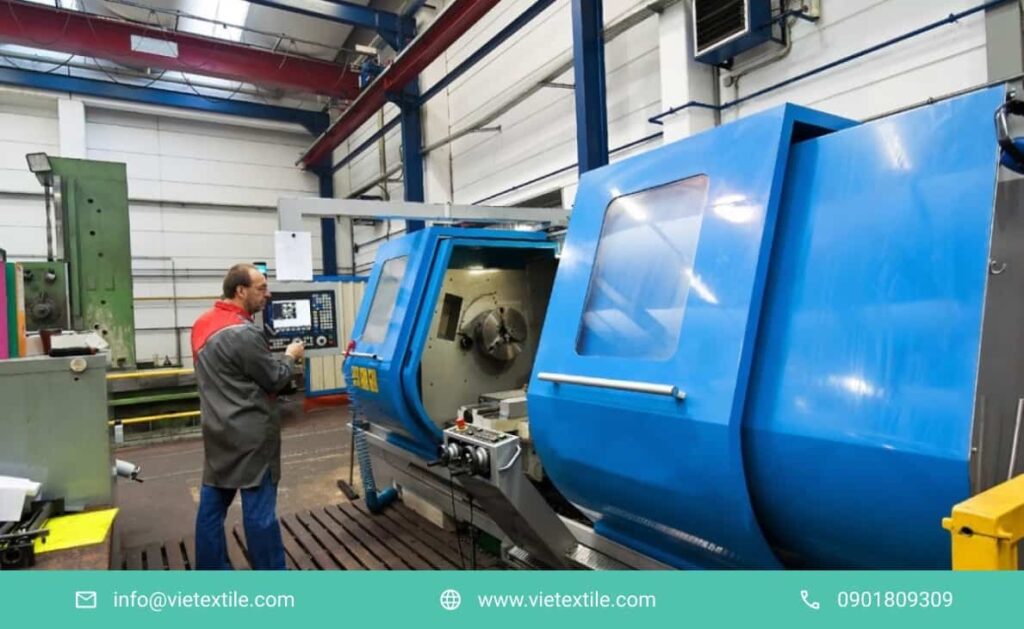
pH and drying temperature are the final two technical parameters but have a massive impact on the color stability of nylon fibers.
5.1. Incomplete pH Neutralization
The printing and washing process usually changes the fabric pH. If the Post Print Nylon Fabric Treatment Stage does not bring the pH back to the ideal level (about 4.5 – 5.5 for nylon), the color will not be stable.
5.1.1. Shade Change After Storage
Nylon fabric with high residual alkali or acid will cause acid dyes to continue reacting slowly. After a few weeks in storage, the product color may change compared to when it was first manufactured, making quality control difficult.
5.1.2. User Skin Irritation
Inappropriate pH also causes itching and discomfort for the wearer, especially with tight-fitting products like nylon underwear or gym wear. This is a serious product safety error in the Post Print Nylon Fabric Treatment Stage.
5.2. Drying Too High and Too Fast
After washing, drying must be carried out carefully.
5.2.1. Yellowing
White or light-colored nylon fibers are very prone to yellowing when encountering drying temperatures above 130°C for long periods. This mistake in the Post Print Nylon Fabric Treatment Stage is often due to the factory wanting to dry quickly for packaging.
5.2.2. Fiber Brittleness and Reduced Tensile Strength
Extremely high temperatures embrittle nylon polymer chains, making the fabric easy to tear or burst at the seams when sewing. Product durability depends heavily on the finesse of the drying step in the Post Print Nylon Fabric Treatment Stage.
6. Lack of Wet Rub Fastness Testing
This is the most important test for nylon fabric used in swimwear and sportswear, yet it is often skipped in internal control procedures.
6.1. The Mistake of Only Testing Dry Friction
The dry rub fastness of nylon is usually very good, but wet friction is the real challenge.
6.1.1. Influence of Sweat and Chlorine Water
If the Post Print Nylon Fabric Treatment Stage is not up to standard, colors will easily bleed when users exercise and sweat or swim in pools containing chlorine. Skipping wet rub tests in the field poses a high risk of defective goods reaching the market.
6.1.2. Standards for Swimwear
For export goods, wet rub fastness must reach level 4-5. To achieve this number, every step in the Post Print Nylon Fabric Treatment Stage from steaming to color fixation must be performed perfectly.
7. Case Study: Costly Lessons from the Nylon Swimwear Industry
To see the importance of the Post Print Nylon Fabric Treatment Stage clearly, consider the following real-life situations.
7.1. Fading Incident in Pools (Chlorine Fastness)
A shipment of nylon swimwear exported to the US was returned en masse due to fading after only two swims. The cause was identified as the factory using a common color fixative instead of a specialized chlorine-resistant agent.
7.1.1. Reputation Damage
In addition to compensation costs, the business lost a long-term contract with the partner. The mistake lay in the lack of knowledge about specific chemicals in the Post Print Nylon Fabric Treatment Stage designed specifically for pool water environments.
7.1.2. Corrective Solutions
Using complex copper derivative compounds or special polymers in the Post Print Nylon Fabric Treatment Stage helps protect dye bonds from attack by strong oxidizing radicals from chlorine.
7.2. Pattern Blurring During Sea Transport
Printed nylon fabric was packaged and transported in hot and humid containers. Upon arrival, dark patterns blurred into light color areas (migration).
7.2.1. Root Cause Analysis
High humidity in the container reactivated dye molecules that were not thoroughly fixed. This is the consequence of a superficial Post Print Nylon Fabric Treatment Stage in the hot soap washing phase.
7.2.2. Recurrence Prevention
Perform a “Storage Test” (simulating hot and humid warehouse conditions) immediately after finishing the Post Print Nylon Fabric Treatment Stage to ensure absolute print stability before shipping.
8. Standard Procedure Guide for Post-Print Nylon Fabric Treatment at the Factory
To achieve 5-star quality, factories need to strictly follow these steps in the Post Print Nylon Fabric Treatment Stage.
8.1. Saturated Steaming
- Temperature: 102°C – 105°C.
- Time: 20 – 30 minutes for screen printing, 10 – 15 minutes for digital printing.
- Note: Absolutely do not allow condensed water droplets to fall on the fabric surface during the Post Print Nylon Fabric Treatment Stage as they will cause color stains.
8.2. Sequence Washing
- Overflow Cold Rinse: Remove surface printing paste.
- Warm Wash (40°C – 50°C): Use acid detergents to keep the pH environment stable for the Post Print Nylon Fabric Treatment Stage.
- Hot Wash (70°C – 80°C): Use anti-backstaining agents.
- Fixing: Perform in a separate tank at 50°C for 20 minutes.
- Neutralize and Soften: Bring pH to 5.0 and add silicone softener in the final step of the Post Print Nylon Fabric Treatment Stage.
8.3. Stentering
- Drying Temperature: 100°C – 120°C.
- Speed: Adjust so the fabric is just dry, avoiding over-drying which causes fiber brittleness. The Post Print Nylon Fabric Treatment Stage concludes here with the control of horizontal and vertical shrinkage.
9. New Trends: Water and Energy Saving Post-Print Treatment
The textile industry is shifting toward green technologies, and the Post Print Nylon Fabric Treatment Stage is no exception.
9.1. Low Liquor Ratio Washing Technology
Using modern washing machines helps reduce water usage by up to 50%. This not only protects the environment but also reduces the chemicals needed in the Post Print Nylon Fabric Treatment Stage, lowering production costs.
9.2. Biodegradable Color Fixing Chemicals
Replacing toxic phenol derivatives with friendly organic compounds. Using green chemicals in the Post Print Nylon Fabric Treatment Stage helps businesses easily achieve environmental certificates such as ZDHC or Bluesign.
10. VieTextile – Optimal Solutions for the Post Print Nylon Fabric Treatment Stage
At VieTextile, we understand the technical challenges printing units face when processing nylon fibers. A poor-quality Post Print Nylon Fabric Treatment Stage can erase all previous design and printing efforts.
We provide specialized textile chemical solutions for nylon, including new-generation acid color fixatives with superior anti-migration capabilities, and washing auxiliaries that help completely remove excess color without causing back-staining. VieTextile offers technical consultation to help you optimize steaming and drying temperature parameters, ensuring nylon fabric retains its elasticity, softness, and brightest shade.
VieTextile’s team of experts is ready to accompany you in correcting mistakes in the Post Print Nylon Fabric Treatment Stage, helping your products confidently meet the rigorous standards of the international swimwear and sports fashion industry. Let VieTextile help you enhance the value of every meter of printed nylon fabric.
11. FAQ About the Post Print Nylon Fabric Treatment Stage
11.1. Why Do Print Edges on Nylon Fabric Often Blur After Steaming?
Answer: Blurring is usually due to excessively high humidity in the steaming chamber (wet steam) or because the thickener used in the printing paste does not have enough viscosity. Adjusting the saturated steam in the Post Print Nylon Fabric Treatment Stage is the most effective fix.
11.2. Should High Temperatures Be Used to Dry Nylon Fabric Quickly?
Answer: Absolutely not. Drying nylon fabric at too high a temperature (above 130°C) will cause fabric shrinkage, fiber hardening, and easy yellowing. The ideal drying temperature in the Post Print Nylon Fabric Treatment Stage is between 100°C and 110°C.
11.3. How to Achieve Level 4 Wet Rub Fastness for Nylon Fabric?
Answer: You need to ensure three factors: hot soap wash at 70°C to clean excess color, use specialized color fixatives for acid dyes, and control fabric pH at 5.0 at the end of the Post Print Nylon Fabric Treatment Stage.
11.4. Why Does Nylon Fabric Have a Strong Chemical Smell After Printing?
Answer: Odors are usually due to incomplete washing of auxiliaries or the use of cheap phenol-based fixing agents. A standard Post Print Nylon Fabric Treatment Stage requires a final wash step with clean water and fragrance/softening agents to completely deodorize.
11.5. Which is Better on Nylon: Acid Dyes or Disperse Dyes?
Answer: Acid dyes provide more brilliant and durable colors for nylon but have a more complex treatment process. Disperse dyes are easier to process but wash and perspiration fastness are usually poorer if the Post Print Nylon Fabric Treatment Stage is not performed meticulously.
For detailed advice on technology and chemicals for the Post Print Nylon Fabric Treatment Stage, contact VieTextile today!
Contact Information:
Hotline: 0901 809 309
Email: info@vietextile.com
Website: https://vietextile.com