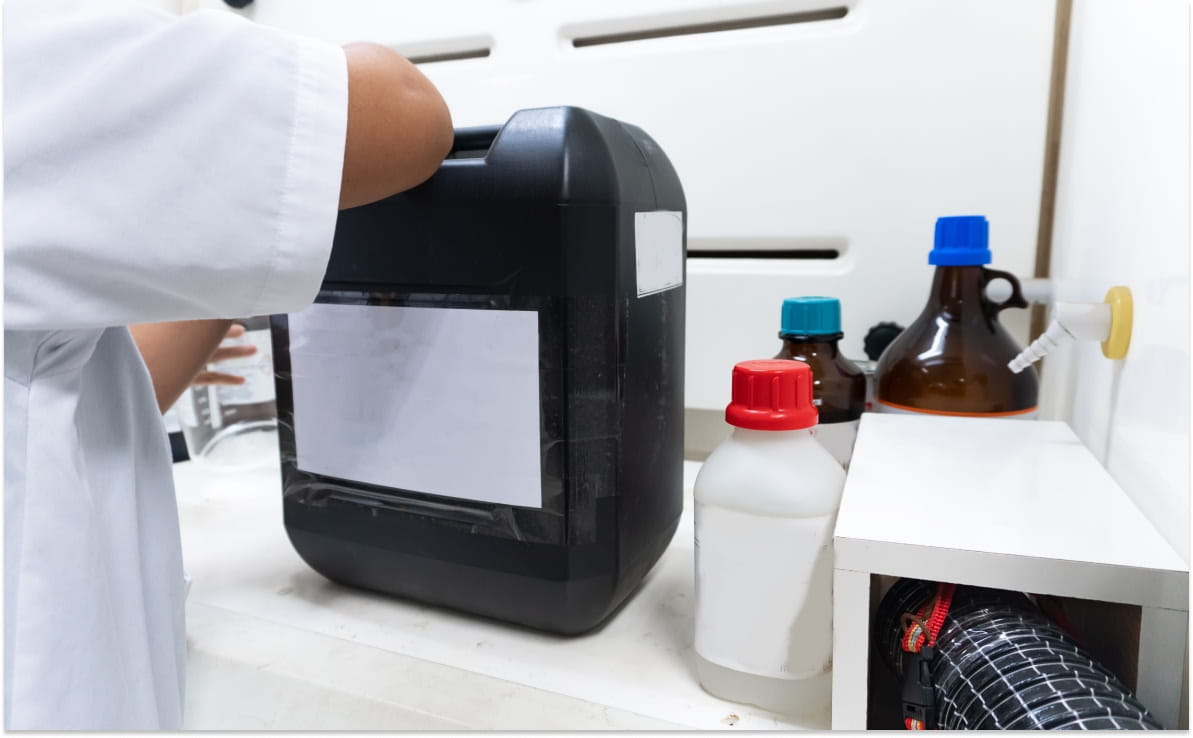
Post Printing Treatment Process: The Final Stage With Great Impact On Products

Post-printing treatment is a key step that determines the beauty and durability of colored fabric surfaces. Understanding the Post printing treatment process helps enhance the value of textile products.
công đoạn xử lý sau khi in vải công nghiệp
Post Printing Treatment Process: The Final Stage With Great Impact On Products 5

1. Importance of the Post printing treatment process

To understand why we need to focus on this stage, it is first necessary to recognize that when ink first contacts the fabric fibers, it is only in a physical surface form or has not fully bonded. The Post printing treatment process acts as a catalyst to create a sustainable bond between the colorant and the polymer structure of the fabric fibers.

When ink is sprayed or pressed onto fabric, it only temporarily stays in the gaps between the fibers. Without the effects of heat, pressure, or supporting chemicals, these color molecules will easily be detached by mechanical actions such as scrubbing, washing, or friction. Implementing a methodical Post printing treatment process helps transform weak physical bonds into durable chemical bonds (such as covalent bonds in reactive dyeing), thereby creating long-term usage value for the product.

1.1. Color stabilization and color fastness

Color fastness is the top criterion for evaluating textile product quality. Through finishing steps such as steaming or drying, ink molecules will penetrate deeper into the fiber core. This helps prevent fading when washing or discoloring under the influence of sunlight.

The process of stabilizing colors is not just about keeping the color from washing away, but also about making the color “ripe.” Many types of digital printing inks, when just printed, often have quite pale and opaque shades. Only after going through the Post printing treatment process with appropriate temperature and time do the chemical reactions complete, helping colors brighten, achieving the true vividness and depth of the original design. This is particularly important for high-end fashion products requiring absolute accuracy.

Resistance to external factors such as sweat, seawater, or chlorine also depends greatly on this final stage. If finishing steps are poorly performed, color molecules will not be encapsulated or tightly bonded, leading to migration of color to white fabric areas or causing skin irritation when contacting the wearer’s sweat. Therefore, it is mandatory to ensure health safety.

1.2. Improving hand-feel and softness

Many types of printing inks, especially plastic-based silk screen inks or pigment inks, often leave a dry, hard film on the fabric surface due to binders. Correctly performing the Post printing treatment process using specialized softening or washing measures will help eliminate the rough feeling, providing maximum comfort for the wearer.

Hand-feel is a decisive factor in consumer purchasing behavior. A shirt with a beautiful print but a stiff, suffocating feel will be rated poorly. The use of mechanical or chemical softening agents helps break down the hard bonds of the ink film, making the printed area flexible following the movements of the fabric fibers.

Additionally, this treatment helps the fabric have a more natural drape. For thin, light fabrics like chiffon or voan, the process must be extremely delicate to not lose the airiness of the material while still ensuring sharp prints. The use of silicone-based softeners or enzymes in the final finishing step is an indispensable part of achieving this effect.

1.3. Removing impurities and excess ink

During the printing process, not all ink adheres perfectly. The finishing steps, including washing and rinsing, will help remove excess ink and remaining dyeing auxiliary chemicals, ensuring safety for the end user’s skin.

When printing with reactive ink, a large amount of unfixed dye still clings to the surface. If not removed through this process, that color will cause bleeding right in the first wash. Specialized washing helps dissolve and wash away these excess color particles in a controlled manner. This is why the Post printing treatment process needs to be performed at factories with continuous washing systems.

Not only excess color but also thickeners used to create viscosity for the printing paste need to be removed. If these substances remain, they will create a dirty film, causing the fabric to have a strange smell and become prone to mold. This treatment, therefore, also carries the meaning of industrial hygiene and long-term product preservation.

2. Common Post printing treatment processes today

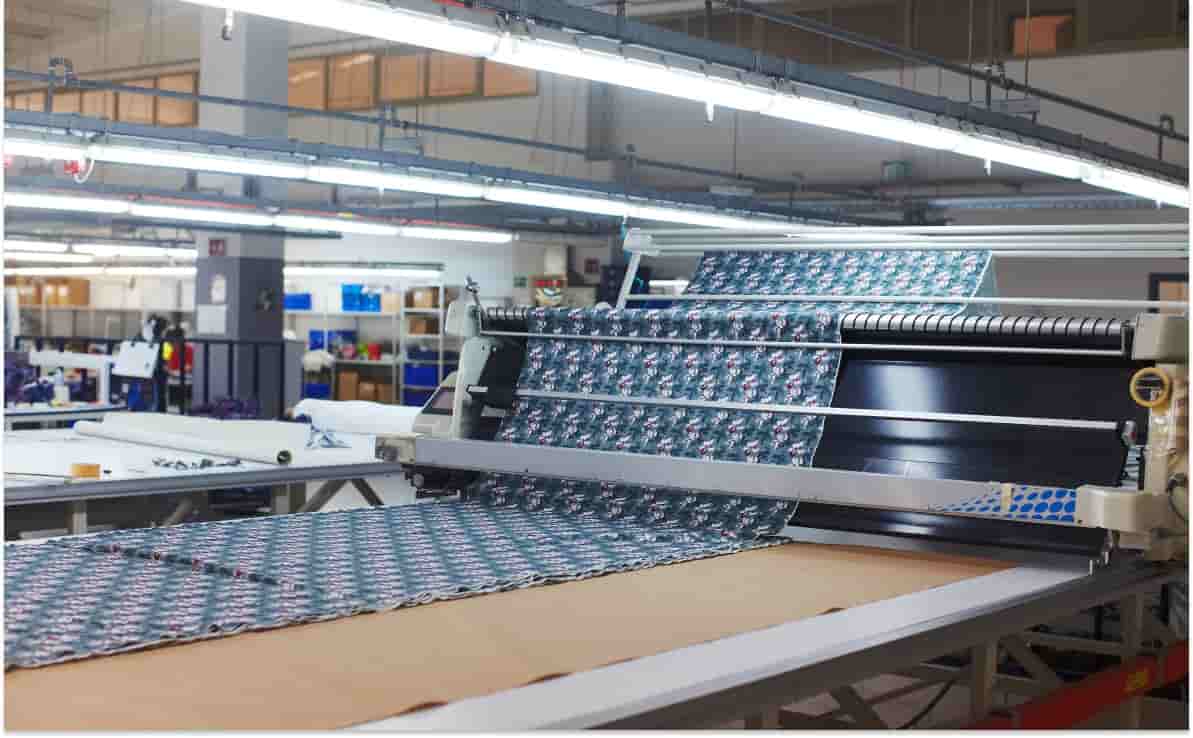
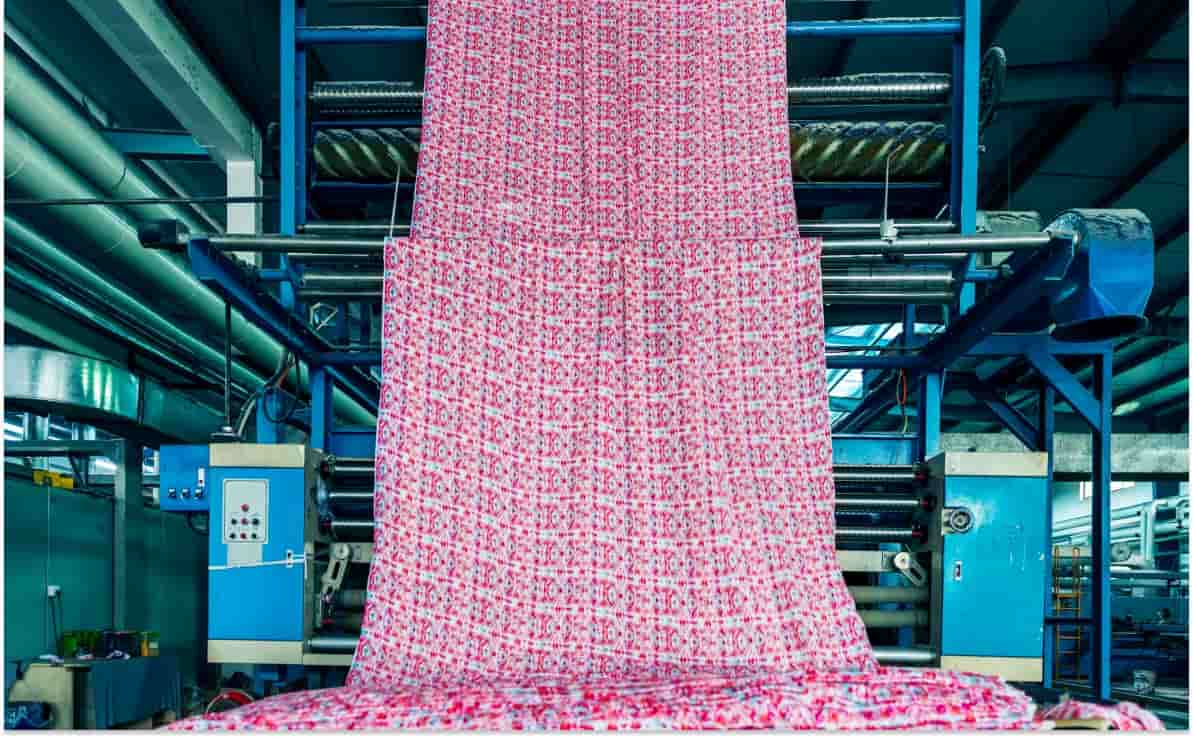
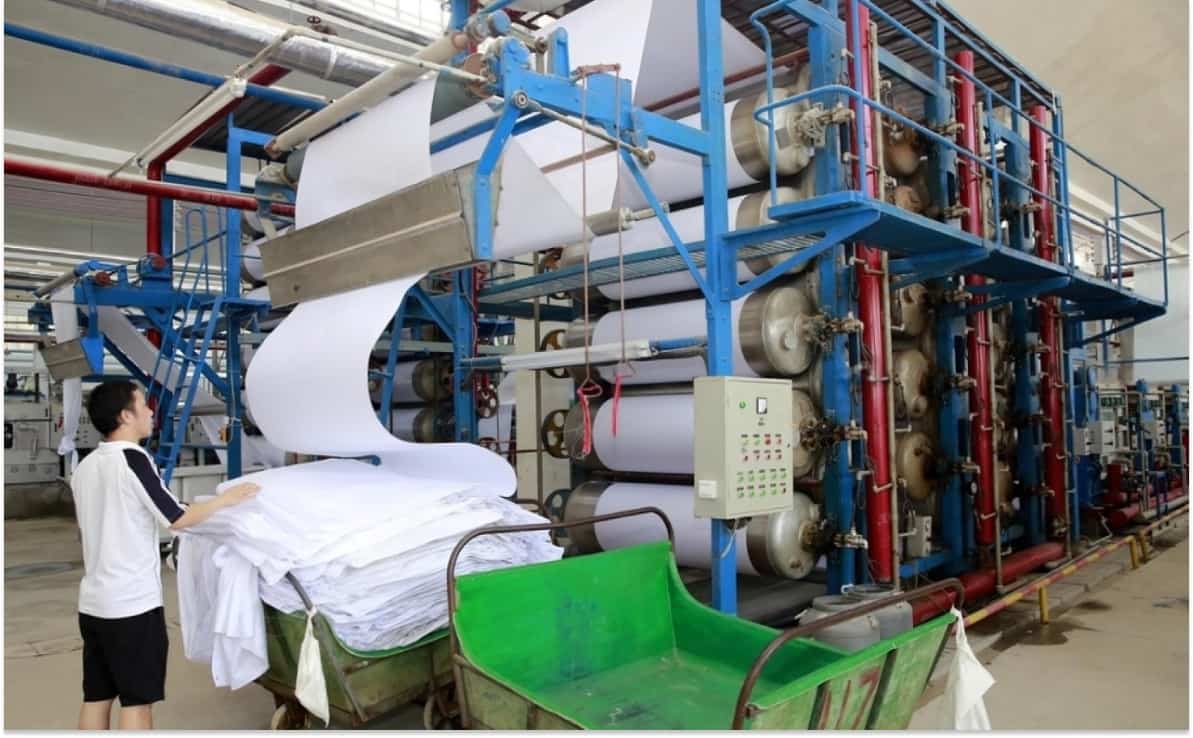
Depending on the type of fabric (cotton, polyester, silk, khaki) and printing technology, the treatment process will have certain differences. However, a standard process usually includes the following core steps. Each step in this cycle is designed to support the others, creating a closed loop from when the fabric is still wet with ink until it reaches the most perfect state for delivery.

Selecting equipment for each step is also very important. For example, with highly elastic fabrics, the Post printing treatment process needs to use tensionless washing machines to avoid deforming the fabric’s woven structure. Meticulousness in choosing the method is the key to creating the class of professional textile products.

2.1. Drying process

This is the first step right after the fabric leaves the printing machine. It aims to evaporate the solvent (usually water) in the printing ink, preventing the print from smearing when moving to subsequent treatment areas.

The drying process needs to be performed at a moderate temperature to avoid thermal shock to the printing ink. If the temperature is too high from the start, the ink surface may develop a skin (skinning) while the inside remains wet, leading to image cracking later. Conversely, if drying is insufficient, rolling the fabric will cause ink offsetting to the back. Therefore, the Post printing treatment process at the drying stage must be extremely uniform.

In modern factories, this process is performed by infrared drying systems or circulating hot air streams. Moisture sensors will continuously monitor to ensure the fabric reaches the ideal dryness before entering the more important steaming or heat pressing stages.

2.2. Color fixation process (steaming/curing)

This is the most important step in the Post printing treatment process. For reactive ink, the fabric needs to be steamed in a high-pressure steam environment to open the fabric fibers, helping the color react chemically directly with the cellulose. For pigment printing, people often use high temperatures (curing) to solidify the binder.

The steaming process requires absolute control over steam saturation. Steam acts as a solvent and a heat conductor. In this stage, steam causes the fibers to swell, creating channels for color molecules to move deep inside. If steam is lacking, the chemical reaction will not occur completely, leading to faded and easily washed-out colors.

For the heat curing process, the stability of the temperature in the drying oven is a vital factor. The Post printing treatment process requires the fabric to be maintained at a certain temperature level (usually 150-170 degrees Celsius) for 2-5 minutes depending on the fabric type. This time must be sufficient for the polymers in the binder to cross-link, tightly holding the color particles to the fabric fibers.

2.3. Post-print washing process

Once the color has been fixed, the fabric will be passed through continuous washing tanks. This helps completely remove thickeners, unreacted chemicals, and excess ink. The washing process usually includes multiple stages from cold washing, and hot washing to pH neutralization.

The first cold wash step aims to wash away loosely attached excess ink. Next are hot washing tanks with specialized detergents added. At high temperatures, printing paste thickeners will melt and be washed clean, freeing the ventilation for fiber gaps. The Post printing treatment process at this stage requires large water consumption and an effective circulation system to save resources.

The final stage of the washing process is usually neutralization. Since many printing technologies use alkali to support reactions, the treatment needs a neutralization step with weak acid to bring the fabric pH back to a neutral level (5.5-7). This not only helps protect the fabric fibers but also ensures safety, not causing skin irritation for the end wearer.

2.4. Physicochemical finishing stage (finishing)

After being cleaned of impurities, the fabric can be further treated with features such as antibacterial properties or silicone softening. This upgrades the technical characteristics of the product, meeting the strict standards of export orders.

Physicochemical finishing is the final makeup step for the fabric. Depending on order requirements, fabric can be soaked in solutions containing silver nanoparticles for antibacterial effects. Adding silicone softeners in the Post printing treatment process helps the fabric surface have smoothness, reduces friction, and significantly increases wrinkle resistance.

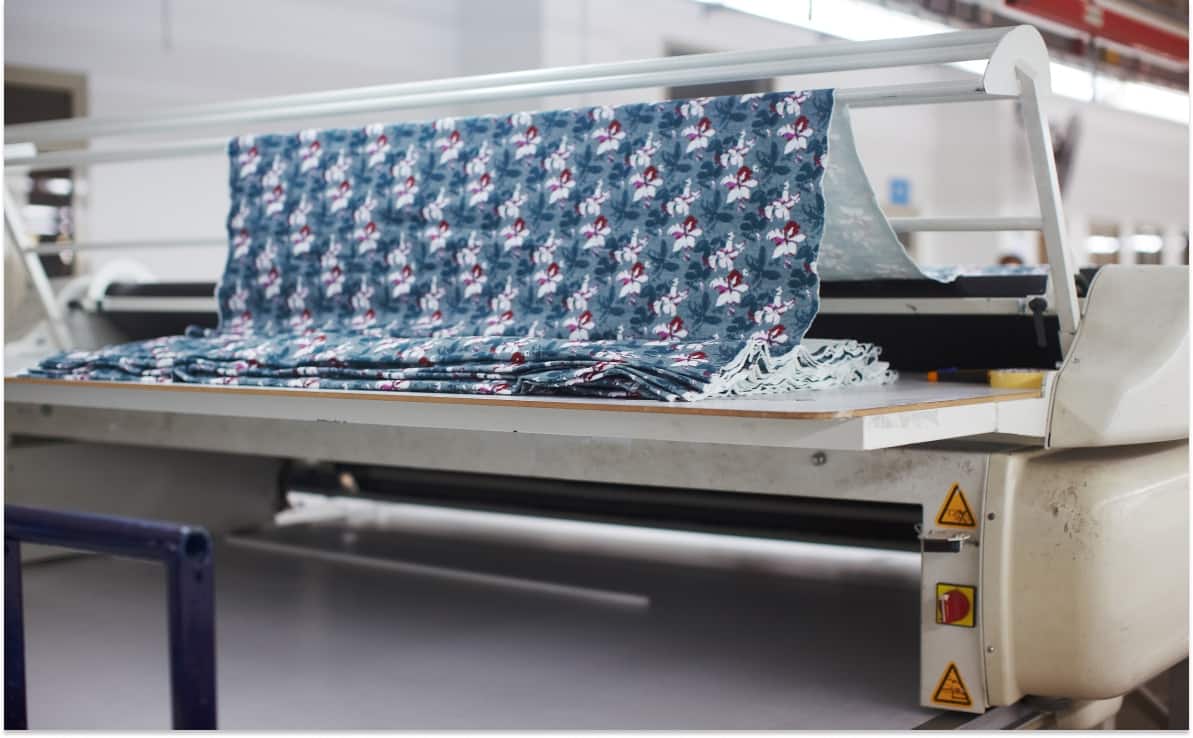
After soaking in finishing chemicals, the fabric will pass through a stenter machine. Here, the fabric is stretched to the desired width and dried to fix the newly added chemicals. This stage determines the flat appearance and structural stability of the fabric before moving to the cutting and sewing stage.

3. Technical details in the Post printing treatment process for each ink type
công đoạn xử lý sau khi in vải cuối
Post Printing Treatment Process: The Final Stage With Great Impact On Products 6

Each type of printing ink has its own chemical characteristics, requiring a specialized treatment method to achieve optimal efficiency. Applying the wrong method in the Post printing treatment process not only causes waste but can also destroy the color structure of the design.

Understanding the interaction between ink and fiber is the core of a professional process. Technicians must adjust treatment formulas based on the print density (ink coverage) on the fabric surface. A design with 100% ink coverage will require much stronger treatment intensity than a minimalist design with few color details.

3.1. Treatment for reactive ink

Reactive ink is widely used on cotton and natural fibers. The Post printing treatment process for this ink type must have a steaming step at a temperature of about 102-105 degrees Celsius. If the temperature is not standard, the color will be altered or not reach the necessary darkness.

A characteristic of reactive ink is the ability to create covalent bonds with cellulose fibers. For this reaction to occur, the treatment needs an alkaline environment and high humidity. If the steaming environment is too dry, bonds will not form, leading to the color being washed away. Conversely, if steamed for too long, chemical bonds can be hydrolyzed, reducing the strength of the fabric fibers.

After steaming, the washing and rinsing procedure for reactive ink is extremely strict. It must go through at least 5-7 washing tanks to ensure complete removal of unreacted color molecules. This is the most expensive stage in terms of energy and water resources but brings permanent color fastness to fashion products.

3.2. Treatment for sublimation ink

With sublimation printing on polyester fabric, the treatment takes place almost simultaneously with the printing process at the heat press. Temperatures from 180-210 degrees Celsius cause the ink to sublimate into a gas and penetrate the fibers. Afterward, the fabric only needs to be cooled and stabilized in size without many complicated washing steps.

In sublimation printing, the Post printing treatment process actually starts from the pressing moment. High heat expands the pores in the polyester fiber, allowing the ink in vapor form to enter inside. When the temperature drops, những lỗ hổng này đóng lại, khóa chặt màu sắc bên trong sợi vải. Therefore, the color fastness of sublimation printing is extremely high and the surface has no ink film.

However, a common error in this stage is ghosting due to fabric shifting while still hot. Correct technique requires the fabric to be cooled quickly with a cold air stream immediately after leaving the press to fix the image instantly, preventing unwanted color migration.

3.3. Treatment for pigment ink

Pigment ink does not react with fabric fibers but adheres thanks to a binder. Therefore, the Post printing treatment process is mainly high-temperature drying to bake the binder layer, helping it cover and tightly hold pigment particles on the fiber surface.

The advantage of pigment ink is a simple finishing procedure, no need for complex washing, helping save water and being environmentally friendly. However, the biggest challenge is crocking fastness. If the binder layer is not dried with enough heat or time in the Post printing treatment process, the print will very easily peel off when rubbed hard.

To improve the inherently dry and hard hand-feel of pigment ink, the treatment often adds a calendering step or light washing with specialized softeners. This helps the printed surface become smoother and have a light gloss, enhancing the aesthetic appeal for fabrics like canvas or high-quality cotton jersey.

4. Factors affecting the efficiency of the Post printing treatment process

The efficiency of the finishing stage depends on tight control of technical parameters. A small deviation can lead to ruining an entire large batch. Variations in the external environment such as room temperature or air humidity can also indirectly impact the entire Post printing treatment process.

Standardizing standard operating procedures (SOP) is a prerequisite. Each fabric code, khi đưa vào xử lý, needs a separate technical sheet, clearly stating necessary parameters for operators to strictly follow to ensure color stability.

4.1. Temperature and humidity

In the Post printing treatment process, temperature plays a decisive role in the speed of chemical reactions. Humidity in the steamer helps fabric fibers expand evenly, creating conditions for ink penetration. Controlling uneven temperature across the entire fabric surface will cause color deviation between different positions.

If the temperature is too low during treatment, chemical bonds do not have enough energy to form. If the temperature is too high, fibers may become brittle and lose elasticity. Using machinery with multi-point digital temperature control systems is extremely necessary to maintain stability throughout the length of the fabric roll.

Humidity is equally important. In the steamer, if humidity is too low (dry steam), the color will not penetrate the fiber core. Conversely, if humidity is too high, water droplets can condense on the machine ceiling and drip onto the fabric, causing irreparable color stains.

4.2. Treatment time

Each type of fiber and ink needs a certain reaction time. If the Post printing treatment process takes place too quickly, the color will not be durable, but if too long, it can burn the fiber or change the original color structure.

Treatment time is inversely proportional to temperature, but they cannot always replace each other. Some chemical reactions require a minimum time for color molecules to reach an equilibrium state. Forcing the schedule by increasing temperature beyond allowed levels often leads to consequences for fabric surface quality.

For continuous treatment systems, machine speed is the factor that adjusts time. The Post printing treatment process technician must accurately calculate this speed based on the length of the steaming or drying chamber to ensure each point on the fabric is exposed to the treatment agent for exactly the specified duration.

4.3. Water quality during the washing process

Hard water or water containing many impurities can react with printing ink, dulling the color or creating strange color spots. Therefore, professional factories always use RO water filtration systems or water softening before bringing it into the washing process.

Metal ions in hard water can create complexes with ink molecules, changing color shades. In the Post printing treatment process, using clean water not only protects the printed color but also protects the machinery system from scale buildup, helping extend the life of production equipment.

Additionally, the pH of the wash water source also needs to be closely monitored. Water that is too alkaline or too acidic affects the ability to wash away excess ink. Washing auxiliaries used in the treatment must also be chosen as low-foam and easily biodegradable types so that the washing process takes place most effectively without causing environmental pollution.

5. Common errors when performing the Post printing treatment process

Understanding risks will help manufacturers have timely prevention measures, minimizing the defect rate. Most errors arising in the Post printing treatment process stem from a lack of close supervision or substandard equipment.

Analyzing the root cause for each error is a valuable lesson for process improvement. Sometimes, the error is not in the treatment stage but in the previous printing stage, but only khi hoàn tất các bước xử lý do the defects reveal themselves.

5.1. Bleeding phenomenon

This is the most common error when the Post printing treatment process is not well performed, especially in the first wash step. If the wash water temperature or color-fixing chemicals are not standard, unfixed ink will dissolve into the water and attach to surrounding white fabric areas.

The main cause is usually that the color fixation process has not met requirements. To fix this error, people often use anti-backstaining agents in the washing tank. These substances will surround free color particles, preventing them from re-attaching to the fabric background.

Controlling wash water temperature according to a sine chart is an important technique in the Post printing treatment process. Hot washing helps remove excess color effectively, but if the temperature is lowered too suddenly, remaining color particles can be shocked and stick tightly to white fabric areas, creating annoying smears for the viewer.

5.2. Fabric shrinkage

The impact of heat and water can cause fabric to shrink. To fix this, a heat-setting process after washing is needed to bring the fabric back to the correct width and fiber density of the original design.

Shrinkage is a natural characteristic of woven fibers. When encountering hot water and mechanical action, fabric fibers tend to return to their original relaxed state, leading to shortened length. If not well controlled, a printed fabric can shrink up to 5-10%, causing a shortage of fabric meters and deforming the printed image.

In the final Post printing treatment process, the stenter machine will use a chain clip system to stretch the fabric in two directions. Heat-setting temperature helps re-fix the fiber structure in a stretched state, thereby minimizing shrinkage in subsequent washes. This is an extremely important step to ensure technical specifications for customers.

5.3. Pilling or harsh fabric surface

If the treatment uses chemicals that are too strong without a compensatory softening step, fabric fibers will be damaged, losing their natural shine. Mechanical action in industrial washing machines can cause small fibers on the surface to stand up, creating pilling.

To handle this issue, the Post printing treatment process can apply the biopolishing technique using cellulase enzymes to cut off these excess fibers. Harshness is often due to too much binder in the ink or due to mineral accumulation from hard water during the fabric finishing process.

Adding ultra-fine silicone-based softeners in the final stage helps penetrate into each fiber gap, creating an extremely thin lubricating film, providing a silk-smooth hand-feel. This is an important highlight that helps VieTextile’s products be highly rated by customers for surface sensation.

6. Green trends in the Post printing treatment process
tìm hiểu công đoạn xử lý sau khi in vải
Post Printing Treatment Process: The Final Stage With Great Impact On Products 7

The textile industry is moving towards sustainable development goals, and finishing stages are no exception to this trend. Increasingly strict environmental regulations require factories to change production thinking to meet new export standards.

Sustainability is not just about protecting the environment but also a way for businesses to access demanding markets. A green Post printing treatment process helps reduce resource costs and creates a superior competitive advantage for pioneers like VieTextile.

6.1. Water-saving washing technology

Mist washing systems are being applied to reduce water consumption by up to 50%. Instead of completely soaking the fabric in a water tank, this technology helps chemicals penetrate quickly without making the fabric soaking wet.

This method in the Post printing treatment process helps save both wash water volume and subsequent drying energy. Additionally, on-site wastewater filtration and reuse systems are being strongly implemented. Water from the final washing tanks is lightly treated and brought back to the initial washing tanks to circulate resources.

6.2. Use of bio-based chemicals

Instead of petroleum-based softeners, the modern Post printing treatment process prioritizes natural enzymes and plant-based softeners, which are both safe for users and biodegradable. Eliminating volatile organic compounds is mandatory to achieve green certifications.

These organic chemicals not only protect the ecosystem but also ensure products are absolutely safe even for infants. The trend of using natural dyes is also leading to changes in the treatment process, towards the purest and most skin-friendly fashion products.

6.3. Heat energy optimization

Reusing thermal energy from steamers and dryers in the Post printing treatment process helps cut operating costs. Heat exchange systems are installed to recover waste heat, used to heat water for washing tanks in the next process.

This is proof of applying technology to improve economic efficiency alongside environmental protection. Besides, transitioning to using renewable energy is also being invested in by VieTextile and many businesses to aim for net-zero emissions.

7. VieTextile – a pioneer in the Post printing treatment process

At VieTextile, we understand that every meter of fabric is our customer’s passion. Therefore, we always invest seriously in infrastructure and technical systems for the finishing stage. We consider the Post printing treatment process the soul of the printed product, where artistic value is transformed into practical value.

With a vision to become a strategic partner for major fashion brands, VieTextile constantly updates the latest technologies to apply to the Post printing treatment process in Vietnam, bringing a clear difference in print quality.

7.1. Modern machinery system at VieTextile

We own a fully automatic continuous steaming and washing line, giúp kiểm soát chính xác từng thông số trong quá trình hoàn thiện. This ensures absolute consistency for even large orders up to tens of thousands of meters of fabric.

Our machinery is imported from world-leading brands. The information management system helps track in real-time the process of fabric passing through each Post printing treatment process. Any small temperature deviation is instantly alerted by the system, giúp loại bỏ hoàn toàn các lỗi do yếu tố chủ quan.

7.2. Experienced technical team

Each type of fabric from silk to canvas is carefully researched by VieTextile experts to design an optimal Post printing treatment process. Understanding textile chemistry helps us handle difficult cases that many other units refuse to perform.

Our technical team does not only work by machinery but also works with delicate perception. Through years of experience, they can immediately recognize changes in the fabric surface to adjust the amount of softener in the Post printing treatment process most suitable for each specific order.

7.3. Quality commitment from VieTextile

VieTextile commits to bringing products with color fastness reaching standards of 4-5 and a smooth fabric surface. In every treatment cycle, we always put safety standards first. All types of chemicals used have clear origins and full health safety certifications.

Transparency in the production process is VieTextile’s strongest commitment to partners. If a product has any error arising from our Post printing treatment process, VieTextile always has a satisfactory warranty policy to ensure customer rights.

7.4. Strict quality control process

After each stage of finishing, the QC team will conduct color fastness checks using sample wash tests. The lab is equipped with modern spectrophotometers to check color deviation between different batches objectively.

The inspection process does not stop at color but also includes checking crocking fastness and shrinkage after performing the Post printing treatment process. Each fabric roll after completion has a unique identification code for process traceability, giúp đảm bảo sự ổn định bền vững cho mọi đơn hàng.

8. Frequently asked questions (FAQ)

Below is a summary of common inquiries from partners and customers when learning about the printed product finishing process. This is a vast field with many deep technical details that need thorough explanation.

8.1. Why does the Post printing treatment process take more time than the main printing step?

Because it includes many complicated physical and chemical steps. A printer can finish printing 100 meters of fabric in 1 hour, but to process those 100 meters through full washing tanks and steamers, the actual time can be up to 3-4 hours. This meticulousness is necessary for the color to reach its highest maturity and durability.

8.2. Can the Post printing treatment process be skipped to save costs?

Absolutely should not skip this stage. If not treated, printing ink will quickly peel or fade after a few initial washes, reducing the brand’s reputation. The cost for this stage is actually an investment protecting the value of the entire printed fabric meters.

8.3. Does VieTextile accept individual Post printing treatment process orders for small printing workshops?

VieTextile is always ready to support partners in the textile industry. We provide professional finishing services for units that already have printers but have not yet equipped a full industrial-standard steaming and washing system, giúp nâng tầm chất lượng cho cộng đồng in vải Việt Nam.

8.4. Does the Post printing treatment process affect fabric shrinkage?

Yes, the impact of heat and water will certainly change fabric dimensions. However, at VieTextile, the treatment always comes with a thermo-mechanical setting step to bring the fabric back to standard width, giúp việc cắt may sau đó chính xác hơn và giảm thiểu khiếu nại từ khách hàng cuối.

8.5. How to distinguish high-quality fabric that has gone through the Post printing treatment process?

Fabric that has correctly performed the finishing steps will have deep, vivid colors, a soft surface, and especially no color bleeding khi chà xát mạnh bằng khăn ẩm. Ngoài ra, vải sẽ không có hiện tượng vặn xoắn sau khi giặt tại nhà, đảm bảo form dáng sản phẩm bền bỉ theo thời gian.

To complete your production process and own products with a professional Post printing treatment process, contact VieTextile today!

Contact Information: 

Hotline: 0901 809 309 

Email: info@vietextile.com 

Website: https://vietextile.com
Common Mistakes in the Post Print Nylon Fabric Treatment Stage

Nylon (Polyamide) is a textile material with high durability, good elasticity, and is often used for swimwear and sportswear. However, nylon is a fiber that is quite “sensitive” to temperature and chemicals. A small mistake in the Post Print Nylon Fabric Treatment Stage can ruin an entire order. This article will point out common mistakes that factories often encounter and how to fix them to ensure absolute color fastness.

công đoạn xử lý sau khi in vải nylon chuyên nghiệp
Common Mistakes in the Post Print Nylon Fabric Treatment Stage 12

1. Incorrect Control of Steaming Temperature and Humidity

Nylon fibers have a lower melting point than polyester and are very sensitive to heat. Steaming is the most important step for acid dye molecules to migrate into the fiber.

1.1. Steaming Temperature Too High

Many operators believe that the higher the temperature, the more durable the color. This is a fatal mistake in the Post Print Nylon Fabric Treatment Stage.

1.1.1. Deformation of Nylon Fibers

When the temperature exceeds the allowed threshold (usually above 105°C for saturated steam), nylon fibers begin to soften and shrink significantly. This changes the product dimensions and creates a dry, stiff fabric feel, losing the natural elasticity required for swimwear or sportswear.

1.1.2. Color Shade Alteration

Excessive temperatures can “burn” some sensitive pigments, causing the printed color to deviate from the original design sample. A standard Post Print Nylon Fabric Treatment Stage requires temperature stability at 100°C – 102°C with high precision.

1.2. Lack of Humidity in the Steaming Chamber

Steam that is too dry (superheated steam) will not be able to swell the nylon fiber enough for the dye to enter.

1.2.1. Faded and Non-Durable Colors

If the humidity does not meet the standards in the Post Print Nylon Fabric Treatment Stage, the dye only adheres loosely to the fiber surface. Consequently, after washing, the color will wash away significantly, leading to unsatisfactory wash fastness.

1.2.2. Uneven Color (Frosting)

Inconsistent humidity in the steaming chamber creates areas of different color intensity on the same meter of fabric. Controlling steam saturation is a mandatory requirement to optimize the Post Print Nylon Fabric Treatment Stage.

2. Using Inappropriate Fixing Agents

After steaming, acid dyes on nylon still need a chemical “lock” to prevent color migration when encountering water or perspiration.

2.1. Choosing the Wrong Type of Fixative

Many printing workshops use the same fixative for cotton fabric on nylon fabric. This is a common mistake that ruins the Post Print Nylon Fabric Treatment Stage.

2.1.1. Different Binding Mechanisms

Acid dyes bond with the amino groups (-NH2) of nylon. Fixatives for nylon (usually synthetic derivatives of tannin or phenol) must be capable of creating a large molecular barrier surrounding the dye site. Using the wrong chemicals makes the Post Print Nylon Fabric Treatment Stage useless regarding color fastness.

2.1.2. Impact on Light Fastness

Some cheap fixing agents can reduce the light fastness of nylon fabric, causing the product to fade quickly when used outdoors or under harsh sunlight (for swimwear).

2.2. Substandard Fixative Concentration

Saving on color fixatives is a direct cause of goods being returned due to fading issues.

2.2.1. Color Bleeding During Washing

If the fixative concentration in the Post Print Nylon Fabric Treatment Stage is too low, the protective film will not be sealed enough to hold the color particles. When users wash the garment, the dye will escape into the wash water and stain lighter-colored fabric parts.

2.2.2. Migration After Drying

During the drying process at the end of the Post Print Nylon Fabric Treatment Stage, if the color is not well-fixed, it will migrate to the fabric surface along with water evaporation, creating irreparable blotches.

3. Superficial Post-Print Washing Process

Post-print washing aims to remove residual dyes, thickeners, and printing auxiliaries. This is the most water and time-consuming step, so it is often cut short by factories.

3.1. Wash Water Temperature Not High Enough

To remove excess acid dyes, the wash water needs to reach a temperature of about 60°C – 70°C.

3.1.1. Residual Dye on the Surface

Many units only wash with cold water in the Post Print Nylon Fabric Treatment Stage. Cold water is not powerful enough to dissolve dye molecules that are not covalently bonded, leading to the fabric retaining a lot of “phantom color.”

3.1.2. Reduced Print Transparency

Excess ink and thickeners that are not washed clean will create a cloudy film on the print, reducing the brightness and sharpness of the patterns, severely affecting the aesthetic quality of the output from the Post Print Nylon Fabric Treatment Stage.

3.2. Lack of Washing-off Agents

Using only clean water is not enough to clean printed nylon fabric.

3.2.1. Preventing Back-staining

In the wash bath of the Post Print Nylon Fabric Treatment Stage, excess dye is pushed out into the water. Without specialized anti-backstaining agents, these color molecules will re-adhere to white fabric areas. This is extremely dangerous for high-contrast printed patterns.

3.2.2. Role of Thickener Cleaners

Washing auxiliaries help break down the structure of the printing paste (thickener), helping the fabric become soft and escape stiffness after finishing the Post Print Nylon Fabric Treatment Stage.

4. In-depth Analysis: Binding Mechanism of Acid Dyes on Nylon

To understand why the Post Print Nylon Fabric Treatment Stage is so important, we need to delve into the chemistry of Polyamide fibers.

4.1. Electrostatic and Hydrogen Bonding

Nylon possesses terminal amino groups (-NH2). In an acidic environment, these groups become positively charged (-NH3+). Negatively charged acid dye molecules are then attracted to these sites.

4.1.1. Competition Among Dye Molecules

If the printing process does not control the amount of dye, molecules will compete to bond with the limited amino groups. Excess dye that cannot find a bonding site is the cause of problems in the Post Print Nylon Fabric Treatment Stage. Vigorous washing is required to thoroughly remove this excess.

4.1.2. Influence of Molecular Weight

Acid dyes with high molecular weights are usually more durable but harder to penetrate. The Post Print Nylon Fabric Treatment Stage for these inks requires longer steaming times to ensure bulky molecules can arrange themselves stably within the fiber structure.

4.2. Role of Heat Setting

Nylon is a thermoplastic fiber. Heat treatment not only helps fix color but also helps shape the product.

4.2.1. Releasing Internal Stress

In the Post Print Nylon Fabric Treatment Stage, the heat setting process helps release stresses generated during weaving and printing. If not “relaxed” by heat properly, the fabric will curl or twist after washing.

4.2.2. Enhancing Crystallinity

The right temperature helps increase the crystallinity of the amorphous regions in nylon, thereby “locking” the dye molecules tighter, enhancing the efficiency of the Post Print Nylon Fabric Treatment Stage.

5. Mistakes in pH Adjustment and Drying

khám phá công đoạn xử lý sau khi in vải nylon
Common Mistakes in the Post Print Nylon Fabric Treatment Stage 13

pH and drying temperature are the final two technical parameters but have a massive impact on the color stability of nylon fibers.

5.1. Incomplete pH Neutralization

The printing and washing process usually changes the fabric pH. If the Post Print Nylon Fabric Treatment Stage does not bring the pH back to the ideal level (about 4.5 – 5.5 for nylon), the color will not be stable.

5.1.1. Shade Change After Storage

Nylon fabric with high residual alkali or acid will cause acid dyes to continue reacting slowly. After a few weeks in storage, the product color may change compared to when it was first manufactured, making quality control difficult.

5.1.2. User Skin Irritation

Inappropriate pH also causes itching and discomfort for the wearer, especially with tight-fitting products like nylon underwear or gym wear. This is a serious product safety error in the Post Print Nylon Fabric Treatment Stage.

5.2. Drying Too High and Too Fast

After washing, drying must be carried out carefully.

5.2.1. Yellowing

White or light-colored nylon fibers are very prone to yellowing when encountering drying temperatures above 130°C for long periods. This mistake in the Post Print Nylon Fabric Treatment Stage is often due to the factory wanting to dry quickly for packaging.

5.2.2. Fiber Brittleness and Reduced Tensile Strength

Extremely high temperatures embrittle nylon polymer chains, making the fabric easy to tear or burst at the seams when sewing. Product durability depends heavily on the finesse of the drying step in the Post Print Nylon Fabric Treatment Stage.

6. Lack of Wet Rub Fastness Testing

This is the most important test for nylon fabric used in swimwear and sportswear, yet it is often skipped in internal control procedures.

6.1. The Mistake of Only Testing Dry Friction

The dry rub fastness of nylon is usually very good, but wet friction is the real challenge.

6.1.1. Influence of Sweat and Chlorine Water

If the Post Print Nylon Fabric Treatment Stage is not up to standard, colors will easily bleed when users exercise and sweat or swim in pools containing chlorine. Skipping wet rub tests in the field poses a high risk of defective goods reaching the market.

6.1.2. Standards for Swimwear

For export goods, wet rub fastness must reach level 4-5. To achieve this number, every step in the Post Print Nylon Fabric Treatment Stage from steaming to color fixation must be performed perfectly.

7. Case Study: Costly Lessons from the Nylon Swimwear Industry

To see the importance of the Post Print Nylon Fabric Treatment Stage clearly, consider the following real-life situations.

7.1. Fading Incident in Pools (Chlorine Fastness)

A shipment of nylon swimwear exported to the US was returned en masse due to fading after only two swims. The cause was identified as the factory using a common color fixative instead of a specialized chlorine-resistant agent.

7.1.1. Reputation Damage

In addition to compensation costs, the business lost a long-term contract with the partner. The mistake lay in the lack of knowledge about specific chemicals in the Post Print Nylon Fabric Treatment Stage designed specifically for pool water environments.

7.1.2. Corrective Solutions

Using complex copper derivative compounds or special polymers in the Post Print Nylon Fabric Treatment Stage helps protect dye bonds from attack by strong oxidizing radicals from chlorine.

7.2. Pattern Blurring During Sea Transport

Printed nylon fabric was packaged and transported in hot and humid containers. Upon arrival, dark patterns blurred into light color areas (migration).

7.2.1. Root Cause Analysis

High humidity in the container reactivated dye molecules that were not thoroughly fixed. This is the consequence of a superficial Post Print Nylon Fabric Treatment Stage in the hot soap washing phase.

7.2.2. Recurrence Prevention

Perform a “Storage Test” (simulating hot and humid warehouse conditions) immediately after finishing the Post Print Nylon Fabric Treatment Stage to ensure absolute print stability before shipping.

8. Standard Procedure Guide for Post-Print Nylon Fabric Treatment at the Factory

To achieve 5-star quality, factories need to strictly follow these steps in the Post Print Nylon Fabric Treatment Stage.

8.1. Saturated Steaming

  • Temperature: 102°C – 105°C.
  • Time: 20 – 30 minutes for screen printing, 10 – 15 minutes for digital printing.
  • Note: Absolutely do not allow condensed water droplets to fall on the fabric surface during the Post Print Nylon Fabric Treatment Stage as they will cause color stains.

8.2. Sequence Washing

  • Overflow Cold Rinse: Remove surface printing paste.
  • Warm Wash (40°C – 50°C): Use acid detergents to keep the pH environment stable for the Post Print Nylon Fabric Treatment Stage.
  • Hot Wash (70°C – 80°C): Use anti-backstaining agents.
  • Fixing: Perform in a separate tank at 50°C for 20 minutes.
  • Neutralize and Soften: Bring pH to 5.0 and add silicone softener in the final step of the Post Print Nylon Fabric Treatment Stage.

8.3. Stentering

  • Drying Temperature: 100°C – 120°C.
  • Speed: Adjust so the fabric is just dry, avoiding over-drying which causes fiber brittleness. The Post Print Nylon Fabric Treatment Stage concludes here with the control of horizontal and vertical shrinkage.

9. New Trends: Water and Energy Saving Post-Print Treatment

The textile industry is shifting toward green technologies, and the Post Print Nylon Fabric Treatment Stage is no exception.

9.1. Low Liquor Ratio Washing Technology

Using modern washing machines helps reduce water usage by up to 50%. This not only protects the environment but also reduces the chemicals needed in the Post Print Nylon Fabric Treatment Stage, lowering production costs.

9.2. Biodegradable Color Fixing Chemicals

Replacing toxic phenol derivatives with friendly organic compounds. Using green chemicals in the Post Print Nylon Fabric Treatment Stage helps businesses easily achieve environmental certificates such as ZDHC or Bluesign.

10. VieTextile – Optimal Solutions for the Post Print Nylon Fabric Treatment Stage

công đoạn xử lý sau khi in vải nylon công nghiệp
Common Mistakes in the Post Print Nylon Fabric Treatment Stage 14

At VieTextile, we understand the technical challenges printing units face when processing nylon fibers. A poor-quality Post Print Nylon Fabric Treatment Stage can erase all previous design and printing efforts.

We provide specialized textile chemical solutions for nylon, including new-generation acid color fixatives with superior anti-migration capabilities, and washing auxiliaries that help completely remove excess color without causing back-staining. VieTextile offers technical consultation to help you optimize steaming and drying temperature parameters, ensuring nylon fabric retains its elasticity, softness, and brightest shade.

VieTextile’s team of experts is ready to accompany you in correcting mistakes in the Post Print Nylon Fabric Treatment Stage, helping your products confidently meet the rigorous standards of the international swimwear and sports fashion industry. Let VieTextile help you enhance the value of every meter of printed nylon fabric.

11. FAQ About the Post Print Nylon Fabric Treatment Stage

11.1. Why Do Print Edges on Nylon Fabric Often Blur After Steaming?

Answer: Blurring is usually due to excessively high humidity in the steaming chamber (wet steam) or because the thickener used in the printing paste does not have enough viscosity. Adjusting the saturated steam in the Post Print Nylon Fabric Treatment Stage is the most effective fix.

11.2. Should High Temperatures Be Used to Dry Nylon Fabric Quickly?

Answer: Absolutely not. Drying nylon fabric at too high a temperature (above 130°C) will cause fabric shrinkage, fiber hardening, and easy yellowing. The ideal drying temperature in the Post Print Nylon Fabric Treatment Stage is between 100°C and 110°C.

11.3. How to Achieve Level 4 Wet Rub Fastness for Nylon Fabric?

Answer: You need to ensure three factors: hot soap wash at 70°C to clean excess color, use specialized color fixatives for acid dyes, and control fabric pH at 5.0 at the end of the Post Print Nylon Fabric Treatment Stage.

11.4. Why Does Nylon Fabric Have a Strong Chemical Smell After Printing?

Answer: Odors are usually due to incomplete washing of auxiliaries or the use of cheap phenol-based fixing agents. A standard Post Print Nylon Fabric Treatment Stage requires a final wash step with clean water and fragrance/softening agents to completely deodorize.

11.5. Which is Better on Nylon: Acid Dyes or Disperse Dyes?

Answer: Acid dyes provide more brilliant and durable colors for nylon but have a more complex treatment process. Disperse dyes are easier to process but wash and perspiration fastness are usually poorer if the Post Print Nylon Fabric Treatment Stage is not performed meticulously.

For detailed advice on technology and chemicals for the Post Print Nylon Fabric Treatment Stage, contact VieTextile today!

Contact Information: 

Hotline: 0901 809 309 

Email: info@vietextile.com 

Website: https://vietextile.com

How Poor Post-Print Cotton Fabric Treatment Reduces Product Quality

Cotton is the most popular natural material in the garment industry, but for prints on cotton to achieve perfection, the Post Print Cotton Fabric Treatment Stage is a step that cannot be underestimated. If this process is performed incorrectly or with poor quality, it will lead to serious consequences regarding the color fastness and hand feel of the product. The following article will specifically analyze the risks when the post-print treatment process fails to meet standards and how to optimize each technical step.

công đoạn xử lý sau khi in vải cotton chuẩn
How Poor Post-Print Cotton Fabric Treatment Reduces Product Quality 19

1. Fading and Poor Wash Fastness Due to Post-Print Cotton Fabric Treatment Errors

The most common and noticeable issue when the process is performed incorrectly is the fabric’s ability to retain color. Cotton has a porous structure and high absorbency; if the color is not “locked” properly, it will easily wash away.

1.1. Color Dullness

Colors after printing need to undergo thermal or chemical fixation to reach maximum brilliance. If the Post Print Cotton Fabric Treatment Stage does not ensure sufficient temperature or the necessary time, the color molecules will not penetrate deep into the fiber core.

1.1.1. Deficiencies During Steaming

For reactive printing inks, steaming is a mandatory step to open the cotton fiber pores and allow the color to form covalent bonds. A lack of steam or pressure during this step causes the color to only stick to the surface, resulting in prints that look dull and lifeless as soon as they leave the line.

1.1.2. Inconsistent Coloration

Poor treatment also leads to patchy colors. Failing to control the pH of the post-print wash liquor causes some areas to lose more color than others, creating inconsistency across the entire fabric roll. This is a direct consequence of lax management during the Post Print Cotton Fabric Treatment Stage.

1.2. Low Wash Fastness

Customers judge the quality of cotton fabric based on whether it retains its color after multiple washes. If the Post Print Cotton Fabric Treatment Stage is rushed or neglected, excess dye will remain on the fibers.

1.2.1. Color Bleeding

When dyes are not fully bonded, they dissolve into the wash water and stain white fabric sections or other garments washed together. This is a serious flaw in the textile industry. A standard Post Print Cotton Fabric Treatment Stage must include multiple washing steps from cold to hot water to thoroughly remove these free color molecules.

1.2.2. Shade Degradation After Each Wash

Not only does bleeding occur, but the print will also fade rapidly. After just 2-3 washes, a high-end shirt can look like an old rag if the color fixative in the Post Print Cotton Fabric Treatment Stage fails or is skipped to save on chemical costs.

2. Negative Impacts on Fabric Hand Feel and Softness

Cotton fabric is loved for its softness and breathability. However, printing auxiliaries such as thickeners can make the fabric stiff if not handled correctly.

2.1. Harsh Hand Feel

Thickeners prevent the printing ink from spreading, but they create a hard film on the cotton fibers. The Post Print Cotton Fabric Treatment Stage plays the role of removing this film.

2.1.1. Consequences of Incomplete Washing

If the Post Print Cotton Fabric Treatment Stage does not use sufficient enzymes or washing agents to break down the thickener structure, the fabric will become as coarse as sandpaper. This is strictly taboo for garments in direct contact with the skin, such as underwear or children’s clothing.

2.1.2. Loss of Natural Elasticity

Excessive chemical treatment or too high a temperature during post-print drying can embrittle cotton fibers, causing the fabric to lose its natural drape and elasticity. The Post Print Cotton Fabric Treatment Stage requires a delicate balance between temperature and humidity to protect the cellulose polymer structure.

2.2. Pilling and Surface Fuzz

A poor post-print treatment process can damage the cotton fibers on the fabric surface.

2.2.1. Excessive Mechanical Friction

In some cases, attempting to wash away excess ink with overly aggressive mechanical action during the Post Print Cotton Fabric Treatment Stage will cause the cotton fiber ends to fray. After a short period of use, these fibers will clump into small pills on the fabric surface, reducing the product’s aesthetic appeal.

2.2.2. Lack of Enzyme Treatment

Many textile companies skip the biopolishing step (using cellulase enzymes) during the Post Print Cotton Fabric Treatment Stage. This step helps “clean up” excess fuzz on the fabric surface, making the fabric shinier and more durable. Without this step, printed cotton fabric will easily attract dirt and pill.

3. Reduced Mechanical Strength and Fiber Lifespan

Cotton is a natural fiber, vulnerable to strong acid or alkali agents if not neutralized promptly during processing.

3.1. Decrease in Tensile Strength

Many printing processes require a strong alkaline environment. If the Post Print Cotton Fabric Treatment Stage does not thoroughly neutralize the pH, residual alkali will continue to corrode the cotton fibers over time.

3.1.1. Fabric Rotting

Cotton fabric may look fine immediately after processing, but after several months in storage, it may rot and tear easily with just a light pull. This is a silent but devastating consequence of an incorrectly performed Post Print Cotton Fabric Treatment Stage.

3.1.2. Impact of Excessive Drying Temperatures

To speed up progress, many factories increase the drying temperature beyond allowed limits. High heat loses the bound moisture within the cotton fibers, making the fibers dry and brittle under the mechanical stress of laundering.

3.2. Shrinkage Issues

Cotton tends to shrink when encountering water and heat. A standard Post Print Cotton Fabric Treatment Stage must include shrinkage control steps (such as the sanforizing process).

3.2.1. Product Deformation After Washing

If not properly shaped after printing, a cotton T-shirt may shorten or twist after the first wash. This often occurs when the Post Print Cotton Fabric Treatment Stage skips the tension control phase on the dryer.

3.2.2. Loss of Design Form

Uneven shrinkage between printed and unprinted fabric areas is also an issue. If the Post Print Cotton Fabric Treatment Stage does not release internal stresses in the fabric, the print may wrinkle or crack due to the non-synchronized expansion and contraction of the textile material.

4. Health Safety Risks and Export Standards

công đoạn xử lý sau khi in vải cotton công nghiệp
How Poor Post-Print Cotton Fabric Treatment Reduces Product Quality 20

In the context of increasingly strict environmental and health standards, poor post-print treatment is not just a quality issue but also a legal one.

4.1. Residual Toxic Chemicals

If the washing step in the Post Print Cotton Fabric Treatment Stage is not thorough enough, toxic chemicals such as formaldehyde (often found in cheap color fixatives) or heavy metals may remain.

4.1.1. Skin Irritation for Users

Consumers, especially children, may suffer from allergies or rashes when wearing clothes with residual chemicals from a substandard Post Print Cotton Fabric Treatment Stage. This is why standards like OEKO-TEX strictly control chemical concentrations after finishing.

4.1.2. Violation of Import Regulations

Export orders to Europe or the US often require chemical residue testing. A small error in the Post Print Cotton Fabric Treatment Stage can lead to the destruction of an entire shipment, causing billions of VND in losses for the business.

4.2. Environmental Pollution

The use of environmentally unfriendly post-print treatment chemicals in the Post Print Cotton Fabric Treatment Stage is also a major negative for a company’s reputation.

4.2.1. Post-Treatment Wastewater

If the treatment process is not optimized, wastewater filled with pigments and chemicals from the Post Print Cotton Fabric Treatment Stage will burden the industrial park’s centralized wastewater treatment system and may even cause local water pollution.

4.2.2. Green Production Trends

Today, customers prioritize businesses whose Post Print Cotton Fabric Treatment Stage uses biological chemicals and saves water. Sticking to outdated, wasteful, and polluting processes will cause businesses to gradually lose their competitive edge in the global market.

5. In-depth Analysis of Standard Post-Print Cotton Fabric Treatment Procedures

To avoid the errors mentioned above, factories need to implement a closed process with strictly controlled technical parameters.

5.1. Steaming and Color Fixation Phase

This is the “life or death” phase for color fastness.

5.1.1. The Importance of Saturated Steam

In the Post Print Cotton Fabric Treatment Stage, saturated steam provides the necessary heat and humidity to swell the cotton fibers, creating conditions for reactive dyes to penetrate deep into the amorphous regions of cellulose. If the steam is too dry (superheated), the colors will be dull; if it is too wet, the print edges will blur.

5.1.2. Controlling Steaming Time

The time usually ranges from 8-12 minutes depending on fabric thickness and ink concentration. Shortening the time to increase productivity is a direct cause of dyes not reacting completely, leading to the low color fastness errors commonly seen when the Post Print Cotton Fabric Treatment Stage is rushed.

5.2. Multi-stage Washing Phase

Washing is not just dipping fabric in water; it is a complex physico-chemical process.

5.2.1. Initial Cold Rinse

The first step in the Post Print Cotton Fabric Treatment Stage is a cold water rinse to remove most of the thickeners and surface printing auxiliaries. This step prevents excess ink from bleeding into white areas as the water temperature increases in subsequent steps.

5.2.2. Hot Washing and Soaping

Use specialized detergents at temperatures of 90-95°C. At this temperature, dye molecules that are not covalently bonded will be pushed out. A standard Post Print Cotton Fabric Treatment Stage requires strong agitation and precise detergent concentrations to prevent re-deposition.

5.2.3. Neutralization and Final Softening

After hot washing, the fabric needs to pass through a cold water bath mixed with acetic acid to bring the pH to an ideal level (5.5 – 6.5). Here, silicone or cationic softeners are also added to complete the Post Print Cotton Fabric Treatment Stage, creating a smooth feel for the product.

6. Common Errors and How to Fix Them in Cotton Post-Print Treatment

To ensure quality, technicians need to identify errors in the Post Print Cotton Fabric Treatment Stage early to take timely corrective measures.

6.1. Water Spots

During drying after washing, if water is not squeezed out evenly or the dryer has condensation issues, yellow stains or water marks will appear on the fabric after drying.

6.1.1. Causes

This error is usually due to uneven tension and speed control of the squeezing rollers in the Post Print Cotton Fabric Treatment Stage, leading to chemicals and water accumulating in certain areas.

6.1.2. Solutions

Periodically check the roller system and ensure the airflow in the dryer is evenly distributed. Using wetting agents in the Post Print Cotton Fabric Treatment Stage also helps water escape faster and more evenly.

6.2. Shade Variation

This is a condition where the actual color differs from the design sample or varies between different batches.

6.2.1. Effects of pH and Temperature

Slight fluctuations in pH in the wash bath of the Post Print Cotton Fabric Treatment Stage can completely change the color of some sensitive reactive dyes (such as blue or purple).

6.2.2. Maintaining Process Stability

Establish automatic pH monitoring stations and accurate temperature gauges for each washing machine in the Post Print Cotton Fabric Treatment Stage. Keeping detailed operation logs helps find the cause and quickly resolve shade issues.

7. Case Study: Losses Due to Errors in Post-Print Cotton Fabric Treatment

công đoạn xử lý sau khi in vải cotton tphcm
How Poor Post-Print Cotton Fabric Treatment Reduces Product Quality 21

Reality has recorded many cases of businesses suffering heavy losses due to ignoring small technical details.

7.1. Export Order Case for Europe

A textile factory in Vietnam printed 50,000 cotton T-shirts using reactive dyes. Due to progress pressure, workers shortened the steaming time from 10 minutes to 6 minutes and skipped the final hot wash.

7.1.1. Economic Consequences

When the goods arrived at the partner’s warehouse in Germany, random testing showed that wash fastness only reached level 2 (while level 4 was required). The entire shipment was returned, and the business had to compensate for shipping costs and lost all material costs, totaling over 5 billion VND.

7.1.2. Lessons Learned

The control of the Post Print Cotton Fabric Treatment Stage must not be compromised for speed. Establishing an internal quality control (QC) system at each processing step is extremely important for detecting errors before packaging.

7.2. Skin Irritation Incident in the Domestic Market

A children’s fashion brand was complained about by consumers because children developed rashes after wearing printed cotton clothes. The cause was identified as a poorly performed pH neutralization step in the Post Print Cotton Fabric Treatment Stage, leaving the fabric highly alkaline (pH > 9).

7.2.1. Brand Damage

Although the number of defective products was not large, information spreading on social media caused the brand’s revenue to drop by 30% that quarter. Parental trust is very difficult to regain after health safety incidents.

7.2.2. Corrective Solutions

Change the pH testing procedure at the end of the line and use neutralizing acids with better buffering capacity. Investing in the Post Print Cotton Fabric Treatment Stage is not just a cost, but insurance for the brand.

8. Future of Post-Print Treatment: Water-Saving and Green Chemical Technology

Sustainability trends are driving changes in traditional Post-Print Cotton Fabric Treatment.

8.1. Low Liquor Ratio Washing Technology

New washing machines allow the Post Print Cotton Fabric Treatment Stage to be performed with only 1/3 of the water used previously. This not only saves resources but also reduces the chemicals needed to maintain bath concentrations.

8.2. Use of Enzymes and Biodegradable Chemicals

Replacing petroleum-based surfactants with plant-derived products in the Post Print Cotton Fabric Treatment Stage is becoming the new standard. These enzymes help remove thickeners more effectively at lower temperatures, saving significant energy for the factory.

9. VieTextile – Ensuring the Quality of Post-Print Cotton Fabric Treatment

VieTextile understands that a successful printing process must end with a flawless finishing treatment. We not only provide printing solutions but also offer in-depth consultation on the Post Print Cotton Fabric Treatment Stage to help customers avoid defects that reduce product quality.

With a portfolio of international standard textile treatment chemicals, VieTextile helps manufacturers optimally control wash fastness and rub fastness while maintaining the characteristic softness of cotton fibers. We provide effective pH neutralizing aids, new-generation non-yellowing silicone softeners, and surface treatment enzymes that help cotton fabric achieve maximum smoothness.

Every solution in VieTextile’s Post Print Cotton Fabric Treatment Stage is oriented toward user safety and environmental protection, helping your products easily pass the most rigorous quality tests for international markets. Partner with VieTextile to ensure that every meter of printed cotton fabric is a testament to professionalism and top-tier quality.

10. Frequently Asked Questions (FAQ) About Post-Print Cotton Fabric Treatment

10.1. Why Does Cotton Fabric Often Become Stiff After Printing?

Answer: This phenomenon is mainly due to thickeners used in the printing paste not being completely removed in the Post Print Cotton Fabric Treatment Stage. Washing without sufficient temperature or specialized detergents will leave a chemical film on the surface, making the fabric harsh.

10.2. How to Prevent Color Bleeding When Washing Printed Cotton?

Answer: To prevent bleeding, the Post Print Cotton Fabric Treatment Stage must perform a hot soaping step (usually at 90-95°C) to completely remove unfixed dyes, followed by using a high-quality color fixative to lock the remaining color molecules.

10.3. What is the Ideal Steaming Temperature for Cotton Fabric Printed with Reactive Dyes?

Answer: Typically, the steaming temperature in the Post Print Cotton Fabric Treatment Stage using reactive dyes ranges from 102°C to 105°C with saturated steam for 8-12 minutes. Maintaining a stable temperature is the key to bright and durable colors.

10.4. Can Poor Post-Print Treatment Make Cotton Fabric Easy to Tear?

Answer: Yes. If the Post Print Cotton Fabric Treatment Stage does not fully neutralize residual alkalinity or uses excessively high drying temperatures for long periods, the cellulose structure of the cotton fibers will be destroyed, reducing breaking strength and making the fabric prone to rotting and tearing.

10.5. Is it Necessary to Use Enzymes in Cotton Post-Print Treatment?

Answer: It is very necessary if you want the product to have a smooth surface without pilling. Using cellulase enzymes in the Post Print Cotton Fabric Treatment Stage helps remove excess fibers, enhancing the luster and premium feel of the cotton fabric product.

To optimize your Post Print Cotton Fabric Treatment Stage and enhance the quality of your textile products, contact VieTextile today!

Contact Information: 

Hotline: 0901 809 309 

Email: info@vietextile.com 

Website: https://vietextile.com
Is Direct Printing the Optimal Solution for Nylon Fabric?

Nylon fabric is a synthetic material famous for its durability and water resistance, but it consistently poses a significant challenge in the printing industry. Many businesses wonder if direct printing can solve this issue effectively. This article will deeply analyze the direct printing process on nylon fabric, helping you assess its feasibility.

The textile industry is constantly seeking environmentally friendly printing solutions that deliver high image quality, especially on challenging materials like Nylon. Nylon, a synthetic polymer, requires specialized printing techniques due to its hydrophobic nature and lower heat resistance compared to natural fibers. The successful adoption of the direct printing process on nylon fabric not only opens doors for sportswear but also for many other functional products.

This article will sequentially explore the unique structure of Nylon, analyze the direct printing technologies being applied, and compare their effectiveness with traditional methods. The goal is to clarify whether the direct printing process on nylon fabric is truly the optimal solution, meeting both aesthetic and color fastness requirements. Specifically, the article will also introduce standardization steps and the role of VieTextile in providing professional services.

quy trình in trực tiếp vải Nylon Việt Nam
Is Direct Printing the Optimal Solution for Nylon Fabric? 26

1. What is the Direct Printing Process on Nylon Fabric?

The direct printing process on nylon fabric refers to the use of digital technology to spray ink directly onto the fabric surface. This is completely different from indirect printing methods like heat transfer, where the image is printed onto paper and then heat-pressed onto the fabric. This aims to minimize intermediate steps.

However, Nylon is a “difficult” material because its surface is smooth, slippery, and does not easily absorb water-based ink. Therefore, to successfully execute the direct printing process on nylon fabric, intervention from special pre-treatment steps and specialized printing ink is required. Without careful preparation, the ink may bleed, fade quickly, or fail to adhere properly.

1.1. Structural Characteristics of Nylon Fabric and Printing Challenges

Nylon fabric is composed of long-chain polymer fibers, featuring a smooth, slick surface and high hydrophobicity. This characteristic is an advantage for durability and moisture resistance but is a major obstacle for conventional water-based inks. This is why the search for the optimal direct printing process on nylon fabric is so critical.

Furthermore, Nylon has a relatively low melting point compared to cotton or polyester. This limits the use of high temperatures during the color fixing (curing) process, an essential step in any effective direct printing process on nylon fabric. Strict temperature control is necessary to prevent scorching or deformation of the fabric fibers.

Additionally, Nylon is susceptible to “dye migration.” This occurs when the original dye molecules of the Nylon fabric tend to blend with the new printing ink during the heat treatment process. This severely affects the color and sharpness of the print in the direct printing process on nylon fabric.

1.2. Feasible Direct Printing Technologies for Nylon

Currently, there are three main technologies considered for the direct printing process on nylon fabric: Digital Inkjet Printing (DTG/DTF), Acid Dye Printing (most common), and Pigment Printing. Each technology has its own requirements and advantages.

Acid Dye Printing is the most effective method for direct printing onto Nylon because Acid dyes have the ability to form strong ionic bonds with the Amine groups of the Nylon fibers. This is the core principle for ensuring high color fastness in a quality-demanding direct printing process on nylon fabric.

Pigment Printing (color particle ink) is also a potential option, especially when combined with an intensive pre-treatment layer. Pigment ink adheres to the surface of the fabric and is then fixed by heat. While easier to implement, the wash fastness of the direct printing process on nylon fabric using Pigment is often inferior to Acid Dye.

DTF (Direct to Film) printing is also an indirect solution optimized for Nylon, but direct printing (Acid Dye) still provides the best hand-feel and color durability. To master this direct printing process on nylon fabric, investment in chemical processing technology is mandatory.

2. Factors Determining the Optimality of the Direct Printing Process on Nylon Fabric

The optimality of the direct printing process on nylon fabric lies not only in the printer but also in the perfect combination of ink, pre-treatment chemicals, and temperature control. This balance determines the final quality of the printed textile product.

If one of these three elements is missing, the printed product will not meet standards for wash fastness, sharpness, or hand-feel. Standardizing these steps is a prerequisite for achieving high and stable performance when mass-producing the direct printing process on nylon fabric.

Controlling input quality, from the Nylon fabric roll to the ink batch, is also an indispensable part. Closely monitoring each stage helps minimize the defect rate and ensures product consistency according to the established direct printing process on nylon fabric.

2.1. Selection of Specialized Printing Ink

Printing ink is the most crucial factor determining the success of the direct printing process on nylon fabric. As mentioned, Acid Dye ink is the top choice for Nylon due to its ability to form stable chemical bonds. Acid ink helps the color penetrate deep into the Nylon fibers.

To optimize the direct printing process on nylon fabric, the ink must have good dispersion, high UV resistance, and especially be fully compatible with the printhead of the digital printer. Using poor-quality ink will clog the printhead and cause waste.

Adjusting the ink formulation to suit each type of Nylon (e.g., Nylon 6, Nylon 66) is also an important step forward. This is a technological secret that professional direct printing process on nylon fabric solution providers often research to achieve superior results.

2.2. Nylon Fabric Surface Treatment (Pre-treatment)

The pre-treatment stage is a mandatory step for Nylon to effectively absorb Acid or Pigment ink. The Pre-treatment agent often contains special polymers that help increase the ink’s adhesion on the hydrophobic surface. This is the key to the direct printing process on nylon fabric.

The goal of Pre-treatment is to create an ultra-thin film that does not change the fabric’s soft hand-feel. This film helps control the spread of ink droplets, ensuring high sharpness for the print, even with small details in the complex direct printing process on nylon fabric.

Accurate chemical dosing of the Pre-treatment agent is extremely important. Too little will reduce color fastness, while too much can stiffen the fabric and waste material. Automated control by machinery is the best way to standardize this step in the direct printing process on nylon fabric.

2.3. The Role of Temperature and Pressure in the Printing Process

After the ink is sprayed onto the fabric, the color fixing step (curing/steaming) using heat and pressure is indispensable. For Nylon, this process needs to be controlled extremely carefully to activate the ink’s chemical bonds without damaging the fabric. This determines the wash fastness.

The temperature is usually kept lower than for Polyester (typically below 130°C for Nylon), but the processing time needs to be optimized. The use of specialized steam fixers (steamer) is often preferred over direct thermal drying to achieve high efficiency in the direct printing process on nylon fabric.

Gentle pressure (during steaming/pressing) also plays a role in helping Acid ink molecules penetrate deep into the Nylon fiber structure. This is the fundamental difference between the direct printing process on nylon fabric and printing on higher heat-resistant fabrics.

In summary, the combination of precise temperature, reasonable color fixing time, and just enough pressure will help complete the direct printing process on nylon fabric optimally. If controlled well, the color fastness will surpass traditional printing methods.

3. Comparison of Direct Printing with Other Methods on Nylon Fabric

hướng dẫn quy trình in trực tiếp vải Nylon
Is Direct Printing the Optimal Solution for Nylon Fabric? 27

To assess whether direct printing is the optimal solution for Nylon, other traditional printing methods need to be considered. This comparison will highlight the technological advantages of the direct printing process on nylon fabric in the context of modern production.

Each printing method has its own place, but when considering the complexity of the design, sample production speed, and environmental friendliness requirements, the direct printing process on nylon fabric often takes precedence. That is why many major brands are shifting to digital technology.

3.1. Comparison with Traditional Heat Transfer Printing

Heat Transfer Printing (Sublimation) is generally not used directly on Nylon because this technology requires high temperatures to convert solid ink into gas, which can easily damage Nylon fabric. However, some variations of heat transfer are also adjusted.

A more common method is using DTF (Direct to Film) technology and then pressing it onto Nylon. Although it yields sharp images, DTF printing often creates a plastic film layer that can reduce the fabric’s breathability and softness. This is a weakness compared to the direct printing process on nylon fabric.

Conversely, the direct printing process on nylon fabric using Acid ink (heat-fixed) allows the dye to directly penetrate the fabric fibers. The result is a print that is soft, highly stretchable, does not feel stiff, and maintains Nylon’s inherent breathability.

3.2. Comparison with Screen Printing

Screen Printing is a traditional printing method, low cost for large volumes but requires creating a screen for each color. This increases the setup time and cost for multi-color or complex designs. The direct printing process on nylon fabric completely solves this problem.

The resolution of screen printing is often limited compared to digital printing. The direct printing process on nylon fabric can achieve very high resolution, reproducing photographic details and smooth gradient effects that are difficult to achieve with screen printing.

For small, diverse orders (Print-on-Demand), screen printing becomes uneconomical. The digital direct printing process on nylon fabric allows printing any quantity, any design without changing screens, significantly reducing waiting time.

3.3. Analysis of the Superior Advantages of the Direct Printing Process on Nylon Fabric

The biggest advantage of the direct printing process on nylon fabric is its high customization capability and rapid sample production speed. It allows designers to experiment limitlessly with colors and patterns without incurring significant costs for each change.

Secondly, the color fastness of Acid ink direct printing on Nylon is very high, especially resistance to fading during washing and exposure to light. This is a crucial factor for outdoor and sportswear products.

Finally, the direct printing process on nylon fabric is more environmentally friendly because it minimizes water consumption and chemical discharge compared to traditional printing (liquid Acid printing). Reducing material waste is also a significant economic benefit.

4. Practical Applications and Case Studies of the Direct Printing Process on Nylon Fabric

Mastering the direct printing process on nylon fabric has opened up many new application opportunities, especially in fields requiring high-performance materials. Nylon is used not only for clothing but also for many other accessories.

Major fashion brands are fully leveraging the flexibility of the direct printing process on nylon fabric to create limited collections or personalize products according to customer requirements. This helps enhance consumer engagement and brand value.

4.1. Application in Sportswear (Activewear)

Sportswear is the field that benefits the most from the direct printing process on nylon fabric. Nylon is often used in windbreakers, running pants, and swimwear due to its light, durable, and quick-drying properties. The demand for stretchability and color fastness is extremely high.

Direct printing ensures the print stretches with the fabric, without cracking or peeling when the fabric is stretched maximally. This is a big difference compared to iron-on prints or conventional screen prints. Therefore, the direct printing process on nylon fabric is the gold standard for Activewear.

Complex designs, neon colors, or gradients are also perfectly reproduced. This allows sports brands to create striking outfits, not limited by the traditional printing color palette when applying the direct printing process on nylon fabric.

4.2. Application in Accessories and Protective Gear

In addition to clothing, Nylon is also the main material for backpacks, bags, umbrellas, and personal protective equipment. The direct printing process on nylon fabric allows durable printing of logos, brand identification patterns, or warning images onto these products.

Nylon’s water-resistant property requires the printing ink to withstand friction and environmental effects. Acid Dye ink fixed through steam in the direct printing process on nylon fabric ensures the print does not fade when exposed to rain or mild cleaning chemicals.

This is a significant improvement over using patches or traditional embroidery. Direct printing is both cost-effective and achieves a more modern aesthetic effect for products utilizing the direct printing process on nylon fabric.

4.3. Successful Examples (Case Studies) Applying the Process

A famous outdoor gear brand switched from screen printing to the direct printing process on nylon fabric using Acid Dye ink. Previously, they faced difficulties with the color fastness of their logo on waterproof jackets. After switching, wash fastness doubled, and production time decreased by 30%.

This success proves that investing in specialized direct printing technology is completely worthwhile. It not only solves Nylon’s technical issues but also elevates the quality of the final product. Standardizing the direct printing process on nylon fabric is the key.

Another Case Study involves a company specializing in manufacturing laptop bags. They needed to print diverse patterns, only 50-100 pieces per design. The digital direct printing process on nylon fabric helped them eliminate the cost of making screen printing molds, increasing profit and shortening the new product design cycle.

5. VieTextile and the Optimal Solution for the Direct Printing Process on Nylon Fabric

quy trình in trực tiếp vải Nylon tại Vietnam
Is Direct Printing the Optimal Solution for Nylon Fabric? 28

VieTextile is proud to be a leading partner in providing advanced textile printing solutions, especially for complex materials like Nylon. We have heavily invested in researching and standardizing the direct printing process on nylon fabric to deliver the best printing quality to our customers.

We understand the challenges posed by Nylon’s hydrophobic nature and low heat resistance. Therefore, every step in the direct printing process on nylon fabric at VieTextile is strictly controlled, from chemical pre-treatment to color fixation using specialized steam fixers.

We are committed to using environmentally friendly Acid Dye inks, internationally certified for safety. This ensures that your direct printing process on nylon fabric not only meets quality standards but also complies with sustainability regulations.

5.1. Technological Capacity and Modern Machinery

VieTextile owns a system of modern digital printers, specially calibrated to optimize the spraying of Acid Dye ink onto Nylon fibers. Our machinery ensures precise ink droplets, true color reproduction, and the highest resolution.

The automatic Pre-treatment system helps apply pre-treatment chemicals evenly and accurately, eliminating the risk of errors from manual operation. This is a key factor in standardizing the direct printing process on nylon fabric at an industrial level.

We also have specialized low-pressure steam color fixing equipment. This equipment activates the chemical bonds of the Acid ink with Nylon at a safe temperature, ensuring absolute color fastness without shrinking or deforming the fabric. The entire direct printing process on nylon fabric is closed and automated.

5.2. Commitment to Quality and Color Fastness

Quality is the top priority in all VieTextile printing services. We not only perform the direct printing process on nylon fabric but also conduct wash fastness, friction fastness, and light fastness tests according to AATCC/ISO standards.

We commit that the print will have superior color fastness, without cracking or peeling even after multiple washes and high-intensity use. This is proof of the optimality of the direct printing process on nylon fabric researched and applied by VieTextile.

With a team of experienced technicians, we can advise and adjust the direct printing process on nylon fabric for each specific type of Nylon (e.g., PU-coated Nylon, stretch Nylon) to ensure the results always meet the customer’s highest requirements.

6. Frequently Asked Questions (FAQ) About Direct Printing on Nylon Fabric

6.1. Is the Cost of the Direct Printing Process on Nylon Fabric Higher Than Screen Printing?

The initial cost of the direct printing process on nylon fabric is often higher than screen printing for very large quantities. However, for small, multi-color, or sample orders, the cost of direct printing is much more economical because there are no screen creation costs. The direct printing process on nylon fabric saves costs for POD orders.

6.2. Does Direct Printing Affect the Water Resistance of Nylon?

The modern direct printing process on nylon fabric (using Acid Dye ink) does not negate the fabric’s water-resistant properties. The Acid ink layer only dyes the Nylon fibers without creating a thick coating on the surface. Pre-treatment and color fixation are carefully executed to preserve the fabric’s technical features.

6.3. How Long Does It Take to Complete the Direct Printing Process on Nylon Fabric?

The time to complete the direct printing process on nylon fabric is significantly faster than screen printing, especially when printing multiple colors. The digital printing speed is fast, and there’s no need to change screens. Samples can be completed within a few hours, and mass production can be expedited compared to traditional methods.

6.4. Which Ink Type is Best for Applying the Direct Printing Process on Nylon Fabric?

Acid Dye Ink is considered the optimal and best ink type for applying the direct printing process on nylon fabric. This ink forms strong chemical bonds with Nylon fibers, ensuring superior color fastness and a soft, highly stretchable print, suitable for high-quality standards.

To enhance the quality of your textile products and master the professional direct printing process on nylon fabric, contact VieTextile today!

Contact Information: 

Hotline: 0901 809 309 

Email: info@vietextile.com 

Website: https://vietextile.com
DTG Printing Cost Analysis: By Square Meter – By Color Complexity – By Ink Type

Direct-to-Garment (DTG) printing on cotton is the preferred trend due to its ability to produce sharp images and high durability. However, determining the exact cost of this service remains a major challenge for many businesses.

In the modern textile industry, optimizing production costs while ensuring product quality is a matter of survival. The Direct to Garment Printing Process for Cotton, commonly known as DTG, has ushered in a new era for small-batch and complex printing. To make informed business decisions, manufacturers need to understand the hidden cost structure behind the Direct to Garment Printing Process for Cotton.

This article provides an in-depth analysis of the 03 core factors determining the price: calculation by square meter, by color complexity, and by ink type. We will also detail the steps in the Direct to Garment Printing Process for Cotton to clarify each cost item, giving you the most comprehensive overview. Understanding this cost calculation not only helps you negotiate better prices but also optimizes your entire textile printing supply chain.

quy trình in trực tiếp vải cotton vietnam
DTG Printing Cost Analysis: By Square Meter – By Color Complexity – By Ink Type 33

1. Overview of the Direct-to-Garment (DTG) Printing Process for Cotton

Understanding the nature of the technology is the foundation for cost analysis. DTG printing on cotton is a digital printing method where an inkjet printer jets ink directly onto the surface of pre-treated cotton fabric. This technology is fundamentally different from traditional methods like screen printing and is particularly suited for designs with complex color transitions or small order quantities. The DTG technology platform allows businesses to easily adapt to rapidly changing market demands.

1.1. What is DTG Technology and Its Key Advantages

DTG printing uses specialized printers and specific water-based inks (pigment ink) to create high-quality images. The most significant advantage of this technology is its ability to reproduce images with infinite detail and color gamut, not limited by the number of colors like screen printing. Additionally, the color fastness and soft hand feel on cotton after printing are major pluses. This technology foundation optimizes the DTG process for personalized fashion products, from T-shirts to other garments.

The water-based ink used in DTG printing is typically pigment ink, which is more environmentally friendly than many other printing chemicals. This not only meets international green standards but also helps businesses reduce environmental compliance costs. The Print-on-Demand (POD) capability is another major advantage, eliminating the need for inventory storage, thereby saving operational costs for the Direct to Garment Printing Process for Cotton.

Another advantage of DTG is the extremely fast turnaround between designs. Without the need for complex screen changes or cleaning processes like screen printing, a DTG printer can switch from printing one design to another in seconds. This significantly reduces machine downtime and maximizes productivity, positively impacting the total cost of the Direct to Garment Printing Process for Cotton.

1.2. Most Suitable Cotton Fabric Types for the DTG Process

DTG technology works best on fabrics with a high cotton content (usually 100% cotton or a cotton-poly blend with cotton being the dominant fiber). The reason is that water-based DTG ink adheres and penetrates cotton fibers better than synthetic fibers. The choice of cotton fabric type also influences the Pre-treatment step, which directly affects the cost of the Direct to Garment Printing Process for Cotton.

The fiber structure of cotton fabric is also important. Ring-spun cotton with long fibers and a smooth surface yields better print quality than open-end cotton. Although ring-spun cotton is more expensive, it minimizes the amount of ink required and the risk of printing errors, making the Direct to Garment Printing Process for Cotton more cost-effective and quality-efficient.

For cotton-poly blends, the cotton ratio should be above 50% for optimal DTG ink adhesion. However, printing on blends still requires more specialized Pre-treatment techniques. Choosing the wrong fabric can lead to faded colors or poor wash durability, increasing warranty costs in the business’s Direct to Garment Printing Process for Cotton.

1.3. Overview of the Main Steps in the Direct to Garment Printing Process for Cotton

The basic steps include: Fabric Preparation (Pre-treatment), Print File Upload, Ink Printing (white layer, color layer), and Finishing (Heat Pressing/Drying). Each step plays a crucial role and is where costs are incurred, closely linked to the price calculation by meter, color, and ink. These are indispensable aspects of the entire professional Direct to Garment Printing Process for Cotton.

This process demands high precision at every stage. The Pre-treatment stage involves investment in time and chemical costs but determines 90% of the color durability. Skipping or performing this step poorly will lead to major consequences in the finished product stage. Therefore, adherence to the steps in the Direct to Garment Printing Process for Cotton is mandatory.

Finally, the high-temperature Finishing step is not just for drying but for the chemical reaction to permanently fix the ink into the fabric fibers. Controlling the temperature and pressure of the heat press is critical. Any mistake in this step can damage the fabric or result in poor print durability, leading to waste in the Direct to Garment Printing Process for Cotton.

2. Analyzing DTG Printing Cost by Square Meter Factor

The area factor (square meter) is the first basic unit for cost determination. When pricing by the meter, suppliers aggregate all fixed and variable costs per specific area unit. This helps transparency in costs, especially in industrial DTG processes and roll-to-roll fabric orders.

2.1. Raw Material Costs (Greige Fabric)

This is the most obvious cost, including the price of the raw cotton fabric, cutting costs, and waste costs during the printing process. High-quality cotton fabric with good smoothness and fiber density will cost more but helps the DTG printing process achieve better finished product quality, minimizing printing errors.

Purchasing raw cotton fabric in large volumes (large rolls) will significantly reduce raw material costs. However, inventory storage and management costs must be considered. Furthermore, fabric shrinkage after washing or heat drying must be factored into the cutting allowance, affecting the effective cost per finished meter of the Direct to Garment Printing Process for Cotton.

Fabric defect management is also a hidden cost. If the raw fabric has defects, printing must stop, and the defective portion must be cut out, leading to wasted ink and time. Professional suppliers usually have strict incoming fabric quality control procedures to optimize this cost in the Direct to Garment Printing Process for Cotton.

2.2. Ink Consumption Rate Per Square Meter

Printing ink is the largest cost item. The ink usage rate, measured in milliliters per square meter (ml/m²), depends on the design complexity and the fabric color. Full-bleed, full-color designs will consume significantly more ink, increasing the variable costs in the Direct to Garment Printing Process for Cotton.

Determining the ink consumption rate must rely on the color management software (RIP software). This software allows operators to precisely control the amount of ink sprayed, avoiding waste. Test printing and color profile (ICC profile) calibration are necessary steps to optimize the ink consumption rate in the Direct to Garment Printing Process for Cotton before mass production.

Ink costs are also affected by the coverage area of the print. A print with 50% coverage is less costly than a 100% coverage print (full-bleed). Therefore, when calculating the price per meter, the coverage percentage of the design must be considered. This helps customers better understand how pricing is based on the material consumption costs of the Direct to Garment Printing Process for Cotton.

2.3. Pre-treatment Chemical Costs Before Printing

Pre-treatment chemical application is mandatory for dark-colored cotton fabric and recommended for light-colored fabric to ensure good ink adhesion. This cost is calculated by the treated area (square meter), including both chemical costs and the operating cost of the Pre-treatment spraying/drying machine. This cost is an inseparable part of the Direct to Garment Printing Process for Cotton.

Pre-treatment costs include the chemical purchase price, deionized water costs (if necessary), and electricity costs for the drying/spraying machine. Applying too much chemical is not only wasteful but can also make the fabric stiff or leave streaks, causing product defects. Conversely, applying too little will result in poor ink adhesion, leading to reprinting costs, affecting the total cost of the Direct to Garment Printing Process for Cotton.

The type of Pre-treatment chemical also varies depending on the cotton fabric type (100% or blend) and color (light or dark). Specialized and eco-friendly chemicals often come at a higher price. However, they help increase the durability and softness of the print, justifying the higher cost in the Direct to Garment Printing Process for Cotton.

2.4. Calculating Labor Costs Per Area Unit

Labor costs include preparing, operating the DTG printer, and post-printing processing (drying, inspection). This cost is allocated based on printing time, and printing time is proportional to the printing area (square meter). Optimizing the execution time of the Direct to Garment Printing Process for Cotton will reduce labor costs per finished meter.

In large printing factories, labor costs are calculated by machine operation hour. Automating the Pre-treatment and pallet loading processes reduces manual handling time, thereby lowering labor costs per square meter. Investing in automation systems is a crucial strategy for optimizing the Direct to Garment Printing Process for Cotton in terms of personnel.

Staff training costs for operating the DTG printer also need to be included in indirect labor costs. Highly skilled staff minimize printing errors and machine downtime. This ensures machines operate at peak efficiency, thereby effectively reducing labor costs per finished meter in the Direct to Garment Printing Process for Cotton.

3. Analyzing DTG Printing Cost by Color Complexity Factor

quy trình in trực tiếp vải cotton hcm
DTG Printing Cost Analysis: By Square Meter – By Color Complexity – By Ink Type 34

The number of colors is not the price-determining factor it is in screen printing, but color complexity significantly affects ink volume and printing time. Distinguishing between printing on light and dark fabrics is core to the DTG printing process.

3.1. How Light and Dark Garments Affect Ink Costs

When printing on light-colored fabric, colored ink can be printed directly, requiring little or no white underbase. Conversely, printing on dark-colored fabric (black, navy blue) requires a thick white ink layer as a base for accurate color display. This white ink layer is the most expensive type of ink, significantly increasing the overall cost of the Direct to Garment Printing Process for Cotton.

The reason white ink is more expensive is the Titanium Dioxide (TiO2) component in the ink, which provides the necessary opacity (coverage). The amount of white ink needed also depends on the contrast between the fabric color and the design color. The darker the fabric, the thicker the white underbase must be, pushing up the material costs of the Direct to Garment Printing Process for Cotton.

Furthermore, white ink needs to be continuously agitated and recirculated in the printing system to prevent sedimentation, which requires maintenance and power costs for the ink recirculation system. This is also a minor but unavoidable factor when calculating the operational costs of the Direct to Garment Printing Process for Cotton.

3.2. The Role of White Ink for Underbasing

White ink is used for “underbasing” designs on dark fabric. The amount of white ink used determines the vibrancy and durability of the print. Precisely controlling the white ink volume is key to balancing quality and cost in the Direct to Garment Printing Process for Cotton.

If the white ink layer is too thin, the design colors will mix with the fabric color, leading to dull colors and substandard prints. If too thick, the print will be stiff and raised, causing discomfort when worn. Optimizing the thickness of the white ink layer is a technical art, directly affecting the cost efficiency of the Direct to Garment Printing Process for Cotton.

White ink control is usually done via RIP software, where algorithms calculate the minimum amount of ink needed to achieve the desired coverage. Investing in advanced RIP software is a worthwhile expenditure that helps reduce material waste in the Direct to Garment Printing Process for Cotton.

3.3. Impact of Color Complexity on Printing Time (Machine Operating Costs)

Designs with a wide color gamut, fine details, and smooth color transitions (gradients) require the printer to spray ink with higher precision, sometimes necessitating multiple passes. This directly prolongs machine operating time, increasing depreciation and electricity consumption costs for the entire Direct to Garment Printing Process for Cotton.

Extended printing time also increases indirect labor costs (staff waiting time). To mitigate this, printing factories often categorize orders based on color complexity and prioritize simpler designs on high-speed machines. This is an effective production management method in the Direct to Garment Printing Process for Cotton.

Color complexity also requires more frequent color calibration. If the printed colors do not match the screen colors (color matching), reprinting is inevitable, leading to significant waste of fabric and ink. Therefore, investing in color calibration equipment is a fixed but necessary cost for a quality Direct to Garment Printing Process for Cotton.

4. Analyzing DTG Printing Cost by Ink Type Factor

Ink quality and brand not only affect direct costs but also impact machine maintenance costs and product lifespan. Ink selection is a strategic decision in the Direct to Garment Printing Process for Cotton.

4.1. Comparing Popular DTG Ink Types (Water-Based Pigment Ink)

Water-based (Pigment) ink is the standard for DTG. However, the market offers various brands with different formulations, from standard ink to premium, ecologically certified ink (e.g., Oeko-Tex). Premium ink is usually more expensive but provides higher wash durability and brighter colors for the Direct to Garment Printing Process for Cotton.

Inexpensive ink often fails to meet viscosity and pH standards, which can damage the printer’s print head – the most expensive component of a DTG machine. Initial ink savings can lead to repair or replacement costs for print heads up to thousands of dollars, increasing the total operating cost of the Direct to Garment Printing Process for Cotton.

Ecologically certified (Eco-friendly) inks are increasingly popular, despite their higher price. Using these inks helps businesses access demanding markets and meet the needs of sustainable fashion brands. This is a cost investment in brand image and regulatory compliance in the Direct to Garment Printing Process for Cotton.

4.2. Durability and Ink Impact on Final Price

Poor-quality ink can lead to fading or peeling after a few washes. This increases warranty or re-production costs, ultimately raising the actual price of the product. Therefore, investing in good ink is a long-term cost-saving measure in the Direct to Garment Printing Process for Cotton.

Customers are increasingly concerned about the wash and rub durability of the print. High-quality DTG ink will retain vibrant colors through many washes and be less prone to cracking. The cost for a durable print will be higher initially, but it creates long-term value for the brand and minimizes complaint risks in the Direct to Garment Printing Process for Cotton.

Ink durability is also related to the heat setting (curing) process. High-quality ink often sets better at standard temperatures, helping reduce drying time and save energy. This creates a competitive advantage in operating costs for the Direct to Garment Printing Process for Cotton.

4.3. Machine Maintenance Factors Related to Ink Quality

DTG ink requires frequent maintenance of the printing system. Poor or incompatible ink quality can cause print head clogging, damaging critical components. Repair and replacement costs for parts caused by ink are a significant expense that needs to be factored into the price of the Direct to Garment Printing Process for Cotton.

Using non-standard ink can void the printer’s warranty from the manufacturer. Preventive maintenance costs usually include cleaning print heads, replacing ink filters, and ink tubes. These costs are necessary to ensure smooth machine operation and prolong the lifespan of the Direct to Garment Printing Process for Cotton.

Constantly replacing parts due to ink clogs is not only monetarily costly but also causes machine downtime. Lost productivity during machine downtime is a significant opportunity cost. Therefore, choosing stable ink is a long-term cost optimization strategy in the Direct to Garment Printing Process for Cotton.

5. Detail of Each Step in the Direct to Garment Printing Process for Cotton

To manage costs most effectively, each execution stage needs to be clearly analyzed. The DTG printing process comprises four main stages, where each stage can be optimized.

5.1. Fabric Preparation (Cutting, Cleaning, Pre-treatment Application)

This is the preliminary step, ensuring the fabric surface is completely ready to receive the ink. Chemical application must be uniform and at the correct dosage. If the preparation is not thorough, print quality will decrease, leading to reprinting and wasting materials and time for the entire Direct to Garment Printing Process for Cotton.

This stage includes removing excess fibers (fibrillation) from the cotton fabric surface. An unclean fabric surface will cause uneven ink adhesion, resulting in printing defects. Using fabric cleaning devices before Pre-treatment spraying can increase fixed costs but reduces variable costs due to reprinting in the Direct to Garment Printing Process for Cotton.

For roll-to-roll printing, the fabric needs to be tensioned and positioned accurately before entering the printer. Any slight misalignment can lead to distorted or skewed prints, forcing the rejection of entire meters of fabric. Precise fabric tensioning and positioning techniques are key to effective cost management in the Direct to Garment Printing Process for Cotton.

5.2. Design File Preparation (Color Separation, Resolution Formatting)

The design file must be optimized for resolution (DPI), color mode (usually CMYK or RGB depending on the machine), and transparency. A non-standard design file will lead to the printer consuming unnecessary ink or printing incorrect colors, slowing down progress and increasing the indirect cost of the Direct to Garment Printing Process for Cotton.

File optimization includes checking and handling out-of-gamut colors or pixel errors. Advanced RIP software can automatically optimize ink usage, minimizing the amount of ink sprayed while maintaining image quality. Investing in this software is a smart way to manage costs for the Direct to Garment Printing Process for Cotton.

For complex designs, manually creating the white underbase layer must be precise to avoid white edges showing after color printing. Underbase creation errors are a common cause of ink and time waste. Experienced design teams are the key factor in ensuring the lowest cost in the Direct to Garment Printing Process for Cotton.

5.3. DTG Printer Operation (White Underbase and Color Layer Printing)

This is the most expensive stage in terms of ink costs. The printer first prints the white underbase layer, after which the color layer is printed on top. The speed and printing mode (high-quality or standard) will affect the time and ink volume. Continuous monitoring and adjustment during this stage help ensure quality for the Direct to Garment Printing Process for Cotton.

Controlling the surrounding environment (temperature and humidity) is very important during machine operation. Water-based DTG ink is highly sensitive to humidity changes, which can cause print head clogging. Electricity costs for maintaining an ideal environment are a necessary fixed cost to ensure the stability of the Direct to Garment Printing Process for Cotton.

During printing, an on-the-fly quality check is necessary to detect errors early and stop printing. This prevents wasting ink and fabric on subsequent meters. Strict quality control procedures are crucial for optimizing costs in the Direct to Garment Printing Process for Cotton.

5.4. Finishing (Heat Setting/Heat Pressing and Quality Inspection)

After printing, the ink needs to be set using high heat (usually heat pressing or tunnel drying). Temperature and time must be strictly controlled for the ink to dry completely without damaging the fabric. Final quality inspection is a mandatory step to ensure the product meets standards before delivery, completing the Direct to Garment Printing Process for Cotton.

Heat pressing is a common method for finished garments, but labor costs and individual handling time are quite high. Tunnel drying is a more cost-effective and productive solution for roll-to-roll or large-volume printing. Choosing the appropriate drying equipment will affect the final cost of the Direct to Garment Printing Process for Cotton.

Quality inspection includes checking adhesion, color fastness (after trial washing), and the softness of the print. Any defective products must be recorded and the cause analyzed to improve the process. Quality management is a preventive investment cost, reducing warranty costs in the Direct to Garment Printing Process for Cotton.

6. Other Factors Affecting the Final Quote

sản phẩm quy trình in trực tiếp vải cotton
DTG Printing Cost Analysis: By Square Meter – By Color Complexity – By Ink Type 35

In addition to the core factors of meter, color, and ink, there are other auxiliary factors that customers need to consider when receiving a quote for DTG service.

6.1. Order Quantity (Economy of Scale)

Like most other manufacturing services, the larger the quantity, the lower the unit price per product. This is because the initial setup costs are spread over more products. Ordering in large quantities is the best way to reduce the investment cost for your Direct to Garment Printing Process for Cotton.

Setup costs include: file upload, machine alignment, and test printing (sampling). These costs are fixed whether printing 1 piece or 1000 pieces. As the quantity increases, these fixed costs are divided, lowering the unit price per printed meter of fabric. This is the basic rule for optimizing the Direct to Garment Printing Process for Cotton when mass-producing.

Many DTG suppliers have tiered pricing, where the discount increases significantly at specific quantity thresholds (e.g., 100m, 500m, 1000m). Customers should consider combining orders or placing advance orders to leverage the economy of scale, optimizing costs in the Direct to Garment Printing Process for Cotton.

6.2. Custom Graphic Design Requirements

If the customer requires design services, file editing, or specialized color optimization, graphic service fees will be added. This is an additional cost incurred if the original file is not ready for the industrial Direct to Garment Printing Process for Cotton.

Graphic services include creating the white underbase layer for dark fabrics, adjusting resolution, and color separation to ensure accurate prints. Although an added cost, investing in high-quality design files helps avoid printing errors and material waste, ultimately saving costs for the Direct to Garment Printing Process for Cotton.

Frequent design changes (revision) can also increase graphic costs. Customers should finalize the file before moving to the printing stage to avoid unnecessary additional costs. Thorough preparation is the determining factor in the economic efficiency of the Direct to Garment Printing Process for Cotton.

6.3. Rush Delivery Time

Orders requiring a rush turnaround time will incur surcharges because the supplier must adjust the production schedule, operate the machine outside regular hours, or increase manpower. This increases the total labor costs in the Direct to Garment Printing Process for Cotton.

Overtime pay for staff and the cost of operating machinery at non-optimal times (e.g., night time) will be added to the unit price. This surcharge compensates for disrupting the normal production schedule. Therefore, time planning is crucial to avoid increasing the cost of the Direct to Garment Printing Process for Cotton.

If the rush order requires express shipping, logistics costs will also increase significantly. Customers should carefully weigh the need for speed against the resulting additional costs. Flexible time planning will help optimize the total cost of the Direct to Garment Printing Process for Cotton.

7. Comparing DTG Printing Cost with Other Technologies (DTG vs. Screen Printing)

To better understand the economics of DTG, it needs to be compared against traditional printing methods, especially Screen Printing. This helps businesses determine when to choose the DTG printing process to maximize profit.

7.1. Initial Setup Cost

Screen printing requires making printing screens (one for each color) and screen preparation costs, which prolongs time and involves significant initial fixed costs. Conversely, the DTG printing process does not require printing screens, eliminating almost all of this setup cost. The only setup cost is file and printer preparation.

Because there are no screen costs, DTG becomes the cost-optimal choice for small orders, test prints, or designs with low print volumes. The ability to test print at a low cost is a major advantage of the Direct to Garment Printing Process for Cotton compared to traditional screen printing.

The initial investment cost for a DTG printer can be higher than for manual screen printing equipment, but the variable operating cost per design is much more flexible. Analyzing machinery depreciation costs against operating benefits is necessary for a comprehensive evaluation of the Direct to Garment Printing Process for Cotton.

7.2. Variable Cost by Quantity (Variable Cost per Unit)

The variable cost of screen printing decreases very rapidly as quantity increases because the ink cost per product is low. However, the variable cost of the DTG printing process remains largely unchanged, as it primarily depends on the amount of ink consumed per meter of fabric/product.

Screen printing is limited by the number of colors (usually 8-10 colors), while DTG can print millions of colors. For multi-color designs, screen printing involves very costly screen-making and alignment time. DTG handles these complex designs easily without increasing costs, making the Direct to Garment Printing Process for Cotton superior.

Therefore, for orders over 500-1000 products with simple designs (fewer than 4 colors), screen printing is usually cheaper. But for orders under 100 products or complex designs (photos, gradients), the Direct to Garment Printing Process for Cotton is the more economical and effective solution.

7.3. Break-Even Point Analysis

The Break-Even Point is the quantity of products at which the total cost of screen printing equals the total cost of DTG. This analysis is a crucial tool for consulting customers. The break-even point is typically between 50 and 300 products, depending on the complexity of the design and the number of colors.

If the required print quantity is lower than the break-even point, the Direct to Garment Printing Process for Cotton will be the more economical choice. If the quantity exceeds the break-even point, screen printing may begin to gain a price advantage. Precisely determining the break-even point helps optimize profits in textile printing production.

Customers need to provide full design information (number of colors, size) so that the DTG supplier can accurately calculate the break-even point. This ensures they choose the correct printing technology, maximizing the cost efficiency of the Direct to Garment Printing Process for Cotton.

8. Strategies for Cost Optimization in the Direct to Garment Printing Process for Cotton

To remain competitive, businesses implementing the Direct to Garment Printing Process for Cotton need strict cost management strategies, focusing on reducing material waste and maximizing machine efficiency.

8.1. Managing Ink and Pre-treatment Consumption Rates

Monitoring and recording the ink usage rate (ml/m²) for each design type and fabric is mandatory. Using ink and Pre-treatment inventory management software helps accurately forecast material needs and avoid over-ordering or shortages. Effective inventory management reduces the working capital cost of the Direct to Garment Printing Process for Cotton.

Regularly calibrate the Pre-treatment spraying machine to ensure chemicals are applied uniformly and at the minimum required amount. The Pre-treatment chemical amount is measured in grams per square meter. Strict control of this parameter is crucial for reducing waste in the Direct to Garment Printing Process for Cotton.

Ensure that printing ink is stored under ideal environmental conditions (temperature and light) to prevent reduced ink quality and increased risk of print head clogging. Proper storage is a simple yet effective strategy to reduce maintenance costs in the Direct to Garment Printing Process for Cotton.

8.2. Optimizing Design Process and Print Files

Train the design team to understand the limitations and requirements of DTG. For example, encourage the use of high resolution (300 DPI) and minimize unnecessary complex gradient areas so the printer doesn’t have to run multiple passes. Optimizing the file from the start helps minimize printing errors and machine downtime in the Direct to Garment Printing Process for Cotton.

Use file compression tools and optimize the white underbase layer to reduce the amount of white ink used. Many advanced RIP software features automatically eliminate unnecessary white ink areas (example: where color ink overlaps white ink), significantly saving on white ink costs – the most expensive component in the Direct to Garment Printing Process for Cotton.

Color standardization for repeated orders is crucial. Storing verified color profiles (ICC profiles) for each fabric type helps ensure color consistency and eliminates the need for re-trial printing, reducing the cost and time of the Direct to Garment Printing Process for Cotton.

8.3. Regular Machine Maintenance to Reduce Repair Costs

Implementing strict preventive maintenance according to the manufacturer’s schedule is vital. This includes daily print head cleaning, periodic replacement of filters and ink tubes. Regular maintenance costs are a small investment compared to the cost of replacing print heads or repairing complex systems.

Monitor machine performance indicators (OEE – Overall Equipment Effectiveness) to identify bottlenecks and unexpected downtime. Maximizing the operational time of the DTG printer helps increase productivity and reduce depreciation costs per printed meter of fabric in the DTG printing process.

Provide specialized training for technicians on how to handle minor ink clogging issues quickly and safely. The ability to handle issues in-house minimizes the waiting time for service from the supplier and reduces the total operating cost of the Direct to Garment Printing Process for Cotton.

9. VieTextile – Your Provider for High-Quality DTG Printing on Cotton

VieTextile is proud to be a reliable partner in the textile printing industry, committed to delivering superior DTG print quality. We apply the most advanced printing technology with eco-friendly inks, ensuring sharp images, high color fastness, and a soft print feel on all cotton fabric types. Professionalism and dedication at every stage of the Direct to Garment Printing Process for Cotton are our commitment, providing absolute peace of mind to customers.

We understand that cost transparency is the key to building trust. At VieTextile, we provide detailed quotes, clearly analyzing each cost item calculated by meter of fabric, color complexity, and ink type used. Optimizing materials and machine operation allows us to offer the most competitive pricing, ensuring customers receive the best value from the Direct to Garment Printing Process for Cotton we provide. We guarantee no hidden costs.

VieTextile’s team of technical experts is always ready to provide in-depth consultation on printing solutions tailored to each customer’s specific needs, from fabric selection, optimizing design files, to quality control.

10. Frequently Asked Questions (FAQ) About the DTG Printing Process for Cotton

10.1. Is the DTG printing process more expensive than screen printing?

The initial cost for DTG printing is typically higher than screen printing for large quantities (over 500-1000 products) but is cheaper for small quantities (under 100 products) and complex, multi-color designs (photos, gradients). Screen printing involves significant fixed screen setup costs, while DTG has no screen costs.

10.2. How is the ink cost in the DTG process calculated accurately?

Ink cost is calculated based on the standardized ink consumption rate per area unit (ml/m²) and the price of each ink type (CMYK and white ink). Specialized RIP software helps accurately calculate the necessary ink volume for each print file in the DTG process, ensuring material cost transparency for customers.

10.3. What is the turnaround time for a DTG printing order?

The completion time depends on the quantity and complexity of the design. However, due to its digital nature, the DTG printing process is significantly faster than screen printing, especially by eliminating the extended time required for screen creation and prolonged drying, thus shortening the production cycle.

10.4. Can the DTG printing process be applied to cotton blends?

Cotton blend fabrics can still be printed using DTG if the cotton content is dominant (usually over 50%). However, to ensure the best adhesion and color durability, specialized Pre-treatment chemicals for blends should be used, and the drying temperature in the Direct to Garment Printing Process for Cotton may need adjustment.

10.5. How is DTG printer depreciation factored into the final cost?

DTG printer depreciation is a fixed cost, typically allocated based on the machine’s expected lifespan and total print output (square meters or number of products). This cost is included in the unit price per printed meter to ensure accurate cost calculation for the Direct to Garment Printing Process for Cotton.

10.6. Does white ink in DTG affect the hand-feel of the print?

Yes. The thick white ink layer used as an underbase on dark fabrics makes the print stiffer and gives it a raised texture (hand-feel). Optimizing the white ink volume (using the minimum required amount) and employing high-quality ink can help minimize this feeling, improving the overall quality of the Direct to Garment Printing Process for Cotton.

To optimize costs and own high-quality printed products from a professional Direct to Garment Printing Process for Cotton, contact VieTextile today!

Contact Information: 

  Hotline: 0901 809 309 

Email: info@vietextile.com 

Website: https://vietextile.com
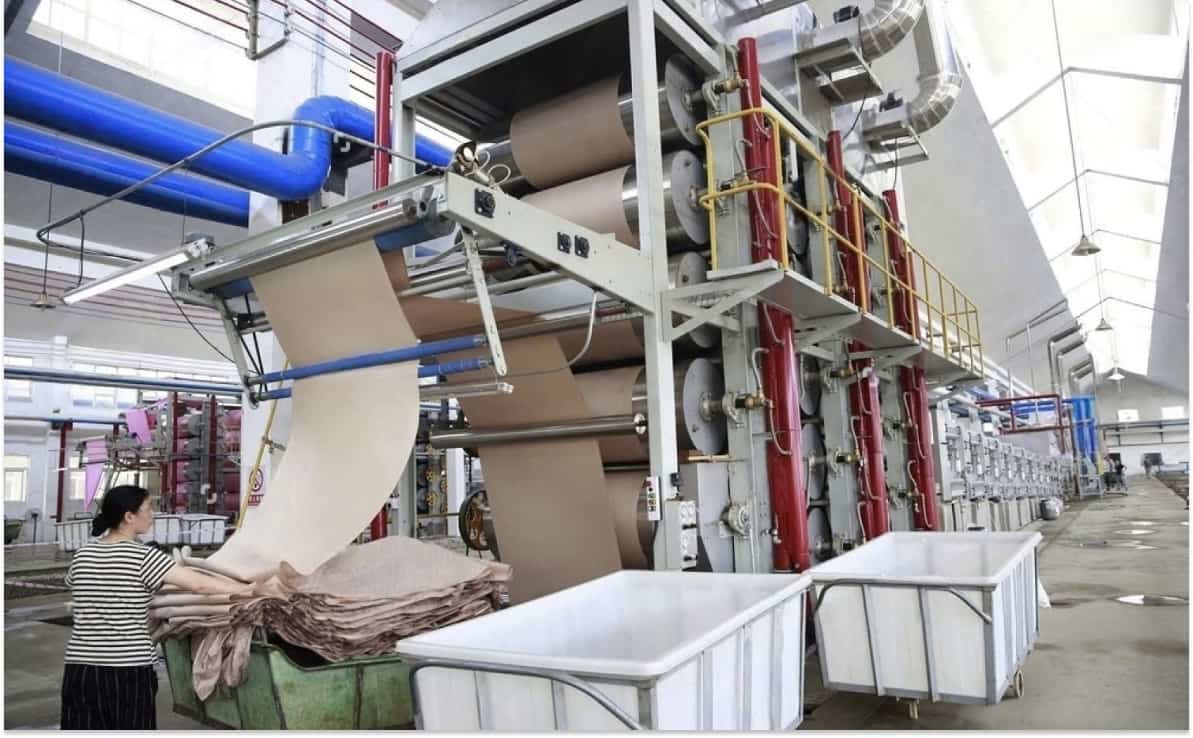
The Direct Fabric Printing Process: Cotton – Poly – Silk – Nylon

Direct-to-Fabric (DTF) digital printing technology has become the gold standard in the modern textile industry, allowing manufacturers to create complex designs with high speed and optimal cost efficiency. However, the application of the direct fabric printing process is not uniform across all material types.

Each fiber type—from natural Cotton, synthetic Polyester, protein-based Silk, to durable Nylon—requires a specific treatment cycle and corresponding ink type to ensure colors adhere securely, are durable, and maintain the fabric’s intended hand feel. This differentiation is the key to distinguishing between a high-quality printed product and one prone to fading or cracking.

This article provides an in-depth analysis of the optimized direct fabric printing process for the most common fabric types, offering expert insights into the necessary chemicals, temperatures, and technical steps required to achieve a flawless finished product.

quy trình in vải trực tiếp tại vn
The Direct Fabric Printing Process: Cotton – Poly – Silk – Nylon 40

1. Overview of the Direct Fabric Printing Process

The direct fabric printing process is a high-tech sequence of steps, completely different from traditional screen printing or heat transfer printing (Sublimation). This method requires synchronization between the printing equipment, specialized inks, and the heat or steam curing stage.

1.1. Definition and Scope of Direct-to-Fabric (DTF)

Direct-to-Fabric (DTF) is a method where digital print heads deposit ink directly onto the fabric surface, followed by chemical or physical reactions to fix the color. Unlike Sublimation, which only works on Polyester, DTF is more versatile, allowing printing on most fiber types, including Cotton, Viscose, Silk, and Nylon, depending on the ink used.

This technology offers advantages in printing fine details, smooth gradients, and supporting Print-on-Demand (POD) for small quantities. To maximize these benefits, adhering to the specialized direct fabric printing process for each fiber type is a prerequisite.

1.2. Key Ink Types in the Direct Fabric Printing Process

The choice of printing ink is the crucial factor that determines the entire direct fabric printing process and the compatible fabric type.

  • Reactive Inks: Used for Cellulose fibers (Cotton, Linen, Viscose). Reactive inks create a permanent covalent chemical bond with the fabric fiber. This ink provides the highest color fastness and softest hand feel on Cotton.
  • Acid Inks: Used for Protein fibers (Silk, Wool) and Polyamide (Nylon). Acid inks create an ionic bond with the Amine groups in Protein/Polyamide fibers. This ink yields vibrant colors and high sheen, ideal for silk.
  • Disperse Inks: Used for synthetic fibers (Polyester). Disperse dye molecules deeply penetrate the Polymer structure of Polyester under high temperature, resulting in absolute color permanence (non-fading when washed).
  • Pigment Inks: Used for most fiber types (Universal). Pigment inks do not form a chemical bond but adhere to the fabric surface using a binder (adhesive agent). This is the most flexible choice, but color fastness and hand feel can be inferior to other specialized inks.

1.3. Three Core Stages of the Direct Fabric Printing Process

Every direct fabric printing process must pass through three main stages, although the specific treatment details for each stage will vary depending on the ink and fabric type.

  1. Pre-Treatment: Preparing the fabric surface to optimize the ink’s absorption and chemical reaction potential.
  2. Digital Printing: Precisely jetting ink onto the fabric using the print heads.
  3. Post-Treatment: Fixing the ink using high heat (Curing), steam (Steaming), or chemicals, followed by washing to remove excess chemicals and unfixed ink.

2. Direct Fabric Printing Process on Cotton – Optimizing the Reactive Reaction

Cotton is the most popular fabric, but the direct fabric printing process for Cotton demands the strictest control over pre-treatment chemicals and steaming to activate the chemical reaction of Reactive inks.

2.1. Fabric and Ink Preparation

Cotton fabric must be fully bleached and impurities removed before printing. Most professional manufacturers use Reactive Ink to print Cotton, as it creates a permanent bond, yielding the softest hand feel and highest color fastness.

2.2. Stage 1: Chemical Pre-Treatment (Padding/Foularding)

This is the most critical step in the direct fabric printing process for Cotton. The goal is to introduce the necessary chemicals into the fibers for the Reactive ink to react.

  • Chemical Components: The pre-treatment solution typically includes Urea (which aids ink solubility and cleans print heads), Alkali (Sodium Carbonate or Bicarbonate) to create the high pH environment required for the reaction, and a thickener to prevent ink bleeding.
  • Mechanism: The fabric is run through a Padder (or Foulard) machine, where it is immersed and pressed to ensure the solution saturates the fibers evenly. The Alkali concentration must be strictly controlled; too low a concentration weakens the color reaction, while too high can damage the fabric fibers. The fabric is then pre-dried.

2.3. Stage 2: Digital Printing – Ink Volume Control

The digital printer jets Reactive ink onto the pre-treated surface. Do to the thickener in the fabric, the ink is held on the surface without penetrating too deeply and bleeding.

  • Resolution: Typically ranges from 600×600 dpi to 1200×1200 dpi for detail reproduction.
  • Drop Volume Control: Must be adjusted to ensure just enough ink reacts with the pre-treatment chemicals without over-wetting, which would cause dimensional instability of the fabric.

2.4. Stage 3: Post-Treatment – Steaming and Washing-Off

Reactive ink requires saturated steam at high temperatures to complete the chemical reaction.

  • Steaming: The fabric is passed into a specialized steam chamber (Steamer) at temperatures from 102°C to 105°C for approximately 8-15 minutes. Hơi nước cung cấp năng lượng nhiệt và độ ẩm cần thiết để kiềm kích hoạt phản ứng, tạo liên kết bền vững giữa mực và Cellulose. The steam provides the thermal energy and humidity needed for the alkali to activate the reaction, forming a durable covalent bond between the ink and the Cellulose.
  • Washing/Soaping: After steaming, the fabric is washed with hot water and soap (soaping) to completely remove excess Reactive ink (unfixed dye) and pre-treatment chemicals. If not washed thoroughly, the fabric will feel stiff, colors may bleed easily upon the first wash, and color fastness will be severely reduced. This is the crucial step determining the final quality of the Cotton direct fabric printing process.

3. Direct Fabric Printing Process on Polyester – High-Temperature Curing with Disperse Ink

Polyester (Poly) is a non-absorbent synthetic fiber; thus, the direct fabric printing process for Poly is completely different, relying on the Sublimation principle of Disperse ink.

3.1. Disperse Ink and Polyester Compatibility

Disperse ink is the sole choice for Polyester. When heated, the Disperse ink molecules transition from solid to gas (sublime) and penetrate the Poly fibers.

3.2. Stage 1: Pre-Treatment (Optional)

For direct Disperse printing, an alkali chemical pre-treatment like Cotton’s is not mandatory. However, some manufacturers may use a thin Polymer Coating to improve image sharpness and prevent ink blurring before curing.

3.3. Stage 2: Digital Printing

Due to the nature of Polyester, the ink adheres quite well to the surface, facilitating high-speed printing.

3.4. Stage 3: Post-Treatment – Heat Curing and Color Fixing

This is the decisive stage of the Polyester direct fabric printing process.

  • Dry Curing/Baking: The fabric is fed into a curing oven or flat heat press at extremely high temperatures, typically from 180°C to 210°C, for about 45 seconds to 5 minutes.
  • Mechanism: Under this temperature, the Polyester molecules open up (expand), allowing the gaseous Disperse ink molecules to penetrate into the fiber’s polymer structure. When the fabric cools, the Polyester fiber closes, permanently trapping the ink inside.
  • Benefit: This method creates absolute color fastness, resistant to washing and chemical exposure.
  • Crucial Note: Curing temperature must be carefully controlled, especially for Poly fabric containing Spandex (Elastane), as excessive heat can damage the elasticity of the Spandex fiber.

4. In-Depth Technical Analysis of Chemical Pre-Treatment

quy trình in vải trực tiếp chi tiết
The Direct Fabric Printing Process: Cotton – Poly – Silk – Nylon 41

Pre-treatment is the most scientific phase in the direct fabric printing process, determining 70% of the print quality and color fastness. The difference in chemical formulas is the technological secret of each manufacturer.

4.1. The Role of UREA, Alkali, and the Activation Mechanism (Reactive Dyes)

For Reactive Inks on Cellulose fibers (Cotton), three main components in the pre-treatment solution are mandatory:

  • UREA: Not only aids dye solubility, but UREA is also a critical humectant. It retains moisture in the fabric after pre-drying, ensuring the ink does not dry out too quickly before steaming. This allows the ink to spread evenly and optimizes the dyeing reaction.
  • Alkali: Usually Sodium Carbonate (Soda ash) or Sodium Bicarbonate. Alkali removes the Hydroxyl groups (OH-) from the Cellulose fiber, creating a negatively charged Cellulosate group (Cell-O$^{-}$). This group then reacts with the Active group of the Reactive dye (positively charged), forming the stable covalent bond.
  • Dye-fixing Agent: Salts like Sodium Sulphate help control the reaction rate and prevent excessive ink migration.

4.2. Thickeners and Ink Bleeding Control

Thickeners (often Sodium Alginate extracted from seaweed, or synthetic Polymers) have two main functions:

  • Stabilize Ink Droplet Position: When the ink droplet is jetted, the thickener prevents it from immediately penetrating the fabric structure, maintaining vibrant color and high sharpness on the surface.
  • Prevent Wicking/Bleeding: Controls the lateral diffusion of the ink, avoiding blurred edges or blending in transition areas.

The selection of the thickener’s viscosity must be appropriate for the fabric’s fineness and thickness. The thinner the fabric (e.g., chiffon), the higher the thickener’s viscosity needed to prevent strike-through.

4.3. Polymer Binders and Coatings for Pigment Inks

When using Pigment Inks, the direct fabric printing process eliminates the steaming and chemical washing stages. Instead, it relies entirely on the Binder:

  • Binder: A liquid Polymer (often Acrylic Polymer) that forms a transparent, pliable film around the pigment particle and glues it to the fiber surface.
  • Cross-Linker: This component determines wash and rub fastness. It creates cross-links between the Polymer chains of the Binder under curing temperature (typically 150°C – 170°C), hardening and fixing the color film.
  • White Pre-Treatment Coating: For Pigment printing on dark fabrics, this coating is a special Polymer solution containing White Pigment (Titanium Dioxide), acting as a white “screen” for the CMYK colors printed on top to display vibrantly.

5. Quality Control (QC) and Troubleshooting Common Defects

To ensure quality output, manufacturers must actively control technical defects in the direct fabric printing process.

5.1. Bleeding/Wicking Defects and Solutions

  • Phenomenon: Ink spreads excessively, blurring outlines and fine details, or colors blend in transition areas.
  • Cause: Too much ink jetted (high ink coverage), or insufficient viscosity of the thickener in the pre-treatment solution, or the fabric was not dried correctly after pre-treatment.
  • Solution: Reduce the Ink Limit in the RIP software, increase the thickener concentration, or adjust the speed/temperature of the pre-drying to ensure appropriate moisture level.

5.2. Ensuring Wash/Rubbing Fastness

Color fastness is the most important measure of the direct fabric printing process.

  • Wash Fastness: This defect often occurs when the Post-Treatment stage is inadequate:
    • Reactive Dyes: Insufficient steaming time or temperature to complete the alkali reaction.
    • Pigment Dyes: Insufficient curing temperature to activate the Cross-Linker and form cross-links for the Binder.
  • Rubbing Fastness: (Especially critical for Pigment Inks). This defect occurs when the Polymer film is too thick or the adhesion of the Binder to the fiber is poor. The solution is to optimize the Binder/Cross-Linker formula and ensure ink is not overly deposited on the fiber surface.

5.3. Optimizing Hand Feel

  • “Stiff Feel” Issue: Most common with Pigment Ink due to the Polymer Binder layer on the surface.
  • Solution: Switch to Reactive Ink for Cotton (if possible). If Pigment must be used, reduce the amount of Binder/Cross-Linker in the pre-treatment solution and use newer, more flexible Binders, or apply a softener in the final Finishing stage.

6. New Technology and Equipment in Modern DTF

The development of the direct fabric printing process constantly evolves with machine technology and control software.

6.1. Print Heads and Speed (Single-Pass)

  • Print Head Technology: Industrial Piezoelectric print heads (like Kyocera, Konica Minolta) with ultra-high drop jetting frequency have replaced thermal print heads. This allows for extremely accurate and uniform control over ink droplet size (Drop Volume).
  • Single-Pass System: Instead of the fabric moving multiple times under the print heads (Multi-Pass), Single-Pass technology uses a long, fixed array of print heads spanning the entire fabric width. This allows printing at extremely high speeds (up to 60-80 meters/minute) while maintaining resolution, significantly reducing time in large-scale direct fabric printing process production.

6.2. Advanced Steaming Systems (Steamer Technology)

Modern steam chambers (Steamer) are equipped with absolute saturated steam control systems, ensuring uniform temperature and humidity across the entire fabric width. This is crucial for Reactive and Acid Inks, helping the chemical reaction proceed 100%, minimizing excess ink, and reducing the burden on the washing stage. New systems also include steam recovery units, helping to save energy.

6.3. Sustainable Digital Printing Solutions (Eco-friendly)

Sustainability has become a major trend in the direct fabric printing process:

  • Water Reduction: Modern Pigment Inks completely eliminate the washing and steaming steps, saving millions of liters of water.
  • Zero Discharge Standard: Advanced printing factories implement closed-loop wastewater treatment systems, recycling wash water after removing chemicals and unfixed ink, achieving the Zero Discharge of Hazardous Chemicals (ZDHC) standard.
  • Eco-Certifications: Using inks and pre-treatment chemicals with ecological certifications like GOTS (Global Organic Textile Standard) and Oeko-Tex Standard 100, ensuring products are safe for users and environmentally friendly.

7. Direct Fabric Printing Process on Silk – The Delicacy of Acid Ink

Silk is a natural Protein fiber, requiring a direct fabric printing process using Acid Ink and extremely gentle handling to preserve its luster and soft feel.

7.1. Acid Ink and Ionic Bonding

Acid Inks are used because they contain Acid groups capable of reacting with the Amine groups in Protein fibers. This ionic bonding creates vibrant colors and high sheen, suitable for the luxurious nature of silk.

7.2. Stage 1: Acidic Pre-Treatment

Silk fabric is pre-treated with a mildly Acidic solution, typically containing Citric Acid and thickeners, to prepare for ionic bonding.

7.3. Stage 2: Digital Printing

The printing process on silk requires a slower speed and lower fabric tension to avoid damaging the delicate fiber structure and prevent fabric shifting during printing.

7.4. Stage 3: Post-Treatment – Gentle Steaming

Similar to Cotton, silk also requires steaming to fix the color, but the temperature and time are often lower (e.g., 100°C for 5-10 minutes) to protect the Protein structure of the fiber.

  • Washing-Off: The post-steaming washing step must be performed using neutral or mildly Acidic detergents, avoiding strong alkalis, as they can dissolve the Protein fibers, causing irreversible fabric damage. The delicacy in the post-treatment stage is the key point of the direct fabric printing process for silk.

8. Direct Fabric Printing Process on Nylon – Challenges and Solutions

sản phẩm sau quy trình in vải trực tiếp
The Direct Fabric Printing Process: Cotton – Poly – Silk – Nylon 42

Nylon (Polyamide) is the second most common synthetic fiber for DTF printing. It can be printed using both Acid Ink (due to its Polyamide structure) or Disperse Ink, depending on the application and color fastness requirements.

8.1. Ink Selection for Nylon

  • Acid Ink: Often preferred for Nylon as it offers higher wash and rub fastness, ideal for activewear or swimwear.
  • Disperse Ink: Can also be used, but color depth may not be equal to Acid Ink.

8.2. Pre-Treatment and Printing Stages

Pre-treatment usually involves pH adjusters and thickeners to stabilize the surface. The biggest challenge in the direct fabric printing process for Nylon is its lower temperature sensitivity compared to Polyester. Nylon is prone to shrinkage or deformation if the post-treatment temperature is too high.

8.3. Post-Treatment Stage – Precise Temperature Control

  • Steaming or Curing: When using Acid Ink, Nylon needs to be steamed. When using Disperse Ink, Nylon needs to be cured, but the temperature must be adjusted lower than Polyester (e.g., 170°C – 185°C) to prevent damage to the Polymer structure.
  • Finish Treatment: After color fixing, Nylon is often coated with finishing chemicals such as UV protectants or water repellents, depending on the end use (e.g., tents, swimwear, outerwear).

9. VieTextile’s Role in High-Quality Direct Fabric Printing Process

VieTextile is your professional partner, providing comprehensive direct fabric printing processes optimized to international standards. We not only possess the most advanced digital printing systems but also heavily invest in the research and development of specialized pre-treatment and post-treatment chemical formulas.

We understand that every batch of Cotton, every piece of Silk, or every roll of Polyester has slightly different characteristics. Therefore, VieTextile’s technical team always performs the following steps:

  • Fiber Analysis: Checking the fiber content and pH of the greige fabric before printing to adjust the optimal pre-treatment formula.
  • Color Profiling: Building specialized color profiles for the combination of ink type (Reactive, Acid, Disperse) and specific fabric type, ensuring the printed colors are absolutely true and consistent with the original design (digital proof).
  • Temperature and Humidity Control: Using Steamer and curing ovens equipped with precise sensors, controlling temperatures within the +/- 1°C margin, ensuring ink is fixed perfectly without damaging the fabric fibers (especially Silk and Nylon).
  • Wash Fastness Testing: Every batch is tested for color fastness according to AATCC or ISO standards after completing the direct fabric printing process and industrial washing.

If you are looking for a partner who can ensure technical accuracy in every step of the direct fabric printing process, from natural to synthetic materials, VieTextile is committed to delivering superior quality and durability.

10. Frequently Asked Questions About the Direct Fabric Printing Process (FAQ)

Q: What is the biggest difference between the direct fabric printing process for Cotton and Polyester? A: The biggest difference lies in the Post-Treatment stage: Cotton uses Steaming to activate the chemical reaction (Reactive Ink), while Polyester uses Dry Curing at high temperatures for the Disperse Ink to sublime and penetrate the fiber.

Q: If I print Reactive Ink on Polyester fabric, what will happen? A: Reactive ink will not adhere securely to the Polyester fiber because no chemical bond is formed. The ink will be completely washed off during the final washing stage, resulting in a failure of the direct fabric printing process.

Q: Does pre-treatment change the hand feel of the fabric? A: Yes. If the pre-treatment solution and thickeners are not controlled or not completely washed off in the final stage, the fabric can feel stiffer. VieTextile optimizes the direct fabric printing process to minimize residual chemicals and ensure the fabric retains its softness.

Q: Why is direct printing on Silk more expensive than Cotton? A: Printing on Silk is more expensive due to the use of specialized Acid Ink (which costs more than Reactive Ink) and the direct fabric printing process requires delicate, slower, and more complex temperature control and post-treatment handling (steaming, washing-off) to avoid damaging the Protein structure of the fiber.

Q: Can the direct fabric printing process handle Blended Fabrics like Poly/Cotton? A: Yes, but it requires the use of Pigment Ink with a binder, or Hybrid Ink to adhere to both fiber types. Color quality and softness may not be equal to printing on 100% Cotton or 100% Poly with specialized inks, but it is the optimal solution for blends.

Q: Does the fabric’s pH affect the direct fabric printing process? A: Rất quan trọng. Vải Cotton cần pH cao (Kiềm) cho Mực Reactive, trong đó Lụa và Nylon cần pH Acid cho Mực Acid. The greige fabric must be processed to achieve the precise pH level before the formal Pre-Treatment step.

Q: How is the white underbase ink layer processed in the direct fabric printing process for dark Cotton? A: For dark Cotton fabric, a special White Pigment ink layer is printed first. This layer acts as the white base layer. After colors are printed on top, the entire print is cured with heat to fix the Pigment layer, completing the direct fabric printing process on a dark background.

To ensure the direct fabric printing process is executed with the highest precision and quality for all materials, contact VieTextile for expert consultation.

Contact Information:

Hotline: 0901 809 309 

Email: info@vietextile.com 

Website: https://vietextile.com

Suitable Fabrics for Digital Printing – Detailed Selection Guide

The fashion and garment industry is rapidly transforming thanks to the dramatic development of digital printing technology. This technique allows designers to create complex patterns and diverse colors that traditional printing methods struggle to match. However, to achieve high-quality results and optimal color fastness, selecting the appropriate fabric material for digital fabric printing outsourcing is crucial.

Mistakes in fabric selection can lead to blurred images, dull colors, or easy fading after washing. Therefore, a thorough understanding of fabric types before proceeding with digital fabric printing outsourcing is the first and most vital step for every manufacturer. This article will provide an in-depth analysis of the criteria and a detailed selection guide.

gia công in kỹ thuật số lên vải chất lượng cao
Suitable Fabrics for Digital Printing – Detailed Selection Guide 47

1. The Mechanism of Digital Fabric Printing and Fiber Influence

Understanding the operational mechanism of printing technology is the key to fabric selection. Depending on the chemical nature of the fabric fiber, a specific type of ink and digital fabric printing outsourcing method must be applied to ensure color adhesion and durability. The relationship between the printing ink, catalyst, and fabric fiber determines 90% of the final product quality.

1.1. Direct To Garment (DTG) Inkjet Technology

DTG is the most common method for digital fabric printing outsourcing on natural fibers like Cotton and Silk. The printing ink, typically Reactive or Pigment ink, is sprayed directly onto the fabric surface. Reactive ink forms a chemical bond with the Cellulose molecules of natural fibers. This process requires the fabric to be pre-treated to optimize the ink’s absorption and reaction capabilities, ensuring smooth execution of the digital fabric printing outsourcing process. Color depth and wash fastness highly depend on the quality of the ink and the post-printing steaming and curing process.

Cotton fiber, with its porous structure and high Cellulose content, is an ideal material for Reactive inks. When digital fabric printing outsourcing using the DTG method, the ink penetrates deep into the fibers, creating a soft, non-stiff image.

1.2. Dye Sublimation Heat Transfer Technology

Dye Sublimation is the preferred technology when outsourcing digital fabric printing onto synthetic fabrics, especially Polyester. Sublimation ink changes from a solid state directly to a gaseous state (sublimation) under high heat and pressure, then penetrates and bonds with the Polyester molecules.

This process is only effective on fabrics with a Polyester content of 60% or higher. Polyester is characterized by being non-absorbent but capable of absorbing Sublimation ink vapor when its fiber molecules open up under high temperatures (approx. 180°C – 200°C). This is the mandatory choice for digital fabric printing outsourcing that requires absolute color permanence, as the color becomes an integral part of the fiber.

1.3. The Reaction Between Printing Ink and Fiber Structure

The chemical structure of the fabric fiber is the determining factor for the ink type. Cellulose fibers (Cotton, Linen) require Reactive or Pigment inks; Protein fibers (Silk, Wool) need Acid inks; and synthetic fibers (Polyester, Nylon) require Sublimation or Disperse inks. Choosing the wrong ink will result in poor adhesion or rapid wash-off during the digital fabric printing outsourcing process.

Another critical difference is the reaction to heat. Polyester fabric can withstand high temperatures without significant shrinkage or deformation, making it perfect for Sublimation printing. Conversely, Silk fabric is heat-sensitive, requiring temperature adjustment during printing to avoid damaging the fiber structure, demanding tight control in the digital fabric printing outsourcing process.

1.4. Mandatory Fabric Pre-Treatment Process

For most natural fabrics in digital fabric printing outsourcing using Reactive or Pigment inks, the pre-treatment process is indispensable. The fabric is immersed or sprayed with a pre-treatment solution containing surfactants and polymers.

The purpose of pre-treatment is to increase ink absorption, prevent color bleeding, and improve adhesion, which is especially important for dark-colored Cotton fabrics. Skipping the pre-treatment step will significantly reduce the print quality and wash fastness. The quality of the pre-treatment solution must be strictly controlled to avoid altering the fabric’s hand feel after digital fabric printing outsourcing.

2. Suitable Natural Fabrics for Digital Fabric Printing Outsourcing

Natural fabrics are always popular for their soft, breathable, and skin-friendly feel. However, they pose specific challenges during the digital fabric printing outsourcing process, mainly related to shrinkage and color fastness.

2.1. Cotton Fabric

Cotton is the most printed fabric globally using digital fabric printing outsourcing. Thanks to its excellent ink absorption and Cellulose structure, Cotton produces high-detail images and vibrant colors when using Reactive inks.

2.1.1. Advantages and Disadvantages of DTG Printing

The main advantage of Cotton is wearing comfort and skin safety. However, the biggest drawback is shrinkage after washing. Pre-treatment and post-printing steaming can help minimize shrinkage, but choosing pre-shrunk Cotton from the start is essential when outsourcing digital fabric printing. Cotton requires Reactive ink for the best color fastness, but Pigment ink (more environmentally friendly) is also widely used, although its wash fastness may be inferior.

2.1.2. Optimal Color Brightness Analysis

Printed colors on Cotton generally achieve very high brightness and contrast, especially on white fabric bases. For dark-colored Cotton, a white underbase ink layer must be printed before applying colors, which increases the complexity and cost of digital fabric printing outsourcing. The thickness of the white underbase must be controlled to ensure the print color is not muted but also does not make the fabric stiff or bulky.

2.2. Linen and Bast Fibers

Linen and other bast fabrics have a coarser fiber structure than Cotton, providing a rustic look and a cool feel. They are a popular choice for high-end fashion or home furnishing products.

When outsourcing digital fabric printing onto Linen, attention must be paid to the coarseness of the fibers and the thread count. Loosely woven fabrics will make it difficult to reproduce small details. Reactive ink remains the optimal choice, but the pre-treatment process must be adjusted so the solution penetrates evenly into the coarse fiber structure, ensuring uniform color on the fabric surface.

2.3. Silk (Natural Silk)

Silk is a natural Protein fiber, soft and lustrous. It requires a special Acid ink to form a chemical bond, allowing the ink to adhere tightly to the fiber. Acid ink provides the most vibrant colors and highest sheen on Silk fabric, creating a wonderful visual effect during digital fabric printing outsourcing.

The challenge when printing Silk is its heat sensitivity and the delicacy of the fiber. Curing and steaming temperatures must be controlled very precisely to avoid scorching or losing the natural luster of the silk. The digital fabric printing outsourcing process for Silk is typically performed at a slower speed to ensure accuracy and gentle handling.

3. Common Synthetic Fabrics for Sublimation Printing Technology

máy gia công in kỹ thuật số lên vải
Suitable Fabrics for Digital Printing – Detailed Selection Guide 48

Synthetic fabrics, especially Polyester, are the heroes of Sublimation technology. The absolute chemical compatibility between Sublimation ink and synthetic fibers creates printed products with superior color durability and absolute fade resistance.

3.1. Polyester (PE) – The Top Choice

Polyester is the ideal material for digital fabric printing outsourcing using the Sublimation method. PE fabric has a reasonable cost, high durability, and good wrinkle resistance.

3.1.1. Ink Penetration Mechanism in Sublimation Printing

In Sublimation printing, the ink sublimates into gas at high temperatures. These color molecules penetrate directly into the Polymer structure of the Polyester fiber and become trapped when the fiber cools. The printed color is not on the surface but inside the fiber, ensuring the image does not crack, peel, or fade even after multiple washes. This makes PE the top choice for digital fabric printing outsourcing for sportswear and outdoor products.

3.1.2. Polyester Variants (Recycled PE, Spun PE)

In addition to pure Polyester, many variants are also used. Recycled PE offers a sustainable solution with equivalent printing properties. Spun PE (spun Polyester) mimics the soft feel of Cotton while retaining the ability to use Sublimation printing, an excellent choice for manufacturers who want to outsource digital fabric printing with complex patterns while maintaining a natural feel.

3.2. Nylon (Polyamide) Fabric

Nylon is another type of synthetic fiber, known for its excellent tensile strength and high abrasion resistance. However, digital fabric printing outsourcing on Nylon is slightly more challenging than on Polyester.

Nylon can also be printed using Sublimation, but it requires lower temperatures and shorter times than PE to avoid damaging the fabric fibers. Color brightness and wash fastness may not be equal to PE, but Nylon is still a good choice for products requiring high mechanical durability, such as various types of bags or protective clothing.

3.3. Spandex (Elastane) in Activewear

Spandex, often blended with Polyester, provides excellent stretch, making it the dominant material for activewear and swimwear.

When digital fabric printing outsourcing onto fabrics containing Spandex, the most critical requirement is extremely precise temperature control. Excessive temperature during the Sublimation process can damage the elasticity of the Spandex fiber, causing the fabric to stretch permanently or reduce its recovery ability. Printing on blended fabric requires high expertise in adjusting the heat press machine to optimize ink sublimation without harming sensitive fibers.

4. Detailed Selection Table: Evaluation Criteria for Digital Fabric Printing Outsourcing

Fabric selection must be based on a combination of the intended Application, the Ink Type, and core technical criteria.

4.1. Absorption Rate Criterion

The fabric’s absorption rate determines the sharpness of the image.

  • High Absorbency Fabrics (Cotton, Linen): Suitable for Reactive/Pigment inks. If absorbency is too high without pre-treatment, the ink can bleed, reducing the sharpness of fine lines. The digital fabric printing outsourcing process needs to be calibrated to control the ink volume.
  • Low Absorbency Fabrics (Polyester, Nylon): Suitable for Sublimation ink, where the ink penetrates in a gaseous state. Low absorbency is why they cannot be printed directly with Reactive ink without a special coating.

4.2. Color Fastness and Wash Resistance Criterion

Colorfastness is measured by the ability to withstand washing, light, and friction.

  • Sublimation on PE: Achieves the highest color fastness (usually 4-5/5) because the color is bonded within the fiber.
  • DTG on Cotton: Color fastness depends on the ink type (Reactive > Pigment). Reactive ink provides very good color fastness, but Pigment ink may fade slightly after multiple washes.

4.3. Shrinkage and Fabric Deformation After Printing Criterion

Dimensional Stability is an extremely important factor.

  • Cotton: Tends to shrink (usually 3-5%). It is necessary to print on fabric that has been dimensionally stabilized before digital fabric printing outsourcing.
  • Polyester: Very stable, shrinkage is almost zero. This is a major advantage of PE in heat transfer printing.

4.4. Comprehensive Detailed Selection Table for Digital Fabric Printing Outsourcing

Below is a detailed analysis table of common fabrics, helping manufacturers make the most accurate decisions. This table not only provides information on ink type but also on potential issues to note.

Fabric TypeFiber TypeSuitable Ink TypePrinting Temp (Sub)Main Printing AdvantageDigital Printing Challenge
Cotton 100%Natural CelluloseReactive, PigmentN/A (DTG Printing)Vibrant colors, soft hand feelShrinkage, complex pre-treatment needed, white underbase for dark fabrics
Polyester 100%Synthetic (Polymer)Sublimation180°C – 200°CAbsolute color permanence, no fading, dimensional stabilityOnly works on light-colored fabrics, slightly non-breathable feel
SilkNatural ProteinAcidN/A (DTG/Jet Printing)High sheen, sophisticated print colors, luxurious qualityVery sensitive to heat, steaming process requires tight control
PE/Cotton Blend (65/35)BlendDisperse/PigmentLowerBalance between durability and comfortable feelSublimation colors look muted (due to Cotton not absorbing ink), requires Hybrid ink
Nylon (Polyamide)Synthetic (Polymer)Sublimation, Acid160°C – 180°CHigh mechanical strength, good abrasion resistanceSensitive to temperature, prone to melting/deformation if overheated
Viscose/RayonRegenerated CelluloseReactiveN/A (DTG Printing)Good drape, soft, bright colorsLow mechanical strength when wet, prone to wrinkling and structural deformation

4.5. In-Depth Analysis of Blended Fabrics

Blended fabrics, such as 65% Polyester / 35% Cotton, pose the greatest challenge for digital fabric printing outsourcing. Sublimation ink only adheres to the PE portion (65%), leaving the Cotton portion (35%) white or light-colored, resulting in muted and non-uniform colors.

To solve this problem, Hybrid (combination) or Disperse inks must be used, or a complex two-step printing process. Professional digital fabric printing outsourcing providers often need to thoroughly consult customers regarding color brightness expectations when printing on blended fabrics.

5. VieTextile – High-Quality Digital Fabric Printing Outsourcing Service

chuyên gia công in kỹ thuật số lên vải
Suitable Fabrics for Digital Printing – Detailed Selection Guide 49

VieTextile is proud to be a pioneer in the field of digital fabric printing outsourcing in Vietnam, committed to delivering superb print quality, outstanding color fastness, and perfect sharpness. We understand that fabric selection and the treatment process are the foundation for a successful printed product.

We are equipped with modern digital printing systems capable of handling a variety of inks, from Reactive, Acid, to Sublimation, ensuring optimal compatibility with every fabric type, from premium Cotton, rustic Linen, to athletic Polyester. The digital fabric printing outsourcing process at VieTextile strictly adheres to pre-treatment and post-treatment steps, using internationally certified chemicals and printing inks.

VieTextile’s technical team has deep experience in adjusting color profiles and printing temperatures for each fabric type, completely resolving challenges such as shrinkage, color bleeding on natural fabrics, and color transfer on synthetic fabrics. If you are looking for a reputable digital fabric printing outsourcing partner with the ability to consult and implement on difficult materials, VieTextile is the trusted choice.

We are committed to ensuring every batch of digital fabric printing outsourcing meets uniform quality, high color fastness according to industrial washing standards, helping to enhance brand value and customer satisfaction.

6. Frequently Asked Questions About Digital Fabric Printing Outsourcing (FAQ)

Q: Can black Cotton fabric be effectively printed using digital fabric printing outsourcing? A: Absolutely. To print effectively on black Cotton, we must print a special white underbase layer before printing other colors on top, ensuring perfect brightness and coverage for the dark-colored digital fabric printing outsourcing process.

Q: If the fabric has a low Polyester ratio (below 50%), which digital fabric printing outsourcing method should I choose? A: For blended fabrics with a low PE ratio, Sublimation printing will not yield vibrant colors because only a small portion of the fibers absorb the ink. The more optimal method is DTG printing using Pigment ink or Hybrid ink specially designed for blended fabrics.

Q: Does Sublimation printing change the hand feel of Polyester fabric? A: Not significantly. Because Sublimation ink penetrates the fiber structure in a gaseous state, the color does not form a layer on the surface, helping the fabric retain its softness and breathability after digital fabric printing outsourcing.

Q: How do I check the fabric’s shrinkage before mass digital fabric printing outsourcing? A: The fabric needs to be tested for shrinkage by washing a fabric sample according to industrial standards (ISO 6330 or AATCC 135) before printing. If the fabric shrinks excessively, it needs to be dimensionally stabilized before proceeding with digital fabric printing outsourcing.

Q: How does the wash fastness of DTG printing on Cotton compare to traditional screen printing? A: When using Reactive ink and standard heat treatment processes, the wash fastness of DTG printing can be equivalent to or even better than traditional screen printing, especially regarding resistance to cracking and image breakage.

Q: Can VieTextile handle digital fabric printing outsourcing for small quantities (sample orders)? A: Yes. One of the major advantages of digital fabric printing outsourcing is the ability to print on-demand and accept sample orders or small quantities at a reasonable cost.

Q: What is the production cycle for digital fabric printing outsourcing? A: The production cycle typically depends on the quantity and complexity of the design. With digital technology, the preparation and setup time for the printer are significantly shortened compared to traditional printing. For large orders, the average completion time for a batch of digital fabric printing outsourcing is 3 to 7 working days after the fabric and design are approved.

Q: Does digital printing create sharp images on woven fabrics? A: Digital printing provides excellent sharpness on woven fabrics, provided the fabric has a sufficiently high thread count and a flat surface. Woven fabrics with overly coarse surfaces or non-uniform structures will struggle to reproduce small details during digital fabric printing outsourcing.

To optimize print quality, receive specialized consultation on fabric types, and outsource high-quality digital fabric printing, contact VieTextile today!

Contact Information:

Hotline: 0901 809 309 

Email: info@vietextile.com 

Website: https://vietextile.com

Silk Types Popular in Vietnam’s Direct-Printing Industry (Mulberry, Habotai, Satin, Organza)

Silk has long been revered as the “Queen of Textiles,” synonymous with luxury, smooth texture, and natural sheen. While digital printing on polyester and cotton has become commonplace, successfully executing high-quality, high-resolution direct printing on silk fabrics presents a unique set of challenges due to silk’s delicate nature, complex fiber structure, and affinity for specific dyes.

Vietnam, with its deep-rooted history in silk production and its rapid adoption of advanced digital textile technology, has become a key player in supplying digitally printed silk to high-end fashion houses globally. The industry’s success hinges on its specialized knowledge of different silk types—including Mulberry, Habotai, Satin, and Organza—and the precise adjustments needed in pre-treatment, dyeing, and post-treatment to achieve flawless vietnam direct printing silk fabric results. 

This comprehensive guide explores the unique properties of these popular silk variants and the specialized techniques Vietnamese manufacturers employ to master their digital printing potential.

Luxury silk fabric direct printing Vietnam supplier
Silk Types Popular in Vietnam’s Direct-Printing Industry (Mulberry, Habotai, Satin, Organza) 54

1. The Complexities Of Direct Printing On Vietnam Direct Printing Silk Fabric

Printing directly onto silk (often using reactive or acid dyes) requires chemical precision, mechanical gentleness, and absolute control over temperature and humidity. Unlike synthetic fibers, which typically use dye-sublimation, natural silk requires dyes that chemically bond with the protein structure of the fiber. This difference necessitates a highly controlled, wet-processing workflow.

This chemical bonding process is highly sensitive to external factors, including the type of dye, the steaming process (which fixes the color), and the final washing (which removes unfixed dyes). Vietnam’s expertise in managing these variables for different silk textures is what drives the quality of vietnam direct printing silk fabric. This meticulous process ensures that the final product retains its luxurious drape, vibrant color, and soft hand feel, making it suitable for high-end garments and accessories.

1.1. Why Silk Demands Chemical Precision: Acid and Reactive Dyes

Silk is a protein fiber (fibroin and sericin), which means it reacts differently to dyes than cellulose (cotton) or thermoplastic (nylon/polyester) fibers. For digital printing on silk, manufacturers primarily use Acid or Reactive inks. Acid dyes offer brilliant colors and excellent wash fastness but require an acidic environment and high-pressure steam for fixation.

Reactive dyes are generally preferred for higher color yields, superior wet fastness, and increasingly, for environmental compliance, chemically binding directly to the silk molecules. The success of vietnam direct printing silk fabric depends on the correct selection of these dyes and the critical application of pre-treatment chemicals (typically acidic salts, specialized thickeners, and urea) that prepare the silk surface to accept and hold the dye molecules precisely, preventing lateral bleeding or blurring of the high-resolution image. The choice of dye system is finely tuned based on the required color gamut and the end-use performance specifications.

1.2. Gentle Handling And Mechanical Stress: The Need for Low-Tension Systems

Silk is incredibly strong for its diameter, yet it is highly susceptible to mechanical damage, abrasion, and permanent creasing when wet. The digital printing process—which involves wetting the silk with pre-treatment solution, transporting it through a high-speed printer, and then subjecting it to steaming and washing—requires highly specialized, low-tension machinery.

Vietnamese facilities utilize continuous digital printers equipped with non-contact or minimal-contact transfer systems. Crucially, these machines feature highly precise tension controls (often driven by servo motors) that constantly monitor and adjust the fabric pull, ensuring the delicate vietnam direct printing silk fabric is never overstretched, compressed, or distorted. Preserving the silk’s natural elasticity, warp, and weft alignment is essential for maintaining its natural luster and minimizing damage. The gentle handling throughout the process is a key differentiator in achieving premium quality.

1.3. The Steaming And Washing Dilemma: Fixation and Soaping

The most critical step in fixing the dye on vietnam direct printing silk fabric is high-pressure steaming. This heat and moisture activate the chemical reaction that permanently bonds the dye to the silk. Incorrect temperature or duration can lead to either under-fixation (resulting in poor wash fastness and color loss during washing) or over-fixation (leading to damage to the silk fiber, making it brittle or dull). Continuous belt steamers are engineered to maintain a saturated steam environment at the exact required temperature (typically 100°C to 102°C).

Following steaming, the silk must undergo a thorough washing (or ‘soaping’) process to remove all unfixed dyes, residual pre-treatment chemicals, and any remaining sericin. This washing must be done gently in specialized soaping ranges using specific pH-neutral detergents and controlled water temperatures to prevent tangling, felting, or loss of hand-feel of the silk. Vietnam’s expertise in this complex final stage ensures the colors are set permanently while the fabric retains its supreme softness and drape, validating the quality of vietnam direct printing silk fabric.

1.4. Pre-treatment Formulation and Standardization

Successful digital printing on silk is often 50% chemistry. The pre-treatment solution applied to the raw silk before printing is a complex chemical cocktail designed to achieve three main goals:

  1. Immobilization: Thickeners, primarily natural guar or synthetic agents, keep the dye droplets from spreading laterally, ensuring high-definition print edges.
  2. Dye Solubilization: Urea acts as a humectant and solubilizing agent, helping the dye remain dissolved and maximizing its reaction potential during steaming.
  3. pH Control: Acid-generating agents ensure the environment is chemically conducive for the reactive or acid dyes to bond with the silk protein structure.

Vietnamese manufacturers have established standardized pre-treatment formulations that are fine-tuned for different silk qualities (e.g., using less aggressive agents for thinner Habotai versus heavier Mulberry Satin). This standardization across the supply base ensures consistent chemical performance, a hallmark of reliable vietnam direct printing silk fabric production.

2. Mulberry Silk: The Pinnacle Of Vietnam Direct Printing Silk Fabric

Mulberry silk is the most common and highest quality type of silk available, accounting for nearly 90% of the world’s supply. It is cultivated from the silkworms of the Bombyx mori moth, which feed exclusively on mulberry leaves. The resulting fibers are long, uniform, smooth, and naturally lustrous (due to minimal interruptions in the filament), making them the ideal canvas for premium vietnam direct printing silk fabric.

Its uniformity allows for the clearest, sharpest print resolution and the most accurate color reproduction. Designers often choose Mulberry silk for high-value items like luxury scarves, ties, and haute couture garments where print fidelity and hand feel are paramount. Its smooth, continuous filament structure minimizes light scattering, resulting in a vibrant, almost luminous appearance for the finished print.

2.1. Optimized Pre-Treatment For Mulberry Fibers

Due to the exceptional smoothness and purity of Mulberry silk, the pre-treatment process focuses on achieving optimal surface tension without compromising the fiber’s natural sheen. The chemical mix is carefully balanced, often utilizing a slightly higher concentration of thickeners (alginate) to prevent dye spread, allowing the inkjet droplets to land precisely where intended.

For high-resolution photographic images printed on vietnam direct printing silk fabric, the pre-treated Mulberry silk provides the cleanest surface, enabling the digital printer to achieve maximum DPI (dots per inch) and seamless color blending (halftoning). The inherent quality of the fiber ensures that the color penetration during steaming is consistent across the entire length of the textile, resulting in prints that are sharp and durable.

2.2. Common Uses In High-End Fashion

Mulberry silk is the material of choice for Vietnamese manufacturers producing high-end printed goods for export due to its superior strength and flawless surface.

Examples of products using digitally printed Mulberry vietnam direct printing silk fabric include:

  • Luxury designer scarves with detailed artwork (often 12-16 Momme).
  • Bespoke kimono, robes, and silk pajamas.
  • High-end lining fabrics for custom suits and jackets.
  • Cushion covers and luxury home textiles.

The investment required to print on Mulberry silk is justified by the superior final product, which commands a premium price in the global luxury market.

2.3. The Role of Momme Weight in Printing Quality

Momme (mm) is the traditional unit used to measure the weight of silk fabric, representing the weight in pounds of a piece of silk 45 inches wide and 100 yards long. Momme weight significantly impacts the printing process and the final product feel:

  • Lightweight Silk (8-12mm): Prints achieve excellent strike-through (showing clearly on the reverse side), perfect for sheer scarves and delicate lingerie. However, they are more susceptible to tension damage.
  • Medium Weight Silk (14-19mm): The industry standard for scarves and apparel. This weight offers a great balance of drape, durability, and ink-holding capacity, resulting in richer, more opaque colors.
  • Heavyweight Silk (22mm+): Used for bedding and furnishings. These thick silks require maximum dye load and longer steaming times to ensure full color penetration and wash fastness.

Vietnamese facilities must adjust their steaming profiles and ink consumption for every momme weight to optimize the quality of vietnam direct printing silk fabric.

3. Habotai Silk: The Lightweight Choice For Vietnam Direct Printing Silk Fabric

Custom silk fabric direct printing for scarves Vietnam
Silk Types Popular in Vietnam’s Direct-Printing Industry (Mulberry, Habotai, Satin, Organza) 55

Habotai, often referred to as ‘China silk’ (though now widely produced in Vietnam), is a plain-weave silk known for its lightness, airy feel, and beautiful soft drape. It is less lustrous than Mulberry Satin but offers a very fine, smooth surface, making it an excellent and more economical choice for quality vietnam direct printing silk fabric.

Its characteristic lightness makes it suitable for items requiring significant flow and drape, such as summer blouses, light scarves, and delicate lingerie. The main challenge with Habotai is its sheerness; the ink must be perfectly fixed to prevent show-through or dullness when the fabric is layered or held up to light. Vietnamese printers expertly adjust their dye load and steaming process to maximize vibrancy while maintaining the fabric’s delicate weight.

3.1. Adjusting Ink Penetration On Light Fabrics

Because Habotai is lightweight (typically 8mm or less), controlling the ink load is essential for successful vietnam direct printing silk fabric. If too much dye is applied, it can cause the fabric to stiffen, distort its natural, soft flow, or risk bleeding across the sheer structure. The goal is complete dye penetration through the light fabric (known as ‘strike-through’) without oversaturating the fibers.

Manufacturers adjust the RIP (Raster Image Processor) software to use a reduced ink limit while ensuring the steaming process is precisely executed to drive the dye deep into the thin fiber matrix. This ensures the design is visible with clarity on both sides of the sheer Habotai, a critical feature for scarves and transparent garments, achieving a result close to double-sided printing.

3.2. Versatile Applications In Apparel And Accessories

Habotai silk’s smooth finish, relatively easy handling, and affordability make it one of the most versatile choices for the vietnam direct printing silk fabric sector. It balances aesthetic quality with a viable production cost, making it popular for mid-to-high-range apparel.

Key applications include:

  • Lightweight blouses, shirts, and summer dresses.
  • Summer wraps, sarongs, and sheer neckerchiefs.
  • Inner lining for high-end garments where a soft, breathable material is required.
  • Flag and banner production for indoor displays (where double-sided visibility is valued).

The combination of its fine texture and the precision of digital printing makes Habotai a staple for detailed yet affordable silk products.

3.3. Balancing Cost and Print Quality in Habotai Production

Habotai often serves as the entry point for brands seeking printed silk at a competitive price point. Vietnamese manufacturers are skilled at optimizing the workflow for volume printing on Habotai. This involves using faster printing modes and slightly reducing the pre-treatment concentration (without compromising quality) to increase throughput. The cost-saving strategy focuses on maximizing machine uptime and minimizing material waste, rather than sacrificing dye quality. This meticulous process ensures that while the cost is kept competitive, the output quality of vietnam direct printing silk fabric remains superior to mass-produced alternatives.

4. Silk Satin: Maximizing Sheen With Vietnam Direct Printing Silk Fabric

Silk Satin is characterized not by its fiber content (which is typically Mulberry silk), but by its complex weave structure. The satin weave creates a highly lustrous, smooth, and reflective surface on the face of the fabric and a duller finish on the reverse. This high gloss surface is prized for evening wear, luxury bedding, and statement accessories, often chosen for its luxurious feel and dramatic light reflection.

Printing on Silk Satin requires careful consideration of light reflection. The print must be applied so that the high reflectivity of the satin weave enhances, rather than disrupts, the color and design integrity. Vietnamese manufacturers leverage the digital process to create intricate, high-contrast designs that utilize the natural sheen of the silk to add depth and dimension to the finished vietnam direct printing silk fabric.

4.1. Dealing With High Reflectivity And Print Integrity

The smooth, tightly woven surface of Silk Satin can be challenging because any slight imperfection in the dye application, the tension control, or the fixation process is immediately highlighted by the reflected light. The printing process must ensure absolute registration accuracy and uniform dye distribution to prevent visible banding or streaks.

To prevent color ‘skip’ (where the dye misses the lowest points of the weave structure), the pre-treatment paste often contains higher viscosity agents. This helps to hold the fabric absolutely flat and ensures the dye droplets are accurately absorbed across the highly reflective surface, ensuring a vibrant and uniform appearance in the final vietnam direct printing silk fabric, which is critical for a flawless glossy finish.

4.2. Best Practices For Silk Satin Post-Treatment

After steaming, the washing of Silk Satin is performed with extra care. Due to the long float threads that give Satin its sheen, the fabric is more prone to abrasion, snagging, and losing its characteristic luster when wet. Manufacturers in Vietnam often utilize specialized washing baskets or low-tumble machinery with minimal mechanical action to gently remove residual chemicals.

This careful post-treatment preserves the integrity of the satin weave and ensures the print’s vibrancy and the fabric’s supreme softness. Silk Satin vietnam direct printing silk fabric is essential for products where visual luxury and a dramatic appearance are the main selling points.

4.3. Minimizing Pin-Hole Defects in Silk Satin

A common challenge unique to printing on Silk Satin is the occurrence of pin-hole defects—tiny, unprinted white spots. These are caused by microscopic air bubbles or slight irregularities on the fabric surface preventing ink contact. Vietnamese printing houses utilize specialized techniques to counter this:

  • Vacuum Suction: Employing gentle vacuum systems beneath the print head area to draw the fabric flat and eliminate trapped air.
  • Smoother Application: Using precise, uniform adhesive coatings on the printing blanket to ensure the entire surface of the satin is held taut and perfectly flush with the print head.

This meticulous attention to surface preparation is what ensures a smooth, unbroken color field on the high-gloss surface of printed Silk Satin.

5. Silk Organza: Mastering Sheerness And Structure

Silk Organza is a sheer, lightweight, yet stiff fabric, typically used for structured garments, bridal wear, and theatrical costumes. Its stiffness comes from a tight, open plain weave and a process called ‘degumming,’ which partially removes the sericin (gum) from the fibers, leaving a crisp hand.

Printing on Organza is the ultimate test of control because of its extreme sheerness and open structure. The print must be flawless with perfect strike-through and zero bleed, as the fabric is often used as an outer, translucent, and highly visible layer. Vietnam’s proficiency in printing Organza allows for stunning, translucent textile designs.

5.1. The Sheerness-Resolution Trade-Off

The open weave of Silk Organza means the fine detail of high-resolution digital prints can be compromised if the ink bleeds or spreads into the neighboring open spaces. Furthermore, the crispness of the fabric requires minimal liquid application to prevent the fabric from collapsing or losing its structure.

Vietnamese printers employ extremely fine-nozzle print heads and highly controlled pre-treatment application to achieve the perfect balance. The goal is to print with just enough dye to ensure penetration (strike-through) while maintaining the structural integrity of the crisp, open weave, resulting in high-quality vietnam direct printing silk fabric that retains its delicate structure.

5.2. Applications In Structured and Layered Fashion

Silk Organza’s translucent nature and structural properties make it perfect for creative layered effects in high fashion.

Printed Organza vietnam direct printing silk fabric is commonly used for:

  • Bridal veils, trains, and decorative overlay fabrics.
  • Structured sleeves, collars, and voluminous ruffles that require stiffness.
  • Theatrical and costume design elements requiring a rigid, sheer appearance.
  • Layering over opaque silk satin to create depth and shadow effects.

The successful printing on Organza showcases the Vietnamese industry’s ability to handle the most technically difficult and structurally sensitive natural fabrics.

5.3. Structural Integrity and Post-Print Finishing for Organza

The characteristic “crisp” hand of Organza is derived from its processing, and this stiffness can be partially lost during the wet stages of printing, particularly the washing process. To restore its structural integrity, a specific post-print finishing process is often necessary for Organza vietnam direct printing silk fabric. This typically involves:

  • Stiffening Agents: Applying a light, controlled application of finishing chemicals or starches.
  • Controlled Drying: Utilizing high-precision tenter frames or drying cylinders to dry the fabric under slight tension, helping to set the desired width and restore the crisp hand-feel.

This final attention to texture ensures that the digitally printed Organza fabric meets the designer’s requirements for structure as well as visual appeal.

6. VieTextile’s Role In Supporting Vietnam Direct Printing Silk Fabric Quality

The precision required for successful vietnam direct printing silk fabric, especially when dealing with delicate and high-value materials like Mulberry and Habotai, relies entirely on the flawless operation of specialized digital printing and finishing machinery. VieTextile is the essential partner ensuring this operational excellence across Vietnam.

We specialize in supplying high-precision textile spares critical to the function of silk printing machinery. This includes specialized print heads (e.g., Kyocera, Epson) capable of jetting highly concentrated acid or reactive dye inks accurately, gentle tension control rollers that prevent stretching of wet silk, and precision parts for industrial steamers and soaping ranges. We understand that a breakdown in any of these components can result in permanent damage to high-value silk rolls and compromise production schedules. Our focus is minimizing this risk by supplying reliable, certified components.

VieTextile maintains an inventory of certified spare parts designed for delicate fabric handling. For instance, the exact timing and temperature controls of the large continuous steamers are paramount for fixing the dyes on vietnam direct printing silk fabric. We supply the genuine sensors, heating elements, and conveyor systems that ensure these critical parameters are met consistently, batch after batch. Our technical team works closely with production engineers, providing preventative maintenance solutions tailored specifically to the chemical and thermal stresses of silk digital printing, including the corrosive nature of acid dye residues on metal parts.

Our commitment to quality means that manufacturers can rely on their machinery to handle the unique demands of Silk Satin’s reflective surface or Organza’s open weave without fear of mechanical failure or print defect. By ensuring the reliability and precision of the hardware, VieTextile indirectly supports the high aesthetic standards and luxury positioning of vietnam direct printing silk fabric in the global market.

7. Quality Control and Export Standards for Printed Silk

Vibrant color direct printing on silk fabric Vietnam
Silk Types Popular in Vietnam’s Direct-Printing Industry (Mulberry, Habotai, Satin, Organza) 56

For premium high-fashion and luxury goods, vietnam direct printing silk fabric must adhere to stringent international quality control (QC) standards. QC is not just a final check; it is an integrated process ensuring both chemical safety and print durability.

7.1. Colorfastness to Washing (ISO 105 C06)

This test is critical to prove the dye has been properly fixed to the silk fiber. Samples of the printed silk are washed under controlled conditions (temperature, agitation, and detergent) alongside adjacent unprinted fabrics (multi-fiber swatches). The QC team assesses the degree of color change on the printed silk and the degree of staining on the adjacent swatches. High-quality vietnam direct printing silk fabric must achieve a high grade (typically 4 or higher) to be deemed commercially acceptable.

7.2. Colorfastness to Rubbing (Crocking – ISO 105 X12)

Printed silk, particularly on Silk Satin and heavy Mulberry, must withstand friction without transferring color to other materials. The crocking test uses a white cotton cloth rubbed against the printed silk under wet and dry conditions. This is essential for garments that rub against the skin or other garments, ensuring the print remains stable and does not bleed when exposed to light friction.

7.3. pH Balance and Skin Safety (OEKO-TEX Compliance)

As silk is often worn directly against the skin, the final fabric pH is paramount. After the washing/soaping process, the fabric must have a neutral pH (typically between 5.0 and 7.5). QC labs monitor this meticulously because an acidic pH can irritate the skin, while an alkaline pH can damage the silk fiber over time. Compliance with standards like OEKO-TEX Standard 100 is mandatory for export-grade vietnam direct printing silk fabric, ensuring the absence of harmful substances and perfect skin compatibility.

7.4. Print Registration and Repeat Accuracy

Digital printing offers superior registration compared to screen printing. QC checks involve examining the entire length of the roll for print-repeat errors or banding (streaks) caused by nozzle clogging or uneven tension. Specialized optical scanners are used to verify that the high-resolution designs remain sharp and free of defects, ensuring the seamless quality of every meter of vietnam direct printing silk fabric.

8. The Silk Supply Chain and Sourcing in Vietnam

Vietnam’s strategic position in the global textile economy allows for a flexible and robust silk supply chain, catering to both traditional craftsmanship and industrial scale.

8.1. Sourcing Raw Silk: Domestic Heritage and Global Access

While Vietnam has a rich heritage of domestic silk production (e.g., in provinces like Lam Dong), the high-volume demand from international clients often requires supplementing with premium imported raw silk, primarily from China, which provides standardized, large-quantity filaments. Vietnamese manufacturers expertly manage this blended sourcing strategy:

  • Domestic Silk: Often favored for artisanal, niche, or hand-finished products due to its unique texture and traceability.
  • Imported Silk: Used for high-volume orders (Mulberry Satin, Habotai) where strict filament specifications and price consistency are required.

This dual sourcing capability provides brands with flexibility and supply security when ordering vietnam direct printing silk fabric.

8.2. Traceability and Ethical Manufacturing

Luxury brands demand full traceability of their silk, from the mulberry farm (sericulture) to the final printed fabric. Vietnamese supply partners invest in digital tracking systems that map the yarn batch, weaving mill, and printing run. This is essential for verifying organic or ethical sourcing claims. Furthermore, Vietnamese facilities are increasingly audited for labor and environmental compliance, reinforcing the ethical production profile of vietnam direct printing silk fabric.

8.3. Future Trends: Expanding into Peace Silk and Alternative Fibers

The Vietnamese industry is beginning to explore niche markets such as “Peace Silk” (Ahimsa Silk), where the silkworm is allowed to emerge naturally from the cocoon. While more labor-intensive, this aligns with high-end ethical fashion trends. Additionally, research is ongoing into blending silk with sustainable alternatives like Tencel or Lyocell, combining silk’s luxurious hand-feel with the sustainability benefits of cellulosic fibers, potentially opening new avenues for vietnam direct printing silk fabric.

9. Conclusion: Vietnam’s Unrivalled Position in Printed Silk

Vietnam’s dominance in the specialized niche of vietnam direct printing silk fabric is secured by its convergence of centuries-old silk tradition and advanced industrial technology. The nation’s ability to handle the subtle yet profound differences between Mulberry’s luminescence, Habotai’s lightness, Satin’s reflectivity, and Organza’s structure—all while adhering to strict global quality standards—makes it an indispensable partner for luxury and high-end fashion brands worldwide.

This expertise, coupled with a vertically integrated supply chain and a commitment to chemical precision, ensures that the digital prints achieved in Vietnam are not only visually stunning but are chemically bonded and mechanically durable, maximizing the lifespan and value of the finished garment.

10. Frequently Asked Questions (FAQ) About Vietnam Direct Printing Silk Fabric

10.1. Which Type Of Silk Gives The Most Vibrant Colors When Printed?

Mulberry Silk generally yields the most vibrant colors for vietnam direct printing silk fabric. Its smooth, white, and highly uniform fiber structure ensures maximum light reflection and provides the cleanest substrate for the dye molecules to bond, resulting in superior color depth and clarity compared to raw or less-refined silks.

10.2. Is Digital Printing On Silk More Sustainable Than Traditional Screen Printing?

Yes, digital printing used for vietnam direct printing silk fabric is significantly more sustainable. It uses far less water because it eliminates the need for repeated washing of screens. Furthermore, it generates minimal dye waste, as the inks are applied directly and only the necessary amount is used, leading to an overall smaller environmental footprint.

10.3. What Is The Best Way To Care For Digitally Printed Vietnam Direct Printing Silk Fabric?

Care for digitally printed silk should follow standard silk guidelines: hand wash or dry clean is recommended. Avoid harsh detergents, machine drying, and direct sunlight when drying. The digital prints are highly durable, but the silk fiber itself remains delicate. Always wash and iron the vietnam direct printing silk fabric inside out.

10.4. Does Printing Affect The Hand Feel (Drape) Of Silk Fabric?

A well-executed digital print on vietnam direct printing silk fabric should not negatively affect the hand feel. The use of acid or reactive dyes, which bond chemically to the fiber rather than sitting on the surface (like plastisol inks), ensures the silk retains its natural soft drape and luxurious feel. A harsh feel is usually a sign of incorrect pre-treatment or incomplete washing (soaping).

10.5. What Is The Main Advantage Of Printing Silk In Vietnam Over Other Regions?

Vietnam’s primary advantage lies in its specialized infrastructure and heritage. It combines deep, generational expertise in handling and weaving natural silk fibers with modern investment in high-precision European and Japanese digital printing and fixation equipment, ensuring both traditional knowledge and cutting-edge technology enhance the quality of vietnam direct printing silk fabric.

To ensure your high-value silk production lines operate with guaranteed precision, minimizing the risk of damage to delicate and expensive fabrics like Mulberry and Organza. VieTextile provides the essential spares and expert support to keep your vietnam direct printing silk fabric operations running flawlessly.

Thông tin liên hệ: 

Hotline: 0901 809 309 

Email: info@vietextile.com 

Website: https://vietextile.com

Why Global Brands Choose Vietnam for Direct Printing Nylon Fabric in Performance Apparel

The global market for performance apparel, including sportswear, athleisure, and technical outdoor gear, demands exceptional durability, vibrant aesthetics, and functional integration. At the heart of this market is nylon (polyamide) fabric, prized for its strength, elasticity, and quick-drying properties. Successfully applying high-quality, long-lasting direct prints onto nylon is a significant technical challenge, primarily due to the fiber’s chemical resistance and low melting point.

Vietnam has emerged as the preferred manufacturing hub for global brands seeking excellence in this niche. The country’s success is built upon strategic investment in specialized printing technology, deep expertise in dye-sublimation chemistry, and rigorous quality control protocols. This commitment allows Vietnamese manufacturers to consistently achieve prints that are not only visually stunning but also meet the demanding wash and stretch performance requirements of performance apparel. This article explores the specific reasons—from technological mastery to supply chain synergy—that make the market for vietnam direct printing nylon fabric the world’s choice.

Waterproof nylon fabric direct printing in Vietnam
Why Global Brands Choose Vietnam for Direct Printing Nylon Fabric in Performance Apparel 61

1. Understanding The Technical Challenges Of Nylon Fabric Printing

Nylon, a synthetic thermoplastic polymer, presents an entirely different set of technical hurdles compared to natural fibers like cotton. Its inherent structure requires specialized printing techniques, mainly dye-sublimation, to ensure the print becomes a permanent part of the fiber rather than just sitting on the surface. Achieving reliable and vibrant results with vietnam direct printing nylon fabric is a testament to the industry’s technological adoption.

The core challenge lies in the “thermoplastic” nature of nylon. Unlike cotton, which uses pigment inks bonded by heat, nylon printing requires the colorant to vaporize and permanently infuse into the fiber’s molecular structure. This process must be precisely controlled to avoid heat damage (melting or shrinking) to the fabric. Vietnamese facilities have mastered the delicate balance between high-heat infusion and fabric integrity, setting them apart in the global supply chain.

1.1. The Necessity Of Dye-Sublimation For Nylon

For true performance apparel, the print must stretch, breathe, and withstand hundreds of washes without fading. Traditional direct-to-garment (DTG) pigment inks, suitable for cotton, sit on the surface and will crack or peel when nylon stretches. Dye-sublimation is the necessary solution for vietnam direct printing nylon fabric.

Dye-sublimation uses special disperse dyes that turn into a gas when heated to high temperatures (around 200°C). This dye gas permeates the open pores of the nylon fibers and then solidifies, becoming trapped within the fiber itself. Because the color is in the fiber, not on it, the print remains soft, highly stretchable, and virtually impervious to fading from washing or UV exposure—essential features for garments like swimsuits, running leggings, and cycling gear.

1.2. Low Melting Point And Heat Management

Nylon’s relatively low melting point (compared to polyester) demands extremely precise heat and pressure management during the sublimation phase. If the heat is too high or the exposure time is too long, the nylon fabric can melt, yellow, or suffer irreparable dimensional change (shrinkage or distortion). This precision is critical when producing vietnam direct printing nylon fabric.

Vietnamese manufacturers invest heavily in state-of-the-art rotary heat presses and flatbed presses equipped with closed-loop temperature control systems. These systems monitor and adjust the heat settings in real-time, often to within a single degree Celsius, ensuring that the dye-sublimation occurs efficiently while preserving the structural integrity and hand-feel of the delicate nylon fabric.

1.3. Dye Migration And Color Bleeding Issues

A common problem in nylon printing is dye migration, where the base dye color of the fabric bleeds into the printed design, causing colors to shift or look muddy over time. This is especially challenging when printing light colors on dark nylon. The advanced process used for vietnam direct printing nylon fabric addresses this through specialized protective coatings applied before printing.

These coatings act as a barrier layer, preventing the movement of existing dyes during the sublimation process. Furthermore, manufacturers use high-quality disperse dyes with specific molecular sizes optimized for nylon, ensuring they bond correctly and do not ‘escape’ the fiber structure after curing. This meticulous approach guarantees color fidelity and high-resolution detail even on complex, multi-colored designs.

2. Mastery Of The Dye-Sublimation Workflow In Vietnam

The success of vietnam direct printing nylon fabric is rooted in a refined, multi-step workflow that maximizes dye penetration and print quality while controlling fabric damage. This process has been standardized across leading Vietnamese facilities, creating a highly reliable and repeatable result demanded by international apparel brands.

The workflow involves initial preparation, precise printing onto transfer paper, flawless transfer application via heat, and mandatory post-production inspection. Each stage is handled by highly skilled technicians who understand the nuanced chemical and physical interactions occurring between the heat, the dyes, the paper, and the nylon polymer. This mastery of process distinguishes Vietnam’s offering in the technical textile sector.

2.1. Importance Of The Transfer Paper

In dye-sublimation, the design is first digitally printed onto a temporary medium: specialized coated transfer paper. The quality of this paper is non-negotiable for high-resolution vietnam direct printing nylon fabric. Low-quality paper can absorb too much dye, leaving behind a faint image, or release the dye unevenly, causing banding or mottling.

Vietnamese operations use high-release sublimation papers, which are chemically designed to release up to 95% of the printed dye when heated. This maximizes color density and ensures every detail from the digital file is perfectly transferred to the nylon fabric. The paper acts as a high-fidelity temporary carrier, essential for achieving the sharp edges and fine line work required for high-performance graphics.

2.2. Precision Printing On Transfer Mediums

High-resolution graphics, often reaching 1200 DPI or more, must be printed onto the transfer paper using wide-format inkjet printers equipped with industrial-grade piezo print heads. These printers control the droplet volume of the disperse dye inks with extreme accuracy, preventing oversaturation or bleeding on the paper itself.

The RIP software used to drive these machines is constantly calibrated to manage color profiles (ICC profiles) and ink limits specifically for nylon. This digital control guarantees that when the dye is transferred to the nylon fabric, the resulting colors are precisely matched to the client’s specifications, a cornerstone of reliable vietnam direct printing nylon fabric production.

2.3. The Transfer Process And Its Variables

The actual transfer (sublimation) process is the moment of truth. It requires the precise coordination of three critical variables: time, temperature, and pressure. Small variations in any of these factors can result in quality defects such as ghosting (a shadow effect), patchy color, or permanent damage to the nylon.

High-end rotary presses used in Vietnam apply continuous, even pressure across the entire width of the fabric while maintaining a narrow temperature band (e.g., 205°C ± 2°C) for a specific duration (e.g., 40-60 seconds). This control ensures the dye fully vaporizes and permeates the nylon fibers completely, establishing a robust and permanent bond vital for durable vietnam direct printing nylon fabric.

3. Advanced Ink Chemistry and Color Consistency

Custom direct printing on nylon fabric from Vietnam supplier
Why Global Brands Choose Vietnam for Direct Printing Nylon Fabric in Performance Apparel 62

The chemical properties of the disperse dyes used are fundamental to the quality of vietnam direct printing nylon fabric. Unlike universal dyes, nylon requires specific disperse dyes engineered to have the correct sublimation temperature and molecular size for the polyamide fiber structure.

Vietnamese manufacturers work closely with international dye suppliers to procure high-purity disperse dyes. These dyes must not only produce a brilliant color gamut but must also possess excellent lightfastness and resistance to chlorine and perspiration—a key requirement for performance wear. The stability of these dyes under extreme heat ensures color consistency from the first meter to the last.

3.1. Achieving Color Depth On Nylon

Nylon is naturally receptive to acid dyes, but acid dyeing can be complicated and often lacks the flexibility needed for digital printing. Disperse dyes, used in sublimation, are the preferred choice. Achieving deep, rich colors—especially blacks and vibrant reds—on nylon requires maximizing the concentration of dye that can be successfully infused into the fiber.

This is managed through the RIP software settings, which carefully control the ink load on the transfer paper. Vietnamese technicians possess the expertise to push the dye concentration to its limit without causing bleeding or color saturation issues on the nylon. This meticulous calibration ensures the vibrant, high-impact colors that consumers demand from premium vietnam direct printing nylon fabric products.

3.2. Lightfastness And Performance Requirements

Performance apparel is often exposed to harsh conditions: intense sunlight (UV exposure), high friction, and continuous exposure to sweat and chlorine (in swimwear). A print failure in any of these areas is unacceptable for global brands. The dyes selected for vietnam direct printing nylon fabric are tested for superior lightfastness.

Standards like the AATCC 16 or ISO 105 B02 are used to grade the prints’ resistance to fading under simulated sunlight. Only prints that achieve high ratings (typically Grade 4 or higher) are approved for production. This focus on performance durability, driven by specialized chemistry, is a major factor in Vietnam’s appeal to technical apparel brands.

3.3. Printing On Different Types Of Nylon

Nylon comes in various forms, including Nylon 6, Nylon 6,6, and blended variations like those containing Spandex/Elastane (for stretch). Each type has slightly different thermal and chemical properties. The print parameters for vietnam direct printing nylon fabric must be adjusted accordingly.

Nylon/Spandex blends, common in activewear, are the most challenging because Spandex is extremely sensitive to heat. Manufacturers in Vietnam utilize lower-temperature sublimation profiles and shorter dwell times to protect the Spandex fibers from degradation while still achieving successful dye transfer into the nylon component. This flexibility and nuanced understanding of material science are a key advantage.

4. The Role Of Strategic Supply Chain Synergy

Vietnam’s success in vietnam direct printing nylon fabric is not solely due to technical capability; it’s also a function of its highly integrated and strategically positioned supply chain. The combination of advanced fabric milling, finishing, and printing services within close geographical proximity streamlines production and reduces lead times for complex products.

Unlike regions where different stages of production (knitting, printing, cutting, sewing) are geographically dispersed, Vietnamese supply chains offer a seamless, end-to-end service. This vertical integration allows for faster communication, tighter quality control loops, and minimized logistical costs, making Vietnam a highly efficient option for global brands.

4.1. Vertical Integration And Lead Time Reduction

Vertical integration means that the fabric, which may be knitted or woven in a Vietnamese mill, can be sent directly to the printing house and then to the garment factory for cutting and sewing—all within the same industrial zone. This dramatically reduces the lead time compared to shipping materials across borders for each process.

For high-demand, seasonal performance apparel, this speed is critical. Brands choose vietnam direct printing nylon fabric because they can move from design concept to finished garment far quicker than in less integrated manufacturing environments. This agility is a powerful economic advantage in fast-moving apparel markets.

4.2. Availability Of Specialized Nylon Base Fabrics

Vietnam has seen a parallel growth in its technical textile mills, which now produce high-quality base nylon fabrics specifically engineered for digital printing. These fabrics are often pre-treated with proprietary coatings to enhance dye receptivity and have been heat-set to minimize shrinkage during the sublimation process.

The ability to source large quantities of print-ready nylon fabric domestically means reduced reliance on imported materials, offering better cost control and supply security. This local availability of optimized technical textiles is a foundational pillar supporting the high quality and volume of vietnam direct printing nylon fabric production.

4.3. Compliance With Global Sustainability Standards

Global brands are under immense pressure to meet strict sustainability and ethical manufacturing standards. Vietnam has actively responded by ensuring its textile production complies with international certifications such as OEKO-TEX Standard 100, GOTS, and ISO 14001.

Choosing vietnam direct printing nylon fabric means choosing partners who adhere to rigorous environmental waste management and chemical use protocols. The water-based nature of dye-sublimation inks inherently makes the process cleaner than many traditional printing methods, and Vietnamese facilities ensure compliance with discharge regulations, giving brands confidence in their supply chain ethics.

5. VieTextile’s Critical Contribution To Vietnam Direct Printing Nylon Fabric

High-quality nylon fabric direct printing Vietnam
Why Global Brands Choose Vietnam for Direct Printing Nylon Fabric in Performance Apparel 63

VieTextile plays an indispensable role in maintaining the high standards and operational efficiency that underpin Vietnam’s reputation for superior vietnam direct printing nylon fabric. The intricate and demanding nature of dye-sublimation machinery requires components that can withstand extreme heat and continuous high-volume operation.

We specialize in providing the high-precision textile spares necessary for the sophisticated machinery used in dye-sublimation printing. Our focus ensures minimal downtime for critical assets such as large format rotary heat presses, industrial calendar machines, and high-speed inkjet print heads. We understand that even a minor component failure can halt a production line, jeopardizing timely delivery of performance apparel orders. VieTextile’s responsive supply chain and technical service are designed to counteract this risk effectively.

We maintain a strategic inventory of components specific to dye-sublimation technology, including specialized heaters, precise pressure rollers, Teflon conveyor belts, and high-fidelity print head assemblies. The reliability of vietnam direct printing nylon fabric hinges on the continuous, accurate function of these parts. By supplying only genuine, tested spare parts, VieTextile guarantees that the printing machinery operates within the narrow tolerances required for successful dye infusion into the delicate nylon fibers.

Our commitment extends to proactive maintenance consulting. We work with technicians to optimize machine performance, advising on component upgrades that can improve heat transfer uniformity and energy efficiency. VieTextile is committed to supporting the technological backbone that allows Vietnam to excel in producing world-class vietnam direct printing nylon fabric. We are not just a supplier; we are a strategic partner in ensuring Vietnam’s competitive edge in the advanced textile manufacturing sector.

6. Rigorous Quality Assurance: Meeting Performance Apparel Standards

The true measure of vietnam direct printing nylon fabric quality is its ability to perform under stress. Performance apparel faces high demands: repeated stretching, exposure to sweat, UV light, and harsh washing cycles. Therefore, quality assurance (QA) protocols in Vietnam are exceptionally stringent, often going beyond visual inspection to quantifiable laboratory testing.

This commitment to verifiable performance metrics is a primary reason why major global sportswear and outdoor brands place their most technically challenging orders in Vietnam. The QA process is integrated, ensuring that the final print is not only aesthetically perfect but structurally and chemically sound, guaranteeing longevity and consumer satisfaction.

6.1. Stretch And Recovery Testing

The most critical test for any printed nylon used in performance wear is its stretch and recovery performance. The print must stretch seamlessly without cracking or distorting and must return perfectly to its original state when relaxed. This is measured using specialized textile testing machines that cycle the fabric through defined extension and recovery phases.

The QA standards for vietnam direct printing nylon fabric demand zero visual degradation after multiple stretch cycles. This is achieved because the dye is infused into the fiber, not layered on the surface, allowing the nylon and the print to move as one seamless material.

6.2. Perspiration And pH Testing

Performance apparel is designed to absorb and wick away sweat. The printed fabric must resist color bleeding or fading when exposed to perspiration, which is mildly acidic. Vietnamese labs conduct artificial perspiration testing by saturating the fabric with acidic and alkaline solutions (AATCC Test Method 15) and assessing color change and dye transfer.

Only fabrics demonstrating high colorfastness to both acidic and alkaline sweat are approved. This chemical resilience is a non-negotiable requirement for high-end vietnam direct printing nylon fabric used in athletic wear, ensuring the print remains bright and stable throughout intense use.

6.3. Advanced Abrasion And Rub Testing

The continuous movement and friction (crocking) that occurs during vigorous activity can quickly degrade a poor-quality print. Abrasion resistance is tested using Martindale or Taber abrasions machines, which rub the printed fabric surface under controlled pressure.

The high-quality dye-sublimation process used for vietnam direct printing nylon fabric inherently resists abrasion better than surface-printed pigment inks. QA protocols monitor the print for any color loss or breakdown after a specific number of rubs, certifying that the print will remain intact even on high-friction areas like shoulders, cuffs, and inner thighs.

7. The Future Outlook For Vietnam Direct Printing Nylon Fabric

Vietnam’s dominance in this specialized field is set to grow further, driven by continued investment in automation, sustainable technology, and advanced material science. As global brands increasingly demand customization, shorter lead times, and verifiable sustainability, the capabilities provided by the vietnam direct printing nylon fabric sector become more valuable.

Future developments will likely focus on integrating AI-driven defect detection during the print run, reducing the environmental footprint of the process even further through closed-loop water systems, and expanding capability to handle next-generation technical fibers like recycled and bio-based nylon blends. Vietnam’s proactive approach ensures it will remain at the forefront of technical textile printing for years to come.

7.1. Automation And Robotics In Printing

The next wave of optimization for vietnam direct printing nylon fabric involves integrating robotics into material handling. Automated systems for loading and unloading fabric onto the wide-format presses and conveying the paper and fabric through the heat presses will minimize human error, increase speed, and ensure even greater consistency in print registration and tension control.

7.2. Advancements In Sustainable Dyes

While current disperse dyes are relatively safe, research is ongoing into even more sustainable, low-impact dye chemistry. Vietnamese facilities are positioned to be early adopters of these next-generation dyes, which promise lower sublimation temperatures and reduced energy consumption, further enhancing the eco-profile of vietnam direct printing nylon fabric production.

7.3. Integration Of Smart Textiles

As performance apparel evolves, demand is increasing for smart textiles with integrated sensors or conductivity features. Vietnamese manufacturers are exploring how to digitally print conductive inks onto nylon alongside decorative prints, creating “smart” vietnam direct printing nylon fabric that can monitor heart rate or temperature without compromising durability or comfort.

The technical superiority and integrated efficiency of the manufacturing sector ensure that global brands will continue to rely on Vietnam for high-performance apparel.

To secure your production line’s efficiency and ensure peak performance for your vietnam direct printing nylon fabric operations, trust VieTextile for high-quality, reliable textile spares and expert technical support.

Thông tin liên hệ: 

Hotline: 0901 809 309 

Email: info@vietextile.com 

Website: https://vietextile.com
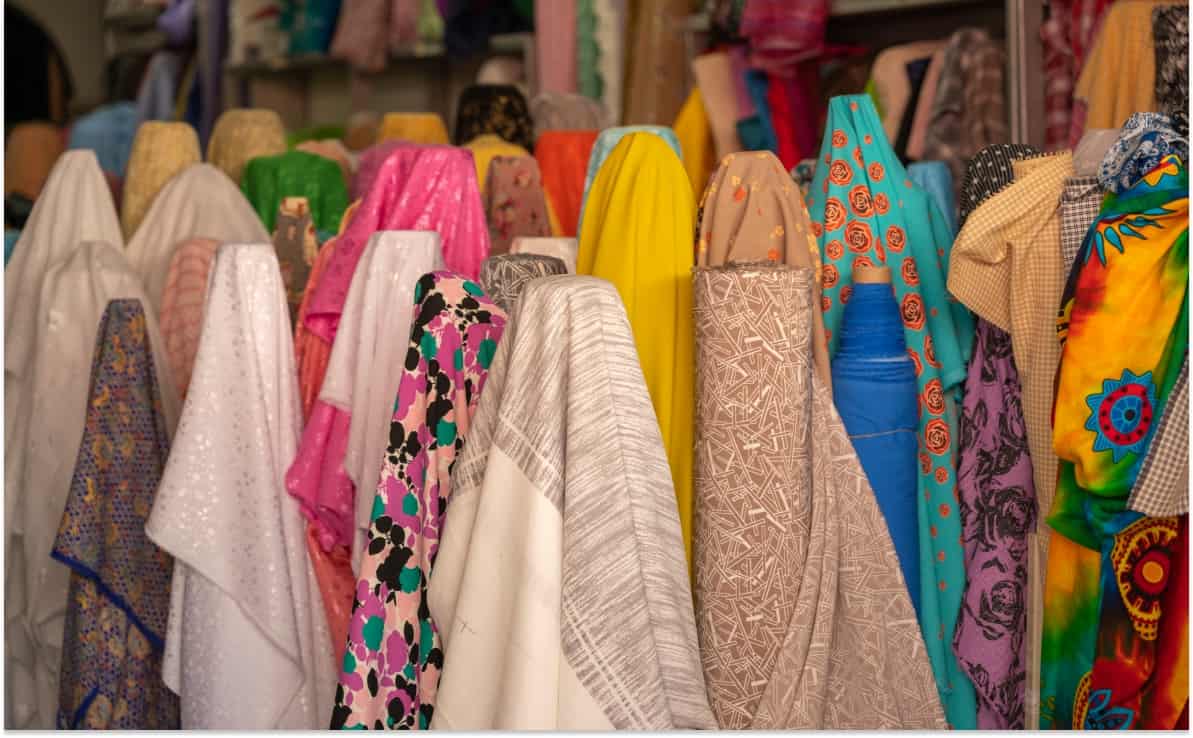
How Vietnam Achieves High-Resolution Direct Printing On 100% Cotton Fabric

Vietnam has rapidly emerged as a powerhouse in the global textile industry, moving beyond basic cut-and-sew operations into advanced manufacturing. This includes mastery over sophisticated techniques like high-resolution direct printing on 100% cotton fabric. This transition represents a significant leap in capability, satisfying the demand for intricate, high-quality, and sustainable textile products worldwide.

The increasing need for detailed, photorealistic designs on natural fibers has elevated the importance of digital printing technology. Achieving true high-resolution quality on cotton—a fiber known for its absorbency and irregular surface—requires precise control over chemistry, machinery, and curing processes. This article delves into the meticulous, five-step technical process that enables Vietnam to consistently deliver superior vietnam direct printing cotton fabric products, maintaining vibrant colors and exceptional wash durability. We will explore the challenges of cotton, the indispensable role of pre-treatment, the advanced machinery involved, and the rigorous quality control standards that define the Vietnamese textile sector’s competitive edge.

Direct-to-fabric printing on cotton fabric Vietnam supplier
How Vietnam Achieves High-Resolution Direct Printing On 100% Cotton Fabric 68

1. Defining Vietnam Direct Printing Cotton Fabric: The DTG Advantage

The term vietnam direct printing cotton fabric primarily refers to the application of Direct-to-Garment (DTG) or Direct-to-Fabric printing processes. Unlike traditional methods like screen printing, which use stencils and thick layers of ink, DTG technology sprays specialized inks directly onto the fabric surface. This fundamental difference is what allows for photo-quality resolution and fine detail reproduction, crucial for modern fashion and textile design. Vietnam’s investment in this technology signals a commitment to flexibility and low-minimum-order capabilities.

The adoption of DTG printing has allowed Vietnamese manufacturers to tackle the complexities of natural fibers head-on. Cotton’s inherent structure—composed of short, porous fibers—makes ink adhesion difficult without specialized preparation. The DTG method, when executed correctly, bypasses many of the limitations of older printing techniques, delivering a softer hand feel and superior breathability, two characteristics highly valued in the 100% cotton market. The ability to handle complex color gradients and small text is central to the country’s high-resolution achievement.

1.1. Why Cotton Poses A Printing Challenge

Cotton fabric, while popular for its comfort and natural feel, presents several hurdles for direct printing. Firstly, cotton fibers are cellulose-based and highly absorbent. If the ink is applied directly without treatment, it wicks or spreads, causing blurring and reducing the sharpness of the image—a phenomenon known as “bleeding.” This makes achieving high-resolution difficult, as fine lines lose their definition.

Secondly, cotton fibers, especially in knitted fabrics, naturally shed microscopic particles, creating a dusty surface that hinders smooth ink flow and adhesion. High-quality vietnam direct printing cotton fabric addresses this by smoothing the surface and ensuring maximum ink-to-fiber bonding. Furthermore, the natural color of cotton can interfere with the printed colors, requiring specific white underbase applications for vibrant results, especially on dark garments. Controlling these factors is the initial, foundational step in Vietnam’s high-resolution printing process.

1.2. Evolution Of Digital Printing Techniques In Vietnam

Vietnam’s textile printing journey began with traditional rotary and flat-bed screen printing, suitable for large volumes and simple patterns. The shift began in the late 2010s with the strategic adoption of DTG and, to a lesser extent, Direct-to-Film (DTF) technologies. This evolution was driven by international market demands for fast fashion cycles, customization, and environmental accountability.

Today, Vietnamese factories leverage state-of-the-art European and Japanese DTG machines. These machines offer precise droplet placement, crucial for high-resolution output. This investment in advanced machinery is complemented by local expertise in textile chemistry, allowing Vietnamese manufacturers to formulate proprietary pre-treatment solutions specifically optimized for the local cotton supply, leading to superior vietnam direct printing cotton fabric quality.

1.3. Key Benefits Of DTG For High-Resolution Artwork

The advantages of DTG are manifold, but for high-resolution printing, three stand out. First, it offers an unlimited color palette, allowing for photorealistic imagery, unlike screen printing’s limitation of typically 10-12 spot colors. Second, the absence of costly screens and setup time makes small-batch printing and prototyping cost-effective, speeding up design cycles.

Third, and most importantly, DTG allows for variable-dot printing. The machinery can spray micro-droplets of ink in varying sizes, creating seamless color transitions and sharp edges that are impossible with conventional methods. This control over ink volume and placement is the core technical reason why Vietnamese suppliers can guarantee high-resolution detail on vietnam direct printing cotton fabric. The result is a highly detailed, soft-touch print that maintains the integrity of the cotton fabric.

2. Pre-Treatment: The Critical Foundation for High-Resolution Printing

The secret to high-resolution vietnam direct printing cotton fabric lies not in the printing stage itself, but in the meticulous preparation that precedes it: pre-treatment. This is arguably the most critical step in the entire process. Pre-treatment is the application of a thin, invisible polymer-based solution to the cotton fabric. This solution performs multiple essential functions necessary for quality digital printing.

Without proper pre-treatment, the pigment inks would simply soak into the cotton fibers, leading to a dull, washed-out image with poor color density and zero wash fastness. The pre-treatment acts as a chemical primer, creating a microscopic, smooth, and electrically-charged receiving layer on the cotton surface. This layer prevents ink from bleeding, forces the ink droplets to sit on top of the fibers for maximum sharpness, and chemically bonds with the pigment to ensure long-term durability. Vietnam’s proficiency in optimizing this chemical stage is a key competitive differentiator in the DTG market.

2.1. The Role Of Pre-Treatment Chemistry

The chemical composition of the pre-treatment solution is complex and precisely calibrated. It typically contains a binder (a polymer that traps and holds the pigment particles), a humectant (to keep the ink moist and prevent clogging), and a fixing agent (a chemical that aids in the curing and bonding process).

Vietnamese manufacturers utilize specialized solutions optimized for different cotton weights, weaves (e.g., jersey, fleece, canvas), and colors. For dark fabrics, the pre-treatment must also stabilize the white underbase ink, which is applied first. If the white ink is not properly stabilized, the colors layered on top will sink into the cotton, resulting in a low-resolution, hazy image. The ability to fine-tune this chemistry ensures that the final vietnam direct printing cotton fabric product meets rigorous quality standards.

2.2. Automated Application For Uniform Results

Manual application of pre-treatment is prone to human error, resulting in uneven coating, visible patches, and inconsistent print quality—all detrimental to high resolution. Vietnamese production facilities utilize advanced, automated pre-treatment machines that ensure uniform and precise application.

These machines control the spray pattern, volume, and dwell time of the solution with digital precision. The process involves conveyor belts and highly controlled spray nozzles that apply the exact amount of solution needed for the specific fabric type and intended design. Uniformity in this step guarantees that the printing surface is consistent across the entire fabric, a fundamental requirement for maintaining color integrity and achieving the sharpest possible detail in vietnam direct printing cotton fabric.

2.3. Moisture Content And Temperature Control

The environmental conditions during the pre-treatment process are just as important as the chemical formula. Cotton is highly hygroscopic, meaning it readily absorbs moisture from the air. The effectiveness of the pre-treatment solution is critically dependent on the fabric’s moisture content prior to printing. If the fabric is too damp, the solution is diluted; if it is too dry, it is absorbed too deeply.

Vietnam’s factories employ sophisticated climate control systems to maintain optimal temperature and humidity levels in the printing area. Post-application, the pre-treated fabric must be flash-cured—heated briefly to remove excess moisture without fully setting the polymer. This careful balance ensures the fabric is conditioned to receive the pigment inks optimally, setting the stage for the true high-resolution printing of the vietnam direct printing cotton fabric.

3. High-Precision Inkjet Technology and Application

Custom cotton fabric direct printing from Vietnam factory
How Vietnam Achieves High-Resolution Direct Printing On 100% Cotton Fabric 69

With the foundation perfectly set by pre-treatment, the subsequent stage involves the highly technical execution of the printing itself. This stage relies heavily on the quality and configuration of the DTG machinery used in Vietnam. High-resolution printing is a direct function of the printer’s ability to deposit ink droplets with microscopic accuracy, control their volume, and maintain consistent flow.

The machinery utilized is industrial-grade, featuring multiple print heads capable of handling vast color volumes and high throughput. These systems are managed by sophisticated Raster Image Processor (RIP) software. The RIP software is responsible for translating the digital design file (like a PSD or AI file) into the exact instructions for the printer. It dictates droplet size, color mixing (dithering), and the sequence of ink application, ensuring optimal color vibrancy and pixel-perfect detail on the vietnam direct printing cotton fabric.

3.1. Choosing The Right Pigment Inks

For printing on cotton, manufacturers in Vietnam primarily use water-based pigment inks. These inks are environmentally preferred over solvent or plastisol inks. However, their formulation is complex because they must be fluid enough to pass through the microscopic nozzles (typically 1-5 picoliters) of the print head, yet viscous enough to remain stable and vibrant on the pre-treated cotton surface.

The quality of the pigment particles within the ink is key to resolution and color fastness. High-quality inks use nano-pigments that are extremely fine and uniform in size. This consistency prevents clogging and allows for extremely precise color mixing at the print surface. Vietnam’s suppliers source globally recognized, high-grade pigment inks, which contribute significantly to the exceptional color gamut and durability of the finished vietnam direct printing cotton fabric products.

3.2. Advanced Print Head Technology

The heart of high-resolution DTG printing is the print head. Vietnamese facilities utilize advanced piezo-electric print heads. Unlike older thermal heads, piezo heads use voltage to rapidly deform microscopic crystals, ejecting precise volumes of ink through the nozzles. This technology offers two crucial advantages for resolution: reliability and variable-dot printing.

The variable-dot capability means the machine can use larger droplets for dense color areas and minute droplets for fine details and smooth color transitions (like skin tones or shadows). This technique, combined with a high native DPI (Dots Per Inch) of the print head, is what allows for the photorealistic quality that defines high-resolution vietnam direct printing cotton fabric. Print heads are meticulously maintained, often in humidity-controlled clean rooms, to ensure zero nozzle blockage and maximum operational integrity.

3.3. Optimizing DPI And Print Speed

The DPI setting is a direct measure of resolution, representing the number of ink dots placed per square inch. While maximum DPI capabilities exist (e.g., 1440 DPI), the optimal print resolution for vietnam direct printing cotton fabric balances visual quality with production speed. Overly high DPI can oversaturate the cotton, leading to curing problems.

The key is the harmonious relationship between the RIP software, the print head, and the fabric’s characteristics. Vietnamese operators fine-tune the DPI setting (often between 600-1200 DPI) to match the complexity of the design. Simultaneously, the print speed is carefully managed. Moving the print carriage too fast can lead to banding or color misalignment. Through extensive testing and calibrated workflow, manufacturers ensure the highest attainable resolution is met without compromising production efficiency or the tactile quality of the cotton.

4. Curing and Post-Treatment for Durability and Color Fastness

The curing process transforms the freshly printed image from a fragile, wet layer of ink into a permanent, durable part of the cotton fabric. This stage is a non-negotiable step in producing resilient vietnam direct printing cotton fabric. Without proper curing, the pigment inks would simply wash out during the first laundry cycle, regardless of how vibrant or sharp the initial print looked.

Curing involves the application of controlled heat and pressure to the printed area. This heat activates the polymer binder in the pre-treatment and ink, causing the chemical cross-linking necessary to bond the pigment particles permanently to the cellulose fibers of the cotton. The result is a print that can withstand repeated industrial and domestic washing, abrasion, and exposure to light without significant fading or cracking. Precision in curing equipment and monitoring is paramount for Vietnamese textile operations seeking long-term quality assurance.

4.1. The Importance Of Curing Temperature

The required curing temperature and duration are dictated by the type of ink and the pre-treatment chemistry used, but typically involve temperatures around 160-170°C (320-340°F). Curing is most often performed using large, industrial heat presses or specialized tunnel dryers.

If the temperature is too low or the dwell time too short, the curing will be incomplete, leading to poor wash fastness. Conversely, if the temperature is too high, or the curing time too long, the cotton fabric itself can be scorched, turn yellow, or become stiff and brittle. Vietnamese manufacturers meticulously monitor heat distribution across the curing surface, ensuring uniform temperature application across large batches to preserve the fabric’s integrity and achieve maximum color durability in vietnam direct printing cotton fabric.

4.2. Washing And Scratch Resistance Testing

After the cooling phase, samples of the printed vietnam direct printing cotton fabric are immediately subjected to rigorous post-print testing. The most common tests include washing fastness and scratch/rub resistance. Wash fastness evaluates how well the colors and print integrity hold up after multiple simulated domestic or industrial washes.

Vietnamese testing protocols often meet or exceed international standards (such as ISO or AATCC guidelines) for washing, using detergents, water temperatures, and cycles that mimic real-world use. Only prints that demonstrate minimal color change (staining or fading) and no noticeable cracking or peeling are deemed compliant. Scratch resistance testing ensures that the cured polymer layer can withstand physical abrasion, guaranteeing the high-resolution image remains intact during wear and tear.

4.3. Softening And Finishing Processes

A potential side effect of the chemical pre-treatment and intense heat curing is a slightly stiff or “boardy” feel to the printed area. To counter this, a post-treatment process involving softening and finishing chemicals is applied. This step is crucial for maintaining the premium “soft hand” feel expected from 100% cotton garments, especially in high-end apparel where vietnam direct printing cotton fabric is utilized.

These post-treatment solutions, often applied in a separate washing or steaming process, relax the textile fibers and the cured polymer layer, restoring the cotton’s natural drape and softness without compromising the print’s durability. The final quality check involves assessing the feel and breathability of the printed product, ensuring that the pursuit of high-resolution does not come at the expense of wearer comfort.

5. Quality Control And Testing Standards For Vietnam Direct Printing Cotton Fabric

Eco-friendly Vietnam direct printing cotton fabric
How Vietnam Achieves High-Resolution Direct Printing On 100% Cotton Fabric 70

Vietnam’s reputation for high-quality textile manufacturing is anchored by its stringent, multi-stage quality control (QC) process. For vietnam direct printing cotton fabric, QC starts before the fabric even enters the process and continues until the finished product is packaged. This rigorous approach minimizes waste, ensures regulatory compliance, and consistently meets the exacting standards of global brands.

The QC cycle encompasses checks on incoming raw materials (fabric and inks), in-process monitoring (pre-treatment volume, print registration), and final product performance testing (wash fastness, color accuracy). This systemic approach contrasts sharply with less sophisticated operations, where quality checks might be sporadic. Vietnam’s commitment to verifiable testing and documentation provides clients with confidence in the long-term performance and reliability of the printed cotton goods.

5.1. Color Matching And Spectrophotometry

Achieving high-resolution is only half the battle; the colors must also be accurate. Color matching is performed using advanced spectrophotometers—devices that precisely measure the spectral characteristics of the printed color. This quantitative method eliminates subjective human judgment and ensures that the printed fabric precisely matches the client’s original digital color specification (e.g., Pantone or Hex code).

Vietnamese QC teams use these instruments to measure the colors immediately after printing and again after the wash fastness test. Any deviation beyond a pre-set tolerance (Delta E value) results in the rejection of the batch or necessary recalibration of the RIP software and ink levels. This scientific approach to color management is non-negotiable for producing premium vietnam direct printing cotton fabric.

5.2. AATCC Standards In Vietnam Direct Printing Cotton Fabric Production

Many Vietnamese textile manufacturers adhere to standards set by the American Association of Textile Chemists and Colorists (AATCC). These globally recognized standards cover a wide range of performance metrics, including color fastness to washing, perspiration, light, and crocking (rubbing).

By rigorously testing products against these benchmarks, manufacturers demonstrate their commitment to quality beyond visual inspection. Meeting AATCC standards for vietnam direct printing cotton fabric provides external validation that the ink, pre-treatment, and curing processes are robust enough to withstand the most demanding use cases. This commitment to third-party verification is a significant part of Vietnam’s appeal to international, quality-conscious buyers.

5.3. Tracking And Traceability In The Supply Chain

Modern textile supply chains demand transparency and accountability. Vietnamese factories often implement sophisticated tracking systems to monitor every stage of the vietnam direct printing cotton fabric process. Each batch of fabric and every print run is assigned a unique identifier that records: the specific pre-treatment solution used, the operator, the date, the DTG machine settings (DPI, speed), and the curing temperature/time.

This level of traceability is crucial for rapid fault isolation. If a client reports a quality issue, the manufacturer can instantly trace the product back to the exact machine and chemical batch used, allowing for swift root-cause analysis and corrective action. This operational excellence is key to maintaining high-volume, high-quality production of vietnam direct printing cotton fabric.

6. VieTextile’s Commitment To Supporting Vietnam Direct Printing Cotton Fabric Infrastructure

VieTextile is a dedicated partner in advancing Vietnam’s textile manufacturing capabilities, particularly in the specialized field of vietnam direct printing cotton fabric. We understand that the high-resolution output demanded by the global market is only achievable through the use of top-tier machinery components, maintenance, and expert support. Our mission is to ensure that the core technology used by our clients operates at peak efficiency and precision.

The sophisticated DTG machines used for producing exceptional vietnam direct printing cotton fabric rely on numerous critical components, from high-precision print heads and ink delivery systems to control boards and specialized sensors. VieTextile specializes in supplying and maintaining these essential spares. We ensure minimal downtime for Vietnamese textile houses, understanding that every hour of machine inactivity impacts production capacity and delivery schedules for high-volume orders. This commitment to efficiency is central to our service.

Our technical expertise extends beyond mere supply; VieTextile provides consultation on integrating the latest spare parts that enhance printing performance. For example, upgrading to newer generation print heads or optimizing ink recirculation systems can directly increase the achievable DPI and reduce print defects, thereby improving the overall quality of vietnam direct printing cotton fabric. We partner with globally recognized original equipment manufacturers (OEMs) to offer authentic parts that guarantee compatibility and longevity, protecting the client’s substantial investment in advanced printing technology.

VieTextile also recognizes the chemical foundation necessary for quality vietnam direct printing cotton fabric. While we specialize in spares, we maintain deep knowledge of the chemical systems—pre-treatment and pigment inks—that interact with the machinery components. This holistic understanding allows us to troubleshoot complex operational issues that bridge the gap between mechanical failure and chemical application errors. We are committed to being the foundational support structure for Vietnamese textile producers striving for international quality benchmarks in digital printing.

7. Frequently Asked Questions (FAQ) About Vietnam Direct Printing Cotton Fabric

7.1. Is Vietnam Direct Printing Cotton Fabric As Durable As Screen Printing?

Yes, when executed correctly with proper pre-treatment and curing, vietnam direct printing cotton fabric is highly durable. The water-based pigment inks chemically bond with the cotton fibers during the heat-curing process, achieving excellent wash fastness and resistance to cracking or peeling, often meeting or exceeding AATCC wash standards.

7.2. What Is The Best Type Of Cotton Used For High-Resolution Direct Printing?

Combed or ringspun cotton is generally preferred for high-resolution vietnam direct printing cotton fabric. These types of cotton have longer, smoother fibers, which results in a tighter weave and a less “hairy” surface. This smoother surface allows the ink droplets to land and adhere more precisely, maximizing the detail and sharpness of the final printed image.

7.3. Can DTG Printing Be Used On Blended Fabrics, Or Only On 100% Cotton?

While DTG is optimized for 100% cotton, it can be adapted for cotton-polyester blends. However, the pre-treatment process must be modified to include specific chemical components that aid in bonding to both the cellulose (cotton) and synthetic (polyester) fibers. Achieving true high-resolution quality is easiest on pure vietnam direct printing cotton fabric.

7.4. What Is The Typical Turnaround Time For A Large Order Of Vietnam Direct Printing Cotton Fabric?

Turnaround time varies based on design complexity and volume, but Vietnam’s modern facilities are highly efficient. Initial samples can be produced quickly (often within 3-5 days). Large production orders of vietnam direct printing cotton fabric typically require 3-6 weeks, depending on the current production queue and the complexity of the pre- and post-processing steps involved.

7.5. How Does Vietnam Ensure The Environmental Safety Of DTG Inks?

Vietnamese manufacturers prioritize the use of water-based pigment inks that are certified by international bodies like OEKO-TEX and GOTS. These certifications confirm the inks are free from harmful substances and heavy metals, ensuring the final vietnam direct printing cotton fabric product is safe for consumers and compliant with global environmental regulations.

To achieve superior performance and efficiency for vietnam direct printing cotton fabric production, ensure your machinery operates perfectly. VieTextile offers specialized textile spares and expert support to maintain the highest standards of quality and uptime.

Thông tin liên hệ: 

Hotline: 0901 809 309 

Email: info@vietextile.com 
Website: https://vietextile.com