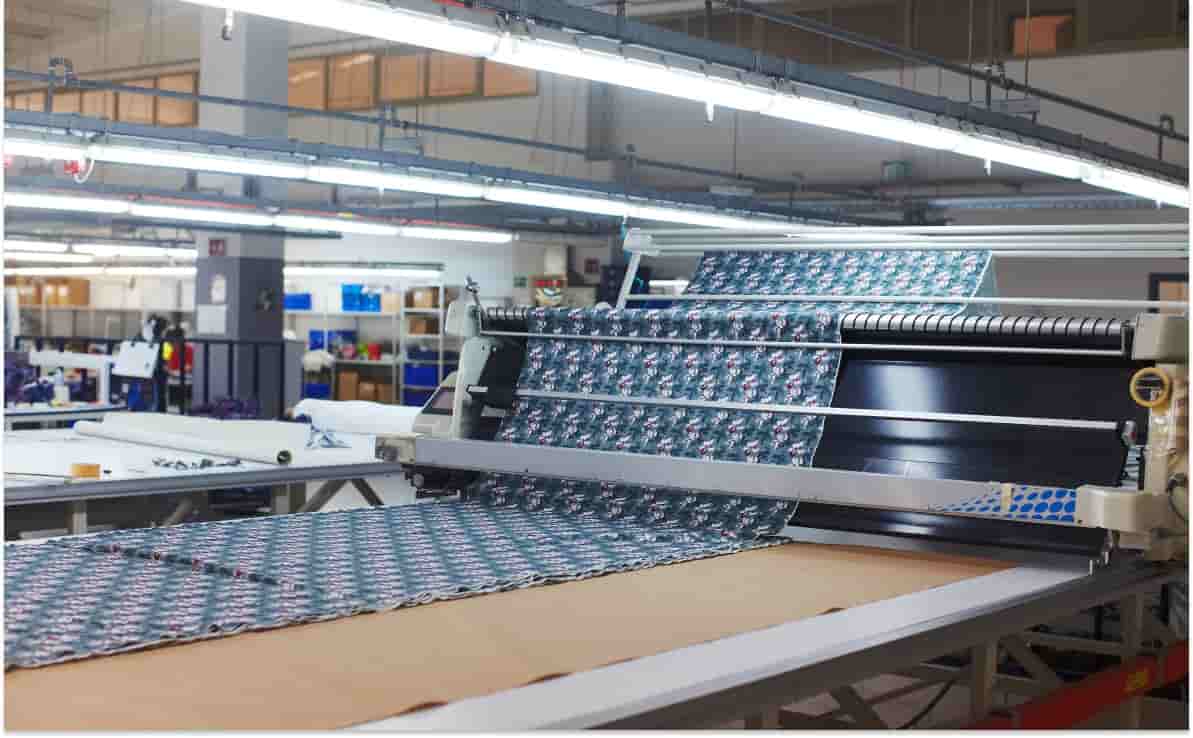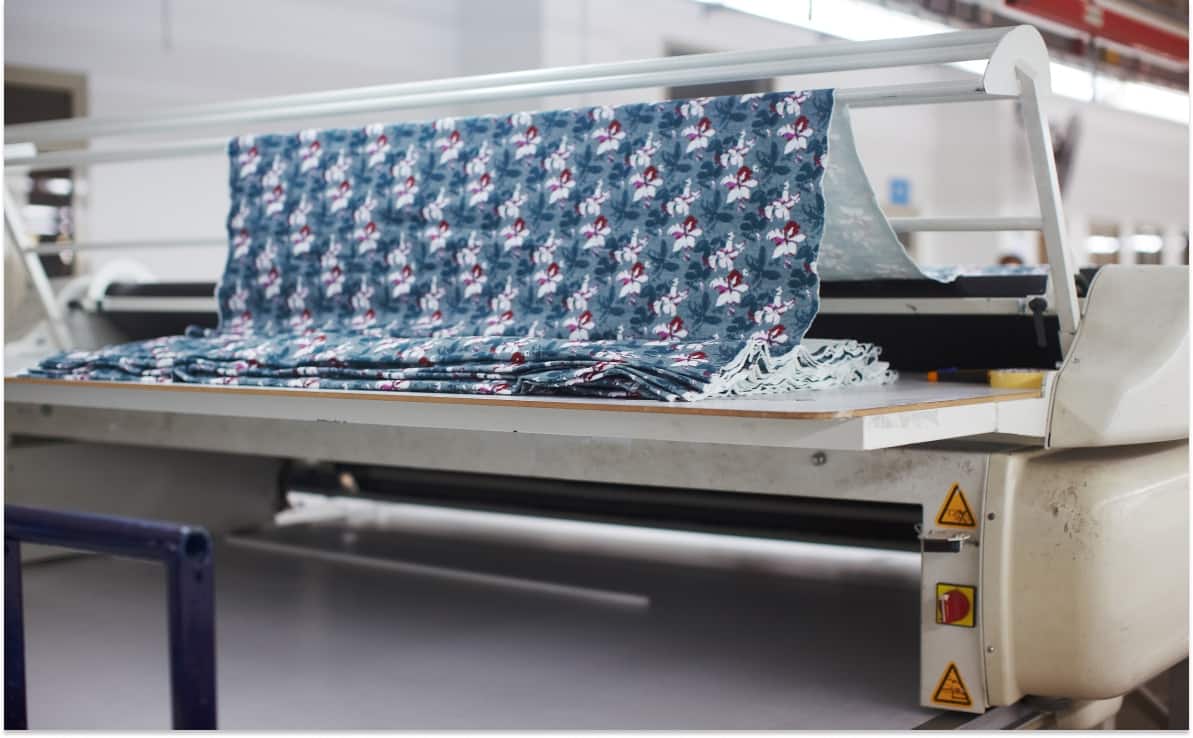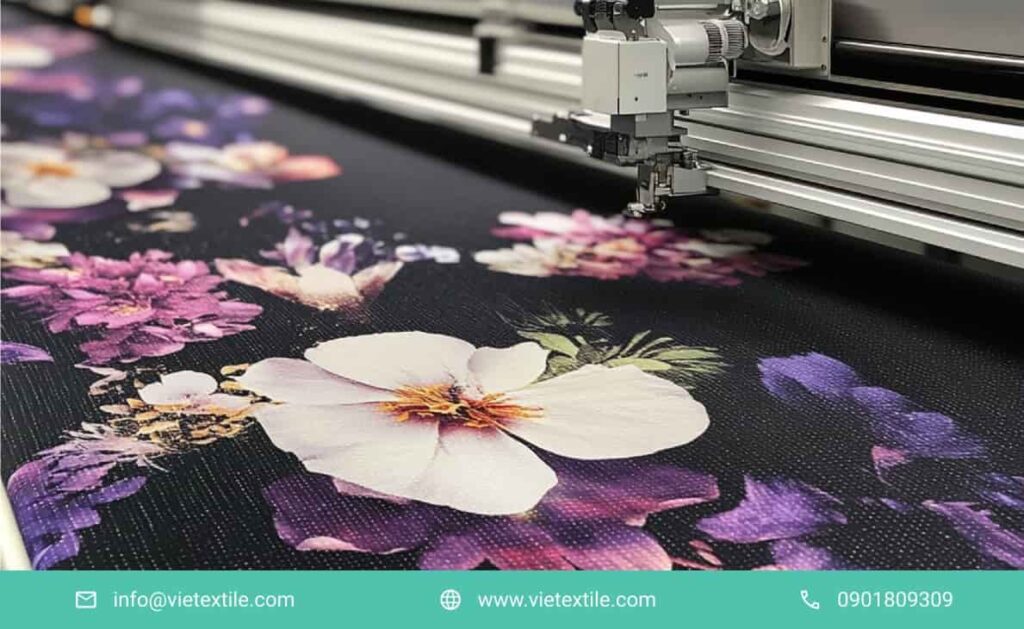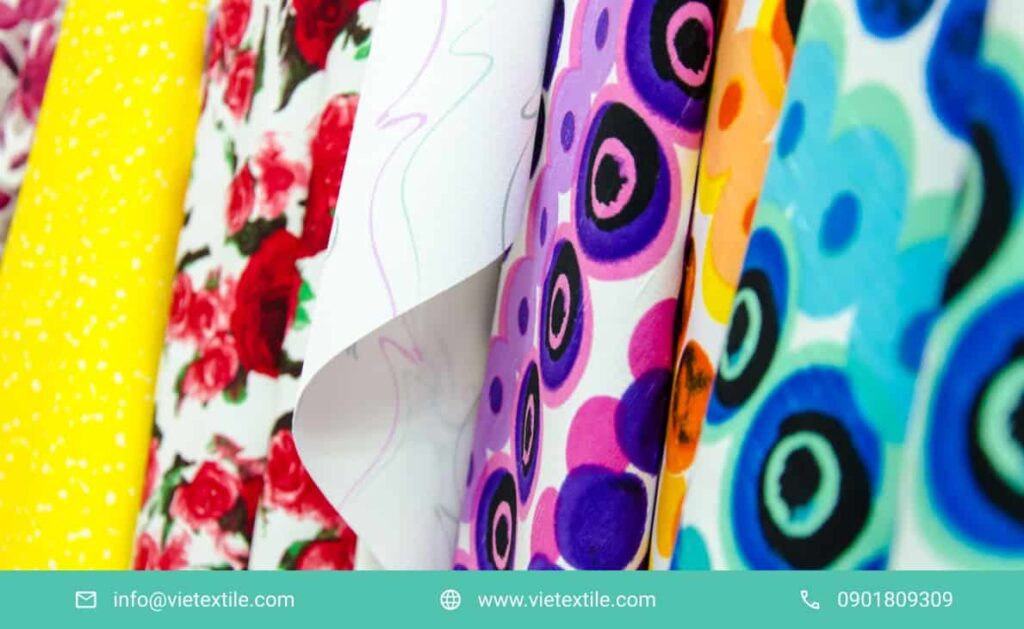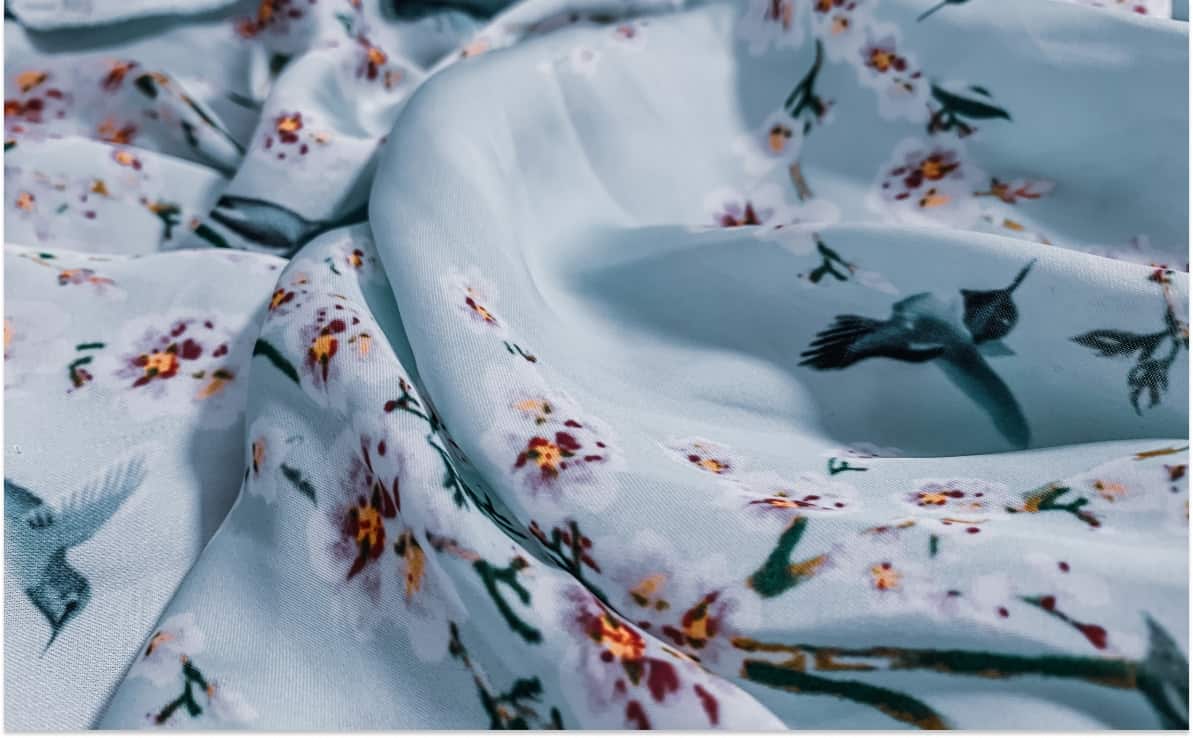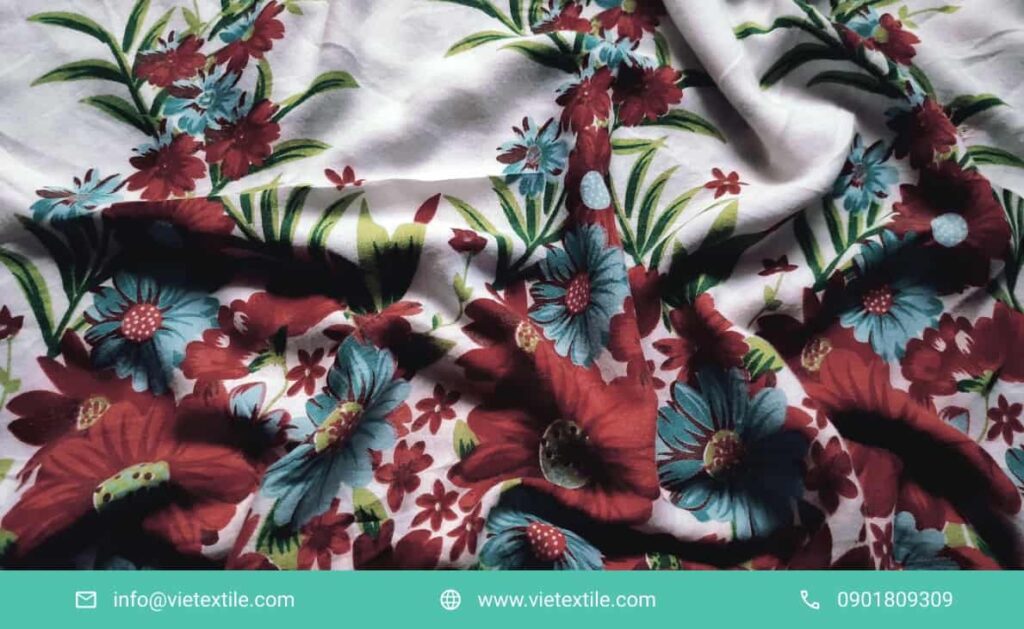
Nylon fabric is a synthetic material famous for its durability and water resistance, but it consistently poses a significant challenge in the printing industry. Many businesses wonder if direct printing can solve this issue effectively. This article will deeply analyze the direct printing process on nylon fabric, helping you assess its feasibility.
The textile industry is constantly seeking environmentally friendly printing solutions that deliver high image quality, especially on challenging materials like Nylon. Nylon, a synthetic polymer, requires specialized printing techniques due to its hydrophobic nature and lower heat resistance compared to natural fibers. The successful adoption of the direct printing process on nylon fabric not only opens doors for sportswear but also for many other functional products.
This article will sequentially explore the unique structure of Nylon, analyze the direct printing technologies being applied, and compare their effectiveness with traditional methods. The goal is to clarify whether the direct printing process on nylon fabric is truly the optimal solution, meeting both aesthetic and color fastness requirements. Specifically, the article will also introduce standardization steps and the role of VieTextile in providing professional services.

1. What is the Direct Printing Process on Nylon Fabric?
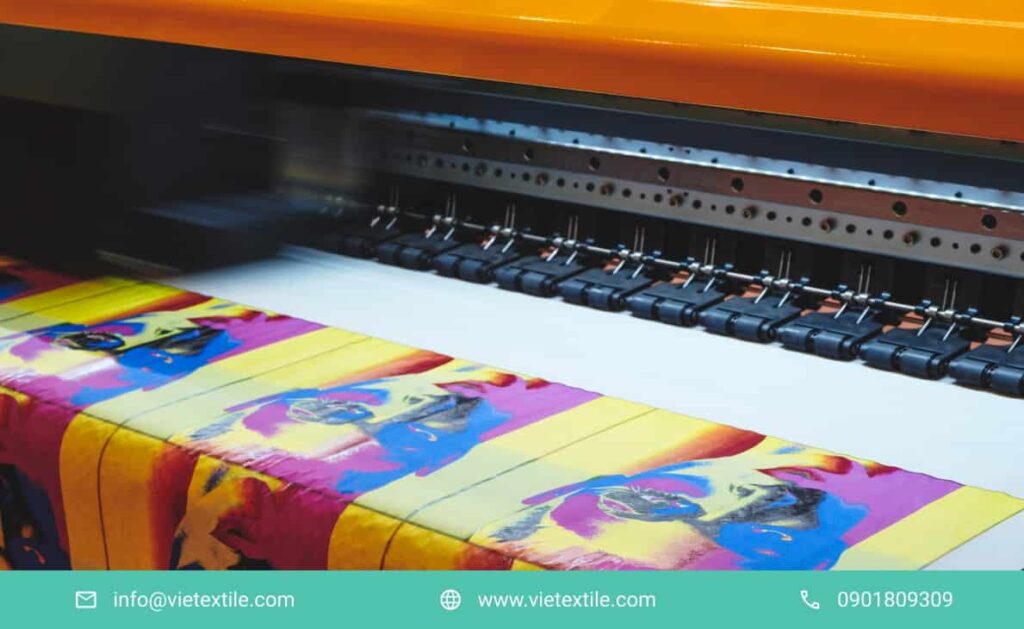
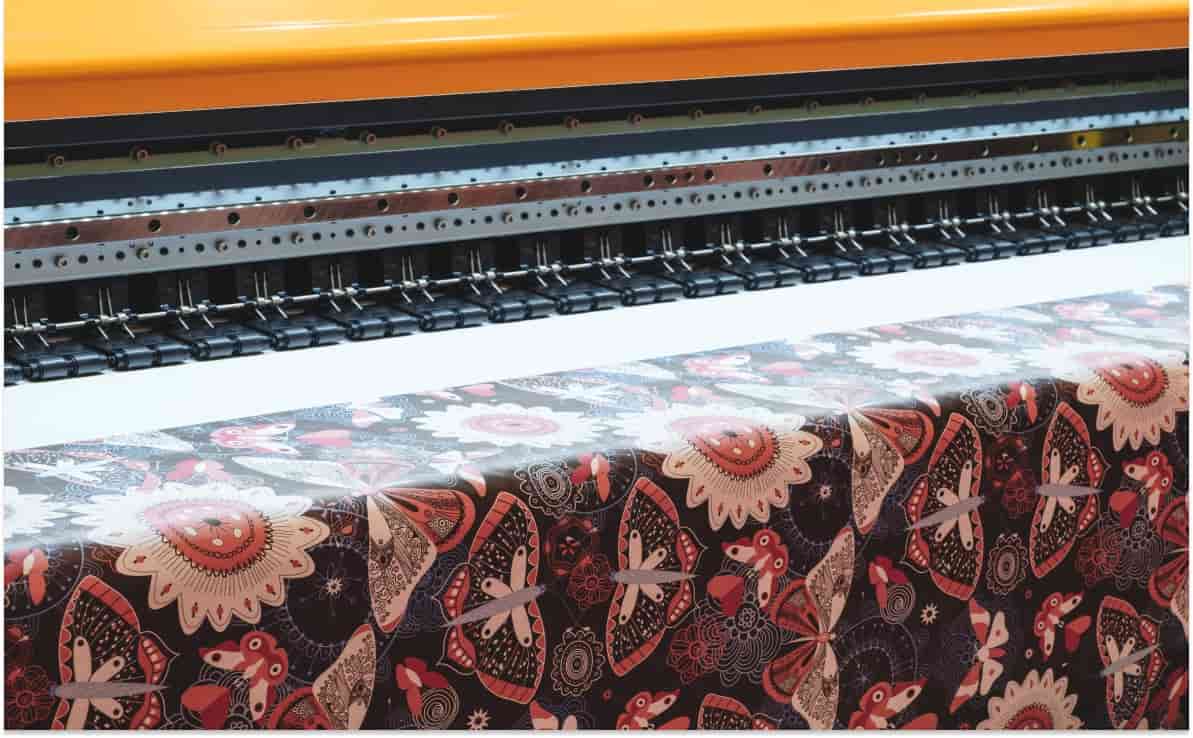
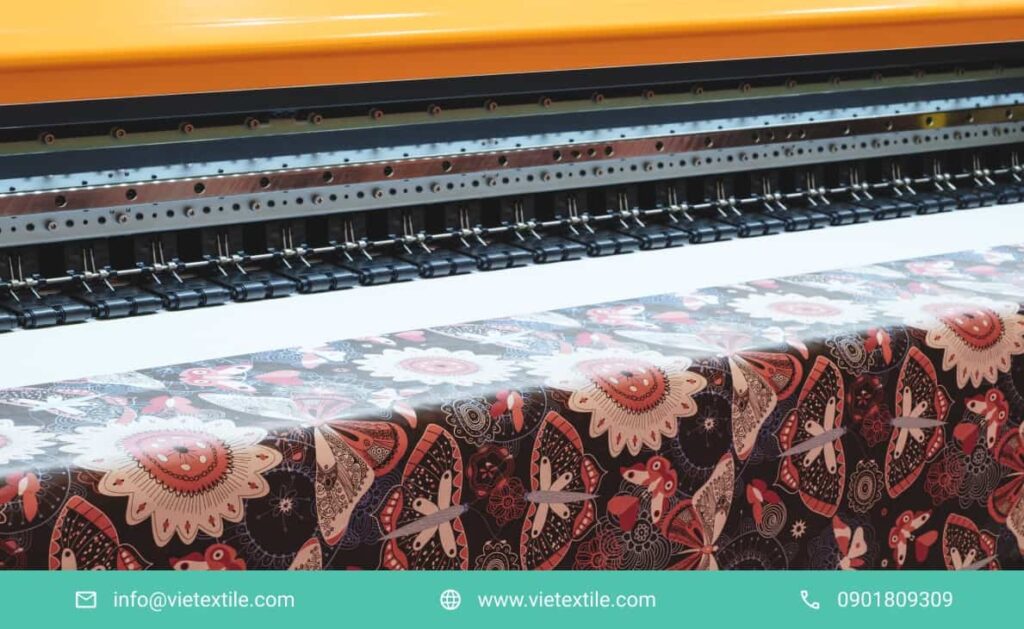
The direct printing process on nylon fabric refers to the use of digital technology to spray ink directly onto the fabric surface. This is completely different from indirect printing methods like heat transfer, where the image is printed onto paper and then heat-pressed onto the fabric. This aims to minimize intermediate steps.
However, Nylon is a “difficult” material because its surface is smooth, slippery, and does not easily absorb water-based ink. Therefore, to successfully execute the direct printing process on nylon fabric, intervention from special pre-treatment steps and specialized printing ink is required. Without careful preparation, the ink may bleed, fade quickly, or fail to adhere properly.
1.1. Structural Characteristics of Nylon Fabric and Printing Challenges
Nylon fabric is composed of long-chain polymer fibers, featuring a smooth, slick surface and high hydrophobicity. This characteristic is an advantage for durability and moisture resistance but is a major obstacle for conventional water-based inks. This is why the search for the optimal direct printing process on nylon fabric is so critical.
Furthermore, Nylon has a relatively low melting point compared to cotton or polyester. This limits the use of high temperatures during the color fixing (curing) process, an essential step in any effective direct printing process on nylon fabric. Strict temperature control is necessary to prevent scorching or deformation of the fabric fibers.
Additionally, Nylon is susceptible to “dye migration.” This occurs when the original dye molecules of the Nylon fabric tend to blend with the new printing ink during the heat treatment process. This severely affects the color and sharpness of the print in the direct printing process on nylon fabric.
1.2. Feasible Direct Printing Technologies for Nylon
Currently, there are three main technologies considered for the direct printing process on nylon fabric: Digital Inkjet Printing (DTG/DTF), Acid Dye Printing (most common), and Pigment Printing. Each technology has its own requirements and advantages.
Acid Dye Printing is the most effective method for direct printing onto Nylon because Acid dyes have the ability to form strong ionic bonds with the Amine groups of the Nylon fibers. This is the core principle for ensuring high color fastness in a quality-demanding direct printing process on nylon fabric.
Pigment Printing (color particle ink) is also a potential option, especially when combined with an intensive pre-treatment layer. Pigment ink adheres to the surface of the fabric and is then fixed by heat. While easier to implement, the wash fastness of the direct printing process on nylon fabric using Pigment is often inferior to Acid Dye.
DTF (Direct to Film) printing is also an indirect solution optimized for Nylon, but direct printing (Acid Dye) still provides the best hand-feel and color durability. To master this direct printing process on nylon fabric, investment in chemical processing technology is mandatory.
2. Factors Determining the Optimality of the Direct Printing Process on Nylon Fabric
The optimality of the direct printing process on nylon fabric lies not only in the printer but also in the perfect combination of ink, pre-treatment chemicals, and temperature control. This balance determines the final quality of the printed textile product.
If one of these three elements is missing, the printed product will not meet standards for wash fastness, sharpness, or hand-feel. Standardizing these steps is a prerequisite for achieving high and stable performance when mass-producing the direct printing process on nylon fabric.
Controlling input quality, from the Nylon fabric roll to the ink batch, is also an indispensable part. Closely monitoring each stage helps minimize the defect rate and ensures product consistency according to the established direct printing process on nylon fabric.
2.1. Selection of Specialized Printing Ink
Printing ink is the most crucial factor determining the success of the direct printing process on nylon fabric. As mentioned, Acid Dye ink is the top choice for Nylon due to its ability to form stable chemical bonds. Acid ink helps the color penetrate deep into the Nylon fibers.
To optimize the direct printing process on nylon fabric, the ink must have good dispersion, high UV resistance, and especially be fully compatible with the printhead of the digital printer. Using poor-quality ink will clog the printhead and cause waste.
Adjusting the ink formulation to suit each type of Nylon (e.g., Nylon 6, Nylon 66) is also an important step forward. This is a technological secret that professional direct printing process on nylon fabric solution providers often research to achieve superior results.
2.2. Nylon Fabric Surface Treatment (Pre-treatment)
The pre-treatment stage is a mandatory step for Nylon to effectively absorb Acid or Pigment ink. The Pre-treatment agent often contains special polymers that help increase the ink’s adhesion on the hydrophobic surface. This is the key to the direct printing process on nylon fabric.
The goal of Pre-treatment is to create an ultra-thin film that does not change the fabric’s soft hand-feel. This film helps control the spread of ink droplets, ensuring high sharpness for the print, even with small details in the complex direct printing process on nylon fabric.
Accurate chemical dosing of the Pre-treatment agent is extremely important. Too little will reduce color fastness, while too much can stiffen the fabric and waste material. Automated control by machinery is the best way to standardize this step in the direct printing process on nylon fabric.
2.3. The Role of Temperature and Pressure in the Printing Process
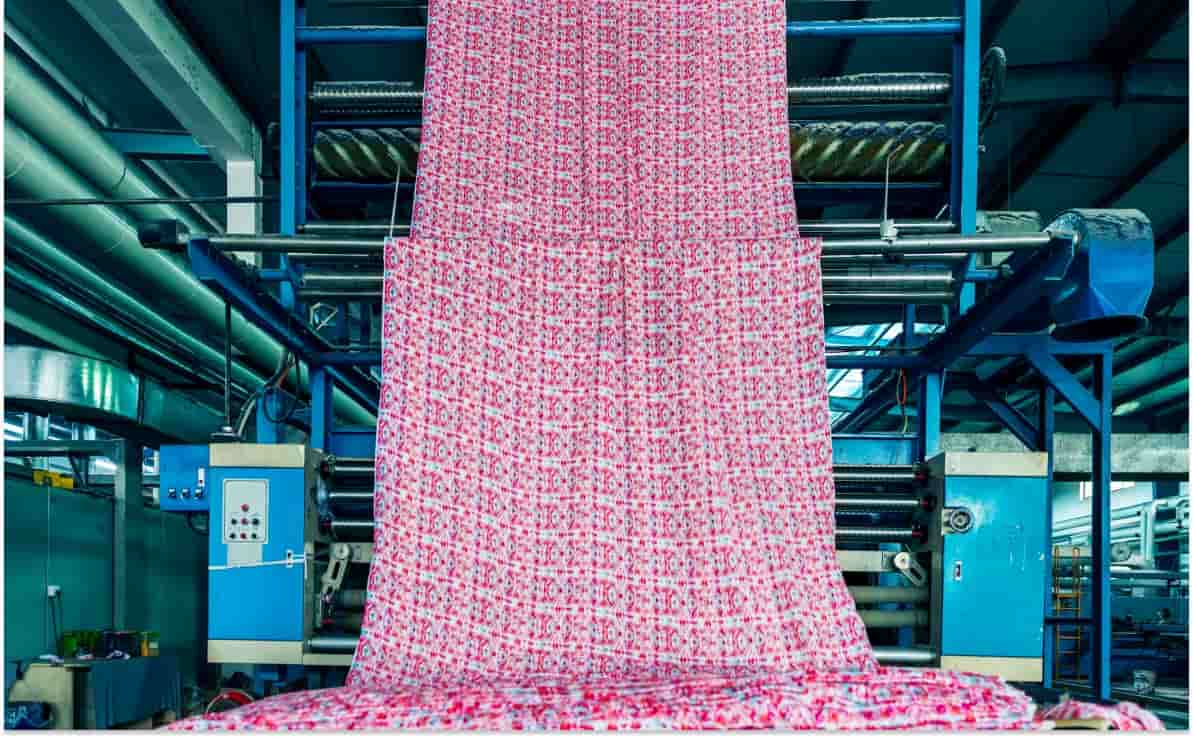
After the ink is sprayed onto the fabric, the color fixing step (curing/steaming) using heat and pressure is indispensable. For Nylon, this process needs to be controlled extremely carefully to activate the ink’s chemical bonds without damaging the fabric. This determines the wash fastness.
The temperature is usually kept lower than for Polyester (typically below 130°C for Nylon), but the processing time needs to be optimized. The use of specialized steam fixers (steamer) is often preferred over direct thermal drying to achieve high efficiency in the direct printing process on nylon fabric.
Gentle pressure (during steaming/pressing) also plays a role in helping Acid ink molecules penetrate deep into the Nylon fiber structure. This is the fundamental difference between the direct printing process on nylon fabric and printing on higher heat-resistant fabrics.
In summary, the combination of precise temperature, reasonable color fixing time, and just enough pressure will help complete the direct printing process on nylon fabric optimally. If controlled well, the color fastness will surpass traditional printing methods.
3. Comparison of Direct Printing with Other Methods on Nylon Fabric

To assess whether direct printing is the optimal solution for Nylon, other traditional printing methods need to be considered. This comparison will highlight the technological advantages of the direct printing process on nylon fabric in the context of modern production.
Each printing method has its own place, but when considering the complexity of the design, sample production speed, and environmental friendliness requirements, the direct printing process on nylon fabric often takes precedence. That is why many major brands are shifting to digital technology.
3.1. Comparison with Traditional Heat Transfer Printing
Heat Transfer Printing (Sublimation) is generally not used directly on Nylon because this technology requires high temperatures to convert solid ink into gas, which can easily damage Nylon fabric. However, some variations of heat transfer are also adjusted.
A more common method is using DTF (Direct to Film) technology and then pressing it onto Nylon. Although it yields sharp images, DTF printing often creates a plastic film layer that can reduce the fabric’s breathability and softness. This is a weakness compared to the direct printing process on nylon fabric.
Conversely, the direct printing process on nylon fabric using Acid ink (heat-fixed) allows the dye to directly penetrate the fabric fibers. The result is a print that is soft, highly stretchable, does not feel stiff, and maintains Nylon’s inherent breathability.
3.2. Comparison with Screen Printing
Screen Printing is a traditional printing method, low cost for large volumes but requires creating a screen for each color. This increases the setup time and cost for multi-color or complex designs. The direct printing process on nylon fabric completely solves this problem.
The resolution of screen printing is often limited compared to digital printing. The direct printing process on nylon fabric can achieve very high resolution, reproducing photographic details and smooth gradient effects that are difficult to achieve with screen printing.
For small, diverse orders (Print-on-Demand), screen printing becomes uneconomical. The digital direct printing process on nylon fabric allows printing any quantity, any design without changing screens, significantly reducing waiting time.
3.3. Analysis of the Superior Advantages of the Direct Printing Process on Nylon Fabric
The biggest advantage of the direct printing process on nylon fabric is its high customization capability and rapid sample production speed. It allows designers to experiment limitlessly with colors and patterns without incurring significant costs for each change.
Secondly, the color fastness of Acid ink direct printing on Nylon is very high, especially resistance to fading during washing and exposure to light. This is a crucial factor for outdoor and sportswear products.
Finally, the direct printing process on nylon fabric is more environmentally friendly because it minimizes water consumption and chemical discharge compared to traditional printing (liquid Acid printing). Reducing material waste is also a significant economic benefit.
4. Practical Applications and Case Studies of the Direct Printing Process on Nylon Fabric
Mastering the direct printing process on nylon fabric has opened up many new application opportunities, especially in fields requiring high-performance materials. Nylon is used not only for clothing but also for many other accessories.
Major fashion brands are fully leveraging the flexibility of the direct printing process on nylon fabric to create limited collections or personalize products according to customer requirements. This helps enhance consumer engagement and brand value.
4.1. Application in Sportswear (Activewear)
Sportswear is the field that benefits the most from the direct printing process on nylon fabric. Nylon is often used in windbreakers, running pants, and swimwear due to its light, durable, and quick-drying properties. The demand for stretchability and color fastness is extremely high.
Direct printing ensures the print stretches with the fabric, without cracking or peeling when the fabric is stretched maximally. This is a big difference compared to iron-on prints or conventional screen prints. Therefore, the direct printing process on nylon fabric is the gold standard for Activewear.
Complex designs, neon colors, or gradients are also perfectly reproduced. This allows sports brands to create striking outfits, not limited by the traditional printing color palette when applying the direct printing process on nylon fabric.
4.2. Application in Accessories and Protective Gear
In addition to clothing, Nylon is also the main material for backpacks, bags, umbrellas, and personal protective equipment. The direct printing process on nylon fabric allows durable printing of logos, brand identification patterns, or warning images onto these products.
Nylon’s water-resistant property requires the printing ink to withstand friction and environmental effects. Acid Dye ink fixed through steam in the direct printing process on nylon fabric ensures the print does not fade when exposed to rain or mild cleaning chemicals.
This is a significant improvement over using patches or traditional embroidery. Direct printing is both cost-effective and achieves a more modern aesthetic effect for products utilizing the direct printing process on nylon fabric.
4.3. Successful Examples (Case Studies) Applying the Process
A famous outdoor gear brand switched from screen printing to the direct printing process on nylon fabric using Acid Dye ink. Previously, they faced difficulties with the color fastness of their logo on waterproof jackets. After switching, wash fastness doubled, and production time decreased by 30%.
This success proves that investing in specialized direct printing technology is completely worthwhile. It not only solves Nylon’s technical issues but also elevates the quality of the final product. Standardizing the direct printing process on nylon fabric is the key.
Another Case Study involves a company specializing in manufacturing laptop bags. They needed to print diverse patterns, only 50-100 pieces per design. The digital direct printing process on nylon fabric helped them eliminate the cost of making screen printing molds, increasing profit and shortening the new product design cycle.
5. VieTextile and the Optimal Solution for the Direct Printing Process on Nylon Fabric

VieTextile is proud to be a leading partner in providing advanced textile printing solutions, especially for complex materials like Nylon. We have heavily invested in researching and standardizing the direct printing process on nylon fabric to deliver the best printing quality to our customers.
We understand the challenges posed by Nylon’s hydrophobic nature and low heat resistance. Therefore, every step in the direct printing process on nylon fabric at VieTextile is strictly controlled, from chemical pre-treatment to color fixation using specialized steam fixers.
We are committed to using environmentally friendly Acid Dye inks, internationally certified for safety. This ensures that your direct printing process on nylon fabric not only meets quality standards but also complies with sustainability regulations.
5.1. Technological Capacity and Modern Machinery
VieTextile owns a system of modern digital printers, specially calibrated to optimize the spraying of Acid Dye ink onto Nylon fibers. Our machinery ensures precise ink droplets, true color reproduction, and the highest resolution.
The automatic Pre-treatment system helps apply pre-treatment chemicals evenly and accurately, eliminating the risk of errors from manual operation. This is a key factor in standardizing the direct printing process on nylon fabric at an industrial level.
We also have specialized low-pressure steam color fixing equipment. This equipment activates the chemical bonds of the Acid ink with Nylon at a safe temperature, ensuring absolute color fastness without shrinking or deforming the fabric. The entire direct printing process on nylon fabric is closed and automated.
5.2. Commitment to Quality and Color Fastness
Quality is the top priority in all VieTextile printing services. We not only perform the direct printing process on nylon fabric but also conduct wash fastness, friction fastness, and light fastness tests according to AATCC/ISO standards.
We commit that the print will have superior color fastness, without cracking or peeling even after multiple washes and high-intensity use. This is proof of the optimality of the direct printing process on nylon fabric researched and applied by VieTextile.
With a team of experienced technicians, we can advise and adjust the direct printing process on nylon fabric for each specific type of Nylon (e.g., PU-coated Nylon, stretch Nylon) to ensure the results always meet the customer’s highest requirements.
6. Frequently Asked Questions (FAQ) About Direct Printing on Nylon Fabric
6.1. Is the Cost of the Direct Printing Process on Nylon Fabric Higher Than Screen Printing?
The initial cost of the direct printing process on nylon fabric is often higher than screen printing for very large quantities. However, for small, multi-color, or sample orders, the cost of direct printing is much more economical because there are no screen creation costs. The direct printing process on nylon fabric saves costs for POD orders.
6.2. Does Direct Printing Affect the Water Resistance of Nylon?
The modern direct printing process on nylon fabric (using Acid Dye ink) does not negate the fabric’s water-resistant properties. The Acid ink layer only dyes the Nylon fibers without creating a thick coating on the surface. Pre-treatment and color fixation are carefully executed to preserve the fabric’s technical features.
6.3. How Long Does It Take to Complete the Direct Printing Process on Nylon Fabric?
The time to complete the direct printing process on nylon fabric is significantly faster than screen printing, especially when printing multiple colors. The digital printing speed is fast, and there’s no need to change screens. Samples can be completed within a few hours, and mass production can be expedited compared to traditional methods.
6.4. Which Ink Type is Best for Applying the Direct Printing Process on Nylon Fabric?
Acid Dye Ink is considered the optimal and best ink type for applying the direct printing process on nylon fabric. This ink forms strong chemical bonds with Nylon fibers, ensuring superior color fastness and a soft, highly stretchable print, suitable for high-quality standards.
To enhance the quality of your textile products and master the professional direct printing process on nylon fabric, contact VieTextile today!
Contact Information:
Hotline: 0901 809 309
Email: info@vietextile.com
Website: https://vietextile.com