Trends Increasing Demand for Fabric Dyeing in Vietnam for Domestic Fashion

The Vietnam domestic fashion industry is witnessing a strong boom, leading to high demand for {quality fabric dyeing services}. This trend creates significant opportunities for fabric dyeing factories in Vietnam.

In the context of a constantly changing global fashion market, Vietnam has been and continues to assert its position not only as a major textile manufacturing hub for export but also as a domestic market full of potential. The rise of local brands, the trend of personalization, and the rapid development of fast fashion have strongly driven the demand for high-quality fabric finishing services, especially fabric dyeing in Vietnam. This poses both opportunities and challenges for domestic businesses.

This article will delve into analyzing the trend of increasing demand for fabric dyeing in Vietnam for domestic fashion. We will explore the main reasons behind this growth, the opportunities and challenges faced by fabric dyeing businesses in Vietnam, and solutions to enhance competitiveness, contributing to the sustainable development of the domestic dyeing industry.
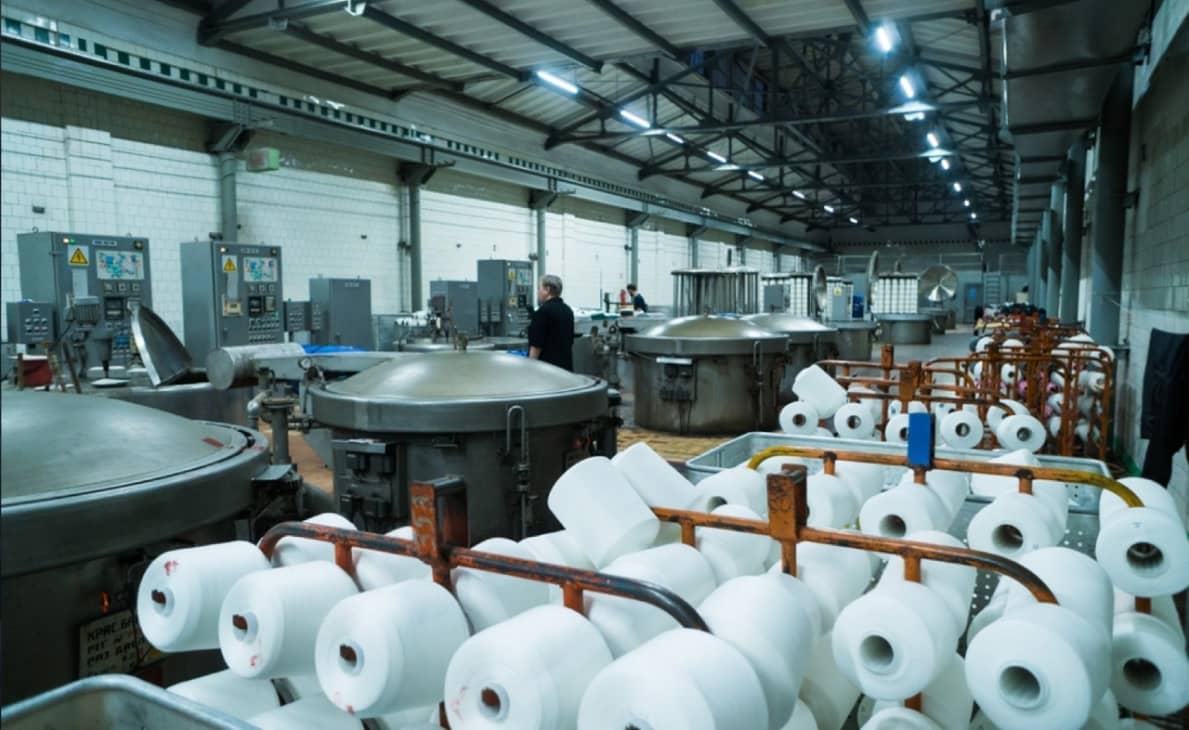
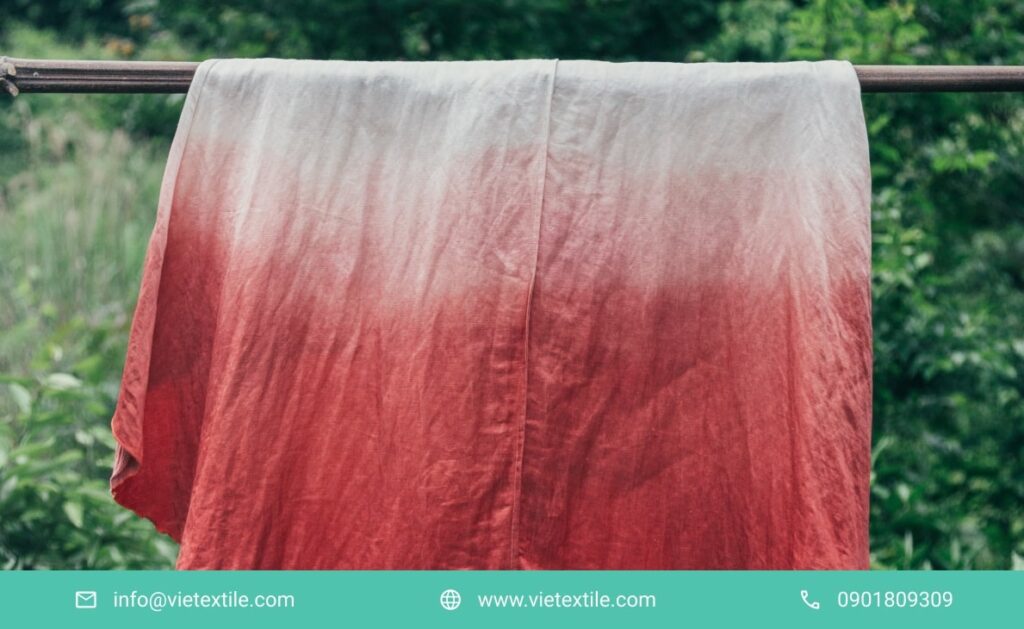
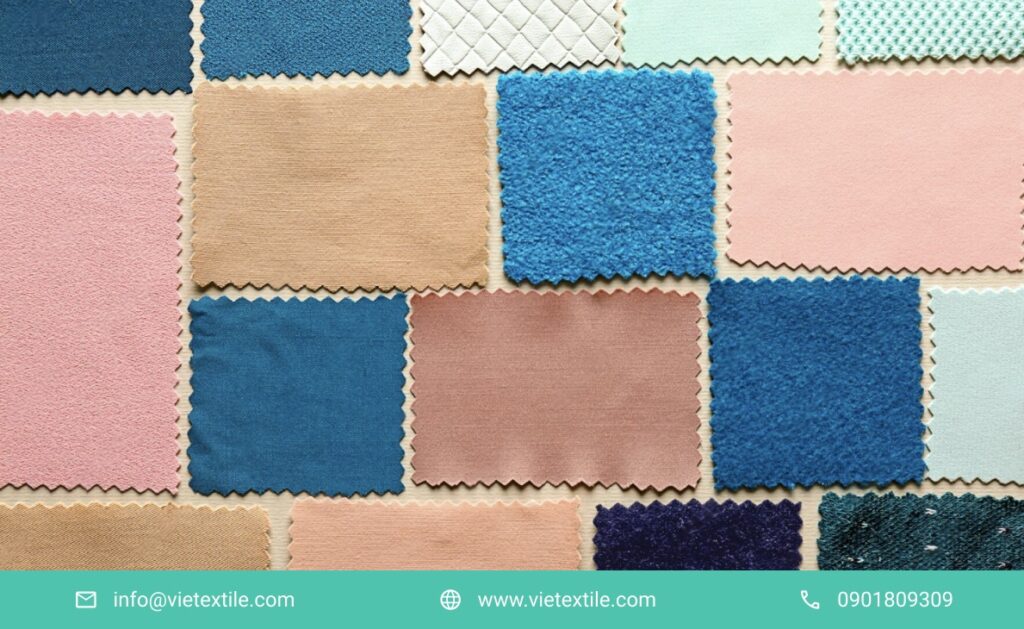
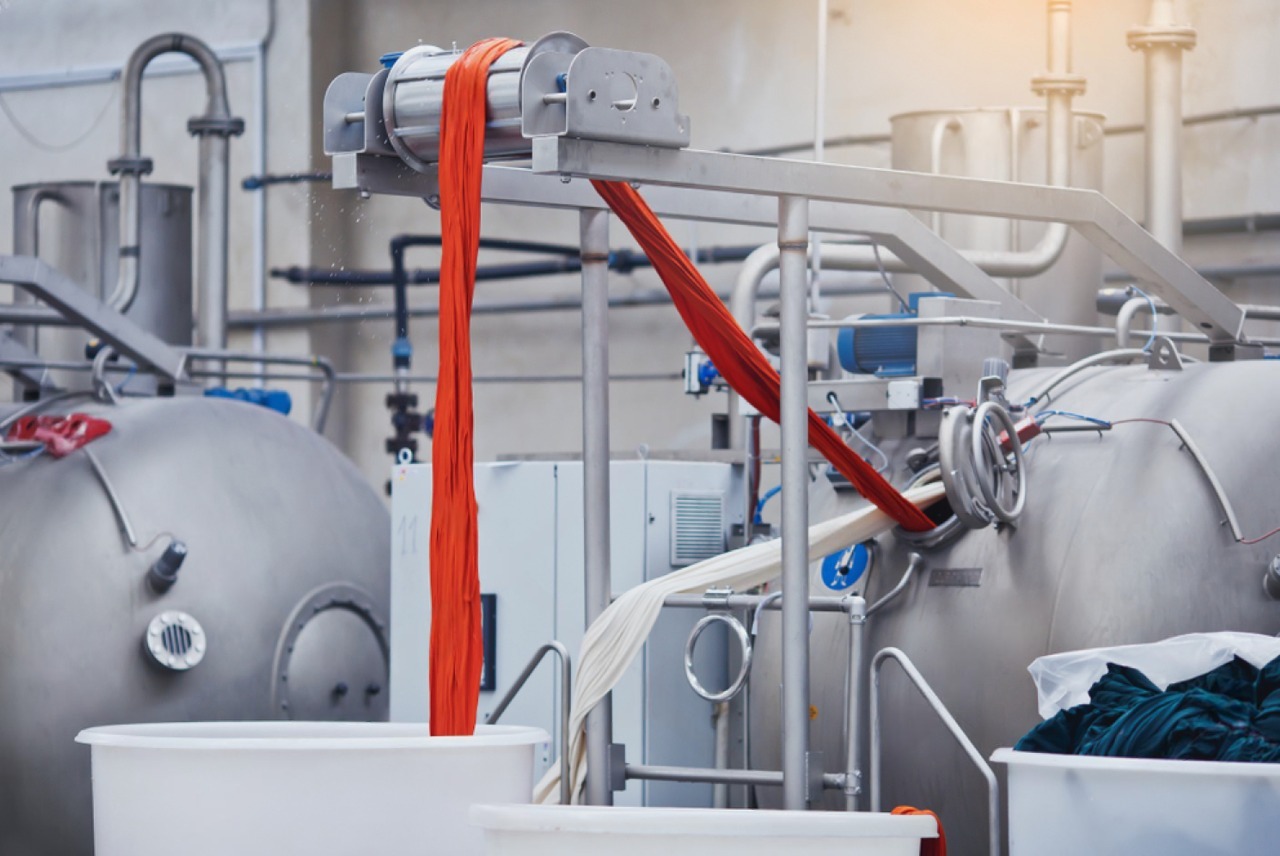
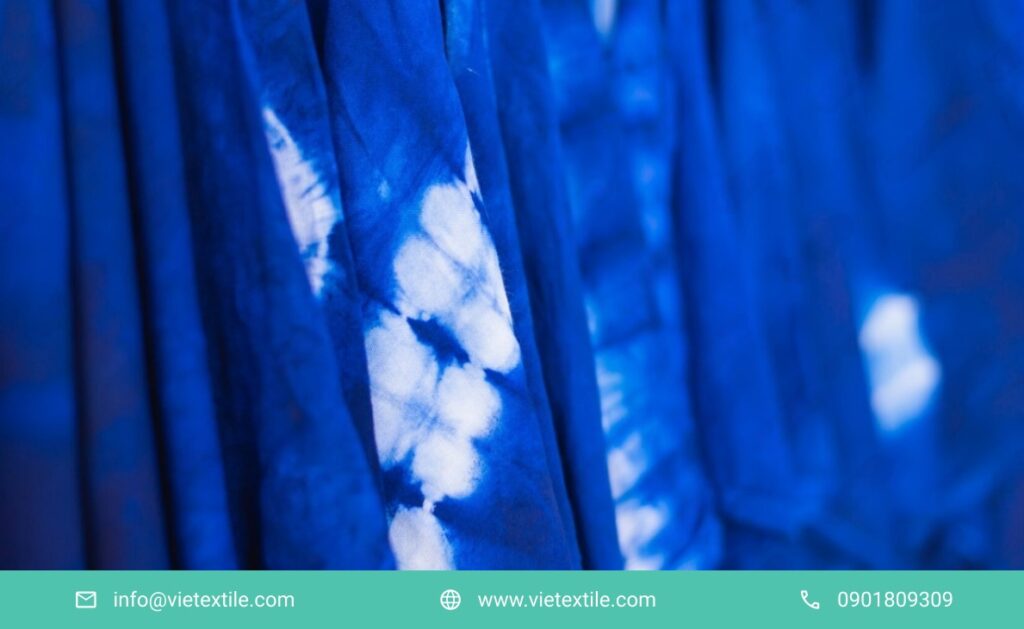
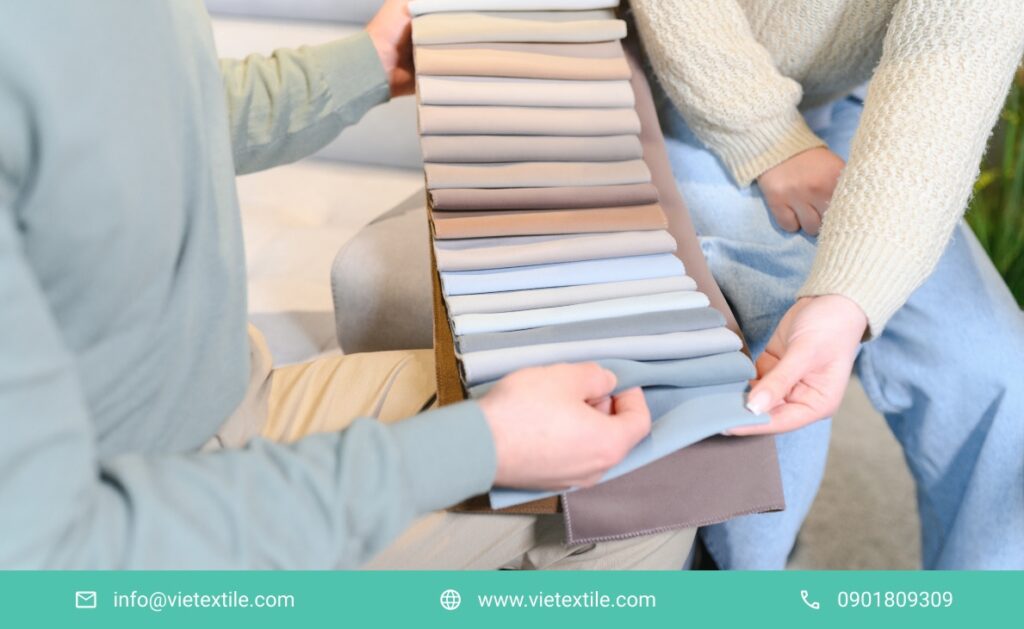
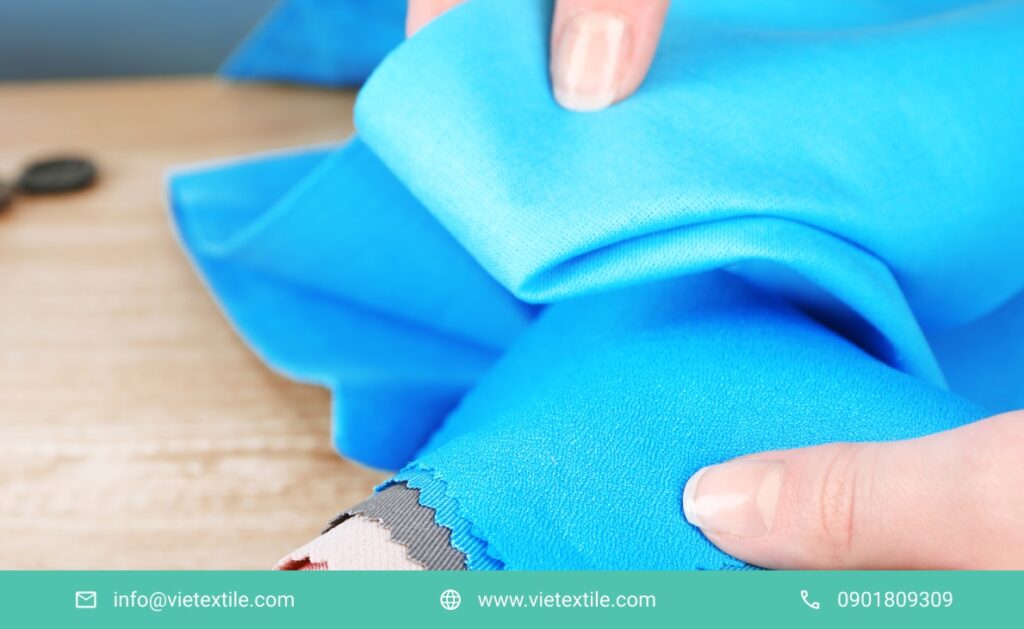
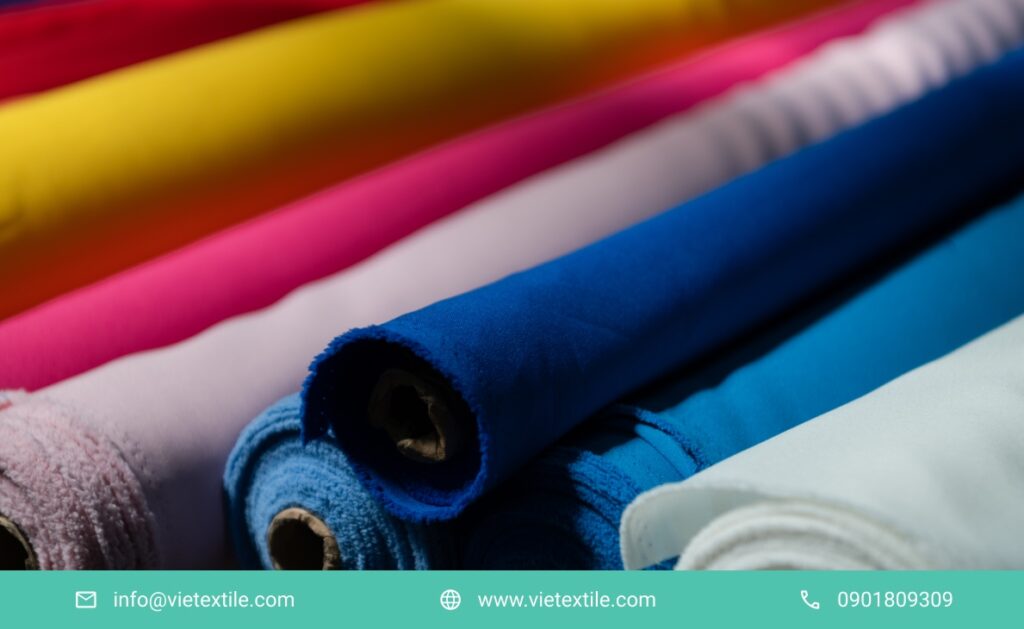
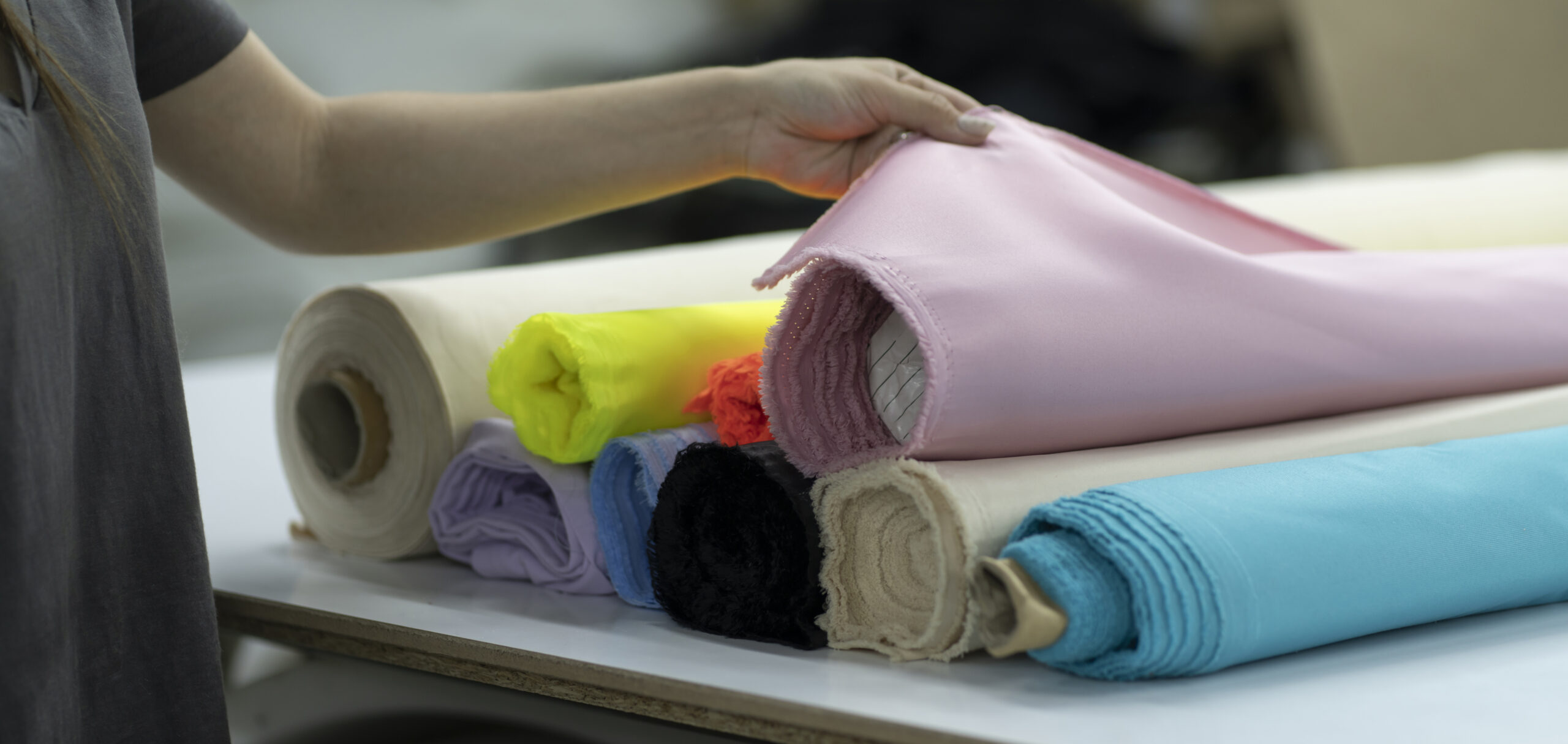
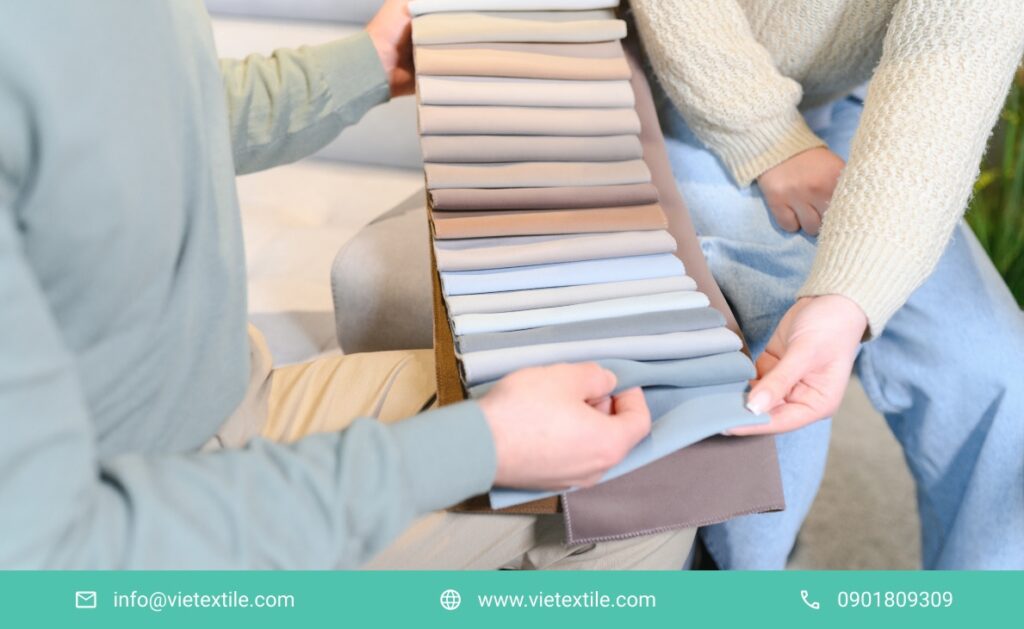
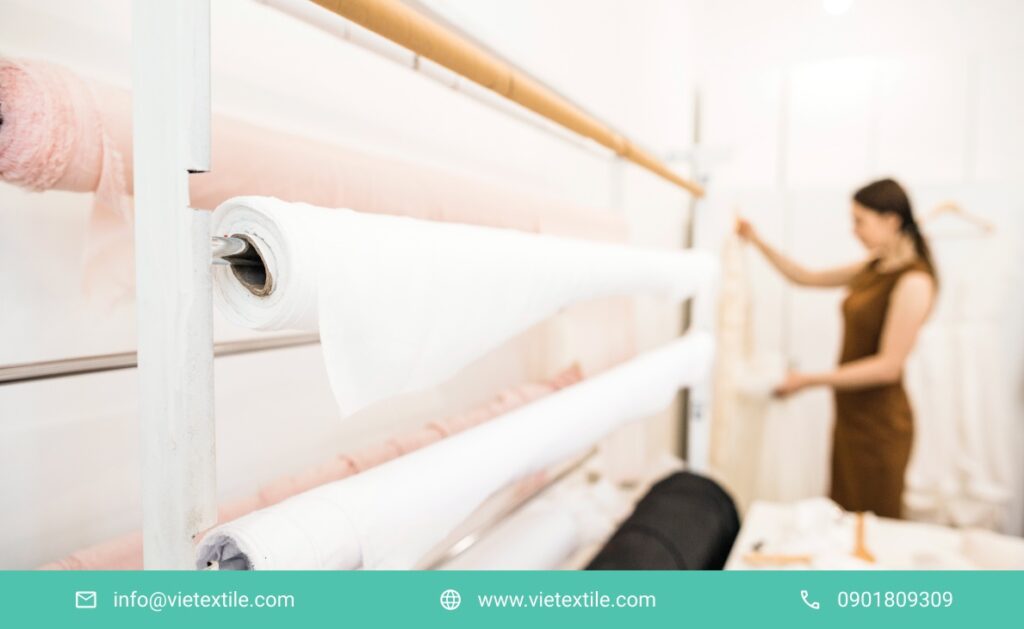
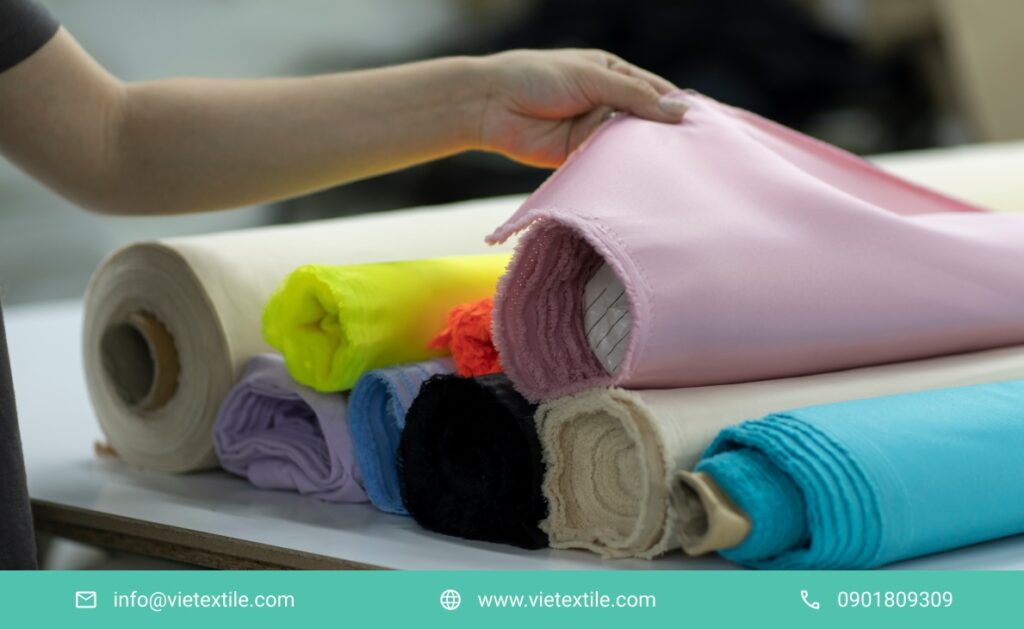
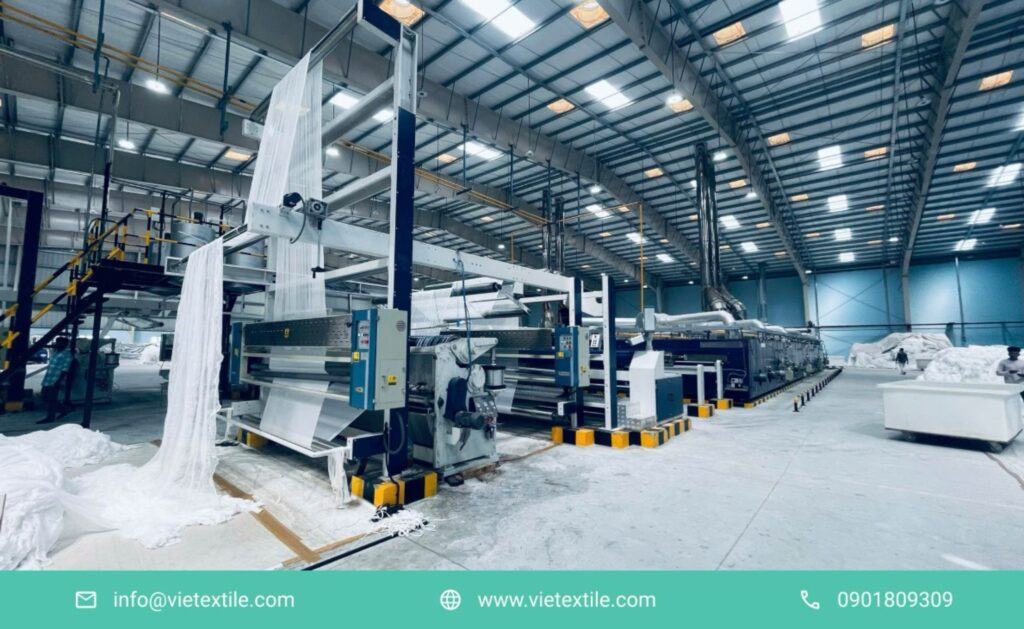
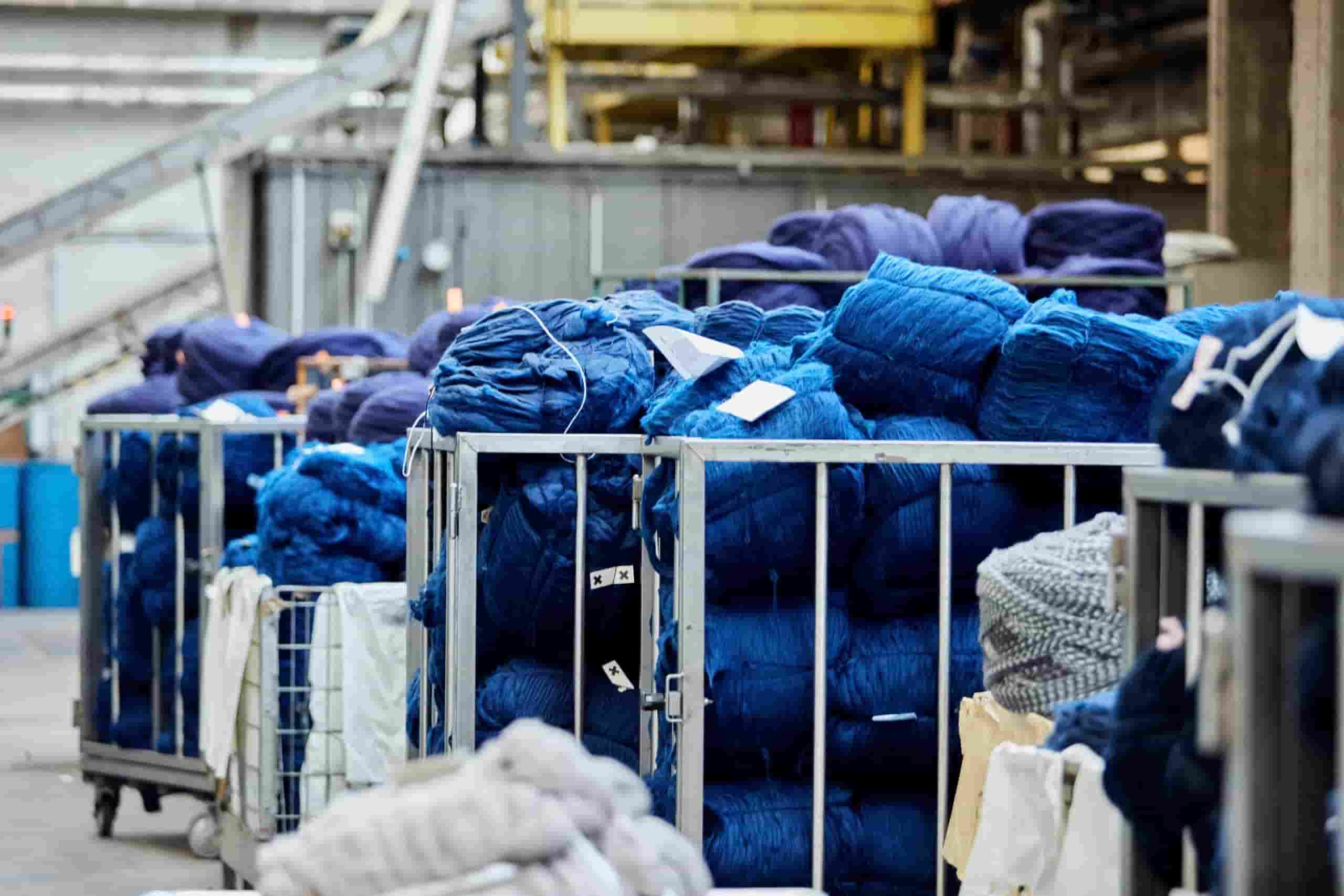
Vải nhuộm xong tại Việt Nam
Trends Increasing Demand for Fabric Dyeing in Vietnam for Domestic Fashion 5

1. Fabric Dyeing in Vietnam and the Context of the Domestic Fashion Market

The Vietnam domestic fashion market is undergoing a strong transformation, creating new requirements for the fabric dyeing industry in Vietnam.

1.1. The Rise of Local Brands and Its Impact on Fabric Dyeing in Vietnam

In recent years, Vietnam has witnessed a strong boom of local brands (domestic fashion brands). These brands not only focus on unique, creative designs but also emphasize product quality, including fabric materials and colors. Unlike international brands that often place large-volume production orders abroad, local brands tend to seek partners of fabric dyeing in Vietnam for easier quality control, quick market response, and building a sustainable supply chain. This creates a new and potential demand segment for domestic dyeing factories.

The development of local brands also means a more diverse demand for services of fabric dyeing in Vietnam, from basic color dyeing to special dyeing techniques, creating unique effects. Local brands often have high requirements for precise colors according to design, colorfastness, and fabric hand-feel, forcing fabric dyeing factories in Vietnam to enhance their capabilities and technology to meet these demands.

1.2. Demand for Personalization and Diverse Designs

Modern consumers are increasingly seeking fashion products that express their individuality, not wanting to “match” others. This drives the demand for small orders with diverse designs and colors. In this context, services of fabric dyeing in Vietnam capable of handling {small-batch dyeing} become extremely important. Instead of having to dye thousands of meters of fabric for one color, brands can order a few hundred meters in various colors.

Diversifying designs and colors also requires fabric dyeing factories in Vietnam to have the ability to precisely and quickly match colors and reproduce them consistently. This not only helps brands be more flexible in launching collections but also minimizes inventory risk, which is a major concern for many fashion businesses.

1.3. Impact of Fast Fashion Trends

Although fast fashion is often associated with large-volume and low-cost production, this trend also impacts the fabric dyeing industry in Vietnam in another way. To react quickly to the latest global trends, manufacturers need to shorten the cycle from design to final product. This requires dyeing services to be fast, capable of urgent response, and efficient.

Factories specialized in fabric dyeing in Vietnam with modern technology and high automation will have a significant advantage in meeting the speed requirements of fast fashion. Moreover, local production also helps reduce transportation time compared to importing dyed fabric, contributing to a faster and more efficient supply chain.

2. Factors Driving Domestic Demand for Fabric Dyeing in Vietnam

The growth in demand for fabric dyeing in Vietnam is not just a spontaneous trend but is also driven by various economic, social, and technological factors.

2.1. Enhancing Quality and Standards of Domestic Products

Vietnamese consumers are increasingly conscious of product quality. They are willing to pay more for fashion products with good materials, durable colors, and health safety. This forces local brands and manufacturers to raise their input standards, including fabric dyeing quality. Factories specialized in fabric dyeing in Vietnam have heavily invested in technology, chemicals, and quality control processes to meet these standards, even {international standards} like OEKO-TEX, ZDHC.

Improving the quality of fabric dyeing services in Vietnam helps domestic brands compete more confidently with imported goods, while reinforcing consumer trust in “Made in Vietnam” products.

2.2. Quick Market Responsiveness

Compared to ordering fabric dyeing abroad, partnering with businesses offering fabric dyeing in Vietnam offers a significant advantage in response speed. Proximity, cultural and linguistic similarities facilitate faster and more efficient communication, sample exchange, and process adjustments. This is especially crucial for local brands needing flexibility to change designs or colors in a constantly fluctuating market.

Quick responsiveness helps domestic brands shorten the time from concept to final product, minimizing obsolescence risk and optimizing business opportunities. This is a superior advantage of fabric dyeing services in Vietnam.

2.3. Prioritizing Nearshoring and Reducing Logistics Costs

The COVID-19 pandemic and global supply chain disruptions have accelerated the trend of nearshoring (shifting production to closer countries) and reshoring (bringing production back home). Fashion businesses realize the importance of having a stable supply chain less dependent on external factors. Using fabric dyeing services in Vietnam significantly reduces international transportation costs, waiting times, and logistics-related risks.

Additionally, having a fabric dyeing partner in Vietnam also helps reduce the carbon footprint from transportation, contributing to the business’s sustainable development goals. This is an important economic and environmental factor driving domestic demand.

2.4. Sustainability and Social Responsibility Factors

Consumers, especially younger generations, are increasingly concerned about products produced in an environmentally and socially responsible manner. Fashion brands are also striving to build a “green” and sustainable image. In this context, choosing fabric dyeing factories in Vietnam committed to environmental responsibility (using green dyeing technologies, efficient wastewater treatment, energy saving) becomes a competitive advantage.

Fabric dyeing factories in Vietnam are investing in enzyme wash, ozone wash, laser technologies, and water reuse systems to meet sustainability standards. This not only helps reduce environmental impact but also enhances the brand image of both the dyeing factory and the collaborating local brands.

3. Opportunities and Challenges for the Fabric Dyeing Industry in Vietnam

The trend of increasing demand for fabric dyeing in Vietnam brings both significant opportunities and considerable challenges for businesses in the industry.
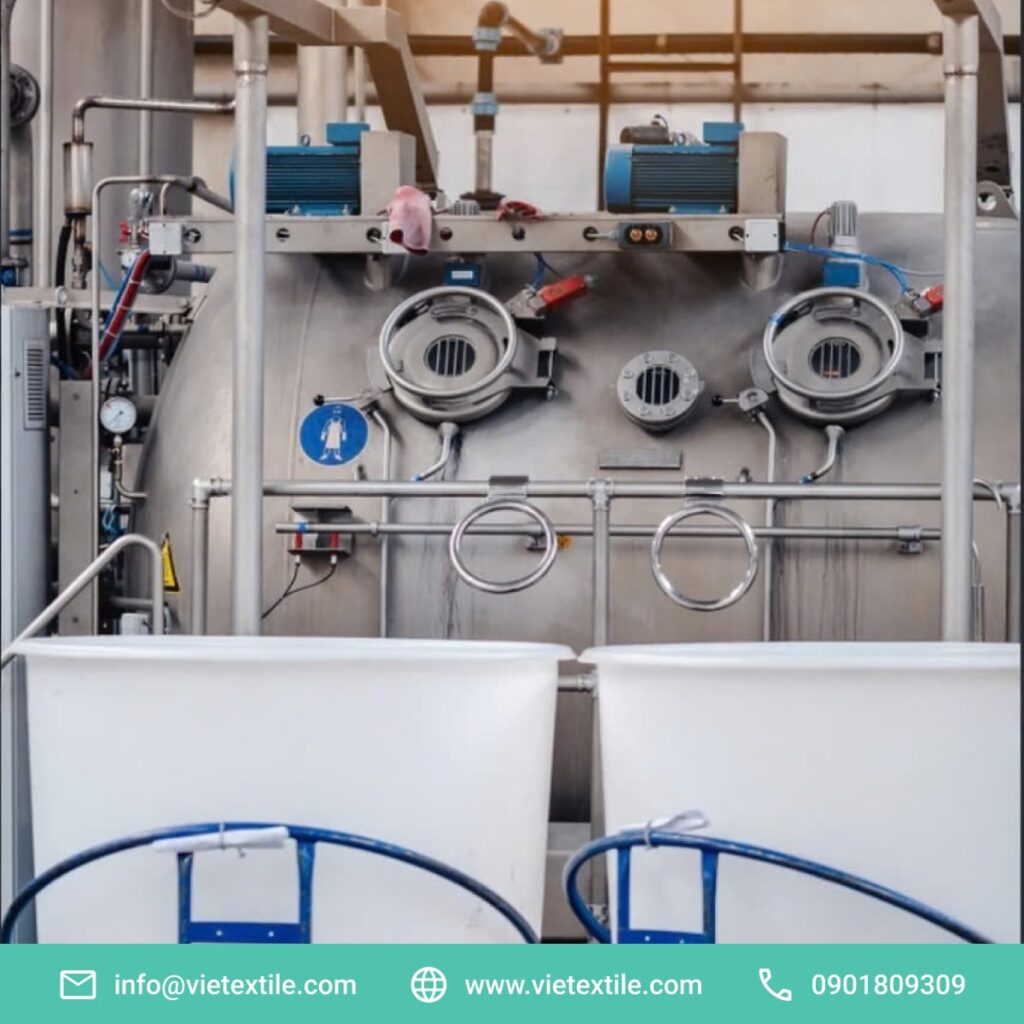
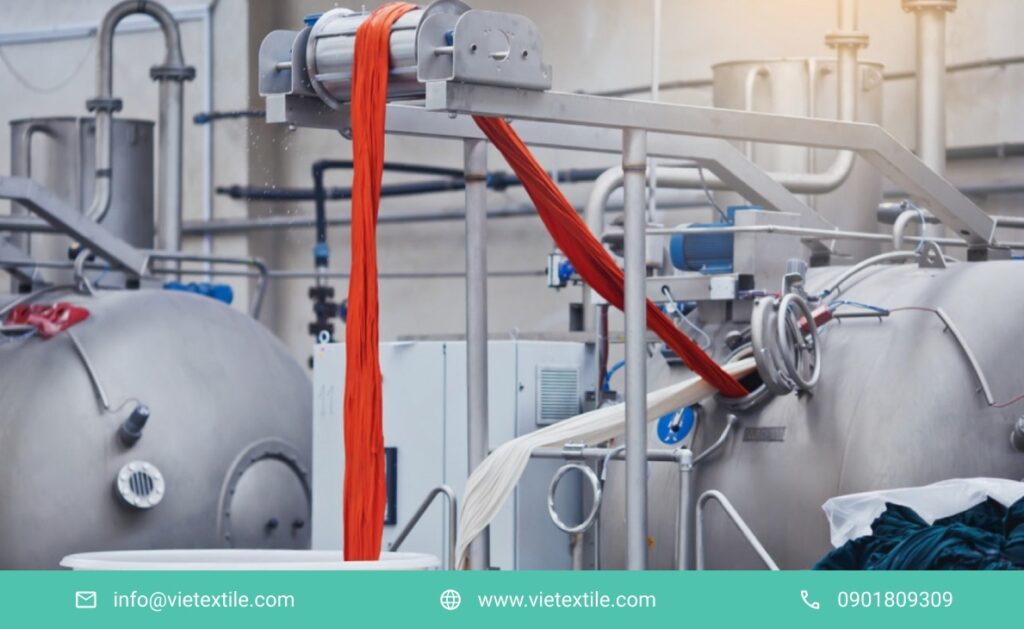
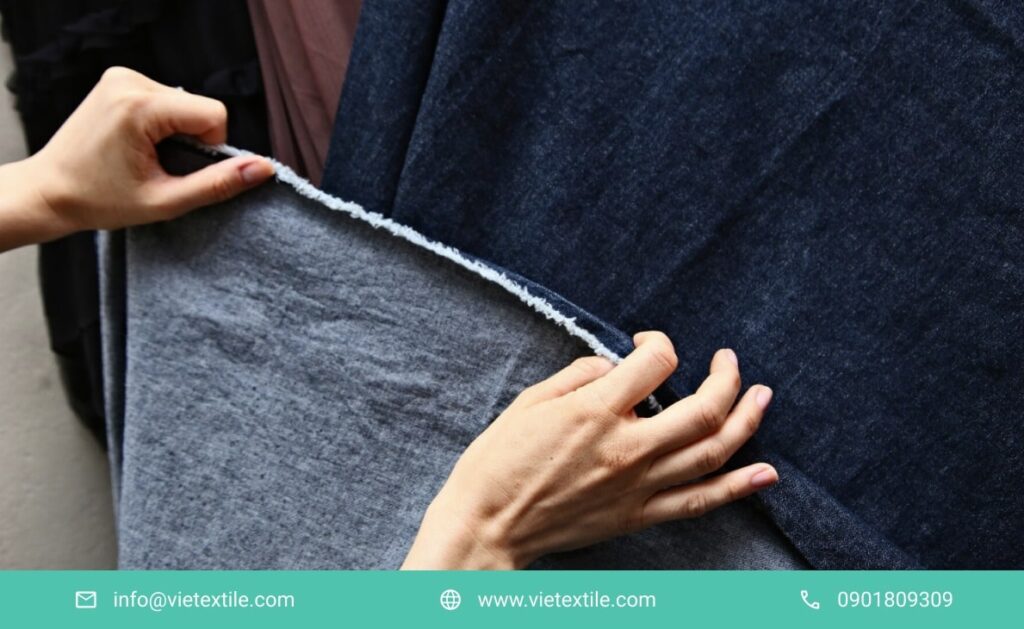
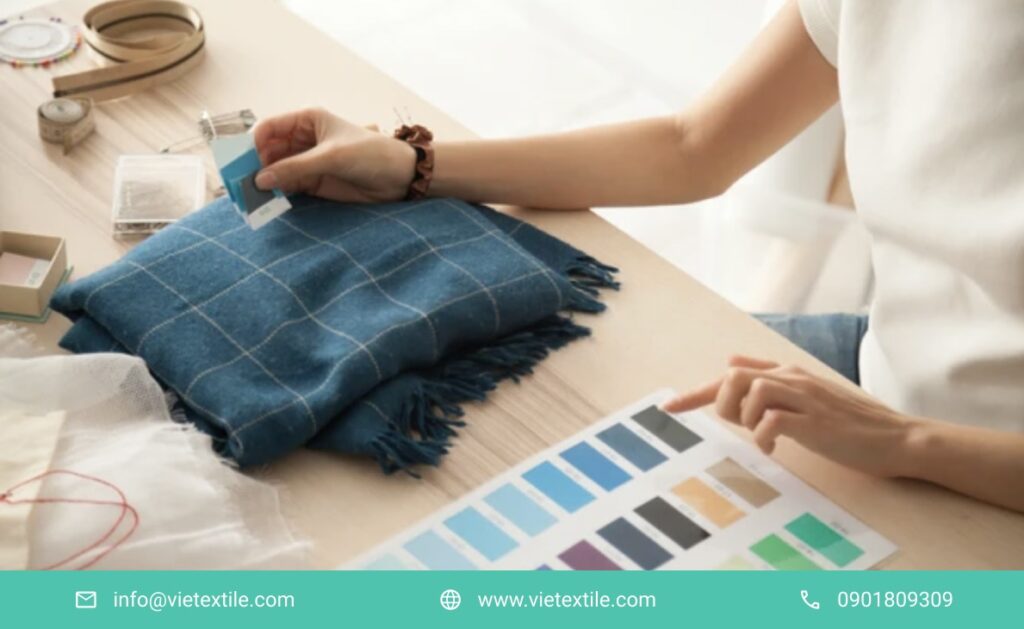
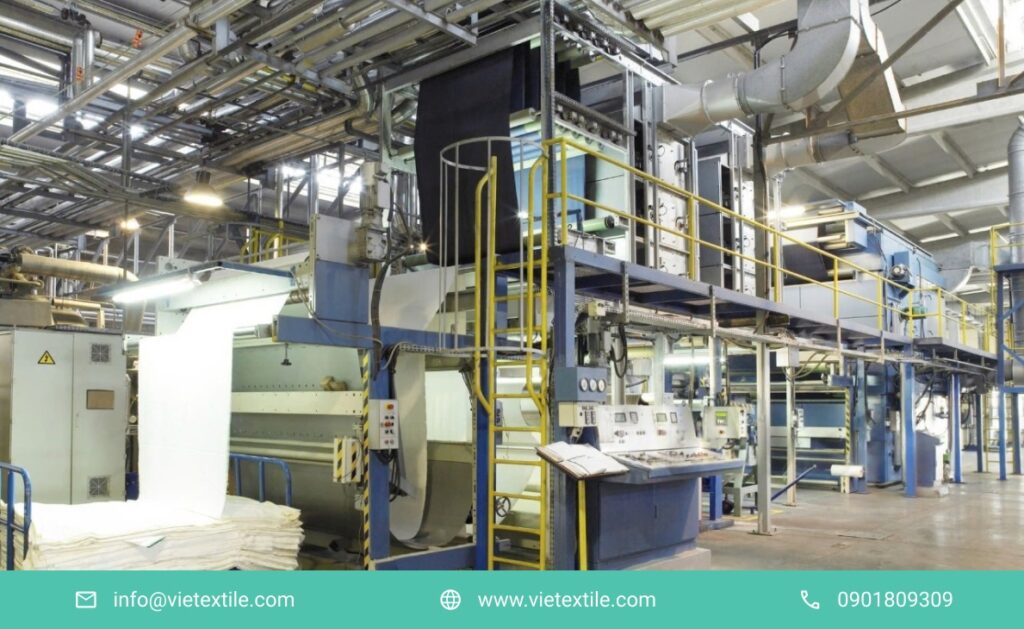
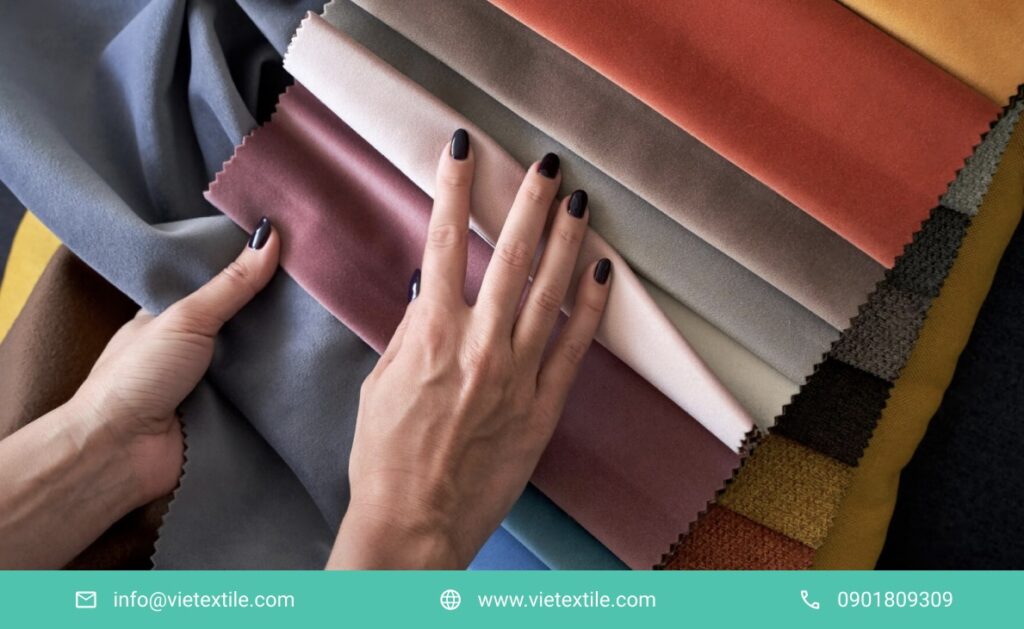
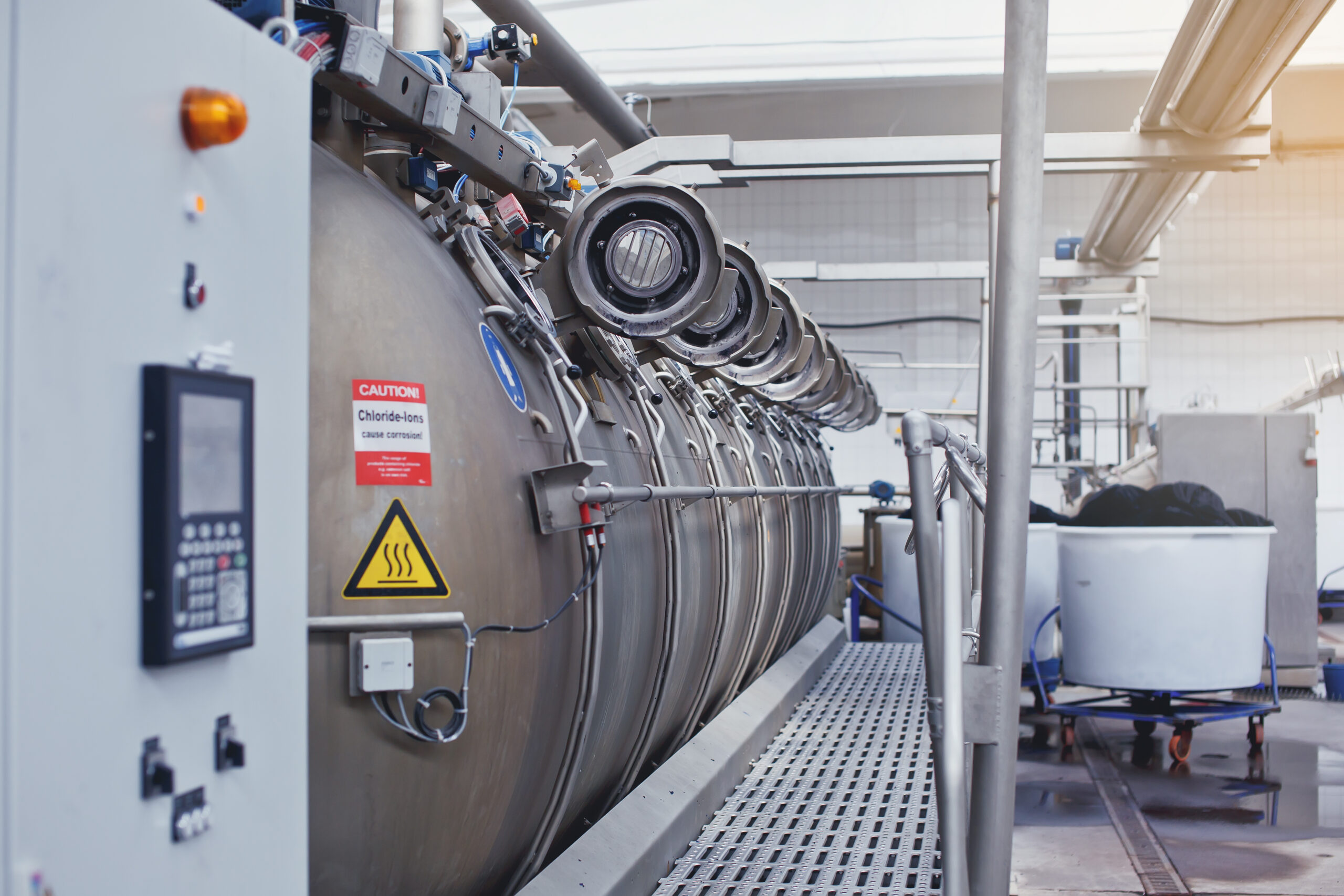
Máy nhuộm vải tại Việt Nam
Trends Increasing Demand for Fabric Dyeing in Vietnam for Domestic Fashion 6

3.1. Development Opportunities for Dyeing Factories

  • Revenue Growth: Increased domestic demand creates opportunities for revenue growth and production scale expansion for fabric dyeing factories in Vietnam.
  • Service Diversification: Factories can develop specialized dyeing services for local brands (small orders, complex requirements) or special wash techniques.
  • Technology Enhancement: Market pressure and quality requirements drive fabric dyeing factories in Vietnam to invest in modern technology, enhancing production capabilities.
  • Building a Strong Domestic Supply Chain: Strengthening cooperation among fabric manufacturers, dyeing factories, and fashion brands, creating a complete and efficient domestic supply chain.

3.2. Challenges in Technology and Investment Capital

Despite many opportunities, meeting increasing demand requires fabric dyeing factories in Vietnam to face major challenges in technology and investment capital.

  • High Initial Investment Costs: Modern dyeing machines, advanced wastewater treatment systems, and green dyeing technologies all require very large initial investments. This can be a barrier for small and medium-sized businesses.
  • Continuous Technology Updates: The dyeing industry is characterized by rapid technological innovation. Fabric dyeing factories in Vietnam need to continuously update and invest to avoid falling behind international competitors.

3.3. Environmental and Regulatory Challenges

The dyeing industry has a significant environmental impact, especially concerning wastewater. Fabric dyeing factories in Vietnam are facing increasing pressure from the government and community to comply with strict environmental regulations.

  • Wastewater Treatment: Investing in and operating standard-compliant wastewater treatment systems is a major cost and technical challenge.
  • Chemical Control: Regulations on hazardous chemicals (like ZDHC MRSL) are becoming increasingly stringent, requiring fabric dyeing factories in Vietnam to strictly control the origin and composition of chemicals used.

3.4. Challenges in High-Quality Human Resources

Operating modern machinery and applying new technologies require highly skilled and well-trained technical personnel. The Vietnam Textile and Dyeing Industry is facing a shortage of high-quality human resources, especially specialists in dye chemistry, dyeing techniques, and environmental management.

4. Solutions to Enhance Fabric Dyeing Capabilities in Vietnam

To seize opportunities and overcome challenges, the fabric dyeing industry in Vietnam needs to focus on strategic solutions.
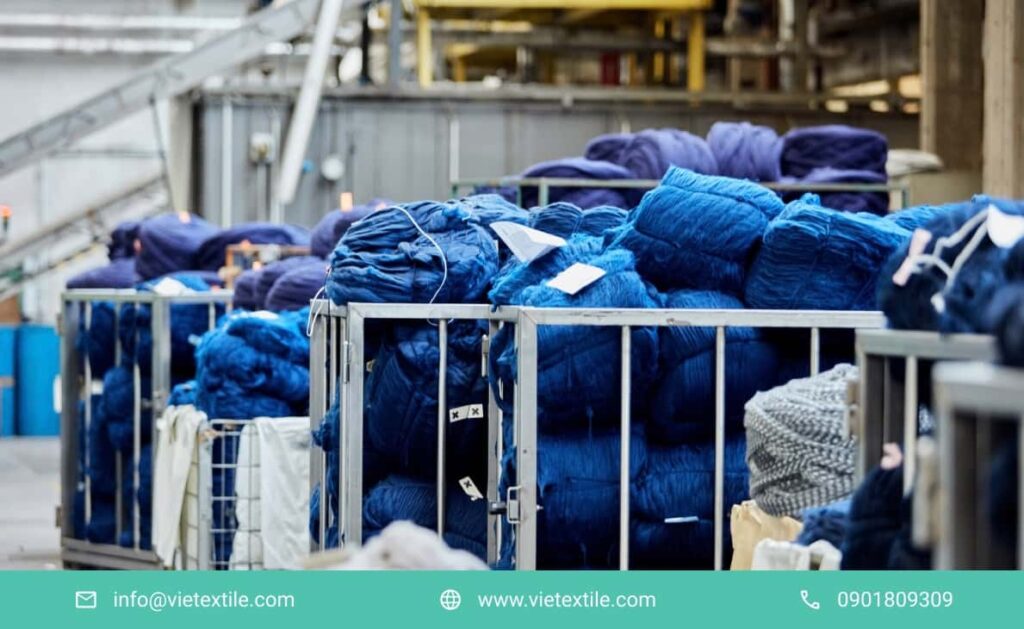
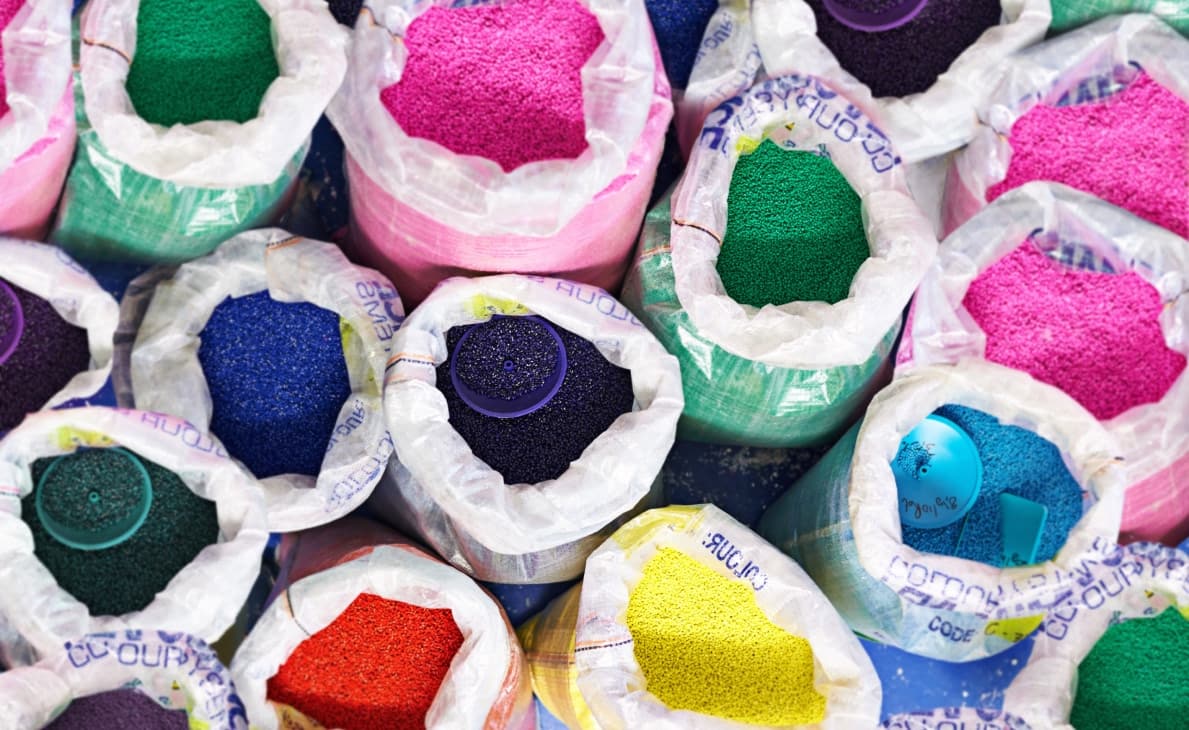
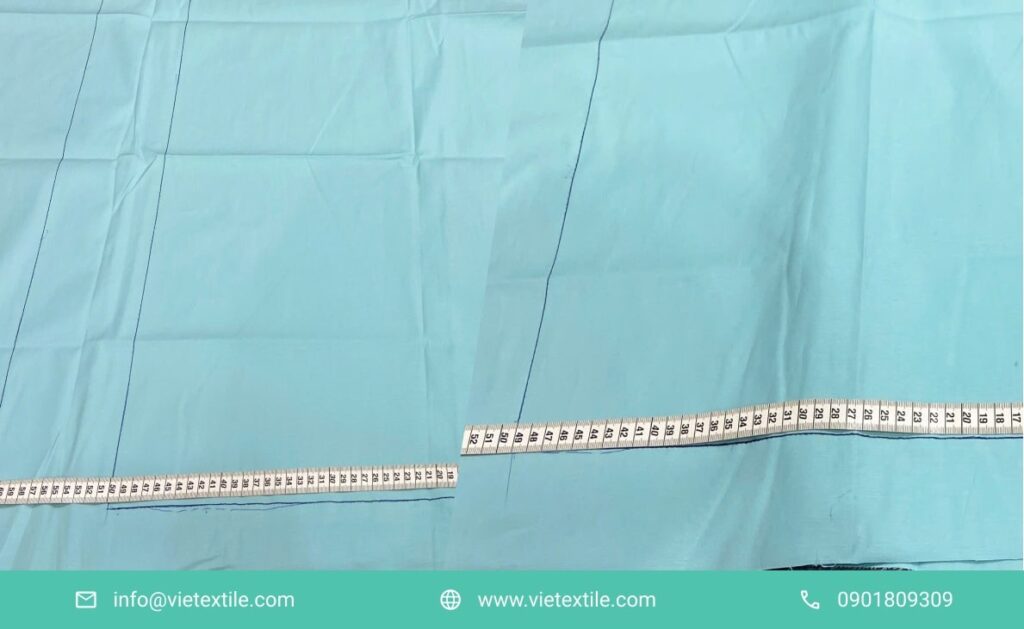
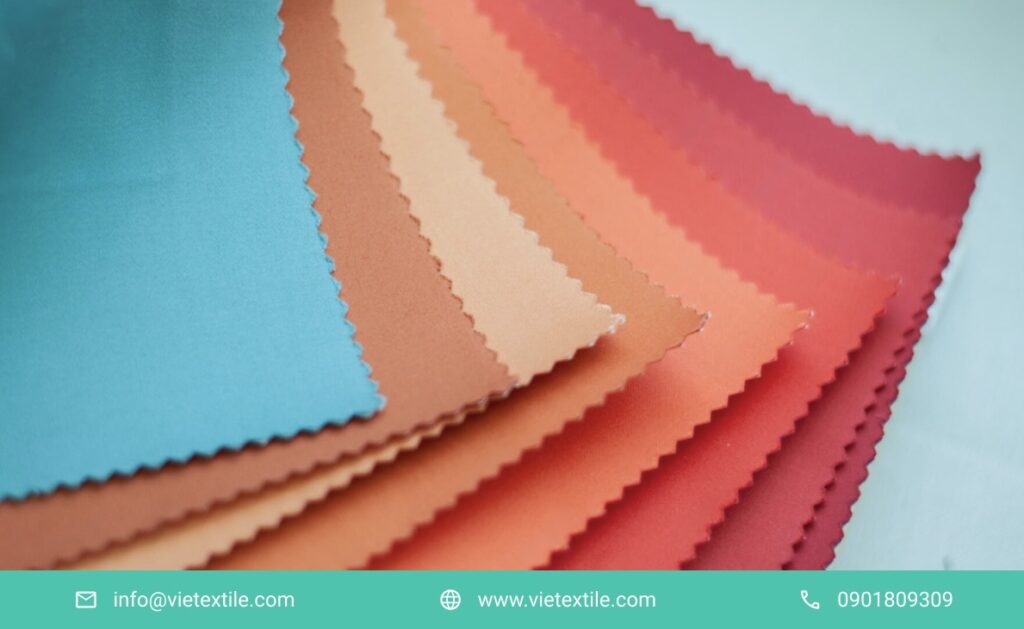
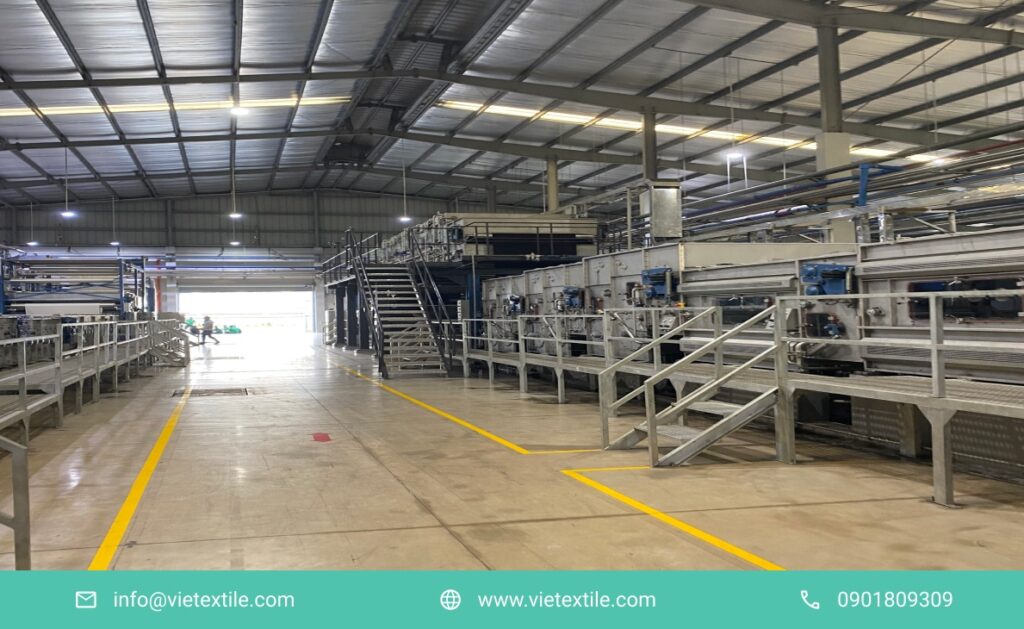
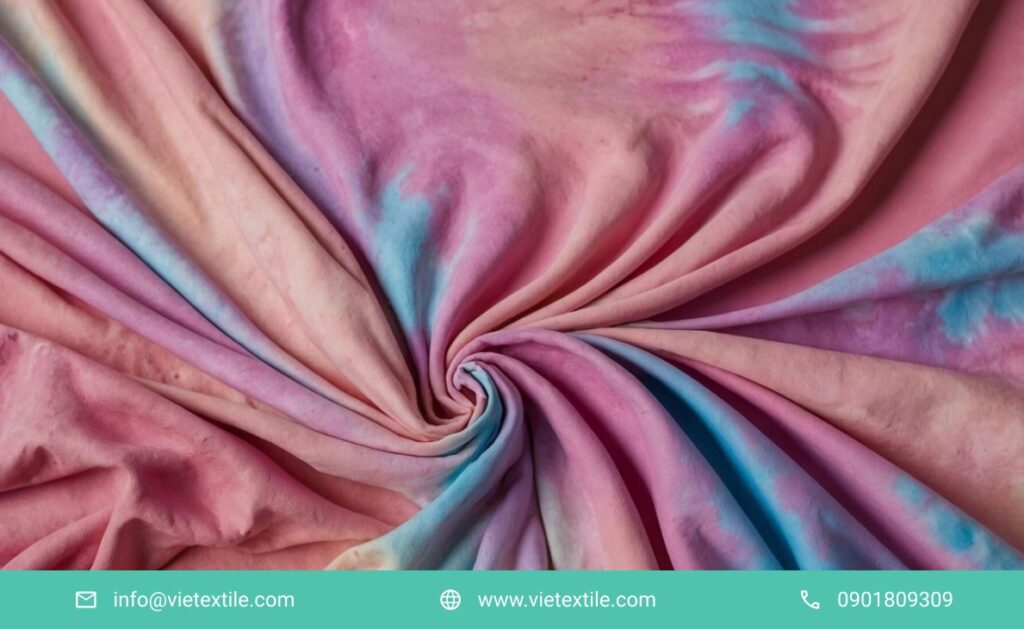
Nhuộm vải tại Việt Nam
Trends Increasing Demand for Fabric Dyeing in Vietnam for Domestic Fashion 7

4.1. Investing in Advanced Dyeing Technology

Investing in modern dyeing machines such as low liquor ratio Jet/Airflow machines, Thermosol continuous dyeing machines, and automatic chemical dispensing systems will help fabric dyeing factories in Vietnam enhance productivity, quality, and minimize waste. Advanced technology is key to meeting the stringent requirements of domestic and international markets.

4.2. Developing Research and Color Development Capabilities

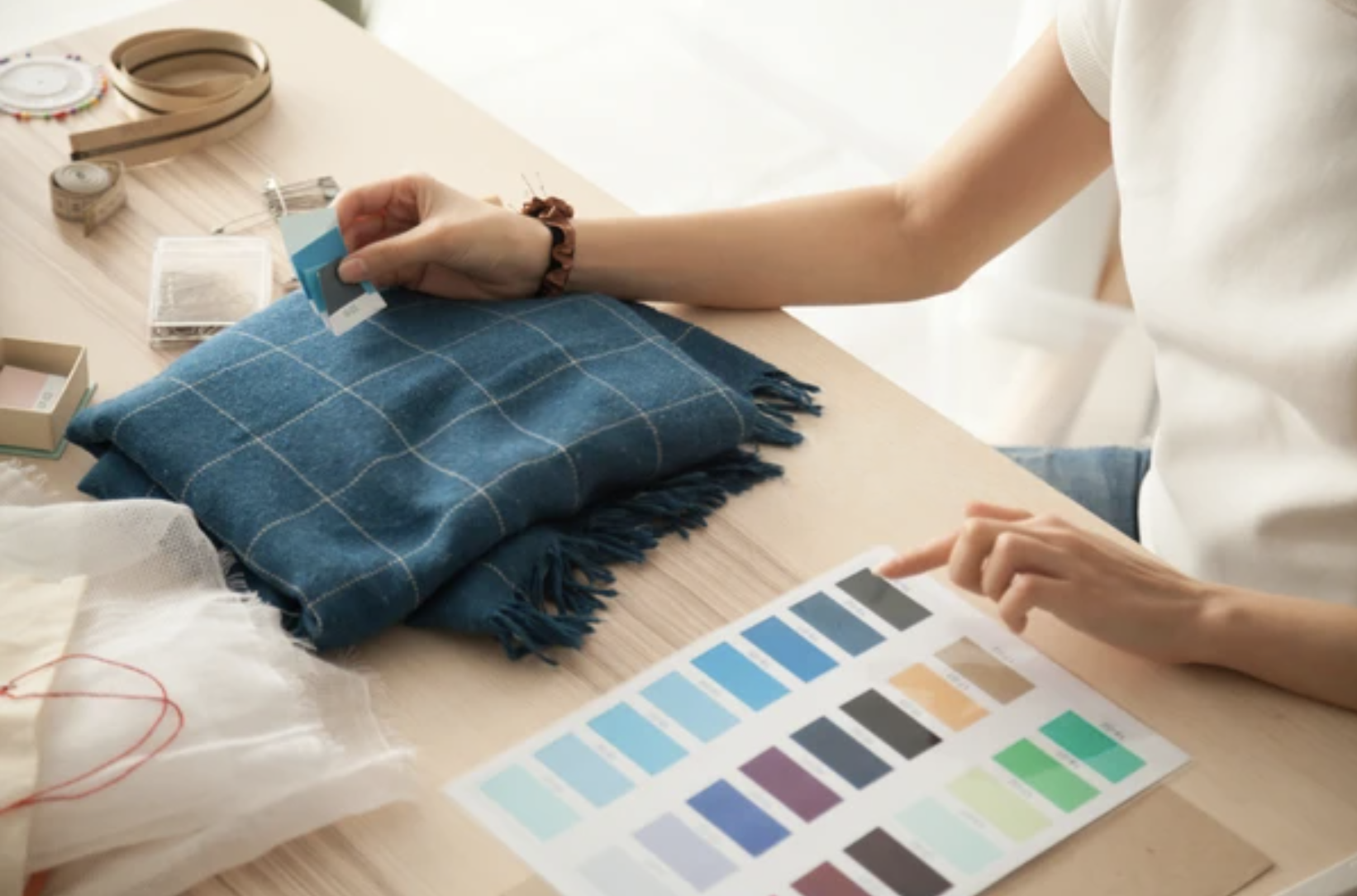
To meet diverse and personalized demands, fabric dyeing factories in Vietnam need to invest in modern color laboratories (lab dips), color management systems, and teams of color matching specialists. This helps shorten sample development time, ensure precise colors according to Pantone requirements, and increase color reproducibility across batches.

4.3. Focusing on Green and Sustainable Dyeing Solutions

Applying green dyeing technologies such as enzyme wash, ozone wash, laser, and especially water reuse systems is essential. Fabric dyeing factories in Vietnam need to proactively comply with international environmental standards like ZDHC, OEKO-TEX to enhance brand image and expand cooperation opportunities with major brands. This is not only a responsibility but also a competitive advantage.

4.4. Training and Developing Human Resources

Collaborating with universities, colleges, and vocational training centers to develop specialized training programs in dye chemistry, modern dyeing machine operation techniques, and environmental management. Investing in high-quality human resources is a key factor for fabric dyeing factories in Vietnam to effectively operate advanced technologies and maintain product quality.

5. VieTextile: A Leading Partner in Fabric Dyeing in Vietnam

VieTextile proudly stands as one of the pioneers in the fabric dyeing industry in Vietnam, continuously investing in advanced technology and sustainable solutions. We deeply understand the stringent requirements of the domestic and international fashion markets, and are committed to delivering high-quality dyed fabrics that meet all standards.

With {a system of modern dyeing machinery}, strict quality control processes, and a team of experienced specialists, VieTextile commits to:

  • Superior dyeing quality: Ensuring precise colors, high colorfastness, and perfect fabric hand-feel.
  • Flexible responsiveness to demand: Ability to process diverse fabric types and order quantities (from small to large), suitable for both local brands and large businesses.
  • Sustainable solutions: Applying green dyeing technologies, energy and resource saving, contributing to the sustainable development of the fabric dyeing industry in Vietnam.

Let VieTextile accompany you, transforming your most stringent requirements for fabric color and quality into reality, contributing to the development of the Vietnam domestic fashion industry.

6. Frequently Asked Questions

To help our valued customers better understand trends and fabric dyeing services in Vietnam, here are some frequently asked questions:

6.1. What are the most common fabric types dyed in Vietnam for domestic fashion?

A: Common fabric types dyed in Vietnam include cotton (jersey, twill), polyester, blended fabrics (PE-CO, CVC), viscose, and linen. Depending on trends and product segments, these fabrics are dyed with various colors and effects.

6.2. Can fabric dyeing in Vietnam meet international chemical safety standards?

A: Yes, many modern fabric dyeing factories in Vietnam, including VieTextile, have invested and continue to invest to meet international chemical safety standards like OEKO-TEX Standard 100, REACH, and comply with the ZDHC Manufacturing Restricted Substances List (MRSL). This ensures product safety for consumers and the environment.

6.3. What is the average time to complete a fabric dyeing order in Vietnam?

A: The completion time for a fabric dyeing order in Vietnam depends on quantity, fabric type, color complexity, and dyeing technique. Typically, from sample approval to delivery can take 1-3 weeks. Urgent or small quantity orders can be processed faster.

6.4. Does VieTextile provide lab dip services for local brands?

A: Yes, VieTextile provides professional lab dip services for local brands and designers. This helps customers check and approve precise colors on actual fabric samples before proceeding with mass production, ensuring satisfaction with our fabric dyeing services in Vietnam.

6.5. How to choose a reputable fabric dyeing partner in Vietnam?

A: To choose a reputable fabric dyeing partner in Vietnam, you should consider factors such as: experience, machinery technology, ability to meet quality and environmental standards, quality control processes, consultation and technical support services, and feedback from other customers.

7. Contact

To learn more about our fabric dyeing capabilities in Vietnam and receive optimal solution consultation for your products, contact VieTextile today!

Comparing Yarn Dyeing Vs. Fabric Dyeing: Concepts and Applications

In the textile industry, color is the soul of a product, transforming plain threads into vibrant works of art. To achieve desired colors, two main dyeing methods are applied at different stages of the production process: yarn dyeing and fabric dyeing. While both aim to color textile materials, their principles, processes, and applications differ significantly, directly affecting quality, aesthetic effects, and production costs.

This article will delve into comparing yarn dyeing vs fabric dyeing, helping you understand the concepts, advantages, disadvantages, and specific applications of each method. The goal is to provide a comprehensive overview, helping designers and businesses make optimal choices that suit their product requirements and business objectives.

1. Concepts of Yarn Dyeing Vs Fabric Dyeing

To understand the basic differences between yarn dyeing vs fabric dyeing, we need to grasp the definition of each method.

1.1 Yarn Dyeing

nhuôm-soi-cotton-jet-dyeing
Comparing Yarn Dyeing Vs. Fabric Dyeing: Concepts and Applications 14

Yarn dyeing is the process of coloring textile materials at the stage before weaving into fabric. This method can be applied to fibers in their raw form (loose fiber dyeing), in sliver form (top dyeing), or in spun yarn form (yarn dyeing). The goal is to impregnate dye into individual fibers or yarn bundles before they are fed into weaving or knitting machines.

Yarn dyeing allows for the creation of unique color effects such as mélange (yarn blended with different colors), heather (yarn with uneven color tones, creating depth), or complex woven stripes and plaids in woven fabrics. The color penetrates deep into each fiber, providing high colorfastness and a natural soft feel to the finished fabric. This is a fundamental difference when comparing yarn dyeing vs fabric dyeing.

1.2 Fabric Dyeing (Piece Dyeing)

nhuôm-vai-pad-steam-process
Comparing Yarn Dyeing Vs. Fabric Dyeing: Concepts and Applications 15

Fabric dyeing is the process of coloring textile materials after they have been woven or knitted into complete fabric panels. This is the most common method in the textile industry today for producing uniformly colored fabrics.

Fabric dyeing allows manufacturers to react quickly to new market color trends, as fabric can be produced and stored in greige form (undyed fabric), and then dyed according to specific requirements. This method is often cost-effective for large orders with simple colors. However, the ability of dye to penetrate deep into the fibers may not be as good as yarn dyeing.

2. Basic Process of Yarn Dyeing Vs Fabric Dyeing

Although both involve dyeing, the execution processes of yarn dyeing vs fabric dyeing differ significantly due to the state of the material.

2.1 Yarn Dyeing Process

nhuôm-soi-cotton-jet-dyeing
Comparing Yarn Dyeing Vs. Fabric Dyeing: Concepts and Applications 16

The yarn dyeing process begins with pre-treatment (scouring, bleaching) of yarn bundles or raw fibers to remove impurities. Then, the yarn is transferred to a dye bath with dye solution and auxiliary chemicals. The dyeing process occurs under strict control of temperature and time to ensure the dye penetrates deep into each fiber. Finally, the yarn is rinsed, color-fixed, and dried before moving on to spinning, weaving, or knitting.

2.2 Fabric Dyeing Process

polyester-jet-dyeing-machine
Comparing Yarn Dyeing Vs. Fabric Dyeing: Concepts and Applications 17

For fabric dyeing, the entire woven or knitted fabric panel will be pre-treated (scouring, bleaching) to remove sizing, impurities, and prepare the surface for dye absorption. Then, the fabric is loaded into a dyeing machine (such as Jet, Jig, or Pad-Batch machine) along with the dye solution. This process is controlled for temperature, pH, and time to ensure uniform color development. Finally, the fabric is rinsed, color-fixed, softened, and dried, then finished to ensure size and drape.

3. Applications and Aesthetic Effects of Yarn Dyeing Vs Fabric Dyeing

The differences in concept and process between yarn dyeing vs fabric dyeing lead to distinct applications and aesthetic effects for each method.

nhuôm-soi-cotton-jet-dyeing
Comparing Yarn Dyeing Vs. Fabric Dyeing: Concepts and Applications 18

3.1 Applications and Effects of Yarn Dyeing

Yarn dyeing is often chosen when complex and unique color effects are desired, which are difficult to achieve with fabric dyeing.

  • Mélange/Heather Fabrics: Creates fabric with a mixed-tone appearance, adding depth and variety to the surface. This effect is achieved by dyeing yarn bundles with different colors, then blending them before spinning and weaving.
  • Woven Stripe, Plaid, Yarn-Dyed Patterns: These patterns are created by arranging differently dyed yarns during the weaving process. This results in sharper, clearer, and more colorfast lines compared to printing patterns onto already dyed fabric.
  • Deep Penetration and High Colorfastness: Since the dye penetrates into individual fibers, the finished fabric has superior colorfastness, with less fading or bleeding even after many washes. This is a significant advantage of yarn dyeing when comparing yarn dyeing vs fabric dyeing.
  • Softer Hand-Feel: Because the dyeing process occurs before weaving, the yarn is subjected to less mechanical stress, helping the finished fabric retain its natural softness.

3.2 Applications and Effects of Fabric Dyeing

Fabric dyeing is a flexible method, suitable for various product types and production scales.

  • Solid Colors: This is the most common application of fabric dyeing, producing fabric panels with uniform color across the entire surface. This method is cost- and time-effective for large orders.
  • Printed Fabrics: After fabric is dyed a base color, patterns can be printed onto its surface using various printing technologies (digital printing, screen printing).
  • Quick Response to Market Trends: The ability to dye fabric on demand allows manufacturers to quickly adjust colors according to new fashion trends without needing to stock large quantities of pre-dyed yarn. This helps reduce inventory risk and optimize the supply chain.
  • Economic Efficiency for Large Quantities: For large orders with simple colors, fabric dyeing typically has significantly lower production costs compared to yarn dyeing.

4. Comparing Yarn Dyeing Vs Fabric Dyeing: Advantages and Disadvantages

To make an informed decision on the appropriate dyeing method, a careful consideration of the advantages and disadvantages of both yarn dyeing vs fabric dyeing is necessary.

CriteriaYarn DyeingFabric Dyeing
Dyeing StageBefore spinning/weaving fabric (raw fiber, spun yarn)After weaving/knitting into finished fabric panels
Dye PenetrationDeeper and more thorough, color penetrates the core of each fiber.Less deep, color primarily adheres to the fiber surface (except for some special fabrics and inks).
ColorfastnessVery high, as color is fixed at the individual fiber level.Good, but can be inferior to yarn dyeing under certain conditions.
Aesthetic EffectsCreates mélange, heather fabrics, sharp woven stripes/plaids, with depth and natural feel.Uniform solid colors, or serves as a base for printed patterns.
Fabric Hand-feelMore naturally soft, less affected by surface dyes.Can be affected by surface ink/chemicals, sometimes slightly stiff (depending on technology).
Production FlexibilityLess flexible, difficult to change colors once yarn is dyed.Very flexible, can quickly dye colors according to trends.
Production CostHigher (due to complex process, requiring more meticulous control).Lower for large-scale production, solid colors.
Defect/Waste RateCan be high if color error occurs at yarn stage (affects entire batch).Easier to control, less waste when changing colors.
Main ApplicationsHigh-end knitwear, woven fabrics with woven patterns, mélange fabrics, premium denim.Diverse fashion products, uniforms, decorative fabrics, large-volume goods.

5. When to Choose Yarn Dyeing, When to Choose Fabric Dyeing?

The choice between yarn dyeing vs fabric dyeing depends on many factors, including design goals, quality requirements, production quantity, and budget.

Choose Yarn Dyeing When:

  • You need fabric with mélange, heather effects, or yarn-dyed stripes/checks with high sharpness and colorfastness.
  • The product requires superior colorfastness and maximum softness.
  • Producing high-end products that demand special aesthetic appeal and color depth.
  • You have stable production plans with infrequent color changes.

Choose Fabric Dyeing When:

  • You need to produce solid-color fabric in large quantities to optimize costs.
  • You need to react quickly to new market color trends and have flexibility in changing colors.
  • The product will have patterns printed on its surface.
  • You want flexibility in managing inventory of undyed greige fabric.
  • Budget is a top priority for large orders.

6. VieTextile: Expert in Both Yarn Dyeing Vs Fabric Dyeing

VieTextile proudly stands as a leading partner in textile dyeing in Vietnam, with the capability to provide both yarn dyeing and fabric dyeing services. We deeply understand the advantages, disadvantages, and applications of each method, thereby advising on the most optimal solution for each client’s project.

With modern machinery systems, advanced technology, and a team of experienced engineers and specialists, we are committed to delivering fabric products with accurate colors, superior quality, and optimal colorfastness, regardless of whether you choose yarn dyeing or fabric dyeing. VieTextile always strives to meet the most stringent requirements of the fashion industry.

7. Frequently Asked Questions (FAQs)

To help our valued customers better understand yarn dyeing vs fabric dyeing, here are some frequently asked questions:

Q: Which method is more environmentally friendly when comparing yarn dyeing vs fabric dyeing? A: Both methods can be optimized to be environmentally friendly. However, fabric dyeing often has an advantage in reducing waste due to its ability to react quickly to market demand, avoiding inventory of unsold dyed fabric. Many green wash technologies (ozone, laser) are also primarily applied to finished fabrics.

Q: Can yarn dyeing be applied to all types of fibers? A: Yarn dyeing can be applied to various fiber types such as cotton, polyester, viscose, acrylic, and wool. However, the dyeing process will vary depending on the characteristics of each fiber type and the dye used.

Q: Can fabric dyeing create striped patterns like yarn dyeing? A: Fabric dyeing can create striped patterns by printing (e.g., screen printing, digital printing) but printed stripes are often not as sharp and deep as stripes woven from pre-dyed yarn. Woven patterns are a characteristic of yarn dyeing.

Q: How do I know which dyeing method is most suitable for my product? A: To determine the optimal dyeing method when considering yarn dyeing vs fabric dyeing, you should contact VieTextile’s experts. We will analyze your design requirements, material, quantity, budget, and quality goals to advise on the most suitable solution.

8. References & Contact

To receive in-depth consultation on yarn dyeing vs fabric dyeing and find the optimal dyeing solution for your products, contact VieTextile today!

Contact Information:

Cotton Dyeing with Reactive Dyes

Cotton is one of the most widely used natural fibers in the textile industry due to its softness, breathability, and good absorbency. However, to achieve vibrant, durable colors and meet high market standards, selecting the appropriate dye type is crucial. Among these, reactive dyes are considered the optimal choice for cotton dyeing, offering superior quality compared to other dye types.

This article will delve into explaining what reactive dyes are, why they are ideal for cotton dyeing, the detailed dyeing process, and the prominent advantages this method brings to the modern textile industry.

1. What are Reactive Dyes?

reactive-dye-powder-cotton
Cotton Dyeing with Reactive Dyes 25

Reactive dyes are a type of organic dye capable of forming direct covalent chemical bonds with fabric fibers, especially fibers with hydroxyl groups (like cellulose in cotton) or amine groups (like protein in wool, silk). Unlike other dyes that only physically adhere to the fiber surface, reactive dyes “react” and become an inseparable part of the fiber structure.

Thanks to this strong chemical bonding ability, reactive dyes provide extremely high colorfastness, effectively resisting fading when washed, exposed to light, or subjected to friction. This is the main reason they are the top choice for cotton dyeing and other cellulose fibers, where colorfastness requirements are very strict.

2. Why are Reactive Dyes Ideal for Cotton Dyeing?

Cotton dyeing with reactive dyes offers many superior benefits, making this method an industry standard for high-quality cotton products.

2.1 Strong Chemical Bonding Capability

The most outstanding characteristic of reactive dyes is their ability to react and form covalent bonds with the hydroxyl groups on the cellulose fibers of cotton. This bond is much stronger than the physical bonds of other dye types. Therefore, the color is “locked” into the fibers, giving cotton dyeing products superior colorfastness, preventing colors from washing out or fading easily when laundered or exposed to external factors.

2.2 Bright and Sharp Colors

cotton-rinse-reactive-dye
Cotton Dyeing with Reactive Dyes 26

Reactive dyes allow for the creation of a very wide color gamut, from subtle pastel tones to vibrant, vivid colors with high sharpness. Their ability to penetrate deep into the fibers and effectively fix colors ensures that the surface of dyed cotton fabric is uniformly colored, without mottling, and retains the freshness of the colors. Specifically, they are very effective in reproducing designs with many colors or complex color transitions, making fashion products look more impressive.

2.3 Superior Colorfastness

Thanks to strong chemical bonds, cotton products dyed with reactive dyes have high colorfastness to various agents:

  • Colorfastness to Laundering: Does not fade or bleed when machine or hand washed.
  • Colorfastness to Light: Good fade resistance when exposed to sunlight.
  • Colorfastness to Crocking: Minimizes fading or bleeding when rubbed.
  • Colorfastness to Perspiration: Maintains stable color even when exposed to body sweat. This makes reactive dyed cotton suitable for products requiring high durability such as everyday wear, sportswear, and children’s clothing.

2.4 Safety and Environmental Friendliness (When Controlled)

Although the dyeing process requires strict control, many types of reactive dyes have now been improved to be more environmentally friendly, containing fewer heavy metals and harmful chemicals. When cotton dyeing with reactive dyes, post-dyeing rinsing is also crucial to remove excess dye that does not adhere to the fibers, reducing wastewater pollution. Professional manufacturers often apply advanced wastewater treatment systems to ensure environmental safety.

2.5 High Reproducibility

Reactive dyes allow for accurate and consistent color reproduction across different production batches. With standardized formulas and processes, achieving uniform color quality across thousands of products becomes feasible, making it easy for manufacturers to meet customer requirements for consistency and ensure synchronized quality for fashion collections. This is a significant advantage in mass production, affirming the professionalism of cotton dyeing services.

3. Cotton Dyeing Process with Reactive Dyes

The cotton dyeing process using reactive dyes requires strict control over chemicals, temperature, and time to achieve optimal results.

3.1 Fabric Pre-treatment

lab-cotton-dye-sample
Cotton Dyeing with Reactive Dyes 27

Before cotton dyeing, the fabric needs to be thoroughly pre-treated to remove impurities and optimize its dye absorption capability.

  • Scouring: Removes oils, sizing agents, dirt, and other impurities from raw fabric.
  • Bleaching: Whitens the fabric to create a uniform base color, especially if bright or vibrant colors are desired.
  • Softening: Some processes may include preliminary softening to make the fabric more absorbent.

3.2 Dye Solution Preparation

cotton-reactive-dyeing-process
Cotton Dyeing with Reactive Dyes 28

Preparing the dye solution is a crucial step that determines the color accuracy in cotton dyeing.

  • Color Formula: Based on standard samples or Pantone requirements, specialists develop precise color formulas, including reactive dyes, salt (to enhance dye absorption), and alkali (to activate the chemical reaction between the dye and the fiber).
  • Dilution: Chemicals are diluted in water to optimal ratios and concentrations.

3.3 Dyeing Process

Pre-treated fabric is loaded into a dyeing machine (typically a Jet, Jig, or Pad-Batch machine, depending on the fabric type and scale).

  • Dye Absorption: Fabric is immersed in the dye solution. Salt is added to push the dye closer to the fibers.
  • Reaction Activation: Once the dye has absorbed evenly, alkali is added to create a high pH environment, activating the chemical reaction between the dye and the cotton fibers. Temperature and time are strictly controlled throughout the cotton dyeing process.
  • Maintenance and Control: The dyeing process is continuously monitored to ensure uniform color development and correct tone.

3.4 Post-treatment

Post-dyeing treatment steps are essential to remove excess dye and fully fix the color.

  • Rinsing and Washing Off: Fabric is rinsed multiple times with clean water to remove unbonded dye (hydrolyzed dye). This step is crucial to prevent color bleeding.
  • Fixation Treatment: Sometimes, a fixing agent may be used to enhance colorfastness, especially for dark colors.
  • Softening and Drying: Fabric is softened and dried at controlled temperatures to achieve the desired hand-feel and shape, completing the cotton dyeing process.

4. Benefits of Cotton Dyeing with Reactive Dyes

cotton-dye-bath-reactive
Cotton Dyeing with Reactive Dyes 29

Applying reactive dyes in cotton dyeing brings many strategic benefits to manufacturers and brands:

  • Premium Product Quality: Cotton dyeing products have bright, sharp colors and superior colorfastness, meeting the high-quality standards of the export market.
  • Diverse Applications: Suitable for various cotton products, from sportswear and everyday wear to high fashion and bed linen, thanks to their durability and high aesthetic appeal.
  • Long-term Economic Efficiency: Although dye costs may be slightly higher, superior quality and reduced rates of faulty products due to fading help optimize overall economic efficiency and enhance brand reputation.
  • Environmental Compliance (When Properly Executed): Many reactive dyes now meet ecological safety standards like OEKO-TEX, ZDHC, helping businesses performing cotton dyeing move towards sustainable development.

5. VieTextile: Expert in Cotton Dyeing with Reactive Dyes

VieTextile proudly stands as a leading partner in cotton dyeing in Vietnam, particularly proficient in using reactive dyes. We possess modern dyeing machinery, advanced technology, and a team of experienced engineers and specialists with extensive experience in researching and applying optimal dyeing formulas.

We commit to:

  • Superior Color Quality: Ensuring your cotton dyeing products have the brightest, sharpest, and highest colorfastness.
  • Strict Standardized Process: Every stage from pre-treatment, preparation, dyeing to post-treatment is strictly controlled to achieve optimal results.
  • Safety and Sustainability: Using safe, environmentally friendly dyes and chemicals, along with advanced wastewater treatment systems, contributing to the sustainable development of the textile industry.

Let VieTextile help you elevate your cotton products with professional cotton dyeing services, bringing superior beauty and quality to your brand.

6. Frequently Asked Questions (FAQs)

To help our valued customers better understand the cotton dyeing process with reactive dyes, here are some frequently asked questions:

Q: Is cotton dyeing with reactive dyes safe for skin? A: Absolutely safe. After the cotton dyeing process, products are thoroughly rinsed to remove excess dye and chemicals. Reactive dyes, once fixed into the fabric fibers, are not harmful to the skin. VieTextile uses OEKO-TEX certified dyes to ensure safety.

Q: Can reactive dyes be used for polyester fabric? A: No. Reactive dyes are primarily used for cellulose fibers like cotton, linen, viscose, and protein fibers like wool, silk, because they form chemical bonds with the functional groups of these fibers. For polyester, disperse dyes and heat transfer printing or high-temperature high-pressure dyeing are needed.

Q: How is the colorfastness of cotton dyeing products tested? A: Colorfastness is tested using international standard test methods like AATCC or ISO, including tests for colorfastness to laundering, light, crocking, and perspiration. VieTextile performs these tests to ensure the quality of cotton dyeing products.

Q: Is the cost of cotton dyeing with reactive dyes high? A: The cost of cotton dyeing with reactive dyes is often slightly higher than some other dye types (e.g., direct dyes). However, the superior color quality, high durability, and reduced faulty products optimize overall economic efficiency, especially for high-end or export products.

7. References & Contact

To learn more about professional cotton dyeing services and receive optimal color solution consultation for your products, contact VieTextile today!

Contact Information:

Shrinkage Control – Fabric Shrinkage When Dyeing Finished Products

In the textile industry, garment dyeing is a flexible and efficient technique, allowing manufacturers to react quickly to market trends by dyeing garments after they have been cut and sewn. However, accompanying this benefit is a major challenge: shrinkage and dimensional distortion. If not strictly controlled, shrinkage can significantly alter the garment’s shape and size, causing substantial loss to businesses and seriously impacting consumer experience.

This article will delve into explaining why shrinkage and contraction occur in garment dyeing, their causes, and especially 6 effective control and prevention measures. The goal is to help businesses better understand this issue and seek reliable partners to ensure consistent quality for their garment-dyed products.

1. What is Garment Dyeing?

Garment dyeing is a fabric dyeing process performed on finished apparel products (clothing, accessories that have been cut and sewn). Unlike yarn dyeing or piece dyeing which occur in the early stages of production, garment dyeing offers high flexibility, allowing manufacturers to keep products in an undyed state and only dye colors according to order requirements or market trends at the last minute.

The garment dyeing process typically involves washing, dyeing, rinsing, and drying the sewn product. This method is particularly popular for items like T-shirts, jeans, jackets, and casual wear, where unique color effects or a “washed” feel are favored.

fabric-dyeing-shrinkage
Shrinkage Control – Fabric Shrinkage When Dyeing Finished Products 34

2. The Phenomenon of Shrinkage and Contraction in Garment Dyeing

Shrinkage and contraction are changes in the size of fabric fibers or fabric structure after exposure to water, temperature, and/or mechanical action. In garment dyeing, the product already has a fixed shape and size, so any shrinkage directly affects sizing and fit.

This is a serious problem for garment dyeing because it can lead to:

  • Incorrect size: Product no longer matches the labeled size.
  • Shape distortion: Fabric shrinks unevenly, deforming seams or the overall shape.
  • Aesthetic loss: Details like prints or embroidery can be distorted.
  • Waste and complaints: Non-compliant products must be discarded or reprocessed, causing financial and reputational damage.

Understanding the causes of shrinkage is key to effectively controlling the garment dyeing process.

3. Causes of Shrinkage and Contraction in Garment Dyeing

Shrinkage in garment dyeing is the result of a complex interaction between fabric fiber characteristics, processing conditions, and factors during garment construction.

shrinkage-testing-lab
Shrinkage Control – Fabric Shrinkage When Dyeing Finished Products 35

3.1 Fabric Fiber Characteristics and Fabric Structure

Natural fibers like cotton, linen, and rayon tend to shrink more than synthetic fibers like polyester. Cellulose fibers (cotton, linen, rayon) can absorb water and swell when wet, then contract when dry. Additionally, the weave or knit structure of the fabric significantly impacts it. Knitted fabrics (like jersey) often have higher shrinkage than woven fabrics due to a looser structure. These factors need to be carefully considered when selecting materials for garment dyeing.

3.2 Temperature and Processing Time

High temperatures in the washing, dyeing, and especially drying stages are among the main causes of shrinkage in garment dyeing. High temperatures cause fabric fibers to “relax” and contract to a more stable state. Prolonged exposure to high temperatures or excessively long washing/drying times also increases the degree of shrinkage, making garment-dyed products prone to deformation.

3.3 Mechanical Action

Mechanical forces from the washing machine during garment dyeing, such as continuous tumbling, high-speed extraction, or the action of a tumble dryer, can cause compression and fiber contraction. Knitted fabrics, in particular, are very sensitive to mechanical action and are prone to shrinkage and deformation if not handled carefully during garment dyeing.

3.4 Chemicals Used

Some chemicals used in the dyeing or wash process can affect the fabric’s dimensional stability. Strong chemicals can cause excessive fiber swelling, or conversely, make fibers brittle, thereby affecting shrinkage control in garment dyeing. Incomplete rinsing of chemicals can also cause fabric stiffness, increasing the perception of shrinkage.

3.5 Fabric Tension During Sewing

Even before garment dyeing, tension in the fabric fibers and structure during cutting and sewing can cause shrinkage. When fabric is stretched and held taut during garment manufacturing, the fibers can be elongated. When the finished product is subjected to the wet and high-temperature environment of the dyeing process, this tension is released, causing the fabric to contract to its natural size, leading to unwanted shrinkage in garment dyeing.

4. Effective Shrinkage/Contraction Control and Prevention Measures in Garment Dyeing

To ensure the quality and standard sizing of garment-dyed products, a series of strict control measures must be implemented.

fabric-shrinkage-after-dyeing
Shrinkage Control – Fabric Shrinkage When Dyeing Finished Products 36

4.1 Fabric Pre-treatment

To minimize shrinkage in garment dyeing, pre-treating the fabric before sewing is crucial. Natural fabrics should be washed or pre-shrunk in roll form before cutting and sewing. For synthetic fabrics, heat setting can be performed to stabilize the fiber structure. This helps eliminate most potential shrinkage before the garment is sewn, laying the groundwork for a stable garment dyeing process.

4.2. Selecting Suitable Fabric with Shrinkage Data

Use fabrics with low shrinkage or those proven to be dimensionally stable after wet processes. For new fabrics, request shrinkage data from the supplier or conduct small-scale shrinkage tests yourself before mass production. This helps select optimal materials for garment dyeing and predict the level of shrinkage.

4.3. Controlling Dyeing/Wash Temperature and Time

In garment dyeing, controlling water temperature and fabric exposure time to chemicals is very important. Maintain stable and not excessively high temperatures. Optimize the dyeing and wash cycles to minimize the time fabric is exposed to shrinkage-inducing environments. Modern dyeing machines allow precise control of these parameters, which is key to limiting shrinkage in garment dyeing.

4.4 Optimizing Drying Process

This is one of the most important steps to control shrinkage.

  • Low-temperature or no-heat drying: Use a tumble dryer with a low-heat or no-heat setting, or natural air drying.
  • Moderate drying: Do not over-dry. Remove garments when slightly damp and allow them to air dry completely to prevent fibers from shrinking excessively and becoming stiff.
  • Stretching techniques: Some fabrics can be gently stretched during drying to achieve the desired size after garment dyeing.

4.5 Using Special Chemicals and Additives

Specialized chemicals can be added during garment dyeing to control shrinkage.

  • Anti-shrinkage agents: These chemicals help stabilize the fiber structure, minimizing the fabric’s tendency to shrink.
  • Softeners: Help fabric fibers relax and become softer, thereby reducing shrinkage due to tension.
  • pH and metal ion control: Ensure an optimal chemical environment, avoiding unwanted reactions that cause fiber deformation.

4.6 Size Control and Pattern Adjustment

  • Measuring expected shrinkage: Based on sample dyeing tests, determine the average shrinkage rate for each fabric type in the garment dyeing process.
  • Pattern adjustment: Increase the initial sewing pattern size according to the expected shrinkage rate. For example, if the fabric shrinks by 5%, the pattern needs to be increased by 5% to ensure the final product meets standard dimensions.
  • Continuous size inspection: Measure product dimensions before and after each garment dyeing batch to monitor and adjust the process as needed.

5. VieTextile: Expert in Shrinkage Control in Garment Dyeing

VieTextile proudly stands as a leading partner in garment dyeing in Vietnam, particularly in effectively controlling shrinkage and contraction. We understand that this is a critical factor for quality and customer satisfaction.

With modern dyeing and drying machinery, advanced technology, and a team of experienced engineers and specialists, VieTextile is committed to delivering garment-dyed products with stable dimensions, precise shapes, and superior quality. We apply a strict shrinkage control process from sample testing, optimizing dyeing formulas, to advanced drying processes, ensuring every product meets the highest standards.

6. Frequently Asked Questions (FAQs)

To help our valued customers better understand shrinkage control in garment dyeing, here are some frequently asked questions:

Q: Can shrinkage be completely eliminated in garment dyeing? A: Completely eliminating shrinkage is very difficult, especially with natural fibers. However, by applying strict control measures like those at VieTextile, we can minimize shrinkage to an acceptable level and ensure the product meets desired dimensions.

Q: What is the acceptable shrinkage tolerance for apparel products? A: The acceptable shrinkage tolerance usually ranges from ±2% to ±5%, depending on the fabric type, product structure, and customer requirements. For some special products, the tolerance may be tighter.

Q: How do you know how much a fabric will shrink when garment dyeing? A: The best way is to perform small sample garment dyeing tests on the same fabric type and with the same intended process. Measure dimensions before and after dyeing to determine the actual shrinkage rate. VieTextile always performs this step to predict and control shrinkage.

Q: Can products that have shrunk excessively after garment dyeing be restored? A: In some cases, products can be “stretched” back by steam ironing or using special stretching machines. However, the possibility of restoration is limited, and the original size is not always achieved. Prevention is always the best measure.

7. References & Contact

To learn more about professional garment dyeing services with effective shrinkage control, contact VieTextile today!

Contact Information:

What is Pantone Standard Fabric Dyeing? Its Importance for Businesses

In the global fashion and textile industry, color is not just an aesthetic element but also a language that conveys messages and brand identity. To ensure consistency and accuracy in color across every product, Pantone standard fabric dyeing has become an indispensable benchmark. This is not merely a common dyeing technique but also a testament to a business’s professionalism and commitment to quality.

This article will explain in detail what Pantone standard fabric dyeing is, and analyze its immense importance for the success and reputation of businesses in today’s textile industry.

1. What is Pantone Standard Fabric Dyeing?

pantone-fabric-dyeing
What is Pantone Standard Fabric Dyeing? Its Importance for Businesses 42

Pantone standard fabric dyeing is the process of applying colors to textile materials based on the international Pantone Matching System (PMS). Pantone is a standardized system with thousands of unique color codes, each corresponding to a specific and unique shade. When a color is specified by a Pantone code, it ensures that the color will be precisely reproduced anywhere in the world, regardless of who is performing the dyeing.

This system provides physical color standards (e.g., color swatches on paper, fabric) and digital technical formulas, giving manufacturers who use Pantone standard fabric dyeing an absolutely precise reference. This requires color matching skills, advanced dyeing technology, and strict quality control processes to ensure the dyed fabric color perfectly matches the required Pantone code.

2. The Importance of Pantone Standard Fabric Dyeing for Businesses

Adhering to Pantone standard fabric dyeing brings undeniable strategic benefits to textile businesses:

pantone-fabric-dyeing
What is Pantone Standard Fabric Dyeing? Its Importance for Businesses 43

2.1 Ensures Color Consistency

Color is one of the first elements consumers recognize in a product. Especially in fashion collections or multi-component products, uniform color is a paramount requirement. Pantone standard fabric dyeing ensures that even if products are manufactured in different batches, or even at different partner factories globally, the color maintains perfect uniformity.

This consistency is fundamental for a brand to maintain its identity and professional image in the eyes of customers. If product colors deviate, even slightly, it can lead to consumer disappointment, complaints, and returns, causing significant waste. Therefore, the Pantone standard fabric dyeing process plays a crucial role in minimizing this risk, protecting the business’s reputation and operational efficiency.

2.2 Enhances Product Quality and Brand Reputation

pantone-textile-color-guide
What is Pantone Standard Fabric Dyeing? Its Importance for Businesses 44

The ability to accurately perform Pantone standard fabric dyeing is not only a technical requirement but also a testament to a business’s superior production capability. When a product is dyed to the exact color desired by the designer and customer, it demonstrates meticulousness, care, and professionalism in every stage. This directly enhances the aesthetic value of the product.

Furthermore, the ability to meet international color standards through Pantone standard fabric dyeing will strengthen the trust of partners and customers in the overall product quality. A reputable brand, always ensuring accurate colors, will easily build sustainable relationships with major supply chains and attract more high-value orders in the market, asserting its position.

2.3 Optimizes Production Processes and Reduces Waste

The precision in Pantone standard fabric dyeing right from the color formula development stage (lab dip) significantly minimizes risks in mass production. When the color is standardized from the outset, businesses will less often need to perform re-dyeing processes or complex color adjustments after dyeing. This not only saves significant time but also reduces excessive use of chemicals, dyes, and energy.

When the Pantone standard fabric dyeing process is optimized, the overall productivity of the factory will increase, operating costs will decrease, and notably, the amount of fabric discarded due to color errors will be reduced. This directly contributes to increasing profit and economic efficiency for the business, making the investment in Pantone standard dyeing technology a strategic business decision.

2.4 Meets International Market Standards

The Pantone system is a globally recognized and widely used color language in the fashion and textile industry. Many large international brands, retailers, and renowned designers require their suppliers to have the capability for Pantone standard fabric dyeing. Therefore, mastering this dyeing technique is an important “passport.”

The ability to accurately meet Pantone color codes not only helps businesses easily participate in global supply chains but also expands opportunities to access demanding markets such as Europe, the US, and Japan. It demonstrates professionalism, adaptability, and integration into the international production system, providing a significant competitive advantage for businesses offering Pantone standard fabric dyeing services.

2.5 Enhances Communication and Design Efficiency

The Pantone system provides a common color language, making color communication among stakeholders in the supply chain (from designers, material suppliers, manufacturers to marketing and sales departments) much clearer and more efficient. With the ability to perform Pantone standard fabric dyeing, designers can confidently create with a rich color palette without worrying about color deviations when the product goes into actual production.

This not only shortens the product development cycle but also minimizes unnecessary misunderstandings during exchanges. Furthermore, ensuring consistent and accurate product colors according to Pantone allows a brand’s communication and marketing campaigns to be stronger and more persuasive. Products with accurate colors will attract target customers more effectively, creating impressive collections and brand images through precise and professional coloring.

3. Process to Achieve Pantone Standard Fabric Dyeing

To implement Pantone standard fabric dyeing, a strict and scientific process is necessary:

textile-pantone-swatch
What is Pantone Standard Fabric Dyeing? Its Importance for Businesses 45

3.1 Accurate Pantone Code Selection

The first step is to obtain the precise Pantone code from the designer or customer. Clear communication and the use of Pantone reference tools are prerequisites to begin the Pantone standard fabric dyeing process.

3.2 Color Formula Development (Lab Dip)

Lab technicians will use a spectrophotometer to analyze the standard Pantone sample and develop a precise dyeing formula. Multiple small test dyeings (lab dips) will be performed and adjusted until a perfect color match with the original Pantone sample is achieved. This is the most crucial stage determining the success of Pantone standard fabric dyeing.

3.3 Mass Production with Strict Control

Once the lab dip formula is approved, it will be scaled up for mass production. The entire dyeing process, from temperature, time, chemical concentration to solution circulation, is strictly controlled by an automated system. Continuous monitoring and timely adjustments are necessary to ensure uniform color across the entire fabric lot during Pantone standard fabric dyeing.

3.4 Final Color Check and Approval

The dyed fabric will be re-checked against the standard Pantone sample under various light sources (e.g., D65 – simulated daylight) in a color control room. Customers will usually have a final color approval step before the product is delivered, ensuring Pantone standard fabric dyeing has been performed according to the initial requirements.

4. VieTextile: Your Partner for Pantone Standard Fabric Dyeing

VieTextile prides itself on being a reliable partner in the field of Pantone standard fabric dyeing. With modern technology, advanced machinery systems, and a team of experienced engineers and color matching specialists, we are committed to delivering fabric products with precise colors and superior quality, meeting the most stringent customer requirements.

We understand that Pantone standard fabric dyeing is not just about technique, but also about building trust and consistency for your brand. Let VieTextile help you perfectly realize your color ideas.

5. Frequently Asked Questions (FAQs)

To help our valued customers better understand Pantone standard fabric dyeing, here are some frequently asked questions:

Q: Is Pantone standard fabric dyeing more expensive than conventional dyeing? A: The cost for Pantone standard fabric dyeing might be slightly higher than conventional dyeing due to the higher precision requirements, more complex color formulation process, and the use of specialized equipment. However, this investment is often offset by reduced errors, waste, and enhanced brand value.

Q: Does Pantone standard fabric dyeing take longer to execute? A: The color formula development (lab dip) and initial color verification stages for Pantone standard fabric dyeing might take additional time to ensure accuracy. However, once the formula is standardized, mass production will proceed efficiently, and overall, it will save time by minimizing re-dyeing.

Q: How is the accuracy of Pantone dyed colors verified? A: Pantone dyed colors are verified by comparing the dyed fabric sample with the standard Pantone sample under standard light sources (such as D65 – simulated daylight) using a spectrophotometer and by the naked eye of color specialists, ensuring accuracy in Pantone standard fabric dyeing.

Q: How does VieTextile ensure Pantone color matching? A: VieTextile uses a modern color laboratory, an automated color weighing system, and a team of experienced technicians to develop precise color formulas. Every batch of Pantone standard fabric dyed products undergoes a rigorous quality control process before shipment to ensure absolute color matching.

6. References & Contact

For in-depth consultation on Pantone standard fabric dyeing or to find the perfect color solution for your products, contact VieTextile today!

Contact Information:

Popular Professional Polyester Fabric Dyeing Technologies Today

Polyester is one of the most widely used synthetic fibers in the textile industry due to its high durability, wrinkle resistance, shrink resistance, and ease of care. However, due to its unique structure (hydrophobic and highly crystalline fiber), dyeing polyester requires specialized technologies and techniques to ensure durable, uniform, and vibrant colors. Professional polyester fabric dyeing is not merely a technical process but an art, ensuring the product achieves the highest quality.

This article will delve into the most common professional polyester fabric dyeing technologies available today, helping you understand how manufacturers create vibrant and long-lasting polyester fabrics.

1. Characteristics of Polyester Fabric and Dyeing Challenges

Polyester is a synthetic polymer fiber formed from ethylene terephthalate. Its chemical structure lacks functional groups that easily react with conventional dyes, and its tight fiber density makes it difficult for dyes to penetrate deep inside. This poses significant challenges for the professional polyester fabric dyeing process, requiring the use of disperse dyes and high temperature, high pressure conditions, or special methods to allow the dye to enter the fiber structure.

2. Popular Professional Polyester Fabric Dyeing Technologies

To overcome these challenges, the industry has developed numerous advanced technologies for professional polyester fabric dyeing.

2.1 High-Temperature High-Pressure (HTHP) Batch Dyeing

This is the most common and effective method for professional polyester fabric dyeing. Due to the tight fiber structure of polyester, disperse dyes require very high temperatures (typically from 130°C to 135°C) and pressure to penetrate the fiber.

polyester-jet-dyeing-machine
Popular Professional Polyester Fabric Dyeing Technologies Today 50

Basic Process:

  • Dye Solution Preparation: Disperse dyes are finely ground and evenly dispersed in water along with dyeing auxiliaries such as dispersing agents, leveling agents, and pH control agents. Accurate preparation is a key factor for the quality of professional polyester fabric dyeing.
  • Fabric Pre-treatment: Polyester fabric is thoroughly washed to remove oils and other impurities, optimizing its dye absorption capability.
  • Dyeing Process: The fabric is loaded into a sealed dyeing machine (autoclave), where temperature and pressure are gradually increased and maintained at a high level for a specific period (usually 30-60 minutes). The high pressure allows the dye solution to boil at a higher temperature, enhancing dye penetration into the polyester fiber. This is the most crucial stage of professional polyester fabric dyeing using this method.
  • Washing and Post-treatment: After dyeing, the fabric is gradually cooled, then thoroughly washed to remove excess dye from the fiber surface. This step is particularly important in professional polyester fabric dyeing to enhance colorfastness and apply finishing treatments to achieve the desired physical properties of the fabric.

Advantages: Achieves good color depth, high colorfastness, suitable for various polyester fabrics and polyester blends.

2.2 Thermosol Continuous Dyeing

This method is highly effective for professional polyester fabric dyeing in large quantities, especially woven fabrics. Instead of using pressure, Thermosol relies on extremely high temperatures to fix the dye.

continuous-polyester-dyeing-line
Popular Professional Polyester Fabric Dyeing Technologies Today 51

Basic Process:

  • Padding: The polyester fabric is padded through a pre-prepared disperse dye solution. A squeezing roller removes excess solution, ensuring uniform dye pickup by the fabric.
  • Pre-drying: The fabric is pre-dried to remove water, preparing it for the heat-setting step.
  • Thermosoling/Baking: This is the most critical step. The fabric passes through a baking oven at a very high temperature, typically from 180°C to 220°C, for about 30-90 seconds. The high temperature causes the dye to volatilize and penetrate the polyester fiber, then condense and fix when the fabric cools. This stage requires precise temperature control to ensure optimal color in professional polyester fabric dyeing.
  • Washing and Post-treatment: The fabric is thoroughly washed to remove unfixed dyes and other chemicals, then finished and dried.

Advantages: High productivity, time-saving, suitable for large orders and medium to light colors.

2.3 Carrier Dyeing for Polyester

This is an older method used when HTHP equipment is not available. Carriers are special chemical compounds that help polyester fibers swell at lower temperatures (usually below 100°C), allowing disperse dyes to penetrate the fiber.

Advantages: Can dye at lower temperatures, suitable for factories without HTHP machines. Disadvantages: Carriers are often toxic, can affect colorfastness and fabric durability, and have an unpleasant odor. Therefore, this method is less commonly used in modern professional polyester fabric dyeing, where environmental and safety requirements are prioritized.

3. Why is Professional Polyester Fabric Dyeing Necessary?

pad-steam-dyeing-polyester
Popular Professional Polyester Fabric Dyeing Technologies Today 52

Choosing the appropriate professional polyester fabric dyeing technology and process is a key factor to ensure:

  • High Colorfastness: Ensures products from professional polyester fabric dyeing effectively resist fading under the effects of light, washing, and friction, extending the lifespan and preserving the original beauty of the fabric.
  • Uniform Color: Prevents issues like uneven dyeing and color deviation between production batches, creating color consistency for the final product from professional polyester fabric dyeing.
  • Reproducibility: Guarantees the ability to accurately reproduce colors across different production runs, helping maintain quality and brand reputation for professional polyester fabric dyeing.
  • Environmental Friendliness: Minimizes waste and uses safe chemicals in the professional polyester fabric dyeing process, contributing to sustainable development and compliance with environmental regulations.

A professional polyester fabric dyeing service will optimize these factors, delivering superior quality products to customers.

4. Why Choose VieTextile for Professional Polyester Fabric Dyeing?

VieTextile proudly stands as a pioneer in the field of professional polyester fabric dyeing in Vietnam. We apply the most advanced dyeing technologies, such as HTHP and Thermosol, coupled with a team of experienced engineers, ensuring every meter of polyester fabric meets the highest standards of color and durability.

We are committed to providing professional polyester fabric dyeing solutions that are not only cost-effective but also environmentally sustainable, using certified safe dyes and chemicals, along with a modern wastewater treatment system.

5. Frequently Asked Questions (FAQs)

To help our valued customers better understand professional polyester fabric dyeing, here are some frequently asked questions:

Q: What are disperse dyes and why are they used for polyester? A: Disperse dyes are a type of dye that is insoluble in water, existing as ultrafine particles uniformly dispersed in a solution. They are used for polyester because they can penetrate the hydrophobic structure of polyester fibers under high temperature and pressure conditions, forming strong physical bonds with the fiber, ensuring high colorfastness for professional polyester fabric dyeing.

Q: How is color uniformity ensured when dyeing polyester? A: Color uniformity is ensured through strict control of factors such as temperature, pressure, time, dye concentration, and solution circulation in the dyeing machine. Modern machinery technology and precise preparation processes in professional polyester fabric dyeing are key to achieving this consistency.

Q: Can VieTextile dye polyester blends? A: Yes, we have the experience and technology to dye polyester blend fabrics (e.g., polyester/cotton, polyester/spandex). This requires more complex dyeing techniques, often combining two different types of dyes for each fiber component to ensure beautiful and uniform color on both parts.

Q: Do VieTextile’s dyed polyester products meet export standards? A: Absolutely. All our professional polyester fabric dyeing products undergo rigorous quality control processes according to international standards such as ISO, AATCC, ensuring they meet the stringent requirements of export markets.

Q: What is the difference between HTHP and Thermosol dyeing? A: HTHP (High-Temperature High-Pressure) is a batch dyeing method in a sealed vat, using pressure and high temperature for dye penetration. It’s suitable for various fabric types and medium quantities. Thermosol is a continuous dyeing method that uses extremely high temperatures to fix the dye after padding. It’s suitable for high-volume, high-speed production. Both are important technologies in professional polyester fabric dyeing.

6. References & Contact

To learn more about professional polyester fabric dyeing or to get advice on suitable dyeing solutions, don’t hesitate to contact VieTextile today!

Contact Information:

Warning: The Risks of Ordering Custom Fabric Dyeing from Low-Quality Workshops

In the textile industry, using a custom fabric dyeing service is becoming increasingly popular. Fashion brands, small-scale manufacturers, and retail chains often turn to this solution to save costs, control colors according to trends, and shorten time to market.

However, if you choose the wrong partner—especially workshops with insufficient capabilities—you could end up “losing money and ruining fabric.” Below are the 5 most common risks when ordering a custom fabric dyeing service from low-quality facilities, and how to effectively prevent them.

1. Color Risks When Using a Custom Fabric Dyeing Service

One of the most common risks is that the dyed fabric has a different tone, not matching the specific color code requested by the customer. This often happens when the dyeing workshop lacks specialized color-checking equipment, such as a colorimeter, or does not have a professional color-mixing formula on file.

With a custom fabric dyeing service, without a strict measurement and process control system, color deviation can render the entire batch of goods unusable—especially for brands that demand high color consistency.

contaminated-fabric-textile
Warning: The Risks of Ordering Custom Fabric Dyeing from Low-Quality Workshops 57

How to prevent it: For any order using a custom fabric dyeing service, you should ask the workshop to perform a small sample test to check the color match before proceeding with large-scale dyeing. This is an important step to assess color accuracy and avoid unwanted discrepancies. In addition, only work with workshops that are equipped with modern colorimeters and can store color codes using specialized software. This ensures color consistency between batches and allows for quick tracing if an issue occurs during processing.

2. Shrinkage Risks When Ordering a Custom Fabric Dyeing Service

Many customers report that the fabric, after being returned from the custom fabric dyeing service, has abnormal shrinkage, loses its shape, or deforms when cut and sewn. The cause is often due to an incorrect heat treatment process, skipping the post-dyeing setting step, or using chemicals that are unsuitable for the fiber type. Small workshops often overlook these standards to save costs.

fabric-bleeding-photo
Warning: The Risks of Ordering Custom Fabric Dyeing from Low-Quality Workshops 58

How to prevent it: Before using a custom fabric dyeing service, you should ask the workshop about their entire heat treatment process—including how they control temperature, time, and the chemicals suitable for each fiber type. Without this step, the fabric is highly likely to shrink or lose its shape during subsequent processing. Furthermore, require the provider of the custom fabric dyeing service to perform a shrinkage ratio test on a representative sample and provide a written commitment regarding the quality of the finished product after dyeing. This gives you a basis to protect your rights if an issue occurs.

3. Custom Fabric Dyeing Service Can Cause Fading and Color Bleeding

Fabric fading after the first few washes or bleeding onto other lighter-colored fabrics is a serious consequence of using a custom fabric dyeing service from low-quality providers. The reason is that the dye is not properly fixed, there is no post-dyeing treatment process (soaping, fixing), or the wastewater is not thoroughly treated, affecting color durability.

fabric-dyeing-defect
Warning: The Risks of Ordering Custom Fabric Dyeing from Low-Quality Workshops 59

How to prevent it: To ensure the quality of the output when using a custom fabric dyeing service, you should choose providers that can test colorfastness according to ISO standards. This is a crucial verification step that helps evaluate the fabric’s ability to retain color after washing, its lightfastness, and its resistance to color bleeding when combined with other fabrics. In addition, ask the workshop providing the custom fabric dyeing service for a written commitment regarding wash colorfastness and dry/wet color bleeding. This not only protects your rights in case of a defect but also demonstrates professionalism and transparency in the work process.

4. Delayed Delivery When Using a Custom Fabric Dyeing Service

In the small and medium-sized manufacturing model, many businesses hire a custom fabric dyeing service to save inventory costs. However, if the dyeing workshop fails to meet the deadline, the entire production chain can be stalled. Low-quality workshops often lack a clear production plan, easily become overloaded, and do not have enough technical staff to meet deadlines.

How to prevent it: When using a custom fabric dyeing service, on-time delivery is a key factor to ensure the supply chain is not disrupted. You need to create a clear contract regarding the delivery time, with specific penalty clauses if the supplier is late. In addition, prioritize choosing providers of a custom fabric dyeing service with large production capacity, a transparent progress management process, and the ability to provide regular production reports. This helps you stay in control of your production and delivery schedule.

5. Custom Fabric Dyeing Service Lacks Quality Commitment

Another major risk of using a custom fabric dyeing service at small workshops is the lack of transparency and quality commitment. When a defect occurs, customers are often met with a blame-shifting attitude or have no basis for making a complaint. Providers that lack inspection documents, do not keep control samples, or do not have a clear warranty policy pose a high risk.

How to prevent it: To avoid risks when using a custom fabric dyeing service, you need to require a full contract with clear terms, including responsibilities in case of a technical error. Having a written warranty commitment helps you secure your rights and deal with issues more effectively. Furthermore, only cooperate with factories that provide a custom fabric dyeing service that have full certifications like ISO, OEKO-TEX, and a rigorous quality management system. This not only ensures a professional process but also helps the products meet both domestic and international standards, especially when serving the export market.

6. Conclusion on Custom Fabric Dyeing Service

A custom fabric dyeing service is a flexible, cost-effective, and efficient solution if you choose the right and reputable partner. However, if you mistakenly select a low-quality workshop, the consequences are not just material damage but also a direct impact on your brand’s reputation.

Therefore, take the time to thoroughly research the processing facility, require a clear process, and have transparent warranty terms. Investing in this from the beginning will save you more in the long run.

7. More Information & Contact

Contact for custom fabric dyeing service consultation Are you having difficulty choosing a reputable partner to provide a custom fabric dyeing service? Do you need a company that can commit to accurate colors, on-time delivery, and precise handling of fabric materials according to your required standards? 

Let VieTextile be your partner! We specialize in providing a custom fabric dyeing service with a strict quality control process, modern machinery, and a dedicated technical team. Contact us now for a free consultation, on-site sample testing, and to receive a color chart that matches your design requirements. 

Fabric Dyeing Service for Cotton, Polyester, Viscose – What to Choose?

When choosing a partner for your fabric dyeing service, the important thing is not just the price, but also a clear understanding of the fabric type being processed. This is because each material—like cotton, polyester, or viscose—has unique characteristics that require different processes, dyes, and technologies.

So, should you choose a fabric dyeing service for cotton, polyester, or viscose? This article will help you analyze the pros and cons of each fabric type when dyeing and suggest how to choose the most suitable service for your production needs.

1. Fabric Dyeing Service for Cotton – Common but Not Easy

Gia cong nhuom vai H1
Fabric Dyeing Service for Cotton, Polyester, Viscose – What to Choose? 64

Cotton is a natural fiber widely used in fashion, apparel, and household goods. However, the process for a fabric dyeing service for cotton requires many steps and careful technical control.

Pros:

  • One of the major advantages of a fabric dyeing service for cotton is its excellent color absorption, especially when using reactive or direct dyes. Thanks to its cellulose-rich natural fiber structure, cotton easily absorbs dye, creating even, beautiful colors.
  • Cotton fabric, after dyeing, often has natural colors, high colorfastness, and is especially friendly to sensitive skin. This is why products like children’s clothing, sleepwear, and high-end sportswear often prioritize a fabric dyeing service for cotton.
  • In addition, cotton fabric has good sweat absorption, which helps the wearer feel cool and comfortable. This makes it very suitable for hot and humid climates like in Vietnam, and increases its use for summer fashion, casual wear, and resort apparel.

Challenges:

  • One of the most common difficulties with a fabric dyeing service for cotton is fabric shrinkage after dyeing. If there is no thorough setting (sanforizing) process and shrinkage testing, the final product can be deformed, leading to design size inaccuracies.
  • Furthermore, the color of dyed cotton fabric can easily fade if not properly fixed with a specialized washing and post-dyeing process. This requires the fabric dyeing service provider to have the technical capability to test for ISO colorfastness and the ability to reproduce colors consistently across different batches.
  • Finally, dyeing cotton fabric consumes more water and energy than polyester or viscose due to the high absorbency of natural fibers. Therefore, choosing a partner for your fabric dyeing service for cotton with a water recovery system, heat saving, and process optimization will help you save long-term costs and protect the environment.

2. Fabric Dyeing Service for Polyester – Cost-Effective

Gia cong nhuom vai H2
Fabric Dyeing Service for Cotton, Polyester, Viscose – What to Choose? 65

Polyester is a synthetic fiber that is durable, wrinkle-resistant, and low-cost. However, a fabric dyeing service for polyester is a major technological challenge.

Pros:

  • One of the biggest advantages of a fabric dyeing service for polyester is its superior colorfastness. By using disperse dyes, polyester fabric retains color very well after dyeing, with little fading during washing or exposure to sunlight, making it ideal for sportswear, uniforms, and export goods.
  • In addition, a fabric dyeing service for polyester provides high dimensional stability. Polyester fibers shrink less after dyeing, which helps maintain the correct shape of the garment, reduces the rate of defects, and saves on alteration costs.
  • The polyester dyeing process is often performed at high speeds, especially in high-pressure dyeing machines, which shortens production time and optimizes productivity. This is why many businesses favor a fabric dyeing service for polyester when they need to process large quantities in a short amount of time while ensuring quality.

Challenges:

  • The method for a fabric dyeing service for polyester requires high technical skill because it must use temperatures above 130°C in the pressure dyeing process. This requires the factory to be equipped with high-pressure dyeing machines and to strictly control the temperature and dyeing time so that the dye penetrates evenly and achieves optimal effectiveness.
  • However, if there is no standard gas and heat treatment system, the fabric dyeing service for polyester can have a serious impact on the environment. Therefore, reputable providers always focus on investing in eco-friendly technology to minimize emissions and energy consumption.
  • Another notable point is that if the dyeing is not uniform, the color of the polyester will lack vibrancy and cause a streaking effect. To ensure quality, a factory providing a fabric dyeing service for polyester needs to integrate an automatic color control system and have experienced staff.

3. Fabric Dyeing Service for Viscose – A Balance Between Cotton and Polyester

Gia cong nhuom vai H3
Fabric Dyeing Service for Cotton, Polyester, Viscose – What to Choose? 66

Viscose is a semi-synthetic fiber derived from cellulose, often seen as a combination of cotton and polyester. The process for a fabric dyeing service for viscose offers many advantages in aesthetics and feel, but also requires sophisticated technical control.

Pros:

  • One of the reasons many businesses choose a fabric dyeing service for viscose is because this fabric has good color absorption and is as soft as cotton. Since it is made from recycled cellulose, viscose effectively absorbs dye, especially reactive and direct dyes, which helps it achieve even and vibrant colors.
  • Dyed viscose fabric has a smooth surface, a natural drape, and is very suitable for high-end clothing, women’s wear, and evening gowns. With its diverse colors and soft feel, a fabric dyeing service for viscose is increasingly popular in the mid-to-high-end fashion segment.

Challenges:

  • However, viscose also has the disadvantage of being prone to wrinkling and losing durability if washed incorrectly. Controlling the absorbency, pH, and temperature during the dyeing process is very important to avoid color bleeding or fiber damage.
  • If the dyeing time and dye concentration are not properly adjusted, the fabric dyeing service for viscose can lead to uneven color or fiber deformation. Therefore, choosing a provider with experience and an accurate dyeing monitoring system is a prerequisite.

4. So, Which Fabric Should You Choose for Your Fabric Dyeing Service?

The answer depends on the product you want to produce, your quality requirements, cost, and sustainability goals:

  • If you are looking for softness, skin-friendliness, and natural colors, a fabric dyeing service for cotton is the ideal choice. Cotton is suitable for children’s clothing, summer fashion, and products that prioritize comfort when worn.
  • In cases where you need a durable, dimensionally stable, and low-cost fabric, choose a fabric dyeing service for polyester. This is the optimal solution for uniforms, sportswear, or products that need to withstand harsh environmental conditions.
  • And if you are torn between the softness of cotton and the cost-effectiveness of polyester, a fabric dyeing service for viscose will be the perfect compromise. Viscose offers a luxurious, light feel and prominent colors—very suitable for women’s fashion and office wear.

Additionally, you can consider blended fabrics (cotton-poly, poly-viscose…) to take advantage of the strengths of each material when using a professional fabric dyeing service. Base your choice on the final use case to make the optimal decision.

5. Notes When Choosing a Fabric Dyeing Service Provider

Regardless of whether you choose cotton, polyester, or viscose, it is crucial to collaborate with a reputable fabric dyeing service provider that has:

  • A professional fabric dyeing service provider needs a comprehensive treatment system from pre-dyeing to post-dyeing to ensure quality control from raw materials to finished products. This helps reduce color defects, save raw materials, and ensure stability in each production batch.
  • Additionally, when using a fabric dyeing service, businesses need to ensure the supplier has the ability to control color using a specialized colorimeter and perform regular ISO durability tests. This ensures that the product’s colors are always consistent, up to standard, and meet the criteria of international partners.
  • Another important factor in the fabric dyeing service process is a written commitment to the color, shrinkage, and non-bleeding after production. This is the basis for building customer trust and creating a quality supply chain.
  • Finally, a reputable fabric dyeing service provider needs to have traceability capabilities, providing full technical documentation, drawings, internal standards, and certification of compliance—helping businesses easily pass quality audits from both domestic and international partners.

Choosing the right fabric dyeing service partner not only helps you minimize risks and save costs but also enhances your brand image and customer trust.

6. Conclusion

The choice of fabric for a fabric dyeing service depends not only on cost but also on a careful consideration of fiber characteristics, processing technology, and the final use case. Cotton provides a soft feel, polyester is cost-effective, and viscose is a choice that balances both aesthetics and performance.

More importantly, businesses should invest time in researching and choosing a fabric dyeing service provider with technological capabilities, experience in processing each type of fiber, and a clear commitment to quality. This will help ensure consistent output, save production costs, and create a competitive advantage in the global supply chain.

7. References & Contact

Contact for Consultation Are you looking for a professional and effective fabric dyeing service partner? Let the VieTextile technical team assist you with a solution tailored to each fiber type and production requirement. 

How to Build a Quality Management Process in the Dyeing Industry

In the dyeing industry, product quality not only reflects craftsmanship but is also a vital factor that determines a business’s reputation and existence. A standard dyeing process is not enough—what’s more important is the ability to control, detect deviations early, and continuously improve.

This article will guide you on how to build a systematic quality management system—from raw material input to monitoring the entire dyeing line and the final output.

1. Why Is Quality Management the Core of the Dyeing Industry?

Cong Nghiep Nhuom H2
How to Build a Quality Management Process in the Dyeing Industry 71

The dyeing industry is characterized by complex chemical processing, which is prone to deviations in color, colorfastness, size, or hand feel. Without strict quality control, a business can easily face product returns, lose its reputation, and incur costly repair fees.

Furthermore, today’s market has increasingly strict requirements for the environment and international standards such as ISO 9001, OEKO-TEX, or ZDHC. Therefore, standardizing the quality management process is mandatory if a business wants to survive and develop sustainably.

2. 5 Steps to Build a Quality Management Process in the Dyeing Industry

To effectively implement a quality management system in the dyeing industry, a business needs a systematic approach from the ground up. Building a process is not just about listing control steps; it must also ensure a strong link between all stages—from raw materials to operations and evaluation. Below are 5 practical steps that serve as the pillars of every modern quality control system in the dyeing industry.

2.1. Input Raw Material Inspection

Cong Nghiep Nhuom H4
How to Build a Quality Management Process in the Dyeing Industry 72

All fabrics must be thoroughly inspected before dyeing: fiber composition, cleanliness, absorbency, shrinkage, and mechanical strength. Deviations in the input will affect color absorption and colorfastness after treatment.

Equipment used: In the dyeing industry, raw material inspection equipment plays a crucial role in ensuring that fabric fibers meet technical standards before entering the dyeing stage. Some common pieces of equipment include a water absorption meter to check absorbency, a microscope to analyze fiber structure, and a stretch tester to evaluate the mechanical strength of the fabric.

Sample inspection: Depending on the batch, the dyeing industry typically uses a sampling rate of 10–20% to detect deviations in raw materials early. The results must be systematically stored for easy tracing when needed for comparison, especially in traceability programs that follow international standards.

2.2. Standardizing Formulas and Operating Conditions

With the same dye, if the temperature, pH, time, or processing speed is changed, the dyeing result can be completely different. Therefore, the dyeing formula needs to be standardized and stored for each order code.

What to control: In the dyeing industry, parameters such as bath temperature, fabric winding speed, and dyeing machine pressure need to be strictly controlled for each production batch. A deviation of just a few degrees in temperature or a few revolutions per minute in speed can lead to color differences or unevenness between parts of the fabric.

Testing: To minimize risks, the dyeing industry always needs to perform small-scale tests (lab dips) before proceeding with mass production. Testing not only helps confirm the formula but also standardizes the process, ensuring consistent results for the entire batch.

2.3. Monitoring During the Dyeing Process

In the dyeing industry, even a minor issue like temperature imbalance, a power outage, or contamination can ruin a batch. Therefore, a QC department must directly monitor the production line.

Metrics to track: In the dyeing industry, continuous monitoring of metrics such as temperature, processing time, pH, and dye circulation flow is a core factor to ensure that the dyeing batch runs stably and achieves quality. This monitoring helps to promptly detect operational deviations, thereby limiting color differences or technical errors.

Equipment: Automated sensor systems and operating log software are important tools in quality management for the dyeing industry. This equipment not only helps store the entire processing history but also enables data analysis and future process improvements.

2.4. Post-Dyeing Quality Inspection

Cong Nghiep Nhuom H1
How to Build a Quality Management Process in the Dyeing Industry 73

After dyeing, the fabric’s color uniformity, colorfastness to rubbing, light, water, and washing must be checked. In addition, hand feel, gloss, shrinkage, and color deviation also need to be quantitatively evaluated.

Equipment: In the post-dyeing inspection stage of the dyeing industry, equipment such as ISO colorfastness testers, colorimeters, and shrinkage meters are indispensable tools. This equipment helps objectively evaluate metrics such as colorfastness, rub resistance, color deviation, and dimensional deformation—thereby ensuring that the output quality meets standards.

Method: In the dyeing industry, the quality inspection process is typically carried out by comparing the finished product sample with a standard sample that has been approved by the customer or the technical department. Any deviation exceeding ±5% will be recorded in a defect report and sent to the root cause analysis department for early resolution, to prevent the error from repeating on a large scale.

2.5. Recording, Analyzing Defects, and Continuous Improvement

Quality management is not just about inspection; it is also a continuous feedback and improvement process. When a defect is discovered, the root cause must be analyzed (5 Whys, Ishikawa), the SOP must be updated, and the operating staff must be retrained.

Reporting: In the production environment of the dyeing industry, whenever a defect is discovered, the quality department must immediately record it in a detailed report. These reports include the actual defective sample, photos of the fabric surface, a description of the operating conditions, and machine parameters at the time the incident occurred. This helps to trace the root cause more quickly and accurately.

Supporting tools: In the dyeing industry, using ERP software and an ISO standard tracking system is an optimal solution for digitizing the defect analysis process. These tools not only help store the entire history of incidents but also support periodic statistical analysis, helping the business proactively improve quality and train staff.

3. Suggestions for Quality KPIs in the Dyeing Industry

To ensure that the quality control process is effective in the dyeing industry, a business needs to establish specific metrics—called KPIs (Key Performance Indicators). These KPIs not only help monitor production performance in real-time but are also important tools for making decisions on improvements, staff retraining, and operational optimization.

  • First-pass yield: In the dyeing industry, this metric reflects the stability of the production process. A rate of >95% indicates that the operations, control, and standardization processes have been highly effective.
  • Customer return rate: This is an important metric in the dyeing industry for evaluating customer satisfaction and actual quality. A return rate of <1% is an ideal goal, helping the business save costs and maintain its reputation.
  • Color deviation rate per total number of products: In the dyeing industry, color deviation is one of the most common and difficult defects to control. Maintaining a rate of <3% will help stabilize output quality and minimize losses.
  • Number of technical defects/week: Tracking the number of defects by shift/team and production line is a way for factories in the dyeing industry to quickly detect weaknesses in operations and equipment.
  • Mean time to resolution (MTTR): This metric reflects the response speed of the technical department. In the dyeing industry, an MTTR of <30 minutes indicates that the control and incident response processes are effectively organized, helping to limit production disruptions.

4. Conclusion

In the dyeing industry, quality is not a given; it must be built from a comprehensive, transparent, and highly synchronized control system. This includes standardizing processes, digitizing operational data, and establishing a culture of quality throughout the entire business.

A business that builds an effective quality management system in the dyeing industry will have a better ability to control risks, shorten incident resolution time, and minimize waste. This is a long-term competitive advantage that helps them retain customers and expand their market share sustainably.

5. Contact & References

Refer to more useful articles from VieTextile:

Contact for consultation: Are you building a quality control system in the dyeing industry? Don’t let the process become complicated and inefficient. Let VieTextile partner with you from the very first step. VieTextile – A strategic partner for the dyeing industry:

  • Consultation on quality management processes according to ISO standards
  • Support for implementing a system for checking – analyzing – improving performance
  • Providing equipment and systematic staff training 
  • Email: info@vietextile.com 
  • Website: https://vietextile.com 
  • Hotline: 0901 809 309 – Call now for free consultation from our team of expert engineers!
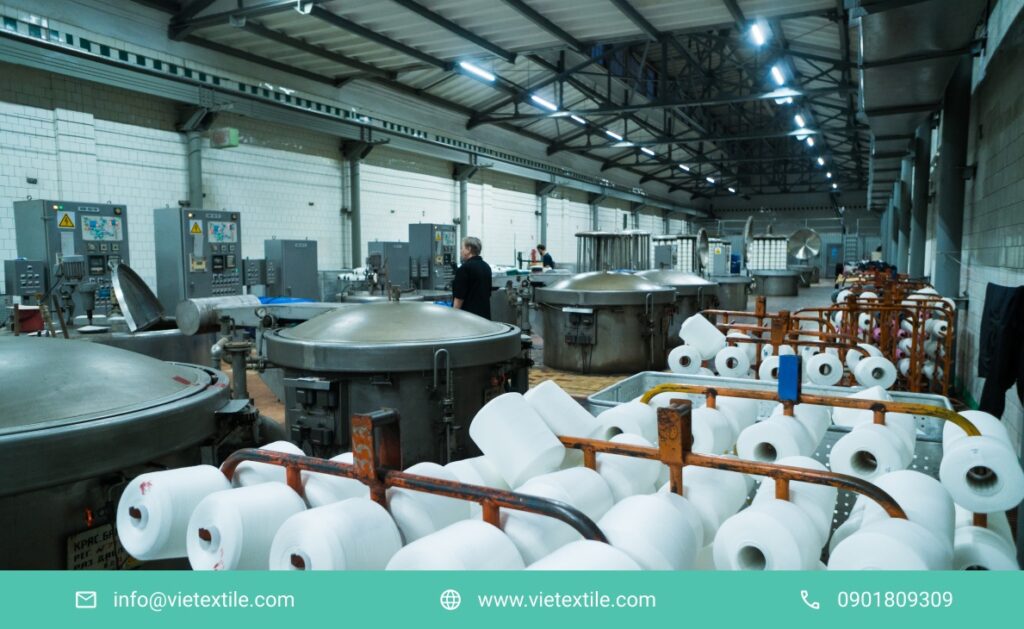
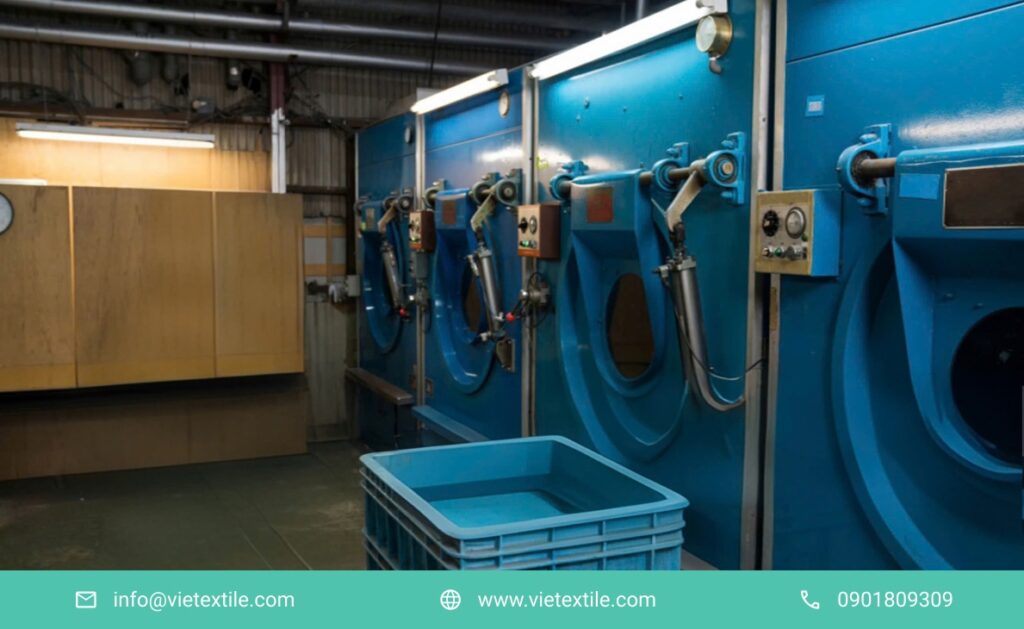
Fabric Dyeing Process Technology: 6 Essential Machines

In the modern textile industry, fabric dyeing process technology plays an extremely important role in creating products with uniform, colorfast, and standard quality. To ensure this, selecting and operating the right machinery is an indispensable factor.

This article will explore the key equipment commonly found in today’s industrial fabric dyeing lines – from the preparation stage to post-dyeing treatment.

1. Overview of Fabric Dyeing Process Technology

Quy Trinh Cong Nghe Nhuom Vai H1
Fabric Dyeing Process Technology: 6 Essential Machines 79

Fabric dyeing process technology is a series of chemical and physical treatment steps aimed at deeply penetrating and firmly adhering dye colors to the fabric fiber structure. A complete process typically includes: pre-treatment, dyeing, post-dyeing washing, and drying/finishing. Each stage requires specialized equipment to ensure effectiveness and product quality.

Beyond simply applying dye to fabric fibers, this process is a close combination of factors such as temperature, time, pH, and processing speed. Each step in the fabric dyeing process technology directly affects the colorfastness, uniformity, and handfeel of the final fabric product. Therefore, understanding the operating mechanisms and optimizing equipment for each stage is vital for creating products with high commercial value.

2. Types of Machinery in the Fabric Dyeing Process Technology

In modern fabric dyeing process technology, machinery not only helps optimize production but also plays a decisive role in the quality of the finished product. Depending on each stage – from pre-treatment, dyeing, to washing and finishing – there will be specialized equipment performing distinct functions. Below are the essential types of machinery if you want to build an efficient, uniform, and cost-effective fabric dyeing line.

2.1. Pre-treatment Washing Machine

Giat Hoan Tat Sau Nhuom
Fabric Dyeing Process Technology: 6 Essential Machines 80

Before dyeing, fabric needs to be thoroughly washed to remove dirt, sizing, and natural waxes. Industrial washing machines at this stage help deep clean the fabric, while enhancing its dye absorption capability for the next step in fabric dyeing process technology.

Main Function: In the fabric dyeing process technology, the pre-treatment washing step plays a crucial role in removing dirt, sizing, waxes, and natural impurities from the fiber surface. As a result, the fabric will absorb dye more evenly and achieve higher colorfastness after dyeing.

Common Equipment: Popular machine types in this stage include rotary drum washing machines, suitable for small batch processing, and continuous rope washing machines for large capacities. Both are indispensable equipment in the modern fabric dyeing process technology system.

2.2. Jigger Dyeing Machine

Suitable for woven fabrics such as cotton, rayon, or polyester. The machine operates by continuously passing the fabric through a dye bath based on a circulating principle, ensuring even dye penetration from one end of the fabric roll to the other in fabric dyeing process technology.

Advantages: In fabric dyeing process technology, jigger dyeing machines allow precise control of temperature and pressure, ensuring stable and uniform color treatment across the entire fabric roll.

Disadvantages: However, the drawback of this equipment in fabric dyeing process technology is its low productivity, making it suitable only for small batch production and unable to meet high-volume production lines.

2.3. Pad Dyeing Machine

This type of machine is used for large production lines, where fabric is continuously pulled through a dye bath and pressed by rollers to ensure deep dye penetration into the fibers in fabric dyeing process technology.

Common Applications: In fabric dyeing process technology, pad dyeing machines are often applied to knitted and woven fabrics where large capacity and high color uniformity are required.

Efficiency: This is an ideal equipment in fabric dyeing process technology because it can operate continuously, saving time, ensuring efficient mass dyeing, and stable dye color quality.

2.4. Jet Dyeing Machine

So Sanh May Nhuom Jet Va Overflow H2
Fabric Dyeing Process Technology: 6 Essential Machines 81

This machine uses high pressure and temperature to dye stretchy, light, or thin fabrics – such as polyester blends with spandex. The dye liquor is sprayed forcefully onto the fabric, ensuring deep penetration and uniform color in fabric dyeing process technology.

Advantages: In modern fabric dyeing process technology, jet dyeing machines are highly valued for their superior water and energy saving capabilities. Their enclosed design allows for recirculation of the dye liquor, limiting heat and solution loss, and helping to shorten the processing time for each dye batch.

Disadvantages: However, the biggest limitation of this machine type in fabric dyeing process technology is its high initial investment cost and stringent operating technical requirements. Due to the use of high pressure and temperature, the machine requires specialized personnel and strict periodic maintenance to maintain stable performance.

2.5. Post-Dyeing Washing Machine

After dyeing, the fabric needs to be washed again to remove excess dye, color carriers, and stabilize the color. Post-dyeing washing equipment often comes with a cooling and neutralization system in fabric dyeing process technology.

Purpose: In fabric dyeing process technology, the post-dyeing washing stage helps remove residual dye, color carriers, and unreacted chemicals. This is a crucial step to ensure the fabric has softness, uniform color, and is safe for human skin.

Equipment: Common post-dyeing washing machine systems in fabric dyeing process technology include continuous washing machines, double drum machines, and equipment with integrated water recirculation filters to save water and enhance cleaning efficiency.

2.6. Drying and Finishing Machine

Hướng dẫn chi tiết kinh nghiệm sử dụng máy định hình vải. fabric finishing machine operation.
Fabric Dyeing Process Technology: 6 Essential Machines 82

After washing, the fabric needs to be dried and dimensionally stabilized using industrial dryers and heat setting machines. Especially for knitted fabrics, finishing after dyeing is mandatory to maintain stable dimensions in fabric dyeing process technology.

Common Equipment: In fabric dyeing process technology, stenter frames and chain dryers are two key pieces of equipment for post-dyeing treatment. They are designed to quickly dry the fabric while precisely setting the product’s dimensions.

Efficiency: This is the final step in fabric dyeing process technology, helping the fabric maintain stable form, a smooth and taut surface, durable color, and ease for subsequent processing stages such as printing, sewing, or softening finishes.

3. Conclusion: Machinery is the Heart of the Dyeing Process

Evidently, each type of equipment in the fabric dyeing process technology plays an irreplaceable role. Beyond making the production process smoother and more professional, synchronized investment is also the foundation for enhancing operational efficiency, limiting technical risks, and comprehensively controlling quality.

Choosing the right equipment at each stage in the fabric dyeing process technology not only helps businesses save operating costs but also contributes to ensuring color uniformity, extending fabric lifespan, and most importantly, increasing competitiveness in terms of quality in the textile market.

4. Further Reading Suggestions

Other related articles from VieTextile:

Do you need advice on choosing suitable equipment for your fabric dyeing process technology?

VieTextile – Your trusted partner in the textile industry:

  • Advises on choosing the right machines for your fabric dyeing process technology
  • Supplies genuine washing machines, dyeing machines, and finishing machines
  • Supports line diagram design and provides real-world demos at the workshop