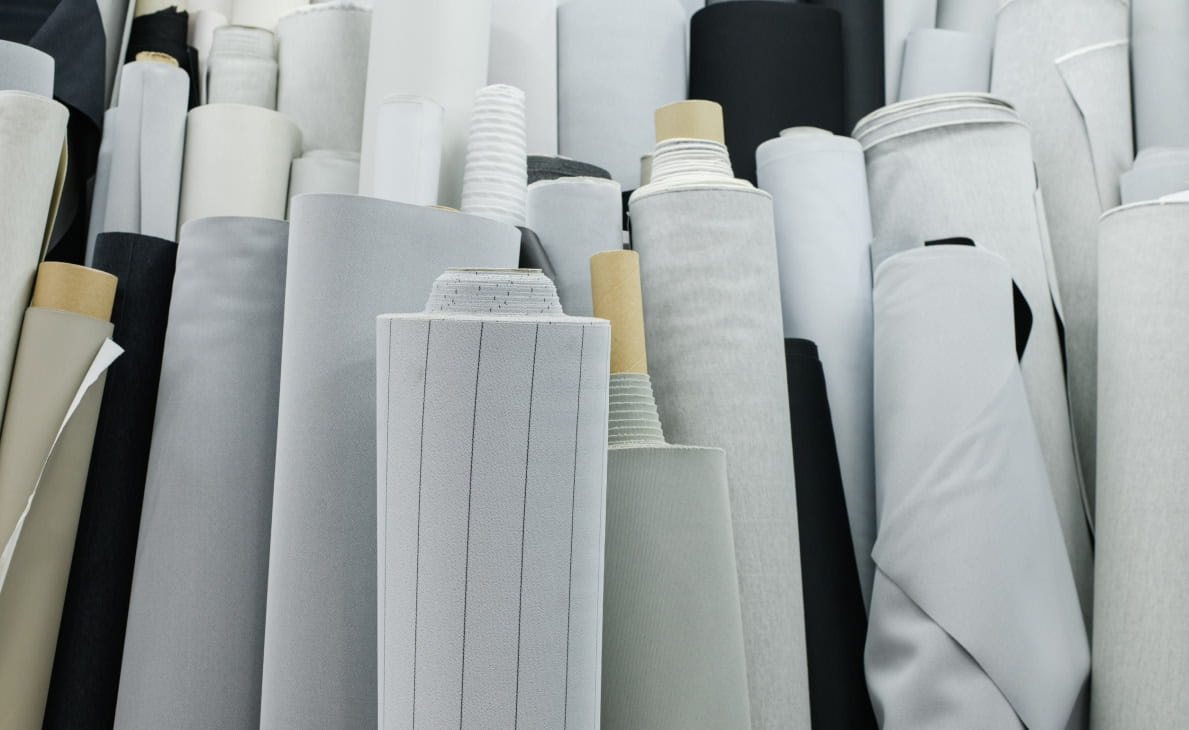
Comparing 100% Knitted Cotton Fabric Production with Blended Cotton/Polyester

In the apparel industry, the choice between 100% knitted cotton fabric production and cotton/polyester blended fabric is a crucial decision that directly impacts the quality, cost, and features of the final product. This article will delve into analyzing the pros and cons of each type, helping you make the optimal choice.

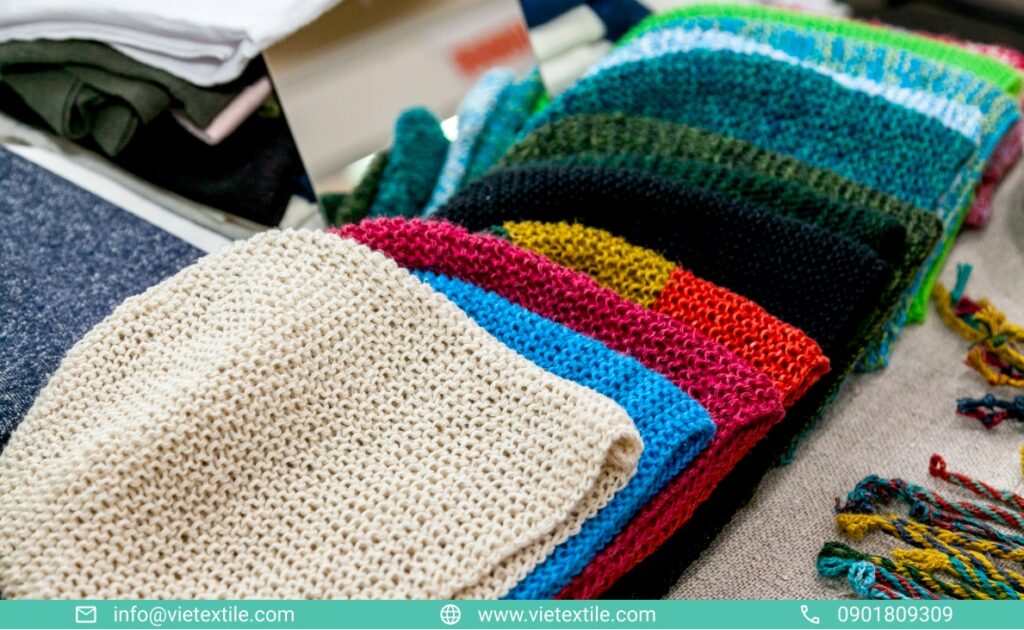
Knitted fabric is one of the most popular materials in the fashion and apparel industry, widely used from everyday wear to specialized sportswear. In particular, knitted cotton fabric has always been favored for its superior natural properties. However, with the development of textile technology, blended fabrics of cotton and polyester (blended cotton/polyester) have also become increasingly popular, offering additional features that 100% cotton might lack.

Understanding the differences between these two fabric types is key for designers and manufacturers to make the right decisions, suitable for the product’s intended use and market segment. This article will provide a comprehensive overview of the advantages and disadvantages of 100% knitted cotton fabric production and blended cotton/polyester fabric, while offering useful advice on when to choose each type.
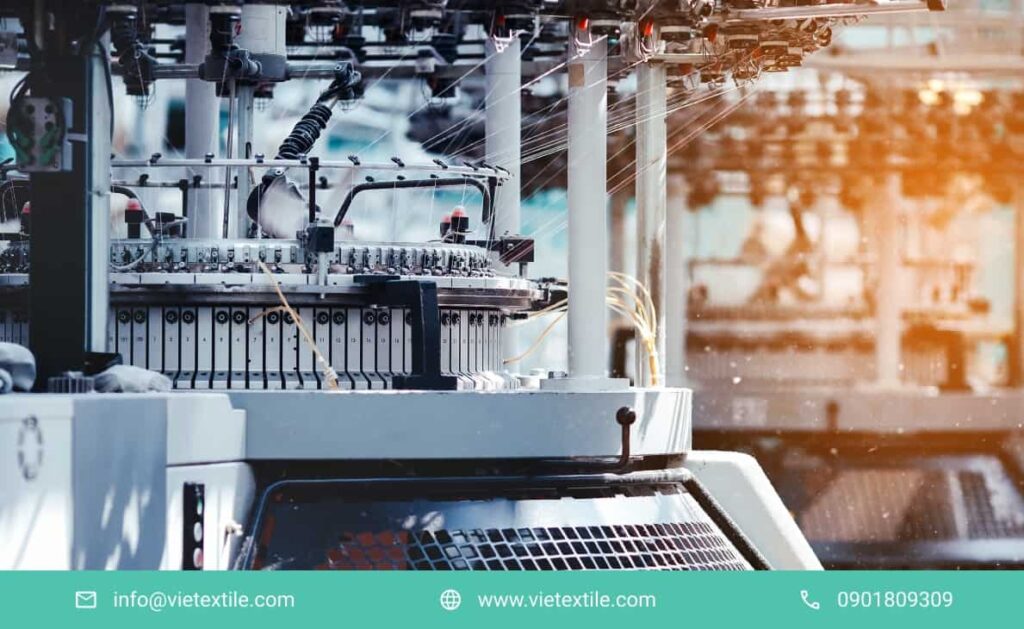
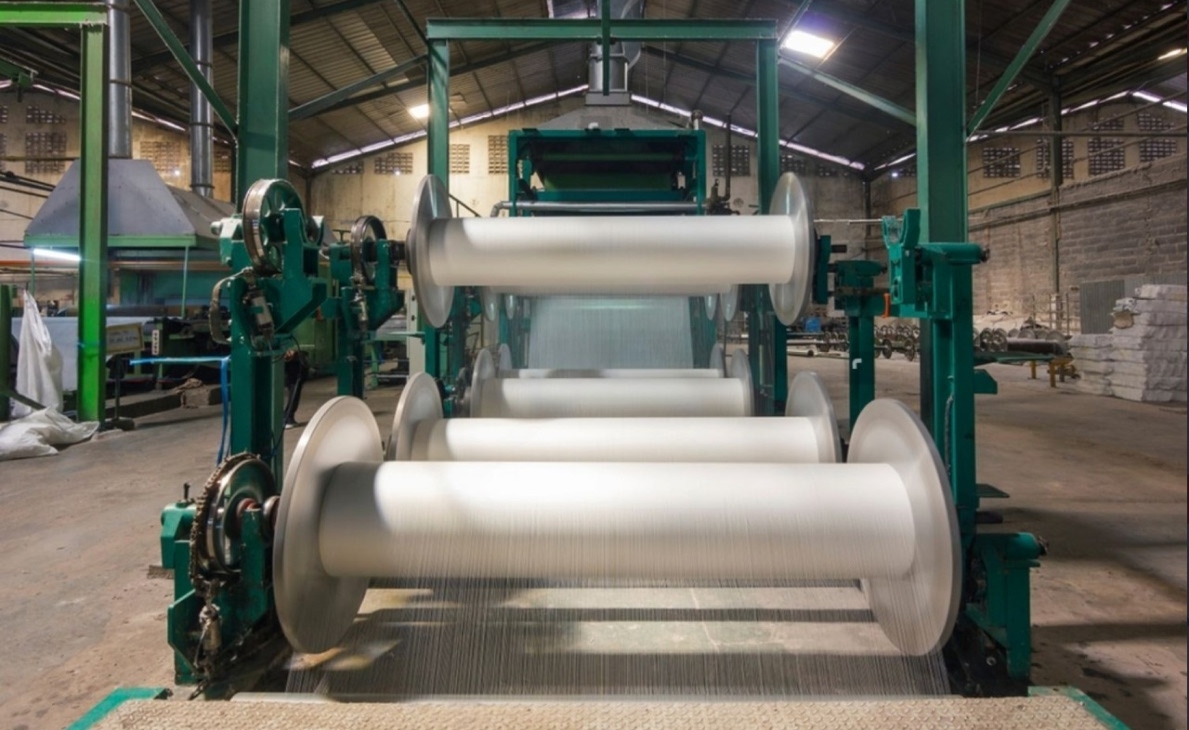
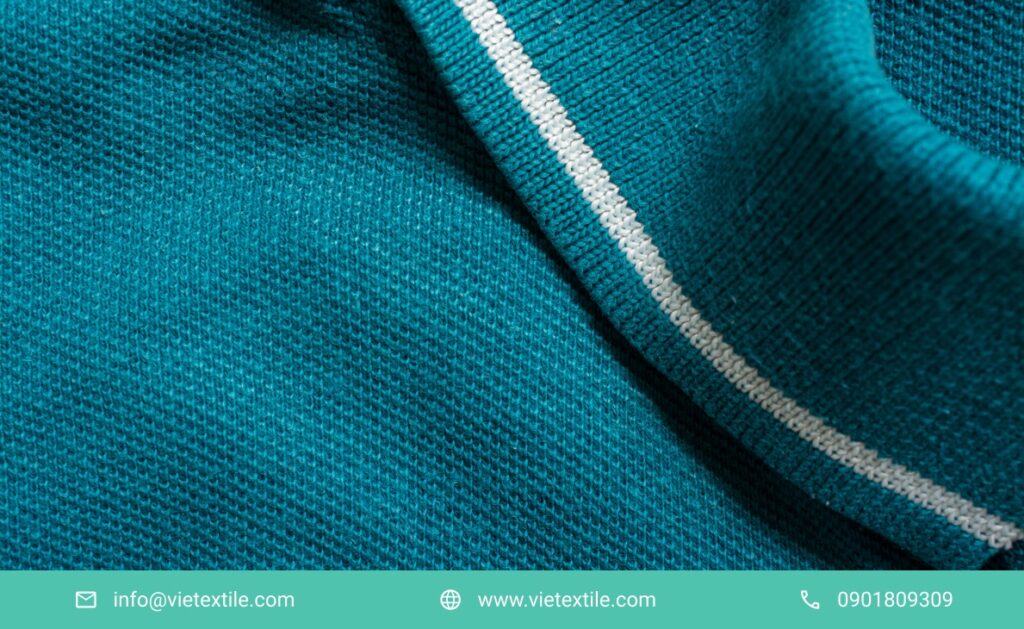
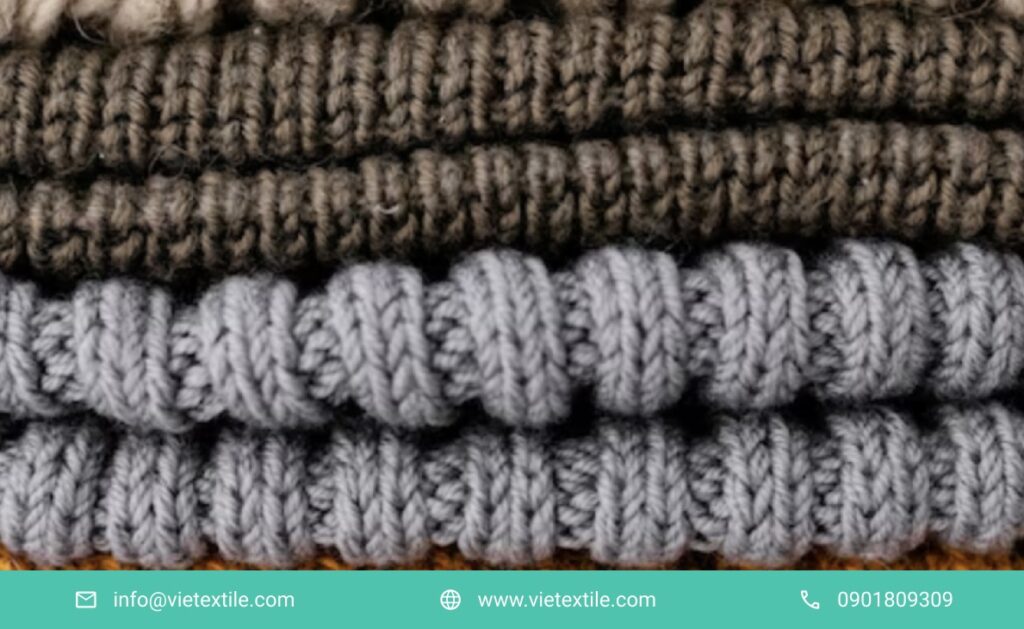
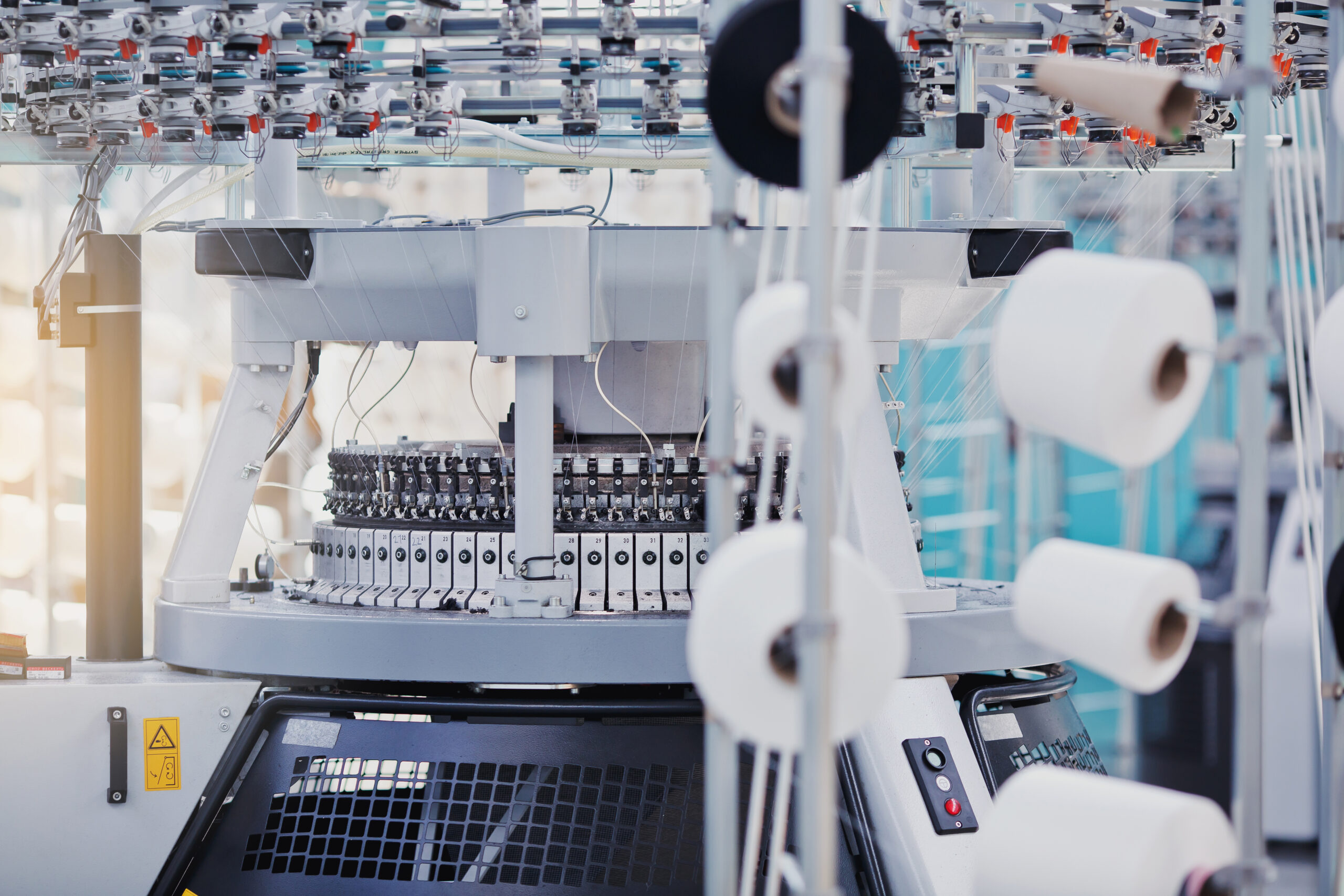
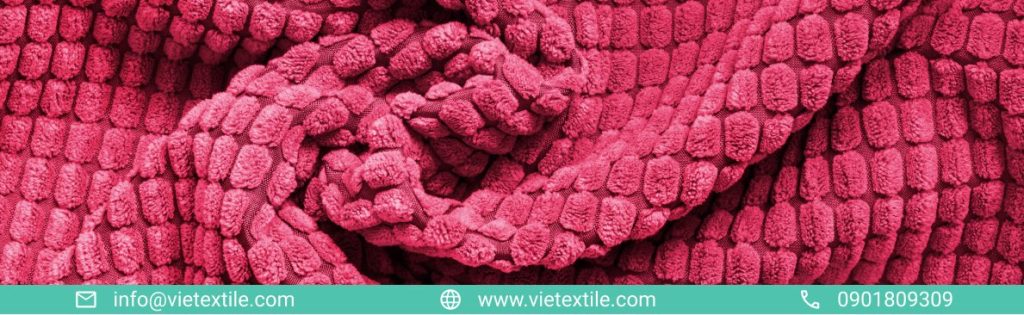
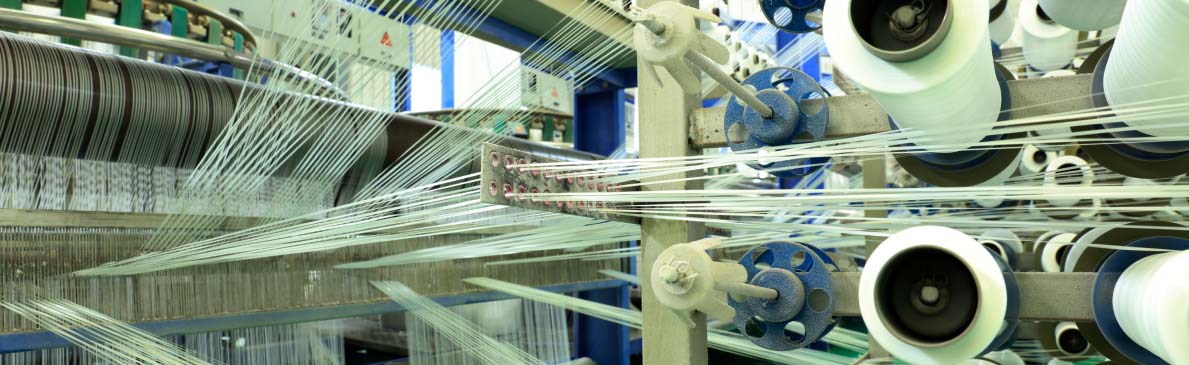
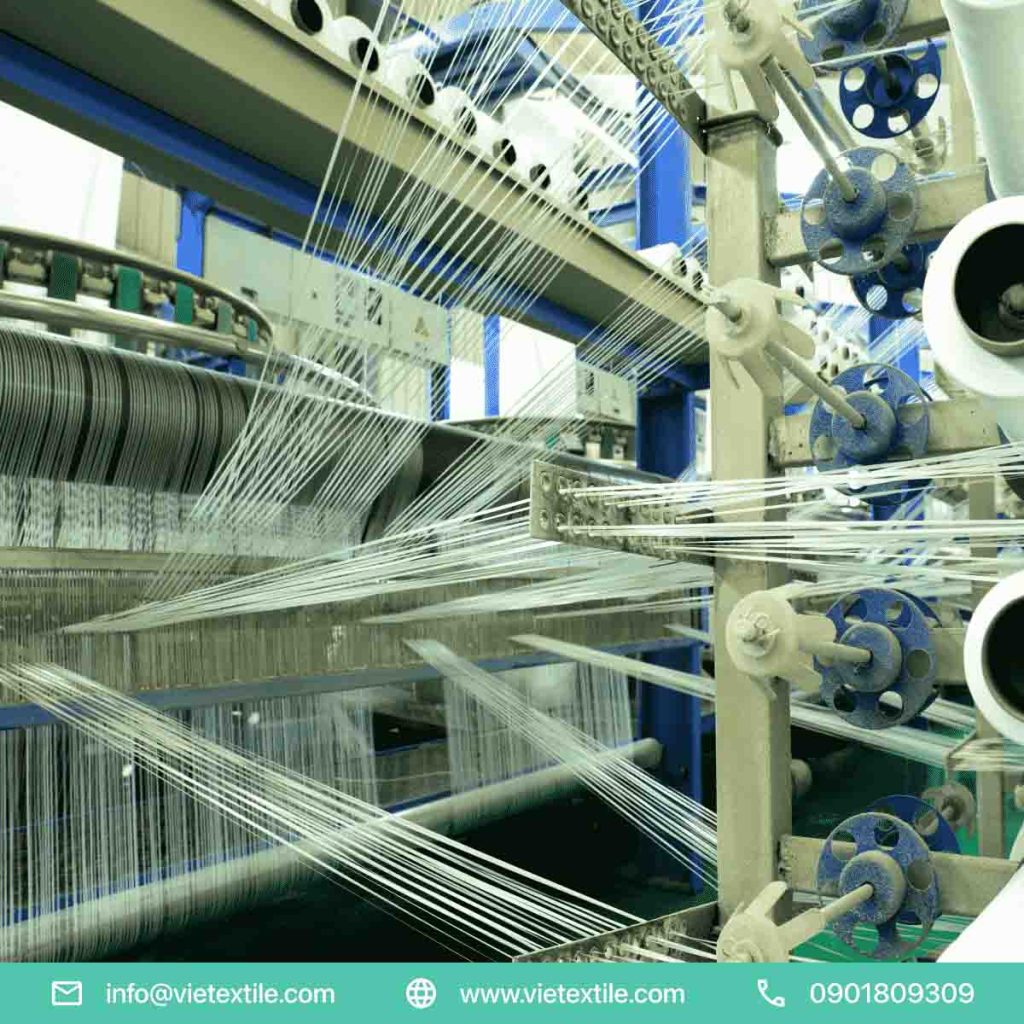
Máy móc sản xuất vải cotton dệt kim
Comparing 100% Knitted Cotton Fabric Production with Blended Cotton/Polyester 5

1. 100% Knitted Cotton Fabric

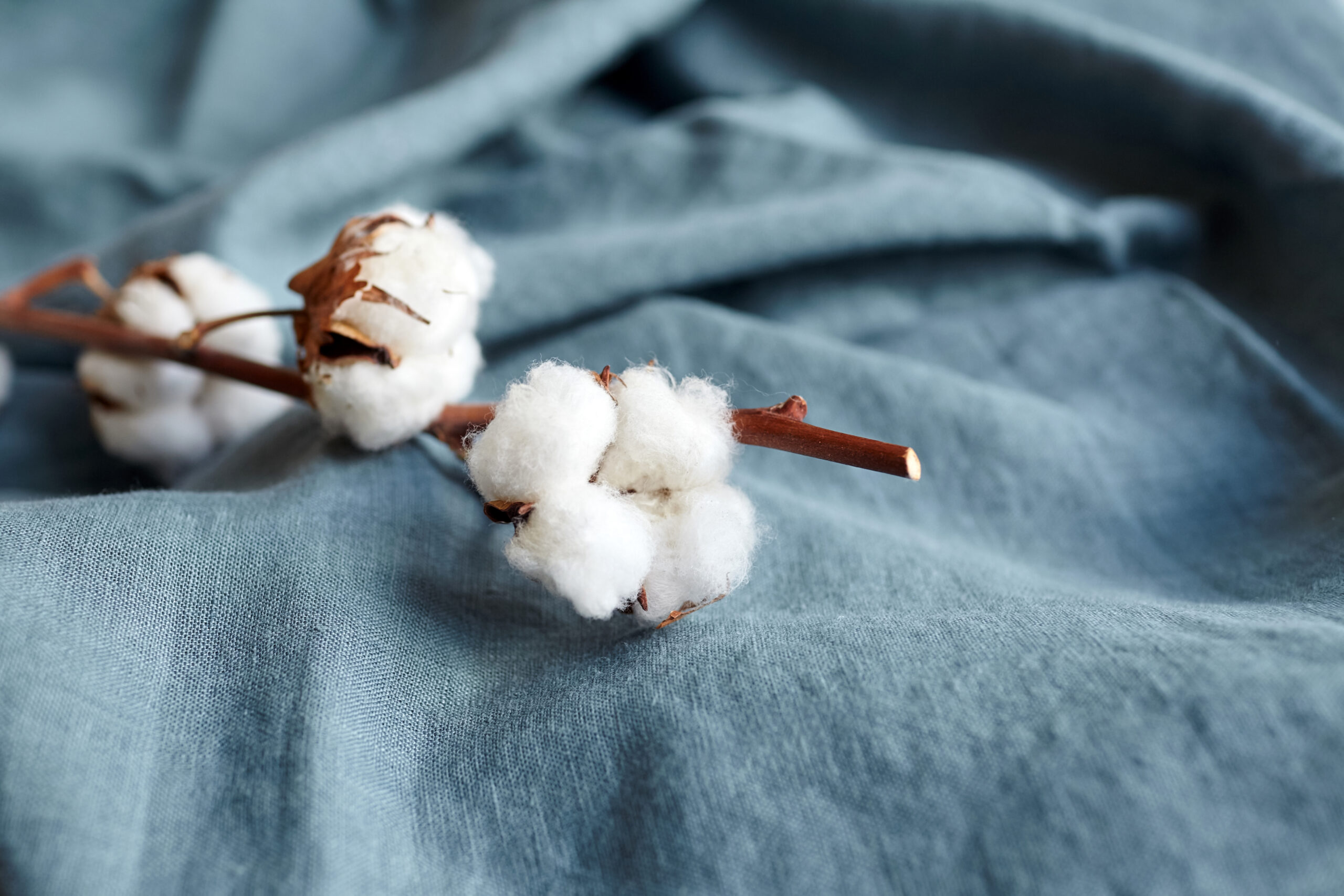
100% knitted cotton fabric production uses entirely natural cotton fibers, known for their softness, breathability, and excellent absorbency. This is a traditional and popular choice for many different types of clothing.

1.1. Advantages

100% cotton fabric offers many outstanding advantages, especially in terms of comfort and environmental friendliness. It is a top choice for products requiring a natural feel and high absorbency, clearly demonstrating the characteristics of pure knitted cotton fabric production.

1.1.1. Breathable and Good Absorbency

One of the most prominent advantages of 100% knitted cotton fabric production is its superior breathability and sweat absorption. The natural cotton fiber structure allows air to circulate easily through the fabric, helping the body feel cool and comfortable, especially in hot and humid weather conditions. Good absorbency helps quickly wick sweat away from the skin, providing a dry and comfortable feeling throughout the day.

This makes 100% cotton fabric an ideal choice for everyday wear, sleepwear, underwear, and children’s clothing, where comfort and temperature regulation are key factors. Knitted cotton fabric production with this characteristic makes the product widely favored.

1.1.2. Soft and Skin-Friendly

100% knitted cotton fabric production is known for its natural softness and pleasant feel on the skin. Cotton fibers have a porous and soft structure that does not cause irritation or discomfort, even for the most sensitive skin. This makes cotton a safe and gentle choice for clothing that comes into direct contact with the skin, especially for infants’ and toddlers’ clothing.

The softness of 100% cotton fabric also increases with each wash, providing a comfortable and familiar feel for the wearer. Knitted cotton fabric production with this characteristic not only ensures maximum comfort but also demonstrates a commitment to quality and concern for consumer health.

1.1.3. Sustainable and Biodegradable

100% knitted cotton fabric production, derived from the cotton plant, is a more sustainable choice compared to synthetic fabrics. Cotton fibers are a renewable resource, and cotton fabric is completely biodegradable when no longer in use, causing no environmental pollution. This aligns with green consumption trends and businesses aiming for sustainable production.

Choosing 100% cotton fabric not only brings benefits in product quality but also contributes to environmental protection, reducing plastic waste from the textile industry. Knitted cotton fabric production processes are increasingly optimized to reduce environmental impact, enhancing the sustainable value of the product.

1.2. Disadvantages

Despite many advantages, 100% knitted cotton fabric production also has disadvantages that need to be considered, especially regarding shape retention and drying capability.

1.2.1. Prone to Wrinkling and Shrinkage

One of the main disadvantages of 100% knitted cotton fabric production is its tendency to wrinkle easily and shrink after washing. Natural cotton fibers tend to absorb water and expand, then contract when dry, leading to fabric wrinkling and slight shrinkage (usually around 3-5%). This requires users to iron frequently to keep clothes flat and maintain their original shape.

For products that need good shape retention or low maintenance, this disadvantage can be inconvenient. Manufacturers of knitted cotton fabric production often apply anti-shrinkage treatments before shipping, but this phenomenon can still occur to some extent.

1.2.2. Slow Drying and Prone to Mildew

Due to its good water absorption capacity, 100% knitted cotton fabric production often takes longer to dry completely compared to synthetic fabrics. This can be inconvenient in humid weather conditions or when clothes need to be washed and used quickly. Additionally, if not completely dried or stored in a humid environment, cotton fabric is very prone to mildew, causing unpleasant odors and damaging the fabric fibers.

Mildew issues not only affect aesthetics but can also harm user health. Therefore, proper storage and drying are very important to maintain the quality of 100% knitted cotton fabric production.

1.2.3. Higher Price

Compared to blended fabrics or other synthetic fabrics, 100% knitted cotton fabric production generally has a higher price. This is because the cost of cultivating, harvesting, and processing natural cotton fibers is often higher than that of producing synthetic fibers. Additionally, the knitting and finishing processes for 100% cotton may also require specialized technology and techniques to ensure optimal quality.

The higher price can affect the profit margin of the final product, especially in price-sensitive market segments. However, many consumers are still willing to pay more for the quality, comfort, and sustainability that 100% knitted cotton fabric production offers.

2. Blended Knitted Cotton/Polyester Fabric

Knitted cotton/polyester blended fabric is a combination of natural cotton fibers and synthetic polyester fibers, aiming to leverage the advantages of both materials. This blend creates a fabric with balanced properties, suitable for various applications.

2.1. Advantages

Cotton/polyester blended fabric offers a balance between the properties of natural and synthetic fibers. Key advantages include high durability, wrinkle resistance, quick drying, and reasonable pricing, making it a versatile choice for many products, especially when knitted cotton fabric production needs additional features.

2.1.1. High Durability and Good Wrinkle Resistance

One of the outstanding advantages of knitted cotton/polyester blended fabric is its superior durability. Polyester fibers are known for their abrasion resistance, stretch resistance, and colorfastness, and when combined with cotton, they create a fabric with a longer lifespan than 100% cotton. Additionally, the presence of polyester helps the fabric significantly reduce wrinkling, maintaining its shape better after washing and during use.

This minimizes the need for ironing, saving time and effort for users. For garments requiring high durability such as sportswear, uniforms, or workwear, blended fabric is an ideal choice. This type of knitted cotton fabric production enhances the product’s applicability.

2.1.2. Quick Drying and Easy Care

Knitted cotton/polyester blended fabric dries significantly faster than 100% cotton. Polyester fibers are hydrophobic, meaning they don’t absorb much moisture, allowing the fabric to wick away moisture quickly. This is very convenient in humid weather conditions or when garments need to be washed and used in a short time.

Furthermore, blended fabrics are also easier to care for, less prone to shrinkage, less wrinkling, and less susceptible to mildew than 100% cotton. They generally do not require special washing or drying methods, saving users time and effort. These characteristics make blended fabrics a popular choice for products that demand convenience and ease of use, complementing the knitted cotton fabric production process.

2.1.3. Reasonable Price

Compared to 100% knitted cotton fabric production, knitted cotton/polyester blended fabric generally has a more reasonable price. Polyester is a synthetic fiber with a much lower production cost than natural cotton fiber. By combining these two fiber types, manufacturers can create fabrics at competitive prices, suitable for various market segments and budgets.

Affordable pricing helps businesses optimize raw material costs, which in turn allows them to offer products at more attractive prices to consumers. This is especially important in the fast fashion industry or for mass-produced goods, where price is a decisive factor in purchasing decisions.

2.2. Disadvantages

Despite many advantages, cotton/polyester blended fabric also has disadvantages that need to be considered, especially regarding handfeel and environmental impact.

2.2.1. Less Breathable and Absorbent

One of the main disadvantages of knitted cotton/polyester blended fabric is its poorer breathability and absorbency compared to 100% knitted cotton fabric production. Although it contains cotton, the presence of polyester (a non-absorbent synthetic fiber) reduces the fabric’s ability to wick away moisture and allow air circulation. This can lead to a hotter and stuffier feeling, especially in hot and humid weather conditions or during strenuous activity.

Sweat can accumulate on the skin’s surface, causing discomfort. Therefore, blended fabric may not be the optimal choice for garments worn directly against the skin for extended periods or for high-intensity sportswear, where breathability and absorbency are extremely important.

2.2.2. Potentially Inferior Handfeel

Knitted cotton/polyester blended fabric often has a less soft and natural handfeel than 100% knitted cotton fabric production. Polyester fibers have a smoother surface and a slightly more “artificial” feel compared to the softness and porousness of natural cotton fibers. Although modern knitting technology has significantly improved the handfeel of blended fabrics, for those who prioritize maximum softness and comfort, 100% cotton remains the superior choice.

This can affect the user experience, especially for high-end products or everyday wear. Manufacturers need to carefully consider the handfeel factor when choosing blended fabrics, especially when producing blended knitted cotton fabric production.

2.2.3. Environmental Concerns

A significant disadvantage of knitted cotton/polyester blended fabric is its environmental impact, primarily due to its polyester component. Polyester is a synthetic plastic that is not biodegradable and is produced from petroleum, a non-renewable resource. The production process of polyester also consumes a lot of energy and can release harmful chemicals.

When washed, polyester fabric can release microplastic particles into water sources, polluting oceans and affecting ecosystems. Despite containing natural cotton, the presence of polyester still makes this fabric less environmentally friendly than 100% knitted cotton fabric production.

3. Overall Comparison: 100% Cotton and Blended Cotton/Polyester
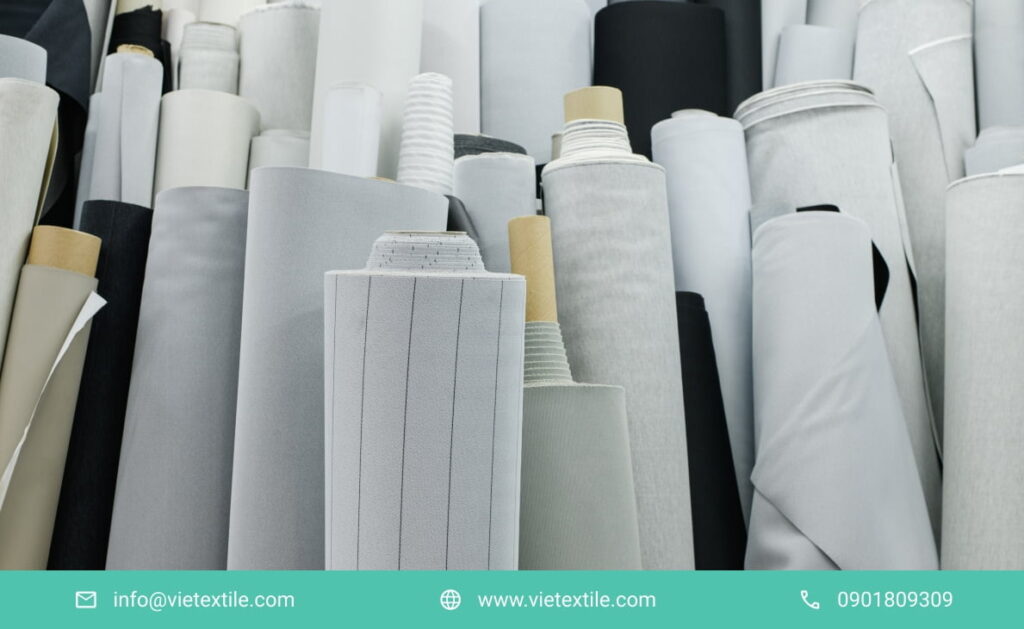
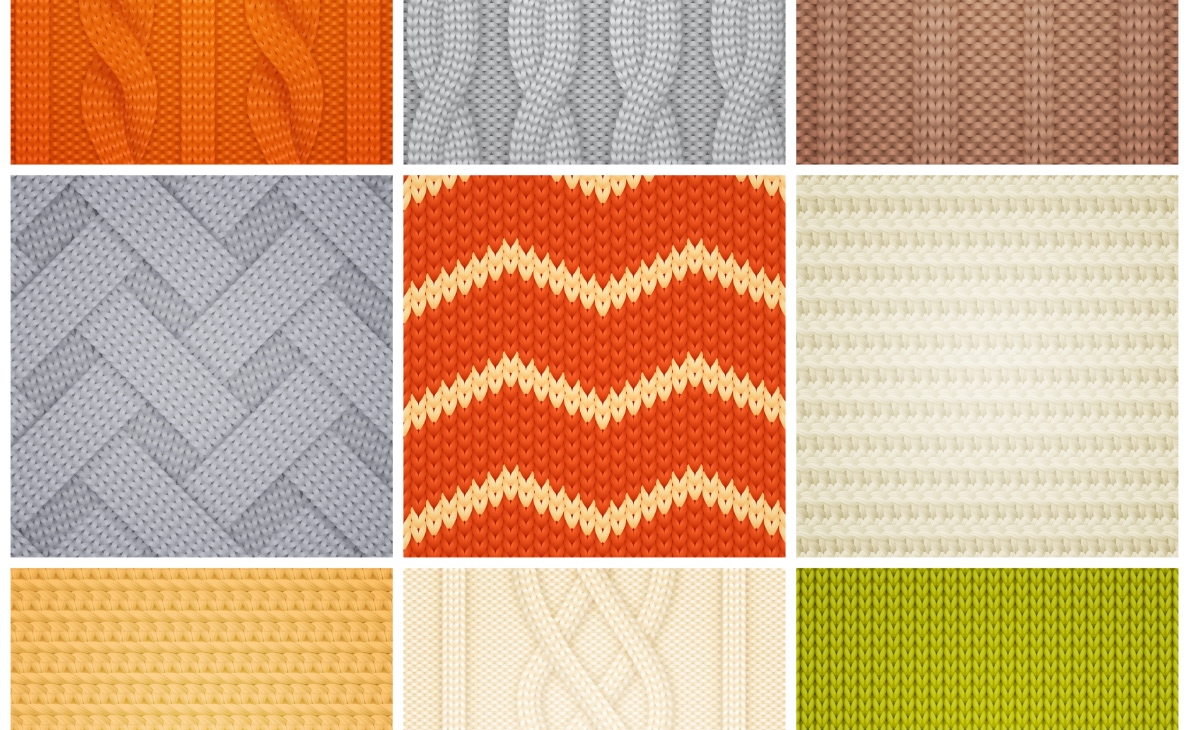
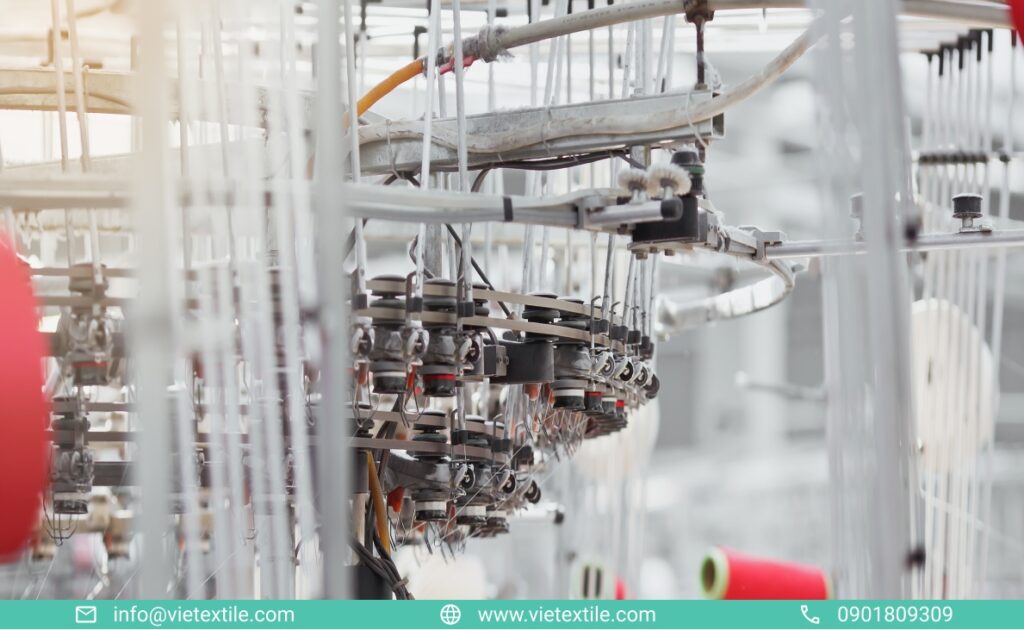
Máy móc sản xuất vải cotton dệt kim
Comparing 100% Knitted Cotton Fabric Production with Blended Cotton/Polyester 6

To help you make an optimal decision, the table below summarizes and compares the main characteristics of 100% knitted cotton fabric production and knitted cotton/polyester blended fabric.

Comparison Criteria100% Knitted Cotton FabricBlended Knitted Cotton/Polyester Fabric
Composition100% natural cotton fibersBlend of cotton and polyester fibers
Breathability/AbsorbencyVery good, cool, effective sweat absorptionLess, can feel stuffy, slow absorption
Softness/HandfeelVery soft, natural, skin-friendlyCan be less soft, slightly “artificial” feel
Durability/Wrinkle ResistanceProne to wrinkling, slight shrinkage, medium durabilityMore durable, good wrinkle resistance, good shape retention
Drying CapabilityDries slower, prone to mildew if not dried thoroughlyDries quickly, less prone to mildew
PriceUsually higherUsually more reasonable
CareNeeds ironing, wrinkles easily, prone to mildewEasy care, less wrinkling, less shrinkage
Environmental ImpactSustainable, biodegradableLess sustainable (due to polyester), can release microplastics
Common ApplicationsEveryday wear, underwear, sleepwear, children’s clothingSportswear, uniforms, basic T-shirts, office wear

4. When to Choose Which Fabric Type?

The choice between 100% knitted cotton fabric production and blended cotton/polyester fabric depends on your intended use, feature requirements, budget, and environmental priorities.

4.1. Choose 100% Cotton When…
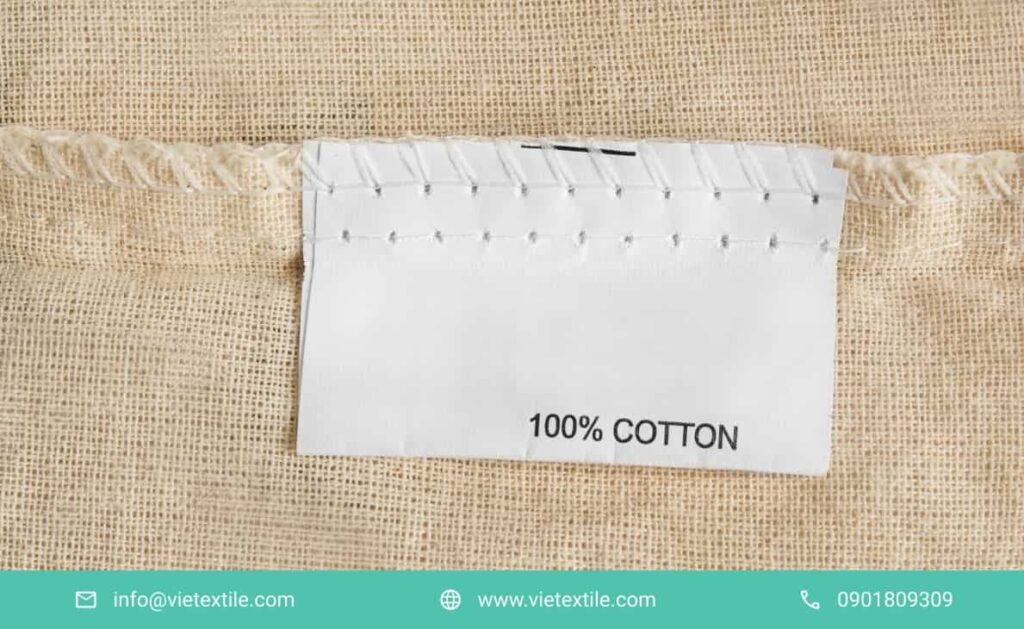
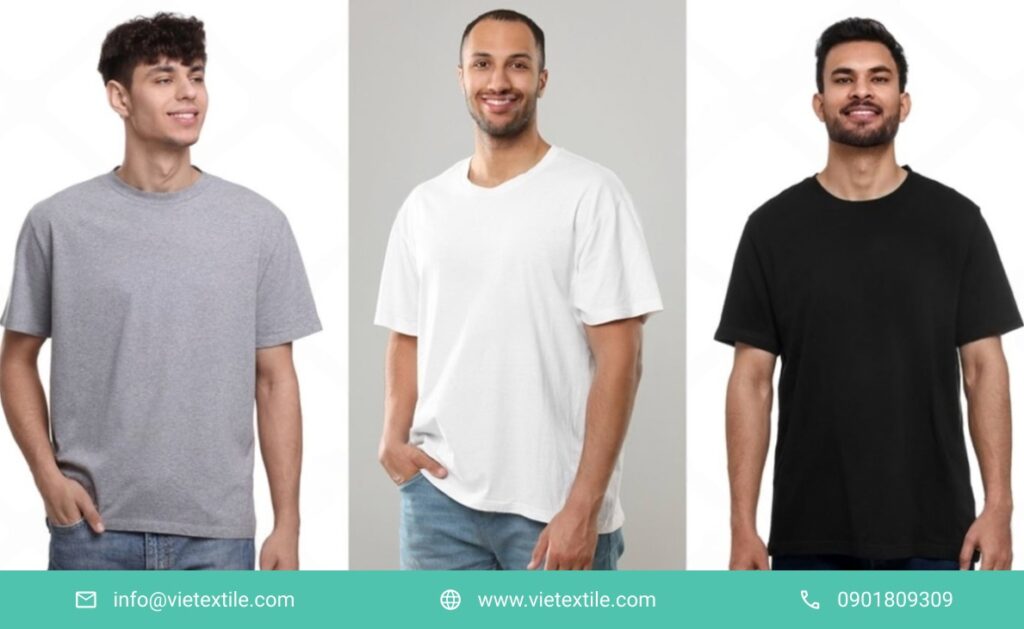
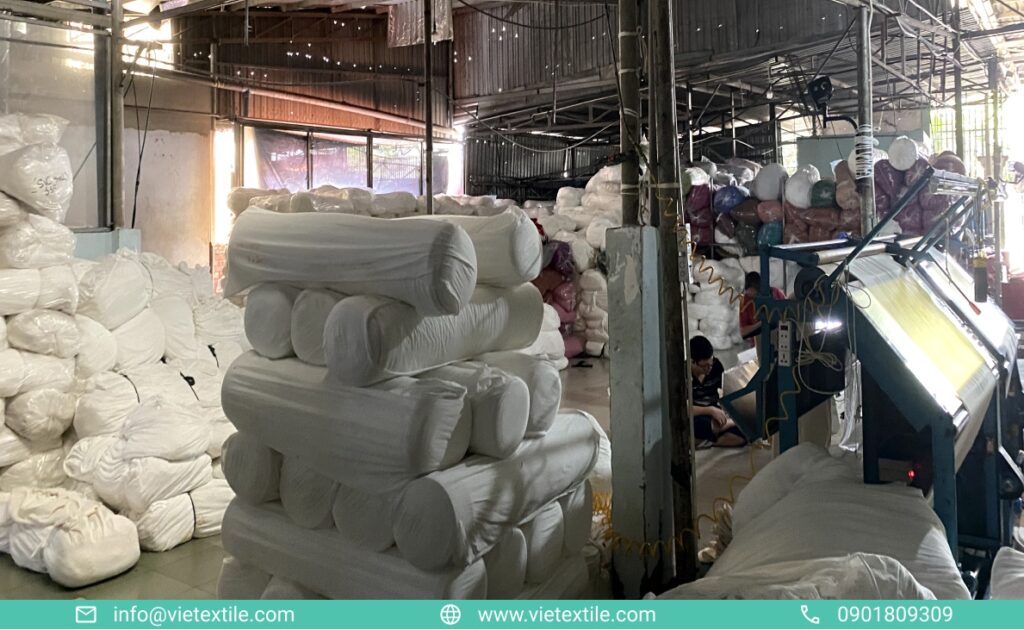
Vải cotton dệt kim 100%
Comparing 100% Knitted Cotton Fabric Production with Blended Cotton/Polyester 7

You should choose 100% knitted cotton fabric production when:

  • Prioritizing comfort and skin-friendliness: If your product is direct-to-skin clothing, children’s clothing, sleepwear, or everyday wear, where softness, breathability, and non-irritation are most important, 100% cotton is the ideal choice.
  • Needing maximum sweat absorption: For clothing in hot and humid environments or light activities requiring effective sweat absorption, 100% cotton fabric will provide dryness and comfort.
  • Aiming for sustainable and natural products: If your brand emphasizes environmental factors and wants to use renewable and biodegradable materials, 100% knitted cotton fabric production is a suitable choice.
  • Willing to accept higher costs and special care requirements: If you are not overly concerned about the price and are willing to care for the fabric more meticulously (ironing, careful drying), 100% cotton will provide a high-quality experience.

4.2. Choose Blended Cotton/Polyester When…

You should choose knitted cotton/polyester blended fabric when:

  • Needing high durability and good wrinkle resistance: For uniforms, sportswear, workwear, or products that need good shape retention and less wrinkling after washing, blended fabric will be an effective choice.
  • Prioritizing quick drying and easy care: If the product needs to dry quickly, requires less ironing, and is easy to care for, suitable for an active lifestyle or humid weather conditions, blended fabric is the optimal choice.
  • Having a limited budget: When price is the top priority and you need a fabric with good features at an affordable price, cotton/polyester blended fabric will help optimize knitted cotton fabric production costs.
  • Producing versatile products: Blended fabrics are suitable for various types of clothing, from basic T-shirts to less specialized sportswear, offering flexibility in design and blended knitted cotton fabric production.

5. VieTextile – Professional Knitted Cotton Fabric Production Solutions

With many years of experience in the textile industry, VieTextile prides itself on being a trusted partner, specializing in providing high-quality knitted cotton fabric production solutions that meet diverse customer needs. We understand that choosing the right fabric type is a key factor in creating successful products.

VieTextile is committed to offering customers 100% knitted cotton fabric and knitted cotton/polyester blended fabrics produced to the highest standards, from raw fiber selection to knitting and finishing processes. We offer flexible customization capabilities in terms of material, weight, color, knit type, and other technical characteristics, ensuring your fabric product is unique and perfectly matches your design vision.

VieTextile’s team of experts is always ready to consult and accompany you throughout the fabric development process, from initial idea to final product. We not only provide knitted cotton fabric production services but also act as a strategic partner, helping you optimize costs, ensure quality, and delivery time, thereby enhancing your competitiveness and success in the market.

6. Frequently Asked Questions About Knitted Cotton Fabric Production (FAQ)

Here are some frequently asked questions about knitted cotton fabric production that many businesses are interested in:

6.1. Does 100% cotton fabric shrink a lot?

100% knitted cotton fabric production tends to shrink slightly, usually around 3-5% after the first wash. However, many manufacturers apply anti-shrinkage treatments before shipping to minimize this phenomenon. To limit shrinkage, wash at low temperatures and avoid high-temperature tumble drying.

6.2. Is blended cotton/polyester fabric suitable for summer?

Blended cotton/polyester fabric can be suitable for summer depending on the blend ratio. If the cotton ratio is higher, the fabric will be more breathable and absorbent. However, if the polyester ratio is high, the fabric may feel stuffier and hotter than 100% cotton, especially in extremely hot weather conditions or during strenuous activity.

6.3. How can I distinguish between 100% cotton and blends?

There are several ways to distinguish: 100% knitted cotton fabric production is usually softer, has a natural feel, and wrinkles more easily. When burned, cotton will turn into fine ash and smell like burning paper. Cotton/polyester blended fabric usually has better shape retention, less wrinkling, and when burned, it may melt and have a characteristic synthetic smell of polyester.

6.4. Does VieTextile offer custom knitted cotton fabric production?

Yes, VieTextile specializes in custom knitted cotton fabric production for customers, including both 100% cotton and cotton/polyester blends. We offer customization capabilities in terms of material, weight, color, knit type, and other technical characteristics to meet your unique product needs.

6.5. Which fabric is more durable for sportswear?

For sportswear requiring high durability, wrinkle resistance, and quick drying, blended cotton/polyester fabric is generally a more durable and effective choice. Polyester fibers help enhance tensile strength, abrasion resistance, and shape retention during strenuous activity and frequent washing, which aligns with the requirements of sportswear.

7. Contact Information

To acquire quality and professional knitted cotton fabric production solutions, contact VieTextile today!

Contact Information: 

The Yarn Sizing Process in Woven Fabric Production

In the textile industry, woven fabric production is a complex process, requiring precision and strict control at every stage. One of the crucial steps, determining weaving efficiency and the quality of the finished fabric, is the yarn sizing process. Although often overlooked in general discussions, yarn sizing plays an indispensable role, helping yarns become stronger, minimizing breakages, and facilitating the weaving process.

This article will delve into explaining what yarn sizing is, its importance in woven fabric production, and especially explore the 5 main steps of the professional yarn sizing process. The goal is to provide a comprehensive overview of this essential stage and how it contributes to creating high-quality woven fabrics.

1. What is Yarn Sizing in Woven Fabric Production?

sản xuất vải dệt thoi – kết cấu sợi sau hồ
The Yarn Sizing Process in Woven Fabric Production 12

Yarn sizing is the process of applying a thin layer of material (called size) onto the surface of warp yarns before they are fed into the weaving machine. The main purpose of yarn sizing in woven fabric production is to enhance the yarn’s strength, smoothness, and elasticity, helping them withstand the harsh mechanical impacts during weaving without breaking or pilling. Warp yarns are subjected to continuous tension and friction with weaving machine components and with weft yarns; therefore, sizing is crucial to minimize losses and optimize weaving efficiency.

Common sizing materials include starch, polyvinyl alcohol (PVA), carboxymethyl cellulose (CMC), acrylic polymers, or mixtures thereof. The choice of size depends on the yarn type, the type of fabric to be woven, and the quality requirements of the finished product after woven fabric production.

2. Importance of Yarn Sizing in Woven Fabric Production

Yarn sizing plays an extremely important role, determining the performance and quality of the entire woven fabric production process.

2.1 Enhancing Warp Yarn Strength

Warp yarns during weaving are subjected to significant tension and friction from weaving machine components (like healds, reeds) and from interlacing with weft yarns. The size layer covering the outside helps enhance the tensile strength and abrasion resistance of the yarn, significantly reducing yarn breakage. This directly improves weaving machine productivity and reduces repair costs due to yarn breakage in woven fabric production.

2.2 Reducing Friction and Keeping Yarn Tidy

The size layer creates a smooth, slick surface for the warp yarns, reducing friction between the yarns and weaving machine components and between the yarns themselves. This not only reduces heat generated by friction but also keeps the yarns tidy, preventing pilling or tangling, ensuring a smoother weaving process. A good yarn sizing process is key to optimizing performance in woven fabric production.

2.3 Improving Yarn Elasticity

Some sizing materials can enhance the elasticity of the yarn, helping it withstand tension and deformation during weaving without breaking. This is particularly important when weaving fabrics with certain stretch properties or when weaving on high-speed machines in woven fabric production.

2.4 Increasing Weaving Machine Efficiency

Thanks to stronger yarns, fewer breakages, and smoother operation, the weaving machine speed can be increased while maintaining product quality. This directly boosts productivity and the economic efficiency of the entire woven fabric production process.

2.5 Impact on Finished Fabric Quality

Although yarn sizing is only a temporary coating and will be removed after weaving, it still affects the initial quality of the greige fabric. Yarn sizing helps create a more uniform fabric surface with fewer defects due to yarn breakage. Choosing the appropriate size can also affect the subsequent fabric finishing steps.

3. 5 Steps to the Standard Yarn Sizing Process in Woven Fabric Production

The professional yarn sizing process requires strict control at each stage to achieve optimal results for woven fabric production.

3.1 Warp Yarn Preparation

sản xuất vải dệt thoi – phơi khô sợi đã hồ
The Yarn Sizing Process in Woven Fabric Production 13

Before sizing, warp yarns need to be thoroughly prepared to ensure uniform and effective size absorption.

  • Yarn arrangement: Warp yarn packages are arranged on a creel in an orderly manner, ensuring yarns are smoothly pulled out without tangling.
  • Yarn inspection: Ensure yarns are free of major defects such as knots, breaks, or unevenness, which could cause problems during sizing and weaving, affecting the final quality of woven fabric production.

3.2 Sizing Solution Preparation

This is a crucial step, determining the quality of the size layer applied to the yarn.

  • Size type selection: Based on the yarn type (cotton, polyester, blended) and the requirements of the finished fabric, the appropriate yarn size type will be selected (starch, PVA, CMC, acrylic, etc.).
  • Precise preparation: The size is prepared with water in a precise ratio, and auxiliary chemicals (softeners, anti-foaming agents, lubricants) are also added. The size solution needs to be thoroughly stirred, heated to the appropriate temperature, and maintained at a stable viscosity to ensure uniformity when applied to the yarn. This is key to a standard yarn sizing process in woven fabric production.

3.3 Sizing Application and Squeezing

This is the main stage of the sizing process, where yarns are coated with size.

  • Size impregnation: The warp yarns are pulled through a trough filled with the prepared size solution. The yarns must be fully immersed so that the size can evenly penetrate the surface.
  • Surface squeezing: After impregnation, the yarns are guided through squeeze rollers to remove excess size. The pressure of the squeeze rollers is carefully controlled to ensure the amount of size remaining on the yarn is uniform and suitable for the fabric’s requirements in woven fabric production. This helps prevent yarns from sticking together and creates a smooth surface.

3.4 Drying the Sized Yarn

Yarns after being coated with size need to be carefully dried to ensure the size layer is fixed and the yarns do not stick together.

  • Heat drying: Yarns are guided through heated drying cylinders or hot air drying chambers. Temperature and drying speed must be strictly controlled. Drying too quickly or at too high a temperature can make the size layer brittle, cracked, or damage the yarn. Insufficient drying will cause yarns to stick together and be difficult to weave.
  • Ensuring even drying: The goal is to dry the yarns uniformly so that the size layer is stable and does not affect the yarn’s properties for subsequent steps of woven fabric production.

3.5 Warp Beam Winding

sản xuất vải dệt thoi – hồ sợi trên trục warp beam
The Yarn Sizing Process in Woven Fabric Production 14

After sizing and drying, the sized warp yarns will be wound onto a warp beam, preparing for the weaving machine.

  • Uniform winding: Yarns are tightly and evenly wound onto the winding shaft to form a warp beam with consistent tension. This is crucial to avoid problems during weaving (such as yarn breakage, misalignment) and ensure the quality of the finished fabric.
  • Quality inspection: The finished sized warp beam is inspected for tension, uniformity of the size layer, and other defects before being transferred to the weaving stage, completing the preparation process for woven fabric production.

4. VieTextile: Expert in Yarn Sizing for Woven Fabric Production

VieTextile proudly stands as a leading partner in woven fabric production in Vietnam, with significant investment in professional and modern yarn sizing processes. We understand that yarn sizing is the foundation for creating high-quality, durable woven fabrics with optimal weaving efficiency.

With an advanced yarn sizing machine system, automated control technology, and a team of experienced engineers and specialists, VieTextile commits to:

  • Superior Yarn Sizing Quality: Ensuring warp yarns are uniformly sized, achieving optimal strength and smoothness, minimizing yarn breakage during weaving.
  • Optimized Weaving Productivity: Contributing to enhanced weaving machine performance and reduced production costs for customers.
  • Customized Solutions: Advising and selecting the most suitable yarn size type for each yarn type and your finished fabric requirements.

Let VieTextile accompany you, creating the highest quality woven fabrics right from the yarn sizing stage.

5. Frequently Asked Questions (FAQs)

To help our valued customers better understand the yarn sizing process in woven fabric production, here are some frequently asked questions:

Q: Does sizing need to be removed after weaving? A: Yes, the size layer is temporary and needs to be completely removed after the fabric has been woven. This process is called “desizing,” and is usually part of the fabric pre-treatment process before dyeing or printing. Removing the size makes the fabric softer, more absorbent, and ready for subsequent finishing stages.

Q: What types of yarn need sizing in woven fabric production? A: Yarn sizing is primarily applied to warp yarns of staple fibers like cotton, polyester/cotton blends, viscose, rayon, and some other synthetic fibers when weaving. Filament yarns (like polyester, nylon) sometimes also need sizing but with a different type of size.

Q: Does sizing affect the hand-feel of the final product? A: The size layer will make the yarn stiffer until it is removed. However, after the fabric has been woven and undergone desizing, washing, and softening, the fabric’s hand-feel will return to normal and be soft. A good yarn sizing and desizing process will not negatively affect the final hand-feel of the product in woven fabric production.

Q: Does VieTextile offer separate yarn sizing services? A: VieTextile provides yarn sizing services as part of our comprehensive woven fabric production and fabric finishing processes. We focus on providing end-to-end solutions to ensure fabric quality from raw materials to finished products.

6. References & Contact

To learn more about our woven fabric production capabilities and receive optimal solution consultation from the yarn sizing stage, contact VieTextile today!

Contact Information:

Knit Fabric Structure: Applications of Each Type in the Apparel Industry

In the modern textile and garment industry, knit fabric structures play a crucial role in determining fabric properties: elasticity, breathability, insulation, or moisture absorption. Each knit structure serves different garment categories, meeting diverse consumer needs.

1. Single Jersey Knit Structure – T-Shirts and Everyday Wear

jersey-knit-fabric
Knit Fabric Structure: Applications of Each Type in the Apparel Industry 22

Single jersey is a basic knit fabric, with knit stitches on the front and purl stitches on the back, made with a single set of needles. Light, soft, and highly stretchable, this knit fabric structure is widely used in producing t-shirts, casual wear, home clothing, and men’s underwear.

Its flexibility in accommodating various designs makes it popular for casual and youthful fashion. In hot and humid climates like Vietnam, it provides comfort and ventilation. With low production costs and easy manufacturability, single jersey is the top choice for mass-market textile factories seeking aesthetics and functionality.

2. Double Jersey Knit Structure – Premium Undergarments and Sweaters

cable-knit-sweater
Knit Fabric Structure: Applications of Each Type in the Apparel Industry 23

Double jersey fabric is knitted from two sets of needles, resulting in a thicker and more stable material than single jersey. A standout feature of this knit fabric structure is its excellent shape retention and resistance to wrinkling and warping, even after repeated washing.

Ideal for high-end undergarments, blazers, premium sweaters, and structured apparel, double jersey gives garments a luxurious feel. Its smooth, dense surface supports embroidery and fine patterns without distortion. It’s an excellent choice for mid-to-high-end fashion brands requiring durability, form, and wear comfort.

3. Rib Knit Structure – Sportswear and Cuffs

jersey-knit-fabric
Knit Fabric Structure: Applications of Each Type in the Apparel Industry 24

Rib knit has identical front and back sides, made from alternating knit and purl columns, offering exceptional horizontal stretch. This structure ensures comfort and mobility, making it perfect for activewear or everyday clothing.

Rib knits are typically used in cuffs, collars, waistbands, and areas requiring elasticity. Their superior stretch doesn’t permanently deform the fabric, maintaining its shape after repeated wear. Easy to dye and pair with other materials, rib knit is popular among youth fashion and outdoor apparel manufacturers.

4. Interlock Knit Structure – Kidswear and Sleepwear

interlock-knit-fabric
Knit Fabric Structure: Applications of Each Type in the Apparel Industry 25

Interlock fabric has identical, soft surfaces on both sides, medium thickness, and a cool touch. Its smooth texture is safe for sensitive skin, making it suitable for children’s wear, sleepwear, and high-end t-shirts.

This knit fabric structure offers moderate warmth and durability. It maintains its shape and softness after many washes, supporting efficient manufacturing thanks to stable edges and resistance to curling. Textile factories prefer interlock for mid-to-high-end product lines requiring consistent quality and aesthetics.

5. Piqué Knit Structure – Polo Shirts and Mid-Range Apparel

rib-knit-texture
Knit Fabric Structure: Applications of Each Type in the Apparel Industry 26

Piqué features a textured, waffle-like surface, offering ventilation and a cool feel. It wicks moisture effectively without clinging, ideal for tropical climates like Vietnam.

Common in polo shirts, uniforms, and summer clothing, piqué provides a refined look. Its wrinkle resistance and easy care make it a go-to for mid-range apparel with high durability. Piqué also holds color well, resists pilling, and maintains its quality over time, suitable for officewear or school uniforms.

6. Ponte Knit Structure – Officewear and Dresses

thermal-knit-fabric
Knit Fabric Structure: Applications of Each Type in the Apparel Industry 27

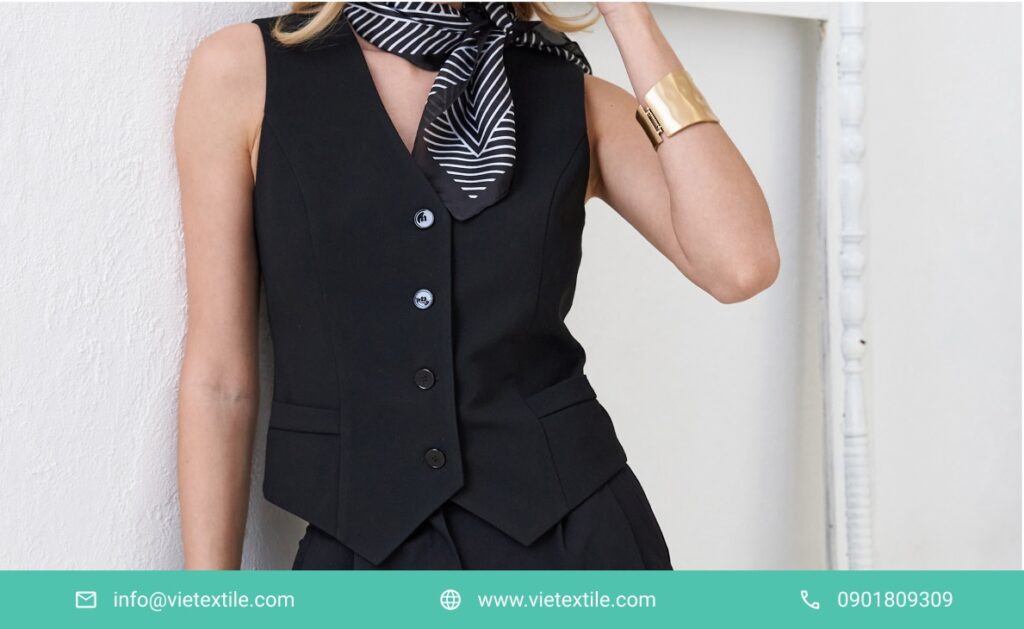
Ponte is a dense, smooth, and stable knit fabric structure with balanced elasticity. It’s suitable for office fashion like sheath dresses, straight pants, A-line skirts, and lightweight blazers.

Offering structure and elegance, Ponte is comfortable, wrinkle-resistant, and easy to care for – ideal for busy professionals. It withstands stress and washing without sagging, making it a sustainable fashion option for long-term wardrobe staples.

7. Conclusion

Choosing the right knit fabric structure enhances product quality and user experience. From simple to complex designs, each structure serves specific needs in modern garment production. Understanding these properties helps designers and manufacturers optimize costs while ensuring durability and aesthetics.

Whether it’s a basic tee, sleepwear, luxury office dress, or sportswear – every garment begins with the right knit fabric foundation. This foundational choice is key to product differentiation and competitive advantage in local and international fashion markets.

8. References & Contact

Contact VieTextile for expert consultation on knit fabric structures:

The Role of Woven Fabric in Medical Devices and Face Masks

Woven fabrics are not only found in fashion and home furnishings but also play a critical role in the medical field. Thanks to their durable, low-stretch, and tightly interwoven structure, Woven Fabric Applications in healthcare are expanding, especially in infection control and public health protection.

This article will help you understand Woven Fabric Applications in medical devices and face masks—from their structure and function to the standards they must meet. The content is divided by specific devices, practical scenarios, and concrete testing standards to provide a complete, easy-to-understand, and immediately applicable overview.

1. The Application and Popularity of Woven Fabric in Healthcare

ung dung cua vai det thoi H1
The Role of Woven Fabric in Medical Devices and Face Masks 31

Woven fabric is created by interlacing horizontal and vertical threads at a right angle. This structure results in a strong, low-stretch, easily moldable, and highly durable fabric surface.

Read more: What is woven fabric? Characteristics and Applications

1.1 The Fabric Must Be Gentle on the Skin and User-Friendly

In the medical industry, all fabrics must meet strict standards for safety and effectiveness. First and foremost, the fabric needs to be gentle on the skin to prevent irritation for users over long periods. This is especially important in hospital environments, where contact with textiles is continuous for many hours each day.

1.2 The Fabric Must Be Resistant to Chemicals and High Temperatures

Furthermore, the fabric must be resistant to chemical sanitizers, disinfectant solutions, and high temperatures during the sterilization process. This capability helps the fabric maintain its physical and chemical properties after multiple uses without damage or loss of protective effectiveness.

1.3 The Fabric Must Be Breathable Yet Bacteria-Blocking

Equally important is the fabric’s breathability. Airflow not only provides comfort for the wearer but also helps limit moisture buildup—a favorable environment for bacteria to grow. However, this breathability must be paired with the ability to block bacteria and pathogens from the external environment to ensure absolute safety.

1.4 A Structure that Optimizes Woven Fabric Applications in Medical Devices

The uniform interwoven structure of woven fabric makes it an ideal material, optimizing Woven Fabric Applications for producing devices such as face masks, surgical gowns, bandages, and medical drapes.

2. Practical Applications of Woven Fabric in the Medical Industry

This is the most important section to help you visualize Woven Fabric Applications in specific medical devices. The following content clearly reflects how Woven Fabric Applications are applied to different materials and usage requirements.

2.1 Multi-Layer Cloth Masks

Woven fabric masks typically use a thick cotton layer combined with a non-woven filter layer. They are used by the general public or in low-risk environments. Some premium masks are also coated with an antibacterial layer or silver nanoparticles to increase their protective effectiveness.

According to the WHO and CDC, cloth masks can block 50–70% of respiratory droplets if used correctly and should be washed daily at temperatures above 60°C for disinfection.

2.2 Surgical Gowns and Protective Apparel

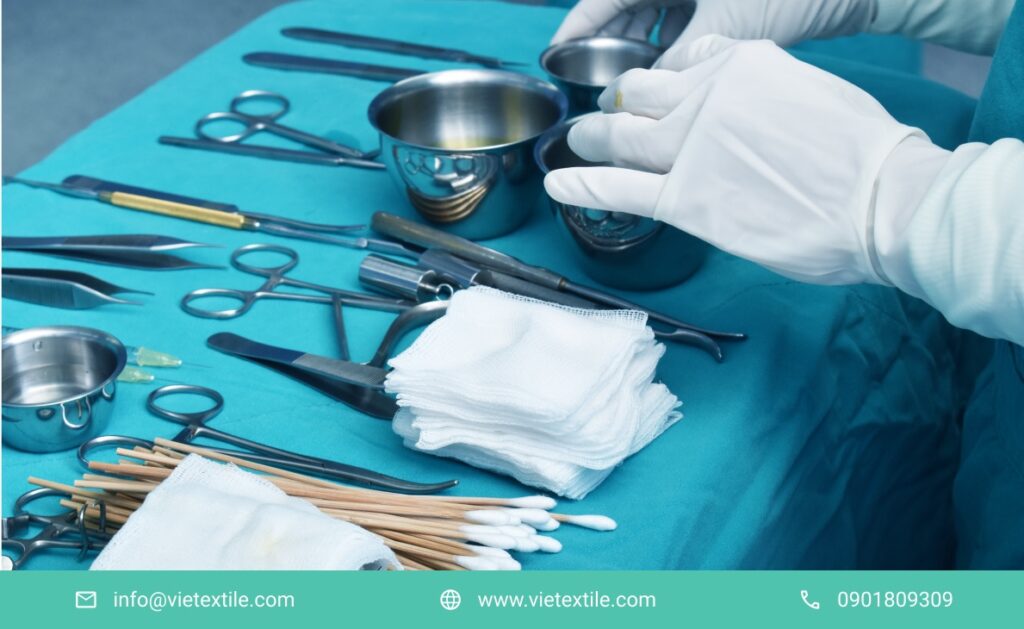
These gowns require the ability to block bacteria and resist fluid penetration while remaining breathable for surgeons to work comfortably for long periods. High-density woven polyester-cotton fabric, or fabric with an added waterproof PU layer, is a common choice.

Many hospitals also require reusable fabric to withstand at least 50 wash-sterilization cycles without deforming or losing its protective effectiveness.

2.3 Gauze, Pads, and Sterile Liners

ung dung cua vai det thoi H2
The Role of Woven Fabric in Medical Devices and Face Masks 32

2.3.1 Gauze – An Enduring, Irreplaceable Application

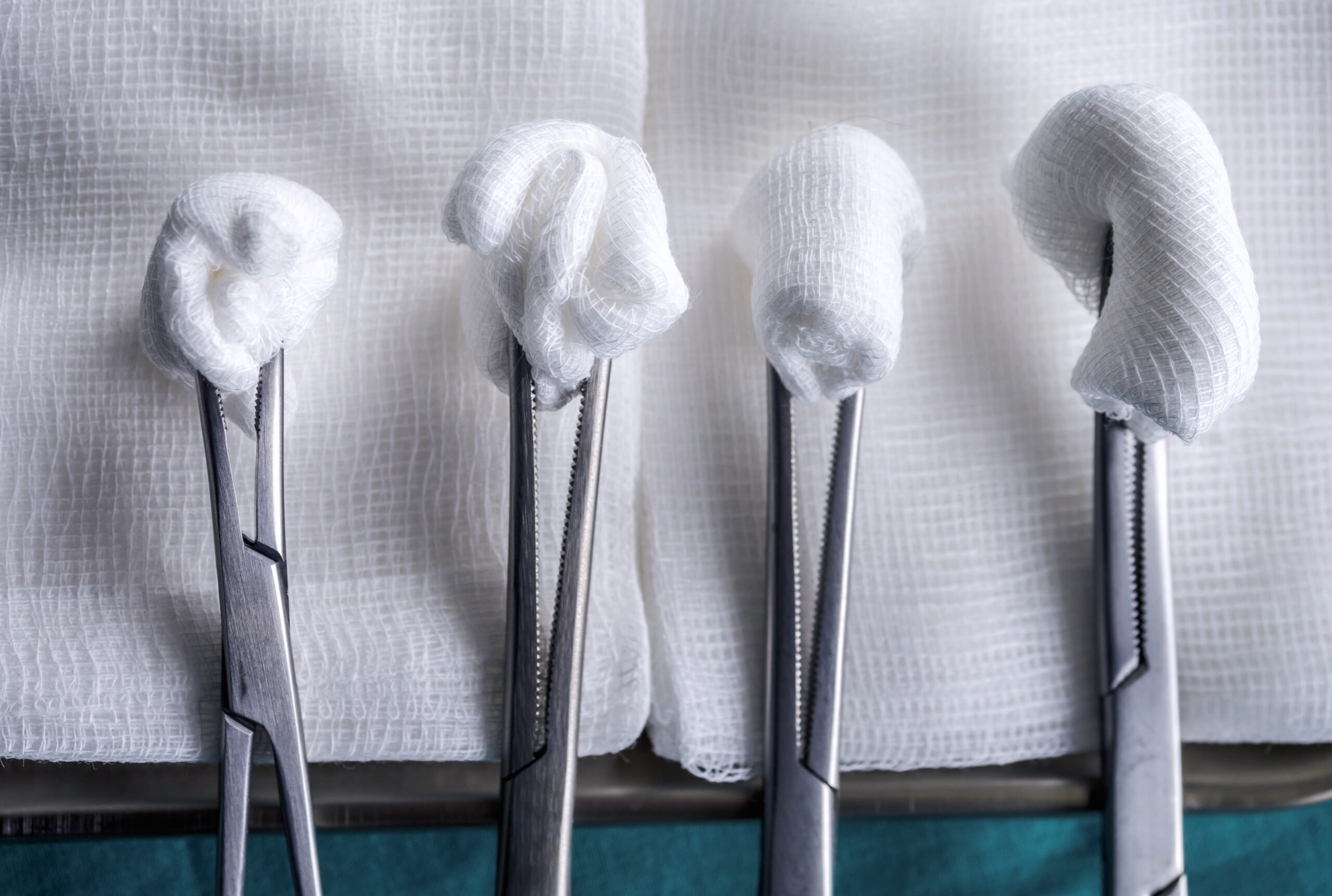
Medical gauze is one of the oldest and most classic Woven Fabric Applications, particularly thin cotton fabrics with a loose weave and high absorbency. Thanks to its softness, lint-free nature, and ease of cutting into various sizes, this fabric is commonly used in many medical situations, such as cleaning wounds, absorbing fluids, and serving as liners during surgery or covering damaged skin.

2.3.2 Effective in Wound Care and Infection Control

Its sterile and highly absorbent properties make gauze essential for protecting wounds from infection and aiding the healing process. This is a key factor, especially in surgical procedures or situations requiring careful sanitation.

2.3.3 Adhering to Stringent Quality Standards

Today’s gauze must be lint-free and free of chemical residues, meeting ISO 13485 standards and undergoing regular microbiological testing. This proves that Woven Fabric Applications are not only common but also must strictly comply with international safety standards for use in medical environments.

2.4 Surgical Drapes and Sterile Room Curtains

Large surfaces like operating tables, hospital beds, or separated areas require a fabric layer to prevent the spread of bacteria. This fabric is typically woven polyester, with a one-way waterproof and antibacterial coating.

Some manufacturers use a tight weave technology to effectively block droplets without needing a plastic film.

3. Why Woven Fabric Applications Are Prioritized in Healthcare

There are several reasons why Woven Fabric Applications are considered a top choice in the modern medical industry.

Find out more about the difference between woven and knitted fabric

3.1 Superior Reusability

Woven fabrics are favored in healthcare because they possess numerous superior properties. First, this type of fabric has a very high reusability. After each use, the fabric can be washed and sterilized at high temperatures while retaining its original structure and function. This is a major advantage given that hospitals spend a lot on single-use medical supplies.

3.2 Heat and Chemical Resistance

Second, woven fabric has excellent heat and chemical resistance. This allows it to go through rigorous disinfection processes without deforming or losing its protective properties. This is an essential factor for medical devices that require frequent and demanding sterilization.

3.3 Environmental Friendliness

Additionally, the environmental factor is another reason many medical facilities choose woven fabrics over non-woven materials like spunbond or meltblown. The ability to be reused and generate less plastic waste makes woven fabric a more eco-friendly and sustainable solution as the medical industry moves toward greener operations.

3.4 Long-Term Cost-Effectiveness

Finally, when considering long-term total costs, woven fabric is much more efficient. Although the initial investment may be high, the ability to be reused dozens of times leads to significant budget savings, especially for public medical institutions or areas with limited budgets.

4. Required Standards and Testing

For Woven Fabric Applications in healthcare to be truly effective, compliance with testing standards is mandatory. To ensure safety, woven fabrics used in medical devices must typically meet:

  • ISO 13485: Quality management system for medical devices
  • OEKO-TEX Standard 100: Ensures no harmful chemicals
  • EN 13795: European standard for surgical fabrics

Furthermore, each fabric batch must undergo regular testing for indicators such as breathability, fluid resistance, and microbial barrier properties to ensure the effectiveness of the Woven Fabric Applications is maintained.

5. Future Prospects for Woven Fabric in Biomedical Applications

Not limited to basic devices, Woven Fabric Applications are expanding into many high-tech biomedical fields. New technology is driving the combination of woven fabric and smart materials:

  • Fabric integrated with sensors to monitor body temperature and heart rate
  • Fabric with antibacterial and antiviral nano-coatings
  • Combining woven fabric with biodegradable organic fibers

Additionally, many studies are applying woven fabric to the field of bio-microelectronics and the production of smart therapeutic devices—a new Woven Fabric Application that opens a future where traditional materials are combined with high technology.

While non-woven technology remains a trend in disposable medical masks, woven fabric is increasingly proving its important role in the category of sustainable, reusable medical products.

6. External References

Are You a Medical Device Supplier or Looking for Printing Solutions on Woven Fabric? VieTextile offers consultation to help you choose the right woven fabric for medical devices, which can be combined with high-quality heat transfer or direct printing services.

Contact for samples and technical consultation:

What is Knit Fabric? Why Proper Care is Essential?

Properly caring for knit fabric not only extends a product’s durability but also maintains its long-term aesthetic appeal. Knit fabric is a popular material in modern fashion, especially for items like t-shirts, sportswear, sleepwear, and everyday clothes. However, without proper care, the fabric can easily pill, shrink, lose its shape, or lose elasticity.

In this article, VieTextile will share a detailed guide on how to care for knit fabrics—from washing, drying, and ironing to storing—with effective tips for both individuals and apparel manufacturers.

Cach bao quan vai det kim H1
What is Knit Fabric? Why Proper Care is Essential? 37

1. What is Knit Fabric? Why Proper Care is Essential?

Knit fabric is a type of textile created by interlocking loops of yarn horizontally (weft knitting) or vertically (warp knitting). Compared to woven fabric, knit fabric has a more open, softer, and more elastic structure. However, this flexibility makes the fabric prone to losing its shape, stretching, or pilling if not cared for correctly.

Some key advantages include:

  • Natural stretch, providing a snug and flexible fit
  • Good sweat absorption, suitable for sportswear and daily wear
  • Soft, comfortable surface against the skin
  • Easy to form, offering versatility in fashion design

However, because of its looped structure, this type of fabric can easily deform, pill, or shrink if not washed and cared for properly. Read more: Everything about knit fabric: from concept to application

2. Why Do You Need to Know How to Care for Knit Fabric?

Cach bao quan vai det kim H3
What is Knit Fabric? Why Proper Care is Essential? 38

Many customers wonder why knit products deteriorate or lose their shape quickly, while other fabrics are more durable. The reasons stem from:

  • Its looped structure is prone to stretching and deformation.
  • It is easily damaged by high temperatures, friction, and chemicals.
  • Its natural stretch causes clothes to lose their shape quickly if hung incorrectly.

Understanding and following the correct knit fabric care process is the only way to ensure optimal shape retention, color, and durability for your products.

3. How to Wash Knit Fabric Correctly

Cach bao quan vai det kim H2
What is Knit Fabric? Why Proper Care is Essential? 39

3.1. Hand Washing – The First and Best Choice

Hand washing minimizes harsh mechanical action on the fabric’s fibers. This is the ideal method for knit wool, fabrics with spandex, or antibacterial knits.

Hand Washing Instructions:

  • Use cold or lukewarm water (under 30°C).
  • Use a mild detergent (baby shampoo also works).
  • Soak for 5–10 minutes, gently knead, and avoid strong twisting.
  • Rinse thoroughly and place on a towel to absorb excess water.

3.2. Machine Washing – Follow 5 Important Principles

If you must machine wash, keep these points in mind:

  • Select the “Delicate” or “Wool/Handwash” cycle.
  • Turn garments inside out.
  • Place them in a mesh laundry bag.
  • Use cold water, not exceeding 30°C.
  • Do not wash with rough clothes like jeans, jackets, or items with metal zippers.

4. How to Dry Knit Fabric

Incorrect drying is a common cause of stretching and loss of shape.

4.1. The Ideal Way to Dry:

  • Lay flat on a horizontal surface (you can use a drying rack or a towel underneath).
  • Avoid using hangers, as the weight of the water will stretch the garment.
  • Avoid direct sunlight; dry in a cool, well-ventilated area.

4.2. What to Avoid:

  • Wringing too hard before drying.
  • Using a high-heat dryer (only use the “Air dry” setting if necessary).
  • Hanging on a hanger while the fabric is still wet.

5. How to Iron and Smooth Knit Fabric

Knit fabric should not be ironed directly with high heat, as it can deform the fiber structure. If ironing is necessary, do the following:

  • Use a steam iron on a low temperature setting (below 110°C).
  • Place a thin cotton cloth between the iron and the fabric.
  • Iron the inside of the garment, working gently in the direction of the fibers.
  • Do not iron when the fabric is wet or heavily damp.

6. Tips for Common Knit Fabric Problems

6.1. How to Handle Pilling

Pilling occurs when the fabric’s loops are frequently rubbed. You can fix this by using:

  • A specialized fabric shaver.
  • A mini fabric razor.
  • Applying tape and gently peeling it off along the direction of the fibers. To prevent pilling, avoid washing with rough or rigid clothes.

6.2. How to Fix Shrinking After Washing

If your garment has shrunk after washing, try this:

  • Soak the fabric in cold water for 15–20 minutes.
  • Lay it flat on a towel and gently stretch the fabric horizontally and vertically.
  • Let it air dry naturally; do not hang or use a dryer. This helps the fibers return to their original shape.

6.3. Restoring the Shape of Knit T-Shirts

Garments can easily lose their shape after a few wears, especially at the shoulders and neck. To restore the shape of a knit t-shirt:

  • Lightly mist water on the area you want to reshape.
  • Use a low-temperature steam iron with a thin cloth liner.
  • Gently iron to reshape the garment.

7. Storing Knit Fabric Correctly in Closets/Storage

This step is often overlooked but is crucial for keeping fabrics looking new.

The Ideal Storage Method:

  • Fold neatly instead of hanging on hangers (especially for sweaters and jumpers).
  • Store in a breathable fabric bag, not a plastic bag.
  • Add a moisture-absorbing packet to prevent mildew.
  • Avoid placing near sharp objects or zippers.

See more: Knit fabric manufacturing plant – Providing high-quality apparel solutions

8. Special Considerations for Premium Knit Fabrics

8.1. Wool/Cashmere Fabrics:

  • Prioritize dry cleaning.
  • Can be hand-washed with mild shampoo.
  • Absolutely do not twist or tumble dry on high heat.

8.2. Spandex / Sportswear Fabrics:

  • Sensitive to heat.
  • Avoid direct ironing and harsh sunlight.

8.3. Antibacterial Knit Fabrics:

  • Must follow the manufacturer’s care instructions.
  • Limit contact with bleach or hot water.

9. Conclusion: Proper Care Increases Value and Product Lifespan

By applying the correct washing, drying, ironing, and storing procedures, you not only help knit fabric products last longer and look better but also contribute to protecting your health, saving costs, and enhancing your daily wearing experience.

Discover the premium antibacterial knit fabrics supplied by VieTextile – safe for the skin, and colorfast over time.

Are you looking for a source of high-quality, easy-to-care-for knit fabrics suitable for fashion, sportswear, or antibacterial products?

Contact for a consultation VieTextile is a proud and trusted partner in the textile industry, specializing in the supply of:

  • Single jersey, interlock, rib, and pique knit fabrics
  • Knit fabrics blended with spandex, antibacterial, and eco-friendly materials
  • Technical consultation, care, and custom manufacturing solutions

Contact the VieTextile team now for in-depth consultation or to receive free fabric samples

Frequently Asked Questions (FAQ) about Caring for Knit Fabric

1. Why is it important to care for knit fabric correctly? Knit fabric has a soft, stretchy looped structure. If not washed, dried, and stored correctly, it is very prone to pilling, losing its shape, shrinking, or losing elasticity. Proper care helps extend the fabric’s lifespan and maintains the product’s original appearance.

2. Should knit fabric be hand-washed or machine-washed? It is best to hand-wash to limit friction and strong pulling. However, if using a machine, you should select the “Delicate” or “Wool” cycle, turn the garments inside out, and use a laundry bag to protect the fibers.

3. How can I prevent knit fabric from pilling? To prevent pilling, you should:

  • Wash separately from rough clothes.
  • Avoid washing with items that have zippers or metal buttons.
  • Limit strong friction.
  • Use a fabric shaver or mini razor if pilling has already occurred.

4. If knit fabric shrinks after washing, can it be fixed? It can be temporarily fixed by:

  • Soaking the garment in cold water for about 15–20 minutes.
  • Laying it flat on a towel and gently stretching it horizontally and vertically.
  • Allowing it to air dry naturally, without hanging or using a dryer.

5. Should I use an iron on knit fabric? Yes, but with caution. You should use a steam iron on a low-temperature setting, place a thin cotton cloth underneath, and iron the inside of the garment. Do not iron directly on high heat or when the fabric is wet.

6. How should knit fabric be stored? Knit fabric should be folded neatly and stored in a breathable fabric bag, away from damp areas or direct sunlight. You should avoid hanging it on a hanger, as this can easily cause it to lose its shape, especially for sweaters, jumpers, or stretchy products.

7. Is knit fabric more durable than woven fabric? Each type has its own characteristics. Knit fabric is soft, stretchy, and suitable for everyday wear but is less durable than woven fabric if cared for incorrectly. Proper care is the key to increasing its durability.

Types of Knit Fabrics: 10 Popular Varieties & Buying Tips

Knit fabrics have truly opened up a “horizon” of opportunities for the textile industry, from their soft, stretchy feel to cost savings. Join VieTextile to explore the most popular types of knit fabrics available today, and discover the secrets to making optimal purchasing decisions. From cotton, wool, and polyester to spandex, this article offers comparisons, applications, and practical tips to help you choose with confidence.

1. An Overview of Knit Fabrics

1.1 Defining “Knit Fabric”

The knitting technique originated from the desire for soft, stretchy garments suitable for various uses. Knit fabric typically has a smooth surface, excellent breathability, and doesn’t feel stuffy during movement. This process is flexible enough for a single yarn to “dance freely” on the loom, continuously forming loops. This gives the finished fabric its natural elasticity.

From a production perspective, knit fabric also saves on steps and costs, as it often requires fewer yarns than weaving. This efficiency is why we can find knit fabrics in almost every sector: from simple T-shirts to high-end fashion.

1.2 The Difference from Woven Fabrics

If woven fabric is a meticulous jigsaw puzzle with each square fitting snugly, knit fabric is more like an elastic net—easy to stretch but with significant durability. For example, when comparing which is more durable, knit or woven fabric, we need to consider the type of fiber used. If knit fabric uses durable fibers and a standard process, the product can surpass woven fabric in terms of flexibility. Of course, knit fabric can also stretch out if the fiber quality is low or the user doesn’t know how to care for it properly.

In terms of application, knit fabric is often found in sportswear, underwear, and stretchy tops. In contrast, woven fabric is common in jeans, shirts, and suits. We always encourage people to choose based on their needs. For form-fitting or stretchy clothing, knit is the optimal choice. But when looking for structured, tailored garments, woven fabric can be the perfect answer. 

See more information comparing knit and woven fabrics.

1.3 Why the Demand for Knit Fabrics is Increasing

The advantage of knit fabric lies in its stretchiness, which allows the wearer to move comfortably. Furthermore, the production cost savings make knit fabric a common material in many fashion sectors. Simple T-shirts are a testament to the widespread availability of knit fabric in the market.

We have also noticed a growing trend towards sustainable design that prioritizes eco-friendly materials, such as organic cotton, bamboo, or recycled fibers. These materials create a beautiful form when knitted, while maintaining breathability and stretch. They also help minimize negative impacts on the environment.

2. Top 10 Popular Types of Knit Fabrics

Knit fabrics are increasingly popular in both the fashion industry and daily life. It’s easy to find various knit materials, from basic to high-end. Below are 10 typical types, complete with their applications and unique characteristics, to give you an overview before you choose.

2.1 Cotton Knit

Cac Loai Vai Det Kim 01
Types of Knit Fabrics: 10 Popular Varieties & Buying Tips 44

Cotton knit is loved for its moisture-wicking ability and soft surface. This is why many people consider it the most breathable cotton knit fabric for hot and humid climates. Its major advantages are high durability and gentle feel on the skin, making it suitable for T-shirts, dresses, and children’s clothing. However, cotton can wrinkle or be difficult to hold its shape if not blended with other fibers.

2.2 Wool Knit

Cac Loai Vai Det Kim
Types of Knit Fabrics: 10 Popular Varieties & Buying Tips 45

Many people often ask: “Is wool knit fabric durable?” In fact, the durability of wool knit is high if you care for it properly. This fabric is suitable for cold climates or winter, providing excellent warmth due to its tight fiber structure. When washing and drying, you should use cool water and avoid wringing to prevent pilling.

2.3 Acrylic

Why is acrylic knit fabric popular?” The answer lies in its low cost and ability to replace natural wool. Acrylic knit is warm, easy to care for, and doesn’t shrink much. However, compared to cotton, this fabric is less breathable and can feel stuffy in humid environments. Still, if you want a lightweight option for autumn and winter wear, acrylic is worth considering.

2.4 Polyester

When it comes to polyester, people often highlight the phrase “wrinkle-free polyester knit fabric.” In truth, polyester is durable, dries quickly, and resists shrinking and wrinkling. It is commonly used in sportswear, light jackets, and rainwear. Note that polyester retains odors and can smell of sweat if worn continuously in hot weather.

2.5 Spandex (Elastane)

Many people wonder, “What is 4-way stretch knit fabric?” It’s a fabric that combines cotton or polyester with spandex (or elastane) in a suitable ratio. This creates a fabric that has elasticity in both the vertical and horizontal directions. This type is often suitable for swimwear, sportswear, or garments that need to fit snugly against the body while still feeling comfortable.

2.6 Viscose (Rayon) Knit

Viscose knit is considered a soft, smooth rayon fabric that has good breathability and is lower in cost than cotton. However, viscose is less durable than synthetic fibers, so you need to wash it gently to prevent the fibers from coming loose. Because it looks quite similar to silk, this type is often used for fashion dresses, loose-fitting gowns, or stylish tops.

2.7 Blends (Cotton + Polyester, Cotton + Spandex…)

The advantage of blended knit fabric over 100% cotton is its ability to maintain its shape, resist wrinkles, and dry quickly, while still feeling soft to the wearer. Blending fibers helps solve the limitations of pure fabric, creating a more durable and color-diverse product. Company uniforms, couple’s outfits, and performance costumes are often made from these blends.

2.8 Modal & Bamboo Knit

When we talk about “organic knit fabric,” we can’t ignore bamboo and modal. Bamboo fiber is highly valued for its antibacterial and breathable properties, as well as being eco-friendly. Modal is a higher-end variation of rayon, less prone to wrinkles and extremely soft. Both are often used for children’s clothing and underwear, meeting the demand for comfort and sustainability.

2.9 Performance (Technical) Knit Fabrics

What type of knit fabric is good for sportswear?” You can consider a polyester-spandex blend. The goal is to wick away sweat, dry quickly, and provide flexible stretch. Many famous sports brands choose this type of fiber to create cool, dynamic products suitable for all kinds of physical activities.

2.10 High-End Wool (Cashmere, Merino)

Those who love wool clothing often wonder, “Is cashmere knit fabric expensive?” The answer is yes, as cashmere and merino are meticulously harvested, with fine fibers that retain heat exceptionally well, creating a luxurious feel. You need to hand-wash and dry them flat to avoid losing their shape. Those who live in cold climates or prefer an elegant style will be very satisfied with this expensive material.

3. Tips for Choosing and Checking the Quality of Knit Fabrics

3.1 Check the Label Information

Checking the knit fabric before buying is an important step to ensure you get a material that meets your needs. You can start by carefully reading the label on the fabric roll or the finished product. The fiber composition and washing instructions are usually clearly stated here, which helps you know how to care for the fabric to maintain its durability.

3.2 Check for Stretch and Elasticity

In addition, gently stretch the fabric to assess its elasticity. If the fabric quickly returns to its original shape, this indicates stable stretchiness, which is suitable for everyday wear or sportswear.

3.3 Check for Breathability

Meanwhile, assessing breathability is also very simple: lightly press the fabric against your skin or observe the thickness of the fibers. If you live in a hot, humid climate, choose a fabric with a thin, flexible, and breathable structure.

3.4 Review Supplier Ratings

You should also check reviews for “reputable wholesale knit fabric suppliers in Vietnam” before deciding to import goods. Companies with good feedback and quality certifications usually guarantee a clear origin, giving you peace of mind when investing.

4. Applications of Knit Fabrics in Fashion & Home Goods

ung dung vai det kim 01
Types of Knit Fabrics: 10 Popular Varieties & Buying Tips 46

4.1 Office and Everyday Wear

This type of fabric has a diverse presence in daily life, from knit fabric office wear to everyday clothes. Knit dresses, T-shirts, and cardigans keep the wearer comfortable while still maintaining an elegant look. Nowadays, the trend of mixing and matching with knit tops is popular among young people, due to the free and modern feel it brings.

4.2 Sportswear & Uniforms

In the field of sportswear and uniforms, stretch and breathability are very important. The wearer can move without feeling restricted and feel comfortable thanks to the fabric’s good sweat absorption. The use of bright, dynamic color schemes also creates a high fashion effect, especially when professional brands invest in exclusive materials.

4.3 Blankets, Sheets, Pillows, Mattresses

Not just limited to clothing, knit fabric has also entered the field of blankets, sheets, pillows, and mattresses. The softness and comfort make a room feel cozier, suitable for areas with cool weather. However, you need to pay attention to how to wash and dry it, to prevent dust from clinging deep into the woven fibers.

5. How to Care for Knit Fabrics

5.1 Hand Wash or Use a Gentle Cycle, Avoid Hot Water

Knit fabric is generally durable and flexible, but how do you keep knit tops in shape for a long time? First, hand wash them or choose a gentle wash cycle, and especially avoid hot water. Knit fibers can easily deform when subjected to high temperatures, which can ruin the garment’s shape.

5.2 Iron at a Suitable Temperature

When ironing, we should set the iron to a low temperature and, ideally, use a thin cloth as a buffer. Direct heat can cause the fibers to overstretch, affecting the stability of the knit structure. Similarly, hanging knit clothes for too long can cause them to lose their shape, so we recommend folding them neatly and storing them in a dry place.

5.3 Long-Term Storage Notes

Additionally, the best way to prevent knit fabric from pilling is during the washing stage: don’t rub too hard, use a gentle detergent, and gently toss it. Just a few small tips can “save” your favorite garments from unsightly pilling.

6. Future Trends & Contact for Consultation

6.1 A Summary of New Trends

Looking to the future, knit fabric has great potential for development with a series of new trends like organic fabric, recycled fabric, or 3D knitting technology. The market is increasingly favoring sustainable products that are beneficial to the environment. If you are interested in eco-friendly knit materials, consider finding a supplier with a clear process, “green” production criteria, and recognized certifications.

6.2 Contact for Consultation

Grasping new trends and choosing a reliable supplier not only ensures fiber quality but also helps you save costs and optimize your user experience. Feel confident in applying this knowledge to choose the best knit products. Contact us now for consultation and a quote for all types of knit fabrics:

Other Frequently Asked Questions (FAQs)

  • What is 4-way stretch knit fabric? This is a type of fabric that can stretch both horizontally and vertically. It is often created by blending with spandex or elastane fibers. 
  • How can you identify poor-quality knit fabric? You can gently pull it and observe how the fibers bounce back. If the fabric loses its shape, pills a lot, or has uneven knitting, it’s a sign of poor quality. 
  • Is wool knit fabric durable? Wool knit can be durable if a high-quality type of wool is used (merino, cashmere) and it is cared for properly, avoiding high temperatures and strong washing.

Knit Fabric Manufacturing: A Reputable and Modern Factory

VieTextile is proud to be one of the leading knit fabric manufacturing factories in Vietnam. With a modern machinery system and superior production capacity, we are always ready to meet the needs of customers both domestically and internationally.

1. Why Choose VieTextile as Your Reputable Knit Fabric Manufacturer?

When choosing a knit fabric manufacturing partner, businesses are always looking for the perfect combination of product quality and competitive pricing. At VieTextile, we not only ensure the highest quality standards but also provide customized solutions to meet every specific need.

1.1 Modern Machinery System at VieTextile

Xuong San Xuat Vai Det Kim 1
Knit Fabric Manufacturing: A Reputable and Modern Factory 50

To ensure quality and production efficiency, VieTextile invests in a modern knitting machine system, including 30 double-knit machines and 40 single-knit machines from reputable brands like Fu Yang and HwaYoung. These devices not only help optimize productivity but also ensure accuracy in every product, delivering fabrics that meet the highest standards.

  • Monthly Output: The factory produces up to 100 tons of fabric per month, including 30 tons of interlock fabric and 30 tons of fancy knit fabrics. This proves our ability to handle both small and large orders.

1.2 Strict Production Process

At VieTextile, every product undergoes a tightly controlled production process from raw materials to completion.

  • High-Quality Raw Materials: We use cotton and polyester yarns from trusted suppliers to ensure fabric quality.
  • Modern Knitting Technology: Our knitting process is optimized with advanced technology, ensuring every meter of fabric meets high standards for durability and aesthetics.
  • Quality Control: Before delivery, all products are thoroughly inspected, from elasticity to colorfastness, to ensure they best meet customer requirements.

1.3 Custom Processing and In-depth Consultation Services

In addition to manufacturing, VieTextile also accepts custom fabric processing requests from customers. Our technical team is ready to assist in material selection and design, helping the final product perfectly meet its intended use. We provide optimal solutions to ensure every order is completed on schedule and to the highest quality. Free consultation is a value-added service that VieTextile offers to its customers.

2. Types of Knit Fabrics VieTextile Provides

Xuong SX vai Det Kim 1
Knit Fabric Manufacturing: A Reputable and Modern Factory 51

VieTextile offers a diverse range of knit fabrics, from basic products to complex lines, meeting all customer needs.

2.1. Cotton Knit Fabric 

100% single cotton and TC cotton fabrics are always the top choice for fashion products due to their softness and good absorbency.

2.2. Stretch Knit Fabric

VieTextile’s 2-way and 4-way stretch fabrics are not only durable but also provide comfort to the wearer, making them particularly suitable for sportswear and underwear.

3. Reasons to Choose VieTextile as Your Knit Fabric Manufacturing Partner

  • Large Production Capacity: With 100 tons of fabric per month, we can meet all needs from small to large orders.
  • Superior Quality: Our products consistently meet international standards, ensuring the satisfaction of customers at home and abroad.
  • Competitive Pricing: Thanks to our efficient production process, we offer reasonable prices while maintaining high quality.
  • Dedicated Consultation Service: VieTextile’s team of experts is always ready to work with customers to create the most perfect products.

4. Applications of Knit Fabric Products

VieTextile’s products are not only diverse in type but also rich in application:

  • Fashion Apparel: From basic T-shirts to high-end fashion designs.
  • Underwear: Soft, stretchy knit fabric provides maximum comfort.
  • Sportswear: 2-way and 4-way stretch fabrics are ideal choices for products that require high durability and flexibility.

Frequently Asked Questions (FAQs)

1. Does VieTextile accept small orders? Yes, we accept orders from small to large quantities, depending on the customer’s needs.

2. How long does it take to produce an order? The production time depends on the type of fabric and quantity, usually ranging from 7-14 days.

3. Does VieTextile provide samples? We are always ready to provide samples for customers to check before placing an order.

Woven Fabric Supplier: Leading in Quality and Reputation

Woven fabric plays a crucial role in the textile industry, from apparel and home furnishings to industrial applications. Finding a reliable woven fabric supplier is a key step to ensure the quality of the finished product. In this article, we will explore woven fabric, its production process, how to choose a supplier, and introduce VieTextile’s products—a leading reputable partner in the industry.

1. What is Woven Fabric?

san xuat vai det thoi
Hình ảnh các loại vải dệt thoi chất lượng cao trong quá trình sản xuất.

1.1 Definition of Woven Fabric

Woven fabric is created from two main sets of threads: warp yarns (vertical) and weft yarns (horizontal) that interlace in a grid structure. This is a traditional weaving method but is highly valued for its durability and flexibility.

1.2 Key Characteristics

  • High Durability: The fabric has a tight structure, is strong, and is less likely to tear.
  • Diverse Applications: Suitable for apparel, home furnishings, and industrial products.
  • Easy to Process: It is easy to wash, dye, and print with patterns.

2. The Woven Fabric Production Process

san xuat vai det thoi 01
Hình ảnh các loại vải dệt thoi chất lượng cao trong quá trình sản xuất.

2.1 Raw Material Preparation

  • Natural Fibers: Cotton, linen, wool.
  • Synthetic Fibers: Polyester, nylon, acrylic.

2.2 Weaving

  • Basic Weaving Techniques: Plain weave, twill weave, and satin weave.
  • Looms: Modern looms help increase production speed and fabric quality.

2.3 Finishing Treatment

  • Dyeing: Creates durable and diverse colors for the fabric.
  • Special Finishing: Softening, anti-wrinkle, and waterproofing depending on the customer’s requirements.

3. The Role of a Woven Fabric Supplier in the Textile Industry

3.1 Ensuring a Stable Supply

A reputable supplier helps businesses maintain a steady supply of raw materials, avoiding production interruptions.

3.2 Meeting Quality Standards

High-quality fabric ensures that the finished product meets the market’s strict requirements.

3.3 Cost Optimization

Choosing the right supplier helps businesses reduce import and transportation costs and optimize profits.

4. How to Choose a Reputable Woven Fabric Supplier

4.1 Experience and Reputation

Prioritize companies with many years of operation in the woven fabric sector that are highly rated by customers.

4.2 Product Diversity

Choose a woven fabric supplier capable of providing a wide range of fabrics, from cotton to polyester, to meet all production needs.

4.3 Modern Production Process

Companies that use advanced machinery and technology ensure quality and delivery time.

4.4 Customer Support Services

A reputable woven fabric supplier always provides consultation and responds to inquiries quickly and effectively.

5. Benefits of Using Woven Fabric

  • Durable and Long-Lasting: The fabric has superior durability, suitable for various environmental conditions.
  • Eco-Friendly: Fabric made from natural fibers is biodegradable and has less impact on the environment.
  • Versatile: Can be used in many fields from apparel to home furnishings.

6. Introducing VieTextile’s Products and Services

VieTextile is proud to be a leading woven fabric supplier with a wide range of products from natural to synthetic fibers. We are committed to:

  • Stable Supply: Meeting all orders from small to large.
  • Superior Quality: Our strict quality control process meets international standards.
  • Professional Service: Providing dedicated consultation, technical support, sample provision, and on-time delivery.

Let VieTextile become your trusted partner in your business development journey!

Contact for Consultation

  • Address: 82C Quach Dinh Bao, Phu Thanh Ward, Tan Phu District, Ho Chi Minh City
  • Phone: 090 1809 309
  • Email: info@vietextile.com
7. Conclusion

Choosing the right woven fabric supplier is a key factor in ensuring quality and production efficiency. With high reputation and expertise, VieTextile is confident in providing comprehensive solutions for businesses in the textile industry. Contact us now for consultation and the best products!

FAQs

1. What is the difference between woven fabric and knit fabric? 

Woven fabric has a more rigid and durable structure compared to knit fabric.

2. What types of fabric does VieTextile supply? 

We supply fabrics from natural fibers like cotton and linen to synthetic fibers like polyester. 

3. How can I check the quality of woven fabric? 

You can check its durability, strength, and the uniformity of the fabric structure. 

4. Does VieTextile provide samples? 

Yes, we support customers with samples before they place an order. 

5. Is woven fabric suitable for the home furnishings industry? 

It is very suitable, especially for products like curtains, sofas, and chair covers.

Woven Fabric And Knitted Fabric: Understanding the Differences and Similarities

Woven fabric and knitted fabric are two common types of textiles widely used in the fashion and home furnishing industries. Each type of fabric has its own unique characteristics in terms of structure, properties, and applications. Let’s explore them in the following article.

1. Introduction to Woven Fabric and Knitted Fabric

Woven fabric and knitted fabric are the two most common types of fabric in the apparel industry. Woven fabric is created by interlacing horizontal and vertical yarns on a loom. In contrast, knitted fabric is created by looping yarns together in a specific pattern.

Each type of fabric has distinct characteristics and properties that lead to different applications. Understanding the similarities and differences between these two fabrics will help manufacturers choose the right material for their intended use, while also optimizing costs and product quality.

2. Comparing Woven Fabric and Knitted Fabric

Below is a comparison of woven fabric and knitted fabric based on factors such as production process, stability, thickness, breathability, applications, and environmental impact.

Equipment Used

Woven fabric Woven fabric is produced by interlacing two sets of perpendicular yarns: warp yarns and weft yarns. The tight interlacing creates a strong, stable structure that is not easily torn or loses its shape during use. Woven fabric looms can be divided into two main types:

  • Automatic Looms: These are controlled electronically or electromechanically, allowing for faster and more precise fabric production.
  • Manual Looms: These require manual operation to interlace the yarns. They are often used in small-scale or artisanal production.
so sanh det thoi det kim 3 1
Woven Fabric And Knitted Fabric: Understanding the Differences and Similarities 59

Knitted fabric On the other hand, knitted fabric is formed from a series of interlaced and looped yarns. The knitting process can be done on flat knitting machines or circular knitting machines. The yarn loops are tightly connected vertically (wale) and horizontally (course). The outstanding features of knitted fabric are its high stretch and elasticity, which allow it to conform to the wearer’s body shape. There are two main types of knitting machines:

  • Flat Knitting Machines: These create flat pieces of fabric, often used to produce sweaters or products that need to be sewn together.
  • Circular Knitting Machines: These are used to create tubular fabric or products like T-shirts and sweaters.
So sanh det thoi det kim 2
Woven Fabric And Knitted Fabric: Understanding the Differences and Similarities 60

Production Costs

Knitted fabric generally has lower costs compared to woven fabric. This is due to its continuous, highly automated production process and lower costs for materials, equipment, and labor. In contrast, modern weaving looms are often expensive, require complex operation, and have high maintenance costs. Therefore, the production cost of woven fabric is typically higher.

Stability and Shape Retention

Woven fabric has superior dimensional stability compared to knitted fabric. Woven fabric can maintain its original shape even when wet or subjected to friction. However, this type of fabric has a poorer shape recovery after being folded or compressed.

Knitted fabric is more easily deformed when stretched, especially weft-knitted fabric. However, knitted fabric wrinkles less and easily maintains a fresh appearance after many uses.

Thickness and Feel

Woven fabric has a tight fiber structure, creating a smooth and flat fabric surface. Meanwhile, knitted fabric, with its three-dimensional loop structure, provides a soft and elastic feel.

Woven fabric is often thinner and lighter than knitted fabric. The dense fiber structure of knitted fabric enhances its thickness and weight, providing a warm and substantial feel.

Woven fabric feels cool and breathable, making it suitable for use in hot weather. Knitted fabric feels warm and comfortable, making it ideal for cold weather.

Breathability

The tight fiber structure of woven fabric limits air circulation, making it less breathable than knitted fabric. Conversely, the looped structure creates more open spaces in knitted fabric, which enhances its ability to absorb sweat and wick away moisture. Knitted fabric provides a comfortable feel when worn, especially during strenuous activity.

Applications of Woven and Knitted Fabric

Woven fabric is typically used to produce fashion items that require high durability, good shape retention, and minimal stretch, such as trousers, suits, and dresses. Thanks to its smooth and wrinkle-resistant properties, this fabric is also a perfect choice for interior decor products like curtains, sofas, and throw pillows.

Knitted fabric is used to produce stretchy, soft, and form-fitting products like T-shirts, sportswear, socks, gloves, and underwear. The looped fiber structure creates an effective thermal insulation layer that retains warmth. As a result, knitted fabric is suitable for many types of winter clothing like sweaters and scarves.

Environmental Impact of Production

Woven fabric undergoes a complex production process, including many stages like spinning, weaving, and dyeing. This poses a potential risk of environmental pollution, especially from the dyeing stage.

Meanwhile, knitted fabric typically does not require as many yarn preparation stages as woven fabric. The production process for knitted fabric is simpler and has less of an environmental impact because it uses fewer chemicals in the yarn preparation.

3. How to Differentiate Between Woven Fabric and Knitted Fabric

With just a few simple steps, you can distinguish between woven fabric and knitted fabric even with the naked eye.

Differentiating by Observing the Fabric Grain

Woven fabric typically has a tight texture, with interlaced fibers in a grid pattern. When you look closely, you will see the fibers overlapping, with a structure similar to a tennis racket net. Both sides of woven fabric are often identical and have a certain crisp feel when touched.

When you look closely at knitted fabric, especially weft-knitted fabric, you will see a “V” shape on the fabric surface. For warp-knitted fabric, the texture is not as clear, but you can still see straight lines running along the length of the fabric grain.

Differentiating by Wrinkle Resistance

When you grab and crumple the fabric, if it wrinkles easily and does not immediately return to its original state, it is woven fabric. Woven fabric needs to be ironed to regain its flat surface. Knitted fabric has better wrinkle resistance. When crumpled or grabbed, the fabric quickly returns to its original state, without too many creases.

So sanh det thoi det kim 1
Woven Fabric And Knitted Fabric: Understanding the Differences and Similarities 61

Differentiating by Stretch

The stretch of woven fabric is lower. When you pull woven fabric horizontally and vertically, the edges often become loose and unravel, especially at the connection points.

Knitted fabric has high stretch and better shape recovery. When you stretch weft-knitted fabric, it will return to its original state horizontally. Similarly, warp-knitted fabric will also recover vertically after being stretched.

Differentiating by Selvedge

Knitted fabric is often sold in rolls or cut to width. The selvedge has an added stiffener to minimize curling or stretching. This helps the knitted fabric maintain its durability during shipping or sale.

Woven fabric has a soft, firm selvedge that does not require additional stiffener to hold its shape. The woven fabric selvedge is often meticulously treated to ensure durability and tear resistance during use. You can also try to pull a small piece of fabric vertically or horizontally to identify the fabric type. Knitted fabric is easy to pull apart, while the structure of woven fabric is tighter and more difficult to separate.

4. VieTextile – A High-Quality Woven and Knitted Fabric Production Company

VieTextile is a leading company in the production of high-quality woven fabric and knitted fabric. Committed to providing the best products to customers, VieTextile has built a strong network with reputable partners in the industry, from material suppliers to modern weaving and knitting mills.

This article has described the differences and similarities between woven fabric and knitted fabric. Each fabric type has its own advantages and disadvantages, making it suitable for different uses. Understanding the characteristics and applications of both fabric types will help you choose the right one for your production needs.

A to Z Guide on the Woven Fabric Production Process

Woven fabric has become a crucial segment in manufacturing and a familiar item in daily life. So, what exactly does the woven fabric production process involve? This article will guide you through the A to Z of the necessary steps to produce a complete piece of woven fabric.

1. Raw Materials for Woven Fabric Production

For thousands of years, humans have known how to use natural fibers like cotton and linen to create fabric. Today, the raw material for woven fabric production has become even more diverse with the emergence of synthetic fibers such as polyester, nylon, and acrylic. Each type of fiber brings unique properties, contributing to the richness and variety of the textile industry.

1.1. Natural Fibers in the Woven Fabric Production Process

  • Cotton: This is the most common natural fiber, known for its good absorbency and softness. Cotton is often used to produce woven fabric such as poplin, denim, and canvas.
  • Linen: Linen fiber is made from the flax plant and has high durability and good absorbency. Linen woven fabric is often used to produce summer clothing or home goods.
  • Wool: Wool from sheep’s fleece retains heat well and is soft. Wool woven fabric is often used to produce winter clothing or interior furnishing products.
  • Silk: Silk fiber has a natural sheen, providing a soft feel. This type of fiber is often the raw material for high-end fashion products.
Soi det thoi tu nhien
A to Z Guide on the Woven Fabric Production Process 65

1.2. Synthetic Fibers for the Woven Fabric Production Process

  • Polyester: This is the most common synthetic fiber, known for its durability and good wrinkle resistance. Polyester is often blended with natural fibers to improve the fabric’s performance.
  • Nylon: Thanks to its superior durability and excellent abrasion resistance, nylon fiber is chosen to create technical woven fabric products such as tents, backpacks, and protective gear.
  • Acrylic: Acrylic fiber has a wool-like feel but is lighter and easier to care for. Acrylic is used in the production of clothing and home goods.

2. Detailed Woven Fabric Production Process

The weaving process is a complex sequence of steps that requires high precision to ensure the quality and durability of the fabric product. This process includes the following steps:

Step 1: Warp Yarn Preparation

The warp yarns must be wound from yarn cones into a warp beam with a specific length, number of yarns, and fabric width to meet the requirements. This process needs to ensure uniform tension among the yarns and prevent them from crossing.

The two main warping methods are direct warping (suitable for fabric with a single warp color) and sectional warping (suitable for fabric with multi-colored warp yarns).

Step 2: Warp Sizing

Warp sizing helps enhance the strength, elasticity, and abrasion resistance of the warp yarns during weaving. The sizing process involves soaking the yarns in a sizing solution and drying them. This makes the yarns stick together, reducing fluffiness and breakage when the warp yarns are subjected to high-frequency tension, bending, and friction during weaving.

Step 3: Weft Yarn Preparation

The weft yarns are wound from cones onto bobbins on a shuttle loom. Although this method is less used today, it still plays an important role in traditional manufacturing.

Step 4: Weaving

The official weaving process begins when the warp yarns are threaded through the heddles and the reed. They are then tensioned on the loom. The weft yarn is carried back and forth between the warp yarns by a shuttle to form a strong connection, creating the fabric structure.

During this process, the force on the warp yarns constantly changes in direction and intensity, requiring the stability of both the machinery and the materials.

Quy trinh san xuat vai det thoi 1
A to Z Guide on the Woven Fabric Production Process 66

Step 5: Fabric Inspection

Inspection is a crucial step to determine the quality of the greige fabric by detecting and correcting flaws. This process ensures that the woven fabric product meets standards for aesthetics and performance and is ready for the next processing stage or for use.

3. Woven Fabric Production Technology

Woven fabric production technology has seen remarkable improvements due to the advent of modern machinery, meeting all diverse needs in the textile industry. Here are some examples:

3.1. Shuttleless Looms

Shuttleless looms have a simple and light three-bar mechanism, a short movement stroke, and significantly enhanced production efficiency. The machine has a wide fabric width, a small shed, making it easy to handle complex fabrics. Notably, the machine does not require the weft yarn preparation step, which saves time and ensures uniform weft yarn tension. The machine operates smoothly, with less noise and vibration, and has a high production speed.

3.2. Rapier Looms

Rapier looms were first introduced in 1952 by Sulzer Ruti (Switzerland). They are one of the most economically efficient and high-quality woven fabric looms. The machine consumes little energy, reduces weft yarn waste thanks to its tucked-in selvedge design, and is easy to operate. It can weave various fabric widths from 33 to 530 cm and can even weave multiple fabric widths simultaneously. With a low warp yarn breakage rate, rapier looms are an ideal choice for products requiring high durability.

3.3. Projectile Looms

Projectile looms are divided into two main types: single-projectile and double-projectile looms. The single-projectile loom uses a rigid metal or composite projectile with a round cross-section. It is often used for special types of yarn. However, this machine consumes a lot of energy because the projectile has to travel the entire width of the fabric.

The double-projectile loom is more efficient as each projectile only needs to move across half the fabric width, reducing energy consumption. Projectile looms can be used with a variety of raw materials such as cotton, wool, and silk. They are suitable for both apparel and industrial fabrics.

3.4. Air-Jet Looms

Air-jet looms use a stream of air to propel the weft yarn across the fabric width. This reduces friction and yarn breakage. The machine operates quickly, saves energy, and produces less noise. It is suitable for lightweight and thin fabrics.

4. Inspection and Evaluation of the Woven Fabric Production Process

Inspecting and evaluating the quality of woven fabric is an important step in the production process. This ensures that the product meets standards and satisfies market demands. The factors to inspect and evaluate for woven fabric quality include:

  • Durability: The durability of woven fabric can be tested by stretching the fabric until it tears. Highly durable woven fabric will withstand significant tension without tearing or deforming.
  • Color and Pattern: The color and pattern of woven fabric must meet standards for uniformity and colorfastness. This inspection process includes comparing the fabric’s color and pattern with a standard sample, and checking colorfastness by washing and sun-drying the fabric.
  • Absorbency: The absorbency of woven fabric can be tested by dripping water onto the fabric surface and measuring the absorption time. Good absorbent woven fabric will absorb water quickly and not leave the fabric surface wet.
  • Shape Retention: Wash and iron the fabric multiple times and observe the changes in its shape and size. Woven fabric with good shape retention will maintain its original shape and size after multiple washes and uses.
  • Softness: Check the softness of woven fabric by feeling the fabric surface and comparing it with a standard sample. Highly soft woven fabric will provide a pleasant and comfortable feel for the user.

5. High-Quality Woven Fabric Production Process from VieTextile

VieTextile is a leader in the field of high-quality woven fabric production. Quality is at the core of every product from VieTextile. We are committed to strictly controlling quality from the selection of raw materials to production and finishing. With a talented design team and a professional research and development team, VieTextile will continuously innovate and create to enhance its position in the domestic and international markets.

This article has provided a comprehensive overview of the woven fabric production process. From fiber selection and warping to the weaving and quality inspection stages, each step requires precision and care. Understanding this process not only gives you more knowledge but also honors the value of every textile product in daily life.

If you are looking for a solution to produce high-quality, cost-effective woven fabric, don’t hesitate to contact VieTextile through the following methods:

  • Phone: +84 (0) 901809309
  • Email: Info@Vietextile.com
  • Office: 82C Quach Dinh Bao, Phu Thanh Ward, Tan Phu District, Ho Chi Minh City