

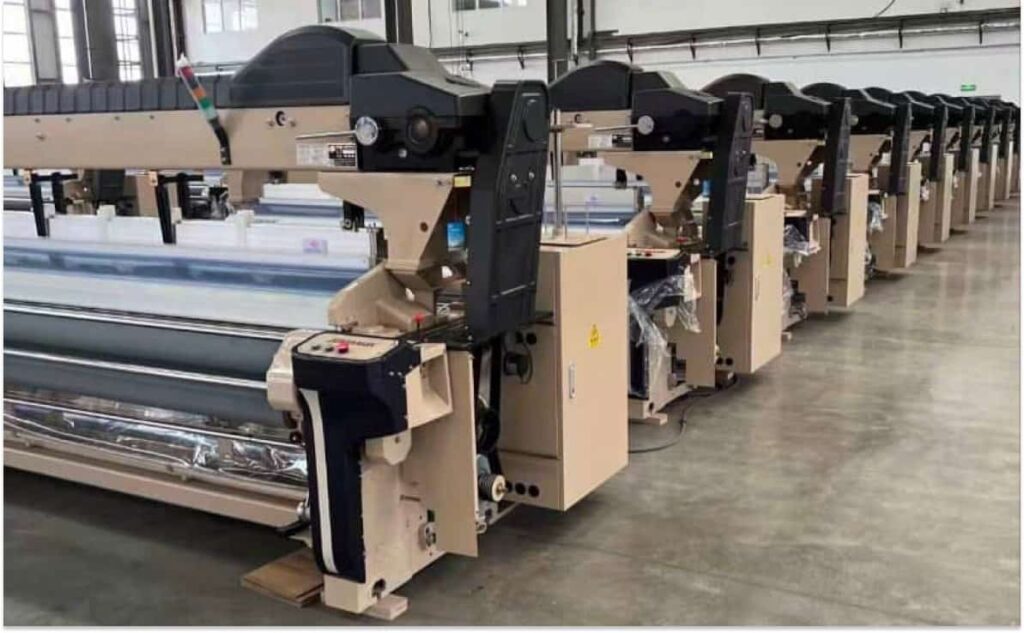
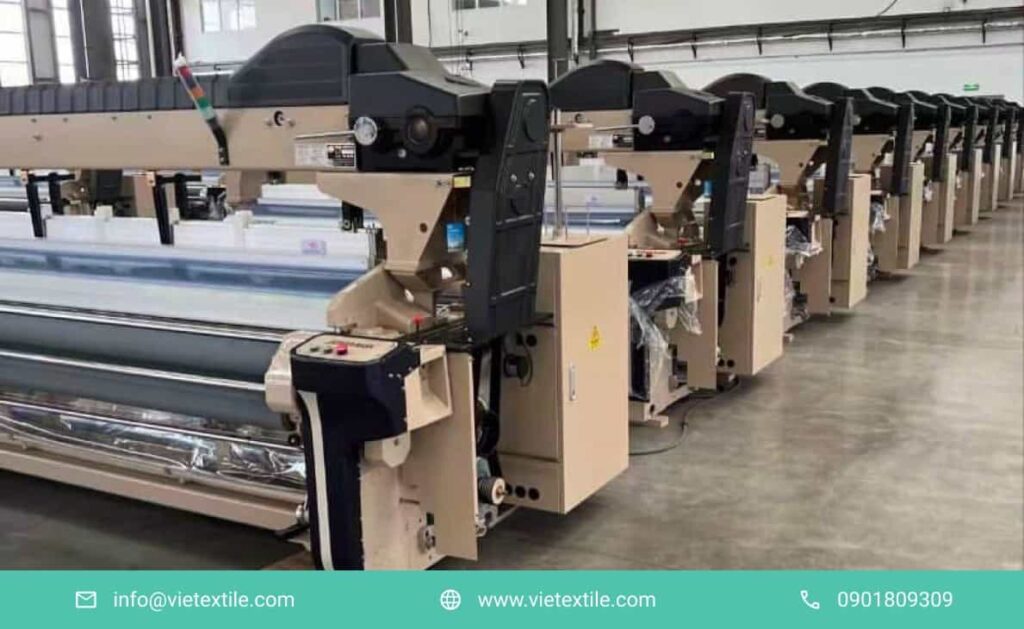
What Is Knitting Needle is a crucial question for anyone working in the textile industry, especially in the knitted fabric segment. This is the core component that determines the stitch structure and the uniformity of the finished fabric surface.
- Definition of What Is Knitting Needle In The Textile Industry
To thoroughly understand What Is Knitting Needle, we need to look at it from a precision mechanical engineering perspective. A knitting needle is a small part, usually made of high-quality steel, responsible for holding, pulling, and releasing yarn to form stitches during the knitting process.
Unlike weaving, which uses a system of warp and weft yarns interlaced at right angles, knitting relies on the interlinking of loops. Therefore, the knitting needle is the direct tool creating that connection. Without knitting needles, we could not create fabrics with good elasticity such as single jersey, rib, or interlock.
In industrial-scale production, the term What Is Knitting Needle is often associated with circular knitting machine systems or flat knitting machines. Each type of machine will use specific needle lines designed to suit the operating speed and the type of input yarn. A knitting needle is not merely a metal bar; it is the result of tempering high-carbon steel or chrome alloy steel to withstand millions of movement cycles every day.
The essence of loop formation by What Is Knitting Needle is the process of transforming a continuous yarn into a flat or tubular mesh structure. Each needle must coordinate smoothly through the control of the cam system, creating absolute uniformity. If just one needle deviates from its trajectory, the entire fabric surface will be affected, causing unnecessary losses in raw material costs.
- Detailed Structure Of Knitting Machine Needles
Understanding the structure of What Is Knitting Needle will help technicians easily identify the cause when a problem occurs on the fabric surface. A standard needle usually includes the following parts:
2.1. Hook
The hook is the most important part at the head of the needle. Its task is to catch the yarn to pull it through the previously formed old loop. The shape and size of the hook directly affect the machine’s yarn-taking ability. The hook must have extremely high surface smoothness so the yarn can slide through without scratching the outer fiber layer.
2.2. Latch
For the latch needle (the most common type), this part can open and close flexibly around a small pivot. Latch helps hold the yarn in the hook when pulled down and protects the hook when the old loop slides up the needle stem. The play of the latch pivot is a technical factor that needs regular checking as it determines the needle’s opening and closing speed.
2.3. Stem
The stem is the main load-bearing part, sliding in the needle slots of the knitting machine cylinder. The stem needs to be extremely flat and smooth to minimize friction, avoiding high temperatures while the machine runs at high speeds. The thickness of the stem must correspond to the gauge of the knitting machine.
2.4. Butt
The butt is the contact point with the cams of the knitting machine. The up-and-down movement of What Is Knitting Needle completely depends on how the cams push this butt. The butt is where the strongest mechanical pressure is applied; therefore, it is often specially heat-treated to increase hardness and wear resistance.
- Popular Types Of Knitting Needles Today
Depending on the knitting technology, What Is Knitting Needle is classified in many different ways. Here are the three main types of needles in the industry:
3.1. Latch Needle
This is the most widely used type of needle in circular knitting machines. The self-opening and closing mechanism of the latch allows the stitch formation process to take place automatically without other complex supporting devices. Modern latch needles are also designed with a low-friction stem to save energy for the knitting machine.
3.2. Bearded Needle
Often used in flat knitting machines or classic high-end machine lines. This type of needle requires a presser to close the hook each time a loop is formed, helping to create an extremely smooth fabric surface. Although productivity is not as high as the latch needle, the quality of fabric from bearded needles always leads the high-end segment.
3.3. Compound Needle
This type of needle has two separate parts: a needle stem and an independently sliding closing bar. It allows the machine to operate at extremely high speeds and minimizes yarn breakage, commonly found in modern flat knitting machines or warp knitting machines. Compound needles help reduce the needle’s travel distance, thereby significantly increasing production productivity.
- Impact Of Knitting Needles On Knitted Fabric Quality
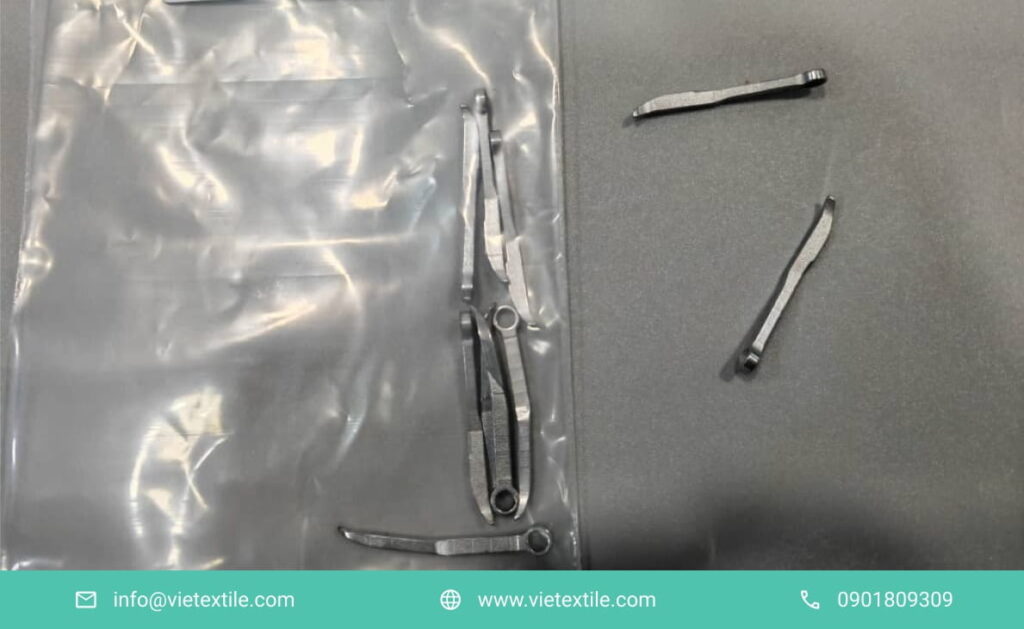
The relationship between What Is Knitting Needle and fabric quality is intimate. Any small defect on the needle will be “amplified” into a defect on the fabric surface. This impact does not stop at aesthetics but also affects physical parameters such as tensile strength, elasticity, and fabric weight.
When the knitting needle is worn at the hook, the yarn tension during loop formation is no longer uniform. This leads to the phenomenon of fabric being thick and thin in an uncontrolled manner. If the needle is bent, even at a very small angle, it will collide with adjacent components like sinkers, causing systematic damage to the knitting machine.
Additionally, the cleanliness of What Is Knitting Needle also affects the fabric color. Needles accumulated with lint and black grease will transfer these stains to the yarn during the knitting process. For light-colored fabrics like white, cream, or light pink, this is a serious defect that causes the product to be rejected at the inspection stage.
Maintaining and periodically checking What Is Knitting Needle is the most effective fabric defect prevention step. A system of needles uniform in size and quality will ensure regular stitch density, creating aesthetic beauty for textile products. Investing in automated needle inspection processes is currently a trend in large factories to replace manual observation, which is prone to errors.
- Common Fabric Defects Caused By Knitting Needles
When analyzing deeply What Is Knitting Needle, we cannot ignore the list of fabric defects directly caused by this component. This is the obsession of knitting factories because it causes great economic damage, wasting tons of yarn and production time.
5.1. Vertical Lines
This is the most common defect. The cause is usually one or several needles having a bent butt or an unevenly worn stem. When these needles operate, they create stitches of different sizes than the rest, forming stripes running along the length of the fabric roll. This error is often only clearly detected after the fabric has gone through the dyeing stage, making correction extremely costly.
5.2. Holes
If the needle hook has sharp edges or the latch is loose, it can break the yarn right at the time of loop formation. As a result, tiny holes appear on the fabric surface. Identifying which What Is Knitting Needle is causing the hole requires technicians to use lights and check each needle slot. Sometimes holes only appear when the fabric is stretched, causing difficulties for quality control at the knitting machine.
5.3. Dropped Stitches
This error occurs when the needle fails to catch the input yarn. This is usually due to a broken hook or a latch being stuck and unable to open to receive the yarn. Fabric with dropped stitches will have interrupted sequences, reducing the mechanical strength of the fabric and making the knitted structure easily unravel when external force is applied.
- Causes Of Knitting Needle Damage During Production
Understanding why knitting needles are damaged helps us manage the process better. There are many factors affecting the lifespan of What Is Knitting Needle in harsh industrial environments where machinery operates 24/7.
6.1. Due To Impact Of Raw Yarn Materials
Yarn acts as an “abrasive material” for knitting needles. Coarse yarn, yarn with too high a twist, or yarn containing many chemical impurities from the spinning process will reduce hook life very quickly.
6.1.1. Yarn Surface Roughness
Yarns like raw cotton often have many hairs. When passing through the needle hook at speeds of hundreds of meters per minute, they create continuous mechanical wear, losing the original shine of the needle steel.
6.1.2. Chemicals And Humidity On Yarn
Yarn not stored properly leads to high humidity, which when in contact with What Is Knitting Needle will cause oxidation or tiny rust. This makes the needle surface rough and prone to causing yarn breakage.
6.2. Due To Technical And Machine Operation Issues
The way the knitting machine is operated directly determines whether the needle will be damaged prematurely. Errors in setting technical parameters often lead to irreparable physical damage.
6.2.1. Overloaded Operating Speed
Every type of What Is Knitting Needle has a safe speed limit (RPM). When forcing the machine to run above this level to increase productivity, the centrifugal force and the impact force between the needle butt and the cam increase exponentially, leading to butt breakage.
6.2.2. Misalignment In Cam Settings
If the cams are not accurately aligned, the needle trajectory will be excessively forced. This creates internal stress in the needle stem, which over time leads to needle fatigue and mass breakage.
- Solutions To Fix Fabric Defects Related To Knitting Needles
To minimize the negative impact of What Is Knitting Needle on fabric quality, businesses need to apply synchronized technical measures and modernize the monitoring process.
7.1. Optimize Needle System Maintenance Process
Maintenance is not just repairing when broken but preventing defects before they appear on the fabric. Building a logbook to track the lifespan of What Is Knitting Needle for each knitting machine is extremely necessary.
7.1.1. Scheduled Re-needling
Don’t wait until the fabric has vertical stripes to replace needles. Based on output and yarn type, the factory should have a plan to replace the entire needle set after a certain number of rotations to maintain uniformity.
7.1.2. Use Digital Needle Inspection Devices
Handheld devices allow technicians to observe the hook tip at 500x magnification. This helps detect cracks or early wear of What Is Knitting Needle that the naked eye cannot see.
7.2. Control Environmental Conditions And Lubrication
Stability of temperature and quality of lubrication oil are the “armor” protecting knitting needles from premature failures.
7.2.1. Selection Of Specialized Needle Oil
Needle oil must have good emulsifying ability for easy washing when laundering fabric, and must have high adhesion so as not to be thrown out when the machine runs fast. Quality oil helps cool What Is Knitting Needle extremely effectively.
7.2.2. Lint And Cleanliness Control
Dust blowing systems (fans) and central vacuum cleaners must operate effectively. Lint combined with machine oil will form an extremely strong abrasive mixture, destroying needle slots and needle stems in a short time.
- Importance Of Choosing Quality Knitting Needles
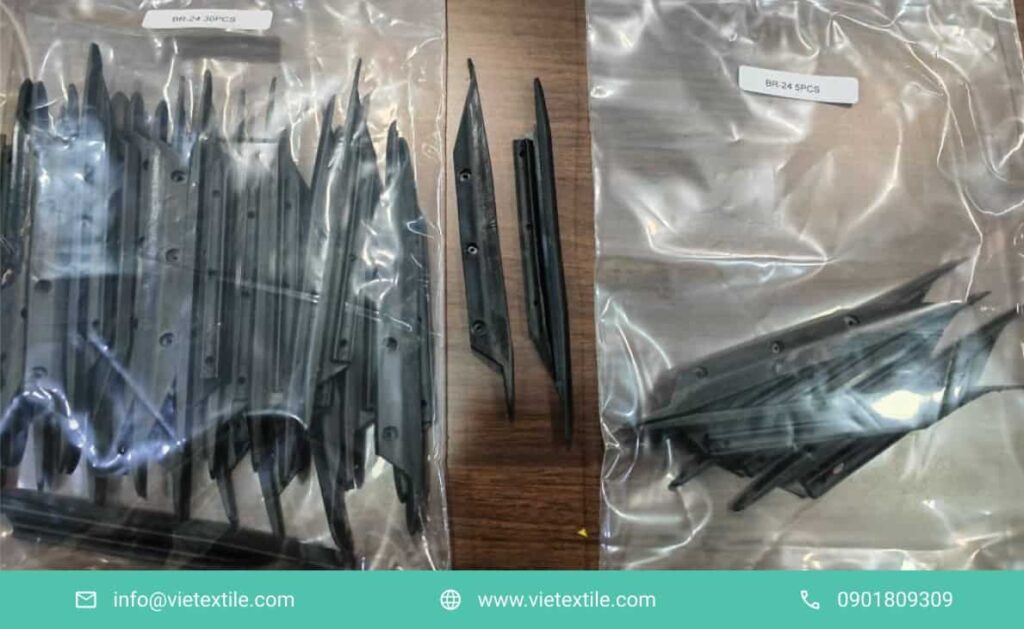
Not all types of needles on the market are the same. When looking for What Is Knitting Needle to invest in, businesses need to pay attention to the origin and reputation of the manufacturer. High-quality needles are usually made from alloy steel with stable hardness and surface-treated with nano-technology to reduce friction.
Investing in good knitting needles may seem expensive initially but will save costs in the long run by reducing the rate of defective goods, reducing machine downtime, and extending the life of other parts in the knitting machine such as cams and cylinders. Premium needles also have the ability to self-clean needle slots through special stem designs, significantly reducing machine maintenance time.
Furthermore, high-quality needles help save electricity. With thousands of needles moving continuously, reducing friction by just 1-2% per needle also brings a significant change in the entire factory’s electricity bill. This directly contributes to the green and sustainable production goals that many businesses are aiming for.
- Current Trends In Knitting Needle Technology Development
In the Industry 4.0 era, the concept of What Is Knitting Needle is also gradually changing with the support of digital technology. Leading needle manufacturers in the world are researching needles with integrated sensors to alarm as soon as a needle is broken or worn excessively. This technology allows the system to automatically stop the machine before hundreds of meters of defective fabric are created.
Furthermore, new materials such as technical ceramics or synthetic diamond coatings are being tested to create “never-wear” needles. This promises to create a revolution in the knitting industry, where fabric defects caused by needles will be a thing of the past. The use of metal 3D printing technology to create complex, ultra-light needle structures is also being piloted at major textile research centers.
Additionally, the trend of designing energy-saving needles with thinner stems but better load-bearing capacity is dominating the market. These improvements not only help machines run faster but also smoother, reducing vibration and noise in the knitting workshop, improving the working environment for workers.
- Role Of VieTextile In Optimizing Knitting Needles
At VieTextile, we deeply understand the link between What Is Knitting Needle and the perfection of every yard of fabric. We not only provide yarn and fabric solutions but also support customers in technical consultation for operating knitting machines. We believe that to have a quality knitted fabric product, understanding every smallest detail like the knitting needle is a prerequisite.
VieTextile is always committed to accompanying partners to control every variable in the production process. With a team of experienced experts, we help businesses accurately identify where the problem lies in What Is Knitting Needle to provide the most timely handling plan. We provide in-depth fabric quality inspection services, helping partners early detect potential defects caused by the needle system.
Our technical team regularly performs field surveys, checks machine status, and gives recommendations on the appropriate type of needle for each specific fabric item. We believe that a good needle is the beginning of a high-class garment product. VieTextile constantly updates the latest knitting needle technologies from Germany and Japan to advise our customers.
Every process at VieTextile is aimed at minimizing errors, ensuring that each product when reaching consumers meets international standards. Understanding What Is Knitting Needle helps us maintain a leading position in the textile industry in Vietnam. When partnering with VieTextile, customers receive not only products but also an optimized and sustainable production solution.
- Frequently Asked Questions (FAQ)
11.1. What Is Knitting Needle and how often should needles be replaced?
What Is Knitting Needle? It is the stitch-forming component in a knitting machine. Replacement time depends on machine speed and yarn type. Typically, large industrial knitting factories will perform a full re-needling (re-needling) after about 6 months to 1 year of continuous operation to ensure uniform fabric quality. With synthetic yarn lines with high abrasion, this time can be shortened to 4 months.
11.2. How to identify fabric defects caused by What Is Knitting Needle?
Needle-related defects often repeat at fixed positions across the width of the fabric. If you see a vertical stripe appearing continuously throughout the roll, the cause definitely lies in a What Is Knitting Needle at that specific needle slot position having a problem. Marking the defective needle slot with colored chalk as soon as detected will help the replacement process happen faster.
11.3. How does What Is Knitting Needle affect fabric elasticity?
Although elasticity depends heavily on the knit pattern and yarn type, What Is Knitting Needle plays a decisive role in stitch size. Needles with large hooks will create looser stitches, helping the fabric have better elasticity but the surface may be sparser. The uniformity of the entire needle set ensures that the fabric elasticity is equivalent at every point on the surface.
11.4. Can What Is Knitting Needle be repaired when bent?
Absolutely do not attempt to repair What Is Knitting Needle once it is bent or the hook is broken. Manually straightening a needle never achieves absolute geometric precision, which will make fabric defects more severe or damage the needle slots and the machine’s cam system. Needles are consumable components; it is best to replace them completely to ensure machine safety.
11.5. Why does What Is Knitting Needle often get hot while the machine is running?
Needles getting hot is usually due to excessive friction between the needle stem and the needle slot, or due to friction between the yarn and the needle hook. To fix this, check the lubrication system and ensure that the What Is Knitting Needle you are using has a standard surface smoothness. Excessive temperature can change the steel properties of the needle, making it more brittle and prone to breaking than usual.
To learn more about What Is Knitting Needle and professional knitting solutions, contact VieTextile today!
Contact information:
Hotline: 0901 809 309
Email: info@vietextile.com
Website: https://vietextile.com