

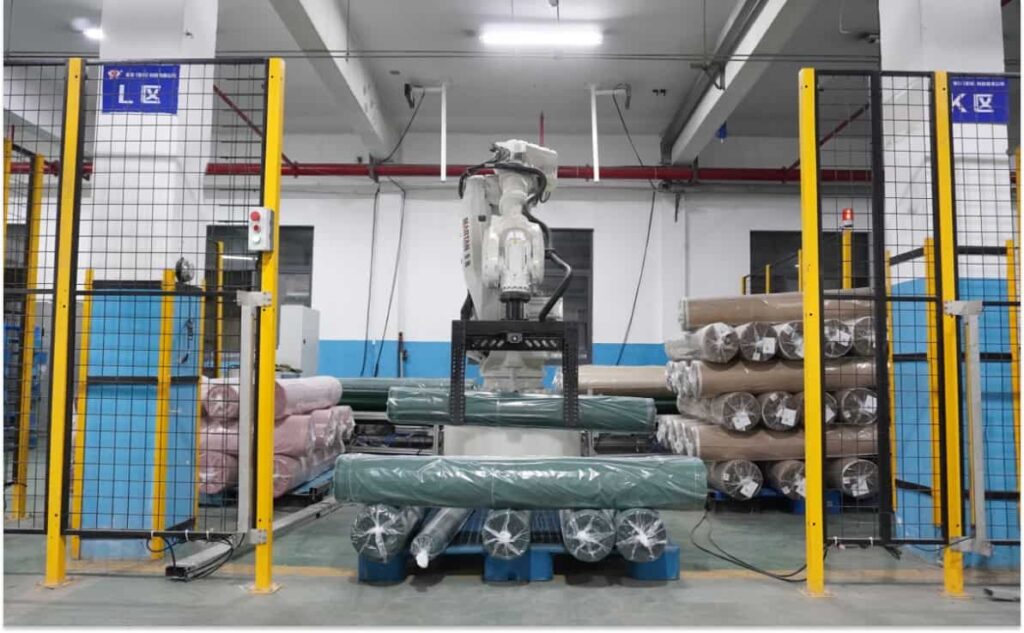
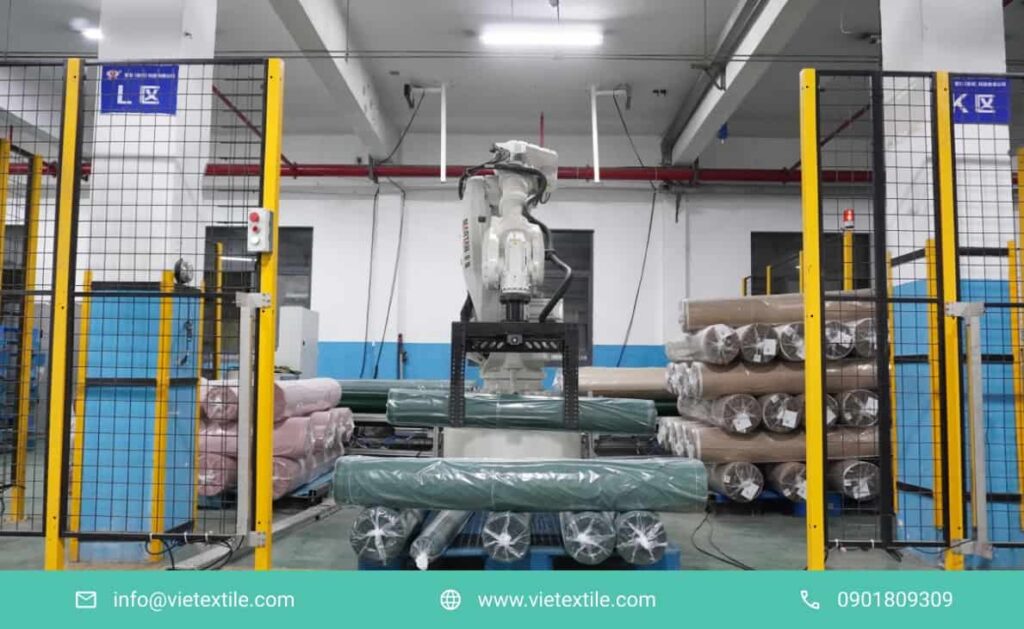
Automatic equipment monitoring is becoming a life-critical factor that enables textile factories to maintain continuous production without interruption risks. This technology allows businesses to control all operational variables in real time. This article explores the role of the system, core technologies from Martan, and how VieTextile implements practical solutions for enterprises.
1. The Importance Of Automatic Equipment Monitoring
Automatic equipment monitoring is not only a tracking tool but also a foundation that helps factories maintain long-term operational stability. In a continuous production environment, even a minor fault can disrupt the entire production line, making real-time monitoring a critical requirement.
In addition to ensuring stable operations, automatic equipment monitoring enables businesses to shift from a “reactive” to a “preventive” approach. This reduces risks, optimizes performance, and increases proactive control across the production system.
1.1. Definition Of Automatic Equipment Monitoring
Automatic equipment monitoring is the process of using sensors, software, and connected systems to track machine conditions in real time. The system continuously records parameters such as temperature, vibration, speed, and energy consumption without manual intervention.
Beyond data collection, the system analyzes operational trends to detect early abnormal signals. This allows businesses to implement predictive maintenance instead of waiting for failures to occur.
1.2. Reducing Pressure On Technical Teams
Continuous operations place significant pressure on technical teams, making it difficult to monitor the entire system through manual checks. Automatic equipment monitoring automates this process, significantly reducing repetitive workloads.
Real-time alerts enable technicians to respond faster and more accurately to issues. This not only reduces downtime but also improves overall operational efficiency and optimizes human resources.
2. Automatic Equipment Monitoring Solutions From Martan
Martan solutions are designed to operate reliably in harsh textile factory environments, where temperature, dust, and humidity constantly fluctuate. The system not only focuses on data collection but also optimizes real-time analysis and response capabilities, helping minimize operational risks.
A key differentiator is Martan’s synchronized monitoring ecosystem, where each device is interconnected rather than operating independently. This provides businesses with a comprehensive view of the entire factory, from production to warehouse operations.
2.1. Equipment Monitoring In Fire Control Systems
The system integrates PT temperature sensors and specialized XF02 sensors to monitor high-risk areas such as drying, dyeing, and material storage zones. When abnormal signals are detected, the system automatically activates response mechanisms such as solenoid valves, steam spray nozzles, or ventilation systems to control the situation immediately.
In addition to rapid response, automatic equipment monitoring in fire control helps establish preventive scenarios for each area. This is especially important in the textile industry, where fire risks are high and damage can spread quickly.
2.2. Smart Sensor And IoT Systems
IoT modules enable remote equipment monitoring via cloud platforms, allowing managers to track machine status anytime and anywhere. The interface provides full visibility into performance, fault alerts, and operational history for each device.
Continuous connectivity ensures that data is updated in real time and synchronized with other management systems. This enables faster decision-making, reduces delays, and optimizes the entire production line.
3. Applications In Ventilation And Energy Saving
Automatic equipment monitoring plays an important role in controlling factory environments, especially in textile production where humidity, temperature, and fine dust directly affect fabric quality. Continuous measurement allows systems to adjust based on actual demand rather than fixed thresholds.
Beyond optimizing production conditions, automatic equipment monitoring reduces energy consumption through intelligent control mechanisms. With real-time data, ventilation and air treatment systems operate at the right time and capacity.
3.1. Humidity And Temperature Sensors
Sensors monitor environmental conditions in the factory, including humidity, temperature, and fluctuations across different areas. This enables the system to adjust fans, dryers, and air conditioning systems to maintain optimal operating conditions in each zone.
Maintaining a stable environment helps ensure fabric quality, reduces shrinkage and deformation, and minimizes production defects, especially in critical processes such as dyeing and finishing.
3.1.1. Sensor Accuracy And Response Speed
Modern sensors operate with very low latency, allowing the system to respond almost immediately to environmental changes. This helps prevent prolonged overheating or humidity exceeding acceptable thresholds.
High accuracy also reduces data deviation, thereby improving the effectiveness and reliability of automatic control algorithms within the monitoring system.
3.1.2. Application Across Production Areas
Different areas such as weaving, dyeing, drying, and storage require different environmental thresholds. The system is configured to adjust accordingly for each area instead of applying a single uniform standard.
This ensures consistent product quality across the entire production line while avoiding unnecessary increases in operational costs.
3.2. Exhaust Optimization
The monitoring system adjusts exhaust airflow based on actual demand instead of operating continuously at maximum capacity. This approach reduces energy waste and lowers the load on exhaust and treatment systems.
By tracking dust and gas concentrations within ducts and pipelines, the system can automatically increase or decrease fan speed and filter performance to maintain a safe working environment while optimizing operating costs.
3.2.1. Data-Driven Airflow Control
Sensor data is used to dynamically adjust fan speed and airflow in real time. When demand decreases, system power consumption is automatically reduced accordingly.
This approach significantly lowers electricity and fuel consumption, while also extending equipment lifespan by avoiding continuous overload operation.
3.2.2. Emission Reduction And Compliance
Precise control of exhaust emissions helps businesses meet increasingly strict environmental standards, which is a critical requirement for participating in global supply chains.
Additionally, automatic equipment monitoring systems store operational data, supporting transparent reporting and faster, more efficient environmental compliance verification.
4. Integration With Smart Warehouse Management
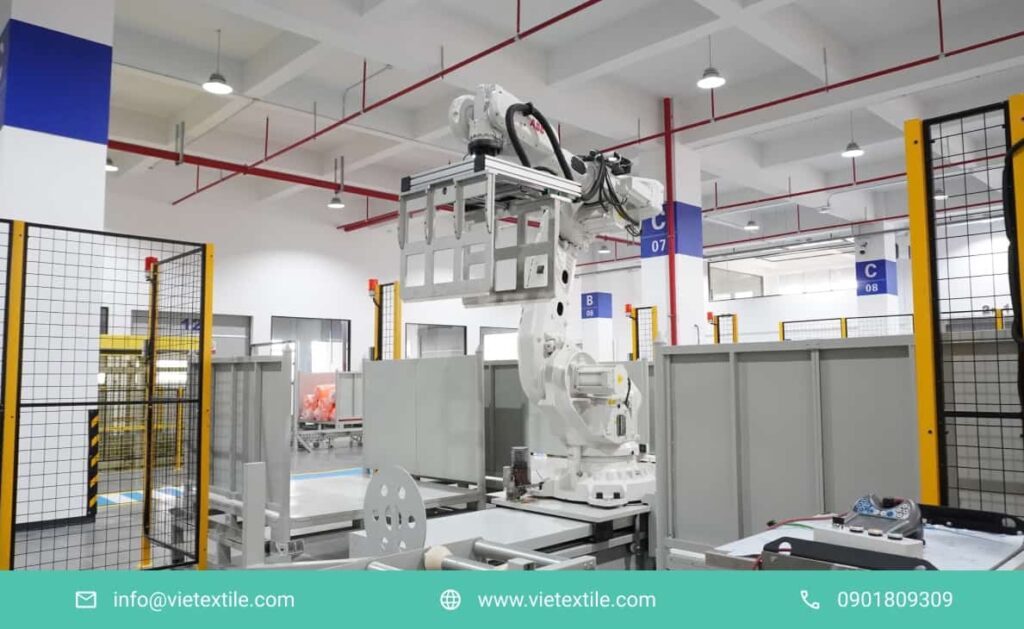
Automatic equipment monitoring helps coordinate warehouse operations accurately, from inbound and outbound processes to storage allocation. When all devices are monitored in real time, material flow becomes seamless and bottlenecks are minimized.
Integration with smart warehouse systems also synchronizes data between production and logistics. This improves inventory accuracy and responsiveness to demand changes.
4.1. Full-System Data Connectivity
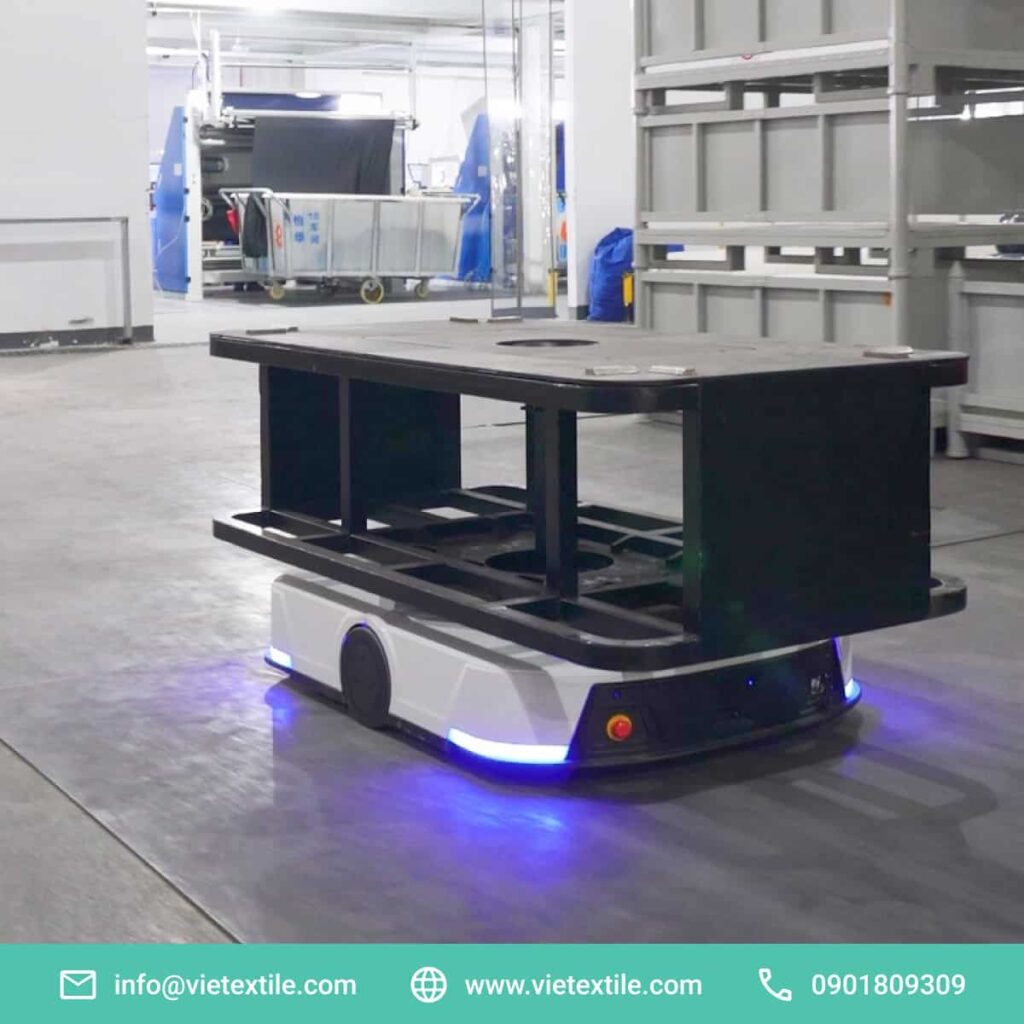
The system tracks the position and status of goods in real time by integrating data from robots, sensors, and management software. All warehouse activities are recorded and updated continuously.
With unified data, businesses can precisely control each pallet, fabric roll, or batch, reducing transportation errors, minimizing losses, and improving overall inventory management efficiency.
4.1.1. Synchronization Between Warehouse And Production
Automatic equipment monitoring connects production data with warehouse storage systems, ensuring consistency across operations. When a production order is created, the system can automatically check inventory and allocate materials accordingly.
This synchronization reduces waiting time, avoids material shortages or surpluses, and optimizes the entire operational chain within textile factories.
4.1.2. Real-Time Tracking And Control
All data related to location, status, and movement history of goods is stored within the system, allowing fast retrieval for inspection or reconciliation when needed.
Real-time control enables businesses to detect discrepancies immediately and respond promptly, instead of waiting for end-of-shift checks or periodic inventory audits.
4.2. ROI Improvement
Reducing errors and optimizing operations helps businesses achieve stronger financial performance. The system not only increases storage capacity but also reduces labor costs and order processing time.
When the entire workflow is automated and closely monitored, factories can operate more stably with lower costs. This creates the foundation for shortening ROI time while improving overall profitability.
4.2.1. Long-Term Cost Reduction
Automatic equipment monitoring reduces reliance on manual labor and minimizes operational errors, lowering staffing costs and error-handling expenses.
Predictive maintenance also helps reduce major repair costs and extend equipment lifespan, bringing long-term financial benefits.
4.2.2. System Scalability
The system is designed with flexibility, allowing expansion as storage demand increases without requiring major structural changes.
This scalability enables businesses to grow operations without disruption while optimizing initial investment costs.
5. VieTextile – Implementation Partner
VieTextile delivers automatic equipment monitoring solutions tailored to each textile factory, based on specific production lines, operating environments, and business objectives. Rather than applying a one-size-fits-all model, solutions are deployed in phases to ensure practical effectiveness while optimizing investment costs.
Beyond supplying technology, VieTextile focuses on enabling businesses to understand, operate, and fully master the system. This ensures that automatic equipment monitoring not only performs well at the initial stage but also maintains long-term efficiency and reliability in real operations.
5.1. Consultation And System Design
VieTextile’s engineering team conducts detailed on-site assessments, covering machinery conditions, environmental factors, and operational workflows. Based on this data, automatic equipment monitoring solutions are designed for each zone and each equipment type within the factory.
A well-structured design from the beginning helps avoid unnecessary investment waste and ensures that the system can scale in the future. At the same time, solutions optimized for real operating conditions allow businesses to achieve measurable results from the early stages of implementation.
5.2. Implementation, Integration And System Operation
VieTextile supports the full deployment process, including sensor installation, system configuration, and integration with existing platforms such as ERP, MES, or smart warehouse systems. All equipment is tested, calibrated, and validated before being put into official operation.
During operation, the automatic equipment monitoring system is continuously tracked and optimized using collected data. This enables ongoing adjustments to system configuration, improves accuracy, and minimizes operational risks in real-world conditions.
6. Frequently Asked Questions
Automatic equipment monitoring often raises many questions during the implementation process. Below are the most common concerns, along with detailed explanations based on real operational practices in textile factories.
6.1. Can It Operate In Harsh Environments?
Yes. Automatic equipment monitoring systems are designed to operate reliably in high temperature, high humidity, and dusty environments typical of textile factories. Sensors and hardware modules are built to industrial standards, ensuring wide temperature tolerance and strong resistance to interference.
In practice, the system is also calibrated for different areas such as drying, dyeing, or storage zones to maintain data accuracy. As a result, automatic equipment monitoring continues to deliver stable and reliable performance even when environmental conditions fluctuate continuously.
6.2. How Much Energy Can Be Saved?
The system can typically help save between 8% and 18% of energy consumption through intelligent control of ventilation, exhaust, and air treatment systems. Instead of operating at a fixed level, system capacity is adjusted dynamically based on real-time sensor data.
The actual level of energy savings depends on factory scale, operating intensity, and the level of optimization before implementation. For factories without prior monitoring systems, the improvement is often more significant due to reduced waste and more efficient system control.
6.3. How Are Alerts Delivered?
Automatic equipment monitoring systems send real-time alerts through multiple channels such as SMS, mobile applications, and web-based management platforms. Notifications include equipment faults, abnormal temperature levels, vibration thresholds, and other irregular signals.
In addition to instant alerts, the system also stores historical data and analyzes operational trends. This helps technicians identify root causes, improve response accuracy, and reduce the likelihood of recurring issues in the future.
6.4. Does Installation Affect Production?
Installation typically does not significantly impact production because the system uses external sensors and, in many cases, wireless connectivity. Deployment can be carried out in phases across different areas to avoid interrupting the entire production line.
In real projects, integration is planned step by step, combined with testing and calibration before full operation. This ensures that businesses can implement automatic equipment monitoring safely and continuously without disrupting production activities.
To implement an effective automatic equipment monitoring system, contact VieTextile today!
Contact Information:
Hotline: 0901 809 309
Email: info@vietextile.com
Website:https://vietextile.com