


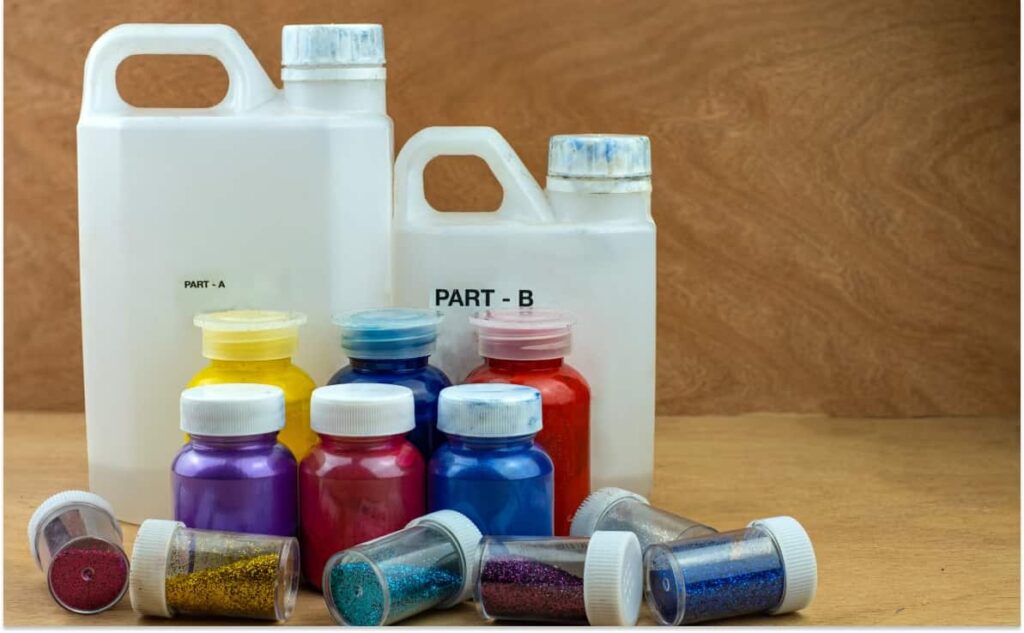
The difference in softening mechanism between silicone and cationic plays a decisive role in the surface feel of the fabric, especially when businesses need to comparing softener cationic and silicone to optimize product quality. This article will provide deep insights into the difference in softening mechanism between silicone and cationic, from molecular structure to the ability to interact with textile fiber surfaces.
1. Overview of Cationic Softeners in Textile Dyeing
Cationic softeners are a traditional line of chemicals widely used thanks to their excellent adhesion to most natural and synthetic fibers. When comparing softener cationic and silicone, people often refer to cationic as an economical and stable solution. The difference in softening mechanism between silicone and cationic starts from the nature of the electrical charge. Cationic carries a positive charge, while the surface of most textile fibers in the dyeing solution carries a negative charge, creating a strong electrostatic attraction.
1.1. Chemical Nature of Cationic Softeners
In terms of structure, cationic softeners are usually quaternary ammonium salts or fatty acid derivatives. This is the core component that helps create a lubricating film when we perform a comparing softener cationic and silicone on the fabric surface. These molecules have a hydrophilic head carrying a positive charge and a long hydrophobic tail. The difference in softening mechanism between silicone and cationic lies in how these hydrophobic tails point outward, creating smoothness for the fabric fibers.
1.2. Compatibility with Fiber Types
Cationic is particularly effective on cotton, wool, and nylon fibers due to natural electrostatic attraction. When comparing softener cationic and silicone, the versatility of cationic helps it be present in most common softening formulas. However, the difference in softening mechanism between silicone and cationic also points out that cationic can cause yellowing of the fabric if treated at too high a temperature. This requires careful consideration when choosing chemicals for white fabrics.
2. Technical Characteristics of Silicone Softeners
Silicone is a technological step forward in the fabric finishing industry, bringing a silky hand-feel that cationic lines can hardly achieve. Comparing softener cationic and silicone often highlights the “deep softening” feature of the silicone line. The difference in softening mechanism between silicone and cationic here is the coverage ability. Silicone creates a thin polymer film surrounding the fabric fibers, helping to minimize internal friction.
2.1. Complex Silicone Polymer Structure
Silicone uses long polysiloxane chains with extremely high mobility. When comparing softener cationic and silicone, this structure helps silicone have better elasticity, creating the characteristic “slickness” for the fabric. The difference in softening mechanism between silicone and cationic is also shown in the fact that silicone can be modified to enhance water permeability or heat resistance, suitable for more stringent technical requirements.
2.2. Surface Effects and Durability After Washing
Silicone provides significantly higher durability after many washes. When conducting a comparing softener cationic and silicone, it is observed that the silicone film adheres more tenaciously to the fiber surface thanks to stable chemical bonds. The difference in softening mechanism between silicone and cationic also helps silicone improve the tear strength and elasticity of the fabric, making the product not only soft but also more durable during use.
3. The Difference in Softening Mechanism Between Silicone and Cationic
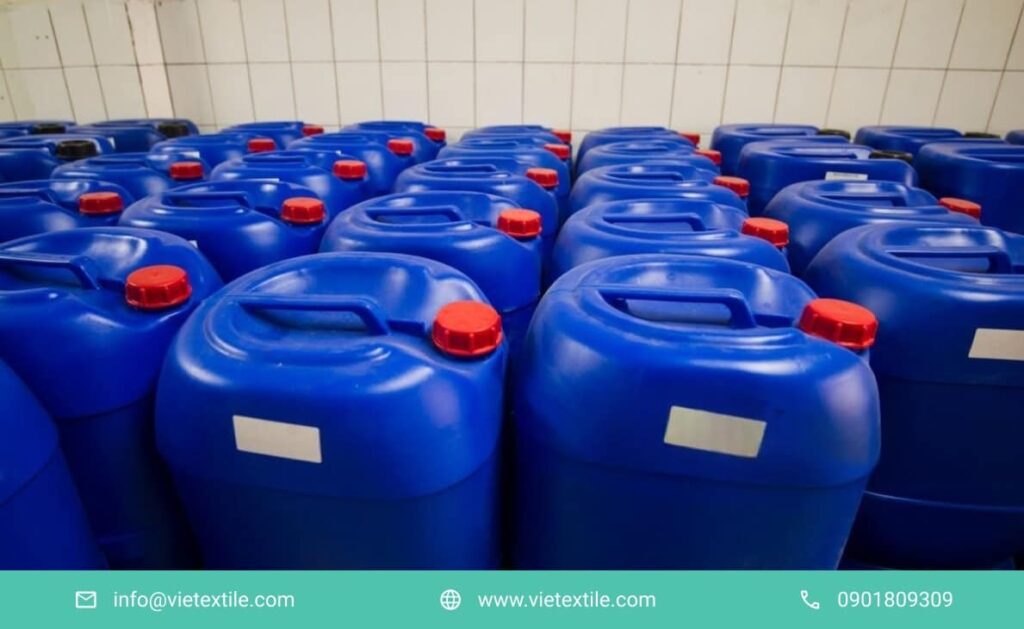
Physical and chemical action mechanisms are the key points to classify these two product lines. When comparing softener cationic and silicone, we see a shift from electrostatic attraction to polymer surface coating. The difference in softening mechanism between silicone and cationic determines whether the fabric will feel “dry-soft” or “slick-soft.” Understanding this helps technicians adjust the finishing formula optimally.
3.1. Electrostatic Attraction Mechanism of Cationic
Cationic molecules carrying a positive charge will automatically seek out negatively charged positions on the fabric fibers to adhere. This is a self-arranging mechanism that saves chemicals when comparing softener cationic and silicone in the exhaust dyeing process. The difference in softening mechanism between silicone and cationic here is the orientation of the fatty tails. These tails point outward to form a lubricating layer that prevents direct friction between fibers.
3.1.1. Formation of a Monomolecular Layer
Cationic tends to form a monomolecular layer covering the fiber surface. When comparing softener cationic and silicone, this coating layer is thinner, so the fabric feel will be more natural, maintaining the necessary crispness for some product lines. The difference in softening mechanism between silicone and cationic in this stage is the stability of the electrostatic bond. Although this bond is strong, it can be broken by strong detergents or anions present in the wash water.
3.1.2. Impact on Fabric Absorbency
Because the hydrophobic tails point outward, cationic often reduces the water absorbency of cotton fabrics. When comparing softener cationic and silicone, this is a factor to note for towel or sportswear lines. The difference in softening mechanism between silicone and cationic in this aspect can be overcome by blending in hydrophilic agents, but inherently, traditional cationic still leans toward hydrophobicity.
3.2. Polymer Coating Mechanism of Silicone
Unlike cationic, silicone works based on creating a continuous film surrounding the textile fibers. When comparing softener cationic and silicone, this film helps the fabric surface become extremely smooth and have a good drape. The difference in softening mechanism between silicone and cationic is shown in the mobility of the Si-O chains. These chains have large rotation angles, helping the fabric fibers slide over each other easily, creating a characteristic silky feel.
3.2.1. Penetration into the Fiber Core
Micro-emulsion silicones have extremely small particle sizes, easily penetrating into the fiber structure. When comparing softener cationic and silicone, this ability to soften from the inside helps the fabric have very good bulkiness. The difference in softening mechanism between silicone and cationic here is that silicone not only adheres to the surface but also affects the entire fabric structure. This helps the fabric batch after treatment feel fuller and more luxurious.
3.2.2. Wrinkle Recovery Effect
Thanks to the high elasticity of the silicone polymer, fabric after treatment is usually less prone to wrinkling. When conducting a comparing softener cationic and silicone, silicone shows a superior advantage in maintaining the shape of garments after washing. The difference in softening mechanism between silicone and cationic in wrinkle recovery helps save ironing time for consumers. This is a major plus point that makes silicone increasingly popular in high-end fashion.
4. Analyzing Pros and Cons When Comparing Softener Cationic and Silicone
Each type of softener has its own advantages depending on the purpose of use. Comparing softener cationic and silicone fairly will help businesses optimize the production process. The difference in softening mechanism between silicone and cationic leads to different results in whiteness, color fastness, and later printing capabilities.
4.1. Cost and Economic Efficiency
Typically, cationic softeners have a significantly lower price than silicone. When comparing softener cationic and silicone for large volume orders, cationic helps reduce product costs effectively. The difference in softening mechanism between silicone and cationic makes cationic still hold a firm position in the mass market segment, where price is the top priority.
4.1.1. Usage Dosage in Production
Cationic usually requires a slightly higher usage concentration to achieve equivalent softness. However, when comparing softener cationic and silicone in terms of total chemical investment, cationic still holds the advantage in terms of savings. The difference in softening mechanism between silicone and cationic in usage dosage also depends on the treatment method (exhaust or padding). Cationic is easier to use in traditional dyeing machines without worrying about emulsion breakage.
4.1.2. Stability of the Treatment Solution
Cationic rarely fails due to mechanical impact or slight pH changes. When comparing softener cationic and silicone, this stability helps minimize color streaks or oil spots on the finished fabric. The difference in softening mechanism between silicone and cationic here is that silicone is prone to “emulsion breakage” if the machinery is not guaranteed or the water source is too hard. Therefore, using silicone requires a stricter technical control process.
4.2. Surface Quality and Perception
In terms of aesthetics, silicone completely dominates by creating a glossy surface and a cool feeling. When comparing softener cationic and silicone for silk or viscose fabrics, silicone is the irreplaceable choice. The difference in softening mechanism between silicone and cationic creates two different fashion styles: one is rustic and natural (cationic) and the other is high-end and sophisticated (silicone).
4.2.1. Influence on Yellowing
Traditional flake cationic is very prone to causing fabric yellowing when dried at temperatures above 150 degrees Celsius. When comparing softener cationic and silicone for white fabric goods, silicone is a much safer option. The difference in softening mechanism between silicone and cationic in heat resistance helps silicone maintain the purity of optic white fabrics. Low-concentration amino-modified silicone is the optimal solution to avoid yellowing after storage.
4.2.2. Re-dyeing and Error Correction Capabilities
Fabric treated with silicone is very difficult to re-dye if a color error occurs because the silicone film prevents the dye from penetrating. When comparing softener cationic and silicone, cationic fabric can easily have the softening layer stripped for re-processing. The difference in softening mechanism between silicone and cationic in error correction capability makes dye houses often prioritize cationic for high-risk batches. Stripping silicone requires specialized and more expensive cleaning chemicals.
5. Practical Applications in Modern Textile Industry
Blending or using these two types separately depends on customer requirements. Comparing softener cationic and silicone helps determine the correct finishing route for each specific order. The difference in softening mechanism between silicone and cationic opens up unlimited creative possibilities by combining the advantages of both to create unique surface effects.
5.1. Selection for Each Fabric Material
Denim fabrics often prioritize cationic to maintain crispness but still be comfortable to touch. Meanwhile, Interlock knit fabrics need silicone to increase drape and slickness. When comparing softener cationic and silicone, each material has its own “soulmate.” The difference in softening mechanism between silicone and cationic requires the dyer to have deep knowledge of fiber structure to make reasonable chemical blending decisions.
5.1.1. Treating Cotton and Natural Fibers
On cotton fabric bases, cationic brings a full feeling (body), while silicone brings smoothness. The comparing softener cationic and silicone on cotton shows that the best results are often achieved when combining both in a 7:3 ratio. The difference in softening mechanism between silicone and cationic when blended helps the fabric have both thickness and a smooth surface. This is the secret of high-end export knit fabrics today.
5.1.2. Finishing Synthetic and Blended Fabrics
With 100% polyester fabric, silicone is the top choice to overcome the coarse disadvantage of plastic fibers. When comparing softener cationic and silicone for blended fabrics (T/C, CVC), silicone helps significantly improve the drape of the fabric. The difference in softening mechanism between silicone and cationic on blended fabrics helps neutralize the characteristics of the two fiber types. Silicone adheres well to poly, while cationic takes care of the cotton part, creating a uniform and high-class surface.
6. Important Notes When Using Softeners
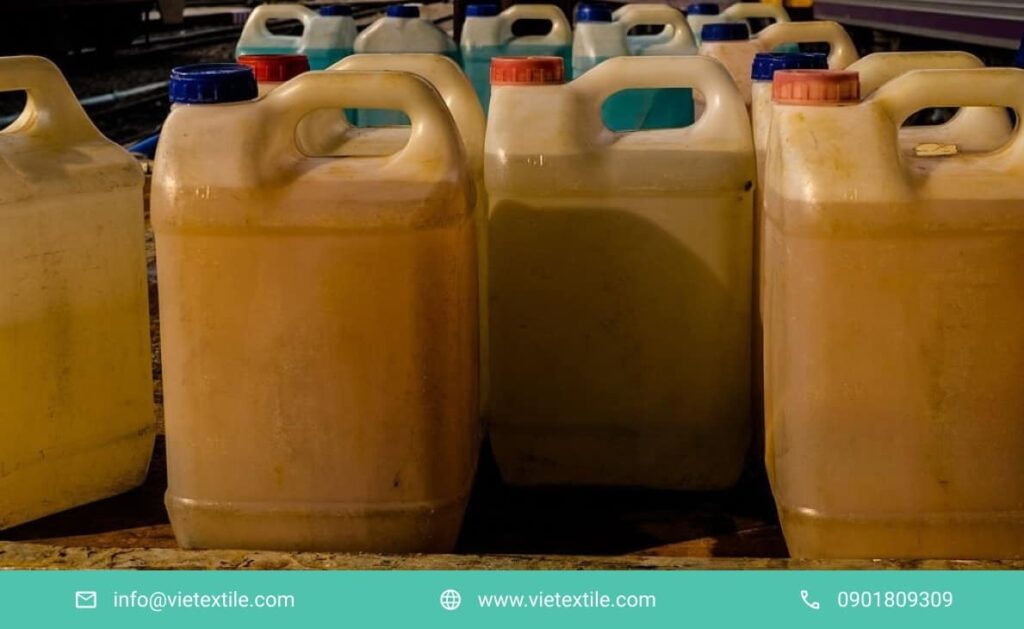
To maximize efficiency when comparing softener cationic and silicone, the operating process plays an extremely important role. A small mistake in the order of adding chemicals can ruin the entire dyeing batch. The difference in softening mechanism between silicone and cationic requires different environmental conditions to achieve the highest performance.
6.1. Controlling pH and Temperature
Cationic works best in a slightly acidic environment (pH 5.5 – 6.5). Meanwhile, silicone is more sensitive to sudden pH changes. When comparing softener cationic and silicone, pH control is mandatory to avoid chemical damage. The difference in softening mechanism between silicone and cationic also dictates the treatment temperature. Typically, a temperature of 40-50 degrees Celsius is ideal for softeners to penetrate evenly into the fabric fibers.
6.1.1. Effect of Water Hardness
Hard water containing many Ca2+ and Mg2+ ions can combine with cationic to form residue. When comparing softener cationic and silicone, silicone is more prone to clumping in hard water, causing hard-to-remove oil spots. The difference in softening mechanism between silicone and cationic requires the treatment water source to be softened through an ion-exchange system. Using standard water helps the fabric batch after treatment achieve maximum and uniform smoothness.
6.1.2. Sequence of Chemicals in the Process
Never mix cationic softeners directly with anionic agents (such as unrinsed laundry soap). The difference in softening mechanism between silicone and cationic forces us to rinse the fabric very clean before adding the softener. When comparing softener cationic and silicone regarding the process, silicone is usually added last after the fabric has reached a stable pH. Following the sequence helps prevent chemical precipitation that ruins the fabric surface.
7. VieTextile – Professional Softener Supply Partner
VieTextile is proud to be a leading unit in providing fabric finishing solutions, helping customers comparing softener cationic and silicone to find the most suitable product. We understand that the difference in softening mechanism between silicone and cationic is the key to creating a difference for your fashion products.
At VieTextile, each cationic or silicone product is carefully selected from reputable global chemical manufacturers. We don’t just sell chemicals; we provide technical solutions to optimize the difference in softening mechanism between silicone and cationic on each of our customers’ equipment. With an experienced technical team, VieTextile is confident in helping you handle any problems arising during the use of softeners.
VieTextile’s commitment is to bring high-quality, environmentally friendly chemical lines that help optimize costs. Comparing softener cationic and silicone at our lab will help you have actual data before implementing mass production. Let VieTextile accompany you in raising the value of Vietnamese fabrics through the international standard difference in softening mechanism between silicone and cationic.
8. Frequently Asked Questions About Fabric Softeners (FAQ)
8.1. Should Cationic and Silicone Be Mixed Together?
Mixing is entirely possible and even very common to take advantage of the strengths of both. However, when comparing softener cationic and silicone for mixing, you need to check the compatibility of the emulsion system. The difference in softening mechanism between silicone and cationic when combined correctly will create a hand-feel that is both full-bodied (cationic) and smooth (silicone).
8.2. Why Do White Fabrics Often Turn Yellow After Using Cationic?
This is due to the oxidation of amine groups in the cationic structure at high temperatures. When comparing softener cationic and silicone in terms of heat stability, silicone has an absolute advantage. To overcome the difference in softening mechanism between silicone and cationic causing yellowing, you should choose a low-yellowing cationic line or switch completely to using silicone for white goods.
8.3. How to Clean Silicone When Wanting to Re-dye?
Stripping silicone is much harder than cationic because the silicone polymer film adheres very firmly. You need to use specialized silicone strippers combined with high temperature and strong emulsifiers. The difference in softening mechanism between silicone and cationic makes correcting errors on silicone fabric more expensive and time-consuming, so it is necessary to check the color carefully before softening.
8.4. Which Softener Is Good for Sensitive Skin?
Typically, plant-based cationic lines are highly rated for their gentleness. However, micro-emulsion silicones are also very safe because they do not contain harmful chemical impurities. When comparing softener cationic and silicone for baby clothes, always request safety certificates (such as MSDS, TDS) to ensure the difference in softening mechanism between silicone and cationic does not cause skin irritation.
8.5. Does Silicone Reduce Rubbing Color Fastness?
On the contrary, the smooth silicone film helps reduce friction between the fabric surface and contacting objects, thereby significantly improving rubbing fastness. When comparing softener cationic and silicone, silicone shows better color protection efficiency under physical impacts. This difference in softening mechanism between silicone and cationic helps the product stay fresh longer.
For professional comparing softener cationic and silicone, contact VieTextile today!
Contact Information:
Hotline: 0901 809 309
Email: info@vietextile.com
Website: https://vietextile.com