

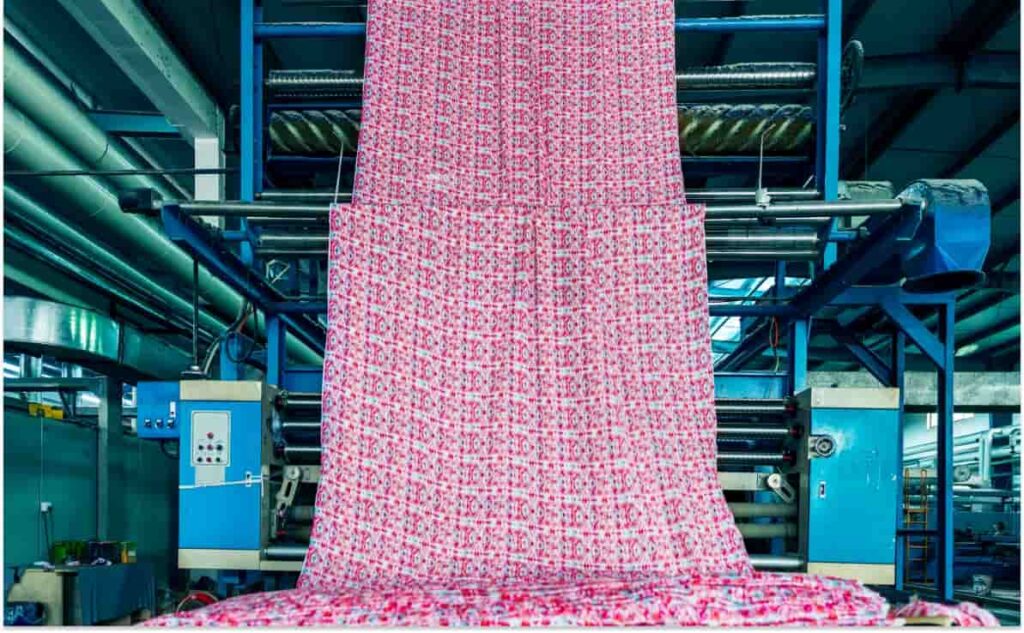
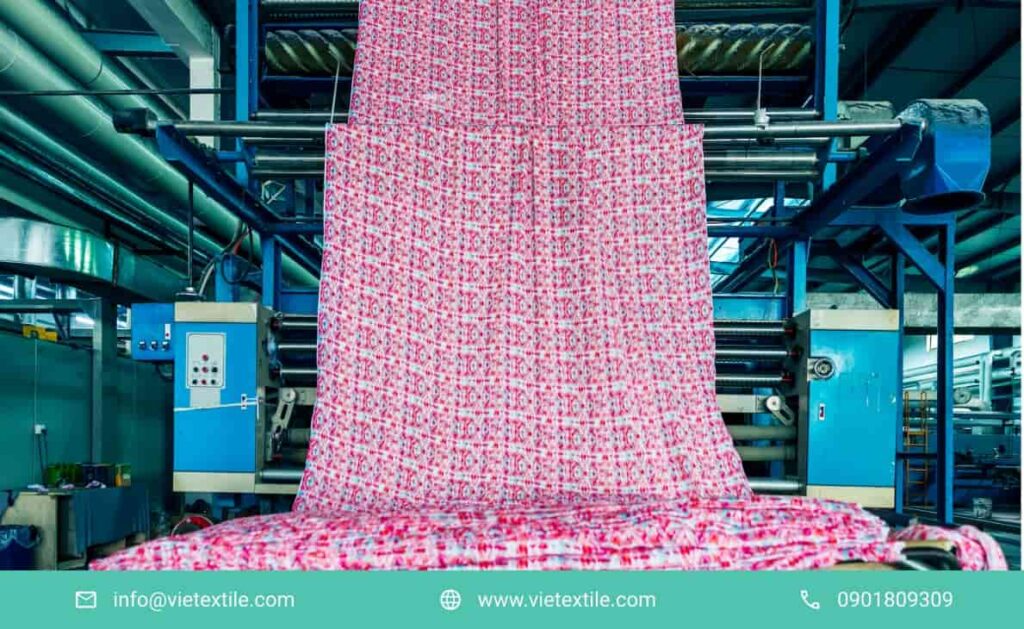
The fashion and garment industry is rapidly transforming thanks to the dramatic development of digital printing technology. This technique allows designers to create complex patterns and diverse colors that traditional printing methods struggle to match. However, to achieve high-quality results and optimal color fastness, selecting the appropriate fabric material for digital fabric printing outsourcing is crucial.
Mistakes in fabric selection can lead to blurred images, dull colors, or easy fading after washing. Therefore, a thorough understanding of fabric types before proceeding with digital fabric printing outsourcing is the first and most vital step for every manufacturer. This article will provide an in-depth analysis of the criteria and a detailed selection guide.
1. The Mechanism of Digital Fabric Printing and Fiber Influence
Understanding the operational mechanism of printing technology is the key to fabric selection. Depending on the chemical nature of the fabric fiber, a specific type of ink and digital fabric printing outsourcing method must be applied to ensure color adhesion and durability. The relationship between the printing ink, catalyst, and fabric fiber determines 90% of the final product quality.
1.1. Direct To Garment (DTG) Inkjet Technology
DTG is the most common method for digital fabric printing outsourcing on natural fibers like Cotton and Silk. The printing ink, typically Reactive or Pigment ink, is sprayed directly onto the fabric surface. Reactive ink forms a chemical bond with the Cellulose molecules of natural fibers. This process requires the fabric to be pre-treated to optimize the ink’s absorption and reaction capabilities, ensuring smooth execution of the digital fabric printing outsourcing process. Color depth and wash fastness highly depend on the quality of the ink and the post-printing steaming and curing process.
Cotton fiber, with its porous structure and high Cellulose content, is an ideal material for Reactive inks. When digital fabric printing outsourcing using the DTG method, the ink penetrates deep into the fibers, creating a soft, non-stiff image.
1.2. Dye Sublimation Heat Transfer Technology
Dye Sublimation is the preferred technology when outsourcing digital fabric printing onto synthetic fabrics, especially Polyester. Sublimation ink changes from a solid state directly to a gaseous state (sublimation) under high heat and pressure, then penetrates and bonds with the Polyester molecules.
This process is only effective on fabrics with a Polyester content of 60% or higher. Polyester is characterized by being non-absorbent but capable of absorbing Sublimation ink vapor when its fiber molecules open up under high temperatures (approx. 180°C – 200°C). This is the mandatory choice for digital fabric printing outsourcing that requires absolute color permanence, as the color becomes an integral part of the fiber.
1.3. The Reaction Between Printing Ink and Fiber Structure
The chemical structure of the fabric fiber is the determining factor for the ink type. Cellulose fibers (Cotton, Linen) require Reactive or Pigment inks; Protein fibers (Silk, Wool) need Acid inks; and synthetic fibers (Polyester, Nylon) require Sublimation or Disperse inks. Choosing the wrong ink will result in poor adhesion or rapid wash-off during the digital fabric printing outsourcing process.
Another critical difference is the reaction to heat. Polyester fabric can withstand high temperatures without significant shrinkage or deformation, making it perfect for Sublimation printing. Conversely, Silk fabric is heat-sensitive, requiring temperature adjustment during printing to avoid damaging the fiber structure, demanding tight control in the digital fabric printing outsourcing process.
1.4. Mandatory Fabric Pre-Treatment Process
For most natural fabrics in digital fabric printing outsourcing using Reactive or Pigment inks, the pre-treatment process is indispensable. The fabric is immersed or sprayed with a pre-treatment solution containing surfactants and polymers.
The purpose of pre-treatment is to increase ink absorption, prevent color bleeding, and improve adhesion, which is especially important for dark-colored Cotton fabrics. Skipping the pre-treatment step will significantly reduce the print quality and wash fastness. The quality of the pre-treatment solution must be strictly controlled to avoid altering the fabric’s hand feel after digital fabric printing outsourcing.
2. Suitable Natural Fabrics for Digital Fabric Printing Outsourcing
Natural fabrics are always popular for their soft, breathable, and skin-friendly feel. However, they pose specific challenges during the digital fabric printing outsourcing process, mainly related to shrinkage and color fastness.
2.1. Cotton Fabric
Cotton is the most printed fabric globally using digital fabric printing outsourcing. Thanks to its excellent ink absorption and Cellulose structure, Cotton produces high-detail images and vibrant colors when using Reactive inks.
2.1.1. Advantages and Disadvantages of DTG Printing
The main advantage of Cotton is wearing comfort and skin safety. However, the biggest drawback is shrinkage after washing. Pre-treatment and post-printing steaming can help minimize shrinkage, but choosing pre-shrunk Cotton from the start is essential when outsourcing digital fabric printing. Cotton requires Reactive ink for the best color fastness, but Pigment ink (more environmentally friendly) is also widely used, although its wash fastness may be inferior.
2.1.2. Optimal Color Brightness Analysis
Printed colors on Cotton generally achieve very high brightness and contrast, especially on white fabric bases. For dark-colored Cotton, a white underbase ink layer must be printed before applying colors, which increases the complexity and cost of digital fabric printing outsourcing. The thickness of the white underbase must be controlled to ensure the print color is not muted but also does not make the fabric stiff or bulky.
2.2. Linen and Bast Fibers
Linen and other bast fabrics have a coarser fiber structure than Cotton, providing a rustic look and a cool feel. They are a popular choice for high-end fashion or home furnishing products.
When outsourcing digital fabric printing onto Linen, attention must be paid to the coarseness of the fibers and the thread count. Loosely woven fabrics will make it difficult to reproduce small details. Reactive ink remains the optimal choice, but the pre-treatment process must be adjusted so the solution penetrates evenly into the coarse fiber structure, ensuring uniform color on the fabric surface.
2.3. Silk (Natural Silk)
Silk is a natural Protein fiber, soft and lustrous. It requires a special Acid ink to form a chemical bond, allowing the ink to adhere tightly to the fiber. Acid ink provides the most vibrant colors and highest sheen on Silk fabric, creating a wonderful visual effect during digital fabric printing outsourcing.
The challenge when printing Silk is its heat sensitivity and the delicacy of the fiber. Curing and steaming temperatures must be controlled very precisely to avoid scorching or losing the natural luster of the silk. The digital fabric printing outsourcing process for Silk is typically performed at a slower speed to ensure accuracy and gentle handling.
3. Common Synthetic Fabrics for Sublimation Printing Technology
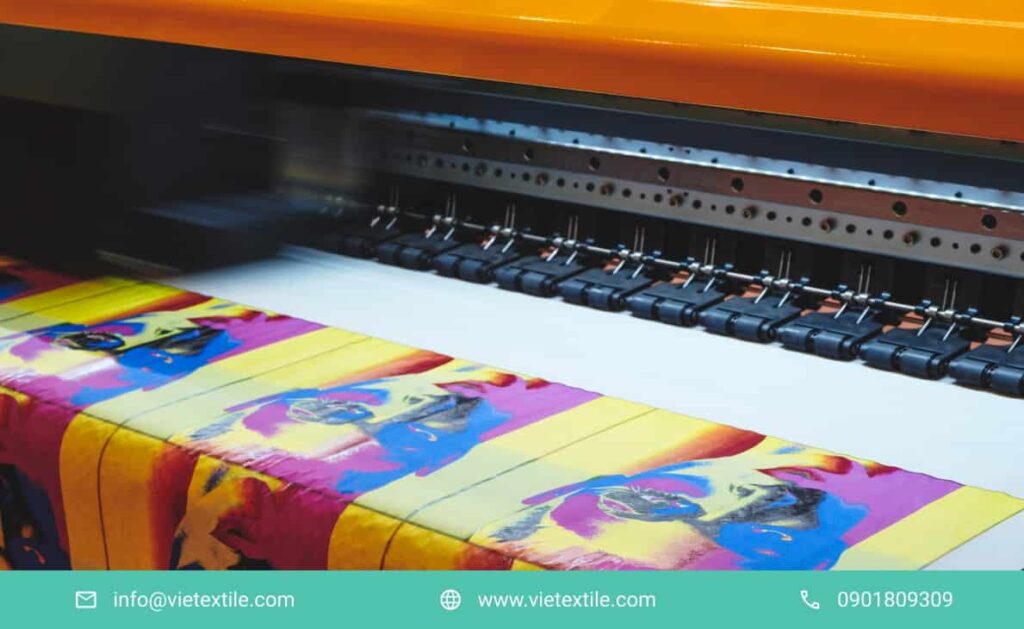
Synthetic fabrics, especially Polyester, are the heroes of Sublimation technology. The absolute chemical compatibility between Sublimation ink and synthetic fibers creates printed products with superior color durability and absolute fade resistance.
3.1. Polyester (PE) – The Top Choice
Polyester is the ideal material for digital fabric printing outsourcing using the Sublimation method. PE fabric has a reasonable cost, high durability, and good wrinkle resistance.
3.1.1. Ink Penetration Mechanism in Sublimation Printing
In Sublimation printing, the ink sublimates into gas at high temperatures. These color molecules penetrate directly into the Polymer structure of the Polyester fiber and become trapped when the fiber cools. The printed color is not on the surface but inside the fiber, ensuring the image does not crack, peel, or fade even after multiple washes. This makes PE the top choice for digital fabric printing outsourcing for sportswear and outdoor products.
3.1.2. Polyester Variants (Recycled PE, Spun PE)
In addition to pure Polyester, many variants are also used. Recycled PE offers a sustainable solution with equivalent printing properties. Spun PE (spun Polyester) mimics the soft feel of Cotton while retaining the ability to use Sublimation printing, an excellent choice for manufacturers who want to outsource digital fabric printing with complex patterns while maintaining a natural feel.
3.2. Nylon (Polyamide) Fabric
Nylon is another type of synthetic fiber, known for its excellent tensile strength and high abrasion resistance. However, digital fabric printing outsourcing on Nylon is slightly more challenging than on Polyester.
Nylon can also be printed using Sublimation, but it requires lower temperatures and shorter times than PE to avoid damaging the fabric fibers. Color brightness and wash fastness may not be equal to PE, but Nylon is still a good choice for products requiring high mechanical durability, such as various types of bags or protective clothing.
3.3. Spandex (Elastane) in Activewear
Spandex, often blended with Polyester, provides excellent stretch, making it the dominant material for activewear and swimwear.
When digital fabric printing outsourcing onto fabrics containing Spandex, the most critical requirement is extremely precise temperature control. Excessive temperature during the Sublimation process can damage the elasticity of the Spandex fiber, causing the fabric to stretch permanently or reduce its recovery ability. Printing on blended fabric requires high expertise in adjusting the heat press machine to optimize ink sublimation without harming sensitive fibers.
4. Detailed Selection Table: Evaluation Criteria for Digital Fabric Printing Outsourcing
Fabric selection must be based on a combination of the intended Application, the Ink Type, and core technical criteria.
4.1. Absorption Rate Criterion
The fabric’s absorption rate determines the sharpness of the image.
- High Absorbency Fabrics (Cotton, Linen): Suitable for Reactive/Pigment inks. If absorbency is too high without pre-treatment, the ink can bleed, reducing the sharpness of fine lines. The digital fabric printing outsourcing process needs to be calibrated to control the ink volume.
- Low Absorbency Fabrics (Polyester, Nylon): Suitable for Sublimation ink, where the ink penetrates in a gaseous state. Low absorbency is why they cannot be printed directly with Reactive ink without a special coating.
4.2. Color Fastness and Wash Resistance Criterion
Colorfastness is measured by the ability to withstand washing, light, and friction.
- Sublimation on PE: Achieves the highest color fastness (usually 4-5/5) because the color is bonded within the fiber.
- DTG on Cotton: Color fastness depends on the ink type (Reactive > Pigment). Reactive ink provides very good color fastness, but Pigment ink may fade slightly after multiple washes.
4.3. Shrinkage and Fabric Deformation After Printing Criterion
Dimensional Stability is an extremely important factor.
- Cotton: Tends to shrink (usually 3-5%). It is necessary to print on fabric that has been dimensionally stabilized before digital fabric printing outsourcing.
- Polyester: Very stable, shrinkage is almost zero. This is a major advantage of PE in heat transfer printing.
4.4. Comprehensive Detailed Selection Table for Digital Fabric Printing Outsourcing
Below is a detailed analysis table of common fabrics, helping manufacturers make the most accurate decisions. This table not only provides information on ink type but also on potential issues to note.
| Fabric Type | Fiber Type | Suitable Ink Type | Printing Temp (Sub) | Main Printing Advantage | Digital Printing Challenge |
| Cotton 100% | Natural Cellulose | Reactive, Pigment | N/A (DTG Printing) | Vibrant colors, soft hand feel | Shrinkage, complex pre-treatment needed, white underbase for dark fabrics |
| Polyester 100% | Synthetic (Polymer) | Sublimation | 180°C – 200°C | Absolute color permanence, no fading, dimensional stability | Only works on light-colored fabrics, slightly non-breathable feel |
| Silk | Natural Protein | Acid | N/A (DTG/Jet Printing) | High sheen, sophisticated print colors, luxurious quality | Very sensitive to heat, steaming process requires tight control |
| PE/Cotton Blend (65/35) | Blend | Disperse/Pigment | Lower | Balance between durability and comfortable feel | Sublimation colors look muted (due to Cotton not absorbing ink), requires Hybrid ink |
| Nylon (Polyamide) | Synthetic (Polymer) | Sublimation, Acid | 160°C – 180°C | High mechanical strength, good abrasion resistance | Sensitive to temperature, prone to melting/deformation if overheated |
| Viscose/Rayon | Regenerated Cellulose | Reactive | N/A (DTG Printing) | Good drape, soft, bright colors | Low mechanical strength when wet, prone to wrinkling and structural deformation |
4.5. In-Depth Analysis of Blended Fabrics
Blended fabrics, such as 65% Polyester / 35% Cotton, pose the greatest challenge for digital fabric printing outsourcing. Sublimation ink only adheres to the PE portion (65%), leaving the Cotton portion (35%) white or light-colored, resulting in muted and non-uniform colors.
To solve this problem, Hybrid (combination) or Disperse inks must be used, or a complex two-step printing process. Professional digital fabric printing outsourcing providers often need to thoroughly consult customers regarding color brightness expectations when printing on blended fabrics.
5. VieTextile – High-Quality Digital Fabric Printing Outsourcing Service
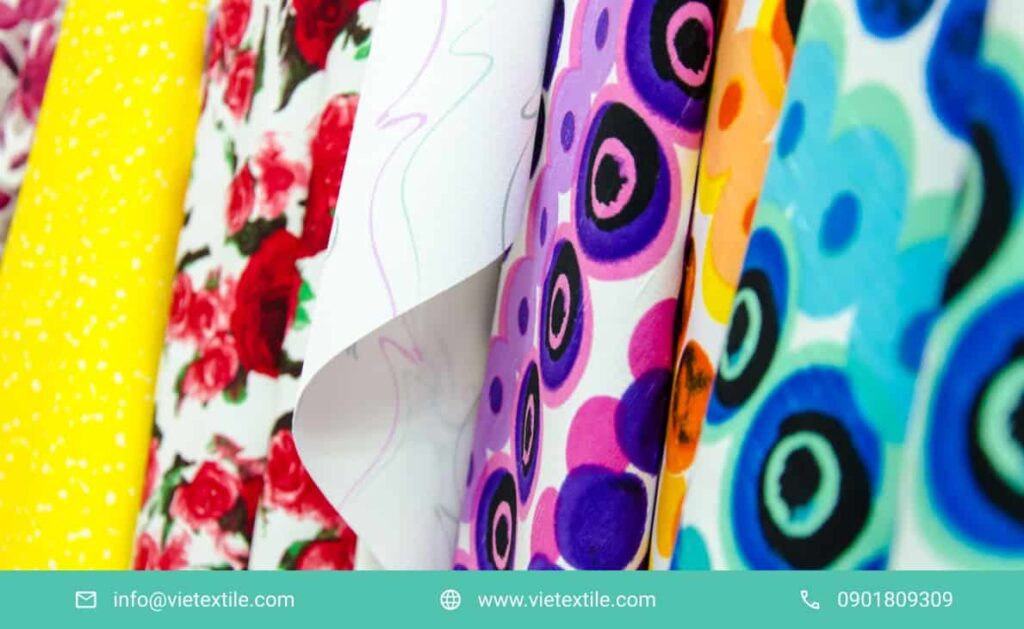
VieTextile is proud to be a pioneer in the field of digital fabric printing outsourcing in Vietnam, committed to delivering superb print quality, outstanding color fastness, and perfect sharpness. We understand that fabric selection and the treatment process are the foundation for a successful printed product.
We are equipped with modern digital printing systems capable of handling a variety of inks, from Reactive, Acid, to Sublimation, ensuring optimal compatibility with every fabric type, from premium Cotton, rustic Linen, to athletic Polyester. The digital fabric printing outsourcing process at VieTextile strictly adheres to pre-treatment and post-treatment steps, using internationally certified chemicals and printing inks.
VieTextile’s technical team has deep experience in adjusting color profiles and printing temperatures for each fabric type, completely resolving challenges such as shrinkage, color bleeding on natural fabrics, and color transfer on synthetic fabrics. If you are looking for a reputable digital fabric printing outsourcing partner with the ability to consult and implement on difficult materials, VieTextile is the trusted choice.
We are committed to ensuring every batch of digital fabric printing outsourcing meets uniform quality, high color fastness according to industrial washing standards, helping to enhance brand value and customer satisfaction.
6. Frequently Asked Questions About Digital Fabric Printing Outsourcing (FAQ)
Q: Can black Cotton fabric be effectively printed using digital fabric printing outsourcing? A: Absolutely. To print effectively on black Cotton, we must print a special white underbase layer before printing other colors on top, ensuring perfect brightness and coverage for the dark-colored digital fabric printing outsourcing process.
Q: If the fabric has a low Polyester ratio (below 50%), which digital fabric printing outsourcing method should I choose? A: For blended fabrics with a low PE ratio, Sublimation printing will not yield vibrant colors because only a small portion of the fibers absorb the ink. The more optimal method is DTG printing using Pigment ink or Hybrid ink specially designed for blended fabrics.
Q: Does Sublimation printing change the hand feel of Polyester fabric? A: Not significantly. Because Sublimation ink penetrates the fiber structure in a gaseous state, the color does not form a layer on the surface, helping the fabric retain its softness and breathability after digital fabric printing outsourcing.
Q: How do I check the fabric’s shrinkage before mass digital fabric printing outsourcing? A: The fabric needs to be tested for shrinkage by washing a fabric sample according to industrial standards (ISO 6330 or AATCC 135) before printing. If the fabric shrinks excessively, it needs to be dimensionally stabilized before proceeding with digital fabric printing outsourcing.
Q: How does the wash fastness of DTG printing on Cotton compare to traditional screen printing? A: When using Reactive ink and standard heat treatment processes, the wash fastness of DTG printing can be equivalent to or even better than traditional screen printing, especially regarding resistance to cracking and image breakage.
Q: Can VieTextile handle digital fabric printing outsourcing for small quantities (sample orders)? A: Yes. One of the major advantages of digital fabric printing outsourcing is the ability to print on-demand and accept sample orders or small quantities at a reasonable cost.
Q: What is the production cycle for digital fabric printing outsourcing? A: The production cycle typically depends on the quantity and complexity of the design. With digital technology, the preparation and setup time for the printer are significantly shortened compared to traditional printing. For large orders, the average completion time for a batch of digital fabric printing outsourcing is 3 to 7 working days after the fabric and design are approved.
Q: Does digital printing create sharp images on woven fabrics? A: Digital printing provides excellent sharpness on woven fabrics, provided the fabric has a sufficiently high thread count and a flat surface. Woven fabrics with overly coarse surfaces or non-uniform structures will struggle to reproduce small details during digital fabric printing outsourcing.
To optimize print quality, receive specialized consultation on fabric types, and outsource high-quality digital fabric printing, contact VieTextile today!
Contact Information:
Hotline: 0901 809 309
Email: info@vietextile.com
Website: https://vietextile.com