


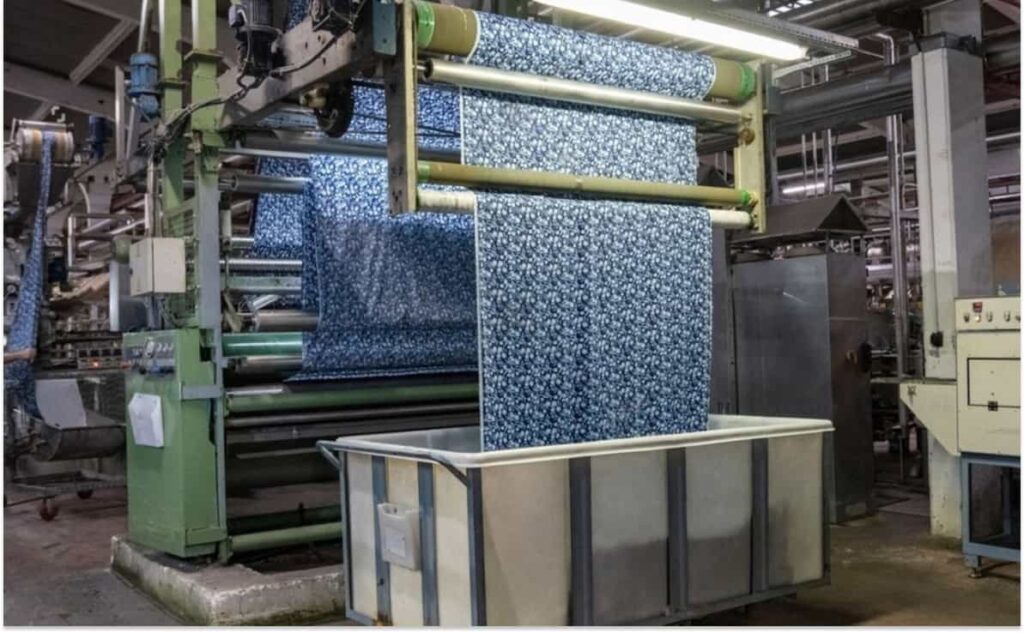
The fleece fabric heat setting stenter plays a crucial role in thermal processing to stabilize the structure of fleece fibers after the raising process. Utilizing a fleece fabric heat setting stenter ensures products achieve uniform thickness and remain free from deformation.
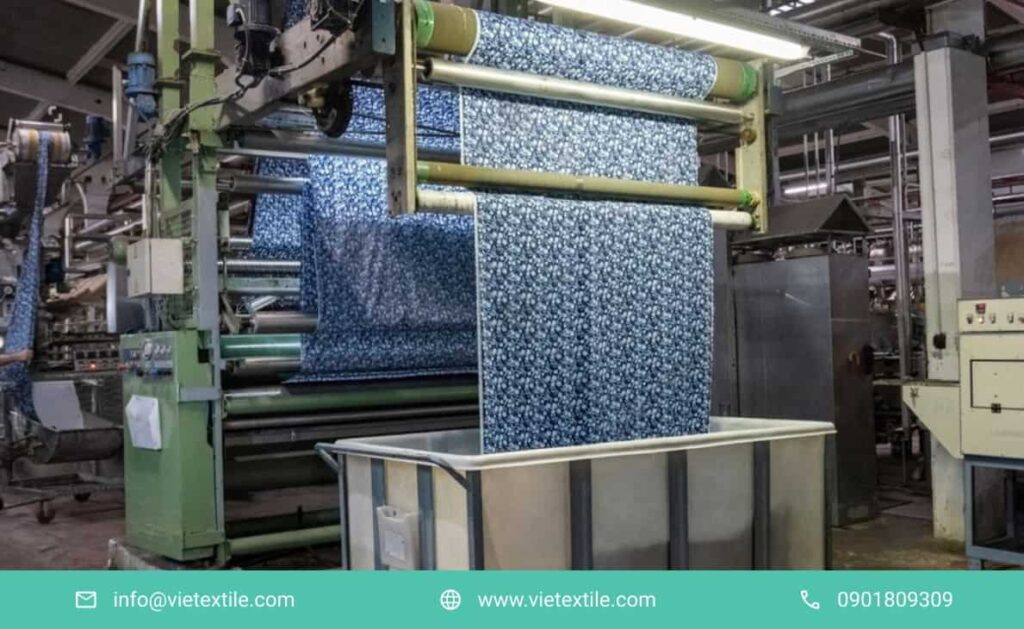
1. Why Does Fleece Fabric Need a Specialized Heat Setting Stenter?
Fleece fabric features a unique knitted structure with loops pulled up to create a nap or pile layer. This structure makes the fabric extremely sensitive to temperature and mechanical tension. Unlike woven fabrics with tight interlacing between warp and weft, knitted fleece has looser loops, allowing flexible stretch but also making it prone to permanent distortion if tension is uneven.
Without a fleece fabric heat setting stenter, the product would face a series of quality issues that no manual correction could compensate for.
1.1. Stabilizing Structure After the Raising Process
The raising or brushing process using metal wire brushes significantly disrupts the original knitted structure. Steel pins on the raising machine pull, break, or stretch parts of the loops, leaving the fabric in an unstable state and easily deformed. The fleece fabric heat setting stenter acts as a “restorer of order,” using heat to reposition the fibers disturbed during raising, helping the fabric regain its inherent balance.
When passing through the fleece fabric heat setting stenter, the fleece fibers are stretched evenly on both sides thanks to an automatic tension sensor system. This eliminates wrinkles and the “sagging” phenomenon caused by the harsh mechanical impact of the raising machine.
This is a pivotal step in preparing for subsequent printing or garment-cutting stages, as only an absolutely flat and stable surface ensures sharp prints and precise cuts. Furthermore, the fleece fabric heat setting stenter helps realign the polymer molecules within the Polyester fibers, creating a durable “shape memory” state.
1.2. Controlling Thickness and Loft
One of the greatest values of fleece fabric is its loft, the factor that determines thermal insulation by trapping air molecules within the nap layer. The fleece fabric heat setting stenter allows technicians to adjust airflow and temperature to maintain the fluffiness of the nap. If dried using conventional heat pressing methods or tumble drying, the nap will flatten and clump, completely losing its warmth-retention capability and soft feel.
The hot air blowing system of the fleece fabric heat setting stenter is designed with symmetrical nozzles, creating a gentle cyclone airflow to lift the nap fibers, producing a characteristic fluffy surface. Setting the fan speed parameters on the fleece fabric heat setting stenter determines whether the fleece is Microfleece or Heavyweight Fleece. This airflow control technique also removes lint left after raising, making the fabric surface cleaner and preventing future pilling.
1.3. Absolute Shrinkage Control
Polyester fibers in fleece fabric are thermoplastic by nature, meaning they tend to shrink strongly when exposed to high heat to return to a lower energy state. The fleece fabric heat setting stenter uses a pin chain system to grip both edges firmly, preventing spontaneous shrinkage during the heat-drying process. This is the heat-setting process where the fabric structure is stabilized in the desired expanded state.
Thanks to the fleece fabric heat setting stenter, the fabric is fixed at a standard size with minimal error (usually <1%). This ensures that after consumers wash it in hot water or dry it in a domestic dryer, the sweatshirt retains its original measurements, without shortened sleeves, narrowed bodies, or distortion—errors that are “nightmares” for high-quality export garments. Controlling shrinkage with a fleece fabric heat setting stenter also helps garment factories accurately estimate fabric consumption, effectively minimizing material waste.
2. Superior Technical Features of the Fleece Fabric Heat Setting Stenter
Compared to machines designed for thin or woven fabrics, the fleece fabric heat setting stenter possesses much more powerful and sophisticated technical characteristics to handle materials with high density and significant thickness. Every component in the machine is designed to overcome the thickness barrier of fleece, ensuring heat energy is distributed evenly from the surface to the fiber core.
2.1. High-Power and High-Efficiency Heat Chamber System
Fleece fabric retains a lot of water after dyeing or washing due to its characteristic porous structure (like a sponge). Therefore, the fleece fabric heat setting stenter requires a drying chamber system with extremely high thermal efficiency to completely dry the fiber core inside the thick nap without scorching the outer surface. This requires an exceptionally efficient heat exchange system.
The heat chambers in a fleece fabric heat setting stenter are often longer (up to 30-40 meters) and capable of maintaining extremely high stable temperatures. A multi-point hot air circulation system with frequency inverters controlling fan speeds ensures heat penetrates both sides of the fabric evenly. Modern fleece fabric heat setting stenter units also integrate stainless steel filters to prevent fleece lint from sticking to the heating elements, maintaining maximum thermal efficiency and preventing fire hazards from fabric dust.
2.2. Automatic Weft Straightener and Anti-Skewing Unit
Knitted fleece often suffers from severe spirality/skewing due to the naturally eccentric knitting loop structure and stresses generated during dyeing. Modern fleece fabric heat setting stenter machines are integrated with an optical weft straightener using Artificial Intelligence (AI) to accurately identify the direction of the knitting rows and automatically adjust tilting rollers to straighten them immediately.
Without this automatic straightening unit on the fleece fabric heat setting stenter, when sewn into a garment, the side seams would twist forward or backward after washing—an error that causes the product to be classified as “seconds” (defective goods). This is a key technological feature that helps knitting factories ensure finished product quality meets international standards, saving thousands of manual labor hours and increasing the rate of grade-A products.
2.3. Fast Cooling and Batching Zone
Because fleece fabric retains heat for a long time (acting like a heat reservoir), after leaving the hot drying chambers at 180-200 degrees Celsius, the fabric needs to be cooled instantly to set its state. The fleece fabric heat setting stenter is equipped with high-power cooling fans blowing cold air directly, combined with water-cooled chill rollers to bring the fabric to room temperature in the shortest time.
The rapid cooling process on the fleece fabric heat setting stenter ensures that the polymer bonds just rearranged by heat are “frozen” in place, locking in the fabric’s shape, thickness, and width sustainably. After cooling, the batching system rolls the fabric with very light tension to avoid flattening the newly created nap. The combination of delicate cooling and rolling is the secret to keeping fleece fabric soft and fluffy from the moment it leaves the machine until it reaches the sewing factory.
3. Operation Process of Fleece Fabric Heat Setting Stenter
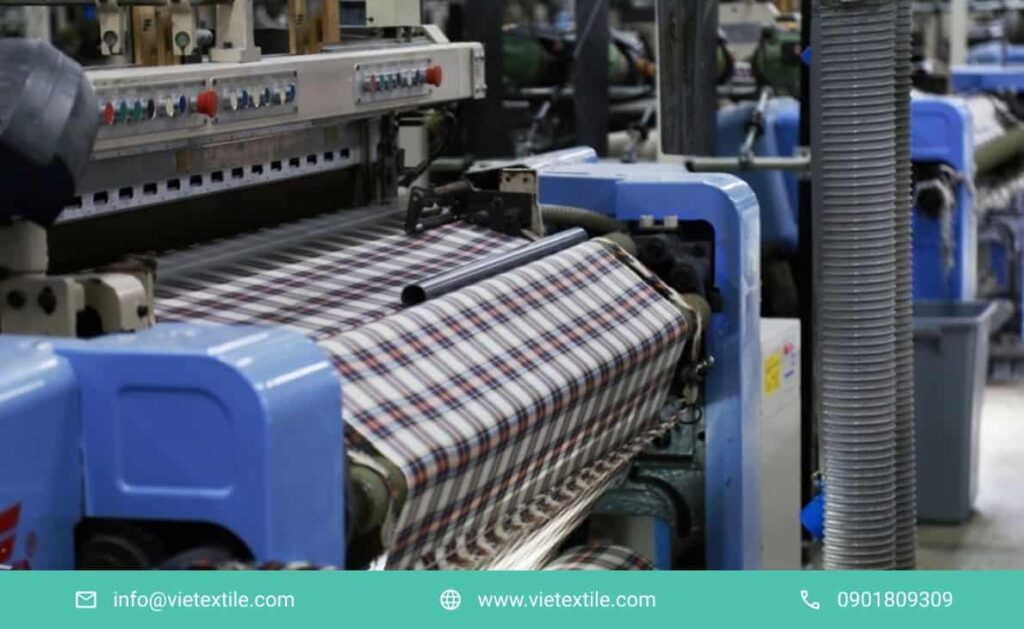
To create perfect fleece fabric products, VieTextile adheres to a strict fleece fabric heat setting stenter operation process, combining the traditional experience of dyeing and finishing experts with modern digital technology. We believe every type of fleece has its own “soul,” and the stenter is the tool to awaken the most flawless beauty of that material.
3.1. Advanced Padding Stage
Before entering the heat chamber of the fleece fabric heat setting stenter, the fabric passes through a padder containing a specific chemical formula. This formula includes not only organic silicon softeners but also anti-static agents, mild water repellents, or enzymes that make the fabric surface smoother. This is a vital step to overcome the static electricity disadvantage commonly found in Polyester fleece.
The nip pressure at the fleece fabric heat setting stenter is adjusted by a precise hydraulic system to ensure chemicals penetrate evenly to the base of the nap, preventing “color bleeding” or surface chemical accumulation. An automatic concentration control system maintains a consistent chemical ratio throughout the processing of thousands of meters, ensuring the hand-feel of the first and last pieces is identical.
3.2. Smart Overfeed and Speed Setting
For fleece fabric, the overfeed ratio is the parameter that directly determines the fabric’s subsequent shrinkage. Technicians at VieTextile will set overfeed levels typically ranging from 5% to 15% depending on the knitted structure. The fleece fabric heat setting stenter feeds the fabric in at a speed faster than the pin chain’s movement, creating micro-waves that allow the fabric to remain in an “active relaxed” state within the drying chamber.
Calculating machine speed based on GSM and input moisture is performed by smart management software on the fleece fabric heat setting stenter. The thicker the fabric, the slower the machine speed must be to ensure heat has enough time to penetrate the dense insulating nap, setting the fabric down to the fiber core. At VieTextile, we also apply a “gradual tensioning” technique, starting with a narrow width in the first chamber and gradually expanding in the middle chambers to avoid fiber breakage due to tension shock.
3.3. Visual Inspection, Color Fastness, and Physical Parameter Testing
Upon exiting the fleece fabric heat setting stenter, the fabric is not immediately packed but passes through an online KCS (Quality Control) system. QC staff use standard light sources (D65, TL84) to check nap uniformity, shading, and surface defects like oil spots or pin tears. High temperatures in the stenter can cause dye sublimation, so color monitoring is extremely rigorous.
Besides visual inspection, we perform rapid shrinkage and GSM (weight) tests on-site. Every batch of fleece leaving the fleece fabric heat setting stenter has an “ID card” recording all operating parameters such as temperature, speed, chemicals used, and test results. This process allows VieTextile to easily trace origins and ensure every meter of fabric shipped meets or exceeds the international standards requested by customers.
4. Challenges and Solutions in Fleece Fabric Heat Setting
Processing fleece on a stenter is a risky process if the operator lacks experience. There are specific challenges related to the physical properties of the fleece nap that require intervention from top experts and modern equipment.
4.1. Risk of Nap Scorching, Yellowing, and Shade Variation
The nap on fleece fabric consists of millions of ultra-fine fiber ends with a large surface area exposed to air, making them highly heat-sensitive. If the temperature in the fleece fabric heat setting stenter exceeds the fiber’s thermal threshold or the dwell time is too long, the fiber ends will “singe,” causing the fabric to lose its luster and become stiff. Particularly with white fleece or pastel tones, heat yellowing is a constant risk that can ruin an entire batch.
In-depth Solution: VieTextile uses multi-point infrared sensors to measure the actual fabric surface temperature rather than just the air temperature in the drying chamber. Our fleece fabric heat setting stenter will automatically reduce heat or increase machine speed if the fabric surface temperature exceeds the safety setting. Additionally, adding heat stabilizers during the padding stage protects color molecules and fibers from the negative effects of heat.
4.2. Pinning Failure and Edge Tearing with Heavy Fleece
When saturated with chemical liquids, fleece fabric becomes very heavy, creating significant weight that pulls down on both fabric edges. When the fleece fabric heat setting stenter performs horizontal stretching, the tension concentrated at the pinning points on the edges is extremely high. If pins are worn or the chain lacks grip, the fabric will slip off the pins, causing the fabric to roll up in the drying chamber, leading to fabric burning or damage to mechanical parts.
In-depth Solution: We equip “heavy-duty” pin chains with ultra-durable tungsten steel pins and high sharpness. Brush wheels at the front of the fleece fabric heat setting stenter are pneumatically adjusted to press the fabric edges firmly onto the pins. For ultra-thick fleece, VieTextile uses reinforced pinning modes and an instantaneous pinning sensor to stop the machine immediately if a slip occurs, ensuring maximum safety for the customer’s batch.
4.3. Lint Accumulation and Fire Hazard Inside the Machine
During high-temperature drying combined with strong airflow, lint from the fleece fabric flies out and accumulates in air ducts, heat exchangers, and machine crevices. This lint is highly flammable and can cause serious fires if it contacts heating elements or electrical sparks. Furthermore, accumulated lint reduces airflow, causing uneven drying and wasting energy.
In-depth Solution: VieTextile invests in a high-capacity central dust extraction system with specialized filters for the textile industry. Inside the fleece fabric heat setting stenter, we install an automatic filter cleaning system using high-pressure compressed air. Machine cleaning protocols are strictly implemented after every shift to completely remove fibers. Maintaining a clean operating environment not only protects the machinery but also ensures the fleece surface remains pure, untainted by lint from previous batches.
5. Technology Trends in Fleece Fabric Heat Setting Stenter
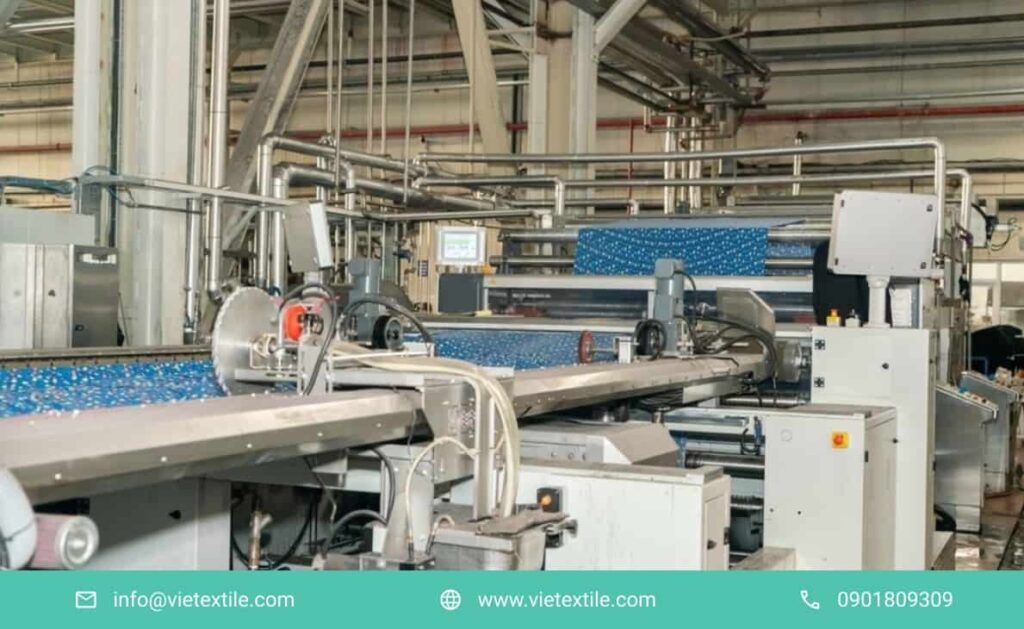
The textile finishing industry is undergoing a green and digital revolution. New generations of fleece fabric heat setting stenter machines focus not only on fabric quality but also on energy efficiency and environmental protection, helping textile enterprises meet sustainable development regulations in Europe and the US.
5.1. Residual Moisture Control and Energy Optimization
Energy costs (electricity, gas) account for a large proportion of the cost of fleece fabric setting. New generation fleece fabric heat setting stenter units at VieTextile integrate residual moisture control sensors at the machine’s exit. If the fabric has reached standard dryness, the machine will automatically increase speed to reduce heat usage time, saving 15-20% energy compared to manual operation.
This system eliminates “over-drying,” which makes fleece fabric stiff and causes it to lose the natural moisture of the fibers. Drying to the correct moisture level ensures the fabric is softest upon leaving the fleece fabric heat setting stenter, while optimally protecting color and fiber structure.
5.2. Direct Gas Firing Technology with Smart Burners
Instead of using bulky oil-circulation heaters that lose energy along pipelines, modern fleece fabric heat setting stenter machines use direct gas firing burners installed right at each heat chamber. This technology allows chamber temperatures to rise almost instantaneously and with extremely high accuracy (error of only +/- 1 degree Celsius).
The smart burner of the fleece fabric heat setting stenter minimizes CO2 and NOx emissions while eliminating the risk of heat-transfer oil leaking onto the fabric—a common error in older machine models. This is a key factor enabling VieTextile to support customers in achieving clean production certificates like OEKO-TEX or GRS for recycled fleece products.
5.3. Big Data Management and Predictive Maintenance
The entire fleece fabric heat setting stenter operation process at VieTextile is connected to a central ERP system. Every parameter from temperature, air pressure, and tension to power consumption is recorded in real-time. AI systems analyze this data to provide predictive maintenance forecasts, such as alerting when pin chains need lubrication or filters need replacement.
This digitalization allows us to establish standardized “finishing recipes” for each customer. When a customer returns to produce an old fleece item code, the fleece fabric heat setting stenter automatically reloads all previous parameters, ensuring absolute consistency across years. This builds sustainable trust between VieTextile and major global brand partners.
6. Choose VieTextile for Professional Fleece Fabric Heat Setting Services
At VieTextile, we do not just see the fleece fabric heat setting stenter as an industrial device; we view it as an artistic tool to create the most flawless meters of fleece. We understand manufacturers’ concerns regarding shrinkage, skewing, or fabric hand-feel.
6.1. Global Standard Technology and Equipment Infrastructure
VieTextile’s fleece fabric heat setting stenter system is imported as complete units from the world’s leading textile equipment manufacturers (such as Monforts or Brückner). With the ability to handle an extremely wide GSM range from 150 GSM Microfleece to 500 GSM Heavy Fleece, we confidently meet all requirements for thickness and fabric structure. A flexible machine width of up to 2.2m allows us to handle both fashion jersey and high-end upholstery fleece.
6.2. In-depth and Refined Processing Techniques
We possess a team of veteran dyeing and finishing experts who can “diagnose” fleece fabric just by touch. VieTextile knows how to adjust the fleece fabric heat setting stenter to achieve a perfect balance between mechanical durability and a soft feel. Whether it is 100% Polyester fleece or CVC fabric, we always have our own secrets in chemical blending and temperature setting so your product always stands at the top of quality on the shelf.
6.3. Commitment to Cost Optimization and Production Schedule
Understanding the time pressure of the fashion industry, VieTextile operates the fleece fabric heat setting stenter system continuously 24/7 with lean management processes. We commit to the shortest order completion time without compromising product quality. Thanks to energy and process optimization, VieTextile offers highly competitive setting service prices, helping partners increase profit margins and global market competitiveness.
7. Frequently Asked Questions about Fleece Fabric Heat Setting Stenter (FAQ)
During service consultation, VieTextile often receives technical inquiries from customers regarding the capabilities of the fleece fabric heat setting stenter. Below are the most detailed answers.
7.1. Does the fleece fabric heat setting stenter flatten the newly raised nap?
This is the biggest concern for fleece manufacturers. In fact, if conventional dryers are used or the downward airflow is too strong, the nap will definitely flatten. However, the fleece fabric heat setting stenter at VieTextile uses “up-flow air” technology.
Hot air is blown from the bottom up with precisely calculated pressure to lift the fibers and keep them in a fluffy state throughout the heat-drying process. As a result, fabric after setting often has better loft and a smoother nap than before entering the machine.
7.2. Does setting with a fleece fabric heat setting stenter help reduce pilling?
Yes, the fleece fabric heat setting stenter significantly assists in reducing pilling. High temperatures in the machine help “set” the nap base more firmly into the fabric ground. Simultaneously, special finishing chemicals padded before entering the machine create an ultra-thin film coating the fibers, reducing friction between nap fibers during use. This prevents fiber ends from tangling into small pills on the surface of garments after washing.
7.3. Why does fleece fabric sometimes still shrink after being set on a stenter?
This is usually caused by setting an overfeed ratio that is insufficient to compensate for residual tension in the fabric from previous knitting and dyeing stages. Additionally, if the fleece fabric heat setting stenter chamber temperature does not reach the “glass transition” temperature of the Polyester fiber, the fabric structure will not be permanently locked. VieTextile resolves this by performing sample shrinkage tests before mass production and using stenters with extremely precise digital temperature control systems.
7.4. Can the fleece fabric heat setting stenter handle printed fleece fabrics?
Absolutely. For printed fleece (such as heat transfer or screen printing), the fleece fabric heat setting stenter plays the role of stabilizing the fabric ground so patterns do not become distorted. However, special attention must be paid to the setting temperature to avoid dye sublimation or damaging heat-sensitive print details. We often lower the chamber temperature and extend the fabric dwell time in the machine to ensure absolute safety for high-end printed products.
7.5. How can one tell if a fleece fabric heat setting stenter is of good quality?
A good fleece fabric heat setting stenter must ensure three factors: Temperature uniformity across the entire fabric width (no hot/cold spots), stable pin chain grip, and a responsive weft straightening system. You can check quality by measuring the fabric width at multiple points on a roll; if the width is consistent and the knitted loops are straight and perpendicular to the edges, that is the result of an excellently operated fleece fabric heat setting stenter.
Elevate your fleece fabric quality with the leading fleece fabric heat setting stenter system at VieTextile today! We are ready to accompany you in creating the most premium winter fashion products.
Contact Information:
Hotline: 0901 809 309
Email: info@vietextile.com
Website: https://vietextile.com