


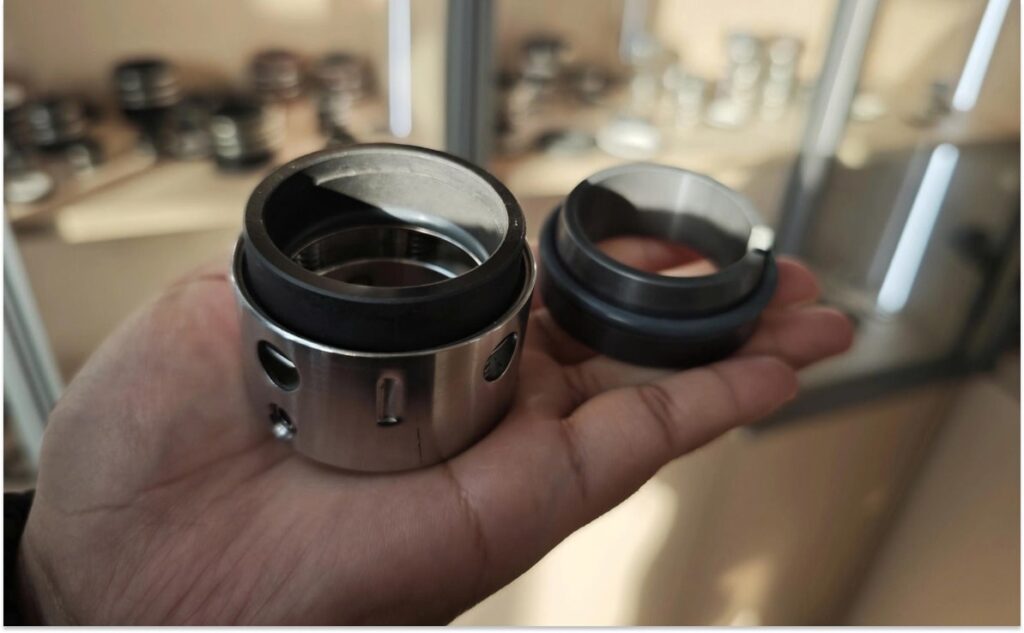
Jet dyeing machines operate in environments of extreme pressure and temperature. Early identification of damage signs in fongs then jet dyeing machine spare parts is key to avoiding prolonged downtime, minimizing product quality errors, and optimizing operating expenses (OPEX).
Fongs’ and Then’s Jet dyeing machines represent advanced dyeing technologies, allowing fabric processing at low liquor ratios and high speeds. The stability of the fongs then jet dyeing machine spare parts not only affects productivity but is also the deciding factor for the uniformity and accuracy of the dyed color. Any malfunction, even minor ones in pump seals, nozzles, or temperature sensors, can interrupt the entire dyeing cycle, causing widespread damage to quality and time.
This article delves into the analysis of specific failure signs, investigates root causes, and proposes a detailed predictive maintenance strategy, helping textile factories maintain the operational efficiency of their dyeing machines at maximum levels and extend the lifespan of each individual fongs then jet dyeing machine spare parts. We will analyze each component in detail, from heavy-duty mechanical parts to sensitive electronic sensors, to provide the most comprehensive overview for technical teams.

1. Overview of the Importance of Jet Dyeing Machine Spare Parts
The structural complexity and operation of Jet dyeing machines require spare parts to meet strict technical standards. Even a single sub-standard component can disrupt the balance of the entire dyeing process.
1.1. Jet Dyeing Machines and the Requirement for Precision
Jet dyeing technology is designed to continuously circulate the dye liquor and the fabric. The Low Liquor Ratio helps save water, energy, and chemicals, but concurrently demands higher accuracy in concentration and temperature control. This places a heavy burden on the durability and precision of the fongs then jet dyeing machine spare parts. For example, if the water inlet valve malfunctions, the liquor ratio control will be inaccurate, leading to off-standard dye colors.
Fongs and Then machines often employ highly automated control systems. Any mechanical failure in the fongs then jet dyeing machine spare parts will immediately cause a system error, forcing an emergency machine stop. Therefore, preventive maintenance is vital, rather than only performing repairs after a breakdown has occurred.
1.2. Classification of the Most Critical Core Spare Parts
For effective management, fongs then jet dyeing machine spare parts are divided into three main functional groups, each playing a decisive role in the dyeing cycle:
- Circulation System: Main Pump, Nozzle, Flow Control Valves. This group of parts is subjected to the highest pressure and wear.
- Process Control System: Heat Exchanger, Steam Control Valve, Temperature Sensor (PT100), Water Level Sensor, and Automatic Valves.
- Fabric Drive System: Winch Roller, Motor, Gearbox, and speed sensors.
1.3. Difference Between Fongs and Then Dyeing Machine Spare Parts (Specific Models)
Despite sharing the same operating principle, fongs then jet dyeing machine spare parts often differ in design and material between brands and models, such as Fongs (ECO-6 series, TEC series) and Then (Airflow series).
- Nozzle: Fongs often has a simpler, easier-to-remove nozzle design in some older machine series, while Then, especially with Airflow technology, uses a more complex nozzle to optimize the combination of air and liquid, requiring more precise parts.
- Main Pump: Large Fongs dyeing machine models often use large centrifugal pumps with special impeller designs to handle high flow rates, requiring heavier-duty mechanical seals and bearings.
- Heat Exchanger: Modern Then machines often integrate high-efficiency heat exchangers with thinner plates to achieve faster heating rates, making them more sensitive to scaling and requiring gaskets resistant to high temperatures and chemicals. Understanding this difference is necessary when ordering replacement fongs then jet dyeing machine spare parts.
2. Failure Sign Analysis of Core Spare Parts

Maintenance engineers must be familiar with the following warning signs to take action before the problem escalates.
2.1. Main Pump Failure Signs
The main pump is the component that operates continuously with the highest intensity.
- Unusual Sounds (Abnormal Noise): Clicking, grinding, or high-pitched screeching indicates bearing failure. Loud, pulsating thumping (cavitation) suggests air bubbles in the liquid due due low water level or a damaged seal, causing the pump to run inefficiently. Worn fongs then jet dyeing machine spare parts must be replaced before the damage spreads to the motor.
- Reduced Pressure and Flow Rate: This is the clearest sign of impeller erosion or internal pump body leakage. Low pump pressure directly affects fabric running speed and the uniform penetration of the dye liquor.
- Leakage from Mechanical Seal: A failed mechanical seal is the cause of chemical and dye water leakage, increasing humidity around the pump and potentially short-circuiting the motor. Small leakage signs need immediate attention by replacing the seal set. Seals typically include materials like carbon, ceramic, or silicon carbide; the correct material type must be chosen for the fongs then jet dyeing machine spare parts.
- Motor Overheating: If the pump motor overheats, it may be due to seized bearings or dry running of the pump. This is a dangerous sign, requiring immediate power cut-off and motor inspection.
2.2. Nozzle Failure Signs
The nozzle is the junction of liquid and fabric, directly affecting fabric movement.
- Wear and Deformation: After prolonged use, the internal edges of the nozzle (usually stainless steel) can wear due to friction with the fabric and high flow speed. This wear changes the shape of the spray pattern, causing uneven tension, leading to permanent running crease marks on the fabric. Nozzle dimensions should be measured to determine the extent of wear.
- Localized Clogging: Clogging at the nozzle due to chemical residue or fabric lint not only reduces localized flow but also increases back pressure, stressing the pump. The sign is unstable fabric movement in that nozzle area.
- Nozzle Material: Modern dyeing machines often use interchangeable nozzles to suit different fabric types. Malfunctions in these sizing mechanisms should also be considered a failure, as it reduces the machine’s flexibility.
2.3. Heat Exchanger Failure Signs
Heat exchange efficiency is the critical factor determining the speed and accuracy of the dyeing process.
- Increased Heating Time: This is the most common sign. If the time from 80°C to 130°C is longer than the standard (e.g., 20-30% slower), the cause is almost certainly scale buildup on the heat exchange plate surface, reducing the heat transfer coefficient.
- Steam or Dye Liquor Leakage: Leakage usually occurs at the gasket due to material aging (often EPDM or PTFE) under the influence of temperature and chemicals. Damaged gaskets must be replaced immediately to prevent energy and chemical loss, and to stop steam from mixing into the dye liquor.
- Steam Pressure Drop: If the steam inlet pressure is normal but the pressure inside the heat exchanger drops rapidly, it may be due to localized clogging by scale or a failed air/condensate discharge valve.
2.4. Steam Control Valve and Drain Valve Failure Signs
Valves are flow regulating components, operated by pneumatic or electronic means.
- Steam Control Valve: A failed valve can be stuck open (causing excessively fast heating, wasting steam) or stuck closed (preventing temperature increase). The sign is continuously fluctuating and unstable dyeing temperature. Actuator mechanism failure (pneumatic piston) is a common cause.
- Drain Valve: If the drain valve leaks when closed, dye liquor will be lost. Conversely, if the drain valve is stuck when needed to open, cooling or draining will be delayed, prolonging the dyeing cycle. Leakage is often recognizable by a small whistling sound or unusually high temperature in the drain pipe. The internal valve seal set needs to be inspected and replaced.
2.5. Temperature Sensor (PT100) and Water Level Sensor Fault Signs
Electronic sensors are the eyes and ears of the automated control system.
- Temperature Sensor (PT100/PT1000): If the temperature displayed on the control screen jumps abnormally or remains fixed at one value despite heating, the sensor may be broken or short-circuited. A faulty sensor leads to completely incorrect temperature control, ruining the dye batch.
- Water Level Sensor (Level Sensor): A failed water level sensor (usually electrode or ultrasonic type) will cause inaccurate water filling, skewing the Liquor Ratio. This directly affects chemical concentration and color. The signs include incorrect water level alerts or the main pump running dry due to insufficient water supply.
3. Consequences of Delaying Spare Parts Replacement
The cost saved by not replacing fongs then jet dyeing machine spare parts is negligible compared to the potential damage.
3.1. Product Quality Damage
The biggest consequence is batch dyeing errors. A weak pump causes color differences between the first and last meters of fabric. A worn nozzle causes permanent crease marks, especially on sensitive fabrics like knitwear. A poorly performing heat exchanger leads to lot-to-lot color variation, complicating the cutting and sewing stages. These errors often require re-dyeing or must be discarded, resulting in significant loss of raw materials.
3.2. Sudden Downtime
A major failure in fongs then jet dyeing machine spare parts such as a burnt pump or a heat exchanger perforation will cause the machine to stop suddenly. Downtime costs include:
- Delayed production costs (lost opportunity).
- Emergency maintenance labor costs (often overtime).
- Logistics costs incurred due to late delivery. Sudden downtime also affects the factory’s reputation and ability to comply with contracts.
3.3. Increased Operating Expenses (OPEX)
Fongs then jet dyeing machine spare parts operating below efficiency will increase OPEX:
- Increased steam consumption: Due to scaling in the heat exchanger.
- Increased electricity consumption: Due to an overloaded pump motor from friction or worn impellers.
- Increased chemical consumption: Due to the need to adjust formulas or re-dye. It is estimated that a scaled heat exchanger can increase steam costs by up to 15-20% per dyeing cycle.
3.4. Labor Safety and Environmental Risks
Leakage of hot chemicals and dye water from damaged pump seals or gaskets creates a hazardous working environment (risk of burns, slips). Furthermore, environmental incidents such as abnormal discharge due to valve failure or large leaks also increase compliance costs and penalties.
3.5. Re-dyeing Cost Breakdown
Re-dyeing is not simply the cost of new chemicals. This cost includes:
- Chemical Costs (Dyeing & Stripping): Chemicals to remove the old color (stripping agent) and new chemicals/dyes.
- Energy Costs: Electricity and steam for the entire re-dyeing cycle.
- Labor Costs: Additional machine operation and monitoring time.
- Fabric Wear and Tear: Fabric is degraded in durability and soft handle after being chemically processed a second time. Re-dyeing costs can easily exceed 50% of the original production value of the batch.
4. Root Cause Analysis of Failures
A clear understanding of the root causes will help factories implement effective prevention strategies.
4.1. Impact of Dyeing Chemicals and Abnormal pH
Most fongs then jet dyeing machine spare parts exposed to dye liquid (such as seals, valves, gaskets) are made from chemical-resistant materials (e.g., EPDM synthetic rubber, PTFE, 316L stainless steel). However, operation at excessively low (strong acid) or high (strong alkali) pH, especially when combined with high temperatures, accelerates aging and corrosion. For instance, EPDM gaskets can harden and crack quickly if exposed to certain organic solvents or surfactants.
4.2. Mechanical Causes: Wear from Overloaded Operation
Mechanical wear is the main cause of failure for fongs then jet dyeing machine spare parts such as pump impellers and nozzles.
- Wear from Solids: The presence of sand particles, rust, or small dirt particles in the dye water creates a strong abrasive effect on the impeller and nozzle surface.
- Operation Outside Design Parameters: Running the dyeing machine at flow rates or pressures exceeding the pump’s design limits causes cavitation, rapidly damaging the impeller surface and pump body.
- Thermal Stress: Continuous heating and cooling cycles create thermal stress on gaskets and metal materials, leading to cracking and leakage.
4.3. Water Quality Issues and Scaling
Water quality is the leading cause of issues in heat exchangers and valves. High hardness water (high Calcium and Magnesium ions) generates scale (calcium carbonate scale) when heated, which adheres to the heat exchange plates and inside the valves.
- Scale Effect: Scale reduces heat transfer efficiency, forcing the machine to consume more steam. Scale can also clog small valves and pipelines.
- Prevention: Investment in a water treatment system (such as a water softening system or RO reverse osmosis) is a necessary fixed cost to protect the fongs then jet dyeing machine spare parts.
5. Detailed Predictive Maintenance Strategy (Advanced PM)

Preventive Maintenance (PM) is the key to extending part lifespan and maintaining productivity.
5.1. Fabric Storage Chamber Inspection Procedure
The fabric storage chamber is often overlooked, but guide rollers and the chamber’s interior surface, if scratched or worn, can create friction, causing crease marks on the fabric.
- Periodic Inspection: Use a flashlight and magnifying glass to check the internal surface of the chamber and guide rollers. Look for cracks, scratches, or areas of chemical accumulation.
- Winch Roller Maintenance: Ensure that the motor and gearbox provide stable torque to the winch roller. Abnormal winch roller vibration is a sign of bearing failure or misalignment.
5.2. Periodic Replacement Schedule for Gaskets and Filters
These consumable parts must be replaced based on time, independent of visible damage.
- Heat Exchanger Gaskets: Replace 100% of the gaskets every 8,000 to 10,000 operating hours (or 18-24 months), even without leakage, to prevent sudden downtime.
- Filters: Replace or clean the strainers on the water supply and dye liquor return lines weekly or monthly. Clogged filters reduce flow rate and stress the pump.
5.3. Lubrication Techniques and Pump Motor Maintenance
Motor bearings must be lubricated correctly to reduce friction.
- Lubrication Schedule: Use heat and chemical-resistant grease types as recommended by the manufacturer. Over-lubrication or under-lubrication are equally harmful.
- Alignment Check: Frequently check the alignment of the pump shaft and motor shaft (coupling alignment). Misalignment is the leading cause of premature bearing and mechanical seal failure in fongs then jet dyeing machine spare parts.
6. Cost Optimization Through Monitoring Technology
Applying Industry 4.0 technology helps transition from Preventive Maintenance to Predictive Maintenance, optimizing the cost of replacing fongs then jet dyeing machine spare parts.
6.1. The Role of SCADA and IIoT Systems in Monitoring Spare Parts
SCADA (Supervisory Control and Data Acquisition) systems and IIoT (Industrial Internet of Things) sensors enable real-time data collection on the performance of fongs then jet dyeing machine spare parts.
- Pressure/Flow Monitoring: Track the pump’s output pressure. If the pressure gradually decreases over time, it is a sign of impeller wear.
- Surface Temperature Monitoring: Use infrared or contact sensors to monitor the surface temperature of the motor or pump body. A sudden temperature increase signals an impending bearing failure.
6.2. Vibration Data Analysis to Predict Bearing Failure
Vibration analysis is an advanced technique for predicting mechanical failures.
- Principle: Attach accelerometers to the pump body and motor. Changes in the vibration spectrum (e.g., the appearance of characteristic frequencies) are the earliest signs of bearing wear or mechanical seal failure.
- Benefit: Allows precise prediction of the failure time, helping technicians order and replace fongs then jet dyeing machine spare parts at the optimal moment, avoiding unnecessary material waste and downtime.
6.3. Data-driven Lifetime Management for Spare Parts
Instead of fixed schedule replacement, factories can use data to determine the actual lifespan of fongs then jet dyeing machine spare parts.
- Cycle Recording: Record total operating hours, number of dyeing cycles, and extreme operating parameters (such as cycles at 140°C).
- Evaluation: Compare performance data (e.g., heat transfer efficiency of the heat exchanger) with the recorded lifespan. This allows adjusting the maintenance schedule to suit the factory’s actual operating conditions.
7. VieTextile – Your Professional Dyeing Machine Parts and Service Partner
VieTextile is proud to be a strategic partner in providing comprehensive solutions for Fongs and Then dyeing machines. We not only supply genuine or high-quality OEM equivalent fongs then jet dyeing machine spare parts, but also offer in-depth technical consulting services on predictive maintenance and dyeing process optimization.
We understand the requirements for chemical resistance, high pressure, and high temperature. Our fongs then jet dyeing machine spare parts, from heat-resistant mechanical seals, PTFE/EPDM gaskets for heat exchangers, to precision nozzles, undergo strict quality inspection. Our commitment is to minimize your waiting time through readily available spare parts inventory and fast delivery service.
VieTextile’s experienced technical team can support your factory with installation, pump alignment, and initial vibration analysis, ensuring that the newly replaced fongs then jet dyeing machine spare parts operate with optimal efficiency.
8. Frequently Asked Questions (FAQ) about Jet Dyeing Machine Spare Parts
8.1. Can a failed mechanical seal also damage the pump motor?
Yes. If the mechanical seal fails and large leakage occurs, dye water and chemicals can penetrate the motor’s bearing assembly, destroying the lubrication layer and causing corrosion, leading to coil burnout or bearing seizure, completely destroying the pump motor. The seal must be replaced immediately at the first sign of leakage.
8.2. Which gasket type should be used for the Jet dyeing machine heat exchanger?
It depends on the maximum temperature and chemicals. EPDM is a popular and economical choice for most general dyeing processes. However, for processes using special chemicals or very high temperatures (above 140°C), PTFE (Teflon) gaskets or Encapsulated Gaskets may be a more durable option.
8.3. Can I clean scale buildup in the heat exchanger myself?
Self-cleaning scale buildup is feasible by using specialized cleaning chemicals (such as mild acid or special alkaline cleaners) with forced circulation. However, this process must be closely monitored by experienced technicians to avoid damaging the heat exchange plates or gaskets. If the scale is too thick, manual disassembly and cleaning are required.
8.4. How to check the accuracy of the PT100 temperature sensor?
You can check the sensor by comparing its reading with a calibrated standard thermometer, placed in the same position in the dye bath, or by measuring the sensor’s resistance at room temperature and comparing it with the standard PT100 data chart. A large deviation requires replacement of this particular fongs then jet dyeing machine spare parts.
8.5. How often should the Jet dyeing machine nozzle be inspected and replaced?
The frequency of nozzle inspection depends on the fabric type being dyed. Coarse, high-friction knit fabrics require more frequent checks (e.g., every 6 months). The nozzle should be replaced when the internal dimension has worn beyond the manufacturer’s permissible tolerance (typically 5-10% of the original size) or immediately upon detecting creases due to unstable fabric movement.
8.6. Does using non-genuine parts void the machine warranty?
Generally, using non-genuine (non-OEM) core fongs then jet dyeing machine spare parts like pumps or control valves may void the warranty of the machine manufacturer (Fongs or Then). Customers should consider choosing reputable Aftermarket spare parts suppliers with clear quality commitments.
Don’t let failed spare parts interrupt production. Investing in a predictive maintenance strategy and quality parts is the most cost-effective solution in the long run. Contact VieTextile today for in-depth maintenance consultation and genuine fongs then jet dyeing machine spare parts supply!
Contact Information:
Hotline: 0901 809 309
Email: info@vietextile.com
Website: https://vietextile.com