


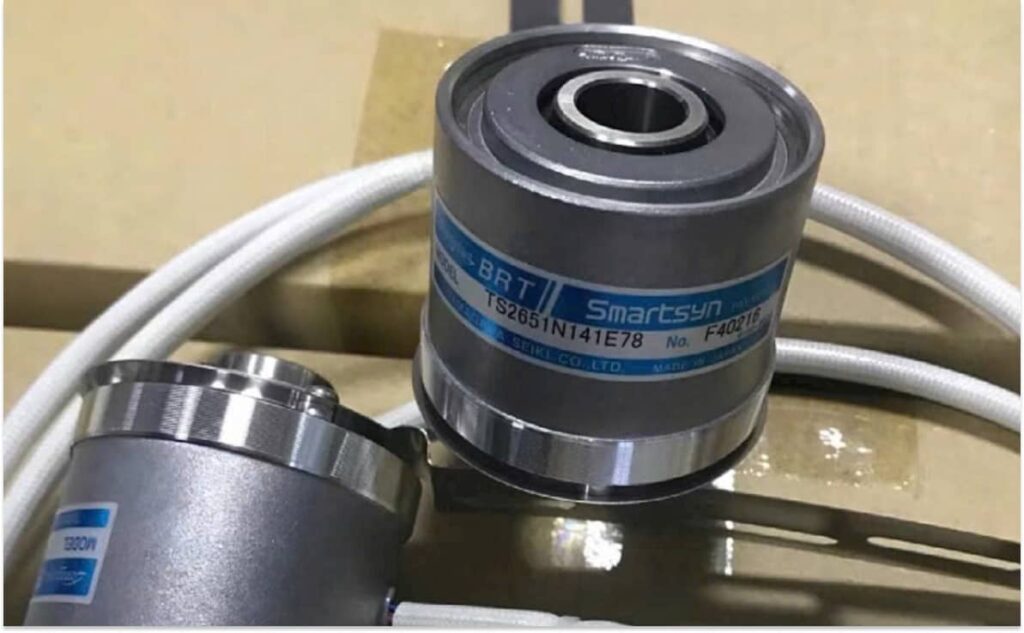
The Jigger Dyeing Machine is a core piece of equipment in the batch dyeing process, responsible for the quality and uniformity of the finished fabric. However, continuous operation in high-temperature and chemical environments causes rapid wear and tear on parts. Therefore, choosing the correct, genuine Jigger Dyeing Machine Spare Parts is a vital strategy for maintaining performance and optimizing operating costs for the factory.

In the textile dyeing production chain, the Jigger machine plays a decisive role in the color accuracy and surface quality of the fabric, especially woven fabrics. Any malfunction with the Jigger machine can lead to major production disruptions and serious economic losses. Hence, mastering the experience of selecting and replacing Jigger Dyeing Machine Spare Parts is not just a maintenance task but an important business strategy.
The textile market increasingly demands fast delivery times and color consistency, forcing factories to achieve near-absolute operational stability. This can only be accomplished when the entire mechanical and electronic system, especially the Jigger Dyeing Machine Spare Parts, is maintained in the best condition.
This article will provide a comprehensive and in-depth look at the necessary factors when selecting Jigger Dyeing Machine Spare Parts. We will delve into identifying the most easily damaged components, analyzing the quality criteria for each type of spare part, and developing an effective spare parts inventory management strategy.
The ultimate goal is to help textile dyeing factories ensure stability, enhance dyeing quality, and maximize equipment lifespan through the use of optimal Jigger Dyeing Machine Spare Parts. Applying the correct procurement and maintenance standards for Jigger Dyeing Machine Spare Parts will convert risk costs into investment costs, providing a sustainable competitive advantage in the global market.
1. Critical Jigger Dyeing Machine Spare Parts to Note
To ensure the Jigger Dyeing Machine operates smoothly and at peak performance, identifying and regularly checking critical Jigger Dyeing Machine Spare Parts is a prerequisite. These components are constantly subjected to mechanical forces, high temperatures, and the corrosive nature of dyeing chemicals. A deep understanding of the function and weak points of each Jigger Dyeing Machine Spare Part will help maintenance engineers make timely and accurate replacement decisions, avoiding reactive “firefighting.”
A smart procurement strategy for Jigger Dyeing Machine Spare Parts focuses on components with short replacement cycles or parts whose failure would significantly impact dyeing quality. This helps minimize downtime and ensures production continuity.
Furthermore, standardizing the inventory of spare Jigger Dyeing Machine Spare Parts according to the manufacturer’s code (OEM) is crucial to ensure absolute compatibility when urgent replacement is needed.
1.1. Rollers and Drive System
Rollers, especially the main rollers, are the Jigger Dyeing Machine Spare Parts that bear the heaviest load and determine the fabric’s movement speed. Wear, deformation, or imbalance of the rollers will lead to uneven fabric tension, causing severe dyeing defects such as color streaks or creases. Rollers must be regularly checked for roundness and surface roughness (Ra value) to ensure consistent friction with the fabric.
The drive system includes components such as the gearbox, speed reducers, and couplings. These Jigger Dyeing Machine Spare Parts ensure synchronization between the two main rollers, maintaining stable tension and speed throughout the dyeing process. Damage here can cause phase misalignment or sudden stops.
Regular inspection of lubricating oil in the gearbox and the condition of the bearings is essential to extend the lifespan of these drive Jigger Dyeing Machine Spare Parts. Any abnormal increase in temperature or noise from the drive system is a warning sign that replacement is needed.
When selecting rollers, priority should be given to materials with high corrosion resistance, such as specialized stainless steel (e.g., SUS 316L), and a quality surface coating, typically a hard chrome plating or specialized rubber layer.
The selection of Jigger Dyeing Machine Spare Parts for the drive system should be based on a torque rating suitable for the machine’s capacity, ensuring that couplings can absorb vibration to protect the gearbox from mechanical shock. New rollers must undergo dynamic balancing to eliminate vibration at high speeds.
1.2. Temperature and Pressure Control System
Temperature Sensors and Controllers are essential Jigger Dyeing Machine Spare Parts for controlling the dyeing process. Fabric color largely depends on maintaining precise dyeing temperatures according to the dyeing curve. The accuracy of the sensors (typically Pt100) must be frequently verified. A deviation of just 1-2°C can ruin the entire dye batch.
Steam Control Valves and cooling components are also critical Jigger Dyeing Machine Spare Parts, responsible for adjusting the temperature in the dye bath. Poor quality valves can lead to significant temperature fluctuations, causing uneven dyeing. Priority should be given to proportional control valves with fast response times.
Investing in high-accuracy temperature and pressure sensors from reputable manufacturers is a must-have experience. These Jigger Dyeing Machine Spare Parts must be fast-reacting and able to withstand the humid, chemical environment, ensuring reliability during temperature adjustment. In particular, the PLC/PID controller needs to have good integration capabilities with the factory’s monitoring software for easy remote tracking and calibration of the dyeing process.
1.3. Seals and Valves
Seals and Gaskets are widely used to prevent chemical and steam leakage from the dye bath. Failure of these Jigger Dyeing Machine Spare Parts not only wastes chemicals and energy but also jeopardizes occupational safety and causes environmental pollution. Mechanical seals at rotating shaft locations are extremely sensitive Jigger Dyeing Machine Spare Parts that require close monitoring.
Various types of valves, such as drain valves and inlet valves for water/chemicals, must ensure absolute sealing and corrosion resistance. They must be made of high-quality PTFE, Viton, or stainless steel materials, compatible with the nature of the dyeing chemicals. For valves, attention should be paid to the lifespan of the electric or pneumatic actuator, as failure here can paralyze the ability to control flow and dosing.
The replacement of Jigger Dyeing Machine Spare Parts like seals and valves must adhere to a strict maintenance schedule. Especially, rubber gaskets in high-temperature environments quickly lose their elasticity, leading to leaks. Choosing the right material is key to extending the lifespan of these Jigger Dyeing Machine Spare Parts. When replacing mechanical seals, ensuring the cleanliness and flatness of the contact surfaces is the determining factor for the sealing integrity of the new Jigger Dyeing Machine Spare Part.
1.4. Chemical Dosing Pumps and Filters
Dosing Pumps are Jigger Dyeing Machine Spare Parts that dispense chemicals and dyes into the bath with precise metering. Errors in dosing can ruin the entire dye batch. The accuracy of the pump (measured by percentage error rate) is a primary factor. The best dosing pumps typically use diaphragm or peristaltic technology to avoid direct contact between chemicals and sensitive mechanical components.
Filters help remove impurities and sludge from the dye liquor, preventing them from adhering to the fabric or clogging pipes and nozzles. Using quality filter Jigger Dyeing Machine Spare Parts helps protect other more expensive components, such as nozzles or solenoid valves. A process for regular cleaning or replacement of filter screens is needed to maintain stable flow.
When purchasing pumps and filters, attention should be paid to the corrosion resistance of the material (usually PVC, PP, or stainless steel). These Jigger Dyeing Machine Spare Parts must be easy to disassemble and clean to minimize maintenance time and ensure the hygiene of the dyeing system. Furthermore, the calibration of dosing pumps needs to be performed frequently to ensure accuracy required by stringent fine-color dyeing formulas.
2. Quality Assessment Criteria for Jigger Dyeing Machine Spare Parts
Purchasing Jigger Dyeing Machine Spare Parts is not just about finding replacement components but about investing in the quality and stability of the production process. Applying strict evaluation criteria will help the factory avoid risks from counterfeit or low-quality goods. A minor difference in tolerance or material can lead to the failure of the entire system.
In practice, low-quality Jigger Dyeing Machine Spare Parts can cause domino effects, damaging related components and resulting in much higher repair costs than purchasing genuine spare parts initially. Therefore, establishing an input Quality Control (QC) process for every Jigger Dyeing Machine Spare Part is a mandatory requirement for any professional textile dyeing factory.
2.1. Manufacturing Material and Compatibility
Material is the foremost criterion when evaluating any Jigger Dyeing Machine Spare Part. The Jigger machine operates in a high-temperature environment (typically 95°C – 130°C) and is exposed to various acids, alkalis, and dyes. This condition demands high chemical and mechanical stability from the material.
Metal parts must be high heat-resistant and corrosion-resistant stainless steel (such as SUS 316L according to JIS standard or equivalent TP316L according to ASTM standard). Non-metallic parts (seals, gaskets) must be made of chemically heat-resistant materials like PTFE, FKM/Viton. Ensuring material compatibility is key when purchasing Jigger Dyeing Machine Spare Parts, especially when replacing components that directly contact the dyes.
Checking the material not only helps extend the lifespan of the Jigger Dyeing Machine Spare Parts but also ensures no unwanted chemical reactions occur between the dyeing chemicals and the component, avoiding dyeing faults or equipment damage. Mechanical spare parts must also meet a certain level of hardness and fatigue resistance to withstand the continuous operating cycle of the machine.
2.2. Origin and Certification (CO, CQ)
To eliminate the risk of purchasing counterfeit or recycled goods, the factory must require the supplier to provide complete documentation for Certificate of Origin (CO) and Certificate of Quality (CQ) for the Jigger Dyeing Machine Spare Parts. The CO should clearly state the country and manufacturing plant, ensuring transparency.
CO and CQ are authentic proof of origin and quality commitment from the manufacturer. This is mandatory experience for critical Jigger Dyeing Machine Spare Parts, especially high-value complex electrical or mechanical components like gearboxes or PLC controllers. The CQ certificate should also be accompanied by a report on dimensions and installation tolerance inspection.
Relying solely on a low price and neglecting CO/CQ inspection can lead to serious consequences for production quality, even voiding the warranty of the entire Jigger machine. Choosing reputable suppliers with a clear history of providing Jigger Dyeing Machine Spare Parts and a good traceability system is a wise decision.
2.3. Heat, Pressure, and Chemical Resistance Capabilities
Each Jigger Dyeing Machine Spare Part needs clear technical specifications regarding its ability to withstand the harsh conditions of the dyeing environment. For instance, a sealing gasket must withstand the maximum temperature of the dyeing process without degradation, usually requiring a safety margin of 10-20% compared to the maximum operating temperature.
Pressure resistance is also important for components in the chemical supply system or in High-Temperature Jigger machines. Exceeding the design limits of the Jigger Dyeing Machine Spare Part will lead to immediate failure and pose a danger. Checking the Maximum Working Pressure (MWP) rating is necessary.
Require the supplier to provide detailed test reports or technical specifications on the chemical resistance of the Jigger Dyeing Machine Spare Parts. This ensures that the spare part can operate reliably with all types of dyes and additives used in the factory. Chemical resistance testing should include soaking the spare part in a simulated dye solution at operating temperature.
2.4. Warranty Policy and Technical Support
The warranty policy is a measure of the supplier’s reliability for their Jigger Dyeing Machine Spare Parts. A reputable supplier will offer a clear warranty, demonstrating commitment to product quality, typically 6 to 12 months depending on the component type. The warranty should cover manufacturer defects, excluding errors due to incorrect installation or operation.
After-sales technical support is crucial, especially during the installation and commissioning of new Jigger Dyeing Machine Spare Parts. The supplier needs a team of specialized technicians, ready to support the factory when needed, including remote diagnostics or dispatching engineers on-site in an emergency.
Experience shows that choosing to purchase Jigger Dyeing Machine Spare Parts from partners who can provide on-site calibration and installation services will help ensure the component is accurately integrated into the existing Jigger machine system. This is a determining factor to prevent issues immediately after replacement.
3. Management and Maintenance Strategy for Jigger Dyeing Machine Spare Parts

Effective Jigger Dyeing Machine Spare Parts management is an art that helps the factory save costs, mitigate risks, and maximize machine uptime. A proactive maintenance strategy is always better than passive maintenance (waiting for failure before replacing). This strategy needs to integrate IT and quality control processes.
Implementing modern inventory management tools and setting replacement alert thresholds will help the maintenance team be ready to respond to any incident. Jigger Dyeing Machine Spare Parts management must be seen as part of overall quality management, aiming to maintain equipment reliability.
3.1. Establishing a Scheduled Replacement Plan
Based on the Jigger machine manufacturer’s guidelines and actual operational experience, the factory needs to list consumable Jigger Dyeing Machine Spare Parts with clear replacement cycles. For example, seals, bearings, and filters often need replacement after a specific number of operating hours, which should be documented and monitored in a CMMS (Computerized Maintenance Management System).
Scheduled Replacement (Preventive Maintenance – PM) helps prevent sudden failure of Jigger Dyeing Machine Spare Parts, avoiding huge costs due to unplanned machine downtime. This ensures stable dyeing performance over time and minimizes variations in the production process.
Applying Vibration Analysis or infrared temperature measurement can help predict early failures of mechanical Jigger Dyeing Machine Spare Parts (like bearings, gearboxes) before they cause greater damage. Ultrasonic testing is also an advanced technique to detect early gas or steam leaks, protecting other expensive Jigger Dyeing Machine Spare Parts.
3.2. Storage and Preservation of Spare Parts Inventory
Not all Jigger Dyeing Machine Spare Parts need to be stocked, but critical, hard-to-find, or long lead time components should be prioritized in inventory. Clear minimum and maximum stock levels for each type must be determined based on risk analysis and storage costs.
Jigger Dyeing Machine Spare Parts need to be stored under appropriate conditions (temperature, humidity) to prevent degradation. For instance, rubber gaskets must be stored in a cool environment, away from direct sunlight to prevent loss of elasticity before installation. Sensitive electronic components need to be stored in an anti-static environment.
Establishing a coding and inventory tracking system (Inventory Management System) will help the management team know the exact location, quantity, and time to reorder Jigger Dyeing Machine Spare Parts. This system needs to integrate alerts when inventory reaches the reorder point to avoid urgent stock-outs.
3.3. Training for Accurate Installation Techniques
Even the highest quality, genuine Jigger Dyeing Machine Spare Parts can fail if installed incorrectly. Misalignment during installation can cause faster wear, leakage, or damage to other related parts. Accuracy in installation is a prerequisite for the lifespan of the spare part.
The factory needs to invest in specialized training for the technical team on the standard installation procedures for each type of Jigger Dyeing Machine Spare Part. This includes using the correct tools, adhering to torque specifications, and post-installation calibration steps, which are especially critical for bearings and mechanical seals. The use of a torque wrench according to standards is mandatory.
The installation of Jigger Dyeing Machine Spare Parts like bearings or seals should be performed by experienced specialists. Installation errors are the leading cause of significantly shorter spare part lifespans than anticipated and often result in unfixable faults during subsequent operation.
4. Risks and Solutions When Using Low-Quality Spare Parts
In the context of price competition, many textile dyeing factories tend to seek unverified or counterfeit (non-OEM) Jigger Dyeing Machine Spare Parts at low prices. While this might save initial costs, this strategy hides immense technical and economic risks.
Using low-quality Jigger Dyeing Machine Spare Parts not only affects the lifespan of that component but also degrades performance and causes cascading damage to the entire Jigger machine. Identifying and avoiding these risks is a key lesson for maintaining stable operation and production quality.
4.1. Technical Risks and Operational Deviations
Non-genuine Jigger Dyeing Machine Spare Parts often fail to meet standard technical tolerances. For example, a roller with a small tolerance deviation can cause severe vibration, leading to premature wear of bearings and mechanical seals, and simultaneously causing color streak faults on the fabric due to uneven tension.
Low-quality electronic components (sensors, PLCs) often have significant drift or slow response. This results in inaccurate control of temperature and chemical dosing, causing severe color faults, forcing the factory to re-dye or scrap the batch (waste).
Sealing Jigger Dyeing Machine Spare Parts made of non-heat or non-chemical resistant materials will quickly degrade, causing chemical leaks. Chemical leaks not only lead to waste but also directly threaten the safety of operators and damage nearby electronic components due to moisture and chemicals.
4.2. Risks of Total Cost and Product Damage
Although the initial purchase price of cheap Jigger Dyeing Machine Spare Parts is low, the Total Cost of Ownership (TCO) soars. Low-quality spare parts have a lifespan that is only a fraction of genuine items, leading to high replacement frequency and continuous maintenance labor costs.
The greatest damage is the downtime cost. A sudden failure of a critical Jigger Dyeing Machine Spare Part can stop the Jigger machine for hours or even days, causing order delays and loss of customer reputation. The opportunity cost from lost production often far outweighs the savings from purchasing non-genuine spare parts.
When dyeing faults occur due to poor-quality Jigger Dyeing Machine Spare Parts, the processing cost includes re-dyeing costs (chemicals, water, energy), labor costs, and, worse, the cost of scrapping the product if the fault cannot be corrected. These are damages that cannot be offset by saving a few percent on the initial component cost.
4.3. Solution: Choosing Suppliers with Quality Vetting
The optimal solution is to establish partnerships with reputable suppliers of Jigger Dyeing Machine Spare Parts who can provide independent quality vetting. The supplier must have deep expertise in Jigger machines, not just be a simple distributor.
Ensure the supplier commits to material quality, compatibility, and performance. Demand a clear warranty policy, especially for defects related to materials or errors in the manufacturing process of the Jigger Dyeing Machine Spare Parts.
Choosing to purchase genuine Jigger Dyeing Machine Spare Parts or certified equivalent replacement parts from verified suppliers helps the factory have peace of mind regarding the durability and stability of the machinery. This is a long-term strategy for protecting assets and product quality.
5. VieTextile Provides Optimal Jigger Dyeing Machine Spare Parts Solutions

VieTextile understands the importance of maintaining stable operation and high quality in textile dyeing factories. We are proud to be a strategic partner, specializing in providing comprehensive solutions for genuine Jigger Dyeing Machine Spare Parts, helping customers optimize production processes and minimize risks.
We commit to absolute quality for every Jigger Dyeing Machine Spare Part distributed. VieTextile’s products have clear origins, accompanied by full CO/CQ certifications, ensuring superior compatibility and durability in the harsh dyeing environment. We not only supply components but also provide assurance of their operating performance.
With a diverse and large inventory of Jigger Dyeing Machine Spare Parts, we ensure quick supply capability, minimizing customer waiting time and machine downtime. We understand that every hour of machine downtime is a significant cost, and rapid response is a core element of our service.
VieTextile’s team of highly specialized technicians is always ready to provide in-depth consultation services, supporting the factory in identifying the correct Jigger Dyeing Machine Spare Parts needed, as well as guiding accurate installation and calibration, ensuring the machine operates at its best performance. We also offer custom fabrication services when original components have been discontinued.
6. Frequently Asked Questions (FAQ) About Jigger Dyeing Machine Spare Parts
6.1. What is the recommended replacement cycle for Jigger Dyeing Machine Spare Parts?
The replacement time for Jigger Dyeing Machine Spare Parts depends on the type of spare part (consumable or load-bearing) and the operating frequency. Components like seals and bearings should be replaced according to the manufacturer’s PM schedule (often after 6,000 – 8,000 machine operating hours). Electronic components are usually replaced upon signs of error or failure. Most importantly, predictive maintenance should be applied to replace Jigger Dyeing Machine Spare Parts before they fail completely.
6.2. Do Jigger Dyeing Machine Spare Parts affect dyeing quality?
Jigger Dyeing Machine Spare Parts significantly affect dyeing quality. For example, a roller malfunction will cause uneven fabric tension, leading to color streaks. Failure of sensors or temperature control valves will result in uneven color. Using high-quality Jigger Dyeing Machine Spare Parts is mandatory to ensure finished product quality, minimize color faults, and increase consistency.
6.3. How can I check if a Jigger Dyeing Machine Spare Part is genuine?
To check if a Jigger Dyeing Machine Spare Part is genuine, the factory needs to require the supplier to provide full Certificate of Origin (CO), Certificate of Quality (CQ), and cross-reference with the original component part number. Additionally, observing the finish, labels, packaging, and sealing of the Jigger Dyeing Machine Spare Part is also an important factor to distinguish it from counterfeit goods.
6.4. Besides the rollers, which parts of the Jigger machine fail most often?
Besides the rollers, the sealing components (seals, gaskets) and steam/chemical control valves are the most frequently failing Jigger Dyeing Machine Spare Parts because they are constantly exposed to high temperatures and corrosive chemicals. Electronic parts like temperature sensors and controllers can also malfunction due to high humidity.
6.5. Is calibration of Jigger Dyeing Machine Spare Parts after installation important?
Calibration is a mandatory step, especially for electronic Jigger Dyeing Machine Spare Parts like temperature sensors, pressure sensors, and dosing pumps. Calibration ensures that the sensor readings are accurate and align with actual standards, so the PLC control system can operate the dyeing process according to the correct formula without color deviation.
6.6. Should I buy used (second-hand) Jigger Dyeing Machine Spare Parts?
Buying used Jigger Dyeing Machine Spare Parts carries very high risks. Although the cost is low, the remaining lifespan, maintenance history, and load-bearing capacity of the component cannot be controlled. For critical Jigger Dyeing Machine Spare Parts like gearboxes, rollers, or control valves, the risk of sudden failure can cause much greater damage than the cost saved.
6.7. How can I extend the lifespan of seals in a Jigger machine?
To extend the lifespan of sealing Jigger Dyeing Machine Spare Parts (seals/gaskets), the following factors must be ensured: 1) Use materials compatible with chemicals and temperature (e.g., FKM/Viton for high temperature); 2) Ensure the installation surface is clean and flat; 3) Avoid operating the machine with pressure and temperature exceeding the seal’s design limits; 4) Check and replace lubricant periodically for mechanical seals.
6.8. Which international standard applies to the stainless steel material of Jigger Dyeing Machine Spare Parts?
The most common international standards applied to stainless steel (Inox) material in Jigger Dyeing Machine Spare Parts are SUS 316L (Japanese Standard – JIS) or the equivalent TP316L (American Standard – ASTM). This type of steel has superior corrosion resistance in acidic and chlorine environments, which is very important for parts directly exposed to dyeing chemicals.
To enhance maintenance efficiency and ensure a supply of quality Jigger Dyeing Machine Spare Parts, contact VieTextile today!
Contact Information:
Hotline: 0901 809 309
Email: info@vietextile.com
Website: https://vietextile.com