


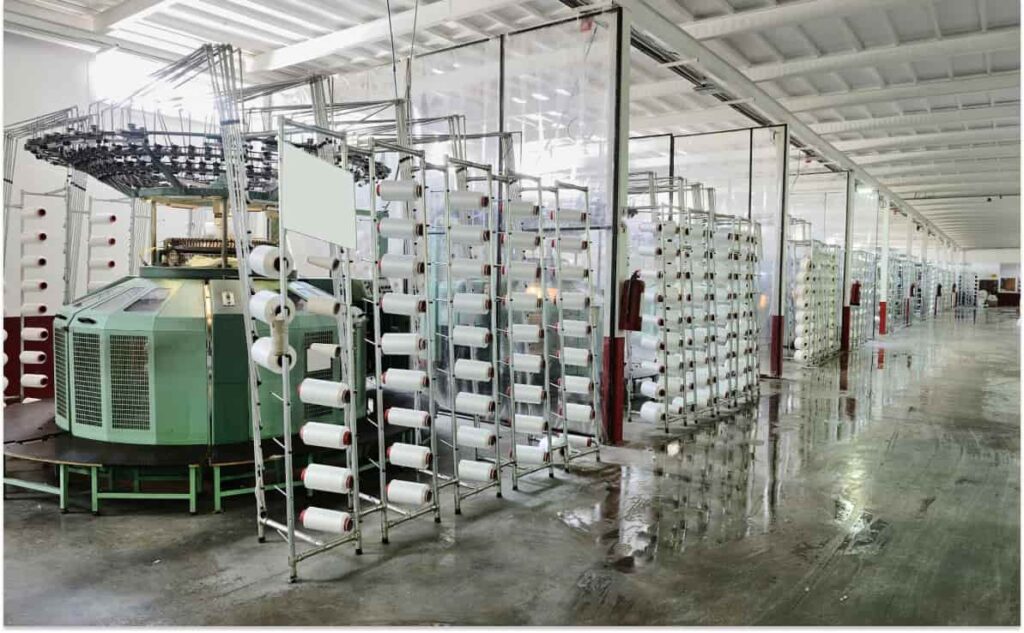
A deep dive into the premium lines of yarn materials serving the professional single interlock french knitting processing. The article provides a comprehensive look at the technical characteristics and practical applications of each most popular yarn type today.
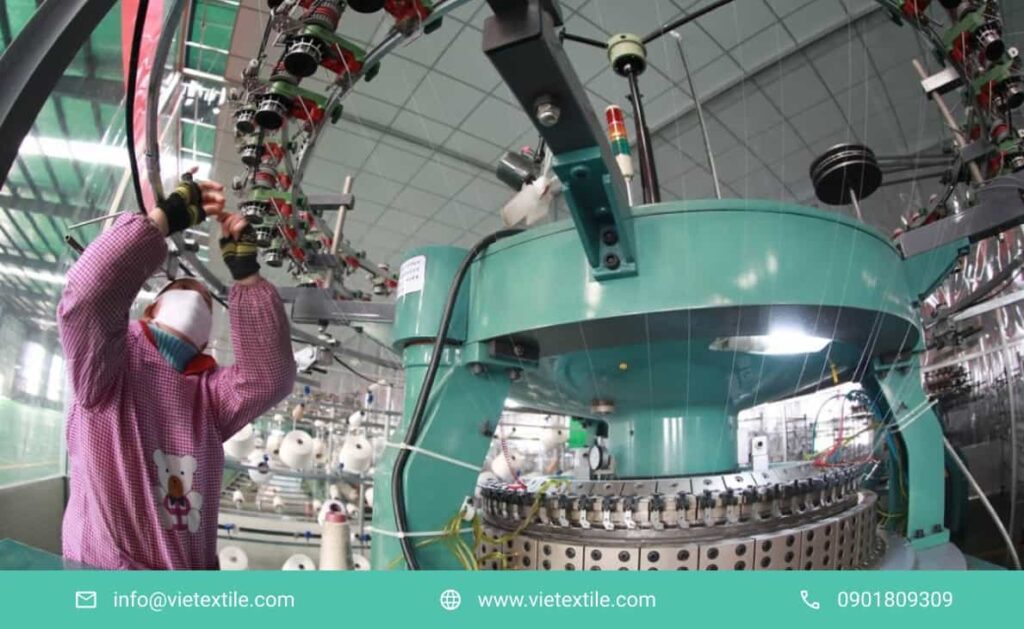
1. General Overview Of Single Interlock French Knitting Processing
Single interlock french knitting processing is actually a combined technical term, representing the three most common and important knitting structures in the garment industry. Each structure carries a distinct physical characteristic, requiring completely different technical specifications for yarn and machinery.
1.1. Technical Characteristics Of Single Jersey Structure
Single jersey is the most basic knitting style, created using a single row of needles on a circular knitting machine. In the single interlock french knitting processing, single jersey fabric stands out with the feature of having two distinct sides: the right side consists of smooth columns of loops (wales) and the back side is slightly rough rows of loops (courses). This type of fabric has a horizontal stretch greater than the vertical stretch, is usually thin, light, and extremely breathable. However, a technical disadvantage to note is that the fabric is very prone to edge curling after cutting, requiring very firm sewing techniques.
1.2. The High-Class Difference Of Interlock Structure
Completely different from single, interlock is a double-knit fabric, using two rows of needles placed opposite each other on the knitting machine. When performing single interlock french knitting processing for the interlock line, the machine will create a fabric structure that has two identical sides, with no distinction between the back and front sides. Interlock fabric is extremely stable, does not curl at the edges, has twice the thickness of traditional single jersey, and the ability to maintain shape after many washes is extremely impressive.
1.3. French Terry Structure And Fish Scale Fabric Application
French terry, also known as fish scale fabric, is a specific structure in single interlock french knitting processing. This structure is formed by adding a laid-in yarn at the back to create characteristic loops similar to fish scales. This creates an air cushion between the fabric and the skin, helping the fabric have excellent sweat absorption on the inside and a smooth surface on the outside. This is the ideal material for high-end hoodies, sweatshirts, and loungewear lines.
2. Analyzing Natural Cotton Yarn In Single Interlock French Knitting Processing
Cotton yarn still maintains its position as the “king” of the textile industry thanks to its natural origin and superior advantages in comfort. In single interlock french knitting processing, cotton yarn is divided into many different quality levels.
2.1. Absolute Advantage Of Combed Cotton Yarn
Combed yarn is the highest quality yarn type, having undergone a combing process to completely remove short fibers, impurities, and the smallest dust particles. In single interlock french knitting processing, using combed yarn helps the fabric surface achieve absolute smoothness, completely eliminating the pilling phenomenon. Fabric woven from this yarn has a slight sheen, withstands good pulling force, and brings a luxurious feeling to the wearer. This is a mandatory choice for designer and export fashion brands.
2.2. Characteristics Of Carded Cotton Yarn
Carded yarn has a simpler production process, therefore the cost is lower than combed yarn. However, the fabric surface when undergoing single interlock french knitting processing with carded yarn will be slightly rougher and have many tiny fiber fragments. This type of yarn is often prioritized for mass fashion product lines, labor protection clothing, or fabrics that require a certain stiffness without being too concerned about surface smoothness.
2.3. Organic Cotton Yarn And Green Fashion Trends
Organic cotton yarn is grown and processed according to a chemical-free process, friendly to the ecosystem. When applied to single interlock french knitting processing, this type of yarn not only brings usage value but also affirms the manufacturer’s reputation for environmental protection. Organic cotton fabric is extremely benign, the top choice for infant product lines and high-end underwear.
3. Role Of Polyester And New Generation Synthetic Yarns
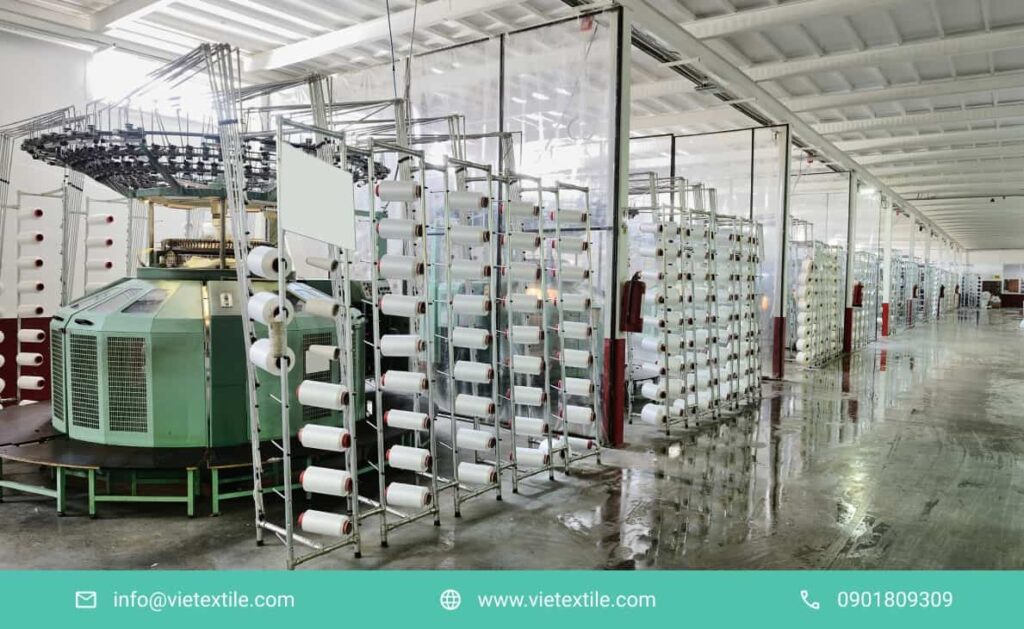
Besides natural fibers, polyester yarn plays an irreplaceable role in increasing the durability and features of knitted fabrics.
3.1. Polyester Filament Yarn And Superior Durability
Filament yarn consists of continuous long strands with extremely high breaking strength. In single interlock french knitting processing, filament yarn helps the fabric have high gloss, absolute wrinkle resistance, and no shrinkage. This is the main yarn type for producing cold spandex fabric, knitted fabric for swimwear, and high-intensity sports underwear. The fast moisture-wicking ability of filament is a major technical advantage.
3.2. Sợi Polyester Spun Và Cảm Giác Giả Cotton
Spun yarn is created by cutting polyester fibers short and then spinning them again similar to the cotton yarn making process. When single interlock french knitting processing with spun polyester yarn, the wearer will feel the fabric is fluffier and softer than filament, nearly similar to cotton but still retaining the durability of synthetic fiber. This type of yarn is very popular in producing cheap uniform T-shirts while still ensuring color durability.
3.3. Recycled Polyester Yarn And Global Certifications
The use of recycled polyester yarn (usually from PET plastic bottles) is becoming a mandatory requirement for many large markets such as the EU or the US. Single interlock french knitting processing using recycled yarn helps businesses easily achieve international certificates such as GRS (Global Recycled Standard), opening export doors and enhancing brand position in the global market.
4. Techniques Of Using Blended Yarns To Optimize Quality
Blended yarn is a smart solution to combine the quintessence of many different types of fibers, overcoming the inherent disadvantages of each single fiber type.
4.1. CVC Yarn – The Perfect Combination Between Cotton And Poly
CVC (Chief Value Cotton) is a type of yarn with a cotton ratio of over 50% (usually 60/40 or 65/35). In single interlock french knitting processing, CVC yarn brings a breathable feeling like cotton but has the durability, color retention, and good wrinkle resistance from polyester. This is the type of fabric with the highest sales in the polo shirt and office wear segment in Vietnam.
4.2. TC Yarn – Economical And Durable Solution
TC yarn (Terylene Cotton) has a higher polyester ratio than cotton (usually 65/35 or 83/17). Fabric woven from TC yarn in the single interlock french knitting processing has a low price, stiff surface, is extremely easy to iron flat, and has very high mechanical durability. This type is often applied to promotional T-shirts and labor protection clothing that need great durability.
4.3. Cotton Spandex Blend Yarn For Enhanced Elasticity
To give the fabric 4-way stretch capability, spandex fiber (or Lycra) is introduced into the single interlock french knitting processing as a supplementary component. With only 3-8% spandex, the fabric will have an excellent ability to recover its original state after being stretched, helping the outfit hug the body most comfortably without being deformed or “sagging” over time.
5. High-End Bio-Yarns In Single Interlock French Knitting Processing
The market increasingly favors yarns derived from wood or other plants thanks to the luxurious feel and health protection characteristics.
5.1. Bamboo Yarn With Antibacterial Features
Bamboo fiber is extracted from the cellulose of natural bamboo trees. When performing single interlock french knitting processing with bamboo yarn, the finished fabric has natural antibacterial properties, effectively deodorizes, and has moisture absorption 3 times that of cotton. The drape of bamboo fiber fabric is very beautiful, creating an elegant look for loungewear or fashion dresses.
5.2. Modal Yarn From Beech Wood And Silk-Like Softness
Modal yarn is a high-end artificial silk fiber, produced from beech wood. The strongest point of modal when single interlock french knitting processing is the fabric surface as smooth as silk, extremely cool, and never becomes stiff or shrinks. Modal fabric is particularly suitable for high-end men’s and women’s underwear and luxury sleepwear fashion lines.
5.3. Viscose Yarn And Diverse Applications
Viscose yarn also originates from cellulose but has a more economical production process than modal. In single interlock french knitting processing, viscose yarn creates fabric pieces with high gloss, brilliant colors, and a cool feeling. However, attention should be paid to the weaving technique because viscose fiber has lower wet strength than other types of fibers.
6. Technical Criteria For Evaluating Yarn In Single Interlock French Knitting Processing
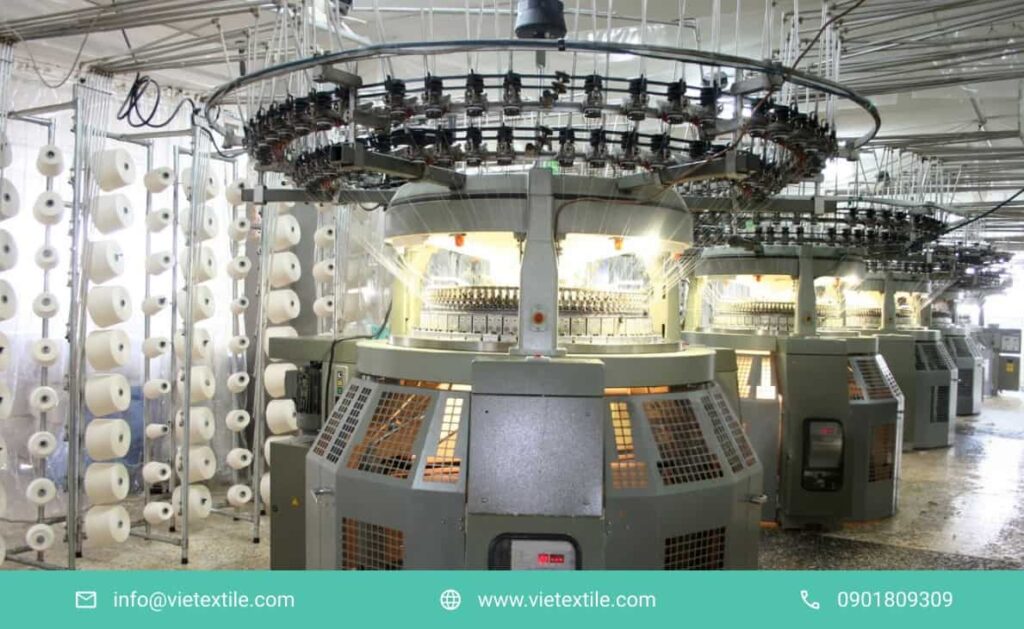
To ensure the production process does not encounter errors, technical parameters of the yarn must be strictly controlled using specialized equipment.
6.1. Yarn Count (Ne, Nm, Tex) And Fabric Thickness
The yarn count directly determines the fabric weight (GSM). Sợi càng mảnh (chỉ số Ne càng cao như 40s, 50s) thì vải dệt ra càng mỏng và cao cấp. In single interlock french knitting processing, the choice of yarn count must be compatible with the machine gauge to avoid the phenomenon of fabric being too sparse or the machine being overloaded causing needle breakage.
6.2. Yarn Twist And Fabric Skewness Phenomenon
The twist of the yarn affects the tensile strength and pilling of the fabric. Nếu sợi có độ xoắn không đều hoặc quá cao, khi single interlock french knitting processing vải sẽ rất dễ bị hiện tượng xiên (skewness) – nghĩa là các cột vòng bị nghiêng, làm mất form dáng áo sau khi may. Controlling the twist is an extremely important step for the single jersey fabric line.
6.3. Yarn Cleanliness And Neps Index
Neps are tiny fiber knots appearing on the yarn due to spinning process errors. In high-quality single interlock french knitting processing, the yarn must have the lowest possible Neps index. Otherwise, abnormal black dots or thick/thin spots will appear on the fabric surface, reducing the aesthetic value of the product.
7. Quality Control Process Of Yarn At The Processing Factory
A professional single interlock french knitting processing unit always has a strict IQC (Input Quality Control) process for input yarn materials.
7.1. Checking Tensile Strength
The yarn is put on a specialized pulling machine to determine the breaking force. Điều này đảm bảo trong quá trình single interlock french knitting processing ở tốc độ cao, sợi không bị đứt đột ngột gây dừng máy và tạo ra lỗi vải.
7.2. Checking Yarn Evenness (Uster)
Yarn evenness (U%) determines whether the fabric surface is smooth or not. Poorly even yarn will cause striped or streaked fabric after dyeing. This is a technical criterion that reputable single interlock french knitting processing workshops always put first.
7.3. Checking Moisture And Recovery
Knitting yarn needs standard moisture to maintain elasticity. Sợi quá khô sẽ trở nên giòn và dễ đứt. In the single interlock french knitting processing warehouse, temperature and humidity conditions must always be maintained stably to protect the physical characteristics of the yarn.
8. Influence Of Yarn On The Finishing Process Of Knitted Fabric
The post-weaving stage (dyeing and finishing) depends a lot on the type of yarn used during processing.
8.1. Dye Absorption Capability Of Each Yarn Type
Natural fibers (cotton, bamboo) absorb dye directly, giving authentic colors. Synthetic fibers (polyester) need to be dyed at high temperature and pressure. Khi single interlock french knitting processing sử dụng sợi pha, quá trình nhuộm trở nên phức tạp hơn vì cần phối hợp hai hệ thống thuốc nhuộm khác nhau để đạt độ đều màu tuyệt đối.
8.2. Fabric Shrinkage After Heat Treatment
Each type of yarn has a different level of heat shrinkage. Sợi cotton dễ co rút nhất, trong khi polyester rất ổn định. The single interlock french knitting processing manufacturer must calculate the yarn shrinkage to design the fabric width and weight after dyeing exactly as required by the customer.
8.3. Surface Effects And Special Treatments
Treatments such as singeing or brushing are only truly effective on certain types of yarn. For example, single interlock french knitting processing for the French Terry line often comes with a napping stage at the back to create warmth, this stage requires the lining yarn to have a certain fluffiness and durability.
9. VieTextile – Reliable Single Interlock French Knitting Processing Partner
VieTextile is proud to be a pioneer in the textile field, bringing comprehensive solutions to domestic and international customers.
9.1. Production Capacity And Machinery System
We own the most modern circular knitting machine system, ready to meet all single interlock french knitting processing requirements from simple to complex. Mọi thiết bị đều được bảo trì định kỳ để đảm bảo độ chính xác tuyệt đối trong từng vòng dệt. Our knitting machine system is imported from the world’s leading brands such as Mayer & Cie (Germany) or Fukuhara (Japan), allowing extremely sophisticated yarn tension control.
9.2. Diverse And Quality Yarn Material Sources
At VieTextile, we link with the most reputable yarn suppliers globally. From US cotton, Austrian modal yarn to GRS-standard recycled yarn, all materials serving single interlock french knitting processing have clear origin certificates. We always stock popular yarn lines to ensure the production process is not interrupted, even during periods of market volatility.
9.3. Experienced Team Of Technicians
With more than 10 years of experience in the industry, our technical team has a thorough understanding of yarn parameters. Khi thực hiện single interlock french knitting processing, chúng tôi luôn tư vấn cho khách hàng loại sợi tối ưu nhất để cân bằng giữa chi phí và chất lượng. The understanding of the physical properties of yarn helps us thoroughly handle difficult errors such as skewed fabric, streaked fabric, or knitting needle errors right from the yarn preparation stage.
9.4. Commitment To Progress And Cost
VieTextile understands that in the fashion industry, time is money. The single interlock french knitting processing is optimized using modern production management software, giúp rút ngắn thời gian giao hàng và giữ mức giá cạnh tranh nhất trên thị trường. We commit to performing on the agreed schedule, helping customers feel secure in implementing business and marketing plans.
9.5. After-Sales Service And Customer Care
We do not just stop at delivery. VieTextile luôn đồng hành cùng khách hàng trong việc xử lý các vấn đề phát sinh sau single interlock french knitting processing, ensuring absolute satisfaction and long-term cooperative relationships. All complaints about fabric quality are received and handled by the technical team within 24 hours, affirming the prestige and responsibility of VieTextile.
10. Frequently Asked Questions About Single Interlock French Knitting Processing (FAQ)
Below is a summary of the most common questions that customers often send to us during the cooperation process.
10.1. Which Yarn Type Is Best For Making French Terry Fabric?
Combed cotton yarn or CVC yarn is the best choice for single interlock french knitting processing for the French Terry line vì chúng giữ được độ xốp của vòng lặp và thấm hút mồ hôi tốt. In particular, 100% cotton yarn helps the inner fish scale side be softer, not causing skin irritation when worn for a long time.
10.2. Can Single Interlock French Knitting Processing Use 100% Polyester Yarn?
Absolutely. Việc sử dụng 100% polyester trong single interlock french knitting processing thường áp dụng cho các dòng vải thể thao, áo bóng đá hoặc các loại vải cần độ bền cao và in chuyển nhiệt sắc nét. Polyester filament yarn helps the fabric have high gloss and never fade under the influence of sunlight.
10.3. How To Avoid Fabric Skewness During Processing?
Fabric skewness is often due to too high yarn twist or uneven knitting machine tension. Tại VieTextile, chúng tôi kiểm soát chặt chẽ độ xoắn của sợi trước khi single interlock french knitting processing để loại bỏ hoàn toàn lỗi này. In addition, using electronic tension control devices on the knitting machine also helps stabilize the fabric structure absolutely.
10.4. What Is The Minimum Quantity For Ordering Single Interlock French Knitting Processing?
Tùy vào loại sợi và cấu trúc vải, VieTextile có các chính sách linh hoạt. Tuy nhiên, để tối ưu hóa quy trình single interlock french knitting processing và có được mức giá tốt nhất, chúng tôi thường khuyến nghị số lượng từ 300kg trở lên cho mỗi đơn hàng. For sample test orders, we still support implementation with smaller quantities depending on the agreement.
10.5. Does VieTextile Support Sourcing Yarn According To Specific Requirements?
Yes, we have a wide network of yarn suppliers from major markets such as India, China, and reputable domestic spinning mills. Nếu bạn có yêu cầu đặc biệt về sợi cho quá trình single interlock french knitting processing, chúng tôi sẽ hỗ trợ tìm kiếm, gửi mẫu kiểm định và báo giá cạnh tranh nhất cho bạn.
For professional single interlock french knitting processing, contact VieTextile today!
Contact information:
Hotline: 0901 809 309
Email: info@vietextile.com
Website: https://vietextile.com