


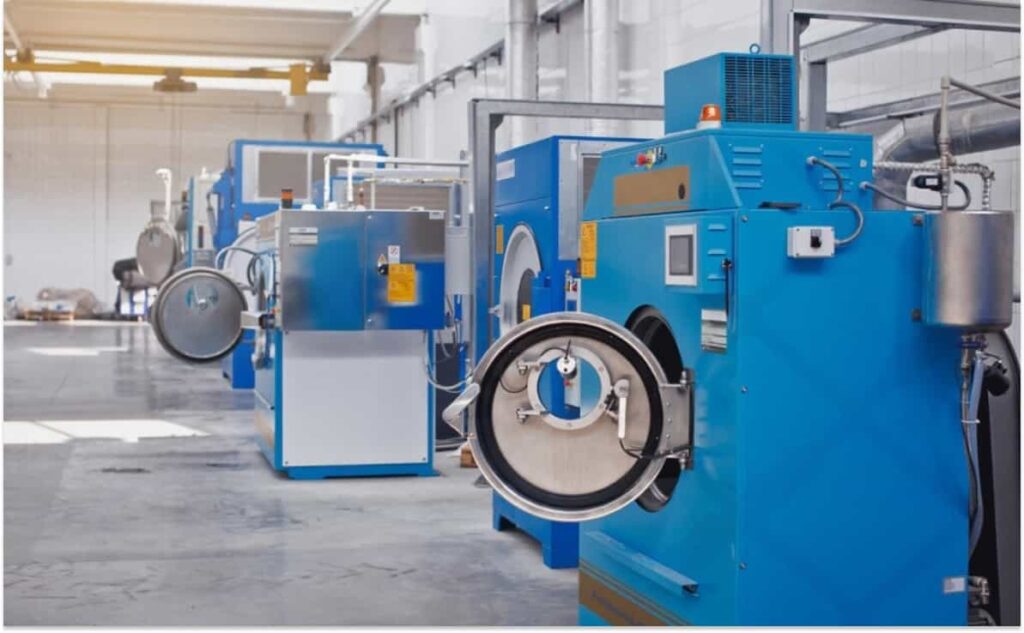
Wash denim knit is a challenging finishing process that requires a delicate combination of traditional denim abrasion technology and a deep understanding of knitted fabric structures. Controlling shrinkage and deformation is the vital factor determining the value of this unique “hybrid” fabric line.
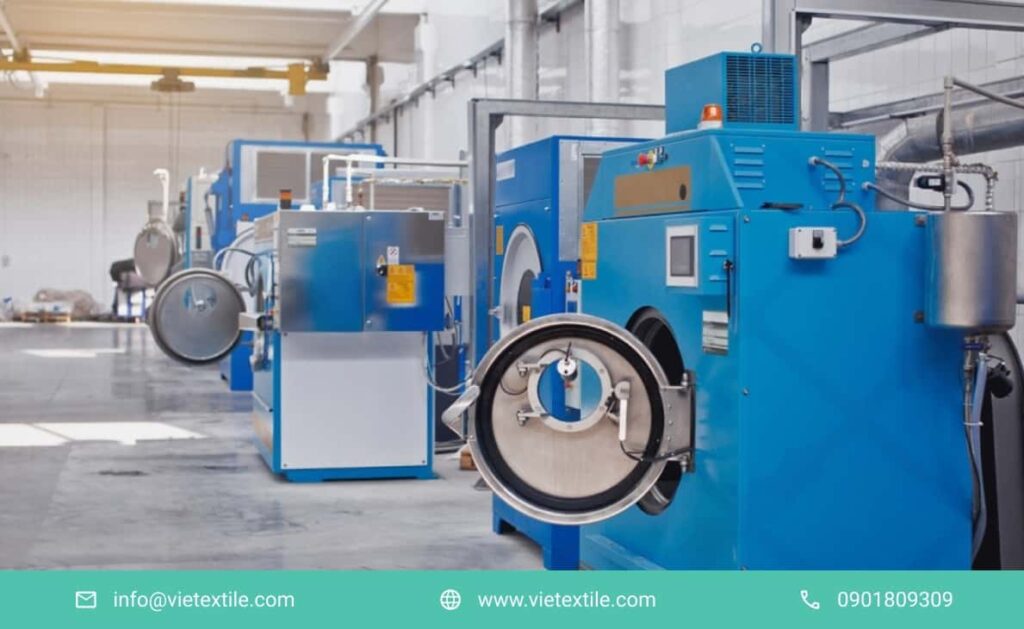
1. What Is Wash Denim Knit And Why Is It Complex?
Wash denim knit is the process of using chemical agents (enzymes, bleaching agents) and physical factors (pumice stones, temperature) to create fading effects and soften Indigo-dyed knitted fabrics. Unlike woven denim (Woven) which has a stable structure, denim knit is composed of interlacing yarn loops, making the fabric tend to be loose and easily change dimensions under the influence of water and heat.
The complexity of wash denim knit lies in how the technician creates beautiful abrasion effects without losing the natural elasticity of the Spandex fiber. If handled clumsily, the product after washing will lose its shape, turning into wrinkled garments or causing misaligned seams, leading to serious damage in the production stage.
1.1. Differences Between Woven Denim And Knitted Denim Washing
Woven fabric has high mechanical stability thanks to the perpendicular interlacing of warp and weft yarns, helping it withstand the strong impact intensity of pumice stones for a long time. In contrast, wash denim knit faces a sensitive loop structure, easily elongated or shortened if the tension of the washing machine is not adjusted appropriately.
In addition, Denim Knit usually contains a high ratio of Spandex to create comfort. Controlling the temperature in the wash denim knit process therefore becomes extremely important, as excessively high temperatures will “kill” the elastic fiber, causing the fabric to lose its ability to recover its original state after stretching.
1.2. The Ultimate Goal Of The Control Process
The highest goal when performing wash denim knit is to achieve the desired Vintage look while still maintaining accurate dimensional specifications (spec) as the original design. This requires synchronization between the pattern design stage (calculating shrinkage) and the actual wash machine operation stage.
A successful wash denim knit process must ensure the fabric does not suffer from spirality, the surface is not excessively fuzzy, and especially the shrinkage must be within the allowable range (usually below 3-5%). This balance is the measure of the capability of a professional textile processing unit.
2. Causes Of Shrinkage And Deformation During Wash Denim Knit
To control well, we need to clearly understand what the “enemies” causing deformation are. In wash denim knit, the phenomenon of shrinkage usually comes from the release of internal stress of the yarn and the impact of thermal energy during the drying process.
2.1. Release Of Internal Stress In Knitted Yarn
During the knitting process, the yarn is always stretched to form interlaced loops. When exposed to hot water and chemicals in the wash denim knit process, these loops tend to return to their original relaxed state, leading to sudden shrinkage.
If the fabric is not well pre-shrunk from the dyeing and knitting stage, this shrinkage will occur most strongly at the first wash denim knit stage. This creates an irreversible dimensional change, completely misaligning the product’s size specification table.
2.1.1. Relaxation Shrinkage Phenomenon
This phenomenon occurs when cotton and Spandex fibers are overstretched in the knitting machine. When encountering water in the wash denim knit process, the polymer molecules in the fiber will try to shrink back to the thermodynamic equilibrium position, changing the loop density per inch of fabric.
2.1.2. Instability Of The Knit Loop Structure
Unlike woven yarn locked by weft yarns, the loops of denim knit can be shifted diagonally. This shift in wash denim knit processing often creates areas of fabric that are saggy or unevenly shrunk between the leg and the seat area.
2.2. Mechanical Impact Of Large Capacity Washing Drums
Centrifugal force and impact in industrial washing machines are often very strong to be able to peel off the Indigo color on denim. However, for wash denim knit, this impact force can stretch the loops vertically or horizontally, causing fabric deformation or “spirality.”
Choosing an inappropriate drum rotation speed (RPM) in wash denim knit will change the bonding structure between the loops. As a result, the product after coming out of the machine will have a distorted appearance, the side seams no longer being vertical but clearly shifted to one side.
2.2.1. Impact Of Physical Friction
Friction between fabric and fabric, or fabric and the drum wall in the wash denim knit process can break surface cotton fibers. This not only causes fuzziness but also weakens the load-bearing structure of the fabric, making it prone to permanent stretching after washing.
2.2.2. Spirality Phenomenon Due To Torque
One-way rotation force prolonged in the washing machine can cause the direction of the loops to be twisted. This is a persistent problem in wash denim knit, causing the side seam to be pushed forward or backward, completely ruining the aesthetics of the product.
2.3. Drying Temperature – The “Killer” Of Spandex Fibers
Temperature is the factor that helps denim knit fabric dry quickly and set, but if the temperature exceeds the endurance threshold (usually above 80 degrees Celsius), Spandex fibers will be permanently damaged. In the wash denim knit process, over-drying is the leading cause of shape deformation and making the fabric stiff, losing elasticity.
Uneven drying also leads to localized shrinkage. Some positions on the denim knit garment that are over-dried will shrink more than other positions, creating wavy wrinkles or misaligning details like pockets and zippers on the finished product.
2.3.1. Thermal Degradation Of Spandex Elastomer
Spandex fiber is a type of polyurethane with a relatively low glass transition temperature. When over-dried in wash denim knit, the hydrogen bonds in the fiber are broken, making the elastic fiber brittle and broken, leading to the phenomenon of clothing “sagging” after a short period of use.
2.3.2. Over-drying Phenomenon
When denim knit fabric loses its natural moisture completely (usually 7-8% for cotton), the cotton fibers will become stiff and shrink extremely. Over-drying in wash denim knit prevents the fabric from recovering its original size even after steam ironing.
3. Effective Shrinkage Control Process In Wash Denim Knit
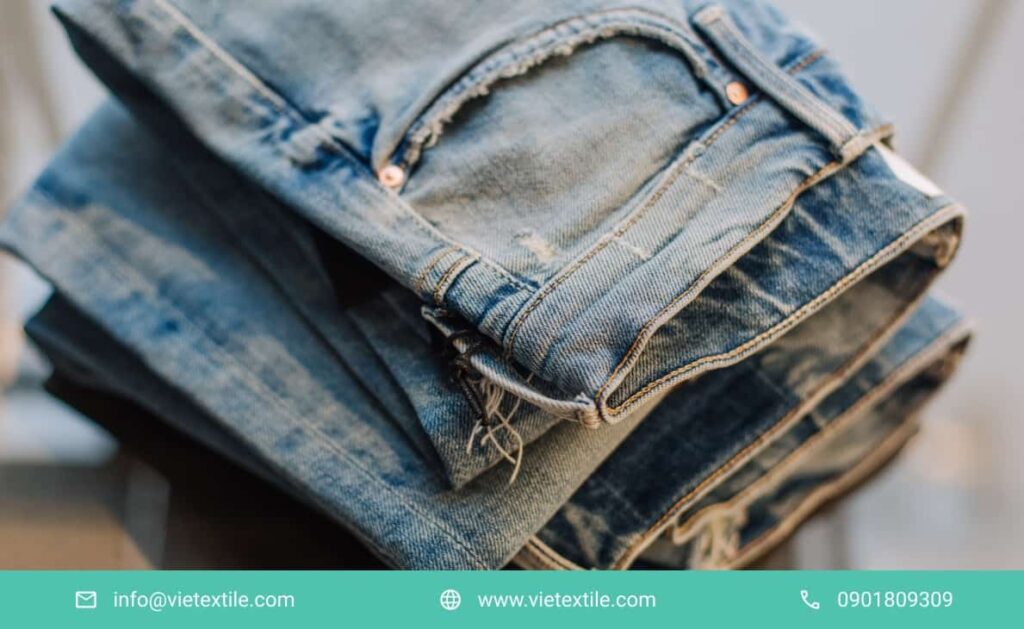
To absolutely control shrinkage, VieTextile always recommends customers apply a 3-layer control process: Material testing – Sample washing – Pattern adjustment. This is the most scientific method to achieve stability for the wash denim knit product line.
3.1. Shrinkage Testing Of Fabric Before Production
Before proceeding with mass cutting, wash testing a fabric swatch according to the actual wash denim knit formula is mandatory. This step helps accurately determine the vertical and horizontal shrinkage ratio of each specific fabric batch, which can differ even within the same item code.
The measurement of shrinkage must be performed meticulously after the fabric has cooled completely after drying. This specification in wash denim knit will be the basis for the pattern technical department to add the shrinkage allowance into the drawing, ensuring that after washing the finished product will reach the desired size.
3.1.1. Standard 10×10 Measurement Method
Technicians will mark a 10 inch x 10 inch square on the fabric before putting it into the wash denim knit. After completing the washing and drying process, the new dimensions will be re-measured to calculate the exact shrinkage percentage for each wale and course direction.
3.1.2. Stability Assessment After 3 Washes
Sometimes shrinkage does not stop at the first wash. In high-end wash denim knit orders, VieTextile performs stability checks after 3 wash cycles to ensure that end consumers will not encounter the situation of clothing becoming shorter after a few weeks of use.
3.2. Balancing Chemical And Mechanical Impacts
In wash denim knit, instead of using the strong impact force of pumice stones, technicians should prioritize using high-concentration cellulase enzymes to create fading. This helps minimize machine rotation time, thereby reducing mechanical pressure on the sensitive knitted fabric structure.
Adjusting the water volume (liquor ratio) also plays an important role. An appropriate amount of water in the drum will create a cushion layer helping the denim knit fabric not to be rubbed too hard against the machine wall, preventing unwanted fabric twisting and surface scratching during the wash denim knit process.
3.2.1. Low Water Ratio And Chemical Distribution
The Liquor Ratio in wash denim knit is usually kept at 1:5 to 1:8. If there is too little water, chemicals will concentrate locally causing patchy colors; if there is too much water, the mechanical impact force will decrease, failing to create the necessary abrasion effect on the denim knit fabric.
3.2.2. Control Of pH And Wash Water Temperature
Cellulase enzyme only works optimally in the pH range from 4.5 to 5.5 (for acid enzyme) or 6.0 to 8.0 (for neutral enzyme). Controlling the pH in wash denim knit ensures that the enzyme only attacks the surface cotton fibers without weakening the core of the yarn.
3.3. Low Temperature Drying And Setting Process
Instead of fast drying at high temperatures, the standard wash denim knit process should use a slow drying mode at medium temperature (about 60-70 degrees Celsius). Prolonging the drying time a bit but keeping the temperature stable will protect Spandex fibers and help the fabric shrink gradually and more stably.
After drying, the product should be hung flat or laid on a rack to let the fabric “breathe” and fully recover its state. This is the final finishing step in wash denim knit that helps set a sustainable shape before moving to the product packaging stage.
3.3.1. Cool-down Process
Immediately after ending the hot drying cycle, the dryer in the wash denim knit process should run for another 5-10 minutes in cold air blow mode. This helps “freeze” the size of the fabric fibers immediately, preventing the fabric from continuing to shrink when exposed to the cold outside air.
3.3.2. Control Of Residual Moisture
An ideal wash denim knit product should retain about 6% moisture after drying. This moisture level keeps the fabric fibers flexible, easy for the flat ironing stage, and helps the product regain its most accurate shape when worn.
4. Popular Types Of Effects In Wash Denim Knit
Despite strict shrinkage control, wash denim knit can still achieve wonderful aesthetic effects no less than woven denim. The diversity of effects helps denim knit become the top choice for high-fashion leggings, joggers, and jackets.
4.1. Soft Enzyme Wash Effect
This is the most basic treatment in wash denim knit. Enzymes help clean the surface, remove fuzz, and create a velvet-like soft drape for the fabric, very suitable for loungewear or high-end gym wear.
Using enzymes in wash denim knit not only makes the fabric softer but also retains color better than strong bleaching methods. This is particularly important for high-end knitted lines where comfort in direct contact with the skin is prioritized.
4.1.1. Bio-polishing For Smooth Surface
This technology uses enzymes to completely remove suspended cotton fibers, helping denim knit fabric not to pill after a long period of use. After wash denim knit by bio-polishing, the fabric will have a natural shine and a cool feeling to the touch.
4.1.2. Creating A Faded Look
By adjusting the enzyme washing time, we can create an old but luxurious look. This effect in wash denim knit is very popular for Minimalism fashion lines that still need a special highlight.
4.2. Light Stone Wash Effect
Using small-sized pumice stones to create gentle abrasions at the fabric ribs. In wash denim knit, this technique needs skill to not break the knitted loops which are naturally more fragile than woven yarns.
The pumice stones are carefully selected for weight and roughness to ensure they only affect the outermost color layer. This effect in wash denim knit creates a rugged look while still maintaining a flexible fabric structure, without causing unwanted holes or tears.
4.2.1. Edge And Hem Grinding Technique
Positions with many overlapping fabric layers will receive a stronger impact from pumice stones. In wash denim knit, this creates natural light-colored “borders” along the seams, helping to define the garment’s shape more clearly.
4.2.2. Combining Pumice Stones With Rubber Balls
Adding rubber balls to the washing machine along with pumice stones helps distribute the impact force more evenly. This method in wash denim knit avoids over-abrasion at one point, protecting the fabric from localized mechanical damage.
4.3. Trendy Bleach And Acid Wash Effects
For rebellious designs, wash denim knit can be combined with bleaching agents to create light blue colors or cloud-like mottling. Controlling chemical concentration at this step is extremely important so as not to affect the colorfastness and tensile strength of the knitted fabric.
The Acid Wash effect in the wash denim knit process often brings spontaneous beauty with light and dark mottled patches. This requires technicians to have high skills in controlling chemical penetration on the knitted structure which has faster moisture absorption than woven fabric.
4.3.1. Creating “Snow Wash” Effect
By using dry stones soaked in chemicals, we can create tiny white dots scattered on a dark blue fabric background. This is a classic wash denim knit effect of the 90s that is returning strongly in Streetwear fashion collections.
4.3.2. Controlling Color Contrast
The bleach technique in wash denim knit allows for smooth color transitions from Indigo blue to light blue. Sophistication in chemical formulation helps the color patches not to be harsh, creating a harmonious and high-end look for the finished product.
5. New Technological Solutions Help Stabilize Wash Denim Knit
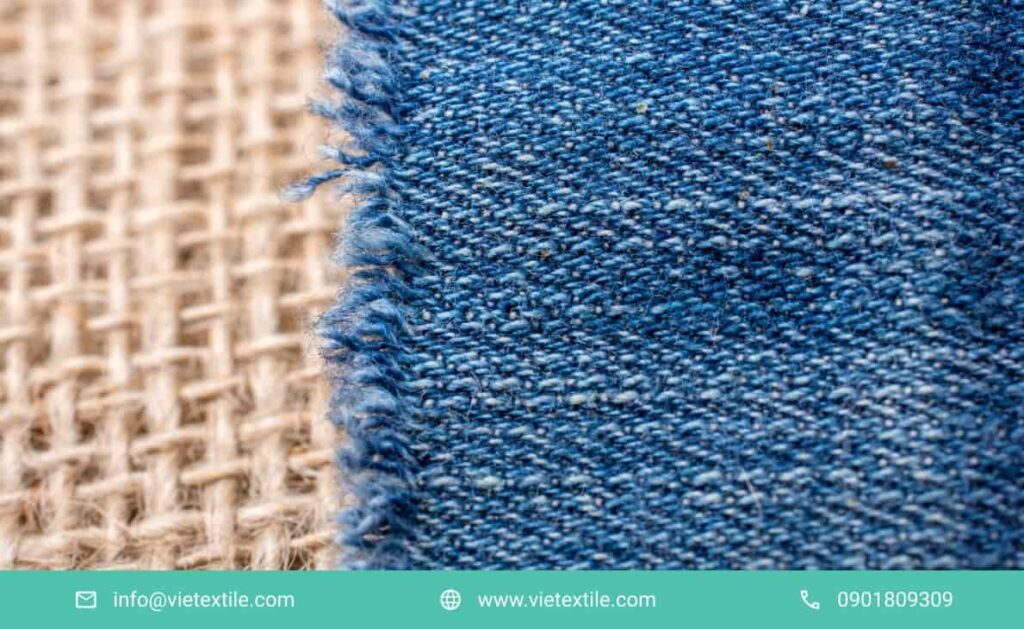
The development of textile technology has brought breakthrough solutions, making wash denim knit easier and more effective, minimizing errors due to human factors.
5.1. Water-Saving Ozone Washing Technology
Ozone has the ability to effectively bleach Indigo color without using high temperatures or too much water. In wash denim knit, Ozone helps fabric fibers not to swell excessively, thereby controlling shrinkage much better than traditional chemical washing methods.
In addition, Ozone washing also helps the denim knit surface become cleaner and minimizes the use of harmful chemicals. This is a sustainable direction in wash denim knit that international brands are very fond of to meet green fashion standards.
5.1.1. Natural Deodorization And Sterilization
Ozone is a strong oxidizing agent that helps completely remove chemical odors and microorganisms adhering to the fabric. Wash denim knit products after ozone treatment will have a clean scent and be absolutely safe for even the most sensitive skin.
5.1.2. Minimizing Industrial Wastewater Volume
Since the Ozone process mainly uses air and electricity to generate gas, the required water volume is reduced by up to 80%. This not only makes wash denim knit environmentally friendly but also significantly reduces operating costs for the factory.
5.2. Automatic Moisture Sensor Dryer
Modern drying systems integrated with sensors will automatically adjust the temperature and stop the machine as soon as the fabric reaches the ideal moisture level. This prevents over-drying – the main cause of sudden shrinkage and making fibers brittle in the wash denim knit process.
This sensor helps maintain natural moisture inside the fiber core, helping denim knit fabric retain elasticity and softness long-term. The application of smart machinery is an important step in standardizing quality in every wash denim knit batch at VieTextile.
5.2.1. Programming Multi-Stage Drying Cycles
The dryer can be programmed to start with high heat for fast moisture extraction and gradually reduce the temperature towards the end of the cycle. This approach in wash denim knit helps the fabric dry from the inside out uniformly, avoiding burning the fabric surface.
5.2.2. Control Of Drying Drum Ventilation
Airflow in the dryer is adjusted so that the denim knit fabric is always in a suspended state, not compressed. This helps the knit loops retain loftiness, increasing the soft feeling to the touch after finishing the wash denim knit process.
6. The Role Of VieTextile In Advising Wash Denim Knit
VieTextile not only provides high-quality Denim Knit fabric materials but is also a leading technical consultant for wash denim knit for textile enterprises. We understand that a good fabric, if without a proper finishing process, cannot become a perfect fashion product.
6.1. In-Depth Shrinkage Analysis Support
We provide fabric shrinkage testing services before mass production. VieTextile’s expert team will wash samples on many different formulas to find the most optimal wash denim knit option, helping customers save risk costs and pattern adjustment time.
VieTextile’s deep understanding of fiber structure helps customers accurately predict the changes in denim knit fabric after washing. We provide detailed technical specification reports, from spirality to colorfastness, helping our partners’ production process take place most smoothly.
6.2. Providing Chemical Solutions And Clean Wash Processes
VieTextile always aims for sustainable production. We advise on environmentally friendly wash denim knit enzymes and chemical lines, ensuring that fabric after washing is not only beautiful and low in shrinkage but also safe for consumer health, meeting strict export standards.
Every wash denim knit process advised by us is field-tested to optimize the amount of resources used. VieTextile is confident in accompanying businesses in creating the most high-quality, sustainable, and fashionable denim knit products.
7. Frequently Asked Questions (FAQ)
7.1. What is the allowable shrinkage for wash denim knit?
Typically, the safe shrinkage range for denim knit after washing is about 3% to 5%. If it exceeds this number, the product will have size jumping and affect the wearer’s experience. Controlling this shrinkage depends heavily on wash denim knit technology and synchronization with the original pattern design.
7.2. Why do pant legs often get twisted after wash denim knit?
The spirality phenomenon is usually due to the torque stress of the knitted yarn not being well treated or due to excessively strong mechanical force in the wash denim knit drum shifting the loop structure. To fix this, adjust the rotation speed and use softening agents.
7.3. Is wash denim knit as colorfast as regular denim?
Colorfastness depends on the dye and wash denim knit process. If properly fixed at the final stage, denim knit can retain color well through many home washes. However, because the knitted structure is looser, Indigo may fade slightly in the first wash.
7.4. How to limit surface pilling when wash denim knit?
Using specialized anti-pilling enzymes and shortening the wash denim knit time is the most effective way to keep the fabric surface smooth. Drying at moderate temperatures also helps protect surface fiber layers from fibrillation and pilling.
To receive in-depth wash denim knit technical advice and free fabric samples, contact VieTextile today!
Contact information:
Hotline: 0901 809 309
Email: info@vietextile.com
Website: https://vietextile.com