


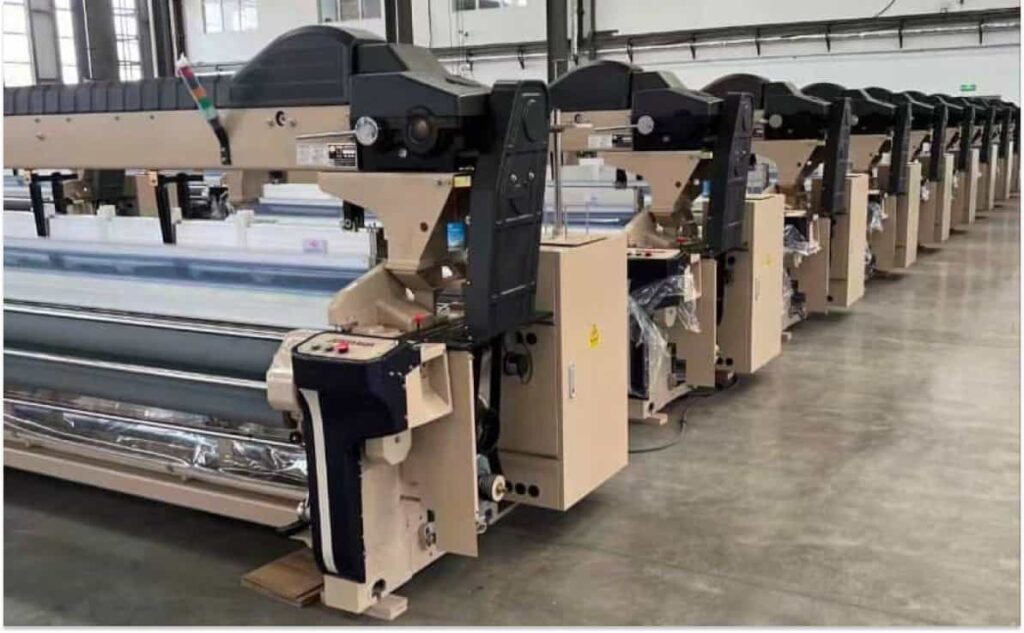
Preparing full technical specifications and understanding the process of working with suppliers are key factors to receiving an accurate, fast, and most competitive weaving loom parts quotation.
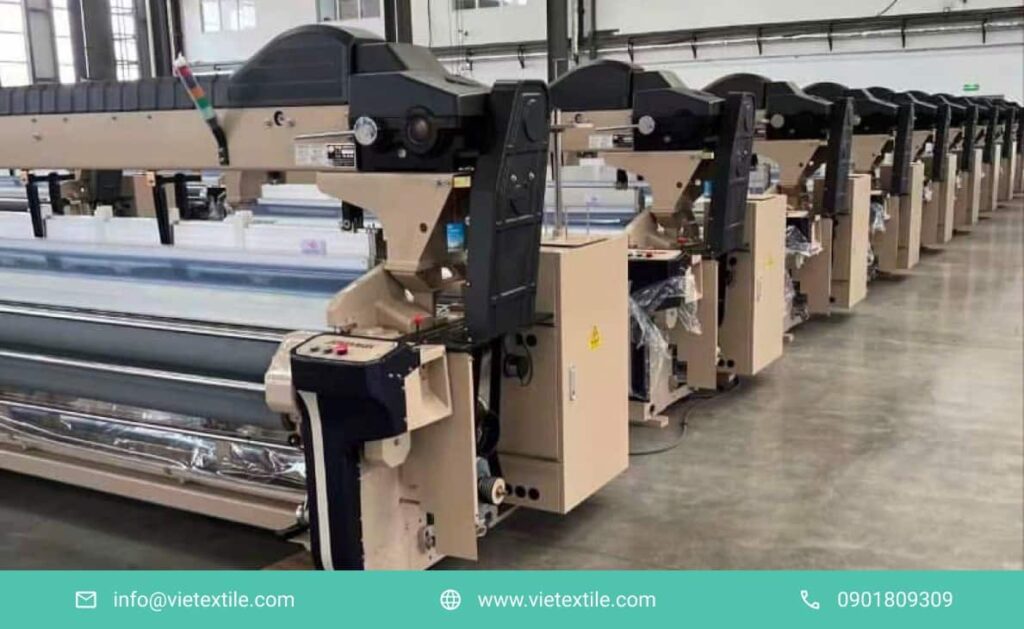
1. Importance Of Providing Accurate Information When Requesting A Quote
Accurate input information is the “compass” for every quote. If information is vague, the supplier will spend a lot of time verifying, or worse, provide a quote for the wrong type of component. Accuracy here does not stop at part numbers but also includes an understanding of the component’s operating status within the overall system.
1.1. Minimizing Supplier Response Time
When you send a request for a weaving loom parts quotation with full Part Numbers, machine names, and models, the supplier can look up the system and respond immediately. Your careful preparation eliminates unnecessary back-and-forth Q&A steps. In a modern business environment, the speed of response is proportional to the ability to handle incidents at the factory.
In production, time is money. Receiving a weaving loom parts quotation quickly helps the factory make replacement decisions early, minimizing the risk of prolonged downtime that affects order progress. Additionally, sending standard data helps the supplier’s technical department assess the urgency and prioritize your request.
1.1.1. Impact Of Digitized Data On Quotations
Using 2D/3D technical drawings or exporting part list files from an ERP system will make the process of receiving a weaving loom parts quotation smoother. When data is digitized, the possibility of deviations due to typing errors or misreading part numbers is nearly zero. This creates absolute trust between the buyer and the seller from the first information contact.
1.2. Avoiding Risks Of Wrong Part Delivery
Weaving looms often have many different versions for the same machine line. A component that looks identical on the outside may differ in tolerance or thread pitch. Only accurate information ensures that the weaving loom parts quotation completely matches the actual installation.
The consequence of importing the wrong component is not just the money spent on the goods but also shipping costs, return procedures, and most importantly, the “price” of the machine waiting for a second replacement. For specific components that must be imported officially, this error can leave the machine “shelved” for weeks or even months.
1.2.1. Analysis Of Component Differences By Serial Number
The Serial Number of the weaving loom is the most important piece of information. Manufacturers often change component designs by production year to improve performance or durability. Providing the Serial Number helps the supplier provide a weaving loom parts quotation for the most suitable type for your machine’s current mechanical structure, avoiding cases where new components are incompatible with adjacent old details.
1.2.2. Impact Of Superseded Parts
Many old components have been upgraded and replaced by new part numbers with better materials or optimized designs. A professional supplier, upon receiving a request for a weaving loom parts quotation, will advise you on the latest part numbers that have superior features but remain fully compatible. This is a significant added value that helps extend the lifecycle of the weaving machine.
2. Necessary Information To Receive A Standard Weaving Loom Parts Quotation
To receive a detailed and error-free price offer, your request list needs to meet the following information standards. A methodical request for quotation profile will prove the professionalism of the procurement unit.
2.1. Part Number And Standard Nomenclature
The Part Number is the only “common language” between buyers and sellers globally. You can find this code in the Catalogue accompanying the machine or on the surface of the old component itself (if still visible). In many cases, codes may change over the years, so noting both old and current codes is essential.
If there is no part number, provide the standard English technical name according to the machine’s documentation. Avoid using local or self-invented names, as this easily causes misunderstandings when requesting a weaving loom parts quotation. Standardizing names helps the supplier correctly identify the sub-assembly even if the part number is blurred.
2.1.1. Retrieving Part Numbers From Electronic Catalogues
Currently, many weaving loom brands provide online parts lookup software or CD Catalogues. Using these tools helps you get absolutely accurate part numbers and even view assembly diagrams (Exploded View) before sending a request for a weaving loom parts quotation to the distributor.
2.1.2. Using Real Images For Comparison
In case components have lost labels or lack documentation, take photos from multiple angles, including the smallest symbols engraved on the part body. Real images, especially comparison images with a ruler, help the supplier accurately identify the product when providing a weaving loom parts quotation, minimizing subjectivity in determining dimensions.
2.2. Machine Specification
Every weaving loom parts quotation needs to be tied to the specifications of the machine in use. Information includes: Brand (Picanol, Itema, Toyota…), Machine type (Air jet, Rapier, Projectile), Width, and Year of manufacture. This information helps filter out components with the same name but belonging to different machine generations.
This information helps the supplier determine which functional group the component belongs to and whether there are special requirements for the operating environment. For example, rapier looms require transmission components that are completely different from air-jet looms in terms of load-bearing and friction characteristics.
2.2.1. Determining Width And Operating Speed
Components for high-speed weaving looms often have stricter material requirements, such as heat-resistant steel or technical ceramics. When receiving a weaving loom parts quotation, clarify what speed (RPM) your machine is running at so the supplier can advise on the most suitable type, avoiding situations where “weak material carries high load” causing components to break after a few hours of operation.
2.2.2. Yarn Type
Yarn-contact components like needles, grippers, or nozzles depend heavily on the type of yarn (natural, blended, or industrial fibers). Provide this information so that the weaving loom parts quotation includes components with corresponding surface coatings to resist chemical or mechanical wear from highly abrasive yarns.
2.3. Quantity
Quantity directly affects the unit price due to packaging, shipping, and scale production costs. Usually, when you request a weaving loom parts quotation for large quantities or bulk orders, you will receive a much better discount than buying individual items because the supplier optimizes order management costs.
Consider purchasing backups for consumables such as cutters, yarn grippers, heald eyes… to optimize shipping costs per unit and receive the most preferential weaving loom parts quotation. Buying in kits also usually offers a better price than buying separate items.
3. 5-Step Process To Get An Optimal Weaving Loom Parts Quotation
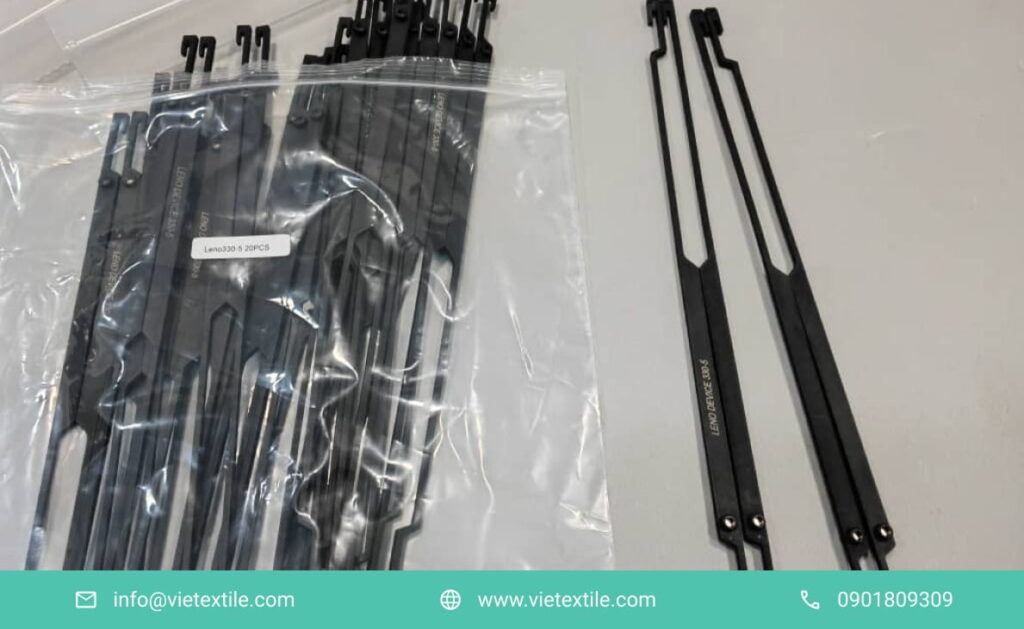
Applying a standard process helps businesses professionalize procurement activities, enhance negotiating positions, and easily compare different suppliers on the same reference frame.
3.1. Step 1: Surveying The Status And Cataloging Parts
Technicians need to physically inspect components that need replacement or periodic backup. Create a detailed Excel list including: Part name, Part number, Quantity, Installation position, and Priority (Urgent or Backup).
Clearly listing everything from the start ensures the subsequent weaving loom parts quotation is not missing items and helps the accounting department easily manage procurement cash flow and approve budgets based on the importance of the component to the line.
3.2. Step 2: Selecting Reputable Suppliers
Don’t send a request for a weaving loom parts quotation to too many units of unknown origin or without technical capacity. Focus on official distributors with local warehouses or units with long-term experience like VieTextile to ensure genuine sourcing and after-sales warranty.
A reputable supplier will provide a weaving loom parts quotation that is transparent about price, delivery time, and clear warranty and technical support terms, instead of just giving a cheap number but being vague about quality.
3.3. Step 3: Sending The RFQ (Request for Quotation)
Send a professional email with a clear subject line (e.g., “RFQ – Picanol Loom Parts – [Company Name]”), attach the part list, and supporting images. In the RFQ, state the required validity period of the weaving loom parts quotation (e.g., valid for 15-30 days) to avoid sudden exchange rate fluctuations.
Request the supplier to clearly separate cost items: base goods price, VAT tax, packaging costs, insurance, and delivery fees to the warehouse (DDP/CIF) so you can easily account for and compare the actual total order value.
3.4. Step 4: Analyzing And Comparing Quotations
When you receive a weaving loom parts quotation, evaluate the whole picture instead of just looking at the lowest unit price. Compare core factors: Origin (Europe, Japan, or China), Lead time, return policies for defective parts, and technical installation support capacity.
A weaving loom parts quotation that is 5% cheaper but has a 2-week slower delivery time can cause production losses 10 times the amount saved. Choose the supplier that brings the highest peace of mind to your production line.
3.5. Step 5: Finalizing The Order And Terms
After choosing the optimal supplier, request a Final Quotation with an authorized signature. This weaving loom parts quotation will be used as the legal basis for creating a Purchase Contract or Purchase Order (PO).
Save the history of weaving loom parts quotation documents into the procurement data management system. This helps you track market price fluctuations by quarter/year and serves the scientific planning of maintenance budgets (MRO) for the next phase.
4. Common Mistakes When Asking For A Weaving Loom Parts Quotation
Identifying mistakes early helps the procurement department avoid “price traps” and technical troubles after the goods have arrived at the factory.
4.1. Asking For Price Without Considering Grade
In the weaving parts market, quality diversity is huge: Original, OEM, high-quality Aftermarket, and cheap Counterfeit. If you only request a weaving loom parts quotation without specifying the quality grade, you may receive low-durability goods.
Always require the supplier to commit to and clearly state the condition of the goods (100% New, original packaging) in the weaving loom parts quotation to have a basis for complaint if the received goods are not as originally agreed.
4.2. Forgetting To Request Delivery Time Information
Many specific weaving loom parts are not available in stock but must be ordered for production or imported from abroad in batches. If the weaving loom parts quotation does not clearly state the delivery time, the factory’s repair plan will be completely disrupted.
Delivery time is an inseparable part of the component’s value. A part available in stock always has higher utility value than one that requires a 30-day wait. Prioritize suppliers with available warehouses in Vietnam like VieTextile to minimize international transport risks.
4.3. Not Clarifying Packaging And Shipping Specifications
Weaving loom parts, especially electronic boards or rapier tapes, are often very sophisticated and easily damaged if bumped or exposed to moisture during transport. The weaving loom parts quotation needs to include industrial standard packaging costs (wooden crates, vacuum shrink wrap) to ensure safety.
Clarifying shipping responsibility (who pays the fee, who bears the risk of loss) in the weaving loom parts quotation helps protect the factory’s interests and avoids unnecessary financial disputes with the supplier.
5. Why Receive A Weaving Loom Parts Quotation From VieTextile?
VieTextile is not just a simple seller; we are a strategic partner helping optimize Overall Equipment Effectiveness (OEE) through a smart component supply system.
5.1. Modern And Accurate Part Lookup System
We own a huge technical database, continuously updated from the world’s leading weaving machine manufacturing partners. When you send a request for a weaving loom parts quotation, VieTextile’s experts will cross-check the part numbers to eliminate any risk of technical error.
Deep understanding of weaving machine structures helps us provide a weaving loom parts quotation accompanied by technical advice: whether this component should be replaced along with adjacent parts, or if there is a more durable alternative solution.
5.2. Ready Stock – Super Fast Quotation And Delivery
VieTextile maintains a network of modern warehouses with thousands of essential weaving loom part numbers. This allows us to process your weaving loom parts quotation within hours and proceed with same-day delivery for nearby areas.
Proactivity in sourcing helps your factory not depend on fluctuations from foreign supply chains. With VieTextile, you receive the fastest quotation and goods to maintain 24/7 production pace.
5.3. Competitive Pricing Through Direct Partnerships
By importing directly in bulk from original part manufacturers in Europe and Asia, VieTextile optimizes input costs. Therefore, the weaving loom parts quotation from us always ensures a very competitive original price for the Vietnamese market.
We apply a transparent and consistent pricing policy, helping customers easily approve the weaving loom parts quotation within complex corporate accounting systems, while providing full valid invoices and documents.
5.4. Technical Support After Quotation
Unlike ordinary commercial units, VieTextile possesses a team of experienced operating engineers. After you agree with the weaving loom parts quotation, we are ready to support remotely or on-site regarding how to align and install components to achieve the highest operating efficiency.
We believe that the weaving loom parts quotation is just the beginning of a sustainable partnership, where VieTextile takes responsibility for the stability of the weaving machines at your factory.
6. Factors Affecting Weaving Loom Parts Quotation Fluctuations
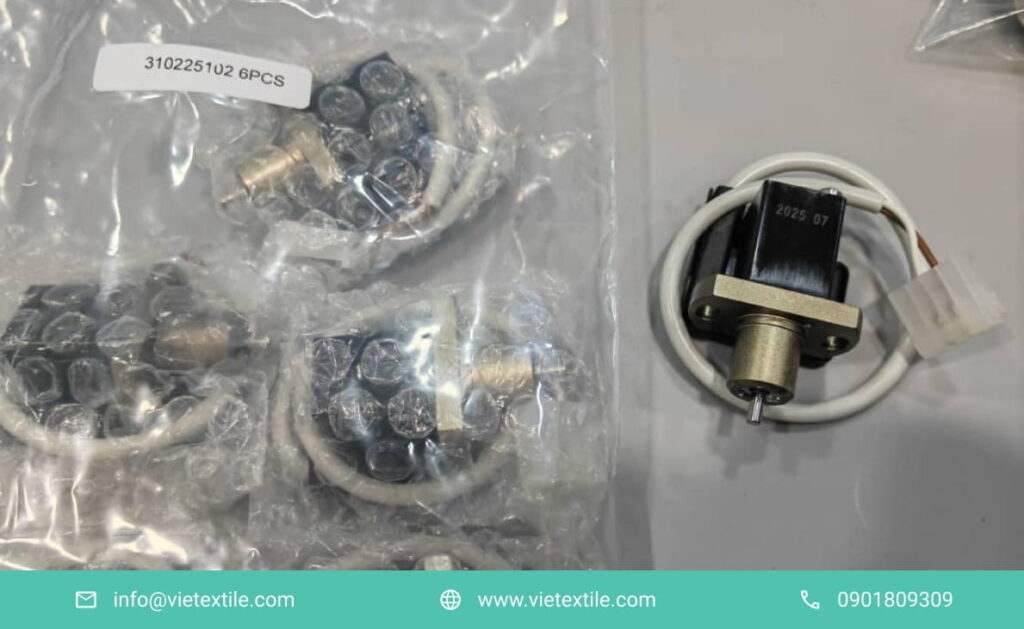
Capturing macro factors helps procurement managers forecast price trends and make backup purchasing decisions at the most cost-effective time.
6.1. Exchange Rates
High-quality weaving parts are mainly traded in USD or EUR. Fluctuations in exchange rates will be reflected immediately in the weaving loom parts quotation. Tracking rates closely helps you choose the “golden” time to finalize the quote.
At VieTextile, we always strive to keep prices stable in the weaving loom parts quotation for a committed period long enough for customers to complete internal procedures without worrying about price jumps.
6.2. Global Logistics And Supply Chain
Fuel prices, container shortages, or geopolitical issues affect air and sea freight. These costs are often reflected in the shipping section of the weaving loom parts quotation.
VieTextile has professional consolidation and logistics processes, helping to minimize negative impacts from transport costs on the weaving loom parts quotation for the end customer, ensuring selling prices remain stable at the lowest possible level.
6.3. Raw Material Scarcity
The price increase of precious metals, power polymers, or semiconductor components will increase manufacturing costs at original factories. Understanding the raw material price cycle helps you plan your weaving loom parts quotation request and import goods before a new price hike begins.
We regularly update market information for loyal customers so you can be proactive in procurement planning, avoiding adverse weaving loom parts quotation fluctuations.
7. Frequently Asked Questions (FAQ)
7.1. How Long Is The Quotation Validity Period?
A weaving loom parts quotation from VieTextile is usually valid for 15 to 30 days depending on the item. For items with prices that fluctuate strongly according to the metal market, this time may be shorter. We always clearly state this on each price offer.
7.2. Does VieTextile Provide Quotes For Older Loom Models?
Absolutely. We have experience in restoring and supplying components for loom lines that have been out of production for many years. The weaving loom parts quotation for old machines will include equivalent replacement solutions if original parts are no longer manufactured.
7.3. Can I Get A Discount For Large Quantities?
VieTextile always has special incentive programs for large orders or factories committed to using periodic parts. The weaving loom parts quotation will have a discount applied according to quantity tiers, helping businesses significantly save on annual maintenance budgets.
7.4. Does The Quote Include Installation Costs?
Standardly, the weaving loom parts quotation is the material price. However, if the factory needs a “turnkey” service, VieTextile will add technical installation labor items to the weaving loom parts quotation so you have an accurate total investment for repair work.
7.5. How To Receive A Quote From VieTextile Fastest?
The most effective way is to connect with us via Zalo or Hotline 0901 809 309. Prepare part numbers or product images. Our weaving loom parts quotation team operates continuously to respond within 30 minutes of receiving the request.
To receive an accurate and most preferential weaving loom parts quotation immediately, contact VieTextile today!
Contact Information:
Hotline: 0901 809 309
Email: info@vietextile.com
Website: https://vietextile.com