喷射染色机在极端的压力和温度环境中运行。Fongs Then 喷射染色机备件损坏迹象的早期识别是避免长时间停机、最大限度减少产品质量错误以及优化运营费用 (OPEX) 的关键。
丰盛 (Fongs) 和 Then 的喷射染色机代表了先进的染色技术,允许在低浴比和高速度下进行织物加工。Fongs Then 喷射染色机备件的稳定性不仅影响生产力,也是染色颜色均匀度和准确性的决定性因素。任何故障,即使是泵密封件、喷嘴或温度传感器等微小部件的故障,都可能中断整个染色周期,造成质量和时间上的广泛损害。
本文将深入分析具体的故障迹象,调查根本原因,并提出详细的预测性维护策略,帮助纺织厂将染色机的运行效率保持在最高水平,并延长每一个Fongs Then 喷射染色机备件的寿命。我们将详细分析每个组件,从重型机械部件到敏感的电子传感器,为技术团队提供最全面的概述。
Jet dyeing machines operate in environments of extreme pressure and temperature. Early identification of damage signs in fongs then jet dyeing machine spare parts is key to avoiding prolonged downtime, minimizing product quality errors, and optimizing operating expenses (OPEX).
Fongs’ and Then’s Jet dyeing machines represent advanced dyeing technologies, allowing fabric processing at low liquor ratios and high speeds. The stability of the fongs then jet dyeing machine spare parts not only affects productivity but is also the deciding factor for the uniformity and accuracy of the dyed color. Any malfunction, even minor ones in pump seals, nozzles, or temperature sensors, can interrupt the entire dyeing cycle, causing widespread damage to quality and time.
This article delves into the analysis of specific failure signs, investigates root causes, and proposes a detailed predictive maintenance strategy, helping textile factories maintain the operational efficiency of their dyeing machines at maximum levels and extend the lifespan of each individual fongs then jet dyeing machine spare parts. We will analyze each component in detail, from heavy-duty mechanical parts to sensitive electronic sensors, to provide the most comprehensive overview for technical teams.
Failure Signs Requiring Immediate Replacement of Fongs Then Jet Dyeing Machine Spare Parts 12
1. Overview of the Importance of Jet Dyeing Machine Spare Parts
The structural complexity and operation of Jet dyeing machines require spare parts to meet strict technical standards. Even a single sub-standard component can disrupt the balance of the entire dyeing process.
1.1. Jet Dyeing Machines and the Requirement for Precision
Jet dyeing technology is designed to continuously circulate the dye liquor and the fabric. The Low Liquor Ratio helps save water, energy, and chemicals, but concurrently demands higher accuracy in concentration and temperature control. This places a heavy burden on the durability and precision of the fongs then jet dyeing machine spare parts. For example, if the water inlet valve malfunctions, the liquor ratio control will be inaccurate, leading to off-standard dye colors.
Fongs and Then machines often employ highly automated control systems. Any mechanical failure in the fongs then jet dyeing machine spare parts will immediately cause a system error, forcing an emergency machine stop. Therefore, preventive maintenance is vital, rather than only performing repairs after a breakdown has occurred.
1.2. Classification of the Most Critical Core Spare Parts
For effective management, fongs then jet dyeing machine spare parts are divided into three main functional groups, each playing a decisive role in the dyeing cycle:
Circulation System: Main Pump, Nozzle, Flow Control Valves. This group of parts is subjected to the highest pressure and wear.
Process Control System: Heat Exchanger, Steam Control Valve, Temperature Sensor (PT100), Water Level Sensor, and Automatic Valves.
Fabric Drive System: Winch Roller, Motor, Gearbox, and speed sensors.
1.3. Difference Between Fongs and Then Dyeing Machine Spare Parts (Specific Models)
Despite sharing the same operating principle, fongs then jet dyeing machine spare parts often differ in design and material between brands and models, such as Fongs (ECO-6 series, TEC series) and Then (Airflow series).
Nozzle: Fongs often has a simpler, easier-to-remove nozzle design in some older machine series, while Then, especially with Airflow technology, uses a more complex nozzle to optimize the combination of air and liquid, requiring more precise parts.
Main Pump: Large Fongs dyeing machine models often use large centrifugal pumps with special impeller designs to handle high flow rates, requiring heavier-duty mechanical seals and bearings.
Heat Exchanger: Modern Then machines often integrate high-efficiency heat exchangers with thinner plates to achieve faster heating rates, making them more sensitive to scaling and requiring gaskets resistant to high temperatures and chemicals. Understanding this difference is necessary when ordering replacement fongs then jet dyeing machine spare parts.
2. Failure Sign Analysis of Core Spare Parts
Failure Signs Requiring Immediate Replacement of Fongs Then Jet Dyeing Machine Spare Parts 13
Maintenance engineers must be familiar with the following warning signs to take action before the problem escalates.
2.1. Main Pump Failure Signs
The main pump is the component that operates continuously with the highest intensity.
Unusual Sounds (Abnormal Noise): Clicking, grinding, or high-pitched screeching indicates bearing failure. Loud, pulsating thumping (cavitation) suggests air bubbles in the liquid due due low water level or a damaged seal, causing the pump to run inefficiently. Worn fongs then jet dyeing machine spare parts must be replaced before the damage spreads to the motor.
Reduced Pressure and Flow Rate: This is the clearest sign of impeller erosion or internal pump body leakage. Low pump pressure directly affects fabric running speed and the uniform penetration of the dye liquor.
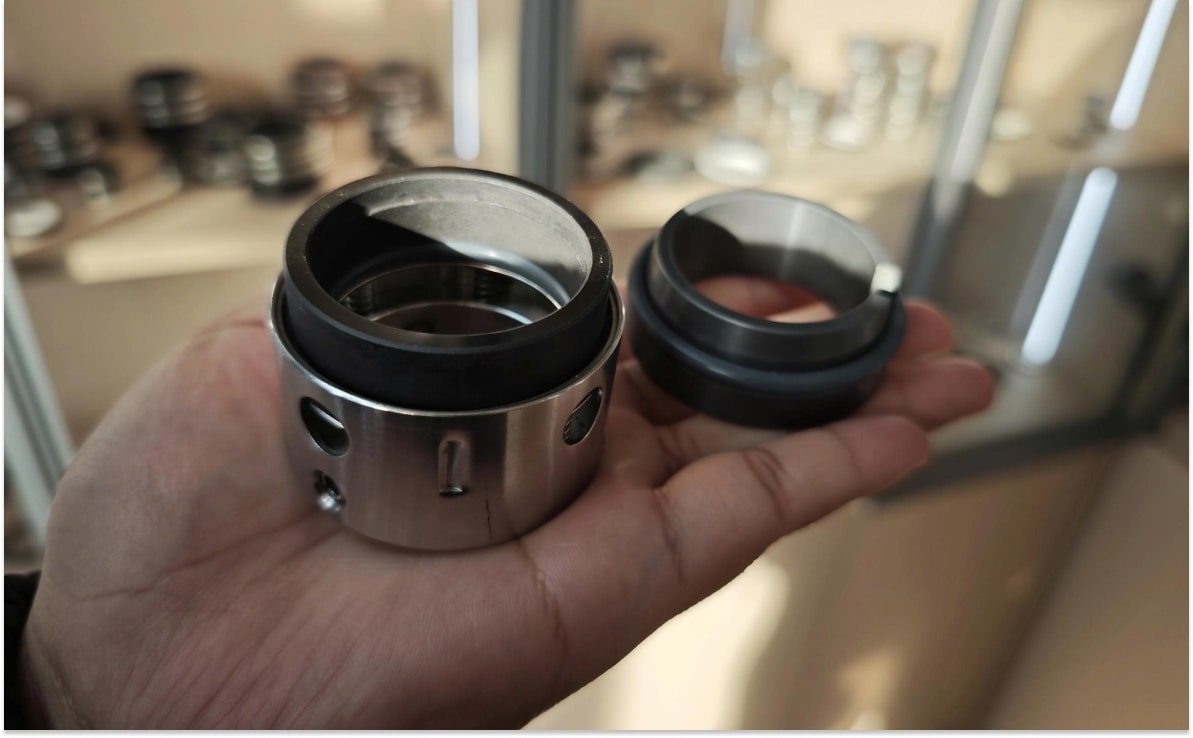
Leakage from Mechanical Seal: A failed mechanical seal is the cause of chemical and dye water leakage, increasing humidity around the pump and potentially short-circuiting the motor. Small leakage signs need immediate attention by replacing the seal set. Seals typically include materials like carbon, ceramic, or silicon carbide; the correct material type must be chosen for the fongs then jet dyeing machine spare parts.
Motor Overheating: If the pump motor overheats, it may be due to seized bearings or dry running of the pump. This is a dangerous sign, requiring immediate power cut-off and motor inspection.
2.2. Nozzle Failure Signs
The nozzle is the junction of liquid and fabric, directly affecting fabric movement.
Wear and Deformation: After prolonged use, the internal edges of the nozzle (usually stainless steel) can wear due to friction with the fabric and high flow speed. This wear changes the shape of the spray pattern, causing uneven tension, leading to permanent running crease marks on the fabric. Nozzle dimensions should be measured to determine the extent of wear.
Localized Clogging: Clogging at the nozzle due to chemical residue or fabric lint not only reduces localized flow but also increases back pressure, stressing the pump. The sign is unstable fabric movement in that nozzle area.
Nozzle Material: Modern dyeing machines often use interchangeable nozzles to suit different fabric types. Malfunctions in these sizing mechanisms should also be considered a failure, as it reduces the machine’s flexibility.
2.3. Heat Exchanger Failure Signs
Heat exchange efficiency is the critical factor determining the speed and accuracy of the dyeing process.
Increased Heating Time: This is the most common sign. If the time from 80°C to 130°C is longer than the standard (e.g., 20-30% slower), the cause is almost certainly scale buildup on the heat exchange plate surface, reducing the heat transfer coefficient.
Steam or Dye Liquor Leakage: Leakage usually occurs at the gasket due to material aging (often EPDM or PTFE) under the influence of temperature and chemicals. Damaged gaskets must be replaced immediately to prevent energy and chemical loss, and to stop steam from mixing into the dye liquor.
Steam Pressure Drop: If the steam inlet pressure is normal but the pressure inside the heat exchanger drops rapidly, it may be due to localized clogging by scale or a failed air/condensate discharge valve.
Valves are flow regulating components, operated by pneumatic or electronic means.
Steam Control Valve: A failed valve can be stuck open (causing excessively fast heating, wasting steam) or stuck closed (preventing temperature increase). The sign is continuously fluctuating and unstable dyeing temperature. Actuator mechanism failure (pneumatic piston) is a common cause.
Drain Valve: If the drain valve leaks when closed, dye liquor will be lost. Conversely, if the drain valve is stuck when needed to open, cooling or draining will be delayed, prolonging the dyeing cycle. Leakage is often recognizable by a small whistling sound or unusually high temperature in the drain pipe. The internal valve seal set needs to be inspected and replaced.
2.5. Temperature Sensor (PT100) and Water Level Sensor Fault Signs
Electronic sensors are the eyes and ears of the automated control system.
Temperature Sensor (PT100/PT1000): If the temperature displayed on the control screen jumps abnormally or remains fixed at one value despite heating, the sensor may be broken or short-circuited. A faulty sensor leads to completely incorrect temperature control, ruining the dye batch.
Water Level Sensor (Level Sensor): A failed water level sensor (usually electrode or ultrasonic type) will cause inaccurate water filling, skewing the Liquor Ratio. This directly affects chemical concentration and color. The signs include incorrect water level alerts or the main pump running dry due to insufficient water supply.
3. Consequences of Delaying Spare Parts Replacement
The cost saved by not replacing fongs then jet dyeing machine spare parts is negligible compared to the potential damage.
3.1. Product Quality Damage
The biggest consequence is batch dyeing errors. A weak pump causes color differences between the first and last meters of fabric. A worn nozzle causes permanent crease marks, especially on sensitive fabrics like knitwear. A poorly performing heat exchanger leads to lot-to-lot color variation, complicating the cutting and sewing stages. These errors often require re-dyeing or must be discarded, resulting in significant loss of raw materials.
3.2. Sudden Downtime
A major failure in fongs then jet dyeing machine spare parts such as a burnt pump or a heat exchanger perforation will cause the machine to stop suddenly. Downtime costs include:
Logistics costs incurred due to late delivery. Sudden downtime also affects the factory’s reputation and ability to comply with contracts.
3.3. Increased Operating Expenses (OPEX)
Fongs then jet dyeing machine spare parts operating below efficiency will increase OPEX:
Increased steam consumption: Due to scaling in the heat exchanger.
Increased electricity consumption: Due to an overloaded pump motor from friction or worn impellers.
Increased chemical consumption: Due to the need to adjust formulas or re-dye. It is estimated that a scaled heat exchanger can increase steam costs by up to 15-20% per dyeing cycle.
3.4. Labor Safety and Environmental Risks
Leakage of hot chemicals and dye water from damaged pump seals or gaskets creates a hazardous working environment (risk of burns, slips). Furthermore, environmental incidents such as abnormal discharge due to valve failure or large leaks also increase compliance costs and penalties.
3.5. Re-dyeing Cost Breakdown
Re-dyeing is not simply the cost of new chemicals. This cost includes:
Chemical Costs (Dyeing & Stripping): Chemicals to remove the old color (stripping agent) and new chemicals/dyes.
Energy Costs: Electricity and steam for the entire re-dyeing cycle.
Labor Costs: Additional machine operation and monitoring time.
Fabric Wear and Tear: Fabric is degraded in durability and soft handle after being chemically processed a second time. Re-dyeing costs can easily exceed 50% of the original production value of the batch.
4. Root Cause Analysis of Failures
A clear understanding of the root causes will help factories implement effective prevention strategies.
4.1. Impact of Dyeing Chemicals and Abnormal pH
Most fongs then jet dyeing machine spare parts exposed to dye liquid (such as seals, valves, gaskets) are made from chemical-resistant materials (e.g., EPDM synthetic rubber, PTFE, 316L stainless steel). However, operation at excessively low (strong acid) or high (strong alkali) pH, especially when combined with high temperatures, accelerates aging and corrosion. For instance, EPDM gaskets can harden and crack quickly if exposed to certain organic solvents or surfactants.
4.2. Mechanical Causes: Wear from Overloaded Operation
Mechanical wear is the main cause of failure for fongs then jet dyeing machine spare parts such as pump impellers and nozzles.
Wear from Solids: The presence of sand particles, rust, or small dirt particles in the dye water creates a strong abrasive effect on the impeller and nozzle surface.
Operation Outside Design Parameters: Running the dyeing machine at flow rates or pressures exceeding the pump’s design limits causes cavitation, rapidly damaging the impeller surface and pump body.
Thermal Stress: Continuous heating and cooling cycles create thermal stress on gaskets and metal materials, leading to cracking and leakage.
4.3. Water Quality Issues and Scaling
Water quality is the leading cause of issues in heat exchangers and valves. High hardness water (high Calcium and Magnesium ions) generates scale (calcium carbonate scale) when heated, which adheres to the heat exchange plates and inside the valves.
Scale Effect: Scale reduces heat transfer efficiency, forcing the machine to consume more steam. Scale can also clog small valves and pipelines.
Prevention: Investment in a water treatment system (such as a water softening system or RO reverse osmosis) is a necessary fixed cost to protect the fongs then jet dyeing machine spare parts.
Failure Signs Requiring Immediate Replacement of Fongs Then Jet Dyeing Machine Spare Parts 14
Preventive Maintenance (PM) is the key to extending part lifespan and maintaining productivity.
5.1. Fabric Storage Chamber Inspection Procedure
The fabric storage chamber is often overlooked, but guide rollers and the chamber’s interior surface, if scratched or worn, can create friction, causing crease marks on the fabric.
Periodic Inspection: Use a flashlight and magnifying glass to check the internal surface of the chamber and guide rollers. Look for cracks, scratches, or areas of chemical accumulation.
Winch Roller Maintenance: Ensure that the motor and gearbox provide stable torque to the winch roller. Abnormal winch roller vibration is a sign of bearing failure or misalignment.
5.2. Periodic Replacement Schedule for Gaskets and Filters
These consumable parts must be replaced based on time, independent of visible damage.
Heat Exchanger Gaskets: Replace 100% of the gaskets every 8,000 to 10,000 operating hours (or 18-24 months), even without leakage, to prevent sudden downtime.
Filters: Replace or clean the strainers on the water supply and dye liquor return lines weekly or monthly. Clogged filters reduce flow rate and stress the pump.
5.3. Lubrication Techniques and Pump Motor Maintenance
Motor bearings must be lubricated correctly to reduce friction.
Lubrication Schedule: Use heat and chemical-resistant grease types as recommended by the manufacturer. Over-lubrication or under-lubrication are equally harmful.
Alignment Check: Frequently check the alignment of the pump shaft and motor shaft (coupling alignment). Misalignment is the leading cause of premature bearing and mechanical seal failure in fongs then jet dyeing machine spare parts.
6. Cost Optimization Through Monitoring Technology
Applying Industry 4.0 technology helps transition from Preventive Maintenance to Predictive Maintenance, optimizing the cost of replacing fongs then jet dyeing machine spare parts.
6.1. The Role of SCADA and IIoT Systems in Monitoring Spare Parts
SCADA (Supervisory Control and Data Acquisition) systems and IIoT (Industrial Internet of Things) sensors enable real-time data collection on the performance of fongs then jet dyeing machine spare parts.
Pressure/Flow Monitoring: Track the pump’s output pressure. If the pressure gradually decreases over time, it is a sign of impeller wear.
Surface Temperature Monitoring: Use infrared or contact sensors to monitor the surface temperature of the motor or pump body. A sudden temperature increase signals an impending bearing failure.
6.2. Vibration Data Analysis to Predict Bearing Failure
Vibration analysis is an advanced technique for predicting mechanical failures.
Principle: Attach accelerometers to the pump body and motor. Changes in the vibration spectrum (e.g., the appearance of characteristic frequencies) are the earliest signs of bearing wear or mechanical seal failure.
Benefit: Allows precise prediction of the failure time, helping technicians order and replace fongs then jet dyeing machine spare parts at the optimal moment, avoiding unnecessary material waste and downtime.
6.3. Data-driven Lifetime Management for Spare Parts
Instead of fixed schedule replacement, factories can use data to determine the actual lifespan of fongs then jet dyeing machine spare parts.
Cycle Recording: Record total operating hours, number of dyeing cycles, and extreme operating parameters (such as cycles at 140°C).
Evaluation: Compare performance data (e.g., heat transfer efficiency of the heat exchanger) with the recorded lifespan. This allows adjusting the maintenance schedule to suit the factory’s actual operating conditions.
7. VieTextile – Your Professional Dyeing Machine Parts and Service Partner
VieTextile is proud to be a strategic partner in providing comprehensive solutions for Fongs and Then dyeing machines. We not only supply genuine or high-quality OEM equivalent fongs then jet dyeing machine spare parts, but also offer in-depth technical consulting services on predictive maintenance and dyeing process optimization.
We understand the requirements for chemical resistance, high pressure, and high temperature. Our fongs then jet dyeing machine spare parts, from heat-resistant mechanical seals, PTFE/EPDM gaskets for heat exchangers, to precision nozzles, undergo strict quality inspection. Our commitment is to minimize your waiting time through readily available spare parts inventory and fast delivery service.
VieTextile’s experienced technical team can support your factory with installation, pump alignment, and initial vibration analysis, ensuring that the newly replaced fongs then jet dyeing machine spare parts operate with optimal efficiency.
8. Frequently Asked Questions (FAQ) about Jet Dyeing Machine Spare Parts
8.1. Can a failed mechanical seal also damage the pump motor?
Yes. If the mechanical seal fails and large leakage occurs, dye water and chemicals can penetrate the motor’s bearing assembly, destroying the lubrication layer and causing corrosion, leading to coil burnout or bearing seizure, completely destroying the pump motor. The seal must be replaced immediately at the first sign of leakage.
8.2. Which gasket type should be used for the Jet dyeing machine heat exchanger?
It depends on the maximum temperature and chemicals. EPDM is a popular and economical choice for most general dyeing processes. However, for processes using special chemicals or very high temperatures (above 140°C), PTFE (Teflon) gaskets or Encapsulated Gaskets may be a more durable option.
8.3. Can I clean scale buildup in the heat exchanger myself?
Self-cleaning scale buildup is feasible by using specialized cleaning chemicals (such as mild acid or special alkaline cleaners) with forced circulation. However, this process must be closely monitored by experienced technicians to avoid damaging the heat exchange plates or gaskets. If the scale is too thick, manual disassembly and cleaning are required.
8.4. How to check the accuracy of the PT100 temperature sensor?
You can check the sensor by comparing its reading with a calibrated standard thermometer, placed in the same position in the dye bath, or by measuring the sensor’s resistance at room temperature and comparing it with the standard PT100 data chart. A large deviation requires replacement of this particular fongs then jet dyeing machine spare parts.
8.5. How often should the Jet dyeing machine nozzle be inspected and replaced?
The frequency of nozzle inspection depends on the fabric type being dyed. Coarse, high-friction knit fabrics require more frequent checks (e.g., every 6 months). The nozzle should be replaced when the internal dimension has worn beyond the manufacturer’s permissible tolerance (typically 5-10% of the original size) or immediately upon detecting creases due to unstable fabric movement.
8.6. Does using non-genuine parts void the machine warranty?
Generally, using non-genuine (non-OEM) core fongs then jet dyeing machine spare parts like pumps or control valves may void the warranty of the machine manufacturer (Fongs or Then). Customers should consider choosing reputable Aftermarket spare parts suppliers with clear quality commitments.
Don’t let failed spare parts interrupt production. Investing in a predictive maintenance strategy and quality parts is the most cost-effective solution in the long run. Contact VieTextile today for in-depth maintenance consultation and genuine fongs then jet dyeing machine spare parts supply!
Máy nhuộm Jet Fongs Then hoạt động trong môi trường áp suất và nhiệt độ khắc nghiệt. Việc nhận diện sớm các dấu hiệu hư hỏng ở phụ tùng máy nhuộm jet fongs then là chìa khóa để tránh thời gian chết (downtime) kéo dài, giảm thiểu lỗi chất lượng sản phẩm và tối ưu hóa chi phí vận hành (OPEX).
Máy nhuộm Jet của Fongs và Then đại diện cho các công nghệ nhuộm tiên tiến, cho phép xử lý vải ở tỷ lệ nước thấp và tốc độ cao. Sự ổn định của các phụ tùng máy nhuộm jet fongs then không chỉ ảnh hưởng đến năng suất mà còn là yếu tố quyết định sự đồng đều và chính xác của màu nhuộm. Bất kỳ sự cố nào, dù là nhỏ nhất ở phớt bơm, vòi phun, hay cảm biến nhiệt độ, đều có thể làm gián đoạn toàn bộ chu trình nhuộm, gây ra thiệt hại hàng loạt về chất lượng và thời gian.
Bài viết này đi sâu vào phân tích các dấu hiệu hỏng hóc cụ thể, phân tích nguyên nhân gốc rễ, và đề xuất một chiến lược bảo trì dự phòng chi tiết, giúp các nhà máy dệt may duy trì hiệu suất vận hành máy nhuộm ở mức tối đa và kéo dài tuổi thọ của từng phụ tùng máy nhuộm jet fongs then. Chúng tôi sẽ phân tích chi tiết từng linh kiện, từ những bộ phận cơ học chịu tải nặng đến các cảm biến điện tử nhạy cảm, để cung cấp cái nhìn toàn diện nhất cho đội ngũ kỹ thuật.
Dấu Hiệu Hỏng Hóc Cần Thay Ngay Của Phụ Tùng Máy Nhuộm Jet Fongs Then 19
1. Tổng Quan Về Tầm Quan Trọng Của Phụ Tùng Máy Nhuộm Jet
Sự phức tạp trong cấu tạo và vận hành của máy nhuộm Jet đòi hỏi các phụ tùng phải đạt tiêu chuẩn kỹ thuật nghiêm ngặt. Chỉ một linh kiện kém chất lượng cũng có thể phá vỡ sự cân bằng của toàn bộ quy trình nhuộm.
1.1. Máy Nhuộm Jet Và Yêu Cầu Về Độ Chính Xác
Công nghệ nhuộm Jet được thiết kế để tuần hoàn dung dịch nhuộm và vải một cách liên tục. Tỷ lệ chất lỏng nhuộm thấp (Low Liquor Ratio) giúp tiết kiệm nước, năng lượng và hóa chất, nhưng đồng thời yêu cầu độ chính xác cao hơn trong việc kiểm soát nồng độ và nhiệt độ. Điều này đặt gánh nặng lên độ bền và độ chính xác của phụ tùng máy nhuộm jet fongs then. Ví dụ, nếu van cấp nước gặp trục trặc, việc kiểm soát tỷ lệ chất lỏng sẽ bị sai lệch, dẫn đến màu nhuộm không đạt chuẩn.
Các máy Fongs và Then thường sử dụng hệ thống điều khiển tự động hóa cao. Bất kỳ lỗi cơ học nào ở phụ tùng máy nhuộm jet fongs then sẽ lập tức gây ra lỗi hệ thống, buộc máy phải dừng khẩn cấp. Do đó, việc bảo trì phòng ngừa là yếu tố sống còn, thay vì chỉ sửa chữa khi đã xảy ra hỏng hóc.
1.2. Phân Loại Phụ Tùng Lõi Quan Trọng Nhất
Để quản lý hiệu quả, phụ tùng máy nhuộm jet fongs then được chia thành ba nhóm chức năng chính, mỗi nhóm đều có vai trò quyết định trong chu trình nhuộm:
Hệ thống Lưu thông (Circulation System): Bơm chính (Main Pump), Vòi phun (Nozzle), Van điều khiển lưu lượng. Đây là nhóm phụ tùng chịu áp suất và mài mòn cao nhất.
Hệ thống Điều khiển Quy trình (Process Control): Bộ trao đổi nhiệt (Heat Exchanger), Van điều khiển hơi, Cảm biến nhiệt độ (PT100), Cảm biến mức nước, và các van tự động (Automatic Valves).
Hệ thống Dẫn động Vải (Fabric Drive System): Cuộn kéo (Winch Roller), Motor, Hộp số, và các cảm biến tốc độ.
1.3. Sự Khác Biệt Giữa Phụ Tùng Máy Nhuộm Fongs Và Then (Model Cụ Thể)
Mặc dù có cùng nguyên lý hoạt động, phụ tùng máy nhuộm jet fongs then thường có sự khác biệt về thiết kế và vật liệu giữa các thương hiệu và model, ví dụ như Fongs (series ECO-6, TEC series) và Then (Airflow series).
Vòi phun (Nozzle): Fongs thường có thiết kế nozzle đơn giản, dễ tháo lắp hơn trong một số dòng máy cũ, trong khi Then, đặc biệt với công nghệ Airflow, sử dụng nozzle phức tạp hơn để tối ưu hóa sự kết hợp giữa khí và chất lỏng, đòi hỏi phụ tùng chính xác hơn.
Bơm Chính: Các model máy nhuộm lớn của Fongs thường sử dụng bơm ly tâm cỡ lớn với thiết kế cánh quạt đặc biệt để xử lý lưu lượng lớn, yêu cầu phớt cơ khí và bạc đạn chịu tải nặng hơn.
Bộ Trao Đổi Nhiệt: Các máy hiện đại của Then thường tích hợp bộ trao đổi nhiệt hiệu suất cao với các tấm mỏng hơn để đạt tốc độ gia nhiệt nhanh hơn, khiến chúng nhạy cảm hơn với hiện tượng đóng cặn và đòi hỏi gioăng đệm chịu nhiệt độ và hóa chất cao hơn. Việc hiểu rõ sự khác biệt này là cần thiết khi đặt mua phụ tùng máy nhuộm jet fongs then thay thế.
2. Phân Tích Dấu Hiệu Hỏng Hóc Của Phụ Tùng Lõi
Dấu Hiệu Hỏng Hóc Cần Thay Ngay Của Phụ Tùng Máy Nhuộm Jet Fongs Then 20
Các kỹ sư bảo trì cần phải nắm vững các dấu hiệu cảnh báo dưới đây để hành động trước khi sự cố trở nên nghiêm trọng.
2.1. Dấu Hiệu Hỏng Bơm Chính (Main Pump)
Bơm chính là bộ phận hoạt động liên tục với cường độ cao nhất.
Âm thanh lạ (Tiếng ồn bất thường): Tiếng lách cách, tiếng gầm hoặc tiếng rít cao là dấu hiệu hỏng bạc đạn (bearing failure). Tiếng đập mạnh, bập bùng (cavitation) cho thấy có bọt khí trong chất lỏng do mức nước thấp hoặc phớt hỏng, làm bơm hoạt động không hiệu quả. Cần thay thế phụ tùng máy nhuộm jet fongs then bị mài mòn trước khi nó lan sang động cơ.
Giảm áp suất và lưu lượng: Đây là dấu hiệu rõ ràng nhất của sự mài mòn cánh quạt (impeller erosion) hoặc rò rỉ bên trong thân bơm. Áp suất bơm thấp ảnh hưởng trực tiếp đến tốc độ chạy vải và độ thấm đều của dung dịch nhuộm.
Rò rỉ từ phớt cơ khí (Mechanical Seal): Phớt cơ khí hỏng là nguyên nhân gây rò rỉ hóa chất và nước nhuộm, làm tăng độ ẩm quanh bơm và có thể gây chập điện động cơ. Dấu hiệu rò rỉ nhỏ cần được xử lý ngay lập tức bằng việc thay bộ phớt mới. Phớt thường bao gồm các vật liệu carbon, ceramic hoặc silicon carbide, cần chọn đúng loại vật liệu cho phụ tùng máy nhuộm jet fongs then.
Quá nhiệt động cơ: Nếu động cơ bơm quá nóng, có thể do bạc đạn bị kẹt, hoặc do bơm chạy khô. Đây là dấu hiệu nguy hiểm, cần ngắt nguồn và kiểm tra động cơ ngay.
2.2. Dấu Hiệu Hỏng Vòi Phun (Nozzle)
Vòi phun là giao điểm của chất lỏng và vải, ảnh hưởng trực tiếp đến chuyển động của vải.
Mài mòn và biến dạng: Sau thời gian dài sử dụng, các cạnh bên trong của nozzle (thường bằng thép không gỉ) có thể bị mài mòn do ma sát với vải và tốc độ dòng chảy cao. Sự mòn này làm thay đổi hình dạng dòng phun, gây ra lực kéo không đồng đều, dẫn đến nếp gấp dọc (running crease marks) trên vải. Cần đo kích thước nozzle để xác định mức độ mòn.
Tắc nghẽn cục bộ: Tắc nghẽn tại nozzle do cặn hóa chất hoặc xơ vải không chỉ làm giảm lưu lượng cục bộ mà còn làm tăng áp suất ngược, gây áp lực lên bơm. Dấu hiệu là vải di chuyển không ổn định tại khu vực nozzle đó.
Vật liệu Nozzle: Các máy nhuộm hiện đại thường sử dụng nozzle có thể thay đổi kích cỡ (interchangeable nozzles) để phù hợp với từng loại vải. Sự cố ở các cơ chế thay đổi kích cỡ này cũng cần được tính là hỏng hóc, vì nó làm giảm tính linh hoạt của máy.
2.3. Dấu Hiệu Hỏng Bộ Trao Đổi Nhiệt (Heat Exchanger)
Hiệu quả trao đổi nhiệt là yếu tố quyết định tốc độ và độ chính xác của quy trình nhuộm.
Tăng thời gian gia nhiệt (Heating Time): Đây là dấu hiệu phổ biến nhất. Nếu thời gian từ 80°C lên 130°C dài hơn mức tiêu chuẩn (ví dụ, chậm hơn 20-30%), nguyên nhân gần như chắc chắn là do đóng cặn (scale buildup) trên bề mặt tấm trao đổi nhiệt, làm giảm hệ số truyền nhiệt.
Rò rỉ hơi nước hoặc dung dịch nhuộm: Rò rỉ thường xảy ra ở gioăng đệm (gasket) do lão hóa vật liệu (thường là EPDM hoặc PTFE) dưới tác động của nhiệt độ và hóa chất. Gioăng đệm hỏng cần được thay thế ngay lập tức để tránh thất thoát năng lượng và hóa chất, đồng thời ngăn ngừa hơi nước lẫn vào dung dịch nhuộm.
Áp suất hơi bị tụt: Nếu áp suất đầu vào của hơi nước bình thường nhưng áp suất bên trong bộ trao đổi nhiệt bị tụt nhanh, có thể do tắc nghẽn cục bộ do cặn hoặc hỏng van xả khí/xả nước ngưng.
Các van là bộ phận điều chỉnh lưu lượng, hoạt động bằng khí nén hoặc điện tử.
Van Điều Khiển Hơi (Control Valve): Van hỏng có thể bị kẹt ở vị trí mở (gây tăng nhiệt quá nhanh, lãng phí hơi) hoặc kẹt ở vị trí đóng (gây không tăng được nhiệt độ). Dấu hiệu là nhiệt độ nhuộm dao động liên tục và không ổn định. Hỏng cơ cấu actuator (piston khí nén) là nguyên nhân phổ biến.
Van Xả (Drain Valve): Nếu van xả bị rò rỉ khi đóng, dung dịch nhuộm sẽ thất thoát. Ngược lại, nếu van xả bị kẹt khi cần mở, việc làm mát hoặc xả nước sẽ bị trì hoãn, làm kéo dài chu trình nhuộm. Rò rỉ thường dễ nhận biết qua âm thanh rít nhỏ hoặc nhiệt độ cao bất thường ở đường ống xả. Cần kiểm tra và thay thế bộ seal bên trong van.
2.5. Dấu Hiệu Lỗi Cảm Biến Nhiệt Độ (PT100) Và Cảm Biến Mức Nước
Các cảm biến điện tử là đôi mắt và tai của hệ thống điều khiển tự động.
Cảm Biến Nhiệt Độ (PT100/PT1000): Nếu nhiệt độ hiển thị trên màn hình điều khiển nhảy vọt bất thường hoặc bị cố định ở một giá trị dù đang gia nhiệt, có thể cảm biến đã hỏng hoặc bị đoản mạch. Cảm biến lỗi dẫn đến việc điều khiển nhiệt độ sai lệch hoàn toàn, phá hỏng lô nhuộm.
Cảm Biến Mức Nước (Level Sensor): Cảm biến mức nước hỏng (thường là loại điện cực hoặc siêu âm) sẽ khiến máy cấp nước không chính xác, làm sai lệch tỷ lệ Liquor Ratio. Điều này ảnh hưởng trực tiếp đến nồng độ hóa chất và màu sắc. Dấu hiệu là cảnh báo mức nước sai hoặc bơm chính chạy khô do cấp nước không đủ.
3. Hậu Quả Của Việc Trì Hoãn Thay Thế Phụ Tùng
Chi phí tiết kiệm được từ việc không thay thế phụ tùng máy nhuộm jet fongs then là vô cùng nhỏ so với thiệt hại tiềm tàng.
3.1. Thiệt Hại Chất Lượng Sản Phẩm
Hậu quả lớn nhất là lỗi nhuộm hàng loạt. Bơm yếu gây ra sự khác biệt về màu sắc giữa các mét vải đầu và cuối. Nozzle mòn gây hằn nếp gấp vĩnh viễn, đặc biệt với các loại vải nhạy cảm như dệt kim. Bộ trao đổi nhiệt hoạt động kém dẫn đến sự khác biệt tông màu giữa các lô (lot-to-lot variation), gây khó khăn cho khâu cắt may. Các lỗi này thường cần nhuộm lại (re-dyeing) hoặc phải bị loại bỏ, dẫn đến tổn thất lớn về nguyên vật liệu.
3.2. Thời Gian Chết (Downtime) Đột Ngột
Một hỏng hóc lớn ở phụ tùng máy nhuộm jet fongs then như cháy bơm hoặc thủng bộ trao đổi nhiệt sẽ khiến máy ngừng hoạt động đột ngột. Chi phí downtime bao gồm:
Chi phí sản xuất bị trì hoãn (mất cơ hội).
Chi phí nhân công bảo trì khẩn cấp (thường là làm ngoài giờ).
Chi phí logistics phát sinh do giao hàng trễ. Thời gian chết đột ngột còn ảnh hưởng đến uy tín và khả năng tuân thủ hợp đồng của nhà máy.
3.3. Tăng Chi Phí Vận Hành (OPEX)
Phụ tùng máy nhuộm jet fongs then không đạt hiệu suất sẽ làm tăng OPEX:
Tăng tiêu thụ hơi nước: Do đóng cặn trong bộ trao đổi nhiệt.
Tăng tiêu thụ điện năng: Do động cơ bơm bị quá tải vì ma sát hoặc cánh quạt mòn.
Tăng tiêu thụ hóa chất: Do phải điều chỉnh công thức hoặc nhuộm lại. Ước tính, một bộ trao đổi nhiệt đóng cặn có thể làm tăng chi phí hơi nước lên đến 15-20% cho mỗi chu trình nhuộm.
3.4. Rủi Ro An Toàn Lao Động Và Môi Trường
Rò rỉ hóa chất và nước nhuộm nóng từ phớt bơm hoặc gioăng đệm hỏng tạo ra môi trường làm việc nguy hiểm (nguy cơ bỏng, trượt ngã). Hơn nữa, sự cố môi trường như xả thải bất thường do lỗi van hoặc rò rỉ lớn cũng làm tăng chi phí tuân thủ quy định và hình phạt.
3.5. Phân Tích Chi Phí Nhuộm Lại (Re-dyeing Cost Breakdown)
Nhuộm lại không đơn thuần là chi phí hóa chất mới. Chi phí này bao gồm:
Chi phí Hóa chất (Dyeing & Stripping): Hóa chất để loại bỏ màu cũ (stripping agent) và hóa chất/thuốc nhuộm mới.
Chi phí Năng lượng: Điện năng và hơi nước cho toàn bộ chu trình nhuộm lại.
Chi phí Nhân công: Thời gian vận hành máy và giám sát thêm.
Chi phí Hao mòn Vải: Vải bị giảm độ bền và cảm giác mềm mại sau khi bị xử lý hóa chất lần hai. Chi phí nhuộm lại có thể dễ dàng vượt quá 50% giá trị sản xuất ban đầu của lô hàng.
4. Phân Tích Nguyên Nhân Gốc Gây Hỏng Hóc (Root Cause Analysis)
Việc hiểu rõ nguyên nhân gốc sẽ giúp các nhà máy đưa ra chiến lược phòng ngừa hiệu quả.
4.1. Tác Động Của Hóa Chất Nhuộm Và pH Bất Thường
Hầu hết các phụ tùng máy nhuộm jet fongs then tiếp xúc với chất lỏng nhuộm (như phớt, van, gioăng đệm) được chế tạo từ vật liệu chịu hóa chất (ví dụ: cao su tổng hợp EPDM, PTFE, thép không gỉ 316L). Tuy nhiên, việc vận hành ở pH quá thấp (acid mạnh) hoặc quá cao (kiềm mạnh), đặc biệt khi kết hợp với nhiệt độ cao, sẽ đẩy nhanh quá trình lão hóa và ăn mòn. Ví dụ, gioăng đệm EPDM có thể bị cứng và nứt nhanh chóng nếu tiếp xúc với các dung môi hữu cơ hoặc chất hoạt động bề mặt nhất định.
4.2. Nguyên Nhân Cơ Học: Mài Mòn Do Vận Hành Quá Tải
Mài mòn cơ học là nguyên nhân chính gây hỏng các phụ tùng máy nhuộm jet fongs then như cánh quạt bơm và nozzle.
Mài mòn do chất rắn: Sự hiện diện của các hạt cát, rỉ sét, hoặc các hạt bẩn nhỏ trong nước nhuộm sẽ tạo ra hiệu ứng mài mòn mạnh lên cánh quạt và bề mặt vòi phun.
Vận hành ngoài thông số thiết kế: Việc chạy máy nhuộm ở tốc độ dòng chảy hoặc áp suất vượt quá giới hạn thiết kế của bơm sẽ gây ra hiện tượng cavitation (xâm thực), làm hỏng bề mặt cánh quạt và thân bơm nhanh chóng.
Căng thẳng nhiệt (Thermal Stress): Chu trình gia nhiệt và làm mát liên tục tạo ra căng thẳng nhiệt trên gioăng đệm và vật liệu kim loại, dẫn đến nứt gãy và rò rỉ.
4.3. Vấn Đề Từ Chất Lượng Nước Và Sự Đóng Cặn (Scaling)
Chất lượng nước là nguyên nhân hàng đầu gây ra sự cố ở bộ trao đổi nhiệt và van. Nước có độ cứng cao (nhiều ion Canxi và Magie) khi được gia nhiệt sẽ tạo ra cặn (calcium carbonate scale) bám dính trên các tấm trao đổi nhiệt và bên trong van.
Ảnh hưởng của cặn: Cặn làm giảm hiệu suất truyền nhiệt, buộc máy phải tiêu thụ nhiều hơi nước hơn. Cặn cũng có thể gây tắc nghẽn van nhỏ và đường ống.
Phòng ngừa: Đầu tư vào hệ thống xử lý nước (như hệ thống làm mềm nước hoặc thẩm thấu ngược RO) là chi phí cố định cần thiết để bảo vệ phụ tùng máy nhuộm jet fongs then.
5. Chiến Lược Bảo Trì Dự Phòng Chi Tiết (Advanced PM)
Dấu Hiệu Hỏng Hóc Cần Thay Ngay Của Phụ Tùng Máy Nhuộm Jet Fongs Then 21
Bảo trì dự phòng (PM) là chìa khóa để kéo dài tuổi thọ phụ tùng và duy trì năng suất.
5.1. Quy Trình Kiểm Tra Ống Dẫn Vải (Fabric Storage Chamber)
Ống dẫn vải thường bị bỏ qua, nhưng các cuộn dẫn (guide rollers) và bề mặt bên trong chamber bị xước hoặc mài mòn có thể tạo ra ma sát, gây ra nếp gấp trên vải.
Kiểm tra định kỳ: Sử dụng đèn pin và kính lúp để kiểm tra bề mặt bên trong chamber và cuộn dẫn. Tìm kiếm các vết nứt, vết xước hoặc khu vực tích tụ hóa chất.
Bảo dưỡng cuộn kéo (Winch roller): Đảm bảo rằng motor và hộp số cung cấp mô-men xoắn ổn định cho cuộn kéo. Rung động bất thường của cuộn kéo là dấu hiệu hỏng bạc đạn hoặc căn chỉnh sai.
5.2. Lịch Trình Thay Thế Định Kỳ Cho Gioăng Đệm Và Bộ Lọc
Các chi tiết tiêu hao này cần được thay thế theo thời gian, không phụ thuộc vào tình trạng hỏng hóc rõ ràng.
Gioăng Đệm Trao Đổi Nhiệt: Thay thế 100% gioăng đệm sau mỗi 8.000 đến 10.000 giờ hoạt động (hoặc 18-24 tháng), ngay cả khi chưa rò rỉ, để tránh downtime đột ngột.
Bộ Lọc (Filters): Thay thế hoặc làm sạch các bộ lọc (strainer) trên đường ống cấp nước và đường hồi lưu dung dịch nhuộm hàng tuần hoặc hàng tháng. Bộ lọc tắc nghẽn sẽ giảm lưu lượng và gây áp lực lên bơm.
5.3. Kỹ Thuật Bôi Trơn Và Bảo Dưỡng Động Cơ Bơm
Bạc đạn động cơ cần được bôi trơn đúng cách để giảm ma sát.
Lịch bôi trơn: Sử dụng loại mỡ bôi trơn chịu nhiệt và hóa chất theo khuyến nghị của nhà sản xuất. Bôi trơn quá nhiều hoặc quá ít đều có hại.
Kiểm tra căn chỉnh: Thường xuyên kiểm tra độ căn chỉnh của trục bơm và trục động cơ (coupling alignment). Sai lệch căn chỉnh là nguyên nhân hàng đầu gây hỏng bạc đạn và phớt cơ khí sớm của phụ tùng máy nhuộm jet fongs then.
6. Tối Ưu Hóa Chi Phí Bằng Công Nghệ Giám Sát
Ứng dụng công nghệ Industry 4.0 giúp chuyển từ bảo trì phòng ngừa sang bảo trì dự đoán (Predictive Maintenance), tối ưu hóa chi phí thay thế phụ tùng máy nhuộm jet fongs then.
6.1. Vai Trò Của Hệ Thống SCADA Và IIoT Trong Theo Dõi Phụ Tùng
Hệ thống SCADA (Supervisory Control and Data Acquisition) và Cảm biến IIoT (Industrial Internet of Things) cho phép thu thập dữ liệu thời gian thực về hiệu suất của phụ tùng máy nhuộm jet fongs then.
Giám sát Áp suất/Lưu lượng: Theo dõi áp suất đầu ra của bơm. Nếu áp suất giảm dần theo thời gian, đó là dấu hiệu của sự mài mòn cánh quạt.
Giám sát Nhiệt độ Bề mặt: Sử dụng cảm biến hồng ngoại hoặc cảm biến tiếp xúc để theo dõi nhiệt độ bề mặt động cơ hoặc thân bơm. Nhiệt độ tăng đột ngột báo hiệu sự cố sắp xảy ra ở bạc đạn.
6.2. Phân Tích Dữ Liệu Rung Động Để Dự Đoán Hỏng Bạc Đạn
Phân tích rung động là kỹ thuật tiên tiến để dự đoán hỏng hóc cơ học.
Nguyên tắc: Gắn cảm biến gia tốc (accelerometers) lên thân bơm và động cơ. Sự thay đổi trong phổ rung động (ví dụ: sự xuất hiện của các tần số đặc trưng) là dấu hiệu sớm nhất của sự mòn bạc đạn hoặc hỏng phớt cơ khí.
Lợi ích: Cho phép dự đoán chính xác thời điểm hỏng hóc, giúp kỹ thuật viên đặt mua và thay thế phụ tùng máy nhuộm jet fongs then vào thời điểm tối ưu, tránh lãng phí vật tư và downtime không cần thiết.
6.3. Quản Lý Tuổi Thọ Phụ Tùng Dựa Trên Dữ Liệu Thực Tế (Data-driven Lifetime Management)
Thay vì thay thế theo lịch cố định, các nhà máy có thể sử dụng dữ liệu để xác định tuổi thọ thực tế của phụ tùng máy nhuộm jet fongs then.
Ghi nhận chu trình: Ghi nhận tổng số giờ hoạt động, số chu trình nhuộm, và các thông số vận hành khắc nghiệt (như chu trình ở 140°C).
Đánh giá: So sánh dữ liệu hiệu suất (ví dụ: hiệu suất truyền nhiệt của bộ trao đổi nhiệt) với tuổi thọ đã ghi nhận. Điều này cho phép điều chỉnh lịch bảo trì phù hợp với điều kiện vận hành thực tế của nhà máy.
7. VieTextile – Đối Tác Cung Cấp Phụ Tùng Và Dịch Vụ Máy Nhuộm Chuyên Nghiệp
VieTextile tự hào là đối tác chiến lược trong việc cung cấp các giải pháp toàn diện cho máy nhuộm Fongs và Then. Chúng tôi không chỉ cung cấp phụ tùng máy nhuộm jet fongs then chính hãng hoặc tương đương OEM chất lượng cao, mà còn cung cấp dịch vụ tư vấn kỹ thuật chuyên sâu về bảo trì dự đoán và tối ưu hóa quy trình nhuộm.
Chúng tôi hiểu rõ các yêu cầu về vật liệu chịu hóa chất, áp suất và nhiệt độ cao. Các phụ tùng máy nhuộm jet fongs then của chúng tôi, từ phớt cơ khí chịu nhiệt, gioăng đệm PTFE/EPDM cho bộ trao đổi nhiệt, cho đến các loại nozzle chính xác, đều được kiểm định chất lượng nghiêm ngặt. Cam kết của chúng tôi là giảm thiểu thời gian chờ đợi của bạn thông qua kho phụ tùng luôn sẵn sàng và dịch vụ giao hàng nhanh chóng.
Đội ngũ kỹ thuật viên giàu kinh nghiệm của VieTextile có thể hỗ trợ nhà máy của bạn trong việc lắp đặt, căn chỉnh bơm, và phân tích rung động ban đầu, đảm bảo rằng phụ tùng máy nhuộm jet fongs then mới được thay thế hoạt động với hiệu suất tối ưu.
8. Câu Hỏi Thường Gặp (FAQ) Về Phụ Tùng Máy Nhuộm Jet Fongs Then
8.1. Phớt cơ khí hỏng có gây hỏng luôn động cơ bơm không?
Có. Nếu phớt cơ khí hỏng và rò rỉ lớn, nước nhuộm và hóa chất có thể thấm vào ổ trục (bạc đạn) của động cơ, làm hỏng lớp bôi trơn và gây ăn mòn, dẫn đến cháy cuộn dây hoặc kẹt bạc đạn, làm hỏng hoàn toàn động cơ bơm. Cần thay thế phớt ngay khi có dấu hiệu rò rỉ đầu tiên.
8.2. Nên sử dụng loại gioăng đệm nào cho bộ trao đổi nhiệt máy nhuộm Jet?
Phụ thuộc vào nhiệt độ tối đa và hóa chất. EPDM là lựa chọn phổ biến và kinh tế cho hầu hết các quy trình nhuộm phổ thông. Tuy nhiên, đối với các quy trình có sử dụng hóa chất đặc biệt hoặc nhiệt độ rất cao (trên 140°C), gioăng đệm PTFE (Teflon) hoặc PTFE được bọc cao su (Encapsulated Gasket) có thể là lựa chọn bền bỉ hơn.
8.3. Có thể tự xử lý cặn bẩn trong bộ trao đổi nhiệt không?
Việc tự xử lý cặn bẩn là khả thi bằng cách sử dụng các hóa chất tẩy rửa chuyên dụng (như acid nhẹ hoặc chất tẩy rửa kiềm đặc biệt) với sự tuần hoàn cưỡng bức. Tuy nhiên, quy trình này phải được giám sát chặt chẽ bởi kỹ thuật viên có kinh nghiệm để tránh làm hỏng các tấm trao đổi nhiệt hoặc gioăng đệm. Nếu cặn quá dày, cần tháo dỡ và vệ sinh thủ công.
8.4. Làm thế nào để kiểm tra độ chính xác của cảm biến nhiệt độ PT100?
Bạn có thể kiểm tra cảm biến bằng cách so sánh giá trị đọc của nó với một nhiệt kế chuẩn đã được hiệu chuẩn, đặt cùng vị trí trong bể nhuộm, hoặc đo điện trở của cảm biến ở nhiệt độ phòng và so sánh với bảng dữ liệu PT100 tiêu chuẩn. Sự sai lệch lớn cần thay thế phụ tùng máy nhuộm jet fongs then này.
8.5. Tần suất kiểm tra và thay thế nozzle máy nhuộm Jet là bao lâu?
Tần suất kiểm tra nozzle phụ thuộc vào loại vải được nhuộm. Vải thô, dệt kim có độ ma sát cao cần kiểm tra thường xuyên hơn (ví dụ: 6 tháng/lần). Nozzle nên được thay thế khi kích thước bên trong đã bị mòn vượt quá dung sai cho phép của nhà sản xuất (thường là 5-10% so với kích thước ban đầu) hoặc ngay khi phát hiện nếp gấp do chuyển động vải không ổn định.
8.6. Việc sử dụng phụ tùng không chính hãng có làm mất bảo hành máy không?
Thông thường, việc sử dụng phụ tùng không chính hãng (non-OEM) có thể làm mất hiệu lực bảo hành của nhà sản xuất máy nhuộm (Fongs hoặc Then), đặc biệt đối với các phụ tùng máy nhuộm jet fongs then cốt lõi như bơm hoặc van điều khiển. Khách hàng nên cân nhắc lựa chọn các nhà cung cấp phụ tùng Aftermarket uy tín và có cam kết chất lượng rõ ràng.
Đừng để phụ tùng hỏng hóc làm gián đoạn sản xuất. Đầu tư vào chiến lược bảo trì dự phòng và phụ tùng chất lượng là cách tiết kiệm chi phí lâu dài nhất. Liên hệ VieTextile ngay hôm nay để nhận tư vấn chuyên sâu về bảo trì và cung cấp phụ tùng máy nhuộm jet fongs then chính hãng!
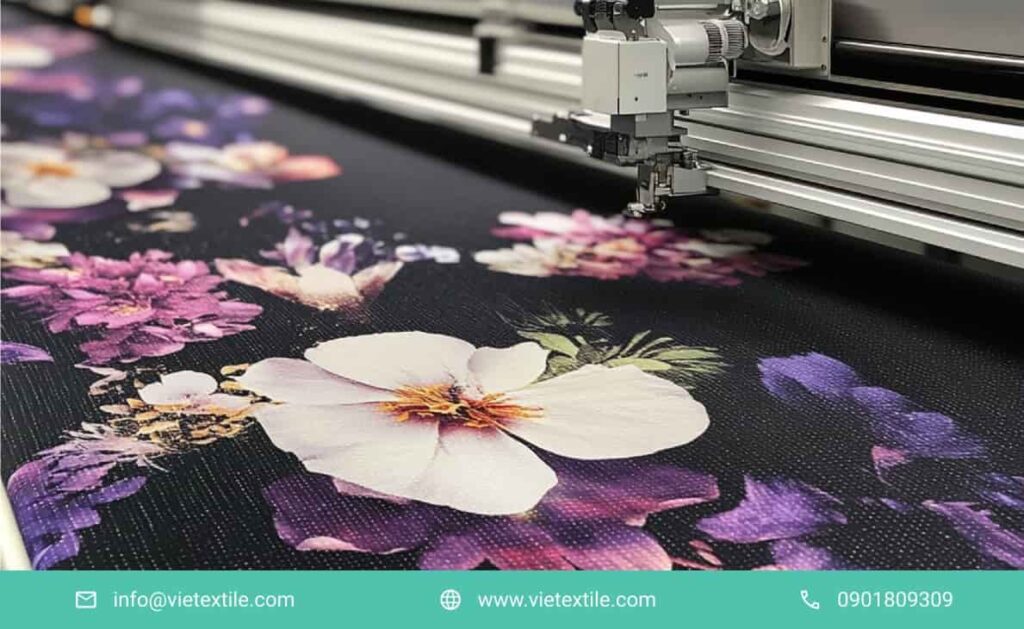
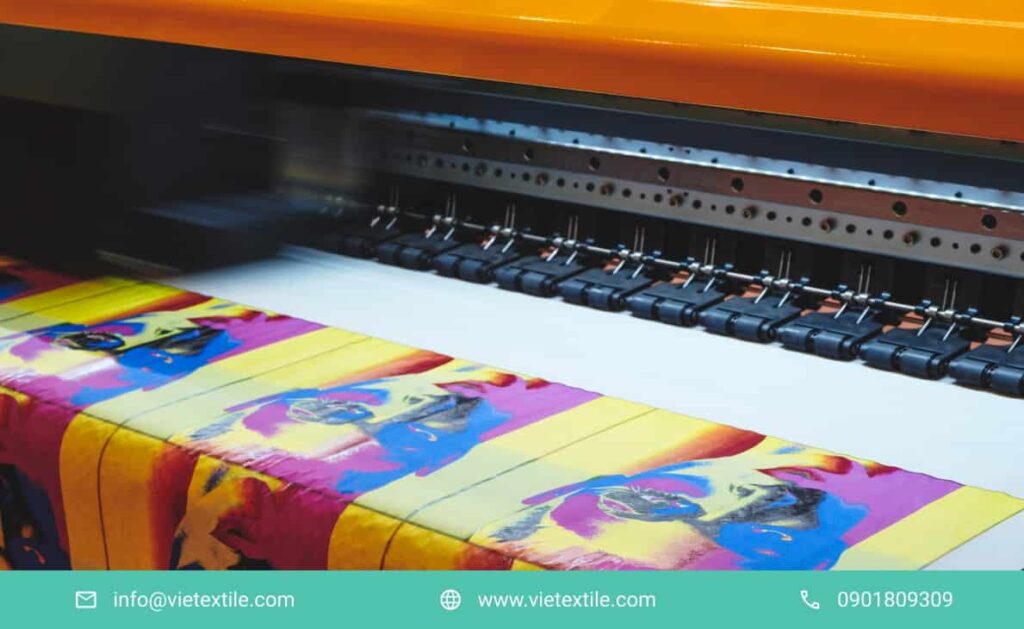
Direct-to-Fabric (DTF) digital printing technology has become the gold standard in the modern textile industry, allowing manufacturers to create complex designs with high speed and optimal cost efficiency. However, the application of the direct fabric printing process is not uniform across all material types.
Each fiber type—from natural Cotton, synthetic Polyester, protein-based Silk, to durable Nylon—requires a specific treatment cycle and corresponding ink type to ensure colors adhere securely, are durable, and maintain the fabric’s intended hand feel. This differentiation is the key to distinguishing between a high-quality printed product and one prone to fading or cracking.
This article provides an in-depth analysis of the optimized direct fabric printing process for the most common fabric types, offering expert insights into the necessary chemicals, temperatures, and technical steps required to achieve a flawless finished product.
The Direct Fabric Printing Process: Cotton – Poly – Silk – Nylon 33
1. Overview of the Direct Fabric Printing Process
The direct fabric printing process is a high-tech sequence of steps, completely different from traditional screen printing or heat transfer printing (Sublimation). This method requires synchronization between the printing equipment, specialized inks, and the heat or steam curing stage.
1.1. Definition and Scope of Direct-to-Fabric (DTF)
Direct-to-Fabric (DTF) is a method where digital print heads deposit ink directly onto the fabric surface, followed by chemical or physical reactions to fix the color. Unlike Sublimation, which only works on Polyester, DTF is more versatile, allowing printing on most fiber types, including Cotton, Viscose, Silk, and Nylon, depending on the ink used.
This technology offers advantages in printing fine details, smooth gradients, and supporting Print-on-Demand (POD) for small quantities. To maximize these benefits, adhering to the specialized direct fabric printing process for each fiber type is a prerequisite.
1.2. Key Ink Types in the Direct Fabric Printing Process
The choice of printing ink is the crucial factor that determines the entire direct fabric printing process and the compatible fabric type.
Reactive Inks: Used for Cellulose fibers (Cotton, Linen, Viscose). Reactive inks create a permanent covalent chemical bond with the fabric fiber. This ink provides the highest color fastness and softest hand feel on Cotton.
Acid Inks: Used for Protein fibers (Silk, Wool) and Polyamide (Nylon). Acid inks create an ionic bond with the Amine groups in Protein/Polyamide fibers. This ink yields vibrant colors and high sheen, ideal for silk.
Disperse Inks: Used for synthetic fibers (Polyester). Disperse dye molecules deeply penetrate the Polymer structure of Polyester under high temperature, resulting in absolute color permanence (non-fading when washed).
Pigment Inks: Used for most fiber types (Universal). Pigment inks do not form a chemical bond but adhere to the fabric surface using a binder (adhesive agent). This is the most flexible choice, but color fastness and hand feel can be inferior to other specialized inks.
1.3. Three Core Stages of the Direct Fabric Printing Process
Every direct fabric printing process must pass through three main stages, although the specific treatment details for each stage will vary depending on the ink and fabric type.
Pre-Treatment: Preparing the fabric surface to optimize the ink’s absorption and chemical reaction potential.
Digital Printing: Precisely jetting ink onto the fabric using the print heads.
Post-Treatment: Fixing the ink using high heat (Curing), steam (Steaming), or chemicals, followed by washing to remove excess chemicals and unfixed ink.
2. Direct Fabric Printing Process on Cotton – Optimizing the Reactive Reaction
Cotton is the most popular fabric, but the direct fabric printing process for Cotton demands the strictest control over pre-treatment chemicals and steaming to activate the chemical reaction of Reactive inks.
2.1. Fabric and Ink Preparation
Cotton fabric must be fully bleached and impurities removed before printing. Most professional manufacturers use Reactive Ink to print Cotton, as it creates a permanent bond, yielding the softest hand feel and highest color fastness.
2.2. Stage 1: Chemical Pre-Treatment (Padding/Foularding)
This is the most critical step in the direct fabric printing process for Cotton. The goal is to introduce the necessary chemicals into the fibers for the Reactive ink to react.
Chemical Components: The pre-treatment solution typically includes Urea (which aids ink solubility and cleans print heads), Alkali (Sodium Carbonate or Bicarbonate) to create the high pH environment required for the reaction, and a thickener to prevent ink bleeding.
Mechanism: The fabric is run through a Padder (or Foulard) machine, where it is immersed and pressed to ensure the solution saturates the fibers evenly. The Alkali concentration must be strictly controlled; too low a concentration weakens the color reaction, while too high can damage the fabric fibers. The fabric is then pre-dried.
2.3. Stage 2: Digital Printing – Ink Volume Control
The digital printer jets Reactive ink onto the pre-treated surface. Do to the thickener in the fabric, the ink is held on the surface without penetrating too deeply and bleeding.
Resolution: Typically ranges from 600×600 dpi to 1200×1200 dpi for detail reproduction.
Drop Volume Control: Must be adjusted to ensure just enough ink reacts with the pre-treatment chemicals without over-wetting, which would cause dimensional instability of the fabric.
2.4. Stage 3: Post-Treatment – Steaming and Washing-Off
Reactive ink requires saturated steam at high temperatures to complete the chemical reaction.
Steaming: The fabric is passed into a specialized steam chamber (Steamer) at temperatures from 102°C to 105°C for approximately 8-15 minutes. Hơi nước cung cấp năng lượng nhiệt và độ ẩm cần thiết để kiềm kích hoạt phản ứng, tạo liên kết bền vững giữa mực và Cellulose. The steam provides the thermal energy and humidity needed for the alkali to activate the reaction, forming a durable covalent bond between the ink and the Cellulose.
Washing/Soaping: After steaming, the fabric is washed with hot water and soap (soaping) to completely remove excess Reactive ink (unfixed dye) and pre-treatment chemicals. If not washed thoroughly, the fabric will feel stiff, colors may bleed easily upon the first wash, and color fastness will be severely reduced. This is the crucial step determining the final quality of the Cotton direct fabric printing process.
3. Direct Fabric Printing Process on Polyester – High-Temperature Curing with Disperse Ink
Polyester (Poly) is a non-absorbent synthetic fiber; thus, the direct fabric printing process for Poly is completely different, relying on the Sublimation principle of Disperse ink.
3.1. Disperse Ink and Polyester Compatibility
Disperse ink is the sole choice for Polyester. When heated, the Disperse ink molecules transition from solid to gas (sublime) and penetrate the Poly fibers.
3.2. Stage 1: Pre-Treatment (Optional)
For direct Disperse printing, an alkali chemical pre-treatment like Cotton’s is not mandatory. However, some manufacturers may use a thin Polymer Coating to improve image sharpness and prevent ink blurring before curing.
3.3. Stage 2: Digital Printing
Due to the nature of Polyester, the ink adheres quite well to the surface, facilitating high-speed printing.
3.4. Stage 3: Post-Treatment – Heat Curing and Color Fixing
This is the decisive stage of the Polyester direct fabric printing process.
Dry Curing/Baking: The fabric is fed into a curing oven or flat heat press at extremely high temperatures, typically from 180°C to 210°C, for about 45 seconds to 5 minutes.
Mechanism: Under this temperature, the Polyester molecules open up (expand), allowing the gaseous Disperse ink molecules to penetrate into the fiber’s polymer structure. When the fabric cools, the Polyester fiber closes, permanently trapping the ink inside.
Benefit: This method creates absolute color fastness, resistant to washing and chemical exposure.
Crucial Note: Curing temperature must be carefully controlled, especially for Poly fabric containing Spandex (Elastane), as excessive heat can damage the elasticity of the Spandex fiber.
4. In-Depth Technical Analysis of Chemical Pre-Treatment
The Direct Fabric Printing Process: Cotton – Poly – Silk – Nylon 34
Pre-treatment is the most scientific phase in the direct fabric printing process, determining 70% of the print quality and color fastness. The difference in chemical formulas is the technological secret of each manufacturer.
4.1. The Role of UREA, Alkali, and the Activation Mechanism (Reactive Dyes)
For Reactive Inks on Cellulose fibers (Cotton), three main components in the pre-treatment solution are mandatory:
UREA: Not only aids dye solubility, but UREA is also a critical humectant. It retains moisture in the fabric after pre-drying, ensuring the ink does not dry out too quickly before steaming. This allows the ink to spread evenly and optimizes the dyeing reaction.
Alkali: Usually Sodium Carbonate (Soda ash) or Sodium Bicarbonate. Alkali removes the Hydroxyl groups (OH-) from the Cellulose fiber, creating a negatively charged Cellulosate group (Cell-O$^{-}$). This group then reacts with the Active group of the Reactive dye (positively charged), forming the stable covalent bond.
Dye-fixing Agent: Salts like Sodium Sulphate help control the reaction rate and prevent excessive ink migration.
4.2. Thickeners and Ink Bleeding Control
Thickeners (often Sodium Alginate extracted from seaweed, or synthetic Polymers) have two main functions:
Stabilize Ink Droplet Position: When the ink droplet is jetted, the thickener prevents it from immediately penetrating the fabric structure, maintaining vibrant color and high sharpness on the surface.
Prevent Wicking/Bleeding: Controls the lateral diffusion of the ink, avoiding blurred edges or blending in transition areas.
The selection of the thickener’s viscosity must be appropriate for the fabric’s fineness and thickness. The thinner the fabric (e.g., chiffon), the higher the thickener’s viscosity needed to prevent strike-through.
4.3. Polymer Binders and Coatings for Pigment Inks
When using Pigment Inks, the direct fabric printing process eliminates the steaming and chemical washing stages. Instead, it relies entirely on the Binder:
Binder: A liquid Polymer (often Acrylic Polymer) that forms a transparent, pliable film around the pigment particle and glues it to the fiber surface.
Cross-Linker: This component determines wash and rub fastness. It creates cross-links between the Polymer chains of the Binder under curing temperature (typically 150°C – 170°C), hardening and fixing the color film.
White Pre-Treatment Coating: For Pigment printing on dark fabrics, this coating is a special Polymer solution containing White Pigment (Titanium Dioxide), acting as a white “screen” for the CMYK colors printed on top to display vibrantly.
5. Quality Control (QC) and Troubleshooting Common Defects
To ensure quality output, manufacturers must actively control technical defects in the direct fabric printing process.
5.1. Bleeding/Wicking Defects and Solutions
Phenomenon: Ink spreads excessively, blurring outlines and fine details, or colors blend in transition areas.
Cause: Too much ink jetted (high ink coverage), or insufficient viscosity of the thickener in the pre-treatment solution, or the fabric was not dried correctly after pre-treatment.
Solution: Reduce the Ink Limit in the RIP software, increase the thickener concentration, or adjust the speed/temperature of the pre-drying to ensure appropriate moisture level.
5.2. Ensuring Wash/Rubbing Fastness
Color fastness is the most important measure of the direct fabric printing process.
Wash Fastness: This defect often occurs when the Post-Treatment stage is inadequate:
Reactive Dyes: Insufficient steaming time or temperature to complete the alkali reaction.
Pigment Dyes: Insufficient curing temperature to activate the Cross-Linker and form cross-links for the Binder.
Rubbing Fastness: (Especially critical for Pigment Inks). This defect occurs when the Polymer film is too thick or the adhesion of the Binder to the fiber is poor. The solution is to optimize the Binder/Cross-Linker formula and ensure ink is not overly deposited on the fiber surface.
5.3. Optimizing Hand Feel
“Stiff Feel” Issue: Most common with Pigment Ink due to the Polymer Binder layer on the surface.
Solution: Switch to Reactive Ink for Cotton (if possible). If Pigment must be used, reduce the amount of Binder/Cross-Linker in the pre-treatment solution and use newer, more flexible Binders, or apply a softener in the final Finishing stage.
6. New Technology and Equipment in Modern DTF
The development of the direct fabric printing process constantly evolves with machine technology and control software.
6.1. Print Heads and Speed (Single-Pass)
Print Head Technology: Industrial Piezoelectric print heads (like Kyocera, Konica Minolta) with ultra-high drop jetting frequency have replaced thermal print heads. This allows for extremely accurate and uniform control over ink droplet size (Drop Volume).
Single-Pass System: Instead of the fabric moving multiple times under the print heads (Multi-Pass), Single-Pass technology uses a long, fixed array of print heads spanning the entire fabric width. This allows printing at extremely high speeds (up to 60-80 meters/minute) while maintaining resolution, significantly reducing time in large-scale direct fabric printing process production.
6.2. Advanced Steaming Systems (Steamer Technology)
Modern steam chambers (Steamer) are equipped with absolute saturated steam control systems, ensuring uniform temperature and humidity across the entire fabric width. This is crucial for Reactive and Acid Inks, helping the chemical reaction proceed 100%, minimizing excess ink, and reducing the burden on the washing stage. New systems also include steam recovery units, helping to save energy.
6.3. Sustainable Digital Printing Solutions (Eco-friendly)
Sustainability has become a major trend in the direct fabric printing process:
Water Reduction: Modern Pigment Inks completely eliminate the washing and steaming steps, saving millions of liters of water.
Zero Discharge Standard: Advanced printing factories implement closed-loop wastewater treatment systems, recycling wash water after removing chemicals and unfixed ink, achieving the Zero Discharge of Hazardous Chemicals (ZDHC) standard.
Eco-Certifications: Using inks and pre-treatment chemicals with ecological certifications like GOTS (Global Organic Textile Standard) and Oeko-Tex Standard 100, ensuring products are safe for users and environmentally friendly.
7. Direct Fabric Printing Process on Silk – The Delicacy of Acid Ink
Silk is a natural Protein fiber, requiring a direct fabric printing process using Acid Ink and extremely gentle handling to preserve its luster and soft feel.
7.1. Acid Ink and Ionic Bonding
Acid Inks are used because they contain Acid groups capable of reacting with the Amine groups in Protein fibers. This ionic bonding creates vibrant colors and high sheen, suitable for the luxurious nature of silk.
7.2. Stage 1: Acidic Pre-Treatment
Silk fabric is pre-treated with a mildly Acidic solution, typically containing Citric Acid and thickeners, to prepare for ionic bonding.
7.3. Stage 2: Digital Printing
The printing process on silk requires a slower speed and lower fabric tension to avoid damaging the delicate fiber structure and prevent fabric shifting during printing.
7.4. Stage 3: Post-Treatment – Gentle Steaming
Similar to Cotton, silk also requires steaming to fix the color, but the temperature and time are often lower (e.g., 100°C for 5-10 minutes) to protect the Protein structure of the fiber.
Washing-Off: The post-steaming washing step must be performed using neutral or mildly Acidic detergents, avoiding strong alkalis, as they can dissolve the Protein fibers, causing irreversible fabric damage. The delicacy in the post-treatment stage is the key point of the direct fabric printing process for silk.
8. Direct Fabric Printing Process on Nylon – Challenges and Solutions
The Direct Fabric Printing Process: Cotton – Poly – Silk – Nylon 35
Nylon (Polyamide) is the second most common synthetic fiber for DTF printing. It can be printed using both Acid Ink (due to its Polyamide structure) or Disperse Ink, depending on the application and color fastness requirements.
8.1. Ink Selection for Nylon
Acid Ink: Often preferred for Nylon as it offers higher wash and rub fastness, ideal for activewear or swimwear.
Disperse Ink: Can also be used, but color depth may not be equal to Acid Ink.
8.2. Pre-Treatment and Printing Stages
Pre-treatment usually involves pH adjusters and thickeners to stabilize the surface. The biggest challenge in the direct fabric printing process for Nylon is its lower temperature sensitivity compared to Polyester. Nylon is prone to shrinkage or deformation if the post-treatment temperature is too high.
8.3. Post-Treatment Stage – Precise Temperature Control
Steaming or Curing: When using Acid Ink, Nylon needs to be steamed. When using Disperse Ink, Nylon needs to be cured, but the temperature must be adjusted lower than Polyester (e.g., 170°C – 185°C) to prevent damage to the Polymer structure.
Finish Treatment: After color fixing, Nylon is often coated with finishing chemicals such as UV protectants or water repellents, depending on the end use (e.g., tents, swimwear, outerwear).
9. VieTextile’s Role in High-Quality Direct Fabric Printing Process
VieTextile is your professional partner, providing comprehensive direct fabric printing processes optimized to international standards. We not only possess the most advanced digital printing systems but also heavily invest in the research and development of specialized pre-treatment and post-treatment chemical formulas.
We understand that every batch of Cotton, every piece of Silk, or every roll of Polyester has slightly different characteristics. Therefore, VieTextile’s technical team always performs the following steps:
Fiber Analysis: Checking the fiber content and pH of the greige fabric before printing to adjust the optimal pre-treatment formula.
Color Profiling: Building specialized color profiles for the combination of ink type (Reactive, Acid, Disperse) and specific fabric type, ensuring the printed colors are absolutely true and consistent with the original design (digital proof).
Temperature and Humidity Control: Using Steamer and curing ovens equipped with precise sensors, controlling temperatures within the +/- 1°C margin, ensuring ink is fixed perfectly without damaging the fabric fibers (especially Silk and Nylon).
Wash Fastness Testing: Every batch is tested for color fastness according to AATCC or ISO standards after completing the direct fabric printing process and industrial washing.
If you are looking for a partner who can ensure technical accuracy in every step of the direct fabric printing process, from natural to synthetic materials, VieTextile is committed to delivering superior quality and durability.
10. Frequently Asked Questions About the Direct Fabric Printing Process (FAQ)
Q: What is the biggest difference between the direct fabric printing process for Cotton and Polyester?A: The biggest difference lies in the Post-Treatment stage: Cotton uses Steaming to activate the chemical reaction (Reactive Ink), while Polyester uses Dry Curing at high temperatures for the Disperse Ink to sublime and penetrate the fiber.
Q: If I print Reactive Ink on Polyester fabric, what will happen?A: Reactive ink will not adhere securely to the Polyester fiber because no chemical bond is formed. The ink will be completely washed off during the final washing stage, resulting in a failure of the direct fabric printing process.
Q: Does pre-treatment change the hand feel of the fabric?A: Yes. If the pre-treatment solution and thickeners are not controlled or not completely washed off in the final stage, the fabric can feel stiffer. VieTextile optimizes the direct fabric printing process to minimize residual chemicals and ensure the fabric retains its softness.
Q: Why is direct printing on Silk more expensive than Cotton?A: Printing on Silk is more expensive due to the use of specialized Acid Ink (which costs more than Reactive Ink) and the direct fabric printing process requires delicate, slower, and more complex temperature control and post-treatment handling (steaming, washing-off) to avoid damaging the Protein structure of the fiber.
Q: Can the direct fabric printing process handle Blended Fabrics like Poly/Cotton?A: Yes, but it requires the use of Pigment Ink with a binder, or Hybrid Ink to adhere to both fiber types. Color quality and softness may not be equal to printing on 100% Cotton or 100% Poly with specialized inks, but it is the optimal solution for blends.
Q: Does the fabric’s pH affect the direct fabric printing process?A: Rất quan trọng. Vải Cotton cần pH cao (Kiềm) cho Mực Reactive, trong đó Lụa và Nylon cần pH Acid cho Mực Acid. The greige fabric must be processed to achieve the precise pH level before the formal Pre-Treatment step.
Q: How is the white underbase ink layer processed in the direct fabric printing process for dark Cotton?A: For dark Cotton fabric, a special White Pigment ink layer is printed first. This layer acts as the white base layer. After colors are printed on top, the entire print is cured with heat to fix the Pigment layer, completing the direct fabric printing process on a dark background.
To ensure the direct fabric printing process is executed with the highest precision and quality for all materials, contact VieTextile for expert consultation.
Công nghệ in kỹ thuật số trực tiếp lên vải (Direct-to-Fabric – DTF) đã trở thành tiêu chuẩn vàng trong ngành dệt may hiện đại, cho phép các nhà sản xuất tạo ra những thiết kế phức tạp với tốc độ nhanh và chi phí tối ưu. Tuy nhiên, việc áp dụng quy trình in vải trực tiếp không hề đồng nhất cho tất cả các loại chất liệu.
Mỗi loại sợi, từ Cotton tự nhiên, Polyester tổng hợp, Lụa protein, đến Nylon bền bỉ, đều yêu cầu một chu trình xử lý chuyên biệt và loại mực tương ứng để đảm bảo màu sắc bám chặt, bền bỉ và giữ nguyên cảm giác chạm tay (hand feel) của vải. Sự khác biệt này là chìa khóa để phân biệt giữa một sản phẩm in chất lượng cao và một sản phẩm dễ bị phai màu, nứt vỡ.
Bài viết này sẽ đi sâu phân tích chi tiết quy trình in vải trực tiếp được tối ưu hóa cho từng loại vải phổ biến nhất, cung cấp cái nhìn chuyên môn về hóa chất, nhiệt độ và các bước kỹ thuật cần thiết để đạt được thành phẩm hoàn hảo.
Quy Trình In Trực Tiếp Lên Từng Loại Vải: Cotton – Poly – Lụa – Nylon 40
1. Tổng Quan Về Quy Trình In Vải Trực Tiếp
Quy trình in vải trực tiếp là một chuỗi các bước công nghệ cao, khác biệt hoàn toàn so với in lụa truyền thống hay in chuyển nhiệt (Sublimation). Phương pháp này đòi hỏi sự đồng bộ giữa thiết bị in, loại mực chuyên dụng và công đoạn xử lý nhiệt hoặc hơi nước.
1.1. Định Nghĩa Và Phạm Vi Của In Trực Tiếp Lên Vải (DTF)
In Trực Tiếp Lên Vải (DTF) là phương pháp mà các đầu phun kỹ thuật số (print heads) đưa mực trực tiếp lên bề mặt vải, sau đó các phản ứng hóa học hoặc vật lý được kích hoạt để cố định màu. Khác với in chuyển nhiệt chỉ hoạt động trên Polyester, DTF linh hoạt hơn, cho phép in lên hầu hết các loại sợi, bao gồm cả Cotton, Viscose, Silk và Nylon, tùy thuộc vào loại mực được sử dụng.
Công nghệ này mang lại lợi thế về khả năng in chi tiết nhỏ, độ chuyển màu mượt mà (gradient) và khả năng sản xuất theo yêu cầu (Print-on-Demand) với số lượng nhỏ. Để tối ưu hóa các lợi ích này, việc tuân thủ quy trình in vải trực tiếp theo từng loại sợi là điều kiện tiên quyết.
1.2. Phân Biệt Các Loại Mực Chủ Đạo Trong Quy Trình In Vải Trực Tiếp
Sự lựa chọn mực in là yếu tố then chốt quyết định toàn bộ quy trình in vải trực tiếp và loại vải tương thích.
Mực Reactive (Mực Phản Ứng): Dùng cho sợi Cellulose (Cotton, Linen, Viscose). Mực Reactive tạo ra liên kết hóa học cộng hóa trị (covalent bond) vĩnh viễn với sợi vải. Đây là loại mực cho độ bền màu và cảm giác mềm mại cao nhất trên Cotton.
Mực Acid (Mực Axit): Dùng cho sợi Protein (Silk, Wool) và Polyamide (Nylon). Mực Acid tạo liên kết ion với các nhóm Amine trong sợi Protein/Polyamide. Mực này cho màu sắc rực rỡ, độ bóng cao, lý tưởng cho lụa.
Mực Disperse (Mực Phân Tán): Dùng cho sợi tổng hợp (Polyester). Các phân tử Disperse Dye thâm nhập sâu vào cấu trúc Polymer của Polyester dưới nhiệt độ cao, tạo ra độ bền màu tuyệt đối (không bị phai khi giặt).
Mực Pigment (Mực Hạt Màu): Dùng cho hầu hết các loại sợi (Universal). Mực Pigment không tạo liên kết hóa học mà bám trên bề mặt vải bằng chất kết dính (binder). Đây là lựa chọn linh hoạt nhất nhưng độ bền màu và cảm giác chạm tay có thể kém hơn các loại mực chuyên dụng khác.
1.3. Ba Giai Đoạn Cốt Lõi Của Quy Trình In Vải Trực Tiếp
Mọi quy trình in kỹ thuật số trực tiếp lên vải đều phải trải qua ba giai đoạn chính, tuy nhiên, chi tiết xử lý của mỗi giai đoạn sẽ thay đổi tùy thuộc vào loại mực và loại vải.
Tiền Xử Lý (Pre-Treatment): Chuẩn bị bề mặt vải để tối ưu hóa khả năng hấp thụ và phản ứng hóa học của mực.
In Kỹ Thuật Số (Printing): Phun mực chính xác lên vải bằng đầu phun.
Hậu Xử Lý (Post-Treatment): Cố định mực bằng nhiệt độ cao (Curing), hơi nước (Steaming) hoặc hóa chất, sau đó giặt rửa để loại bỏ hóa chất dư thừa và mực không bám.
2. Quy Trình In Trực Tiếp Lên Vải Cotton – Tối Ưu Hóa Phản Ứng Reactive
Cotton là loại vải phổ biến nhất, nhưng quy trình in vải trực tiếp lên Cotton đòi hỏi sự kiểm soát chặt chẽ nhất về hóa chất tiền xử lý và hấp hơi để kích hoạt phản ứng hóa học của mực Reactive.
2.1. Chuẩn Bị Vải Và Mực In
Vải Cotton phải được tẩy trắng (bleached) và loại bỏ tạp chất hoàn toàn trước khi in. Hầu hết các nhà sản xuất chuyên nghiệp đều sử dụng Mực Reactive để in Cotton, vì nó tạo ra liên kết vĩnh cửu, mang lại độ mềm mại và độ bền màu cao nhất.
2.2. Giai Đoạn 1: Tiền Xử Lý Bằng Hóa Chất (Padding/Foularding)
Đây là bước quan trọng nhất trong quy trình in vải trực tiếp lên Cotton. Mục đích là đưa hóa chất cần thiết vào sợi để mực Reactive có thể phản ứng.
Thành phần hóa chất: Dung dịch tiền xử lý thường bao gồm Urea (giúp mực hòa tan tốt hơn và làm sạch đầu phun), kiềm (Sodium Carbonate hoặc Bicarbonate) để tạo môi trường pH cao cần thiết cho phản ứng, và chất làm đặc (thickener) để ngăn chặn mực loang.
Cơ chế: Vải được chạy qua máy Padder (hoặc Foulard), nơi nó được ngâm và ép để dung dịch thấm đều vào sợi. Nồng độ kiềm phải được kiểm soát nghiêm ngặt; nồng độ quá thấp sẽ làm phản ứng màu yếu đi, nồng độ quá cao có thể làm hỏng sợi vải. Sau đó, vải được sấy sơ bộ (pre-drying).
2.3. Giai Đoạn 2: In Kỹ Thuật Số – Kiểm Soát Lượng Mực
Máy in kỹ thuật số phun mực Reactive lên bề mặt đã được tiền xử lý. Do vải đã có chất làm đặc, mực sẽ được giữ lại trên bề mặt mà không bị thấm sâu và loang lổ.
Độ phân giải (Resolution): Thường từ 600×600 dpi đến 1200×1200 dpi để tái tạo chi tiết.
Kiểm soát Giọt Mực (Drop Volume): Phải được điều chỉnh để đảm bảo lượng mực vừa đủ phản ứng với hóa chất tiền xử lý mà không làm ướt quá mức, gây mất ổn định kích thước vải.
2.4. Giai Đoạn 3: Hậu Xử Lý – Hấp Hơi Và Giặt Rửa
Mực Reactive cần hơi nước bão hòa (saturated steam) ở nhiệt độ cao để hoàn tất phản ứng hóa học.
Hấp Hơi (Steaming): Vải được đưa vào buồng hấp hơi chuyên dụng (steamer) ở nhiệt độ từ 102°C đến 105°C trong khoảng 8-15 phút. Hơi nước cung cấp năng lượng nhiệt và độ ẩm cần thiết để kiềm kích hoạt phản ứng, tạo liên kết bền vững giữa mực và Cellulose.
Giặt Rửa (Washing/Soaping): Sau khi hấp hơi, vải được giặt bằng nước nóng và xà phòng (soaping) để loại bỏ hoàn toàn mực Reactive dư thừa (mực không phản ứng) và các hóa chất tiền xử lý. Nếu giặt không sạch, vải sẽ bị cứng, màu sắc dễ bị loang khi giặt lần đầu và độ bền màu sẽ giảm nghiêm trọng. Đây là bước then chốt quyết định chất lượng cuối cùng của quy trình in vải trực tiếp Cotton.
3. Quy Trình In Trực Tiếp Lên Vải Polyester – Nung Nhiệt Độ Cao Với Mực Disperse
Polyester (Poly) là sợi tổng hợp không hút nước, do đó, quy trình in vải trực tiếp lên Poly hoàn toàn khác biệt, dựa trên nguyên tắc thăng hoa (Sublimation) của mực Disperse.
3.1. Mực Disperse Và Sự Tương Thích Với Polyester
Mực Disperse là lựa chọn duy nhất cho Polyester. Khi nung nóng, phân tử mực Disperse chuyển từ thể rắn sang thể khí (thăng hoa) và thâm nhập vào sợi Poly.
3.2. Giai Đoạn 1: Tiền Xử Lý (Tùy Chọn)
Đối với in Disperse trực tiếp, tiền xử lý không bắt buộc bằng hóa chất kiềm như Cotton. Tuy nhiên, một số nhà máy có thể sử dụng lớp phủ polymer mỏng (Polymer Coating) để cải thiện độ sắc nét của hình ảnh và chống nhòe mực trước khi nung nhiệt.
3.3. Giai Đoạn 2: In Kỹ Thuật Số
Do tính chất của Polyester, mực bám khá tốt trên bề mặt, tạo điều kiện cho in tốc độ cao.
3.4. Giai Đoạn 3: Hậu Xử Lý – Nung Nhiệt Và Cố Định Màu
Đây là giai đoạn quyết định của quy trình in vải trực tiếp Polyester.
Nung Nhiệt Khô (Dry Curing/Baking): Vải được đưa vào lò nung hoặc máy ép nhiệt phẳng ở nhiệt độ cực cao, thường từ 180°C đến 210°C, trong khoảng 45 giây đến 5 phút.
Cơ chế: Dưới nhiệt độ này, các phân tử Polyester mở ra (giãn nở), cho phép các phân tử mực Disperse dạng khí thâm nhập vào bên trong cấu trúc sợi. Khi vải nguội đi, sợi Polyester đóng lại, nhốt mực vĩnh viễn bên trong.
Lợi ích: Phương pháp này tạo ra độ bền màu tuyệt đối, không bị phai khi giặt hay tiếp xúc với hóa chất.
Lưu ý quan trọng: Nhiệt độ nung phải được kiểm soát cẩn thận, đặc biệt đối với vải Poly có chứa Spandex (Elastane), vì nhiệt độ quá cao có thể làm hỏng tính đàn hồi của sợi Spandex.
4. Phân Tích Kỹ Thuật Chuyên Sâu Về Hóa Chất Tiền Xử Lý (Pre-Treatment)
Quy Trình In Trực Tiếp Lên Từng Loại Vải: Cotton – Poly – Lụa – Nylon 41
Tiền xử lý (Pre-Treatment) là khâu mang tính khoa học nhất trong quy trình in vải trực tiếp, quyết định 70% chất lượng in và độ bền màu. Sự khác biệt trong công thức hóa chất chính là bí quyết công nghệ của mỗi nhà sản xuất.
4.1. Vai trò của UREA, Chất Kiềm và Cơ chế Kích Hoạt (Reactive Dyes)
Đối với Mực Reactive trên sợi Cellulose (Cotton), ba thành phần chính trong dung dịch tiền xử lý là bắt buộc:
UREA (Ure): Không chỉ giúp hòa tan thuốc nhuộm, UREA còn là chất hút ẩm (humectant) quan trọng. Nó giữ độ ẩm cho vải sau khi sấy sơ bộ, đảm bảo mực không bị khô quá nhanh trước khi hấp hơi. Điều này giúp mực lan đều và tối ưu hóa phản ứng nhuộm.
Chất Kiềm (Alkali): Thường là Sodium Carbonate (Soda tro) hoặc Sodium Bicarbonate. Kiềm có vai trò loại bỏ nhóm Hydroxyl (OH-) khỏi sợi Cellulose, tạo ra nhóm Cellulosate mang điện tích âm (Cell-O$^-$). Nhóm này sau đó phản ứng với nhóm Active của mực Reactive (mang điện tích dương), hình thành liên kết cộng hóa trị bền vững.
Chất Trợ Nhuộm (Dye-fixing Agent): Các muối như Sodium Sulphate giúp kiểm soát tốc độ phản ứng và ngăn chặn mực chảy lan quá mức.
4.2. Chất Làm Đặc (Thickeners) và Kiểm soát Loang Mực
Chất làm đặc (thường là Sodium Alginate chiết xuất từ rong biển, hoặc các Polymer tổng hợp) có hai chức năng chính:
Ổn định Vị trí Giọt Mực: Khi giọt mực được phun ra, chất làm đặc ngăn không cho nó thấm sâu ngay lập tức vào cấu trúc vải, giữ màu sắc rực rỡ và độ nét cao trên bề mặt.
Ngăn Lỗi Cầu Mực (Wicking): Kiểm soát sự khuếch tán ngang của mực, tránh tạo ra viền mờ hoặc loang lổ giữa các màu.
Việc lựa chọn độ nhớt (viscosity) của chất làm đặc phải phù hợp với độ mịn và độ dày của vải. Vải càng mỏng (ví dụ: chiffon), chất làm đặc càng cần độ nhớt cao để tránh thấm ngược.
4.3. Chất Kết Dính Polymer (Binders) và Lớp Phủ cho Mực Pigment
Khi sử dụng Mực Pigment, quy trình in vải trực tiếp loại bỏ giai đoạn hấp hơi và giặt rửa hóa học. Thay vào đó, nó phụ thuộc hoàn toàn vào Chất Kết Dính (Binder):
Chất Kết Dính (Binder): Là Polymer lỏng (thường là Acrylic Polymer) tạo thành một màng phim trong suốt, dẻo dai xung quanh hạt màu (pigment) và dán chúng lên bề mặt sợi.
Chất Phụ Gia Chéo (Cross-Linker): Đây là thành phần quyết định độ bền giặt và ma sát. Nó tạo ra các liên kết chéo giữa các chuỗi Polymer của Binder dưới nhiệt độ nung (thường 150°C – 170°C), làm cứng và cố định màng phim màu.
Lớp Phủ Tiền Xử Lý Trắng (White Pre-Treatment): Đối với in Pigment lên vải tối màu, lớp phủ này là dung dịch Polymer đặc biệt chứa Pigment Trắng (Titanium Dioxide), đóng vai trò là “màn hình” trắng để màu CMYK trên cùng có thể hiển thị rực rỡ.
5. Kiểm Soát Chất Lượng (QC) và Khắc Phục Lỗi Phổ Biến
Để đảm bảo chất lượng đầu ra, nhà sản xuất phải chủ động kiểm soát các lỗi kỹ thuật trong quy trình in vải trực tiếp.
5.1. Lỗi Cầu Mực (Bleeding/Wicking) và Giải pháp
Hiện tượng: Mực lan rộng quá mức, làm nhòe đường viền và chi tiết nhỏ, hoặc màu sắc trộn lẫn ở vùng chuyển tiếp.
Nguyên nhân: Lượng mực phun quá nhiều (high ink coverage), hoặc chất làm đặc trong dung dịch tiền xử lý không đủ độ nhớt, hoặc vải chưa được sấy khô đúng cách sau khi tiền xử lý.
Giải pháp: Giảm lượng mực (Ink Limit) trong phần mềm RIP, tăng nồng độ chất làm đặc, hoặc điều chỉnh tốc độ/nhiệt độ sấy sơ bộ (pre-drying) để đảm bảo độ ẩm thích hợp.
5.2. Đảm Bảo Độ Bền Giặt/Ma Sát (Wash/Rubbing Fastness)
Độ bền màu là thước đo quan trọng nhất của quy trình in vải trực tiếp.
Độ Bền Giặt (Wash Fastness): Lỗi này thường xảy ra khi công đoạn Hậu Xử Lý không đủ:
Reactive Dyes: Thời gian hoặc nhiệt độ hấp hơi không đủ để hoàn tất phản ứng kiềm hóa.
Pigment Dyes: Nhiệt độ nung (curing) không đủ để kích hoạt Cross-Linker tạo liên kết chéo cho Binder.
Độ Bền Ma Sát (Rubbing Fastness): (Đặc biệt quan trọng với Mực Pigment). Lỗi này xảy ra khi màng phim Polymer quá dày hoặc độ bám dính của Binder lên sợi kém. Giải pháp là tối ưu hóa công thức Binder/Cross-Linker và đảm bảo mực không bám quá nhiều trên bề mặt sợi.
5.3. Tối Ưu Cảm Giác Chạm Tay (Hand Feel)
Vấn đề “Cảm Giác Cứng”: Phổ biến nhất với Mực Pigment do lớp Polymer Binder trên bề mặt.
Giải pháp: Chuyển sang Mực Reactive cho Cotton (nếu có thể). Nếu vẫn dùng Pigment, cần giảm lượng Binder/Cross-Linker trong dung dịch tiền xử lý và sử dụng các loại Binder mới, dẻo hơn, hoặc dùng chất làm mềm (softener) trong công đoạn hoàn tất cuối cùng (Finishing).
6. Công Nghệ Và Thiết Bị Mới Trong DTF Hiện Đại
Sự phát triển của quy trình in vải trực tiếp luôn song hành với công nghệ máy móc và phần mềm điều khiển.
6.1. Máy In (Print Head) và Tốc Độ (Single-Pass)
Công nghệ Đầu Phun: Các đầu phun Piezoelectric công nghiệp (như Kyocera, Konica Minolta) với tần số bắn giọt mực siêu cao đã thay thế các đầu phun nhiệt. Điều này cho phép kiểm soát kích thước giọt mực (Drop Volume) cực kỳ chính xác và đồng đều.
Hệ thống Single-Pass: Thay vì vải phải di chuyển nhiều lần dưới đầu phun (Multi-Pass), công nghệ Single-Pass sử dụng một hàng dài các đầu phun cố định trải rộng hết khổ vải. Điều này cho phép in ở tốc độ cực cao (lên đến 60-80 mét/phút) mà vẫn giữ được độ phân giải, giảm đáng kể thời gian trong quy trình in vải trực tiếp hàng loạt.
6.2. Hệ Thống Xử Lý Hơi Nước Nâng Cao (Steamer Technology)
Các buồng hấp hơi hiện đại (Steamer) được trang bị hệ thống kiểm soát hơi nước bão hòa tuyệt đối, đảm bảo nhiệt độ và độ ẩm đồng đều trên toàn bộ khổ vải. Điều này cực kỳ quan trọng đối với Mực Reactive và Acid, giúp phản ứng hóa học diễn ra 100%, giảm thiểu mực dư thừa và giảm gánh nặng cho công đoạn giặt rửa. Các hệ thống mới cũng bao gồm bộ phận thu hồi hơi nước, giúp tiết kiệm năng lượng.
6.3. Giải Pháp In Kỹ Thuật Số Bền Vững (Eco-friendly)
Tính bền vững đã trở thành xu hướng chính trong quy trình in vải trực tiếp:
Giảm Nước: Mực Pigment hiện đại loại bỏ hoàn toàn bước giặt rửa và hấp hơi, giúp tiết kiệm hàng triệu lít nước.
Tiêu chuẩn Zero Discharge: Các nhà máy in tiên tiến áp dụng hệ thống xử lý nước thải khép kín, tái chế nước giặt rửa sau khi loại bỏ hóa chất và mực không phản ứng, đạt tiêu chuẩn Zero Discharge of Hazardous Chemicals (ZDHC).
Chứng nhận Sinh Thái: Sử dụng các loại mực và hóa chất tiền xử lý được chứng nhận sinh thái như GOTS (Global Organic Textile Standard) và Oeko-Tex Standard 100, đảm bảo sản phẩm an toàn cho người dùng và thân thiện với môi trường.
7. Quy Trình In Trực Tiếp Lên Vải Lụa (Silk) – Sự Tinh Tế Của Mực Acid
Lụa (Silk) là sợi Protein tự nhiên, đòi hỏi quy trình in vải trực tiếp sử dụng Mực Acid và xử lý cực kỳ nhẹ nhàng để bảo toàn độ bóng và cảm giác mềm mại.
7.1. Mực Acid Và Liên Kết Ion
Mực Acid được sử dụng vì chúng chứa các nhóm Axit có khả năng phản ứng với các nhóm Amine trong sợi Protein. Sự liên kết Ion này tạo ra màu sắc rực rỡ và độ bóng cao, phù hợp với tính chất sang trọng của lụa.
7.2. Giai Đoạn 1: Tiền Xử Lý Acidic
Vải lụa được tiền xử lý bằng một dung dịch có tính Acid nhẹ, thường chứa Acid Citric và các chất làm đặc, để chuẩn bị cho liên kết ion.
7.3. Giai Đoạn 2: In Kỹ Thuật Số
Quy trình in trên lụa cần tốc độ chậm hơn và độ căng vải (tension) thấp hơn để tránh làm hỏng cấu trúc sợi mỏng manh và ngăn chặn sự dịch chuyển của vải trong quá trình in.
7.4. Giai Đoạn 3: Hậu Xử Lý – Hấp Hơi Nhẹ
Tương tự như Cotton, lụa cũng cần hấp hơi để cố định màu, nhưng nhiệt độ và thời gian thường thấp hơn (ví dụ: 100°C trong 5-10 phút) để bảo vệ cấu trúc Protein của sợi.
Giặt Rửa: Bước giặt rửa sau hấp hơi phải được thực hiện bằng các chất tẩy rửa trung tính hoặc có tính Acid nhẹ, tránh sử dụng kiềm mạnh vì chúng có thể làm tan rã (dissolve) sợi Protein, gây hỏng vải không thể khắc phục. Sự tinh tế trong khâu hậu xử lý là điểm mấu chốt của quy trình in vải trực tiếp lên lụa.
8. Quy Trình In Trực Tiếp Lên Vải Nylon – Thách Thức Và Giải Pháp
Quy Trình In Trực Tiếp Lên Từng Loại Vải: Cotton – Poly – Lụa – Nylon 42
Nylon (Polyamide) là sợi tổng hợp thứ hai được in trực tiếp phổ biến. Nó có thể được in bằng cả Mực Acid (do có cấu trúc Polyamide) hoặc Mực Disperse, tùy thuộc vào ứng dụng và yêu cầu độ bền màu.
8.1. Lựa Chọn Mực Cho Nylon
Mực Acid: Thường được ưa chuộng hơn cho Nylon vì mang lại độ bền màu cao hơn khi giặt và ma sát, lý tưởng cho trang phục thể thao hoặc đồ bơi.
Mực Disperse: Cũng có thể sử dụng, nhưng độ sâu màu có thể không bằng Mực Acid.
8.2. Giai Đoạn Tiền Xử Lý Và In
Tiền xử lý thường bao gồm các chất điều chỉnh pH và chất làm đặc để ổn định bề mặt. Thách thức lớn nhất trong quy trình in vải trực tiếp lên Nylon là tính nhạy cảm với nhiệt độ thấp hơn Polyester. Nylon dễ bị co rút hoặc biến dạng nếu nhiệt độ hậu xử lý quá cao.
8.3. Giai Đoạn Hậu Xử Lý – Kiểm Soát Nhiệt Độ Chính Xác
Hấp Hơi (Steaming) hoặc Nung Nhiệt: Khi sử dụng Mực Acid, Nylon cần được hấp hơi. Khi sử dụng Mực Disperse, Nylon cần được nung nhiệt, nhưng nhiệt độ phải được điều chỉnh thấp hơn so với Polyester (ví dụ: 170°C – 185°C) để tránh làm hỏng cấu trúc Polymer.
Xử Lý Phủ Cuối (Finish Treatment): Sau khi cố định màu, Nylon thường được phủ các hóa chất hoàn tất như chất chống tia UV hoặc chất chống thấm nước, tùy theo mục đích sử dụng (ví dụ: lều trại, đồ bơi, áo khoác ngoài).
9. Vai Trò Của VieTextile Trong Quy Trình In Vải Trực Tiếp Chất Lượng Cao
VieTextile là đối tác chuyên nghiệp, cung cấp trọn gói quy trình in vải trực tiếp được tối ưu hóa theo tiêu chuẩn quốc tế. Chúng tôi không chỉ sở hữu hệ thống máy in kỹ thuật số tiên tiến nhất mà còn đầu tư mạnh vào khâu nghiên cứu và phát triển công thức hóa chất tiền xử lý và hậu xử lý.
Chúng tôi hiểu rằng mỗi lô vải Cotton, mỗi mẻ Lụa, hay mỗi cuộn Polyester đều có đặc tính hơi khác nhau. Do đó, đội ngũ kỹ thuật của VieTextile luôn thực hiện các bước sau:
Phân Tích Sợi Vải: Kiểm tra thành phần sợi và độ pH của vải mộc trước khi in để điều chỉnh công thức tiền xử lý tối ưu.
Thiết Lập Profile Màu (Color Profiling): Xây dựng profile màu chuyên biệt cho sự kết hợp giữa loại mực (Reactive, Acid, Disperse) và loại vải cụ thể, đảm bảo màu sắc in ra trung thực và đồng nhất tuyệt đối so với thiết kế ban đầu (digital proof).
Kiểm Soát Nhiệt Độ và Độ Ẩm: Sử dụng máy hấp hơi và lò nung có cảm biến chính xác, kiểm soát nhiệt độ trong ngưỡng +/- 1°C, đảm bảo mực được cố định hoàn hảo mà không làm hỏng sợi vải (đặc biệt là Lụa và Nylon).
Kiểm Tra Độ Bền Giặt: Mọi lô hàng đều được kiểm tra độ bền màu theo tiêu chuẩn AATCC hoặc ISO sau khi hoàn tất quy trình in vải trực tiếp và giặt rửa công nghiệp.
Nếu bạn đang tìm kiếm một đối tác có thể đảm bảo sự chính xác kỹ thuật trong từng bước của quy trình in vải trực tiếp, từ vật liệu tự nhiên đến tổng hợp, VieTextile cam kết mang lại chất lượng và độ bền vượt trội.
10. Câu Hỏi Thường Gặp Về Quy Trình In Vải Trực Tiếp (FAQ)
Q: Sự khác biệt lớn nhất giữa quy trình in vải trực tiếp Cotton và Polyester là gì? A: Khác biệt lớn nhất nằm ở giai đoạn Hậu Xử Lý: Cotton sử dụng Hấp Hơi (Steaming) để kích hoạt phản ứng hóa học (Mực Reactive), trong khi Polyester sử dụng Nung Nhiệt Khô (Dry Curing) ở nhiệt độ cao để mực Disperse thăng hoa và thâm nhập vào sợi.
Q: Nếu tôi in Mực Reactive lên vải Polyester, điều gì sẽ xảy ra? A: Mực Reactive sẽ không bám chặt vào sợi Polyester vì không có liên kết hóa học nào được hình thành. Mực sẽ bị rửa trôi hoàn toàn trong giai đoạn giặt rửa cuối cùng, dẫn đến thất bại trong quy trình in vải trực tiếp.
Q: Tiền xử lý có làm thay đổi cảm giác chạm tay của vải (hand feel) không? A: Có. Nếu dung dịch tiền xử lý và chất làm đặc không được kiểm soát hoặc không được giặt rửa sạch hoàn toàn ở giai đoạn cuối, vải có thể bị cứng hơn. VieTextile tối ưu hóa quy trình in vải trực tiếp để giảm thiểu hóa chất dư thừa và đảm bảo vải giữ được độ mềm mại.
Q: Tại sao in trực tiếp lên Lụa lại đắt hơn Cotton? A: In Lụa (Silk) đắt hơn do sử dụng Mực Acid chuyên dụng (có giá thành cao hơn Mực Reactive) và quy trình in vải trực tiếp đòi hỏi sự kiểm soát nhiệt độ và xử lý hậu kỳ (hấp hơi, giặt rửa) tinh tế, chậm hơn và phức tạp hơn để tránh làm hỏng cấu trúc Protein của sợi.
Q: Quy trình in vải trực tiếp có thể xử lý các loại vải pha (Blended Fabrics) như Poly/Cotton không? A: Có, nhưng phải sử dụng Mực Pigment (Mực Hạt Màu) với chất kết dính, hoặc Mực Hybrid (kết hợp) để bám dính trên cả hai loại sợi. Chất lượng màu sắc và độ mềm mại có thể không bằng in trên vải 100% Cotton hoặc 100% Poly bằng mực chuyên dụng, nhưng đó là giải pháp tối ưu cho vải pha.
Q: Độ pH của vải có ảnh hưởng đến quy trình in vải trực tiếp không? A: Rất quan trọng. Vải Cotton cần pH cao (Kiềm) cho Mực Reactive, trong khi Lụa và Nylon cần pH Acid cho Mực Acid. Vải mộc (greige fabric) phải được xử lý để đạt được mức pH chính xác trước khi tiến hành bước Tiền Xử Lý chính thức.
Q: Lớp mực trắng lót trong quy trình in vải trực tiếp lên Cotton tối màu được xử lý như thế nào? A: Đối với vải Cotton tối màu, một lớp mực Pigment trắng đặc biệt (White Pigment) được in trước. Lớp này đóng vai trò là lớp nền màu trắng (base layer). Sau khi in màu lên trên, toàn bộ được nung nhiệt để cố định lớp Pigment, hoàn tất quy trình in vải trực tiếp trên nền tối.
Để đảm bảo quy trình in vải trực tiếp được thực hiện với độ chính xác và chất lượng cao nhất cho mọi chất liệu, hãy liên hệ VieTextile để nhận tư vấn chuyên môn.
The fashion and garment industry is rapidly transforming thanks to the dramatic development of digital printing technology. This technique allows designers to create complex patterns and diverse colors that traditional printing methods struggle to match. However, to achieve high-quality results and optimal color fastness, selecting the appropriate fabric material for digital fabric printing outsourcing is crucial.
Mistakes in fabric selection can lead to blurred images, dull colors, or easy fading after washing. Therefore, a thorough understanding of fabric types before proceeding with digital fabric printing outsourcing is the first and most vital step for every manufacturer. This article will provide an in-depth analysis of the criteria and a detailed selection guide.
Suitable Fabrics for Digital Printing – Detailed Selection Guide 54
1. The Mechanism of Digital Fabric Printing and Fiber Influence
Understanding the operational mechanism of printing technology is the key to fabric selection. Depending on the chemical nature of the fabric fiber, a specific type of ink and digital fabric printing outsourcing method must be applied to ensure color adhesion and durability. The relationship between the printing ink, catalyst, and fabric fiber determines 90% of the final product quality.
1.1. Direct To Garment (DTG) Inkjet Technology
DTG is the most common method for digital fabric printing outsourcing on natural fibers like Cotton and Silk. The printing ink, typically Reactive or Pigment ink, is sprayed directly onto the fabric surface. Reactive ink forms a chemical bond with the Cellulose molecules of natural fibers. This process requires the fabric to be pre-treated to optimize the ink’s absorption and reaction capabilities, ensuring smooth execution of the digital fabric printing outsourcing process. Color depth and wash fastness highly depend on the quality of the ink and the post-printing steaming and curing process.
Cotton fiber, with its porous structure and high Cellulose content, is an ideal material for Reactive inks. When digital fabric printing outsourcing using the DTG method, the ink penetrates deep into the fibers, creating a soft, non-stiff image.
1.2. Dye Sublimation Heat Transfer Technology
Dye Sublimation is the preferred technology when outsourcing digital fabric printing onto synthetic fabrics, especially Polyester. Sublimation ink changes from a solid state directly to a gaseous state (sublimation) under high heat and pressure, then penetrates and bonds with the Polyester molecules.
This process is only effective on fabrics with a Polyester content of 60% or higher. Polyester is characterized by being non-absorbent but capable of absorbing Sublimation ink vapor when its fiber molecules open up under high temperatures (approx. 180°C – 200°C). This is the mandatory choice for digital fabric printing outsourcing that requires absolute color permanence, as the color becomes an integral part of the fiber.
1.3. The Reaction Between Printing Ink and Fiber Structure
The chemical structure of the fabric fiber is the determining factor for the ink type. Cellulose fibers (Cotton, Linen) require Reactive or Pigment inks; Protein fibers (Silk, Wool) need Acid inks; and synthetic fibers (Polyester, Nylon) require Sublimation or Disperse inks. Choosing the wrong ink will result in poor adhesion or rapid wash-off during the digital fabric printing outsourcing process.
Another critical difference is the reaction to heat. Polyester fabric can withstand high temperatures without significant shrinkage or deformation, making it perfect for Sublimation printing. Conversely, Silk fabric is heat-sensitive, requiring temperature adjustment during printing to avoid damaging the fiber structure, demanding tight control in the digital fabric printing outsourcing process.
1.4. Mandatory Fabric Pre-Treatment Process
For most natural fabrics in digital fabric printing outsourcing using Reactive or Pigment inks, the pre-treatment process is indispensable. The fabric is immersed or sprayed with a pre-treatment solution containing surfactants and polymers.
The purpose of pre-treatment is to increase ink absorption, prevent color bleeding, and improve adhesion, which is especially important for dark-colored Cotton fabrics. Skipping the pre-treatment step will significantly reduce the print quality and wash fastness. The quality of the pre-treatment solution must be strictly controlled to avoid altering the fabric’s hand feel after digital fabric printing outsourcing.
2. Suitable Natural Fabrics for Digital Fabric Printing Outsourcing
Natural fabrics are always popular for their soft, breathable, and skin-friendly feel. However, they pose specific challenges during the digital fabric printing outsourcing process, mainly related to shrinkage and color fastness.
Cotton is the most printed fabric globally using digital fabric printing outsourcing. Thanks to its excellent ink absorption and Cellulose structure, Cotton produces high-detail images and vibrant colors when using Reactive inks.
2.1.1. Advantages and Disadvantages of DTG Printing
The main advantage of Cotton is wearing comfort and skin safety. However, the biggest drawback is shrinkage after washing. Pre-treatment and post-printing steaming can help minimize shrinkage, but choosing pre-shrunk Cotton from the start is essential when outsourcing digital fabric printing. Cotton requires Reactive ink for the best color fastness, but Pigment ink (more environmentally friendly) is also widely used, although its wash fastness may be inferior.
2.1.2. Optimal Color Brightness Analysis
Printed colors on Cotton generally achieve very high brightness and contrast, especially on white fabric bases. For dark-colored Cotton, a white underbase ink layer must be printed before applying colors, which increases the complexity and cost of digital fabric printing outsourcing. The thickness of the white underbase must be controlled to ensure the print color is not muted but also does not make the fabric stiff or bulky.
2.2. Linen and Bast Fibers
Linen and other bast fabrics have a coarser fiber structure than Cotton, providing a rustic look and a cool feel. They are a popular choice for high-end fashion or home furnishing products.
When outsourcing digital fabric printing onto Linen, attention must be paid to the coarseness of the fibers and the thread count. Loosely woven fabrics will make it difficult to reproduce small details. Reactive ink remains the optimal choice, but the pre-treatment process must be adjusted so the solution penetrates evenly into the coarse fiber structure, ensuring uniform color on the fabric surface.
2.3. Silk (Natural Silk)
Silk is a natural Protein fiber, soft and lustrous. It requires a special Acid ink to form a chemical bond, allowing the ink to adhere tightly to the fiber. Acid ink provides the most vibrant colors and highest sheen on Silk fabric, creating a wonderful visual effect during digital fabric printing outsourcing.
The challenge when printing Silk is its heat sensitivity and the delicacy of the fiber. Curing and steaming temperatures must be controlled very precisely to avoid scorching or losing the natural luster of the silk. The digital fabric printing outsourcing process for Silk is typically performed at a slower speed to ensure accuracy and gentle handling.
3. Common Synthetic Fabrics for Sublimation Printing Technology
Suitable Fabrics for Digital Printing – Detailed Selection Guide 55
Synthetic fabrics, especially Polyester, are the heroes of Sublimation technology. The absolute chemical compatibility between Sublimation ink and synthetic fibers creates printed products with superior color durability and absolute fade resistance.
3.1. Polyester (PE) – The Top Choice
Polyester is the ideal material for digital fabric printing outsourcing using the Sublimation method. PE fabric has a reasonable cost, high durability, and good wrinkle resistance.
3.1.1. Ink Penetration Mechanism in Sublimation Printing
In Sublimation printing, the ink sublimates into gas at high temperatures. These color molecules penetrate directly into the Polymer structure of the Polyester fiber and become trapped when the fiber cools. The printed color is not on the surface but inside the fiber, ensuring the image does not crack, peel, or fade even after multiple washes. This makes PE the top choice for digital fabric printing outsourcing for sportswear and outdoor products.
3.1.2. Polyester Variants (Recycled PE, Spun PE)
In addition to pure Polyester, many variants are also used. Recycled PE offers a sustainable solution with equivalent printing properties. Spun PE (spun Polyester) mimics the soft feel of Cotton while retaining the ability to use Sublimation printing, an excellent choice for manufacturers who want to outsource digital fabric printing with complex patterns while maintaining a natural feel.
3.2. Nylon (Polyamide) Fabric
Nylon is another type of synthetic fiber, known for its excellent tensile strength and high abrasion resistance. However, digital fabric printing outsourcing on Nylon is slightly more challenging than on Polyester.
Nylon can also be printed using Sublimation, but it requires lower temperatures and shorter times than PE to avoid damaging the fabric fibers. Color brightness and wash fastness may not be equal to PE, but Nylon is still a good choice for products requiring high mechanical durability, such as various types of bags or protective clothing.
3.3. Spandex (Elastane) in Activewear
Spandex, often blended with Polyester, provides excellent stretch, making it the dominant material for activewear and swimwear.
When digital fabric printing outsourcing onto fabrics containing Spandex, the most critical requirement is extremely precise temperature control. Excessive temperature during the Sublimation process can damage the elasticity of the Spandex fiber, causing the fabric to stretch permanently or reduce its recovery ability. Printing on blended fabric requires high expertise in adjusting the heat press machine to optimize ink sublimation without harming sensitive fibers.
4. Detailed Selection Table: Evaluation Criteria for Digital Fabric Printing Outsourcing
Fabric selection must be based on a combination of the intended Application, the Ink Type, and core technical criteria.
4.1. Absorption Rate Criterion
The fabric’s absorption rate determines the sharpness of the image.
High Absorbency Fabrics (Cotton, Linen): Suitable for Reactive/Pigment inks. If absorbency is too high without pre-treatment, the ink can bleed, reducing the sharpness of fine lines. The digital fabric printing outsourcing process needs to be calibrated to control the ink volume.
Low Absorbency Fabrics (Polyester, Nylon): Suitable for Sublimation ink, where the ink penetrates in a gaseous state. Low absorbency is why they cannot be printed directly with Reactive ink without a special coating.
4.2. Color Fastness and Wash Resistance Criterion
Colorfastness is measured by the ability to withstand washing, light, and friction.
Sublimation on PE: Achieves the highest color fastness (usually 4-5/5) because the color is bonded within the fiber.
DTG on Cotton: Color fastness depends on the ink type (Reactive > Pigment). Reactive ink provides very good color fastness, but Pigment ink may fade slightly after multiple washes.
4.3. Shrinkage and Fabric Deformation After Printing Criterion
Dimensional Stability is an extremely important factor.
Cotton: Tends to shrink (usually 3-5%). It is necessary to print on fabric that has been dimensionally stabilized before digital fabric printing outsourcing.
Polyester: Very stable, shrinkage is almost zero. This is a major advantage of PE in heat transfer printing.
4.4. Comprehensive Detailed Selection Table for Digital Fabric Printing Outsourcing
Below is a detailed analysis table of common fabrics, helping manufacturers make the most accurate decisions. This table not only provides information on ink type but also on potential issues to note.
Fabric Type
Fiber Type
Suitable Ink Type
Printing Temp (Sub)
Main Printing Advantage
Digital Printing Challenge
Cotton 100%
Natural Cellulose
Reactive, Pigment
N/A (DTG Printing)
Vibrant colors, soft hand feel
Shrinkage, complex pre-treatment needed, white underbase for dark fabrics
Polyester 100%
Synthetic (Polymer)
Sublimation
180°C – 200°C
Absolute color permanence, no fading, dimensional stability
Only works on light-colored fabrics, slightly non-breathable feel
Silk
Natural Protein
Acid
N/A (DTG/Jet Printing)
High sheen, sophisticated print colors, luxurious quality
Very sensitive to heat, steaming process requires tight control
PE/Cotton Blend (65/35)
Blend
Disperse/Pigment
Lower
Balance between durability and comfortable feel
Sublimation colors look muted (due to Cotton not absorbing ink), requires Hybrid ink
Nylon (Polyamide)
Synthetic (Polymer)
Sublimation, Acid
160°C – 180°C
High mechanical strength, good abrasion resistance
Sensitive to temperature, prone to melting/deformation if overheated
Viscose/Rayon
Regenerated Cellulose
Reactive
N/A (DTG Printing)
Good drape, soft, bright colors
Low mechanical strength when wet, prone to wrinkling and structural deformation
4.5. In-Depth Analysis of Blended Fabrics
Blended fabrics, such as 65% Polyester / 35% Cotton, pose the greatest challenge for digital fabric printing outsourcing. Sublimation ink only adheres to the PE portion (65%), leaving the Cotton portion (35%) white or light-colored, resulting in muted and non-uniform colors.
To solve this problem, Hybrid (combination) or Disperse inks must be used, or a complex two-step printing process. Professional digital fabric printing outsourcing providers often need to thoroughly consult customers regarding color brightness expectations when printing on blended fabrics.
5. VieTextile – High-Quality Digital Fabric Printing Outsourcing Service
Suitable Fabrics for Digital Printing – Detailed Selection Guide 56
VieTextile is proud to be a pioneer in the field of digital fabric printing outsourcing in Vietnam, committed to delivering superb print quality, outstanding color fastness, and perfect sharpness. We understand that fabric selection and the treatment process are the foundation for a successful printed product.
We are equipped with modern digital printing systems capable of handling a variety of inks, from Reactive, Acid, to Sublimation, ensuring optimal compatibility with every fabric type, from premium Cotton, rustic Linen, to athletic Polyester. The digital fabric printing outsourcing process at VieTextile strictly adheres to pre-treatment and post-treatment steps, using internationally certified chemicals and printing inks.
VieTextile’s technical team has deep experience in adjusting color profiles and printing temperatures for each fabric type, completely resolving challenges such as shrinkage, color bleeding on natural fabrics, and color transfer on synthetic fabrics. If you are looking for a reputable digital fabric printing outsourcing partner with the ability to consult and implement on difficult materials, VieTextile is the trusted choice.
We are committed to ensuring every batch of digital fabric printing outsourcing meets uniform quality, high color fastness according to industrial washing standards, helping to enhance brand value and customer satisfaction.
6. Frequently Asked Questions About Digital Fabric Printing Outsourcing (FAQ)
Q: Can black Cotton fabric be effectively printed using digital fabric printing outsourcing? A: Absolutely. To print effectively on black Cotton, we must print a special white underbase layer before printing other colors on top, ensuring perfect brightness and coverage for the dark-colored digital fabric printing outsourcing process.
Q: If the fabric has a low Polyester ratio (below 50%), which digital fabric printing outsourcing method should I choose? A: For blended fabrics with a low PE ratio, Sublimation printing will not yield vibrant colors because only a small portion of the fibers absorb the ink. The more optimal method is DTG printing using Pigment ink or Hybrid ink specially designed for blended fabrics.
Q: Does Sublimation printing change the hand feel of Polyester fabric? A: Not significantly. Because Sublimation ink penetrates the fiber structure in a gaseous state, the color does not form a layer on the surface, helping the fabric retain its softness and breathability after digital fabric printing outsourcing.
Q: How do I check the fabric’s shrinkage before mass digital fabric printing outsourcing? A: The fabric needs to be tested for shrinkage by washing a fabric sample according to industrial standards (ISO 6330 or AATCC 135) before printing. If the fabric shrinks excessively, it needs to be dimensionally stabilized before proceeding with digital fabric printing outsourcing.
Q: How does the wash fastness of DTG printing on Cotton compare to traditional screen printing? A: When using Reactive ink and standard heat treatment processes, the wash fastness of DTG printing can be equivalent to or even better than traditional screen printing, especially regarding resistance to cracking and image breakage.
Q: Can VieTextile handle digital fabric printing outsourcing for small quantities (sample orders)? A: Yes. One of the major advantages of digital fabric printing outsourcing is the ability to print on-demand and accept sample orders or small quantities at a reasonable cost.
Q: What is the production cycle for digital fabric printing outsourcing? A: The production cycle typically depends on the quantity and complexity of the design. With digital technology, the preparation and setup time for the printer are significantly shortened compared to traditional printing. For large orders, the average completion time for a batch of digital fabric printing outsourcing is 3 to 7 working days after the fabric and design are approved.
Q: Does digital printing create sharp images on woven fabrics? A: Digital printing provides excellent sharpness on woven fabrics, provided the fabric has a sufficiently high thread count and a flat surface. Woven fabrics with overly coarse surfaces or non-uniform structures will struggle to reproduce small details during digital fabric printing outsourcing.
To optimize print quality, receive specialized consultation on fabric types, and outsource high-quality digital fabric printing, contact VieTextile today!
Ngành thời trang và may mặc đang chuyển mình mạnh mẽ nhờ sự phát triển vượt bậc của công nghệ in kỹ thuật số. Kỹ thuật này cho phép các nhà thiết kế tạo ra những họa tiết phức tạp, màu sắc đa dạng mà phương pháp in truyền thống khó lòng đáp ứng được. Tuy nhiên, để đạt được thành phẩm chất lượng cao và độ bền màu tối ưu, việc lựa chọn chất liệu vải phù hợp cho quá trình gia công in kỹ thuật số lên vải là vô cùng quan trọng.
Sai lầm trong khâu chọn vải có thể dẫn đến hình ảnh bị nhòe, màu sắc kém tươi hoặc dễ phai sau khi giặt. Vì thế, việc tìm hiểu kỹ lưỡng về các loại vải trước khi tiến hành gia công in kỹ thuật số lên vải là bước đầu tiên và quan trọng nhất đối với mọi nhà sản xuất. Bài viết này sẽ phân tích chuyên sâu các tiêu chí và đưa ra bảng lựa chọn chi tiết nhất.
Các Loại Vải Phù Hợp Để In Kỹ Thuật Số – Bảng Lựa Chọn Chi Tiết 61
1. Cơ Chế Gia Công In Kỹ Thuật Số Lên Vải Và Ảnh Hưởng Của Sợi Vải
Hiểu rõ cơ chế hoạt động của công nghệ in là chìa khóa để lựa chọn vải. Tùy thuộc vào bản chất hóa học của sợi vải, chúng ta cần áp dụng loại mực và phương pháp gia công in kỹ thuật số lên vải khác nhau để đảm bảo màu bám dính và bền bỉ. Mối quan hệ giữa mực in, chất xúc tác và sợi vải quyết định đến 90% chất lượng sản phẩm cuối cùng.
1.1. Công Nghệ In Phun Trực Tiếp (Direct To Garment – DTG)
In DTG là phương pháp gia công in kỹ thuật số lên vải phổ biến nhất cho các loại sợi tự nhiên như Cotton và Silk. Mực in, thường là mực Reactive hoặc Pigment, được phun trực tiếp lên bề mặt vải. Mực Reactive tạo liên kết hóa học với các phân tử Cellulose của sợi tự nhiên.
Quá trình này đòi hỏi vải phải được tiền xử lý để tối ưu hóa khả năng hấp thụ và phản ứng của mực, đảm bảo quá trình gia công in kỹ thuật số lên vải diễn ra suôn sẻ. Độ sâu màu và độ bền giặt phụ thuộc rất lớn vào chất lượng mực và quy trình sấy, hấp hơi sau in.
Sợi Cotton, với cấu trúc xốp và thành phần Cellulose cao, là vật liệu lý tưởng cho mực Reactive. Khi gia công in kỹ thuật số lên vải bằng phương pháp DTG, mực thấm sâu vào sợi, tạo ra hình ảnh mềm mại, không bị cộm.
1.2. Công Nghệ In Chuyển Nhiệt (Dye Sublimation)
In chuyển nhiệt, hay còn gọi là in Sublimation, là công nghệ được ưu tiên khi gia công in kỹ thuật số lên vải tổng hợp, đặc biệt là Polyester. Mực in Sublimation chuyển từ thể rắn sang thể khí (thăng hoa) dưới tác động của nhiệt độ và áp suất cao, sau đó thâm nhập và hòa quyện vào các phân tử Polyester.
Quá trình này chỉ hoạt động hiệu quả trên vải có hàm lượng Polyester từ 60% trở lên. Đặc tính của Polyester là không hút nước nhưng lại có khả năng hấp thụ hơi mực Sublimation khi các phân tử sợi mở ra dưới nhiệt độ cao (khoảng 180°C – 200°C). Đây là lựa chọn bắt buộc khi gia công in kỹ thuật số lên vải cần độ bền màu tuyệt đối, vì màu sắc đã trở thành một phần của sợi.
1.3. Phản Ứng Giữa Mực In Và Cấu Trúc Sợi
Cấu trúc hóa học của sợi vải là yếu tố quyết định loại mực. Sợi Cellulose (Cotton, Linen) cần mực Reactive hoặc Pigment; sợi Protein (Silk, Wool) cần mực Acid; và sợi tổng hợp (Polyester, Nylon) cần mực Sublimation hoặc Disperse. Việc chọn sai mực sẽ khiến mực không bám dính hoặc bị rửa trôi nhanh chóng khi gia công in kỹ thuật số lên vải.
Một điểm khác biệt quan trọng là khả năng phản ứng với nhiệt. Vải Polyester có thể chịu được nhiệt độ cao mà không bị co rút hay biến dạng đáng kể, làm cho nó hoàn hảo cho in Sublimation. Ngược lại, vải Silk nhạy cảm với nhiệt, nên cần phải điều chỉnh nhiệt độ khi in để tránh làm hỏng cấu trúc sợi, đòi hỏi sự kiểm soát chặt chẽ trong quá trình gia công in kỹ thuật số lên vải.
1.4. Quy Trình Tiền Xử Lý Vải Bắt Buộc
Đối với hầu hết các loại vải tự nhiên khi gia công in kỹ thuật số lên vải bằng mực Reactive hoặc Pigment, quá trình tiền xử lý là không thể thiếu. Vải được ngâm hoặc phun một dung dịch tiền xử lý (pre-treatment solution) có chứa các chất hoạt động bề mặt và polymer.
Mục đích của việc tiền xử lý là giúp tăng khả năng hấp thụ mực, ngăn chặn sự loang màu và cải thiện độ bám dính, đặc biệt quan trọng đối với vải Cotton màu tối. Thiếu bước tiền xử lý sẽ làm giảm đáng kể chất lượng in và độ bền giặt. Chất lượng của dung dịch tiền xử lý phải được kiểm soát nghiêm ngặt để tránh làm thay đổi cảm giác chạm tay (hand feel) của vải sau khi gia công in kỹ thuật số lên vải.
2. Các Loại Vải Tự Nhiên Phù Hợp Cho Gia Công In Kỹ Thuật Số Lên Vải
Các loại vải tự nhiên luôn được ưa chuộng nhờ cảm giác mềm mại, thoáng khí và thân thiện với da. Tuy nhiên, chúng đặt ra những thách thức riêng biệt trong quá trình gia công in kỹ thuật số lên vải, chủ yếu liên quan đến độ co rút và độ bền màu.
Cotton là loại vải được gia công in kỹ thuật số lên vải nhiều nhất trên thế giới. Nhờ khả năng hấp thụ mực tuyệt vời và cấu trúc Cellulose, Cotton tạo ra hình ảnh có độ chi tiết cao và màu sắc rực rỡ khi sử dụng mực Reactive.
2.1.1. Ưu Điểm Và Nhược Điểm Khi In DTG
Ưu điểm chính của Cotton là cảm giác thoải mái khi mặc và độ an toàn cho da. Tuy nhiên, nhược điểm lớn nhất là độ co rút sau khi giặt. Quá trình tiền xử lý và hấp hơi (steaming) sau in có thể giúp giảm thiểu co rút, nhưng việc chọn Cotton đã được xử lý chống co rút (pre-shrunk) ngay từ đầu là điều cần thiết khi gia công in kỹ thuật số lên vải. Vải Cotton cần mực Reactive để tạo độ bền màu tốt nhất, nhưng mực Pigment (thân thiện môi trường hơn) cũng được sử dụng rộng rãi, dù độ bền giặt có thể kém hơn.
2.1.2. Phân Tích Độ Sáng Màu Tối Ưu
Màu in trên Cotton thường đạt độ sáng và độ tương phản rất cao, đặc biệt là trên nền vải trắng. Đối với Cotton màu tối, cần phải in một lớp mực trắng lót (white base) trước khi in màu, làm tăng độ phức tạp và chi phí gia công in kỹ thuật số lên vải. Độ dày của lớp mực trắng lót phải được kiểm soát để đảm bảo màu in không bị mờ nhưng cũng không làm vải bị cứng hay cộm.
2.2. Vải Linen Và Vải Gai
Linen (vải lanh) và các loại vải gai khác có cấu trúc sợi thô hơn Cotton, mang lại vẻ ngoài mộc mạc và cảm giác mát mẻ. Đây là lựa chọn phổ biến cho các sản phẩm thời trang cao cấp hoặc đồ nội thất.
Khi gia công in kỹ thuật số lên vải Linen, cần lưu ý đến độ thô của sợi và mật độ dệt (thread count). Vải dệt thưa sẽ khó tái tạo các chi tiết nhỏ. Mực Reactive vẫn là lựa chọn tối ưu, nhưng quy trình tiền xử lý phải được điều chỉnh để dung dịch thấm đều vào cấu trúc sợi thô, đảm bảo màu in đồng nhất trên bề mặt vải.
2.3. Vải Silk (Lụa Tự Nhiên)
Silk là loại sợi Protein tự nhiên, mềm mại và bóng bẩy. Nó yêu cầu loại mực Acid đặc biệt để tạo liên kết hóa học, giúp mực bám chặt vào sợi. Mực Acid mang lại màu sắc rực rỡ và độ bóng cao nhất trên vải Silk, tạo nên hiệu ứng thị giác tuyệt vời khi gia công in kỹ thuật số lên vải.
Thách thức khi in Silk là tính nhạy cảm với nhiệt và sự mỏng manh của sợi. Nhiệt độ sấy và hấp hơi phải được kiểm soát rất chính xác để không làm cháy hoặc làm mất đi độ bóng tự nhiên của lụa. Quy trình gia công in kỹ thuật số lên vải Silk thường được thực hiện ở tốc độ chậm hơn để đảm bảo độ chính xác và xử lý nhẹ nhàng.
3. Các Loại Vải Tổng Hợp Phổ Biến Cho Kỹ Thuật In Chuyển Nhiệt
Các Loại Vải Phù Hợp Để In Kỹ Thuật Số – Bảng Lựa Chọn Chi Tiết 62
Vải tổng hợp, đặc biệt là Polyester, là người hùng của công nghệ in Sublimation. Sự tương thích hóa học tuyệt đối giữa mực Sublimation và sợi tổng hợp tạo ra sản phẩm in có độ bền màu vượt trội và khả năng chống phai tuyệt đối.
3.1. Vải Polyester (PE) – Lựa Chọn Hàng Đầu
Polyester là chất liệu lý tưởng cho gia công in kỹ thuật số lên vải bằng phương pháp Sublimation. Vải PE có giá thành hợp lý, độ bền cao, và khả năng chống nhăn tốt.
3.1.1. Cơ Chế Thẩm Thấu Mực Trong In Chuyển Nhiệt
Khi in Sublimation, mực thăng hoa thành khí ở nhiệt độ cao. Các phân tử màu sắc này thẩm thấu trực tiếp vào cấu trúc Polymer của sợi Polyester và bị mắc kẹt lại khi sợi nguội đi. Màu sắc in không nằm trên bề mặt mà nằm bên trong sợi, giúp hình ảnh không bị nứt vỡ, bong tróc hay phai màu dù giặt nhiều lần. Điều này làm cho PE trở thành lựa chọn hàng đầu khi gia công in kỹ thuật số lên vải cho trang phục thể thao và các sản phẩm ngoài trời.
3.1.2. Các Loại Vải Polyester Biến Thể (Recycled PE, Spun PE)
Ngoài Polyester nguyên chất, nhiều loại biến thể cũng được sử dụng. Recycled PE (PE tái chế) mang lại giải pháp bền vững, có đặc tính in tương đương. Spun PE (PE se sợi) mô phỏng cảm giác mềm mại như Cotton nhưng vẫn giữ được khả năng in Sublimation, là lựa chọn tuyệt vời cho các nhà sản xuất muốn gia công in kỹ thuật số lên vải với họa tiết phức tạp mà vẫn giữ được cảm giác tự nhiên.
3.2. Vải Nylon (Polyamide)
Nylon là một loại sợi tổng hợp khác, được biết đến với độ bền kéo tuyệt vời và khả năng chống mài mòn cao. Tuy nhiên, gia công in kỹ thuật số lên vải Nylon lại khó khăn hơn Polyester một chút.
Nylon cũng có thể in bằng Sublimation, nhưng đòi hỏi nhiệt độ thấp hơn và thời gian ngắn hơn so với PE để tránh làm hỏng sợi vải. Độ sáng màu và độ bền giặt có thể không bằng PE, nhưng Nylon vẫn là lựa chọn tốt cho các sản phẩm đòi hỏi độ bền cơ học cao, như các loại túi xách hoặc trang phục bảo hộ.
3.3. Vải Spandex (Elastane) Trong Trang Phục Thể Thao
Spandex, thường được pha trộn với Polyester, mang lại độ co giãn tuyệt vời, là chất liệu chủ đạo cho trang phục thể thao (activewear) và đồ bơi.
Khi gia công in kỹ thuật số lên vải có chứa Spandex, yêu cầu quan trọng nhất là phải kiểm soát nhiệt độ thật chính xác. Nhiệt độ quá cao trong quá trình Sublimation có thể làm hỏng tính đàn hồi của sợi Spandex, khiến vải bị giãn vĩnh viễn hoặc giảm khả năng phục hồi. Việc in trên vải pha (blended fabric) đòi hỏi kinh nghiệm cao trong việc điều chỉnh máy ép nhiệt để tối ưu hóa sự thăng hoa của mực mà không làm tổn hại đến các sợi nhạy cảm.
4. Bảng Lựa Chọn Chi Tiết: Tiêu Chí Đánh Giá Khi Gia Công In Kỹ Thuật Số Lên Vải
Việc lựa chọn vải cần dựa trên sự kết hợp giữa mục đích sử dụng (Application), loại mực (Ink Type), và các tiêu chí kỹ thuật cốt lõi.
4.1. Tiêu Chí Khả Năng Thấm Hút (Absorption Rate)
Khả năng thấm hút của vải quyết định độ sắc nét của hình ảnh.
Vải có độ thấm hút cao (Cotton, Linen): Thích hợp cho mực Reactive/Pigment. Nếu độ thấm hút quá cao mà không có tiền xử lý, mực có thể bị loang (bleeding), làm giảm độ sắc nét của các đường nét mỏng. Quy trình gia công in kỹ thuật số lên vải cần được hiệu chỉnh để kiểm soát lượng mực.
Vải có độ thấm hút thấp (Polyester, Nylon): Phù hợp cho mực Sublimation, nơi mực thâm nhập ở thể khí. Độ thấm hút thấp là lý do chúng không thể in trực tiếp bằng mực Reactive mà không có lớp phủ đặc biệt.
4.2. Tiêu Chí Độ Bền Màu Và Khả Năng Giặt Tẩy
Độ bền màu (Colorfastness) được đo bằng khả năng chịu giặt, ánh sáng, và ma sát.
In Sublimation trên PE: Đạt độ bền màu cao nhất (thường là 4-5/5) do màu đã hòa quyện vào sợi.
In DTG trên Cotton: Độ bền màu phụ thuộc vào loại mực (Reactive > Pigment). Mực Reactive mang lại độ bền màu rất tốt, nhưng mực Pigment có thể phai nhẹ sau nhiều lần giặt.
4.3. Tiêu Chí Độ Co Rút Và Biến Dạng Của Vải Sau In
Độ ổn định kích thước (Dimensional Stability) là yếu tố cực kỳ quan trọng.
Cotton: Có xu hướng co rút (thường 3-5%). Cần in trên vải đã được xử lý ổn định kích thước trước khi gia công in kỹ thuật số lên vải.
Polyester: Rất ổn định, co rút gần như bằng 0. Đây là ưu điểm lớn của PE trong in chuyển nhiệt.
4.4. Tổng Hợp Bảng Lựa Chọn Chi Tiết Về Gia Công In Kỹ Thuật Số Lên Vải
Dưới đây là bảng phân tích chuyên sâu các loại vải phổ biến, giúp các nhà sản xuất có quyết định chính xác nhất. Bảng này không chỉ cung cấp thông tin về loại mực, mà còn về các vấn đề tiềm ẩn cần lưu ý.
Loại Vải
Loại Sợi
Mực In Phù Hợp
Nhiệt Độ In (Sub)
Ưu Điểm Chính Khi In
Thách Thức Khi In Kỹ Thuật Số
Cotton 100%
Cellulose Tự nhiên
Reactive, Pigment
N/A (In DTG)
Màu sắc rực rỡ, cảm giác mềm mại (hand feel)
Co rút, cần tiền xử lý phức tạp, màu trắng lót cho vải tối
Polyester 100%
Tổng hợp (Polymer)
Sublimation
180°C – 200°C
Độ bền màu tuyệt đối, không phai, ổn định kích thước
Chỉ hoạt động trên vải sáng màu, cảm giác hơi bí
Silk (Lụa)
Protein Tự nhiên
Acid
N/A (In DTG/Jet)
Độ bóng cao, màu in tinh xảo, chất lượng sang trọng
Rất nhạy cảm với nhiệt, quy trình hấp hơi cần kiểm soát chặt chẽ
Pha PE/Cotton (65/35)
Pha (Blend)
Disperse/Pigment
Thấp hơn
Cân bằng giữa độ bền và cảm giác thoải mái
Màu in Sublimation bị mờ (do Cotton không bắt mực), cần mực Hybrid
Nylon (Polyamide)
Tổng hợp (Polymer)
Sublimation, Acid
160°C – 180°C
Độ bền cơ học cao, chống mài mòn tốt
Nhạy cảm với nhiệt độ, dễ bị chảy/biến dạng nếu quá nhiệt
Viscose/Rayon
Cellulose tái tạo
Reactive
N/A (In DTG)
Độ rủ tốt, mềm mại, màu sắc tươi sáng
Độ bền cơ học thấp khi ướt, dễ bị nhăn và biến dạng cấu trúc
4.5. Phân Tích Chuyên Sâu Về Vải Pha (Blended Fabrics)
Vải pha, như 65% Polyester / 35% Cotton, đặt ra thách thức lớn nhất cho gia công in kỹ thuật số lên vải. Mực Sublimation chỉ bám vào phần PE (65%), để lại phần Cotton (35%) trắng hoặc màu nhạt, dẫn đến màu sắc bị mờ và không đồng nhất.
Để giải quyết vấn đề này, cần sử dụng mực Hybrid (kết hợp) hoặc mực Disperse, hoặc sử dụng quy trình in hai bước phức tạp. Các nhà cung cấp gia công in kỹ thuật số lên vải chuyên nghiệp thường phải tư vấn kỹ lưỡng cho khách hàng về kỳ vọng độ sáng màu khi in trên vải pha.
5. VieTextile – Dịch Vụ Gia Công In Kỹ Thuật Số Lên Vải Chất Lượng Cao
Các Loại Vải Phù Hợp Để In Kỹ Thuật Số – Bảng Lựa Chọn Chi Tiết 63
VieTextile tự hào là đơn vị tiên phong trong lĩnh vực gia công in kỹ thuật số lên vải tại Việt Nam, cam kết mang đến chất lượng in ấn tuyệt đỉnh, độ bền màu vượt trội và độ sắc nét hoàn hảo. Chúng tôi hiểu rằng việc lựa chọn vải và quy trình xử lý là nền tảng của sản phẩm in thành công.
Chúng tôi trang bị hệ thống máy in kỹ thuật số hiện đại, có khả năng xử lý đa dạng các loại mực từ Reactive, Acid, cho đến Sublimation, đảm bảo sự tương thích tối ưu với mọi loại vải, từ Cotton cao cấp, Linen thô mộc, đến Polyester thể thao. Quy trình gia công in kỹ thuật số lên vải tại VieTextile luôn tuân thủ nghiêm ngặt các bước tiền xử lý và hậu xử lý, sử dụng hóa chất và mực in đạt tiêu chuẩn quốc tế.
Đội ngũ kỹ thuật của VieTextile có kinh nghiệm chuyên sâu trong việc điều chỉnh profile màu (color profile) và nhiệt độ in cho từng loại vải, giải quyết triệt để các thách thức như co rút, loang màu trên vải tự nhiên và hiện tượng chuyển màu trên vải tổng hợp. Nếu bạn đang tìm kiếm đối tác gia công in kỹ thuật số lên vải uy tín, có khả năng tư vấn và triển khai trên các chất liệu khó, VieTextile chính là lựa chọn tin cậy.
Chúng tôi cam kết đảm bảo mọi lô hàng gia công in kỹ thuật số lên vải đều đạt chất lượng đồng nhất, độ bền màu cao theo tiêu chuẩn giặt công nghiệp, giúp nâng cao giá trị thương hiệu và sự hài lòng của khách hàng.
6. Câu Hỏi Thường Gặp Về Gia Công In Kỹ Thuật Số Lên Vải (FAQ)
Q: Vải Cotton đen có thể gia công in kỹ thuật số lên vải một cách hiệu quả không? A: Hoàn toàn có thể. Để in hiệu quả lên Cotton đen, chúng tôi phải in một lớp mực trắng lót đặc biệt trước khi in các màu sắc khác lên trên, đảm bảo độ sáng và độ che phủ hoàn hảo cho quá trình gia công in kỹ thuật số lên vải màu tối.
Q: Nếu vải có tỷ lệ Polyester thấp (dưới 50%), tôi nên chọn phương pháp gia công in kỹ thuật số lên vải nào? A: Đối với vải pha có tỷ lệ PE thấp, in Sublimation sẽ không cho màu sắc tươi sáng vì chỉ có một phần nhỏ sợi bắt mực. Phương pháp tối ưu hơn là in DTG sử dụng mực Pigment hoặc mực Hybrid được thiết kế đặc biệt cho vải pha.
Q: In Sublimation có làm thay đổi cảm giác chạm tay (hand feel) của vải Polyester không? A: Không đáng kể. Vì mực Sublimation thâm nhập vào cấu trúc sợi ở dạng khí nên màu sắc không tạo thành một lớp trên bề mặt, giúp vải giữ nguyên độ mềm mại và thoáng khí sau khi gia công in kỹ thuật số lên vải.
Q: Làm thế nào để kiểm tra độ co rút của vải trước khi gia công in kỹ thuật số lên vải hàng loạt? A: Vải cần được kiểm tra co rút bằng cách giặt mẫu vải theo tiêu chuẩn công nghiệp (ISO 6330 hoặc AATCC 135) trước khi in. Nếu vải co rút quá mức, cần phải ổn định kích thước trước khi tiến hành gia công in kỹ thuật số lên vải.
Q: Độ bền giặt của in DTG trên Cotton so với in lụa truyền thống là như thế nào? A: Khi sử dụng mực Reactive và quy trình xử lý nhiệt chuẩn, độ bền giặt của in DTG có thể tương đương hoặc thậm chí tốt hơn in lụa truyền thống, đặc biệt là về khả năng chống nứt, vỡ hình.
Q: VieTextile có thể gia công in kỹ thuật số lên vải với số lượng nhỏ (order mẫu) không? A: Có. Một trong những ưu điểm lớn của gia công in kỹ thuật số lên vải là khả năng in theo yêu cầu (Print-on-Demand) và chấp nhận các đơn hàng mẫu hoặc số lượng nhỏ với chi phí hợp lý.
Q: Chu kỳ sản xuất cho việc gia công in kỹ thuật số lên vải là bao lâu? A: Chu kỳ sản xuất thường phụ thuộc vào số lượng và độ phức tạp của thiết kế. Với công nghệ kỹ thuật số, thời gian chuẩn bị và thiết lập máy in được rút ngắn đáng kể so với in truyền thống. Đối với đơn hàng lớn, thời gian hoàn thành một lô hàng gia công in kỹ thuật số lên vải trung bình từ 3 đến 7 ngày làm việc sau khi vải và thiết kế được phê duyệt.
Q: In kỹ thuật số có tạo ra hình ảnh sắc nét trên vải dệt thoi (Woven) không? A: In kỹ thuật số cho độ sắc nét tuyệt vời trên vải dệt thoi, miễn là vải có mật độ dệt (thread count) đủ cao và bề mặt phẳng. Các loại vải dệt thoi có bề mặt quá thô hoặc cấu trúc không đồng nhất sẽ khó tái tạo chi tiết nhỏ khi gia công in kỹ thuật số lên vải.
Để tối ưu hóa chất lượng in ấn, nhận tư vấn chuyên sâu về các loại vải, và gia công in kỹ thuật số lên vải chất lượng cao, hãy liên hệ VieTextile ngay hôm nay!