

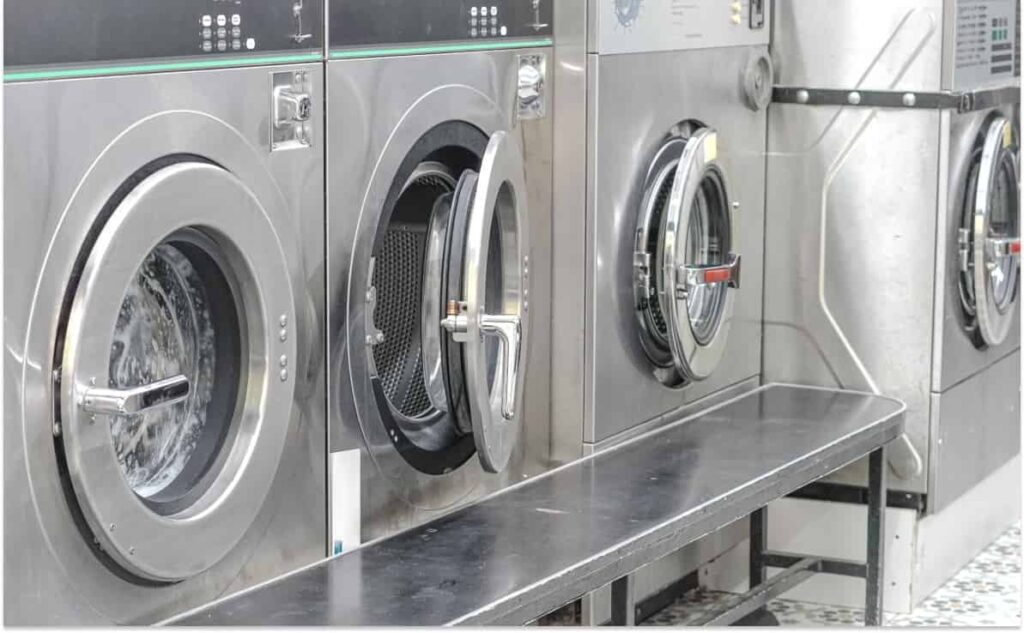
Enzyme processing is a modern biological treatment process that uses catalytic proteins to delicately alter the surface characteristics and structure of fabric fibers. This is not only an aesthetic solution but also a major step forward in protecting the textile industry’s environment.
1. Concept And Mechanism Of Enzyme processing
Enzyme processing is the process of using organic enzymes (mainly Cellulase) to perform controlled decomposition of suspended cotton fibers on the fabric surface. Instead of using strong physical rubbing, enzymes act as microscopic “biological scissors,” cutting cellulose bonds at the most sensitive points.
This mechanism helps clean the fabric surface uniformly without damaging the inner core of the fiber. As a result, we obtain fabrics that are softer, smoother, and have a more natural drape than the original raw fabric, meeting the strict sensory standards of modern users.
1.1. The Biological Nature Of Cellulase Enzyme
Cellulase is the most common enzyme used in the textile industry to treat cotton and cellulosic fibers. They have the ability to recognize and attack glycosidic bonds in cellulose molecules, helping to “abrade” the outermost layer of the fabric fiber as gently as possible.
Applying biology to washing technology makes the process smarter because enzymes are highly selective. They only act on excess fibers (pilling) without destroying the entire fabric structure, which helps maintain the physical durability of the product even after many complex processing cycles.
1.2. Transformation Of Physical And Chemical Properties After Washing
After undergoing the Enzyme processing process, the fabric surface structure changes significantly in terms of light reflectance and moisture absorption. The removal of tiny stray fibers helps the fabric become brighter, minimizing uneven light refraction and creating a luxurious look for the garment.
In addition, Enzyme processing also helps expand fiber bonds at a molecular level, making the fabric more breathable and better at absorbing sweat. This is why t-shirts or jeans that have undergone Enzyme processing often provide an immediate comfortable feeling the first time they are worn.
2. Why Is Enzyme processing Gradually Replacing Traditional Stone Wash?
Before Enzyme processing became popular, Stone Wash was the only method to soften denim fabric, but it brought many consequences regarding cost and the environment. The appearance of enzymes has thoroughly resolved the limitations of using natural pumice stones in industrial washing drums.
Enzyme processing provides equivalent abrasion efficiency but with higher precision and less damage to equipment. Instead of dumping tons of pumice stones into the machine, one only needs a small amount of concentrated enzyme solution to achieve similar results, amazingly optimizing the production process.
2.1. Protecting Machinery And Production Equipment
Pumice stones, when rotated in the drum, create small stone fragments that scratch and wear down the mechanical parts of the washing machine. Switching to Enzyme processing helps extend the lifespan of the equipment, reducing periodic maintenance costs for the factory, thereby lowering production costs per product unit.
Additionally, Enzyme processing does not leave stone residue stuck in pockets or crevices of the product, saving time for manual inspection and cleaning after washing. This is a superior advantage that enhances labor productivity in large-scale washing workshops.
2.2. Controlling Abrasion Effects
With stone wash, the abrasion effect depends heavily on the shape and quantity of stones, often causing inconsistent results between wash batches. Meanwhile, Enzyme processing allows technicians to precisely control the level of fading by adjusting the concentration and biochemical reaction time.
This stability is extremely important for export orders requiring high color consistency across different sizes and batches. Enzyme processing eliminates the element of chance, helping manufacturers confidently commit to the most accurate quality with global partners.
3. Superior Aesthetic Benefits Of Enzyme processing
One of the reasons Enzyme processing is favored by fashion designers is its ability to create diverse and sophisticated surface effects. From the smooth look of high-end shirts to the rugged look of jeans, all can be achieved thanks to enzymes.
This technique creates a smooth fading effect without making the fabric coarse. Products through Enzyme processing often have a natural beauty, not “stiff” like chemical bleaching methods, helping to elevate the brand value of the garment.
3.1. Bio-polishing Effect (Surface Cleaning)
Bio-polishing is a process using enzymes to remove tiny micro-fibrils protruding from the fabric surface. This not only helps the fabric look cleaner but also fundamentally prevents pilling after long periods of use and home laundering.
3.1.1. Improving Color Sharpness
When the fabric surface no longer has fuzz, the color molecules beneath the fiber layer are revealed more clearly. Enzyme processing helps deep colors like Navy, Black, or Burgundy become deeper, more vibrant, and have stronger visual appeal for customers.
3.1.2. Creating Natural Shine For Cotton Fibers
Cotton fabric after Enzyme processing often has a slight shine similar to silk or mercerized fabric but at a much lower cost. This shine brings a high-end look to basic product lines that still need sophistication in every detail.
3.2. Creating Artistic Vintage And Faded Effects
In the denim segment, Enzyme processing is the “magician” that creates scuffs on pocket flaps and hems in the most authentic way. These faded marks look as if they were created through years of natural use, bringing soul and a story to the garment.
3.2.1. Seam Abrasion Effect
Enzymes concentrate their attack on compacted fabric areas at the seams, creating vibrant color contrast between the dark background and light edges. This is a characteristic highlight that helps Denim garments become more personal and stylish.
3.2.2. Characteristic Soft Handle
No method creates natural softness for fabric like Enzyme processing. The soft, smooth drape when touching the fabric is the result of restructuring fiber loops at a microscopic level, providing an absolutely comfortable wearing experience for the user.
4. Absolute Environmental Advantages Of Enzyme processing
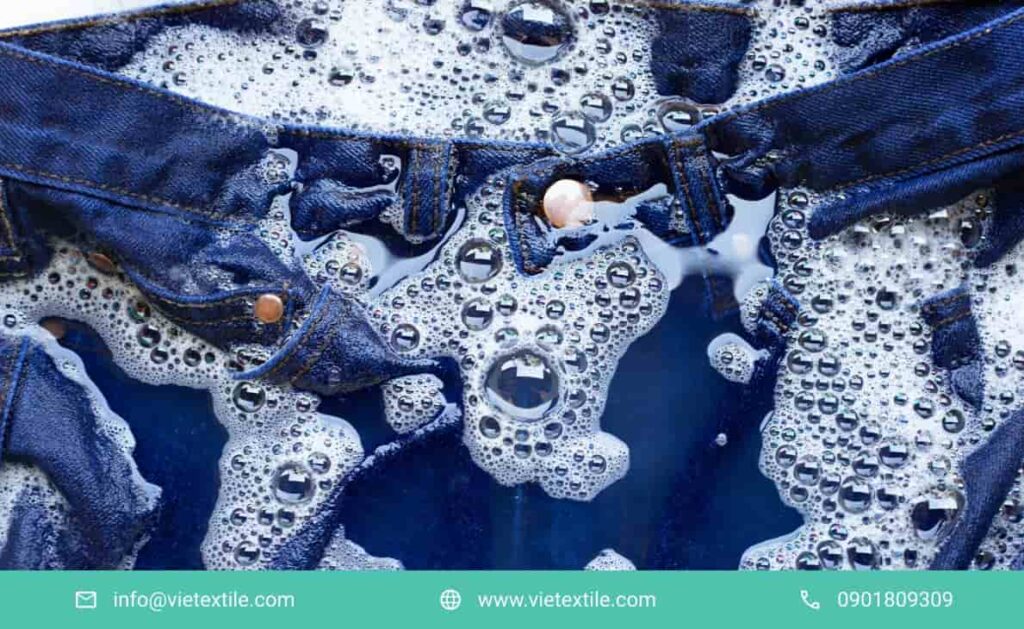
The textile industry is under great pressure to minimize wastewater pollution. Enzyme processing is considered a “lifesaver” due to its biodegradable biological nature and ability to operate effectively under resource-saving conditions.
Instead of using toxic chlorine-based chemicals or acids, enzymes are organic substances safe for the ecosystem. After completing their catalytic task, they can be inactivated and discharged into the environment without causing serious biological imbalance like inorganic compounds.
4.1. Saving Water And Energy
The Enzyme processing process usually requires fewer water rinses than chemical or stone washing. Because there is no dirty stone dust clinging to the fabric, the amount of water needed to clean the final product is significantly reduced, helping to protect precious water resources.
4.1.1. Operating At Low Temperatures
Many new-generation enzymes can operate effectively at room temperature or mild warmth (40-50 degrees Celsius). This helps factories cut down on huge electricity consumption for heating water, directly reducing the carbon footprint of the production process.
4.1.2. Shortening Wash Cycles
The rapid biological impact of enzymes helps shorten the machine running time for each wash batch. Shorter rotation time not only saves electricity but also minimizes unwanted shrinkage and deformation of the fabric, especially sensitive knitted lines.
4.2. Minimizing Solid Waste (Stone Sludge)
Eliminating pumice stones in the washing process means completely eliminating the huge volume of stone sludge that clogs drainage systems. This is a major plus point helping businesses easily achieve international green certifications.
4.2.1. Eliminating Fine Dust In The Working Environment
The traditional stone washing process disperses a lot of fine stone dust harmful to the respiratory system of workers. Switching to Enzyme processing helps improve working conditions, protects worker health, and builds a more humane corporate image.
4.2.2. More Microbial-Friendly Wastewater
Wastewater from Enzyme processing contains biodegradable organic compounds, reducing the burden on the industrial park’s centralized wastewater treatment system. Microorganisms in the treatment tank can easily consume enzyme residues, helping the output water meet safety standards more quickly.
5. Common Types Of Enzymes In The Fabric Washing Industry
To achieve different effects, technicians must understand and choose the appropriate type of enzyme. Each type has an optimal operating range of pH and temperature, requiring absolute precision in formulation.
Classifying enzymes helps standardize wash denim knit or wash cotton processes, ensuring product stability. At VieTextile, we always update the latest enzyme lines to advise customers on the most optimal solutions for cost and quality.
5.1. Acid Cellulase (Acid Enzyme)
This is a traditional enzyme with strong activity, usually operating at a pH of 4.5 to 5.5. They bring rapid and powerful abrasion effects, ideal for Denim product lines needing high color contrast.
5.1.1. Advantages In Abrasion Speed
Acid Cellulase helps achieve the desired fading effect in a short time. However, technicians need to strictly control the time to avoid excessively reducing the fabric’s strength due to the enzyme’s strong impact on the cellulose structure.
5.1.2. Risk Of Back-staining
A disadvantage of Acid Cellulase is that it easily causes Indigo dye to re-adhere to the white parts of the fabric or into pockets (back-staining). Therefore, the process of using this enzyme usually comes with specialized anti-back-staining agents.
5.2. Neutral Cellulase (Neutral Enzyme)
Neutral enzyme operates at a pH of 6.0 to 8.0, bringing a gentler and more sophisticated impact. This is an increasingly favored type of enzyme because of its safety for fabric fibers and ability to minimize the back-staining phenomenon.
5.2.1. Maximum Fabric Durability Protection
Since it operates in a neutral environment, this type of enzyme causes less physical degradation to cotton fibers. This is particularly important when treating thin fabrics, knitted fabrics (knit), or high-end fashion lines that need to maintain a stable shape after Enzyme processing.
5.2.2. Absolutely Smooth Surface Effect
Neutral enzyme is extremely effective in bio-polishing, creating a perfectly clean fabric surface without changing the original color tone too much. This is the number one choice for polo shirts, t-shirts, or chinos needing a luxurious and elegant look.
6. Important Notes When Performing Enzyme processing

Despite many advantages, Enzyme processing is not a universal “magic wand.” This process requires a deep understanding of impact factors to avoid damaging fabric or wasting chemicals.
Each fabric batch has different characteristics regarding weaving density and dyeing methods, so the Enzyme processing process needs to be flexibly adjusted. Errors in controlling temperature or pH can make enzymes useless or, conversely, rot the fabric completely.
6.1. Controlling pH And Temperature Parameters
These are the two factors deciding the “life” of the enzyme. If the temperature is too high (above 70 degrees Celsius), the enzyme protein will denature and completely lose its activity. Conversely, if the pH is not within the allowable range, the enzyme will not be able to adhere and catalyze the fiber decomposition reaction.
6.1.1. Using Stable pH Buffer Systems
During Enzyme processing, the water pH can change due to chemical residues from previous steps. Using buffer solutions helps keep the environment stable, ensuring enzymes work continuously and uniformly throughout the wash cycle.
6.1.2. Automatic Temperature Monitoring
New technology washing machines integrated with automatic temperature measurement and adjustment systems are powerful tools for the Enzyme processing process. A temperature fluctuation of even 5 degrees Celsius can completely change the final abrasion effect on the product.
6.2. Enzyme Deactivation Process
After achieving the desired effect, enzyme deactivation is mandatory to prevent them from continuing to “eat” the fabric during storage or when customers wear the product. If not stopped in time, the fabric will continue to weaken over time.
6.2.1. Deactivation By High Temperature
Raising the water temperature above 80 degrees Celsius for 10 minutes is the most common method to completely kill enzymes. This is an important step in the Enzyme processing process to ensure long-term durability for the garment after leaving the factory.
6.2.2. Deactivation By Changing pH (Soda Ash)
Using Soda Ash to raise the pH to a strong alkaline environment is also an effective way to stop the enzyme reaction. This method usually combines with bleaching or neutralization processes to completely remove chemical residues on the fabric surface.
7. VieTextile – A Leader In Enzyme processing Technology In Vietnam
At VieTextile, we consider Enzyme processing a core part of the high-quality textile supply chain. We constantly research to optimize washing formulas for each individual material, from raw Denim to sensitive Denim Knit.
With a highly experienced technical team and a modern Lab system, VieTextile confidently brings customers leading Enzyme processing solutions. We commit to creating products with absolute aesthetics, a soft hand-feel, and stability in technical specifications.
Partnering with VieTextile, partners not only receive beautiful products but also contribute to the common environmental protection efforts of the textile industry. We use international standard biological enzymes, helping your products easily pass the strictest tests to enter the world market.
8. Frequently Asked Questions (FAQ)
8.1. Does Enzyme processing thin the fabric much?
Enzyme processing does reduce fabric weight slightly by removing surface fibers, but if the process is well-controlled, the fabric’s strength is completely guaranteed. In fact, fabric after Enzyme processing is usually more durable in the long run.
8.2. Why are high-end t-shirts often labeled “Enzyme processinged”?
This is an affirmation of quality. T-shirts that have gone through Enzyme processing will not pill, have higher colorfastness, and feel cooler and much softer than mass-market goods.
8.3. Is Enzyme processing more expensive than chemical washing?
Enzyme chemical costs may be higher, but overall, considering water, electricity, and time savings and reduced defect rates, Enzyme processing brings higher economic efficiency for mass production.
8.4. Can Enzyme processing be performed at home?
It is very difficult, as industrial enzymes require strict control of temperature, pH, and machinery with high centrifugal force to achieve the highest efficiency.
To receive in-depth advice and detailed quotes for professional Enzyme processing services, contact VieTextile today!
Contact information:
Hotline: 0901 809 309
Email: info@vietextile.com
Website: https://vietextile.com